Become a Creator today!Start creating today - Share your story with the world!
Start for free
00:00:00
00:00:01
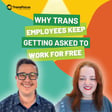
What People Get Wrong About Trans and Non-Binary People image

What People Get Wrong About Trans and Non-Binary People

S1 E45 · Gender in Focus
Avatar
29 Plays13 days ago

From “it’s just a fad” to “you can tell who’s trans just by looking,” misconceptions about trans and non-binary people remain widespread - and often confidently repeated.

In this episode of Gender in Focus, Kai and El unpack some of the most common myths about trans and non-binary identities, exploring where these ideas come from and why they persist.

We explore how gender diversity has always existed across cultures, why trans and non-binary people are often misunderstood, and how language, privacy and beauty standards intersect with inclusion.

Whether you’re learning about gender diversity for the first time or looking to strengthen your allyship, this episode offers clarity, empathy, and practical insights to help move beyond myths toward meaningful understanding.

🎧 Listen to “What People Get Wrong About Trans and Non-Binary Folks” and follow Gender in Focus for more conversations on inclusion, allyship, and building safer workplaces for everyone.

Key themes: gender diversity, trans and non-binary inclusion, allyship, language and pronouns, inclusive workplaces, psychological safety, bias and perception, and cultural change.

Study mentioned: Enacted Stigma, Mental Health, and Protective Factors Among Transgender Youth in Canada (Veale et al 2017


#TransInclusion #GenderDiversity #LGBTQInclusion #Allyship #InclusiveWorkplaces #PsychologicalSafety #DiversityAndInclusion #InclusiveLeadership

__________
We want your feedback! Got some ideas about how we can improve the podcast?! We’ve made a short, painless survey to find out what you think, what you want more of... and what topics you'd love to hear us cover next. Let us know your thoughts
here
___________

Want to get in touch? Contact us at podcast@transfocus.ca
Recommended
Transcript

Introduction to TransFocus Consulting

00:00:04
Speaker
Welcome to the Gender in Focus podcast. I'm Elle and each week I get to ask Kai Scott, the president of TransFocus Consulting, all the questions you have ever wanted to ask about trans and non-binary people in the workplace and in the wider world.
00:00:18
Speaker
Gender diversity has always existed. It's just more or less visible at given times. And we know this through looking at history of Indigenous peoples here on Turtle Island. And there too, we have long traditions. There were people that had places and roles and responsibilities and were kind of factored in into everyday life.

Myths and Misconceptions About Trans Identities

00:00:46
Speaker
the beauty standards that we have are so you know focused heavily on cis people they're also focused heavily on white people they're also so heavily focused on you know x y and z type of person that you should all aspire to be and if you're not that then therefore you're not beautiful it's just such nonsense and um i think we could all do with letting that go a little bit yeah
00:01:09
Speaker
Welcome to today's episode where we're diving headfirst into some of the most common and most confidently held misconceptions about trans and non-binary people.
00:01:19
Speaker
Perhaps you've heard them something like, it's a new thing, or i can tell who's trans just by looking at them. Others go a bit deeper. It's a mental illness. Trans people don't know who they are, but somehow others do. We'll unpack the persistent myths that trans people must pass, the casual violations of privacy, and why they them is, and always has been, a solid grammar.
00:01:45
Speaker
We'll also take on the stereotypes baked into beauty standards and strength and ability, the idea that trans women can't be beautiful or that trans men can't excel in things like sports.
00:01:56
Speaker
In this episode, we'll not just debunk myths. We're opening up space for clarity, nuance, and more grounded understanding of gender than the headlines ever offer.
00:02:07
Speaker
Let's get into it. I'm really excited to talk about this with my coworker, Elle, how are you doing today? I'm doing so well, thank you, Kai. How are you?
00:02:19
Speaker
Excellent. I'm also doing well, yeah, and really interested in this topic because comes up quite a bit. It does come up quite a bit. As somebody who does the social media for Transfocus, the misconceptions come firing at me in the comments section nearly every day. So I'm pretty pretty interested in this topic. And there are so many misconceptions, so I don't think we'll even get to...
00:02:42
Speaker
cover all of them today maybe we'll have to do a part two because there are so many and the one that I kind of wanted to start with if that's all right with you is the the one that you mentioned in your intro just then which was that it's a new thing that this is just like trans people have just suddenly in 2000 and what 12 popped up and started existing ah so that's a misconception I would love you to to talk about first Yeah, that's a good one. And it's almost like Laverne Cox on Times Magazine, or i can't remember if it was Times or some other magazine. That was the moment that trans people started to exist.
00:03:21
Speaker
She brought them forth. no And certainly I appreciate that for many, gender diversity is a relatively new topic. And it's okay for something to be new to someone. But it doesn't necessarily mean that it is new entirely.
00:03:39
Speaker
ah So that's a distinction but that people can own if it's new to

Risks and Challenges in Coming Out

00:03:43
Speaker
them. That's okay. And they want to learn more and dive into it and whatnot. But that just because something is new to someone then also means that it's never existed before is quite a leap. Right. Yeah. So what has happened though, which is quite sad and difficult kind of history for us to realize is that unfortunately it has not been safe. And even to present, it can not be safe for people to be trans and non-binary. So people have had the very difficult calculus of like, do I share this with people? Or do I not? And for a long time, people did not, because it would cost too much.
00:04:28
Speaker
And it did cost a lot for those who did come forth and share more. um Open ridicule, losing jobs, losing family, you know, people can look at that long list and understandably be afraid of taking that step of coming out of the shadows or coming out of the closet um as as themselves. And so,
00:04:49
Speaker
Gender diversity has always existed. It's just more or less visible at given times. And we know this through looking at history of Indigenous peoples here on Turtle Island. And there too, we have long traditions which were interrupted by colonization um or destroyed, set very sadly. But there people that had places and roles and responsibilities and were kind of factored in into everyday life or even in kind of deeper way into ceremony um and perhaps in some settings, you know, shamanistic healing.
00:05:30
Speaker
So, and we know this around the world too, and we could have so many more examples that I could share. Every country, every tradition has some place, even if it's perhaps hidden or driven underground by various forces. And on that, then there is sort of combined with the idea that it's a new thing is also that it's a sort of fad or people are going through a phase or, um, yeah, that kind of icky. no What, what, what, can what word can I use? That kind of sort of rhetoric around, around that.
00:06:05
Speaker
Um, could you go into that too? Yeah, that's an understandable response because it doesn't feel great. Um, least not for me when I hear that. it's a Even if people don't intend for it, it ah often has a dismissive attitude with it. It's not just that people are saying it. It's like, well, that can't be the case because

Identity Validation for Trans Youth

00:06:27
Speaker
you're just following everybody else.
00:06:30
Speaker
um And there's a few different things that are baked into it, even if people don't realize what they're saying. um Usually it is somehow there's a follow up piece to where people might point to where the fad is existing. And oftentimes people say, oh it's online. right? And the type of social media that somebody is consuming or, you know, what's happening in school and what people or kids are talking about. This is often stated for youth in particular, but it also is something that people say towards adults. And it often is really harmful because this is something that somebody wants to share and then to have this type of response in return that can really shut things down where they may have gone online, but that's where they found community and a place where they started to piece together their own, you know, what they've seen and felt within themselves for so long, but had no language for and no point of reference, right? They just know that something's off. They know it's related to their gender. It's scary to even go there. But when there's places like online communities where people can think that through, it's not coming from nowhere. It's it's something that's already inside, but then better understood in communion with others. And so these are some of the dynamics at play.
00:07:59
Speaker
And whether or not there was a community, people would still be wrestling with it and or still coming to terms. um So, but just just harder for folks to do that.
00:08:10
Speaker
And so the it's a fad is largely not indicative of what's actually happening. So people are realizing very deep truths about themselves and wanting to share that with others. And unfortunately, this type of response can be quite harmful. Mm-hmm. You mentioned trans youth and, and I kind of think that that is paired so closely with, with it's a fad. So more on an, on an individual basis, sometimes people see, especially a young person coming out or thinking about their gender in some way and it being treated like, Oh, they're just going through a phase or, you know, how can they be sure? And, and sometimes people have to struggle with their sort of caregivers or family or friends or whatever. for quite a long time before they're taken seriously. And it's like, how long does someone have to struggle before you believe who they are?
00:09:03
Speaker
Yeah, yeah, yeah. It's such a good point that people may not realize they're kind of holding out, taking somebody's identity seriously for years.
00:09:15
Speaker
years upon years sometimes. And oftentimes cisgender people don't have their gender question. They do sometimes, right? Because there are differences between gender expression and gender identity.
00:09:29
Speaker
But I think it's kind of um on on speed with trans and non-binary folks, particularly youth, where um if you have a caregiver who may not fully understand what it means to be trans and non-binary, will just discount it forever and a day. And while, you know, the youth is trying to kind of live live their lives and um that family connection is super important. um Even if ah caregivers don't fully understand it, that's okay. That's not what's being expected of you, but it's more that you're, you're able to connect with ah the youth to like, be like, tell me more, like if you want to, like, what, what's this, how, what does it feel like? What are your experiences? And, not necessarily how do you know, because that comes from a like almost interrogation style yeah approach, like, you know, prove to me that you are. It's more like being curious and being open. And yeah, I can appreciate, especially for caregivers, you know, there is fear there, right? Because there's quite a bit of mistreatment of trans and non-binary folks and We don't wish mistreatment on our family members and almost want to protect them from it. This feels almost easier to dissuade a child from what's innermost about them, their their identity, rather than figuring out how to, you know, make the world a better place. Right. But I very much invite folks to um to kind of steer clear of that type of approach, because that will shut down most likely. um
00:11:05
Speaker
trans and non-binary youth, and they won't want to talk about things if that's the approach, versus an open door can reveal a lot more along the way.

Privacy and Misconceptions of Visibility

00:11:17
Speaker
And so, yeah, so those are some of the thoughts I have. I don't know if you have any to add into the mix, but those are really important. No, I need that.
00:11:26
Speaker
It is. and And only that there's, I can't remember the stats exactly, but there are ah really scary statistics that show about how having known it's hang on, wait, I've confused myself. You're the you're the stats person.
00:11:43
Speaker
I think you're referring to the stats that are positive when there's a supportive um adult. Even like one, even one supportive adult in your life who will completely flip the statistics in terms of um depression and suicide rates amongst trans youth. So yeah, yeah that's, you're right. That's what I meant. Well, the contrast between the two, it's like supportive versus um um not supportive adult. And it doesn't necessarily have to be a parent, right? It can be or a caregiver. It's any adult. It could be a teacher. It could be a coach. um
00:12:21
Speaker
But yeah, that's kind of four times more likely to have good or excellent mental health outcomes. Like four times. Yeah. Just being there and being open and thoughtful and Yeah, that seems like pretty small lift for such a benefit, right? So, yeah.
00:12:41
Speaker
I think that's like on the the fear of of people hearing trans youth talk about their gender and and worrying about the outcomes. and Actually, yeah, by giving that support, your it's almost counterintuitive, but by giving that support and believing them when they talk about it, or just showing some kind of interest in it, um or curiosity, that you're way more likely to to see those positive outcomes. Yeah, yeah, tip the balance.
00:13:08
Speaker
who And that sort of slides into another ah misconception that you mentioned in the introduction, which is when people are saying that they're trans and other people are saying, no, you're not. There is this kind of arrogance around like, no, I i see that you are this gender. You saying that you are a different gender is not right because I i know this about you. It's such an arrogant perspective.
00:13:33
Speaker
And ah yeah, I wondered if you could go into that. Yeah. And it's like kind of baffling when we either read about it or personally experience it.
00:13:45
Speaker
It's like, especially given that many trans and non-binary folks take years, maybe not everyone. Some, some people are perhaps more, you know, able to click into it and realize it quicker.
00:14:00
Speaker
But I'll speak for myself. It took a long time to piece it together, given how much so in society is taught about you basically are what you're born. And that's it. End of story. And it's like, even though there's a lot more inside that speaks against that or in a different way. And so... um when people kind of say, no, you're this. And after having to spend a lot of years, you know, struggling and, you know, processing and looking for information and like, this does not come lightly or easily or quickly um for many. And so just to have somebody be like, nah, It's like, okay, wow. yeah um You don't know what it's like to be me or another trans or non-binary person. And there's kind of a lack of humility around or even like a curiosity to be like, well, maybe I missed something. um I don't quite understand or ah have a hard time imagining what that would be like. um But let me try to, you know, at least look at it. Right. But sometimes there's just like a kind of a shut door approach where it's like, um no, you're this and we're just going to like keep you in that box. And yeah, anything else to the contrary, I'm going to dismiss and it's not accounted for. Like, okay.
00:15:30
Speaker
Yeah. Yeah. It's a very bad approach. Yeah. It's an odd way to go through life, I think. Yeah. Yeah. And I would encourage folks who either have, they're personally in that place or they have people in their lives who are in those places. is just to have them think about something that other people don't understand about them.
00:15:53
Speaker
And then how quickly there's a perhaps an opportunity for a compassion bridge to see, okay, what does it feel like when people discount or deny or dismiss what I'm sharing with them, right? Right. It doesn't have to be about gender, any any any other topic where there's been deep reflection you know, coming to terms with something, some aspect of oneself. Maybe it's um about a different way of learning, you know, like just something where it others have dismissed that, you know, um and the difficulty that comes from that kind of thing. We all, I think, have some or one or two of those examples that we can draw and realize, oh, yeah, i could see why trans and non-binary folks might be upset by that type of yeah um discourse.
00:16:46
Speaker
Yeah. With that kind of dismissal of trans and non-binary people's experiences comes another misconception that is just, um it's a mental illness. You're not well and you need to go and get help somewhere and then you'll be back to normal. And ah that's in air quotes, by the way, for people who are listening. And... ah you'll be back to normal and back to you know the way things should be and there's almost like to me it feels like a clinging on of like no my understanding of the world is being disrupted so I'll just dismiss that as a mental illness and so yeah I wondered if you could

Societal Beauty Standards and Impact

00:17:19
Speaker
give some insight there
00:17:20
Speaker
two Yeah, it's almost like an easy way out, um even though it's not easy for the trans or non-binary person to read or see that, but easy for that person. If there's a cognitive dis dissonance, um it's like a quick...
00:17:37
Speaker
a thing to go to mental illness. And certainly, you know, in the past, it has been treated as such. So it's not even some a big reach, right? Society so primed to think of other as like, how had or pathological or in some way not normal and therefore to try to redirect somebody. Very common in parallels with addiction as well, right? People are like, well, it's just something you have to handle. You have this, but you need to be kind of deprogrammed or redirected out of this kind of, in their minds, behavior, right? Versus like right something that was someone is, right? It's a very different approach. And so Yeah, the mental illness one comes up a lot, particularly ah in social media discourse, people misunderstanding it as a um mental illness versus understanding that this is a normal part of human diversity in general. It's just...
00:18:42
Speaker
People have a different, um you know, inner understanding of themselves compared to what were they were assigned at birth or thought to be at birth based on their bodies. And that our bodies are not the final say necessarily.
00:18:59
Speaker
And more to the story with ah all kinds of other factors, right? So the mental illness is for me a bit... um Incomplete. It's not incomplete because it's not true, but just um it's too too easy, too quick um and um doesn't give a view to the richness that exists there if people are willing to look.
00:19:27
Speaker
It feels quite lazy to me that reach to mental illness and I think that that extends beyond just um people saying it's a mental illness but like when you were saying about how historically and actually I say historically but really not very long ago and still in some places now it is treated like um like a mental illness that is to me more indicative of the laziness of people.
00:19:51
Speaker
ah society rather than like misunderstanding like nobody really even bothered to learn it was just like no we have our restrictions and this is how gender works and if you don't fix and like fit into that then there's something wrong with you rather than like oh that's interesting that we have these rules and there are some people outside of that it's just pure laziness ah in my mind at least Yeah, it's so true. And if I think about, you know, back when I transitioned or came out for the first time, I was diagnosed with gender identity disorder. Like what? Really? Yeah, yeah. The OG designation or diagnosis. Right now it's gender dysphoria, right? Yeah, yeah, yeah. Having a difference between one's gender identity and social roles or or or body um and trying to, you know, with various measures, various options, address that discomfort or distress. But back in the day, it was a disorder. Yeah. And that felt really not great. Right. Because I'm coming to this very exciting, having pieced it together over many years, and suddenly I get this label slapped on me and I'm like, oh, you know, like, But it feels later you yeah it feels like you're being told there's something wrong with you rather than just, oh, this is an interesting thing about me. yes That's such a ah wild thought. I know.
00:21:14
Speaker
Yeah. And that's say that's from kind of a more pathological approach, right? And you know for many, it's like, okay, let's jump through the hoops of whatever the medical system is set up to be able to get to what we need, right? Right. So we do it, but it doesn't feel great along the way, especially with all these types of things that kind of either subtle or very obvious, like something wrong with you or, you know, the matter that we have to like, I don't know, correct for somehow. Yeah. So it's it' just kind of baked in to the system already.
00:21:52
Speaker
Mm hmm. Let's say you've found out, you've discovered that somebody is trans. They've told you they've shared this information with you. And often when people meet trans people, um they are the first trans person they've met or they maybe will only meet like a handful of trans people in their whole lives. And so it can be a bit, um I don't know, is exciting the right word or like there's just a lot of curiosity around it. Is that is that fair to say that you can be met with a lot of interest around this? And yeah,
00:22:27
Speaker
that can sometimes, because of people's interests, can lead people to be a bit blasé with this information. And they can be sort of, ah you know, maybe it comes from a good place, so they're sort of excited to talk about it, but end up kind of telling other people, like, oh, Kai's trans, or, ah you know, talking about this topic with other people. Maybe it's seen as, like, something a bit just, like, free to talk about. But it's actually super private for a lot of people. And so I was wondering if you could go into that aspect about how um privacy is really key when it comes to this. Yeah, yeah, it's so true. And it it stems from or what I imagine, and I'm always curious to hear from other folks if there's a different way of looking at this, but I think ah for many cisgender people, their gender is public, right? Right. largely in their minds visible right
00:23:23
Speaker
you can see you know i look feminine i look masculine and people can make assumptions based on that to what their gender identity is and so there's a bit more kind of like you were saying a bit more casual around it right um And we often, you know, share that information. well, it's the first thing we kind of share about somebody. You know, she's a woman that does x y and Z, or, you know, like, we kind forefront that information sometimes even.
00:23:52
Speaker
However, With trans and non-binary folks, because there's still quite a bit of stigma i um against trans and non-binary folks in society or just so many misunderstandings or, you know, um difficulties that folks are navigating, there can be a bit more caution. Of course, this is not everyone. Some people are really excited and want to talk and are okay with sharing, you know, like all of that. So I don't want to just say everyone is like this.
00:24:22
Speaker
But i would say there is more caution. And as a result, sharing whether one is trans or non-binary is more of a private matter, right? What somebody's identity is, is important to them, but not necessarily something that everyone needs to know um or is chosen on a case-by-case basis based on trust or some degree or sense of safety with a person or within an organization. So that's where um there is a bit of a cultural shift for cisgender people to be cognizant of these considerations, a bit of a calculus that trans and non-binary folks are often kind of real time doing most a lot of the time is to figure out, right? Even when I meet new people, of course, like very out, like, you know, it's part of my job. And if I email anybody with, you know, my it's at trans focus.ca right like so um you know so there's there's all this I am out however when I meet a new person I don't immediately you know say what I do i might have a few layers to how I share what I do right I might say I do equity diversity and inclusion work right does like a broad statement if I go across the border that's what I'm saying right like I'm not getting into

Assumptions and Pressures on Trans Visibility

00:25:49
Speaker
me being trans right so um because my job title can often automatically, at least people presume, right, which is pretty safe assumption.
00:25:59
Speaker
um All that to say is that um there's a lot for trans people, and so it's really important. Counter to the misconception is that this can be a private thing for folks and to be a bit more sensitive to that. um And if you're thinking of wanting to share, the most common one I hear is, you know, used to be Tom is now Tanya vibes, right? Yikes. People are maybe not even saying it outright, but people get together by the difference between those two names and how society um usually names folks based on those genders, right? So it's important not to be as cavalier, even if for you,
00:26:45
Speaker
as a cisgender person, it's like no big deal. But for for many trans and non-binary folks, it is a big deal. And they we want to allow them to do their own safety assessment because they probably figured out what works for them and how they want to navigate it.
00:27:05
Speaker
So, i yeah. It's something that it's like, ah for me, um my gender has always felt very intimate and very private. And even though not really, because I'm talking about it on a podcast all the time, but there's something about it that feels very, very intimate about like, maybe it's just the discussion of it that,
00:27:24
Speaker
um yeah I don't love the idea of it being chatted about I don't know it's such an odd that yeah like I don't know it feels odd to have someone have an opinion about about it like I don't know it feels it just feels very private so yeah it's it's odd um to think about that One of the the misconceptions that comes up a lot is I can tell who's trans just by looking at them. This comes up so much. And maybe that's, I don't know if you've seen a lot of that in Trans Focus's work, but it's something that I see a lot with my work in Trans Focus on social media. And so, yeah, I was wondering if you if you could go into that a bit more.
00:28:08
Speaker
Yeah, absolutely. so I want to split this into kind of a malicious approach and a kind of benevolent or positive approach to this um when people say this kind of thing. Because I don't think everybody's, you know, out to get trans and non-binary folks. Right. But yeah for the kind of more benevolent side of things, what typically people think, especially cisgender folks, they're like, okay, I will change my things based on seeing someone trans. Right.
00:28:35
Speaker
ah So they'll adjust things only when they think they're seeing a trans person and they think that they'll be able to identify every single trans person and be able to adapt accordingly. Because when we get requests for education, that's the the kind of perspective that people are coming from. They're like, okay, tell us what to do if we see a trans person. But the kind of thing beneath it is that they think they'll know when they see a trans person. Right. So it's just kind of it's a bit tricky.
00:29:04
Speaker
And I think because a many people, you know, myself included, are very visual. So we're like, OK, we'll be able to categorize based on how somebody looks. but We just that's our pattern. We're going to keep going with it. It's a good thing. Right. And I'm actually when we do education is actually going a little bit deeper than that.
00:29:26
Speaker
to say that actually you probably won't be able to identify. In fact, we have stats to say that the majority of trans people report that people don't know that they're trans, right? It's 56%. And so, you know, it's like a slight majority. And so it's not always visible or obvious. And so, That's where you have to have a different strategy that isn't kind of based on looks. it' And in doing so, we we prevent missing some people and we also make sure we we handle folks that we do know. So there's the but benevolent side of things, but there's also the malicious.
00:30:07
Speaker
And here it becomes more harmful. where people online or just out and about in life think that they'll be able to identify trans people. And then, you know, usually it's kind of in relation to washrooms and will then say, okay, then I can handle the situation. Right. And right essentially in their minds, boot trans people out of washrooms. um That's their kind of modus operandi. Right. where they're thinking that they'll be able to, and certainly in some instances, people can, ah there are visibly trans folks, and then there is harm that is, um that when people kick out or make comment or make some big issue of a trans person in a washroom. Um, but there's also the other side of it where people misidentify ah someone as trans and they're actually cis, usually a cis woman that looks more masculine. And suddenly they're also booting them out of the washrooms as well. Right. So it has this harmful impact of like, oh, I, I think I can, I, I know, or I can know anyone that's trans based on how they look. is actually harming a larger group of people than just trans people in this instance. So it's whether it's the benevolent side or the malicious side, all of it doesn't work based on looks alone. And so the key message here is to shift to something um other than that, especially when we're thinking about interacting with one another, and we will only know if that person tells us what their gender is.
00:31:49
Speaker
This is something that we we get on social media. And one that kind of has made me laugh in the past is we sometimes get on our podcast clips of you and I speaking. We'll get comments um of people sort of trying to, i think the intention is to upset. Like they'll be sort of intentionally provocative with the with the words that they they're writing. And one that we get quite a lot is,
00:32:14
Speaker
just two guys talking like they look at us you and I speaking and and are sort of like oh it's two men speaking right the point that they're making is that I am a trans woman I think that's what they're getting at that you are a cis man and so that they have missed like they're trying to say like we can always tell but have missed it entirely and are exactly proving this point that you can't tell and the assumption is that One, that trans women aren't real women, but also that I'm a trans woman, which I'm not, but it's an insult anyway. And then also sort of categorizing me as therefore what they would say biologically male and then looking at you as a cis guy. And it's just fascinating to me. yeah
00:33:02
Speaker
the The point went so far over their head. It comes up surprisingly often. We'll get that. Yeah, people want to like call out the realness in their mind, realness, right? But then are off very, very often in some instances and sometimes can be inadvertently affirming towards trans. right and We have had comments of like, yeah of you, and like you will you'll never be a woman. And and it's like, right?
00:33:33
Speaker
Excellent. Done. yeah ah That is accurate. Yeah. I love it. And that's what you call an accidental ally. Yeah.
00:33:45
Speaker
With that, just the, um I can tell who's trans just by looking them or like, you know, people kind of making those assumptions about how people should look, how trans people should look. There is this, a few things then within that. And the one of them is that trans people should look

Beauty Standards and Broader Acceptance

00:34:04
Speaker
pass as cisgender in order to be valid and also within that that that is even the aim of of trans people um or of some trans people so I was wondering if you could go into that too yeah wooh that's a big one
00:34:18
Speaker
so People, in at least in society, we have a very strong notion that somebody's gender identity, how they feel internally ah or know their gender, versus how they express themselves, gender expression, what they' they look on the outside. And those in our minds need to be aligned or in society, I would say. um So if you're a man, you should act or present in masculine ways. If you're a woman, you should be you know feminine.
00:34:53
Speaker
And for non-binary folks, there's always this weird one around you should be androgynous, right? It's you got a map you know properly here, according to society.
00:35:06
Speaker
Chop, chop. And that is not the case for everyone. That might be the case for some. And that's great if that's authentic, cool. um but then there's a lot of pressure or expectations or comments, stares for the people who don't, whose gender identity doesn't align with their gender expression and can invalidate them, right?
00:35:31
Speaker
So some when I first came out, ah You know, I was like, not interested in, know, I was interested in like, you know still wearing kind of floral themed clothing. And that was like a big moment. And I was like, what? Like, some people even questioning why I wanted to transition if I didn't.
00:35:50
Speaker
you know, want to be completely masculine. And i was like, what? yeah That's bananas, right? These are two separate matters, how I relate to my body versus how I express myself, right? Or at least I hope we get to a society that has more space for this, you know, diverse, rich diversity that exists and not like really pressuring and forcing things upon people that aren't authentic. Right.
00:36:16
Speaker
So that means you know women are going to be more masculine, and that's whether they're trans or cisgender, right? like This is not just a matter for trans folks, um although it disproportionately impacts trans folks. And so this this kind of insistence is very pernicious and very difficult to manage for somebody to want to show up authentically, whether in the workplace or in their personal lives.
00:36:46
Speaker
oh And then on that sort of looking at beauty standards and one of the things that's very common is that the opinion that trans women can't be beautiful and what does that even mean? And also, um just, ew, what am I trying to say? Can you answer that?
00:37:08
Speaker
I like that. It's just you. I mean, that's pretty much all that needs to be said about it. and ah In some respects, ah people can have an incredulous response to a beautiful trans woman, right? Just like, holy crap, that that exists? Like, I didn't even factor that into my worldview, right? um But then also kind of similar to this this notion of passing, right, to to be more cisgender like that then you'll be accepted is also gross, right? And we don't want to have...
00:37:44
Speaker
people need to do that in order to be considered valid, right? So yes, there are trans women that are beautiful. um And there are also folks that don't align, nor do they want to necessarily, with those types of standards, right? um They love themselves for for how they look, what they, you know, um and maybe some want to live up to those standards, but for whatever reason, aren't able to. And that is also difficult ah path for them to navigate. And so just kind of relaxing on those for everyone's brain that can really go a long way um to making everybody's lives more let mean like just easier to live. no matter which kind of lane one finds oneself in, that can really open things up and we can celebrate the beautiful diversity that exists rather than like continuously hammering in people into very tight spaces that don't fit everything that they are. Mm-hmm.
00:38:50
Speaker
It's just so like this affects beyond as with all of this, actually, that so many more people are affected by this than um trans and non-binary people. But if we could all just relax our, because the beauty standards that we have are so, you know, focused heavily on cis people. They're also focused heavily on

Washroom Access and Identity Inclusion

00:39:07
Speaker
white people. They're also so heavily focused on, you know, X, Y, and z type of person that you should all aspire to be. And if you're not that, then therefore you're not beautiful. It's just such nonsense. And um I think we could all do with letting that go a little bit. Yeah, overhaul. And yeah, ah expanding the scope of of what is beautiful, which there's so much beauty, it's just we can't see it, or at least not by societal standards. So
00:39:35
Speaker
yeah we've mentioned washrooms previously and so like earlier in this episode also many episodes I think we've talked about washrooms um but one of the misconceptions or the ideas is that trans people should have their own washrooms or or sort of go in either either the washroom that is assigned to the like matching their sex assigned to birth um or that they should have their own special washroom for special trans people you can go in there and have a party i was wondering if right yeah i was wondering if you could go into that and sort of address that because it's pretty common i imagine you see that a lot of work Oh, yeah. In fact, sometimes I hear when people describe single unit washroom, they call it a trans bathroom. um And often we'll redirect folks actively to that, to say, don't come into the men's of women's because you've got your own, right? And right that's that's where you should go. So there's like it's really active policing of folks. And again, it doesn't just impact trans folks. It's also cisgender women, particularly.
00:40:43
Speaker
um So yeah, this this concept that there's a trans bathroom or that there ought to be one, as well as ah ah the solution for for all these these things that we're wrestling with.
00:40:55
Speaker
And um it's that kind of separate but equal approach, right? Yeah. And it's not to say that some trans and non-binary folks want to use a single unit washroom, of which, course, please um make that available for folks, right? So I don't want to discount the single unit washroom. But if that's the only washroom that we're directing trans folks to, there's a problem. Because, that of course, that is not what everybody wants to or thinks where they're proper places. So, ah yeah, if it's something you force on everyone, it does actually, in effect, out them as transgender. right There's one place that trans people ought to go and that does not solve the problem that, in fact, puts a bullseye on on trans people to be further harmed in the ways that they are in other places, right? Like you can pretty much target trans people if that's how the washrooms were set up, right? Yeah, absolutely. And that could create more violence. There's already a lot of violence and then there would be more. So that is not actually um a viable solution. um And again, not to say we do need single unit washrooms, right? That is an important option, but it is an option among many.
00:42:14
Speaker
And ah the other one, I'm trying to remember what, oh yeah, based on sex assignment. So then people, and certainly also being inscribed in law down in the United States and certain states where it is based on sex at birth and that's Some people think that that's like an easy solution, right? To clarify, just based on your body, and that's it, done.
00:42:40
Speaker
um However, that doesn't solve the issues because um if it's based on sex assignment, I'm going into the women's washroom where People would properly identify me as a man coming into the women's washroom, right? And so it actually doesn't change things.
00:42:59
Speaker
um You're still going to have masculine looking people coming into those washrooms um if it's based on sex assignment. So for me, there's a larger issue of like, how do we handle safety? And how do we determine that? And how do we implement that?
00:43:16
Speaker
Rather than being really hyper focused on looks and bodies, right? Because that's not going to solve the issues. Right. And so, and I don't think people think that through. They're just like, okay, bodies are easy.
00:43:32
Speaker
We'll do that. But it goes a layer further because, okay, are you go to have somebody at the door checking IDs, right? which case my ID put has mail on it. So just got to solve the problem. So it's this like, yeah.
00:43:45
Speaker
Are you going to do it based on sex assigned at birth and carry around my birth certificate, which also has been updated? You know, it's just like, is it based on what people's current sex characteristics? Like, it's just like, it it's very, it's very tricky very quickly in ways that people maybe haven't thought through.
00:44:05
Speaker
So the easier approach, one that we have in here in Canada, is is based on gender identity, self-determined, no need for IDs or changes or anything. It's just like you who you are who you say you are.
00:44:19
Speaker
And then if there are safety issues to handle, they're based on behavior. People are like, we know when something's unsafe because of how somebody's acting. Right.
00:44:29
Speaker
Staring, lurking, taking photos. Like all of these we know are inappropriate for washrooms and change rooms. And then we deal with them on that basis. Mm-hmm.
00:44:40
Speaker
And that's across the board, regardless of whether you're cis or trans, yeah. And everyone. behavior Yeah. And, you know, it's like, I don't think any gender or is exempt. Like, there are going to be some people of any gender that there are going to be problems, and you would want to be able to identify them properly. But, of course, the majority of trans and non-binary and cisgender folk are not causing problems.
00:45:06
Speaker
Right. So another misconception is that they, them pronouns are grammatically incorrect. And I was wondering if you could go into that too Right. Yes. Ah, yeah. Uh, so the singular use of they, them, um, as opposed to the plural use. So we're all used to using they for a group of people, but then people really struggle when it's for one person.
00:45:37
Speaker
And that's where they're like, whoa, wait a second. I've pumped the brakes. um right There's two things I'll say about it. One, we do in our common discourse, whether we realize it or not, we are actually already used singular use of they, them.
00:45:53
Speaker
for people that we don't know. It's like a stand-in. It's like, I don't know. This person's left to their pen. hope they come back and get it. Like we just have, we don't even think about it. We're just already you primed. So we're already using it.
00:46:07
Speaker
And then secondly, it has been in use in the English language at different parts. Probably you know less so in the last little bit, but certainly in the past more commonly. And so we kind of wax in and out of the multiple uses of this pronoun for different numbers of people.
00:46:29
Speaker
And so back in Shakespearean time, it was a very common use and perhaps fell out of use for a while and now it's back. Right. So, um but it is actually grammatically correct from a linguisting standpoint.
00:46:45
Speaker
And sometimes people create such a big hubbubaloo that um people choose other pronouns because of it. So it's it's actually quite harmful to say that.
00:47:00
Speaker
um And if people think it, I mean... Sure, then maybe just go and explore that a bit more to have a better understanding. But the thing is that we already use it, and we're just now not using it for trans and non-binary

Trans Individuals in Sports

00:47:14
Speaker
folks. And that feels like a little bit more targeted maliciousness. Right.
00:47:18
Speaker
Yeah, 100%. um This one, the next misconception, and it's the last one that um we have written down, but I don't know how to sort of segue into it. So I'm just going to jump in again, which is, ah yeah, the the one that you mentioned in the intro, one of the ones that you mentioned in the intro as well is that is about how so much of the focus of trans issues tends to be on trans women. And there is this sort of kind of, not necessarily ignoring, but just like dismissal of trans men and even like their abilities. And I mean, actually, I'm going to let you, I was going to say something. I was going to go on a whole thing about how rooted in misogyny that is. But ah if this idea that trans men can't be good at things, especially when it comes to things like sports, it's like the focus is trans women are threatening women's sports. But the conversation around trans men is just like non-existent almost. And so, yeah, I was wondering if you, well, I'm sure you do have thoughts on it, but if you could go into that.
00:48:24
Speaker
Yeah, yeah, yeah, that's a, that's a really interesting one. And and of course, personally, i find it fascinating as a trans man myself, right? Just, and I think that commonly happens where there's a hyper focus on one end of the spectrum versus the other, um and kind of on different topics. This one related to sport, um, there's like this over-focus on trans women, um which I think is disciplineplace is not properly placed, is actually not as much of a threat as people think, or their initial hunches. um
00:48:58
Speaker
But then the counterpart of that is that trans men are largely invisible, ah yeah or like not even thought of as contenders within sport.
00:49:09
Speaker
um at like high levels, right? Maybe, you know, rec beer league, but not not like, oh, wow, I got to watch out for for this competitor in my field.
00:49:22
Speaker
um And it's something that one of the more prominent um trans men athletes, um Chris Mosier, talks about a lot. And it's just like,
00:49:33
Speaker
This is a guy that went to the Olympics, right? And write for the U.S. team um as a triathlete. And ah so it's just like either not knowing, discounting, or sometimes even oddly enough thinking he's a trans woman. You know, like people just can't conceive of trans men being a competitive contender. Right. Right. And I think that also unlocks some of the discourse is that they are contenders. And so there is an influence of, you know, whether it's hormones or whatever choices people make ah for themselves with gender affirming care, those actually do have an impact on competitiveness. And and so if, you know, we're each, you know following the guidelines of whatever governing body it does translate to being comparable to um whether it' cisgender men or cisgender women. And I think that's where people get stuck is they don't think that there's anything that can change when it can. And where I found that personally to be the case, how I used to be with the Vancouver Frontrunners. And, you know, once I started taking testosterone, that did really help out a lot. And
00:50:52
Speaker
Did it really? yeah Yeah. And so I did actually start beating some of my cisgender pals and they were, um you know, a bit flabbergasted. Some of them, some of them were really gracious and are like, yeah, this is cool. But others are like, what? Yeah. Yeah.
00:51:11
Speaker
To the point where they said i was cheating and like sometimes jokingly. but Oh, i I took that seriously then. I was like, oh my gosh. You know when sometimes there's joking and then it could be like, hmm. Is that the truth is inside the joke? A little bit like you're, you know.
00:51:27
Speaker
And then i was like, no, what was the case is before i came out and that was the kind of more compromised position for me. Right. And then when I fully became myself, then I'm actually competing as a peer with you. And so um that's where the testosterone is key. Like, I'm not a testosterone-less man, right? Like, like why would you expect that of someone? So it was very bizarre um and really interesting, this kind of, these misconceptions around trans men in sport. And I think those could be actually helpful to hoping, at least in my mind, hopefully taking a bit of the pressure off of, or a lot of the pressure off of trans women. Because now we have studies that are coming out to show that
00:52:17
Speaker
After i think it's one year or two years, I'd have to go back to the study. um Their levels are comparable to that of cisgender women or comparable competition, competitive. Anyways, of course, that's a deeper matter, lots to unpack. But and there's variation across sport that I want to acknowledge. But all this to say that, you know, trans men have something to offer in competition. And, you know, watch out, cis guys.
00:52:47
Speaker
There was that boxer like a couple of years ago. Yes. That one, right. There's the trans guy. though What was his name? one I can't remember his name. Following him for a while. We'll put it in the show notes in case people are interested. yeah, there's just, there's a few, like a handful of examples.
00:53:03
Speaker
ah Some of them may not be fully visible to us because of course not everybody wants to be out in sport at this time when it's like a bit

Systemic Biases and Allyship

00:53:11
Speaker
bananas. Yeah. Because there's a lot of spotlighting that happens. So I think that's a part of it.
00:53:19
Speaker
And I'm curious to hear your thoughts on it with, I know there's a misogyny aspect to it. So I don't know if you wanted to speak to that. can Let me get on my... my throat yeah Well, I just think that that the it's all kind of rooted in for me, or this is my understanding of it, is that women are bad at sports and therefore a trans guy is not a real guy and therefore is bad at sport. There's this whole kind of intertwining of that um dismissal of women's achievements in sports and therefore...
00:53:55
Speaker
The misogyny and also transphobia rooted in the dismissal of trans men in sports too. without I could talk about this. This this could be like 10 podcasts for me, but that's the root of it that in my mind at least. It was a big part of that.
00:54:09
Speaker
Oh, yeah, absolutely. is ah And the even the protectionistic inclinations have that vibe in there. It's like we got the yeah the kind of tender, very, you know, fragile beings need to be protected. And then, yeah, of course, trans men get lumped into that as well. Right. so it's like, yeah, there's a larger thing at play for sure.
00:54:34
Speaker
Yeah, I think so. and Just especially and the way that that roots into also when it comes to trans women and um racism and just this sort of idea that women are fragile and a little bit rubbish at sports. And then you get like, it's, it's,
00:54:54
Speaker
not reflexive. And we've actually seen like, I don't know if you've seen this, but recently the Olympics are considering banning trans women from sports and also cisgender women with male levels of testosterone. And it's like, that's crazy.
00:55:10
Speaker
really what is that saying and and the way that we have such a narrow view of what it is to be a woman and therefore extend that into the way we treat trans men too because of this like disbelief that they are men and it just I just feel like it goes on and on and on and there's so many layers to that yeah Yeah. Yeah. The sports one in particular is there's there's so much to it, but it's bananas because even just from a, like a hormone hormonal perspective, especially with high performing athletes, there's like, there's those bell curves and they're overlapping between that across the gender spectrum. Right. So I'm just like, yeah, good luck trying to, you know, lop out a pretty significant portion of, you know,
00:55:59
Speaker
Women in sport. Well, we've, we've gone over like everything that we've talked about has been sort of like skimming the the surface of these. And I imagine that we do have some ah full episodes on these topics or some of these topics as well. um And we could definitely go into some of these topics and a bigger detail, the ones that we haven't recorded.
00:56:19
Speaker
So I can link those episodes in the show notes too. um But do you have anything else you wanted to add on this? Or if there are there any misconceptions we've missed, or mean, there are, there are misconceptions that we haven't covered. There's so many, but any ones that you want to touch on?
00:56:34
Speaker
Yeah. I, I just, just in closing, appreciate there's a lot of misconceptions and for some listeners who are cisgender, it might feel a bit daunting, right? Just be like, holy crap.
00:56:49
Speaker
there And maybe there's so much to unpack. and um And, you know, maybe I don't know all the misconceptions. And so maybe I should just study this and hold back. And so not wanting to make people scared on this topic, you know, i mean, it's good to think about the ones that we've raised, if they're new to you, to to think them through to kind of thoughtfully consider them. um But of course, if you don't know, then at some point, somebody will share, right?
00:57:21
Speaker
And so not to be too afraid of of, you know, going forward and continuing to be an active ally and whatnot. So yeah. Because people, or maybe you'll learn along the way if you watch YouTube videos or, you know, podcasts or listen to podcasts like this, you know, you'll you'll learn along the way. So not to be kind of, hopefully this is not kind of dissuading anybody from continuing on their journey. um And it's okay. It's not a personal thing. It's not ah some personal failing on your part to have these misconceptions. They're deeply baked in our society. And so it's more of a systemic thing. Obviously, we ah undo systemic things by our individual actions. So that is important. But yeah, hopefully it's not something that you kind of bear personally that, you know, we're just a part of a society that has thought this for a while. And so it's just one step at a time undoing that.
00:58:23
Speaker
Great. Thank you so much, Kai. Yeah, thank you. This was great to to work through at lightning speed. And yeah perhaps other episodes will deepen some of those thoughts.
00:58:34
Speaker
anyways, goodbye for now. Cool. See you. Bye.