Become a Creator today!Start creating today - Share your story with the world!
Start for free
00:00:00
00:00:01
Start Healing Together-Richard image

Start Healing Together-Richard

S1 E2 · The Blindsided
Avatar
101 Plays2 years ago

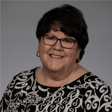
Mom Jackie Mancinelli tells the story of the pregnancy and birth of her son, Richard. Over a period of days Jackie experienced a fetal maternal hemorrhage which led to an emergent delivery. In this episode, Jackie addresses multiple issues surrounding her miscarriage and pregnancy, including outdated information found on the internet and family leave and benefits for mothers experiencing loss. 

Jackie was able to survive her experiences by keeping herself busy with an odd job, therapy, strong family and friend bonds, and building her own nonprofit- Start Healing Together.  

Jackie is a mom, wife, sister, fierce advocate, and high school English and ESL teacher in NJ. She is the founder of Start Healing Together, an organization dedicated to supporting educators experiencing pregnancy loss and infertility. She is also the New Jersey Ambassador for Count the Kicks. Follow Start Healing Together on Instagram and Facebook, and check out the website.

Thank you Jackie, for sharing your story. We are honored to have you in our community.

To read more about Jackie, you can visit our website here: https://theblindsided.com/latest-podcast-episodes/

To read more about Start Healing together, you can visit their website here:        

https://www.starthealingtogether.com/home

If you have a message for Jackie please email us at nicole@theblindsided.com or desiree@theblindsided.com

Thanks for listening!


Transcript

Introduction to Blindsided Podcast

00:00:00
Speaker
Hi, I'm Nicole and I'm Desiree. We are both mothers who run a support group for perinatal loss. Through our group, we have met many wonderful families and have had the honor of hearing about and sometimes meeting their beautiful babies. We noticed that families feel relief when they can share openly and feel seen when they meet others who are telling similar stories. So we created this podcast as a space for families to share the stories of their babies.

Mission of Honoring and Remembering Children

00:00:23
Speaker
We want to honor and remember these children. We want to help you navigate your life after loss. And most importantly, we want each story to give you hope. So please join us as we share these stories of grief and love.

Guest Jackie Mancinelli Shares Her Story

00:00:36
Speaker
Welcome to the Blindsided Podcast. Hi, everyone. Welcome to the Blindsided Podcast. I'm your host, Nicole, here with Desiree and Jackie. Hi, everyone. Hi, guys.
00:00:53
Speaker
Jackie Mancinelli is our guest here today. She's going to tell us the story of her son, Richard.

Journey of Second Pregnancy and Initial Challenges

00:01:00
Speaker
So Jackie, tell us about how you got pregnant with Richard.
00:01:03
Speaker
Maybe we can start there. Yeah, so Richard was actually our second pregnancy. Our first pregnancy, my husband and I decided we finally wanted to start a family. Figured it would be very easy, right? We always hear how easy it is to get pregnant. We fell pregnant and got almost to the end of the first trimester before I found out that I was having what's called a missed miscarriage.
00:01:33
Speaker
And so I ended up having a DNA for that pregnancy. So about seven months later, I fell pregnant with Richard. And we were terrified to be pregnant again, excited, but terrified because we were really worried that we would miscarry again.
00:01:56
Speaker
But once we cleared all of the ultrasounds, got through that first trimester, we figured that it was going to be really easy. And, you know, falling pregnant with him was fairly easy. I feel guilty saying that because I know how many families struggle, but that was really the only easy part of the pregnancy.
00:02:24
Speaker
How did you and your husband make the decision or come to the decision that you were ready to start a family? And how was your pregnancy? So my husband and I, when we decided to start having a family, we had been married for several years. Both were already, you know, several years into our careers. And I'm a high school English teacher. So when we began trying for a baby, I had already been teaching for maybe five or six years.
00:02:53
Speaker
and I was 28 at the time. So, you know, fairly young, I think, but we were, we had finished, like I finished my master's degree and I felt like I was ready to finally start having a family.
00:03:11
Speaker
And for Richard's pregnancy, it was pretty easy. I loved being pregnant. Everything, even like all the aches and pains, it felt okay because I'm a very petite person and watching my body grow, I sometimes looked in the mirror and felt like I was looking at a different person.
00:03:32
Speaker
But it was exciting. And as a high school teacher, my students thought it was hilarious, like how much my body was changing because I'm only four foot 10. So seeing like a beach ball basically underneath of my shirt was really crazy for them.
00:03:53
Speaker
And Richard was always incredibly active as a baby. So there would be times where I'd be standing in front of my class and my students would see his legs move. And some of the students would be in awe of it, but most of them were pretty grossed out by it. They thought it was the most bizarre thing. And then they were terrified. I was going to go into labor in the middle of class.
00:04:17
Speaker
they were so scared and they were like what do we do and they said it's you know well there are a lot of adults in the building we'll be able to get some help yeah so you called it you called it but the pregnancy you know it was um it was pretty good and lots of enjoyable moments my husband and I just really looked forward to you know bringing a baby home and starting as a family of three
00:04:43
Speaker
When did things change for you guys? Did you get a diagnosis? Did you ever get a diagnosis?

Unexpected Labor and Emergency C-section

00:04:48
Speaker
Actually, I went for my regular monthly appointment at 33 weeks along and perfect. I mean perfect heartbeat, totally normal growth, everything seemed to be fine for 33 weeks. We talked about my birth plan, what we wanted for delivery,
00:05:13
Speaker
we even talked about because we knew we were having a boy so we even talked about you know if we wanted to do like a circumcision or anything like we were really looking toward delivery but then uh 33 weeks five days
00:05:29
Speaker
as much as my students were worried about me going into labor. I did go into labor while I was teaching, but I didn't know I had gone into labor. I was having back labor and I thought
00:05:44
Speaker
Over the weekend, so beginning with Saturday before he was born, I had a stomach ache. I didn't really feel well, very fatigued. But again, 33 weeks along, I thought that would be normal. His movement had slowed. And like I said, he was a really active baby. He would normally get 10 kicks in just a few minutes.
00:06:09
Speaker
And I knew that his movement had slowed. I remember my husband and I were getting ready to go to a car dealership to buy a new family car, one that would fit this new car seat. And I drank orange juice. I laid on my side. I did everything that at that time I thought was right.
00:06:31
Speaker
I went on Google, I did not call my doctor, and I saw the outdated advice of 10 kicks in two hours.
00:06:41
Speaker
And then I figured, I know he's usually really fast. I'm small. Maybe he ran out of room, again, not accurate. And I thought it was fine. But that was like his first signs of distress. And then the following day on Sunday, I felt even worse. But again, I thought it was fine. I had a healthy appointment a few days before. So by the time I went to work on Monday,
00:07:08
Speaker
I was feeling pretty miserable. And then I had back pain just all day. And normally I don't sit very often at work, but I sat that day. And one of my students that I still keep in touch with now, he's like 24. I remember he looked across the room and he had mouths to me. He was like, are you okay? And then he stayed after class. He's like, you don't look well. Like you're sitting down. Like, are you okay? I said, yeah, I'm fine. I'm fine.
00:07:38
Speaker
And then I went to the doctors that afternoon because I called them. I said, I'm having back pain. I don't know what's going on. And the midwife that I had met with that day said she was a little bit nervous. And this was all after the fact. She didn't tell me at the time she was nervous. But they had me sit down for an NST. And so the non-stress tests and Richard failed like several of them.
00:08:06
Speaker
So he was hardly moving at all. So she was still trying to put on a brave face, but I could tell she was very anxious. And she said, you need to go to the hospital and get further testing. So I called my husband. I said, you know, I'm actually like having contractions. The baby might be coming.
00:08:28
Speaker
He didn't do well on the tests, but he'd meet me at the hospital. So he ended up meeting me, and I was monitored for several hours. And Richard continually failed all the non-stress tests. And then finally, we did a biophysical profile ultrasound. And he failed everything. And I remember looking at the screen.
00:08:58
Speaker
And since this was like our first almost full term pregnancy, we'd only had maybe two ultrasounds. So I remember being so excited to see him on the screen again. And then I'm looking and I'm watching the ultrasound technician's face and they're trying to put on a poker face, but I knew that he was barely moving. I could tell his heart was beating.
00:09:25
Speaker
But she just looked like she was not reading a very good scan. And then as soon as that was over, my midwife came over and said, he's in distress. He's not handling any of your contractions well. His heartbeat isn't coming back as quickly. We think that we need to do an emergency C-section. And we think that he just needs a little help from the NICU. So we think it's just better for him to come out.
00:09:53
Speaker
I'm terrified. This was not part of our first plan. We were just at school a couple hours before.
00:10:00
Speaker
So this was like a crash c-section and everything is all of a sudden moving very quickly. My husband throws on scrubs and you know, they are prepping me. They're saying, um, you know, congratulations mom and dad before we go into the OR. Everyone's still really happy and excited. And when we went into the OR, um,
00:10:31
Speaker
I couldn't feel any of the pain, but I could feel a lot of the pressure. So I knew that they were rushing because I had subsequent C-sections after this and they were not the same. So I know that it was rushed and it was silent when he was pulled out. There was no cheering. There was no bringing him over to me.
00:10:56
Speaker
Um, I could hear the midwife and my OB, um, talking about a lot of blood and they couldn't figure out where it was coming from. And I heard them ask if it was a placental abruption, like they're having this discussion and I have like the screen in front of me. So I can only hear bits and pieces of conversation. So I'm asking my husband, I'm like, can you see anything? Do you know what's happening? He has no clue.
00:11:23
Speaker
And this poor guy, we had a resident in the delivery room. This poor guy, he was maybe early 20s. And he's trying to kind of translate all the doctor speak for us. And I can tell he's really uncomfortable, but he was awesome for the whole time. That's great.
00:11:47
Speaker
Yes, so fast forward a little bit. What ended up happening was that the NICU team they usually have in the OR for C-sections like doubled and then tripled. There were so many people coming in and my husband's watching everything. I see everything happening in the flurry off to the side. I'm trying to figure out what's going on. I'm asking questions. No one's answering. And then they take Richard away, our son.
00:12:14
Speaker
And I tell my husband, like, go with him. Because he's not sure. Do I stay with you while you're having this major surgery? Do I go with our son? So I'm thankful that he did go with him. Because over the course of the next hour, the NICU team was trying to keep him alive. And what we learned was that Richard had suffered a fetal maternal hemorrhage.
00:12:43
Speaker
It was spontaneous. It's incredibly rare, but basically what happened was that all of his blood left his body and went through the cord, through the placenta, and then entered my bloodstream. So the stomach

Emotional Aftermath and Support Systems

00:13:03
Speaker
ache, the fatigue, the overall not feeling well, and then the preterm labor was all caused by that.
00:13:11
Speaker
So it can happen slowly. It's not something that like happens like all at once. So the way it's not studied very often, but fetal maternal hemorrhages often happen when there was a car accident. So it's spontaneous. It happens right away. This one they call spontaneous, but we can never know for sure. But the theory is that it happened over the course of two to three days.
00:13:36
Speaker
That's what my doctors have theorized, but I'll never know for sure. But that was the decreased fetal movement. It was him in distress, but I had no idea.
00:13:48
Speaker
Yeah. How would you, especially first baby, you know? Yeah. And then, you know, there's, there's always those things that you learn after the fact far too late. Um, but we'll talk about all of that. Cause it definitely led me to do quite a few things for advocacy. Cause it was pretty upset with all the knowledge I didn't have.
00:14:11
Speaker
Yeah, I can't imagine what happened. Like how did you find out that because your husband was obviously there and you were still in the surgery. Yeah. Yeah. So it was really scary because I had never had a surgery before at all. I'm low on a major abdominal surgery that was emergent. Um, so I was, I was just like screaming, crying, trying to figure out what's going on. Where is my son? Is he okay?
00:14:40
Speaker
Why isn't anyone talking to me? And I remember the anesthesiologist was standing next to me and he was you know saying I need to calm down and I remember getting really frustrated at it and I just kept on yelling and then the next thing I knew
00:15:02
Speaker
I woke up in a recovery room. So what I found out later was that something was put into the IV line to, I guess, calm me down, which put me to sleep. So I woke up about an hour later in a recovery room completely alone.
00:15:22
Speaker
I remember trying to sit up in the bed and, you know, I can't move. But I was trying to find my phone to get in touch with my husband. I have no idea what's going on. And I remember opening up. I had a message from Snapchat from him and he had taken a picture in his scrubs and it said, happy birthday.
00:15:45
Speaker
And I don't know what it was, but I just knew that something was wrong. Like nothing about this felt right. And then two nurses just seemed to appear out of nowhere. And they didn't say anything, didn't make eye contact, just wheeled me into what I now know is there was like a triage room in the NICU. And I went directly into there and everyone's crying.
00:16:15
Speaker
the doctors, the nurse, my husband, and everyone's just shaking their heads at me while I'm coming in. And yeah, they told me, I don't know the exact words because everything's such a blur, but I do remember the NICU attending telling me that he had died and that just immediately asked if I wanted to hold him.
00:16:41
Speaker
And of course, you know, I did. And I give so much credit to that attending because she's the reason we spent so much time with him. She's the reason we have any pictures at all. She had asked if we wanted pictures and we were kind of numb, but she said, you know, you're going to want these. She asked if we had any family members that we wanted to meet him.
00:17:09
Speaker
And those are all things I never would have thought of. I couldn't wrap my head around what had happened. Cause you know, we're holding Richard and he was just like, he was perfect. And he just looked like he was asleep and just nothing made sense. It was like the whole world had turned upside down. And you know, when I saw his father finally hold him, it was
00:17:39
Speaker
It was just so conflicting because I was so sad, but also so happy to see him holding him. Cause it was something we had dreamed about. It was just, so it was one of those things where it's so heartbreaking, but it's still beautiful at the same time. And I don't think anyone would understand that unless they had experienced this and they're like, okay, no, I know what that means. Yeah. They called it like dichotomy. It's like the one hand you should be,
00:18:07
Speaker
You know, it's so sad that on the one hand it's so beautiful because that's his son. Just such a beautiful thing for him to hold his little boy. And actually you said that, you know, of course I wanted to hold him. Well, I think
00:18:21
Speaker
Nicole probably agrees with me like 50% of people say no like so so believe it or not I mean it's not a given so I'm glad that you know you said yes right away and also that you were somebody advocated for you and said you need to do pictures you know you that's really important for your family to meet him because it is it was I think that comes from a place of fear too because like
00:18:44
Speaker
if you've never seen someone who has passed away before or touched someone like you're just so afraid, you know, so I feel like a lot of parents are probably more scared than anything. Yeah, I will say that. So Richard was born at like 11 o'clock at night.
00:19:05
Speaker
And then he passed away an hour later. So it was like just after midnight. So the following day, it was like maybe a few hours later. The nurse had asked if, you know, they had the cuddle caught and they asked if we wanted to bring him in. And I said, yes, but.
00:19:28
Speaker
after I talked to my husband later, he admitted he was really standoffish about it because things had kind of sunk in at that point and Richard did not look the same. And it's really hard to, cause we have photos of that too. And it's hard to look at them because it's one thing when he had just been born and then there's things that you just don't realize. And then,
00:19:56
Speaker
It's just so hard to say, but you know that you're holding your dead child and that reality is really hard to reconcile with. Even now, I really wish. I knew I struggled with it and I do wish we spent more time with him. It's all those things that you think about later. Yeah.
00:20:19
Speaker
Yeah, but you could have spent four days and you would have wished that you spent seven days. You know what I mean? I'm telling you. Yeah, it'll never be enough. Yeah, it would never. Just the fact that you did spend time with him. That was really beautiful. And you'll never regret that. You'll never regret that time you spent with him. Agreed. Yeah, definitely. Yeah, you'll never regret it. So how long did you end up? Did you go to a room when they brought the cut-a-cut? Or how long did you stay in the hospital for? Because you had a C-section, so you couldn't just leave. So we were in the...
00:20:49
Speaker
Let's say we're in the hospital for about five days, which is pretty unbelievable. So I was wondering why I couldn't hear any crying babies. Like I heard nothing the whole time we're in the hospital. So my husband said that we were in kind of like an ICU part.
00:21:09
Speaker
the maternity ward. So it was much quieter there and the hospital I delivered at actually had because I was wondering how everyone kind of knew our story and they were so compassionate and wonderful and it it was nice not having to explain everything over and over and then I wasn't leaving the room so my husband told me that there was a
00:21:34
Speaker
a magnet outside of our door that alerted anyone who walked in that we had just had a loss. So they knew exactly what protocol to follow. And I really appreciated that because we needed that extra comfort.
00:21:54
Speaker
So you kept Richard you said you had the cuddle caught in the room and Richard was with you How long did you keep him in the room with you? And then like when you left how I mean that had to be a hard leaving the hospital and leaving him there Yeah, it's I Mean right before that we had
00:22:19
Speaker
We had, you know, just had a brand new family car that I went for a compact car to like a family SUV. So we were ready for a family and.
00:22:31
Speaker
to leave and see other parents that had just had a baby and they're being wheeled out with their wheelchairs. And I remember making eye contact with the father as my husband's pushing the wheelchair down the hallway. And it was like, he knew like right away because we had empty arms and he went from like happy to all of a sudden his face just like dropped.
00:23:00
Speaker
And I was like, this is our reality now. Like this is how people are going to look at us and getting wheeled out of the hospital. And we were given, um, this stuffed dog that like a stuffed animal. It's like the size of a baby. So that's all I had to hold in my arm. So I wasn't empty handed, but that and the, um, the memory box, that's all we had. And. Right.
00:23:31
Speaker
I just remember how quiet that car ride was home. And I joked about the whole pregnancy that I just wanted a wah-wah hoagie. This shows I'm from South Jersey. That was all I wanted, my whole pregnancy. And my husband pulled into the store and said, do you want the sandwich? And I was like, yes, but I don't even want to eat it. This is... Yeah.
00:24:01
Speaker
We had just so many things just didn't make sense and everything felt wrong. Yeah, I think like that is one thing that should change at hospitals too. When you're being wheeled out, like no one else should be wheeled out with you. I remember experiencing the same thing after I lost my daughter and I actually ran and saw someone I was in college with and she was having, she had, it was due like the week I was. So she had had her baby and we're like,
00:24:30
Speaker
both being wheeled out at the same time and I just I you know I couldn't even look at her it was horrible yeah because it's it's like you are being taunted with exactly what you'll never have yes yeah
00:24:49
Speaker
And it's not that you're not happy for them, but like you don't want to see them at that point. Oh no. At that point I was happy to say I was not happy for anyone. Um, it took a long time to get over the anger. Two questions, but the first one, um, like the kindest thing that you remember somebody doing for you once you got home.

Relationships and Community Support

00:25:11
Speaker
Do you remember anything that really stuck out in your head? Yeah. So I, as a teacher, my,
00:25:19
Speaker
It's something I shake my head at, but I know other teachers will understand. My first concern was my students. I worried about how they were handling that because they all knew that I had the baby. I wasn't back at work. And my best friend at work
00:25:41
Speaker
She took care of everything. She fielded every single question from a co-worker, every single question from a student. She went and spoke to every single one of my classes, broke the news to them,
00:26:00
Speaker
And she said it was one of the hardest things she's ever had to do because she said so many of those children just started to hate her because she was the one who brought that bad news. But after the fact, a lot of them turned to her for support even like a year later.
00:26:24
Speaker
for her to handle everything I was so worried about. And then on top of that, just being an amazing friend and stopping by my house and sitting with me while I was crying and being okay with being uncomfortable. I needed that. That's so nice. We have a lot of people that say that when I go back to work, I don't know how I'm going to
00:26:48
Speaker
Like I don't want people coming up to me saying like, Oh my gosh, I'm so sorry. Or I don't mind if they do, but I know they're going to feel awkward. So you need that, like that middle man to like, kind of like, she was that person for you. A lot of people I finally don't really have that or don't know how to, how to get that person without asking, you know what I mean? And then the other question, um, cause I said there was two, what was something that made your grief journey really hard or the hardest part about your,
00:27:17
Speaker
grief journey. And more specifically, when you got home, what makes it hard now? What's the hardest thing now looking back on it? When my husband and I arrived back home, our front living room, as soon as you walk in the house, was filled with all of our baby shower presents.
00:27:36
Speaker
the entire room. And we had purposely left everything because the nursery was not finished and we thought there was time to go through everything.
00:27:53
Speaker
I remember looking at everything. So he had moved everything up into the nursery, closed the door, and we agreed to return most of the items that we could. And he handled all of that, but I remember my sister was pregnant at the same exact time.
00:28:16
Speaker
And she's like my best friend. And she was also pregnant with a boy. We're only a few weeks apart. And I remember just sobbing and taking apart one of the diaper cakes from the shower. And I was like, she's going to need these. I can't use them. I might as well just give them to her.
00:28:44
Speaker
That moment is just so visceral. It's just like stuck in my memory. But then, you know, subsequently just my relationship with her over, gosh, like probably the next year was beyond difficult because neither of us knew how to handle it. And she was incredibly patient with me.
00:29:08
Speaker
I think it's a reason that our relationship survived and we're as close as we are now, but knowing that she went on to have a healthy pregnancy while I was so happy for her and her son is like one of my, now one of my living daughter's like best friends. It was, it was hard. I was just so jealous and everything hurt.
00:29:35
Speaker
How far apart are you and your sister in age? Were you always close? We were close once I became a teenager and I was cool enough to hang out with her. She's one of my older sisters. Yeah, so we're about six, seven years apart. Oh, so you have multiple sisters? Yes, I come from a family of seven. Oh my goodness. Wow. Yeah, so this is my sister that I'm closest with.
00:30:03
Speaker
Yeah, we've just really bonded, but it wasn't always that easy when we were little kids. Yeah, I hear that about sisters. I don't have one, but I hear that. What is one thing or can be multiple things that you would say helped you the most while you were navigating your grief or just going through it? When I was like first in my grieving, really social media helped.
00:30:33
Speaker
which sounds kind of crazy to say. That's surprising. Not social media with like all my friends who were pregnant and everything, but connecting with other moms because I felt like no one in my immediate social circle understood me and they wanted to provide support. They wanted to be there. Gosh, everyone wanted to take me out to lunch. That was like their big thing was just to feed me, but no one got it.
00:31:01
Speaker
And some of these conversations, I didn't have the patience to be, for all of those niceties and all the euphemisms, my grief was so raw, I would just say exactly how I was feeling and what I was thinking, and it was ugly. And I ended up connecting with another mom whose daughter was born just two days before Richard.
00:31:29
Speaker
And we actually went on to both have rainbow pregnancies that were nearly identical, which is so strange. But she ended up being one of those go-to people that I just met through Instagram. And we talked a lot in that early time, and that was really helpful. But otherwise, I attended support groups at the local hospital, and that was really helpful.
00:31:56
Speaker
And then I read so many books. As an English teacher, I enjoy reading, but that was one of the things I could escape into was every single baby loss book or journey I could find. I just wanted to make sense of what I was going through and try to see if how I felt was normal and see if there was just someone else. I was like, okay, someone else has felt this and fought these things.
00:32:24
Speaker
It's okay. Being an English teacher, would you also journal or write? A little bit in the early days. Okay. I actually didn't start writing about everything until about two years ago.
00:32:39
Speaker
So it took several years for me to come around to that. But when I, I started seeing a therapist that was specialized in bereavement and baby loss. And that was one of the things she had suggested. So I did try sometimes, but I actually did a lot of like those adult coloring books that were like meditative. I did a lot of that and like meditation and things. You know why I think writing is so important and not just for bereavement for anything, because your kids, you can say that your kids can look back and say,
00:33:09
Speaker
Yeah, they know they have a brother in the same sense. They don't know how you fell and they can just kind of read their mom's feelings at the time. It's so, I don't have that. Like we don't have that of our parents and our grandparents. I don't have those kinds of writings. My grandmother lost her son, her first born.
00:33:26
Speaker
at full term pregnancy. My aunt lost her firstborn at full term pregnancy. Neither of them talked about it. My grandma has since passed away, but my aunt, she still doesn't talk about it, but how nice would it be for her to have written or write something? You know what I mean? That can be passed down to keep his legacy alive also.
00:33:44
Speaker
I mean, generationally, you're right. It's relatively new that we're so open about grief. I mean, this is a podcast dedicated to this topic.
00:33:58
Speaker
Yeah, you're right. I mean, it was just always encouraged. It was so stigmatized, so taboo. You're not supposed to talk about it. You're supposed to deal with it. Okay. You gave birth on a Friday. You're going to be back at work on Monday. Really difficult, but we can't talk about these things.
00:34:20
Speaker
Yeah. So I mean, right now it's the writings are nice because it's been really therapeutic, really healing for me. Um, even seven years later, it's still healing. So on this journey, I was going to ask you what year, cause you said it was years ago and I wanted to ask you how many years ago, what's his birthday?
00:34:41
Speaker
It was. So he was born May 16th, 2016. Oh, that's nice to remember that. Five, 16th. Yeah. Yes. How long did you stay out of work for? And like, how was your, how were your administration and things like that? And what's coming back? Or did you have only a certain amount of time? So no, being a teacher is a little bit harder than just having a, you know, a nine to five job.
00:35:08
Speaker
Yeah. So when I, uh, so like I said, Richard was born in May. So that meant I had maybe like six weeks left in the school year. I never once thought about coming back early. Like I just immediately sent an email and I said, um, I'll see everyone in September. I'm not coming back.
00:35:32
Speaker
And which looking back now, like I was non-tenured at the time. I had only been working at that school for, that was only my second year there. And it was scary. And I
00:35:49
Speaker
It's also scary because I didn't know to apply for FMLA to protect my job. Nothing. I just, no one told me. No one advised me. So I just left. I used up whatever sick days I had and then went on unpaid leave.
00:36:06
Speaker
And then once, so we don't get paid in the summer. So that was just even more time I had no money. So we're just on my husband's paycheck. So actually I was going to the store crazy about eight weeks in and I was worried that I wasn't contributing financially. I took a summer job at my school and I worked with the custodial staff and I cleaned classrooms.
00:36:35
Speaker
and made a paycheck that way. And I don't know what I was thinking because it's so crazy. I was eight weeks postpartum. I got a note saying I could return back to work and I was just scraping gum off the bottom of desks.
00:36:57
Speaker
And the custodial staff, they all knew what had happened. And it was like some tiptoe around me, but they were, I hadn't really known them very well before that. And they were amazing. Oh my gosh. They were the best people I could possibly have to reintroduce me to society because I didn't know how to have small talk.
00:37:19
Speaker
Nothing. Right. And then I was really scared to go back into the school building because the last time I had been there, I was pregnant. Right. And I didn't want to go back to my classroom. But so doing that. So I took that summer job because I didn't have any paid options in New Jersey and almost every other state. Once your baby dies, you don't qualify for that family leave.
00:37:46
Speaker
New Jersey stipulates that you have to care for another. And they say that you no longer qualify if your baby dies because the state has told me personally that I'm only caring for myself. And that doesn't count anymore. No. And that was, um, that was like vital income that I really could have used.
00:38:11
Speaker
Yeah. Because it also protects like health benefits and I was at risk for losing them because I was on unpaid leave. I was just fortunate that my job was really supportive. My superintendent, he was very understanding, no questions asked. The board of ed approved my leave and that was fine. And then I came back the following September.
00:38:35
Speaker
So after you came back to school and started working again, I know you created a nonprofit called Start Healing Together, which is kind of how I met you.

Founding Start Healing Together and Advocacy

00:38:44
Speaker
And can you just explain basically how it came about and what your mission is?
00:38:51
Speaker
When I returned to work in 2016, no one in that building knew how to support me. It was a lot of stilted conversation, a lot of silence that was very awkward. Some people literally ran in the other direction when they saw me. My students
00:39:14
Speaker
did not know how to approach me. I had many of them for a second year because at that time I taught juniors and seniors. They felt uncomfortable being in my class because they didn't know how to handle it. And it was like this elephant in the room that no one is discussing. So fast forward to 2021.
00:39:36
Speaker
In the pandemic, I had just had my second daughter and I'm like, you know what? We're done growing our family. I am really fired up still about the lack of options and the lack of support for returning to work after losing a baby. It's ridiculous.
00:39:57
Speaker
And I reached out to one of my coworkers who is now, start healing together, is Vice President George Camry. And we teach English together. And gosh, he barely knew me when Richard had died. And he was so steadfast at my side that whole time.
00:40:15
Speaker
And I reached out to him, I said, I have this idea, not really sure what to do, but, you know, I don't want it to be a support group, but I want to do something to help people, other teachers that are coming back to work. What do you want to do? And then we started brainstorming from there and it snowballed. So basically what Start Healing Together is, is that we are a nonprofit that supports educators.
00:40:43
Speaker
returning to work or experiencing pregnancy loss and infertility. So if you've lost a baby, whether it's a chemical pregnancy, stillbirth, infant loss, anything, we provide support. So we advocate for leave rights. We work with labor unions and administration to make sure that that contract is followed and that
00:41:11
Speaker
any leave option that we can provide is advocated for. And we look at how many sick days, how many personal days, what's available in that particular state, because we work with educators across the country. And any conversation that you can think about returning to work, we have on behalf of that educator, because our focus is that we want that parent to take care of themselves.
00:41:40
Speaker
We will have all those difficult conversations about sick leave banks and what your contract says. And if you have prevent days and how many days, et cetera, all those things that your grief brain can't think about. So we handle all of that.
00:42:00
Speaker
We always talk with the parent first. I handle that part. I listen to the story. I connect with that parent and try to figure out exactly what they need because every single educator, and really we work with other professions as well now, and we try to figure out, okay, what is your workplace like? What are the demands? What are your concerns? What kind of roadblocks are you going to hit? How do we get past them?
00:42:28
Speaker
And then when someone is experiencing infertility, we work to make sure that there's no retaliation if they come to work late after an appointment. And we make sure that for however many months they're going through these treatments, there is a support plan in place. Because ultimately, we are looking at creating these individualized plans to support
00:42:52
Speaker
each person because they should focus on family building and grieving and taking care of themselves because it is just a job. But especially in education, it's all about self-sacrificing and we want to make sure that these parents are putting themselves first.
00:43:13
Speaker
when most people will not remind them of that. They'll say, what about your students? Who's your substitute? Do you have lesson plans? So we make sure that they don't have to worry about any of that. So beautiful. How are you, how are these families, educators, especially when you just go through a loss, like, like how you had your, your first thought wouldn't be to reach out and find some, you know, group that supports educators. So how are they finding you?
00:43:43
Speaker
So a lot of this is through either social media.
00:43:47
Speaker
We've built this platform where we are connected with about maybe 50 other nonprofits around the world. So we have a very expansive base and we got a lot of referrals from different hospitals, different OBs will refer us. That's awesome. And then we've connected with so many labor unions that when someone hears something happening at their workplace,
00:44:13
Speaker
they'll say, you know what, you really should look into, start healing together. And then I usually get messages or phone calls or texts and then go from there. It's so sad that it even has to be a thing. Like this all has to be a thing. What's so amazing that like just somebody hearing about you, I always say that like the more you talk about it, somebody's, somebody knows somebody that's going to experience this. And if they say, Oh my gosh, I know someone that can help you. That's amazing. So I'm so glad that you do that. Yeah.
00:44:44
Speaker
Thank you. I always say that it's funny because I'm basically meeting all these strangers and we are instantly sharing our most vulnerable and personal story and we're like, what's your story? Okay, here's mine. And okay, now we've gotten through the most traumatic experience of our lives.
00:45:06
Speaker
Okay, now we know each other really well. How can we help? And we're bonded. Yes. So it's something that I didn't expect to find so much healing from it. But I also feel like I'm in a good enough mental and emotional space that I can handle it.
00:45:26
Speaker
because that was my concern starting out is, am I in the right space in my grief journey to handle this? Or is it going to feel overwhelming? But I've actually, it's been really invigorating and I like advocating for others and really giving everything I wished I had at that time. Exactly. So for any new family that's experiencing pregnancy or infant loss, do you have any advice to give them?
00:45:56
Speaker
open-ended there, any kind of advice or anything to share with them. Anything you wish someone, anything you wish someone told you. So I would say that the one piece of advice I would give is that how you grieve is going to be unique to you. There is no one right way to grieve. There's no one right or wrong way to grieve.
00:46:19
Speaker
every single journey is going to be different. And I wish that someone told me that my feelings were normal and that it was okay to talk about my son. I wasn't weird or just another sad mom sharing my story, which I have been told.
00:46:39
Speaker
by just normalizing that and destigmatizing grief, because everyone is going to lose someone. It is inevitable. We're all going to have this experience. So we need to start talking about it, because the one thing that helps the most is surrounding yourself with a supportive community. Because when you're alone going through this, it's torture. And as bad as grief is, you need to have someone there to help you, even if it's just one other person.
00:47:09
Speaker
How did your relationship with your husband, how was it like the first year, the first couple months after, you know, coming home to that empty house without that baby that you were supposed to have?
00:47:23
Speaker
My marriage definitely took a hit. It was hard because my husband and I have been together now for 21 years. So we met in high school. So we've been together a very long time. And we were always very open about how we were feeling, but we grieved very differently. I couldn't get out of bed.
00:47:53
Speaker
Whereas he's much more of a doer, he grieves through doing things. He would do yard work and I would just lay in bed. It was hard to get out of bed to shower, to eat. And then when he returned to work, he would call me and remind me to eat. He would pack me lunch before I left. But I remember being so angry with him because he wasn't grieving the same way.
00:48:25
Speaker
I just felt like he didn't care, which of course he did. But in that moment, I was like, wait, you're not immobile. You're not constantly crying. You're not constantly talking about our son. You must be grieving the wrong way. You don't care as much as I do. But he just had a whole different process. And that took a lot of therapy to figure out. But that's where I credit my therapist because kind of helping me realize that to look outside of myself,
00:48:45
Speaker
and I wanted to
00:48:55
Speaker
Um, but I think that's one of the ways like our relationship ended up working and we're still together today because I had to kind of look outside of myself and understand that what he was doing was fine. And it did open up a lot of conversations with him that were important that need to be had. Yeah. Do you like realize that like, Oh, he is grieving. Like you could probably look back and see ways that he was grieving. You just were grieving differently, you know,
00:49:24
Speaker
last podcast Mia was saying like she went in her husband's car and he had like the little funeral card in there and That's why and she realized oh he is grieving. It's just different, you know Yeah, and it's you know, he was he was just like much more private about it. Yeah, but that's how he is He's more of a private person. Whereas, you know, I you know share story of Richard with the world, right? But yeah, it's just looking at Recognizing that everyone's a little bit different
00:49:53
Speaker
with how they handle it, and that's okay. Is there anything else that you wanted to share? Yeah, so just say, I guess the last thing I would want to say is that for, well, two things.

Listener Engagement and Contact Information

00:50:05
Speaker
Number one, I am the New Jersey ambassador for Count the Kicks.
00:50:11
Speaker
And if anyone is unfamiliar, they are a evidence-based stillbirth prevention campaign, originally based in Iowa, but now they're national. And I did not learn about them until I had my first rainbow pregnancy, incredibly high risk.
00:50:30
Speaker
But my MFM told me to check out their app that was free and use it to count my kicks. And he taught me how to do it correctly because I didn't know with Richard. And I since became an advocate for them about two years ago. So about the same time I started Start Healing Together. And that's been amazing. They're doing incredible work advocating for expectant parents.
00:50:56
Speaker
And then for Start Healing Together, I mean, just share the word, let people know. And really, a loss doesn't have to have just happened. We are here for any part of that journey. And then if anyone is looking to support a coworker, a friend, a family member, you know, we're here to talk about that and see how we can provide support. But we're always here to help.
00:51:22
Speaker
Perfect. I have the portrait studio and I, one time, I don't know where we were at. I don't know if it was the walk, one of, you know, Resolve's walks, but I took your Count the Kicks cards and I have them at my studio by the door. And I always tell families, because not just, you know, from you guys, but from working with families all these years, it's such a misconception that you shouldn't feel your baby
00:51:47
Speaker
move, you know, when they say, well, you're 38 weeks, you know, there's a lot of less room, you're not, you are going to feel them. Yes. That's not true. Such a wrong thing to say. Just try to give out that card and explain to them. If you feel any, you know, about your goal in this, because it's so important, especially if like the experience of swelling, it's like, advocate for yourself, call your doctor, it's okay if you call your doctor.
00:52:12
Speaker
Well, one of the things that, so when you become an ambassador for Count the Kicks, they encourage you to figure out what your project is going to be.
00:52:21
Speaker
So as a teacher I decided to teach about silver prevention and count the kicks to high school health classes. So I go to parts of New Jersey that have like high teen pregnancy rates and I go into those high school health classes and I teach about the program and what it is and
00:52:44
Speaker
sometimes there are expectant parents in that classroom or they have a family member because the way I look at it is that you don't have to have a loss to learn about this. It's a prevention campaign. So it's all about trying to, I look at it as educating this younger generation so that they can share this information and then they're better equipped if they ever decide to grow their own family. Yeah, that's so true.
00:53:12
Speaker
Yeah, which I'm sure most of them will, you know, so it's, it's an important, it's, it's health. It's like a health class. It's, it's part of health. They need to know. Absolutely. Um, yeah, that's really cool. So have you gone to like schools in Cumberland and Salem County? Cause that's near us Gloucester.
00:53:32
Speaker
Yes. So I've gone into a few places in Cumberland County because that was where I, one of the schools I taught at initially. So I've worked in there because they have the highest teen pregnancy rate in the state at 13%. Yes. So, and I actually have helped some high school students that have had losses as well because the school nurse, you know, at a different school, like they might reach out and say, we don't know
00:54:01
Speaker
how to provide support. So it's trying to use that network that we have and say, okay, well, here's like a resource in your area and here's what you can do when you check out. Probably that one. I remember the school nurse contacting you, but that's amazing. You're going to help a lot of, well, you probably have helped more than a lot of people. Just going to help a lot of people. Thank you so much for sharing that with us.
00:54:25
Speaker
Yes. Thanks for having me. Jackie, thank you so much for being here and sharing the story of your baby with us. If you want to send some love to Jackie and her beautiful family, email us at nicoleatheblindsided.com or desiréatheblindsided.com. Be sure to check out her nonprofit Start Healing Together at starthealingtogether.com. Thank you for listening. We'll see you next episode.
00:54:51
Speaker
Thank you so much for tuning into the latest episode of the Blindsided podcast. We truly appreciate your support and time you spent with us. If you have a personal story you'd like to share on the show, don't hesitate to reach out to us. You can send us an email at Nicole with the blindsided.com or Desiree at the blindsided.com.
00:55:10
Speaker
For more episodes, make sure to follow on your favorite podcast app. Just search the blindsided podcast and hit that follow button. You can also connect with us on social media too. You can find us on Facebook and Instagram at the blindsided podcast.
00:55:24
Speaker
We love engaging with our listeners and hearing your thoughts on each episode. And before you go, consider leaving a rating and review for our show. Your feedback helps us reach more listeners who might find value in the stories and discussions we share. Once again, thank you for listening and being a part of the Blindsided community.