Become a Creator today!Start creating today - Share your story with the world!
Start for free
00:00:00
00:00:01
Avatar
234 Plays4 years ago

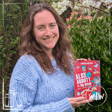
Contemporary romance author, editor at Puffin and creator of Token magazine, Sara Jafari tells us all about her inspirations, passions, literary dreams and her debut novel, The Mismatch. She shares her professional journey to becoming an assistant editor at Puffin as well as her writing journey which lead her down various paths including the Faber Academy and the creation of her own publication for under-represented voices. We also uncover the single most important secret to publishing a book!

Support the show on Patreon

Signing up to the Patreon will give you access to the Discord server, where you'll be able to interact directly with Jamie as well as many of the previous agents, authors and editors who have been on the show. You'll also be able to see who the upcoming guests are and put forward questions for Jamie to ask them.

WriteMentor

Get a whole month with WriteMentor's Hub for free using the coupon code 'Write&Wrong'.

The Chosen Ones and Other Tropes

Jamie, Melissa and Noami talk about the best and the worst writing tropes!

Bookshop

Click here to find all of our guests' books as well as the desert island library over at bookshop.org.

Zencastr

Click on this referral link to get 30% off your first three months with Zencastr.

Recommended
Transcript

Introducing 'Right and Wrong' Podcast and Guest Sarah Jafari

00:00:00
Speaker
So our podcast is called Right and Wrong.
00:00:02
Speaker
Are these your notes?
00:00:03
Speaker
These are your notes about what we're going to say.
00:00:06
Speaker
What does it say?
00:00:06
Speaker
I thought it would be a good... I didn't even get the idea.
00:00:12
Speaker
Maybe I can just ask you the question.
00:00:16
Speaker
It's going well.
00:00:16
Speaker
It's going really well.
00:00:18
Speaker
Hi and welcome back to the Right and Wrong podcast.
00:00:24
Speaker
I'm Emma.
00:00:25
Speaker
And I'm Jamie and today we're joined by Sarah Jafari, Assistant Editor at Penguin, sole creator and brain force behind Token Magazine and now a published novelist with her very own book, The Mismatch.
00:00:40
Speaker
Welcome to the show, Sarah.
00:00:41
Speaker
It's really great to have you.
00:00:42
Speaker
Hello.
00:00:43
Speaker
So excited.
00:00:44
Speaker
Thank you for joining us, Sarah.
00:00:45
Speaker
I mean, first of all, there's so much we want to talk to you about because you do so much.
00:00:53
Speaker
Yeah.
00:00:54
Speaker
And it's amazing.
00:00:56
Speaker
But let's start off with the novel.
00:00:58
Speaker
So The Mismatch comes out in June in the UK and August in the US.
00:01:04
Speaker
So with as few spoilers as possible, please, can you tell us what it's all about?

Exploring 'The Mismatch' and Its Themes

00:01:12
Speaker
Yes, I will.
00:01:12
Speaker
I'm not that great at the one line pitch.
00:01:19
Speaker
Essentially, it's a novel about a
00:01:21
Speaker
It starts with a 21-year-old girl who has never been kissed before.
00:01:24
Speaker
And essentially in the story, she wants to get that over with.
00:01:28
Speaker
And then at the same time as this thread, you also have in the past her mother's story when she was 21 years old in Iran in the 1970s.
00:01:37
Speaker
And her kind of life during the Iranian revolution and how, and I think everything to do with her past kind of impacts Soraya as the main character and her reasons for not having her first kiss.
00:01:47
Speaker
So it kind of all feeds into that.
00:01:50
Speaker
That sounds like the book that I was reading.
00:01:52
Speaker
So you get a correct answer there.
00:01:56
Speaker
Yeah, you get 100 points.
00:02:01
Speaker
It is really great though.
00:02:03
Speaker
Just immediately from picking it up, first few chapters, it's so relatable.
00:02:08
Speaker
The sequences where she's at the first job after university and she's wearing her Zara suit and doesn't really know what to do.
00:02:22
Speaker
I think I even had a Zara suit.
00:02:23
Speaker
I had a Zara suit.
00:02:24
Speaker
I think everyone does, right?
00:02:28
Speaker
real life it's the go-to suit it's the go-to suit because it's not designer but it's not too cheap you know so you're like oh i'm getting all fancy in my zara suit it's great so that's so that was based on everyone's real life apparently but your real life what was the inspiration for this book um
00:02:54
Speaker
There are lots of inspirations.
00:02:56
Speaker
I think in terms of the thread about kind of graduating and kind of feeling quite lost, I think that was kind of my own experience graduating.
00:03:06
Speaker
I think it's like a lot of people's experiences, but like I never really saw it written about really like being in your early 20s and graduating and just not knowing what you want to do and just struggling to find a job.

Sarah Jafari's Writing Journey and Author Aspirations

00:03:16
Speaker
I feel that's not really like
00:03:18
Speaker
ever in literature really unless I'm not reading the right books um so that was kind of like my own experiences um in terms of like the other strands of the book like um and never being kissed I thought that'd be quite an interesting way to start a book um and I think like a lot of people especially from like Muslim backgrounds and kind of the feel between two cultures it can be quite hard to get these moments like
00:03:42
Speaker
having your first kiss kind of over with, or just kind of like even doing that, it can be quite like a mental struggle.
00:03:47
Speaker
So I kind of wanted to explore that a bit more in this book.
00:03:50
Speaker
Yeah.
00:03:50
Speaker
And is this, is this the first book that you've ever written?
00:03:55
Speaker
No, so I wrote a book when I was 15.
00:03:58
Speaker
It wasn't a very good book.
00:04:00
Speaker
The talent.
00:04:02
Speaker
The talent.
00:04:03
Speaker
No, it was like a Twilight ripoff essentially.
00:04:07
Speaker
It wasn't, it wasn't that great.
00:04:09
Speaker
Um,
00:04:11
Speaker
But yeah, I wrote that and then I wrote another one at uni.
00:04:14
Speaker
This is kind of like the third book that I've written, but it's the one that I put kind of the most effort into.
00:04:18
Speaker
I actually imagined maybe someone reading one day.
00:04:22
Speaker
Right.
00:04:23
Speaker
Okay.
00:04:23
Speaker
Okay.
00:04:24
Speaker
So being an author has been something that you've been working at for quite some time.
00:04:29
Speaker
Yeah.
00:04:29
Speaker
Yeah.
00:04:29
Speaker
I think so.
00:04:31
Speaker
Yeah.
00:04:31
Speaker
Since I was a teenager and I wanted to write, and even as a child, I kind of
00:04:35
Speaker
I liked the idea of being an author, but I didn't actually think I could do it.
00:04:38
Speaker
Like write a full book felt quite daunting.
00:04:40
Speaker
It is daunting.
00:04:42
Speaker
The only thing I could write when I was little is something about dinosaurs and it wasn't really, you know, it wasn't really that good at all.
00:04:49
Speaker
I love dinosaurs.
00:04:51
Speaker
I like dinosaurs.
00:04:53
Speaker
I'm intrigued by it.
00:04:55
Speaker
We're sold, Emma.
00:04:56
Speaker
It's not good.
00:04:57
Speaker
It's really not good.
00:04:59
Speaker
I meant it to sound really simple, but then I realised dinosaurs are quite complicated.
00:05:03
Speaker
LAUGHTER
00:05:06
Speaker
It didn't actually sound that simple at all.
00:05:08
Speaker
Anyway, moving on from that, do you think, Sarah, that being part of the industry has, in a way, inspired you to go further with your writing?

Publishing Industry Insights and YA Fiction Interest

00:05:24
Speaker
Yeah, I definitely think so.
00:05:25
Speaker
Yeah.
00:05:25
Speaker
I think when I began, like, submitting to agents, I
00:05:30
Speaker
I had been working at Mild & Boone, which is a bit different to, I think, like most trade publishers.
00:05:35
Speaker
But I did find it quite inspiring working with authors.
00:05:38
Speaker
And that kind of did inspire me to kind of go further with it.
00:05:41
Speaker
But it is very different.
00:05:42
Speaker
I realised once I moved to Penguin and children, that actually like every publisher is very, very different.
00:05:48
Speaker
And I've learned a lot through being in Penguin.
00:05:51
Speaker
So it would have been quite helpful as an author to know.
00:05:54
Speaker
Yeah.
00:05:55
Speaker
I can imagine.
00:05:57
Speaker
Maybe you could share those with us.
00:05:58
Speaker
Yeah.
00:05:59
Speaker
Those secrets.
00:05:59
Speaker
Yeah.
00:06:01
Speaker
the podcast I'm joking imagine um no you uh so you work in children's books as you said but the um the mismatch is obviously an adult novel um do you think you'd ever want to go into kidlit
00:06:20
Speaker
I think I'd be interested in going into YA, I think.
00:06:23
Speaker
I think that first book that I wrote was YA.
00:06:26
Speaker
And I think the mismatch in some ways feels a little bit YA.
00:06:30
Speaker
So I do think that's an area I'd be interested in.
00:06:33
Speaker
I think actually middle grade would be quite difficult.
00:06:35
Speaker
I think there's a real skill to it, but I don't think I have.
00:06:40
Speaker
There's a lot of sort of more gatekeepers with middle grade as well because there's more children.
00:06:45
Speaker
So it feels like in some ways there's a lot more protection there to what you can and can't sort of do.
00:06:52
Speaker
Yeah, yeah, that's so true.
00:06:54
Speaker
But if you went into YA, so you said that your first book was a Twilight ripoff.
00:06:59
Speaker
Would you be doing fantasy romance in YA?
00:07:02
Speaker
Yeah, I'd love to do that.
00:07:04
Speaker
I think.
00:07:06
Speaker
But it's like always been a genre that I really enjoy and I still think I really enjoy it.
00:07:10
Speaker
So I'd love to bring it back.
00:07:13
Speaker
Well, I look forward to it.
00:07:14
Speaker
It needs a revival, that genre.
00:07:16
Speaker
It really does.
00:07:17
Speaker
It really does.
00:07:18
Speaker
It was a big thing.
00:07:20
Speaker
Yeah.
00:07:21
Speaker
But then with all big things in this industry, then it creates a big hole, it feels like, afterwards where no one can do that thing for a while.
00:07:28
Speaker
Yeah, that's true.
00:07:29
Speaker
Yeah, I do think vampires are going to come back properly soon

Editorial Role at Puffin and Sabbatical Projects

00:07:32
Speaker
and have a feeling.
00:07:32
Speaker
Please.
00:07:33
Speaker
They're always coming back.
00:07:34
Speaker
You can't get rid of them.
00:07:36
Speaker
They were never meant to go.
00:07:39
Speaker
Exactly.
00:07:39
Speaker
Yeah.
00:07:40
Speaker
If we can finally get over superheroes, then vampires can come back and we'll be great.
00:07:46
Speaker
So talking about your role as assistant, is it assistant editor?
00:07:50
Speaker
Is that your role?
00:07:52
Speaker
Yeah, yeah, that's the role.
00:07:53
Speaker
And you're with Puffin, right?
00:07:56
Speaker
Yes, it's the six plus team at Penguin Random House Children's.
00:08:01
Speaker
Okay, okay, cool.
00:08:03
Speaker
So what does that role entail as an assistant editor?
00:08:05
Speaker
It's quite interesting at Puffin because essentially you do work as an editor.
00:08:11
Speaker
So it's kind of like there's two strands to it.
00:08:13
Speaker
So like the one strand is the actual assistant.
00:08:15
Speaker
So you do kind of help the editorial directors with their like big brands.
00:08:20
Speaker
And so you might do some editorial work, not in the actual manuscript, but more like the things you don't really think about, like
00:08:27
Speaker
updating Amazon pages and things like that.
00:08:31
Speaker
Yeah, then the other strand is like you do acquire at that level still.
00:08:34
Speaker
So like I have like a list of authors that I edit and that kind of work with.
00:08:39
Speaker
So there's that strand as well.
00:08:40
Speaker
So that's kind of the job.
00:08:42
Speaker
When you say acquire, is that agents approaching you or is it authors approaching you?
00:08:50
Speaker
So it's agents approaching and me.
00:08:52
Speaker
In some cases, some of the books that I've acquired, I've gone directly to the authors or have heard of the authors in other spaces and gone straight to their agent and said that I'm interested in whatever they're writing.
00:09:03
Speaker
So I am quite proactive in that sense, I think.
00:09:06
Speaker
Okay, brilliant.
00:09:07
Speaker
And what's hot right now in that industry?
00:09:10
Speaker
What are you looking for?
00:09:11
Speaker
Interestingly, I'm actually on a sabbatical right now for six months.
00:09:15
Speaker
So...
00:09:20
Speaker
So generally what I would be looking for in middle grade, I really like like kind of heartwarming, inclusive kind of middle grade stories.
00:09:30
Speaker
So like one book that's coming out this month that I acquired is called Jazz Santos vs. The World.
00:09:36
Speaker
by Priscilla Mante.
00:09:38
Speaker
And it's about like, we're pitching it as like Jacqueline Wilson and Meets Bend It Like Beckham.
00:09:44
Speaker
Okay.
00:09:45
Speaker
And I generally like things like that.
00:09:46
Speaker
I really like commercial fiction.
00:09:48
Speaker
It's just fun, essentially.
00:09:51
Speaker
That sounds great.
00:09:53
Speaker
Wilson was awesome.
00:09:54
Speaker
She's still going.
00:09:54
Speaker
She's still writing so many books.
00:09:56
Speaker
Well, yeah, still got to go.
00:09:57
Speaker
You know, still brilliant.
00:09:58
Speaker
But it was my youth.
00:10:00
Speaker
So I was just like, oh, yeah, 90 of my youth.
00:10:03
Speaker
I'm old now.
00:10:04
Speaker
So, you know.
00:10:06
Speaker
Back with the dinosaurs.
00:10:07
Speaker
Exactly.
00:10:08
Speaker
This is why I brought the book with dinosaurs.
00:10:18
Speaker
So for people looking to get into

Token Magazine and Diversity in Publishing

00:10:20
Speaker
that side of the industry, the more kind of business side of things, being an editor is quite a coveted sort of job.
00:10:30
Speaker
How would you recommend people approach that?
00:10:31
Speaker
Like what was your way in?
00:10:34
Speaker
I think my way in was a bit more like complicated.
00:10:37
Speaker
It's just very difficult to get into editorial, like as I'm sure, you know.
00:10:44
Speaker
So a bit like Sawyer and the Mismatch, I had like many jobs before.
00:10:48
Speaker
So I kind of did work.
00:10:50
Speaker
I worked at a law publisher initially doing like sales.
00:10:53
Speaker
Okay.
00:10:55
Speaker
But then I ended up doing data archiving at Penguin, which is essentially like the look inside the book function on Amazon.
00:11:03
Speaker
I created that for half of Penguin Random House's books.
00:11:07
Speaker
It was quite boring.
00:11:08
Speaker
But it was a good way in.
00:11:12
Speaker
And I also did a scheme which spread the word, which was called the Flight 1000 scheme.
00:11:18
Speaker
And it was basically for underrepresented individuals who wanted to
00:11:25
Speaker
We created our own journal online.
00:11:27
Speaker
And that was a really good experience in editing people's works.
00:11:31
Speaker
We commissioned short stories and edited them together and put them on this website.
00:11:35
Speaker
And I think doing stuff like that really helped me get my first job at Milton Boone.
00:11:39
Speaker
Having things I was doing on the side.
00:11:41
Speaker
So as well as that, I just began Token Magazine as well.
00:11:44
Speaker
And I think having these extra things that I was doing that showed I was interested in editorial and storytelling, I think that really helped.
00:11:51
Speaker
So essentially, I think having something
00:11:53
Speaker
a little bit different and kind of doing things in your spare time that show that you're interested in editorial really helps I think.
00:12:00
Speaker
Amazing.
00:12:01
Speaker
Yeah that makes a lot of sense.
00:12:03
Speaker
So you know like first of all between your own writing working full-time at Random House you've also as you've said single-handedly created your own print magazine which I said is Tolkien.
00:12:18
Speaker
Firstly, Obsessed.
00:12:20
Speaker
It's amazing.
00:12:21
Speaker
Like the artwork is great.
00:12:23
Speaker
The artwork's so good.
00:12:24
Speaker
Where do you find these artists?
00:12:25
Speaker
They're amazing.
00:12:26
Speaker
They're all so good, aren't they?
00:12:28
Speaker
Amazing, yeah.
00:12:30
Speaker
Yeah, I've just been open call-outs and people like submit like their writing and their writing and artwork.
00:12:37
Speaker
And yeah, everyone's really amazing.
00:12:39
Speaker
They're all quite new as well.
00:12:40
Speaker
So it's really nice to like kind of see new talent and a lot of them have gone on to do really big things.
00:12:46
Speaker
It's just really exciting.
00:12:48
Speaker
Yeah.
00:12:48
Speaker
When did you start that project, Sarah?
00:12:52
Speaker
I think it was like January 2017.
00:12:54
Speaker
Okay.
00:12:56
Speaker
So quite a while ago now, I think.
00:13:00
Speaker
And you have no plans to stop, I imagine, just going to keep going with that?
00:13:04
Speaker
Well, I did have a bit of a break with it.
00:13:07
Speaker
I haven't done it for a year now, I think, because I've got the book going on.
00:13:13
Speaker
But I am planning on doing another issue that will come out next year.
00:13:17
Speaker
Okay, so it's not like on a rigid schedule.
00:13:21
Speaker
It's more like when you can get the people together and you can create an issue, that's when you do it.
00:13:27
Speaker
Yes, I used to do it on like an actual schedule, but I think when the pandemic happened, I kind of had a bit of a pause.
00:13:33
Speaker
So I'm taking it a bit easier now.
00:13:35
Speaker
Yeah.
00:13:36
Speaker
That's fair enough because you were doing a lot of things.
00:13:39
Speaker
Me and Jamie, you were like, this lady is fabulous.
00:13:44
Speaker
I'm like, do you have extra hours in the day or something?
00:13:47
Speaker
Because it sounds like you need them.
00:13:52
Speaker
Like a mighty Granger.
00:13:54
Speaker
Exactly.
00:13:57
Speaker
it is no it's absolutely amazing the artwork is fantastic was it what was the idea for the like where did that come from um it was born I think at that point um I think there were loads of talks and like publishing about diversity and I know there still is but then I feel like there was a lot of panel conversations about it and I can't just see much happening it just felt like it's a lot of conversation um
00:14:20
Speaker
At this point, I hadn't actually got a job in editorial publishing.
00:14:24
Speaker
I just wanted to do

Finding a Literary Agent and Faber Academy Experience

00:14:26
Speaker
something.
00:14:26
Speaker
So I kind of tentatively did a call for submissions.
00:14:30
Speaker
And then I got quite a lot of submissions from really talented writers and artists.
00:14:34
Speaker
So I kind of just went for it.
00:14:35
Speaker
But I didn't really think it would be something that I'd continue doing.
00:14:38
Speaker
But it's had such a good reaction, although.
00:14:42
Speaker
And they're all sold out.
00:14:44
Speaker
Me and Jamie tried to get one.
00:14:45
Speaker
We're like, oh, it's sold out.
00:14:46
Speaker
This is a shame.
00:14:47
Speaker
I was like, no.
00:14:52
Speaker
But it's great.
00:14:53
Speaker
It's also great for you, you know.
00:14:57
Speaker
Do you write articles for it as well?
00:14:59
Speaker
Yes, I always try and write, like, one thing inside it.
00:15:02
Speaker
Yeah.
00:15:02
Speaker
It's a lot of bit hard when you don't have someone editing you, though, like...
00:15:06
Speaker
I find that quite interesting because I have to just edit myself because I do it on my own.
00:15:10
Speaker
I think that can be quite limiting, actually.
00:15:12
Speaker
It's always nice to have another eye on things, I think.
00:15:15
Speaker
Yes.
00:15:15
Speaker
Yeah, yeah, definitely.
00:15:16
Speaker
Because even, I mean, you are a professional editor.
00:15:19
Speaker
So even though you have all the skills to do that, sometimes you need someone who's got some distance from that to have a look over it.
00:15:27
Speaker
Yeah, definitely.
00:15:28
Speaker
I think that always really just makes such a difference.
00:15:32
Speaker
I think all editors who are writers as well, you always need someone...
00:15:36
Speaker
to just help give editorial feedback.
00:15:38
Speaker
I think it's really hard to see like your own work quite clearly, I think.
00:15:42
Speaker
Yeah.
00:15:42
Speaker
I'm always skeptical of when authors become very successful and then declare that they no longer require editing.
00:15:48
Speaker
And you see their books get longer and longer and I'm just a bit skeptical about that.
00:15:52
Speaker
I was going to say that every time someone becomes really big, their books just become really, really long.
00:15:57
Speaker
Yeah, because they're clearly not being edited.
00:16:02
Speaker
It's so true.
00:16:03
Speaker
And obviously we're always keen to hear about people's, you know, journeys into publication.
00:16:10
Speaker
So we're just wanting to rewind back a bit, if you can bear it.
00:16:15
Speaker
So sorry, Sarah.
00:16:19
Speaker
So when you first started looking for an agent, how was that process for you?
00:16:25
Speaker
The submission process.
00:16:27
Speaker
The joys.
00:16:28
Speaker
It was interesting.
00:16:29
Speaker
It was a bit of a different... Well, I feel like it's a different one from my perspective because I've done the Fave Bear Academy course, the six-month one.
00:16:37
Speaker
Okay.
00:16:38
Speaker
And in that open day, you have agents... At the end of the six-month course, you have a day where everyone reads an excerpt from their novel in front of some agents and editors from various publishing houses and agencies.
00:16:55
Speaker
That sounds horrifying.
00:16:57
Speaker
Yeah, I mean, it was.
00:16:58
Speaker
It was horrible.
00:16:59
Speaker
We couldn't even enjoy it.
00:17:02
Speaker
So vulnerable.
00:17:04
Speaker
Yeah, it's a really weird experience.
00:17:07
Speaker
It felt like we all just felt really like on edge and a bit like, I don't know, like you're at prom or something.
00:17:11
Speaker
It just felt very weird.
00:17:11
Speaker
Yeah.
00:17:14
Speaker
I can't think of a way to describe it that would be like a good analogy, but it was just all, like we're all really dressed up anyway.
00:17:22
Speaker
And I met an agent there who handed me like her business card and said that she's interested in the book and what she heard of it.
00:17:29
Speaker
It was only like a two minute thing, but everyone also got a copy of like an anthology that had like our excerpts in it and our contact details.
00:17:39
Speaker
And yeah, that agent, yeah, emailed me afterwards and I sent her a
00:17:44
Speaker
my manuscript um and about a month later she said that she was interested in it um but at that point i'd already submitted to other agents as well so i think i submitted to about five to ten maybe seven i'm not sure that it was wrong that range that's the that's the recommended number that agents will tell you to submit to so well done yeah i mean i have had some rejections um but when that agent
00:18:16
Speaker
know that that was like what happened and then I got kind of like more interest from that and I think that is always the way it works like as an editor like in publishing houses and with literary agents it's like one person's interested everyone starts to pay attention I've noticed yeah
00:18:34
Speaker
makes sense doesn't it there you go yeah it's like the dating scene i imagine they've got so many manuscripts we might not actually get around to reading most of them and then when someone says i've got an offer i imagine then they will look at it i think that's sometimes how it works um and then i got two other offers um
00:18:59
Speaker
And essentially I just met with the two, the three agents and kind of worked out who was the right fit.
00:19:04
Speaker
Um, and yeah, that's how I found.
00:19:07
Speaker
Wow.
00:19:07
Speaker
That sounds like a absolute dream come true of the submitting process.
00:19:12
Speaker
I think I've made it sound a lot smoother.
00:19:14
Speaker
It was quite stressful actually.
00:19:18
Speaker
Like, um, one of them was, was asking for like an exclusive, like, even though I'd already sent it to other people and it was, it was quite like, I felt quite pressurized in a sense.
00:19:28
Speaker
Yeah.
00:19:29
Speaker
That's an advice I would give is basically don't feel pressurized.
00:19:33
Speaker
Yeah.
00:19:34
Speaker
Don't feel under pressure.
00:19:35
Speaker
You have the power.
00:19:36
Speaker
Yeah.
00:19:39
Speaker
When you're submitting, it feels like you don't have the power at all, but you do once people are interested.
00:19:44
Speaker
Yeah.
00:19:45
Speaker
No, I think that's so true.
00:19:47
Speaker
Everyone's trying to get the attention of these agents and then they have the power, but then I guess as soon as they're showing interest to you, the power dynamic flips.
00:19:55
Speaker
That is interesting.
00:19:56
Speaker
Yeah.
00:19:57
Speaker
So listeners, write a good book and then you'll get, you know, listened to.
00:20:02
Speaker
This is it, guys.
00:20:03
Speaker
The big secret to getting published is you have to write a good book.

Advice for Aspiring Writers on Market Positioning

00:20:08
Speaker
You had it here first.
00:20:10
Speaker
We're going to finish the podcast now.
00:20:14
Speaker
So, no, I'm joking.
00:20:17
Speaker
That's it.
00:20:17
Speaker
No more episodes.
00:20:18
Speaker
We solved it.
00:20:20
Speaker
We solved it.
00:20:25
Speaker
So that sounds like you had a really, I mean, you've obviously written a really good book and immediately got a lot of attention for it.
00:20:34
Speaker
I imagine the course at Faber, did you find it very helpful?
00:20:37
Speaker
Was it, do you think your writing really elevated because of that course?
00:20:42
Speaker
Yeah, I think it was really, really helpful.
00:20:44
Speaker
I really wanted to do a master's before I did that course, but my job wouldn't let me go down in hours.
00:20:49
Speaker
So I kind of made the decision to do the Faber
00:20:57
Speaker
Well, it worked out, so I guess you can't complain.
00:21:00
Speaker
Yeah, yeah.
00:21:01
Speaker
And it's so helpful.
00:21:02
Speaker
Like, there's so many things I've learned that I keep thinking about.
00:21:05
Speaker
Like, it essentially is like a master's in six months.
00:21:07
Speaker
Like, you learn loads of things about novel writing.
00:21:11
Speaker
And they have, like, industry people come in and give talks.
00:21:14
Speaker
I think it's really, really helpful.
00:21:15
Speaker
Yeah.
00:21:16
Speaker
I mean, it sounds like in some ways it's better than doing a master's.
00:21:19
Speaker
Yeah.
00:21:19
Speaker
Yeah.
00:21:21
Speaker
It's quicker, less hours, right?
00:21:23
Speaker
Yeah, you can do it after work for two hours, yeah.
00:21:25
Speaker
Yeah.
00:21:26
Speaker
That's good.
00:21:26
Speaker
I think it's each to that.
00:21:27
Speaker
Well, it's like, it depends what circumstance you're in.
00:21:30
Speaker
Like you were saying, Sarah, like if you're working full time as well, then it helps you if you're going to go two hours on a nighttime.
00:21:37
Speaker
And I mean, you did it.
00:21:39
Speaker
Did you do a course, Jamie?
00:21:40
Speaker
Have you done a little writing course?
00:21:42
Speaker
Not yet, but I probably should.
00:21:45
Speaker
Maybe that's the answer.
00:21:48
Speaker
Then I'll write a good book.
00:21:54
Speaker
We're having all of the solutions tonight, Sarah, literally.
00:21:58
Speaker
We should have had Sarah on episode one, then we wouldn't have to do any more episodes.
00:22:01
Speaker
We should have.
00:22:03
Speaker
We should have.
00:22:04
Speaker
But being serious now.
00:22:07
Speaker
Yeah, sorry.
00:22:08
Speaker
Serious faces on everyone.
00:22:12
Speaker
So despite being from different departments, you work in the children's department, is it weird to be publishing through the same company that you work at as an editor?
00:22:23
Speaker
It is a bit weird.
00:22:24
Speaker
It's interesting because I got the deal the same week I got the job at Penguin.
00:22:27
Speaker
So it wasn't like a, I wasn't already in the company and got the deal.
00:22:31
Speaker
I thought that would feel strange.
00:22:34
Speaker
Did anyone realise that?
00:22:35
Speaker
That they'd like double signed you up for stuff?
00:22:40
Speaker
Well, it's interesting because Penguin's so massive.
00:22:41
Speaker
There's actually three buildings.
00:22:43
Speaker
I'm not actually in the same building as my publisher.
00:22:47
Speaker
I'm being published by the Random House side because they're still separate buildings.
00:22:51
Speaker
And I work in the Penguin side.
00:22:54
Speaker
How long did it take them to realise that you worked there?
00:22:58
Speaker
I told them.
00:22:58
Speaker
I told them quite straight away.
00:22:59
Speaker
They were quite excited about it.
00:23:01
Speaker
Yeah, so excited.
00:23:02
Speaker
Yeah, because then they can easily grab you whenever they want you.
00:23:05
Speaker
They know exactly where you are.
00:23:06
Speaker
Yeah, exactly.
00:23:11
Speaker
and I guess to I mean you've given a lot of advice throughout this uh this interview but if you had any bits of you know main bits of advice that you would give to yourself maybe like back when you started first to write what would they be um for the listeners and people wanting to to um embark on the writing industry yeah um
00:23:36
Speaker
For me, if I was to give my younger self advice, firstly, I think one thing I'd ask myself is to think about where I want this book to sit and the positioning.
00:23:46
Speaker
I think when you write a book, you don't really think of that as much.
00:23:49
Speaker
It's just like you want to write a book that you feel really passionately about.
00:23:53
Speaker
But something that has come up a few times during my publishing journey is the positioning and where do I want it to sit.

Sarah Jafari's Book Choice for a Desert Island

00:24:00
Speaker
And I think knowing that before you get an agent is really important because then you can discuss it with the agency if you're on the same page and how they'll do it because they then pitch it to the publishers based on your pitch, if that makes sense.
00:24:11
Speaker
I think knowing how you want it to be pitched very early on is really important.
00:24:16
Speaker
Yeah.
00:24:17
Speaker
That's really good advice.
00:24:18
Speaker
And that is advice that only an editor would give.
00:24:25
Speaker
It's a very technical book.
00:24:27
Speaker
It does make a difference because even like the strapline on the front cover, like, you know, if you were pitching it in different ways, the strapline would be so different.
00:24:34
Speaker
Like, I think especially with my book, it could be so many different things, like genre-wise, I think.
00:24:41
Speaker
which publisher is publishing it.
00:24:43
Speaker
Yeah.
00:24:44
Speaker
That's brilliant advice.
00:24:45
Speaker
That's really good advice.
00:24:48
Speaker
And that brings us smoothly onto the final question.
00:24:52
Speaker
The one and only, if you were stranded on a desert island and were allowed to bring one book with you, which book would you bring?
00:24:59
Speaker
It's a very hard question.
00:25:03
Speaker
Yes.
00:25:04
Speaker
I'm torn between two books.
00:25:10
Speaker
I want to say, I think I'd want maybe like Conversations with Friends by Sally Rooney because I really love that book.
00:25:16
Speaker
Oh, it's such a good book.
00:25:18
Speaker
Yeah.
00:25:18
Speaker
And I think you could read it over and over and be interested in different things in the

Nostalgia for Twilight and Vampire Fiction Revival

00:25:24
Speaker
story.
00:25:24
Speaker
That's why I picked that as Normal People because I guess that's more of a love story where Conversations with Friends I think has more like interweaving things going on.
00:25:32
Speaker
Yeah.
00:25:32
Speaker
Yeah.
00:25:35
Speaker
Oh, so your two choices were Sally Rooney or Sally Rooney?
00:25:38
Speaker
Yes.
00:25:38
Speaker
No, my other option I was considering was Twilight, but I don't know if I still like Twilight.
00:25:45
Speaker
I just think I read it like 20 times back in the day.
00:25:48
Speaker
Of course you still like Twilight.
00:25:51
Speaker
Oh, I can't wait for your YA to come out.
00:25:54
Speaker
Let's go.
00:25:54
Speaker
I know.
00:25:55
Speaker
I'm going to run to the store.
00:25:58
Speaker
The revival of the genre.
00:26:00
Speaker
Yeah, literally.
00:26:01
Speaker
I'll give you the pre-order right now.
00:26:02
Speaker
Just to know what the name is.
00:26:04
Speaker
Yeah, please.
00:26:05
Speaker
It should just be a pepper ripoff of Twilight with like... Please, please.
00:26:08
Speaker
An oil in a hand or something.
00:26:09
Speaker
It's like a piece of fruit in a hand on the cover.
00:26:11
Speaker
Just do it for the modern age.
00:26:12
Speaker
Yeah, exactly.
00:26:13
Speaker
Maybe less problematic.
00:26:15
Speaker
Oh, yeah.
00:26:18
Speaker
Yeah, and it's got like Fitbits on to tell them when they need to, you know, stay awake or something like that.
00:26:22
Speaker
I'm thinking that.
00:26:25
Speaker
But all vampires don't go to sleep, do they?
00:26:27
Speaker
Like, literally.
00:26:28
Speaker
No, doesn't he just watch her the whole time?
00:26:30
Speaker
Oh, that's so weird.
00:26:32
Speaker
What a creep.

Closing Remarks and Social Media Promotion

00:26:33
Speaker
that's really strange honestly thank you so much sarah for coming on to the podcast it has been so lovely to speak to you and thank you for all of the advice um that you've given us as well as hopefully the listeners and thank you yeah it's been brilliant it's honestly it's been so lovely to speak to you
00:26:57
Speaker
And if you'd want to keep in touch with what Sarah is doing on her Instagram and Twitter, please follow her at Sarah Jafari.
00:27:06
Speaker
That's spelled S-A-R-A-J-A-F-A-R-I.
00:27:10
Speaker
And if you want to keep in touch with what she's doing with Token Magazine, when you bring out the next edition, head over to www.tokenmagazine.co.uk.
00:27:22
Speaker
And to make sure that you don't miss an episode of this podcast, you can follow us on Twitter at RightAndWrongUK.
00:27:29
Speaker
You can follow us on Instagram at RightAndWrongPodcast.
00:27:32
Speaker
And you can find our book list at uk.bookshop.org slash shop slash RightAndWrong.
00:27:38
Speaker
Thanks again, Sarah.
00:27:39
Speaker
It's been such a treat chatting with you.
00:27:41
Speaker
So lovely.
00:27:43
Speaker
Thank you, everyone.
00:27:45
Speaker
And thanks to everyone listening.
00:27:47
Speaker
We will catch you next time.
00:27:49
Speaker
Bye-bye.
00:27:49
Speaker
Bye.