Become a Creator today!Start creating today - Share your story with the world!
Start for free
00:00:00
00:00:01

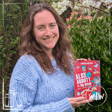
261 Maria Whelan | Literary Agent

553 Plays4 months ago
Literary agent Maria Whelan dials in this week to chat about her international route into publishing, what she's looking to add to her list of authors, how she tackles queries and many more book writing tips.
Support the show on Patreon! 💖 And get extended episodes, ad-free and a week ahead of everyone else. 🙏
For audio listeners:
Listen to The Chosen Ones and Other Tropes, Jamie's other podcast with Melissa Welliver and Naomi Gibson! 📚
Follow on socials! 🥳
Recommended


















Transcript
Introduction and Guest Introduction
00:00:00
Speaker
Oh, a spicy question. I love it. Because the writing is sort of everything, right? Like you can fix plot holes, but if the writer... So some readers love that and some readers are like, but I wanted more of this. So it's kind of, it's kind of a gamble.
00:00:14
Speaker
Hello and welcome back to the Right and Wrong podcast. On today's episode, I am joined by literary agent Maria Whelan. Hello. Hello, Jamie. How are you?
00:00:26
Speaker
I'm very well, thanks. i'm I'm getting a little bit of a cold. I can feel my throat closing up. But other than that, I'm okay. How are you, Maria? I am well, I am pretty um much the picture of health at the moment. So I'm glad we're doing this virtually. So I'm not catching anything that you might have for
Maria's Publishing Journey Begins
00:00:43
Speaker
now. Well, that's good. um Let's jump right in with agents. I think it's always really interesting to start with your kind of origins into the publishing industry. So the first question i would like to ask you is, did you always know growing up that you wanted to work in publishing?
00:01:02
Speaker
That is a fantastic question. No, I absolutely did not. um i think anyone who kind of ends up in this industry though is probably um similar to me in the sense that they were maybe a voracious reader.
00:01:17
Speaker
Growing up, I was always kind of reading. um and i remember my dad always being like, why are you reading that trash? Like you should be reading the greats. And I was like, yeah, yeah, yeah, I know there'll come a day. um But I always kind of, you know, read the books that I loved and stuck to it. And um you know Maybe if I did read the greats singularly, i maybe wouldn't have arrived here, but I always kind of followed my own taste, which i think is is a a good trait to have as ah as a literary agent when trying to make their own list.
00:01:51
Speaker
Yeah, absolutely.
Educational Background and Publishing Entry
00:01:52
Speaker
And I mean, i had your colleague, Rachel Neely on not long ago, and she had said a similar thing where she was, she never thought she she'd sort of be someone to be in publishing because she liked, you know, whatever the the top chart thing was at the local supermarket. and and And I was saying, well, little did you know that like, those are the ones that are the real commercial successes.
00:02:16
Speaker
Those are the ones making a lot of money. Exactly, exactly, exactly. um i know. And I mean, I think as you kind of get deeper into this industry, you find out that, you know, you have to kind of,
00:02:31
Speaker
Obviously stick to the things that you love, but have a kind of commercial eye as well. It's good to have both. Yeah, it's about finding the balance, right? So you sort of found your way into this and and and sort of based off your reading, love of reading. um You studied...
00:02:50
Speaker
I got this from your bio online. So you studied English and drama in Dublin, then you did a master's in modern literature at the University of Edinburgh. um And then I'm right in thinking that you you you actually got your start in publishing in the US or had you already sort of got a foot in the door before you went to the US? No, i am i was in Edinburgh and I was kind of like, maybe I could live here for the rest of my life and then realized i couldn't because I wasn't a student, nor was I a very wealthy retiree. So it was either come to London and... um
00:03:24
Speaker
you know find a job in London or try something a bit different and go to the States. um So I did that. But I really think when I was in doing my master's, I think that's when I really decided, you know I
Foreign Rights vs. Domestic Roles
00:03:38
Speaker
do like this kind of book thing. um i did the master's in English because I was like, oh, well, this will be my last opportunity as a a person um to read as much as they can before they get a proper nine to five. But then in doing so, i don't know, I was just always going to the you know the student um MFA readings and hanging out with the the writers. And I was always just like you know a moth to the of the flame um in terms of
00:04:10
Speaker
chatting to them and I always wanted to hear about the craft and how they wrote their story. And um i kind of, that the the seeds were maybe sown there because yeah, I always was kind of interested in the story beside behind that their story. um yes And I didn't know at the time, but there is actually a career that could be made from that kind of weird passion, I suppose.
00:04:39
Speaker
Yeah. Yeah. Who would have thought all these publishing is a been big industry? I know. um Yes. And then I moved to the States and that's where I kind of realized people publish, people people do this for a living. um Yeah. yeah And you got your first your first role was ah was an intern, right?
00:05:01
Speaker
Sadly, yes. I guess like any industry, you have to um do a bit of the interning. But That was fun. i was at a small kind of indie publisher called Akashic Books and their kind of um preoccupation was um de-gentrifying literature.
00:05:21
Speaker
so they had lots of cool writers um that kind of were doing different experimental things and, um you know, it was a very diverse roster of of um writers.
00:05:34
Speaker
And then from there, i got into agenting, um but on the foreign rights side. Okay. and Would you like me to explain that? Yeah, let's let's hear it. We're all about discovering what things, because like you you know like you said, it turns out there is a whole industry. There's a lot of different things, a lot of moving parts happening. So yeah, I'd i'd love to hear about all the kind of minutiae between the different parts and the kind of your journey specifically and your experiences. So yeah, foreign rights, tell us about what that is and and I guess why it's different from literary agency.
Transition to Domestic Literary Agency
00:06:08
Speaker
Great idea. ah Great um question. Well, foreign rights, It's kind of the, um I would say the backbone of um of an agency in a sense, they are the people that are responsible for selling a book in international markets after a book has been sold in the domestic market. So in the, you know, the English speaking world, it's usually, you know, you sell your book um by a primary agent and a domestic primary agent in the UK or the US. And then you have teams of people that kind of want you to succeed and, um you know, take over the world and make sure that your book is in Spain and in, you know, um Brazil and wherever. um
00:06:57
Speaker
ah For some reason, I'm like losing um my mind and can't remember any other countries. um yeah So yeah, that's that's kind of their role to, to, um see what books kind of will straddle the cultural divide and kind of um resonate with people that maybe aren't um able that that you know aren't located in the the US or the UK and the other territories that are kind of bound to the contracts so
00:07:30
Speaker
so Yeah, and the volume in in that role, and that kind of the selling of books in that role is is far greater, um i think, than when you're a primary you know domestic agent. um You're you' maybe not sending out as many books. But for me, it was a great job because i kind of I'm from Ireland. I moved to the States. um So I always kind of had...
00:07:59
Speaker
maybe not so much of a US centric always was kind of looking kind of overseas anyway. So it was a great job for me at the beginning anyway. Um, and, and then you moved into, I guess, domestic literary agency.
00:08:17
Speaker
Exactly. Yes. Right. Okay. And that was with Inkwell management in 2017. You did your homework. did my homework. and And so that's when you started building. Did you, had you already started building a list before you went into that role or did you start that role? And then from scratch you were like, time to build a list.
00:08:37
Speaker
Yeah, exactly. I was, I was, um, a small green baby when I was, um, in the foreign rights department. So then when we went over to Inqual management,
00:08:48
Speaker
that's when I started building my list. But of course I had to be an assistant for um a few years before that, because, you know, you have to learn all the people you have to kind of learn, you know, what makes a good book and, um, what actually
Building an Author's List
00:09:03
Speaker
sells. And ah I'll be honest, I think I had a few false starts at the beginning. I was like, this sounds good, or this is so different. And then, you know, you try it and some of them succeed, some of them fail.
00:09:17
Speaker
um And then, yeah, from there on, I was just so kind of addicted to the the process. And, you know, there's the fun of this kind of job is no two days are the same. And some books you think are going to be smash hits and they aren't. And then some books that you're like, hmm, I'm not sure end up, you know, really exceeding expectations. So everything's kind of a gamble as well, which I love. Yeah.
00:09:45
Speaker
okay ah But that there's something nice about, you know, I speak to a lot of authors on this podcast and there's, I've had several authors on who have, you know, the the first book has not landed. And then they they think, oh, this other thing that I wrote, which I'm not impressed by, that's their kind of breakout hit. And that's the thing that kind of puts them on the map as an author. It's funny how often that happens and and how you just kind of can't see it when you're that close to it.
00:10:15
Speaker
And it's it's funny, I think, um you know, I've i've spoken and a few panels and and sometimes, you know, you're asked kind of, what do you wish that all authors knew, um you know, before they get started? um They're kind of quest to find an agent and then a publisher. And I sometimes say like, just because you have an agent doesn't mean your first book will succeed, but maybe your second or your third, you know, it's, it's all a long process. Um, and I suppose the more books you write, that the better you become. That's what I've found. Um, yeah and the key is to find an agent that will stick with you through thick and thin, I think.
00:10:57
Speaker
Yes, exactly. But I mean, I think i most of the agents I've spoken to will say something along the lines of like, yeah, you're, you're, when you sign with an author, you're investing with the author and they're writing, you're not investing in the one book that they sent to you on the query.
00:11:13
Speaker
100%. Yeah. Yeah. it ah It should be ideally a very long relationship. Yeah. So Inc. management started in 2017. You were there for about eight years, I think. And then very recently, as of, was it September this year, you joined Russian Zed Sim?
00:11:31
Speaker
I know. I know. Yes. The 29th. And that's always going to be in my brain because it was actually my birthday. So it was the oddest birthday. Oh, wow.
00:11:42
Speaker
That is funny. Yeah, I think it's fortuitous. um But yes, it will always be um the one that I will remember. um Yes, I started at Mushin's and I was so excited to start. i you know, I think it's as an agent, it's it's hard to sometimes move agencies because.
00:12:02
Speaker
you know, yeah ideally authors kind of sign with you because of you, but sometimes they sign because of also the agency itself.
00:12:13
Speaker
Um, sure but I was so relieved that, um, when I made my big announcement, everyone was like, yay, Mushins. Um, and, um, what's great about Mushins is, you know, it's, it's a small but mighty team. And, um,
00:12:31
Speaker
you know, they're great at what they do. And of my authors were very familiar with um Juliet um and, you know, knew a lot of the writers that she and also
Challenges of Moving Between Countries
00:12:43
Speaker
Rachel worked on. um So it wasn't, it wasn't a traumatic move at all. Okay.
00:12:51
Speaker
Yeah. My understanding is that when it's, you know, it's, it's, it's relatively common agents will move agencies at some point. in their career and that you, you know, for the most part, you'll, most of your authors will stay with you. I was wondering though, cause you didn't just move agencies. You also moved country, you know, you moved halfway around the world.
00:13:10
Speaker
Was that, you know, did that change things? Did that make it more, more difficult or you all just kind of like, yeah, I mean, we can still speak whenever, you know, the the internet has solved that issue.
00:13:21
Speaker
That's a great question. And that was a concern that I kind of had to um think about before I delivered the news to my authors. yeah um Because, you know, there is a ah five hour time difference, but you're absolutely right. You know, we RIP Skype, but we have Zoom, we have WhatsApp, we have, you know, um Google Meet, whatever whatever you can think of, we have. but um And then the time difference,
00:13:49
Speaker
I mean, a lot of writers I find are, for whatever reason, a lot of the authors I work with, a lot of them are early morning risers and they um start the, you know, the writing day before work and whatnot. So I got lucky in that sense. um But, you know, it's one of those jobs you kind of,
00:14:08
Speaker
you You make the time. um Yeah. So i've I've been doing that. I wake up and I have a lot of emails. I go to bed and there are still emails coming in, but that's okay. I still love it. Yeah.
00:14:21
Speaker
yeah I mean, it's, I think no matter what country you and and the people you're working with are from, I think literary agency is is always one of those like, every hours kind of job. Cause if you're not working, if you're not like on the clock, then you're, you know, you're reading your submissions. You're like, keep trying to keep up with what's happening in the industry and things like that. 100%. Exactly. It's kind of, even when you're on holiday, you're like, I could read this great book, but I also, there's a submission that just came in and you know, yes, yeah the job is never done.
00:14:52
Speaker
Is it a learning curve? moving to the UK, having to sort of meet all the new, the the editors that work here domestically versus the ones, the sort of network that you built up in the US?
00:15:04
Speaker
Oh my goodness. Yes. I mean, I kind of, it's a funny feeling because, you know, when I'm working with um my authors, I send them, you know, the list of editors who I'm planning to submit their work to. and I'm always like, oh, you know, I know that these are just names on a page, but they specialize in X, Y, and z And now I'm kind of like looking at the names on the page over here of editors and I'm like, I don't know what any of you do, but I'm learning fast. And I've had, um you know, the opportunity to go to um some of the major publishing houses and introduce myself and, um you know, ask them what they're on the hunt for and, you know, tell them who I am and introduce myself. Yeah.
00:15:51
Speaker
Now I can just send them this ah the link to this podcast, which is marvelous. Just say like, listen. um But you know it it what I'm finding is the editors in the States want largely, they want the same over here, which is which is good. Mm-hmm.
00:16:08
Speaker
they say that and I hope that is the case. um Okay. i But I imagine obviously there is like a ah ah ah preference for different sort of slightly different genres, slightly different writing styles or voices in the UK versus the US.
00:16:28
Speaker
Definitely. I mean, I think the the writers like kind of make it big in the US that are from the UK, they do that because they're really just outstanding and you know are kind of talking about or writing about topics that you know both sides of the pond can relate to. But you know there are certain genres where yeah you want your own kind of homegrown so um yeah writer writing about these certain issues. um
00:17:01
Speaker
which you know i'm i'm I'm lucky in a sense that um I think right now i'm slowly signing more UK authors, which is amazing. um But yeah I have the US kind of um experience to know people want over there. So I'm i'm hoping to continue to work with um you know, the US writers and and kind of keep my my um finger in the pie there. But yes, I think right now I'm also searching searching for UK-based and Irish writers.
00:17:41
Speaker
Okay, great. Yeah. So you're sort of doing building building a sort of second list, a sort of adjacent list in some ways to to the one you currently have, which is which is very US centric. Now you want a more kind of UK centric thing to work on as well, I guess.
Genre Preferences and Nonfiction Interests
00:17:57
Speaker
Exactly. And not not strictly. I mean, if um you know i what I've been kind of finding is that a lot of people also they're very much into translation as well. So um I'm open to all sorts.
00:18:15
Speaker
Okay. Okay, great. Well, I was just about to bring up the list. You are currently open to submissions looking to get some some more domestic authors on your list.
00:18:26
Speaker
So let's talk about it in a broad sense. What are the genres, styles, um age groups that you represent? oh Okay, where to start? um You know, in terms of genre, i my heart will always lie with literary fiction, but um You know, i also, i think sometimes literary fiction is um slightly harder to sell um these days, but i I have a very, very soft spot for horror. um
00:19:00
Speaker
is love a dead body. i i love um anything dark, but not just for dark's sake. I feel like i like things that kind of drop grapple with chaos,
00:19:14
Speaker
you know, dark truths about humanity and sometimes in like kind of unexpected ways, um, where there's kind of some sense of humor to it as well. Sardonic wit, um, throughout.
00:19:27
Speaker
Um, I like speculative as well. I feel like speculative fiction allows you to kind of examine life and society in a way that's kind of unexpected. um,
00:19:41
Speaker
i I also, anything that's kind of in the folk folklore realm also is very um intriguing to me, i think. um Especially, i think you can just kind of get an insight into so many different cultures through that way. um I'm currently kind of reading books a submission that came in and um it's Norwegian folklore. I'm like, wow, this is this is you know something. i can kind of see the parallels between that and maybe the folklore found in in Ireland and you kind of realize reading more in this kind of space that
00:20:27
Speaker
Folklore floor here is the same as folklore there and in different kind of ways. um Magical realism is also kind of something that I i look out for. I'm i'm always on the hunt for kind of perspectives that we don't really see that often.
00:20:48
Speaker
um i recently read The Hunchback, um which is an amazing translated book. And um It's about a woman that kind of um is differently abled and just to hear her point of view and how she navigates the world was kind of staggering and something I maybe haven't um thought about before.
00:21:13
Speaker
um they like retellings, complicated friendships, family dynamics, um you know, the usual. The usual.
00:21:26
Speaker
Okay. So it sounds pretty eclectic. Maybe it is it would be helpful then to say ah things that you do not represent that are absolutely not right for you.
00:21:38
Speaker
Okay. I mean, the funny thing is I'll almost pick up anything to read, um but that doesn't always kind of I think, translates into what i can what I think I can sell. um So I just think that there are so many people out there that do an incredible job um selling fantasy.
00:22:00
Speaker
Mushins has an amazing reputation for selling fantasy. And i I just, I don't think I'm, um close to as good as my colleagues in doing so. So fantasy is is one thing that I'm a little sheepish about, romantic as well. I'm also and y a and um middle grade greed and um new adult. I also...
00:22:28
Speaker
can't i can't say I'm that familiar with the kind of publishing landscape and and trying to sell those books. um I do want to mention I do nonfiction as well. um And that's been fun because Mushin's Entertainment, before I came along to kind of
00:22:48
Speaker
stir the pot, they weren't doing nonfiction um so much. So I've kind of um opened my submissions to to taking on nonfiction, which is an entirely different beast, I think. Yes. yeah So what kind of, is there a kind of nonfiction that you're more interested in, are you really just open to whatever concepts are thrown your way?
00:23:12
Speaker
um Somewhat like fiction, I kind of, seek nonfiction that examines overlooked facets of society. I worked on a book that kind of looked at um reasons why people would get married um beyond the kind of the romantic urges. um And you know how how kind of our society is set up to privilege married people. So books like that, that kind of look at our society, um environmental books, women's health, um prescriptive novels, or or sorry, prescriptive books as well. um
00:23:57
Speaker
And i guess untold histories. Okay. So a little bit of everything, you know? Yeah. And I mean, the tricky thing about nonfiction to sell to a publisher is that you basically, it it kind of has to be something that is new, or if you're looking at something that there's already like a lot of books on, it has to be a new perspective or a new take on that thing.
00:24:21
Speaker
100%. Yeah. Exactly. And, you know, it's similarly, i think, you know, with memoir, it has to be, i do some select memoir, but it has to be kind of a point of view or kind of an experience that is so different and out there that people will read it and be like, this is, I can see kind of kernels of of kind of universal truths to this, but it's not like you know, my neighbor telling me how they came to live beside me. It has to be something so kind of out there and outlandish, almost like stranger than fiction.
Unique Story Preferences
00:25:02
Speaker
Yeah. oh yeah Ideally. Yeah, I get that. It's yeah. Like when you're, we if you're watching one of those, um ah those are like documentaries where they do like a theatrical retelling of things that happened. And I'm always shocked that this is,
00:25:19
Speaker
non-fiction that this is a thing that actually happened and this hasn't been written by someone um just before we head over to the cabin um we're closing in on the end of 2025 uh we talked about your list in ah in a broad sense are there any like very specific things maybe in the zeitgeist that like a story or a setting or a character or a specific retelling that you'd really love to see pop up in your submissions inbox It's funny when you say zeitgeist, because I'm always like, you know, i see it I want it, and then may be a beat behind. um okay i want I would love a book
00:26:03
Speaker
that is set in kind of the wilderness, lush kind of atmosphere. um i also, I'm terrified of the Loch Ness Monster, but I also really would like a book um featuring the Loch Ness Monster. um I think when I was living in Edinburgh, i even went as far as Loch Ness on ah on a, you know, tour bus and I couldn't get out. I was so terrified. um I'm always looking for books, you know, kind of,
00:26:35
Speaker
family sagas that are pretty out there and um you know something we haven't seen before. and And I'd love to see more humorous books in my inbox box and books that maybe be kind of make you feel happy about life, um but maybe done in a kind of funny way, ideally. Yeah.
00:27:03
Speaker
Okay. Okay. that's That's pretty good. you've got You've got a few specifics in there. Loch Ness is very specific. That's very specific. Maybe someone out there is listening and they're like, oh my my goodness, I have a Loch Ness story. Oh, one more thing. I love, and I work on a select um cookbooks and any kind of anything that's revolved around food. Okay.
00:27:27
Speaker
I grew up, my my parents owned um Irish bars and restaurants. This isn't a plug for them because they've closed down. um But I love eating. I love food. I'm terrible in the kitchen.
00:27:38
Speaker
But um okay yes, food-centric novels, ideally.
Conclusion and Farewell
00:27:43
Speaker
Okay. Not nonfiction. fe No, no, no, no. Yes, exactly. Interesting. Very cool. um So we're at the point in the episode where I ask you, Maria, if you were snowed in at a cozy woodland cabin in the middle of nowhere, which book would you hope to have with you?
00:28:01
Speaker
This is a very difficult question. And of course i would not want to, would, I'm thinking when I think of a book, I want a big book that I can read again and again, of course. Um, not one that I'm tempted halfway through to, you know, start ripping apart and throw into the fire for kindling. Um, so for me, it would have to be the ba Beasting by Paul Murray. um It's somewhat contemporary. I mean, I think it came out in 2023 three and it's um okay it is it's kind of actually a book that I'm seeking for my own for my own list. um It's a comedy, tragedy, family saga um following three characters or four characters and they're of
00:28:54
Speaker
and they're kind of splits into their four points of view and just grapples with kind of family life. And it is devastating in parts. Paul Murray, he is so talented and kind of writing in in each of their voices and they're so distinct and you kind of get their version of events in just remarkably,
00:29:23
Speaker
distinct um ways. And, um you know, it's it's set in Ireland um and the ending is so okay brutal and open-ended. So you're just sitting there and I think how it ends would still kind kind of haunts me because I'm like, how how did, like what actually did happen? um And it's kind of building in this throughout it's you know it's very pacey it's a very long novel but it's just building to this kind of breaking point um and then it just ends so I think the way it ends after if I were you know in this cabin I would just sit there like I still kind of do haunted by what the what the hell
00:30:14
Speaker
Yeah, that's great. I love an open ended. I don't read many. i don't think I've read many books that have an open ending per se. I probably have. I can't think of any right now. But yeah, things like American Psycho, oh Inception, when they leave you with the thing at the end and you think with you were like, well, what did actually happen? What was real? Yes.
00:30:38
Speaker
That's great. I know it's infuriating. i it was funny because i I read this and I also had seen this the film um Anatomy of a Fall, which is also open-ended and in its ending. And...
00:30:53
Speaker
I think they both tormented me so much that, um i don't know, there was something there was something in the air when when both of those um you know forms of media came out. um But yeah, I highly recommend it. And it also, i think what draws me to family sagas is that you might think your own family pretty bonkers and whatnot, but then you read you know, these kind of works and you're like, no, no, no, we are so normal. So boring and normal. um Yes.
00:31:26
Speaker
And thank oh thank goodness we're so boring and normal. Thank goodness. Exactly. goodness. um Amazing. That's a cool choice and and pretty modern. I'm sure that a lot of people listening might not have might not have heard that or had the chance to to read it. So something for people to add to their to-be-read lists. Yes.
00:31:46
Speaker
Next up, we are going to get into more of the nitty-gritty of querying and what Maria is looking for when she opens up um her submission box. That will be in the extended episode, which you can find at patreon.com forward slash right and wrong.
00:32:02
Speaker
I think I'm like, I'll leave it to, I'll leave it to the writers, real the real writers. yeah So no, no, there's no danger. okay um i don't think, I don't think the world needs to hear from me in that sense.
00:32:16
Speaker
Sure. No time soon at least. Okay, great. Exactly. It's always fun to ask. um Okay, awesome. Well, that brings us to the end of the episode. Thank you so much, Maria, for coming on the podcast and and then chatting with me and telling us all about your kind of career, how you got into publishing um and all all of the the query nitty gritty stuff. It's been really, really great chatting with you. Thank you so much. It was so fun to speak to you, Jamie. Thank you for having me on.
00:32:44
Speaker
Such a pleasure. And if anyone listening wants to keep up with what Maria is doing, you can find her on Twitter at Maria R. Whelan. You can find her on Instagram at Maria Whelan with two N's at the end. And to support this podcast, like, follow and subscribe, join the Patreon for ad-free extended episodes and check out my other podcasts, The Chosen Ones and Other Tropes.
00:33:03
Speaker
Thanks again, Maria. And thanks to everyone listening. We will catch you on the next episode.