Transcript
Speaker: Ooh, a spicy question. love it. Because the writing is sort of everything, right? Like you can fix plot holes, but if the writer there. So some readers love that and some readers are like, but I wanted more of this. So it's kind of, it's kind of a gamble.
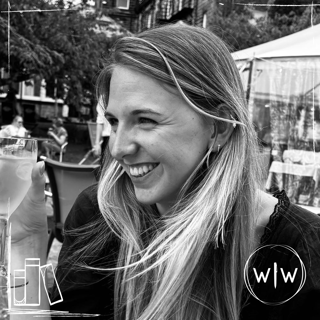
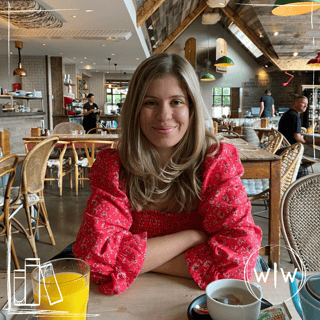
Speaker: Hello and welcome back to the Right and Wrong podcast. On today's episode, I am joined by a children's fantasy author whose debut novel is the first book in a series coming out with Pan Macmillan. It's Louise Austin. Hello. Hello.
Speaker: Thank you so much for coming on and chatting with me. Thank you so much for having me. As always, let's jump right in and start with the book, your debut novel, Alex Abbott is Undead, which comes out on the 23rd of April.
Speaker: Tell us a little bit about it. So um it is the story of a reluctant vampire who is desperate to get back to life as an ordinary kid. and Desperately seeking a cure, Alex blunders into the supernatural world accidentally extinguishes 32 tiny fire sprites and breaks a pact that's governed good relations between humans and the supernaturals that live secretly among us for centuries.
Speaker: To right those wrongs, Alex and an unlikely team of supernaturals um have to head out on a road trip across Europe to find a powerful fire demon.
Speaker: um On the way, Alex realizees that the discovers that the fire demon has the power to restore human life, um but making a deal with a demon is never a very good idea.
Speaker: um So in terms of vibes, it's kind of the paranormal ah monsters and peril of Wednesdays. written in a sort of funny diary style, highly illustrated style of um Louis Stowell's Loki, Bad God's Guide to Being Good type books and with a sort of hint of the sort of warm hearted whimsy of Pamela Bookchart's books.
Speaker: Okay, great. That was an excellent pitch. um I haven't practised it. Yeah, mean, well done. I've had seasoned authors on who come on and then like, tell me about the book. And they're like, uh, I can't remember what the book is about. One sec. Oh, I had to, i had to stand in front of a room of those lovely, lovely booksellers, about, um, 50 booksellers and do it. So I did some real, but like the dog heard that lot of times. Right.
Speaker: Okay, amazing. But that was great. It sounds fantastic. So many fun ideas in there. What was the, like this the start point? What was the jumping off point that then everything else sprouted off sprouted out of?
Speaker: I think for me, um the best way for me to write is to be quite character led. um And I think I started off with this idea. I loved the idea of a kid that's had something like really transformational and massive happen.
Speaker: And this idea that actually nothing's changed, so they still have to go to school and do homework and all that sort of mundane, boring stuff. But alongside all this kind of massive world that's opened up, um I just thought that was a really fun, interesting concept. And like you can then get in the really relatable elements of um you know everyday life for kids and what's important to them, because of course, so much of their life revolves around the routine of school and home, and but also having this kind of epic adventure as well.
Speaker: Yeah. Okay. That's great. I can see why you comped Louis Stowell because it's, it's similar, but it's like almost the opposite in some ways where hers is like this epic God character who's forced to be a child and yours is like a child who's kind of forced to be something else.
Speaker: Yeah, it's kind of the opposite. Exactly. So it is. they that And I think there's so much humour in that combination of the fantastical and the mundane. I think it's just got so much scope for, um yeah, sort of witty observational stuff and just playing with it. And I've always been a huge fantasy fan. So kind of getting to play with lots of um really sort of fun characters and and creatures is yeah always fun write.
Speaker: fun to write Yes, yes, of course. And as you mentioned, it's quite heavily illustrated. um And all those illustrations are being done by Katie Keir.
Speaker: Yes, which is amazing. I mean, it's kind of one of those things that as a writer, it's sort of your dream, isn't it? To kind of see, because i and I'm not a particularly visual person. um So to actually see the characters sort of brought to life, um like when the rough drafts of the of the illustrations came in it was just incredible because some of them it was kind of, wow, somehow I've not even visualized them, but you've managed to literally capture the essence of that character and their little micro expressions and things. I think that's like, ah for me, like the kind of incredible thing about illustrators is that ability to just slightly adjust an eyebrow and it changes the whole vibe of a face. I just think that's such a talent.
Speaker: yeah Yeah. Like you said, the micro expressions, which you don't even think about as a human being, but we're always doing them and it makes it makes a huge difference. was it When you were writing the book, did you always envision it as having lots of illustrations throughout or was that something that came later?
Speaker: I very much wanted it to be um visually interesting for kids. um So I think it's so important. I mean, and I work in a school, so I see a lot of kids choosing what book they're going to read and they go into the book corner and you can see them sort of running their finger along the spines of the books, trying to find something that doesn't look too intimidating. And if it passes that vibe check, a lot of them will open it up and do a quick flick through just to look at what and what the pages look like. And the number of children, and I think it probably is an increasing number of children who are put off by sort of text density.
Speaker: and For me, it was really important to um be able to tell that kind of epic story, but also to break it up in a way that ah makes kids feel like it's accessible to them. And I think also just all of our attention spans with the amount of time we spend on screens and that sort of thing. are lower So having, um I wanted it to have, you know, it's got things like a newspaper, it's kind of got that scrapbooky feel to it, like newspaper articles and lists, and obviously the illustrations and bits of it are done in different kind of ways, just to keep it so that there's never that really intimidating chunk. So the story is still happening. There's still that kind of, yeah, as I say, I wanted to do something that felt like a really big story, but also done in that style that kids are more used to, the sort of more episodic and books and things where they can dip in and out, but keeping that feel, but with that um kind of um epic adventure feel to it.
Speaker: Yeah. Okay. So that it it was in some ways, it was a tactical decision because you've seen how children treat these books and when they just see, like you said, a wall of text that could sometimes Absolutely. And I think there's also this huge thing about accessibility. I think, um i mean, ah kids that are dyslexic or just intimidated by bigger books or haven't, you know, kind of got and that sort of confidence to give them a go. i think if, if we can encourage them to find joy in reading, And that's such an important thing. And I don't think accessibility does anything bad for the other kids as well. I know certainly, so my first, my eldest two are,
Speaker: and absolute avid readers. And they would always, i mean, that the only reason they ever really got told off at primary school was because they were always, you know, the second they were finished their work, they'd be booked out the desk and they'd be sneaking an extra read.
Speaker: um But, you know, even kids like that, they do really enjoy like the the books they kept going back to as comfort reads. I think we all do this, don't we? The books that make us feel good, the books that make us laugh, the books that i feel relaxing to be part of. So i wanted to write a book that and that had that vibe that, you know, that you're spending time with friends and you're having a great time.
Speaker: Yeah. Children now getting children to read is so important because I feel like it is, especially boys. It's like, it is something that people are concerned about the fewer and fewer because we have so many distractions, other things that we could be doing. So I think, yeah, that's great that you're kind of trying to find something that is accessible and and not going to scare children away from reading.
Speaker: Getting back onto the illustrations and Katie, did the two of you have much contact? Was there any back and forth or was it sort of Katie was just kind of left to her own devices? I mean, she did such an amazing job. It's kind of one of those things where they, yeah, they sort of sent them all through to me. And I did have a couple of little tiny things. But overall, I mean, it's it's one of those things, as to say, it's such a skill for somebody to sort of take those characters and to be able to... um Yeah, to actually represent them in a way that's yeah so much more visual. Because as I say, I'm not a particularly, I don't do an awful lot of description, if you know what mean. Some people will spend a very long time describing everything and really getting, and even if they don't put it into the book, they do that, or they have mood boards or, you know what mean? Kind of ways of, I'm very much not one of those people.
Speaker: um for me like the character it's almost like the way they feel to me if you what mean like their vibe their kind of energy um so yeah no I mean she just did such a fantastic job and getting that balance as well I think between the kind of um supernatural creatures and the kind of peril of it the scariness but also the humor and the fact that it's you know a kid's book so that it's got that lovely, because kids love a bit of darkness. and I think if you have the humour in there as well, it kind of balances out. And she's absolutely done a great job of kind of capturing that that blend.
Speaker: Yeah. And as as the writer, since we're talking about darkness and humour, is writing in middle grade, there is quite a line to tread with that.
Speaker: Was that something that you found challenging? Was it something that you had to kind of iron out in the later drafts? um To be honest, I would say i read a lot of adult books, but some of them are a bit much for me. So I actually really love reading in middle grade because I think you have to tell the story and you have to give the stakes and you still have to get that feel. But for me, I don't i don't love it in books where they dwell too long on a torture scene or, do you know what I mean? I don't feel like you need to lean into all of that stuff. I think you can you can kind of give someone the vibe of that without...
Speaker: hitting them over the head with it. So for me, actually, I'm i'm very much a kind of um a bit of a wimp, I suppose, when it comes to anything too scary. So I like the idea of that kind of, but I don't i don't need to see it, if you know what mean. And I think that's a lot of it with kids. And also, i was really keen, I think a lot of books, um in order to get that sense of children leading the way, um they will kill off the parents or have some reason why they're effectively on their own. And I really didn't want that because I think there's such an important message for kids about having your adventures and being the star of your own story, but actually that you you can rely on the adults around you who love you to support you in that and that you're not having to hide things, you're not having to sneak off, you're not all that sort of thing. So really wanted to write a book with a protagonist who's very much in the driving seat, but who does have that kind of supportive cast of adults who cares about them to be able to... um
Speaker: to kind of bounce ideas off, to be able to help when things get tough, all that sort of thing. So it's got that sort of nice blend of of safety and and um someone to turn to when things get tough.
Speaker: That's so true. I'd not thought about it before because it is a well-established sort of trope in middle grade and then to some degree in like YA as well is that you like you said, you kill the parents, you ditch the parents, you have to remove the parents. But yeah, I mean, i guess in some ways it is teaching a bad precedent to people where it's like, oh, your parents are not going to be useful or your parents are going to get in the way, you know?
Speaker: Yeah. And also just killing them off. Like it's not a thing. I think, you know, to a child who has lost a parent, I mean, there's all these books about kids who've lost a parent, but none of them seem to care about it. They just go off on their adventure. If you sort of mean, I feel like if you're going to write, I mean, there are some amazing books about grief and about loss and all that sort of thing. I'm very much not in a position to write those books. And yeah, I i like the idea that, yeah, kids can um have their adventures, but that they don't have to do it all by themselves. And yeah, that idea that, you know, when things are tough, that really we're trying to teach them in so much at school about, you know, turning to a trusted adult when things are bad. And then all our literature says, oh no, you're on your own. And it just felt to me like such ah an odd message for all of our books speak really, really wanted to have that lovely balance of, you know, um dad being dragged off on this road trip with, you know, shape-shifting trolls and vampires and and and heading off and like being the being the one driving the people carrier across France. you know um I just thought that was quite funny and doesn't actually detract from the fact that it is Alex's adventure at the heart of
Speaker: Yeah, ah that's really nice. Yeah, I really like that. and i'd like to see I'd like to see more of that, I think, in in children's literature and children's televisions and shows and things like that. Because um when you when I think about it now, is whenever you get like parent-child relationship, something like The Last of Us, it's always focused on the adult. It's always focused on the father or the mother figure.
Speaker: And then the the child is like the accessory almost to that. Yes, exactly. it'd be nice to see it more in middle grade and for for children's things. Going back a bit onto you, bit onto your kind of history as a writer.
Speaker: Before Alex Abbott is Undead, had you written any novels or anything? Yes. So I think we all have, don't we? The the the book you write to learn to become a writer, um and which was very much a sort of classic epic fantasy book. um And I think for me, the difference between writing them was the first one I was quite plot driven.
Speaker: um i wanted to tell a story and I had some really cool ideas that are in there that are great. But for me, like I think I write best when it is character driven. um And I think that's such an important part of, um I guess, why you care about the story is getting that really strong sense of who the character is, what their wants are, what their needs are and um all that sort of thing. um So yes, no, that one is in a drawer.
Speaker: Okay. And there's that's never going to be yeah rev revised or reviewed or anything? You think that's just going to stay safely locked up? I mean, never say never. As I say, it's got some really cool elements in it that I would love to play with again. think I would need to do a lot of character work first. I think it's, yeah, that process of actually understanding, I guess, voice is part of it. And I think As a new writer, I think you hear a lot, don't you, about the kind of agents talking about looking for that sort of X factor, that voice when they read your book. And for me, that very much comes down to really understanding and getting to know those characters. And also for me, writing in first person really helped with that. I think my first book was all third person, a bit more traditional, more what we grew up with in terms of tone.
Speaker: um And I guess um I really enjoy books like that. But actually, you know, you do have to look at what are our children of this generation expecting and needing in their literature and how can we respond to that in a way that gets them excited about reading. And I think that the tone and the and the way we tell stories has shifted, um which I think is important because the way we consume media in general has shifted and changed.
Speaker: Yeah. Yeah. I think that's a pretty astute way of putting it. You can't ah keep doing the same thing that worked 10, 20 years ago and expect it to work for a new generation who have completely different upbringing.
Speaker: um So based on what you've just said, i would guess then that you, well, at least on your first book, you were a plotter, but maybe you're more of a pantser now.
Speaker: Yeah, absolutely. um Yeah, it just, i I find I'm very much one to go on a side quest um and just follow something that seems fun and interesting.
Speaker: And um i I guess I write with a kind of target in mind. It's a bit like, um I see it like, you know, you're giving, given directions to the pub and it doesn't tell you every step of the way, but you have that, oh, look out for the, you know, gnarled tree and then turn left type thing. So I'll have kind of way points that I'm kind of vaguely aiming for. But if i have to take a different route there because I've found this really cool path with an awesome style that I want to hop over, then I'm off. And I'll find a way to kind of figure it out um afterwards.
Speaker: um Because I think that's one of the fun things for me about it being so character driven. And also just following, like, I think when you're writing, it really comes across if you're having fun.
Speaker: um in in when people read it I think they can tell if you've enjoyed writing it um so for me i I like to write in a way that um if I feel sort of alive and awake and excited about writing it I think that makes it um much more um I guess charismatic writing it makes it um more fun to go along on the journey Yeah, absolutely. I think, and I think I've spoken to a few people who, same kind of sentiment where it's like the emotion you're feeling is going to be, it's going to somehow come out in your voice in the writing itself. I know, I think famously Charlie Brooker, ah when he's writing Black Mirror, he stands up and holds his laptop in one hand and types with the other because he wants to feel uncomfortable while he's writing it.
Speaker: And that makes so much sense, doesn't it? That sort of sense of being on edge all the time. Yeah. And I guess it does. It just puts you in that um in that frame of mind. Yeah. So no, I want mine to be fun. So I need to be having fun while I'm doing And do you think in terms of the your writing process from when you kind of signed with your agent and now you've kind of worked with an editor with Pam McMillan and you're kind of, that book is finished. I'm sure you're well underway with the new book for for kind of what you're working on now and your future books.
Speaker: How much has your writing process evolved since when you first sat down to write Alex Abbott or the the novel before and in the, in the drawer? I mean, I think it's one of those things where you're constantly learning, aren't you? I mean, it's writing as a craft and you're always developing and and finding kind of um new techniques that kind of help you hone what you're doing, all that sort of thing. But fundamentally, i mean, I can remember being um and free an agent and kind of people sort of saying things like, oh yes, well once you're professional, you have to do it this way and being quite kind of and set in what it was that a professional writer would do and being quite intimidated by that because it didn't really look anything like my slightly chaotic process. um And I mean, for anybody else who is a sort of and easily sidetracked pantser,
Speaker: my overall approach has absolutely not changed because for me, that is where the magic comes from. um And I've been really pleased um that my editor has been incredibly um supportive of, you know, the way I write.
Speaker: um And you don't have to follow a set pattern. Like writing is such an individual and, and you' you know you're doing it on your own, you're sitting there for hours of the day. If something is working for you, then it's working. And I don't think you have to feel that you have to fit into almost like you're in an office doing the day job type thing. yeah it is There is a magic to it. there is ah um And for me, I'm not a write-everyday person.
Speaker: um I'm a binge writer. When I'm in the mood, I will write loads and loads and loads and then I might not write anything for a week. And that's just the way my brain works. and um And that's okay. Yes.
Speaker: Yeah, exactly. On my other podcast, we've we've talked a lot about like the rules of writing things like that. And our ultimate conclusion usually is like the only rule is that just do the thing that works for you. Yeah. So in terms of process, I mean, I i know you hope talk a lot to to to Melissa Welleber, who is, I mean, an amazing writer. I've just read her new book and and it's amazing. I absolutely loved it. Just add that up. um And, but our processes are literally the complete opposite because she is very much that sort of very structured. and It's all planned out in advance. She knows exactly kind of down to the hundred words, which bit that's going to be. And, and I i just, I mean, I'm, a I'm, I'm in awe of her process, but I also know I could never, i could never write like that. I just, i need it to be that I turn up and I don't know where I'm going. And that's, that's for me, a lot of the excitement of it and the joy of it.
Speaker: Yes. Which is exactly what in Chosen Ones and Other Tropes, that's what's really fun about talking to Naomi and Melissa the same time. Cause Naomi is just like you. Naomi is like, I've tried plotting. And if I know where I'm going, I just lose interest. I can't write that thing. I have to be making it up as I go.
Speaker: Yeah, there's something really fun about that. But I also know some people can't write like that because they need that structure, that that sort of um to kind of give them permission to then play within that smaller, you know, it's it's all about how your own brain works. And you found a way that works for you, then stick with it. keep Keep going. I mean, you can always learn more, as I say, the sort of skills of writing, the craft of it, you can always be developing. But don't try to become someone else as a writer, I think.
Speaker: Yes, exactly. It's, yeah, Stephen King is very successful and his way of writing obviously works for him, but it's not, that's not to say that like the way that if you read Stephen King's book, that's not the only way that you can be a professional author. That's just the way that he wants to be a professional author.
Speaker: Getting back onto you a bit here, we've got we've strayed a bit, but... And while whilst we're on the craft and writing things at that, you you've you've kind of invested a lot of time in learning about the craft. um you've I think you've worked with WriteMentor and you've you've worked with Professional Writing Academy amongst others.
Speaker: Those sorts of um organizations and like doing courses and and and things with them, how much do you feel that that has really helped you as a writer, has really like set you up for success?
Speaker: And one thing I would say from the outset is to be able to access these things is an incredible privilege. um And, you know, to be able to kind of, yeah, I did um the right mentor did a a course back in the day. It's called um WM Lit. I think it was. And it was a kind of a year long thing. And um it was amazing.
Speaker: as all right mental things like incredibly good value and very accessible. um And the um course that I did, the editing course that I did with Cornerstone's PWA actually won in the Bath Novel Awards as a prize. um And yeah, I mean, they're incredibly useful.
Speaker: um and I think it can really help to um find people who can give you ideas, give you confidence in yourself, and teach you different techniques. um And investing in that is a really important thing. But you don't have to spend money to do it if you don't have that. I think there are lots of resources out there. Writers, I'd say, as ah as a community, I mean, particularly the kidlet community, but I think writers in general are incredibly generous group of people who in love talking about the craft and really enjoy helping um writers who aren't as far along on the journey as them. um So there are a lot of places you can go to find things out. And it also depends a lot, I think, on how you learn. um
Speaker: So the ones that I've done have been very much sort of self-led with um kind of peer feedback and then kind of sessions with um a sort of tutor every now and then. And for me, that's brilliant because I think so much of writing is going off and doing it on your own.
Speaker: um And so having the time to figure out, you know, because with all these sorts of courses, there are going to be bits that um you find really challenging because that's basically we all have our strengths and weaknesses. um And there are going to be bits that actually you kind of think, no, I'm kind of, i' I'm actually in a place where I feel quite confident with that bit of my writing. And what's really lovely is in a lot of these courses, there's so much peer support and actually being able to see you know, other people who are really good at that bit can give you feedback on that. And you then feel good on the bits that, you know, actually makes you realise where you do have strengths. Because i think sometimes we can be quite hard on ourselves, can't we, where we're actually quite good at something. We just assume everybody is. And that's not likely to be the case. that You know, we all have different strengths and weaknesses. um
Speaker: So, yeah, um I think courses are a wonderful thing if you can do them. But I also think there are a lot of resources out there that you can access if you're keen. if you're keen Yeah, absolutely. I think in some ways, and I've heard this from other people as well who have done other courses and stuff like that.
Speaker: almost the it's, it's not necessarily, but sometimes the most valuable thing to come out of doing those courses is just the people that they meet who are in a similar place to them and then sort of become their tribe, as we like to say.
Speaker: And then a lot of those people, you know, will stay in touch and they'll form writing groups and they'll stay in touch throughout various like parts of their writing and publishing careers. Yeah, so I still have um ive i two critique partners. We were a part of a sort of wider group and it's now sort of the three of us who who still work together. And yeah, they've kind of been with me all the way through my um Alex Abbott journey, which is so, so lovely to have kind of people who've, yeah, sort of seen you develop as a writer. they know We know each other's strengths and weaknesses. um
Speaker: Yeah, um and we can sort of chat about the craft, but we can also support each other on our on our journeys. It's, yeah, I think, finding writer friends is yeah it's a lovely thing because you have a lot in common and i don't think many people really understand the number of hours you'll sit on your own doing things or or just sit daydreaming about something or want to talk about you know it's really lovely to have other people you can share that with um and also who could support you when things are ah difficult but for me as well I really struggle with self-confidence so um
Speaker: I find things like, I mean, I'm i'm really lucky, so i'm I'm very much a competition fiend. So I entered a lot of competitions before I found my agent because I found the idea of querying utterly terrifying. I think because a competition you kind of enter and the assumption is that most people aren't going to win. And if you do, that's amazing.
Speaker: Whereas I think if you're like kind of submitting to an agent, it almost sort of feels like applying for a job, if you know what mean. And you kind of, i guess the stakes just feel higher and more personal. um So I they were very supportive in getting me to kind of give those competitions a go. um and um yeah, for me, that made an incredible difference having sort of people to enter with, if you know what I mean, because, yeah, these things can be really nerve wracking. I think putting yourself out there like that is is is really tricky and it's you have to be really brave to do it.
Speaker: Yeah, absolutely agree. And and it's it's so much like applying for a job when you query you because you literally you literally write a cover letter for the whole thing. And then like you're basically giving your book a CV and it's just that connection is stressful to me. um We're going to pick up a bit more querying stuff ah in a minute, but right now it is time for me to ask you, Louise, if you were snowed in at a cozy woodland cabin in the middle of nowhere,
Speaker: what book would you hope to have with you? So, um I don't know if I'm allowed to do this, but my absolute dream book to take would be, um, I'm a huge fan of the Kingkiller Chronicle, um, Patrick Rothfusses. Um, I mean, I just adored the name of the wind and you know, I took, really took my time because I knew wise man's fear when I read it. was kind of like, Oh, it's been out for quite a while. You know, it'll be a long, you know, hopefully there'll be the third one coming kind of thing.
Speaker: um and just took my time over it. And like, it's one of those books you can absolutely dwell in, isn't it? Just yeah gorgeously rich. And um so for me, if I could take that, they have the third of those, The Doors of Stone, i i would love to. that would i would be i would be excited to be snowed in in a cabin with that.
Speaker: and If that didn't exist, which it doesn't yet. So i'm I'm still, I'm very much still one of the fans with their fingers crossed, just hoping that that will come out. Cause I mean, I adore those books so much. ah But if I couldn't take those,
Speaker: I've been recently getting really into cozy fantasy generally. I'm a huge fantasy fan and I've always enjoyed those, but cozy fantasy is just like this really lovely, um, all those great characters, but just doing these really lovely things. Um, so I got, you know, really into those really legends and artists, all that kind of thing. So if I couldn't have the theoretical book that doesn't exist yet, would probably pick, um, there's a new one that's coming out quite soon. Um,
Speaker: one of my um fellow debuts, um, Chiara Bullen has written a book called the inner of foot of Mount vengeance, which is coming out quite soon. Um, and it has got that whole kind of vibe. It's like a scholar, I think, who, um, goes to, um,
Speaker: I think that wants to be a Nestorian and is sent by sort of academic supervisor type person, I think, to find out um about these explorers who go to this mountain where there's sort of, um I think it's dragons and, you know, to to battle. But um actually, everybody gets to the inn and then just goes back home again. There's no, nobody's actually taking the adventure. So that's that's the premise. I haven't read it yet, but it just sounds, it just sounds really, really good. So I'm really excited about that one So if I can't have the doors of stone, I will take the inn at the foot my vengeance.
Speaker: okay, well, that's great. as ah As a fantasy fan myself, this all sounds wonderful to me. um And I too eagerly await the release of The Doors of Stone, as I have been for 10 years now. Yes, that's the problem. It's been so long you start to lose hope, but I'm i'm still an optimist.
Speaker: yeah I mean, I think it will come out. I'm almost certain it will come out. I'm not one of the naysayers, but I don't, I used to recommend The Name of the Wind. It was my like go-to recommendation for people wanting to get into fantasy because I think it's a really good ah like doorway in.
Speaker: um But now I'm kind of like, no, I feel bad putting people in this situation where it's like, oh, but there's only two and we're not really sure when the third one's coming out. No, he has done some little novellas, hasn't he I haven't read those yet. I've been kind of waiting um in a kind of, I'm going to hold it because I don't know if there's anything about them, but I sort of think at some point I would say, by this point, I would normally have kind of done a reread to then read a third one, if you know what I mean. yeah So I think what I'd probably do is do a reread and then read the bonus material, if you know what mean, which is I think what's out there. so And I hope that then that sees me through and that the doors of stone will come out in you know a few years' time. would be such a treat.
Speaker: Fingers crossed. I mean, i every now and again, I do check to see if there's any updates on Doors of Stone, but we're still we're still waiting. um Yeah, cool choices, great choices all around. um i think there's there's ah ah I'll happily read any fantasy, so all of those excite me.
Speaker: um Next up, like I said, we're going to get into more of Louise's publishing journey, querying, finding an agent, all of that. That is going to be available at patreon.com forward slash right and wrong in the extended episode.
Speaker: like You know, enjoying each stage of it because we write because we love it, right? And I don't want to lose sight of that and, you know, lose myself in the sort of race to do the best you possibly can.
Speaker: That's a, yeah, that's a great bit of advice. I think, yeah, it's easy to, to forget that publishing very much is a marathon and not a sprint and you've just got to pace yourself and kind of, yeah, like you said, enjoy it as you're going. Um,
Speaker: And that brings us to the the the end of the episode. So thank you so much, Louise, for coming on and and chatting with me and telling us all about your your debut novel and the kind of journey that you've taken um with Alex Abbott is Undead, which is out 23rd of April. It's been amazing and and super fun chatting with you.
Speaker: Thank you so much for having me. This has been so much fun. And for everyone listening, if you want to keep up with what Louise is doing, you can find her on Instagram at LouiseAustin1983. Or you can head over to her website, www.LouiseAustin.com. To support this podcast, like, follow and subscribe. Join the Patreon for ad-free extended episodes and check out my other podcasts, The Chosen Ones and Other Tropes.
Speaker: Thanks again, Louise. And thanks to everyone listening. we will catch you on the next episode.