Become a Creator today!Start creating today - Share your story with the world!
Start for free
00:00:00
00:00:01

262 Linda Wilgus | Historical Romantic Fiction Author

348 Plays4 months ago
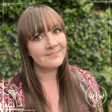
Historical romantic fiction writer, Linda Wilgus joins Jamie to chat about her debut historical fiction novel, The Sea Child, how she plans and writes her stories, the publishing process and connecting with her literary agent, Madeleine Milburn.
Support the show on Patreon! 💖 And get extended episodes, ad-free and a week ahead of everyone else. 🙏
For audio listeners:
Listen to The Chosen Ones and Other Tropes, Jamie's other podcast with Melissa Welliver and Naomi Gibson! 📚
Follow on socials! 🥳
Recommended













Transcript
Introduction to Writing Preferences
00:00:00
Speaker
Oh, a spicy question. I love Because the writing is sort of everything, right? Like you can fix plot holes, but if the writer... So some readers love that and some readers are were like, but I wanted more of this. So it's kind of, it's kind of a gamble.
Meet the Author: Linda
00:00:14
Speaker
Hello and welcome back to the Right and Wrong podcast. On today's episode, I am joined by a historical fiction author whose debut novel is out at the start of 2026. It's Linda Hello.
00:00:27
Speaker
hey Hi, hi, Jamie. Thank you so much for having me. I'm very excited. Thanks so much for coming on.
Exploring 'The Sea Child'
00:00:32
Speaker
Let's start with the book, your debut novel coming out at the beginning of the year. Tell us a little bit about The Sea Child.
00:00:40
Speaker
Yes. Well, it's set in the early eighteen hundreds and it's about a young woman, Isabel, who has lost her husband at the Battle of Trafalgar. And after that, she moved back to the Cornish village in which she was found as a small child at the time dripping wet and unable to speak.
00:00:59
Speaker
And as she moves back, she learns that the local population has come to believe she's the child of a sea spirit from folklore called the Seabooka. And so as she tries to learn more about her mysterious origins, um one night, group of smugglers brings in their wounded Captain Jack. into her cottage, believing it's still empty. And that leads to her getting involved with smuggling. um She goes on lots of adventures. She goes on smuggling runs to France. She falls in love with Jack. And um in the meantime, the the sea begins to call to her and that call grows stronger every day.
00:01:37
Speaker
Okay, cool. Interesting stuff. Sort of some folklore in there with the historical fiction. Yes, certainly. Yeah, a bit of everything. There's adventure, there's big romance, there's quite a bit of swashbuckling and and there's ah a dash of ah magic and mystery and and a little folklore.
00:01:55
Speaker
I so enjoyed writing it.
Folklore and Inspiration
00:01:58
Speaker
And is this based on some sort of folklore and local tales that you you came ah upon or are you kind of creating your own folklore here?
00:02:08
Speaker
I've read about it because I've always been interested in folklore and I grew up in the in a part of the Netherlands called Twente that has a very strong um sort of folklore tradition, particularly to that area. And so having visited Cornwall quite a lot and absolutely loved going there, I got really interested in Cornish folklore and sort of um did a deep dive into learning about it. and um Yeah, and when I learned about the sea book, I got really interested in in the myth and sort of tried to weave that into the story of the sea child. So yeah, it's definitely, it's it's a real myth. um
00:02:43
Speaker
It's something that quite a few people still believed in up until almost 1900. think folklore was still very much alive and well at the time as as sort of a part of people's everyday lives and and there's there's a few bits where I did sort of invent a bit of a backstory here and there but most of it's definitely based on ah on a real legend okay and that makes sense why you chose the time period for the story to be in the eighteen hundreds Yes, certainly. Yeah, it's a period that's always fascinated me anyway. And i love sort of the age of sale, um you know, Nelson's Navy, all that time period. So with the smuggling um ah that that came into that.
00:03:23
Speaker
and But also, I love that at the time, folklore was still yeah very much a thing that it it wasn't just some, you know, odd fairy tales that people would just tell as a story. It's something that was part of everyday life for a lot of people. Um, and, um, something they really did believe in. So I thought that would be interesting to explore. Okay, cool. And this is your debut novel.
A Decade of Crafting Novels
00:03:48
Speaker
Yes. Um, how long have you been working on it? Um, well, this novel went quite quickly, but I've been sort of writing seriously for about 10 years now. Um, and by that, I mean, I, I always wanted to be a writer as child, but, um, didn't take the time or find the time and, um, it's about 10 years ago when, um, we've got three children and when the youngest was about one, i started sort of writing every day when it was his nap time and, um, and, uh, sort of wrote, uh, a lot of short fiction at first for, um, uh, literary magazines.
00:04:21
Speaker
And then started writing novels. And then The Sea Child is the fourth one I wrote. So once I got to that one, because it was quite a learning curve at first ah to sort of learn how to structure a novel and how to write a beginning, a middle and ends that kind of worked. And um ah once I got to The Sea Child, it was quite quickly because um when when I sort of got the story in my head during one of our visits to Cornwall, the whole story is sort of like,
00:04:49
Speaker
rolled into it quite quickly in my mind. And um normally a draft would take me quite a bit longer, but we sort of got home from a trip and I told my husband and the kids, I'm going to be writing days, nights, weekends. I got to get this story down on paper or on the laptop. And ah so it was a bit of a mad rush for that one. um So yeah, that was about three years ago now.
00:05:12
Speaker
Okay. And those first few novels, did you try to sort of um take them further?
Achieving Publishing Success
00:05:21
Speaker
Did you query agents or editors or anything with those first novels or was this the sea child, was this the first time that you you really tried to put it out into publishing?
00:05:30
Speaker
um No, definitely. I did create the other three. But ah to be fair, there was one novel before the three that were actually finished that was sort of an ongoing project for about five years. And got about every time I got about 100,000 words into it and decided to start over.
00:05:43
Speaker
And so that was that was the first sort of learning curve. And I never never would have created that. But then the the three sort of finished once before the sea child. I did create them. But ah looking back, I'm actually quite happy that they didn't find any traction at the time because they just weren't there yet. I still had a lot to learn and I'm really happy that the sea child is the one that sort of got me an agent and then found a great home with Simon & Schuster. so Okay, yes. Okay. And your agent is um Madeline Milburn of the Madeline Milburn agency. Right. um
00:06:18
Speaker
So it sounds like, you know, you'd queried before you'd been doing this. It was some time your kind of journey to finding an agent. Was that through just open querying that you connected with Madeline and she asked for the full and then yes things went from there?
00:06:32
Speaker
Yes, certainly. um I had actually queried Maddie with um my first novel and we had a bit of a laugh about that later because it was so not there yet. and But then with the two in between, i didn't even querier because I thought, oh, that's not going to happen. um And with the fourth, I just thought on a whim because I'd been sending out to quite a few agents. Let me just give it a try. And so there was quite a bit of agent interest for this one. then um And I felt very lucky with that. And then when Maddie got back to me and said, ah you know, she really liked first chapters and would like to read the full, that was a very exciting moment. So um so yeah, so she read it. She sort of really got sort of what I was trying to do with the novel and um and sent me some notes that I completely clicked with. And so then when we got on the call,
00:07:20
Speaker
um yeah there was sort of that instant click and i and i you know i knew i'd love to sign with her so um see yeah it was great oh okay right yeah she sort of sent you her vision of how she would edit the novel and you were like oh yeah this is great yes she sent it sort of quite shortly before the call and um and it was quite light edits but at the time not having ever done this before i thought oh my gosh how am i ever going to do that um but In retrospect, it wasn't it wasn't ah it wasn't a lot. it was and it was It was really good points that she made. And I thought, oh, yes, she's really sort of ah not only enjoys the novel, but also sort of sees what I'm trying to do with it. And I absolutely love that. So I felt really lucky to to work with her.
00:08:00
Speaker
Yeah. Amazing. And then once you had signed the two of you, obviously the next part of the process is, um, you did your, your edits when then once the two of you decided it was ready to go to, to editors, you start sending it out again, you go back on submission. Um, you'd obviously, you know, been doing, you'd been writing the novels for a bit. You'd, you'd queried over a few different novels. I imagine you were used to like long waits. Was it another long wait before you found a publisher for the sea child?
The Journey to Publication
00:08:29
Speaker
No, actually it went really fast, which was again, so lucky because I was absolutely prepared to you know wait a long time. and And I know that a lot of times on submission, it could sometimes just ah not go anywhere. so I was quite worried that what if it wouldn't sell, but then, um yeah, I guess there was interest quite quickly. So in the end, it was just a few weeks ah before a while we went to auction with it.
00:08:53
Speaker
And um it had actually sold in France first, which was, I thought was really cool because in the book, they do go to France and they say, few chapters set in Britain and France. And um so that was sort of like a confidence boost, but I still, I still quite nervous about the whole process not having, having done that before. um So yeah, so then it, it, it sort in the end quite quickly, actually, which again, very lucky, especially since um I never did any courses and I never had any sort of like, you know, connections in in the literary world. So i I kind of did feel like quite the newcomer in that sense and not not, you know, out of my debt, not knowing what all at all, how it all would like, you know, kind of unfold. But um yeah, so yeah, so that's been a learning curve too. It's quite interesting.
00:09:36
Speaker
Okay. So that whole time when you were kind of just writing by yourself, was it literally just like no one had seen any of your manuscripts other than when you queried them to agents yes pretty much yeah just my husband who very kindly read them he normally he reads a lot of non-fiction but he made a nice exception for um he does read fiction sometimes but not much but it he made an exception for these books and was very very encouraging which um which was lovely but yeah i i was quite scared to show it to people to be honest and um i also didn't really know any other writers or anybody that i i could sort of like show it to and and feel that they would sort of like
00:10:12
Speaker
tell me honestly and not just say oh that's nice or you know um so yeah so yeah the agents are the first that that saw it uh at the time yeah and in terms of the the deals that you found um France like you said but then obviously UK and then US s I noticed that the US one is coming out first was was that just a logistical scheduling thing or was that a deal that was signed and signed off before the UK one No, it was, um I think it was about six weeks later that we got the US deal, out but it was really just logistics. I think they had it planned for their ah fall 25 sort of schedule. And that was, for some reason, that ends in January 26th is the end of that ah fall period. And then um ah in the UK, it's scheduled for spring 26. So that starts in February. So they're still quite close together. But yeah, there's a couple of weeks between.
00:11:05
Speaker
Okay. Right. And ah you touched on it earlier when we talked about your edits with with your agent. um but So I would imagine you underestimated the editorial process when you did actually start working with the publisher. How did that go for you?
Navigating Editorial Challenges
00:11:23
Speaker
Well, um i um i'd actually I had a good conversation with, a really great conversation actually, with an author friend of mine, ah Liz Fenwick, who also writes a gorgeous novel set in Cornwall. I've had Liz on the podcast, yeah. Have you? Yeah, wonderful. She's so lovely. and see oh She gave me all these tips about when the edits come. you know yeah It's going to be stressful, but you can do this, as ah which was so good. and That was ah literally a couple of days before before I got my first set of developmental edits. and
00:11:54
Speaker
And so I thought I was quite prepared for pretty much every anything. And I thought if if I have to rewrite massive chunks and or a third of the book, that'd be fine. And um then when I got my edition, the only thing that turned out I didn't expect that was a bit tough to at the start was that um it was my UK editor, um Claire Hay, was working together with my US editor, she sent a porter, who are both absolutely wonderful but in their edits there there were quite a few sort of bigger issues that they didn't quite agree on and um it sort of forced me to find the middle way which in the end I feel made the book a lot better like it it totally worked but when I first got those notes I thought oh gosh there's a few points right there's no way I could make them both happy and of course being a debut author really wanted to make them happy and I could see both their points too like some some instances I could see oh yeah
00:12:45
Speaker
I see why she would ask that, but then i also could see why the other one would say, no, i disagree. And so, yeah, so I'd sort of like kind of find my way in that. And then um ah it it all worked out. I think, I think it definitely made the book a lot better. um And any edit notes that have come after that have been easier in that sense. So.
00:13:02
Speaker
Okay. The, so obviously that's like the sort of developmental stage and then there's copy edits, line edits. How did you find the, the sort of copy edits and the line edits, the more in the sort of minutiae of the thing?
00:13:16
Speaker
um Well, after after developmental edits, I felt like they the line edits were sort of, they're quite intense in in how there's quite a lot of them, but um but I did find them a whole lot easier. and Yeah. Okay. Yeah. So there's no disagreements, no ah no big plot points that needed changing, ah no things needing to be moved around much. ah So yeah, so altogether, once once those came in, I kind of felt like, yeah, okay, I got this now. I can yeah do this.
00:13:45
Speaker
Okay. With a, in terms of like that process of once you you're with the publisher, you're working with an editor or multiple editors and, um, you know, you're getting presented with cover art suggestions and things like that.
00:13:58
Speaker
Did any of it surprise you that, or was it kind of what you expected was going to happen? In terms of the cover, um i i was nervous about it because people always say, oh, you know, you shouldn't judge a book by its cover. But I think we do. And um I think everyone in a bookshop, you know, will look at a cover and say, oh, like that cover, might pick up the book and see what it's about. And and I know that I also read that it's one of the things that as an author, you don't have a whole lot of control over.
00:14:24
Speaker
um So i felt extremely lucky when I did see the covers for both. the UK and US edition because they're absolutely gorgeous. And um for the US one, I got ah several options and it was very clear which one sort of I felt ah fit the book the best and sort of like conveyed that sense of mystery and magic that's in the story. And um and yeah, so i'm I'm extremely pleased with them. and um And yeah, the nervousness was not necessary in the end. They're very lovely.
Cover Art and Expectations
00:14:55
Speaker
Okay. So, and and they, they basically presented you with them and and then they went with the one that you chose. Yes. Yeah. And I think um my editor felt that that, that, that was her favorite as well. And I, I i could see why, cause the other ones were sort of, they're also really lovely, but they're a bit more sort of traditional with, um, sort of, uh, uh, a figure on the front and a seascape. And then, um, the one for the US one we we chose was, um, I feel it's quite unusual. It's just that the color really pops. It's sort of a turquoise blue. And then, uh, the figure of the main character is sort of, uh, part of the lettering, of the title, which is, is quite cool. So I, I think it was neat to see how it was quite different and yet it really sort of captured, uh, the vibe of the story I thought.
00:15:37
Speaker
Yeah. And, and, you know that's all, that's all you can hope for is, you know, that you're going to like the covers. Cause as you say, yes you get some input, but you don't get, you know, final or kind of say or important anything. so Yeah, I think it's it's tough too, because I think um ah as an author, if you if you were to maybe have to go against it because she said, oh, I really don't like that. Then what if they were to listen to that, but then if if it didn't sell as well as everyone would hope, would you sort of start to question that? Cause in the end yeah they know what sells, do you know what i mean? and So, so I was really happy not to have to question anything because, because I was happy as they were. So
Marketing and Reader Engagement
00:16:12
Speaker
yeah. Yeah.
00:16:13
Speaker
And obviously the sort of the, the, one of the final kind of parts of releasing a book in terms of what you need to do on the publishing side of things is um the promoting and and the marketing like you're doing right now just being here on this podcast how are you finding that that part of the process um I find it really exciting, actually. um i'm i'm quite an introverted person by nature, but somehow when it's um meeting what I like to call book people and talk about books and talk about writing, and it just sort of seems to come a lot more natural to me than it would usually. um Yeah, it's been actually really lovely. And um I've sort of, I never really did much with social media, for example. And um after the book deal, I got on Instagram and on um X and um sort of started posting there.
00:17:04
Speaker
thinking, oh, I don't know if this is for me at all. and But then it it turned out to be such a good experience, actually, because I've met so many, um both readers that haven't read yet or have read the um the advanced reader copy now, which is exciting, but that have really been very supportive already about the book, but then also to sort of had had chance to meet other authors that way. And um have actually formed some lovely friendships offline that we met up after meeting via social media that we now get to meet up regularly and and do just that, talk books and writing, which, yeah, it's been great.
00:17:39
Speaker
Yeah, it's amazing. I think sometimes um when people are releasing their kind of debut novel and they're not they're not sure how much they're going to have to do in terms of the marketing stuff, it can be, some people it can be quite daunting, but yeah, it sounds like you've had a great experience from it.
00:17:55
Speaker
Yes, definitely. I mean, I expect it might get busier as as we get closer too. But I also, i'm I'm extremely lucky in that um this is now my full-time job. So I also feel like, you know, any time I can spend on helping the book along, I'm so happy to spend. And then um if that means that the actual writing, the next thing takes a step back for a little bit, that's just fine because it's all sort of part of the job and I feel so lucky to get to do it. So um yeah, it's no complaints. It's wonderful.
00:18:22
Speaker
Yeah, amazing. um Before we head over to the cabin, i just wanted to ask one more
Advice for Aspiring Writers
00:18:28
Speaker
thing. And that was so now now that the book's almost out, you've basically gone through the publishing journey from from start to finish.
00:18:37
Speaker
um and And you would, you know, you've you said you said you've been dreaming about this since you you've always wanted to publish a novel is always something you wanted to do. do you have any advice now that you've kind of almost done it that you would give to your younger self back when you were thinking, Oh, one day I'll publish a novel. Yes.
00:18:54
Speaker
Um, I suppose just that it's, it's very worthwhile reaching for the dream, uh, because for many, many years, I just thought that was completely out of my reach. Um, I always did want to write a book, but yeah, I got busy with, um, job, young kids, um, My husband used to be a Navy officer, so we moved around a lot and it was busy and just kind of always put it off thinking, oh, you know, that's, yeah, that sounds fun, but it would never go anywhere. And so I guess if I would be able to yeah give any advice to my younger self, I'd say just go for it because, you know, it's it's worth reaching for it. and um
00:19:29
Speaker
And the writing itself is is such a joy. Even if nobody were to read it, it would be still a wonderful thing to do. I'd still love it. But of course, knowing that people will read it is such a joy. It's it's very, very cool. um So yeah, I guess that would be it. And the other one would be, but I bet everyone says this, but it would be just just stick with it. ah you know Persistence is key.
00:19:51
Speaker
um yeah The only way you'll never get there with publishing would be if you just stop. And and that would be a real shame, I think. Yes. Yeah, exactly. I think that's, yeah, that's, that's
Choosing the Perfect Cabin Read
00:20:02
Speaker
great advice. Um, so it's time for me to ask you, Linda, if you were snowed in at a cozy woodland cabin in the middle of nowhere, what book would you hope to have with you?
00:20:15
Speaker
Oh, gosh, yeah. So um I've listened to a few of your podcasts and I've heard the question asked about the Desert Island. So I had sort of prepared to go to Desert Island with my book and a cozy cottage sort of changes the vibe. um But I guess it would still be sort of the same. i had originally considered my favorite book ever, which... um is even 20 something years after first reading it is For Whom the Bell Tolls by Hemingway. But it's um obviously quite a sad and tragic story. So I sort of thought if you're alone by yourself, in this case, snowed in, it's cool, it's pretty dark, and you reread that a whole bunch of times, it might get quite depressing. ah so then And then I'd considered, well, you'd want some company, more so maybe be on the desert island, but in a snowed in cabin as well. um I would imagine that
00:21:04
Speaker
you know If you're by yourself, the the characters in the book would sort of become sort of friends to you, so they should be nice people. and um i I gave a little consideration to A Place of Great Safety by Hilary Mantel because I absolutely love it. and it's It's a big book, so it keeps you busy. but um But then you'd be snowed in with Robespierre and that wouldn't be good either.
00:21:26
Speaker
So in the end, I i have settled on HMS Surprise by Patrick O'Brien because I absolutely loved the series when I first read it. And um I think I would you know be able to stomach the company of the main characters for quite a while. And I enjoy rereading that quite a few times before I get bored, hopefully. Hopefully.
00:21:47
Speaker
Yes. Yeah. Okay. That's great to ask. I appreciate the, i appreciate the, uh, your sort of first and second thoughts on that. It's always yeah interesting yeah hear what people go through to reach the final answer. Snowden Cottage sort of changes the vibe. It's almost, it should be something a bit warm and, um, yeah, I'd have to really give that maybe possibly some more thought in my free time.
00:22:07
Speaker
So, yeah. Well, I wanted to mix it up because i think I felt like there was too much Bear Grylls and too much how to build a raft. Oh, yes. Yes. I did think about survival books and I thought now, you know, I don't think I'd enjoy them as much, but yeah.
00:22:21
Speaker
Yeah, but that's great. some some Some great suggestions there and then and and the nice final answer. So um next up, we are going to chat a bit more about um Linda's writing style and her writing process. That will all be available at patreon.com forward slash right and wrong. like Absolutely loved but the horror ones that can't do. and But just reading about this process was really interesting.
00:22:48
Speaker
Yeah. I mean, yeah, he's, he's pretty successful, I would say. oh yes. so quite Always good to learn from people at the the the top of their game. Yes, absolutely.
00:23:01
Speaker
Amazing. Well, that brings us to the end of the interview. Thank you so much, Linda, for coming on and telling us all about the everything you've been up to your kind of writing and publishing journey. um It's been it's been really great chatting with you.
00:23:14
Speaker
Oh, thank you so much, Jamie. it's Yeah, it's been absolute pleasure. And yeah, thank you. Thanks for having me. And for everyone listening, The Sea Child is out January 20th in the US and um February 12th in the UK. If you want to keep up with what Linda is doing, you can find her on Instagram at Linda J. Wilgus, or you can head over to her website, lindawilgus.com.
00:23:38
Speaker
To support this podcast, like, follow and subscribe. Join the Patreon for ad-free extended episodes and check out my other podcast, The Chosen Ones and Other Tropes. Thanks again to Linda and thanks to everyone listening. We will catch you on the next episode.
00:23:50
Speaker
you