Become a Creator today!Start creating today - Share your story with the world!
Start for free
00:00:00
00:00:01
31- Can Jaime Interest You In...Drawing/Painting? image

31- Can Jaime Interest You In...Drawing/Painting?

S1 E31 · Can We Interest You In...?
Avatar
25 Plays6 days ago

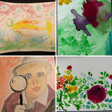
In this episode, Jaime Lynn Henderson tells us about the interest she has nurtured since childhood—drawing and painting. We learn how she went from being a child doodler and mega-fan of Bob Ross to reality tv contestant to having her first solo gallery show just last month.

We start the show with a check-in, during which we hear about how everybody is *really* doing. At the 8:22 mark we dig into painting and drawing, and Jaime’s artistic journey. She tells us about art school. “the cushiest, bougiest time of your life.” (Frankly, it sounds amazing and we want to go to there).

Then, Patti’s dream comes true—we find out we’re talking with a real life Bravo reality show star! Jaime was a contestant on the show Work of Art: the Next Great Artist and we hear all about it.

We learn about Daydream Diaries, Jaime’s first solo art show, which happened just last month! She gives us the behind the scenes details of how a gallery show gets set up. Paseo Arts Association

Other topics we discuss include what parts of drawing are innate and what are teachable, creative processes, and where does our creativity come from?

If you’ve ever felt a pull to draw or to paint, take a listen and do the homework with us! Here it is: get some watercolors (or watercolor pens, because that’s a thing now), then do activity #1 - paint something from your own imagination; and activity #2 - set up something you love, and paint it, focusing on the shape, color, the light that hits it. Then, notice and compare how it feels to do each exercise; and finally, be very, very proud of yourself afterwards!

Links:
https://www.thepaaok.org/blog/daydream-diaries-the-paa-members-show-and-who-and-where-we-are

www.jaimelynnhendersonart.com

https://www.bravotv.com/work-of-art

Logo design by Marielle Martin
Song: Upbeat Drums with Stomps and Claps by music_for_video
BlueSky: @canweinterestyouin.bsky.social
Instagram: @canweinterestyouin
Email us your interests! CanWeInterestYouIn@gmail.com
Website: canweinterestyouin.com

Recommended
Transcript

Introductions and Unusual Hobbies

00:00:00
Speaker
You know that thing you love that your friends and family don't want to hear about anymore? Tell it to us, Patty and Charlotte. We want to learn all about your weird and wild obsessions or your perfectly normal hobbies that you've taken just a little too far.
00:00:15
Speaker
We want to dabble in your curious interests. Can we interest you in today's episode?
00:00:36
Speaker
Hey, Charlotte. Hey, Patty. And Charlotte, I want to introduce you to Jamie. Jamie is our guest for today. Jamie. Hi, Jamie. Hi, what is happening?
00:00:48
Speaker
One of the few guests that I've brought on, Charlotte, so you're not the only one with friends or friends of friends. Patty knows people. Come on. how are you guys doing? And we, uh,
00:01:02
Speaker
We try to be honest with how we're doing. You don't have to share more than you're comfortable with, but we don't do the fine. So we want real. you We're getting real. yeah I know you just met me, but tell me how you really know. Let's hear it. what What's happening?
00:01:22
Speaker
I'm fine. I think the most honest thing I can say, it's been a long and fruitful work day my butt is sore. And i ordered i ordered a cushion for my my tush today and I'm very excited for it to arrive because I'm finding that I've been spending long hours in front of the computer and my my butt hurts. And there's that. So that's how I really am. But otherwise I'm pumped to be here. and i And I've got my favorite drink. I have a diet seven up here, so I will not get parched. I'm ready to rock. I'm i'm excited to talk. How are you guys? like Like real, how are you guys doing for real? Yeah, I think it's great that there's a solution for a sore butt, you know, that it could just be that easy. But also they say that Tuesday is the most productive day for most people, which I get because it's like you've gotten through the like, ah ah getting back into the mindset of a Monday, getting through your emails, whatever. And then you're like in the groove of things. So so another data point to show that that's true. Yeah. yeah
00:02:28
Speaker
Patty, how are you?

Discoveries and Family Fun

00:02:30
Speaker
I'm good. And sorry, the third thing I was going to mention is based on your drink, Jamie, i have recently, my the 16-year-old nephew and i have recently discovered Sprite Chill, which is a cherry lime version of Sprite.
00:02:47
Speaker
Get out. It's so good. Like I love a cherry limeade. That's like one of my favorite things. So um I finally found like them in cans. And so I got a 12 pack and I think he drank most of them in two days, but so we probably won't have them on a regular basis, but it's such a treat. i'll have to I will look for that. Like people say that, Oh, thanks. I'll look for it. No, no, I will look for that. I need that.
00:03:14
Speaker
I need any, any version of like a Sprite zero diet seven up with like a twist. and Yeah. for it And they had the sugar-free versions or whatever those are for Sprite. And I want people to get them because I want them to keep making it. Oh yes. you yes them In all like grocery store, like, you know, convenience stores yet. And so I'm like, every time I see it, I want to buy it so that they're like,
00:03:37
Speaker
Yes. Keep making it as if my contribution will really help with that. But no, you're very important. You're quite a contributor. Yeah. I mean, yeah, you've already doubled number of people who are going to buy it. So actually, maybe tripled.
00:03:53
Speaker
Oh, see, look at that. And if you guys all drink as fast as David does, we will be going through these like nothing. Yeah. You got to get the like teen boys into it and then you're good.

Work Challenges and Support

00:04:04
Speaker
Yeah. Like a Mountain Dew. I am okay. I had one of those days at work where I just felt like kind of a failure. and Oh, is that Janine?
00:04:15
Speaker
no Was that Janine? It's very messy, but yes, it is. Is Janine a black lab? um She's like, yeah, part black lab, part big part Australian cattle dog is what they say.
00:04:29
Speaker
Oh, sweet angel Janine. She is. She's like an older adult sweet angel. She's like 11 and a half and she's got a little white face.
00:04:41
Speaker
She's all black with a white face. Melts my heart. Melts my heart every time. a senior dog face just crushes my soul. It's the sweetest thing ever. Okay, wait, what do you mean you felt like a failure? We all have those days. Tell me more. It was just one of those where like, I was like, I think I talked about this with somebody and I can't remember what we decided, nor can I find, like even i looked everywhere I thought I would have taken notes, you know, just things like that where I was feeling very unorganized. And as a project manager, kind of should be organized. So um yeah, just one of those days. It's it's fine.
00:05:16
Speaker
you know I have to always tell myself, like, this is just one of many days. Or you knocked it out of the park on the others, I'm sure. Right. Like, in the long run, it evens out.
00:05:29
Speaker
And as a project manager, you're more organized than most people if you are a project manager. So you are... doing good overall, and you deserve a not so good day.
00:05:46
Speaker
Thank you. Thank you. Charlotte, you have a very therapeutic voice. I'm a therapist. thank you Oh my gosh, you sound perfect. Wow, I'm just like soothed. Chose the right career for you, that voice. Yeah, and also I am not organized, so I absolutely mean exactly what I just said. so authentic. So then wait, Charlotte, I'm curious, as as our resident therapist, how are you today?

Writing Journey and Publishing

00:06:14
Speaker
I am doing okay. Actually, so I am also i like creative writer, and so I finished a novel after you know only like seven to 10 years. And I've been sending out query letters. um
00:06:35
Speaker
So I sent out like 12 of them starting at the beginning of this month, um which is- is Wait, this month that we're only three days into? Okay, last month.
00:06:47
Speaker
Okay. But you're supposed to send like up to 100. um But so you send them out and then you you wait for people to say like, hey, can you send me the whole manuscript or part of it or to never ever respond to you? um And I've already gotten three requests, which is really, really great. What?
00:07:10
Speaker
with Charlotte. Yeah. Congratulations. Thanks. And one rejection already from one of the people who requested it. However, um it was very kind. So. And then it was a response. Yeah. Which is not a not that common. So in, I mean, in the sense of the world, not great. Things not great in my small world.
00:07:36
Speaker
Not bad. Gosh, what a freaking flex. Just finished a novel. Boss. Yeah. Thank you. It's been, I've been talking about it for so long that I kind of feel like I had to finish it so that I wouldn't be like one of those people who just talks about it for the rest of their life until they die.
00:08:00
Speaker
so like no matter how many years it takes, I'm going to finish it just so I can say I did. Very commendable. your Your family and loved ones are like, thank God. yeah They're like, we we weren't sure if she was delusional or not. And now we know that we still don't know. But yeah, we'll have to read the book.
00:08:20
Speaker
Yeah, exactly.

Artistic Beginnings and Inspirations

00:08:21
Speaker
Well, we brought you on this gloomy day, at least it's gloomy here. Jamie, because you have an interest. So can you just share with us what your interest is?
00:08:35
Speaker
I do. Among my many interests, the interest I am most excited to talk with you two about today is painting and drawing. Okay,
00:08:46
Speaker
okay so were you an artistic kid growing up? Like, did you have the art bug from an early age? I I was that kid that was drawing on every surface imaginable. My dad would come home with like, briefing papers. He was in the military. I would draw all over the papers. I would draw all over the walls. I would like sit next to my parents in church. I'd like draw on the margins of their Bible. I was drawing constantly. I couldn't get enough of it. That doesn't necessarily mean I was good at it, but I loved expressing myself through doodles. And even to this day, if I'm on a long call, I'm still doodling in the margins. If I'm at a conference, I'm doodling. and My hand is kind of constantly going. um
00:09:28
Speaker
So I, yes, I was always drawing. And then the the first official thing I learned how to draw formally was a horse. I'm one of those gals who loves horses, don't we all? But i but i I really loved them. And I had those how to draw horse books and I would dutifully try. It's all circles. It's all based on circles. You knew, you did you did the high hand motion. It's all made of circles and you connect them all. um Learned how to draw horses. And then all of that stayed with me through, gosh, grade school. I would take poster boards. I'm okay. The math is not mapping. You did not bring me on to do math. So i don't know what the year was, but-
00:10:06
Speaker
But baby tees with like the sunshine, smiley faces were really, really big. It was that kind of like flower power sort of throwback. And I would take poster boards and I'd paint them with neon paint.
00:10:18
Speaker
And I'd draw these weird smiley faces in sunflowers and I'd cut them out and I'd stick them all over my room like an installation. I'd stick them on the ceiling. I'd stick them on the walls. And I would, I'd just rearrange that design on my walls over and over and over. I've been drawing for as long as I can remember is the long answer to that.
00:10:38
Speaker
Oh, that is so cool. And then- did went did you start painting later on or like how did that lead into painting and what kind of painting? Yeah, that's a great question. So, um, I think, I, I think my parents, like most parents were like, Oh, you're really little. Let's not give you paints, especially given that you have a propensity to like mark all over absolutely everything. So the paint, including our walls and like dad's work, let's not, at let's please. Um,
00:11:09
Speaker
I feel like paints were not on the table until I got a little bit older. I want to say I was in grade school and my grandparents bought me, I can remember it so vividly, a Bob Ross oil paint set.
00:11:23
Speaker
Bob Ross. Oh my gosh. Shout out till the cows come home for Mr. Bob Ross. I was obsessed with that show. i would watch it all the time. i i actually, it's it's funny. I found you. I don't know if it's Netflix. I forget one of the streaming. You can watch all of his stuff and a couple holiday seasons back. I just like hunkered down and just blew through a ton of Bob Ross. The technique holds up, man. Some people like to say he's not very creative. I don't think that's very fair. The technique is solid. Especially if you're teaching the masses, right? It's like you you need to be
00:11:58
Speaker
make it basic. Like we're not into, yeah, sorry, but okay. So you got that from your grandparents. We love Bob Ross. Got that from my grandparents. I had absolutely no idea what to do with it. My grandparents were so sweet. They're like, oh, she loves art. Let's get her highly chemical based, like professional grade materials and see what like this fourth grader will do with them. Which oil paints are so hard to figure out. Like that's a hard. Yeah. I don't think I even know how to. It does take forever to dry, which is one of the great benefits of oil paints if you are using them in sort of a photorealistic way. And we can talk technique stuff later if we want. But at the time, I didn't know any of that. I just was, I mean, lucky if I could like open them. and I'm sure I made a huge mess. But shortly after that, my parents did put me in art classes. We were living in Virginia at the time. And I and i wish I remember this art teacher's name, but she taught art classes out of her basement. And it was...
00:12:55
Speaker
My favorite time of the week, my mom would drive me in the evenings after school and it would just it would be myself and several other students, all ages, and we would work predominantly on drawing from pictures or drawing from life. We were trying to do representational drawing, which is trying to make the thing look like how it exists in real life, as opposed to more of a freeform. really creative style of drawing where it does not need to look like anything. You're kind of like running your own ship and you're creating something that truly has never existed before anywhere. and
00:13:25
Speaker
And one could argue, even if you're doing representational drawing, you are creating something that's never existed before, which is why i think art is so cool. It's never going to exist again. You're the only one that's ever made it. But I did get into some classes. I want to say I was in, gosh, what was that? i don't know, fourth, fifth grade, probably somewhere around there. And I was introduced to watercolors first. Watercolors are the gateway into painting. they are They are water-based, hence the name, so you don't have to worry too much about stains. They're nice and compact. They come in their little palettes. They don't get all over the place. You can play around. You can make wishy-washy, weird, ethereal creations. You don't need canvas. you You hardly need anything. You just need paper. So for people that are interested in painting and you have no idea where to start, I always recommend watercolors. They are safe and beautiful and wonderful and a great way to get into it. But I started with those in those basement art classes in Virginia.
00:14:26
Speaker
years ago, and it probably wasn't until art school in undergrad when I really started rolling out what I would consider like more professional grade acrylics, oils, things of that nature. But you know what, even then liked to use really cheap stuff. I would actually use the craft paint the like Americana, if you go to like Joann's or whatever, all the tubes of like 89 cent craft paint. That's actually what I use that I really loved the most. But I didn't get into kind of more formal methods, I guess, until, gosh, until undergrad and then later into graduate school. I guess the only thing I get i could count, definitely not high art, but it is a way that I continue to use my talent through junior high and high school. I always got called out of class to do all the big banners, the like eagles, tropical greens banners, because I could do the lettering just because I'd been drawing so much lettering with something that I could do and I could paint all that in. So I think that was probably tempera paint, but. That's funny. My sister always says that if she could, like she would love to
00:15:32
Speaker
do signs for different coffee shops, you know, like she'll go by and see like their boards or like yeah and things. And she's like, Oh, they're so bad. i I would just do them for them for free, you know, like, but yeah. Yeah. out there for that She can make a lot of money doing that. It's definitely a skill for sure. Trader Joe's. They have such great signs and it's such a style, you know, you're like, okay, clearly this is. And they hire real artists, which I love about them. Like they, they look for, know,
00:15:59
Speaker
And hire and I mean, audition is not the right term, but kind of like try out real artists to they like sit in a room and they crank that stuff out all day, every day. it's kind of amazing. Yeah.

Academic Path to Art

00:16:10
Speaker
So you said undergrad, like art school. Did you go to art school for undergrad? Is that like- I did. i did. So i went to the University of Oklahoma. I was originally a civil engineer major because I wanted to prove to my dad that I could be an engineer because I secretly think he thought maybe I couldn't, which is not true at all. But I just wanted to show off and prove myself to him. And then I very quickly realized that I absolutely hated engineering um And at the time i was dating a guy who was a film student in the art school at OU and he had to take foundational art classes.
00:16:45
Speaker
Wow, I didn't think I was gonna be talking about him. In any event, he had to take foundational art classes and there it's a whole bunch of like color theory and painting and just ah very basic. And I would stay up with him and help him with his homework. And I used to just think,
00:16:57
Speaker
this is your homework. I could do this with my eyes closed. And at the time I had not contemplated actually going to school for fine arts at all. I thought, you know, I gotta, I gotta do something where I'm going a lot of money or it's like, you know, there's career stability. And, and my parents never put any pressure on me to do that. I just thought that going into college and I wound up changing my major. I, I moved out of the dorms into my first apartment by myself and I wanted to decorate it.
00:17:23
Speaker
And I didn't want to use posters or photographs. I wanted to paint. So I was like, you know, I bet you I could, if I tried, i could replicate some famous paintings and just make them myself and just save a whole bunch of money. And I did, you know, I did Starry Night. I did a Frida Kahlo painting. I mean, they were not fantastic, but I i was trying to kind of mirror and replicate replicate different styles. And I realized I could do it. So I changed my major to fine arts. And it was a really sweet thing when I told my parents,
00:17:52
Speaker
They said, and I quote, we wondered how long it would take for you to figure that out. yeah Like how much do my parents rock? I mean, they could have been like, oh, I don't know. That's that's worrisome. How do you make a living as an artist? And the answer is it's very hard. And I don't do it now. um But but they were so supportive. They were so supportive. and And I changed my major and I wound up getting my bachelor in fine arts and studio arts, which covers painting, drawing, all of that from the University of Oklahoma.
00:18:22
Speaker
And then after that, I applied straight to graduate school. I applied to every graduate school I could possibly think of that was you know ah a top tier ranked fine arts program.
00:18:34
Speaker
And I ended up getting into the School of the Art Institute of Chicago, which I was just over the moon about, didn't know a soul in Chicago and was like, well, guess I'm moving to Chicago. I but packed up my little cocker spaniel, William, who's no longer with me, RIP William, and we moved to Chicago. And I ended up getting my master in fine arts and painting and drawing from the School Theater Institute, also called SAIC, there in Chicago.
00:18:59
Speaker
Best two years ever. you're your're i always say graduate school is the cushiest, bougiest time of your life. At least it was for me. I dropped so much money. i felt incredibly, in hindsight, incredibly privileged to have been able to do that. So thankful I've worked very hard to get out from under all that debt. But now that it's paid off, really, really grateful for that time where all you can do or all you're supposed to do is just focus on your creative process and you luxuriate in your studio and it looks out over Michigan Avenue the snow's falling and you're just like talking process with your colleagues and you're getting pizza at two zero in the morning and you're talking about art and you're all going to lectures and it's it's magic.
00:19:41
Speaker
Yeah. Amazing. you're surrounded by other people who are also able to do that as well. So it's like no shortage of people to like waste that time with. Oh, the best. It was the best time. I think back on that time so, so finally. So yes, that's a very long way of saying, yes, I did go to art school.
00:20:03
Speaker
That's amazing though. Like just to have that time and have like your experience interest, be respected and encouraged and and get to learn from experts? Oh, so respected and encouraged. And I will say too, you know, i'll I'll be sure you have access to some of the images of my paintings, but the style that I make at the time in my graduate program, which was only 20 of us was very different from what most of my colleagues were making. It's very, what I would call like, for lack of a better term, it's very girly, very hyper feminine. There's some caricature. There's a lot of female storytelling. They're dressed to the nines. They're writing in hot air balloons. It's all very whimsical, but a lot of my colleagues were doing what I thought was like very serious, professional, mature, abstract work, really conceptual pieces, like a
00:20:56
Speaker
beautiful and it took a ton of intellect to understand them. And I'm over here like flipping through pinup magazines to find like images to cut out like paper dolls and Barbies and Disney movies and all this stuff that I was using for my work. And Some of the younger professors at the Art Institute were not the biggest fans, but I loved it so much. Some of the more seasoned, tenured faculty at the Art Institute who'd been around forever, I mean, had been players in the Chicago art scene for years, were so supportive.
00:21:27
Speaker
And I think they understood that the beauty of art is that you really can't tell somebody what is a valid subject matter. You can teach somebody how to best express what they say they want to communicate in their art, but you don't get to tell them what's a valid subject matter. And the closer you get somebody to being comfortable expressing their authentic self through their work, the more beautiful the message, the more unique the message, the more powerful, the more interesting it is. So my work got infinitely more interesting, the more I kind of partnered up with those older, more experienced artists who had seen all the fads and trends come and go and just knew if you want to have the longevity and like the energy to actually keep making things, you need to be really in touch with yourself and really confident in your unique style and voice. And what can we do to support that? And that's what they, that's what they gave me.
00:22:21
Speaker
I think sometimes you, the you can't, know what's important, you know, quote unquote at the time either.

Finding Unique Art Style

00:22:28
Speaker
So like, even if people think like, okay, this is something that's gonna have a lasting impact or have some kind of impact, like there's, there's just no, sometimes no way to predict. And so i think what you're saying about like, you know, being authentic to your vision is,
00:22:48
Speaker
is the most important because that comes through and that you know has more likelihood of having that kind of impact is at least i'm going from a writing standpoint but i feel like it's similar in terms of like creativity like not trying to play to a particular audience but just trying to express yourself like you said in the best way you can Yeah. And I felt that pressure too, when I first got there, because I was so self-conscious knowing that it was this prestigious school. And I honestly didn't even understand fully how I got in because my work was just so different from everybody's. And I, I just, I lacked a lot of confidence. And so I felt a lot of pressure to want to try to do everything. So um people used to joke in grad school, i mean, I'm sure you've seen documentaries that sort of mock the art school experience. And it's like, video stuff and like nudity and blood and like menstrual pads and like but like ah gas masks. Like it's all kinds of weird stuff in art school.
00:23:48
Speaker
But what they're trying to do is they're trying to get you to try a whole bunch of different things because the likelihood is one of those might stick and resonate for you. So in the beginning I tried installation art,
00:23:59
Speaker
and like sound based stuff and I would try to incorporate it with my paintings and it didn't feel like me at all. I'm very proud that I tried, but I really, i felt a lot of that pressure to kind of try everything. And in the end, I just came back to what I would consider a very traditional form of art making, which is just painting and drawing collage, you know, flat 2D framed works on paper or paintings on canvas, nothing outlandish.
00:24:22
Speaker
but that's what I came back to that felt like home. And that it is, like you said, proud that you're, you tried it, but also if I were you, I would be proud that you then stuck with what you wanted, because I do think of art school as very much who can be the most avant-garde and like, you know, shock.
00:24:44
Speaker
And it's like, okay, that's cool if that's really what you're going for. But if that isn't, and you're just doing it for the sake of fitting in or doing what you think you should do, then it's kind of like, so kudos to you for sticking to what you want to make.
00:25:00
Speaker
Thank you. Again, I had great advisors. Credit goes to them. But then you said, so then you're not making a ah career from art, but do you like, so yeah, tell us like what happened after art school?
00:25:12
Speaker
Yeah. Oh my gosh.

Reality Show Experience

00:25:14
Speaker
So much stuff. So much stuff happened. And i came I came back to it. That's the beautiful thing is I found my way back to art. it It came back to me in a very organic way. I didn't have to force it, but I took a very long break. yeah. Right after graduate school, I ended up auditioning for and getting onto a reality show on Bravo. It was season one of a reality competition show called Work of Art, The Next Great Artist. It was the same executive producers that did Project Runway. And this was their first attempt at a contemporary art competition reality show on national television.
00:25:50
Speaker
with judges, like, you know, you you have a whole, you have a live opening, you record the conversation with the judges and the artists, you have challenges where you truly only have until quote, midnight tonight and a few hours the next morning to, you know, make this thing they wanted to try. And the auditions for the Midwest were at the Art Institute. So I was like, what the heck I might as well like I'll go and and to my surprise I got on I forget how many cast members we had maybe 10 or 12 artists from all over the country every different kind of art style that you could imagine
00:26:22
Speaker
And I went through that experience and it was an absolute blast. And it was also completely exhausting and also somewhat humiliating. so it was all the things, like, you know, going into a reality show that you're not going to have control over how things are edited. And I do not in any way want to say that like they, you know, misconstrued our words.
00:26:41
Speaker
They weren't trying to make it look like you said something you didn't say, but the editing could kind of be perceived in such a way. i was very much perceived as like the, I had, blonde, no one can see me, but I have a, I have short, I have a short brunette pixie cut. And at the time I had long wavy blonde hair. I lived in a tanning bed. I was tan. I, it was a very different thing. Again, coming from Oklahoma, you know, university of Oklahoma, I just, I had that, that look was like very in. Um, and so I, I'm a fairly friendly person. And so I was pretty quickly cast as this like Southern Belle ditzy blonde kind of bimbo, not bimbo. There wasn't like a sexual component to it, but not not the most intelligent. So when I saw the edits come out, I was like, oh my gosh, I had so many intelligent conversations and they're just gone. They're like, they're nowhere. at narrative sorry But it's okay. I lasted, I think six episodes. All I wanted was just not
00:27:39
Speaker
go home first, and I will say it's hilarious. This just goes to show you that the the casting department really didn't know what they were doing because the person that got sent home first is far and away the most famous artist out of all of us now. She has like a MacArthur grant. she's blowing up all over the place. Like she does, you know, lectures at every, every highbrow institution you could name it. She, she's amazing, but she got sent home first. So jokes on us, but in any event, it was so much fun, but what that wound up providing me was this fascination. And I already kind of had it in my subject matter to begin with, but I was very interested in film, television, like storytelling media, but through that television Avenue, And because I'd been on camera, I wound up doing some on-camera gigs. I did some commercials, some very small scale acting. I do not in any way want to make this sound like it was a big acting thing for me. They were very small things. But through that, I wound up working for a casting director in Chicago and then became an assistant for a casting director. I was also an agent for television and film actors in Chicago for several years and took this whole weird other turn into arts and entertainment,
00:28:52
Speaker
which was great because it it's like storytelling, but in a completely different way. And to be quite honest, it was a job. I desperately needed money to start paying off all my grad school debts, not cheap to go to those schools. Again, I feel incredibly privileged to have been able to go, but I needed a job. And I had not been able to land a job at any of the kind of highbrow blue chip galleries in Chicago. I thought for sure, like I remember I went and bought my first suit. My parents spotted me some money to get a suit for my first ever big interview with this big gallery downtown and I just thought for sure i was going to get to work with them and I told them so stupid in hindsight I told them that I was in the running for this tv show and and could I just like it's it may only film for like a couple months but I'd be available after that needless to say I did not get that job um you were like a like great time off but
00:29:45
Speaker
Right. Like, hi, can I please do three months PTO, but I'll be back and I'll be famous, which is a joke. But that because that did not happen at all. i I ended up, I did get an opportunity to sell quite a bit more of my work immediately after the show. And that was really a blessing and and super fun. I got to meet all kinds of people and exhibit my work in kind of a wider range because of the reach from that show. But by no means did it change my life like I thought.
00:30:11
Speaker
It was going to. So did the did the arts and entertainment thing for a while and then kind of got to the end of that road when I realized that I i still just really needed a full blown career change to be able to afford to get out from under all that student loan debt, just to be dead

Career Change and Passion Rediscovery

00:30:27
Speaker
honest. I it' it's it's a wonderful industry, but in Chicago, there just wasn't enough to go around to really be able to, as a single person, I mean, not being a part of like a dual income household, I just couldn't, i couldn't get out from under the debt. So I wound up completely changing industries and parlaying my experience in entertainment into an executive assistant job for an affordable housing finance company, which is completely nothing like what I could have ever imagined. If you had told me I'd be working in real estate or finance, I would have laughed you off a hill because I am not good with Excel and I am horrible with numbers. um
00:31:05
Speaker
But i am good with people and I have a heart that cares for people. And that industry helping to provide housing for folks who otherwise can't afford it is incredibly meaningful. And that turn in my career has led me to to now I'm almost 10 years with this particular company that I work for. and it's unbelievably rewarding and fulfilling work. But it it is very time consuming. I mean, it is a full blown day job. And so finding time to create art has been It's hard, but post-COVID, mean, I guess I shouldn't say post-COVID, it was during COVID. I was bored to tears as so many of us were. and i was like, i have I have got to get back to this gift. And I really do believe we all have gifts and in and many of them, but this is one that I know that I do have. And I had felt kind of a...
00:31:55
Speaker
and a loss and an ache and a longing because I had not used it in so long. And I went and I did like what so many of us did. We hit up Joann's. We did the thing where you had to wait outside forever in your mask until they let like four of you in. And then you tried to ransack the place because you didn't know when you'd be able to get in again. You like buy everything off the shelves just to keep yourself occupied. And I bought a whole bunch of canvases and I came home. And once I started painting, I just...
00:32:20
Speaker
I couldn't stop and I painted and I painted and I painted. I think I whipped out maybe five paintings or so, large scale paintings in probably a couple months. Wow. And it's it's been back with me ever since. um So you were like as prolific still as you were when you were a kid, like where it's like, I just have to, I have to get it out.
00:32:42
Speaker
It was that way, especially during COVID because there was just nothing else to do. But then again, get to the other side of COVID, And you're kind of back in your regular day

Solo Exhibition and Artistic Return

00:32:53
Speaker
job. And, you know, at the time I was like going into an office and all that stuff. So I did come up against the barriers of of being able to be that prolific again. And I still feel that struggle now, but, but I am actually so, so proud this Friday, i have my first ever opening for a solo show here in Oklahoma city 11 new, 11 paintings that have been with me since COVID.
00:33:18
Speaker
So they've all, they're all new since COVID. um And because I was fortunate enough, I sold everything else that I had that I made all through my graduate school years. is I had nothing left. So this is all new stuff over the past six years. And it'll be the first time I get to have a room all to myself.
00:33:37
Speaker
And all I see is my own stuff talking to each other. I'm stoked. Wait, so do you name a show? Like, is there a title to, okay, what's the title of the show? Yeah, so you don't always have to. I think most solo exhibitions you get the opportunity to. Mine is called Daydream Diaries.
00:33:57
Speaker
And what day is it? It's coming It's this Friday. you know you all don't live in Oklahoma City, which is such a bummer. Yeah, I know. Right. Just drive several hours. It's fine. It's it's nothing. It's yes this Friday from 6 to 9 a.m.
00:34:12
Speaker
Oh, yes. Thank you. They need the date. They don't know when we're recording this. From 6 to 9 at the Paseo Arts Association. And I think they will include it in the show notes, which is so kind. Yes. well It'll probably have already passed. But is there like, will there be something online or like some way to... put it I was thinking we'll put it on our social ahead time. Yes. Yes.
00:34:34
Speaker
Pro tip, we can do that. I'm learning how to do the social media, so... but Hey, it's never too late. And you can also look at my social media because I will definitely post pictures because I'm so excited about it. And I've got some family in town that will be able to come, but I have some family that will not. So I will, I'm sure, annoy the living daylights out of everyone. I will be absolutely insufferable with all of my photos because I'm so excited. It's really exciting. And how did it this come about? Like, so did you approach the gallery or how how does that even happen?
00:35:08
Speaker
Yeah, so um when I, and so I'd been living in Chicago for probably 14 years, decided to move back here to, I don't know if I told, I don't know if I said this yet on this podcast, I live in Oklahoma City. That's where I am now. um But I'd been in Chicago for 14 years, spent COVID in the DC area with with my parents, and then decided to move here to Oklahoma to be near my two little nephews, my brother and sister-in-law. They are ah here in Oklahoma.
00:35:37
Speaker
Once I got here, I've been here almost three years, but I wanted to get reconnected with the Oklahoma art scene because when I'd done my undergrad, I was very familiar with kind of the local players and the arts organizations, and I had known a lot of people. And I wanted to get reconnected and they were very kind to welcome me back. And I just sent my, my work to a couple, um, submitted my work for a couple juried shows here in Oklahoma city and got a painting in one of those last year and did an art talk at Oklahoma contemporary, our, um,
00:36:06
Speaker
our Contemporary Arts Center here in Oklahoma City. And a few people went to that and and kind of that was an opportunity for me to kind of get my name back out there. And by no means is it like massively back out there, but enough that I could have a couple opportunities. And that gallery that included me and included one of my paintings in a group show then gave me the opportunity to do a solo show in one of their gallery spaces. So that is what will be coming up this Friday, 6th.
00:36:34
Speaker
Amazing. my And do you get to then also kind of work with them to figure out, like, this should be here? Like you said, get to see them and they're talking to each other. Like, do you get to decide, like, where things are hung and how they go? Because, of course, I watch a lot of TV and that's always the, like, stressful part. Like, no, I want this here. Right. Down four inches. I demand it. Actually, no, I think they were open to my input, but they have a very, well, I call it complicated because it would just be really annoying to me. They have a complicated hanging system where you can't nail into the walls. You see this a lot with historic buildings or like really fancy apartment lobbies or
00:37:18
Speaker
high-end retail where you might have an artist bring work in, but you don't want them damaging the walls. It's a wire system. So there's, there's a track along the ceiling and there's kind of invisible filament wire that comes down and then you hook it to your stuff. And to be quite honest, I would lose my ever loving mind. If I was the one trying to install that, you're like one centimeter down too low on the right and one centimeter too high. i They are going install it.
00:37:43
Speaker
All I had to do was make sure everything was wired and ready to go and run in my cute little cargo van by myself and just hossed that little thing over and schlepped all my paintings. And they are wonderful. They're going to hang it all. And I'm sure it's going to look great.
00:37:58
Speaker
I'm sure it's going to great. Oh, yeah. They're professionals. yeah Is this the kind of thing where people come and they're like, i I must have this painting and then they buy it and they take it home? Or is it like,
00:38:11
Speaker
These are all mine. You get to look at them but and enjoy, but you don't take it home. That's a great question. That's a great question. So part of the, and this is very common with galleries and I understand it entirely. Part of the agreement to show your work is you are required to have your work for sale. That said. Okay.
00:38:28
Speaker
One could price ones work so high that the likelihood of it selling is either so is either like small, but it's a dollar amount that you would be so grateful to sell it. You wouldn't be resentful or you maybe won't sell it and then you get to keep it. And I will say I have a big sentimental connection to these pieces just because they're they look like.
00:38:50
Speaker
And it's the same subject matter, but they look and feel a lot different somehow than the work I did when I was younger. And so it feels very meaningful to me. And I know that it came out of COVID and just all that. So I love them. And some of them have been hanging in my home ever since I made them. So There's currently gaps in my apartment where all of my all of my pieces are are at the show. So I would be very fortunate and so grateful if I did sell them. Also, I would not cry if I don't because I love them and I would miss them. I did i had ah i had an art teacher in undergrad say once, and I've never been able to do this or live by it, I suppose. He would say...
00:39:31
Speaker
More or less, I'm paraphrasing, every time you make something, you should get rid of it. Because if you don't, you are telling yourself that you don't believe you could make anything better.
00:39:45
Speaker
And like, sometimes I feel that I've been making things for so long. And still, when I stare at a blank canvas, I worry that I've forgotten how to do it.
00:39:56
Speaker
And I worry that it's not going to come out how I want, especially my um my work has, it has a component that is somewhat ah ah realistic is a very strong word, but there, there is photo representation in some of the work. Some of the backgrounds are lush landscapes and I want them to look like real landscapes. So there's a photo source that I need it to look like how it's supposed to look, or there are flowers and I really want them to be rendered and modeled in a way so that they really pop off the canvas. And so there is a skill level and expertise in rendering something to to look like real life to a degree. If I wasn't doing work like that, I wouldn't care, but there is an element of that in my work. It's not all of it. There's that, but then there's collage and then there's some kind of hand-drawn characters that almost have a cartoonish feel and they don't have to be perfect. And I actually prefer that they aren't perfect.
00:40:50
Speaker
But because there is a bit of that photo realism, again, that's probably the real photo realists out there are like, she doesn't do photo realism, but like more so than like someone who's just like drawing a stick figure. We're closer than that. But because there is that element, there is a level of stress around like, oh gosh, I wonder if I still have my skills because What a lot of people don't realize is, well, yes, some people have a natural ability to draw from life more easily than others. It is absolutely a teachable skill.
00:41:23
Speaker
You can take classes on representational drawing. it It has everything to do with not to bore you, but it has everything to do with the speed and accuracy with which your eye communicates to your hand. When you're looking at something in front of you and you're trying to render it, every time you look down, there's a break and you're needing your eye and your brain to communicate to your hand really quickly so that it's more accurate.
00:41:50
Speaker
The longer that lag time is, as you're looking down to draw, you're losing accuracy. It's one of the reasons why little kids when they paint the ocean or they draw the ocean, they do those like swoop-de-swoop lines. But if you look at the ocean, that's not what the ocean looks like at all. They're not actually studying and seeing with their eyes and truly communicating through their hand what they're seeing. They are letting their mind fill in the gaps. And anytime you let your mind fill in the gap,
00:42:19
Speaker
you're probably not accurate. I say all that to say, it's a muscle, that quickness of being able to connect what you see with your hand and that accuracy is absolutely teachable.
00:42:30
Speaker
So that's what I mean when I say- Keep practicing, right? Yes. like if you've had a wall, then it's like, oh my gosh, did I lose it? Absolutely. That's exactly why I worry about that every time, especially if there's going to be you like ah some sort of photo reference that I want to work off of for part of it.
00:42:46
Speaker
Feel stressful. I remember someone telling me once to not look down. i I can't, like when I close my eyes, I don't see things, you know, so I can't really visualize. But I remember doing a, what's that called? it Still life ones. And they said, no no, no, don't look at your paper. Just draw and almost like just draw the outline and the shapes versus trying to draw a table with a tablecloth on it.
00:43:16
Speaker
So is that the part of that reason why that Yes. Okay. hundred percent. It's called blind contour drawing. Another version of that exercise it' is very common in drawing classes, very common in like foundational, like

Art Practice Techniques

00:43:29
Speaker
undergrad art programs. We did a lot of that. Another version of that is to put a piece of paper inside a big ah paper bag,
00:43:36
Speaker
And that way you literally, you draw with your hand inside the paper bag so you cannot look at it. And and and the the more wonky that thing comes out, the point is not to actually, it's not gonna look like what it's supposed to, that's not the point. And actually teachers know that you're cheating. If when you pull that thing out of the paper bag, it looks like a flower on a table, like they know you're cheating. and if you're doing it correctly and you are studying as hard as you possibly can, the contour of that still life in front of you, you are, that's exactly the muscle you're training. You're working that connection between what your eyes seeing and it transmitting down to your hand. And the more and more you do that, the more accurate your drawing becomes. And painting, as weird as it sounds, is, painting's foundation is drawing.
00:44:21
Speaker
It's the exact same thing. It's just doing it with swaths and sections and tiny little bits of color, but it's the exact same thing. So people that want to learn to paint, you got to learn to, you don't have to, you don't have to, but if you, especially if you want to learn to paint from life, you need to learn how to draw from life. And I think like most things, classical piano, I'm sure with writing, you kind of, it's best if you learn the fundamentals before you start breaking them and and then becoming a rebel and doing your own thing.
00:44:52
Speaker
Yeah, a lot of people will say like they kind of imitate some styles of writers and then go and figure out what their own style is, which is kind of like what you had described about when I'm to try all these different things and then and then figure out what my style is.
00:45:08
Speaker
um I did take a a pencil drawing class that was part of a botanical illustration program. And I love it. It was it was really cool. I had always thought that I could not draw because I guess nobody had told me, like, you can learn how to do that. I just thought that everybody had like a talent for it or not, which to a degree, you know, is true. But but yeah, she said to practice like at least 10 minutes a day.
00:45:36
Speaker
And and yeah, I could see why. Just if you keep that going, I got. pretty good, better than I would have ever thought I could in just a few weeks, just by knowing like the basics and knowing like, okay, I can do this.
00:45:53
Speaker
Just having that confidence. And then I stopped, but this is, I mean, we I was going to say, do you still practice? No, but I have all of the stick supplies in here. ready And it's, it's okay. Like if that sort of thing, like with all hobbies, you try all kinds of things. It doesn't have to stick. I tried gymnastics. I went once I had a ball. I never wanted to go again. That was still a fun experience for me. Like, you know, not everything, not everything resonates deeply, but it's still, you know, expands your experience. I wanted to, and I still kind of do. But i think, yeah, it's like even if it's just 10 minutes a day, you still have to intentionally be like, okay, I'm going to remember all these techniques. i'm gonna I didn't actually know about the whole like you know connection between what you're seeing and what you're drawing, and like that that needs to be really quick. That explains a lot of what she was teaching us.
00:46:50
Speaker
But just to to build on that every day. Well, if here's a question for you with your writing. Do you, okay. So I know a lot of artists, they keep studio hours and I always felt very guilty about this because I didn't. Art was always like a a part of my life. It was like, I went to school with people where if they had $20 and it came down to needing oil paint or food, they would get oil paint. And I just was not like that. Like art for me comes out of a place of abundance and being joyful and feeling

Creative Motivation Challenges

00:47:20
Speaker
stable. But a lot of people keep a studio practice. And even if they're just in there fluffing around and they don't feel like they came out with anything meaningful, it's the it's the tenacity of making yourself go every day. Do you keep a daily writing practice or
00:47:35
Speaker
no No, definitely no. I would love to. i think that that is ideal to have some sort of practice that's pretty regular.
00:47:47
Speaker
And so I would say at times I get as regular as I can, but it's not my strong suit. So I do better when I have like some kind of deadline, some kind of um thing and that I'm working on in particular. i do a lot of um getting on Zoom with somebody and then we each work on our own stuff just as motivation. Because once I'm in it, I love it. And and it it just the time goes so quickly. But just getting started is is hard. But I do think that the like with writing, it is the same as as you're describing where you have to just keep
00:48:29
Speaker
going to it and doing it because that also then does teach you the creativity. It's not like something with an end. It can come back if you just teach your brain and and teach yourself to to keep going to the studio or going to the the desk. And the more often you do it in theory, then it doesn't feel like this thing like, well, every time I start it, though, I lose four hours into it. Then it doesn't have to feel...
00:48:58
Speaker
um that either. it is, I know that there are so many reasons for this and so much research into it, but I still am always amazed at myself when I do not do the things that I know i love to do. You know, like I'm like, it's just 10 minutes. Yeah, yeah, yeah. You know, like just all those things.
00:49:19
Speaker
Do you find I wonder about this because I've certainly experienced it with art or a or even like exercise, just weird stuff. Do you find that potentially ah an expectation of perfection gets in the way? Like there are some things that if I haven't done it in a long time, I don't want to face the fact that maybe I'm not as good at it anymore as I once was. And that causes this procrastination. And I know that...
00:49:45
Speaker
because I've listened to so many podcasts and read books all about motivation. And like, I know kind of the adage that motivation comes from doing it's you don't, you don't like do the thing and you don't feel motivated and then do the thing you do the thing. And then you feel motivated. And I found that to be a million percent true with the creative process. And yet I still drag my feet like nobody's business. It's like, oh I'm going to make a big mess. I don't want to make a mess.
00:50:12
Speaker
I just vacuum the carpet and I'm in, and I don't have a studio. I don't want to, you know, I'm working in my living room now. Every excuse under the sun. Um, when you really get into it every time, when you get into it, it's joyful and it's great. And it's, I mean, I don't know, maybe there are some times that you struggle with it.
00:50:29
Speaker
I feel that too, but for the most part, I always feel So much better having done the thing than not having done the thing. And I have so much respect for anybody who's literally making anything. I don't care if it's a podcast, a short story, a YouTube video, a painting, a film, a, I don't care what it is. If you're making a thing,
00:50:51
Speaker
It takes so much bravery and so much energy and it never existed before and it'll never exist again. And I just think that rocks. So i have so much appreciation for anybody who makes a gosh darn thing because it's hard. It's hard to do. Yes. am flapping because I agree.
00:51:08
Speaker
I agree. I love it. creating things and putting out your own like perspectives into the world is just important, especially because we keep hearing like some of the same perspectives over and over again. know.
00:51:26
Speaker
Let's, let's, let's, I mean, granted, now we have more of an ability than ever to, to get stuff out there. And so you do get, you know, things that we would never have heard before, but, but yeah, I think people who maybe feel like, oh, I'm not a creative person or i don't like, I don't have anything like some great talent or anything that you don't actually know until you start doing it.
00:51:52
Speaker
So.

Watercolors and Personal Art

00:51:53
Speaker
Mm-hmm. And there will be somebody that will love it. Somebody will find it fascinating. Yeah. That's one of the best things about like my niece is so prolific. Like she, Jamie sounds so similar to you where she's just constantly like churning out things and it doesn't, she's not precious about it at all. And like, doesn't care if it's good. Like it's just, it it has to come out. And that is the best doing art with her because then I'm like, oh yeah, who cares if it's good? Like who cares? You feel that freedom too.
00:52:22
Speaker
Yeah. So it doesn't have to be good. But I am curious, do you have any homework for us? Because here we're talking about how great it is to do these things. Maybe we should do something.
00:52:34
Speaker
Well, I mean, you certainly don't have to. I'm not going to be like, well, you must. But if you are curious, this is for you or for anybody out there, if you want, again, if you want to dabble, I would just recommend maybe going out and getting some watercolors.
00:52:48
Speaker
Get some watercolors, get a pad of watercolor paper. If you are afraid of the watercolors, there are even watercolor pencils, which are magic because you can use them just like ah ah a pencil.
00:53:01
Speaker
However, you can run a brush with water over those marks and it'll bleed like a watercolor, which is really cool. or you can have a wet piece of paper and you can take a watercolor pencil and draw into it and you'll see it. It's like a, it's just ah a really lush, rich color pigment that comes out of that. Cause it's like, it melts that watercolor pencil. I would say do that. And I would say maybe try two different exercises. but One would be paint,
00:53:28
Speaker
ah from your own imagination. No rules or regulations around what it's gonna be, what's good, what's bad, what's something to be embarrassed. Nobody has to see it. It's not going on social media. you don't have to do anything with it.
00:53:40
Speaker
Try to come up with the most unique mark making styles, ways to use the brush. Just you can, but you can tear the paper. You can, ah here's a fun tip. You can throw salt on wet paper and there's a chemical reaction. It will disperse into these like little crystal bursts in the watercolor. It looks really cool. So throw some salt in there. So that's exercise number one, no rules.
00:54:07
Speaker
Everything is fair game. And then exercise number two is to set up something that you love. it doesn't It doesn't have to be flowers in a vase. It doesn't have to be an apple or a cornucopia or any of that. It could be like, it could be your dog's toy. It could be whatever, anything that you love that you want to look at and try to paint that as best you can and focus on the shape and the color and how the light hits it and the environment around it and whatever particular aspect of that item brings you the most joy focus the most on that and see how that feels to try both styles with watercolor and and some people find it comforting um i'm one of these people i although i've had some teachers say not to do this whatever it's art there can't be that many stringent rules it's not that serious um If you want to draw with pencil the object first before you go in with with paint, fine. That's fine. You could do it either way, however you want to do it. But try those two and see how it feels.
00:55:08
Speaker
and so i One is more or less stressful. One is more fun and playful. And above all, no matter what it looks like in the end, feel very, very proud of yourself. Because we created something. It didn't exist. It did not exist before. It will never, ever exist again.
00:55:25
Speaker
put them on your fridge or give them to family or do something. It's special. You made a thing. Heck yeah. Heck yeah. I'll give it to my nieces and nephew because I get a lot of art from them, but I have never given them any art. They're going love it.
00:55:40
Speaker
Great idea. They're going love it. And sign it so that they know. Yeah. It's famous. That's awesome. Well, thank you so much, Jamie, for your time and for sharing that interest with us. I i love the idea of art and especially art throughout your life because it does it does change. And I love the fact that you were able to keep it as part of your life, even though it didn't become your

Gratitude and Creativity Promotion

00:56:05
Speaker
job. So thank you for sharing that with us. And...
00:56:09
Speaker
Congratulations on the upcoming show. Thank you so much. and It's been so fun. I didn't even know how much I needed to just like take 60 minutes and just chat with two lovely new people, talk about art, talk about the creative process, talk about what you guys do and how we each are doing. like It was lovely. It was such a treat. Thank you so much for having me.
00:56:30
Speaker
Thank you. It's just wonderful to talk with you. And it's so funny because I'm looking at you and your hair is so perfect for you. And i then I'm imagining you with the blonde Southern hair. oh you like this Very different.
00:56:42
Speaker
Your hair right now is perfect. hu Thank you. Well, I always say it's a good thing because I don't have it in me to weather how horrendous it would look to grow it out. It's a good thing. I like this hairstyle because this is probably going to be me until I die. It's nice when you find that. Yeah, exactly.
00:57:03
Speaker
Just like you found you found your art style, you found your hairstyle. Just style, style, yeah. Just only only got a couple other things left on on the checklist. Got some travel, need to find a good man. You know, there's a few things left, but like, well, I'm happy that the art style and the hairstyle are locked. Right, those are the hardest ones.
00:57:20
Speaker
Right. The others, no problem. All the time in the world. Well, as we always end it, Charlotte, stay interesting. And stay interested.
00:57:32
Speaker
and a hi Thanks for listening to today's episode. Please subscribe, comment, and like the podcast. Follow us on Blue Sky Social at CanWeInterestYouIn. Send us an email at CanWeInterestYouIn at gmail.com.
00:57:45
Speaker
And join us next time.