Become a Creator today!Start creating today - Share your story with the world!
Start for free
00:00:00
00:00:01
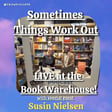
Mutual Survival: On Community, Grief, and Resistance (with special guest Garth Mullins) LIVE at the Book Warehouse image

Mutual Survival: On Community, Grief, and Resistance (with special guest Garth Mullins) LIVE at the Book Warehouse

S8 E33 · Friendless
Avatar
161 Plays7 days ago

This week on a very special episode of Friendless, your pal and host of the show James Avramenko sits down with journalist, activist, podcaster, and author Garth Mullins — live at Book Warehouse on Main Street in Vancouver — for one of the most honest, wide-ranging conversations the show has ever had.

Garth is the host of the Crackdown podcast and the author of Crackdown: Surviving and Resisting the War on Drugs (Penguin Random House), a memoir-meets-manifesto that traces his life as a drug user, activist, and community organiser through the ongoing overdose crisis. His book is one of those rare things: deeply personal and rigorously political at the same time.

In this episode, they talk about shame — what it costs to carry it, and what it feels like when it finally lifts. They talk about grief as something we were always meant to share communally, and what it means to lose half your community to a crisis the government had the tools to prevent. They talk about necropolitics — the idea that governments don't just neglect people, they make calculated decisions about who will live and who will die. And they talk about what it actually looks like to build community in the middle of all of it: the meetings, the minutes, the coffee runs, the naloxone.

Garth is one of the clearest, most generous thinkers James has had on the show — and this conversation is proof of why.

📖 Pick up Crackdown wherever books are sold, and learn more about Garth on his website

🎙️ Find Garth's podcast at crackdownpod.com

❤️ Get your free Naloxone kit and training at towardtheheart.com 

🫂 Support or Learn about the Vancouver Area Network of Drug Users (VANDU) on their website

Create your podcast today! #madeonzencastr
Recommended
Transcript

Introduction and Welcome

00:00:08
Speaker
Well, hey there, sweet peas. Welcome back to Friendless. I'm your host, James Avramenko, and I am fighting off a bit of a cold, so I'm going to sound real stuffy for this intro. Before we launch into this week's episode, I want to give you a little bit of context, because if you're not already familiar with my guest's work, I think it's going to make what you're about to hear land a bit harder.

Meet Garth Mullins

00:00:29
Speaker
Garth Mullins is a journalist, a podcaster, an activist, and the author of a brand new memoir called Crackdown, Surviving and Resisting the War on Drugs. He is also the host of the Crackdown podcast, which has been doing some of the most important documentary work on the overdose crisis in this country for years now.
00:00:47
Speaker
He is a longtime member of Vandu, the Vancouver area network of drug users, one of the oldest and most influential drug user rights organizations not only in Vancouver but in North America.
00:00:57
Speaker
Garth is also someone who has used drugs, who has lived through two overdose crises, who's lost friends, close friends, colleagues, co-creators to a poison drug supply that he argues in this conversation compellingly and meticulously did not have to be.
00:01:12
Speaker
His book is a memoir but it's also an indictment. It's also a love letter to his community. It's also one of the most readable, honest pieces of writing that I've come across in a very long time.
00:01:24
Speaker
This episode was recorded live at the book warehouse in Vancouver. It's part of the ongoing monthly live recording series that we've been collaborating on. And I will be honest with you, I was really nervous going into this one. I had been so bowled over by the book and just by all the work that Garth does that I just, I really didn't want to mess it up.
00:01:44
Speaker
What I didn't expect was how much Garth would give back, how generous he would be, how funny and how clearly direct he would be in his message. I know I walked out of this interview feeling like a completely changed person, and I really feel like you're going to do the same. So it's time to lean back, get comfy, set your volume at a reasonable level, and enjoy my interview with Garth Mullins, live at the Book Warehouse, here on Friendless.
00:02:06
Speaker
This week on Friendless, I have a guest that I have been really excited to chat with. Someone who I've been admittedly kind of psyching myself out all week just because the book he's just written was absolutely incredible. And i feel, i don't know, I feel a lot of different emotions about chatting with you. And and I have a lot of things I want to ask you about. and But anyway, before I spin myself away, the one, the only Garth Mullins.

Personal Journey and Advocacy

00:02:30
Speaker
How are you today? Thanks, James. I'm stoked to be here. I'm honored to be here. i think it's pretty cool to have a podcast in a bookstore. There's two things I like, books and radio and mix them together. You can't beat it. So your book, a Crackdown, Surviving and Resisting the War on Drugs, I wrote it down so that I could remember which one came first. yeah I've had that trouble live in interviews myself. got to survive before you resist. There you go. Exactly. right An absolutely incredible book. One that i I have been just like pushing on everyone that i that I know to read. But before we really dive into that, because, you know, yeah, amongst other things, you you run your own podcast called Crackdown as well. You're a journalist and you're an activist.
00:03:08
Speaker
But, you know, beyond those sort of chyrons, a question I always like to open my interviews with are is who the hell are you? Most recently, a dad. And that it just fits like a glove.
00:03:19
Speaker
I love it. it's the it's I've got promoted to be in the best job that I've ever had. And I'm coming to it a little late in life. I'm middle-aged, but I'm so glad and honored I got the opportunity.
00:03:31
Speaker
so and And Debbie here, who runs a bookstore, gave me some some books for the little guy to take home. He loves books. So maybe raising another reader, maybe another author. Right? Yeah, yeah give give give him 20 years. you know yeah yeah I'm also i'm also a member of just a small and shrinking community of sort of old school, back in the day, dope fiends who found their way to heroin early in life. and there's not so many of us who are still alive. I'm sort of one of them and my friends are, and I'm trying to keep everybody alive in the small contributions I can make to that. But
00:04:09
Speaker
Thank you for opening with that. i know one of the sort of through lines throughout the book was you kind of grappling with talking about this stuff publicly and sort of embracing every facet of

Evolution of the Memoir

00:04:23
Speaker
yourself. And so I'm curious behind the scenes What prompted you to go to a book now because you've got your podcast and because you have all your other work, everything that you do.
00:04:35
Speaker
What was it about the book that kind of called to you right now in this moment? Is it money? i mean, I don't know if you know, but Canadian authors become fantastically wealthy. Yeah. I've heard it's very lucrative. Yeah. Yeah.
00:04:51
Speaker
ah I guess, um, You know, ah well, honestly, a you know, a publisher, Penguin Random House, ah approached me and my partner, Lisa, she said, when somebody offers you money to write, the answer is always yes.
00:05:09
Speaker
And she's the smart one in the family. So I followed that, but it's also because on the podcast, I've asked people, friends and people in the community to share deeply of themselves and their life story. Somebody said to me, wow, as the interviewer, you share a little bit, but not as much as you ask people to. And I said, that's a good point. Fair enough. So I thought I'd share my own story.
00:05:32
Speaker
And really, the original idea for the book was sort of a series of essays about different topics, different themes and parts of the drug war. But I realized that the memoir format is just way more approachable and readable. And I like to read a story about a person more than a bunch of essays. And so it just naturally went in that direction. So I kind of had to rewrite it partway through.
00:05:58
Speaker
And that thing of kind of looking back at your life and what you did and talking to your family about it is kind of liberating. It's a lot of stuff that I feel real ashamed about, or I used to feel real ashamed about. sure And part of the story is getting over that shame.
00:06:14
Speaker
You know, like my my previous experience, like back in the day, going in a bookstore like this, I'd probably get followed around by security. I wouldn't be... here Sitting here with a book that I signed in the bookstore where people buy and being talking about something like this. I never thought people would want to talk about something like this, you know, like surviving drug use and drug war and all that stuff. I just, I was so ashamed about that stuff. I never thought to be talking about it ah publicly or were at all. I never used to want to talk about it at all. Yeah.
00:06:43
Speaker
It's an interesting thing. that you know Shame as a sort of ah concept is such a central central part of my life. What are you ashamed of, James? who well you know ah Funny you should ask that. ah Which prompts you back to something you mentioned just earlier about this idea of, as the interviewer, you end up sharing so much less than the guest. you know ah ah How much time you got? yeah know It's not really a fair question, yeah right because I wasn't prepared to share...
00:07:11
Speaker
that part of my life and until I was. yeah And if somebody had asked me about it before, I wouldn't have been volunteering anything. So that's exactly it's not really fair to you or anybody on the spot about shame. But but but I feel like what's such a fascinating element is something that I, the way I reckon with it myself is this idea of, you know, for me, it's not necessarily that the shame itself goes away so much as I figure out how to sort of together ah ah Not around it, but I work with it and how to, how to remember that, you know, that emotion is going to come back, but, but it's just a little less loud each time. Right. you know
00:07:47
Speaker
And sharing is such a massive element of it to realize that it's like, oh yeah, I'm not there anymore. These are now just words, you know, and, and I get to sort of

Memoir's Role in Policy Change

00:07:56
Speaker
choose what power. For me, was like, ah it was this whole person inside that I couldn't acknowledge or tell anybody about. Yeah.
00:08:03
Speaker
And ah when I finally got to get rid of this shame, it's like my, myself that was divided sort of healed up into one whole person. There wasn't anything, i didn't have a secrets anymore.
00:08:16
Speaker
Yeah. I didn't have anything that I was and ashamed about and embarrassed about, you know, like a for For a long time, I just didn't want, I mean, my family kind of knew, they didn't know how bad it was. I didn't want anyone to know. Like I stick a needle in my arm and inject drugs every day, yeah several times a day for many years, do things I'm not proud of to get the money for it, willing to risk death and jail time and all this. yeah And, you know, I just, I never thought I'd be able to say any of that stuff, that that would be a secret part of me that I i personally hated. But now I understand that
00:08:47
Speaker
That part of me was trying to survive. i was using heroin for a reason, for a rational reason, because I you know i was i was a traumatized kid and that helped me feel all right. And maybe I would have been worse off if I didn't find that little salvation, that little...
00:09:02
Speaker
time out that heroin gave me. That's exactly right. You know, in it'll in in a certain perspective, I think it's a part of why you're still here. All the pieces all play together, right? But i'm I'm really interested in the the book is is sort of bookended in a lot of ways with with ceremonies around death and ceremonies around grief.
00:09:21
Speaker
and and i'm And I'm curious about, you know, playing on this idea of shame and and just these really heavy, hard emotions. How are you finding grief factoring into the work that you do? and and And how are you, or are you, using it a fuel rather than sort of a paralytic, you know?
00:09:46
Speaker
Grief has grown up with me, or I've grown up with it. yeah People have been dying in my life since I was a kid. And thanks. Debbie brought us some water. Very thoughtful. but Yeah, grief has been growing alongside of me since I was a kid.
00:10:01
Speaker
Lost people really young. I've been to dozens of times more funerals than I have to graduation ceremonies or baby showers or weddings. ah And that sort of changes you, you know, and and also when you're using drugs during an overdose crisis, and now I've lived through two, this is the second one that's ongoing now.
00:10:25
Speaker
and there was one in the 90s, you know that death is also stalking you. ah And so it you know it gives you and opportunity to feel all the feelings. You just feel sad, you feel bereft, you feel abandoned, you feel angry, just endless anger.
00:10:44
Speaker
This wasn't necessary. You feel anger at all kinds of different places. so Finally, I've come to get a handle on the drug war is actually a political decision made over a century ago, and that we have toxic, deadly drugs because they're illegal and unregulated, that my anger is now aimed at the government who insists on doing this, even though we have plenty of evidence to show that a regulated safe supply of opioids can save lives, would stop the mass dying overnight. In fact, it saved my life. I'm here because of
00:11:18
Speaker
a pharmaceutical regulated prescribed opioid. So I guess death is just, death has just been all around, you know, and, and that grief

Systemic Issues and Drug Crises

00:11:28
Speaker
has been all around. And in the book, we start in the nineties with my friend Nick's funeral, where his cause of death, which is overdose, is not admitted by the family. It's not discussed at the funeral.
00:11:39
Speaker
The people who are his friends, who, who are also sort of drug users, we're sitting at the back. The family doesn't really want to acknowledge us. they're kind of mad at us. They kind of blame us.
00:11:51
Speaker
We can't properly mourn our brother because, because of this alienation. And then, you know, we go, uh, 20 years later into the, you know, uh,
00:12:04
Speaker
and 2020s, early or late early twenty twenty s And we have a ceremony in Oppenheimer Park led by, you know, an elder from Musqueam, Squamish, and Sunamu. these elders, these matriarchs for the nations, are hold a blanketing ceremony to blanket the people that we've lost. And we each stand up for them in representation of them. And we are blanketed and the And the blanket represents healing for our grief, but also a sort of a blanketing for them, the lost person. That that was it and a totally different kind of a ceremony, a different kind of a funeral, because it brought us together instead of leaving us alienated. it
00:12:43
Speaker
It made us feel ah like something was lifted on us. Then we were all leaving with a private stone to carry. And, you know, throughout the book, you see people die that I lose. And at the Vancouver Area Network of Drug Users, we often have memorials for people.
00:12:59
Speaker
And I've organized dozens myself. And we often say that when someone dies, a member of Vandu dies, we never take them off the membership list. They're a member forever. We always remember them. We put their pictures on the walls and we always try to remember them.
00:13:15
Speaker
And so the editorial board that is responsible for making Crackdown the podcast with me, half of them that we started out with are gone. And so we we try to remember those names instead of letting them quietly be erased in shame. We try to shout them out to the world. you know So people like Sharice Kiwat, people like Tracy Morrison, Greg Ferez, Dave Murray, you know these these people that we made the podcast with.
00:13:41
Speaker
we We, you know, we love them and we want to hold them close and not... And Sheldacaster, who died more recently, we we don't want their names to be forgotten in shame. We want them to carry them. So I say them all at the end of every podcast as part of the credits. I don't take them off the list either. Yeah.
00:13:59
Speaker
So how we... how we think about death and grief has changed for me a lot. And where it settled with me is that we have to share it communally. yes We were always supposed to, that's what a funeral is for. That's right. But the way we seem to do it in the, in the late stage capitalism in the West or whatever, just seems to be this, this,
00:14:21
Speaker
funny, awkward thing where you call it a celebration of life. You you can say any word except for the word death. You can say your phone is dead, but you can never say my mother is dead. yeah They passed. yeah Yeah. Right. There's always something to try and put it away, but you actually need to hold it close. And so I've, you know, I've walked with death more and I guess that's part of my journey or my life. You know, the idea of like capitalism as just the culture of euphemisms, you know, and and the way that just they're constantly veiling and obfuscating and and just hiding, you know.
00:14:53
Speaker
um Well, we even we even use this word or I came into this concept four or five years ago, five or six years ago of necropolitics, which is, um you know, it's it's ah made in the by the the the idea was thought of by this guy, Haley Mbembe.
00:15:09
Speaker
No, Ben. I don't think I'm saying the name right. But he he's a political thinker and he was talking about the colonial processes in Africa. But they've been the theory has been applied to different situations where the state chooses who's going to live and who's going to die. yes And so the government, knowingly by choice of policy and budgeting, and all all of the elements of the state have exposed whole communities of people to premature death, to slow death, to injury.
00:15:39
Speaker
knowingly, not not that it's an accident or a force of nature, it's a force of policy. It's decisions made and maintained by people with names who are voted for. And so we we use that word necropolitics because it's the politics of death, of choosing death for us, and nobody has been unseated because of it.
00:16:00
Speaker
No minister has lost their portfolio. No premier has had to resign. No prime minister lost their job. No No junior policy analyst or administrator has been fired. There's been no political cost for our deaths.
00:16:15
Speaker
For helping us, there's a political cost. There's a feared political cost. So now governments are afraid to do something that would be helpful to to drug users. Yeah. Jesus.
00:16:26
Speaker
You want to take that smoke break?
00:16:33
Speaker
You talked a little bit about the the way your book developed, right? You talked about this idea that, you know, it was going to be essays. so I saw you somewhere else had described it as sort of, it it began as a manifesto.
00:16:45
Speaker
um And it has since since developed into that memoir. How were you finding that... Having your story kind of physicalized, you know, and sort of in its own pack, you know, not package, that's maybe the wrong, you know, but but how are you finding

Writing Authenticity and Advice

00:16:58
Speaker
it useful as another tool towards, you know, policy agitation or or these things that you just brought up?
00:17:07
Speaker
Well, it's helpful because i it is part memoir and part manifesto. And I have used memoir as the container for a lot of ideas and arguments. Mm-hmm.
00:17:17
Speaker
And i just, I did it because that's, that's what I've realized I like is i like to read about people. i like someone to sort of take my hand and lead me through. i realized that's the job I do as the host on Crackdown.
00:17:31
Speaker
And, and that's probably my strongest writing. And and really, i had this early chapter and it was on. how the drug war got started and actually started in Canada here in Vancouver in 1907, 1908.
00:17:44
Speaker
And so i wrote I wrote that history and I gave it to my best friend, Jeff. and Me and Jeff have been friends for 35 years. We've been drug users together. We've had each other's back. We just, we're brothers. And so he's the first person I wanted the opinion. So I left him a, you know, I printed it out, left him a draft of it, came back the next day and he said, this is really interesting.
00:18:06
Speaker
It reads like an encyclopedia. And I was like, oh yeah, because there's a lot of footnotes. There was a lot of footnotes and everything like that. And and he's not he wasn't being mean. anything He's like, it it you know, it doesn't really sound like you. yeah And he said I said, what should I do? He says, just keep it simple, keep it real.
00:18:23
Speaker
And it sounds trite, but when he says it, he he lives by that motto. He never fronts, he never puts up any kind of fake anything. He...
00:18:34
Speaker
I mean, he doesn't even really like to do small talk to put people at ease. He's just like so persistently himself. yeah And so I took his advice and I really just tried to write in my voice. There's no footnotes.
00:18:47
Speaker
There's no studies. and And part of the reason I did that is because, i don't know, I got this long history of like, I feel like I'm not believed. i feel like I feel like drug users aren't believed. People are always like, oh, you're exaggerating or you're lying or you're pulling a scam or that can't be true or whatever.
00:19:04
Speaker
All the way back to, you know, hear rumors on the street in the 90s, oh, don't go out to this particular farm because, you know, people are getting killed there. And I heard the rumors and I was just like, that sounds fantastical, but it was true, right? It was the Picton farm.
00:19:19
Speaker
But people didn't believe what they were hearing. and And so... I just wanted to always over, like put put all these ah studies and footnotes and references and, and you know, i've I've gone to school to try and get degrees and just always try to find more and more ways.
00:19:36
Speaker
and i And I just thought, not no, I'm going to go with Jeff and and people can believe me or not. It's going to be very truthful. And of course, I fact checked the book thoroughly. And then I had the people at Penguin Random House say, Even in the contract, when I signed the contract, I said, I want someone to go over it and fact check everything yeah and then you know legally do it too. and And so they did and they came back to me, where did you find this? How do you know this? Blah, blah, blah. So it was important. It was true to me, but I'm not trying to use footnotes and all that razzmatazz on people.
00:20:06
Speaker
And so that that's that's ah you know that's how the memoir became the container for policy. So I can use it as a tool. But you said, how does the book feel as as an object that contains your your life? And it's just like the other thing is I can close it.
00:20:22
Speaker
Yes. You know, it's written down and there's some real hard parts in there. yeah And it forced me to have a bunch of discussions with my family. It's all out there. And I can kind of close it and put it away and say, that's like, i'm my kid was born last year. I'm going on and doing other stuff. And maybe I can put that away a little bit. It's who I am. But like, I i don't have to always have the book open.

Misconceptions and Realities of Drug Policy

00:20:50
Speaker
So within within the book, and and I know on the podcast as well, you you you've talked about this idea of It's really easy to scare people with a simple story and and kind of how you can boil things down and sort of erase the nuance of life. And it's far easier or it's far more difficult to sort of explain what's actually really going on, you know?
00:21:13
Speaker
I think in the grander context of of what we're you know what we're talking about, about the overdose crisis and and what's happening not only is in the city, but across the country, I think to sort of lay the foundation of this, from your perspective, what is that sort of simple story that's being sold to people?
00:21:32
Speaker
And what is the more complicated truth behind it, do you find? I think the simple story is, you know, a classic drug war propaganda that involves, you know, blaming the people. So, you know, people made bad decisions or or are of bad character to begin with. Our cities are falling apart because we've had this progressive liberal policy that has coddled addicts for too long when it's actually not the case. ah You know, we've we've still continued to lock people up. We've still continued to spend most of the money on courts, police, and jails.
00:22:11
Speaker
There has been some harm reduction pilot projects, and it's true that there are available now syringes like that there weren't when I was starting out. But this is how we also reduced the spread of HIV back when it was rampaging through the city in the nine s So, I mean, the stories are are, you know, blaming the attempts to fix it.
00:22:35
Speaker
You know, so saying the small amounts of prescribing of Dilaudid, for example. You know, people are prescribed Dilaudid to use instead of street drugs.
00:22:47
Speaker
Well, it's not a great choice there by the the government to use that one because it's not as strong as street drugs. not a great substitute, but it's better than nothing. And people do find it gives them a lot of help. It doesn't completely solve the problem, but it gets you a lot of the way there.
00:23:06
Speaker
But the simple story is that that's what's causing the problem. Is this Dilaudid's getting out there. It's being diverted. School children are getting a hold of it. That's what's causing the problem. it's People are not dying from Dilaudid. People are dying from the illegal street drug supply.
00:23:25
Speaker
People continue to take things like methadone and Dilaudid, which is hydromorphone, very effectively. and And there are not overdose deaths from the safe supply program.
00:23:37
Speaker
But that doesn't stop politicians like Pierre Pollyev from blaming the safe supply prescribing and and saying that's what's causing the deaths. Or another one is in Vancouver we had, or in British Columbia, we had decriminalization for about 14 months yeah where nobody was charged for, or supposed to be, nobody was charged with the possession of small amounts of drugs. um Did you witness that actually, did they actually play by that or was that just sort of a Well, the the stats suggest that there was a 77% reduction in possession offenses, which is great. That means thousands of people weren't charged and didn't go to jail. I went to jail first for possession when I was 19.
00:24:20
Speaker
So that's really good. But you would have thought it would have been 100%. Right. Yeah. If it's decriminalization. But I guess you know not all cops got the message. I don't know. But the the the point is that that was really good.
00:24:35
Speaker
But the the simple story is, oh, the streets are full of chaos and and there's all this urban blight because of decriminalization. Well, there's, yeah, there's lots of people in the streets and it's not because of decriminalization and and the streets of Vancouver and the streets of Toronto are both.
00:24:53
Speaker
Full of people, but Toronto never had decriminalization. We're seeing people living rough all over the country because rents are incredibly high. Because wages have never kept pace and lots of people are living in tents who work in the morning. And because groceries are so expensive.
00:25:10
Speaker
But politicians like to dump this stuff at the door of decriminalization, especially if they never intend to do anything about those other things that are causing the problem. Yeah. So it's, you know, it's, it's that, it's that same old, same old thing. It's the scapegoating and the bait and switch. And it's a classic of, of the right wing, the far right. You know, what when I was watching TV in 2022 in the winter and I saw the convoy in Ottawa, I saw this, you know, this ah big demonstration that occupied the city for three weeks, very well organized supply lines of food and, and diesel and setting up hot tubs and,
00:25:47
Speaker
all this stuff, millions of dollars in donations coming in. I just thought that they are really well organized. And if they ever find out about harm reduction, we are in big trouble. yeah And sure enough, they did.
00:25:59
Speaker
And the right and the far right, basically the same people, the same movement that Trump is is at the head of in Canada here, you know, have targeted harm reduction, but they haven't only targeted drug users. They've targeted trans kids and immigrants and you know And it's the same old thing that's been used for over a century. It's targeting marginalized people instead of the people at the top of society. They're kicking down and kicking people at the bottom of it. It's the easiest people is the most vulnerable. is the you know yeah
00:26:29
Speaker
it' a really, really haunting passage of your book is when you talk about the first overdose crisis only really ending because there weren't enough people left to die and to sort of maintain the numbers being high.
00:26:44
Speaker
um and um And I feel like that really um that sort of echoes what I feel is kind of happening right now in a lot of ways. They're sort of just waiting for the population to burn itself out in a way. yeah you know Yeah, that was um Dr. Blatherwick from the Vancouver Richmond Health Board was being interviewed by Travis Lupik for a book called Fighting for Space.
00:27:10
Speaker
And he said exactly that. He said, you know, I think Travis asked him, why did the first crisis end? And and he said, it just burned itself out. And my my friend and mentor, Laura Shaver, says something like, if the government ever gets around to doing anything about this, there won't be any of us

Impact of Systemic and State Policies

00:27:29
Speaker
left. yeah And so she's saying the same thing about this crisis. And I mean, we have seen so, so many people this crisis.
00:27:40
Speaker
Vancouver East fan here, just even in the Vancouver area network of drug users, we have lost our whole leadership, trained new leadership, lost them. Like we just are bereft of people so, so badly. Our our movement is in tatters because of the amount of death that it's experienced over the last decade. Mm-hmm.
00:28:00
Speaker
And I worry that that's true, that we'll see the numbers continue to come down, not because there's been any dramatic intervention, not because the drug supply is getting any less lethal. In fact, it's getting more, but because there's just less of us.
00:28:15
Speaker
Statistics Canada says that there are not new addicts being created. Like there's not the amount of people with opioid use disorder or substance use disorder is flat.
00:28:26
Speaker
Like it's not it's not going up. So if that if that's true, and i think it is, because i see the the group of us aging, aging, aging. I think the youth are using drugs. Youth always use drugs, but I just think it's replacing at the same rate. So we're going to see this maybe eventual reduction as people are killed off. Jesus.
00:28:44
Speaker
Another element, um i think I think one of the things I'm trying to scratch at here is this idea of like we use, sometimes we can end up using sort of these ubiquitous words, things like, you know, the system or or these types of things, you know. And when we talk about the idea of an element of this book being an indictment of a broken system, and we've already sort of, you know, you've you've illustrated this idea of, you know, the politicians and and and these elements, but... but How would you go about sort of explaining what the system is to somebody who, you know, is sort of trying to understand and trying to find a way to engage, but doesn't really know exactly where to start?
00:29:24
Speaker
Right. Well, I mean, we've done this as a group, you know, the the the people at the Vancouver Area Network of Drug Users, you know, we set aside a few days and and have meetings and we put a diagram on the board, you know, like where is the problem that we're facing coming from? You know, if we talk about the overdose crisis, right? So we're looking at what ministries could be funding solutions. Well, that's the Ministry of Health and also formerly the Ministry of Mental Health and Addictions.
00:29:53
Speaker
and that ministry is now gone. We know there's also a federal ministry of health. We know that within each of those ministries, there are ah different directorates and and departments. We know that there's deputy ministers and associate and assistant deputy ministers.
00:30:08
Speaker
We know there's directors and and we we know who they are. We've had meetings with them. yeah We know there's premiers and there's people in the premier's office. We know that there's ministerial assistants, right? So we know these policies are generated in cabinet. We know that the the cabinet committees that generate them, both in the federal and the provincial level.
00:30:25
Speaker
We know that some things are federal and some things are a provincial responsibilities. Some things are the the police and happen through the police act in BC or municipally. So it depends on what aspect we're looking at.
00:30:38
Speaker
You know, the college of physicians and surgeons plays a role because their doctors prescribe to us and they're under those rules. The College of Pharmacists plays a role because they also are involved in dispensing medications like methadone.
00:30:53
Speaker
So there's this kind of, once you start drawing, you get this ah yarn diagram of different parts of the state. but But the state speaks to this large apparatus of elected and unelected people, including you know police and health authorities,
00:31:12
Speaker
And then you you ask, well, what are the instruments? That's the who, but what are they using? And it goes back to the Controlled Drugs and Substances Act, which you trace back its iterations all the way back. You get the oppiium Opium Act Act.
00:31:26
Speaker
of 1908 and that's the first thing that that threw a big blanket across the population of prohibition. but But before that, the very first law in Canada, the very first prohibition law was the Indian Act and it selected a subset of the population and it said that they they could not be intoxicated. That was illegal.
00:31:46
Speaker
And so the government has been restricting people and of course, indigenous people still face the first and worst effects of the overdose crisis, dying in proportionately bigger numbers.
00:31:59
Speaker
And that's a complicated picture to paint to somebody, but that's where we want to have the nuance instead of the simple answer. yeah So when we say the system or the state,
00:32:11
Speaker
We're actually talking about a specific set of machinery that's staffed and by people who are appointed and elected, carrying out different policies under different laws.
00:32:23
Speaker
And those laws can be amended. And if you go to Health Canada's website, they have a model of the deaths that are predicted in the coming fiscal quarter, say.
00:32:34
Speaker
And so they can, with all their data, and they have a computer modeling that that spits out several scenarios, So you can see the line you know goes up with these thousands and thousands of deaths. And you can see the line goes up worse if we don't do anything and the drug supply gets gets worse.
00:32:51
Speaker
You can see the line starting to go straight if we start to do things. If we put in a lot of harm reduction stuff, the the line starts to curve down. It's very precise. So they're predicting if they do this policy or don't do this policy, exactly how many people will die.
00:33:07
Speaker
if they decide to not follow that scenario and not spend more money on harm reduction or not do those changes. And so that takes us back to necropolitics, right? They are deciding who will live and who will die. And it's a political calculation.
00:33:23
Speaker
Because the things that we're looking for, safe supply, decriminalization, these are politically very unpopular because of all of the fear mongering of the right. course. But that's the system. And if you look at any social phenomenon that's oppressing, exploiting, or killing people, you'll find the same kinds of complicated machinery at work.
00:33:45
Speaker
But if we want to take seriously any large task of social change, we have to understand the enemy that we're tangling with. And that's where you have to start.
00:33:56
Speaker
Not everybody likes to do that, but... yeah dick Do you have any read on what the actual like because, you know, I i hear you explain that. And it's just like it it baffles my mind to think that there can be whether whether it's a politician or just a human. It just baffles my mind that someone can reason through why to not do something that they know would help someone else.
00:34:23
Speaker
It's split up so that no human, except for maybe the prime minister or the premier, has that much control. Right. Most people have like this one piece of this one regulation under this one law. So no one has, do they live or do they die? Right. Everyone's playing a small role under the system.
00:34:43
Speaker
And it's not that people don't know. They have that modeling. They've seen the evidence. yeah The premier knows the decisions he's making. yeah And the prime minister does too. And they just think, you know, if I was to do these things, I would lose votes and I wouldn't be elected and I wouldn't be in power. And so I wouldn't have any choice to do anything. yeah and And that's the logic they're facing. i don't think anyone is saying, ah they're going to die. Great. New race. Although, you know, sometimes there are some politicians that are so to the right and so hateful that they probably take some glee in it. yeah
00:35:16
Speaker
But for the most part, this is this is the kind of calculation. This is why instead of thinking of an evil group of people, I think of necropolitics. I think of a structure because it's not just ah people in BC or Vancouver or Canada.
00:35:31
Speaker
This is happening to groups of people all all over the world. yeah And they just the bureaucracy of it is really quite horrific. Yeah. I mean, before there was a vaccine out for COVID, for example, they were modeling deaths and deciding how much deaths is it acceptable for us to open

Political Courage and Community Safety

00:35:48
Speaker
up businesses. right They were having systems in hospitals, like if we have to ration ventilators, who gets them? Right. So there are these these calculations.
00:36:00
Speaker
It's just what's lost for us if we live. Nobody else dies. We're not taking anything away from anybody else. It just takes political courage. So that's the thing that they stand to lose is is maybe maybe political points. But i actually think there's an appetite in voters in Canada for real leadership, for people not just like humming and hawing and tweaking at the edges, but really solving some of these problems. Because it seems that governments of all stripes...
00:36:29
Speaker
have given up trying to solve any kind of social problem yeah and just decide we're going to manage it. there Just maintain. Right. You know, and I think I think I think that's that's the thing that appeals to, ah you know, people, I think some of this more extreme right movement is that. It it it messages that it's a radical solution, right? And it energizes them and it moves them. And while I don't agree with them in any way, shape, or form, can understand what grabs people, right? Absolutely. Pierre Polyev is saying it's unfair on this generation or the next generation because they're they're getting squeezed. They won't ever own a house. They're not getting paid properly.
00:37:08
Speaker
He's just blaming the wrong people. Yeah, and and if this guy gets elected, he's not going to go on a massive program of public housing. He's not going to go on a pro-unionization campaign. He's not going to subsidize groceries. so This guy is on the side of the ruling class. Unfortunately, so are the liberals. We just don't really have any choice federally. yeah I mean, the two parties that are all contending for power, that have been in power, for the whole history of this country, are both aligned with the corporate ruling class.
00:37:38
Speaker
And so we just get two different flavors of you're going to die. yeah Or maybe we get, oh, it's too bad that you're going to die. Or, well, it's your flawed character, you're more failing that you're going to die. right Maybe if you're a better person. yes and' right yeah It just depends, but we're dying either way. do you How much of an impact do you feel municipal politics plays in sort of your own day-to-day life or in the day-to-day life of Van Du and of the programs that you work with?
00:38:04
Speaker
I think for people who are living on the downtown east side, for example, the amount of policing that has been poured into that neighborhood by the current mayor and council is extreme. Like there's just that place has always been policed a lot. There's just it's just pouring in there. yeah You know, like the corner of Hastings and Carroll is almost indicted. You know, like one of the cops talks about clearing that corner on the news. And sure enough, they're always down there.
00:38:31
Speaker
And yes, there's people selling rock down there and selling like stolen candy bars or whatever. But, you know, is this... Is this improving people's quality of life to just constantly be clearing that corner? Yeah.
00:38:42
Speaker
I know. Yeah. You have any hope for, for like Cope or Sean Orr? Sean Orr is great. Yeah. Sean Orr is fantastic. Love that guy. Yeah. I was glad to see him elected. His election shows, you know, he's basically a socialist. He yeah ran on being a socialist.
00:38:56
Speaker
We need more socialism in the city. We've had way too much late stage capitalism, way too much people just making and money hand over fist on land and real estate. and And before him, Jane Swanson played that role. And she was a great advocate for against poverty and for decent housing for people. and I mean, we just, those are really old ideas, but that's what we need. yeah We need that old campaigning.
00:39:21
Speaker
You know, people need a union for their workplace, a decent wage, a decent place to live. Like we've done all this stuff before. When I was growing up in this town, you didn't have a tent cities everywhere. yeah And it's because you could get a place for cheap. Yep.
00:39:34
Speaker
you know You could actually afford to feed yourself and rent a place on welfare or on EI. You know like you just can't do that. right they They have made it and made a class of people ostracized. like they've They've banished people from the economy.
00:39:51
Speaker
And what do you think is going to happen if a group of people aren't invited? you know They're going to have to live somewhere. So like this is the consequence. And people don't feel safe.
00:40:02
Speaker
I think that's a problem. Everyone has to be safe. sure Everyone's got to feel safe. Everyone's got to feel safe or no one gets to feel safe. Right. And that includes people who have no housing. they It's not, it does not feel safe to live outside, live on the street. I haven't been homeless myself for many, many years, but it does not feel safe. Right. So we want a society that's safe, security for

Mutual Survival and Activism

00:40:24
Speaker
everybody. Circling back to something, you know,
00:40:28
Speaker
A big element of what I'm always trying to scratch at on the show is the idea of community and community building and and how do we sort of, you know, how do we foster these these connections? And I'm curious, you know,
00:40:41
Speaker
the the Vandu work that you do and the drug user rights movement that, you you know, you are part of, it From the book, at least, you know, I can't speak personally, but from the book, it looks like it's really given a lot back to you in a lot of ways. Oh, absolutely. Right, right? Absolutely. You even described it in the book and earlier in the interview, we talked about the idea of like the shedding of shame and the shedding of these things. That's who took it off me.
00:41:06
Speaker
Yeah, right? and and And it really strikes me that it's it's a you know it's a cut it's a it's a community that is very much built on the idea of mutual survival, like you said, right? You know, safety for all, right?
00:41:18
Speaker
And I'm curious how... thomas I guess, I don't know, there's a few directions I want to go with the question, but it's the idea of like, how does that look in the lived sort of day to day from your perspective, kind of on the ground of being within a a mutual survival community? Because I don't think everybody's, you know, know we're not all in something like that, right? You know, where we're we're we're sometimes we're in our own little bubbles or sometimes we're in different communities, you know? yeah and And on top of that, sort of how do you make something like that work?
00:41:50
Speaker
Well, sometimes it works and sometimes it doesn't work. It's always sort of wobbling and kind of falling apart and putting it back together. a day-to-day, it's sitting in a little meeting room and and reading out the minutes from the last meeting and deciding what we're working on and you know putting out the chairs for a big membership discussion you know where we're going to hear what's going on, you know what are people facing, you know working on different campaigns You know like what kind of, what kind of struggle are we organizing? Like, you know, it could be big things like decriminalization, for example, but also people Vandu have fought for 30 kilometer speed limit on the street because so many people were getting killed. yeah So it can be very small things too.
00:42:37
Speaker
And I've benefited immensely from struggles that came, people who struggled before me, like, um, Bandu's been around since the late 90s. i only joined about 15 years ago, but the people who came before me fought for more so methadone spaces. They were highly rationed and I couldn't get on the program when I first tried. They fought for a thousand spaces and I was able to get on the next time I tried.
00:43:00
Speaker
And that sort of fight is often just like getting on the phone and setting up a meeting with some assistant to the ministerial assistant to try and get this on their agenda and then eventually meet with the minister. But you've got to get your other people and prepare for the meeting. And, you know, it's like building community like that just looks like that sort of thing. And in between that, maybe you're trying to get coffee for everybody and just...
00:43:25
Speaker
You know, we also try and make sure everybody's well and like nobody's dope sick at the meeting, you know, and if somebody's dope sick, maybe someone has a little extra methadone or a little something to help them out and then you have a smoke break and, you know, so it's like that. It's just like, it's, it's like organizing, you know, that's, that's mostly what it is. It's 99% doing minutes and stacking chairs and 1% having a press conference or a rally or something that looks more, you know, shiny. Mm hmm.
00:43:53
Speaker
But isn't that the case for everything, though? Hey, the idea of like even like, you know, something like a book, right? It's like, oh, it must have been you just sit down and write a book. And it's like, no, there's a million things that go into it. And then all you see is now the book. Right. Yeah. yeah Like how many emails are associated with this book? A thousand? I don't know. yeah like Yeah. Yeah. A lot. Right.
00:44:10
Speaker
but that think that probably would have be That could be a book in it itself. is just all the you know yeah I would not read it. no ah you know Whoever you are, being organizing your in your community, it's the right thing to do, right? Because there's there's probably that something that's wrong or broken about where you live or what's going on.
00:44:30
Speaker
And knowing your neighbors and Being together with them to organize something also brings more richness to your life. you know we've all Our bubbles, our relations have all gotten smaller and smaller and smaller.

Community Connection and Social Critique

00:44:43
Speaker
you know Back in the 60s or 70s, people knew 50 people and now people know five people something. I can't remember, some study like that. and I don't know whether it's their friends or acquaintances or whatever, but it's like this principle of loneliness. and I think it's been identified by lots of health scientists, public health scientists, that it's like as bad as smoking. you know and that it's it's really killing people. And the antidote to that is being a part of a community or being a part of your community.
00:45:09
Speaker
And you look at the people in Minneapolis, right? They basically threw ice out of that place yeah by mutual aid, mutual survival, right? This Gestapo was storming these neighborhoods. yeah Immigrants couldn't go out of their house. They were so scared. And so the whole community organized to bring people food. So we saw on TV people throwing...
00:45:29
Speaker
cans of tear gas back at the ice or whatever. yeah But probably that was 1% of the action. And then the rest of it was, you know, making soup to give to people and getting donations of Huggies organized, diapers, you know, to give to the young family that can't go out and get diapers. Yeah.
00:45:46
Speaker
And that's what organizing is, is maybe you're the person who's dropping off the diapers. But it's not just about diapers. It's like all the people you talk to in doing that. yeah and then you're going to need that help one day yourself.
00:45:58
Speaker
You know, or maybe it's even something small. You know, maybe it's just like, does anybody have a drill? I need to fix my bookshelf or whatever. Yeah. It's just that that's what a society should be like. that's what our society used to be like. This is also when we talk about late stage capitalism and necropolitics, it's all like our friendships have been commodified by the root of this podcast, by Facebook. And by you know our attention has been commodified and our our identity has been sort of boiled down to a ah pattern of likes and consumer habits.
00:46:32
Speaker
lives are so much richer in analog. I just think that's part of the way we need to live again. And for us, we just don't have a choice. This is how we survive.
00:46:43
Speaker
You know, part of what it looks like on the day to day is this in the last year since my son was born, I've resuscitated three people with naloxone, you know, like found people who I did not know who were overdosing and and help them. yeah And so sometimes what we do for each other is we bring each other back to life yeah and that's good for both people you know traumatizing like it's scary but it also makes me feel good like i'm glad the person's alive exactly i saw this guy kyle walking down the street the other day he's smiling and waving at me and i don't even know if he remembers but he'd be dead if i wasn't there yeah yeah god damn
00:47:20
Speaker
You know, i was just i was just reading a thing about how monopoly laws were changed in the 70s or the 80s. And that was a that's a big factor in why now the internet is just like five websites and all these things, you know? And and just you know just everything used to be more...
00:47:37
Speaker
not Not even, not level, but it was like there, you know, people had a shot, you know, in a way that there's just it doesn't exist anymore, you know. um um And yeah, I think, a you know, life has become flattened, you know, that's just it. Right. Yeah. When it's just four people telling you what what's good. And look look at the inside of like a coffee shop that's like got that smooth, like it looks like, is it a coffee shop or an Apple store or whatever? yeah Wait, doesn't the living room of our house look like that? and And the school looks like that? And everything kind of looks and feels this kind of flattened, bland, clean, but efficient way, you know?
00:48:15
Speaker
And so it's just like, if you, if you want to buy or order something, it's instant. But if you want to meet your friend, maybe that gets canceled three times. You have to, text eight times to arrange it or whatever. Like all the things that used to be so easy and just part of the richness of life have been somehow smushed out for a lot of people, you know? And there's just no, there's no like tactile element, right? It's all just, it's all just flat glass, right? I mean, people buy records and they'll tell you, oh, it's because of the richness of the sound or whatever.
00:48:42
Speaker
And i'm ah I'm a vinyl idiot too, but it's because you can hold it. You know, because you put and drop in the needle makes you actually listen to the thing instead of listen to 10 seconds and then surf on something else. You have to, and you you know, with it, with it, you know, listening to record is an active activity. You know, you have to get up, you have to change it. You can't just like,
00:48:59
Speaker
autoplay and let it go. Right. I think about that with books. You know, I have a e-reader that I never use because I don't want to, because it just, it doesn't feel like a book. That's right. Look where we're sitting. Exactly. And there's people been walking in and out here the whole time we've been talking because they want to take ideas and hold them in their hand. That's it. That's it right there. You know? Yeah.
00:49:17
Speaker
You know, earlier on, you had brought up this idea about how one of the really central tensions is this idea of, of you know, with within within many kinds of back activism, but but, you know, around drug use is this idea of often...
00:49:32
Speaker
The most affected by the issue are the ones who have to fight the hardest to be believed or just to be heard.

Steps Toward Activism

00:49:39
Speaker
Yeah, you know absolutely. How do you find yourself approaching or or sort of thinking of the role of allyship? you know or like the people you know For people who maybe not aren't as directly impacted by something but want to to support or whatever it might be, how how do you initially sort of approach that role from your perspective? i'm i'm trying to sort of I've got a few ah few questions about sort of like what can people do to help, basically. you know i mean But i think but you know being a part of the queer community, I think i think you know hearing the word ally makes me want to vomit. right you know so So I'm always curious about, the you know you know from the actual community, what is the what is the perspective of allyship?
00:50:22
Speaker
um We can go from there. I think about the different communities we've worked with, like we organized along with Black Lives Matter before, and we organized with like disability communities before.
00:50:35
Speaker
And I think it's that coalition idea too. It's like, whoever you are, you're probably of of something, you know, and if you organize with that group, then you then you you can do something in solidarity with a group like Van Do, right? that's That's the most powerful kind of solidarity.
00:50:53
Speaker
Not leaving where you are, but organizing where you are. Because you're somewhere, maybe you're somewhere we we aren't. yeah So somebody called me up a long time ago with this question, like, oh, what can I do? you know And I said, well, where are you? you know Alberta, what do you do? I work in the craft brewing industry.
00:51:11
Speaker
I said, start where you are, you know, like you're, you're among small business people in a province where the small business community is sort of owned by the United Conservative Party, which is very hostile to harm reduction. oh yeahre We're not there at all. Like, this is a great place to start.
00:51:28
Speaker
And so this guy organized Each and Every, which is now a national campaign that started with a few craft breweries who brewed a beer called Each and Every.
00:51:40
Speaker
And it was started... with businesses around Calgary, I think, just just trying to get on board with an overdose prevention site in the neighborhood ah and and not being, trying to shut it down.
00:51:52
Speaker
And he's been really successful at at bringing everybody along and and working in solidarity with drug user and harm reduction groups. And he's made this coast to coast thing. And I'm sure I'm not explaining it Well enough, but Ewan Thompson is now so deep into this. He writes a blog called Drug Policy Decoded, and it's like a really great source of information. But he started with that question, you know? And ah so I never say, oh, you know, come down and and volunteer or something like that. I say, start where you are because you're probably somewhere where we aren't. Yeah.
00:52:28
Speaker
I think that's it such a valuable perspective. and And I think that's one that can be applied to, you know, not only just just, you know, these issues, but just any anything in that it's like, you know, because I think one of the pushbacks that often gets hurt is this idea of like, you know, the person who kind of means well, but shows up imperfectly ends up kind of making things not necessarily making it worse, but ends up kind of like, you know, just doing something wrong or making it harder. Right. You know?
00:52:54
Speaker
And so if, if the attitude is like, take up the space you have all already rather than taking up, you know, space that needs to be occupied somewhere else, you know? um you know Or just just like, you're you know, if you're a university teacher, like maybe you ah you're part of ah a faculty association or something like that.
00:53:13
Speaker
Right. And that's like that's a a campus is an incredible site of harm reduction for harm reduction. And and like these are places where we really aren't or Vandu isn't. But that's how that's how any social movement, just like you said, can be organized. You know, we need to be everywhere in society because drug users are dying everywhere in society. yeah We come from every neighborhood and every economic background, every part of the world. And the coroner finds us in every kind of condition.
00:53:43
Speaker
And so that's where we need to organize. That's where we need to be organizing. Well, and i think it also relates to the idea of like, everyone has to be safe. And that means everyone. And that means everywhere. Right. You know, I'm going to start just the a little bit of a wrap up here. i just I have a billion more questions that I could ask you, but I feel like I don't want to i don't want to, you know, keep you all afternoon. But building on that a little, the idea of, you know, let's say somebody listens to this. They go pick up your book.
00:54:07
Speaker
They finish your book. And now they've been radicalized. Right. They fully, you know, their, their mind is completely altered. And I, and that is not something I see out of the realm of possibility, to be honest. you know What do you think is, is, it is the most useful thing that they could do just like on a Tuesday, you know, like not some big grand thing, but like, just like what's something they could, you know, you you spoke of like, where are you, but like, right. and Right. You know, but like sort of what could they do just like on a, you know, a random Tuesday. built the podcast for this sort of thing. Right. So maybe people have a couple of friends,
00:54:39
Speaker
You know, who they consume media with. Right. So we made the podcast so you could play an episode and talk about it. And we have heard from people who are doing this. You know, there was a a group of people who used to meet and they called it Crafts and Crackdown in Toronto and they would do knitting or something.
00:54:57
Speaker
you know, or cross stitching and listen to the podcast coloring, you know, adult coloring books or whatever. I don't mean like dodgy coloring books. I mean like, you know what I mean? Anyway, like, so like they, they did this and listened to the podcast and had a discussion afterwards.
00:55:13
Speaker
And they just, that started with their friends or or coworkers or whatever. Yeah. A real simple thing, you know, just get, get Narcan training. Yeah. Yeah. Look it up online.
00:55:24
Speaker
You can even do it online if you want to. The website is called Toward the Heart here in BC, but anybody can access it. It's got really good videos on there. And, you know, get yourself ah a naloxone kit, you know. It's it's basically, it's it's simpler than learning first aid. It really, it was like a half hour. it was so fast. Yeah. And, you know, you'll at least feel better. And it's not something that, you know, a far-off bureaucracy or some kind of medical organization has given to you.
00:55:51
Speaker
This is from us to you. This is our movement fought for this. Governments and medical authorities tried to hold this away from us. All through the last overdose crisis, we couldn't get our hands on this. In fact, there's a guy from Chicago, Dan Big, who used to smuggle this stuff into Canada for us.
00:56:09
Speaker
so that we could have naloxone. In the Yeah. Finally, it's, well, up until 2014, I think. Holy fuck. And so we fought and fought and fought for this. Finally, we could get it by prescription. We continued to fight. Just anyone can have it. Anyone, everyone should have it. If you have a first aid kit, have this, right? Like, say you got an old elderly relative that's taking pain medication. They're forgetful, and so they took their pain medication twice in a day or three times.
00:56:37
Speaker
Narcan could help save them. Yeah. It's a good skill to have. Yeah. So that's a real simple thing. And this is our our community fought for this. So it's like from us to you, then you're part of that fight. You're part of that tradition. Garth fucking Mullins. Holy shit. I i could listen to you talk for the whole afternoon and i and i and I would try to not interject too much, you know? Yeah. Thanks a lot, James. It's been a real honor to be on your podcast and and here at the bookshop and and Debbie having us here.
00:57:08
Speaker
It was really nice. Debbie, thank you for the books for my kid. He's going to love them. Do you have any anything you want to plug anywhere you want listeners to find you? Where do they go next?
00:57:19
Speaker
Well, if you've read the book and listened the podcast, you probably need a break from me. So I'd say go outside, you know. Yeah, yeah, yeah. Touch grass. Yeah, exactly. thanks Thanks for having me, you guys. It's been really nice to be here. And i just stay safe and keep sick.
00:57:39
Speaker
And that was Garth Mullins. I mean, yeah, i I don't have a lot of words left after that one. What I keep coming back to been sitting with this conversation is something that Garth said near the end. He said that sometimes what we do for each other is we bring each other back to life.
00:57:56
Speaker
And you know, he said it in the context of naloxone, of of literally resuscitating people. But I think that it applies to everything that we talked about in that room. The grief, the shame, organizing the community that holds itself together by showing up for each other over and over and over again in those small, unglamorous, but necessary ways.
00:58:18
Speaker
So if this episode moved you, and I really hope it did, please go pick up a copy of Crackdown. It's available wherever books are sold, and I promise you it will stay with you. You can also find Garth's podcast, also called Crackdown, wherever you find your podcasts. And if you want to do something concrete, something you can do this week, you know, after listening, whatever, go to TowardTheHeart.com and get yourself a free naloxone kit and naloxone training.
00:58:46
Speaker
That's Garth Sask, and I fully second it because I think it's a pretty good one. Links to all those resources as well as to Vandu, if you want to learn more about that work, are going to be in the show notes to this episode.
00:58:58
Speaker
Thank you so much for listening. Thank you to the Book Warehouse for hosting us. And thank you so much to Garth for everything, for the book, for this conversation, and just for the work that he and his community continues to do.
00:59:12
Speaker
Thank you so much for listening to this week's episode. And as always, I hope I'm going to catch back here next week for another one. But hey, I'm not going to worry about that right now. And neither should you. Because that is then and this is now.
00:59:24
Speaker
So for now, I'm going to get back into bed. And I'm going to say I love you. And I hope you take care of each other out there. Fun and safety, sweet peas.