Announcing New Podcast Schedule
00:00:12
Speaker
Hello and welcome back to Two Bye Guys. It's been a couple weeks. We're on a new bi-monthly or bi-weekly schedule. I've learned that both make sense. But we're bi-monthly now instead of once a week.
Introduction of Jen Winston
00:00:27
Speaker
We're two or more times a month as we know that bi means two or more.
00:00:32
Speaker
And we have a very special guest here, someone who I met and connected with on social media, the great bi connector. I am joined by Jen Winston. They are a writer, creative director, and bisexual. Jen runs a monthly newsletter called The Bi Monthly. I just wrote a piece in there that's coming out soon, so we're doing a little crossover action.
Jen Winston on Bisexuality and 'Greedy'
00:00:53
Speaker
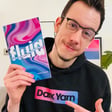
Their first essay collection, Greedy, Notes from a Bisexual Who Wants Too Much, comes out with Atria books on October 5th, and you can pre-order now. We're going to talk about that book. I'm excited because it's great. Jen's work bridges the intersection of sex, politics, and technology, and has been featured by The Wall Street Journal, The Washington Post, CNN, and more.
00:01:16
Speaker
Jen is passionate about unlearning and creating work that helps others do the same.
Gender Identity and Bisexuality
00:01:21
Speaker
Me too. We'll talk about that. She lives in Brooklyn with her partner, DOGS and iPhone. And you can follow her all over social media as generous with the J. So welcome to Two Bye Guys, Jen Winston.
00:01:34
Speaker
Oh, my gosh, I'm so happy to be here. I'm a massive fan of this podcast and you as you know. Thank you. Yay. Thank you. And I am a fan of you. I'm finally I'm glad we're finally getting to meet you. We just had Shiri Eisner. Next up is Robin Oaks. And now we have you this is the season of by con women on to buy guys.
00:01:58
Speaker
Yes, or well, I mean, I'm not I'm not actually sure how she identifies, but I mean, I'm also not sure how I identify, but like fem fem by people who are like now questioning their gender, perhaps.
Journey to Non-binary Identity
00:02:12
Speaker
Well, yes, this leads us to our opening question, but I think you and Cheri have similar identities. You both use she or they. Sorry to answer the question I'm about to ask, but let's start there. How do you identify on whatever spectrums you would like to identify on and what pronouns do you use and maybe a little about why?
00:02:31
Speaker
Yeah, I mean, I guess it's a good place to start because for me, it feels like where I'm like where I've ended with like, well, not ended, but like where my bisexuality has like brought me to. It's really helped me like I identify as non binary, and it's taken me a long time to get comfortable saying that I had a lot of imposter syndrome over like, do I deserve this title? And a lot of that kind of felt similar to the things I felt about
00:03:01
Speaker
do I deserve the title of queer as a bisexual person? And so I think what I learned through my coming out journey with bisexuality is that I am allowed to identify as fluid and I am allowed to identify as non-binary from a gender perspective. And I still present as very femme. I definitely pass as a woman. But I
00:03:24
Speaker
use she they pronouns because it feels affirming.
Understanding Gender Fluidity
00:03:28
Speaker
I don't know how else to say that, but I'm trying to use they more in public settings because it's pushing me to not just get the social media, quote unquote, privilege of being non-binary, but it's pushing me to question gender in public spaces and stuff.
00:03:46
Speaker
Yeah, interesting. It's funny because we talked about exactly this on our first episode this season and like both Alex and I think are in like a similar headspace to where you are or where you were actually because I still am not
00:04:01
Speaker
quite ready to claim a non-binary identity, even though I also don't care so much or connect so much anymore with the male identity. Although there are things about masculinity I embody and I enjoy, but then there are other
00:04:19
Speaker
There are feminine things that I'm beginning to embrace. So like, I know what you mean about the imposter syndrome of like, can I claim this? I had that with bisexuality and I'm still kind of in there with the gender stuff. I mean, I don't know.
00:04:34
Speaker
Yeah, I mean, I think it's really hard with fluid identity is because like the whole point is that like it's not in a box.
Presenting as Non-binary in Public
00:04:42
Speaker
But it's like if it's not in a box, then how do I label myself that way? And it makes it kind of hard. And then there's like, you see a lot of memes that are like,
00:04:52
Speaker
non-binary people don't owe you androgyny. And I always say that in my head because that helps me get into the logic loop of non-binary people don't owe you androgyny. So you don't have to look androgynous to be non-binary. So there's no way to define non-binary identity other than the way that you feel and identify. And I think there is a balance to do I take up space with this identity? Am I going to be like,
00:05:17
Speaker
I'm the non-binary person on the panel. No. I don't need to represent that perspective, but I'm trying to figure out how to navigate that identity, especially with a public presence. Of course, I say public presence. I'm sure no one cares how I identify except for my friend and my mom, but I'm like my Instagram.
00:05:41
Speaker
I'm trying to figure out how to navigate that and not take up space and do it for myself, which has been actually a good way to distance myself from the internet a bit.
Challenging Gender Binaries
00:05:54
Speaker
Presenting non-binary in public or because but using she or they because we also talked about that of like using it as a way to sort of push people to contend with Non-binary gender and like I guess I'm not ready to quite claim that but I do push the view of gender as fluid and not binary and I guess I would just I would identify myself as a
00:06:21
Speaker
gender non-conforming or something. I want to be something, but I'm still, I don't know, not quite comfortable claiming it yet. I mean, I'm not great at it yet either. Good. We can learn about it together. Yeah, we sure can. And my partner is trans non-binary and very visibly androgynous. They have trouble in bathrooms. People stare at them strange in
00:06:50
Speaker
the men's bathroom, people stare at them in the women's bathroom and they need the gender neutral bathroom option to feel comfortable. And so something that they've asked me to start doing that I already have a really hard time with is going into the men's bathroom. The other day we were at the airport
00:07:10
Speaker
and I like needed to pee and I remembered that I was supposed to do this because sometimes I forget and I remembered that this was like my assignment to like, you know, I was like an act of allyship and like solidarity and I actually think it's a great one because it's like inoffensive really, but I just like couldn't do it.
Bisexuality's Influence on Gender Understanding
00:07:31
Speaker
I was too embarrassed and it really gave me
00:07:34
Speaker
an understanding of what they go through every day that I don't go through, and there's so much privilege associated with that, regardless of what pronouns I use. Yeah. It's interesting. We also have similar partners, mine is trans, non-binary too, and gets mis... I don't get misgendered. They do get misgendered, and it's... Yeah. Okay. Okay. We could talk about this forever, but let's step back a minute.
00:07:57
Speaker
Well, I actually, I do want to say so like, that's, I mean, not to like, give away my book, but like, this is kind of how my book ends is like being like, what does gender mean? And like, showing that bisexuality, like really helped me navigate these
00:08:14
Speaker
Bigger questions of gender and like learn to say what the questions of it and I think that something I something I learned while I was writing it is that this experience of first coming out as bisexual and then like finally getting comfortable with that identity and
00:08:30
Speaker
And then having these questions of gender is something that a lot of bi people experience. And I learned that because of TikTok. I saw like I was writing that chapter and I saw like 40 TikToks that were all like me understanding my sexuality. And then it's like someone creeps in the side of the room and then it's like she they pronouns like it was the exact arc of my life. And I was like, wow, I hope that this resonates with people. So I do think that like
00:08:58
Speaker
even though we feel like we're on a tangent, like maybe we're not. Right. Yeah. No, I think it actually makes perfect sense that our work is on a similar trajectory because like we talked about by male bisexuality season one almost exclusively. And then now season two and three, we talk so much, sometimes more about gender fluidity.
00:09:18
Speaker
And I do think it is kind of a natural progression of like- Very interesting. Right. Like my way in was about my attractions to other gender presentations and then it morphed into questioning my own and like, what does that mean? And what is gender at
Embracing Fluid Identities
00:09:34
Speaker
all? Yeah. And I think- So it's all related. Yeah. And I mean, bisexuality, in order to like be comfortable in it, you have to kind of break down the idea of binaries in general.
00:09:45
Speaker
And so that's like a way of thinking in the same sense that like using they them pronouns shifts your mentality, like even just incorporating that into your language as like a singular pronoun. It really like bisexuality shifts your like vocabulary and like
00:10:03
Speaker
logic tools to be able to be like, fluidity is comfortable and we can stay here. Yeah, when my partner started using they, them pronouns, it really exposed for me how gendered everything is and how often we use he or she without thinking about it. And then it took me a little while to get it and then it became
00:10:27
Speaker
easy. And it was a shift in my perception of gender. It really did shift my thinking by forcing myself to do it. And then by getting other people to do it, it really does challenge people's assumptions. And we use he and she so much more than you realize. We gender people if they're crossing the street, we gender them. It's like, why? Why does their gender relate to this thing we're talking about?
00:10:57
Speaker
Totally. And then it's like anytime you call like a service company, like anytime you're like booking a flight or like dealing with a bank or like it's like everywhere. It's so exhausting.
00:11:14
Speaker
Okay, so we'll get back to more gender stuff, I'm sure. Because as we've talked about, it's intertwined.
Recognizing Bisexuality Amid Societal Stigmas
00:11:22
Speaker
But take us back a little, tell us about whenever you realized you were bi, what was it like before then? How did you start to realize what was the coming out process like? When did all this happen?
00:11:36
Speaker
I mean, it happened over several years. Like, I think that I feel like the first time I heard the word I was like, Oh, yeah, that's me. And then like almost immediately after I heard like some negative stigma about it. And I was like, Nope, nevermind. Not me. And I like, never, you know, I stifled it because
00:11:56
Speaker
The majority of my dating experience was straight passing or was with men, with cis men specifically. It was so much easier to just keep going on that side of my life. I had a really hard time dating anyone else. I went on several dates with women. For a long time, I did not
00:12:23
Speaker
know that non-binary people existed and I had not met any or maybe I had, I just wasn't aware of.
00:12:32
Speaker
you know, their gender identity and how to respect it. And I just like kept dating men and it felt like this cycle. And I was like, well, I guess I'm straight because like I keep doing this. Like I keep leaning toward this. Like, you know, I must be straight.
Misconceptions About Bisexuality
00:12:47
Speaker
And I knew like I knew in my head that I was bisexual, but I just felt like I was a fraud for of queerness in general. And then there's like I've come to realize that I think one of the biggest issues
00:12:59
Speaker
to my coming out journey was the notion that like everyone is bisexual, which I don't think is it I don't think that affects bisexual men as much as it affects bisexual women because there's this like, I mean, maybe it does, I would love to hear your take. But it definitely feel for bisexual women, it feels like bisexuality is like,
00:13:21
Speaker
you're a straight girl with a wild side rather than like you have this full identity. And so much of that comes to the fact that bisexuality is often treated in media and just like the way that we talk about it socially. The way that we talk about it socially is we treat it as a behavior rather than an identity. And so it becomes like everyone has like
00:13:49
Speaker
done by things, but like, are they by? And I think that's a whole, I mean, that gate kept me from claiming that identity for a really long time.
00:14:01
Speaker
right. No, I do think you're right, especially with women more than men, that identifying as bi is sort of written off as like, oh yeah, everyone does a little of that or goes through that. And it erases the identity.
Media Representation of Bisexuality
00:14:17
Speaker
And with men, it's different. If you're bi, people will
00:14:23
Speaker
believe the part about your attractions to men, but just to kind of assume you're gay and you're not ready to, you're too homophobic to claim that identity or something. And it's funny because in your book, you wrote about how when you did come out, you wanted to date women to sort of
00:14:41
Speaker
be bi and really claim that and have people believe it. And it's funny that when I came out, I had the same feeling of I need to keep dating women so that people believe I'm bi. So it was the opposite but similar. So interesting. I'm sure by now everyone, and I'm sure you've talked about this,
00:15:07
Speaker
But I'm sure everyone has seen that meme and TikTok and tweet that's the reason we think that all men who are bi are actually gay and all women who are bi are just experimenting is because we think everyone's just attracted to men. But it was so interesting to me to
00:15:28
Speaker
unpack the way that the patriarchal ties to just like heteronormativity, patriarchal heteronormative ties, you know, impact everything. Like, like, that's fascinating that we both felt like we had to tame women to overcome that same core stereotype that's like, but same but different. It's so that's very interesting and totally makes sense.
00:15:55
Speaker
Right. I read that part of the book and I was like, oh yeah, me too. Except that I had been dating women for so long and I was like, I better keep doing this. You were like, I need to try this.
00:16:09
Speaker
Yeah. One of my best friends is by, and he's in the book. He's excited for all the secondhand fame he's going to get. His name is Benton. He's like, hey, Ben. He's always been a really great... I think he's been a big part of my coming out journey because we dated for a while. That's what's in the book.
00:16:29
Speaker
But it took me a really long time to like reflect back on that and realize that that was a queer relationship because both of us were bi. I mean, even if one of us had been bi, it would have been a queer relationship.
Friendships with Bisexual Men
00:16:42
Speaker
But we definitely like there was something about dating another bi person that made me feel like I could claim that identity in a way that I hadn't felt otherwise. And my partner also identifies as bi now.
00:16:57
Speaker
Um, which they're just like, that's kind of irrelevant to my life. Cause like we're monogamous and their transness is like way takes priority over their bisexuality in terms of like what identities impact day to day, which like makes complete sense. But I, I, I think I've realized that like my sexuality is like bye for bye. Like I, it's like what I identify, like I vibe with people who are.
00:17:24
Speaker
like sexually fluid and yeah. I identify with that so much like I'm much more connected with other bi people and I've also found that since coming out more people have come out to me you know not everyone there's definitely straight people out there still unfortunately I don't know why they persist but but more bi people have been coming out since I've come out to them have you found that like
00:17:52
Speaker
Yes, I have. And I mean, I get like so many like DMS all the time from people who come out.
Helping Others Come Out as Bi
00:17:59
Speaker
And honestly, if my book accomplishes one thing, I hope that it helps one person come out as bi because I think there's this assumption that bisexuality isn't worth talking about. Like I didn't mean to keep I keep bringing this this up in interviews because I like really do like respect Jordan Fersman's comedy.
00:18:19
Speaker
But I have a bone to pick with this one small thing he posted on the story at one point.
00:18:25
Speaker
And only because it's like feared itself into my brain. So at one point he was like collecting secrets and like collecting random secrets through like a question sticker on Instagram. And someone said, I'm bisexual. And like he always collects a secret and like does like a funny reaction. And it's always like very funny. And this one was also funny, but it took me, I can't stop thinking about it. And someone said, I'm bisexual as their secret. And he like posted a video of himself crying.
00:18:55
Speaker
And like the joke is like, of course that's fine. Like the joke is like, of course I'm fine with this. Which I honestly like still think it's hilarious. But it's like subtly what it does is it makes people think it's not a big deal to come out as bisexual. And like, that's what kept me from coming out for so long. And then, you know, I keep comparing bi people to like vegans.
00:19:21
Speaker
because we're like, I'm bi, I'm bi, I'm bi. But there's like no other way to be visible other than to say it. And I mean, I think about this a lot as it relates to like, representation in the media, because like, how are you going to show that someone's bi on TV, you like often writers will be like, have them hook up with multiple genders and like then we show it. But that again, reinforces that it's a behavior and not an identity.
Fluid Thinking and Challenging Binaries
00:19:50
Speaker
And it just like, unless someone says that they're bisexual, to me, it doesn't count as representation.
00:19:56
Speaker
which is why I'm so obnoxious and say it all the time. Yes. Well, and I think we've talked about this by representation with Shiri, with others. That's what it's often reduced to, and there's so much more about it to the experience that you've written about in the book about confusion and messiness and all these things that we try to push out of the representation. But
00:20:22
Speaker
was my experience and was like, it has become my worldview of looking at things in a non-binary way, which affects so much more than who I'm dating or having sex with. It affects daily stuff. Yeah. And I think that is another thing that I hope people get from my book. I think it's more subtle because I think it's one of those things I came to the realization
00:20:46
Speaker
while I was writing it. And if I had had more time, I would have like made it more like pop out. But for me, like a big eye opening thing was to realize that like queerness is like a way of life. And it's bigger than any one person's identity. And and realizing that really helped me.
Exploring Gender Norms Through Bisexuality
00:21:07
Speaker
take myself out of it, I guess, and like not, you know, be like, am I queer enough? Like, do I fit this box? It's like, oh, it's like actually not really just about you. It's like about your perspective. And like that has clearly been queer all along. And so I was able to kind of be like, you know, this, this is who I am. But yeah, I agree. Like, I mean, especially like questioning gender norms, I just are like just gender in general, I'm always just like, why is like,
00:21:37
Speaker
Why is anything gender like it's just so boring to me at this point. And I you know, I also didn't think that my book would talk so much about womanhood, because like gender is like an eye roll to me at this point, but I realized how much of my bisexuality was like caught up in this journey of womanhood and like
00:21:57
Speaker
the idea of being sexualized and like these statistics about like by women experiencing sexual assault at a higher rate, those felt like weirdly affirming to me. Like I was like, Oh, I'm bi because I like have experienced so many traumatic sexual scenarios. And like, you know, that, that sucks when we have to see ourselves in the, in the stats in order to be like, Oh, that's me. But it is still like this weird type of validation.
00:22:23
Speaker
Yeah, no, I hadn't actually thought about that, but you're right. And with men, there's a lot of mental health stuff associated with bisexuality, I think because it's so repressed, especially among
Spectrum of Sexuality and Validation
00:22:34
Speaker
men. So I saw myself in those tests. I was like, oh, this actually makes sense. And I think you're right about like,
00:22:43
Speaker
I went through a phase of saying everyone is bi also, and it's not actually a useful thing to say because it is important when someone identifies as bi. But I do kind of think I like to talk about the spectrum of sexuality and not the binary, which that I think is a universal thing. If people want to put themselves on the corners, that's fine too. But it is a spectrum.
00:23:11
Speaker
I actually got some great feedback from a newsletter I wrote about this, where I was writing about the system of monosexism in general.
Monosexism and Diverse Sexual Orientations
00:23:20
Speaker
Shout out to Shiri for educating me and so many others about that. But I was writing that, I wrote some line that was like, sure, everyone probably is bi, but da, da, da. I wrote that in the, I was like, but it's still harmful when we say it or something.
00:23:36
Speaker
And a lot of people called me out on that because they were like, I identify as queer or like I identify as pan. Like I identify as like, uh, a bro sexual. Like I, like people have all these different identities. And, uh, I realized like that saying everyone is by also invalidates like other queer identities, like other queer nonmonosexual identities. Um, so that was a big, like eye opening moment for me.
00:24:04
Speaker
Yeah. Interesting. Yeah. Okay, I want to get back to Shiri in a second. Okay. I've quoted something from your book, but last thing. That is me quoting Shiri.
00:24:14
Speaker
I quoted you quoting Shiri and I'm going to read all of it. But last question. How old were you? When did you actually really come out and what was that experience like and how did you feel about that transition?
Importance of Inclusive Spaces for Bisexuals
00:24:30
Speaker
This is embarrassing because I came out two years ago. I came out in 2019.
00:24:35
Speaker
And like since then I've written a book on bisexuality, which is like so weird. But I mean, I've been bisexual my whole life. I've been thinking about it for several years.
00:24:49
Speaker
Before my newsletter, the bi-monthly, was a newsletter. Right before COVID, I was planning on making it a monthly party series that my friend Ben was going to ask. That was his idea. We were going to plan it. And then the bi-monthly was my name. And then when COVID happened, I was like, I'm taking this name to make my newsletter.
00:25:08
Speaker
Um, and he was like, fine. But we, we've like always dreamt of like having like a, a bi space, um, like physical space or like party space. Cause it like doesn't really exist. And I think coming out as bi has helped me realize that there's a, that there's a serious need for that. Although there is one bar in New York called mood ring that is a bisexual bar. Um, and they have really cool bisexual merch. I was going to have a launch party there, but also can't because of COVID.
00:25:35
Speaker
but they're amazing. I very much support them. But I mean, something else I realized while writing this book and just thinking through my life is the spaces that create gay identity are so intrinsic to gay identity. I don't know if you've read the book, Gay Bar. Gay Bar, Why We Went Out by Jeremy Atherton-Lynn.
00:25:58
Speaker
But it's a great book about the history of gay bars and gay identity. And it talks so much about how gay bars shaped gay identity. And so when you think about the fact that bi people don't have bi spaces, and most of that is because of gender, because these spaces have
00:26:20
Speaker
in large part been segregated by gender, like gay bars and lesbian bars. It's no wonder that we're not a community or that we don't feel like we are able to say these things out loud because those physical spaces provide the physical validation for the language.
00:26:39
Speaker
Right. That's absolutely right. It's something Alex and I have talked about a lot too, because Alex, my co-host, used to work at a gay bar and he would try to do by nights or make it a by-bar. And it was like, how do you actually do that? You got to kind of attract mixed gender or crowd. And it's ended up that my favorite gay bars are the ones that attract mixed gender cards because I can feel valid in my
00:27:07
Speaker
my sexuality and not feel like I'm at a gay bar. And actually, some queer lesbian bars are, I find, really fun too because they're a little bit more mixed.
Cultural Implications of Bi Spaces
00:27:20
Speaker
Yeah. And I think that something else I realized upon doing this research
00:27:26
Speaker
is there are a few, like, there are a few queer affirming, like fluidity affirming spaces in New York and they're like traveling parties, but none of them, like they're all POC led and there's something to like,
00:27:43
Speaker
There's like an absolute reason for that because like binary gender and like binary queerness even is such a white colonial idea and once I realized that I was like, yeah, this is like me.
00:28:01
Speaker
dealing with the whiteness in my queerness is that the whiteness is part of the reason I never felt accepted, which, I mean, I'm white, I should say, because it's a podcast, but I'm white, but I never was able to fit in in these white queer spaces. And I think that's just another example of how whiteness as an unquestioned principle just hurts everybody.
00:28:24
Speaker
Yeah. The one bi space I did go to in New York that really does define, defined my experience of bisexuality for a while, like you said, was, was like a discussion support group at the center, the LGBT Center. It was called by request. It still exists. Anyone's welcome. I think my friend Ben went to that, actually. Oh, really? Maybe I know your friend, Ben. Maybe. We're going to talk. Let's find out if you went out.
00:28:53
Speaker
We're going to talk about Ben in a little bit because I read that chapter of the book and it's great. Maybe we should look Ben into this conversation. Yeah, he'll be happy to. He's a ham. But yeah, you're right. The physical space is really define our experience in many ways. So it is important that we get those physical spaces or build them ourselves.
Balancing Education and Celebration in Bi Events
00:29:14
Speaker
If you need help after post COVID with the bi-monthly, let me know.
00:29:19
Speaker
I know it sounds great, right? Patent pending, everybody. Don't take the idea. Like, I still think it really needs to exist. We were struggling to figure out what it should be like, because I think with a lot of bi culture, there's so much like, because we have to like, say it overtly to like, be visible, like we were just talking about, there's a lot of like, theoretical conversations that have to happen. And we were like, do we make it like
00:29:47
Speaker
a dinner party that turns into a rave and there's a speaker. And then we were like, can we just make it a fun dance event that's openly bisexual? And it took us a while to get past the need to have discussions and stuff. I mean, it's also like we haven't talked about it in over a year, but yeah.
00:30:11
Speaker
those are interesting debates to have because, yeah, it is like there's so much to discuss and it's an intellectual thing. It's about your worldview, but it's also like you just want to have fun and be free and be ourselves and like release the shackles sort of thing and just like a fun dance rave with a bunch of bi people sounds just as therapeutic and affirming and fun as like the necessary discussions.
00:30:37
Speaker
Totally and I and I think like I've had people ask me like why the word bisexuality is so Like important why I have to talk about that word and like why I have to say it and like why it's such a big deal to me and I mean that that's what I was struggling with is like can you have fun to in that way without having to be so overt about it because for me I I feel like I've always needed to But maybe I'm past that and maybe we can just have fun
00:31:07
Speaker
It's a constant struggle, and like many other bi things, the answer is probably a little bit of both.
Challenging Stereotypes and Norms
00:31:21
Speaker
Moving on, in the book you wrote about, I thought this was a really fascinating part, about looking at stereotypes and assumptions and when we play into them or what they mean, and asking why, about why do these stereotypes and assumptions exist, like peeling back the layers of an onion. And you wrote, let me read some of this, and sometimes that peeling that onion can make us cry.
00:31:44
Speaker
it took—I'm reading now, this is you—it took me a while to apply this approach to bisexual stereotypes. And even after I did, I stopped short. I focused on myth-busting, insisting that I wasn't confused, wasn't experimenting, or in a phase. Then I read Shiri Eisner, whose work questions the very existence of biostereotypes.
00:32:02
Speaker
Now, this is a Shiri quote. I'm quoting you, quoting Shiri. If we're saying, no, we're not confused, no, we're not promiscuous, no, we're not greedy, then we accept that it's wrong to be confused, it's wrong to be greedy, it's wrong to be promiscuous. And I want to ask, why do we have to work by their rules?
00:32:19
Speaker
And then you wrote again, the problem isn't promiscuity, it's patriarchy. The problem isn't confusion, it's binaries, which encourage us to make finite decisions. The problem isn't being greedy, it's systems that function better when we don't demand what we deserve. So I'm curious for you to expand on that because I think it's so interesting about
00:32:40
Speaker
I did that on this show too. We did the myth busting thing. No, it doesn't mean this. It doesn't mean that. But then there's the next level of like, well, why is it bad to do that? Like, why is it bad to be confused? I think that's the big one for me is like, confusion is normal because the world is fucking complicated and crazy.
00:32:57
Speaker
Mm hmm. Yeah. How can we not be confused? Find me a person who like after this past year is not like just completely confused and like unaware of what's going on.
Addressing Misconceptions About Bisexuality
00:33:10
Speaker
Yeah. But yeah, I mean, I love that quote by Shiri so much, like as you were reading it, I was almost mouthing the words because I like have it memorized. But it's from like an article, like an interview that Shiri did with Bitch magazine. And it like it really helped me
00:33:29
Speaker
dimensionalize these stereotypes because even still, people are asking me to say bisexuals are not greedy. But that's not what I believe. I personally believe that I am greedy and that's fine. And you need to stay with it if that's a problem. And so I think even with my book title, there was a lot of pushback because greedy was the title that I came in with.
00:33:55
Speaker
And there was just a lot of pushback that sounded so negative. And I was like, that's really the point. Like the point is to reclaim it. But I think the idea of reclaiming that is still so challenging for people because the only dialogue that ever happens about bisexuality is myth busting.
00:34:11
Speaker
Like that's all people say is like, they're not this, they're not this. And like, yeah, some stigmas like need to, need to be overcome, but the way we're doing it is wrong. Like what we need to do is separate the idea of monogamy from bisexuality. Like when, when you're in many binaries, but that as an example, um, like when you're talking about if bi people are promiscuous and, uh, like if a bi person is going to cheat on you, your issue is not with bisexuality. Your issue is with monogamy and.
00:34:41
Speaker
That is just something that so many non bisexual people don't understand. And there's not this like ability to see these interlocking systems and unpack them individually and unpack the rest of what
00:34:56
Speaker
what's normative in the world. But I mean, Shiri is like, I'm literally just this is just my reaction to Shiri, which is like basically the whole book.
Confusion as a Transformative Trait
00:35:06
Speaker
Like, I am like, Shiri's work has been so transformative to me in terms of not seeing those things as a bad thing. There was another Shiri quote that I don't think is in the book, but is one of my favorites where
00:35:18
Speaker
they call confusion a destabilizing agent of social change, which is like one of the most powerful things I've ever heard, like to think about our ability to not make a decision which has been seen as such a negative for so long, and consider it like a radical
00:35:36
Speaker
engine and way of thinking. I love that. And I think reading Shiri's work is the first time I ever felt proud to be bi. And that's such an important moment. That's such an important thing for people. Yeah. I identify with that very hard because I read her book right around when it came out and it was right around when I was starting to realize this. In like 2003?
00:36:00
Speaker
No, no, her book was 2014 or something. I think I read it in 2015. I'm thinking of a study she quoted that was from 2003 that I wanted to quote in my book, but it was too old.
00:36:14
Speaker
Sorry. She's probably been active a long time, but I read the book and it made me not feel ashamed of
Bisexuality Empowering Activism
00:36:23
Speaker
being bi. It made me feel like, oh, this is actually a superpower. This is part of my politics. This can be part of activism. And reading it just made so much sense. I was like, yes.
00:36:36
Speaker
this is what I've been thinking, and these are the words for it that I can have now." And I think you're right about this confusion thing. What you wrote in the book, I think, makes so much sense too, that it's like confusion isn't a bad thing. I do think it's like not all bisexuals or people are confused. That's true. But at the same time,
00:36:57
Speaker
Confusion isn't bad. It actually means we're really thinking about things and not taking things for granted, not just believing what we're told about the world, but actually digging into these things and looking at the complexity. So it's actually a good thing to do.
00:37:15
Speaker
I mean, yeah, totally. And I also wrote a newsletter about this that was probably more succinct than anything in my book. But, but that is like, I mean, honestly, if confused was a snappier word, that would have been my title, because like, that's really my thesis, is that like, learning that this confusion is, is something worth sitting with. And that's that, like you said, is actually a superpower.
Attraction to Male Queerness and Privilege
00:37:44
Speaker
I want to talk about some male bisexuality a little bit, which you wrote about in the book. I know you don't identify as male. We have many gender listeners, but I have a couple of questions about stuff you wrote in the book. I want to talk about Ben. One thing you wrote, and I always like to talk about this when we talk to women or non-binary people or just anyone who's not a man, but you wrote that you find male queerness attractive. Why is that? What's attractive about it?
00:38:14
Speaker
Well, I want to say that if there was one like I knew that there would be things I mess up in this book and I had a lot of sensitivity readers and I thought about a lot of stuff. That's one thing that I wish I had explained that I like I wish I had explained fetishization around that a bit more because I think I didn't really touch on it in like as
00:38:38
Speaker
nuanced of a way as I should have. Here's your chance. Perfect. Here's my chance. In fact, this is exactly the audience I want to touch on it with. But but I think it's something that with my with my friend Ben, like he deals with like, biphobic people on dates constantly. And I I'm so I'm livid about the facts. I have some quote or some statistic quoted in there that's like,
00:39:06
Speaker
the majority of straight cis women will not date a bisexual man. But at the same time, the majority of Pornhub's views of gay porn come from allegedly straight cisgender women, or currently identifying as straight cisgender women. Interesting. And that pisses me off. And so I felt like by explaining that male queerness is attractive to me,
00:39:34
Speaker
helping to combat that type of biphobia, but it's since become clear to me that to fetishize it is also... I don't know that... If someone said it was fetishizing, I wouldn't be mad. I wouldn't be defensive. I'd be like, I believe you if this hate you that way.
00:39:59
Speaker
I think it goes back to what I was trying to say or what I was saying earlier of buy for buy. That's what I find attractive is queer people, but I should have addressed the fact that that's an issue. It's like more people have been talking about it and hopefully that's something I get to talk about a lot on these press tours because I do think I didn't handle it as well as I could have.
00:40:21
Speaker
It's interesting you say that because I'll calm your nerves for a second because the way that I read it was not fetishizing at all. Like the way I read that was attractive. Like I read it as attractiveness in a spiritual, you know, like connective way, like many different levels to attraction, not just like sexualized or fetishized. But it's funny. That is true. Yeah. That's how I meant it. Yeah.
00:40:49
Speaker
Right, right. And that's how I took it. But I do think it is interesting and probably good to make that clarification because when the gender roles are reversed, it is very much seen as fetishizing and usually is to say like, oh, bi women are hot.
Media Representation and Acceptance of Bisexual Men
00:41:05
Speaker
that usually comes from a place of sexualization and fetishization and not like about the person or the worldview. And I know that you did mean from reading more of the book, that you're it's the bye for bye thing. It's the world. It's the like personality that develops from this identity. Yeah, totally. But but there's I mean, I should have like I have a ton of footnotes, basically with like, because
00:41:35
Speaker
the book was getting very weighed down with lots of like social justice notes that are very important to like state but that's why I have those for like additional context and I should have added that additional context and I wish I had because it's an important issue and I do think it's not like the same as it is for for women
00:41:53
Speaker
because of sexism in general. But the primary issue that I wanted to speak on about bisexual men is I wanted to humanize and endear the bisexual men in my life because they've been so meaningful. Those relationships have been so meaningful and profound to me. And like you said, the personality that develops is really what
00:42:19
Speaker
matter. And so I didn't want to make any of those people one dimensional characters. One of them, I guess, sort of was the like, that's like the only good sex scene in the book. So like, we're gonna just keep it. And then I mean, yeah, the the fact that he was bi was just it was like a secondary revelation of like, Oh, is this why we connected so much?
Challenging Traditional Masculinity
00:42:42
Speaker
Interesting. Yeah.
00:42:44
Speaker
Yeah, well, I love that. But I also, like your friend Ben, I have felt this biphobia from women I've dated and like an aversion to bisexuality and sometimes like a very specifically sexual aversion. Like I
00:43:01
Speaker
we can be friends, but I don't want to have sex with you. And so to be honest, if we're sometimes fetishized in a positive way, it actually does feel nice and weird. I'm ashamed to admit that a little, but it's nice. You're totally right. I mean, even as a bi woman, it feels good to be fetishized for
00:43:19
Speaker
hooking up with another woman. That feels good. The whole thing with fetishization is it's fucked up because it feels affirming. It just makes you feel seen, but then it also makes you feel used at the same time. It's like a dual thing. It's like
00:43:40
Speaker
Right. But sometimes feeling used is kind of nice. Well, sometimes that's your kink. I literally think I have that line in there that's like, now that I'm out being tossed aside and ignored is my kink. But yeah.
00:43:56
Speaker
you also did, to give you a little more credit, in the section where you wrote that you find male queerness attractive, you did write that partially it's because it threatens masculinity and re-imagines masculinity. And it gives by men this opportunity to smash the patriarchy from the inside, which I have thought about but hadn't quite clarified that way in my head. And I thought that was really helpful
00:44:23
Speaker
way to put it of like, yeah, we we have we do get to be inside it and smash it. And that's that is kind of when I see other people doing that. It's great.
00:44:33
Speaker
Yeah, I mean, like another thing from Shiri's work, Shiri talks about how bisexual men are like inherently like bisexuality is all about, you know, but if we focus on confusion, not making up your mind at its core, the idea of not being decisive is not a masculine trait.
Privilege and Bisexuality
00:44:52
Speaker
And so inherently, you're like not fitting into this mold of masculinity, like in addition to like, you know, other aspects of
00:45:02
Speaker
heteronormativity. And I thought like that was that Shiri is like also to credit with like that core idea. But I think something else that Shiri talks about that I kind of didn't touch on in the book and sorta is what I meant by that is like, if bisexual men are not conscious of male privilege, then they become kind of dangerous. And
00:45:28
Speaker
I think it's very important to be very sensitive to all those interlocking systems and just know that you have power and you should use it for good and that sexism still does exist and is a critical part of the way that bisexuality comes to life. And I think you all do such a great job of talking about that on this podcast, so I'm not worried about any of your listeners.
00:45:58
Speaker
it's funny, bisexuality is so oppressed and minimized and whatever. And it's hard to realize it and it's hard to come out that it necessarily for me came with adjusting my worldview and recognizing my privilege in other areas. And I could finally sort of see all that almost for the first time. I was blind to that stuff until I came out. And then I was like, oh,
00:46:23
Speaker
I can see these connections of the oppression now, so I don't really understand bi men who don't get to that point. Maybe they're just so oblivious, but we'll have to find one of them and talk to them. I follow some bi men on OnlyFans, and I think that they're not necessarily... Their bisexuality is... And this is not to shit talk
00:46:45
Speaker
like all sex workers, like by any means. This is to say like, I mean, obviously, I like subscribe to the content. But this is this is to say just like it is it requires like a social awareness as well in order to be like to truly like use its power like male bisexuality. I mean, because like really, there are so much so many boundaries that can be broken. And I really do think that
00:47:11
Speaker
you all do such a great job of this on on this podcast. Like talking about male bisexuality is like is radical like in in itself.
00:47:20
Speaker
But using it in a way that's hypersexualized and using queerness as a weapon is not productive. And I do think that that happens sometimes within the male bisexual community. But it's almost like a recent thing. Because there are so many hurdles to even get to that point that I don't think it's a mass, a widespread issue. Interesting. We'll talk more about that when you're back in season seven.
00:47:47
Speaker
Great. On my next book, whatever that is. Exactly. Can't even think about that.
00:47:54
Speaker
Okay, let's get to Ben and the chapter that really focuses on male bisexuality in your book, which is essentially a email thread exchange between you and Ben, which I thought was a really smart way to do it because we're getting your perspectives on it and you're like honest grappling with this stuff.
Navigating Bisexual Relationships
00:48:15
Speaker
But we're also getting to hear from an actual bi man, which is so underrepresented and to hear his voice too and his
00:48:23
Speaker
memory of things and how it, you know, meshed or didn't with yours. Anyway, I love that chapter. I jumped right to it. Oh, I'm so happy. And I devoured it. Well, I should say that those emails are like fake, but I did write them like they're they're whatever. It's I think it says that in the legal but I wrote Ben and I wrote them together like he was very involved. I figured I figured it wasn't completely authentic and had to be somewhat edited or something.
00:48:52
Speaker
But it's a real, you're talking about a real thing that happened. A real, everything about it is real. And like, also like I wrote the chapters like about us trying to remember the details of this threesome that went horribly because I was like completely left out of the threesome while Ben hooked up with this guy. And like literally I like went to the bathroom during the threesome and like was not missed at all.
00:49:15
Speaker
and it was it was i mean it was very sad and we were both like so excited to try like that makeup of a threesome um but you know i been like i had a great time but i i really legitimately didn't remember that many details from it so most of the details like it it has a very realistic
00:49:35
Speaker
element to the way it was created. The chapter. And I know you already mentioned that you were both bi and that was a firming thing for you at that time. What else have you learned from that relationship? I think
00:49:51
Speaker
we tried, we'd been friends for like 10 years, like Ben's also in an earlier chapter of the book. And then we like decided to try dating and we dated for like six months, like no time. And we were like, Nope, this doesn't work. And I mean, I learned a lot about like trying to date your friends, because I thought that like, Oh, this is absolutely gonna work. But it like didn't, I was like, this is going to be the best. And it, it didn't. It wasn't. I so I think I learned a lot of stuff related to that. But
00:50:18
Speaker
With regards to bisexuality, one thing that we did through the whole six months that we dated was we had the relationship be open, but specifically with people of the same gender or non-binary people. Well, actually, I'll just be honest, we didn't have that clause yet because it was like 2015 and we didn't know any better. I was allowed to hook up with women and Ben was allowed to hook up with men.
00:50:46
Speaker
And I was also allowed to hook up with men if I wanted to and I did at one point and I didn't hook up with any women because I like had imposter syndrome that like made me unable to like have a good date with women. Like I just that was happening while that open relationship was happening.
00:51:03
Speaker
So I ended up hooking you up with like one guy and Ben had a series of relationships with, uh, like relationships and hookups with, uh, other guys. And, um, I think that dynamic to me is like, Oh, it was a really great agreement. And I think that's part of what we were both so excited about, about dating each other. But like, ultimately all we were doing was like being friends. Like, I mean, that's, that's separate to the non-monogamy thing. Um, but that was like.
00:51:33
Speaker
our arrangement and I think I wasn't comfortable enough in my queerness to like really take advantage of that scenario and and like live my use it to live my truth because I think that's the type of open relationship that a lot of bi people want just to like have different sexual experiences uh with people of different genders and I think it's also like a non-threatening type of non-monogamy I guess because it's sort of like this is something I clearly can't get from you so like
00:52:03
Speaker
Let's get it elsewhere. It doesn't create this sense of lack that other types of non-monogamy do, but really the biggest takeaway is that that was a bisexual relationship because I had no idea at the time. I thought it was a straight relationship. All my friends definitely think it was just a straight relationship. No one has put it together that we were two queer people exploring our queerness together because Ben was a man and I was a woman.
00:52:32
Speaker
like that just made us look straight, but we were having such like richer experiences related to queerness.
00:52:39
Speaker
Yeah. And I thought it was interesting of the blurring of lines of relationships and crossing over into a romantic relationship and then coming out of that, but still remaining friends.
Friendships Post-Relationship in Queer Culture
00:52:49
Speaker
It's kind of like a bye thing to do. Well, you know, actually that was also weirdly affirming because like that's a queer, that's like a in, in lesbian culture, that's like a trend, you know, like, like, like all of my partner's friends, like they existed in lesbian culture for quite a while and like all of their friends are people
00:53:08
Speaker
who they used to go on dates with. And then it was also interesting because my friendship with Ben doesn't really make my partner uncomfortable because that's such a standard dynamic for them. And so I think it is a really queer thing and I didn't really realize that.
00:53:29
Speaker
And actually, thank you for saying that because with that structure of the chapter where it's basically like us looking back on our relationship, I wrote it like that because I didn't want to get back into first person in my head about us dating because it felt like too raw of territory. I was like, I'm not going to go there. And we agreed that that was the way to do it. But I'm actually, based on what you just said, I'm glad that that shows
00:53:56
Speaker
that dynamic of queer people keep important people in their lives regardless of the relationship. Right. The email exchange was so intimate and loving. In a way, even though you had both acknowledged you didn't want to be partners together, there's still so clearly so much affection and love there. That makes me so happy.
00:54:19
Speaker
It was so nice to read because I think straight culture and the way I was brought up is like, when you break up with someone, you better cut them out of your life. That's just how people do it. And it's like, why? If you were dating someone, you must like them more than most other people out there. And I get that bad things happen and sometimes we do have to cut off toxic people. But like,
00:54:40
Speaker
But like a lot of times, you there's a lot of love and affection, but you're not right to be partners or primary partners. And why throw away the friendship? So I thought totally. Well, that makes me so happy. Thank you for saying that.
00:54:56
Speaker
One more thing about Ben. He said in the, I'm curious if you agree with something he wrote, which was that he thinks a lot of guys who identify as either straight or gay are really bi, but very uncomfortable admitting it.
Hostility Towards Bisexual Men
00:55:10
Speaker
And because of that discomfort, they direct a lot of hostility toward bi men. And maybe this isn't a male thing. Maybe this is also like anyone, but it's like that discomfort with their own
00:55:23
Speaker
fluidity or something, but then their choice to remain straight or remain identified as gay, then they direct some hostility our way. Do you agree with that? I mean, I think like most hostility can be traced back to like
00:55:38
Speaker
what it's bringing up for the other person. Non-binary identity threatens people because it's like, what is it bringing up for you? Is it making you question your gender? Have you ever questioned your gender before? Did you realize you could? And the same thing happens with sexuality.
00:56:01
Speaker
Oh, you you like think you're gay, like maybe, maybe you're bi, like, do you want to have to deal with that? Like, it's hard to deal with it, you know? And, and I do think it comes up a lot. But I think the core of what Ben was trying to say with that,
00:56:19
Speaker
And I probably should have edited it to make this one clear but the core of what he was saying was that there's not a lot of like male by representation and I think that's been really really hard for him and then we see like
00:56:34
Speaker
I remember one time he sent me this like by visibility day video from refinery 29, which is obviously like a femme skewing publication, like audience primarily women, but it was a by visibility day video. And it was like, we love all these by celebs or something. And they were all women. And I know that's been really hard for Ben. And it's really hard to not be able to see yourself and see people who identify the same way you do. So
00:57:03
Speaker
I think that's mainly what he meant. I think in the same paragraph, he talks about how he would see someone who identified as straight on a dating app. He would see a celebrity who identified as straight on a dating app and be like, come on. I know you're not straight. Maybe just recognize the definition of bisexuality and
00:57:26
Speaker
Obviously don't come out if it's not safe for you, but recognize what you're doing to hold back the rest of us right now.
00:57:35
Speaker
actually, okay, we're running out of time, but that leads to a topic we were going to discuss, which is this idea of straight identified people who are actually behaviorally not straight. But what do we do with that? Do we want to talk about fluidity within straightness? I know a lot of guys who are talking about, yeah, I'm straight, but I might be into this or that. Or is it important to come out as bi, to encourage these people to come out? What do you think about that?
00:58:05
Speaker
I mean, well, plug that that's what your essay is about. And I love the topic because the topic is about gatekeeping, ultimately. At the end of the day, I don't think we should tell anyone how to identify. But I do think that that's a trend, especially with men. I mean, it's also a trend with women because this bisexual behavior, as you put it,
00:58:34
Speaker
fetishized within the world and queer women are fetishized. And so there's this assumption that you can just be a straight person with this side behavior. And I guess, actually,
00:58:47
Speaker
For me, that is where the definition flips because there's a difference between the behavior and the identity. And I do think that now that I've risen above it, have my third eye ready to look at this question and be zen and not be like, that's biphobic. I think that I don't want anybody to identify as bi who doesn't.
00:59:10
Speaker
identify as bi. But I do want us to overcome the stigmas around bisexuality so that people can make an informed decision about that. Right. Well said. That's perfectly said. Your essay is great. So plug for that.
00:59:26
Speaker
Check it out in Jen's newsletter coming out later in September. Yes. Or sometime. Probably around by visibility week. So yes. Well, who knows when this podcast will come out. Maybe it's already out. That could be in the future. Yeah, it might already be out. Go check out the bi-monthly right now and you can download.
00:59:53
Speaker
Okay, let's take some listener questions. I've selected a couple that you might be able to answer. We've kind of talked about this, but let me just throw it out there in case you have another thought. Somebody asked, why are bi women in relationships with men not seen as, quote, really bi or like queer enough?
01:00:12
Speaker
Yeah, because of monosexism in the way that people assume people's sexuality based on who they're dating. And I actually I'm just going to plug the bimonthly again because I just wrote a newsletter about this and it features a bunch of other people's opinions or like stories basically about being by and in a straight passing quote unquote relationship or a relationship that just, you know, looks like a straight relationship, but one party or both parties are by.
01:00:42
Speaker
And there were so many amazing responses, so you should check that out. Awesome. Okay, next question. This is a question from a guy, but I think it applies to both because it's about queer spaces versus straight spaces. As someone that's almost exclusively dated women, I'm finding it challenging and intimidating to navigate queer spaces like apps, bars, and events to try to find a same-sex partner. So I guess the question is like, any suggestions or how do you navigate those things or how did you, when you started
01:01:11
Speaker
dating women or not just men. How did you navigate that? That was awful for me. That was the hardest part because I never felt comfortable. I never felt like I deserved to be there. But I do think in the community of queer men, it's not as frowned upon whether you deserve to be there.
01:01:33
Speaker
I mean, I guess it really does depend on what you're looking for. If you're looking for a relationship, that is very challenging. For me, I felt like I needed sexual experience in order to be able to hold my own in that community and walk around with my head held high. But it was kind of like getting New York restaurant experience. You have to have New York restaurant experience.
01:01:56
Speaker
to be employed at a New York restaurant. So like how are you supposed to do that? So for me, that was a big challenge, but I would just say be persistent and like keep trying and you'll click with somebody, you know, keep trying.
01:02:10
Speaker
cool. Did you do the app thing like to find women? Because for guys, I think it's very app based. Oh, yeah, I definitely did. But it's also like, it was so much easier for me to do that with men because like we would just be able to like have sex afterwards. But like with women, I did one I didn't know how really,
01:02:27
Speaker
And then two, like I got so nervous and I felt like I didn't deserve to be there. And I felt like they were going to see through me and know that I like had sex with a guy last week or something. And like I was just going to feel I always felt like I didn't deserve to be there. And there are so many dates with women.
01:02:42
Speaker
before i was out that like didn't make it into the book because i like black them out of my memory because i just like made a fool myself or like didn't pick up on signals or like. I just was so in my head and it's like it's wild to say that because some people don't have a problem with that like some people are just like i'm here.
01:03:00
Speaker
but I definitely like I would always expand my app settings to include women and then or like or all genders and then I would like just get bored of like stuff that didn't lead anywhere and I would just go back to to men and like that that was for me
01:03:17
Speaker
It's funny because I had the exact same experience without reversing the genders. I was uncomfortable and nervous with women after I came out because I was worried they're gonna think I'm bi or they're gonna think that I slept with a guy and how do I meet people and how do I know if they're interested. I had all these things and with guys I would just go on an app and we would
01:03:38
Speaker
talk about what kind of sex you wanted to have and then you would have that sex. It's funny that that's your experience with men also. Yeah, no, it totally is. And I mean, like with my friend, Ben, it's like, it's similar. He's like, you know, he has no problem getting dates with men, but it's like much more challenging to like, navigate dates with women. But I think the like thing that I've learned from that is like the right person isn't going to make you feel like you need to discard any part of your identity. And like,
01:04:06
Speaker
whatever gender they are, that needs to be the biggest truth.
01:04:11
Speaker
Lovely, lovely. Okay, last question. That might be a lovely note to end on, but last question. What are some films or TV shows or media in your bi headcanon or any good bi representation you've seen lately? Yes. I mean, there's like so little of it, but I think that the one I've been really loving recently is Generation on HBO. Oh, yeah. Yeah, there's a great bi male protagonist and they talk about bisexuality in such a
01:04:40
Speaker
informed way. And it just makes me think that the kids are all right, because it's about James Lee and the show. Cool. That's awesome. I saw the pilot and you could already see a little bit of that. Yeah, you should keep watching. It's really good bisexual representation, I think. It checks all the boxes for me, but I'm really curious what a bi man would think of it. Awesome. I'll check it out and I'll report back.
01:05:05
Speaker
Great. Cool. Yay. All right. Well, thank you, Jen, for joining us on Two Bye Guys. I think we could do a whole season together. We sure could. We barely got to the stuff on my list, but we talked about a lot of different things. If you need someone to go and drag as your other bye guy, at some point I will volunteer.
01:05:27
Speaker
Maybe someday we'll just call it two bi people or any number of bi people who want as many bi people as we can get in a room. I don't want us to lose puns for the sake of inclusivity. Okay, good. Never get rid of the puns. No. Well, thank you for being here. The book is Greedy Notes from a Bisexual Who Wants Too Much. It's out on October 5th. Go pre-order it. It's lovely. And thank you, Jen, for being here. Thank you for having me.
01:06:01
Speaker
Two Bye Guys is edited and produced by me, Rob Cohen, and it was created by me and Alex Boyd. Our music is by Ross Mincer, our logo art is by Caitlin Weinman, and we are supported by the Gotham, formerly IFP. Thanks for listening to Two Bye Guys.