Become a Creator today!Start creating today - Share your story with the world!
Start for free
00:00:00
00:00:01

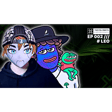
Alex Frih - highschool drop out to Louis Vuitton tech product lead to web3 founder

246 Plays2 years ago
Alex Frih tells us about his debut at age 13 as a moderator in the Internet Relay Chat (IRC) field.
The high school dropout later joined Louis Vuitton and helped built the smart watch and designed for Virgil Abloh. He has now founded a company backed by prominent European VCs : NextDecade (N10)
Find Alex here:
The Polymath Experience is a podcast owned by its listeners, join us here to be rewarded : https://discord.gg/PwYt39W95k
Recommended














Transcript
Welcome and Catching Up
00:00:00
Speaker
Welcome, Alex.
00:00:01
Speaker
Nice to have you here.
00:00:01
Speaker
It's good to catch up.
00:00:05
Speaker
I feel almost like I'm catching up with a long time friend.
00:00:08
Speaker
We haven't spoken in a while, so welcome.
00:00:10
Speaker
Hello, hello.
00:00:11
Speaker
It's been a while.
00:00:12
Speaker
True, very true.
00:00:13
Speaker
A lot of things in a while.
How is Alex Doing?
00:00:16
Speaker
FTX and stuff.
00:00:17
Speaker
But yeah, how are you?
00:00:19
Speaker
I'm doing fantastic, man.
00:00:21
Speaker
I'm doing great.
Podcasting and Market Reflections
00:00:22
Speaker
Loving doing the podcast thing and project going great.
00:00:27
Speaker
And yeah, how about you?
00:00:29
Speaker
How's everything going?
00:00:30
Speaker
It's going great.
00:00:31
Speaker
It's been very interesting the end of last year with all the market.
00:00:37
Speaker
I feel like it was a necessity in terms of all the noise.
00:00:41
Speaker
And
Introduction to Luxury3.io
00:00:42
Speaker
so far, so good.
00:00:42
Speaker
New version of...
00:00:44
Speaker
of next decade coming, we open luxury3.io, which is very focused on luxury brands, more partnership with brands.
00:00:54
Speaker
I think by mid of 2023, we will have a lot of announcements with those brands and without the brand.
00:01:04
Speaker
So building in the background.
00:01:09
Speaker
The universe sings.
00:01:13
Speaker
All right.
00:01:13
Speaker
So yeah, we have a lot to unpack because you told me that you have a lot going on.
00:01:17
Speaker
Let's start
Alex's Journey into Web3
00:01:18
Speaker
from the start.
00:01:18
Speaker
For the people that don't know you, who are you?
00:01:21
Speaker
What was your journey prior to Web3?
00:01:23
Speaker
How did you end up getting into Web3?
00:01:26
Speaker
What was that process like for you?
00:01:28
Speaker
Me, I'm the CEO of Next Decade, so a company building in Web3 and a bit metaverse too.
00:01:36
Speaker
Before that, you want the full explanation?
00:01:38
Speaker
Everything that comes to mind.
00:01:40
Speaker
Just...
00:01:41
Speaker
Just roll with it.
00:01:42
Speaker
I'm going to give a specific angle because I've been working on this with my VC recently to provide maybe a clear vision of where I want to go.
00:01:52
Speaker
I don't know if you know, when did you start the internet?
00:01:56
Speaker
I was like, I think the first time I was probably eight or nine.
00:02:01
Speaker
Okay, me it was 10.
00:02:03
Speaker
2000, something like that.
00:02:06
Speaker
Okay.
00:02:06
Speaker
Okay, same for me.
00:02:07
Speaker
How did you start it?
00:02:10
Speaker
I remember the internet connection.
00:02:12
Speaker
I remember more so the games.
00:02:15
Speaker
But my first interactions were very plain and simple of hearing the beep, beep, beep, beep sound.
00:02:23
Speaker
Yeah, me too.
00:02:24
Speaker
Yeah.
00:02:25
Speaker
like my mom telling me what it was about, but I never took it that far at that early age.
00:02:32
Speaker
Okay.
00:02:33
Speaker
Okay.
00:02:33
Speaker
I see.
00:02:33
Speaker
So, so me, I'm born
Early Internet Experiences and Social Currency
00:02:36
Speaker
in 1990.
00:02:36
Speaker
So I was 10 years old when I started 2000, like you, and I've started with the internet chat IRC.
00:02:43
Speaker
And I started on what I do and voila in French, like the internet provider.
00:02:48
Speaker
And, and my dad told me that
00:02:51
Speaker
So I saw the chat with all the message and he told me it's an infinite story and people can contribute to the story.
00:02:57
Speaker
I was like, okay, that's interesting.
00:02:59
Speaker
And since when I've been spending so much time on internet, it was way more interesting than school for me.
00:03:07
Speaker
And I became, I think, an operator of when I do chat at 13 years old, moderating something like
00:03:17
Speaker
channels with 2000 people chatting and you know, you have a lot of weird people online and I had to keep people that wanted to, to maybe to have a adult relation on the chat for, for young people, et cetera.
00:03:35
Speaker
So I was one of the youngest actually.
00:03:37
Speaker
And to chat, you know, you had nothing back in the days like discord, but you have only the nickname, the username.
00:03:46
Speaker
And what you type, your style in a way, but also the colors that you use when you type.
00:03:52
Speaker
And the people that were using a software called the MIRC were able to type in colors like one letter in orange, one letter in blue, one letter in orange.
00:04:02
Speaker
And I was like fascinated by this.
00:04:05
Speaker
I was like, like they're flexing in a way.
00:04:07
Speaker
And me, I'm writing in black, black and white.
00:04:10
Speaker
It's so dumb.
00:04:12
Speaker
So I started to learn how to use this software.
00:04:16
Speaker
And it was the beginning of my fascination for social currency.
00:04:20
Speaker
How can you like not shine, but communicate and be more yourself through digital, but with differentiation elements.
00:04:30
Speaker
And since when I've been doing this, I realized today in a loop.
00:04:34
Speaker
So I've been doing the same after in gaming because I started playing World of Warcraft, I think in 2007.
00:04:43
Speaker
So having the gear that can make the difference, etc., the way you look with your gear, etc., was very important.
00:04:49
Speaker
And then the consequence of all of this, I was able to code and design.
00:04:53
Speaker
I always done both at the same time, spending a lot of time on websites like scriptsdb.org or DeviantArt.
00:05:01
Speaker
DeviantArt is still active for design to learn how to do it, but totally self-taught.
Teaching Coding and Career Beginnings
00:05:07
Speaker
Before the back, the back in France, the diploma, I'd...
00:05:13
Speaker
I decided to not do it, actually, because I was spending way too much time on internet, which put me in a difficult situation when I was 20 to find a job because I was young.
00:05:26
Speaker
So I did different things.
00:05:27
Speaker
And I started something at Epitech to learn how to code properly.
00:05:31
Speaker
But I was already coding and designing, but I started this thing.
Internships and Career at Louis Vuitton
00:05:37
Speaker
Which led me to Microsoft.
00:05:39
Speaker
So I spent my internship at Microsoft and Huawei in China.
00:05:45
Speaker
So I discovered the Chinese market and all the big part of the Asian culture, IoT, Internet of Things, cloud computing, AI in 2015.
00:05:56
Speaker
Microsoft organized hackathon with Louis Vuitton, which I was a part of as a mentor.
00:06:03
Speaker
at the beginning, and then I decided to participate rather than mentoring the hackathon.
00:06:08
Speaker
And then Louis Vuitton called me back saying, Oh, we were very interested by what you've done, even though we didn't win.
00:06:14
Speaker
And we might have a job for you.
00:06:16
Speaker
So I went and everything was very discreet.
00:06:19
Speaker
And this is how I entered at Louis Vuitton doing the first smartwatch of Louis Vuitton called the Tombow Horizon.
00:06:26
Speaker
And then since when I worked with Virgil Abloh, I worked with Nicolas Ghesquière, I worked with League of Legends for the mechatronic trunk that we did with Louis Vuitton for Aura blockchain also.
00:06:40
Speaker
So that was my first contact with blockchain.
Transition to Web3 and Digital Identity
00:06:44
Speaker
And then after five years at Louis Vuitton, I decided to leave Louis Vuitton because I've been doing a lot of IoT product, something like 10.
00:06:53
Speaker
And the vibe around Web3 was growing and growing in 2021.
00:06:58
Speaker
After leaving Louis Vuitton, a lot of people contacted me to be the CTO in their startup.
00:07:03
Speaker
So I met a lot of VC and I realized they were
00:07:07
Speaker
interested by what I've done before.
00:07:11
Speaker
And me, I was still interested by social currency because, you know, it's big also social currency in luxury.
00:07:16
Speaker
You don't buy luxury product because they are extremely useful, but just because it gives a lot of social currency in a way.
00:07:24
Speaker
And I decided to build next decade to work on this digital identity because I felt like the software was a bit behind in luxury industry.
00:07:32
Speaker
And the tech industry is not really understanding the concept of digital identity.
00:07:37
Speaker
In gaming, it's very deep, but in a way, gaming is niche.
00:07:41
Speaker
And I have the feeling like Web3 is going to bring digital identity and maybe introvert people because it's more inclusive in a way, Web3.
00:07:50
Speaker
You can still be behind a digital identity.
00:07:56
Speaker
But be yourself and assume what you think or be who you want to be.
Web3 and Digital Identity Exploration
00:08:01
Speaker
Maybe someone different kind of role play that you find sometimes.
00:08:05
Speaker
And how do you empower people and brands to be seen as they want to be in a digital environment?
00:08:13
Speaker
which was never for me what people used to say, like something for people that are only online, they never leave their room, etc.
00:08:22
Speaker
For me, it's the opposite.
00:08:23
Speaker
You go online to find people that share the same interest and then you can hang out in the real life with people that have the same interest.
00:08:31
Speaker
So this is the path, the way that I've been building everything since the beginning.
00:08:38
Speaker
Oh, that's amazing.
00:08:39
Speaker
Yeah, I completely missed that back story.
00:08:42
Speaker
It's really cool because you've actually lived the high school dropout dream that everyone kind of fantasizes about for the past.
00:08:52
Speaker
I don't know.
00:08:54
Speaker
I know it was not.
00:08:56
Speaker
I would not have wanted to have your parents.
00:08:58
Speaker
I dropped out of my master's in law and my mom got pissed.
00:09:00
Speaker
I cannot imagine if I dropped out of high school.
00:09:04
Speaker
But at least now in retrospect, it's really cool.
00:09:08
Speaker
And yeah, when you were talking about like the online flex, it reminded me of, this is not going to relate to a lot of the non-French people, but do you remember Skyblogs?
00:09:20
Speaker
Of course.
00:09:21
Speaker
Yeah, and Skyblogs and MSNs, like the whole point of this was like, how can you flex on other people?
00:09:27
Speaker
How can you, what can you figure out about this infrastructure that no one has figured out yet?
00:09:35
Speaker
And how can you make the most of it?
00:09:37
Speaker
Yeah.
00:09:37
Speaker
And if you think about it, for example, MSN, it talks to everybody.
00:09:41
Speaker
You remember at the beginning, the nickname was black.
00:09:45
Speaker
And then an addon came and you were able to put colors and emojis in your name.
00:09:49
Speaker
It was not the case at the beginning.
00:09:52
Speaker
It went crazy.
00:09:52
Speaker
Like people were creating nicknames with like ASCII and stuff.
00:09:57
Speaker
And then you realize that
00:10:00
Speaker
You can give a little amount of personalization.
00:10:02
Speaker
People will use it like crazy to develop their identity online.
00:10:07
Speaker
And for me, it's such a big thing.
00:10:09
Speaker
Still not understood, I think, from a lot of companies, but it's so huge.
00:10:13
Speaker
It is.
00:10:14
Speaker
And it's... I mean, that's... You'll talk about it a lot better than I can, but that's what I feel the metaverse is.
00:10:22
Speaker
When I think of the metaverse, I actually...
00:10:26
Speaker
I think Ready Player One is such an appealing future for the metaverse because it's
00:10:36
Speaker
Anyone can build whatever they want on it.
00:10:38
Speaker
I think Webiverse has this vision that basically you can just expand on what's already existing.
00:10:47
Speaker
And then within that same world, you build your own world.
00:10:50
Speaker
And that's that composability that if you empower community, then there's just... And Roblox does it very well,
Cultural Patterns and Simulation Theory
00:10:57
Speaker
by the way.
00:10:57
Speaker
Yeah, it's a matter of culture.
00:11:02
Speaker
I was describing something this morning, like you have always the same steps.
00:11:07
Speaker
And the sentence of Elon Musk resonates when he says we play in a simulation because I have the feeling it's the same thing over and over.
00:11:16
Speaker
with different subculture that are becoming mainstream.
00:11:21
Speaker
I'm explaining what I mean by that.
00:11:23
Speaker
You start as a newbie.
00:11:24
Speaker
You are a noob.
00:11:25
Speaker
You come, you don't know what you are doing.
00:11:28
Speaker
You kind of look like shit in a game or with your weak NFTs, etc.
00:11:33
Speaker
It's not like...
00:11:36
Speaker
But you see a product on someone like, what is that?
00:11:39
Speaker
So if you think about luxury, it could be a bag.
00:11:41
Speaker
You see a bag and you would like the bag.
00:11:43
Speaker
It looks beautiful.
00:11:44
Speaker
What is it?
00:11:45
Speaker
That's the first thing you say.
00:11:46
Speaker
In NFTs, it's the same.
00:11:47
Speaker
I see your PFP right now.
00:11:50
Speaker
I'm like, it's cool.
00:11:51
Speaker
What is it?
00:11:52
Speaker
I'm asking you.
00:11:53
Speaker
And you tell me, oh, this is this brand.
00:11:54
Speaker
Like it can be Artifact.
00:11:56
Speaker
It can be Louis Vuitton, whatever.
00:11:59
Speaker
Okay, I'm going to do some research.
00:12:00
Speaker
I look at the brand and then they explain me the world.
00:12:03
Speaker
Oh, it was created this year for this reason, etc.
00:12:07
Speaker
You understand the mechanics.
00:12:09
Speaker
So no, you're already in a metaverse in a way.
00:12:12
Speaker
For gaming, it's very clear because you see the 3D, the world, they can do whatever they want.
00:12:16
Speaker
For brands, it could be like a fashion show.
00:12:19
Speaker
It could be a store, something that puts you in a mood.
00:12:23
Speaker
Then after you have...
00:12:25
Speaker
in e-commerce very often where you can buy.
00:12:27
Speaker
So engage financially to empower yourself.
00:12:31
Speaker
Then you can wear those products, which is your avatar in a way.
00:12:38
Speaker
You're not yourself as you used to be.
00:12:40
Speaker
You're someone new and you're playing this new role.
00:12:43
Speaker
And then you have things to share
00:12:46
Speaker
Also, you have your wallet in a way you put your bag, etc.
00:12:50
Speaker
at home in a safe place at the right place.
00:12:52
Speaker
You have your MetaMask wallet where you can put the things.
00:12:55
Speaker
You have your cloud where you can put other things.
00:12:57
Speaker
So there is always a place where you arrange all those things and then you can wear them.
00:13:02
Speaker
And then people can comment on your look.
00:13:05
Speaker
So on your NFTs, on your look, your whatever, whatever the way you code, the way you drive.
00:13:14
Speaker
And then you can go to real life parties, real life event to connect with people and develop this business and decide to be a spectator, a contributor, or even a leader in this field.
00:13:27
Speaker
And I realized each time you have a mechanism
NFT Communities and Brand Engagement
00:13:32
Speaker
for the culture, like a culture vehicle, I call it.
00:13:35
Speaker
So if you think about internet chat,
00:13:39
Speaker
It's the people that decided to create channels like Discord.
00:13:42
Speaker
It was more the channels than the server back in the day.
00:13:46
Speaker
If you create a channel and you have a lot of people in your channel, you help the culture because you create retention for this service and more people are coming, sharing.
00:13:57
Speaker
And then at some point it becomes mainstream because you gather attention.
00:14:02
Speaker
You think about gaming.
00:14:04
Speaker
It's the people like in World of Warcraft that are creating guilds.
00:14:08
Speaker
They create guilds, people, they get involved into guilds and then it creates the culture and it becomes e-sports, etc.
00:14:16
Speaker
Same thing for luxury.
00:14:18
Speaker
It used to be Instagram account or you can argue or it can be on Twitter, Instagram or whatever, but you have an account that leads this and that's fun because I verified it like the creators in luxury brands, they follow some accounts of passionate people to feel the trend, get inspired and then create the collection.
00:14:39
Speaker
Yeah.
00:14:39
Speaker
And then in Web3, I don't know yet.
00:14:44
Speaker
I would say DAOs because they were the first maybe to have a lot of crypto, invest, support project.
00:14:51
Speaker
More and more.
00:14:52
Speaker
I don't know if influencers have an impact.
00:14:56
Speaker
Maybe yes, maybe not.
00:14:57
Speaker
But for sure, those accounts that are relaying a message, a message,
00:15:01
Speaker
is what brands, for example, are looking for.
00:15:04
Speaker
They are looking at those people that are relying on this culture, resharing, retweeting, and it's growing and growing and growing.
00:15:12
Speaker
And at some point, it will become mainstream.
00:15:14
Speaker
It's so incredibly present in NFT projects.
00:15:20
Speaker
I think the first one to do it extremely well was Uzuki.
00:15:24
Speaker
Yeah, Uzuki is insane.
00:15:26
Speaker
You have SpiritDAO.
00:15:29
Speaker
There's probably a few.
00:15:30
Speaker
I'm not the best first, but I recently joined Valhalla.
00:15:34
Speaker
And Valhalla has insane community power behind their smaller DAOs of the Bala ones.
00:15:43
Speaker
Mine is a maroon background, for example, which some people have rallied behind.
00:15:47
Speaker
And yeah, it's super powerful because you get your groups of super users, of super community members, and they...
00:15:55
Speaker
like the most vocal ones will manage to have a big impact on the brand and also have a big impact on their own financial well-being.
00:16:03
Speaker
Because you're basically, by being a proactive member of a subcategory of an NFT project, you actually give more value to that NFT project.
00:16:15
Speaker
You make it more appealing.
00:16:16
Speaker
And so it brings you power.
00:16:18
Speaker
And it's both ways.
00:16:20
Speaker
In a way, I see the trend of free mint a lot.
00:16:22
Speaker
So even when you have so much attention as a leader or as an organization, you can then create free mint and bring money to those people because they were early adopters.
00:16:32
Speaker
They have a facilitated access to it.
00:16:35
Speaker
So then you can share the outcome of the attention because together you are strong and people want to
00:16:43
Speaker
to be involved, brands or individuals.
00:16:46
Speaker
That's really interesting because you often hear about the argument of the dilution of the supply.
00:16:53
Speaker
When you have an initial collection that generates a free mint for their initial collection, it's like, okay, next pool, but don't do it too much because you're going to dilute your ecosystem.
00:17:03
Speaker
And that's what Artifact, for example, has been in some trouble for because they...
00:17:11
Speaker
People are saying that they haven't given enough value to their holders or that it has been diluted.
00:17:18
Speaker
But I hadn't heard about it that way of, yeah, it is a reward and you do with it what you want.
00:17:24
Speaker
If you decide that you sell it, then it dilutes a little bit the supply, but it also lets someone in.
00:17:28
Speaker
Yeah.
Digital Value and Community Focus
00:17:29
Speaker
And, and, and the supply is, is a problem for digital.
00:17:33
Speaker
I think we will get rid of this topic of supply at some point because in digital, it doesn't make any sense to talk about supply, but more about events.
00:17:41
Speaker
Like if you collect, like pop is interesting.
00:17:44
Speaker
Pops are on something.
00:17:45
Speaker
It's, it's like small, the use case right now, but they are on something because it's an event.
00:17:51
Speaker
And if you get something out of an event,
00:17:54
Speaker
it's fine to have a huge supply because life is going on.
00:17:57
Speaker
So you have events very often and those events, those badges, those whatever you call them, could financially mean something and then you can change the life of a lot of people just by... I'll give you an example.
00:18:16
Speaker
I have my community as an influencer in a way, like on Twitch, for example.
00:18:20
Speaker
I said, come on my room
00:18:23
Speaker
I'm going to do a free mint right now.
00:18:25
Speaker
And you lock the entry to the room, like 200 people max.
00:18:31
Speaker
And it's like something metaverse.
00:18:33
Speaker
And it's kind of for guys.
00:18:35
Speaker
You create like some other way to get the free mint.
00:18:38
Speaker
And you put a lot of free mint everywhere.
00:18:40
Speaker
And people have to rush and go and get the free mint.
00:18:43
Speaker
So it's a fun experience.
00:18:45
Speaker
And this free mint, some viewers are frustrated because they can't enter to get this free mint like right now.
00:18:51
Speaker
And then right after the free mint will be worth something because the influencer are the strategy behind to, to, to activate this token.
00:19:01
Speaker
And then the token will be worth something because, because of the, the demand from the community that love this discuss this, this creator, you can see it with donation and stuff.
00:19:15
Speaker
And then those people that were here and created this momentum of attention, they will be rewarded just by the fact that they were here before everybody and did everything that the creator wanted them to be engaged with.
00:19:29
Speaker
This I see in the near future where you can
00:19:34
Speaker
redirect money and value to your community rather than you as a creator all the time.
00:19:38
Speaker
Yeah, that makes sense.
00:19:39
Speaker
But then you kind of fall back into the... There's still a supply for that experience.
00:19:45
Speaker
And so I... Yeah, I think the concept is very interesting.
00:19:50
Speaker
I don't...
Perception of Scarcity in Digital Value
00:19:51
Speaker
one of the main value propositions behind, for example, clone X has this value because there's only 20,000 of them it's backed by Nike.
00:20:00
Speaker
And so it's this paradox of demand of potential demand, um,
00:20:06
Speaker
Because Nike and what they've done in the past and everything that Artifact has done until now against the, okay, but it's scarce.
00:20:15
Speaker
There's only going to be 20,000 of them.
00:20:17
Speaker
And that's what also brings value to some sneakers and to some luxury brands items.
00:20:24
Speaker
So what do you mean by supply will not be a thing or should not be a thing?
00:20:30
Speaker
And how would you see that evolve?
00:20:34
Speaker
I see brands...
00:20:37
Speaker
less valuable than Louis Vuitton and Louis Vuitton is one of the most producing item company in the world.
00:20:45
Speaker
So in a way it's less scarce than other brands, but it's still more expensive.
00:20:52
Speaker
So it's only a matter of perception at the end.
00:20:54
Speaker
People say scarcity because they are deep into Bitcoin that has a fixed supply, etc.
00:21:00
Speaker
But you have no idea of how human perception can change.
00:21:05
Speaker
And especially on those on very small numbers like that.
00:21:09
Speaker
Even when we say, oh, diamond, it's rare.
00:21:11
Speaker
It can be very expensive up to 60 million, for example, etc.
00:21:15
Speaker
You have no idea of how many diamonds are out there.
00:21:19
Speaker
And actually, it's not scarce at all.
00:21:21
Speaker
But people have this perception that it's scarce.
00:21:24
Speaker
Even a Rolex or something like that, it's not rare at all.
00:21:30
Speaker
Just perception.
00:21:30
Speaker
People are confused with perception, I think.
00:21:33
Speaker
They think it's scarce.
00:21:36
Speaker
You know, at the end, it's all about the narrative.
00:21:39
Speaker
Some companies are... Like Azuki is a good example.
00:21:43
Speaker
They come back from hell.
00:21:45
Speaker
But the narrative is so good and the execution too that they just can't fight it.
00:21:51
Speaker
They do it well and they feel it.
00:21:56
Speaker
The big...
Challenges in Scaling NFT Brands
00:21:58
Speaker
difference or problem than one is you're you're right it's a matter of perception and and also we're we're still living in our in our small bubble like there's a few thousand nft people just like buying and selling each other's each other's nfts right now so so of course we we
00:22:17
Speaker
we see the scarcity as a big point because right now we're still a small number, but you have the blockchain.
00:22:26
Speaker
And so it would be really hard for me to look up how many LV bags are out there on the market, but it's super easy for me to go and check that there is 10,000 Izuki and,
00:22:37
Speaker
And then what?
00:22:39
Speaker
I don't know.
00:22:40
Speaker
I don't know.
00:22:41
Speaker
That's the problem.
00:22:43
Speaker
This is a very interesting conversation because I haven't thought about it like that.
00:22:48
Speaker
For me, it was at least subconsciously an important part of it because, yeah, there's only 20,000 of those.
00:22:54
Speaker
So, of course, they're extremely valuable.
00:22:56
Speaker
But now that you put it this way, yeah, I see your point.
00:23:01
Speaker
It's the experience that sucks, I think, in NFT's world.
00:23:04
Speaker
Okay, it's valuable, you get it, and then what?
00:23:06
Speaker
Nothing, very often.
00:23:08
Speaker
Even if you think something happened, to really deploy a plan for customers at the end,
00:23:16
Speaker
We say community, but at the end, customers, you pay your asset.
00:23:21
Speaker
You need so many resources.
00:23:24
Speaker
I have seen it from inside what they are doing with fashion shows, dinner, client advisor, etc.
00:23:29
Speaker
And you need human people.
00:23:33
Speaker
I would be interested.
00:23:34
Speaker
I think Louis Vuitton is 400 stores worldwide.
00:23:39
Speaker
The amount of client advisors they have to take care of one client, it's huge.
00:23:46
Speaker
And the team of founder of an NFT project is small.
00:23:49
Speaker
So for 10,000 clients, I don't know how many client advisors they have, but it's way more than what you see in NFTs.
00:23:55
Speaker
And they take good care of people.
00:23:58
Speaker
So, you know, the small attention like birthday.
00:24:03
Speaker
Like it's stupid, but I've never seen an NFT project wishing a birthday to...
00:24:09
Speaker
except to the founder, automatically.
00:24:12
Speaker
That's super weird for me as a brand because no, they are brand.
00:24:18
Speaker
So they need to adopt this client culture and the client is very demanding.
00:24:23
Speaker
If you think about it, I think we produce maybe 90% of the content that was consumed, that was created on internet was created last year.
00:24:33
Speaker
And it's almost already all consumed.
00:24:35
Speaker
We need to create more content.
00:24:37
Speaker
So the clients are very demanding.
00:24:39
Speaker
And if you don't have a strong structure that can handle all this demand, the concept is kind of going away.
00:24:48
Speaker
And I think also Web3 people have a lot of vision.
00:24:55
Speaker
This is because they are early adopters.
00:24:57
Speaker
This is maybe not the case of mainstream and brands like Artifact.
00:25:02
Speaker
In a way, they are ready for mainstream.
00:25:05
Speaker
And mainstream is not coming yet, thanks to people like FTX and things like that.
00:25:13
Speaker
So in a way, they are losing short term because they are maybe ready too soon for the mainstream adoption.
00:25:24
Speaker
And in a way, they don't have the culture of Nike.
00:25:29
Speaker
Nike, it's like Louis Vuitton.
00:25:31
Speaker
It's been years that they are operating.
00:25:33
Speaker
So the employees have their own pace.
00:25:36
Speaker
They know how to do the things.
00:25:37
Speaker
They feel everything.
00:25:39
Speaker
The artifact teams have to build everything, every day, everything, everything, depending on the market.
00:25:45
Speaker
And it's a lot of pressure when you had such success to keep providing value because the numbers are crazy for artifacts, huh?
00:25:56
Speaker
And you need to provide value.
00:25:58
Speaker
And on top of that, you build on top of Twitter, which is very hard as a social network compared to Instagram.
00:26:07
Speaker
So, yeah, I would say maybe short term, it looks like there is not enough value.
00:26:14
Speaker
But I would bet on Artifact long term when the mainstream is here because I think they are ready for mainstream adoption.
00:26:22
Speaker
Man, you said so many, so many little things.
00:26:26
Speaker
Yeah.
00:26:26
Speaker
There's, there's definitely this thing of timing and of, and right now the, because we're in a bear market and because there is, there's very little liquidity, there's people, there's a lot less happening on the market.
00:26:41
Speaker
And so we pay attention a lot more and our own personal, uh,
00:26:47
Speaker
well-being and our own personal perspective is going to affect how we react to this or that news.
00:26:52
Speaker
And so for a company like, man, if this was a full-on bull market, Artifact would be doing so much better, even like relative to other teams, I think.
00:27:07
Speaker
Yeah.
00:27:08
Speaker
And they are trying hard things.
00:27:10
Speaker
I've been doing, for example, connected shoes with Louis Vuitton.
00:27:14
Speaker
The number of things that you need to do to have certification worldwide, do the test for those sneakers, etc.
00:27:22
Speaker
It's hard.
00:27:22
Speaker
And success comes from failure.
00:27:27
Speaker
It's a known sentence, but they are taking some failure now.
00:27:31
Speaker
that will benefit them in few months when people will struggle.
00:27:38
Speaker
So yeah, never be short term.
00:27:43
Speaker
You were saying some really cool thing about delivering value for NFT.
00:27:48
Speaker
You were saying some really cool things.
00:27:49
Speaker
You too.
00:27:57
Speaker
Yeah, for NFT projects and delivering value.
00:28:00
Speaker
And I agree with you with wishing people birthday.
00:28:05
Speaker
But right now there's this disconnect.
00:28:07
Speaker
And for example, there's no real CRM for Web3.
00:28:12
Speaker
I know that the eFounders team is working on that.
00:28:16
Speaker
Code3 is working on that as well.
00:28:18
Speaker
Yeah, very good team.
00:28:19
Speaker
Very, very good team.
00:28:21
Speaker
And I think people are noticing the... And you have another team like Tropy who is trying to add a utility layer on top of NFTs.
00:28:35
Speaker
My first guest, Sarah, is building CoCreate.
00:28:38
Speaker
And so she's providing...
00:28:41
Speaker
services for people who have launched an NFT collection.
00:28:44
Speaker
And so there's all of this and there's probably hundreds of hundreds more because right now we have the foundation layer, we have the community layer.
00:28:53
Speaker
And it's really actually fascinating because
00:28:56
Speaker
We were all looking at crypto, like the financial aspect and then DeFi, you owning your own finances and taking that power away from banks.
00:29:07
Speaker
And then you have NFTs that come in.
00:29:09
Speaker
And for me, they blew my mind because...
00:29:13
Speaker
I was like, all right, this is what's been missing this whole time.
00:29:16
Speaker
It's that linking material for people to connect and to feel like they belong to something.
00:29:25
Speaker
And then on top of that, you can build a bunch of things.
00:29:27
Speaker
So how do you wear, like you're a designer, you're an entrepreneur, you're a tech guy, you're business, you're a business.
00:29:35
Speaker
a lot of visionary as well.
00:29:36
Speaker
So how do you see this evolving?
00:29:41
Speaker
How do you see these brands who have achieved very fast what it took others years to do in building a very strong super user, super community base?
00:29:55
Speaker
What do you think they build on top of that in the next few years in terms of value delivery?
00:30:01
Speaker
You said the thing.
00:30:02
Speaker
They've built a brand
00:30:06
Speaker
At a speed that is crazy, blazing fast.
00:30:09
Speaker
No, they have a problem, they have a brand.
00:30:11
Speaker
And you don't manage the reputation of a brand like a side project.
00:30:16
Speaker
Like if you look at luxury company, their reputation is everything.
00:30:19
Speaker
You saw Balenciaga, the drama a few weeks ago.
00:30:22
Speaker
It's killing brands when these kind of things happen.
00:30:26
Speaker
And I'm sure they didn't want it to have this kind of drama.
00:30:29
Speaker
But sometimes it happens.
00:30:33
Speaker
For example, Virgil did a fashion show, Virgil Abloh, and he put the flag of all his team at the studio.
00:30:39
Speaker
So you can see a bunch of flags.
00:30:40
Speaker
And people were saying, oh, my flag is not on the fashion show, so it means that you are racist in a way.
00:30:46
Speaker
That was not mean at the beginning, but the perception was crazy.
00:30:50
Speaker
And a good communication department can anticipate this.
00:30:54
Speaker
The problem is that it's managed by the same people that are building also.
00:30:57
Speaker
So they can do everything, like build, manage their reputation, make sure the
00:31:01
Speaker
And it's very intense.
00:31:02
Speaker
They have limited team very often at the beginning.
00:31:04
Speaker
So you spread your energy in multiple topics.
00:31:07
Speaker
And at some point, when you are such a big brand, you need to focus on and put all your energy in something and have other people being able.
00:31:15
Speaker
So now they need to hire.
00:31:16
Speaker
But how you hire people that are not ready if you try to hire people
00:31:20
Speaker
a blockchain or a marketer or something like that in web3 you're going to struggle because very often they are not built for that they will say oh i i used to be a product manager in in an it department or something like that but it's it's not the same thing at all there is the culture that is missing so you need time to have the amount of people that are available for this and you can see the opposite ways they struggle to enter in web3 the big companies like facebook google etc because the employees are not ready to
00:31:47
Speaker
to do this, even if they are very talented in other contexts.
00:31:52
Speaker
So first, it's a matter of having the right team, then focusing on something.
00:31:58
Speaker
Sometimes it's the CEO that needs to be a CEO because he's still doing like product or doing some marketing, etc.
00:32:04
Speaker
I know you need a bigger team.
00:32:08
Speaker
Sometimes it's the brand.
00:32:10
Speaker
There is no pillar in the brand.
00:32:13
Speaker
People, they were clicking on the art, clicking on the activity on Twitter, but that's it.
00:32:19
Speaker
And for a DNA, it's very weak.
00:32:21
Speaker
You need a bigger DNA.
00:32:22
Speaker
So what are your key pillars?
00:32:24
Speaker
And maybe you need to do a step back.
00:32:26
Speaker
Maybe you have some depth.
00:32:29
Speaker
You started something and now you feel like, oh, we need to reward this collection and this collection and this collection, but it's not going in the way we want to bring the DNA.
00:32:38
Speaker
So you need to rethink everything and not frustrate or maybe frustrate some people.
00:32:45
Speaker
But the problem for me is the vertical because if you think about it, okay, you started in the NFT, now you are a brand.
00:32:53
Speaker
What your brand is producing?
00:32:56
Speaker
If it's NFT, it's going to be a problem because you have this dilemma of supply and the fact that companies are successful is that they are able to repeat something very often and make margin because they streamline the process.
00:33:11
Speaker
Yeah.
00:33:12
Speaker
If you can't create NFTs like every day and sell them, you have a problem.
00:33:18
Speaker
So what do you do?
00:33:18
Speaker
So very often they say, okay, we go, we do merch, we do a hoodie or we do a cap or something like that.
00:33:25
Speaker
Okay, but in terms of craftsmanship, you will order to some supplier that is doing, I don't know, soccer t-shirt.
00:33:30
Speaker
You put three logo and then you ship this.
00:33:33
Speaker
The shipping is a nightmare.
00:33:35
Speaker
You did very...
00:33:37
Speaker
In a manual way, shipping worldwide is too hard.
00:33:42
Speaker
Some certification issue, a regulator issue.
00:33:47
Speaker
Then the quality of the hoodie is not that good.
00:33:49
Speaker
Then in terms of customer, you can't give back the money.
00:33:53
Speaker
If they don't like the product, you need to get back the thing.
00:33:55
Speaker
In fact, it's a full infrastructure to deploy.
00:33:58
Speaker
So then they realize they're not ready to do merch and physical product.
00:34:01
Speaker
So the question is, what do they do?
00:34:04
Speaker
Movies?
00:34:05
Speaker
Anim?
00:34:07
Speaker
So they have this to choose.
00:34:10
Speaker
And if they say, for example, we want to be a gaming company, okay, how much money do you need?
00:34:17
Speaker
Because building a game, you saw with cyberpunks or things like that, it's hard.
00:34:22
Speaker
It's very hard.
00:34:24
Speaker
And maybe people from Web3, they don't really want games, like casual things, like casual Twitter, casual hype, casual things, but not too deep.
00:34:32
Speaker
Like I don't want to spend...
00:34:34
Speaker
to incarnate a character and then do quests like World of Warcraft.
00:34:38
Speaker
If I want to play World of Warcraft, I go play World of Warcraft.
00:34:40
Speaker
But Web3 might be different in a way.
00:34:46
Speaker
So yeah, it's a lot of questions to answer for those new brands.
00:34:48
Speaker
Yeah, it's huge.
00:34:50
Speaker
It's huge.
00:34:50
Speaker
And I actually, yeah, I hadn't gone so far into the rabbit hole of this conversation.
00:34:58
Speaker
It is true that usually the most successful businesses and the most successful products, they start with the vision of...
00:35:08
Speaker
This is where we're going.
00:35:09
Speaker
This is our vision.
00:35:10
Speaker
This is the problem that we want to solve.
00:35:12
Speaker
And we're going to dedicate most of our attention and most of our resources towards it.
00:35:16
Speaker
But in the case of NFTs, you have a bunch of people who find themselves with a shit ton of money on their hands and sometimes great people, sometimes people who have very high expectations and
00:35:32
Speaker
And they face these people who are technically their customers, like you say, but who feel like they are investors and own part of the network, which is what I personally believe should be.
00:35:46
Speaker
I think that's Web3.
00:35:48
Speaker
This is not something that most people
00:35:51
Speaker
people seem to share because they they're still like this really top-down relationship of all right you're the team now do something uh make make my nft um valued more and so when you start like this with no clear direction and you have to figure it out on the go you're gonna go bankrupt like nine times yeah yeah the fact that you are not in lean mode
00:36:16
Speaker
creates a lot of noise and imagine you have to make sure your team can eat and work you have to make sure that your investors have enough progress like okay retention is not good you need to change something yeah but I have my plan let me no no no we need retention like this month you raise so much money it's now okay and you need to deploy this money yeah but I would prefer to do my product no no no deploy the money like do marketing events go we go in New York you do an interview etc like
00:36:45
Speaker
Okay.
00:36:46
Speaker
And then you have the community going crazy.
00:36:49
Speaker
Not everybody's built for this life.
00:36:52
Speaker
And when you try to satisfy too many people, very often you fail because you can't satisfy everybody.
00:37:01
Speaker
So those founders, they need to go back to their gut feeling and very often they will be in situation like a lot of owners that we saw in the past Bill Gates, Steve Jobs, Jeff Bezos, they were against their investor, against their community.
00:37:17
Speaker
Remember when Mark Zuckerberg released the wall on Facebook?
00:37:21
Speaker
Oh, the wall is such a nightmare.
00:37:23
Speaker
Feed news feed are stupid.
00:37:25
Speaker
Snapchat when they changed the UI UX because that is strong feeling.
00:37:30
Speaker
You need to start being kind of a dictator with your gut feeling because at the end, people are buying your vision since the very beginning.
00:37:38
Speaker
This is what started, where everything started.
00:37:41
Speaker
But very often you see also that those people, they are kind of introvert.
00:37:46
Speaker
The people that made the Web3 project great.
00:37:50
Speaker
You can look also Vitalik Bitterin.
00:37:53
Speaker
It's kind of good.
00:37:56
Speaker
Exactly.
00:37:56
Speaker
Very smart.
00:37:58
Speaker
and even more visionary than what I thought actually, because I realized some stuff, but,
00:38:04
Speaker
The problem is that being a dictator where you're introvert, you are very hard with yourself very often, but not that hard with people around.
00:38:11
Speaker
You can't really protect what you're seeing because you're not used to those leadership conflicts.
00:38:16
Speaker
That's why you were in your room developing your own project a bit on the side.
00:38:22
Speaker
So you need to evolve and it takes time.
00:38:24
Speaker
You can't ask someone to be like that in two months.
00:38:27
Speaker
You need time to rotate and change.
00:38:30
Speaker
and be who they need to be for the project.
00:38:32
Speaker
And some of them, they will not succeed to switch.
00:38:35
Speaker
And they will say, okay, burnout, I prefer to go back to my previous life because this one is not for me.
00:38:39
Speaker
Or you do what Pixelmon did.
00:38:41
Speaker
Raised, I think it was 70 million at the time of the mint.
Project Management in Web3
00:38:46
Speaker
And just passed on the project to a capable team and management.
00:38:52
Speaker
And that's actually a pretty...
00:38:55
Speaker
okay, you're a native.
00:38:57
Speaker
Yeah.
00:38:57
Speaker
It's super smart.
00:38:58
Speaker
It's very smart.
00:38:59
Speaker
And the people who, who actually stayed in and, and, and trusted it, uh, I think it will pay off greatly for them.
00:39:05
Speaker
Um, and it's all right.
00:39:08
Speaker
I did my thing.
00:39:09
Speaker
I did what I'm good at.
00:39:11
Speaker
I, I'm Web3 native.
00:39:13
Speaker
I'm good at understanding how the market, how these markets work.
00:39:16
Speaker
I'm good at raising money.
00:39:18
Speaker
That doesn't make me a good product builder.
00:39:20
Speaker
And so I raised the money.
00:39:22
Speaker
I'm going to take my cut and then I'm going to pass it on.
00:39:24
Speaker
And, and,
00:39:25
Speaker
these people are going to do fine.
00:39:27
Speaker
And I have another counter example, Ether Orcs.
00:39:30
Speaker
Do you know about Ether Orcs?
00:39:32
Speaker
No, I don't know.
00:39:34
Speaker
In my mind, they're one of the OG projects, on-chain games, very cool pixel art, and...
00:39:43
Speaker
incredible community.
00:39:45
Speaker
And they just announced that they're letting go of their project, that they're turning everything CC zero.
00:39:53
Speaker
Um, and, and, and that people, if they want to can, can build on it.
00:39:58
Speaker
And, um,
00:40:00
Speaker
It's really interesting because they're super passionate and they wanted to build something really cool and they did, but they came to a point where they're so kind and they're so web three and decentralized oriented, but they were, they didn't make any money.
00:40:16
Speaker
They, they didn't manage to turn this into a business, which is like, we're still in a capitalist society at some point.
00:40:23
Speaker
Like you were saying, you have mouths to feed, you have servers to pay for, you have services.
00:40:29
Speaker
At some point, you are going to face a lawsuit, so you have to be able to pay your lawyers.
00:40:34
Speaker
All of these things are just real-life stuff of being a builder, being a founder.
00:40:39
Speaker
And those are things that not a lot of Web3 founders start off understanding from the get-go.
00:40:46
Speaker
Yeah, and then they don't have the right network also.
00:40:49
Speaker
Me going to business with tech companies or luxury companies, I created a network of like lawyers, accountants, etc.
00:40:57
Speaker
that are good.
00:41:00
Speaker
And I like when it's organic, so I trust people, they introduce me to people, so then there is trust.
00:41:07
Speaker
If I created a project and I have to find lawyers, accountants, etc., and I go on Google and say lawyers,
00:41:16
Speaker
not too expensive because it's the beginning, etc.
00:41:18
Speaker
It's going to be a nightmare.
00:41:21
Speaker
Like, when you come with a recommendation and when you come without a recommendation, it's not the same thing.
00:41:26
Speaker
So I think they might be a bit alone sometime.
00:41:29
Speaker
And also, I think,
00:41:31
Speaker
Me, as an investor in some project, we spoil those creators.
00:41:36
Speaker
Like we kill them by giving too much money too fast.
00:41:40
Speaker
It's like a child.
00:41:41
Speaker
You give too much money to a child, you see the results.
00:41:44
Speaker
It's going to be a nightmare.
00:41:46
Speaker
You need to think that you will allocate some money to those guys when they need it, but not too fast because otherwise they can't
Funding Models and Risk Mitigation
00:41:55
Speaker
be lean.
00:41:55
Speaker
And if there is too much noise, they can't find the traction.
00:41:58
Speaker
And if there is no traction, your investment will go to hell.
00:42:00
Speaker
That's a super interesting paradigm shift.
00:42:05
Speaker
we should actually like, this should be the normal setup.
00:42:08
Speaker
Okay.
00:42:08
Speaker
You want to raise 10 million.
00:42:10
Speaker
You're going to get a hundred K a month for the next hundred months.
00:42:14
Speaker
That's like, and that's so much fucking money.
00:42:17
Speaker
Um, that should be, that should be the case because we faced, we faced so many times more times than, than, than was necessary.
00:42:26
Speaker
Um, like imagine a system where you, you're like, all right, I'm going to commit a thousand bucks.
00:42:32
Speaker
Um, but,
00:42:34
Speaker
at some point it's put in escrow and it's okay now this is going to get too complicated but anyways I can give you because we built a smart contract build on that so I don't know if it's going to work or not but just to play with and we will give it to the community listen to the mechanism for example you put one is okay it's a mint you create your project I put one is you can't withdraw it
00:43:02
Speaker
Because there is rules.
00:43:04
Speaker
You need to define a supply.
00:43:05
Speaker
You need to define a goal.
00:43:08
Speaker
Which is maybe 30% or 50% of the overall supply that needs to be sold on the second-hand market.
00:43:16
Speaker
If there is no sale, you can't withdraw the money.
00:43:18
Speaker
It's not happening.
00:43:22
Speaker
And maybe a duration to take a decision that I will describe after.
00:43:26
Speaker
So maybe one week.
00:43:28
Speaker
Okay.
00:43:29
Speaker
So you do the drop.
00:43:30
Speaker
I put one ETH.
00:43:31
Speaker
You can't withdraw and me, I can get back my one is when I want because I don't trust the project anymore.
00:43:37
Speaker
I still get my NFT.
00:43:38
Speaker
So I have the NFT in my wallet and I can, but it's actually kind of free.
00:43:45
Speaker
I just gave my attention to your project.
00:43:47
Speaker
So you have one is in your bank account.
00:43:50
Speaker
Yeah.
00:43:54
Speaker
escrow exactly and people are doing the same so now you have three million in this account but you can you still can't use it so you need to show to the community that the project is so good and keep on delivering for people to reach the supply sold out okay now you're sold out you can still remove your uh your bid in a way um
00:44:22
Speaker
until the goal.
00:44:26
Speaker
So it's already a first momentum because it's sold out.
00:44:28
Speaker
So everybody is excited.
00:44:29
Speaker
Wow, three million of euros sold out in maybe one day.
00:44:37
Speaker
But still, the goal is still not done.
00:44:39
Speaker
So we can still go back if we think that the project is not going so well.
00:44:44
Speaker
But still, there is traction.
00:44:45
Speaker
We can't deny it.
00:44:48
Speaker
Then you hit the goal.
00:44:50
Speaker
So what's happening with the goal?
00:44:52
Speaker
Second momentum, wow, we hit the goal.
00:44:54
Speaker
That was the target and it's happening.
00:44:56
Speaker
So the guy is really working on the project and driving it.
00:45:01
Speaker
And then the people that want to confirm their buying act, they can.
00:45:06
Speaker
If they want to buy for life, they can.
00:45:09
Speaker
The people that were selling on the second market, they lost their bid.
00:45:13
Speaker
Like I put money, I resale, I lose my one is so it creates automatically the effect of selling for one dot one is for example, to at least sell it for a bit more.
00:45:26
Speaker
So it pushed the, it pushes the floor a bit up.
00:45:30
Speaker
And actually the floor will be at the price of the bid in a way if you want to position it your, your collection at one is for example.
00:45:39
Speaker
And for people that says, oh, we don't answer because I was not paying attention to this bid, the money will automatically go back to their wallet.
00:45:47
Speaker
The token will be burned.
00:45:50
Speaker
So the supply will be deflationary based on the people that confirmed the buying act.
00:45:56
Speaker
But meanwhile, during this full process, so I don't know, maybe the collection, if it was 1000 NFTs, it's 837 NFTs at the end.
00:46:04
Speaker
But the traction that the founder was able to show to VC, for example, or business angel was huge.
00:46:10
Speaker
So he was able to trade this traction against funding.
00:46:15
Speaker
And the people that are investing, they are not risking anything because they can follow the capacity of the founder to deliver at least during the launch mechanism.
00:46:26
Speaker
So you can, like the only...
00:46:29
Speaker
person that can be fooled in a way it's maybe the VC or the business angel but not the consumer or the founder.
00:46:36
Speaker
That's really cool.
00:46:38
Speaker
It seems very complex.
00:46:40
Speaker
I would love to see it out in the wild and to see how it works.
00:46:44
Speaker
You have only two but I will share the source code but you have two things.
00:46:48
Speaker
You need to measure if the token was transferred to 0x0 which means burn or to someone else.
00:46:57
Speaker
And if you can detect this
00:46:59
Speaker
Then you can manage your table with everybody that put a bid and create your automatic refund if something is not going well.
00:47:08
Speaker
And then there is the timer that you need to manage as soon as the goal is done.
00:47:15
Speaker
You have maybe one week to decide what you do, and then the supply is modified if nobody is confirming.
00:47:22
Speaker
Are you personally going to use it for anything, or are you just going to put it out in the well?
00:47:26
Speaker
We're going to share the source code and do a drop with it to show people and live this experience to see if it gives something.
00:47:38
Speaker
But you kind of split the minting experience in two to three parts.
00:47:46
Speaker
And I think it's better than having a one-shot mint and then it's done and nothing is happening.
00:47:52
Speaker
That's awesome.
00:47:52
Speaker
And especially because from a design perspective, it can be a full-on experience, a full-on UI journey.
00:48:04
Speaker
Yeah, that's exciting.
00:48:06
Speaker
And it's a zero risk for the investor.
00:48:08
Speaker
You put one is you give your attention in a way to the to the creator, which is the most important thing.
00:48:14
Speaker
Your attention is worth something on Web3 way more than your is.
00:48:19
Speaker
And your is should just be a consequence of putting your attention on the right project and the right creators.
00:48:25
Speaker
If you want to generate mass speculation in the next few months, what you do is similar to OpenSea's wrapped ETH.
00:48:33
Speaker
And with one wrapped ETH, your smart contract accepts it as a bid.
00:48:39
Speaker
And so you can have one person that bids on 100.
00:48:42
Speaker
And so you have the appearance of...
00:48:47
Speaker
Thousands and thousands of bids and your smart contracts just creates a new bull market because it seems like there's so much liquidity on the market.
00:48:57
Speaker
Yeah, that's true.
00:48:59
Speaker
We've sold the bear market.
00:49:01
Speaker
Done.
Visionary Insights and Empathy
00:49:03
Speaker
A few minutes ago, you were talking about Vitalik and that you've realized a few things and I would love to hear what you've realized.
00:49:11
Speaker
Okay.
00:49:11
Speaker
So...
00:49:13
Speaker
As I said, I used to play World of Warcraft and Ethereum, it comes from World of Warcraft.
00:49:18
Speaker
It's a faction inside World of Warcraft.
00:49:21
Speaker
So he decided to use this name for the blockchain.
00:49:24
Speaker
And me, I'm thinking a lot about Fijitol or Twins product because coming from Luxury's world, product is important.
00:49:33
Speaker
But to me, it's crazy that when you buy like gold, for example, you go to Cartier or Tiffany or whatever,
00:49:40
Speaker
And you have a cardboard which tells you that you are the owner, but it's a cardboard, the same one that you have for a pizza, for example.
00:49:47
Speaker
And I'm like, what the fuck is this experience?
00:49:50
Speaker
When do we have a digital smart contract with the 3D matching width and we can put it in our showroom, etc.?
00:50:03
Speaker
And I was thinking about the name.
00:50:04
Speaker
I was thinking about Fijitol, which sucks big time, or Twins product, which is a bit long and Twins, like, yeah, maybe it's not there for everybody.
00:50:12
Speaker
And actually, I was reading the definition of a serial product.
00:50:21
Speaker
I'm going to read it.
00:50:23
Speaker
I'm going to read it.
00:50:23
Speaker
Because I was like, the guy anticipates almost everything and we still don't realize it.
00:50:29
Speaker
It's a real.
00:50:30
Speaker
Extremely delicate and light in a way that seems not to be of this world.
00:50:36
Speaker
Which means an ethereal product in contrast with a real product.
00:50:44
Speaker
could be a digital or a twins product.
00:50:47
Speaker
So even in the concept, if he found the faction and the wording that could fit also for physical product in the future, especially for NFTs, without knowing that NFTs will become what it is right now.
00:51:01
Speaker
And I'm like, okay, I think this guy is on so many things that we still...
00:51:07
Speaker
I don't understand.
00:51:08
Speaker
And, uh, he's out of this world, but for me, he's an, he's an artist in a way.
00:51:12
Speaker
I don't see him as a genius that is doing mass and it's like,
00:51:18
Speaker
He's feeling things like the intuition that he has are like, wow, crazy.
00:51:23
Speaker
It's definitely like you can't, I mean, our brains are very powerful, but they can't predict.
00:51:29
Speaker
They can't predict anything because the universe is just too complex.
00:51:34
Speaker
There are so many variables.
00:51:35
Speaker
And so you see that like the weather is a perfect example.
00:51:39
Speaker
Like we've been trying to predict the weather for decades.
00:51:43
Speaker
hundreds of years and the technology behind it has reached the point that it is incredible, but we're still incapable of predicting the weather.
00:51:52
Speaker
It's still, I don't know, maybe 80% chance that you're going to get it right and 20% you're going to get it wrong.
00:51:58
Speaker
And that's great.
00:51:59
Speaker
Yeah.
00:52:00
Speaker
Oh, I mean, I'm not...
00:52:03
Speaker
That's amazing.
00:52:04
Speaker
That's incredible.
00:52:05
Speaker
And the things that data analysts are trying to do, or are capable of doing, sorry, are generally amazing.
00:52:15
Speaker
But they can't predict everything because you have black swan events, you have just things that are out of our control that we couldn't predict.
00:52:21
Speaker
The gut, though, the intuition is
00:52:25
Speaker
It seems to find its way between this.
00:52:29
Speaker
And so for someone to be pretty much the sole creator of something this huge, what you're just saying is amazing because it's almost poetic in a way, which is not something that at first glance you would call italic.
00:52:49
Speaker
I'd say, yeah, I...
00:52:51
Speaker
Yeah, he's a sweet, like, we need to keep him safe.
00:52:56
Speaker
He's very important to the world.
00:52:57
Speaker
Yeah, true.
00:52:58
Speaker
True.
00:52:59
Speaker
And you see it with a lot of crazy important people for humanity.
00:53:04
Speaker
People, they say they are awkward, like socially, they are not social.
00:53:08
Speaker
But I think it's not true because in a way, they understand society better than society.
00:53:16
Speaker
us at a scale, I would say.
00:53:19
Speaker
It's just they are able to do it at a scale.
00:53:21
Speaker
They have an impact, but a big impact where we have very often a one-to-one impact with my friend.
00:53:27
Speaker
He's sad.
00:53:27
Speaker
I'm going to help him.
00:53:28
Speaker
They are able to help plenty of people.
00:53:33
Speaker
Maybe in one-to-ones they are not that good, but you can't ask everything.
00:53:37
Speaker
They are good at a scale.
00:53:38
Speaker
It's already something.
00:53:40
Speaker
So I would love to leave this mode where
00:53:43
Speaker
When someone might be kind of a bit of introvert or shy, etc.
00:53:49
Speaker
Oh, he's socially awkward.
00:53:50
Speaker
No, it's not because he's not on Instagram day and night and putting like videos, etc.
00:53:53
Speaker
That is socially awkward.
00:53:55
Speaker
Actually, I might find the opposite.
00:53:58
Speaker
Yeah, I absolutely find the opposite.
00:54:00
Speaker
One thing, one of the greatest examples for me is Elon Musk, because very often you hear of people having experiences with Elon Musk of, oh, he just fired that person, or he was just rude or mean or whatever, or then you see him and he's kind of, he has a way of expressing himself that could seem like he just can't talk.
00:54:25
Speaker
or that he just doesn't connect with the people that he does.
00:54:29
Speaker
And my perception, my own thesis on Elon Musk is that he has more empathy than anyone on earth.
00:54:38
Speaker
And he has it at a scale that no one else on earth can understand because he genuinely...
00:54:43
Speaker
he seems to genuinely care about a lot of things.
00:54:47
Speaker
I saw this video where he talks about cosmonauts not finding what he's doing interesting and not wanting to interact with him.
00:54:57
Speaker
And he almost sheds a tear.
00:55:00
Speaker
And it showed me that you don't do that if you don't have empathy.
00:55:04
Speaker
And so I think he has empathy for billions of people where we can have empathy for like five,
00:55:11
Speaker
but he doesn't have as much empathy on this smaller scale.
00:55:16
Speaker
Yeah, and Elon Musk is hard because it's controversial.
00:55:20
Speaker
People either love him or they really don't like him at all.
00:55:25
Speaker
Me, I'm not judging that.
00:55:26
Speaker
Empathy is not necessarily good.
00:55:31
Speaker
He has a lot of empathy and he's able to do it at a scale, period.
00:55:35
Speaker
Good empathy or bad or nice guy or bad guy, it's something else.
00:55:38
Speaker
But his empathy ability is just like...
00:55:41
Speaker
way too much.
00:55:42
Speaker
Yeah, absolutely.
00:55:45
Speaker
Man, it's taken us an hour, but I would really love to talk about next decade because that's what
Founding Next Decade and Tech Accessibility
00:55:53
Speaker
you build.
00:55:53
Speaker
That's how we got to meet.
00:55:55
Speaker
We interacted.
00:55:56
Speaker
I went into your project and we helped each other out.
00:56:01
Speaker
And you came into my project and helped us out as well.
00:56:04
Speaker
And then we had these Twitter spaces where we just kind of
00:56:09
Speaker
went on a roll and just had our own conversation.
00:56:12
Speaker
Yeah.
00:56:14
Speaker
Tell me about, tell me about the genesis of next decade.
00:56:17
Speaker
Tell me about what's happened since you started it and where you are now.
00:56:20
Speaker
Yeah.
00:56:22
Speaker
So I wanted to do next decade because to be honest, I'm not really good as a person on one-to-one.
00:56:29
Speaker
Like my mom, she's helping migrants, et cetera.
00:56:33
Speaker
Like she's dedicated to one-to-one relationship with people.
00:56:37
Speaker
Me,
00:56:39
Speaker
growing on the internet, doing my things, etc.
00:56:42
Speaker
I'm not that good with this, but I think I have good skills to bring something that can help more people.
00:56:49
Speaker
Maybe not at the scale of Vitalik or Elon Musk, probably not, but I think I can do something here.
00:56:56
Speaker
And I've seen two things that were shocking for me.
00:56:59
Speaker
Tech is leaving people behind.
00:57:01
Speaker
People, they can't handle tech.
00:57:03
Speaker
I think ChatGPT was a huge...
00:57:08
Speaker
showcase of this problem.
00:57:09
Speaker
Like if you talk normally to something and the answer is natural, like chat GPT is not that insane for me in terms of the answer that is providing, especially in code, etc.
00:57:18
Speaker
For sure it will get better.
00:57:20
Speaker
But the fact that it's answering in a human way was the game changer.
00:57:24
Speaker
Like even if the interface people can say it looks like shit.
00:57:28
Speaker
The way it was answering compared to chatbots we used to have in 2015, it's mind blowing.
00:57:34
Speaker
The work they did is crazy.
00:57:36
Speaker
So
00:57:37
Speaker
People, they feel touched.
00:57:38
Speaker
Like someone told me, one of my developers, oh, I just had a conversation with ChatGPT.
00:57:42
Speaker
And I was like, what the fuck did you say?
00:57:44
Speaker
Like you had a conversation with ChatGPT.
00:57:45
Speaker
I literally said the same thing to people around.
00:57:49
Speaker
And I think that's the game changer.
00:57:51
Speaker
People, they like to see humanity everywhere.
00:57:54
Speaker
Like my iPhone is talking to me.
00:57:56
Speaker
Everything is talking to me.
00:57:58
Speaker
But I think this is interesting.
00:58:00
Speaker
But technology is leaving people behind.
00:58:03
Speaker
And people, they leave this less and less well.
00:58:06
Speaker
It's becoming very bad, the distance from people.
00:58:09
Speaker
I'm sure you have people in your family that are asking for help with computer, etc.
00:58:14
Speaker
They are so confused.
00:58:16
Speaker
And it's really hard for them.
00:58:18
Speaker
And it's going to increase.
00:58:22
Speaker
Making people lose control on their environment, which is never good.
00:58:26
Speaker
So I wanted to bring more human interface.
00:58:30
Speaker
for tech to kind of create an abstraction, but that they can still audit.
00:58:36
Speaker
If someone wants to audit, at least they can.
00:58:38
Speaker
So with blockchain, it is super nice to have a human interface that you can audit.
00:58:43
Speaker
So that's the first thing that I wanted to do related to tech and related to giving back still a blockchain concept.
00:58:53
Speaker
If you all contribute, the network is more resilient, which works for everything.
00:59:00
Speaker
How to give back at a scale?
00:59:03
Speaker
I saw people with such a huge amount of money in luxury.
00:59:06
Speaker
Like this is not normal, but the more you create a distance between poor and rich, the more problems you have.
00:59:14
Speaker
And for both actually.
00:59:17
Speaker
And the middle class is kind of disappearing.
00:59:19
Speaker
Middle class is not saying anything.
00:59:21
Speaker
It's getting wrecked right now.
00:59:22
Speaker
So you have the poor that are trying to do whatever they can.
00:59:25
Speaker
The rich that are doing what they do
00:59:29
Speaker
but with more and more problems and the middle class absent, like almost disconnected.
00:59:36
Speaker
And I'm like, if we keep on increasing this distance, there is only conflict.
00:59:39
Speaker
You need to like, it works only if the distance is not too big.
00:59:43
Speaker
And since I think it's my generation, like people around nineties, born in the nineties that will help fixing what, what was bad.
00:59:54
Speaker
I was like,
00:59:56
Speaker
You saw those people that wants to give so much social currency to others through luxury and the margins are insane by seven, by 10, even more.
01:00:06
Speaker
Like you don't need that much money.
01:00:07
Speaker
And finance was made like companies that were made to create currency and like euro or dollar.
01:00:15
Speaker
And now you see that euro or dollar, it's not really the topic with COVID, etc.
01:00:21
Speaker
It's not really the topic and I'm careful when I say that with people that really struggle with Euro and Dollar.
01:00:28
Speaker
Yes, it's hard to get when you don't have, but globally there is so much money everywhere.
01:00:33
Speaker
Know what is important is how you give back actually from, because it's always going up to those big structure that are able to gather all this money with the repeatability effect that they deployed, but it's never going
01:00:47
Speaker
down to normal people, I would say, to re-inject and create a real economy.
01:00:54
Speaker
And I think with NFTs and Web3, there is all the mechanism to do that, to not split the fees, but in a way, with achievement systems and social currency that will become what are you investing to, in, sorry, are you helping like this cause or this thing, etc.
Digital Identity and Blockchain
01:01:14
Speaker
If I can see that you are doing that, then you are a good person.
01:01:17
Speaker
I think the fact that you have the full, and those brands are nice, like Gucci or whatever outfit, can't be enough in the future.
01:01:26
Speaker
You need more than that.
01:01:28
Speaker
And next decade is about that, being able to show your digital identity that you can't show somewhere else, so based on blockchain, and tell it to others and have interaction with them based on that.
01:01:43
Speaker
And also manage your assets.
01:01:48
Speaker
in a better way than, for example, MetaMask.
01:01:52
Speaker
The experience, if you think about it, it's MetaMask, OpenSea, and Twitter.
01:01:57
Speaker
And the three integration, either to manage your asset or show your profile or buy, are quite poor.
01:02:05
Speaker
If you look at the... Just put the picture of those three services together, you will see that it's not the right level.
01:02:14
Speaker
How can we bring this to the mainstream?
01:02:16
Speaker
And if you have enough people, then you can start redistributing.
01:02:19
Speaker
So this is what I'm trying to do right now.
01:02:22
Speaker
With the brand is working super well.
01:02:24
Speaker
We have a craftsmanship in 3D blockchain and luxury, which has a one stop shop.
01:02:30
Speaker
So it's almost impossible to find at this level.
01:02:37
Speaker
B2C is harder because you need to reach a level of craftsmanship and you need to iterate.
01:02:43
Speaker
And the last year, we've been trying a lot of things.
01:02:46
Speaker
We have a lot of data and we know how people are going to use it, we think.
01:02:52
Speaker
And now we are building a AAA in terms of app to make sure that we are providing the best thing possible in terms of blockchain and 3D and navigator, browser-based.
01:03:04
Speaker
And it should be ready by mid of 2023 fully like I want, like the proper triple A, not an experimentation or something a bit side project.
01:03:16
Speaker
And also I learned a lot last year.
01:03:18
Speaker
So I had to take my, yeah, it was not easy.
01:03:23
Speaker
When, you know, when I do something new very often, like the first smartwatch of Vuitton, it took me one year and a half to release it.
01:03:30
Speaker
I really tried to do it in one year.
01:03:33
Speaker
And I was not able after after I was able to do all the other project in like three months without certification because certification always take a lot of time.
01:03:42
Speaker
But I think for the company is going to be the same.
01:03:45
Speaker
Like my pilot will be like one one year and a half and and after it's going to be way easier.
01:03:52
Speaker
But yeah.
01:03:54
Speaker
Man, that's super crazy.
01:03:56
Speaker
Yeah, and I've seen the learning almost firsthand.
01:03:59
Speaker
I mean, from what you've shown publicly anyway.
01:04:01
Speaker
And in your own way, you've been quite transparent in showing the steps that you were going through, the iterations that you were making.
01:04:10
Speaker
And honestly, even a year and a half is pretty decent.
01:04:14
Speaker
And it's pretty interesting because you and I, we seem to be on the same stage.
01:04:19
Speaker
on the same timeline a little bit because I started about a year and a half ago.
01:04:24
Speaker
The first year was definitely a lot of experimentation, a lot of failure, a lot of stress, a lot of like lows that were, that were just insane and the highs that were very exciting.
01:04:35
Speaker
And now we're actually coming to the, to the, all right, now we've, we, we pretty much know what we're doing and where we're going, but what you're trying to, yeah, go ahead.
01:04:45
Speaker
Yeah, sorry.
01:04:46
Speaker
I think you always knew, and for me, it's the same what we wanted to do.
01:04:49
Speaker
But the market was so crazy with up and down that you have a tendency to say, okay, I'm going to follow the market because when it's up, everybody's saying you're wrong.
01:04:58
Speaker
And when it's done, you manage to maintain the project and survive, and you're like, I was right.
01:05:05
Speaker
And then you are disturbed because it's a new space, so you're like, I don't know everything, so I'm going to try to rely on what people are saying.
01:05:13
Speaker
But there is so much noise.
01:05:15
Speaker
that this bear market allows us to go back to our gut feeling, the intuition that we had at the beginning, and now execute it well, because we went through something hard.
01:05:25
Speaker
And I think if you don't go through something hard at the beginning, then you end up in the situation you were mentioning for some project where they don't know really what they are doing.
01:05:34
Speaker
It went almost too fast at the beginning.
01:05:37
Speaker
I prefer to build slowly, but
01:05:39
Speaker
and have a hard moment at the beginning and then have something that makes sense long term rather than rushing the success and then
01:05:48
Speaker
Yeah, it's probably the best approach, the best mindset.
01:05:53
Speaker
It definitely didn't come easy for me because I, yeah, very optimistic, very idealistic.
01:06:00
Speaker
And so you see the end goal and you see it very clearly.
01:06:04
Speaker
And so you idealize a little bit the steps and like, all right, my goal is so great and it's so good for the people that I'm targeting.
01:06:12
Speaker
Of course, it's going to go this way.
01:06:14
Speaker
There's no way it's not going to happen that way.
01:06:17
Speaker
And then, of course, everything else happens and things are just not that easy in life.
01:06:22
Speaker
But it makes sense.
01:06:24
Speaker
Let's be transparent, you and me.
01:06:27
Speaker
I'm going to be mean and radical on purpose, but I think sometimes it's good.
Communication Challenges in Social Media
01:06:33
Speaker
You are not good at communicating what you have inside you.
01:06:37
Speaker
And me, it's the same.
01:06:38
Speaker
We are not good at doing that.
01:06:39
Speaker
And we are trying so hard to do it.
01:06:43
Speaker
And maybe you can do it in one-to-one with me easily, but maybe online through Twitter and Instagram is like tools that are not very ergonomic to totally share what you have.
01:06:53
Speaker
And maybe you release too early, you don't prepare yourself enough, et cetera.
01:06:59
Speaker
If it's not working, it's because there is something off and you need to understand human psychology and it's hard, it takes time.
01:07:06
Speaker
No, you're absolutely right.
01:07:08
Speaker
And I actually personally, like everything that you just said is absolutely spot on.
01:07:12
Speaker
And I realized it in the last little while.
01:07:14
Speaker
And that's why I'm so excited about the podcast thing, because you have a new conversation.
01:07:20
Speaker
I can actually share what I'm thinking, what my perspective is.
01:07:25
Speaker
And you can share.
01:07:26
Speaker
I'm a very intuitive and very emotional person.
01:07:29
Speaker
I care very deeply about the things that I do.
01:07:32
Speaker
Otherwise, I don't do them.
01:07:34
Speaker
And it's extremely hard.
01:07:35
Speaker
I suck at Twitter.
01:07:37
Speaker
I'm just terrible at it.
01:07:38
Speaker
Yeah, me too.
01:07:41
Speaker
It's just not for... Well, you've been talking about introverts.
01:07:46
Speaker
I consider myself very much an introvert.
01:07:50
Speaker
Me too, actually.
01:07:51
Speaker
Yeah, I can tell.
01:07:53
Speaker
And it's really... You can tell when someone is an introvert because given the right stage and given the right space...
01:08:03
Speaker
with other introverts who let them in, you just have wonderful, amazing conversations because you have all of this juice, all of this power that suddenly comes out.
01:08:14
Speaker
One of the things that you were saying that I found that, that I think is, I mean, I got this from what you were saying of in the bull market, there is such a dissonance caused by the speculation.
01:08:28
Speaker
You have huge amounts of liquidity.
01:08:29
Speaker
You have huge amount of speculation and,
01:08:34
Speaker
it draws your attention away from what you're doing and into, all right, this is what I should be chasing because you get this almost underlying sense that liquidity means validation.
01:08:46
Speaker
And so what you're doing is right.
01:08:48
Speaker
And for me anyway, in the bull market,
01:08:53
Speaker
It was like full throttle doing everything.
01:08:56
Speaker
Everything becomes a priority.
01:08:58
Speaker
Oh, we need to do that collaboration.
01:09:00
Speaker
We need to do this giveaway.
01:09:02
Speaker
We need to do this and that.
01:09:03
Speaker
And like 10% of what you do actually has real meaning and real value.
01:09:08
Speaker
And then June came, three arrows, capital went bust.
01:09:13
Speaker
Everything stopped.
01:09:14
Speaker
No more liquidity, no more buys on our token.
01:09:18
Speaker
And it was like, holy shit, finally I'm breathing again.
01:09:21
Speaker
And finally I go to, all right, this is what we're doing.
01:09:24
Speaker
Exactly what you were saying.
01:09:26
Speaker
This is what you wanted to do.
01:09:28
Speaker
Let's get back to it and let's kill it.
01:09:32
Speaker
And we've been working so hard for six months and now we're actually getting to a place where we're going to start to execute again.
01:09:38
Speaker
But it has so much depth and so much meaning and is going to have such huge impact.
01:09:43
Speaker
And that's what's really good.
01:09:44
Speaker
And I feel it when you communicate.
01:09:46
Speaker
I feel more, you know, it's weird.
01:09:47
Speaker
I have the feeling when you produce content on internet, the energy that you put in this content, you can feel it.
01:09:54
Speaker
I had a discussion with some of my designers when they design something that they don't really believe in.
01:09:58
Speaker
I can see the result on the post and I can take a friend of mine that is totally shit and is able to do better because you can feel the energy that he put in this creation.
01:10:07
Speaker
Wonderful.
01:10:09
Speaker
And what is hard also is that now you are winning, and people, they don't
Mindset and Success in Bear Markets
01:10:13
Speaker
realize that.
01:10:13
Speaker
When you have the right mindset, you instantly win.
01:10:16
Speaker
You don't have to wait for success or whatever.
01:10:17
Speaker
You are winning already.
01:10:19
Speaker
It's the right path.
01:10:21
Speaker
People that were thinking they were winning in the bull market, they are not really winning.
01:10:26
Speaker
They are buying problems for coming months.
01:10:28
Speaker
And you can see with almost all the projects right now that were super successful.
01:10:32
Speaker
Now they have problems.
01:10:33
Speaker
Every day they need to find a way to maintain the value, to blah, blah, blah, because it went too far too fast.
01:10:39
Speaker
You, you live your life, you develop slowly but surely, and you are winning because you suggest something different.
01:10:48
Speaker
And honestly, winning in the bull market, we had Bunz.Land was a project we launched during the bull market.
01:10:56
Speaker
We sold out everything.
01:10:58
Speaker
But honestly, winning when it's always going up, is it a win or is it just the wave?
01:11:03
Speaker
It's not the same W, actually.
01:11:06
Speaker
Yeah, absolutely.
01:11:07
Speaker
I hadn't thought of it like that.
01:11:09
Speaker
Yeah, people are saying, I don't know who told me that.
01:11:12
Speaker
Oh, you are winning in Bitcoin or you are winning in real estate.
01:11:15
Speaker
No shit.
01:11:16
Speaker
It's been 30 years for real estate or Bitcoin, maybe 2008, a bit after, depending on when you entered.
01:11:24
Speaker
It's always going up like
01:11:27
Speaker
If you don't win since when, it means that you are making too many back and forth in between, but it's only going up.
01:11:34
Speaker
So if you keep your money here, there is no way you are losing money since when.
01:11:38
Speaker
So like when people say Warren Buffett is such a genius, really, like you put money in the stocks and the stocks are going up and up and up and up and up and up long term.
01:11:54
Speaker
How can you lose it?
01:11:55
Speaker
Yeah, no, that's, that's for sure.
01:11:57
Speaker
But that's, that's the thing.
01:11:59
Speaker
I mean, when you put it like that, it's so duh.
01:12:02
Speaker
Yeah, obviously.
01:12:04
Speaker
And then you're in, you're in crypto and in crypto you have, oh my God, this is the absolute next project.
01:12:11
Speaker
And oh my God, you need to put your money in there.
01:12:14
Speaker
And, and you,
01:12:16
Speaker
It's so, when you've seen the massive waves of speculation, it's so easy to think that you can 10X your money and that you can take it out and that's it, you're good.
01:12:28
Speaker
When in reality, it's gonna go up and then it's gonna go down and then you're gonna have this opportunity.
01:12:34
Speaker
And so you're gonna put your money in that opportunity, but it's too late.
01:12:37
Speaker
And so in the meantime, the other coin has pumped or that other NFT project has pumped.
01:12:42
Speaker
And I was actually having,
01:12:45
Speaker
having a chat with someone else on the podcast.
01:12:49
Speaker
And Web3, for me, the metaverse is an alternative universe where we create the rules.
01:13:00
Speaker
like the people who participate, we create the roles.
01:13:02
Speaker
You own a piece of the network.
01:13:04
Speaker
And with that voice that this piece of the network grants you, you participate and then you create and then you give feedback and then you, the product feedback loop changes instead of being like internal to the team.
01:13:18
Speaker
It includes the, do you know BioPills?
01:13:21
Speaker
Yeah.
01:13:21
Speaker
Okay.
01:13:22
Speaker
BioPills is the incredible project.
01:13:26
Speaker
incredible team and they have perfectly understood how you build a true web3 product.
01:13:33
Speaker
They integrate the team.
01:13:35
Speaker
They integrate the community into their feedback loop.
01:13:40
Speaker
And so for me, that's what the metaverse is.
01:13:44
Speaker
But for that, if you live in an alternate universe where you have the rules, where you own a piece of that financial system,
01:13:53
Speaker
you need to understand what it means.
01:13:56
Speaker
And you need to understand that to earn generational wealth, quote unquote, because that's what we hear all across Twitter and all across Reddit and all across everything.
01:14:06
Speaker
You can't just like buy something here and then just dump it in two weeks because it hasn't done two X and then buy another project because you heard about it from some person whose incentives are not aligned with yours.
01:14:20
Speaker
You need to actually understand
01:14:22
Speaker
like do the research, find the things that you actually really care about long-term, put your money in it and then forget about it for five years and then find another amazing project and then put some money in it and then forget about it for five or 10 years.
01:14:35
Speaker
And that's where you create wealth.
01:14:37
Speaker
Yeah.
01:14:37
Speaker
And maybe wealth is not what we think also.
01:14:40
Speaker
When I hear you, um,
01:14:43
Speaker
For me, blockchain is the 5G of education.
01:14:46
Speaker
Think about the number of people that now have a financial education because they went through maybe 30 years of market in only like six months.
01:14:58
Speaker
You learn like it's blazing fast how fast you learn with blockchain.
01:15:05
Speaker
And in a way,
01:15:07
Speaker
It's like trackers of history.
01:15:09
Speaker
You put like real tracker software to make sure that I don't know, Alexander the great was really doing that back in the days with this amount of money, etc, etc.
01:15:21
Speaker
So it's like the it's kind of an alternative in a way to the education system that we have that is fading.
01:15:28
Speaker
I would recommend a student to invest a bit in crypto and suffer a lot.
01:15:35
Speaker
to have his PhD in finance rather than anything else.
01:15:39
Speaker
So to me, it's like education in a way.
01:15:41
Speaker
And if you are educated, you will win no matter what, because you understand what you are manipulating.
01:15:47
Speaker
To me, what's happening is just that uneducated people came to a place of scams and they will leave this place of scam or stay.
Blockchain as an Educational Tool
01:15:58
Speaker
with resilience, like they will not be as vulnerable as they used to be.
01:16:02
Speaker
So no, they are more educated, they are a better version of themselves.
01:16:05
Speaker
So for me, they are still already winning.
01:16:07
Speaker
It's not negative at all.
01:16:10
Speaker
And I like also to think about square technologies.
01:16:14
Speaker
Blockchain is a cube.
01:16:16
Speaker
Pixel is a square.
01:16:18
Speaker
Actually, not really, but this is the representation we have.
01:16:22
Speaker
If you, like, blockchain is bringing dimension to pixels.
01:16:27
Speaker
Blockchain is the past.
01:16:29
Speaker
You can track everything, so it's a proof of something.
01:16:32
Speaker
In all the cases, blockchain is a proof of something.
01:16:35
Speaker
Pixels is the future.
01:16:36
Speaker
It's visual.
01:16:37
Speaker
It's imagination of what you're going to see in the future.
01:16:39
Speaker
If you combine both, so you have a new product that has memory, which is blockchain, for me it's the brain, and you have the pixel, which is the body, how good it looks like.
01:16:52
Speaker
And some people, they are looking only at the body sometimes, like just the pixels that they see.
01:16:59
Speaker
And they don't look at what made the key difference the last year, which is the blockchain.
01:17:05
Speaker
So you need to look at both at the same time.
01:17:09
Speaker
And if you learn it, like look at how many other people
01:17:13
Speaker
learn about art, digital art, historical art, etc.
01:17:17
Speaker
just by following this movement.
01:17:18
Speaker
Now they understand like, I don't know, they know some painters, they know some glassmorphism, maybe they didn't know what used to be glassmorphism back in the day, etc.
01:17:31
Speaker
So for me, it's just education.
01:17:33
Speaker
You enter in a space where you learn so fast, you have the feeling that you suck, but you don't actually, you're just learning.
01:17:39
Speaker
And when you learn, you
01:17:40
Speaker
you, you fail.
01:17:43
Speaker
That's normal.
01:17:44
Speaker
Yeah.
01:17:44
Speaker
And I, it's, I absolutely agree with you.
01:17:47
Speaker
I, anti-fragility for me is a very big, it's, it's so important and, and it needs nature breaks and then heals itself and then becomes stronger.
01:17:59
Speaker
And, and I see all the events that have happened in this space so far as, uh,
01:18:08
Speaker
anti-fragility tools.
01:18:09
Speaker
It's like, all right, this event hurt you, but you're gonna get back up.
01:18:13
Speaker
And I don't mean to sound like an asshole or that I don't empathize with the people who have like lost their lives, that have lost their livelihood.
01:18:22
Speaker
Like I actually feel deeply for them.
01:18:25
Speaker
And so I'll just focus on the more like bigger picture.
01:18:31
Speaker
But this level of failure
01:18:35
Speaker
at this magnitude, like these thousands of people losing 10 bucks, 50 bucks, 100 bucks, it will make them stronger.
01:18:44
Speaker
And if they do eventually come back, then they will be stronger investors and they will make better decisions.
01:18:50
Speaker
And even if they don't come back, they will go back to their real lives and they will be less susceptible.
01:18:56
Speaker
They maybe will look closer to what is presented to them and not just like take it as face value.
01:19:02
Speaker
And like you're saying, look at the block and not at the pixel.
01:19:04
Speaker
I love this stuff.
01:19:05
Speaker
Wait, what were you saying?
01:19:06
Speaker
What were you meaning about the pixel not being a square?
01:19:08
Speaker
What is that about?
01:19:10
Speaker
Because it's three colors actually that are not... It's red, green, and blue.
01:19:14
Speaker
And it's not like totally a square.
01:19:16
Speaker
It's a combination of three colors.
01:19:18
Speaker
And depending on the screen and the resolution of the screen, it's not the same thing.
01:19:25
Speaker
But people, they represent it.
01:19:26
Speaker
But even a block, we said blockchain, but it's not a block.
01:19:29
Speaker
It's code.
01:19:29
Speaker
It's like writing.
01:19:30
Speaker
It's not a block.
01:19:31
Speaker
Yeah.
01:19:32
Speaker
Thinking that it's square and they are combined and something is the past, something is the future.
01:19:38
Speaker
What matters is
01:19:39
Speaker
the interface that you have to interact with both and take your decision but right now in the moment you don't go too far in the future don't go too far in the past like you are in the moment and you need to take the right decision so take your your uh do your own research like this yeah and be careful of fomo because that's that's what gets us every time yeah because we have mimetism it's like it's social you do the same thing than the others but
01:20:04
Speaker
Yeah, but people, and even with those 10 bucks, what would they do otherwise?
01:20:09
Speaker
They would buy a Starbucks with full sugar and then they would say, oh, that's great.
01:20:13
Speaker
I love the drink.
01:20:15
Speaker
And then they never complain about Starbucks because they gain 10 pounds or something like that.
01:20:23
Speaker
I don't know if learning is bad.
01:20:25
Speaker
When I buy training online, it happens.
01:20:27
Speaker
Sometimes I want to learn, I don't know, 3D shaders training or something like that.
01:20:32
Speaker
I'm not like, oh, it took my money and I'm still not able to do this cube.
01:20:36
Speaker
It's so shit.
01:20:36
Speaker
I'm like, no, I learned something.
01:20:38
Speaker
I struggled.
01:20:39
Speaker
I paid to struggle and I love it because
01:20:42
Speaker
For the future, I'm going to be a better person.
01:20:45
Speaker
Yeah, but you decided.
01:20:46
Speaker
You decided for it.
01:20:47
Speaker
And that's the hard thing.
01:20:50
Speaker
One thing in our Western societies, we're pretty much taught that life is mathematical, where you input one and you output one.
01:21:02
Speaker
But...
01:21:06
Speaker
Crypto tells you that sometimes you can put one in your output zero and we're not used to it.
01:21:12
Speaker
And so you do this thing.
01:21:16
Speaker
You're an investor.
01:21:17
Speaker
It lies on you to make your decision.
01:21:19
Speaker
This money belongs to you.
01:21:21
Speaker
If you decide to put it, it is your responsibility.
01:21:25
Speaker
Scammers are very good for some reasons, for the learning experience, but overall, they're very bad.
01:21:34
Speaker
But it is still your decision.
01:21:35
Speaker
And so, yeah, it's harder in that case because...
01:21:41
Speaker
you didn't decide to buy into a scam, into the learning experience.
01:21:45
Speaker
You do get something meaningful, but it takes a very specific type of resilience in order to really be able to see it.
01:21:54
Speaker
Yeah, and very often when people get scammed, I see, oh, it was late, I was tired and stuff.
01:21:58
Speaker
Yeah, then go to sleep.
01:22:00
Speaker
Why are you trying so hard to take decisions when you're not at your best?
01:22:04
Speaker
Me, when I take decisions, it's when I, yeah.
01:22:06
Speaker
Yeah.
01:22:07
Speaker
But for more of what, life is going live since so many billions of years.
01:22:12
Speaker
So you will have opportunities, but people, they feel like they lose everything.
01:22:16
Speaker
I know people that for Bordet, for CryptoPunks, they think it's done, it's never going to happen again.
01:22:21
Speaker
But I see new opportunities almost every day.
01:22:25
Speaker
I think we are lucky all the time and we have the feeling we are always, like luck is always absent.
01:22:34
Speaker
But actually, you are lucky for so many reasons all the day, but you just don't realize it.
01:22:38
Speaker
So it's true that in terms of culture, we think everything is logical, mathematical.
01:22:44
Speaker
Actually, it's the opposite.
01:22:45
Speaker
And that's why we are free, because nothing is predictable.
01:22:48
Speaker
So nobody can control what's going to happen next.
01:22:51
Speaker
And you always have opportunity to...
01:22:53
Speaker
You just don't see them and you need to learn how to see them.
01:22:55
Speaker
Yeah, absolutely.
01:22:57
Speaker
I think dopamine plays a huge part in it.
01:23:00
Speaker
It's been a big interest of mine these past few months.
01:23:03
Speaker
And it's like, I'm going to put myself in the shoes of the classic Web3D gen.
01:23:09
Speaker
You spend six hours a day on Twitter.
01:23:12
Speaker
The rest of the time you spend it going through Discords and going through, maybe not right now because there's not that much info, but like white papers and just printouts.
01:23:21
Speaker
projects and then someone calls out something and then you go look into it.
01:23:27
Speaker
And then I think that in bull market, that's when most of like the scams and wrong decisions happen.
01:23:32
Speaker
It's harder to make a wrong decision in the bear market.
01:23:38
Speaker
Like in the bull market, it's so crazy.
01:23:41
Speaker
You have Telegram where you're in five groups and you have...
01:23:46
Speaker
10 different people showing you 15 different projects.
01:23:49
Speaker
And so you go look at each one and because you don't really have the time to go deeper and to look at, all right, is there a track record for these people?
01:23:58
Speaker
Is there a track record?
01:23:59
Speaker
Like, can I go look on the blockchain to see if there is like something that shows that like this might turn out the way it's presented that it will.
01:24:07
Speaker
And, and,
01:24:10
Speaker
And then someone out of the blue kind of sends you a link.
01:24:14
Speaker
You don't question it too much because it looks
Modern Work Life and Personal Development
01:24:16
Speaker
legit.
01:24:16
Speaker
You click, you connect your MetaMask.
01:24:18
Speaker
I've been scammed once, for example.
01:24:20
Speaker
I've been in this place for six years.
01:24:22
Speaker
And then one day I was feeling a little bit down.
01:24:26
Speaker
And I just very mechanically, you know, like there was no, I was completely dopamine deprived, completely like ego drained.
01:24:36
Speaker
And I just like...
01:24:38
Speaker
did it put it in and and all of a sudden nft is gone i was like okay that's how yeah yeah so you need to to remove this device from your proximity like when it's like that but as a founder
01:24:53
Speaker
Yeah.
01:24:54
Speaker
As a founder, I see a lot of my employees coming with the e-cigarettes, with the coffee, and even me coffee, it's a huge problem, with the screen.
01:25:03
Speaker
So you have blue lights, etc.
01:25:05
Speaker
So your brain is always in fire.
01:25:10
Speaker
It can't work like that.
01:25:11
Speaker
You need to have some peace.
01:25:14
Speaker
We take so many products to be always at our best and rush, etc.
01:25:19
Speaker
And even we don't sleep that much, but I need to get up because the day is going on.
01:25:24
Speaker
And sometimes you just need to chill.
01:25:27
Speaker
It's not the investment part of the problem.
01:25:30
Speaker
It's the way you manage your business.
01:25:33
Speaker
peace.
01:25:34
Speaker
No, you're absolutely right.
01:25:35
Speaker
The investment part is just a symptom.
01:25:37
Speaker
It's just a symptom of everything else.
01:25:39
Speaker
And if you do things right, then you're good.
01:25:45
Speaker
And for example, I moved away.
01:25:47
Speaker
I used to live in a bigger city where I was going through that, like going to the office and then getting the coffee and then being on the screen the whole day and going to the office, whether or not I've slept well or not.
01:26:01
Speaker
And
01:26:02
Speaker
you know, like letting life drive you instead of like driving your life, deciding what you do.
01:26:07
Speaker
And now I've moved out.
01:26:09
Speaker
I live in a smaller place with my girlfriend and we're very like, we're both very mindful of, um,
01:26:16
Speaker
what's good for us.
01:26:17
Speaker
And I don't turn on my phone after I've, my routine these days has been one hour of meditation, one hour workout, and then a cold bath in the sea.
01:26:26
Speaker
And then only then do I turn on my phone like two and a half hours after I've woken up and the change on your brainwaves, the change on how you approach life, how you're able to better solve problems, to have meaningful conversations, to maintain focus and productivity.
01:26:43
Speaker
It's just,
01:26:45
Speaker
mind-boggling.
01:26:46
Speaker
Yes, but you are deep in personal development because everything I hear since a few minutes, it means that you did a lot of research that I did too.
01:26:55
Speaker
The only thing that I would add is people, they need to
01:26:59
Speaker
allow themselves to do that and stop sometimes when it's not working, when they don't want to do it again and be able to come back to it because they feel like they've been a bit too far, etc.
01:27:10
Speaker
So maybe it's time to be in peace mode and I activate those mechanisms again to get back to a better situation.
01:27:20
Speaker
People, they think either they do it
01:27:22
Speaker
their entire life or they don't do it.
01:27:23
Speaker
It's black or white.
01:27:25
Speaker
I think they should just use it when they need to, to go back to something better and, and they forget.
01:27:31
Speaker
Yeah.
01:27:31
Speaker
100%.
01:27:32
Speaker
It's, it's,
01:27:36
Speaker
I think the best example that we've all heard is the whole, I'm going to start working out thing.
01:27:41
Speaker
That person who's been quite inactive for years and is like, all right, now I've made the decision and I'm going to start working out.
01:27:49
Speaker
I'm going to go to the gym four times a week.
01:27:51
Speaker
I'm going to have a clear plan and then I'm going to have a diet.
01:27:54
Speaker
And then I've been smoking a little bit, so I should really cut this out.
01:27:58
Speaker
And I know that drinking.
01:27:59
Speaker
And so all of a sudden they try to pile on everything onto their plate.
01:28:06
Speaker
Too much.
01:28:07
Speaker
Way too much.
01:28:08
Speaker
And then after a couple of weeks, three weeks, a month, six weeks, if they're incredibly mentally strong, then they'll break.
01:28:16
Speaker
Whereas...
01:28:19
Speaker
100% with what you're saying.
01:28:21
Speaker
You start small and you do what you need.
01:28:26
Speaker
You feel down at the end of your day or like you feel drained, just meditate five minutes or like breathe for five minutes.
01:28:32
Speaker
And then when you start feeling better,
01:28:35
Speaker
you don't feel like you need to do it that you don't anymore.
01:28:37
Speaker
And then after a while you realize, Oh shit, it's actually better when I do it consistently, whether I feel wrong or whether I feel good or bad.
01:28:45
Speaker
And then it integrates.
01:28:46
Speaker
And then five minutes turn into like that guy was, was telling me, we were having a conversation and he was asking me about my routine.
01:28:55
Speaker
And I told him, well, yeah, I like meditate two to three hours every day.
01:29:00
Speaker
And he's like,
01:29:00
Speaker
what the how can you do that i can't even do that for five minutes i told him yeah i i was the same it's and everyone is the same there's no there's no one on earth who just starts by working out five times a week an hour and a half every day yeah it's you need to build it up it's the same with everything
01:29:18
Speaker
Repetition is key.
01:29:19
Speaker
You start having habits after 30 days and stays after 90 days.
01:29:24
Speaker
This is what people are saying.
01:29:26
Speaker
So, you know, it's a long process, but just try.
01:29:29
Speaker
Exactly.
01:29:29
Speaker
And life goes up and down.
01:29:30
Speaker
Same thing with crypto.
01:29:31
Speaker
Yeah.
01:29:32
Speaker
Yeah, absolutely.
Luxury NFT Market Potential
01:29:34
Speaker
um there's just one thing it's been an amazing conversation and there's just one thing that you touched on that i would that i would love to hear a little bit more about you talked about the luxury component and i think you said three dot io but i don't i'm not sure i i got it ah luxury luxury three with the three dot io it's still a work in progress but the goal is to
01:30:00
Speaker
archives all the luxury project and give a vision of luxury project.
01:30:04
Speaker
And my prediction is that luxury projects will take over even the blue ship for many reasons.
01:30:12
Speaker
And if you go in collection, for example, you can show the blue ship and you can see that the blue ships are on top, that the luxury brands are below.
01:30:24
Speaker
It's almost only about Fidgetol for luxury brands, except for Gucci that had one derivative project for PFP that was one of the most successful actually.
01:30:35
Speaker
And the blue ship, it's only avatar PFP project.
01:30:41
Speaker
So you see how the market is split.
01:30:43
Speaker
You see also the number of sales, luxury is increasing every week.
01:30:47
Speaker
And at some point it was like six sales per week for some luxury brand.
01:30:50
Speaker
With such a strong brand, it's impossible only six resale opportunity.
01:30:57
Speaker
So I think they will, within the two years, be above blue chips.
01:31:04
Speaker
Some know, like CryptoPunks, I don't know, but CryptoPunks, I adopted because for me, it's a piece of history, CryptoPunks, more than anything else.
01:31:15
Speaker
But the rest, they can outplay them easily, I think, with the infrastructure they have and the strategy they have.
01:31:23
Speaker
So that's why I'm doing a focus on this.
01:31:25
Speaker
And I'm doing a focus on this because inside Next Decade, I want people to have the best products, especially in the
01:31:30
Speaker
a serial product, digital or twins product.
01:31:35
Speaker
And luxury brands, I know they will provide the best craftsmanship in terms of real product and doing good 3ds are starting to learn how to do it.
01:31:43
Speaker
And also
01:31:45
Speaker
There is another reason for that.
01:31:46
Speaker
There is no secondhand market.
01:31:48
Speaker
Actually, luxury brands are not even doing secondhand market.
01:31:50
Speaker
Prada, if you buy a token after, it's useless.
01:31:53
Speaker
Tiffany, if you buy the token for the necklace, it's useless.
01:31:58
Speaker
There is no utility.
01:31:59
Speaker
Either you have the necklace or there is nothing.
01:32:03
Speaker
So they're not even trying to play in the second-hand market because they're so used of the first-hand market and they used to say, yeah, but Le Boncoin, Vinted, etc.
01:32:14
Speaker
Craigslist, sorry.
01:32:15
Speaker
Gary's mod on Steam.
01:32:17
Speaker
I'm confused.
01:32:20
Speaker
Craigslist, etc.
01:32:21
Speaker
They say, no, it's not for us.
01:32:23
Speaker
But...
01:32:24
Speaker
In the digital space, there is a second-hand market, and it shows your volume, your floor price.
01:32:29
Speaker
So it's important to take part to the second-hand market.
01:32:33
Speaker
It's actually mandatory, otherwise you're absent.
01:32:36
Speaker
But there is no second-hand market in terms of depreciation.
01:32:39
Speaker
Your product is not going to help because it's digital.
01:32:41
Speaker
So there is no like it's less expensive because it was used, etc.
01:32:45
Speaker
So actually, it will drag the price of luxury
01:32:51
Speaker
way more than what it is right now, even for secondhand market.
01:32:55
Speaker
I think on top of that, you have the Japanese culture.
01:32:57
Speaker
When you use something, when something is already used, there is more value into it.
01:33:01
Speaker
And with all the climate, et cetera, and upcycling, I think everything is converging to let luxury brands take NFTs, make it as the new pattern for products,
01:33:14
Speaker
and be above any other industry because they really need it's key for them to to keep the momentum they don't have any other choice yeah absolutely i i have this this sort of picture in my mind of like in in a few years you buy an lv bag and and you have the the digital twin and the transaction can only happen on online or at least like have a sort of escrow and
01:33:39
Speaker
And if two years later you sell your LV bag, then you transfer the ownership.
01:33:44
Speaker
It just makes so much sense.
01:33:48
Speaker
And it brings transparency to the space.
01:33:50
Speaker
It brings more value.
01:33:52
Speaker
It makes sure that LV counterfeit product.
01:33:56
Speaker
it makes sure that the brand still makes money 10 years, 15 years, 20 years down the line, because anytime the NFT changes hands, there can be a fee that goes back up.
01:34:08
Speaker
So it's, yeah, good for you.
01:34:10
Speaker
What's, oh, go ahead.
01:34:12
Speaker
No, no, no, sorry.
01:34:13
Speaker
I was just agreeing with what you said.
01:34:17
Speaker
No, I was just going to ask, like, what are the luxury...
01:34:22
Speaker
uh the luxury nfts that you're watching oh there's two things there is the luxury brands and the luxury nfts what is already released i'm very impressed
Innovation in Luxury Brands with NFTs
01:34:31
Speaker
by gucci dolce and gabbana and which one is the third one there is a third one that that used to do things very early and very web street and even though i'm not especially a huge buyer of gucci or dolce and gabbana the
01:34:49
Speaker
the fact that they acted super fast and they did several tries, even Prada, I'm impressed.
01:34:56
Speaker
For me, it's impressive, the speed.
01:34:59
Speaker
And you know, I used to say, soon you will see two things.
01:35:03
Speaker
Like Hermès, I think it's 1837, the creation date of Hermès.
01:35:09
Speaker
And they put since 1837 or 32, 34, I don't remember.
01:35:16
Speaker
soon they will have two scenes since 1837 and since 2021 and 21 2021 will be one of the best year for them and the one that will have 2028 uh you're gonna be like okay you're a bit behind my friends and and luxury brands they don't want to be in this position so for me the brands that did this move now even if for me it's maybe not the
01:35:41
Speaker
biggest brand in the real world.
01:35:44
Speaker
I think in the future, they might be huge because they get it like crazy.
01:35:51
Speaker
So those that were active very early, I'm impressed.
01:35:59
Speaker
The one that I like, I'm a huge fan of Burberry, but they didn't do anything on Ethereum.
01:36:09
Speaker
huge fan of Louis Vuitton.
01:36:11
Speaker
Obviously, I see that they are doing a few stuff recently, so it's cool, yes.
01:36:18
Speaker
What else?
01:36:18
Speaker
I like Hermes.
01:36:19
Speaker
I would like to see Hermes doing NFTs on top of dealing with Mason Rothschild.
01:36:25
Speaker
I would like to see...
01:36:28
Speaker
who else Balenciaga I like it despite the drama they had with the communication I like what they do very often in terms of design and for the one that are released so far
01:36:43
Speaker
I don't see anything that I especially like now in terms of value proposition.
01:36:49
Speaker
I think it's a bit too far.
01:36:51
Speaker
I was actually going to ask, and I swear this will be my last question.
01:36:56
Speaker
How do you think a brand like this, what's the optimal use case, or at least your optimal, your favorite use case for a luxury brand to use NFTs for?
01:37:07
Speaker
To me, people, they add a lot of PFPs.
01:37:12
Speaker
So they already have their avatar.
01:37:14
Speaker
3D or not, that's not the point.
01:37:17
Speaker
They have their avatar.
01:37:18
Speaker
What you should do is creating derivatives for their avatar that are matching the art of those avatar to show some, like understanding some context.
01:37:30
Speaker
You understand the context of this space, so you create something like Gucci did in a way.
01:37:34
Speaker
Because people will start collecting...
01:37:37
Speaker
animation for their own avatar and avatar that for me will be worth the most will be the one that did the Gucci drop, the Givenchy drop, the I don't know which other brand drop.
01:37:53
Speaker
And this is this the set of experience and this package of NFTs that will bring value to the original NFT.
01:38:04
Speaker
And to me, they don't let owners have fun with their NFTs and engage very often with the brand.
01:38:13
Speaker
Like you just need to create touch points where they can kind of increase the value of their digital assets.
01:38:21
Speaker
And after having a proper membership system and maybe with a tailor made offer,
01:38:29
Speaker
for nfts especially unleashing new creators to emerge like you want to practice take risk with your brain usually you can't do it with the the nft community they love when it's weird and me what i would do honestly if i'm louis vuitton right now i hire one new artistic director
01:38:50
Speaker
for this kind of product that is native of motion design, real time, 3D, etc.
01:38:57
Speaker
I put this guy with my actual artistic director for normal collection.
01:39:03
Speaker
And he's getting used to them and the process of thinking and the volume and the intensity and the codes, etc.
01:39:09
Speaker
And then you will translate it to 3D motion, etc.
01:39:12
Speaker
to create the 3D craftsmanship of the brand.
01:39:17
Speaker
And then you let him
01:39:19
Speaker
try with Web3 population to see if it's clicking.
01:39:25
Speaker
And then when the guy is going to be crazy, I think the
01:39:29
Speaker
products that will be already merged.
01:39:31
Speaker
So you will need such this kind of artistic director in-house.
01:39:36
Speaker
That's so cool.
01:39:36
Speaker
Yeah, I love it.
01:39:38
Speaker
I would do that.
01:39:38
Speaker
I love it.
01:39:39
Speaker
All right, LV, I hope you're listening.
01:39:42
Speaker
Thanks, man.
01:39:42
Speaker
Thanks so
Wrapping Up and Future Collaborations
01:39:44
Speaker
much.
01:39:44
Speaker
And before we close it off, what do you, who, where should people should reach out and who are you looking for at the moment?
01:39:51
Speaker
Like who are the, who are the people who should reach out to you and talk to you and that you're interested in at the moment?
01:39:56
Speaker
So you can find us on Twitter or Discord.
01:39:59
Speaker
On Twitter, it's Next Decade app.
01:40:01
Speaker
Quite easy to find if you put Next Decade.
01:40:04
Speaker
And so we are based in Paris, in the middle of Paris, actually, Rudrivoly.
01:40:10
Speaker
And what I'm looking for right now
01:40:15
Speaker
is people that love to craft product, product in terms of software.
01:40:21
Speaker
I don't like calling people designers or developers when you enter at next decade.
01:40:26
Speaker
They are nothing.
01:40:27
Speaker
They are product creators.
01:40:28
Speaker
They are not like, you don't design or you don't develop.
01:40:31
Speaker
You create a product, which means if you say I'm a developer and I don't know how to design, to me, you're incomplete in a way.
01:40:37
Speaker
If you know how to design, but you say I don't know how to code, you're incomplete.
01:40:42
Speaker
It doesn't mean that you have to know how to do it
01:40:45
Speaker
But you will learn with the other employee how to do it.
01:40:48
Speaker
And you need to have this drive and willing to learn.
01:40:54
Speaker
I don't want you to do what you used to do in your own previous job because it means that it's too easy and we are reproducing something that is already made.
01:41:01
Speaker
I want you to live the next decade at some point and be better than when you entered just by the fact you learn the full scope of what the product required.
01:41:11
Speaker
This is what I've been doing at Louis Vuitton and I know 100% it's working.
01:41:15
Speaker
and this is how they work also internally, you need to understand everything from the product, from mechanical, industrial stuff, to software, to certification, to everything works together.
01:41:27
Speaker
And I want product people, like true or not a product owner or scrum master.
01:41:31
Speaker
I don't want that.
01:41:32
Speaker
I really want product people.
01:41:34
Speaker
Man, I want to come work with you now.
01:41:35
Speaker
That sounds awesome.
01:41:39
Speaker
All right.
01:41:39
Speaker
Try it.
01:41:40
Speaker
Yeah.
01:41:40
Speaker
All right.
01:41:41
Speaker
I'll link me an application and I'll give it a shot.
01:41:44
Speaker
If you're listening and if you fit that description, go check him out.
01:41:47
Speaker
If you don't get it already, he's fantastic.
01:41:50
Speaker
And what they're building at NextEquid is awesome.
01:41:53
Speaker
And I can't wait to see what the next few years have in store for you.
01:41:57
Speaker
Thanks so much, Alex.
01:41:58
Speaker
Thank you.
01:41:59
Speaker
I knew this would go well and it still exceeded my expectations.
01:42:03
Speaker
I love talking to you.
01:42:05
Speaker
Yeah, it's always a pleasure.
01:42:07
Speaker
When I saw the meeting, I was like, yes, this is one of the meetings that I want to do.
01:42:12
Speaker
That means a lot.
01:42:14
Speaker
That means a lot.
01:42:16
Speaker
Yeah, yeah.
01:42:17
Speaker
And I'll talk to you soon.
01:42:18
Speaker
Cool.
01:42:19
Speaker
Yeah.