Transcript
Speaker: Welcome to Swakuha Podcast.
Speaker: It's been three months since our last episode, so I appreciate your return.
Speaker: I promised President Drew Jarr I would keep the podcast going through his tenure, so I deliver on that promise today with one more episode before the conference where he hands the gavel off.
Speaker: This was recorded just this past week, so it will be about as fresh as it gets on this podcast.
Speaker: We're doing something a little different this time around, which I think is going to be fun.
Speaker: At least it's going to be fun for me and my guest.
Speaker: Akuhoi has an online community with message board forums.
Speaker: It's kind of fun to cruise around in there and see what people are talking about or asking others about.
Speaker: This is what happened when my friend and guest today, M. Joel Gaddy from Southern Methodist University, emailed me about a topic on the forum that he thought would make a good podcast topic.
Speaker: I thought so too, if only because it was a topic I care about in the course of my job duties.
Speaker: But instead of focusing on that one topic alone, Joel and I are going to go through some other quote, fun posts and talk about their content and their applicability to operations, residence life, and in general, university housing programs.
Speaker: We will see where the day takes us, but we'll definitely be talking about mid-year room turnover for partially occupied rooms.
Speaker: We're possibly requiring CPR and Narcan training for RAs, staff and vendor room entry procedures.
Speaker: Oh, crap.
Speaker: The links all went away when I closed.
Speaker: What were the other ones?
Speaker: Live-in staff furniture.
Speaker: Live-in staff furniture.
Speaker: And whatever else we find.
Speaker: Before beginning, I want to give a shout out to my friend James Bauman in the Akuhoi Central Office who moderates and facilitates the Akuhoi forums.
Speaker: I know James does a lot of work finding people to chime in on conversations and working to get good information out there.
Speaker: So I encourage you to get familiar with and stop by and weigh in on something there.
Speaker: Don't just go to the forum whenever you need something.
Speaker: Go there when you can give something to someone in need.
Speaker: But back to today, you'll recognize today's guest from episode 19 back in March of 2023, M. Joel Gatti, Director of Housing Operations at SMU.
Speaker: If you want to hear his full bio, make sure to go back and listen to episode 19.
Speaker: You'll hear it all, and you'll also drive up stats on that episode too.
Speaker: Joel, welcome to the show.
Speaker: Thanks for having me back, JC.
Speaker: I'm glad that we can get back together on this front, talk some operation things, and
Speaker: And now I can be a two-time guest.
Speaker: Is there like a vest that comes at a certain number like in SNL?
Speaker: I'll be handing those out at the conference, but you're in a very small group of people.
Speaker: So yeah, we need to get vests or hats or something.
Speaker: Maybe I'll get you a ribbon on your conference name.
Speaker: I like that.
Speaker: There we go.
Speaker: You're on to something.
Speaker: Good ideas.
Speaker: That's how we move things forward.
Speaker: It's the little ideas that matter most.
Speaker: So, Joel, this episode stems from the message boards, which are not as big of a thing as they used to be generally in society.
Speaker: So first things first, were you ever big into contributing to message boards of any topic anywhere on the interwebs?
Speaker: Oh, that's a good question.
Speaker: I mean, I think.
Speaker: Back in high school, there was something called PennLive that high school athletes would monitor and keep track of to see who's talking about them and that kind of stuff.
Speaker: But no, never really a big message board person.
Speaker: I dabbled in Reddit every now and then, just seeing what's out there.
Speaker: But I think that's kind of a black hole of...
Speaker: chaos at times.
Speaker: So like, yeah, watch out what you, which, what message boards you end up on these days.
Speaker: So, yeah, for sure.
Speaker: And remind me, you were a high school baseball star, right?
Speaker: Star is a relative term, but yes, I played high school baseball and college baseball.
Speaker: My college playing years were, yeah, my college playing years at Geneva, uh, were, were much better than my high school playing years.
Speaker: I, I don't know why.
Speaker: I don't know if it was just, uh,
Speaker: attention to detail or I finally grew into my body or something and was able to do more with it.
Speaker: But yeah.
Speaker: Did you ever see a message board post that was like talking about you?
Speaker: Oh yeah.
Speaker: I mean star, like.
Speaker: Actually the complete opposite.
Speaker: Someone like just trashed me on, you know, like someone had said like, Oh, Gaddy at Hemfield, he's a good player.
Speaker: Um, and someone else just then ripped into like, no, he's not, he's too small, this, that, or the other, yada, yada, yada.
Speaker: And just all the, all these things.
Speaker: But I think that was like self-promotion for that person's kid.
Speaker: I don't know.
Speaker: I never hunted them down or found out the author.
Speaker: We should go back on the Wayback Machine and see if we can find them out now.
Speaker: Well, would it surprise you to tell you that I was a moderator of a message board back in the, well, actually, I think I still am, but I'm not active anymore.
Speaker: Surprise me?
Speaker: No, because what I've learned of you, JC, you have a skill set that is far reaching and into all kinds of cool stuff like puzzle, puzzle making and everything like that.
Speaker: So I learned something new every day.
Speaker: So it doesn't shock me.
Speaker: It does shock me that you just let it die out and not continue on.
Speaker: Yeah, the sustainability of it.
Speaker: I actually am the moderator.
Speaker: I just looked it up.
Speaker: I still am.
Speaker: So they haven't booted me out, even though I haven't participated in a while.
Speaker: I'm a moderator of a carnivorous plant cultivation forum.
Speaker: Oh, wow.
Speaker: Carnivorous plants.
Speaker: Yeah.
Speaker: Wow.
Speaker: I didn't know that was in your set of skills that you had knowledge and info on.
Speaker: That's pretty cool.
Speaker: The mid-2000s, I was big into it.
Speaker: And yeah, it was fantastic.
Speaker: So we can talk about that another time.
Speaker: That sounds like a fun, fun future, maybe after dark episode of the podcast.
Speaker: Much discussed, but never coming through podcast after dark episode.
Speaker: All right, Joel, let's start on topic one, the one that initiated this whole thing.
Speaker: We're not going to read the whole thread, but basically the question was asking about mid-year room turnover on partially occupied spaces.
Speaker: Somebody was asking about how concerns with cleaning crews, either not feeling comfortable entering partially occupied spaces, tossing away property in those spaces that is actually owned by a resident who I saw somebody said creeps into the other room, which I appreciated that.
Speaker: Yeah.
Speaker: basically looking for like an efficiency process, integrity of students' belongings, and, but also focusing on welcoming into a clean space for anyone new moving in mid semester.
Speaker: That's where this all began.
Speaker: So let's just dive into any and all of it.
Speaker: Yeah.
Speaker: Sounds great.
Speaker: I know you, you posted on that, on that channel, uh,
Speaker: quite a great long lengthy info for folks to be able to, to, to use at their whim.
Speaker: That's what you get when you're a moderator, you just try and answer all the questions at once that people might ask.
Speaker: Even I think that's my biggest flaw is people tell me I don't need to answer the questions that weren't asked, but on the forums, I'm like, context matters.
Speaker: Right.
Speaker: So you got to add that in.
Speaker: Yeah.
Speaker: I mean, I think,
Speaker: having seen it, this is that, that, that area that we all are in a rush, right.
Speaker: To get to winter break.
Speaker: And we know it's a thing that we have to map out and plan for, but then it usually ends up being something that is sometimes stumbled through, uh, or not done with the, maybe the highest amount of, uh, care and attention to detail.
Speaker: And, and it can create,
Speaker: other issues on the back end of the winter break or before your opening or bringing new students in and it detracts from that welcoming experience that we all hype and emphasize at academic year normal move-in time.
Speaker: And there's probably no one perfect way of doing it, right?
Speaker: Like we're all unique in our own special way at each institution based on specifics as to do you close, do you force everyone to leave, do you
Speaker: Do you have your own internal staff that do cleaning or do you outsource that to another contractor?
Speaker: And all of those melt together in this big old pot that can just get weird and it's not like one size fits all.
Speaker: But I think it's one of those topics that is easily not properly planned for and why I personally was like, hey, JC, this might be a good topic to kick around a little bit.
Speaker: Yeah, I think you're right.
Speaker: And it also is like the one-offs in any sort of system, like when you have a system that works and it can push volume, like, you know, you and I and Drew and Kyle talked about this on the last episode with like summer volume is just –
Speaker: But there's a system in place that it's like, you know, every day what's happening, what the pushes.
Speaker: But then during the school year where it's like, oh, somebody moved out yesterday.
Speaker: It's like one off.
Speaker: It's outside the system.
Speaker: It doesn't have the infrastructure.
Speaker: It's like.
Speaker: gets a little special gloves, but that's where anytime we deviate from the system responses, like where issues start to rise because it's not a part of the big system.
Speaker: And it's like, Oh, people have to keep on top of it or maintain it.
Speaker: Like I always think about those one-offs in our customer service responses of like, Oh yeah, we're going to make this one exception for you based on your situation.
Speaker: And it's like, those are the ones I fear where our customer service is going to fail the most is because we're trying to do something different to accommodate that.
Speaker: And then because it's different, it gets missed in the checks and balances that have been built in the system, you know?
Speaker: And I think the same thing applies here.
Speaker: Yeah, well, it can also unravel even further of like you hire a new building supervisor or an RCD or whatever those acronyms are on your campus.
Speaker: And maybe that's the first time they're seen bringing new students into a space and they think like, oh, this is the established norm when really that process looks entirely different
Speaker: at true academic year move-in time.
Speaker: And then they're off doing something that maybe they shouldn't have been doing because no one clarified that, hey, this is these weird one-offs that we have to be mindful about and done a little bit differently based on whatever variables are at play.
Speaker: Like, oh, someone still lives in the other half of the room and has all their personal property everywhere.
Speaker: Yeah, right.
Speaker: And how it's like,
Speaker: Over time, I think the abandoned property in my long-winded post that you so eloquently made obvious to everybody, the thing I fixate on was the abandoned property because this is huge.
Speaker: It's just the problem that never ends.
Speaker: But it's like you after a certain amount of time, you can kind of get a feeling for a room.
Speaker: You walk into a room.
Speaker: Is this abandoned?
Speaker: Is it just somebody's left?
Speaker: Is it the staleness to the room?
Speaker: You look for things like are there receipts out and what are the dates of the receipts to know when when was this person last here?
Speaker: And for like in your comment about like a new RCD or hall director, it's like until you've been in enough rooms, you don't always know, oh, this is obviously abandoned.
Speaker: Like I walked into a room today and it had furniture still there.
Speaker: I was like, but this has been vacated at least a week ago.
Speaker: Right.
Speaker: You can kind of get a feel.
Speaker: My housekeeper will tell you based on dust on a, she, she knows when the last time a windowsill was cleaned down to like a day ago because of like dust.
Speaker: Like it just comes with experience, you know, and you can kind of get a feel for that.
Speaker: I think.
Speaker: Yeah, definitely.
Speaker: When you think about a room space in its most basic traditional sense of there's two halves to a room, where is that true line?
Speaker: Like, do people tape down the middle of the room?
Speaker: Like, no, of course not.
Speaker: Right.
Speaker: And so then it's like, oh, well, Jimmy never used the bookshelf and it's on his half of the room.
Speaker: But Jimmy left.
Speaker: Johnny took over that bookshelf and has all of his things on there.
Speaker: And then someone comes through and says, Oh, this half of the room needs to be cleaned or taken care of.
Speaker: And this is abandoned property.
Speaker: And I can't even remember my own description now, whether it was Jimmy or Johnny, but whoever comes back and they're like, where did all my stuff on the bookshelf go?
Speaker: Because I had that there all year.
Speaker: And depending on, you know, that, that process was done in middle of December.
Speaker: But Jimmy didn't get back until middle of January.
Speaker: I mean, this stuff hits the dump, you know, weeks ago.
Speaker: There's no getting it back.
Speaker: You know, if that's your process.
Speaker: I know there's some places.
Speaker: I mean, here at SMU, we have a 30-day hold period.
Speaker: Oh, God, 30 days.
Speaker: Where we try to make sure that we are doing our due diligence of,
Speaker: not throwing away people's stuff, but at the same time too, if we get confirmation well before that 30 day mark that someone has no intention to come back for it or physically like, no, I live across the country.
Speaker: I'm not coming back for those two books I left.
Speaker: You know, then we can do with it what we want.
Speaker: 30 days?
Speaker: Yeah.
Speaker: That's like half the summer.
Speaker: Correct.
Speaker: Yeah, yeah.
Speaker: We talk about summer maintenance flips and turns.
Speaker: That can sometimes get interesting.
Speaker: But it also goes back to did the staff member check out appropriate or check the room out appropriately?
Speaker: Was there scheduled checkout times?
Speaker: So we don't see a whole lot of abandoned property that we don't know what to do with because a vast majority of people will follow the established process of,
Speaker: scheduling a time or at least letting their RA know so we can get us in there and be like, hey, we found this.
Speaker: Do you need it?
Speaker: Do you want it?
Speaker: Is it trash?
Speaker: Is it not?
Speaker: Okay, move on down the way.
Speaker: Okay.
Speaker: I think that makes a huge difference because here people just turn their keys in at the desk and go and then we walk them all afterwards.
Speaker: So we have outrageous amounts of
Speaker: I mean, some of it's like toilet brushes and stupid little stuff.
Speaker: And, you know, we've built into our like procedure of like stuff with limited to no value.
Speaker: It's like been a media toss of like, you know, if somebody left a toilet brush behind,
Speaker: It's going in the trash right away because they also like when they sign out, they agree to acknowledge like anything I've left behind is can be disposed.
Speaker: Obviously, we take a little bit more care when it's like furniture or a computer.
Speaker: But if somebody has filled out the form themselves acknowledging we're going to dispose it and it's of limited no value, it's I'm authorizing its disposal immediately.
Speaker: But yeah.
Speaker: Yeah, there's nothing worse than abandon property during a term process, especially mid-year if it's the one-off because it just slows everything else down unless you have – or one of those housing departments has a magic storage facility for all this leftover furniture that you're going to hold for apparently 30 days.
Speaker: I think 14 is too much.
Speaker: I want to get ours down to like 14 minutes, but –
Speaker: Well, let me know how that goes and whatever verbiage and proposal you put together on that front because I might want to piggyback off that.
Speaker: So who, you said that people can confirm that they're abandoned property.
Speaker: How does that look at your school?
Speaker: Yeah, I mean, the, I think if we're talking specifically in the mid-year turnover timeframe, RCDs would, would,
Speaker: RCDs or their RAs or both combination of both or check in the space.
Speaker: They finally come across something.
Speaker: The expectation, at least from my seat in the department, is that they are reaching out to that student.
Speaker: You know, found this.
Speaker: Pictures are tell a thousand words, right?
Speaker: Pictures, get in contact, send that on, figure out, call, whatever.
Speaker: Hey, is this trash?
Speaker: Did you mean to take this?
Speaker: Is this something of critical value or
Speaker: meaning to you that you want us to hold for you to be able to get back?
Speaker: Or do we need to mail something to you?
Speaker: Well, we don't like mailing things because that gets into a weird, you know, hoops and hurdles of paying postage fees and everything like that.
Speaker: But working out those logistics, there have been times too where some of our RCDs have called folks who left for break and they're planning to come back.
Speaker: There are people who are, well, I left early.
Speaker: I'm moving out of this room for whatever XYZ reason, but I do plan to come back to campus or whatever."
Speaker: Mapping out, giving that customer service on, all right, well, here's the stipulations of what we need you to come back and get this.
Speaker: And you don't have access to the building anymore, but we can coordinate meeting with you, getting you up to the room, and allowing you time to get that stuff out.
Speaker: Or calling people back, you know, if it's a resident, say, who is not moving out, but they've, what was the term that they used?
Speaker: Spread, it wasn't spread, kind of creeped out throughout the room.
Speaker: You know, like if it's someone that had done that and we need to clear that other side to be a welcoming environment for the new student, then, you know, call them that, are they local?
Speaker: Hey, I know you're gone for break, but can you come back?
Speaker: We need you to move this stuff over.
Speaker: Otherwise, we or our cleaning folks are going to have to move this stuff over.
Speaker: Nine times out of 10, that sometimes will prompt some people to be like, oh, no, no, that's my bad.
Speaker: I should have done that before I left.
Speaker: Let me come back.
Speaker: It's all about that relational aspect.
Speaker: And so we hope our RCDs are having those discussions with people when they pop up.
Speaker: Hopefully they've had an established rapport with the individual through interactions earlier in the year.
Speaker: And so
Speaker: People will be more responsive to that.
Speaker: But of course, there's going to be some folks who pop smoke and they're gone and they don't care anything about it anymore.
Speaker: And then we just have to work the process and be in good coordinating partnership with our cleaning folks and us in the operations area to make sure that, all right, here's the next steps in the process.
Speaker: Go get it done so we can be ready to go.
Speaker: Okay.
Speaker: So going back to the cleaning folks and, uh, part of the original question about like comfort level or, um, with like escort procedures, I think was one, another one of the questions is like, do you all for you, like you contract out your cleaning or is it?
Speaker: Yes, we do.
Speaker: Yeah.
Speaker: And so when they enter occupied spaces, do you provide escorts?
Speaker: What kind of staffing does that look like?
Speaker: Yeah.
Speaker: So, um,
Speaker: We have a service level agreement with SMU Facilities to perform all work.
Speaker: SMU Facilities has a contract with a cleaning company to perform all cleaning for campus.
Speaker: That company is ABM.
Speaker: I know ABM is a national brand.
Speaker: that exists out there.
Speaker: I dealt with ABM as well at Oklahoma State University during my time there.
Speaker: ABM has a policy where they don't like to be touching personal property, but there are established protocols in place for providing managers access to rooms.
Speaker: So there are certain level managers within ABM who have key access.
Speaker: We are
Speaker: most of our campus is on id cards so you know it's just a matter of making sure they have the right setting in the system uh some of our other places are physical key and so they do have um master keys or the ability to at least check out a master key from us um if needed and so those managers then would go to the space with their um worker b uh individual
Speaker: to be able to then let them into the space and give the orders on what needs to be done.
Speaker: So that definitely rolls through pretty well, at least on our end.
Speaker: In my time here, I've only been at SMU for a year now, a year and a few days.
Speaker: Happy anniversary.
Speaker: Thank you.
Speaker: We haven't had very many scenarios or situations where
Speaker: personal property that needed to stay in the room got removed and got thrown away.
Speaker: We did have one scenario earlier this year where that did unfortunately happen, where they went in and thought bags were trash just because of where they were and they weren't.
Speaker: There was no recovery by the time that got brought to the attention of folks.
Speaker: But there was a different situation where
Speaker: Building staff happened to be on site checking the room that same day of like, hey, I know these items were in this space and they were someone else's stuff that was either coming back or still in the room.
Speaker: The bag is now gone.
Speaker: We have ample great video camera coverage across our halls.
Speaker: And so we were able to see, oh, yeah, there's the bag that came out of that room with the with the ABM staff member.
Speaker: And fortunately, that staff member had taken the items back to their closet to then work with their supervisor of like, hey, we found these personal items.
Speaker: What do we need to do with them?
Speaker: But we had already alerted the management team of.
Speaker: hey, this stuff went missing.
Speaker: We have it on footage that your staff took it.
Speaker: Can you find it?
Speaker: Let's hope it didn't get its way into the dumpster right away.
Speaker: We got it recovered and had it back to the room all within that same afternoon period, which is great.
Speaker: Yeah.
Speaker: Yes.
Speaker: Correct.
Speaker: Correct.
Speaker: I mean, there's no worse – I'm being dramatic, but I mean there's – the PR on like throwing somebody's stuff away is just awful.
Speaker: So like anytime even like when it's suggested, I'm just like, no, no, no, no.
Speaker: There's no way.
Speaker: Like if we did, it's because somebody deviated because – I mean I'm pretty – we've worked really hard at UTD to like really strengthen and standardize our like –
Speaker: Abana property disposal, personal property, like, and anytime it's even like suggested, it's always been like a student, like a roommate put their stuff in the room and it all that, like everything always checked out.
Speaker: So like whenever it's suggested, I was like, oh my gosh.
Speaker: that this is just a PR nightmare.
Speaker: And then how do you go back and be like, no, this is all lies.
Speaker: We did not.
Speaker: I mean, this is not us.
Speaker: And us in the operations world, you know, it never ceases to amaze us that something is like that most critical heirloom, family heirloom that I got from grandma or grandpa.
Speaker: And,
Speaker: means the world to me and it's irreplaceable and toilet brush was in the dust bowl and has been passed down for generations thrown away without a second thought how dare you how dare you um but yeah i mean i think it speaks to the importance of having well thought out policies and procedures and making sure everyone is aware of those workflows
Speaker: and training on them right before those periods of time to make sure even though it's been covered and everyone knows it, let's do a refresher.
Speaker: It won't take all but 10, 15 minutes to refresh this policy of what we're doing so we don't stub our toe and make us all look bad, right?
Speaker: Because it's that PR piece, like a different group does something, but if you have a good working partnership relationship with those vendors or those entities,
Speaker: Like it's a we mentality of we messed up and now we all look bad.
Speaker: Well, let's, let's all do our part to make sure that we all don't look bad or do something out of, out of, out of the protocols.
Speaker: So.
Speaker: All right.
Speaker: Let's move on to live in staff furniture.
Speaker: This was a post from back in June of last year, but worth revisiting.
Speaker: Someone asked about purchasing new furniture for live in professional staff in their apartments.
Speaker: And, uh,
Speaker: The question was about recommending a furniture line, but we're going to take it more in the logistical considerations for providing furniture after people have already moved in, while people are living there and may already have furniture and all the headaches that may come along with this benefit.
Speaker: Yeah.
Speaker: I mean, I think that live-in furniture, live-in staff furniture is always that piece that
Speaker: We obviously want to make sure our spaces for our live-in staff are comfortable and adequate, that we know that they're going to be working long hours.
Speaker: We want them to have that home feeling in their space, somewhere they can recharge their own batteries and everything like that.
Speaker: But that also comes with a level of customization and personalization that ebbs and flows depending on the staff member living in the space.
Speaker: And when you add in room dimensions or layouts like
Speaker: Sometimes in some of these older buildings, like the intention of the live-in staff member's apartment is not what I think we probably are accustomed or want it to be now.
Speaker: When the building was built, it's like, oh, hey, they knocked out this little corn.
Speaker: They made a double into, you know, they made a double, two double rooms into one apartment.
Speaker: That was my first full-time apartment.
Speaker: Yeah, I mean, I was fortunate.
Speaker: My first full-time apartment was a four-bedroom apartment in the North Rural area of campus at OSU.
Speaker: but two of the apartments were offices.
Speaker: So I got a living room and two bedrooms on the other side.
Speaker: It was a great commute to work.
Speaker: Let me tell you, just walked literally through this one door all the way inside.
Speaker: But it ebbs and flows based on the specifics of a building or an area.
Speaker: And there's always discussion on what are we willing to commit funding-wise to staff up these rooms?
Speaker: And I think too, that there's
Speaker: you know, probably at times in the field, you know, I've only been in the profession professionally for what, 11 years now, like probably well before me, there was different types of people coming and being live-in staff members.
Speaker: And sometimes they had families and big family had their own stuff.
Speaker: They were moving onto campus from after being off campus.
Speaker: So they had their own stuff.
Speaker: And so it was like,
Speaker: Hey, you get an unfurnished apartment, do with it what you want.
Speaker: But as we see more of a shift of like fresh grads coming in to fill positions, like they've never lived off campus, especially if they've been in that traditional housing experience life where they were an RA and then they were a grad in residence life.
Speaker: Like they never had to go buy an apartment worth of furniture so they don't have anything.
Speaker: And so we need to make sure that we're providing them nice things.
Speaker: that are livable and usable without just breaking the bank either on a non-revenue generating bed space.
Speaker: Yeah.
Speaker: Well, and many of them are coming out of grad school and student loans, student debt.
Speaker: That's right.
Speaker: And often will not get their first, quote, adult paycheck for a month.
Speaker: Right, right, right.
Speaker: And so where do they go out and get furniture?
Speaker: So, I mean, I can go either way on it, but it's like the last thing I would ever want is a staff member sleeping in a sleeping bag on a floor in this great apartment.
Speaker: So I can see the value.
Speaker: But it also kind of hurts the people you're talking about.
Speaker: It's like, yeah, I already have my own stuff that I want to bring in.
Speaker: And now we're telling staff, well,
Speaker: Just like our residents, you can't remove any furniture.
Speaker: You can bring whatever you want, but we're not gonna store it for you because I just don't wanna keep track of furniture like one more way.
Speaker: Right, right, right.
Speaker: Well, and let's be honest too, right?
Speaker: Like you're giving the keys, you're giving a live-in staff member the keys to a whole building.
Speaker: Here's this master key that gets you into all these rooms, gets you into the whole place and get this whole building.
Speaker: But let's be real.
Speaker: Someone has a chair that they don't like
Speaker: in their apartment, their living apartment, can we, can we honestly say that that, that chair might not get swapped out with another chair that's, that's like for like, but in better condition somewhere else.
Speaker: I mean, I think we're all human enough to admit that.
Speaker: Yeah.
Speaker: I mean, like I run this building, so I'm going to make this swap and it's no big deal.
Speaker: You know, and that kind of stuff.
Speaker: Or I'm going to hide this with loveseat in a storage closet that nobody goes in because I don't have space for it.
Speaker: Right, right.
Speaker: Exactly.
Speaker: Exactly.
Speaker: And not that I'm endorsing or recommending that because I actually know of a person who stored a personal bike in a university storage closet that they left for a couple of years and then it just disappeared once and they never found it.
Speaker: And.
Speaker: It's funny that you bring up bikes.
Speaker: We had a situation where bikes were being stored in an electrical closet, which then the fire marshal had come around and issued a ticket for things being stored in an electrical closet that can't have things stored in.
Speaker: And having to navigate the discussions with that, you know, it's stuff that happens.
Speaker: Did you pass the bill on to the persons who bike it was or did the department eat the bill?
Speaker: Or can you say?
Speaker: We'll move on.
Speaker: We'll move on.
Speaker: Yeah, no.
Speaker: Okay.
Speaker: All right.
Speaker: So what do you think then for schools out there who have historically not provided furniture, but now want to move in that direction as a part of the remuneration package?
Speaker: Yeah.
Speaker: but say 50% of your staff has been living with you for more than a year, 50% of them are new.
Speaker: How do you phase in?
Speaker: Do you phase it in as people move out?
Speaker: Do you buy it all at once and store it somewhere?
Speaker: Yeah, that's a great question.
Speaker: And that really probably comes down to individual budgetary constraints.
Speaker: But if I were being asked that question in a year,
Speaker: setting and scenario that I'm in.
Speaker: I think a phased approach is probably the best route of being able to, all right, where are vacancies?
Speaker: Establish what that new standard is going to be.
Speaker: Bring in, you know, whether it's a furniture showcase or, hey, let's, you know, here's options that we're looking at, whether that's through your normal dorm room furniture vendor company or whether you're just going to go look at a Nebraska furniture mall or whatever.
Speaker: Reign in where you kind of want to be searching for things and then, you know, get that get that co-ownership of the department work through the through the proper channels of like, hey, let's get some buy in.
Speaker: What do you think for generally speaking?
Speaker: Do we want to make sure that there is at minimum a three seated couch or a two seated love seat or a table and a queen mattress and frame in the room?
Speaker: or do we want to do something different?
Speaker: And then in those vacant spaces, that's what's there.
Speaker: And then working with your recruitment teams to make sure that they are upfront and transparent.
Speaker: You are getting a furnished apartment.
Speaker: These are the items that will be in the apartment.
Speaker: So at least some of those discussions can happen well before the person's moving in or maybe even offered that they knew what the expectation on, what their compensation package is and looks like.
Speaker: Because you and I both know, I mean, almost anything can be negotiated in a job process, whether it comes to fruition or not as a whole different factor.
Speaker: But sometimes those are things that can be negotiated about, okay, well, in this scenario, for whatever X, Y, Z reason, the department wants to make the exception.
Speaker: And so we'll give them that unfurnished space.
Speaker: or not.
Speaker: Yep, no, it's furnished.
Speaker: It is what it is.
Speaker: Stuff has to stay in the room.
Speaker: This is what you get.
Speaker: And working through that.
Speaker: But everyone has their own customization feel, right?
Speaker: Like, I'm willing to bet that the way you decorate and have your house is going to be different from the way I do mine and everyone else is listening.
Speaker: We all have our own style and things that we find as comfortable.
Speaker: So you just got to try to find what is that sweet spot that
Speaker: most people can be in agreement about.
Speaker: Well, and I think sometimes when we say like a furnished apartment, that also might imply more than we're actually talking about or need to, it's like, here's the basics.
Speaker: This is going to get you started.
Speaker: This will get you through your first paycheck.
Speaker: This will get you through until you're ready to kind of like, you know, it's like accumulate, like people create a household style over time.
Speaker: You don't just run out and buy like all your artwork, right?
Speaker: the second you own has like, like the taste is developed as you buy this piece of art and then that piece of art or this thing to hang on or this puzzle I just glued is now hanging in the garage or, you know, it comes over time.
Speaker: And the same is true of furniture.
Speaker: It's like you accumulate stuff as you decorate and build.
Speaker: So it's like, here's your bedroom set and here's a dining room table.
Speaker: You got what,
Speaker: You can live now.
Speaker: Yeah.
Speaker: And we're not going to fully furnish a two bedroom apartment.
Speaker: So, and then I think also if you simplify, if a department were like simplify well enough, then they can also say like, oh, well this bed takes apart or make this other room, the primary bedroom with your furniture.
Speaker: Yeah.
Speaker: And here's your guest room.
Speaker: They can sleep on our, you know, whatever contract.
Speaker: Yeah.
Speaker: Yeah.
Speaker: Shout out to you, Trey.
Speaker: As they build their own style and all that.
Speaker: So I think that's important to consider.
Speaker: It's like, we don't have to provide like the big screen TV and the leather sectional and all that.
Speaker: Correct.
Speaker: It was just enough to get them over, have some friends over whatever.
Speaker: Yeah.
Speaker: Hmm.
Speaker: Yeah.
Speaker: I like inventorying like staff furniture, like in a warehouse just sounds awful to me.
Speaker: And like, I totally agree.
Speaker: If I was ever like in charge, I would,
Speaker: unless there was like an accommodation requirement, I would never let people take furniture out of their apartments because the space, the warehouse, the real estate, the inventorying, it's like, we talk about the one-offs and the room turn.
Speaker: It's like staff turns are even more one-off because they're not a resident room.
Speaker: They happen so like, you know, not as often.
Speaker: Hopefully not as often.
Speaker: We have furniture now.
Speaker: Yeah, exactly.
Speaker: Well, and to like,
Speaker: you buy these certain pieces of furniture for this staff room and now you're taking it out of the room.
Speaker: It maybe had one or two RCD life cycles living on it.
Speaker: It's still in good shape, but the next one doesn't need to be there.
Speaker: So you take it out, you put it into storage, and now it sits in this storage with, you know, let's be real, warehouse space.
Speaker: If you have it on your campus, it's not climate controlled 100%, you know,
Speaker: top of the line, wrapped and sealed, you know, spaces that it's going into.
Speaker: It's dusty mechanical room areas, you know, that cobwebs start to build up.
Speaker: And the next thing you know, you go in there to get it to put it because that person who had the exception moved out and you're now going to put it back.
Speaker: And you're like, this isn't usable now.
Speaker: It's now 10, 15 years old.
Speaker: It only had two people ever use it, live on it.
Speaker: but are we really going to put that in there and, and that be the welcoming environment that someone walks into and starts day one on the job?
Speaker: Like you're probably going to see high turnover in that position.
Speaker: If that's, if that's the method you're going with, I would think, I don't know.
Speaker: I don't know if this is related at all, but something you said about like staff and maybe when I was talking about like the difference between staff and students, let me ask you this.
Speaker: If you had a staff apartment and a student apartment with
Speaker: the same work order issue submitted and you only had time to do one, which one would you do first?
Speaker: Staff.
Speaker: I think we have to take care of our people, our people who are also taking care of our customers.
Speaker: I think we need to
Speaker: make that line of demarcation that we take care of that one first.
Speaker: Although I could be swayed, you know, the bottom line is the bottom line and it's a rentable space.
Speaker: There's an expectation level.
Speaker: We are selling property.
Speaker: We are, you know, in the landlord business, take care of your customers first and staff should be able to adapt and flex and know that, hey, we service them first because they're the paying customer.
Speaker: we'll get to you.
Speaker: So I can ebb and flow there depending on, you know, the day.
Speaker: Yeah.
Speaker: But, but I, I think in a, in a perfect isolated scenario, I would want to make sure that we're taking care of our people.
Speaker: Cause I would hope that that would show and that we would have longevity from the staff consistency of someone staying and not moving on because they were slighted in some way, shape or form.
Speaker: So,
Speaker: Yeah.
Speaker: I mean, I could go either way.
Speaker: Probably, like I said, depends on my mood of the day.
Speaker: I hate to say it, but maybe the person too, but.
Speaker: Well, that's a, that's a real life factor, right?
Speaker: Like if you, there's, there's some people that depending on the, the working relationship that can sometimes sway a decision to go one way or another.
Speaker: I mean, no, who's the favorite kid of the family.
Speaker: You can ask your parents that like, they're never going to give you a true answer, but.
Speaker: you know, probably the one who didn't end up in in-school suspension and have to get bailed out of jail is probably going to get some, some, some extra leverage or leeway on, on certain things.
Speaker: I would guess.
Speaker: Yeah.
Speaker: But it's also like, maybe we engineer situations where staff get taken care of last.
Speaker: And so they have the experience of the like extreme delays.
Speaker: Sure.
Speaker: And then they can like truly speak to the experience.
Speaker: Like when it's non-extreme, it's like, Oh yeah, I know what you're going through.
Speaker: Like, uh, you know, I know that.
Speaker: Or,
Speaker: you know, hopefully they have a better understanding of how the gears of the big machine work.
Speaker: So staff was like, yeah, I think they didn't get to it on Friday because they were dealing with student issues and taken care of on Monday or something.
Speaker: I don't know.
Speaker: I don't think there's a right answer, but I think it's a fun thought experiment to help prioritize values.
Speaker: And, you know, absolutely.
Speaker: Absolutely.
Speaker: All my staff listening out there.
Speaker: Of course, we should take care of you first.
Speaker: Okay.
Speaker: Okay.
Speaker: Let's talk next about CPR training for RAs was the topic of another one back from November of last year.
Speaker: And this is another one I chimed in on at some point.
Speaker: Yes.
Speaker: And my answer there was only two paragraphs, so not as long-winded, but...
Speaker: Longer than some other people's one sentence.
Speaker: So somebody posted about how they had historically provided CPR training, which is actually something I did in my first full time job at a small private school.
Speaker: But now the cost was becoming cost prohibitive at like $80 a person.
Speaker: And so they were asking, how are other housing programs paying for this?
Speaker: Have people moved away from it due to cost and otherwise?
Speaker: In my first full-time job, I think in our biggest year, we probably had 16 or 18 RAs, if I remember right.
Speaker: And every year I paid for CPR training.
Speaker: And my...
Speaker: recommendation or the thing I said in the post, my response was, is maybe you meet in the middle of the responses.
Speaker: Like you don't need to require the training, but maybe offer it as professional development because I personally believe everybody should be certified.
Speaker: Like the world would be a better place if everybody, or if there was at least one more person CPR certified.
Speaker: Not necessarily in housing or in college, but just in general.
Speaker: And so I was saying, like, don't require it.
Speaker: Offer it as like an optional professional development.
Speaker: People can either sign up or they can submit an application.
Speaker: The department would pay for X number of slots.
Speaker: Yeah.
Speaker: Then you got a few people around.
Speaker: It's not a requirement.
Speaker: And I shared also that the benefit is like, I just think it's a good life skill.
Speaker: And in six years of training RAs on CPR, only one of them ever used it.
Speaker: and he used it in a gas station off campus and potentially saved the life of some random citizen.
Speaker: Yeah.
Speaker: But not even in the halls, not even in the halls.
Speaker: It never came up, but it's like good life skills to have.
Speaker: And how do you, how do you provide it?
Speaker: Like, are we supposed to like, it's just raises the questions about like, where is the line of accountability and liability drawn in our student staff, paraprofessionals who I think constantly feel like we just keep adding more and more responsibilities to them.
Speaker: Yeah, I mean, I think I resonate pretty well with what you described on it being an offer, being able to use it as a professional development opportunity.
Speaker: I also know our individual places may dictate a lot of that, right?
Speaker: You might have a legal counsel that requires certain things or
Speaker: a risk management office that says something different, right?
Speaker: But I definitely agree with you that I think it's a great life skill that everyone should at least experience in their life of getting that service, even if you don't re-up it year after year.
Speaker: like at least having gone through it once to at least know, you never know when that could be applicable and helpful in your own personal life with, with a loved one, uh, where that, that skill comes out in handy.
Speaker: Um, I mean, I think some small, smaller institutions, smaller colleges, like maybe they don't have as deep of resources, but at some of these larger schools, there's, you know, the,
Speaker: the ability to go to a risk management office and get that CPR training done by them for free.
Speaker: You know, it doesn't even cost the department anything but your own time in your schedule to be able to go and attend that session, you know, and utilizing those resources.
Speaker: But if smaller schools don't have those types of things, you know, I think it's a worthwhile effort to at least provide as an option.
Speaker: There's,
Speaker: There's a million different ways to look at professional development.
Speaker: I think we sometimes get looped into, oh, my professional development is on a conference this year.
Speaker: That's what I'm doing.
Speaker: But there's a million different ways to cut up professional development.
Speaker: I have it in my staff meetings where I have it as a line item because I want to value professional development.
Speaker: Some weeks I have things, my staff, if they listen, like, they'll be like, man, Joel hasn't done professional development in weeks.
Speaker: But, you know, it's never good enough.
Speaker: But even just like topical things, right?
Speaker: Like that can be, hey, I attended a session with, you know, a guest speaker that came to campus.
Speaker: I sat in on this session.
Speaker: Here's some gleanings that I got from it.
Speaker: and just want to open up the discussion.
Speaker: I'm not even the expert, but hey, let's talk about this.
Speaker: Let's kick it around a little, see what other thoughts are.
Speaker: That's a professional development opportunity that literally costs nothing but a supervisor prioritizing it in their schedule, in their staff meeting schedule.
Speaker: But to get back to CPR training specifically,
Speaker: At OSU, there was no requirement that we had to be.
Speaker: I don't believe that there's any requirement that we have to be here at SMU.
Speaker: But we all, both of those institutions, we have our own police force who are on campus, you know, all the time, right?
Speaker: And so you call 911, they have a set response rate.
Speaker: You know, they have metrics that they have given out.
Speaker: I remember one time at OSU, they talked about we have a,
Speaker: a 90 second response rate to calls when they looked at the average of things like we have someone who can get there.
Speaker: So there was no Narcan training.
Speaker: Well, I lied.
Speaker: That's not true.
Speaker: We did do Narcan training, but then it kind of backed off on like Narcan's in the police officers' cars.
Speaker: The police officers' cars also have an AFib machine.
Speaker: And that's not what those are called, I don't think, but.
Speaker: AED.
Speaker: AED, yes.
Speaker: You know, so like,
Speaker: We don't even have them in all of our halls per se, because, all right, OSU, we didn't have them in the halls.
Speaker: We had them in some, but the police officers had that.
Speaker: So they're, you know, responding to a situation, they're grabbing that right from their car and they're going to use that because they, they have that continuous training.
Speaker: Um, and the risk management side of things says like, no, a constant professionally trained individual will be utilizing that equipment.
Speaker: Um, you know, so.
Speaker: I think it definitely ebbs and flows based on those higher levels of a university org chart that make decisions on what risk the campus is willing to take.
Speaker: But yeah, to specific CPR training, I don't think that it hurts to have that skill set under your belt of having done.
Speaker: And hopefully you never have to use it, right?
Speaker: I mean, I was trained in college.
Speaker: If I had to use it in the moment,
Speaker: probably stumble my way through it, but I'd at least give it a try, right?
Speaker: You know, to try to save a life.
Speaker: So, well, and the, I think the other point is, is like, I, I made the comment the other day to someone, we were talking about this is like, when I, when I provided CPR training for my RA staff, I also made it clear I was not requiring them to ever use it in a situation where it might be needed.
Speaker: from like a comfort level, putting people in position, like we try and put people in position to be successful, like someone could be so overwhelmed.
Speaker: And somebody told me after that, and I don't know if this is actually true or not.
Speaker: It's like, if you're certified and you don't do anything, you're liable in that situation.
Speaker: I don't know if that's actually true, but- I don't know if it is.
Speaker: I know I've heard of like good Samaritan laws.
Speaker: I don't know if that's like- Yeah, I think that's on the other side.
Speaker: That's my wife who's a nurse practitioner.
Speaker: She's like, well, there's good Samaritan.
Speaker: Like if you make a good faith effort and it doesn't go well, you're protected.
Speaker: Right.
Speaker: But I don't know about like if you avoid the situation when you could have done something.
Speaker: Yeah.
Speaker: So it's worth thinking about.
Speaker: But the conversation about Narcan also has been coming up a lot recently about do we train RAs on how to administer Narcan?
Speaker: And I, and again,
Speaker: The mid-level roundtables, sometimes topics come up in there and I can get on little soapboxes.
Speaker: And I went off one day about like, no, we shouldn't like we're just giving more emergency crisis response to people who are.
Speaker: barely have frontal lobes developed, if at all.
Speaker: Good point.
Speaker: It just went off about it.
Speaker: And then somebody said, well, it's simple to do.
Speaker: Like, what training do you need?
Speaker: It's just an aerosol.
Speaker: You stick it in their nose and spray it.
Speaker: And that was the first I had ever heard that, which is probably part of the problem is I just assumed it was like a needle that you like shove into somebody's heart and squeeze.
Speaker: I was like, no way we're doing this, but maybe that's part of the problem.
Speaker: But I've also since heard, like, as I've been actually on the Akuhai forums, it's like people talk about like the reaction, like it's such a fight or flight reaction, like when coming back for after administering Narcan, it's like people can be very violent.
Speaker: And that's not a situation where like, how do you train somebody to do that?
Speaker: And in that situation, you talk about response times of 90 seconds is like, I think a lot, I've read a lot on the forums about people who's like, our police have guaranteed response time where our response is not any, any going to be any better than that.
Speaker: Right.
Speaker: Right.
Speaker: Yeah.
Speaker: And ultimately, it comes back to the institution's legal area, legal affairs group being OK and comfortable with.
Speaker: Yep.
Speaker: No, we don't want you guys having to administer that because we have this resource that can and protects the university from that aspect.
Speaker: Yeah.
Speaker: Other places, it may be different.
Speaker: Can you imagine a 19 or 20-year-old RA administering Narcan and a person still dying?
Speaker: Oh my gosh, the trauma involved with that.
Speaker: That just would be awful.
Speaker: It would be.
Speaker: I'm a big proponent of having accessibility to Narcan anywhere and everywhere.
Speaker: Don't get me wrong, but I start to have issues with
Speaker: requiring people to do things.
Speaker: Sure.
Speaker: I think my logistical brain goes back to like shelf life, their shelf life on that, those type of things.
Speaker: Oh yeah.
Speaker: And how frequently are they being checked to make sure that they're good?
Speaker: I mean, he has that.
Speaker: Doing that.
Speaker: Yeah.
Speaker: We had them in on-call bags at OSU when that first became the thing, right?
Speaker: We had to do a training on how to administer it, and it was literally sit and watch this video.
Speaker: There was no actual demo, like at least in a CPR certified class, you're going to get to try the techniques on a dummy body and be able to practice.
Speaker: But there was nothing on that front.
Speaker: But then we had Narcans in offices and in on-call bags, and then they all expired.
Speaker: And someone didn't realize it until one random person happened to dump out the bag and had to put stuff back in and looked and saw the expiration of like, oh, this is expired.
Speaker: And it prompted the question of how many other ones are expired?
Speaker: And they all were, you know, so then it's like, yeah, no good anyway, even if you tried to use it in a situation that required it.
Speaker: Yeah.
Speaker: I mean, it's like we inventory stuff all the time and just adding one more thing with an actual show.
Speaker: It's like, how many screws do you have in the warehouse right now?
Speaker: Well, that's fine.
Speaker: If we accidentally run out, it slows us down, but it's like not a life and death situation.
Speaker: Screws don't go bad.
Speaker: Right.
Speaker: But now we've got like sensitive life-saving equipment that somebody has to monitor regularly.
Speaker: Right.
Speaker: And what sort of turnaround, like if it gets used in the on-call bag, like
Speaker: The last thing people are thinking about is re-upping the on-call bag because they're writing all sorts of reports or doing all this.
Speaker: Phone chargers go missing in on-call bags all the time.
Speaker: Like how can we actually trust that something else is going to stay in there?
Speaker: Right?
Speaker: Like, yeah.
Speaker: How many times have we taken the on-call bag out without batteries to replace smoke detectors or whatever?
Speaker: Yeah.
Speaker: Yep.
Speaker: It just is like, and it shouldn't, it sounds so simple.
Speaker: until you're actually somewhat responsible for like the auditing and inventory of like one thing.
Speaker: Right.
Speaker: On a regular basis.
Speaker: Like it sounds so simple.
Speaker: And it can be so simple with the right processes and procedures and setup, but there's, there's a toll there's a, there's a monetary and physical toll on, on mental toll on making sure those processes don't get forgotten about.
Speaker: Yeah.
Speaker: And then it's like, well, if we find one that's about like, OK, so then we got to log in when it's two weeks from expiration because we know it takes about two weeks to get it in or whatever that time.
Speaker: Like then you're starting to build this timeline in.
Speaker: It just is like I'm like you.
Speaker: The logistics of it is fun to think about, but also a nightmare to think about.
Speaker: Yeah.
Speaker: Yep.
Speaker: Especially when it's within a job, a job description or a responsibility.
Speaker: Yeah.
Speaker: Yeah, exactly.
Speaker: And then that becomes the focal point.
Speaker: You talk about like job satisfaction is like the running commentary here is like, they ask us to do everything.
Speaker: Well, yeah, literally we are in this situation asking you to do everything.
Speaker: You're the first responder, you're the observer, you're calling it in your document.
Speaker: Oh, and now
Speaker: use this equipment that we made you watch a 45 second video on.
Speaker: Right.
Speaker: So comfortable spraying this thing up your nose.
Speaker: Like push it in far enough.
Speaker: Did he not?
Speaker: And watch out.
Speaker: They're about to be violent.
Speaker: Oh yeah.
Speaker: Side, side note.
Speaker: Don't get punched.
Speaker: Right.
Speaker: Yeah.
Speaker: I don't know.
Speaker: It's, it's tough.
Speaker: Like there's no good answer sometimes.
Speaker: Correct.
Speaker: Yeah.
Speaker: All right.
Speaker: Our last topic of the day is going to be laundry service.
Speaker: Back in...
Speaker: Oh, yesterday, someone posted about laundry service, asking if anyone uses a laundry service where students pay a fee and they have drop off and pick up with a local dry cleaner.
Speaker: And then asking kind of about the logistics of how that goes on.
Speaker: So I think this is a fun one because I know before I moved in my apartment complex, they had moved towards like, quote, valet trash.
Speaker: Oh, pick up your trash at your door.
Speaker: And so I think we can probably talk the gamut of like, how far should university housing services be going to provide various services?
Speaker: Yeah, great, great thoughts.
Speaker: I can speak from from the SMU perspective when it comes to laundry.
Speaker: We have a contract with CSC Service Works to provide laundry equipment and maintain all maintenance and upkeep of that equipment.
Speaker: SMU has had a long standing partnership with CSC Service Works for that.
Speaker: So much so that I believe our president signs the actual contract with the company.
Speaker: And that being said, there's a group, a
Speaker: a group of, it's not a student org, but it's kind of like a student org in that it's moms and dads of SMU has their own affiliated group on campus.
Speaker: And within that group, they have a contract with Tide Cleaning Services to provide that option where parents and students can buy packages and bundles of X amount of
Speaker: of laundry care throughout the course of the year so that their son or daughter doesn't have to be bothered with needing to worry about doing their own laundry.
Speaker: They can just take it to the Tide to go truck, the Tide to go truck.
Speaker: I mean, it was out here earlier today, you know, where they have a process and a routine of you, they distribute certain color bags.
Speaker: And so this bag is your bag that you bring down and it's your dirty clothes and they take it and they go and they launder it offsite.
Speaker: And then I don't know if it's a one or two day turnaround time where they come back and here's your clothes that come back to you all folded in this bag and you take that bag back and now that's the bag you bring back.
Speaker: You know, so they have a cycle on that front.
Speaker: Is it a per poundage?
Speaker: Is that how it's built?
Speaker: It's a great question.
Speaker: I've never delved into the weeds on what that package looks like.
Speaker: I just know it exists since it's not our contract and not our thing.
Speaker: I try not to get too in the weeds on it.
Speaker: Yeah, I want zero ownership or responsibility associated with that program, but I'm glad it's happening.
Speaker: Well, and the interesting part is CSE Service Works now also provides a similar service and have, they know that Tide is on our campus.
Speaker: And so they have, you know, been trying to come to us saying, hey, we have the service too.
Speaker: Can we do that?
Speaker: And very much from the same perspective.
Speaker: opinion.
Speaker: It's like, we're not at that point.
Speaker: We don't want to go down that rabbit hole with y'all.
Speaker: And we also don't want to compete with what the moms and dads club is doing.
Speaker: If that's the route that the student body wants to go, cool.
Speaker: If we start hearing otherwise that our students want it all done by CSC for some reason, that maybe we explore.
Speaker: But I don't see that happening anytime soon because they don't know those type of
Speaker: logistical aspects to contracts and whatnot.
Speaker: We offer free vending, right?
Speaker: I use that in quotations for our listeners.
Speaker: Like, obviously, their room and board rate, like, it's part of that they're paying for it somehow, right?
Speaker: But they don't have to actually take coins or swipe a credit card to run the machines.
Speaker: It's free vend use in the halls.
Speaker: They just have to be our residents.
Speaker: to be able to get into the space.
Speaker: Right.
Speaker: And so then they go in there and they do the laundry as they want to.
Speaker: So again, another situation that can be definitely chopped up and done a million different ways based on the specifics of an institution and what you're willing to get into, you know, but to get back to this, this post from the open forum, like,
Speaker: about services that are taken to a local dry cleaner.
Speaker: I mean, the closest version of that is, is this tide program.
Speaker: Um, but it's not like tides go into the local laundromat on the corner down here.
Speaker: Like they're taking it to whatever facility they have close by.
Speaker: They're professionally laundering it and bringing it back.
Speaker: Um, so, you know, I would worry about a local, just regular dry cleaning service.
Speaker: Like,
Speaker: how are they going to handle if things go missing?
Speaker: You know, someone, someone put their, their, their dress that they got in high school for something and they, they went, went out one night, used it, they sent it in and now it's gone.
Speaker: And you know, what type of replacement does that look like?
Speaker: I mean, that, that can get ugly quick.
Speaker: I would assume, but yeah, that's the whole, like good for you all for doing that.
Speaker: But it's like, since I'm also on the, like the communication style, like the emails that come in for like operational stuff, it's like,
Speaker: I can just imagine people emailing us complaining about something that happened or went wrong with their laundry.
Speaker: And I just want to be like, did I take your laundry?
Speaker: Did I launder it?
Speaker: Did I stay?
Speaker: No, like this is through a third part.
Speaker: Like, I feel like we'd still, and maybe it's me just being cynical in the moment, but I, because I think it's a, I know I have friends who use a similar service at their home, you know, it's like, sure.
Speaker: Sure.
Speaker: where do you want to invest, like spending a little bit of money to give you time back with your family or whatever, completely valuable.
Speaker: Now you add in students is like, I need to focus on finals or this project and I don't have time to do four hours worth of laundry.
Speaker: So spending 20 bucks, whatever is so worth it.
Speaker: Yeah.
Speaker: I think it's a great service to be able to provide.
Speaker: I just think about the, the, the outliers that are going to come across my desk.
Speaker: Yeah.
Speaker: Well, I mean, I think too, right.
Speaker: Like us and the operations, um,
Speaker: realm.
Speaker: So much of our job is responding to the complaint and the one-all.
Speaker: It's all reactive.
Speaker: It's all reactive.
Speaker: Put out the fire.
Speaker: And we've seen the gambit.
Speaker: And maybe that's a future podcast episode of like Res Life Operations Horror Stories.
Speaker: Whatever, right?
Speaker: But what has the most random question that came through or the finger pointing that we get from a parent or a student about
Speaker: you guys missed the mark on this.
Speaker: And this was a sold expectation to us that you were doing this and you missed the mark.
Speaker: And it's like, no, that's not what we're here to provide.
Speaker: And that's not within our purview.
Speaker: And sometimes life happens.
Speaker: I'm not providing all the control efforts over the laundry program that is outscores that you made an agreement with.
Speaker: Well, actually, now that I'm thinking about it, we actually did
Speaker: do this during the early, like the first year or two of like pandemic when we were quarantining students is like they, we provide like served as a third party.
Speaker: Here's someplace you can, if you need laundry done in 14 days, there's how you can get it done.
Speaker: And it was like a scaled down version of that where they put the bag outside the room, somebody they'd come and get in and they'd return it like the next day or two days later or something like that.
Speaker: That's a great example to brought to mind at a previous institution.
Speaker: We had a laundry room.
Speaker: We have flood situation.
Speaker: Laundry room was offline for, I think it was a nine story building, one laundry room, you know, type thing.
Speaker: So a bunch of students that were impacted by not having a functional laundry service.
Speaker: And so the department reached out to a local dry cleaner and came up with an agreement, a deal that was like, okay,
Speaker: X amount of poundage, you know, we would be, we would pay for or have an agreement and that company had to track.
Speaker: And all the students had to do was go show, you know, they got a list of who residents were.
Speaker: So if someone comes by to drop off clothing, like,
Speaker: bill it to our agreement or whatever.
Speaker: And so they would drop their clothes off at the laundry service and then they'd go back, pick it up just like you would a local dry cleaner.
Speaker: And we footed the bill that way in order to get through that emergency situation of not having a facility.
Speaker: But- What's the cost of doing business?
Speaker: That's your- Yeah.
Speaker: Yep.
Speaker: Yep.
Speaker: So-
Speaker: Well, let's take this to trash then, because like I mentioned, in my last apartment, they were doing, quote, valet trash pickup.
Speaker: And I can't remember if it was every weekday night or if it was like three nights a week.
Speaker: But, you know, they provided a semi like a kitchen size trash bag, like 13 gallon or something like that.
Speaker: And you put your trash in it, set it outside your apartment and every night they come pick it up.
Speaker: And I think about that is like.
Speaker: I've thought about it.
Speaker: I've never localized this.
Speaker: So if any of my supervisors are up to the supervisory organizational charter listening, a surprise, you could theoretically do that at a university and think of all the potential problems that we have with trash.
Speaker: People not taking it out has to come along.
Speaker: And I'm like, is this even worth suggesting that maybe we contract this out of like twice a week?
Speaker: on a routine schedule of like, you know, but then I'm like, it's really, we could just hire student staff to do this.
Speaker: You could.
Speaker: And like, but then it's like, we're, we're adding costs, but with the, the tangible, like reciprocation of like, uh, what am I trying to say?
Speaker: Like the, the financial benefit of that is not felt.
Speaker: directly.
Speaker: It's not like money comes in, money goes out.
Speaker: Sure.
Speaker: Yep.
Speaker: We're not saving over here because it's saving like on pest control services and saving on cleaning and roommate relationships, all, you know, things that aren't necessarily tangible in that way.
Speaker: Yeah.
Speaker: I just think about like, would people do that?
Speaker: Well, and so it's funny that you describe that because I could say,
Speaker: Here at SMU, we maybe kind of do something like that in the aspect we have trash rooms on our floors that are cleaning partners empty.
Speaker: And we provide a trash can and a recycling can in every room.
Speaker: That's part of the room inventory, that those are in there.
Speaker: And the expectation is the student takes their trash to the trash room.
Speaker: ABM, they empty trash rooms.
Speaker: The frequency is every day.
Speaker: It's part of the agreement that they're emptying the trash rooms every day.
Speaker: Doesn't happen every day.
Speaker: You know, that's, you know, happens sometimes where space gets missed or the perceived notion that a trash room hasn't been emptied when really it was they emptied it at eight o'clock.
Speaker: And by 10 o'clock, everyone else on the floor had taken the trash and now it's filled again.
Speaker: but they did the frequency that day of emptying it.
Speaker: So, I mean, I guess we kind of have a version of that.
Speaker: And a lot of that is also because of our geographic makeup in the sense that we just don't have, we don't have a lot of parking around the halls.
Speaker: And because we don't have a lot of parking around the halls, there's not the ability to have an amount of dumpsters for people to take their trash out to a dumpster for.
Speaker: So it's, we have a
Speaker: Trash rooms in the building on the floors, residents take the trash to the trash room, you know, and then that gets emptied by a service, you know, based on the contracts that we have.
Speaker: Yeah.
Speaker: No, I remember the trash chutes in the nine-store buildings I lived in when I was in college.
Speaker: We lived on the fourth floor.
Speaker: We knew it was bad when it was backed up all the way past the fourth floor.
Speaker: Oh, no.
Speaker: Yeah.
Speaker: But I'm thinking of like, kind of like your garden style apartments where you have to walk it like all quote, all the way to the dumpster.
Speaker: Yeah.
Speaker: And like, if sometimes what are the barriers to success?
Speaker: And one of them is like, the dumpster is 25 feet from my apartment.
Speaker: So I'll take my trash out later.
Speaker: And then later becomes much later.
Speaker: And one bag of trash and becomes 10.
Speaker: Yeah.
Speaker: It's like, I now have too much to carry out.
Speaker: So I can't do it.
Speaker: It's like,
Speaker: I don't know.
Speaker: I'd be interested in hearing from anyone who does like that, like garden style apartments, valet trash pickup.
Speaker: Yeah.
Speaker: Like university owned housing, not like a private place.
Speaker: Yeah.
Speaker: Cause I know a lot of it's becoming pretty popular.
Speaker: I've heard a lot of people talk about in privates, but.
Speaker: Well, and sometimes too, you know, those markets, like they're, they're trying to sell space just like we are.
Speaker: And so they're out there trying to add amenities to their package.
Speaker: And so they start doing that and then that becomes the norm and the expectation everywhere.
Speaker: I mean, I think, I think about ring doorbells.
Speaker: Almost everyone has a ring or a blank video doorbell at their house where they grew up.
Speaker: And now they want that on their apartments because they're used to having that.
Speaker: I want to be able to see something get dropped off at my door.
Speaker: I want to see who's physically outside ringing the doorbell.
Speaker: And it's like, do you have the infrastructure to be able to do that?
Speaker: Are we, is there going to be some expectation that future remodels that we do for apartment buildings, like that they have to have that capability on them?
Speaker: And, you know, you can go down that, that rabbit hole very quickly on costs and how do you deal with,
Speaker: roommate changes and now who has access to that camera and this, that or the other.
Speaker: Right.
Speaker: So, I mean, now that you're talking about it, I'm thinking like we, based on our housing agreements and residence hall handbooks, it's like, we don't allow them because they invade privacy of like the person living across the hall.
Speaker: It's like, I suppose we could design our next phases of buildings where the front doors are staggered.
Speaker: Yeah.
Speaker: So they're not across from each other.
Speaker: Like that's three feet down.
Speaker: And then it's like,
Speaker: But what kind of headaches would that cause of the consistency of build?
Speaker: Correct.
Speaker: Correct.
Speaker: Interesting.
Speaker: All right.
Speaker: Any closing thoughts, Joel?
Speaker: No, I mean, I just think that these are fun discussions to be having, whether you are a day in, day out ops person or just a normal residence life area focused person like
Speaker: These type of discussions can be fun and good mental exercises, but also to like utilizing your resources that exist through professional, professional organizations, listening to podcasts, checking out open forums, engaging in those platforms, the amount that you can learn or just hear and be in the know about that there.
Speaker: You don't have to be, I'm, I know this might crush JC's heart as, as a data research guy, but like,
Speaker: I struggle with making sure to read very, you know, thoughtful, pulled together, you know, research papers or whatever, you know, like the talking stick is, you know, a resource out there that I'm like every month.
Speaker: I'm like, ah, I'll read the talking stick this month.
Speaker: And then the month goes by and the email comes again, a new talking stick.
Speaker: Oh yeah.
Speaker: I'm gonna read this month's instead.
Speaker: Right.
Speaker: But sometimes there's more than one way to skin a cat and there's different ways to try to educate yourself and be in the know of what's being talked about within the field and being able to share wisdom, even if you aren't the expert per se, like engage with folks.
Speaker: You never know who it's like that whole survey mantra.
Speaker: I'm going to fill out the survey because I know I have to do this survey, get a survey completed later.
Speaker: I'll put some good survey juju out into the universe.
Speaker: Like just answer some of those open forums that pop up that you have some thoughts or experience on or have seen done.
Speaker: Because you never know when you're going to be asking that question into the vast universe of the Internet wondering, is anyone going to respond today?
Speaker: You know, so.
Speaker: Well, a couple of things on all that.
Speaker: First of all, I'm pretty sure you're going to read March's talking stick, Joel, because I have it on pretty good authority that you might be quoted in it.
Speaker: So, yeah, only an egocentric review.
Speaker: So everyone take a look for an article in March's talking stick with Joel.
Speaker: The second thing I was going to add is about the expertise.
Speaker: And I couldn't agree more is like,
Speaker: so-called experts, they didn't wake up one morning and they're like, experts, so now I'm going to start talking.
Speaker: They contributed and participated in conversations all along the way.
Speaker: And I think that's just so important.
Speaker: It's like a forum is a very, pretty low stakes environment where there's not a lot of like, this is going to sink my career if I happen to say something that's
Speaker: oops, I got the wrong number right or I got the wrong number or something like that.
Speaker: But it's also, like I start to recognize some names on there and, you know, Joel, you were talking about these are fun conversations to have.
Speaker: Yes, they're totally fun.
Speaker: And there's something kind of neat about
Speaker: Even if you're not going to participate, like listening to people who like have experience and know what they're talking about, like kind of geek out on like obscure topics.
Speaker: When I was at Akuhoai this summer, the best program that I went to, and I would say probably the best program out of all the programs I didn't go to, was on like mold technology.
Speaker: remediation process.
Speaker: Like, I mean, they had, but just listening to three guys or three people up there talking about mold, like it was just a matter of fact.
Speaker: It wasn't like, Oh my God, mold.
Speaker: It was like, yeah, we're talking about this and blah, blah, blah.
Speaker: It's like, yeah.
Speaker: Listening.
Speaker: I love listening to people like geek out about like key track system.
Speaker: Like you can learn so much.
Speaker: I was in an email exchange with some old colleagues and
Speaker: that went on probably far too long, but about like bidet approval processes.
Speaker: Oh, wow.
Speaker: And it was just kind of fun to just like, here's what it is.
Speaker: And taking things so seriously that are just kind of like these random things that people don't want to like talk about.
Speaker: But it's like, if you ever get a chance to like listen to a couple of maintenance guys sitting around talking about something like boilers or whatever.
Speaker: Oh, yeah.
Speaker: Just listen.
Speaker: Absorb.
Speaker: Absorb.
Speaker: Just listen.
Speaker: And at the bare minimum, just appreciate the level of knowledge and expertise of people communicating about.
Speaker: It's just fascinating.
Speaker: Totally agree.
Speaker: Totally agree.
Speaker: All right.
Speaker: Well, thank you, Joel, for coming on once again.
Speaker: And thank you for the suggestion on this topic that we expanded into what I thought was fun and pretty sure you did too.
Speaker: I definitely did too.
Speaker: And if we're the only two that think it's fun, I will rest easy because it was a good time.
Speaker: So I'm glad to have been able to be back with you on this front and do the podcast in a different way.
Speaker: Yep.
Speaker: And we'll see you here in a couple of weeks at this Wakuho conference.
Speaker: Absolutely.
Speaker: Yes, you will.
Speaker: All right.
Speaker: You as well.
Speaker: We'll see you there too.
Speaker: Definitely.
Speaker: And with that, to all our listeners, I say good day.
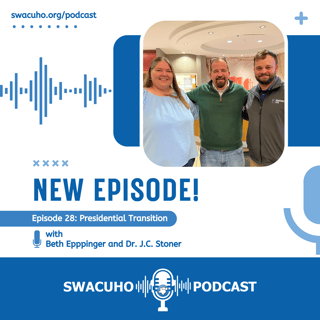
![027 - 60th Anniversary Reflections | Leanna Payton [Feature Topic]](https://media.zencastr.com/cdn-cgi/image/width=320,quality=85/image-files/605db9539a00e40074826685/06c5aca9-3cbf-42bc-8be4-a2294e76736c.png)