Transcript
Speaker: You know, the foam is starting to fall off the walls. It's almost as if my own studio is telling me, you know what, B.O.? It might be time to fold up shop ACNF. Or sometimes the best idea you can come up with is the thing you wish you had when you were starting out. That's what Pitch Club is at welcome to pitchclub.substack.com. I was such a frustrated freelancer not knowing how to pitch, not hoeing not knowing how to get any traction.
Speaker: So Pitch Club is that thing that 2010 me would have used and would have loved. Pitches ranging from agent queries, feature stories, and off-the-cuff unhinged essay pitches and more. And I just dropped my book proposal overview, audio annotated by me of course, to mark one year of Pitch Club and one year of the Front Runner.
Speaker: Forever free, you read a little, you listen a little, you learn a lot. Welcome to pitchclub.substack.com. One time he came in the studio and he's like, what are you working on, Papa? I said, well, I'm working on my book. He goes, it doesn't look like you're working on your book. looks like you're working on your computer.
Speaker: Hey CNF, this is the Creative Nonfiction Podcast, a show where I talk to tellers of true tales about the true tales they tell. I'm your host, the hipster doofus of CNF, Brendan O'Meara. Been doing it since 2013, a long time in the podcast world.
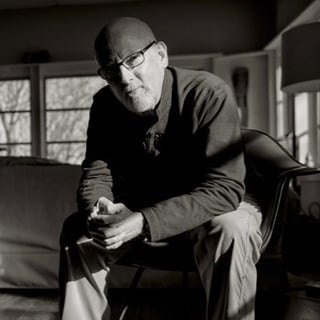
Speaker: As a few of you listening to this particular episode might be finding it for the first time, it may be the only time, because of today's guest, The Bearded Wonder. What a pleasure to welcome Austin Kleon back to the show to chat up his new book, his first in seven years, Don't Call It Art, 10 Ways to Create Like a Kid Again. It's published by Tarcher, or Tarche, I don't know.
Speaker: Like Austin's previous books in Steal Like an Artist, Show Your Work. Don't forget the Steal Like an Artist journal, that's in there too. And keep going. and there There's also a Newspaper Blackout, but that kind of like predates the the main trilogy. This little pink wonder is the size of one of those old double album CD cases you got in the 90s, like the Forrest Gump soundtrack or the Smashing Pumpkins one, right? The Melancholy and the Infinite Sadness? That doesn't matter. Was that a double album? I can't remember.
Speaker: Anyway, Austin's work is packed with insights and inspirations that Austin learned from his two young boys about being an artist and how to be a creative person in times where creativity is needed more than ever.
Speaker: Fun stuff. We'll get to that in a bit. Show notes of this episode and more at brendanamero.com, hey, hey, where you can read blog posts, search the deep, vast archives of this podcast, and sign up for Pitch Club and the Rage Against the Algorithm newsletter for recommendations and a fun essay. I made it a werewolf so it publishes when the full moon hits Pacific Standard Time.
Speaker: Nose to the wind, baby. You may also browse patreon.com slash cnfpod if you want a few extra perks and to support the podcast. It is free, but it sure as fuck ain't cheap. So Austin is...
Speaker: Yeah, he's funny, he's irreverent, sometimes cranky, but almost always inspiring based on his posture in the creative world. The stuff he curates and his generosity in sharing it is a big reason his Substack audience is 309,000 people strong.
Speaker: And as of this taping, number five in art and illustration on the stack. You can also learn more about him at austincleon.com where he frequently blogs. Though he's turned the dial down on some of the blogging he did at his website in favor of the paid audience for his Tuesday newsletters. His regular free one comes out on Friday. He's been doing that for a long, long time. But the Tuesday one is relatively new. And that kind of helped keep him afloat, so to speak, while he was writing Don't Call It Art.
Speaker: And we talk about that a little bit in the show. Yeah, I've been plugged into the Cleonverse since about 2014, right when Show Your Work came out. And he made, when when when he was making appearances, say, on Creative Live with Chase Jarvis. So it's been cool to see the arc of his career to date and to have a conversation with him about it.
Speaker: Fun stuff. So in this episode, we talk about place in his Ohio roots, the farmer approach, the idea of uncertainty, knowing less as he gets older, getting back to that thing, the most punk thing Metallica did.
Speaker: What if Austin is The Apprentice now? A revelation from Fiona Apple. How his paid newsletter helped cook the book? researching in the open, knowing what way Classy's in, being interesting and helpful, going full on beast mode, the coveting of creative people, how jealousy shows what's broken in you, and how his kids brought Punk back into his life. And if you're going to pair this episode with anything in the vast backlog of the Creative Nonfiction Podcast, I'd steer you towards episodes 169 and 433 with Chase Jarvis, episode 266 with Kristen Radke, episode 369 with Akeem S. Roberts, episode 480 with Dana Jerry Mayer, and episode 486 with Roz Chast.
Speaker: Parting Shaw riffing on knowing what weight class you're in, but for now, let's cue up the Cleon. Riff.
Speaker: We're gonna do this. It was all people being like, bro, I just drank two 40s that was crazy. You know, for fuck's sake, at least we tried. This doesn't look very fun.
Speaker: This is gonna have to interest somebody somewhere other than me.
Speaker: Yeah, I feel really, really Hanif is really interesting to me because we grew up about 40 minutes apart from each other, but I don't think we could have had more different like experiences growing up.
Speaker: Yeah. Like I, you know, like me in the middle of the cornfield, him in East Columbus. It's like so interesting. I think we're the exact same age, too, or like pretty close.
Speaker: Yeah. So I'm always thinking like, were we ever in like Eastland Mall together? This is like very funny to think about. But yeah, he's a guy who like loves Ohio and like stands for Ohio and like is still there.
Speaker: And I'm someone who's like Ohio's in the rear view. You know, and so it's just like so he's able to like wrap his arms around the place in a way that I can't. And it's like so interesting to think about.
Speaker: But yeah, I admire him a lot. Yeah, that's a really, yeah I think that's a really interesting on-ramp. I grew up in Massachusetts and have a lot of identity around Massachusetts, but I haven't been there in 25 years, basically. And I live in Oregon now. And um it's, Massachusetts is very much in my rear view. In some ways, I've come to embrace my Massachusetts roots, like ah from afar. But similarly, I moved away and don't intend to go back. So yeah, just like, how do you ah kind of reconcile that tension of like, where you came from and where you are now?
Speaker: Yeah, I don't know. I mean, like, it's so weird. I've been in Texas for like 18 years, I think. But I still, i think I still fundamentally feel like a Midwesterner. I mean, i just feel like a very, I think it's my kind of like, have this kind of like farmer approach to life that it's like you show up, and you do the work and just like see what comes up, what grows, you know? Yeah. um I've actually thought a little bit about this because like,
Speaker: I've actually still never seen Oklahoma, but I know that there's a song in Oklahoma about the farmer and the cowboy. and Brian, you know, has this thing where he talks about like he thinks you're either like a farmer or a cowboy. Like you're either someone who like explores the frontiers and is out like on the range and stuff, or you're someone that like kind of has a plot and just like.
Speaker: like farms the same plot over and over again. and I've like kind of been interested in that. Like, I think we both, we have both parts basically. And I think there are like two modes even really there's the, there's the exploration, which is more like the cowboy on the range, like looking for herding stuff and whatever. And then there's like the farmer,
Speaker: part But I think I think more of myself as a farmer these days, I'm like someone who just is kind of like has faith in the idea that if I get up and I do the chores and I do what needs done, that the seasonal rotation of things will like provide a harvest of some kind, you know? For sure. so I feel like that's the most like Ohio thing about me in ah in a sense. And like, Jessica Crispin said this thing one time that she said, like, I'm very Midwestern and that I just do the work that's in front of me.
Speaker: And I was like, yeah, that that sounds right. Like, I don't have a, you know, I don't really have like a grand scheme or a vision for like what I'm doing. You know, it's just like, I'm just like trying to do the work that's in front of me. You know, it's like getting up and doing the chores.
Speaker: Oh, for sure. And I spoke to Isaac Fitzgerald, whose new book, American Rambler, is out. Another Massachusetts guy. Another Massachusetts guy. yeah You recommended that in your recent newsletter. yeah And you talk about someone who is like a rambler and who is in coming of middle age is more kind of settling down a bit. And that book really reckons with that. So it's kind of cool to hear you hear what you're saying really rhymes with, you know, what Isaac has accomplished with American Rambler, too.
Speaker: I'm really looking forward to reading Isaac's book because I have this thing with Johnny Appleseed. i don't think people probably – people probably don't know what a rural childhood I had. Like I took hogs to the county fair and like my dad like ran the 4-H program in our county and like – so I grew up like going to 4-H camp and like – ah We had this p song that we we we sang this, I guess it was really a prayer, ah the Johnny Appleseed prayer. And it was like one of my favorite things. And then I found out later, it's like a Disney song. And then I realized I don't know anything about Johnny Appleseed, even from even though he's like kind of ah like this character, this like mythos. So I am excited to read that book.
Speaker: Yeah, yeah it's yeah, it's great. And yeah, he would point you towards like Howard Means' biography of Johnny Appleseed if you want the real skinny on him. But Isaac does a really great job of tracking those footsteps and ah yeah and just that idea of like finding community like on a foot level, but also retreating and finding solitude and that that tension as well, which is so furtive to a creative life too, of like fostering community, but also receding so you can generate the stuff that you love that nourishes you.
Speaker: How many, how many, like, how do you like them apples jokes? Do you think that Isaac's had to suffer? Too many, man. oh my God. That is, I am so glad I didn't fall into that bear trap.
Speaker: um I'm going to do it to him but if I see him. Please come to Austin. Oh, please do. Please do. ah You know, it's what's kind of wild is that it's been, you know, 15 years since Steel Like an Artist came out. Yeah. And I just want to get a sense of like, what do you make of the kind of the career you fostered to date in that decade and a half in the books you've written?
Speaker: I don't know what to make of it. I mean, I made something of it, but I'd like to think I've made something of it. I mean, like, you know, it's interesting. i mean, like but the thing I wrote that the really weird thing. So I wrote still like an artist as a book for the 19 year old version of myself. Like I tried to like make steel like an artist, like the book that I wish I had had when I was about that age. And I was 28 when I wrote it. i think No, I was 28 when I published it. I was 27 when I wrote it. And so I'm 43 now. So mathematically, I'm way further from the person I was when I wrote Steel Like an Artist than I was from the person I wrote Steel Like an Artist for when I wrote it.
Speaker: That was a very convoluted way of saying that. So like basically, you know the joke, it's interesting. I never got to meet Peter Workman But the head of Workman Publishing Company, Peter Workman, you know, he never from what I understand, like he never really got to steal like an artist. He was kind of like, why the hell would anyone listen to a 27 year old? He he like just didn't like that was just like weird for him. And it's a good question. you know, people ask me now.
Speaker: I think the the thing that I'm really interested in is that I'm whenever I pick up steal like an artist, which isn't very often, I'm struck by the confidence of that person. Like the confidence of a 27-year-old, the knowingness of it. Like, let me tell you how it works kind of thing. I'm really grateful to him that he got it down because like now can never write a book like that now because I'm not certain about anything. And and if anything, I feel like my books have gotten more and more interested in the idea of uncertainty and of not knowing
Speaker: Landing at this place now with this book, which is explicitly about not knowing, explicitly about going back to ah being a beginner and explicitly about what it's like to be around people who are new to the world and how...
Speaker: absolutely creatively juicing it is to be around these little cavemen, artists, scientists, people who are just like they're aliens, you know, they just landed. um And they're trying to figure out the world and, and they're so good at it, you know? Yeah. And so that's, I think the thing that I, you know, if you want to talk about the journey, I think for me,
Speaker: it's like just knowing less weirdly, like knowing how much I don't know. and I think that's part of maturing too, is you're just like aware of how much you don't know.
Speaker: And then really trying to get back to, you know, I'm 43, kind of like midlife, mid career now. And it's like, trying to get back to that, like, what is that thing, you know, like, like, what was that thing that brought you to this?
Speaker: Like, I always think it's interesting that the Beatles recorded get back, you know, let it be was supposed to be called get back, you know and there's that great Peter Jackson, like documentary. And they were, you know, they're only, they weren't even 30.
Speaker: And they were already thinking like, what, what was this like when we just got together and like played it as a band, you know? And I'm like interested in that. I think the artist has to do that. Like, over and over again in their lives. it's like you know because you to really make good creative stuff, I think you have to go back to that place of not knowing and that void and that kind of like formless, shapeless zone you have to be in for something new like to appear. You know what mean? That's a long-winded way of saying that like I feel even more bewildered. i feel much more bewildered now than I did. you know There's a great Mary Ruffell line where she says, you know the minute I figured out the world, the world changed. you know and That's how I'm feeling now. It's like, oh, I was so sure of everything now. But but but being really comfortable with uncertainty and realizing that like uncertainty is the fuel
Speaker: you know It's the stuff that you really want to learn to run on as a creative person. Yeah, the audacity of and our a creative person in their 20s leads to special stuff. It really does. like might you know Obviously, you I'm wearing Metallica because you're my favorite band. like Their best work was when they were 20 to 25 before the Black Album. And it's just like, how do you churn that out? And it's because you just have this assuredness and ah an unbridledness. and then Yeah.
Speaker: and As their career progressed, they had to hook up with Rick Rubin to kind of get back to their roots because they over-intellectualized it. and like And he convinced them, be like, all right, you're not Big Metallica.
Speaker: ah You're going get back to your master of puppets roots and pretend you're in a battle of the bands and no one knows who you are. yeah And that turned into Death Magnetic, which is flawed, but it got them back to...
Speaker: their Got them back to something. Yeah. like i yeah i The line I read from Ruben that I thought was good was he was like, what music do you make if you're not Metallica? You know like yeah you know what I mean? like if you If no one knows who Metallica... Or maybe that was it. like Nobody knows who Metallica is.
Speaker: hi you know So, okay, let's talk about Metallica for a minute because... I think one of the most metal things they ever did was some kind of monster. Like yeah I think that documentary, it's amazing. Cause I watched that documentary when I was in my twenties and I thought, yeah and I was kind of like,
Speaker: fucking pathetic is that like look at these old like geezers or whatever and now i'm the eight like i'm i'm ah i'm actually older than they are in that documentary and now i'm like this is the most punk thing they ever did like doing this documentary where they're like letting this crew watch them be like bitchy and like talk about how they're like their rehearsals are like organized around their kids and like dropping them off at school and stuff and like talking about their kids and they're like young dads and stuff. Now I'm just like, oh my God, I, I watched that like pretty recently. Cause I was trying to figure out if I could mine any of that for don't call it art, but.
Speaker: Like I was just, I was really, was one of those things where do you ever put a documentary on in the background? Cause you're like, Oh, I'm going like do email or whatever and just have this documentary on. And I just like, I was like, well, I guess I'm watching this whole documentary now.
Speaker: Cause just thought it was so cool. You know? oh yeah Now I'm like, that's like one of the most metal things they did. There's that great, like there's that guy that's like working with him he has that great like sign like on the door of their studio. And so it's a great, I like anyone who's listening. If you haven't seen some kind of monster, even if you don't like Metallica or think you don't like, you should watch that. It's wild that Metallica greenlit everything gave total creative independence to the filmmakers too and didn't c incredibledible put their editorial stamp on it. They say no, you make the movie that you want to make. and and Yeah, and like James Hetfield seems like someone to me who's really done the work. like You can always tell these old guys that survive, like they've done the work. you know They've gone through it. They're like...
Speaker: They've they've been there and back, you know, so it's like they're they're they're a band that's like more interesting to me. Like if you had asked me if I like Metallica in my like twenty s i'd be like, and whatever. But like they're even more interesting to me now, actually. which is how I know I think that's how, you know, like art is really interesting. It's like if it gets more interesting with time.
Speaker: Big time. Big time. there There's a ah a moment in ah and Don't Call It Art where you have this k nick Nick Cave quote of like, you don't go out for the ideas, you let the ideas kind of come to you. yeah And and yeah I love that quote. It's one of the many things I highlighted. And just for for you, when did the idea of Don't Call It Art come knocking on your door?
Speaker: I mean, I've been trying to write this book for 10 years, which is like really like... It's kind of depressing to me in some ways, but in other ways, it's like it's such a good example of how.
Speaker: I just saw a Virginia Woolf quote today where she wrote in her diary where she was just like, I'm going try to let this book be like a fruit and I'm going let it like ripen.
Speaker: going to like ask it to be picked kind of thing. This idea of like something ripening and like. I had the idea for the book like pretty much the minute I had a toddler. Like the minute my firstborn started drawing and like really making stuff, I just thought, my God, this is incredible. like This is just so fun. This is like – and I'm talking like probably like two or three I'd say. Like I was just like, wow. And of course like I'd spent a lot of time reading about – I'd spent a lot of time reading you know books about
Speaker: you know, child development and, and, and kids and art and kids are, and, and homeschooling and education, like all this stuff. So I was like pretty primed for it. But, um, so like the kids showed up at the same time that still like the kids showed up. So my first kid, Owen, he's 13 now. So he showed up the same year as still like an artist.
Speaker: So, cause still like an artist came out in 2012. So he showed up in October, still like an artist came out in March. So like the books and the kid, the career and the kids were kind at the same time. So like we were very much in parallel play, you know, like I was trying to do the books, i was trying to make my art and then they were coming alive and like doing their stuff. And like, you know, and there was this sense that like we had this kind of like symbiotic thing going on where like I would come in from the studio and Owen would literally look up at me and be like, what did you make today, Papa?
Speaker: and I'd be like, oh, you know, i don't know. i checked email. you know He's like, well, look at everything I made today. And, you you know, he'd show me all his drawings. And then one time he came in the studio and he's like, what are you working on, Papa? I said, well, I'm working on my book. He goes, it doesn't look like you're working on your book. looks like you're working on your computer. It's like, So these kids were like like, there was this kind of sense that I wasn't the artist in the house anymore. that These kids were the real artists in the house. And so that's when I got this idea like,
Speaker: what if I'm the apprentice now? Like, what if I'm the person who needs to learn from them? Like, what if, what if you let the beginners take over and you take notes from them? So that was like a very early on thing. And then what happened was i was working on this book called Extraordinary because I, I was like, you know, I love the idea of like, how can you find like,
Speaker: I think there's a Ruth Asawa quote where she's like, artists are just ordinary people that figure out that, that turn the ordinary into the extraordinary or something like that. So it was playing it along with that. And then Trump happened and the world went like, this is like 2016. My kids were like, probably let's see, there were four and one, four and two.
Speaker: so had these really little kids and the country was like really in this kind of in grim times, you know, yeah and That's why i wrote Keep Going. so A lot of the material I had worked up for what I thought was my art and kids book actually turned into Keep Going. and there's actually There's stuff about the kids in that book. so Keep Going was kind of a detour.
Speaker: and Then after Keep Going came out, I was like, okay, I'm going write the kid an art book. And it was 2020 and it was February and I felt very confident. i was like, ah you know, these kids, I got it. I got the youngest in preschool and the other ones in first grade. And like, this is great. I'm going to write this art and kids book. Now they're they're in school. It's a new era or whatever. then the pandemic hit.
Speaker: I was like, oh, shoot right so then i had a like i just told my agent i was like i can't do this i can't write about the kids while they're in the house like but then it turned out to be this a great blessing because i realized the story wasn't over not that it's ever over but they kind of like got this extra preschool moment with with COVID because school was out and they were back home and they were doing stuff and it was like crazier than ever. And so I feel like there was a lot I learned in that time.
Speaker: And so that ended up being a gift. And then the question is, well, then what happened to the other five years? I mean, a lot of superstition and hesitation and kind of like, am I really going to use my kids in a book? Like, I've never done anything. You know, it was just like, and then it was piecing together like, okay, what is this book about? I have all this material. I mean, part of it was I had so much material, I didn't know what to do with it. And it's like, what do you do with this book? And then it just took me like a really, really long time.
Speaker: I worked with my wife a lot. You know, Megan is my first reader. She edits everything, the first pass and everything. So she's just like, we really kind of cooked this book together.
Speaker: and it and like, so it's just been like a decade of watching these kids grow up and just like trying to take stuff from them and do it in my own studio. And finally I realized I was listening to this. This is like the longest answer ever. I'm sorry. I was like all good i was ah i was listening to this interview with Fiona Apple.
Speaker: She was like talking to this guy I, She was like, oh, well you somehow she let the interviewer know that she buys parenting books and reads them.
Speaker: He's like, what? He's like, but you don't have kids, do you? She's like, no. And he's like, are you thinking about having kids? She's like, no, no, no She's like, I just figure, you know, i figure like – You know, you have to parent yourself. You know, she's just like, i figure, you know, I could get some tips about whatever he goes. So you're the child and the parent. And she's like, yeah, don't you always have to be? And this light bulb came on on in my head. And I thought there's something there to that. was like, and then that that just kind of like, that's it. Right. That's that's the book, because what I wanted to teach I was like, OK, I learned these things from my kids. They taught me how to teach treat myself
Speaker: And then I'm going to teach the reader how to do these things. So like learning to care for my kids and they're like kind of creative spirits or whatever. I suddenly was like, wait a minute, why am I not doing this stuff for myself?
Speaker: And now it's like, wait, if I could do this stuff for myself, then I can teach readers how to do this too. it's like this like two step process, right? The kids teach me and then I teach the reader. And then, and it just like took a really long time more than the other books, you know? And I, and I'm, and I think like,
Speaker: you know I would have loved to not take so long, but i also like it's just kind of a gift take that much time and really make it what you want it to be. and so yeah i don't plan on taking so long again, but we you know we never know what happens. Oh, for sure. And you you bring up your wife, Megan, and in the acknowledgments, you're like Megan, who did so much work on this book at every single stage that she deserves a co-author credit. Every writer needs an editor, and I'm lucky to be married to a great one. He's like, I thought it'd be easier this time around, and I'm sorry, maybe next time. Yes. Yeah. I mean, like, you know, the suffering that that poor woman in my life goes through, but she loves, I mean, like, she's kind of like,
Speaker: she's, she's really come to that work and she's actually doing some editing for some other writers right now. And so it's been like, really, she just has a real knack for it. She's not someone who wants to be in the spotlight. And so she's just a great, you know, as you I'm sure, you know, it's like editing is almost like being a therapist, but you get to fix things like, you know, like, I mean, like you never can really fix a person, but you can fix a manuscript. Yeah. You know, like it's so like I think it's it's really cool work for her. But like this is just one i i just it's so hard. You know, when you have kids, you just don't care about anything else more than you like care about your kids. And the idea of exposing them at all.
Speaker: It was just like really difficult for me, like um and and really difficult for all of us. So it was interesting. Like, I don't think of this book as actually being about them that much. I mean, they're they're obviously the center. They're the impulse for the book, but they're like it's more like snippets of them. they They're not like a through. you You know what I mean? Like they're it's not like all about them. Sure. It's about me, you know, but it was just like, it's so hard as a parent to, ah you know, and I was so, you know, I read about all these artists who use their kids in the work and how sideways that can go and stuff like that. So I think a lot of hesitation on my part was like, um,
Speaker: you know Just that thing. The other thing I'll say very candidly is that um my newsletter really turned into ah it turned into an income source all of a sudden, which it hadn't been. it turned into an income source about 2021, and that bought me some more time to really get the cook the book the way I wanted to.
Speaker: and it also was great because... um Having a paid tier for the newsletter also gave me this excuse to write on Tuesday to these people who had signed up for it. And a lot of the material in the book actually happened on those Tuesdays. And so that's kind of like, ah I know this is the creative nonfiction podcast. So it's like yeah people might be interested in that like inside baseball. But but you know it's interesting to like have that space I'd always wanted to call him. You know, I'd always thought that would be like really hard, but really great for me because I'm I'm a person who, you know, we're talking about the farmer thing. I'm a person who likes to show up.
Speaker: over and over it's something about, it's more important to have frequency than it is to have like a lot of time for me. Like it's always been important to have like a regular routine and that seemed to yield better work than like huge bursts of like time and effort, you know? And so having that Tuesday, like having to sit down every Monday,
Speaker: and have anywhere from 1,000, you know, I try to keep it, it's an email, so it's like 1,000 to 2,000 words now. Just to have to show up every week and have something new to say to people was such a creatively fruitful thing. And i did, I mean, I cooked a lot of the book, you know, ah the the early stuff like came out of those Tuesdays. And that was just like, it took all this pressure off, right?
Speaker: you know It took like this idea, I got to do another book, I got to sell another book, like whatever. you know It took a lot of that pressure off. and just allowed me this kind of like pace. Now I'm not going to say that it was more, mate you know, I'm always, ah you know, ah Mason Curry has this new book ah out ah and I've always loved his books, Making Art and Making a Living. It's his new book. And then my friend David Epstein has a book out called Inside the Box, which is all about constraints. And i always think money is kind of a really interesting constraint for artists because if you kind of look
Speaker: artists complain about not having enough money all the time. But if you like study a lot of artists, like a lot of really great work was made because like people needed money. like I mean, it's not always the most fun, but like even like I just finished The Count of Monte Cristo. And it's like this dude loved to travel. Like Dumas, like loved to spend money. So he like needed more money. You know what I mean? So he's like cranking this story out.
Speaker: And then I was reading a Tolstoy biography. And it's like the only reason we have Anna Karenina. Like one of the only reasons is like Tolstoy wanted to buy some land. so it's like, you know what I mean? So it's like kind of like I'm always like curious about this idea about money. I think sometimes it's good if an artist needs money because it's like, well, that's what like whenever an artist goes through a divorce or something, I'm always like, get ready, baby, because the tour is coming. Right. Like like some musician you love, like they're going through some rough divorce. it's like, well, get ready because we're buying tickets, honey. They're coming to your town they're gonna need to make, you know what mean? It's like, that's the whole Phil Collins, Phil Collins, looker Rod Stewart, all these guys. Like if these guys would have just stayed married, they might not have had to work so hard. So it's just like, I'm always like joking in my mind. I mean, of course there's a,
Speaker: You know, of course, for every store, there's also artists who are impoverished and they die young because they don't have enough money. So I'm not romanticizing the starving artist. But there is something about needing to make a living that can be that kind of catalyst. You know, I'm always collecting stories of artists who like this beautiful, groundbreaking work that you find out like, well, actually, they like really needed money. Like Mario Puzo, like really needed money and didn't want to write about gangsters. But like they were like, ah you should do The Godfather, you know, and then we get the Coppola movie, you know, so it's like, you know, it's stuff like that. I'm just like really interested in that stuff. Well, that's true. Yeah. And that curatorial aspect is so evident in in your books, the way you're able to like, what like we talked about before, you know, the last time you're on about how they're kind of like very fancy zines and there is a lot of cut and paste elements in that the yeah the design and what you're ah what you're curating. What is your curatorial process like and how do you organize this stuff?
Speaker: yeah What system do you use? Yeah. I wish it was better. so this was a book. This was the other thing is like it was me trying to. So I'm I'm friends with Ryan Holiday, who lives out in Bastrop. So I've known him for a really long time and I've always admired his like note card system. um So what Ryan does is he like reads books and like underlines. And then when he's done with a book, he like goes through and like hand copies every passage they really likes and makes notes to himself and then keeps all these like note cards in a binder not a binder in a box and they're all labeled and stuff and like i was like maybe i'll maybe i'll do that this time like i have all this material whatever i tried it and it's like doesn't work for me at all i'm like this is like work this is like homework this is boring this is like i don't know how ryan does you know like i Just like my brain just doesn't work that way. yeah
Speaker: What's really important for me is to whenever I get a piece of something is to like digitize it somewhat. It's funny because I'm known as an analog guy Like I love my new books and I make stuff by hand all the time. But for me, digital, because it's so easily searchable, is like really, really important.
Speaker: and Another thing I think is really important, and this is where blogging comes in, and this is actually what I'm really missing right now because i don i I don't blog as much as I used to because I'm doing it in the newsletter. Everything I used to do in the blog, I'm doing in the newsletter. But like blogging was great because i could just take a snippet of something and make a little blog post with it, and it would be tagged. And then could find, like, okay, parenting, click. And, like, here's all the stuff. So there's actually a lot in the book. Like, if you click the parenting tag on my blog, like, you'll see a lot of stuff that, like, eventually made it into the book. And same with the newsletter, you know? So what's really important for me is to have a method of capturing that is searchable later.
Speaker: And that could be a blog post. I started this really dumb project... in 2021 where I got one of those one line a day diaries. And I was like, I'm going to write a great quote for my reading in here every day. And I did that and I did that for five years. The value of that process was I finally started a commonplace folder on my computer.
Speaker: So I retyped all that stuff into this commonplace folder and then i could do a full search on that. So just like stuff like that. But for me, like what's really important is to...
Speaker: When you come across something interesting, I love to put it out. Like, you know, a lot of writers are like, oh, I'll put that in my file and file it away or whatever. I like to try to turn it into something right away, like a newsletter or like even a tweet or something. You know what i mean? Like I like to turn it into like a little piece of content and kind of like research in the open while I'm working. And then I have this like kind of it's kind of like working in public. You know, you just like have this big searchable thing.
Speaker: But then for the quotes in this book, it was way easier to come up with good quotes because I had this like commonplace file so I could just like search kids or search children, dads, moms, or or you know whatever, you know and like stuff would just like come up. So yeah, I think next time around, book-wise,
Speaker: For me, digital is just like... It's just too hard to to keep track of things analog style. And I'm just not... I can't do the note card thing. I love note cards. I love the idea of having note cards and shuffling them around. I just like can't do it. just like doesn't... It's not...
Speaker: I think the thing for me is that the process has to be a little wild. It has to be a little playful. Like I really can't work on books. Like if it starts feeling too much like homework, like I just don't want to do it. It just feel It drains me. So there has to be a little element of wildness and discovery in the process. And, um,
Speaker: you know At the end of the day, got sit in front of your stupid word processor and just type. you know like that's i could research all day. and i know every writer goes through this, but the real rubber of the road is when you put one sentence after the other.
Speaker: you know But I think the books, like it feels very like... The books are kind of like... I feel kind of at first the books were almost like an accident, you know, it was like, it felt like an accident, like that they happened the way they did.
Speaker: and now it's just like, I feel really lucky to have this form because it's just kind of like the best depiction of how my brain actually works. Right. You know, the books feel very much like how I think.
Speaker: And then, so that makes me happy, you know, cause I, I want the books to feel like you're, i always like books where you feel like you're hanging out with someone. You know, yeah like you're hanging out with a person that's really interesting and you're getting the world through their lens. And so and that's that's what I like from the books that I love. And so that's what I try to do in my books. Yeah, what I love about a good essay collection or or like your books as well, and some of the best compliment I can pay to people who write books like that that I admire is just like, oh, this book, you like you were a good company. And and it's like you like that book is on your page. Good date. Yeah, for sure. Like totally like, oh, cool, I'm going to get to hang out with Austin in in this book for you know however long it takes you to read it. And it's like it set it down and come back to it. be Like, oh, cool, let's go get coffee together in this book. And and and like the older I get, the more I'm just like, I know what kind of weight I punch. you know like I know what weight class I'm in. And it's kind of like, I i just always think about like, I read War and Peace and i read Tolstoy last year. It was like my Tolstoy year. And i was just, I just like always think,
Speaker: Jesus, this person could be reading War and Peace. And they picked up this dopey little book. So like, the the like you know what i mean? And I'm always just like, I'm always like, okay, so the best thing I could do is be interesting or helpful. Like, I can't be boring and I got to try to be helpful.
Speaker: it Go, right? And that's like, everything comes from that sense, like that sense of like, okay. Like, and and for me, like, My books, this is an absurd thing to aspire to, but like I want my books to feel like the punk albums that I love. like I want my books to feel like the Ramones.
Speaker: yeah like I want my books to feel like Wire's Pink Flag. like I want them to have this kind of like quick, fast but, but dense, like you want to listen to it again, you know, like you want to read it again. Cause you're not sure that you got everything cause it was so quick, you know? And so that's, that's like, that's like what I'm really, that's what I, I think it's always good to know what people's delusions are when they're working, like what they're trying to achieve, whether they do it or not, it does tell you something about where they come from, but
Speaker: And I've psychoanalyzed myself as a as someone who really grew up and wanted to be like Green Day. Like when I was like 13, like I want to be Billy Joe, like in Green Day, like that was like who I i want to be a rock star. And I want to make music and I want to make albums and whatever. And I've realized that, like, I'm someone who puts out like.
Speaker: square books with a track list on the back. yeah It's about the size of a jewel case too. like It's exactly like a CD, you know? And and so I, I've like made my piece with that, that, but, um, I think as a musician, you know, I think of, I think about pacing and I think about ordering and I think about dynamics.
Speaker: And so it's just like, really, i think, you know, that's what I want. and want that, You know, i i want I also want that Marshawn Lynch beast mode. You know, i got really into Marshawn. I didn't know who Marshawn Lynch was for a long time. And then I i have some friends who are really, and I'm not into football.
Speaker: And um some friends are like, oh, you got to like watch these clips. And then David Shields did a documentary about him, which I think is incredible. and I think it's just called Marshawn Lynch a history, but you know, he has that great beast mode line where he's like, run, through run through an MF or space. yeah You know, you just, you just run through it over and over and over again. They're not going be able to take it, you know? And I, yeah I feel that kind of like, I want to just like, I feel that way about the work too. It's just like,
Speaker: I feel like that with the newsletter, you know, because I know a lot of people read the newsletter that don't read my books. And I just am like, if you just keep showing up, eventually you'll have something yeah for these people and you'll get them. you know I'm like, I'm going get you eventually. you know but like these are But I think this is like kind of interesting like with people. like What are your delusions when you write? like what are your like Who are your heroes? like Who are you like...
Speaker: Who are you like trying to channel and stuff? you know so like For me, it's like... Because I really have to... These days, like like I said, the older I get, the the less confident I am and the less sure I am of myself. So I really have to like pump myself up a lot to think about you know putting out work. It's really it's really funny. i mean i have so i I think these are the people that I'm like, okay, what would Marshawn Lynch do?
Speaker: I doubt anyone thought I would talk about Marshawn Lynch in this conversation, but I like this. We're talking about Metallica. We're talking about Marshawn Lynch. like We're talking about, ah i dig this. Nice. Yeah. Well, and it kind of like echoing what you're saying about the way Ryan's organizing system is. And, you know, there's a no moment in in the book where you're like, resist seeking out too much instruction from others. Try to figure things out on your own. And I think this speaks to, like I love talking about routines and stuff of that nature, but it gets into like routine porn and sometimes you just gotta do it yourself, find out what works for you. a lot of people pepper you with just like, you know what pens do you use or what routines do you do, and I know that frustrates you to no end. But like what people are trying to get to something. what what What do you think is the core frustration maybe you're seeing in others who are like seeking that kind of answer from someone they admire, like yourself?
Speaker: I think you know people just want – they want to – I really think that people are activated by other people's work. I mean I wrote a whole book about it, right? like I mean we we are – we get in with people. We see someone's work and we're just like, I want some of that. I want that. Like I want – there is this kind of like coveting that happens with creative people where you see someone like when I, when i met Linda Barry and I started reading her work, i was like, I want this. Yeah. I want this woman's,
Speaker: like i I really ah sucked her soul out if I could. You know what I mean? like I want this. I'll have what she's having. right It's the Harry and Matt Sally thing. And then you just think, well, if I know what Linda writes with, if I know what they – there's a sense that like if i get the if I get the gear Like everybody knows, like if you're a musician, you're like, well, what kind of amps do Metallica play out of? What kind of guitar? You know, I got to get that stuff, you know. But like the point is that you got to This is why it's so important to have a lot of different heroes, because the minute you won't have more than one hero, you're like, well,
Speaker: The way to really do it is to have like a dozen people and then you start putting them together conceptually. Like, well what would they make? So if I paired lint the Berry up with Metallica, what kind of music would they make? You know what i mean? just I'm just using that as a goofy example. yeah But like it's that – but we're going back to this like – I think that people just like – I don't know. We're so conditioned for it now. And people present themselves online as like you know they're kind of like – I don't know. We're just this culture that it's like he just like the answer must be out there for us. Like you you can you can go on YouTube and figure out how to fix your toilet. You can go on YouTube and figure out like what to do with your kid who's crying at 3 a.m. You know what I mean? There's like all these other fixes we think. Well, surely there must be a great fix for my creative work now. Yeah.
Speaker: Even though the fact is that like there's no fix and there's no problem, really. i mean, it's your own stuff that you just got have to work out. you know i will say that I'm getting more like patient with what kind of pens do you use? Because I'm just kind of like, you know what? like I wanted to know that stuff, too, when I was starting out. And I'm curious about it, too. So I try to be a little more patient because I think they just like...
Speaker: You just really have to take it as a compliment. And I think that's something that as I get older too, I'm able to be more... think my sense of self, as uncertain as I am now and how much more... I do feel more of a sense of self at 43 than I did when I was 27. so...
Speaker: I'll give you a really concrete example. People used to come up to me at signings and be like, you know, I've thought all this stuff before, but you just put it down in words in this way that really clicks. And instead of hearing that as a compliment, I would hear, know, I've thought all this stuff before. You're just a hack. Oh, really? You've thought all this stuff before, huh? But now I'm just like, that's the ultimate compliment to me because it really, my idea for...
Speaker: There's one kind of – there's so many different kinds of writers. For what I do, like a lot of what I'm doing is I'm just taking things that people have said a million times before or I'm taking things that people already think and I'm just finding a way to say it that really gets them.
Speaker: You know, I talked to someone just today who was like, you know, I feel like I know all this stuff in the book, but I just forgot it. Like I need to remember. Right. And I was like, great. Yeah, that's a huge comp. Like, yeah, this is a book about remembering. What was it like when you were wee and small and you didn't have all these problems? Like, and you just let her rip. Like, you know, that's what the, you know, so, so yeah, I'm just like more like, yeah I'm trying to be like more patient too and just know that like everyone, when you're starting on a journey, like you need the gear. you know you need to figure out what you need. like My dad, this is really random, but I was thinking about my my wife just went past with a wheelbarrow. She's working out in the garden. and um and i always Whenever i see a wheelbarrow, I think about my dad because my dad, when I was about 40,
Speaker: 15 or 16 after my parents got divorced my dad bought this like 20 acres out in the middle of nowhere where we lived it was just this junky piece of land and i just remember going out there with him and be like him being like check it out and me being like what the hell is this? What are you going to do with this? Like there was a little building on the property and the fire department, he got the fire department to come out and burn it down as practice.
Speaker: So like, that's what, that's the quality we're talking about of this like place, you know, but his first, the point is the first piece of equipment he ever bought was a wheelbarrow.
Speaker: Cause he had to go around pick up all these rocks before he could like, you know, like terraform the place basically. Yeah. So every time I think about, I i always ask myself, like, Like he started with a shovel and a wheelbarrow. And now when I go out to his like little mini ranch, he has all this gear, but he still has that wheelbarrow.
Speaker: Right. And so I'm like, you got kind of figure out well what's the equipment that I have to start with, you know? So I'm always asking myself like, well what's my, what's my wheelbarrow and what's my shovel? And I'm like, well, that's easy. The wheelbarrow is the notebook and the shovels, the pen, you know, yeah the the pens, what you dig with and the notebooks where you put the stuff to move it around, you know? So,
Speaker: But that's like that's the kind of thoughts I have now. And I always love talking to dad about his wheelbarrow. And I think that tells you something about me too and how I grew up. it's like It took me a long time. you know We started this conversation talking about Ohio and being from a place rather than being in a place.
Speaker: The older I get, the more I realize that I grew up around people who did things with their hands and and were intensely creative, but they were creative in all the ways that the world doesn't necessarily recognize or honor. And certainly the fine arts world doesn't honor, you know, like crafting, sewing, cooking, building, that kind of stuff. And I think if my books have...
Speaker: My books tend to reach lots of different kinds of people. and I think that's because I have that kind of expansive notion of like what creative work is. Like to me, creative work is just taking what's in front of you and everybody else and just doing something new with it. Just making something where something wasn't there before.
Speaker: you know, that could be writing a book. That could be turning a railing into a skate trick. You know, that could be somebody building a barn. Yeah. A moment ago, you you you know you brought up this idea of like of somebody else being like, oh, I've seen someone online or they admire or whatever, and like, oh, I want that. And and often, even even like among peers, that can lead to a lot of jealousy and competitive and comparative feelings that can be pretty toxic. And you write about that and don't call it- Don't call it R2, citing Jerry Saltz and ah and even Anne Lamott about that. and I just wanted, like for you, it's it's a great passage that you cite and write, um but how have you maybe metabolized jealousies that you felt? And as your platform has grown, maybe how have you wrestled with people being jealous of you?
Speaker: Oh, I mean, like, I'm so lucky. i mean, like, I have that kind of like, you know, i have that middle aged white guy privilege of like, I just don't get attacked a lot. Like, I don't, I also just have like this really nice audience. Yeah, like my audience is just like super nice. So don't really have people coming at me that much, which is like just this beautiful thing um that I did. I like acknowledge and and i am super grateful for it i think what i could probably speak to is jealousy of others like so my but my thing like once i once i heard from nietzsche you know Nietzsche talks about like basically jealousy shows you what's broken in you. Like basically like jealousy is showing you what you're missing, like what's not there. And so what I try to do now is like when I'm jealous or I feel jealous of someone, try to ask myself, okay, what am I not getting right now? Or like, what is that? What do I not have that this jealousy is like showing me? And is it real?
Speaker: and is Do I really not have that? Do I really want that? like Do I think I want that? like you know And and like kind of doing that evaluation. But for me, like so much of the work, I think it's interesting because I'm probably known as like a pretty positive person. like I write these books. They're like upbeat and helpful or whatever. i think people might be a little disappointed. like My friends think it's hilarious that I write the books, basically, because they're like, you you can be one of the crankiest people. guys, I know. oh and I'm like, yeah, so what I do, my whole method is I pick things that I can't stand or I'm angry about or I'm like frustrated about or that hate.
Speaker: And I like hate them intensely, privately. Right? Like I privately just hate this stuff intensely. And then I think, okay, what's the opposite?
Speaker: Do I know what it is? And it's like, uh, let me find it. And if I can find it it's like, okay. Like often I'll find it in the past somewhere. Cause usually the things you hate are right in front of you. Like that's what's happening now. It's like, okay, well I'll find this older thing. Okay.
Speaker: Then how do I take this old thing and make it new again? And then present that that's one way to do it. The other way to do it is to just like think, okay, is to invent whatever the opposite is. And then you present that. So I hate everything. Yeah.
Speaker: I hate the word dad. i hate the word father. i hate like father knows best. I hate every cheesy ass song about like teach your children well, like that Crosby stills and I hate that song. I hate the Luden Wainwright. I think it says that that's my daughter in the water. Everything she knows I taught her. Like I hate that line. I hate the whole the whole idea that like, you know, like I made you I brought like I'm the dad, the kind of like the the expert thing. So I privately hate all that stuff. And so like I was like, well, if I was going to do a book about my kids, what would the opposite of that be? It'd be like, well, the kids teaching you, dummy. Right. And that's like where Don't Call It Art came from. It's like that idea of like how much I hate this like dad wisdom stuff.
Speaker: And and not that there's anything wrong with like it. And it's also like it's irrational, like all hatred. It's irrational. Yeah. Right. It's like like like dad stuff is great. Like so much of these sites, like in these great dad sites and stuff like they're really helpful to young men and like other dads and stuff. And like it's great for them. For me personally, I find it like i can't stomach it, you know, but instead of going around talking about it it's like, well, when what's your opposite thing, right? Like, what's the opposite thing you could do? And then you make that thing. And that's the privilege of, you know, that's kind of the great that's I've done. Like, if you think about a lot of my books, that's actually,
Speaker: That's how I work. I'm reactionary. So basically, steal like an artist is like all the original genius crap. It's like, ugh. you know No, there's this other way of thinking about it. Show your work is like, oh, you've got to keep all your stuff and have it perfectly polished before you show it to anybody. like No, that's not right. You can show people your process and then Keep going is like me railing against like the techno optimizing culture of like Silicon Valley, basically. yeah Just that that whole bro, tech bro get your protein in and whatever like whatever it is now, right? Like get your clawed prompts together, like whatever it is. Get your neural link embedded. Yeah, exactly. So yeah, so this book was more like me just like kind of railing against just the...
Speaker: Cause my kids did that. My kids were just like, they did not see me as an authority figure. You know, they were just like, this guy's just like, this guy's just like us. He just got here. you know, that's like one of my, that's like one of my favorite lines ever. Like the Kurt Vonnegut, Kurt Vonnegut didn't make it in this book, but he was something I, he was someone I fought a lot about because I'm, I'm not sure what kind of dad he was, but he thought about being a dad a lot. You know what mean? he adopted his sister's kids and he had his own kids and stuff. But one of his favorite one of my favorite lines of his is like, you know whenever my whenever my kids come to me and start complaining about the world, it's like, can't you see? I just got here myself.
Speaker: right like I just got here too. you know And that's like that's very much like how I felt. I just felt like my kids brought this like punk rock energy that really activated me when I was like a young kid.
Speaker: Kids kind of brought punk back into my life. It's kind of like... And there's actually a really funny documentary called The Other f Word, which is about like punk rockers who become dads and what that's like to become the authority figure. Like when you've spent your whole life railing against authority. yeah It's a great flea monologue in that movie where he says, you know, I hate it when people say, i brought you into this world. I gave you life, all that stuff. He's like, I feel the opposite. I feel like the kids gave me life. You know, they made my world.
Speaker: You know, I, they made me and like that. So just that twist, right? Just like finding something that you're not super comfortable with in the culture and then just figuring out like, what's the twist here? Like what's my, but then doing it in like a positive way. sure That's just like something that I feel like I've just really, that's always been fruitful for me. It's something I'm really comfortable with. And I think it, it's generative.
Speaker: Yeah. well In reading the book, too, and ah maybe it's just my interpretation of it. yeah This could be completely off base. But I almost found, like um you know as upbeat as as it is, I almost found like a mourn a mournful quality to it. Oh, interesting. Yeah. Because your kids are at are at a certain age and they're growing out of that age. And here's this book that kind of is a slice of them in time. And they're going to grow out of that eventually. And hopefully they retain that that playfulness that you're espousing in the book. But at the same time, it is like a snapshot of time that they are going to outgrow. And that was a ah lens through which I read this book. And I don't know if that you know was part of the generation of it for you.
Speaker: I mean, you're obviously a sensitive reader because that is the underlying thing in the book is this sense that I know this is fleeting. I'm having this experience and I know it's going to be over.
Speaker: Like, how do I bottle this? Right. Like, yeah how do I remember this? How do I like, how do I capture this? And yeah, I mean, and and I think that like the other thing about this book for as upbeat and like cheerful and stuff as it is, it is my most midlife book. You know, it's like it's a it's a it's a guy who's like who's like midlife and looking at his kids and just knows that his own youth is over.
Speaker: and you know, we all in middle age are we do that thinking of like, who was I before this all happened? Where was I going before all this happened to me?
Speaker: you know And so, yeah, I think there is a kind of sad, like ah there's still like ah like withal with all good comedy, right? Like with every great comedy, there's always a sadness to the comedian.
Speaker: i don't think a lot of people understand that, that like comedians are fundamentally like extremely, like most of them are extremely depressive people. Like they're really like a lot of them have that in the background and the comedy is the way that they survive. Yeah.
Speaker: And you know that's in the book. It was really important for me to have comedy in the book and to have comedy, make like a tiny little intellectual case for comedy in the creative life as ah as a as a way to like think about what you're doing. But you're you're dead on. I mean, there's this sense that one of the titles of the book before I got Don't Call call It Art was Unrepeatable Experiments. Mm-hmm.
Speaker: Because I felt, you know, like in science, the whole idea of an experiment is that needs to be repeatable. Like you need to be able to repeat an experiment in order to prove something in science. And I was thinking about like with art, like everything's an unrepeatable experiment. There's no way to do, you can never get the same group of people in in a room again and like with Metallica, like we can never go back and do Ride the Lightning again. We're we're going to do something else, right? Yeah. and kids are the ultimate like unrepeatable experiment, you know, just like a piece of art. It's just like they're a moment in time
Speaker: You get them when you like I love ideas of birth order. Like I'm really fascinated by how like the first kid gets different parents than the second kid gets like it's inevitable.
Speaker: And yeah, so this idea of unrepeatable experiments, I just wasn't able to get in the book somehow. But um that was like one of the early titles because it was the sense like we' just we just get to do this once. Like this is just like a one-off thing and then it's going to be over. um But the cool thing is like it's not over. That's what's really cool. It's like my kids are – they're tweens now. The oldest is a teenager.
Speaker: He's 13 and they're still making stuff. And I just like every day, every day when I see my oldest and logic pro doing a track, you know, and every day when I see my youngest right drawn in a sketchbook, I think it's a good day. This is, they're still at it. There's a woman I know her name's Courtney bird and she works at the Institute for stuttering here in, um,
Speaker: Austin, both my kids are people who stutter. And she said this, and I said, one time I was talking to her about the kids and I said, well, you know, they haven't, they haven't, that hasn't happened yet.
Speaker: And she looked at me and she said, if we do our work right, there is no yet. And I thought that was a really, I'm, gosh, I thought, gosh, you're an upbeat lady. you know i can ah But no, I, I was really, there is no yet is like one of my, she gave me this great gift. Cause there's,
Speaker: that's kind of one of my like inner mantras now. is like I was such a doomer. I think one of the problems with being an imaginative person is that, and people don't talk about the problems of imagination enough. like When you're an imaginative person, you can dream up beautiful things, but you can dream up the worst things too.
Speaker: you know And so this idea that there is no yet is really important to me. It's like just this idea, it's like, all the things I learned about, you know, ways to treat them, I'm still using those, you know, like my youngest brought some artwork home from school the other day. And my wife made the mistake of doing the thing that we write about in the book, which is, she said, Oh, is this a, this, ah that's a cool, um he was making like food sculptures, like Oldenburg, like in the, in art class. And she says,
Speaker: oh, cool. Is that a chicken nugget? And he's like, that's a macaron. And then she did the exact thing that we had learned when they were younger. you know, like, don't, don't say, oh, is this, this say, tell me about this thing. Right. yeah And so we're still learning. We're still like failing, you know, it's like, so it's just like, nothing's over and there is no, yeah, you know, that was kind of a, but like, yeah, it's, it's, um, you know, I'm a person who's like,
Speaker: I'm a long-term pessimist, short-term optimist. Like I just, I think we're all doomed. And like, I know that I'm, I, I, you know, you get 80 years at best probably like, and so I'm just all about the day and the possibility of the day and what you can do with it. And then the way the days stack up, you know, that's like how I get through life. I guess that's the farmer in me. It's like, you get up tomorrow and do the chores. Yeah. Yeah. So, yeah, thanks for pulling that out, because ah I do think, know, it's weird. I know you've talked to other writers and they probably said the same thing and readers might be bewildered by this, but it's like once the thing's done, you're like, what is this? I know. what the hell is this? Yeah. I mean, there's what I thought it was, but like, what is it now? And that's what, that's the beauty of like hearing about your book from someone else. You know, it's like, yeah, tell me, like when you say this might be a misreading, I'm like, there is no misreading. Cause like the book you read is totally different than the book someone else reads. That's the beauty of the books. You know, war and peace is the same book. Yeah.
Speaker: yeah But we read it, if you give it to 100 people, there's 100 different Warren pieces, you know, and that's the magic. that's that's That's the whole deal, right? That's why we love these things. That's why we love books. It's like, yeah, so...
Speaker: Thanks for that gift. Yeah, of course, man. And reading. Oh, man, I feel like I could talk to you for forever, and I want to be mindful of your time. So like just the last thing that I love asking guests is just um for a fun recommendation of some kind for the listeners. Yeah. and That's just anything you're excited about. So I would just pose that to you, Austin, as we bring our conversation down for a landing.
Speaker: Oh, I pick a classic that you think, you know, that you haven't read and read it like just this has been such a rich year for me. I've just been going really as the news just gets, you know, we've been it feels very 2018 to me right now. Like this is very like.
Speaker: You're in it and you know that maybe it'll end at some point, but I don't know. like so you just like I think the greatest antidote to the onslaught of news and the crushingness of it all is just to read old books. I read all the Sherlock Holmes books. I thought i wasn't a Sherlock Holmes person. I thought like, eh, Sherlock, whatever. But they became these like, I just...
Speaker: read a story every night and I read all the novels. I've read every single Sherlock Holmes book now. And so I feel like they live like, so now Watson and Sherlock, they live in my head or in my heart or wherever. But then i read Don Quixote on my 40th birthday. Like when I turned 40, Don Quixote is the best midlife book ever. Cause it's literally about a guy at midlife who just reads too much and like loses his mind.
Speaker: But it was interesting reading Don Quixote. It was interesting reading Sherlock Holmes after reading Don Quixote because you're like, oh, Sherlock, this is Don Quixote. This is like, this is the the duo, the pair, you know, and then I reread Lonesome Dove, which I read years ago and I haven't read in a while. And that's not like a super old book, but 85, Yeah. And I was like, here it is again. Here's Don Quixote. Like, here's like Woodrow and ca ah yeah woodrow and Augustus.
Speaker: here's this So it's just this thing of like, you think you know this stuff, but you just like don't, you know, and it's just so much fun. So my my recommendation for people would be like, is to to pick an old classic that you think you know, or you and to just like give it a chance.
Speaker: But the Sherlock Holmes stories are, I cannot... Like you think, oh, yeah, Sherlock Holmes, whatever formula. But the writing is so good. Like Conan Doyle is such a good. His sentences are so good. He's so good at painting a picture and just like and getting the vibe of like that Victorian London.
Speaker: i loved him. So, yeah, Sherlock Holmes, Don Quixote. read all of Montaigne's essays. Mm ah Montaigne is like so fun. I mean, there's you'd be surprised how much he talks about his penis. You know, it's like stuff like, that you know what I mean? It's just like, there's this guy from like 400 and 500 years ago. And he's like talking about his kidney stones and erections and like, you know, being in his body and then thinking about his cat and like, am I playing with my cat or is my cat playing with me? You know, so I'm just I'm a big proponent of the classics. And the other thing I'll say to try to to try to tie it into my book somehow is read children's classics.
Speaker: Because one of the really fun things about having kids is you get to read all the children's lit that you didn't get to read when you were a kid. So um i just like I think one of the really easy ways to access your kind of inner child is to read like read kids' books.
Speaker: And then read the stuff that you maybe read when you were a kid and reread it and see if it like puts you in touch. So you know i read like Alice in Wonderland. I'd never read Alice in Wonderland. I read um i love like i mean huge James Marshall nut. I love George and Martha. like i read those stories for fun. like I loved reading those books to my kids. William Stig is like...
Speaker: Oh, my God. Like Shrek. Like this is again, Shrek is a classic that people think they know because they've seen the movie. You don't know Shrek like you need to read Shrek. It's incredible. So sorry. That's I obviously have a problem with brevity when I'm talking. That's what the books are for. Oh, it's great. And I don't have kids, but Ferdinand the Bull. Oh, yeah. I love that. I love the idea of just being so cool to sit in a field and look at flowers and stuff and be like, you know, that's a good day sit out there. You don't have to be butting heads and being all toxically masculine among the herd. You can just be out there looking at flowers. Killer.
Speaker: Perfect. Awesome, man. Well, that you're ah it's always so fun to get to talk to you and and read your work and ah stay and always be plugged into your newsletter and stuff. So just thanks for carving out time to talk shop and to unpack a bit of what was in this next wonderful book of yours.
Speaker: No, thank you. I mean, the pleasure is mine. And thank you for your thoughtful questions and your thoughtful read. It's a joy.
Speaker: Awesome. How great was that? I had a great time. I think he had a good time too. Remember to subscribe to the podcast so you never miss a CNFing conversation about this mess we've gotten ourselves into. Follow the show at Creative Nonfiction Podcast on Instagram and be sure you're signed up for the werewolf. That is Ragekins the Algorithm newsletter and for Pitch Club at welcome to pitchclub.substack.com if you want to get better at selling stories.
Speaker: So when Austin brought up this notion of knowing what weight class he's in, it got me thinking about self-awareness and when it's a good idea to push your boundaries, to stretch, ambition, or is it resignation? Perhaps a limiting belief, yeah which I riffed about limiting beliefs versus being being realistic in the parting shot with Alex, Anthony De Palma.
Speaker: yeah As an artist, what does it mean to be a heavyweight? you know I see someone like you know more more or less in my milieu and where my taste is. I see a heavyweight of someone like Patrick Radden-Keefe or Isabel Wilkerson as the heavyweight champions.
Speaker: and Trying to step into that weight class might be insane. They are operating on another level of consciousness that mere mortals like myself would be foolish to chase and even emulate, but emulate we try.
Speaker: It's like in my baseball days, my delusional belief that I could play professionally was, let's say, misdirected and mort more pointed, insane. That said, it made me and forged me into a Division I athlete where maybe if I didn't shoot for the stars of playing professionally, I might have fallen short of my potential.
Speaker: So how do you balance the reality of your abilities with your ambitions? Can we reach a greater sense of satisfaction by identifying as quickly as possible what our lane or what our weight class is?
Speaker: At some point, maybe the answer is identifying what you're pretty good at, you know, who you are, right? And it's just a matter of continually trying to be the best version of yourself.
Speaker: You know you're only in competition, if you want to use that word, with a former version of yourself. and Maybe that takes the shape of reinvention, or maybe it's a continual sharpening of your own blade.
Speaker: Maybe it's like the Bruce Lee quote ah of him not fearing the guy who has 10,000 kicks, but the guy who has practiced one kick 10,000 times. What is your kick, man?
Speaker: And how can you keep mastering it? So in effect, there is no limiting belief, but the infinite expansion of your own totality. There are periods of contraction, periods of expansion. So once there is a sense of self, then how do we find ways to shadow box with our multitudes?
Speaker: Maybe we have to doom scroll our own infinite feed and be bombarded with our own self. And how freeing is that really? To not be uppercutted by highlight reel after highlight reel.
Speaker: It's just too much for one brain to take. I guess this is just an elaborate way of saying, run your own race. Compare yourself only to yourself. And fuck the rest of them.
Speaker: So stay wild, C-N-F-ers. And if you can't do, interview. See