Transcript
Speaker: Oh, AC and efforts. It's that Atavistian time of the month. Oh, let's go with two things. all right, maybe three things. I'm trying my damnedest to make the Atavist pod an extra pod like I did back in the day before the Clone Wars. Two, spoilers, okay? Three, this is a great reminder to also subscribe to Pitch Club at welcometopitchclub.substack.com so you can learn how to write better pitches and sell more stories. I often feature Atavist writers on Pitch Club because many of them are pitching cold.
Speaker: Our guest today was the very first pitch clubber, and a new one drops to tomorrow. That's welcome to pitchclub.substack.com. Forever free, baby. i know that editors are always like, why now? And I'm like, I don't care. It's a good story. That's why now.
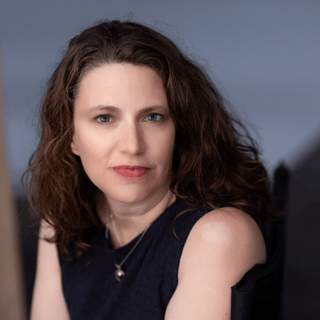
Speaker: Oh, hey, see you next time. This the Creative Nonfiction Podcast, the show where I talk to tellers of two tales about your mom. Sorry, I can't help myself about the true tales they tell. We've got Nick Davidson returning to the pod because he has, within the span of about two years, landed another story with our dear friends at the Atavis magazine. Knows to tell, this is one of the best Atavis pods you're going to hear.
Speaker: And I've done dozens upon dozens of these. I don't know what was in the air, but Jonah Ogles, the lead editor, and Nick Davidson were in the zone. I'm very excited for you to sink into this one for reasons I think will be clear once you sit with it.
Speaker: Head to magazine.atavist.com to read the story and consider subscribing. And no, I don't get kickbacks or commissions. I, in fact, pay for my own subscription, so stick that in your pipe and smoke it.
Speaker: Nick's story chronicles the undercover operation to take down dozens of poachers in the San Luis Valley of Southern Colorado. The federal agent at the heart of it George Morrison, goes undercover, and what follows is a riveting story that raises all kinds of questions and blurs the lines between right and wrong.
Speaker: It's titled, Big Game. Colorado's San Luis Valley was a wildlife poacher's paradise, then an undercover federal agent arrived. They know how to write a head and deck. Am I right? Am I right?
Speaker: I am right. Right? I'll give Nick a more formal intro as we dig into his part of the program. But for now, show notes to this episode and more at brendanamara.com, hey, hey, where you can read blogs, learn more about our featured writers, and sign up for the Pitch Club sub stack or my monthly Rage Against the Algorithm newsletter, which I'm thinking of making increasingly personal, for lack of a better term. It's always been to some extent, but I'm not going to be afraid about being on the edge of discomfort with it.
Speaker: And if you want to support the podcast with a few dollar bills, you can always head to patreon.com slash cnfpod and see what tier resonates with you. Some get you some one-on-one Phone calls, ah coaching for lack of a better term. on Everybody who pays has access to the Flash 52 sessions, which has been just this Sunday morning writing group where we just write for 30 minutes. We talk for five at the start, write for 30, five minutes at the end. And we just hang out and basically write Flash essays. But you can do whatever you want.
Speaker: You can journal. ah You can work on ah something longer or you can work on something short. That's what I tend to do. Flash 52, patreon.com slash... Okay, so we're going to hear from Jonah Ogles, and it's one of his best appearances. He always brings it, but for some reason, and this one, i don't know. i it would just It's one of his best. It really is. You're going to be a better writer for I'm sure of it. And this episode, of course, will pair well with Nick Davidson's first appearance on the podcast, which is titled Episode 461 for Nick Davidson, Stories Hunt the Storyteller, Episode 404.
Speaker: Hanifa Durr keeps nod to witnessing in There's Always This Year, and even going way back to episode 50, Ted Conover's deep dive into immersion. So let's cue up the montage and get a gander at Jonah. Riff.
Speaker: Am allowed to swear, the way? Oh, yes. Oh, okay. Are you just fucking insane? Just kind of a sloppy person. No, I'm still such a fuck up. I'm going to be a fuck up probably for the rest of my life. but This is going to have to interest somebody somewhere other than me. In
Speaker: the past, you kind of know the book on them a little bit and they know the book on you. So you're already at like a different level of understanding going into a story.
Speaker: Yeah, it makes it really easy. you know when the When the idea is good, it makes it harder to reject them. you know yeah um Because i mean there are a lot there are a lot of writers we've worked with and they send in pitches and I like working with them. you know And I'd love to love to do it again. But when the idea isn't right, you know it feels sort of extra crappy to... Yeah. To reject somebody. It's like, i I know you, I like you. It's just, this one isn't right. So when it does work out, you know, it's just like a great feeling. I imagine that it's real hard because you have to stand behind you know what you do with the adavis. You can't even like tweak the standard just a little bit just because you've accepted a piece from somebody you've worked with before. It still has to be like you know your high standard. Even though you know that they're they're capable and good, it's just like you can't really bend the rules just because you know them a little bit. It's like it's still got to be a great idea and it's still got fit perfectly with the mag.
Speaker: Yeah, yeah, totally. i mean, we've had we've had some that have come in that, ah you know, the even stories that like personally i was kind of excited about, but was maybe like another historical, you know, like another story from 100 years ago when we've already run like three in the past year, you know, and so things just don't always line up. But thankfully they did with Nick because it's a great piece and it just, you know, like,
Speaker: the editing process was so smooth, you know, like we've, but we've already sort of like, we know how the other one works. We sort of know how to compromise and how to like make our argument without upsetting anybody or being unnecessarily mean or like offending someone without meaning to. yeah so it made, it made it really easy to just like do the work, move it along and that everybody, it's just a smooth process with everybody happy. So. In your opinion, what do you think is the fundamental difference between people who become editors and people who primarily become writers?
Speaker: Oh, I think writers, you know, they're sort of like a the writers I most enjoy working with, I think, have like a reporting itch that needs to be scratched.
Speaker: They love that sort of like chase of just like getting material, you know, which Nick found some really great stuff. for this story. So, you know, I think that's something that like, I don't personally have, I guess is what I'm saying. You know, so I, I think that might be part of it, but well, like with this story, for example, you know, there were, there were a few places where I might have edited something because just in terms of story,
Speaker: you know, like maybe it got a little slow in a particular place. I feel like what I can bring to a piece is just making sure that it really moves at a good clip, you know, like a,
Speaker: especially at this length, which is a little, writers don't really write many stories at like 10,000 words, you know, so like the pace is a little bit different, but certainly at this point, I hope I've got a good handle on how to do that. So I'm, I'm really looking at that and like, is information in the right place? But, you know, Nick would say, well, hey, you know, we cut this little bit of a quote here. But in his mind, that is a quote that really makes this character, you know, like rounds him out in a in a way that maybe he's not without it. And that's, you know, like it's almost like the attention is a little bit more granular, maybe for for the writer, whereas like an editor is more concerned with like the the bigger scope.
Speaker: of the piece Yeah, makes sense. for sure and it it's because you didn't do the information gathering and didn't put in you know that kind of effort to get the material you're not as wed to that material ah the way a reporter might be as well because like oh my god this thing took me a year to procure It's got to get in the story, but like you might be like, you know what? Dispassionately speaking, it's it's not doing as much work ah for the story as it was the effort for you to actually get it. So like, you know, for the story's purposes, it shouldn't go in. But for the report, it's like, oh, my God, I worked so hard to find this person. And, you know, we're and now we're not going to use that piece. So like that. Yeah. yeah That distance is great.
Speaker: ah Exactly. Well, and there are times where it should come back in, you know, like I think with Nick in most of the cases, i was like, okay, let's do it. Like an extra sentence is not going to hurt yeah um the pace too much, you know? So like where it's not doing, you do reach a point in the editing. Like I feel like when I first go through, I'm pretty brutal, you know, and just like,
Speaker: get it out it you know, I almost like adopt like an angry persona and I'm just like throwing paragraphs out of out of a piece. But once we reach the point where we're like in layout and, you know, like I've, I sort of reach a point where like, okay, I think like the story is like 98% there.
Speaker: i think that's a good time to start compromising, you know, and be like, okay, if if Nick's going to feel better having this extra sentence in this quote, Like, let's do it. You know, if ah if there's no harm done, i'm I'm much more open as we move along to like sneaking things back in here and there. I think Nick has figured out, you know, from editing the first piece that that's that's kind of how it goes. And it worked well, I think.
Speaker: Yeah. And what are the the phases, or maybe you can talk about the phases of how you approach an edit from when you get that first draft of submission to the draft that is heading towards layout?
Speaker: Well, basically like structure. Structure is sort of the first thing I pay attention to, you know, so like i I read it, I make notes, I see where information is and where I think it should be, and I start moving things around and also identifying any holes that I that i think might be there. So there there's one, i would say the first phase of my editing is is just sort of like the scaffolding, you know building building that out.
Speaker: And sometimes there's some cutting involved in that, but for the most part, it's just like getting things in the right place. And then once all the information is there in roughly the right order, which sometimes I have to go back to a writer before i get into this, but sometimes it's all condensed into the same edit, but then I really start cutting for pace.
Speaker: And get it down to, you know, I'll set like a, I usually have a good sense once I've read the story, how much of it needs to go like, oh, this feels like a 12,000 word story or 10 or 15 or whatever. And I'm trying to get us pretty close to that.
Speaker: and then i go back to the writer with you know various questions and and let them kind of do their thing and then i i give another round of really tightening it up and then sayward really gets into the lines you know line by line she's such a good line editor And that, ah that always like puts the polish on, you know, what I hope is basically like a rough, pretty close sculpture of what I want the piece to be. there are phases, it's sort of like big picture and then you drill down and down and down as the story progresses.
Speaker: And if on average, how long is that process from that first draft to like where it's starting to get that line at it, top at it from say, or I think at our at our fastest, we do it in about a month, you know sometimes sometimes a little less. It depends on how quickly the writer can get it back to me. you know i I usually need, i don't know, but i would say like a week, but that's with my weird schedule of like also dropping kids off and yeah going to doctor's appointments and things like that. um You know, but probably like 16 hours or so, a couple a couple full days of of just really being in the piece.
Speaker: And then if the writer can turn that down around in like a week, you know, then then it's another day or two for me and another day or two from Sayward and then. And that's it. you know And we can move that fast when we need to. But I would say more realistically, like a a writer needs they need some time usually. you know like I just sent one one back to a writer and she she wanted like a ah month with it because there was extra reputations. she wanted to do and I had flagged some things that she wanted to dig into more.
Speaker: And when we're not just like tight against a deadline, we try to give writers the time they need to do that because every story is, you want every story to be its best version of itself, you know? And if that's going to take some time, if the writer feels like that's going to take some time, great. Like we want to give the story that time it needs. Yeah, and with ah given that you've worked with with Nick before and he had a story come out, and or I don't ballparking year and a half or two years ago or so, yeah when you get a pitch from Nick and having worked with him, what have you come to expect about a story that ah that Nick pitches?
Speaker: Well, he's gotten very good at pitching. he He's one of those writers that like when I see like a pitch in the subject line, I'm like, oh, you know, this at the very least, like it'll be a good read, you know, like even if it's not for us.
Speaker: Nick has done his homework. You know, this was this pitch, for example, pitched and I had questions about it and he was like, well, I do have a draft if you want if you want to see that because the he the reporting was done. you know and i so i said yeah send it over and we read it and we were like yep we can we can start editing this you know like um it's it's in a good enough place so um he's really like he does the legwork ahead of time and it and it really shows you know in both in terms of the like the quality of the pitch uh which is
Speaker: It's so detailed. He has such a good sense of like what the story generally is and what its possibilities are. There's none of this, you know I hope to talk to x y and Z, or I hope to also get these sources, which we get a lot of that from writers. and not Not that I blame them at all.
Speaker: Sometimes that that's just the way it is. But it with both the stories Nick has done for us, basically the reporting was done. and And that just helps when I have questions, he's got answers. you know There's no like, well, I suspect this, but I'm going to have to see, which is always reassuring to an editor when you're asking questions and you're getting like solid, detailed answers, even if he's recognizing like,
Speaker: Hey, I'm not going to be able to get this information, but here's what I have. It's still like something concrete that we can sort of wrap our heads around and and know how it's going to work into the story. Right. Yeah, that's really well put.
Speaker: And ah with ah with Nick's story, as as you know, I always love getting just a sense of maybe unique challenges for you editorially of working with it. And um just for this piece, what was a unique challenge or a challenge that was unique to this piece for you?
Speaker: Yeah, well, it's about the San Luis Valley in Colorado and New Mexico, which i I lived in New Mexico for a long time. So it's a it's a place I know fairly well and, you know, spend a lot of time camping and fishing up and in that part of the the world. And, you know, so I think that brought something different maybe to like my editing sensibility. Like I'm aware there's a section in the piece where where Nick rightfully gets into um sort of like how this sting was received in the valley because the valley is like three quarters Hispanic. You know, these these are families that have been there for like hundreds of years, predating the the United States or certainly the area being part of the United States. And there there are a lot of, like, racial tensions in the in the area, you know, because white settlers came in and white landowners come in. And this was a, what I'm trying to get to is I felt a responsibility, I think Nick did too, to, like, both tell this really amazing story, which is, you know, kind of has, like, thriller aspects, but also, like, not gloss over,
Speaker: you know, the the harm it did to this community, just in just in terms of like, here comes this undercover agent who his investigation results in the arrest of like 58 people in the community.
Speaker: And, you know, i wanted I wanted to make sure we portrayed that accurately and sort of so sympathetically, even though like, you know, these guys were breaking multiple laws. So, you know, I'm not i'm not excuse their behavior at all.
Speaker: um But i I was sensitive to that, certainly, as I worked on the story. I think Nick was, too, living out there. And one thing that I thought Nick did a really good job of is, you know, Morrison, the undercover agent in this story, I think he did a good job presenting the ways this was probably difficult for Morrison as he lived in this community for so long and developed what I assume was like a, you know, something like a real friendships with people. And yet he was going to, you know, he was investigating them. He knew if he was successful, they were going to end up arrested. And there there are moments in the story where you can sort of feel that tension. i mean, one one big challenge in the story is that Morrison wouldn't talk to us.
Speaker: You know, the guy that the story is about wouldn't talk to Nick for the story. So we we had to rely completely on... existing public documents.
Speaker: and And luckily Morrison recorded a bunch of conversations, took detailed notes. So we have like plenty of scenery to work with, but he, he didn't either wasn't able to, or didn't want to talk about this part of his life. and And I'm guessing that's a little bit because of what we've been talking about, where, you know, he's in a place where he built up some friendships in the course of the investigation.
Speaker: And, you know, and then ultimately like sat there and watched them get arrested because that was his job, you know, but it it was, it's still, that was, that was one of the things we talked about in the early stages of assigning this is like, well,
Speaker: Can we get to them? What happens if we can't? And how do we feel about that? You know, and those those were conversations Nick and Saward and I were having. Well, that's awesome. Well, it's a great story. What I've come to expect from you guys and certainly from Nick, you know going from hot air balloons to now this ah undercover poaching story, kind of a sting Donnie Brasco kind of thing. um So it's just a great story and ah great insights on your part, Jonah. So um we'll kick it over to Nick now. And as always, thanks for the time.
Speaker: Yeah, thanks for having
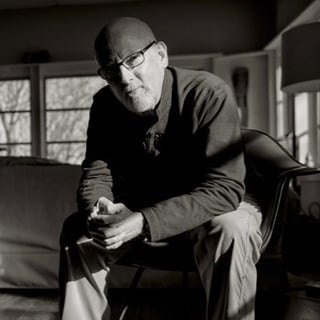
Speaker: Sweet. Right? I thought so. I thought so. So now we welcome back Nick Davidson, who can be found at nickgdavidson.com or on the socials at nickgdavidson on the gram.
Speaker: ah His work has appeared on Outside, Men's Journal, Truly Adventurous, Garden and Gun, High Country News, Backpacker, Vice Sports, and Popular Science, among others. Yeah, there's ah something of a Buddhist vibe to Nick.
Speaker: i don't know if that's appropriate for me to say, but I said it. If that off offends you, Nick, I am very sorry. And that he's this eternal optimist, and he surrenders to the current, though not in a passive way.
Speaker: I know that sounds contradictory, but what I mean is he's not one to frantically paddle upstream. He practices in the martial arts, which imbues him with a sense of confidence of mind and body. He preaches non-attachment, which is a very Buddhist thing. which is always good materialistically, of course, but also when it comes to stories that might not pan out. He is of abundant mindset, and he very much had me questioning my headspace, which, as you know, is a cesspool of toxic goo. So in our conversation, we talk about how we established a freelance career, pitching, excitement for the story, having a positive attitude, telling the story that's right in front of you, Google alerts, writing long, developing character, beginnings and endings, and when the magic happens. I think you're going to leave this chat feeling energized at possibility.
Speaker: Maybe that's just me. No parting shot to this episode as it will be part of tomorrow's, which is to say episode 525 with Mary Kane on your regularly scheduled CNF Friday, where I'll riff about the Eugene Marathon and my library keynote. Yes, I did not die. Here I am in the flesh.
Speaker: So for now, let's welcome back the inspiring and brilliant storyteller that is Nick Davidson. Cool. Cool.
Speaker: Yeah. And ah I think a good on ramp to talk about is in certainly a lot of you know freelancer types, you know, listen to the show and whether they're mid career just getting started or later or who knows.
Speaker: ah How did you establish you know momentum as you were ginning up the freelance mill?
Speaker: In general, i mean, it it was kind of a long, slow process for me. I mean, I was initially, so I started out doing fact checking for Outside Magazine and and then kind of building two smaller pieces from them here and there.
Speaker: And over the years, kind of just doing a lot of small pieces for various magazines and and building up my... my network basically getting more experience, trying to pitch bigger and bigger stories, getting a lot of nose and including from Jonah at outside when he was there. um And it it just kind of happened organically. i mean, interestingly, and and I can tell you more about this specific story.
Speaker: It kind of started with, with this story with another editor, sending me, contacting me and sending me a couple of ideas and saying, do you want to write for us? We're about to launch a magazine.
Speaker: Here are a few stories that we think would be cool. Um, and I, I ended up picking this story and like I said, I can get into that more, but once I connected on on that you know, that first long form assignment, I just kind of got more opportunities to do say do so. And each time that experience would would build on itself, I get better at what I was doing, understanding how to look for stories or, um you know, receive stories that come to me and find ways to to pitch them, make sure they've they've got what they need to to really fill out a longer narrative and
Speaker: um and And I think I just in the process of that, too, I got I mean, I i think I'm now pretty good at pitching. I don't think I used to be. So i really honed my pitching skills. And we had talked last year about a pitch, my first pitch for the out of this. And I kind of just got a sense of how to interest an editor and then follow through with the story.
Speaker: So it just it was all kind of building on itself. And I knew from the beginning that I wanted to do longer stories. And so I was always kind of aiming there. Yeah, how do you, or how have you captured the interest of the editor? What what is work for you that might be universal in that regard?
Speaker: A number of things. I mean, first of all, showing excitement for your story and and believing in it and and letting that confidence really come through in the pitch saying like I know i know this is good I'm gonna tell this story for somebody you're gonna want it to be you ah so a little bit of that that attitude i think is useful and some swagger yeah you gotta have a little bit of swagger and believe in yourself and believe in your story and and and trust that but um in terms of actual pitching you've got to have the goods i mean you can't just come across a couple of interesting lines and say hey i think this could be an interesting long story and then throw it at the editor i mean you have to put in the time and the work to to really know that you have enough material that you have access and then
Speaker: present that in a way that is engaging and and usually in a pitch for a long form story. I like to include some in scene writing and kind of show that that cinematic nature and make it clear that you understand what the story is and what the arc of the story is and that it does actually have an ending, even if you don't know all of the details that will get you there. You know, you just have to you have to do some upfront work to um to really display your writing skills, your reporting skills, and the fact that you have the materials or documentation or connections to to launch forward.
Speaker: Yeah, that's such a fine balance to strike. So yeah how have you started to really calibrate the degree or how much legwork you do up front so you're not wasting your time, but you're also substantiating this pitch that you want to land?
Speaker: Yeah, i don't I don't know if I have other than just, like you said, you can do too much work, but I think the bigger danger is doing too little work. If you're doing too much work, I would think that it's because you you have enough confidence in the story and and you believe that it it will follow through.
Speaker: So, I mean, I i don't know. i I can't speak for anyone else, but I operate with a certain amount of just kind of self delusional confidence. i don't I don't know. I mean, I'm an incorrigible optimist and I, I just like, I actively practiced believing in myself, you know, and i think that's important. I mean, having a positive attitude, it's not going to get you everywhere, but it's going to be a good start. And, and I've always believed that with a story, especially a big story that is going to require a lot of your time and effort.
Speaker: You, you have to believe from the beginning that if this story is engaging you so deeply that you're willing to spend this time, even on just a pitch, you're going to be able to find other people who are interested. You know, I like, I'm not, everyone's unique, but I'm, I'm not unique to the extent that I'm the only person interested and in this story that I believe is worth telling.
Speaker: So if you believe a story is worth telling, do the legwork, you know, upfront to make sure your pitch is really good. You you need to make sure that the editor, kind of can't say no unless they just happen to have, you know, like a similar story in terms of theme or setting or something.
Speaker: And that's not your fault. And then you go to someone else and you're going to find somebody. For me, this this story and in particular is a case in point for that. Yeah, you you say it actively you know practicing that belief in yourself and confidence building in yourself. What what does that look like? What does that practice look like?
Speaker: it's It's a definitely a fair amount of positive self-talk. I mean, i don't know. Again, I kind of just only know how to be myself. you know And i have a lifelong relationship with martial arts.
Speaker: um I started when I was nine years old in Taekwondo and I've studied some other things here and there, but that in particular, you know, right from the beginning as a kid, like it really instilled in me just ah a self-confidence. Like it's one of the core tenants of of my school hanging up on the wall, self-confidence, you know, among among other things. And so I think I kind of just got lucky in being surrounded by um When I was a kid, adults who insisted that I believed in myself, you know, and and I've carried that forward through things like meditation and, you know, taking care of my my physical body, and my emotional and spiritual self. Like, it's just...
Speaker: It's sort of a holistic practice that happens to feed into storytelling because I'm a storyteller. That's what I do. But it would it would feed into um anything that anybody chooses to be.
Speaker: I don't know. I mean, other than just, again, like that positive self-talk, just um thinking positively every day, identifying things. the things you're grateful for, the abundance that surrounds you.
Speaker: i tell myself every day that i'm I'm grateful that I get to tell stories. Not everybody who tries to does. you know i mean, it's hard. and yeah And it can be hard when you feel like you're not connecting and when you feel like you're you're failing or people just aren't understanding why you wanna tell this story and you can't you can't quite articulate it. And you learn from that.
Speaker: um But even throughout those kind of disheartening times, which come, they're going to come no matter what you do. you You just say, okay, it's i'm this is what I'm meant to do.
Speaker: and I'm sure as hell going to find a way to do it. Yeah. to what how How has that that attitude gotten you through the and inevitable slumps that you experience as as a writer, certainly as a freelance writer? Yeah. I mean, I think i think it helps having other, you know in the case of being a storyteller, having other stories kind of in the mix or um other ideas.
Speaker: i i keep a document that I call that my nonfiction compost pile. I have one for fiction too. um just I keep ideas of of little snippets of things that I've heard or like an article that I've seen that kind of mentioned something, but it didn't really dive deeper into it. And I think it could be interesting to do so.
Speaker: And when you have other things to fall back on, it's easier to to kind of just pivot and say, okay, this one didn't work out. you know That's going to happen. Like I said earlier, that if you really believe in a story, you're going to find somebody else who who believes in it too and is who is interested.
Speaker: But that doesn't mean that at every stage in your career as a storyteller that you are going to be able to clearly articulate why a story needs to be told or what's good about it.
Speaker: I mean, especially in in my earlier years, trying to figure out how to even pitch a story and what that entailed. Sometimes I just, I didn't really deliver on why this was a story worth telling. it And sometimes, again, you just can't you can't help certain factors like what a certain publication just published is about to publish, the editor's mood, you know what conversation they they had and the around the table in their books.
Speaker: story meeting that week. You can't account for those factors, but at a certain point, it's just a matter of intuition when you understand that it's time to let a story go if it's not landing. And then you turn to something else. And that letting go, I think, is an essential practice too. You have to be able to really practice non-attachment as a writer and in so many ways. And one of them is when a pitch doesn't land and you get rejected,
Speaker: You let it go. You can let that story go and you are going to find something else. Cause there's no shortage of of stories and in this world of human experience and non-human experience for that matter, you're going to find other stuff and you kind of just need to like go to the next thing, start working on something else.
Speaker: Yeah, that's really well put, Nick. And when I was talking to Jonah, he was just asking me just various things that I was working on. now After dealing with this ah this book proposal rejection after like a year of having worked on it, and then it was like rejected in three days. so it's like super depressing. And then then like pivoting, then was like, all right, should I do some other book ideas or some other magazine ideas? and I've got like a few. And each one has its merits. And then sometimes you can talk yourself out of pursuing anything.
Speaker: um You can talk yourself into pursuing too many, but sometimes it's just best to just, I don't know, maybe just flip a coin or draw a straw and be like, all right, that's the one I'm going work on and screw everything else and move on. So when you've got a bunch of ideas, yeah how do you decide, you know what, I'm going to not distract myself with all the other ones. I'm just going pick this one and give it, give it my all until something tells me I got to move on or it's published and you move on at that point.
Speaker: Years ago, i i was living at an ashram in Virginia and in the mountains. And i was i was working with this Swami teacher who was just really, you know, she had so many profound things to say, but I was, you know, kind of not not like right at the beginning of my career necessarily, but I was early into, i hadn't done any long form stuff. i was kind of trying to figure myself out.
Speaker: And I actually, i asked her that very question one time, cause she, she knew that I was a storyteller and trying to be more of one. And I was just like, God, there's, there's so many things that interest me. Like I, I am such a deeply curious person that, um, I've got this idea and that idea. And I start working on this one and another idea comes in and it's like, you almost get bombarded when you're, when you're a curious person and you're paying attention to the world.
Speaker: Like I said, there's no shortage of stories. And i was kind of torn, like I don't even really know what direction to go. And in the way of all wise people, she said a very obvious and yet revelatory truth to me, which was, i was just like, how how do I know what story to tell?
Speaker: She said, tell the story that's right in front of you. You know, go for that one. And it sounds so simple and and and also kind of like, well, what the hell does that mean? But what it meant for me and what it continues to mean is that you kind of you have to get out of your own way. You know like you really have to tune in to your own and and intuition.
Speaker: like You have to have a good antenna for that. And... when a story grabs you and isn't letting you go and that's the one that you keep thinking about and your attention keeps looking over here to that story.
Speaker: Why do I want to tell that story? I don't know. You pick that one. I mean, you know, there are other stories right now that I'm, that I've been interested in and that I've been kind of digging into a little bit in the last year or two, just periodically. But, but this one that, that is being newly published with the adivist, that's the one that was really right in front of me.
Speaker: I think it's important to, develop an understanding of your intuition or an ability to read it and just listen and get out of your own way and and tell the story that's right in front of you.
Speaker: Yeah, that's that's really, yeah, that's yeah tremendously insightful. And I think as sort of embedded in that, and this might we might have talked about this either on our Pitch Club appearance or the last time you were on the podcast proper, almost like these ideas of like stories choosing you. yeah And like if you can practice a certain measure of non-attachment and then maybe just surrendering to the one that is kind of just naturally has its own little riptide and just let it pull you out to see and just like, all see what... see where this one takes me. is is Does that kind of ah resonate with yeah your thinking of of these stories that maybe be the one in front of you, yeah, it' just you know so kind of surrender to that. The other ones aren't going away. Just maybe take go for this ride. Yeah, exactly. I mean, there's there's something kind of ineffable about the whole process, really. like
Speaker: I think, as I said before, the i like to think of it as the story hunts you. And... you know you you can't be you You can't be too coy. You can't be hiding behind the bushes at every turn. Sometimes you have to just jump out and say, like I don't know, hit me.
Speaker: Hit me with something. And and i don't know why it happens or how it happens, but I know that it does. And um i don't ask too many questions of that process, but I trust it and and let it resonate.
Speaker: Let it strike me. Let it kind of court me. Almost, you know, and and when we kind of get when we get to know each other a little better, we say, OK, I think there's something here. Let's make it official.
Speaker: Yeah. And, uh, I, you know, I've looked at other, other writers and how they look for ideas. And, um, I think Jeff Mace is his name. He writes a lot of cinematic profiles to get option for lots of shit. And, um, so he's made a, made something of a name for himself. And I, I, he's someone who goes to like, he'll go on eBay and get like old magazines from like the eighties and nineties and page through them. And you'll kind of like you, you're like, Oh, here's a piece that's been reported out. Like, but there's definitely something more there. And ah there's enough distance from the past that you can actually ah like people have forgotten about it or it's been buried by other headlines. And then you're able to maybe flesh that story out more. So and the long way of me saying, like, how do you like to find your stories to lean into? Yeah. Jeff Mesh is great. And and he's right on with that because you can't.
Speaker: go from what I said about letting the story haunt you and just like stand there with your arms raised, letting, waiting for the lightning to strike, you know, you have, you have to you have to participate in the hunt. Yeah. The, the going through old magazines, that's a ah good, a good route for sure. I, I kind of just,
Speaker: old or new when I come across ah some piece of news reporting that just in the way that daily news is kind of typically a little bit superficial, they'll kind of mention something. and And so I pay attention to those things and I say, okay, nobody really seems to be diving deeper into that one or two sentences, but that sounds like a whole story in itself.
Speaker: um So you pay attention to that, you just mark it. And again, I put it in this nonfiction compost pile. And I periodically go through that. And because I don't do newsy reporting, i don't really ah do topical stuff too much these days. I know that editors are always like, why now? And I'm like, I don't care. It's a good story. That's why now.
Speaker: So i yeah, I'm just kind of paying attention to things that appear in other places and and making note of them and writing them down and kind of just putting it aside and letting it percolate and in my subconscious mind.
Speaker: i also... when I feel like I'm interested in a particular topic or even like a series of words that I think might create or might bring interesting things to me, like I'll do Google, Google alerts for a phrase or um a word that's a topic and, you know, just get like a little weekly email of sending me little news bits related to that thing. And it can be something as simple as like,
Speaker: i think I don't know that this has really churned up anything for me, but a phrase that like, for the first time, and I guess this is more relevant if you're, you know, doing like scientific journalism or or something like that. But if you, for example, have a Google alert for the phrase for the first time, um or was surprised by, you know, like it's going to just, it's going to grab from all kinds of different areas and,
Speaker: And you'll see what people are interested in and surprised by or what they're encountering for the first time. And other than that, i I don't do too much that's really like articulable or rep repeatable.
Speaker: I don't know. I kind of just, I'm just always curious and I have that turned on as much as possible. And I pay attention and somebody says something out in the the real world and I make a note of it.
Speaker: and some Somebody writes something in the online world, and I make a note of that. And you just follow your curiosity curiosity. And everybody knows how to do that, even if they think they don't.
Speaker: You know, it just takes practice. And ah so how did you find this story that i ultimately running on The Atavist This was in 2018, summer of 2018. A guy named Greg Nichols, who was is a writer, reporter, and an editor, and he he was launching a magazine called Truly Adventurous Magazine like the next January. So I think i think they launched...
Speaker: January 2019. And he was just gathering writers. I don't know how he had come across my name because I hadn't written any long form stuff. I'd written kind of like medium length stuff. Apparently something about what I was writing clicked for him. He sent me an email and we talked and he had a few ideas for me of of stories that he wanted to use to launch Truly Adventurous. And this was one of them.
Speaker: And I said, well, this is, this feels like it's right up my alley. And it literally is two hours north of, of where I live in Santa Fe. Um, and I started reporting this story and i the guy at the center of it, the undercover agent, George Morrison, i had his phone number because Greg had spoken with him a few years back.
Speaker: And I called him, he answered and and said maybe he wanted to talk, but he was going on on a trip. And I don't know if that was true or not, but ah he he never answered another call again. And I called him, I don't know how how many times over the years. but So I couldn't get in touch with him. I got in touch with his boss who wrote a chapter in a book about this operation. i talked to him, Terry Gross.
Speaker: He was... really interesting guy and and just said the most ridiculous things that I loved. And he he was super kind. He invited me up to his home outside of Denver and we were going to do like a couple of days of interviews.
Speaker: about this topic and he was going to feed me and put me up and all this very kind stuff and ah three days before i was supposed to go visit him he sent me an email he took a bad fall and was entering the hospital and next thing i hear from his wife he he had some other issues and basically went into a coma and never woke up and oh my god and Yeah, which was which was really sad. I mean, this was a one of a kind guy, like I said, really kind, sort of this cowboy, he you know, talked talked funny, he said all kinds of of different, like crazy things. Like he told me to get my carcass up there and he was going to, you know, it's just the way he talked was a bit ridiculous, but I loved it. And.
Speaker: And then around that same time, i had spoken with Jim Bensley, who is the or was the civilian taxidermist sidekick, basically for the the agent in this story. And I did manage to talk to him ah for a good long while, but he was I didn't know it when I called him, but he was actually in the hospital when we talked and he.
Speaker: He didn't sound great. I mean, in the words of Terry Gross, he sounded like a car hit owl, which is, again, a ridiculous thing to say, but um he wasn't doing well and then he died.
Speaker: And i i did a just to continue this. this story, I was trying to get something like anything out of this story. And i I made a FOIA request to the US Fish and Wildlife Service to get all of these investigation reports and audio cassettes that I knew had been recorded in the course of this investigation.
Speaker: And they said they didn't have these documents because they destroyed them. You know, it's like their policy to to destroy all of those kind of documents, like 15 years after the case closes or something. And so they just didn't exist.
Speaker: And i was like, all right, i I can't tell this story. There's nothing here. And the guy at the center of it won't talk to me. So we kind of had to shelve it.
Speaker: We worked on some other stuff for Truly Adventurous. um And then in the summer of 2022, and this is just another one of those instances of paying attention to your intuition and following it, even when it it's not logical at all.
Speaker: I was actually working, I think, on... I was beginning to work on my last out of a story, the the balloon story. But for some reason, I just kept thinking like, there's gotta be more to this operation San Luis Valley thing. Like, can I find any, anything else here? Could I revisit this?
Speaker: And it had been a few years and i just started Googling around. I read an old story from Westward from, i think from the early nineties and in it mentioned,
Speaker: a guy named Jim Durr, who according to that article was supposedly had been working on a book on this operation. i was like, I never heard about a book about this. I'm pretty sure that doesn't exist.
Speaker: And it didn't, but i I, ended up looking around for this guy, Jim Durr to see what he had and ended up, I found his son on LinkedIn, Nick Durr.
Speaker: And and messaged him and just, you know was one of those things where I was like, okay, this this isn't a super common last name. I'm just going randomly message people with this name who live in Colorado. and And it it worked. And it turned out that this guy Jim Durr had had recently passed away, but he had left like a treasure trove of of all these documents that he had been using to report this book that he never ended up writing.
Speaker: And so his son invited me up to Colorado to to stay with him and spend an entire day going through um you know all of these things, like just file cabinets full of stuff.
Speaker: And among other really good stuff, like old news clippings from that time and and some of the agent George Morrison's um surreptitiously recorded audio.
Speaker: He also had like his own audio cassettes that he was just he he was interviewing people along the way. um And it was very fresh for because this was the early 90s and it happened in the late 80s.
Speaker: And he also had like seven or eight huge binders full of every one of these investigation reports that that the agent you know wrote down and took notes on and everything.
Speaker: the only you know the only source, or the only one of these sets of documents in existence as it happened because the the Fish and Wildlife Service had destroyed all of theirs.
Speaker: And the the guy let me, you know he let me take all these things home as much as I wanted. I just sifted through it. And and so I suddenly had all I needed, even if I hadn't talked to the agent.
Speaker: and And these reports were kind of amazing. I mean, like they documented the dates that everything happened, who was doing what. There were like 108 subjects that, you know, 1200 pages of of documentation and like a lot of really good quotes. Like he wrote a whole narrative about every one of these days. And it it was a really interesting reading.
Speaker: So was like, i've got I've got scenes here. I've got quotes. I've got all these crazy things that that these poachers were saying. And I just knew it was going to work. And so I got back in touch with with Greg at Truly Adventurous. And we wrote up a new contract. And we're going to do it again. And right before I started writing the first draft, or I think I had written the first the opening scene, which is um essentially the same opening scene that I have now.
Speaker: he's He's like, all right, we're we're cutting back. We're like way backlogged with our stories. We got to drop this one, sorry. And so i I took it elsewhere, pitched it around. Rolling Stone ended up buying it and I wrote a draft for them last summer.
Speaker: And then that fell through and then they killed it. And I was like, you know what? i When I was writing this story, i was kind of writing an Atavis story. And I knew it at the time. but i you know I had just written the balloon story and I was like, I kind of want to just write in that vein again. and And so I said, since I basically have this cinematic narrative that that was written as if I was writing for The Atavist anyway, so I'm goingnna pitch Jonah and...
Speaker: And I had sat on it for a little while. And so it was just in like February that I pitched Jonah. he's He took a read of the draft we're like, yeah, let's let's do it. We'll make it our next story. And here we are.
Speaker: Yeah, he he said ah that you're a remarkably good pitcher, and ah but did you hesitate because, wow, they just ran this balloon story. like They publish 12 stories a year. There's no way they're going to like greenlight another one from me like within a year and a half or whenever the other one ran. Yeah, yeah. I mean, I definitely thought that. I was like, you know, there aren't that many slots. I don't want to take away from someone else. I mean, not that I would. you know They're going to take the stories they want, but i Yeah, i wasn't sure. was like, is this too soon? I know people have written multiple times for The Atavist, but I just said, well you know what the hell? like
Speaker: I think Jonah's going to like it. Let's just go for it. Even if they had to sit on it for a while, you know that that would be fine. But yeah, and then it just moved really fast from there. and they they They wanted it.
Speaker: Yeah, because you had done so much of the legwork up front. You knew, like, basically were writing the, out of like, to your point, you were writing an ad of a story all along. And, ah yeah, you had done the work and you were, like, speaking their language. So this, you know, once you handed it to them, it was probably pretty smooth sailing, you know, from there, I imagine. Yeah, for sure. I mean, I i think I honestly, like, I had a pretty solid draft.
Speaker: that That was, yeah it didn't need a lot of work in terms of like restructuring and all of that sort of thing. I knew it needed some cutting. I tend to write long and I do that intentionally.
Speaker: I like to lay my cards out on the table for the editor and say like, hey, i here's what I've got. I know, i kind of know what I think is good and I know maybe what's not working, but I'm not the smartest person in the room here. yeah.
Speaker: I like to just write long and work with the editor to sculpt it down to to its you know most essential and best version.
Speaker: How do you develop character in narratives like this, especially when they're starting to die and then you have to rely on a lot of other things? ah How do you develop character for these narratives?
Speaker: I kind of just let... the story guide me. you know i let the The characters come through in the material, and so I get a certain sense of of people when I'm reading about them and about what they're doing.
Speaker: I think it's really important for any kind of story, but especially one in which there are, you know quote, villains or bad guys or you know whatever you want to call them, to to remember that all human beings are complex and So if I start thinking about a person one or two dimensionally in, in the terms that like I was reading these investigation reports from, remember from the perspective of an undercover agent who had a job to do and he was, you know, pretending to be their friend to whatever extent it was, it was a pretense. Um,
Speaker: And so you kind of have to understand that the perspective of of this of these reports and the perspective of the chapter on this investigation from from the agent's boss, like they're coming from the perspective of a federal agency, from the government trying to ah you know address criminal activity and and lock people up.
Speaker: But people are never just criminals. And I really wanted to try to understand where they were coming from and what the place that they, you know, how the place that they lived and came from shaped them and shaped their actions. And So for me, part of part of developing, if that's the right word, the character or or coming to more deeply understand the characters in this story was trying to get at their complexity and, you know, learn some of the history of the San Luis Valley and its people and how they culturally, like how they felt about hunting versus poaching, you know, how they connected with the wildlife, and their economic situation there. I mean, people were, were pretty hard up for cash and and sort of desperate for even finding ways to to just buy a Christmas presents for their kids. you know
Speaker: and and yet And yet they did some egregious things and said said some bad things. you know and And you have to just let all of that coexist.
Speaker: and the The paradox of what it is to be a human being when you're doing something bad for a complicated reason. And i mean, this was something that I thought about a lot and sort of struggled with because I really didn't want it to be one-sided. i didn't want it to be, I didn't want to present anybody as being clearly a villain or clearly a hero.
Speaker: um Even the agent himself, I think i i understood was a complicated character who had ultimately like morally complex relationship with the people um and the valley that he was investigating.
Speaker: For me, I think probably the the easiest way other than just, again, like getting out of the way of the story and letting letting what you know of the characters just come through rather than trying to shape them as if you're creating them, but trying to understand them more deeply and and understand that the good and the bad coexist and to just show that whole picture.
Speaker: Yeah, the the story of poaching and poachers isn't you know black and white. It's not necessarily... There are you know people ah who are maybe... ah That land is, let's say, native to them, and then... ah sort of colonial rule will come over and dictate a certain subset of rules to people who have been there for hundreds of years. And then suddenly, you know, this thing or this connection they have with hunting in a, in, you know, spiritual connections to various animals. And then they're told they can't hunt that. And they like, it ends up becoming this really complex issue. And just what is, what is your relationship to understanding maybe where the poachers are coming from? How has that changed over the course of your reporting?
Speaker: Yeah, I mean, honestly, the this kind of moral complexity is one of the things that really drew me to this story, because it wasn't clear, um even on any any given day, how I felt about it.
Speaker: um Other than, you know, I tend to, I mean, there are two things at work, which one is which um I'm a nature lover and, you know, I love the wildlife. So when I read about people who are just decimating the wildlife in an area, I'm like, well, that's not right. You know, like I want to stand up for that and understand.
Speaker: don't want to kind of out these people. you know There's a little bit of that attitude. But then you have to think about, again, like what you said, these people and their ancestors had been in this area for hundreds of years, ah well before the United States even existed. um And they have a certain relationship with that land that you have to ask yourself, you know to what extent is it even sensible that some authority some entity thousands of miles away is is telling you how to relate to that landscape there there is a certain inherent unfairness there and i i tend to when it comes to questions of a government or an authority versus the people i tend to want to side with the people
Speaker: You know, I mean, there's there's clearly a dramatic difference in power there typically. Even though this story began as coming from the perspective of the federal government, essentially, i wanted to to think about what it meant to be the the people in this valley. And I don't live in and I'm not from the San Luis Valley, but i I've lived for many years in this general area. in this landscape And so i kind of I've come to understand a bit about how people who have been here for a long time tend to to feel about the land. and
Speaker: And I knew that it was complicated. and And I also knew that part of the complication is that, you know again, when it comes to a government, a distant authority telling you what you can and can't do,
Speaker: people tend to recoil against that and side with one another to to side with their community. And so even when people were noticing that there was a lot of egregious killing of wildlife here and and they don't you know historically support poaching or or or, I mean, poaching is sort of just a legal term, but to support killing without need, they didn't look on that favorably, but they weren't going to say anything because you know they don't want they don't want to you know, out their friends and their community to ah the federal authority that they're not really too keen on.
Speaker: Yeah, and then you got George Morrison and at the center of this and um embeds in this community as an undercover agent. And yeah, like you said, you called him several times and he never picked up. So you never had true access to him.
Speaker: and ah And yet he's very central to the entire story. So you know just for you trying to construct a narrative around a spine that was ah evasive, how did you pull that off?
Speaker: The way that i really got to ah understand as much as I could, George Morrison's perspective and position and attitude toward all of this was ah one through Terry Gross, who i I did talk to before he died. And he he you know he told me a little bit about George and he told me a little bit about Jim Bensley, the taxidermist he worked with.
Speaker: And I was able to talk to Jim Bensley. And he told me a lot about about Morrison as well. And really though, reading these investigation reports, I mean, there are hundreds of them.
Speaker: I think there are a couple of hundred officially, a little more than that. you You do really get a sense of like He's being official, but he can't help but put a little bit of himself into that. and he's he's got you know He documents quotes not only from other people, but but his response to those people. and so There are conversations you you can become privy to when you read through these.
Speaker: and You get a sense of of how he is and I did have... a couple of his audio tapes with, you know, like, let's say half a dozen conversations out of 280 that he recorded. And you can hear, you know, like, I think hearing people talk gives you a sense of them. And and granted, he's playing a role and he's playing an undercover role, but he's also being real. And I think,
Speaker: One of the things that he had said, so I have a series of interviews that he did with Greg Nichols, the guy from Truly Adventurous. and And he did talk to him about this and and about some other investigations. And his attitude about it came through pretty clearly. And you got a sense of how he felt about these people. and And even though he was playing a role, one of the things he said about being undercover is that you know In his training, the best way to actually play an undercover character is essentially to be yourself. You know you like you don't change too much other than your name's different and some maybe some details here and there. But if you're from Ohio, you don't pretend like you're from anywhere but Ohio because you've got to talk that.
Speaker: reality, you know, and you don't want to slip up. So there were a lot of ways in which his his actual personality and and kind of the ways that he seemed to to think and feel would come through. And I would pay attention to that and and grab hold of those details. And to the best that I could, I would present that. I mean, i really wish I could have talked to him. i had I wrote down so many questions that I was going to ask him if if he ever talked to me. and And I'll never know some of those things, but i i did the best I could with what I had. Yeah, what would you want to ask him if you could get him on the phone? Well, I mean, a lot of it is like, what do you feel about this? Because that's that's something that he never said overtly, you know, that you have to kind of read into how he he felt or might have felt. And I didn't interpret that too much in the story other than things that that appeared to be clear. But yeah, i kind of wanted to ask him like,
Speaker: I know you were pretending to be friends with these guys, but were you actually friends with them? Like, sure, you were hanging out with them for two and a half years. Surely you must have had fun sometimes, right? Like, you you guys are just hanging out, drinking beers, watching a football game, that kind of thing.
Speaker: Like, how did that feel to be to kind of be friends with someone, but then also be ultimately betray them and kind of pretend to be something else?
Speaker: That was one thing. And just, I don't know, certain details about... various scenes and and things that had happened. Yeah, and as you get to the yeah to the end when the the raids are are on, like it's very cinematic and it's like almost an action movie in a lot of ways, like Black Hawk helicopters coming in like like overkill. And they were kind of criticized ah for the the degree to which they stormed into the the valley to apprehend everybody. It's just like, yeah, what did you make of all of that as you're just constructing the scene, but also stepping back and be like, holy shit, like this was, this was intense.
Speaker: Yeah, I mean, that's one of the questions was, was this overkill, was this excessive and... I think it's debatable, but i mean I kind of just saw it as as like, wow, they they really went for it. you know i mean Morrison had to to finally step aside and just say, yeah, like everybody come in. dude These are the guys that i that i got the goods on, and maybe I liked a few of them, but they did what they did, and now you guys are going to take care of the the legal part and see how it falls out.
Speaker: Yeah, and also give us a sense of, as a yeah this one woman, Shirley Romero Otero, said about the the grave sense of betrayal that everyone felt when negil Morrison up and left and sold everyone out.
Speaker: You know, she kind of even got a little bit emotional about it. She didn't she didn't know Georgia Morrison personally in the sense that she wasn't hanging out with him, but um she knew a lot of the men that he was hanging out with and and hunting with often illicitly. And one thing she said that that struck me was you know afterwards, these these are men that are like in that culture, like they're pretty macho men. There's ah that machismo element to their there attitude.
Speaker: But in the wake of this ordeal, they would come to her, just these big burly guys, and they would just like cry and feel like, You know, I mean, a little bit of sense of victimization, but also I think, like, how could this guy have done this to us?
Speaker: You know, and and this isn't fair and this isn't who I am. yeah I did this this action. um i committed some crimes, but like, I'm not a bad guy, you know?
Speaker: And people really felt hurt by that. they They didn't often really... like I don't think they were mean to people, but I don't think that they tended to welcome in a lot of outsiders in a deep way, generally speaking. So when this guy, George Morrison, who who went by the name John Morgan, when he came in and and kind of like duped them you know into feeling like he was one of them and he was trying to make his way there, they they're i mean, they were very close community in the sense that they would just help one another out and they
Speaker: they really took him in and, you know, they fed him, they hung out with him and their kids. And, and I think they just felt like if, if this guy could, could do this to us, then anybody else could at any other time. And it, and that was one of the deepest scars for them is like, they've lost their sense of trust to whatever extent they had it for anybody who, who was an outsider that now they're just suspicious. And,
Speaker: And that's a, you know, this happened like almost 40 years ago now and they're still, they're still upset about it. So I, yeah, that, that struck me.
Speaker: And I love how you open the piece and how you close it as well. i just how How were you thinking about how you ended the piece and started for this in particular, but also just in general about how you're getting into a piece and ultimately what you're leaving the reader with in the end?
Speaker: Yeah, i generally want to start with with something that's exciting and kind of, you know, in Medias Res, just without a lot of context, say, here's a here's a scene. and And it should be something that is not only engaging, but kind of pivotal in a way or or revealing.
Speaker: um In this case, I went through a number of possible scenes that I could have opened with. um At one point, I was considering opening with with John Morgan's arrest, you know George Morrison, when he he was arrested by ah Fish and Wildlife of Colorado or the Department of Wildlife.
Speaker: And ultimately, I thought that didn't really work and could because that was kind of like that was a really pivotal pivotal moment in the story. And I wanted that to actually be kind of more of the the physical thing hinge of the story and put it in the middle.
Speaker: So I tend to like something that's got a little bit of action to it, just a really good scene that um in this case, I think there's kind of a, there's like a couple of twists in it. and And the first one comes quickly, which is, you know, you you have a deputy sheriff arriving at the home, waking up,
Speaker: this guy, John Morgan at night, who who's a known poacher or known to be working with poachers. And you think, oh, he's coming to get this guy. And then he says, hey, you want to go kill some deer?
Speaker: So that that was the first twist. And then, um you know, I hope everyone's read the story. But the the twist being, know, the guy's like, I sure hope you're not federal agent because if you are, I'm going to kill you.
Speaker: um And he's like, yeah, of course I'm not. And it turns out he is. So I liked that sort of double twist where you're kind of like pulling in the reader in a certain way and then it takes a turn and then it takes another turn. And both of those things really set up what this story is going to be.
Speaker: So that that felt like the perfect scene to open with for me. And then I kind of go back and explain the context and and then basically chronologically go from there. um The end, i I never really know exactly how I'm going to end a story typically from from the beginning, but it's one of those things that I feel out as I'm writing.
Speaker: like i i didn't i have I always write an outline and I had an outline for this story that I then promptly ignored. and had a whole structure document, like in a whole chronology document and kind of just seeing how I could lay things out. And one of the the cool things about the way ended this story is that I had no idea that I was going to do that and that that was going to work as perfectly as I think it did. I feel really good about it.
Speaker: It was just like, i I was kind of just writing thinking like, yeah, the end will come when it comes. Maybe it's just... purely chronological, but it turned out to be this thematic, more thematic ending that came to me when I realized I had this audio that I had transcribed to this conversation. and And it was sort of amazing that i had this conversation because I only had a ah handful of them.
Speaker: And when I read it at one point, it was Chief, this guy Chief, who's one of the poachers. They're having this whole really interesting conversation about poaching and about animals and their attitude toward it.
Speaker: and And yet how things are dwindling and and and the days are different. like We no longer have these huge herds we once had. And then Chief says, it ends. Everything ends.
Speaker: i mean And he says something before that. But I just thought, oh shit, that's my ending right there. Because you're right, this story also ends. And It just felt like when I tuned into that, I kind of just felt like it really resonated in a way that um no other just purely chronological ending could have because it it it told you so much about how these people thought about ah the moment, thought about poaching, thought about their own lives.
Speaker: in a way their own mortality. And it was also kind of revealing and in the sense that there was, even though they didn't really know it consciously, there was a sort of portent of their own doom, you know?
Speaker: And, and I just love that. So it was a case of, as I said before, really listening to your intuition. And, and that's the one thing that I've gotten good at is kind of letting not only my intuition, but like,
Speaker: the story itself or the muse, if you want to call it that guide you and being open to it and kind of without really thinking too logically and analytically, like stepping back and letting that magic happen on its own and and getting out of the way.
Speaker: And so I felt like that was one of those cases where I got out of the way and I was happy about it. Yeah, i love it. It's so great when something of that nature, it just clicks. and it You couldn't even think about it. It just sometimes happens. and You're like, oh, damn. And the only way that that happened was because you you had the the practice and the rigor to just stick with it. You know you had to sit down, you had a deadline, you and you had to write. You didn't maybe know where it was going, but sometimes just by the virtue of being at the keyboard and typing away, these things emerge and oh, there it is, like you said. And it just it emerges, but you can't intellectualize your way through it. something You just got to grind your way through it. And these things tend to emerge if you if you allow them to.
Speaker: there So i'm ah I'm a big fan of Ray Bradbury and have been for a long time. And one of his opening essays to to a story collection, he mentions he's a fan of the filmmaker Federico Fellini.
Speaker: And he quotes him as saying of his filmmaking, don't tell me what I'm doing. i don't want to know. which Which I think is great. And it's just...
Speaker: i sometimes I try to do that and think about that. Like it's definitely worth interrogating yourself and what you're doing and why you're doing it and to, to understand where you're coming from as a storyteller. But I think it's also important to like not pull the curtain back all the way, you know, and, and let, let the magic remain magic and,
Speaker: Understand that your subconscious mind is, there's always going to be those layers of depth that, uh, that you don't understand and and maybe aren't meant to. And so you kind of don't ask too many questions of that. You let it happen. You like, yeah, so don't, I don't want to know what I'm doing. Just let it happen.
Speaker: Well, that's awesome. but Well, Nick, I feel like we could talk for like 10 hours about this kind of stuff. and Maybe one day we will. If we're in person, we'll just have ah have a good day in Santa Fe or something. But until that day comes, we'll have to sunset this conversation. But as you know, I love and ending these with a recommendation of some kind for the listener. So I would just extend that to you. You know you get to give another recommendation to the people out there.
Speaker: Yeah, I think my recommendation right now would be um Everyone should look into Deepak Chopra's 21 of abundance.
Speaker: a series of it's 21 days of meditations, journaling, daily affirmations that just totally reframe your understanding of psychologically and your relationship to the notion of abundance in terms of, i mean, it could be anything like financial abundance, success and how you view it.
Speaker: Um, and just noticing all of the abundance around you. i mean, it's, Everything, even just from like, it's a nice sunny day here, like this this abundance of beauty.
Speaker: And I think it's really useful just as a human being and as a storyteller, especially when you come across those kind of disheartening moments of why am I doing this and this is difficult.
Speaker: um That goes back to that kind of positive mindset and and the active practice of of building that. um I've done it a couple of times. I did it again recently and it really does.
Speaker: i mean, it works wonders in terms of your own attitude and and how you view the world, how you view what is possible for you to create and call into your life.
Speaker: And I think that that's worth cultivating. It sounds like it'd be a great exercise for people who might experience like envy and jealousy too, to realize, yeah, maybe I, I, there are certain things that I want to grasp at and like, ah maybe other people have that I feel like I want, but I feel like this is a good way of, don't know, grounding you and,
Speaker: in a certain measure of gratitude and realizing like if you cultivate a better attitude about things, you know, the things might come your way, maybe not at the pace you you want them to, but maybe it will, maybe it'll happen. yeah But it was certainly give yourself the best shot at it. And this seems like a good practice for that.
Speaker: Yeah, absolutely. One of the daily affirmations, the one that i tend to like to repeat is i create my personal abundance from an infinite source. So if you think about that, like yeah there's no reason to be envious of anyone else. Like when you notice someone else's success, whether it's in your field or a different field, rather than feel bummed that it's not your success, you say, okay that that's a thing that's possible. I can do my version of that. you know like There's no there's no so specified amount of of success for a writer. you know like
Speaker: we we tend to think and in terms of limited resources and, you know, who how much people are paying for what. But no, you you are drawing from an infinite source of possibility and you can you can create whatever you choose to create. So, yeah, it's like it's another it's another way to to to see other people's success as just part of the the greater success of humanity or or of storytellers like yeah, that person's got this new book out and they won this award. Hell yeah. Good for them. Like that's a win for life. You know what i mean?
Speaker: so Yeah. I think it's worthwhile. Awesome. Awesome, man. Well, I'm so glad that, uh, that you had another piece in the out of us, which gave us a great excuse to, to fire up the mics and talk again. So just thanks for carving out the time to do this, Nick, and thanks so much for the work and look forward to doing it again sometime.
Speaker: Yeah, absolutely. Thanks, Brendan. A lot of fun as always.
Speaker: Yes. Awesome. How great was that? Thanks as always to the Atavist Magazine crew, magazine.atavist.com to go subscribe, to Jonah and to Nick for coming back on the show to talk some shop.
Speaker: Hope you got a lot out of that. You can always go to brendanomero.com for show notes, patreon.com slash cnfpod. If you want to support the show with a few dollar bills, that would be nice.
Speaker: So consider that.
Speaker: And you can always follow the show on socials, Instagrams, at Creative Nonfiction Podcast. And there's the Substack Pitch Club. Welcome to pitchclub.substack.com. It's part of the CNF pod expanded universe.
Speaker: All right. This was an activist one. We're going to be right back at you tomorrow, depending on when you listen to this, for episode 525 with Mary Kane. So for now, stay wild, CNFers. And if you can't do interviews, see ya.