Transcript
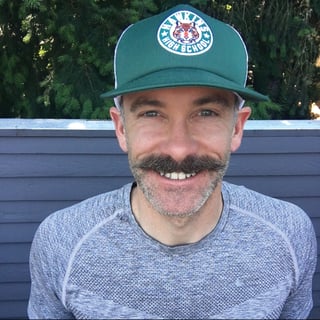
Speaker: AC and Effers, if you're in Portland, Oregon, I'm going to be delivering a talk about Unauthorized Biography at the Arlington Club on Tuesday, July 14th at about noon.
Speaker: I know I'm meeting the organizer at 1145.
Speaker: 5, so probably right around noon or 1. I don't know. Maybe I'll see you there. And on August 1st at the Eugene Public Library, I'll be delivering the same or similar talk at 3 p.m. That's for sure.
Speaker: And also, hey, how sad. Sometimes the best idea you can come up with is the thing you wish you had when you were starting out. That's what Pitch Club is at welcometopitchclub.substack.com. I was such a frustrated freelancer, not knowing how to pitch, not getting any traction.
Speaker: So Pitch Club is that thing that 2010 me would have used, would have loved. Pitches ranging from agent queries, feature stories, and off-the-cuff unhinged essay pitches, source pitches, and more. Forever free. You read a little, you listen a little, and I think you're going to learn a lot. If you want to sell stories and sell them better, welcome to pitchclub.substack.com.
Speaker: I think the thing that gets you the most mileage with people you want to talk to is real is sincere honesty and interest.
Speaker: OAC and efforts. Another live podcast recording. This is HodgePodge Books and Taps. And Eugene, thank you to Sophie and Stuart, always being the great hosts that they are. And then they have a kind of like a couple-month-old baby.
Speaker: And I told them, oh, my God, she's so lucky to have bookstore parents. Imagine having bookstore parents. It be amazing. But we got what we got. I spoke to author and journalist Matthew Wolfe, and it was about the art and craft of telling true stories. You know this. Pretty great. I love bringing my rig to places and gigging the podcast. This was a standing room only event, and they sold out of all the books, and two kegs were kicked. Is it the CNF pod effect? You tell me.
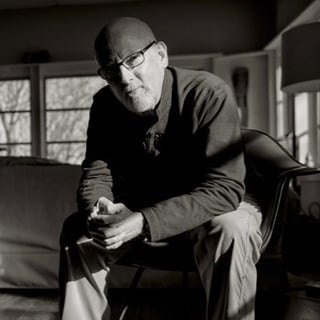
Speaker: Matthew was on the show last year when he had an ad of his story, so I had to talk to him. ah But he reached out to me several weeks ago, wondering if I'd be willing to interview him as part of a book event for his book tour. And I was like, I know a venue, and we'll make it a podcast too. His book is Fires in the Night, The Earth Liberation Front, The FBI, and A Secret History of Ego Sabotage. It is published by Viking.
Speaker: I was a approached after the event by a handful of people who quite enjoyed the conversation, and the fact that it was part of a podcast made it all the cool like all the cooler, I guess. And ah they asked if I was local or not, and I think they thought I was some rando from out of town, and they wondered why they hadn't heard of the podcast. I told them that I've been doing the podcast for a while now, but it's not popular in the WTF way.
Speaker: I think we went over some people. Show notes to this episode and more at brendanamara.com. There you can browse the vast backlog of podcasts as well as read the random blog posts that I put up there every so often.
Speaker: You can also sign up for Pitch Club or the flagship Rage Against the Algorithm newsletter for a curated list of recommendations. I made the latter a werewolf so it publishes when the full moon hits. Nose to the wind, baby. The show's Instagram handle, if you care, is at Creative Nonfiction Podcast and Blue Sky at brendanomera.bluesky.social if you give a damn.
Speaker: I cut out the Q&A portion of this podcast because you couldn't hear the question and I wasn't assertive enough to repeat the question back into the mic. I'll be better about that in the future. But also, that's the ephemeral part of the live experience. Part of why we attend live events is because it's here and then it isn't.
Speaker: So in this live podcast, Matt and I talk about the ledger of invisible debts of book writing, asking questions in a stakeless way, how Matt interviews, shaping messy realities, how research is like cooking, broad stroke outlining, writing through quotes, why he's still drawn to this kind of work, competing with the phone, and the blood, flesh, and messiness. of human experience, parting shot about the endless pursuit and the perils of book limbo. But for now, here's Matthew Wolf live at HodgePodge Books and Taps. Riff.
Speaker: Because the work I make finds its readers because it is designed for them. For me, you know, Envy is a real sibling to Awe. I'm just a mule. This is going to have to interest somebody somewhere other than me.
Speaker: Thank you all so much for being here. It's just it's a thrill to be in Eugene. um i This is the city I'm most excited about speaking and hearing from.
Speaker: So it's a thrill to see the room so packed, too. Thank you for being here. I'll read a little bit of Matt's bio just off the book jacket. So Matthew Wolfe's reporting has appeared in the New York Times Magazine, Harper's Magazine, The Atlantic, National Geographic, and The New Republic. He was previously a National Fellow at New America, He has a PhD in sociology from New York University, where he is currently a fellow at and NYU's Institute for Public Knowledge. So let's give a round of applause for Matthew Wolfe.
Speaker: So this is such a a central part of Fires in the Night. So what does it feel like to be in Eugene? feels slightly scary. i Eugene, so many people in Eugene have been so generous with their time as far as talking about their experiences in Eugene in the 1990s and their experiences with the ELF. And I'm um really eager to hear how people feel about the book. And the stakes are not as high in Seattle. so But it's really nice to be here.
Speaker: Nice. And going all the way to the acknowledgements, acknowledgements is such a rich part to so many great threads to pull on when it comes to book writing. And um there's a moment, I believe it's the first sentence or so, where you say, you know, writing a book is basically like a ledger of invisible debts. Just unpack that a bit, the the team sport nature of what it means to bring a book into the world.
Speaker: I think in particularly a book like this is a narrative nonfiction book where you're trying to recount events that were important in a lot of people's lives. It requires asking a lot of other people. It requires going up to people to and asking them to spend time, sometimes quite a lot of time, revisiting a subject that for them might be emotionally very tricky or difficult or traumatic.
Speaker: talking about this effectively with a stranger or somebody, it requires, it's asking a lot of trust from other people. So it's a debt in terms of, to a lot of different people who, I mean, and I think any any book is, has you have help from colleagues, from editors, from anybody who who helped you learn to be a writer. But in ah this book in particular, I think it was a lot of debts to people who were just enormously kind to me and generous with with helping me write this.
Speaker: Yeah, and with a nonfiction book, there's always a book proposal component to this. And there's always the the why now, the what's new, and why you. And the lot has been written about ELF in various forms, be it magazine writing or books. So when you were crafting your book proposal and trying to answer those three key questions, you know what was the challenge of doing that?
Speaker: Well, I think, I mean, there'd been some wonderful writing about the ELF. The Eugene Weekly, among other places, published ah a wonderful six-part series in 2006 about the ELF. But there'd been a lot of sort of piecemeal writing about it, but nobody had ever told the full story of who was in the group. A lot of people who were in the ELF had never spoken to the journalists before, had never sort of talked about where they came from, why they did what they did.
Speaker: So there was a real gap there for me and it was something I was really curious about. i remember seeing reports about the ELF on the news as a kid about this like mysterious band of vigilantes who were setting fires. And I didn't know who they were, but I really wanted to know at the time.
Speaker: So I got the opportunity a number of years later to revisit the subject in a context that was very different. When the ELF was active, they were, i think, largely dismissed. People didn't take them seriously. The mainstream media, when it acknowledged them, didn't always treat them with with a lot of respect.
Speaker: But I think 20 years later, when in a moment when climate catastrophe and other kinds of ecological cataclysm were very apparent, I think it it seemed like a good moment to go back and and take another look at what they'd done. Very nice. And how did you solve that or answer for that question of like why you are the best person to take on the project?
Speaker: I have no good answer for that other than other than a passionate interest in it. I don't have any organic connection to the ELF and I was very open about that. My background's not in activism. I'm not even from the Pacific Northwest. I'm from i'm from hideous kind Southern um Northern California.
Speaker: So i I didn't have any kind of good argument about that other than the fact that I cared deeply about it. I think honestly when you're reporting, i think the thing that gets you the most mileage with people you want to talk to is real is sincere honesty and interest. And I but i think when i was when I was approaching people and trying to make a pitch about why they should talk to me about that, I think I just...
Speaker: tried to be honest about the fact that I really wanted to know and I was willing to do the work to try and understand and and not go into it with any kind of presuppositions about what had happened or how they felt about it.
Speaker: Yeah, that ah sincere honesty is so paramount and that curiosity to procuring trust and you're you're already tugging on that thread a little bit which is in my notes as well especially of a group of people who are very weary of people and don't want to necessarily broadcast everything that they're up to. So, um i granted, we are decades removed from like the heat of the the story, but how did you earn that trust of the central figures of this book?
Speaker: I think in a story like this, you just have to spend a lot of time with people and just let them just kind of smell you. like it's It's funny. I mean, i I made a lot of trips out to where people live now, and I didn't ask for them to go on the record. I didn't ask for them to talk. you know or say anything you know on that that I was going to write down for a while. I just kind of hung out with them and let them ask me questions and ask them questions in a kind of stakeless way. And some people still said, no, I don't want to go on the record and that's that's fine. That's part of it. But other people, you know, I was talking with you a little bit about this before, but I think enough time had passed that even if the memories were still really fraught and still really loaded, as I think i suspect is true for some people in this room too, I think enough time had passed that people were in a mood to try and maybe piece through what they'd been a part of or try understand what it meant or try and understand, you know, what actually happened. So I think I approached people that at a fortuitous moment and got really lucky in that regard.
Speaker: Right, yeah, because you have enough distance away from it where the memories are fresh enough, but enough time is removed where there's perspective, too. Yeah, exactly. Yeah, i think I think people, there were some some things people you know remembered very well, some things they didn't want to remember as well. and But yeah, it was not it was not the distant past. It was the the semi-distant past. Yeah. Well, and so integral to any work of narrative nonfiction or narrative biography or whatever it might be, be it a long-form article book-length narrative, ah interviewing people is so paramount to generating, getting that information. So how do you approach an interview from the very start to you know just to several down the several down the line?
Speaker: Clumsily. i don't I don't have any technique for it. I think you just talk to people as you are. And and are I think, again, just being sincerely interested and having meals with them and having coffee with them and letting them. I think I did try and be fully transparent about how I felt about things. If they asked me how I felt about the ELF or or what my politics were, any of that, I was really open about to the degree that I i understood it myself. i was i I think it was only fair for me to be as candid as as I wanted them to be. So I think that was part of it. I know some people who are going to interview, sometimes very effectively, just wearing of sort of big mask, and and sometimes that works. And i'm I'm not very good at that, so I really was just trying to approach them at at the simplest human level that I could. What are the tools that you like to have at your disposal, be it a notebook and a recorder and this, that, and the other? like What do you have? If we tipped open your knapsack on the table, what what are were you looking at?
Speaker: I don't know, gum? i like i really I've gotten lazy. i mean i really like I really just like having having a tape having ah my phone going, and then hopefully we can forget that it's there.
Speaker: I used to take notes. I still sometimes take notes. if on I'll take notes on my laptop. I have a um colleague who does ah ah who takes notes on their laptop, and they they have a sort of...
Speaker: a little tricky way of letting subjects know if they're interested or not in what they're saying, where he'll type furiously when they're saying something interested, and then when they're saying something not as interesting, he'll just sort of stop typing and stare at them. And I've i've i've i've not done that, but I, yeah, I i try and i try and be interested in everything. Yeah.
Speaker: Be it the the research or the interviewing or the writing itself, you know where where on that continuum is, where do you feel most alive and most engaged in the process? I love talking with people. I also like that process of trying to shape messy reality into some kind of story or that sort of moment when you're alone with your notes and you're trying to figure out how to organize it and how to bend it into something that that works as ah as a story or a story that will carry carry readers. That's the probably, that's the kind of calmest moment for me. um It's not probably not the most interesting for anybody else. my My poor wife hears a lot about story structure and she's very, but um I think it's, I think the reason you're a reporter sometimes is that you get to go out into the world and you get to talk with people and you get to see things that you wouldn't otherwise see. So that's just an enormous gift for to have as a job.
Speaker: Yeah, how do you handle cold calling? That is one thing that, to even though I'm a journalist and reporter, it just gives me heart palpations and it makes me want to crawl under a rock and wonder why I did this in the first place.
Speaker: Well, in several cases, ah for people in the ELF, some of them are quite off the grid now or very intentionally don't have phone numbers or email addresses or things that are ways of most of them are very much not on social media. So in some cases, I did have to knock on doors. In one case, I had to stake out somebody's house for a day.
Speaker: And i don't I don't love doing that. i don't I think I would prefer to not have to knock on strange doors. Yeah. But you do it because I think if you care about the story and it's also, you know, it's not ambush journalism. I think it's, you know, ah running up on somebody's door and asking them if they they'd like to have a polite off the record conversation. So hopefully it's not not too much of encumbrance. But yeah, you have to, it's just part of the job. Well, we were talking um off mic about Will Haygood, the brilliant journalist who's written so many wonderful books. And in his latest book, you know he really credited shoe leather journalism to getting a lot of the information he was able to procure. ah he was He would go to the the Pentagon to interview interview you know one of the generals. And had he not gone there in person, he wouldn't have seen the atmospheric stuff around him in the office, various portraits, various books, which were very character-revealing. We're so digitally interfaced that oftentimes we're missing so much of that.
Speaker: And so the fact that you're maybe knocking on a door, you're starting to see certain certain things that are very revealing of the people that you're reporting on. Yeah, no, I don't know if Kevin Tubbs would have told me he has eight cats. he's got But he's got eight cats. And you go in and you see that there are there are eight cats there. And that's those that's very important to him. I think you're absolutely right. I mean, people's spaces are are reflective of who they are quite often. Yeah, and I love in nonfiction ah talking about world building and how you build out a world, especially if you didn't inhabit it, especially if you're not immersed in it. And oftentimes we think of world building and associate with fantasy and stuff that's, saying you know, very middle-earthian. But there is very much an element of world building in nonfiction too. So you can piggyback it with Fires in the Night, but just take us to how you develop the world so we really feel immersed in Pacific Northwest. Yeah, 1990s Eugene is, as a lot of you know, just an incredibly special place. And i think putting it together required looking at a ah lot of different sources, archival material of various kinds. Tim Lewis, the documentarian, produced some absolutely wonderful documentary work there is also talking with people shelly cater who's in the audience there's somebody who i would go to and and ask questions about what was this like what did it look like what did it what did it smell like and i i think you you know to the best of your it's it's always an imperfect product but i think it's it just comes like any kind of historian's job of of trying to put together something with as much data as you can well some sometimes it it
Speaker: I often preface some of those conversations with people being like, listen, I realize this sounds like totally inane, and but I wasn't there. If I was there, I'd be filling up my notebook like crazy. like I would get it the smells, the sensory details, but since I wasn't there, like pretend I'm a little bird on my on your shoulder. like Tell me what I'm seeing. Tell me what I'm smelling. Tell me what I'm hearing. And they're like, why why do you want to know this? Just trust me on this because we want to build scene. We want to build those evocative details that let us immerse into these nonfiction accounts that read like fiction. It makes it clear that I have ah i have a child's profession. Like, it's like, just help me imagine things. And it's, yeah, it's exactly that.
Speaker: what What always struck me about even your magazine work, but especially a book of this nature, and you know I'm one of those readers, like I'm ah always going to flip to the back of the book and see the heft of research. And if you are so, once you pick up your copy of Matt's book and you look to the research, and you'll be like, oh my God, this is just what he cited. Can you imagine what else, you know the research you did that you didn't cite that fell to the fell off the bone, so to speak. so Just ah you know take us to the just the heft of the research and how you kept it all straight.
Speaker: um I got, again, very lucky. A number of people. i sort of tried to get everything together ah to the where I got interviews. I was given access to a huge stack of of government documents from that had been offered, given over as discovery in the ELF trials. It was about 30, 40,000 pages and some of it was just literally just credit card statements so I could skip those mostly but it required just spending a lot of time with it and just sort of going through it with a highlighter and picking out. I think i might if I have a bias it's towards something I find interesting and I think it's just picking out what you find interesting and then trying to assemble it in something into something that's greater than the the sum of its parts But i'm I'm very neurotic about getting all all the things together. all the i think of it a little bit like cooking. like You just want all your ingredients there, and then you can kind of figure out what what kind of meal you make. And a lot of times, the collecting ingredients feels sort like dumpster diving. like You're just sort of getting what you can, but it's not not like going to a supermarket and just having your choice of bounty. Yeah.
Speaker: Right. To really torture an analogy. Yeah. yeah but I love the idea of a writer mise en place. Yeah. Right. All these things at your disposal. But when you are ready to sit down to write and you're going to have things that are digitally accessible, then you're going to have physical things, you're interview transcripts. How do you wrangle that in when you know you're going to have a few hours at the computer to hammer out screed?
Speaker: i I make, I usually start with like trying to have a rough structure and then like a big, like I'd probably outline the book in very broad strokes just to the point where it feels like it it works in in the sort of broadest possible way. And then I just sort of put, I just do facts. I just will write like a fact or or and then footnote it and I'll end up with, and these will be roughly sorted maybe in the sort of,
Speaker: direction that I think the book's gonna go and I'll sometimes end up with like in this case, you know, there were several thousand facts that were just sort of like assembled and then in in a rough order and then they gradually kind of become proto paragraphs and proto chapters and there's a there's a long awkward refining process and then the shape will kind of move and bend and and change as i I get a better idea of what I have and what I don't, what I can do with it. But it's it's all just sort of trial and error until it sort of feels good.
Speaker: Would you characterize yourself as an overrider and then winnow down? No, um i think i I think I really try and be like pretty disciplined about structure early on. like I really just care about, again, that weird thing. The ELF is such a sweeping story. i It takes place over a decade. It brings in so much material or so many events, whether it's the WTO protests, the post-911 security state, you know, the sort of long history of 20th century environmentalism and all that stuff's important. So i really wanted to have it in some kind of like sturdy, durable skeleton there that you could just kind of, to begin with. Otherwise it was just going to sprawl and fall apart and just become, i don't know, protoplasm of events. I didn't want that. i I read an interview with, um and well, it was it was a profile on the journalist Pamela Koloff, and her editor, Skip Hollinsworth, ah told her while while he was coaching her on a piece of writing, he he basically told her, like, throw away the quotes, which is was one way of him saying, like, you know makes you write your way through it. you know Have an authority with your material. Don't outsource so much of the commentary or outsource so much of the material to the quoted material. Be a writer. Shape it. And that's what struck me so much about this book as well. It's so heavily reported, but very lightly quoted. So just take us to your thinking of how you were shaping all of the text that you were digesting into your own voice. So it feels very propulsive and very much of your pen.
Speaker: I just didn't want, there's a thing in newspaper writing or magazine writing where you sometimes have a story and then you have just sort of a quote from an expert or somebody dropped in. And I don't i don't love that.
Speaker: I think I'd prefer to, that's not how we tell stories to each other. Like we don't quote other people unless it's really funny. And then I just want it to i just sort of wanted it to move in that way. And so i just I just didn't do that. And I just tried to sort of get as much into, I also wasn't, in terms of quoting people, I wasn't confident. There's a part of the story that involves a lot of people on audio tape, and i was confident quoting that because I had the tapes, but beyond that, I didn't,
Speaker: If somebody said, I said this, I didn't actually know that. So I wasn't i didn't feel totally confident putting it in quotes. I was really trying to i was trying to be as careful as I could about it. So it was in that way, it was just easier to put into my voice. Yeah. And in these days, it' it's hard enough to be you know a writer, it's and a nonfiction writer in particular. it just it's Sometimes it's very lonely. can be not very rewarding. um and yet we're still drawn to it. and So why why are telling true stories and stories of this nature important to you?
Speaker: I don't know. i have so This is my therapist and I have hashed this out and I quit therapy because we couldn't figure it out. um I just, the simplest answer would be I love it. Like i didn't I didn't want to work for a hedge fund. I didn't want to, I just like this much better.
Speaker: um You get to go into people's lives and you get to hear things that you wouldn't otherwise hear and people, and it's just interesting. I think it's the same reason that you read books and that you just get to be in a different kind of world and you get to go have experiences as a little avatar that you wouldn't otherwise have. And I think that being able to do that as a sort of job is such a gift and I i wouldn't do anything else if I had the choice.
Speaker: And every book has a family tree. So what would you identify as some of the you know the ancestors are that were informing and shaping Fires in the Night?
Speaker: um I don't know. i Or maybe just titles that inspired you. you're like you know ah Maybe if I had my my go at it, my swing at the ball,
Speaker: I mean, I'll be honest, there weren't a lot of stories that, I mean, there are there are a million writers who I love and and um i I don't know, like Jant Malcolm or or we there's so many people who I think are amazing. I think in terms of trying to shape this story, there weren't a lot of stories about fiction or nonfiction, about people coming together to do a thing and and doing it over a number of years and and figuring out how do you tell a story that sort of maintains momentum over an extended period of time that incorporates kind of historical events. I mean, it had the arc of like a classical tragedy. People come together, they try and do something for a righteous cause, and then they destroy themselves and and sort of everything around them. um
Speaker: I don't know, maybe my closest analog was kind of heist movies. Like, it was honestly, I mean, it it did sort of take that structure of like people coming together and being becoming very good at a thing and and then facing the consequences of that. And I think in some ways that kind of very conventional screenplay structure is also a very sturdy way of of offering, you know, a discussion of anarchism or ah a discussion of, you know, anti-globalization protests or you know, FBI's counterterrorism mandates after nine eleven If you have something that just moves and that takes the reader through it, you can hang a lot of things on that that you may be interested in but may not be, you know, something that somebody would pick a book pick up a book about or would be enough to of a story in its own right. yeah So I think when you have that kind of momentum or when you have that kind of, good I think it it gives you some freedom.
Speaker: Sure. And the book is incredibly propulsive. And so you it your your your your instinct for pacing is Spot on, and everybody who reads this book, is is I hope so finds that as satisfying as I did. So to that end, you know how are you thinking of pacing to make sure that, yeah, we're turning the page yeah and we're not reaching for our phones?
Speaker: I think you do have to kind of compete with phones now. And I, on one hand, it's, I hear a lot of writers carp about it. And I think it's a, it's, it's scary. Like, I mean, in the sense that you don't, ah you aren't assured that somebody is just going to take six hours and be with you. There's so many, so much competition for your attention, but I also think it does demand that you be better or that you be, be, make it in a, in a, make it satisfying or make it in a way that, that it feels like a,
Speaker: people want to come back to it. So there were a lot of little, i don't know, a lot of little tricks you can do. You just end, ah you you just sort of figure, i think you follow what is interesting for you. and then I think you try and you can do little, you know, in screenwriting, they call it setups and payoffs where you have, you introduce something and then it comes back later in the story or you foreshadow all the sort of like, wonderful array of little dramatic conventions that you can put into it. And I think when you have a story that sort of works, and in a very, sorry, that sounds like absolutely sociopathic, but like a, for people's real lives, but like when you have a story that carries like the ELF I think it lends itself to that. you can have You can have some fun with it while still, again, working in, i you know you can still then spend 2,500 words talking about you know the the radical environmentalist break with mainstream environmentalism. But as long as the story's moving forward, I think the reader will hopefully let you get away with that. Yeah, I love hearing you say that you draw inspiration from screenplays. And of late, I've been reading a lot of short fiction as a means of like, oh, how can I make my nonfiction read like this and have that pulse, get like in media race and just getting right into it. Good dialogue, good scene, snappy voice. you know What other you know artistic media do you draw inspiration from to make your nonfiction really pop?
Speaker: I think when I was a kid, I grew up, I read a lot of The New Yorker, and it was just like really, i mean, you what every narrative nonfiction writer does, but there was something about, again, being able to sort of like wrangle reality into into a formula that even if I didn't follow the sort of New Yorker house formula of, you know, exciting lead, ah you know, introduction of a character, nut graph, deeper historical facts, you know, moving back into a story, like, I mean, you don't have to do that, but There is something about the artifice of taking the blood and flesh and messiness of human existence and trying to make it and and put it into some kind of shape that's that's discernible or that's comprehensible. I think that's a i don't know that's a terrible way of answering that question, but i think I think fiction does that enormously well.
Speaker: Right. Very nice. Yeah. And and what was it about nineteen ninety s Eugene that made that was such a hotbed for the kind of activism that the Earth Liberation Front embodied?
Speaker: I think it was i mean it was a moment where you know countercultural protests just came absolutely crashing into capitalism. It was a situation where Eugene, as we all know, is kind of an old logging town. And it was also a city with deep history of radical activism. And the 90s were a moment when those two things, a lot of people came to Eudrine for trees, effectively, some to walk amongst them and appreciate them, some to cut them down. And the 90s were a sort of funny admixture of desperation and optimism, where people were very frustrated about where things were going, but also had enough
Speaker: such sort of a God kiss decade that they had enough optimism that it could be better. And I think that created movements like the ELF that were both on one hand grounded in a real, a real fear or real desperation about, about the world in which we were living, but also had this kind of almost utopian belief that could be changed, that you could overtake, that you could push back against industry or capital, that this thing that they were starting could perhaps you really move the needle in some way. And I think that the 90s were a really special time, particularly pre-911.
Speaker: I think that's a moment in which I think it's a lot of a reason that we go back there for nostalgia, not just because we think it's like the best or funnest decade, because we recognize there were certain forces that were servicing at that particular moment. And there were people trying to begin to contend with that even as our economy was doing wonderfully. So I think it's part of the reason you have so much so much young young person nostalgia for it or an interest in it.
Speaker: In grunge music. Yeah, and that that that fucking whipped. Yeah, sorry. That was fun too, yeah. but and I love how you render the Whitaker as a character in the book, too. and Early on, I'll just read a quick little passage where you write that. The Earth First Journal, which had relocated to the city in 1993, put up Kevin Tubbs in a cement-footed trailer on the edge of the Whitaker neighborhood just outside the city's downtown.
Speaker: where he suddenly found himself living in the hot center of a radical demimonde. The Whitaker was like nothing Tubbs it's ever seen. His neighbors were a bustling Salma Gundy of hardcore activists, mutinous students, moth-eaten hippies, utopian techno-futurists, guerrilla gardeners, avant-garde glassmuffs, derelict musicians, militant social workers, functional addicts, crust punks, vagabonds, and almost every stripe and shade of political leftists. many crammed into a loose network of grungy communal houses and rundown bungalows.
Speaker: What a paragraph. i my My editor very wisely tried to trim that and I i yelled at her. I'm sorry. Yeah, so yeah so how how do you you yeah render that render that detail? So ah yeah, it kind of comes back to the world building we were talking about earlier. sort of circle back to the beginning of this conversation, I'd love to take questions because i'm I'm sure you have them, but it comes down to really the generosity of people. being willing to talk about their experiences or being willing to share or being willing to do that pretend thing of trying to conjure something for you that they were experienced and trying to share it with you and then trying to do your best, make your best attempt of trying to render that with fidelity and and get that accurate without without caricaturing it or without you know pushing pushing the reader to feel a particular way about it. And i was, again, just enormously lucky that people were willing to do that. So tell us about Snapdragon.
Speaker: Sure, yeah. Chelsea Gerlach was somebody who sort of was not, didn't join the radical environmentalism movement so much as she was born into it. sure Her family was sort of, the Earth First Journal was was bathroom reading, and she grew up in ah her family parents were back to the Landers who moved to Oregon from Philadelphia and just sort of you know build a cottage in the in the middle of the woods and she started she was a very precocious activist she joined the Cove Mallard protests at 16 out in Idaho which were um and sort of you know jumps headfirst into it and was had this I was she was again enormously generous in terms of talking to me but I was interested in her in part because
Speaker: She had this, um I think, ah arc that a lot of activists go through where she started and tried very hard to make change you know the the right way through conventional politics, be it you know be it be it attending protests, be it you know getting petition signed, writing letters, ah rallying, all the things that you're sort of supposed to do in a democracy.
Speaker: And it, to her eyes, was not working. And it's something that a lot of activists experience where they just run into a fucking wall, excuse me. and And they have to then at that point, you have to begin to think about like, what do you do? What is okay at that point? What is what is if you really care about something and you believe in it, I think that there are a lot of activists who just you go forward and say, I'm gonna keep doing what I'm doing and and i I believe in it, and i'm but I'm gonna use the same kind of tactics.
Speaker: And then I think there are others who begin to think you know very very sympathetically maybe it's time for me to do something that's that's different, and maybe that thing can be illegal. And so for Chelsea, like a lot of the ELF, I think the decision to use arson or to use sabotage or to burn things down came out of a real you know deeply felt and deeply earned frustration.
Speaker: And I don't think anybody, my supposition is I don't think anybody went into it saying like, you know what, this is 100% gonna work. it's It's both, burning stuff down is both you know very effective and incredibly cool and it's gonna absolutely you know change the change the calculations of industry. But I think it came out of a real hope that it would do something because what they were doing before just was not working.
Speaker: And so Chelsea, I think, as as much as any character really embodied that and of of somebody who was really searching earnestly for things that would would help save the planet, which she so deeply cared about and was so sort of you know born into of caring about.
Speaker: Of the cast of characters that you render so wonderfully on the page, was there you one in particular that really feel that to you felt that embodied the movement more than anybody? Well, I centered the story around um Kevin Tubbs. And Kevin Tubbs was somebody who would was...
Speaker: a guy who grew up in in Omaha, Nebraska of all places, in a very sort of conservative family in the kind of Reaganite 80s, and not you know a traditional activist background by any means, but he also grew up with a very sort of simple-hearted love of animals. He had a lot of dogs in his house who he was just crazy about,
Speaker: And sometime when he was a teenager, he kind of did the math and was like, wait a minute, like I love these dogs, and I also am eating cows at for dinner like three nights a week.
Speaker: why Why is the cow different? what what How does that work? Why why why can we kill them? I'm like, wait, why can we kill any animal? like how does How does that work? So it came from a very, for him, joining becoming an animal rights activist came from this very sort of simple, deeply felt place. And it and it became then, as he became an animal rights activist, he sort of understood how you know, this animals are are know embedded in every other, you know, in the whole, the rest of the planet and that you can't sort of fight for animals without fighting for the rest of the environment. And he moved to Eugene as a way of trying to figure out how can I be the best activist I can? How can I make the most impact?
Speaker: And so for him, he was there at the beginning of the ELF cell and he was there at the end. But I think his entry into the story for me was so sort of nakedly sympathetic of somebody who, you know, in a very relatable way just,
Speaker: didn't I think theory theory didn't come first, it was really just his heart that came first. And so for for him, he was also very generous after a lot of conversations. He sort of haltingly began to sort of talk about what had happened, and I, which I hugely appreciate, and I don't think I would have written the book if he if he hadn't been willing to do that. But for for me, he was also an entry. This was a book I wanted for people who were not activists, or for people who maybe,
Speaker: didn't really give a shit about radical environmentalism, but they can relate to somebody who just like really loves their dogs. And so for me, that was a way potentially for other readers to get into it.
Speaker: Yeah, and and specifically with the, they were very conscientious of making sure it was burning down structures and not harming any human or animal life. um But one of their arsons in Seattle, though it went awry and didn't effectively harm anyone, there was one particular scientist who like definitely had a certain measure of like panic attacks and almost like a PTSD with it. So you're starting to see that even their tactics are starting to take a a human toll that maybe they they even they couldn't have predicted. Yeah, i think i mean I think with all activism, but particularly maybe with what the ELF was doing, it's very hard to sort of assess the costs or the effects sometimes. And it's very hard for the ELF, I think, too. And sometimes you know they would have very clear victories. Like there was a horse slaughterhouse in eastern Oregon that was just taking horses off the plains and killing them and selling them as meat. And there had been a lot of attempts by environmental groups, by residents to get shut down, and that wasn't working.
Speaker: So they they burned it down, and that absolutely worked. It was not rebuilt. A certain number of horses were saved. It was a very sort of clear, discrete victory. But then there were other things like burning down a ski resort at Vail, which was, you know, the ski resort was eventually rebuilt. It was a ski resort that was, you know, encroaching on nature, and it ended up encroaching on nature, but it also got a lot of publicity. They'd led the nightly news. Everybody sort of asked, like, who's the ELF? And had to kind of think about them for a second. Had to think about what that ski resort was doing.
Speaker: The ultimate effects of that I think are very hard to assess or as you said, the costs. The ELF was very careful about not physically hurting anybody. They took great measures to make sure that there were no, nobody was working a third shift at a factory. Nobody was like, there were no security guards there when they were setting fires.
Speaker: But it's also, I I think all of us can imagine like if your workplace, if you came into work one day and your workplace was burned down, that might leave a mark of a certain sort. And for some people that really did. And I think it it is enormously difficult to try and weigh the costs of fighting for something that you really care about with knowing that people will be damaged by what you do. It's not an argument against it, necessarily, but it's something that I think is, you know, any activist or anybody who cares deeply about something, you have to think about what is happening because of what you're doing.
Speaker: You know, they were very savvy about how evasive they were, you know, the FBI... could not track them down, but 9-11 happens. And so what does 9-11 do to the power of the FBI? Basically, i mean as as a lot of you know, i mean the fbi after nine eleven the FBI had historically been like a law enforcement agency, where worked like any other law enforcement agency. A crime happens, and then the FBI goes and investigates it. After 9-11, the fbi just reorganized itself into one giant counterterrorism organization.
Speaker: And that meant that instead of fighting crimes that had already happened, they were there to prevent crimes from happening in the future, specifically terrorism. And for the the FBI, in some ways, kind of hamstrung itself by... if There's a whole section in the book that talks about the word ecoterrorism and, in some ways, misapplication of ecoterrorism. It was a word that was used that sort of made a lot of crimes that were done in defense of the environment that were you know fairly minor, like graffiti or or you know just sort of simple sabotage that sort of semantically raised them to the level of the bombings. or treated them like terrorism um that when they clearly were not.
Speaker: And after 9-11 happened, the fact that there had been this sort of frame out there that these the FBI had sort of decided that these crimes were terrorism, it sort of put them in a box as far as having to go after the ELF and having to go after radical environmentalists because they decided that they were scary and they decided that they needed to, even if they hadn't killed anybody yet, it was important for them to imagine that that was possible and to try and prevent it. So for a lot of activists in Eugene, that meant a lot of federal, that meant a lot of,
Speaker: strange faces at their parties, a lot of you know men in vans that they saw who were reading newspapers upside down. It got very it got very scary like for very quickly.
Speaker: There were even, i think, some some dialogue amongst the the cell of, do you escalate to assassination? And most people were like, hell no. i like where you Were you just kind of surprised that they didn't that that it hadn't gotten to that point yet?
Speaker: I mean, I think it was people who came. i mean, it was something where this was sort of towards the end of the ELF's life when they were really it was sort of clear that the wheels were coming off and that they were not having the effect that they wanted. I think in the same way that we described Chelsea Gerlach searching for a new way of doing things, i they had adopted arson, and that ended up not working the way that they had. So I think there was a brief discussion of,
Speaker: if this isn't working, do we need to make this more militant? Do we need to make this more violent? And what does that look like? And does that mean does that mean we get guns now? And they ultimately decided that they weren't going to do that, but plenty of political movements have decided that they're going to do that. That it is time to pick up a gun. And it would be it would be very simple and and morally neat to be able to say that that never works or that violence isn't effective at all.
Speaker: And sometimes it's the truth is that sometimes it's enormously effective and sometimes it's leveraged in service of some of causes that I think we all are in support of. The ELF decided to not do that and they instead they instead broke up.
Speaker: And there's not a history, there's not a big history of militant environmentalists in the US, s but um it's certainly possible. There's kind of a ringing grace note, at least for me throughout the book, where to the ELF's credit, what they they would never reminisce and they would never do a post-mortem and talk about past actions. They just let it be and then they figured if anything needed to be fixed or adjusted, they would just do that on that. They would plan better, but they wouldn't look back. And so it must have come with some degree of surprise that when Jacob Ferguson is starting to make
Speaker: entree in contact back with his colleagues and he's starting to try to reminisce. I often wonder if there was like the raised eyebrow, like, why are you talking about this? Yeah, no. So at the, the basically what happened was the ELF broke up in 2001 or at least the Eugene cell did and they sort of went their separate ways and there was a general agreement as had been the case during when they were functioning of, we don't talk about what we do.
Speaker: We don't, we don't, an action happens and for, reasons of operational security, it's best that we just not discuss it. And it it ended up hamstringing the group in that usually when you do a political action, it's helpful to sort of figure out what went right, what went wrong, but that that wasn't really part of what they did. They kept schtung.
Speaker: Eventually, through, you know as I explained in the book, the FBI convinced Jacob Ferguson to a former member of the group to go back and basically they wired him up and he went back and the FBI arranged for him to run into his former colleagues and you know said, hey, do you remember when we used to do fire crimes? And and some people so took that bait and said, yes, I i do, and and talked about it. And it it got it ended up with a number of people getting arrested. But I think there was, when he did that, some people I think were very...
Speaker: Again, I mean, it was a very, in some ways, a very lonely business doing this. And I think the ability to actually talk about it some years later in the same way that they talked about with me was welcome. Other people, I think, really understood that that was inappropriate. Kevin Tubbs talked about, very openly with me, about patting Ferguson's back when he first, when they ran in for he went in for a big hug, gave him a little extra back pat when they were first reunited. Unfortunately, the microphone was in Ferguson's hat, so that didn't work. But There was certainly some suspicion there.
Speaker: And yeah towards the end of the book, you know as you're the the collapse of everything that happened, you're like, the collapse of radical environmentalism with both material and psychological, a loss of money, a loss of tradition, a loss of trust, and a loss of hope.
Speaker: It has been axiomatic among Eugene's activists, well-versed as they were in history, that the death of many, perhaps most, leftist movements came not just from external repression, but from internal conflicts. But knowing this lesson was still not enough to save the movement from its destruction. So how does that embody, let's say, late stage ELF?
Speaker: I mean, I think it was a situation that a lot of people in this room know. I mean, a social movement or political movement is at the end of the day a series of relationships. And when those relationships get damaged or when you can't trust people, it becomes very difficult to run a movement.
Speaker: And I think the FBI is repression. And I think that it was was damaging, but also so was the response to it. and And sympathetically so. When people found out that Jacob Ferguson had gone to you know dinners at people's houses wearing a wire, it made it very difficult to trust each other and it made it very scary to operate. And people sometimes tried to, as a way of trying to reclaim control, said, you know, if you support anybody who's talking to the FBI right now or who's any of the defendants, all the defendants face this horrific challenge of do i do I cooperate with the FBI or do I not? Or do I face you know life in prison? And as a way of gaining control about that, you know a lot of people said it's inappropriate to talk with anybody or be friends with anybody who's
Speaker: made the wrong decision there. and Or it's inappropriate to be friends with people who are friends with people who are making that wrong decision. And it was just an ah absolute cancer that ran through Eugene for a while or that that part of Eugene. And I think that's that can just happen sometimes when there's when a movement suffers those kinds of losses. Yeah. And last question for me and then we'll turn it over to the audience. Just given how we've seen the escalation of climate change and no systemic changes to address it. and In fact, systemic changes to speed it up really and accelerate. Do you get a sense that ah for all that action that they did in the 90s that it was like, damn, was was it was it worth it?
Speaker: I think the ella the members who I spoke with had very different feelings about that. Some I think were profoundly regretful. Others, when i I put it to them, I think you know all of them had to perform a certain amount of regret and and and ask for forgiveness during the sentencing, I think some of them were very open about saying, like, yeah, i do it again. Like, it was not, there was a ah distinct lack of lack of remorse, even if it didn't have the effects that they wanted. I think that a lot of them felt it was 100% worth it to try, if just to offer a lesson for people in the future.
Speaker: Yeah. Well, i want to i think we're out time. Thank you so much for being here. It means so much to have you, and i so appreciate it.
Speaker: Awesome. Thanks to Matt and thanks to Hodgepodge for providing books and libation for a full house. It was crazy. Wall to wall. Awesome stuff. Be sure you're subbed up on the podcast wherever you listen to them and subscribe to Pitch Club at welcome to pitchclub.substack.com if you want to get better at selling stories or the monthly Rage Against the Algorithm newsletter, The Werewolf, for all kinds of goodies curated by this guy.
Speaker: Starting a 20-week build in terms of running, training to train for the Eugene Marathon late April 2027. I have an ambitious goal that I honestly don't think I can pull off.
Speaker: But if I can, it'll be pretty sick. I'd love to qualify for Boston 2028. So, I want to, so I ran my last one at 427. think i'm I'm confident I can shave an hour off of that with like a year's worth of training. So like my shoot for the stars is Boston and landing on the moon is like the 330 or whatever.
Speaker: Be that as as it may, it doesn't matter. um But 2028 is significant in so much as that's the 50th anniversary of the famous blizzard of 78, which holds a certain amount of lore in Massachusetts. It's also the same year my father ran the Boston Marathon as a bandit, meaning he didn't pay. He just hopped the course at Hopkinton and ran it.
Speaker: It's also the year Bill Rogers won it, who is something of a New England folk hero. So there's the professional, the bandit, and the blizzard. And I'm trying to figure out a smart way to potentially braid all that shit together. And if I can get on the course for that, to qualify, I'm sure I could do it like through charity, but I'd rather push myself to like actually try to run it, run it. You know what i mean?
Speaker: Anyway, the running is boring because I've been logging my miles with no music, no podcasts. As a result, I'm falling behind in a lot of podcasts I listen to. Not that I listen to many, but you know what i mean. and So it's just the incessant thrumming of my own thoughts.
Speaker: Yes, it gets boring, but it's also a pretty fertile ground for idea generation. I also like hearing my surroundings, ah cars. Sometimes early in the morning, you hear owls and shit, which is pretty cool. You know, dogs, coyotes, cats.
Speaker: Assholes on e-bikes nearly clipping my shoulders at 30 miles an hour? Yeah, you want to know when they're coming. This book limbo is hard because I like the clarity of the thing. Having something to attack every day that you know you're getting paid for. this is This is the one thing I'm working on and maybe I'm even getting something of a paycheck for it.
Speaker: you know or Or should I be freelancing pieces? I've got a piece in Runner's World coming out sometime soon. Probably sometime this summer. I don't know. I think just online. And that'll pay $500. I'll be doing a storyboard annotation for Neiman. And that'll pay $650. And I'm doing some pre-reporting on the Cassini mission to Saturn. And maybe I can sheepishly pitch The Atavist a rollicking story about that mission. And then see if that story wants to be a book or not.
Speaker: I'm Always Sheep is about pitching the Atavis because we're like, you know, we're not in cahoots, but, you know, we're close and i don't know. you know you feel like there would be a real conflict of interest or something. So if I'm ever going to pitch them, and I haven't since we started our little partnership, I pitched a story way back in the day before I knew, say, we're neither here nor there, but yeah which means the the pitch has to be 100% better than the pitches they get because if they're going to say yes, I don't want it to make it seem like there's... Oh, they they threw Brendan a bone. No, it's got to be better than the best.
Speaker: ah So there, yeah. So there's that. I'm doing a little bit of research on the fiftieth on another 50th anniversary thing that might possibly be book-worthy for 2030.
Speaker: It's all so much. It's so much shit. Then there's the podcast machine, and maybe I should just triple down on growing the reach of the show so my platform is more robust. Oh, and by the way, the frontrunner is coming out in paperback in November and is ready for preorder, by the way.
Speaker: And I need to really embed myself in the social media world of runners and see if I can't create more buzz by leaning on those circles. Perhaps Instagram Lives or more targeted podcasts. Not writing podcasts, a though those are fine, but like actual running ones.
Speaker: I didn't attack running social media as aggressively as I should have for the hardcover. That was a tactical error. So I need to get the running circles talking about it. Can I get 2,000 pre-orders and zip up the bestseller list?
Speaker: I don't know. It's a lot, right? yeah I'm not laying tar on roofs or anything. it's ah but it is a lot. to process and keep straight.
Speaker: And for an ADHD addled brain like mine, it's kind of torture. I'm lucky I'm more or less, or I have more or less engineered a life where I can tackle all these things and have enough book advance money left over to keep me afloat for a while. So it's not a money thing, but it will be in due time.
Speaker: I'm not a good enough teacher to apply for those jobs. I'm just a charming irreverent outside the academy jabroni. I'm like a non-funny stand-up comic podcasting to the masses in a moment of crisis of his own making. And why do we do this?
Speaker: Because, fuck. In the end, what the hell is better than being a motherfucking writer? Stay wild, CNFers. And if you can't do interviews, see ya.