Transcript
Speaker: ACNFers, sometimes the best idea you can come up with is the thing you wish you had when you were starting out. That's what Pitch Club is at welcome to pitchclub.substack.com. I was such a frustrated freelancer, I guess I still am. Not knowing how to pitch, I mean, here and there.
Speaker: ah Not getting any traction. So Pitch Club is that thing that 2010 me could have used. Pitches ranging from agent queries, feature stories, source pitches...
Speaker: and more. Forever free. You read a little, you listen a little, and you're gonna learn a lot. Welcome to pitchclub.substack.com. Table of contents for this episode. We got the introduction.
Speaker: We're gonna hear from Jonah Ogles. Then we're gonna have an Alex Ronan introduction, then Alex Ronan, and a parting shot on the Chuckanut Writers Conference recap. That's crazy to me. No, no, no, no. I record everything.
Speaker: Oh, how did you like the table of contents? Now you know what's coming. Now you know what's coming.
Speaker: ACNFers, coming at you from a new computer because I spilled water on my old one at a conference and fried the fucking thing. Chaos ensued, much drama, two grand later, and here we are. It's creative nonfiction podcast, a show where I speak to tellers of true tales about the true tales they tell. I'm your host, Brendan O'Meara, the voice of a generation. It's that Atavistian time of the month, so we'll be dealing in some serious spoilers for episode 535. Do what you will with that information. Okay, so July 1st was my 46th birthday. Yay!
Speaker: And if you want to give me a present, then don't you all, I'll take ratings and our reviews of the podcast and ratings and reviews of The Front Runner, which apparently comes out in paperback November 3rd, I believe. Yes, yes, I am fact-checking.
Speaker: It's available for pre-order already, so if you want a lightweight version, who knows. I'm going to go hard at the running podcast and running social media market, big and small, harder than I did for the hardcover.
Speaker: I got about four months. I can do this. I can do this. Today we have Alex Ronan, who wrote The Extremist in the Family for the Atavist. The Kers were devoted to one another and to their faith, but when one of their own rejected modern medicine in the name of God, they faced a dire question. What if her children ever needed a doctor to save their lives?
Speaker: There's a note at the top of the story as well as a warning, and I'll read that warning as well. This story contains descriptions of child abuse and death. It draws from testimony given by many of the named subjects and extensive court records.
Speaker: Okay? sets the tables. No. It reminded me of the Metallica song, The God That Failed, on the Black Album. You should check it out. It's what happens when people who believe in divine healing reject medical treatment on religious grounds and die. This story has newborn deaths in it, wholly preventable, with a little vaccine that addresses rh incompatibility.
Speaker: Essentially, when an RH negative mother conceives a child with an RH positive father... and the fe the And the fetus then becomes RH positive.
Speaker: The mother creates antibodies that attack the fetus's blood cells, which will lead to a potentially fatal case of jaundice if untreated within a day or so after birth. Abigail, the first baby, was RH positive. Prayers did not, nor could they ever have saved her.
Speaker: She wasn't the only one. Show notes of this episode more at brendanamero.com. There you can browse the vast backlog of the podcast as well as read the random blog post and sign up for Pitch Club or the Rage Against the Algorithm, the flagship for your monthly dose of recommendations. I made it a werewolf so it publishes when the full moon hits Pacific Standard Time.
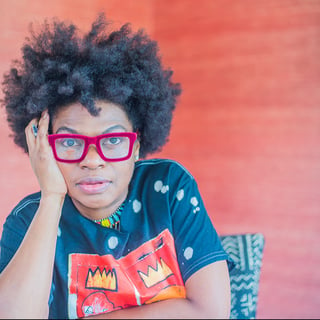
Speaker: Nose to the wind, baby. Show's Instagram handle is at creative nonfictionpodcast and bluesky is at brendanamero.bski.social if you care. where I hang out if I hang out at all. Okay, so we're going to hear from lead editor Jonah Ogles first and get a sense of what his side of the table was and his personal connection to this story.
Speaker: Alex will get a more formal introduction when it's her time to take the stage, the main stage, but for now, here's Jonah Ogles.
Speaker: And of course, you know, I deadlines help. and And then sort of sit back from the suck-a-tude. If you want tenacity, get the fuck off social media. Don't be a dick. This is going to have to interest somebody somewhere other than me.
Speaker: don't even I've been so heads down in this story. And for for some reason, this one, maybe the subject is why it stuck with me so much. i mean, part of it is like i i was raised in a Pentecostal church for about six years or my family attended one, um, growing up. So it felt, I just felt like I knew these people and, you know, could see, and honestly like could see like parallel universes where I could have been shaped to believe some of the things they did, you know? it was,
Speaker: It just stuck. Yeah, it stuck with me more. So this whole last week, my wife was like, it's like you're not even here. And I was like, I'm not. Like, I'm in the story all the time in my head, like thinking about things.
Speaker: when When you find yourself so deeply immersed in a story from the editor point of view, how do you come at it with fresh eyes?
Speaker: Yeah, breaks are really important. you know like I tried to really treat weekends as like, okay, just don't even look at it. Give myself like 48 to 72 hours before reading a story again.
Speaker: You can tell yourself to turn weekends. the granular level thinking, you know, and with varying degrees of success. But I think you can pull up a story and say, okay, I am reading this as like a first time reader to make sure the story is going to work from beginning to end um rather than like wrestling with someone. You get so involved in like fact check and copy edit it that you'd start worrying about like, is that the right word there? And and you've got to be able to like,
Speaker: distance yourself from that, especially like once towards the end, I try to just give it one read where it's just like I've never touched the story before.
Speaker: on On average, how often do you make a beginning to end read of a story? Yeah, um I try to do it at least once but for once in each round, if that makes sense. So like you know the writer and I have been doing our thing, and then before I send it to Sayward, I will give it i try to set it aside for at least a few hours and then give it top-to-bottom
Speaker: And then I do it again, sort of post-fact-check, copy-edit. Then again, when everybody's like, we call it the all-changes round. um And then again, in layout, I usually do it a few times because I'm so paranoid about...
Speaker: having like mistyped ah a word, you know, as I'm entering final changes. um So almost like any time I go in and make a round of changes in layout, I try to give it a top to bottom read, but although those are pretty quick.
Speaker: But yeah so I would guess like that it probably ends up being after like the editing process, probably like four to eight times that I just go top to bottom.
Speaker: When you're getting a piece and you're working it through and trying to make it its best possible version, ah how often do you run into the circumstance where it might be the writer is dealing with a reporting problem versus maybe a pure writing problem?
Speaker: Oh.
Speaker: Yeah, I mean, I think... and the The number of times it's a writer problem, that sort of decreases as the process goes on, you know, um where you're really like crafting sentences or like crafting sections.
Speaker: So there's it's most of that. I mean, there's certainly there's like fact check type questions or, um you know, more granular questions in the early going. But there's yeah then as the process goes on, you know, we really, it's pretty rare that we're talking about like a sentence's tone.
Speaker: um or whether or not the the sentence is doing what we want it to do, the sort of those stylistic conversations, it ends up being, you know, like, there are always like a handful of problem sentences, and problem sentences is a bad way to phrase it, but, you know, sentences that you're like, this is crucial to get right, and so let's really pay attention to it. But most of the stuff is you know, small tweaks because of a reporting issue or you're saying like, hey, we got to get to the bottom of this, you know, like there's still some confusion here. Can you go back and work on that? And as the closer you get to that end stage or publication, the more of those there are. And excellent. And so when this story was pitched your way, you know, what was it that struck you about Alex's pitch in the story that she delivered?
Speaker: Yeah, depth of reporting was was the key on this one. Like we read it and it was immediately clear she had spent a ton of time with people already, that she had a really good grasp on the sources who were who were going to talk to her. She still had some outstanding opinions.
Speaker: She was trying to talk to more people, very few of whom ever did speak to us after we assigned the story, but she had she had the goods right from the start. And so the conversation wasn't like, hey, can we get this thing or can you know do we have have access to this person? it was more like, okay, here's kind of how we see this story as an atavis story with an emphasis on the family.
Speaker: Because that that to us made this feel like not just another crime story. you the The crime at the heart of it, the just sort of like the facts at the heart of it, are sort of exemplary, you know all on their own.
Speaker: But I'm not sure we would have been as quick to assign it. without the family already participating and giving us this glimpse into, okay, what do you do when you have a sibling or a child who, ah you know, starts believing these really extreme things and you feel like it's about to be a train wreck, but you're not quite sure, how do you how do you handle that? Like, that's something...
Speaker: I think we can probably all relate to a little bit, you know, and so it adds that like human level that just like a description of a really horrific situation wouldn't bring on its own.
Speaker: And in working with Alex ah in ah and that that depth of reporting, then at that point, what does the relationship look like between you two as you're looking to structure the best possible story?
Speaker: This was one Alex and I talked on the phone maybe a little more often than I do with most writers, to the story's credit, I think. um But, you know, we had some early conversations just sort of about general...
Speaker: general emphasis, I guess, you know, wanting to make sure that like when we slipped into context um that we weren't doing it for too long and that we were returning to the family, you know, every day 1500 words or so.
Speaker: We had some broad conversations like that. um But it, it wasn't until the draft came in that we really started talking about, like we, we changed the intro.
Speaker: The ending was, was solid. And there does reach a point with this story where like, you just kind of have to move forward, you know, like once, Once the baby is born, basically, you know, you kind of have to progress chronologically.
Speaker: So there there wasn't much in the way of like structural talk. it It was more like making sure the family story stayed front and center and we never got too far from them.
Speaker: Yeah, it's um yeah, it's really, really moving in the and it it reaches a different and like another level of escalation once Abigail is born. And then it it seems to take it just it gains that extra and an extra level of pace, an extra level of yeah elevation at that point. I keep coming back to that word. And it was was that the sense of like when you hit that point, like, yeah, the it did reach a new ah just a new level and a new speed in a way.
Speaker: Yeah. I mean, you know, the I think the whole family was caught up in this vortex of events and legal repercussions and family court issues. You know, they were all just being pulled into it, trying to find a way through, to control the things that they could.
Speaker: and i you know, and ah then in terms of storytelling – you know, you can't necessarily manufacture that, you know, um so you, um, then you sort of just start telling, saying what happened. You know, you like stay a little closer to the facts.
Speaker: um You choose the places where you're going to pull back and sort of give readers a sense of how everybody's feeling because you've just been describing what everyone's doing for so long. um So you you find those little moments to where that feels appropriate, but otherwise you kind of just let the story tell itself at that point.
Speaker: Right. yeah I think there can it at times be ah a tendency to, as the story elevates, to then elevate the language too. But it's almost like as the story gets more intense, like the language needs to almost come down. Right? Yes, absolutely. I mean, I would say that's that's a great summation of like our approach to storytelling. is like when the story When there's a lot happening in the story and there's a lot of action, pare it down to the facts.
Speaker: and when when there's not a ton of external action in particular, you know like in the early going of this story, you know it's like, well, they're starting to believe some things that sound a little out there.
Speaker: But, you know, like that's the only symptoms of that are like, well, they're not really treating their kids eczema, you know, or they're like denying that a miscarriage ever occurred.
Speaker: So in those moments, you the writer has to do more work. You know, it's really more on the writer to like draw from their reporting and find find a way to present what was happening internally for this family in order to make it feel compelling and and intimate on the page.
Speaker: Yeah. And I feel like we talk about this frequently, but I think it always bears repeating. And the fact that you cited Alex's depth of reporting as part of the pitch and why it was such ah an intriguing buy-in from the activist is just from from your side of the table, underscoring for people out there looking to pitch ambitious stories like this. is the degree of of work that has to really be front loaded for this to prove worthy of publication, be it for the atavists or another magazine doing ambitious stories. It's like you can't say exactly how much work you need to do and it's going to be a lot of free labor. But you what does your gut tell you for writers out there how much work they need to do?
Speaker: Yeah, i I think like 50% of the reporting is a pretty good target. You know, i think you can, there are situations where you can get away with a little less and more is certainly always helpful. But, you know, if you if you have talked to you know, the one or two key sources and um you've at least like made contact with most of the others or about half the others and you have sort of half the other documents.
Speaker: um I think you're in a good spot. We're, it we're always looking at like, okay, what, What reporting have they done? What reporting do they know can be done? But, you know, cause that's a, that's a key part as well. There are a lot of people who are like, well, you know, I've talked to this person and I, I think I can get this other stuff, you know, i suspect there's this type of material out there.
Speaker: And we're always like, no, no, no It like suspect is not good enough. you know, like we want to know, yes, this exists in these archives. It is available that, you know, you,
Speaker: If you've got a lot of that type of pre-reporting done where um maybe you haven't paid, like, for example, with Alex's story, she had not ah paid for the court transcripts because they were like 2,000 pages, you know, and it's a huge cost for...
Speaker: a reporter that's not just their time, you know? So she knew where it was. She knew how many pages there were, but she hadn't bought it. But at that point we're like, well, yeah, you know, fine. Like we can, we can help with that.
Speaker: So if, if you know where things are, that's incredibly helpful. Sure. and And with respect to Alex's story and just your collaboration on it, what for you was the, maybe um one of the more satisfying parts of this experience? Yeah.
Speaker: I mean, the whole process is really satisfying, honestly. Like, start to finish, we we had a really good working relationship. But, you know, for me, and i know I mentioned sort of the personal stuff.
Speaker: You know, like, i left with my i i left Pentecostalism with my own scars. My family left with our own scars. Yeah. And i know that's that now I'm making it about me, but like there. ah That's that that's important because you have that connection. Yeah. Yeah. I i was sort of exercising some stuff, yeah I think, as I worked on this just to be like, OK, let's let's draw a line about like what what's a reasonable thing to believe um and what kind of beliefs cause harm maybe to to ourselves or those around us.
Speaker: And just being able to wrestle with that and put it on the page was really satisfying. um But I think beyond that, from like a storytelling perspective, I think it was ambitious of Alex to believe that the she could present this family story in a in a really like intimate way. Because it's not easy to do, ah to get into the internal lives of like, what is it, six different people?
Speaker: in this story and and accurately like portray what they were feeling. But she did it. And it was really rewarding to see the story. you know The first few drafts came in long. I think they were both over 20,000 words.
Speaker: And to see it come down as Alex worked on it and I worked on it and Saywer did, the story that we really believed could be great started to appear on the page in the way we had envisioned it. And that there are a lot, you know, i think we publish a ton of great stories.
Speaker: And sometimes though you finish a piece and you're like, there was one thing we could never quite figure out or, you know, just want something missing. And this was a story where like, I just felt like we got it all on the page the way I wanted it it was which was incredibly cool and rewarding.
Speaker: Oh, that's amazing. Well, well Jonah, as as usual, it's it's just so nice to get your side of the table and to hear yeah even your your connection to the material, and ah which I think comes through in the way you handled it and certainly in the way Alex wrote it and reported it. So it's an amazing story, and I'm glad we get to hear from Alex now. So thanks so much for the time.
Speaker: Yeah, thanks for having me.
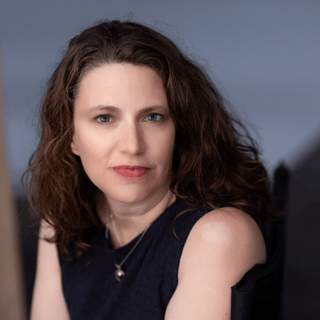
Speaker: Nice. All right. We're going to hear from Alex Ronan now, who is a journalist whose work has appeared in Elle, New York, The New York Times, N Plus One, The Nation, Vogue, and now The Atavist. She was a 2023 recipient of a New York Foundation of the Arts fellowship.
Speaker: She has had work optioned for film and television by Amazon Studios and Hulu, which is kind of cray. You can find her on Instagram at Alex Ronan and on Substack at really Alex Ronan.
Speaker: This was a really rich conversation and she really came to play ball, which I always appreciate. I can tell there' is a there's just like a lot going on there craft-wise and stuff like that. So I think she'll be back on for an in-between projects pod at some point or another. It was fun.
Speaker: In this pod, we talk about using short fiction as a model for nonfiction writing, how she builds character in nonfiction, active listening, divine healing, which is at the heart of the story, the family, the story, and the stakes, putting the reader in different people's shoes, walking before writing as ritual, seeking the anecdote, a tip she learned from Patrick Ryden Keefe when she interviewed him in 2020 or so, before a pandemic, before the pandemic times.
Speaker: the power of practice, and what she struggles with. And the parting shot will be right after this part of the podcast, so let's wait no more. Here's Alex Ronan.
Speaker: What's on your reading stand? What are the things that are exciting you? That's a good question. um What am I excited to read right now?
Speaker: I have like 50 back issues of the London Review of Books that I have not been reading because I have been so in this draft and like working nights, working weekends, working like crazy. um so for the Fourth of July weekend, I'm going to take a giant stack of those and I'm going to sit by the beach and I am going to hang out and read. It's ah it's crazy like how many like New Yorkers will start piling up. And I've got a couple Paris reviews and the New Yorkers. And it's like it ends up becoming more stressful than anything. It's like, I didn't even get through the cartoons last week. And now yeah here comes another. It's like, God damn it.
Speaker: ah Yeah, yeah. I actually, I did just read the Ben Lerner um short story in The New Yorker, and I loved that. I thought that was phenomenal. I don't know if you've gotten to that one yet. it just I have not, but I i try to- highly recommend Cool. I try to prioritize the short stories um of late because I feel like I can learn more about story craft for my long form nonfiction from reading that kind of fiction. I don't know if you find that to be true either. as well Yeah, I think I find that really I find it really helpful to read fiction, to be reading fiction when I'm working. um
Speaker: Just to see like how people are building a story, how people are thinking about characters, how such a tiny economical detail can give you a whole insight into who someone is and what matters to them how.
Speaker: just bring a story to life. um I feel like there's a detail in this story that is so short. um And I learned about it through an interview with Becky Kerr, who is Rachel Pylan's mom. We were talking pretty early on um about what had happened over various years and various points. And she was giving me a brief rundown of what had happened with Rachel and her husband Josh's children. And she talked about the first visit that the Pylons, Rachel and Josh Pylons, had with their kids after cps got involved and the children were removed. And she told this story of after the visit leaving and being in the car loading up the boys and looking in the rear view mirror and seeing Rachel and Josh leaving the facility. And Josh was striding ahead and Rachel was following behind. And we moved on. We talked about other things. The interview continued.
Speaker: But when we hung up, I was sitting at my desk and I just remember thinking about that image of the two of them leaving a government facility. They'd just visited their kids and he is striding ahead and she is following him. And that echoes and um reflect some other themes or dynamics that come up in their relationship and in the story and that image that one sentence that's in the piece or two maybe two sentences um felt like such a clear image um in some ways of this couple and that happens very quickly you're in that moment and you're out of it but it felt really resonant and um
Speaker: visually rich in a way that didn't take up a ton of space, which is going to be nice. Yeah. And, and piggybacking on the idea of short fiction and everything. And of course, character development there can be, you know, based on reality, but also wholly imagined. um So when you're looking to flesh out character in your nonfiction, you know how best do you do that?
Speaker: Yeah. So it's a lot of, um, A lot, a lot, a lot of talking, a lot of interviews. I feel like something that made this story what it is, is the amount of time and openness that I got from the Kerr family members, various family members in that larger family. And so Being able to talk to people over and over again, being able to return to moments again and ask more questions. I always want to know how people are feeling in a given moment. I'm also always looking for moments where things come into conflict or come into contact or um people's beliefs and feelings and different differing opinions. um
Speaker: are challenged and come alive. There's a moment where Glenn Kerr, who is the grandfather and father in this story, makes a sort of offhand comment, you know, I wish Rachel knew it was okay to get a divorce. And his son, who is Rachel's brother, you know,
Speaker: snaps back at him. you know He says something and you can see that he is upset and that moment feels really alive with feeling. And you see a parent and a child and you see some of the bigger issues and themes in the story coming to life there.
Speaker: and you see, yeah, just pain um and emotion and feeling and the depth of this family's struggle to make sense of what happened and how it happened. After interviews or when I'm writing a section or a scene, I'm also trying to think towards or get a better sense of like people's psychologies or their motivations or what is really important to them, what matters to them. Sometimes in interviews, I'm reflecting that back or even like talking about like, I feel like if I were in your position, I might feel
Speaker: really alone in this moment. Or um I wondered if that's how it felt for you to be the one doing this or the one making this call or the one watching this unfold. And people were incredibly open who I interviewed for this story. And I think you see that reflected on the page. They were very willing to share and be open about things that are really intimate and really vulnerable. um You know, it's on my end, it's certainly not always easy to ask someone like, so in your marriage, um do you submit to your husband? What does that look like? What is that, you know, is that the dynamic for you two or not? um Or, you know, do you consider yourself the head of the household in your family? Do you expect this or that? You know, asking about people's marriages and how they've changed or not changed or what they look like.
Speaker: It's really intimate and I've gotten better at asking those questions over time, but there needs to be someone on the other side who is willing to answer the questions. And um that allows you to get into who someone is and what they think about and what they care about. I think another thing is just seeing people's own writing. In this story, I'm relying on text messages. I'm relying on emails. Certainly there are many of those that are not actually in the story, but that I've looked at. And seeing how someone feels at a time when something is happening or how someone's responding to someone about something unfolding
Speaker: feels really valuable. You're crystallizing something in time and you're able to return to it without hindsight or later reflections or awareness of what happens further down the line. And so that felt like another valuable way to get into someone's character is not just talking to them, but seeing seeing how they talk to someone else, how they might email a sibling or text someone and all those little things.
Speaker: things can be really helpful. And this story, it's also a story about a family. So I got to talk to parents about their own children who are subjects and they're, you know, adults in the story.
Speaker: And I loved that. I love being able to ask someone like, what was Joel like as a kid? What was Aaron like as a kid? What was Rachel like as a kid? And you see little details of their childhoods have made it through many rounds of revisions, many drafts, many cuts, many decisions. um There's a moment for Joel early on where he is, um his his older brother is sick and he says, I wish I could be sick so Aaron doesn't have to be. And you can see that like real depth of feeling and sensitivity to him that you see throughout the rest of the story. There's a moment with Aaron where
Speaker: where he is you know, maybe nine or 10. And he's an elementary school age kid who rushes home to push his little baby sister in the swing. You know, you can see the love and fondness and their connection in that tiny moment from childhood. So in terms of characters, like I love hearing what people were like as kids. This is a story where that felt really relevant. Yeah, and I i love hearing you think through the the interviewing and it's always a thread I love pulling on. Sometimes inherent in interviewing, especially with sensitive subject matter or people ah that you don't know how they're gonna receive you, be it cold calling or if they're expecting you to call and you're you don't know how the dynamic's gonna be. and To what extent do you suffer any of those sort of pre-interview jitters or ah anxiety going into a conversation, going into an interview?
Speaker: I think starting out, once I've like talked to someone, I don't really feel that, though it definitely comes up around certain moments where I'm like, I know I'm going to have to ask about this thing and it's hard to ask about. and I can feel myself, you know,
Speaker: ah hoping that I don't have to or waiting towards the end. When it comes to reaching out to people initially, something I have found works best is like giving people time and space to sit with a request for a moment. So my preference is always to write somebody an email or send a letter instead of cold calling.
Speaker: Sometimes you have to cold call and sometimes that's the only way to reach someone. um But I think it's really helpful to lay out, hey, here's who I am. you know You give someone time. They can look you up. They can read your other stories. They can you know check in on who you are and what you've done in the past. I often start with a little bit about why I was interested in the story. Sometimes I will mention what I feel like other stories have done um or not done, the the existing coverage. Often I'm writing about cases or stories that have been covered elsewhere. So maybe family members or friends have had exposure to that. And I might mention, like, here's what I've seen.
Speaker: Here's what I'm interested in or here's what I would hope to do And it would mean a lot to talk to you. I'm always trying to get my foot in the door. So I will say to people, even if you don't want to talk to me, it would be helpful to hear that from you directly. And that's like practical, right? Like if someone gets a letter i have sent and responds and says like, hey, I don't want to be interviewed, but thanks for, you know, thinking of me. That's helpful because I know they've received the letter. So I can, you know, check it off the box of I'm not going to talk to this person, but they got my request. Whereas if you send a letter or an email and you don't know if they've received it, um you know, you might try other ways to get in touch with someone.
Speaker: I understand on the receiving end that can sometimes be hard, like this person's emailing me and they send a letter like what is going on. So I find for people. It can also be helpful for them to just be like, hey, thanks. I don't want to talk to you. And, you know, I certainly respect that when I hear it. But in terms of getting a foot in the door or getting someone on the phone, i do think it's helpful as people are considering to hear your voice, to talk to you, to be able to ask questions. So I always offer like...
Speaker: If you wanted to talk off the record, I could answer questions you could have you have. I could explain what the process looks like. I could um you know just chat about what I'm doing and what I'm trying to do. And that can be really helpful because it's really different to get a letter or an email from someone versus talking to someone on the phone.
Speaker: And to what extent do you work off a list of questions versus working off of their responses based on your listening? It's a mix. I feel like it's probably 50-50. As we get closer to the end of the process, I do have a more formalized list of like, I need to know about this this this, this, this, and this. But I like a looser structure, especially early on. I like to see where someone starts a story. You know, sometimes I'll be like, where does this story begin for you?
Speaker: And that's really interesting because I might think a story starts at one point and someone else will mention something totally different. And maybe it's way earlier. Maybe it's different. Maybe it's, um you know, kind of a different angle onto the same story. And when you're talking to someone, you can see, you can feel, you can sense, you can hear in their voice.
Speaker: when something really matters to them. And so I'm always trying to follow that thread when it comes up, how people respond to questions, or if people get really animated talking about something that's interesting to me, and I might slow down and spend more time around something that wasn't on my list of questions, but comes up when someone's talking. So it's definitely a mix. There are you know, thematically or ah list of questions I want to get to or areas I want to cover. But I also like for there to be openness and flexibility and also for it to not feel like a exam where I'm like giving out a list of questions and someone has to answer all of them.
Speaker: Are you an advocate of a good old voice recorder? I so I often record on my phone. um That's maybe not the best in terms of sound quality. And I feel like I i pay for that sometimes. But ah yeah, I record all my interviews, usually just using my phone and an app or my computer.
Speaker: Yeah. Yeah. I I'm a I'm a fan of that, too, for myriad reasons. But there are schools of reporters who still sometimes eschew using um using a recorder because sometimes that maybe that's that's crazy to me. No, no, no, no. I record everything. um You know, it's funny because I I often write about criminal cases or there has been some sort of trial. And so I do sometimes encounter police notes. And it is shocking to me that when you are investigating a serious criminal case, you're allowed to just take notes on what someone has said to you about something really, really important.
Speaker: To me, it feels absolutely essential to do my work, to have recordings of what people have said. i couldn't imagine just kind of taking notes or chatting with someone and then writing down what I think they're they said later. That's not how I work. But it is surprising to see that there are other areas where, yeah, people are just like taking notes on what someone's saying about what they witnessed when it comes to really serious stuff.
Speaker: some Some of those older guard reporters that and only use the notebook, there i guess their argument for it is ah it makes them um a lazy listener if they have a tape recorder. I find it to be ah opposite, but I don't know for you, like how do you stay engaged in ah in an interview, in a conversation when you know the tape recorder is, in theory, gathering everything?
Speaker: Yeah, I mean, i think it feels helpful when an interview feels alive and not like, okay, well, I know my recorder's working and I have my list of questions. Like, it should feel like a conversation and that requires active listening and not the sort of like lazy listening of like everything's going in the recording.
Speaker: I also feel like there's a real... beauty and richness to how people describe their own lives. And I want that. I want the precision of what someone has said or how they've described something or what it means to them in their own words. And i think you lose that a bit when you are taking notes because you can't get it right and you can't go back and check. And i also find myself when I'm deciding like, okay, this is a quote I want to pull into the story, going back and listening to it a couple of times, not just to make sure the words are correct, um that I'm quoting someone right, but also to hear like the texture of their voice and how they sound and yeah, how it feels when they're saying something.
Speaker: Yeah, for sure, because the way people inflect in their vocal tonality is part of that character that we were talking about building. Like, what do they accent when they talk, when they speak? You know, you can tell when they're italicizing a word just by how they're speaking. And conveying that on the page is very important and gives that, gives your story texture.
Speaker: Yeah, there was like a moment of... um Discovery in the reporting process for this um in terms of character, which, you know, comes up in someone's voice, but also in in the details of the story itself, where I was talking to Aaron and it was pretty early on and we were talking about Rachel and Josh Pilon's religious community and. um what it looked like. And he mentioned, you know, the divine healing conference, which was something I was aware of, but hadn't seen too much into. And he was like, oh, and like, you know, I i do have the videos.
Speaker: um I downloaded them. i They're on my computer. And I asked if he would share them with me. And I was like, you have a real journalist instinct. um But those videos, as you see in the story, have been removed from YouTube. They were you know shared and publicized before Abigail's death. And then in the aftermath, they were eventually removed. And I think you see something into Aaron's character and his protective nature around his niece, Abigail, and and her death and trying to also...
Speaker: understand what had happened. um You know, him on YouTube looking at these videos, watching them, making the decision to download them.
Speaker: If he had not downloaded them and saved them, I would not have them. And those videos were really important in unlocking what was being talked about and shared, what people's testimonies about divine healing looked like, how people understood divine healing in their own lives. And that came out via those videos.
Speaker: yeah And with this story, how did you come about the the structure and how are you thinking about the structure of the piece? Yeah, that's a great question. um Jonah, my editor, Jonah Ogles and I talked a lot about where do we start here? um And there were different starting points and different drafts and I think it was actually his idea, like, what if we started at this family reunion?
Speaker: You know, there's the question of, like, you could go chronologically from the very start. I think my fear there was, like, what's the buy-in um of telling the story from very early on all the way through the Kerr's whole family history up until present chronologically? um We need people to really care about this family, the story and the stakes. And so we settled on like, okay, let's start with this family reunion. In some ways, it's this like beautiful moment of like connection and people coming together and cousins and summer and swimming and place.
Speaker: a family holiday and three generations. And then in other ways, there's this buzzing undercurrent of like, what is going on with Rachel and Josh? What is going on with this pregnancy?
Speaker: What is going on with their divine healing beliefs that have evolved slowly over time? In the story itself, I really wanted to trace the evolution of their beliefs and what that looked like over time.
Speaker: It felt really important to me to show, like, what is it like when this is your family member, when this is your sister, when this is your daughter, um your son-in-law, whose beliefs are changing and evolving in a way that you find concerning?
Speaker: What do you do? What can you do? How do you deal with it? Oftentimes, it feels like A story like what happened to Abigail, her death and her parents murder case around that pops up in the news and it becomes like a flashpoint for people's rage and despair and fury and devastation and I wanted to slow down and spend a lot more time in the years before Abigail's death. And so, as you see in the story, she doesn't die until um maybe like a third of the way in, maybe closer to half.
Speaker: And then there is a lot that comes after that, a whole other series of losses and tragedies that follow. And in terms of structure, something else that I was thinking about pretty early on was like, how do we tell the story of Abigail's death with all the information that we have and not not make it seem that someone who didn't know something back then did? You know, like you're giving the reader information at various points and they are following the story with that information. And so I had this idea of like, what if we follow Abigail's life and death?
Speaker: from Becky's point of view first, and the reader can access what Becky knows and sees. And then i'm going to tell it again via Rachel and Josh. And you're going to hear after her death, like what they are saying to the police, what they are sharing, how they're describing things.
Speaker: And then there's a third retelling where the midwives come in, the midwife and the apprentice midwife. And suddenly there's stuff that Becky didn't know. And the reader also has the experience of, wait, this doesn't, this doesn't sound the same as what Rachel and Josh shared or told the police or how they talked about how serious their daughter's um illness was. um,
Speaker: That felt valuable to me to put the reader in different people's shoes to retell that story over a couple of different times so the reader could have the experience of unfolding information.
Speaker: Yeah, that that was really astute and wild as we get more and more revelation around yeah Abigail's death, which you know I'll put spoilers at the top of this, but you know she died basically about two days after she was born with this pathological jaundice that you then tease out exactly why and how she develops that, which is like this basic really a medical criminal neglect of ah to what extent this is happening to her and then subsequent newborns. um But maybe that's worth a thread worth pulling on of the the difference between, say, phys physiological jaundice and pathological jaundice.
Speaker: Yes, yeah. So um a lot of kids get jaundice and develop it babies um a few days after they're born. And it's not a big deal. And it um is often resolved with like a little bit of sunlight, you know putting the baby in the sunlight, making the baby making sure the baby is exposed to sunlight, and you know your baby is OK. There is something different called pathological jaundice. And that develops within the first 24 hours after a baby is born. And it is dangerous. It requires serious treatment. you know Putting a baby in a sunny part of your apartment or home or taking your baby outside is not going to be enough. And so in this particular case, we're dealing with a home birth. If you give birth in a hospital, pathological jaundice is something that the nurses and doctors are on the lookout for. So when it comes to home births, a midwife in this case did. And it's pretty standard to say, like okay
Speaker: When you give birth, after I leave, these are things you need to be on the lookout for, you know, like hemorrhaging. If if the mother is seriously bleeding, you need to know. um That's something that a nurse will catch or notice in the hospital. But if you're at home and you're bleeding this much, that's a problem. And so pathological jaundice is one of those things where it is...
Speaker: a problem if it's popping up within the first 24 hours after a baby is born and it needs serious treatment because it can be extremely dangerous. In this case, the parents did not seek or get that treatment. And after 61 hours, their baby died.
Speaker: You can also see in the story as you read through it, like the treatment options that are available, the way that it can be prevented during pregnancy, um, And so it's devastating to watch this this baby live so briefly and then die of something that is eminently treatable. We're talking about structure, and that was another thing I was thinking about. Like, okay, by the midpoint of the story, the reader has heard what happened to Abigail, but we still have the criminal trial. That hasn't happened yet. You know, sometimes in a story, you'll use the criminal trial to reveal
Speaker: here's what happened or, you know, if it's a a case of who did it. um In this case, we know who did it. And so Jonah and I did talk about like, okay, what is the trial going to do? What do we want the trial to do? um It happens several years after Abigail's death. There are extensive delays by that point. And one of the things that felt useful to do there was to pull in an expert voice to have this doctor who's testifying and saying like, okay,
Speaker: It's like almost unheard of in the U.S. for babies to die of this because we have phenomenal ways to treat it and to address it. And um whether that's during pregnancy and or after the baby is born.
Speaker: Yeah. One of the central tensions to the story, of course, is this freedom of religious expression versus yeah law, really. and and And so how did you toggle that and even just reconcile that in your own head as you're reporting, like the fact that this is going on, which for a lot of us is like, this is madness, really.
Speaker: Yeah, something that was really interesting as I started to dig into the history of cases like Rachel and Josh's and how we as a society have thought about and addressed this question of religious rights and also parental rights as they relate to kids and medicine and care is that you see these cases often happen.
Speaker: Or not sorry, they don't happen often, but when they do happen, um you see that parents often face minimal legal repercussions. And that happens for a number of reasons.
Speaker: But I started talking to some experts about what I was finding and what I was reading and It was really interesting to hear you know an expert on religious history in the US as it relates to law and parenting say, like yeah, we there's a wide breadth of acceptable behavior that we have decided is important.
Speaker: in protecting um and allowing parents to express their religious beliefs and their religious rights. um You know, you look at the the idea of shield laws that comes comes up in this piece um and what it means for parents to be able to choose prayer over medical care and how that plays out. There are several states, you actually might be living in one of them, where parents cannot be charged with manslaughter if they choose prayer over medical care and their child dies.
Speaker: Reading about the history of these cases is absolutely devastating. there are... many kids who have died of like eminently, eminently treatable conditions. There are also kids who suffered so extensively for so many months, sometimes years before dying, who could have had treatment and much higher likelihoods of living had they seen doctors and seen care.
Speaker: And so I think the tension in this story comes out around the pylons and what's going to happen to them. And that is something that Rachel's surrounding family was,
Speaker: increasingly worried about. There was hope early on that Abigail's death, while like a horrific tragedy, would be a wake-up call for them and they would realize our beliefs and how we're practicing them are extremely dangerous and we have to stop. We have to change. We have to reckon with what we've done and accept responsibility and wrongdoing and change.
Speaker: As you see in the story, that hoped for change does not come about. And they continue to have children. They continue to fight against medical care for the children that do survive. They continue to mount in their case around maintaining parental rights to the children who survive an argument that is based around you know religious rights. These are our beliefs. We have freedom of religion and we are practicing it via our interpretation of divine healing, which means No man-made medicine, no doctors for ourselves or our children.
Speaker: What did you find to be the most challenging part of reporting this story out? That's a good question. um One thing that i struggled with in reporting this story was i had so, so much material to work with, which is such a gift. um You know, you always want to have more versus less. You always want to have 10 incredible scenes to choose from um instead of two. And it was really hard to winnow it down. um It was really hard to make decisions around
Speaker: what to get into, how much to get into various religious arguments um around divine healing. ah From early on, it was like, okay, this is not going to be a big theological debate around what divine healing means in Christianity. i wanted to see those different beliefs playing out within a family um or a larger extended family. And a challenge in like,
Speaker: Having so much material to work with, having, you know, trial transcripts, having extensive interviews, having some emails and text messages and all these things was like,
Speaker: what's the best way to winnow this down and tell this very complicated um story in a way that feels clear. An aspect of that or a thing that felt like a challenge was Abigail's death in and of itself is like a horrific tragedy and a devastating loss.
Speaker: And that is not where the story ends. There are more losses. There are more tragedies to follow her death. And so I wanted the reader to experience this story in its fullness and to experience what it was like to be someone's sister after their baby has died and be trying to get them to see the light or um change how they're enacting their beliefs And not see that and then see this thing happen and that thing happened. But you don't want a reading experience for a reader to feel like an endless log. You know, you want it to feel like there's a pace and someone's moving through a story. And so in a case where there is not just a criminal trial, there's also a civil case about, you know, parental rights. There is not just the civil case about parental rights. There were three different
Speaker: trials pertaining to that. There were a million appeals. There was a lot of back and forth, figuring out how to distill the story down and get the pacing right and reflect a variety of opinions and feelings. You know, like there are sentences where it says like to the curse blank, blank, there are a lot of CURs and they don't agree on everything. And they have different feelings and opinions about even the same moment. um So we did that where it was possible. And then in other places, we zoom in on one of the CURs. And that is why you have good editors, because they help you figure out what do I need here, what do I not need here. And I feel like we hit a really strong level of moving through several different legal cases um and various issues as they played out in this family.
Speaker: ah Taking Deadline out of it, know when did you know you were ready to start writing? That's a good question. um i had done a lot of reporting before um I started working with The Atavist on this, and I tend to do a lot of pre-reporting, but I had been having conversations for a couple of months um by the time this was locked in with The Atavist. And At that point, I was so excited to start writing, you know, like i i think it's a really good sign when you see a scene in your mind and you're like, just dying to get it on the page. You know, sometimes I'll do an interview and I'll take notes after and that's great. But yeah, I think I did like a couple of months of interviews and research and reporting and, um,
Speaker: felt like I had a lot to work with and was really excited to start writing. So let me think. I think this in the very beginning of this year, the Atavist came on board and said that they wanted to work with me on it. And I think I started writing then, you know, it was from that point on writing and reporting and writing and reporting and researching and writing and and all of that.
Speaker: And when you're sitting down to write, what are the kind of maybe rituals or routines you like in place when you know you're going to have a few hours at the computer?
Speaker: I think taking a walk is helpful before starting to write. Like I don't do that every time before I sit down and I don't always have time. But if I'm thinking about like, okay, I'm going to write about this this moment or Abigail's death or this family conflict that emerged in the aftermath, just taking a walk and thinking about how I would tell that story without having access to a keyboard or a piece of paper can be really helpful because you see what comes to the surface and what feels most important in thinking about it.
Speaker: I learned this this piece of advice um from Patrick Rodden Keefe. I had the opportunity to interview him in 2020 and right before the pandemic. um And i have thought about it so many times since. One of the things that he told me was, um you know, when I'm doing interviews, I'm always thinking about the anecdote or the detail or the moment that I...
Speaker: will tell someone later at a bar or you know someone's asking how um how the story's going and this is the thing I talk about. um And that's helpful because there's so much to work with, even in one interview or one scene and the those little gems that you pull out instinctively when you're talking to other people about your work have value. And so I'm often thinking about that in terms of writing, especially with like a story like this, I really want to stay close to people. I want to be in the room. i want to be in their emotion. I want to be in their headspace. I want to feel how it feels.
Speaker: I'm often thinking about like zooming in and out or where are we like pulling in focus on one person and where are we pulling back and allowing time to pass or moving through, you know, a series of appeals decisions.
Speaker: I want to be able to see a story. And so I'm always trying to think about like how to do that. I want to feel a story and I want to think about like how, How do you do that? You know, there's a there's a really small detail in the story. I don't know why this one is coming to mind where um the Rachel and Josh's kids are in foster care with their grandparents um and another baby is born who goes home with her grandparents and.
Speaker: I think the line is something about like, you know, the boys were sleeping in the room that had once been Rachel's. And that idea, um that image to me felt really haunting and powerful that she is not raising her children, but her parents are because her and her husband won't agree to a safety plan for those kids is just really,
Speaker: devastating. You know, you see these decisions being made and they choose their faith um over their children. And, you know, they will say, we choose our faith because that's what's best for our children. That's what's best for all of our children.
Speaker: But little details like that, I feel like make a story come alive. And you can see like the layers of history in that one moment where these little kids are sleeping in a room that was their mom's childhood bedroom, being raised at that time by their grandparents.
Speaker: It's just heartbreaking. Oh, for sure. And yeah getting to speak to somebody like Patrick Radden Keefe, who is someone at the top of his game, the apex mountain of the kind of work but that we like to do. And when you're looking at someone ah someone's work like his or maybe someone else you deeply admire, um when you're unpacking, let's say, or deconstructing their work ah or ah be it a magazine piece or ah or a book yeah How do you digest it? What is it about them that you love to model?
Speaker: I feel like if a story hits me in a certain way or I love a piece or I read something and I just like I'm recommending it to my friends or I can't stop talking about it or I'm thinking about it a lot, like I will print it out. um I will reread it with a pen and really try to like pay attention to the decisions that a writer is making. Like I'm always interested in where people start a story and what that looks like. I think it can be helpful in you know looking at the work of people you admire and and trying to get better in a similar practice to almost try to like work backwards and try to figure out, like why does this story look the way it does? What were the decisions that went into this? And sometimes you see that in, OK, these are the people
Speaker: that are coming up in the story. This is who this person has access to and is talking to. Sometimes you see that in the structuring. Sometimes you see that in the source material of like, okay, she didn't get to talk to all of these people, but she has a trial to go off of. um And so this story is really based around this trial that happened.
Speaker: I think trying to look at why a story is built the way it was built or trying to understand, you know, in any story, there are so many people you talk to that don't end up in the story. That can be absolutely heartbreaking. I certainly experience that all the time. There are so many threads of research. that you go down that don't make their way into the story. um So it's not that like I'm reading someone's story and I'm like, this is all they had. But I try to think about like what is behind the decisions that I see happening on the page. I'm also really interested in like how people are using source material.
Speaker: That's a great way to also learn what might be available or out there for you. You know, I FOIAed things in this case, in this story, and I've gotten a little better at that. But sometimes you'll see in someone's stories like a FOIA request or like according to X information received via freedom of information request. And I think like, oh, yeah, you could FOIA that or you could try to FOIA that. And that's always helpful.
Speaker: In this case, I FOIAed... a couple of things that proved really helpful. And I ended up getting audio recordings of interviews done by the police with everyone who was at Rachel and Josh's house when the police showed up. And you see that in the story. And there were people who were there that I didn't know much about. And so to...
Speaker: see what they had to say in that moment was fascinating to hear their voices. Those audio recordings, those interviews were not used in the trial, so they were not trial exhibits. And Yeah, I'm i'm always, i think because I'm curious and because I also do reporting work, interested in what people are building their stories off of and what source material they're drawing from. And it can be a really good way to learn about what might be available or out there in terms of material or um you know video or audio or whatever that you might be able to get a hold of in your own case or your own story.
Speaker: when you got got a hold of those recordings that that must have been exhilarating for you as as the writer right Yeah, yeah. i mean, i it was really, again, it's like they weren't just transcripts, they were audio recording. So I could be sitting in my office working and I could suddenly hear these voices come to come to life. I think probably what felt more exciting to me was the divine healing videos when I got those, being able to watch those was exhilarating, especially because they are no longer on YouTube. So um
Speaker: Yeah, I was thrilled to be able to see how members of this church and various people talked about divine healing in their own life. And at a period that was maybe six or seven, I'm not sure exactly, months before Abigail died. And yeah, it was absolutely exciting to be able to watch those videos. I had hoped that I would be able to get to talk to people from Faith Tech or from Free Saints. You know, that's always the hope. I was really curious about if and how people's beliefs around divine healing in Rachel and Josh's religious community had changed or had not changed or what that looked like for them after Abigail's death. And, you know, people did not want to talk to me. I, you know, I can imagine why, but um it was helpful to see what, what they were saying about divine healing in their own lives. And, you know, this, this happened a lot with Rachel and Josh, where a lot of what they are talking about and saying or posting on Facebook is scripture, scripture, scripture, scripture um you know, dense readings of the Bible. And it's like, okay, we're not,
Speaker: gonna quote from all of that, I was really looking for things that felt alive in terms of people's lives. So how a belief is playing out in someone's life or in someone's family or what it means when you believe in something and then you're faced with this moment where um it's coming alive for you. You've been in a car accident and you're experiencing this really serious head pain. um And maybe someone in your life is telling you like, hey, you need to get that checked out. um you're lying down at night to go to sleep and it's excruciating.
Speaker: what What do you do then? You know, do you continue to, you know, trust in God for divine healing or do you go to the hospital? And I was looking for not just what a church or what a religious community or what a Bible school and its members believe, but what that looks like in people's own lives. And when I was able to look at the divine healing conference testimonies where people are talking about their beliefs, but also their own lives and divine healing in their own lives, that felt like a really helpful
Speaker: weigh in and look at what it what it means to people, not just how they interpret the Bible, but how that plays out in their own lives. and And writing anything long that takes months or years to to finish, there's any number of times where you feel like sometimes crippling self-doubt, negative self-talk, stuff of that nature. How do you wrestle with that when that voice needles into your into your brain? Yeah.
Speaker: There are many stories that I read or many um you know styles of writing that I look at and I'm like, that is so incredible. Like, I cannot do this. This is not something I'm good at. And I think there are two things that should always be important.
Speaker: at play. One is like practicing. um but But two is like learning what you are good at, what you love to do, what aspects of writing or reporting really interest you and working on that and developing that, um you know,
Speaker: you get good at what you practice. And um I see reporters doing some stuff or like there are various like kinds of pieces that I'm like, oh, my God, that's incredible. But like, yeah, I couldn't I couldn't write that. That's not where my skill set lies. And in this piece, I feel like the things that I am good at come to light, you know, hopefully. um and I think tapping into the things that you feel really excited about doing or thinking about.
Speaker: I had, it's almost strange to say like such a good time because doing these interviews, we were talking about like really, really devastating series of events, um deaths of babies and losses and um this like,
Speaker: series of family tragedies. And I really enjoyed talking to members of the Kerr family about what that meant for them and how they experienced it and what it's like to have a family member whose belief system and evolving beliefs are really scary to you. And I feel like I stayed really close to the family in this story. I spent a lot of time thinking about this family and the their own ah psychologies and experiences and how people's childhoods um impacted their adulthoods and and talk to them all about it a lot and i think that
Speaker: work shows in the piece. um Maybe a ah point where you see this is is towards the end. I don't i'm like i don't want to do like a whole spoiler about the end, but it's also not really a spoiler. Am I allowed to talk about the very end of the piece? Oh, yeah. Absolutely. yeah At the top of the show, like I'll say, you know, I do this with every atavist one because invariably we're talking about plot points and story beats and yeah like, you know, you know, spoilers are abound. You can elect to listen to the conversation, then read it or you can read it and then come back to it. So, yeah, I'll put that at the top. So speak freely. OK, yeah. So. um
Speaker: We talked about where to begin, but the other question was like, where does the story end? And that was something that, you know, when I pitched the story to the atavist and I heard back from Jonah, you know, he had some questions. And one of them was, you know, where do you see this ending or what is the end point? Sometimes in a story, the end point is like the end of a trial. That was not really the end point with this.
Speaker: And... we land, we end on this image of Joel thinking about and writing drafts of letters to his sister. And the reader has seen him throughout many years, you know, trying to reach her before and after Abigail's death in the wake of Esther's birth and hospitalization, you know, at various other times. And, and he hasn't quite stopped.
Speaker: And I was, interested in like, what is what is motivating that? um And I think part of it is like, you know, there is the love of like the sister that you knew who you grew up with, someone whose beliefs were different at a different point.
Speaker: And I think another part of it is like Joel is someone whose beliefs have also changed radically, right? Like he grew up and was raised in this conservative Christian family. He believed the Bible was the literal word of God. He oriented his whole life around it. And then eventually he stops believing.
Speaker: um He changes um his beliefs. He no longer believes what he did for so many years. And I think when you experience his arc in the story, you see someone who has changed a lot. And I think that watching his his movement through it, to me, made sense why he was still hoping to see a change in Rachel, because his own beliefs had had radically changed. Certainly hers had too, right? Like the way that she believes in divine healing was not what she was taught when she grew up. The Kerr family used doctors and surgeries and medicine.
Speaker: i could see like an underpinning for Joel of... Yeah, like why he might still be reaching towards her and reaching out towards her. And that's something i I've talked about with him. You know, I was like, you know, I want I want to talk again about he mentioned the letter writing and I was like, huh, interesting. We returned to it a couple of times. And in one of those times, I was like, it's interesting to me that you.
Speaker: have you have amassed over the years this devastating evidence that Rachel won't change her belief she won't give them up for anything she won't give them up for her kids she won't be give them up to be reunited with her kids she won't give them up to potentially avoid spending perhaps the rest of her life in prison and you're still reaching towards her and I wonder if that has something to do with the fact that Unlike some other members of your family, you have had a major shift in your beliefs, in your worldview, in what you understand the world to mean and look like and operate. And I feel like maybe the reader gets a little sense of that when they watch Joel over the years and...
Speaker: I think that moment and the the depth of that comes about through like the things that I am good at or like the skills that I have in in talking to people and interviewing people and trying to understand a story like this. um So certainly i deal with like crippling doubt or all these things. And especially when you're working on a story for so long. And but.
Speaker: I try to practice the things that I'm that don't come intuitively to me that aren't easy for me. um And then also really lean into the things that I think I am good at that I think are strengths that come up in my writing or my stories over you know a series of years. Yeah, I'd love to hear how well what you think you struggle with and how you practice that and and the things that you identify as your strengths and how you double down on them.
Speaker: Yeah. um ah That's a hard question. Yeah, I think I struggle with like synthesizing a lot of information very quickly. i feel like I struggle with like um doing like a...
Speaker: deep historical analysis of a um religious movement. um That was something I had a hard time with here. um I think I struggle with figuring out what I don't need in a story. I'm sure my editors could talk to you about that, where I'm like, wait, but don't we need this? Don't we need to add this? Don't we need to say this? What about this thing?
Speaker: But in this story, there was a question of like, okay, how much religious history do we want to get into? Where do we want that to come up? And I think I both like one, like, did the research for various versions of the story that had a lot more of that historical narrative of like Pentecostalism and its emergence and what it means and why people are drawn to it. We ended up with like a shorter, ah you know, version of that. Yeah.
Speaker: But then i think when it comes to that, like maybe one of my strengths is like really being closely, really getting into people's like emotional lives and their experiences of something on an emotional level, on a personal level, on an interpersonal level. Like this is a story about family dynamics and a family. And so, yeah, that might come up here where like, okay, we have a pretty short time.
Speaker: you know, brief explainer on Pentecostalism. But then we see, you know, Bob Reed comes to the fore and um he was influential for Josh and Josh, you know, went and lived after this, um you know, two tours in Iraq um and time in the Marines was really struggling and went and lived with his aunt and uncle. And, know,
Speaker: I think maybe my strength in the reporting was, you know, listening to Bob Reed's own testimony, um some of which, you know, i found on YouTube kind of randomly and trying to look at him and see like, oh, what what what might Josh feel connected to? And there are a couple of things, right? Like they both were like charismatic, but not good students. um They both struggled with drinking. um And Bob Reed was, you know, pretty open about that. Like it's in a testimony that was shared on YouTube of like the history of faith tech. It doesn't seem like something he hid. um It seems like something that, you know, he may have talked about with Josh and...
Speaker: I think that is resonant because you see why someone might be drawn to a figure who has also struggled perhaps in similar ways. You know, Bob Reed was not like a devout, intensely practicing Christian in the way he was in his later life all the time. um So perhaps for Josh, like he saw in this older figure, um maybe a path forward. and And tying them together through their similarities as they encountered one another or thinking about that, I think is useful for a reader. You know, there's a different version of the story where I get much more into like Bob's read on the Bible and his understanding of various like theological debates.
Speaker: I don't think that's my strength necessarily. I don't think that's what the story really needed. But yeah, I'm i'm always like trying to think about what it what it means for someone to feel or experience or like be in a certain moment. In this case, one of the challenges was I'm talking to the Kurs in the years 2025 2026 about things that have happened over a series, a long series of time, and they know now where Rachel is in terms of her beliefs. They know, you know, Rachel and Josh's beliefs, what they look like now, how they've been carried out over the past, you know, 15 years. And it's hard not to talk from that perspective.
Speaker: And I think One of the things in the story that I feel really proud of is you see them in these earlier moments quite clearly. um And that comes through like a lot of time really talking about those moments, a lot of, you know, asking for text messages and could you send me that email and you mentioned this one thing, can we talk about it again?
Speaker: that allow a reader to really sink into what it's like to talk to Rachel after Abigail died or, you know, why someone like Glenn might be emailing the pylons, you know, beseechingly about their interpretation of the Bible when he did. I'm always looking for ways to like draw research into people's personal experiences. In this case, like Glenn is a big researcher and reader. you know Sometimes he would be emailing me about a book and I would be sending back like a photo of like, here's my copy that I've gotten through interlibrary loan.
Speaker: And I did a ton of research on like the history of these cases, but what actually felt most valuable to the piece was like Glenn's experience of say the Parker case and how that influenced his understanding of what might change for Rachel and Josh. And in that case, you see like this couple who in some ways are quite similar. They also have a child who has... you know He needs insulin for his diabetes and they decide that he is healed and he doesn't need it. And as he deteriorates over three days, they do not give him insulin. He dies. They believe he'll be resurrected. he is not resurrected.
Speaker: and they eventually... really do have a change of heart. They do change their minds. They do realize they have made a mistake and they're, they do not give up Christianity, but they come to believe that their understanding of it was flawed. and of course, like Glenn hoped for that. And I'm sure still like hopes for that for Rachel and Josh. But tying that research that I had done into a moment of family interaction felt really valuable for the story. And what's a piece of writing advice that you've been maybe employed in your own writing or writing advice that you like to bestow on um on other people ah who might be struggling?
Speaker: I feel like we've talked about this a bit. I mean, like I, there's this book that I have called Heidi's Horses and it's like from the seventies, it's this giant floppy paperback. And I don't even know why it exists, but it's this book that traces this one girl, Heidi's um drawings from age two to 17. And it is literally, here is how she learned to draw a horse. And I think the book was compiled and written by her mother. Maybe it's for like,
Speaker: art school teachers. um But it's this beautiful, strange book where you see the development of this girl's craft. And there are these like very like kind of sincere, beautiful captions describing what is happening over these 140 drawings. And it starts out with scribbles. And then there's this moment where it's like, having discovered circles,
Speaker: Heidi draws them in various sizes and you see that. um You know, she learns to draw lines. She adds legs now because she can connect two lines. You know, it's getting closer and closer to looking like a horse. She learns how to do shading. I feel like i feel like That is such a testament to this thing that we have been talking about today, which is like, you get better at what you practice and you have to practice if you want to get better. um You know, there's like a James Baldwin quote that speaks to this. He's asked, think probably in the Paris Review about talent. And he says, well, beyond talent lies all the usual words, discipline, love, luck, but most of all, endurance. And, know,
Speaker: When you're reporting on a story of this length, when you're writing a piece like this, when you are engaging in reporting in an era where people are maybe less interested in reading anything, let alone something that's 14,500 words, it can feel hard to keep going or to... um you know, find the reason to continue. And I feel like that is what I find inspiration in, in practicing, in continuing to do it, in writing, in, you know, rewriting a scene five different times and seeing which one is best, in trying to figure out, like, which is the exact right word for this exact right moment of the hours and hours and hours and hours and hours I've spent talking to people. What is the one quote? What is the one thing they've said that, like, really sings? And um that's practice. That's also endurance.
Speaker: So I think it's it's in there. Yeah. Well, well, Alex is really, really wonderful to have this conversation with you. And as I bring these down for a landing, i always love asking for a recommendation of some kind for the listeners that could be Heidi's horses, but it could be something else. um Yeah. Yeah. What would you recommend for the listeners?
Speaker: Oh my God, jumping in the ocean. um any and all Any and all times you have. I have a friend who, he is British, so you can imagine this in a British accent, but he's like, you never regret a swim. I have found that to be true. um You know, we're talking and it's a really hot day. I'm not by the ocean, but I'm hoping to be this weekend.
Speaker: I also think like, You can decide it's summer whenever you want. Like sometimes it's like a beautiful day in March and it's sunny and you can go to Coney Island and jump in the ocean and like have a hot dog. That's perfect. So an expansive view of summer and swimming, I would say.
Speaker: Fantastic. Well, Alex, this is wonderful to have this, to get to talk to you and unpack your story a bit and how you go about the work. Thank you so much for having me. Yeah. And interviewing and all these kinds of fun things that I love pulling on this show. I feel like we could talk for another two hours about this stuff, but got to pull the plug eventually. So just thank you so much for the time, Alex.
Speaker: Yeah. Thank you so much for having me. I really appreciate it.
Speaker: Yes. Awesome. and Thanks to Jonah and Alex for their brilliant insights and generosity. And thanks to you for listening, for making it this far. This is the unique part of the podcast, right? The parting shot. The after-dinner mint.
Speaker: The story can be found at magazine.atavist.com. Dig it. Hope you subscribe. And I don't get kickbacksies, okay? So my recommendation is true. I don't use affiliate links either, even if I could benefit from it. Because I don't want there to ever be a conflict of interest.
Speaker: That I'm only pushing product because I get ah some sort of a sliver. I ain't got no slivers. Chuckanut writers conference was amazing, man. Like I had a blast.
Speaker: um I love a small conference. I'm not an AWP guy. You know, and I see people make starting to make the rounds for like AWP panel pitching, I'm like, ugh. um But this Chuckanut was like a brief summer camp, you know, like a lot like Hippocamp was in Lancaster, Pennsylvania, Donna Tallarico's brainchild. Now Hippocamp does its thing virtually now and she does an awesome job, but it was the bomb when it was in person.
Speaker: These things are not cheap to put on and are very stressful for the people who actually organize them and put it on. ah So it wasn't lost on me how excellent the Chuckanut conference was and in good old Bellingham, Washington. Highly recommend. Hope you can do it next year. I hope to be there as well. Anyway, the morning of the first official.
Speaker: day of the conference, the lid of my water bottle jostled loose and spilled water all over the inside of my pack. My pack contained my laptop. My laptop contained my life. You know where this is going.
Speaker: The water shut my computer down and to this very moment will not turn on. So maybe Mac Tonic in town can scrub the hard drive for me and salvage what's on it. I don't know.
Speaker: Lots of people looked at me in horror because they all know the panic. yeah There was a box van in the sort of green room, if you want to call it that. And I tented my laptop and had it just...
Speaker: on top hoping that it might dry out and then turn on, and then I would be able to deliver the talks I needed to deliver, which were on the computer. you know Some people just took real pity on me. They looked at me with like the most almost um parental look of just like, oh my God, you you poor, poor thing.
Speaker: ah Some people offered their computers, and everyone was really, really kind and sympathetic. Except one guy who was like, that's why I don't use slides, I only use paper. I was like, sweet, thanks man.
Speaker: Super helpful. Thankfully, all my PowerPoint slides were in the cloud. And thankfully, Stephanie, one of the conference organizers, had a backup computer, just in case some bullshit like this happened. So I was able to deliver my little post-lunch keynote about raging against the algorithm and building off their platform without social media. The talk went well. I was approached by a good handful of people.
Speaker: over the course of the following yeah know day and a half or so, who thought it was both funny and informative. I think the expectation was that it would be perhaps a little stilted maybe. But you know me, I ain't stilted.
Speaker: I come from way outside the academy, so my delivery and style and tone is a lot different than what people come to expect at these kinds of things, for better or worse.
Speaker: I was approached by almost as many people who didn't attend the talk who wished they had after they had heard about it, so that's something. Should have gone. I like being up on stage. I don't really like being in a classroom setting. I like being, you know, doing those kind of keynote things and being at a podium or walking around like TED Talk-y stuff. I like doing that a lot.
Speaker: ah My class, such as it was, was Mastering the Art of the Interview, you know, be it for fiction or poetry or certainly narrative nonfiction. um And about five people joined and one left ah like 20 minutes in.
Speaker: so I think that's fine. I think the ones who stayed, they got something out of it. And that's all that matters. you know, whether you have five people or 20 in your class, it's like there was a lot to choose from. I attended a poetry class about revision. like We looked at early versions of people's poems and then the final with a Washington State Poet Laureate Derek Sheffield, which is really illuminating.
Speaker: And then I took another cool class by novelist Emily Nemmons about writing friendships. ah she just Her new book, Clutch, is out, and it's about female friendship. And another class about absurdity in fiction ah by Scott Limbridis.
Speaker: I likely pronounced that wrong. he But anyway, he has a new novel coming out on July 7th titled St. Ulfia's Dead. i i really wanted to get out of my own lane.
Speaker: And I did. I also met podcast listener Zach Powers, who was ah something of a he has something of a reported memoir coming out next year, I believe. Looking forward to that. I also read my Racing Rachel Ray essay at one of the faculty readings, and motherfucker, when I get to that line about the dementia towards the end, yes, I started.
Speaker: i I started crying. It just came on me. Couldn't keep it together. i had to pause for about five seconds to gather myself. And kind of read through my blurry eyes at that point and push through that final paragraph, which is this really like rat-a-tat-tat graph. It does shortreads.org if you want to read it, if you haven't read it before. Anyway, I had rehearsed it in my room for timing purposes, but also be like, okay, cool. I can read this without breaking down. I was like, all right. But God damn it, it was like I was fucking shot in the heart by a sniper up there.
Speaker: Any case, who knows how that landed. Some people said it was good or said it was all right. I don't know. Fuck. Anyway, can't recommend the conference enough. I hope they'll have me back, maybe to be on stage or maybe just to teach a class or two. Who knows? I can always stand to get better at both.
Speaker: All right. All for now. Stay wild, CNFers. And if you can't do, interview. See ya.