Transcript
Speaker: AC and Evers, I know I ask a lot of you. Probably too much. Ask for your time and then I have the gall. Ask for ratings and reviews. Do it. What an asshole.
Speaker: I also ask that you check out Pitch Club at welcome to pitchclub.substack.com. Pitches ranging from agent queries, feature stories, and off-the-cuff, unhinged essay pitches. Yeah.
Speaker: And more. We've got some great ones coming up. Daniel Pollack, Pelsner's pitch to Lin-Manuel Miranda. And my overview for the frontrunner for the book being out a year in now like a couple weeks. Oh my God, next week? You've got to be kidding me.
Speaker: A year? i probably should talk about that. It's not going to happen on this episode. Anyway. Maybe even one of my failed pitches with a response from an editor about why it sucked ass. And it did.
Speaker: Pitch Club, forever free. You read a little, you listen a little, you learn a lot. Welcome to pitchclub.substack.com. Come, come. Right? Because at one point I was like, maybe I'll just walk across the country. And she's like, absolutely.
Speaker: And when you get back, you will not have a girlfriend.
Speaker: How do I that? The echoing. It's not an effect. i just do it like this, this, this. It's a creative nonfiction podcast, a show where I speak to tellers of true tales about the true tales they tell. I'm Brendan O'Meara, the pebble in your shoe that you just won't take the time to stop, take off your shoe, and dump it out.
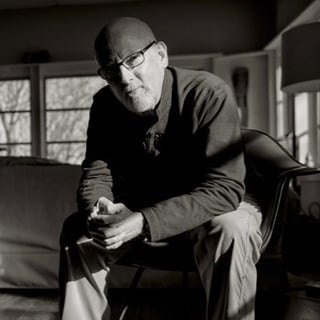
Speaker: Or maybe I'm the feeling when you put the shoe back on after you got rid of the pebble. Up to you. We've got Isaac Fitzgerald returning to the podcast. He's going to be at Powell's on May 29th, 7 p.m. until Friday.
Speaker: In conversation with Lydia Yuknovich, you might have heard of her, and I'll likely be heading up the five to photobomb them because Isaac has a new book out called American Rambler.
Speaker: Walking the Trail of Johnny Appleseed. It is published by Knopf. Great talk. We were buzzing, man. Buzzing. In any case, you know Isaac, maybe from his bookish appearances on the Today Show.
Speaker: Yeah. And he's also the author of the brilliant memoir, Dirtbag Massachusetts, Coming-of-Age Story. I like an American Rambler to A Coming-of-Middle-Age Story. And How Isaac Walks and Drives in the Steps of One John Chapman, better known as Johnny Appleseed.
Speaker: It's a book that deals with that squishy time as we crest into our 40s and reckon with mortality, as well as the greater disconnection we're collectively experiencing, which is why Isaac set out, largely on foot, to put his phone down and live in the world.
Speaker: His essay on walking for the Guardian, linked up in the show notes, very much informed and even crystallized American Rambler. Show notes of this episode and more at brendanamero.com. Hey, hey.
Speaker: There you can find links to what episodes might rhyme with this one, other blog posts, and to sign up for my two forever free newsletters, Pitch Club and Rage Against the Algorithm. There's also patreon.com slash cnfpod, which grants you coaching calls, access to the Flash 52 sessions, and the satisfaction that you're helping out the podcast.
Speaker: This thing is free, but it sure as hell ain't cheap. And hey, look who's back as a CNF and patron. It's Tracy Slater, author of Together in Manzanar, you heard. Welcome back, Tracy.
Speaker: And as always, thank you for the support. Any paid tier may also ask questions of guests too when I put out a call for questions. I just did that for a forthcoming podcast with Susan Orlean and it was pretty rad.
Speaker: It's kind of cool to give you the opportunity to ask some of these people what they're thinking. In case I'm not scratching the itch for you, you can scratch your own itch. Ain't that pretty? So Isaac is a pretty special dude. I love the posture he takes in the world. When I had lunch with Lydia before her live appearance on the show a few weeks ago, we talked about how Isaac had jumped into the comments on a couple of our Instagram posts. And Lydia asked me, is is Isaac coming to this? i was like, i don't think so. I mean, he lives in New York. She's like, it would totally be like him to just show up.
Speaker: And I kind of love that idea. like i I want to make more of that effort myself. not Maybe not going totally cross-country. I'm bound here by certain by certain things with four legs.
Speaker: And I attend readings here and there. Only at venues where I respect the business. There are some I do not respect and won't attend. But I love this idea that Isaac is so free-spirited that he might just drive across the damn country to attend a book event.
Speaker: We need more of that energy. Too many people don't do the inconvenient thing, don't attend the readings, and then expect people to attend theirs. It doesn't work like that, man. I'll be the first to tell you how much I hate readings. I find them boring and hard to follow, but you gotta...
Speaker: Put a lot of goodwill into the ether. If you want some of that goodwill in the ether to maybe boomerang back to you and smack you upside the head. Isaac does the inconvenient thing.
Speaker: He's also wildly charismatic. I'm sorry. He's got the riz, man. So in this episode, we talk about putting the phone down, living in the world, walking 20,000 steps a day as he did for his Guardian piece. And I think there's a pretty stunning statistic in American Rambler that ah just a few generations ago, Americans averaged about 15,000 steps a day. And now they average something like under 5,000, I'll say. It might be like 3,000 to 4,000 steps a day.
Speaker: Ew. The tension between building community and withdrawing into solitude. The scaffolding of the story. How he was late to the arc of his own story. Stories becoming what they're supposed to be. How the truth is like a block of wood. The black dog is literary device. First lines and how On the Road by Jack Kerouac informed American Rambler.
Speaker: I think On the Road informs every road book, really. Isaac can be found on Instagram at Isaac.Fitzgerald, and you can join his sub-stack list at Walk It Off and learn more about him at his website, IsaacFitzgerald.net.
Speaker: He's also collaborated with the brilliant cartoonist Wendy McNaughton on two books about tattoos, Pen & Ink and Knives & Ink. Great stuff. And if you liked this episode, I would definitely check out Isaac's first appearance on episode 14.
Speaker: and I'd also maybe bookmark episode 100 with Mary Carr, episode 200 with Nick Flynn, episode 358 with Erica J. Berry, and episode 503 with Jason Brown.
Speaker: Parting shot on the grind. But for now, here's the singularly brilliant Isaac Fitzgerald Walsh.
Speaker: Like, how many times do need to get hit by a fucking piano or jump off a cliff? I'd rather not hit it on the nose because I have bad aim, you know? we're We're different people now. We've changed. This is going to have to interest somebody somewhere other than me.
Speaker: Before the Internet was about discovery and now it's our social media could have been about that. but and And now it's about reinforcement. And but to your point about like what's still great about podcasting is that it is still permission based.
Speaker: And if you subscribe, it's not algorithmically driven like you have it in your podcast feed, whatever app you use. And when there's a new episode, there might be a little badge or you get on an alert and it's like, there it is chronologically published. Not, you know, it's your feed is not going to give you an episode from now three years ago because it feels somehow algorithmically germane to what's happening today. Like it is there in chronology, which is, ah you know, which is part of the part of the beauty of it. But permission is part of the beauty of it, too, with you like your sub stack, too. Like that was like yeah very integral to what you were doing earlier.
Speaker: That and that's i do I miss I miss that aspect and I remember I like not to it's this interesting thing I think I even talk about it in the book. An American Rambler. And i I genuinely, I'm not, I don't think they cut it. So I think it's in there. I do kind of talk about how the internet used to be about discovery, but now there is this kind of, like like like you just said, an algorithm that is trying to feed people what it thinks it wants. But I remember, I remember when Facebook, going all that far way back, or even Twitter, or Instagram,
Speaker: When it used to just be, if you you would just see it all in order in the time, exactly what you're talking about with PodAid. You would see it in the chronological order of when people posted things. And at some point in like 2013, they started tweaking that. And I genuinely believe that led to where we are now, which of course, I mean, don't even get started on the AI of it all, but you have these systems that are built to just give you what it thinks you want in the moment instead of,
Speaker: I didn't know i was interested in what my friend was doing at this moment in time, but it would be nice to be able to check in and see that. And it is, it's wild to me how I will see people and I'll be like, oh, and you got off social media, but it's so good to see you. And they'll be like, what are you talking about? I'm not, and it's just the algorithm just decided that that person is for whatever, i didn't like like three things in a row or something. And all of a sudden that person just is leaving my life with no choice of my own. And i love i love the language you're using, permissions based. Like algorithm kind of just makes decisions for you. Whereas like I want to opt in or opt out of things.
Speaker: Yeah. And like in specifically with with social media, sometimes I've had to make a like, oh, yeah, i haven't seen so and so in a long time. They must still be on here. But the algorithm did it shuffled them to the bottom of the deck. And it's like, oh, I need to like make a note to search them out and maybe kind of like like something of them because I want to actually know what's going on in their lives, what they're doing career wise or personal, whatever. and tell the algorithm what I want instead of the other way around. It's like you almost have to retrain yourself to that sort of pre-social media Internet where there was agency. And if you wanted to find someone, you had to go type in Isaac Fitzgerald and see, oh, did he update his blog today or you bookmark it? And you actually go to these things with agency and in purpose instead of that purpose being dictated to us. A hundred percent. Listen, and and again, I would swear to God at some point I should like my, I can hear my publisher being like, start talking about your book actually. But this, this is the stuff that fascinates me. And I love talking about it. I am about to go out on book tour and there was a time five years ago, 10 years ago, all I'd have to do is put it up on my Twitter, put it up on my Facebook. People would just find it and they would know all of a sudden it is like it's the late nineties or the early two thousands. And I think the wave of newsletters is very much about this as well. Because the algorithms have gotten so mysterious. And and again, artificial intelligence and all this other stuff. It's like, no, just email. So all of a sudden i'm like I'm like, okay, so I got an event coming up in Portland.
Speaker: Who do I know in Portland? And I'm like literally making these little like emails. Hey, everyone, haven't seen you in a while. I'm going to be in the area. And it does, it feels almost like that return, which don't know.
Speaker: There is some nostalgia there about that, right? Like exactly what you're talking about. You do live events from time to time. It's like, hey how do you get people to be aware of this live event? And I'm almost going back to like, all right, so we get access to a printer. Somebody's got to still have a printer or perhaps a copy machine. Somebody works in a corporate office. We're going make flyers. Remember flyers? We're going to cut them up. We're going to pin them up on every telephone pole and like bar in town. And maybe that's how we'll get the word out. But yeah. Yeah, I've got a couple of books. I've got like some ah new zine making books because I've just trying to get back in a way to rage against the algorithm, get back to more analog tech and that hand to hand economy. And even like when inviting people to live events, I've taken to like, oh, I know some people. Let me just email a one off. Be like, hey, hey, buddy, like got this event coming up instead of like, you know, I'll put it on social media, too. But by and large, i'll be like, oh, let me text this person. Hey, I got this event going on. And that one to one. I find like I might get five people actually showing up and that seems like a low amount, but I think that more people would show up that way. No, no, money absolutely absolutely. No, it doesn't. and More that more people respond to that 100%. And what we're talking about in a way is very much about the book because yeah I was trying to get out of my house and trying to get away from screens. and go out and see the country at an eye level.
Speaker: I was sitting and looking at my phone and I was being told how horrible everybody was and how horrible everything was and how everything was falling apart. And I want to be very clear about this.
Speaker: I'm not into like optimism to a point of fault. I think things are difficult and nuanced, but I knew that I was being fed the most like hyper hyperized extremes, both positive and negative of everything at all moments because of that kind of internet algorithmic slush.
Speaker: And I wanted to put my phone down and I wanted to close my laptop and get out into the world and actually see for myself what was going on. And just like, and what you just said was a perfect way to put it. You're like, and when I do that one-on-one, that email direct, i get five people and you said,
Speaker: And maybe that doesn't seem like a lot. It's like, no, hang out with five. the And again, I know that those five people came to a larger gathering, but even just hanging out with five people, your body can feel it.
Speaker: Your brain can feel it. You're slowing down. You're moving at what Garnett, who I mentioned in the um epigraph of the book, moving through the world at human pace.
Speaker: I think There's such a hunger for that right now. And that was definitely when I set out on this journey, I was doing it for myself. And what I'm hoping is that this book does remind people every once in a while, it's all right to just get out there and live in the world the way that your body moves through it and less in this way where we're consuming so much from so many different places and so many different people at all times. Yeah, there was a moment where you wrote, like, I'd felt stuck in my life recently and wanted to spend time outside, away from people or at least around people I didn't yet know. Very possibly the same thing that may have brought Chapman, John Chapman, Johnny Appleseed here 220-something years ago. So, like, right there you're kind of alluding to it. But what maybe take us to that that stuckness that you were feeling that made you that that itch that you had to get out and a ramble.
Speaker: So I've, listen, I had a very unique childhood and I've always, I've always been drawn to to bouncing around is what I'll call it. My parents grew up in ah a shelter and they, and they raised me in my early years in a shelter for the unhoused in Boston that was run by the Catholic worker a little later in life you know, moving into like four or five, six, I was in a halfway house that was also run by the Catholic worker called John Larry house, which was That was more like straightforward. We had our own apartment and it was low-income housing basically and to help people get back on their feet. and During that time period, i mean on paper, that looks like a difficult point in somebody's life, right but it was actually a wonderful time in my life. I was surrounded. Everyone in the Catholic Worker was so kind. It was all the best parts of Catholicism. It was taking care of your neighbor, helping feed the hungry, helping home and the the houseless. less of the Vatican, less of the of the of the really opulent stuff, and more of the nitty gritty. and and And I was surrounded by people.
Speaker: I had community. And of course, when you're a child, you don't think about how unique that is. But now when I look back in my life, I constantly am seeking out community. Every step of the way, i get a scholarship to boarding school. I find a hotel in New Hampshire that I work at that actually puts people who work there up. Like I'm always looking for these almost community living spaces, right? But at that time in Boston, my dad's favorite thing to do would be to drive up into the White Mountains up in New Hampshire and other parts of New England. And we call it, it's a real thing. It's called the 4,000 Footers Club. It's trying to climb every 4,000 foot mountain up in that area.
Speaker: and And he would take me, was so small, and he'd take me on these long backpacking trips, to these hikes. We'd sleep outside or sometimes in a tent, multi-day, multi-night. And he would tell me these long, elaborate stories. And they really, they just kept me going. would follow him. It's it's how, again, because when you're small, walking next to an adult is not fun. So he would have to kind of almost bribe me into like, okay, but if we get up to this next bend in the road, like like I'll tell you what happened to these nights, which of course later in life I find out all these stories he was telling me was just like,
Speaker: a little bit of Star Wars, a little bit of Fellowship of the Ring. He was just doing a real like almost pre-the 90s, but 90s collage storytelling style of like all this different stuff, which I absolutely love. But anyways, to get to to your real question, I came to find myself later in life. It was COVID.
Speaker: I was alone. I was without very much community, as we all were. It all of a sudden became clear, hey being outside, is is is it takes some of the pressure off of this whatever weird situation we're all in that we don't understand. I started walking. I lived in New York City, a very walkable city that was going through a very tough time. And I started walking 20,000 steps a day And that's when it really started to dawn on me.
Speaker: I was getting into walking, which was something that was very important to my parents. And I'd spent my whole life kind of being like, I'm not like them. Yet here I was approaching middle age, acting more and more like them. I was also talking to the sky, what I call talking to the sky at the time, which I could later admit was praying. And again, that comes from worry and anxiety. I was dealing with some of the mental stuff that my mother has.
Speaker: And that's when I sort of realized i need to get out into the world. I need to go see the world at an eye level. I need social interaction because I've spent too much time alone.
Speaker: Right. Yeah. And how do you balance that actually that the desire for aloneness and solitude that you write about in the book, but also, as you mentioned, too, of of fostering that community, that that give and take?
Speaker: Well, so that's why I love this is when this is when I realized yeah at the time I wrote a piece for The Guardian. which did it very, very well about walking. And that's when I realized I was kind of onto something, not just for my own personal mental health, but I was like, oh, this is maybe something I can write about. Because I wrote this piece. And if you remind me, I can send you the link. And it got such a tremendous feedback. It got such a large feedback. And I was like, oh, many other people are feeling this way too.
Speaker: There's something... interesting here. But one of the things I did love about walking was like, you're setting your own pace. You're moving through the world on your own. There was that kind of meditative state. So there was this aloneness to it. And I, anyways, I was talking to my wife and i was like, maybe, you know, dirtbag had come out. It had been more successful than just to speak for myself. I expected it even at all, but I think many other people in my life also were not expecting it.
Speaker: But I was thinking about what could be next. And my wife was the one that was like, hey, all this walking you're doing. She was my girlfriend at the time. Now what? All this walking you're doing. People seem to really respond to it.
Speaker: Is there something there? Do you have a walker that you love? And without blinking, I said, oh, john Johnny Appleseed. And she went, that's not a real guy. and i And I understood where she was coming from. Many people. Paul Bunyan, not a real guy. Pecos Bill, not a real guy. John Henry, perhaps a a bunch of real guys together for sure, but the the actual person, not a real guy. And john Johnny Appleseed, though, this American legend, was actually based on a real guy named John Chapman who lived down the road from me when I was a child. not he not he was He was born down the road 200 years prior.
Speaker: But I said, no, he was a real guy. We got into that just a little bit, just like a little bit. and And I discovered many things, which I'll talk to you about as as we have this discussion. But one of the main things is I realized he too had exactly what you're talking about. He had a desire to be alone.
Speaker: He walked everywhere. He moved through the land off and on his own, slept outside, never had a permanent address. Yet at the same time, He often slept on the floor of strangers or strangers that became friends or just straight up friends houses. And I noticed in him this kind of same conflict I very much have in myself, which is this desire for, and I think we all do, this desire for community. but also this desire to kind of withdraw and and and some sometimes spending time by ourselves, good, but it can sometimes lead almost to isolation. And when I saw that that playing out in his story, i related to it and I was like, this this might be the character looking for.
Speaker: yeah What were your some of your expectations ah for for the story? And like how did those expectations for you maybe like change as your reporting and research sort of evolved over the course of the experience?
Speaker: Yeah. and so it's our So one of the first things straight off the gate, which I absolutely loved. And I knew this already because I'd read Michael Pollan's The Botany for Desire. But this is it's really what what hammered it home for both me and my now wife, girlfriend at the time, um when we were thinking about like,
Speaker: is Is there some, you know, you're looking for a scaffolding to hang the story on or a container, right? Because at one point i was like, maybe I'll just walk across the country. And she's like, absolutely.
Speaker: And when you get back, you will not have a girlfriend. And I was like, all right, fair fair enough. fair Like there has to be there has to be something, right? that's that's that What is the thing, the container of the scaffolding that I could hang the story on? What is a way of examining some other kind of legend that also allows me to examine the legends and stories of my own family, right? That's that's what we're looking for. and one of the things that really nailed it, I said Johnny Appleseed, she said not a real guy. I was like, well, actually, got got into all that. Then we started doing a little research.
Speaker: like this is a character that i've loved my whole life again because somebody when you're when you're growing up in an area especially an isolated area which is i lived in inner city boston but then i moved to north central massachusetts and i was on this very kind of desolate lonely farm and you hear that there was some guy that's not just like kind of like this is a guy that they teach you about in elementary school and he's larger than life and my father was filling my head with all these stories too because my father was this big braggadocious storyteller my mom was kind of more based in reality well No, he was a real guy. And he was born down right down the road. He was born in Lemonster, Massachusetts.
Speaker: And so I was really drawn to it even as a child. But like, as we're doing this, me and my then girlfriend, now wife at the time, it was just like, What is like, is this, is this right? this It's feeling good. What's the thing? And then all of a sudden I had read Michael Pollan's Botany for Desire, but I was re-researching, re-looking at what he'd written. And that's when I i saw it. He describes him as American Dionysus because every apple, which there's this Disney-fied version, the version you are taught taught in elementary school is like, it's for apple pies and apple tarts and apple to feed the horses. And they would eat applesauce. And it was just like all very wholesome.
Speaker: No. And of course it was all like, and the settlers were moving West into the wilderness. It's like, actually there was a ton of people already living there and this was colonialization and it was violent and it was difficult. So like that was speaking to me, but also these apples office and Michael Palm was the person that was like, for the record,
Speaker: This was all for alcohol. It was all, it was Applejack, which is a liqueur, and it was alcoholic apple cider because people had a hard time finding potable water at the time. And that's where he was getting all his seeds because places would, there would be cideries that would make the booze and they had no use of the seeds. So he could just get it on the cheap and then he could go plant these orchards. And that's the other part of the disinfication oh, he's just throwing these seeds all willy nilly. No, he was being very, very thoughtful about where he put his art orchards. He was partnering with people. Now, he did not benefit financially from any of it, but that was because of religious reasons. By the time he dies, which is at a ripe old age in his 70s, he actually, on paper,
Speaker: has a lot of wealth. He's acquired a lot of belongings, but it's his religious views that made him turn away from that and and kind of made him seem like an eccentric to a lot of people. But on paper, he did very well. And that all of a sudden, it was the booze. It was the complexity. It was the walking. I was like, this is the guy that I want to try and figure out as, let's be honest, I'm trying to figure out myself.
Speaker: Yeah. ah In the story, you know, you're at a watershed moment in your life. you know your Your girlfriend at the time, Kelly and that wife, yeah she is a business owner and she's owns a house. And one of the more the iconic scenes for me is when you got go to car. You know, and like that was here's ah here's a moment of of privilege. She's just trying to offer you like gentle counsel, like maybe not maybe not this thing. But then she's like, here's this other more sensible vehicle, but it is American made. It's a Jeep. but Why don't you like nudge, nudge? Why don't you go for this one? And then you you start to see like, oh, this is where, you know, entering a different phase of life to enters the story.
Speaker: Well, this is Brendan, this is where I'm going to quote you back to yourself, because you describe the book as a coming of middle age story. And I just love that phrase. I think if I if I could rewrite some of the copy of the book, I would I would use that line. And so I so appreciate it because Dirtbag Massachusetts was a coming of age story.
Speaker: And American Rambler is very much a coming of middle age story. But sometimes, and this is one of my favorite thing about books, you you write them and then it takes somebody else's brain to interact with them. Like the the American Rambler you've read is going to be different than any other American Rambler that anybody else reads, right? Because like, yeah if I describe a bar,
Speaker: no matter how good a job I do describing it, you're just going to come up with some other memory of some bar from your life. And that's what gets plugged in. So that makes your experience of the book wholly unique to you. um But for as the author, as the person that writes the words, you then get to hear this feedback from all these other people who react to the words that you wrote. Some of them truly missed missed the point, but sometimes they recognize things that you yourself didn't even realize you doing. So I hadn't really thought about middle age at all, which is kind of funny.
Speaker: Because in this book, Lord knows, I do vary. You said one, then another. i'll but I'll be specific. I almost buy an Apple Red Corvette, which if there's not a more midlife crisis purchase, and I want to be clear, up until this point, other than a motorcycle, I had never owned any kind of vehicle outside of skateboards and bikes in my entire life. And I mean bicycles and skateboards and again, one like motorcycle I won in a bet and then gave away.
Speaker: ah genuinely had never signed any kind of paperwork and had never owned a vehicle. Any kind of driving I did where either the friends' trucks or my mom's beat to shit, like three different colored 1980s Plymouth, like never had I owned a vehicle. And then all of a sudden I was going on this big journey. I was walking a lot of it, but I knew at some points just for safety, I was going to have to drive. And I find myself trying to buy Corvette. And even then, I just think it's a funny story.
Speaker: I don't realize what a middle-aged man move I was about to partake in. But yes, luckily, Kelly... kind of steps in softly guides me to this day. I don't know the, I kind of think she planned it all. I I'm almost up to mind. Read the chapter. If you're listening, and you'll find it. But I genuinely almost think she called the head to be like, don't sell him that one.
Speaker: We're pushing him towards this one, but she claims that didn't happen. But that's how I find find rabbit, which is this Jeep, which is the the opening of the book. I wanted to feel like this very long, beautiful, but kind of lonely walk.
Speaker: And then once I've realized how difficult it's going to be to walk this country of ours, as much as I love it, and and you know no problem kind of every once in a while trespassing on private property, no problem jumping a fence here and there. But at certain point, you realize there are highways, there are there are situations where you cannot just you cannot get from one place to the other on foot anymore, and very much on purpose. purpose. You know, you think about redlining, you think about all these different political ways in which neighborhoods get cut off and and financial choices that go into building this. I realized that I was going to need a vehicle. And luckily I got Rabbit, which is my small two-door white Jeep. And despite breaking down once, and that was my own fault, other than that, it got me everywhere I needed to go safely.
Speaker: Yeah. Well, there's a moment when you go on your first long walk, which was like, was it like 31 miles one way and 31 miles back? Right. Like the early on ish. Yeah, I might have the number wrong, but it's about. Yeah, it's like 36. But yeah.
Speaker: Yeah. So there's a moment there where you're at the end of maybe your your first day or just somewhere in there and you go into this restaurant and, you know, of course, you're coming in off the street, just bedraggled and wet and cold. And ah ah as someone who experienced ah being unhoused and then you come in kind of looking bedraggled like a lot of the unhoused are, certainly here in Oregon, we see it all the time. It's just the nature of it around here. ah What did that a fire up inside of you? and Any insecurities or just the way, like that that gaze that comes on you? Like what was what was that like for you? Yeah. Yeah, I mean, there's a lot of insecurity in me in in things, in in ways in which I'm still exploring, if I'm being honest. Because again, that that childhood is, ah those years are actually joyful memories. But there's a lot of stigma that of course comes with it. and And different, you know, I still catch myself. I do it in the book. I did it so much in the book that my editor, John Freeman, God bless him.
Speaker: Man Amongst Men, he he did incredible work with this with this book, as did my agent, Meredith Kaffel-Simonoff, and my wife, Kelly Farber. They all really gave me great initial feedback. But of things Freeman pointed out was like, man, you are worn you are worrying about how you smell.
Speaker: kind of every interaction you're, he's like, we got to take some, he's like, I understand the importance of it, but we, every time you interact with somebody, it can't just be like, oh shit, do I smell? But that, right, that like, there is that, and you're coming into this kind of nice, lovely, the place was more family friendly than I think I expected when I first saw it. And I and i walk in and there's this feeling of, i don't belong, which it's taken me a little while to figure out is actually,
Speaker: me saying to myself, and and again, I'm talking about my lesser demons here, not the best parts of myself, is saying you don't deserve. You don't deserve.
Speaker: And in a way that that moment in that restaurant and and and what that brought up is is a big through line, a thread. The whole book, I hope, feels like are a lot of different braids coming together. But one of those threads very much is me going from a place of, you know, you're asking me, what did I figure out while I was out? Like, I knew I was going to fall on the path of Johnny Appleseed, but didn't know what the story was going to become.
Speaker: And one of those threads was me all of a sudden realizing as much as I love being a leaf on the wind, as much as I love being a rambling gambling man, as much as I love kicking around this country and meeting new people and relying on the kindness of strangers, of which I found vast amounts, I didn't think I was deserving of a home.
Speaker: I've always bounced around. i realized I hadn't signed a lease and I was approaching 40 at the time. Every single living situation I'd found myself in was a friend of a friend or a sublet or this, or it was always some, there was no straightforward, hey, you have a roof and you are kind of legally here. And so that little moment in that restaurant speaks to a much larger arc of the book that I only discovered while I was out there doing that. And we can talk more about it. I won't give the whole thing away, but like,
Speaker: this This idea of like admitting that I'm even interested in stability in a home and then admitting that I think I deserve stability in a home, which wanting it is even even admitting I wanted it took a lot, but admitting that I think I maybe deserved it took so much more. And that's all, that's all and and it's still there. It's still there. it's still I talk about it in the book too. there's There's almost this part of me, at my whole life, there's been this fear of if I make the wrong decisions, as as especially when I was a more judgmental, younger version of myself, I would look at my parents and think, how did they make decisions that got them in this situation, and how can I not do that?
Speaker: and and And I would be scared of making decisions that would lead me to a place where I was back there again. And so as part of this going out, as much as it is adventuring and camping and hiking and getting in touch with nature and and loving to see the country, like I say, at ah at an eye level, it's also me walking up to a line to try and prove to myself, if the worst happens, you can handle it.
Speaker: And there's there's something there's something really that I'm still figuring out in therapy. There's something there. Yeah. Well, you you talk about the the story there. When did that story through liner animating forest reveal itself to you over the course of the experience?
Speaker: Really in the fall. So i break I break the book up. I break the book up into four seasons. Winter is an epilogue. um It starts in spring. It starts too early in spring. I thought it was supposed to be a rainy weekend. It turns into a snowy one, a classic New England, a real spring, as as you know my ancestors would say. and And so I end up in a snowstorm, which was not fun.
Speaker: to walk around. And then, so then some are, I mean, I'm always a little road weary, like being on the road does that. That was another thing that was very important to me. Of course, this book is informed by like a walk in the woods by Bill Bryson and wild by Cheryl Strayed and some of these great walking books, but it's also informed by a lot of great road books. Cause I do drive. I reread on the road by Kerouac before I set out to do this. I'm oftentimes thinking of a Rinker bucks, um,
Speaker: Oregon Trail where he's like, I'm going it in a covered wagon. Then pretty soon he's like, or truck, you know, like these these things. and and And Into the Woods does that too, right? It changes like, the I'm going to hike the Appalachian Trail with my friend or we're going to maybe do it in piecemeal and this, that, that, maybe not that part. and i And I love that because it allowed me to change my, what I was setting out to do in real time. as well.
Speaker: um But but so I was always a little road weary, but summer was a blast, don't get me wrong. It was really when fall started hitting and there was so much rain and there was so much cold. and And if I'm being honest, when I set out to do this journey, my girlfriend and I were like still figuring out what our relationship was. And over the course of this year, while I'm doing this, let's be honest, very wild thing.
Speaker: Tough thing to explain. Oh, what's your new boyfriend up there? Oh, well, he's sleeping outside in Ohio somewhere. For what? She's chasing a ghost of America and trying to figure out some of his own stuff. out of You know, like it doesn't make for like easy. Oh, he works in finance. And so and and and I was realizing how caring and loving and supportive she was. And all of a sudden that's that I think in that fall sitting, if I'm being very honest, because I was never really good at setting up the rain protection shell or the tarp above the day. Sitting in some really wet tents in like Western Pennsylvania and Ohio, I started to open up to my myself to the fact that like John Chapman dies in his seventies in Indiana on the floor of acquaintances.
Speaker: And maybe as much as I've always thought of myself as this guy that was never going to slow down and was always going to be bouncing around a man of the road, a rambling, gambling man, maybe I am more interested in some different type of adventure, some more,
Speaker: stable adventure, some actual adventure that involves commitment and making decisions and allowing myself to try and build a life instead of kind of letting the world and life happen to me. And so I i will say, i figured in the journey, I figured it out later. And then as I came home again, with the way I write is i'm I'm always writing. I'm always scribbling. I have write by hand. i'm not Some people are like, I got sit at the desk. I've got a routine. i'm not i'm I'm very... all over the place. I'm making notes. I'm leaving myself voice memos. I'm taking a million photos because I've returned to them because it allows me to remember, oh, what what was this t-shirt or what was on the wall or this or that? And it was only as i was kind of going back through the notes where I was also living like, oh, look at this place where I have stability, where it is warm.
Speaker: and how happy I am to have returned to it. It's almost like i was late to this the arc of my own story, but I figured it out. Yeah, yeah. Well, and when you're in that uncertainty of maybe what that story is, and then you do eventually get the clarity, when it comes down to just the brass tacks of pitching the book, you know how did you how did you pitch the book, maybe not knowing, you knew where point A was, but point B is like, wow, that's that's out of focus right now.
Speaker: Well, so this is this is a lovely thing. This is a lovely thing. And i'm I'm actually proud of this. And I hope my editor does hear this or publisher or anybody that works at Kanoff. Because once the book was locked, once it was finished, and it's very important to me because I really think stories become what they're supposed to be.
Speaker: And to that point, You know, you've read it and I'm i i'm fine talking about it. im i You know, the book is the book. You're going to take whatever enjoyment you want from it. For those of you that are interested in reading it, I don't think it's a spoiler to talk about the end. But you you know the end, Brendan. And it was very different than what I set out to do. And that is that is some very difficult family stuff.
Speaker: um but But when Dirtbag Massachusetts, the book before this was done, I got very lucky in that it opened up some wonderful conversations between me and my parents, especially at the time, me and my mother.
Speaker: And we were able to talk about a lot of things. And and and when I gave her the book, it was before it hit shelves. It was important to me that she had it before anyone else did.
Speaker: But it was also important to me that she had it after I could make any changes to it. Because I know that I say this all the time and I'll say it again, but the the truth is a block of wood.
Speaker: And I know the sculpture I carve out of that block of wood looks different than the sculpture my mother carves out of that block of wood, right? But the the truth, the block of wood is what what happens. But the art we make out of that is up to us.
Speaker: um But I was very lucky in her response to it. I said, you know I literally said, you don't have to read it. I said, we have a relationship outside of my art. But she read it in a night. She wrote me a letter. She said, I'm so sorry, which was incredible to hear.
Speaker: But the next sentence felt even more important. She said, i had no idea you were carrying this, which shows that I had done such a good job of hiding that away from the world, from myself, from my own mother, that I had not figured out how to even have the difficult conversations with her.
Speaker: And so I was very lucky in that the the the end of Dirtbag, she and I actually did start to get to have some of these really important conversations. This is a long winding way to get to the end, end i I promise. But what happens, you know, the ending of this book has always changed. But one of the things she said in that letter was, what about the camping? What about the canoeing? And that's what this book was supposed to be. I wanted to show a more three-dimensional version of my parents. I wanted to show a more three-dimensional version of my childhood. Again, not shying away from the hard stuff, but making more room for the love that was there as well.
Speaker: And I say it's a line from Dirtbag. How would you feel if somebody took all of your worst decisions and put them in a book 25 years later? I show my parents' empathy in that book. But here I wanted to show, but we did go canoeing.
Speaker: We did have these long hikes. There was this tremendous love there as well. and i And I was trying to show that. But anyways, in terms of selling the book, I sold the book, the premise. I wrote a 10-page I went on a walk. I walked from the town I'm in right now to the next town just to see how hard could it be.
Speaker: Hard, it turns out. And I wrote that up as a 10-page little mini adventure. My dad's in it on the phone, which really happened basically being like, I was like, I might walk across the country. He was like, why don't you try walking from where you are to New York City? Let's just start there. See how that goes. Or even not even that, walk from where you are to the next time. So like my dad's a character, it's all, anyways, I look back at that moment now. The ending is totally different than what I expected, but the joy and the love that I wanted to show my family is still very much in this book. And I looked at the 10 pages I wrote and then the publisher's marketplace announcement when Knopf bought the book.
Speaker: And it talks about, again, seeing the country at an eye level, moving through the world at a human pace, meeting people along the way, following in the put footsteps of giant. I, I don't like, I believe stories can always change. What you pitch is not often what you end up with. But when I look at American Rambler and I look at the discussions that I had two years before, they really actually link up. And I'm very, very proud of that. Wow. Of course, making, making room for the discoveries I had along the way and the ways in which my family changed along the way
Speaker: Right. Yeah. And another like ah recurring grace note throughout the book, too, is this ah this vision of the black dog that kind of visits you at campsites and kind of gets progressively closer every time. So just ah how did you integrate you know that vision into the into the story?
Speaker: Yeah. and And thank you for shouting that out. This is this is funny. I can only be myself. I can only be honest with you. And it's gonna be, I would almost argue, Brendan, make a note of this moment and let's watch over the next year how much I talk about the black dog and how much changes.
Speaker: because I'd be interested because you're catching me early on. Book's not even out yet. My wife has even told me, she's like, you got figure out a better answer. than but I can only tell the truth. like It's what makes me a nonfiction writer.
Speaker: I have these jokes that I tell. If you come across a really good name in a book or a piece of writing of mine, that's that person's real name. If you come across a name that almost feels flat,
Speaker: And like, ooh, you get what I'm trying to... That's because I had to replace that person's name. That's because I'm trying to protect somebody. And those names are not as imaginative because i don't have a brilliant imagination. I have a lot of... I have a skills as a storyteller and I'm very good at taking what happens in the world. like Again, that block of wood. I can carve some awesome sculptures, but I need the block of wood. I can't invent the block of wood.
Speaker: And so, but let's see. Let's see. Maybe I'll get better at talking about it as we move forward. But the truth about the black dog is i had a lot of grief and a lot of loneliness.
Speaker: And I understood in my own way, you know again, to to reference the end of the book, and I'm just going to say it, my mother takes her own life. And that is what happened in February of the following year after I did i did all this journey. but Less than a year from when I set out on my first walk, my mother had killed herself.
Speaker: And there's many reasons for that. And it's in the book and you can look at it. And and again, only partially the the reasons are truly unknowable and they're multifaceted. like my My dad says what she did was a wheel.
Speaker: But the reason for what she did are all the spokes that make up the wheel. So there's no one thing. There's no one thing that makes the wheel the wheel. I knew that something like that was coming and it was in my writing already, but I didn't quite know how to clarify it. I didn't quite know how to share it with the reader.
Speaker: My friend Ada Calhoun, who's this wonderful writer herself, read the book and she said, it's a grief memoir in reverse. And I think that's right. Another friend, Christy Yen, no only read it. And she said, I could feel, she's like, there were seeds through it I didn't know what was coming, but I knew something was coming at the end. yeah And it was John Freeman.
Speaker: This is that sorry this's all big buildup to to say what what, again, I think people are wishing I could figure out a more artistic way to say, but the truth of the matter is it was my editor. My editor said, I can feel, he said, when you're with people, it's fantastic. It's brilliant. There's the spark. The book is alive. But when you're by yourself, I feel the loneliness. I feel the sadness, but I don't, I can't wrap my head around it as he read the early drafts of the book. And he was brilliant because he read Dirtbag Massachusetts and he said about Dirtbag, it's a very lonely book. Remember what we're talking about? How you how you but you get something from the reader? I didn't know I'd written a lonely book from Dirtbag, but my childhood was lonely. So of course it's a lonely book. There's moments of community and fellowship, the bars and stuff. but For the most part, anytime I'm talking about my childhood, it's very, very lonely. and I didn't even realize I'd done that. It was Freeman who said, you're starting a very lonely place. and That's why, again, to du the opening of American Rambler is kind of a long, lonely walk. It's because we're kind of moving away from that loneliness of dirtbag. Again, these books are very standalone, but if you read them both, they click together very, very nicely. And I wanted Rambler to feel like it was opening up and and and and becoming more and more about fellowship and community the more that I got into the world. And I wanted the reader to almost tangibly feel that relief that I would feel when I was making a connection with with another human being. So I'll give myself credit for all that artistic stuff I just said. But it was John Freeman who said, what if it was a dog?
Speaker: And I said, what do you mean, what if it was a dog? And he said, your sadness, your loneliness, what if there was like a myth, like the like ah like a black dog, the black dog of grief has a long literary history. What if there's ah some kind of black dog kind of stalking you?
Speaker: And I said, John, I write nonfiction. Like, I don't even like, a no offense to the pocket, but like, I'm like, I'm like, I don't even need the, creative like, it's not like i write, I shape what happened. I don't get get that creative. Like it's creative in the shaping, but I'm always pulling from really like, I would never. And he said, give it a try. Would you give it a try?
Speaker: And I said, no. And then I said, fine. And then I went home and I was like, I'll do one scene. And it was great. and And again, I tried to be very sparingly. I think the dog only shows up about five times throughout the book. But I ended up loving the dog as a representation of my own grief and my own loneliness and my family mental health and the the family trauma that was following me. to such a degree that when they put a map at the beginning of the book, i don't know if you have final version, I was very happy with My one note on the map was, like that's not true. There's a couple other notes, but my main note on the map was, can we put the dog in all the places where the dog shows up in the book? Because I love it now. And and and it was Freeman. It's a great editor can push you to be a little bit more artistic.
Speaker: and and And that's, i listen, I know some people are like, I'm a writer, I'm a genius, don't change your word. I've always been a collaborative writer. I've always been a collaborative artist. So I like to give props when props due. So that's the true answer.
Speaker: Let's see what I'm saying six months from now. ah Well, yeah you know you speak of you know this almost um this foreboding sense that you meet perhaps knew that your mother would take her own life and die by suicide. It's just as her son, when you see it coming, or maybe you can even predict that it's going to happen, to what extent do you surrender to that? Or how do you or how do you even reconcile or ah reckon with trying to prevent it?
Speaker: Yeah. um
Speaker: Early, early on, when I felt like i so I kept asking her to go on a vacation, i kept trying to get her off the property. I mean, the the thing that was so difficult about it, and thank you for the question for the record. This is the this is probably the first time i'm I'm speaking so candidly about it openly on a podcast.
Speaker: My mother and I had an incredibly special relationship going back to when I was a child. And there's a lot of different language that can be used for that relationship.
Speaker: Some of that can be seen through a critical lens. you know, codependency, secrecy. And some of it can be seen through a more loving lens. And it doesn't mean that they're different things. It's just different kind of ways of describing things. We were very close.
Speaker: We trusted each other a lot. We got through a lot of hardships together when I was very young. And even moments that I can look back on and I can realize she was treating me more as an adult than she should have been.
Speaker: And that's true. I also still have this such love and empathy for her because I remember being eight years old and feeling not happy, but strong or capable that I was being treated like such an adult.
Speaker: It wasn't like I was constantly telling her like, no, no, no, stop. Like, I think there was a part of me that enjoyed that we were connecting in this way where it felt like she was trusting me with adult things and she was trusting me with adult thoughts.
Speaker: The problem with that is that it does build this idea that you can only share it with that other person. it's it's you know I don't want to name family members because you know it's i want I always want to be a little bit careful around around this stuff. But I do have one family member who has gone out of their way to say to me,
Speaker: Isaac, I now recognize that you saw what was coming before a lot of us did, and you were trying in your own ways to warn us. And that is both comforting, because that's true, but it's also alarming and sad, because now in hindsight, and it's only through the clear lens of hindsight, I can see i was not ringing the alarm loud enough because there was still an eight-year-old in me who wanted to protect our secrets, who didn't need everyone to know our whole story. And I think if I had been a little bit more alarming, it's hard, it's hard, like, again, this is not, In therapy, I can hear my therapist right now being like, don't be hard on yourself. Like hindsight's 20-20, you can't blame yourself.
Speaker: But there is, of course, this this wonder. If I just rung the bell a little harder, could I have helped prevented this? And there's a lot of things like that. She killed herself in the depths of a very dark February in 2023, three days later.
Speaker: three days later the weather improved. And i know that my mother was hyper affected by the weather. And I'm thinking about, it especially today, as it's probably one of the first real warm days, which is wild because it's May. I know we've had a few smittance of that. You're on the West Coast, so it's different.
Speaker: But on the East Coast, it really has been a cold, dark spring even, let alone winter. And it's been a harsh winter. you know So you ask yourself these questions, you know what if the weather had improved? What if I had done this? What if I had done that?
Speaker: But then the truth is, and and this I will keep for those that want to read the book, but I know in the final message that we finally found, there's a word that she uses, which I think makes it very clear.
Speaker: and it's it's when I'm doing my best to think about it, which is you can't view it as her last action and view her whole life through the lens of this last action. What you have to see is how much bravery she put forth by keeping these demons at bay for as long as she did. She made it well into her 70s. She lived a very long life for somebody that was struggling with these mental health issues, not for years, but for decades. And when I'm at my best, which I'm not always, but when I'm at my best, I try to remember her in that bravery. So the end of fall is what this book was supposed to be.
Speaker: It was about seeing the world and trying to end up in a ah happy, stabler place. And then the winter epilogue is, i think, such an important part of the book now because it's exactly what I'm talking about when I'm looking at this country too.
Speaker: You cannot focus on just the good stuff. Lord, and and the good stuff seems fewer and farther between every day. But that to be that is to be blindingly naive.
Speaker: You cannot. But you also cannot just focus on the negative stuff. Because when you isolate yourself and you are only looking at the incredible hardships, which are very real, but if that makes up your entire experience, you're gonna have a really difficult time too. And so i did I wanted to get as close to that moment as I could holding the reader in a place of hope.
Speaker: And then, and and ands it's not like the hope totally dissipates through that last section either. But then I wanted to remind the reader of the fact that all these legends, all these stories, all these ways in which we go through life, there is always that hardship and and in a way balance that leaves us with mysteries. That leaves us with mysteries. Do I solve exactly who John Chapman is in this book? Of course not.
Speaker: How could I? I can't even solve exactly who I am. I can't solve why my mother did what she did or even all the complexities of who she is, who, by the way, after I finished this book and after her death, I'm still learning new things about, right? Like there's just like, that's the the constant unknowing while seeking out the the truths in whether it's be my mother's way of looking at the hard facts or my father's way of of dreaming for something a little bit bigger. It's all a part of it. It's all part of the cacophony. And that's, that's if anybody brings anything away from the book, that's what I was really going for.
Speaker: Yeah, and the way you structure it by starting in spring and and ending in winter and then the kind of the the unspoken conclusion when you close the book is is this idea of like, well, you know spring is coming or spring will spring will be here soon because yeah ending in winter, you're like, well, yeah we we have read something devastating, but when we close that, we are left with that ah an unspoken feeling of hope going forward because what is the next season after winter after all?
Speaker: It's spring. And that's and that's exactly my whole hope with that is, again, John Chapman, the legend, is just walking through the West willy nilly, throwing apple seeds. But actually, he walked in these kind he walked in circles. He walked in seasonal circles and they pushed further and further West. But he was always kind of walking in these circles. He was, that's how strangers would become acquaintances would become friends to the point where some people were literally building extra rooms in their houses or sometimes on their houses. They didn't want them to come into the house. He lived outside a lot. um To the point where he became such he became almost a seasonal harbinger himself. And so I really, some of my writing style and some of the the things that I keep retouching on, I hope almost gave the book this rhythm, almost like a song, like this circular thing. And I want nothing more than, of course, that intensity of the end.
Speaker: But then you do close the book. If you were to open it right back up, where are you? First word, spring. You are right. Like the whole book, I hope, feels almost like a circle that that ends in a way where it begins. um Because when I think about those great books, like Cheryl's book, right, like Wild, it starts with her mother's death.
Speaker: So there's a way in which you could start with the winner section of this book and then go read the rest of the book, almost as like a flash forward and then see it that way. And I wanted it to feel like you could play with it On a book ah like this that offers such great meditations and discoveries along the way, like one passage, it I love when you cited, know, Kerouac's Dharma Bums about the Zen lunatics and, but this idea of, know, the rucksack rusack revolution and everything, and this idea that we are carrying so much in a capitalistic society and we're just told to be so materialistic to fill in every gap in our lives that can be
Speaker: bought and sold. And here's this idea of trying to eschew all of that. And that was part of the part of the magic of this book, too, is sitting with that kind of meditation. And I imagine just through the course of your research in the course of the the study of this, you know being able to integrate something like that was very rewarding and very just, you know, it rhymes with everything you were talking about.
Speaker: Yeah. And again, that and that comes from my father, you know, my father growing up with with not a lot of money, not having a lot of money. Then he is in the Catholic worker and he is taking his son on these big trips. But why is he taking me on those big trips? Because it costs no money. Because there wasn't a budget for a vacation or an airplane ticket. But what we could do was pile into his truck and and go kind of walk the land. And it and and it helped that that his heroes were Kerouac. It helped... you know his reaction to dirtbag which uh he's a very humorous guy he he just said i shouldn't have given you so much bukowski to read as a kid uh like he's it's it's like a very very and and and he's red rambler which means the world to me and he said he really he really loved it which was really special to me because that's what this book is too it's it's me
Speaker: inspired by the writers and the type of lives that inspired my father, which was very much like, hey, you don't need bucks, you don't need money, you don't need the next gadget, throw some shoes and throw some good shoes on your feet and throw some clothes in a bag and just go go get out there, see what happens. and And this book was very much me, in a way, trying to live that dream of my father that I know that he had at that age when he was reading Dharma Bums and when he was he was so drawn to this kind of outside style of living.
Speaker: Yeah. I love the moment too, where he's trying to give you counsel on gear and footwear and everything. And you shoot him a look that's like the teenage self in you. you here you are like at at the cusp of 40 and you whip him a look and it's like you' you're 14 years old fourteen years old again And the thing is, is he's right. Just like he was probably when I was 14 too. You know, I've had, have many outdoors friends who have read the book now too. And they're just like, i need you know, I was very worried about you. And like, again, I didn't, i didn't, I was like, why? And they're like, cause you don't, you don't prepare. You barely research. Like, again, and that is the whole conversation I was having with my father. I was like, you used to go walk around all the time. He's like, yeah, with maps and weather readings and, I was taking a child with me. Like, stop pretending like we just like hoofed it with like no, like no care in the world. And I was like, all right, that's a good point.
Speaker: That's good point. Yeah. And I also loved how you ah integrated ah you know your great pal, Saeed Jones and and um Ashley Ford, too, and the conversations that you're having as you're at ah basically a way station in your travels. And ah it's just how did you know that you wanted to i don't know fold those into the the the batter, if you will? Well, yeah, well, so that again, that comes, I mean, Matt Summel is another great one in the book that I'm really happy, another great writer. So that comes from two different places. One, again, going back to Freeman's note about, I want this book to feel less lonely. He wanted me to get out there and and meet strangers. But he even said early on, he was like, and go stop by some for like Chapman, you know, because he's, I'm reading all these books about Chapman. I'm doing all this research. I'm sharing some of what I'm doing, what I'm researching. And he's also just reading books on his own. And he's like, And Chapman, he'd slept outside a lot, but he would stay with friends. Like, go stay with your friends. I know Saeed's in Columbus. I know i know you know he's now in Boston. By the time he was in Ohio, I know Ashley C. Ford's out there. Like, go stay with them.
Speaker: And so that it was it was it was very much like Freeman's belief about, again, this book can start in this lonely place, but then should really feel like it's opening up. So there's that. But then again, it was also I have reread On the Road.
Speaker: I reread On the Road once I realized that this this book was going to have an aspect of driving to it, that it was more of a journey. even Even that on the cover, it says walking the trail of Johnny Appleseed. And there was a lot of talk about because I was like on the trail would be a lot more.
Speaker: Correct. But I actually love that we landed with this walking because there is a ton of walking in it. The book is very much about walking. There's my father. But you could one also call it metaphorical walking. That's one thing. But two, it can also just be a little bit of a bullshit. And like, that's what I like. It's like the legend, the story, the truth. Like I love mixing all those things together. But once I realized this book was going to be not just walking, but a bit of driving too.
Speaker: I reread On the Road and in On the Road so many times, so many times in that book. He's just like, and then so-and-so and so-and-so. Let's be real. was usually Neil Cassidy. was usually Neil Cassidy and Allen Ginsberg. But other people too from times that he would be like, we blew into town. We blew into Colorado. We blew into San Francisco. We blew in, we blew in, we blew in. And they started talking. They stayed up late into the night talking. And like, there's so many moments like that, which again, in that book, probably fueled by speed.
Speaker: But it's these late night conversations. And I was like, I want to have that aspect in this book. But I actually want to show the conversations. I want to take down what it is we talk about. And that was an important aspect. I didn't just want to be meeting strangers. Again, kind of that looking for America, which although that's very much a part of this book. I also wanted to talk up to artists and writers and people that I loved and cared about and and see what came out of those conversations. And that was very much inspired by On the Road. And and I'm happy with what Ashley's conversation is one of my favorite parts of the book.
Speaker: Yeah. Oh, it's great and wonderfully illuminating. And yeah there's a I want to go to the the very first sentence of the book, too, where you're like, I've been drinking a bit less and praying a lot more than I used to. And yeah that can be a prayer can be anything from meditate. It can be very non secular. can be religious. And then drinking less is all all relative. And as someone who is always turning the dial up or down on that on that radio, it's like, so app why start the book there?
Speaker: So first lines are really important to me. Um, Dirtbag Massachusetts starts with my parents were married when they had me just to different people. And that line, that line ah comes from years and years and years of telling that story. Even before, even before I could admit to myself that i was interested in writing. I used to, in my whole twenties, I was like, I'm never writing about my childhood. I'm never writing about my childhood.
Speaker: Uh, Nick Flynn did it already. Another bullshit night Sucks City, which again, very influential on Dirtbag, but like world doesn't need another one. And then, you know, then of course that ended up, that very line ended up being the first line of what would become a dirt bag.
Speaker: I've been drinking a bit less and praying a lot more than I used to was a line that came to me even before I was heading out and walking. as I realized I was wrestling with the fact that faith was reentering my life.
Speaker: i kept I kept calling it it really it. was really happening when Dirtbag came out. I was on the road a lot. I was lonely a lot. I was tired a lot.
Speaker: I had anxieties and I was worried about what was going on back home too. Even even back then, i could you know I could feel something. And so I really started doing what i I could not admit at first was praying. I called it talking to the sky. And I started really talking to the sky.
Speaker: And eventually, and again, same thing, you just said it perfectly. I love that. Turning the dial up and down on you know, trying, especially when you're out there on the road and especially as you're getting older, you can't just all of a sudden...
Speaker: ignore your blood pressure and you can all of a sudden just crush 30 Bud Lights and and call it a night, you know, and and I was grappling with those two things and the and the line just came to me. just It almost fell out of the sky. I just, it popped into my head one day. i've been drinking a bit less and praying a lot more than I used to. it was the first time that I acknowledged talking to the sky was praying.
Speaker: It was the first time I realized faith, just like walking, was coming back into my life. And those were the two things that mattered the most to my parents were walking in faith. And here I was having pushed myself my whole life away from them, becoming them as I very much am a product of both of them. And and I was like, that's that's it.
Speaker: That's my first line. And just like with dirtbag, dirtbag, the last line, which I won't quote, that i I thought of that next. And then I just had to figure out how to fill in the middle. and it happened with this one too the end i i don't know if it was word for word but very much the premise of what the end here would be again it's this thing that i knew i was going to discover while i was out there on the road but i knew at some point it had to be about return let's just use that word it was about return that was the next thing and then i was like all right now i need to go figure out how to fill in everything in between these two moments um and You know, happens once. I think it's that's the way it happened. Happens twice. I think you get to start calling it a a method or a craft. I guess that's like that's just like kind of the way that I work.
Speaker: But that line, i just I just knew it perfectly encapsulated a lot of what this book was going to be about, which again, you so perfectly put as a coming of middle age story.
Speaker: Even while I didn't really wrestle didn't really realize that is what I was wrestling. I'm wrestling with coming of middle age being more mature, becoming more like my parents, all these middle-aged things. And one of them was, I'm trying to drink a little less and I'm praying a bit more than I used to.
Speaker: That's amazing. oh It's a magical book, Isaac. And yeah, it's what it's what I've come to expect from your your writing. And that's just such great company to to spend. And um so I as yeah I think, you know, when I bring these conversations out for a landing, I love just asking the guests for a recommendation of some just something fun that you want to recommend to listeners. So I'll extend that. Absolutely.
Speaker: Absolutely. and and And thank you so much. Can I can you will you allow me to? Of course, as many as you like. Okay, so Howard Means published a book in 2012, which if you're looking for a straightforward, John Chapman biography, that's the book for you. That book really guided a lot of my book as well. It's called Johnny Appleseed. I think it's called the American myth, or maybe it's the American story. I can't remember. But just look up Howard Means Johnny Appleseed. The book will come up. I believe it was Simon Schuster, 2020. And if you're looking for a very straightforward biography of Chapman, that will do you right.
Speaker: um to To give you like a oh, you're going to love, i mean, you're going to love reading that book. But if you're just looking for like, what's my favorite read right now? It is Make Believe by Mac Barnett. Make Believe the slim little manifesto by Mac Barnett. who is, I would argue, one of our greatest all-time, not just living, but all-time children's book writers. He's a fantastic children's book writer. But Make Believe is a book about writing children's stories for adults. The book is for adults. And he is making the case that all children's literature is high art.
Speaker: I mean, i shouldn't say i shouldn't say, not all. He's making the case that children's literature is high art. And what he what makes it not just an academic argument, though, i would argue, is his incredible writing, so conversational. I love it. And the stories he put in there he puts in there are so sly and so brilliant. It has one of the best, I can't remember if it's the epilogue or in the acknowledgements, but like the close of the book, the like very last page is like so surprising and wonderful. i Can't recommend it enough. Make Believe by Mac Barnett.
Speaker: Fantastic. Well, Isaac, I'm so glad we got to fire up the mics and have this conversation again and talk some shop and dig into the bones of this amazing book of yours. So just thanks so much for carving out time to do this. and yeah i appreciate Talking to you is always a blast. I'm so glad to be back on the show. Thank you so much, Brendan. i appreciate you it.
Speaker: Yes! Awesome! That was awesome, wasn't it? It really was. Thanks to Isaac for coming back on the show. Return trips are often very validating for me. So thank you, Isaac, for doing that. Be sure you're checking out that book, American Rambler.
Speaker: In visiting brendanomero.com, hey, where you can get the show notes and links to embed forms for welcome to pitch club.substack.com and Rage Against the Algorithm.
Speaker: You can also follow the show on Instagram at creative nonfiction podcast. So yeah, so this parting shot is about the grind, but not like hustle porn, you know rise and grind mentality fetishized by body hackers and tech bros obsessed with optimization and protein and a sleep when I'm dead mindset, but a great love of the minutia towards an amorphous ideal.
Speaker: You hear a lot of athletes know when to hang it up, when they're no longer excited for the quietude, grind of the day-to-day, the preparation, the study of the game tape, the simple but not so simple act of showing up day after day.
Speaker: Sometimes their bodies give out and make the choice for them, but just as often it's their mind that gives out. They can't get excited about the quiet work that grants them a good time on the field.
Speaker: A lot of that unseen labor. I saw on Instagram a post from author and performance coach Steve Magnus, and he wrote, Elite performers don't see it as sacrifice.
Speaker: They don't see going to bed early, skipping the party, or putting in hours of practice as something they're giving up. They're living in alignment with what they care the most about. We frame dedication as deprivation, as if the road to greatness is paved only with pain and missed opportunities.
Speaker: That's the social media version where they always make training, writing, or whatever else seem like absolute misery all the time. Grind. When motivation comes from inside, you love the thing. It predicts persistence, performance, and well-being. When motivation comes from outside, rewards, approval, fear failure, it works in the short term and collapses under pressure.
Speaker: Now, I know sometimes I'm a bit of a crank and a stone-cold pill, but But what keeps me coming back to this microphone is a ah deep love of the craft of a good interview and a great connection between the digital divide, a conversation that is ah illuminating for me, for the guest, and for you.
Speaker: yeah When those elements are in harmony, we have something special on our hands. It can be a slog at times, and the interviews themselves drain the hell out of me. And sometimes, on especially early morning interviews, I check my email and be like, I wouldn't be upset if they canceled today and had to reschedule.
Speaker: Not going to lie. Sometimes that would be nice. But yeah, the interviews themselves, ah they drain they drain meat in ah in a way that is... Predictable, like in a good way, because I'm very introverted.
Speaker: So deep engagement and deep listening saps me. Like editing is a bear. Coming up with something new to say in the parting shot that feels true to me and perhaps helpful to you is always ah by the seat of my pants kind of deal.
Speaker: Usually good parting shots come on long runs for me or in the case of this one about the grind. I was listening to Sports Talk Radio and they were talking about LeBron James and his season just ended.
Speaker: with the Lakers and why he will likely not retire because he loves getting to the arena five hours before game time and he loves the work and good on him for it and it really clicked as to why i can't give up on this show or give up on trying to make it as close to perfect as possible I love that I get to talk to people So frequently learn from them. And by extension, you get quite an entree into how these tellers of true tales go about the work.
Speaker: I mean, what a gift, right? 2013, Brendan's head would explode at what it has become to this day. Not that it's like taking over the world, but it's like the if you had told that Brendan who he got a chance to talk to, today he'd be like, go fuck yourself.
Speaker: Stopping hasn't been on the table, but sometimes you question whether it's worth it I mean, I hope it leads to payment like down the road as ah i see platform as payment, as a platform grows and I become a more bankable commodity as an author, then maybe...
Speaker: publishers will take a little risk on me, even though I have something of a track record now. My strategy, flawed as it might be, regarding the podcast and pitch club is to give it all away for free. But your email address and permission makes me attractive to maybe deep-pocketed publishers, in theory. I know the smart thing would probably be to sell ad space.
Speaker: The show can demand it at this point. But I also like being able to say whatever the fuck I want to say without feeling like I have to be wary of brand alignment and what they might think or say.
Speaker: And it's a big reason why I'm not part of a, well, it's two reasons I'm not part of a media company. Let's just say one, I don't want to. But two, they don't want me. More realistically. So it's like, no, you can't fire me because I quit.
Speaker: I desperately want to take the show on the road and tour the country and crash in cities where I have relationships and hook up with a bookstore, bring in my rig, record a podcast, pack up and move to the next city. I think that'd be pretty friggin rad.
Speaker: All of this to say is I so greatly love this work, even when it's a slog. And the floor has risen, but the sky is still the limit.
Speaker: So we'll keep on keeping on. So stay wild, C&Evers. And if you can't do interviews,