Transcript
Speaker: Hey, are you at the Power of Narrative conference today? Man, did you use the Narrative 20 discount code? I sure hope you did. I'm not there. Bummer.
Speaker: But thanks to Power of Narrative for letting a wet dog into their living room. Want to get better at pitches? Subscribe to the hottest thing since me and 11-inch inseam shorts pitch club.
Speaker: You get to read actual pitches from writers who sold their work and hear them audio annotate their reasoning throughout. It now includes rough transcripts and the footnotes you know going forward. I might go back and do the others. I don't know.
Speaker: it's ah it's It's a lot. um You read a little, you listen a little, and you learn a lot. Forever free. Go to welcome to pitchclub.substack.com to sign up.
Speaker: You heard me. Forever free. i'm not one like I'm not like one of those guys. Welcome to pitchclub.substack.com. Come. I was in the shower and I had a vision. i really did. i have an i have a a resting, don't give a shit face, so.
Speaker: Oh, wouldn't you know it, it's my mom's birthday today. Haven't seen her in a few years, but it's my understanding she's basically eating pureed food at this point. She probably wouldn't recognize me if you saw me anyway, so, you know, such is life.
Speaker: Might see her in the fall if I can beat the Reaper, you know? It's a creative nonfiction podcast, a show where I blah, blah, blah, blah. blah blah Okay, let's start over. The show where I talk to tellers of True Tales about the True Tales they tell. I'm Brendan O'Meara with apologies. Not feeling good today.
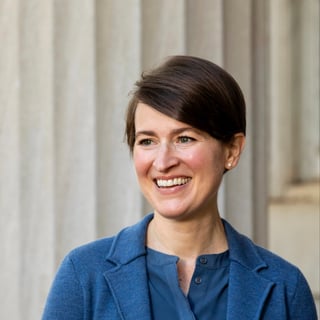
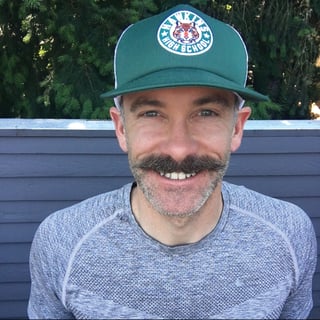
Speaker: CNF has got some shitty ass news and i'm floundering. Who do we have today? Why, it's Lorela Blue and Paul von Zilbauer, yeah. The founders of Geezer Magazine, a new print-only magazine, exploring the Gen X aging experience. It's a killer experience at that. Issue 1 came out several months ago, and it's an 11 by 15 inch size thing, and it has pieces by Kim Cross and Tom Lee Tomlinson, among others.
Speaker: Issue 2 comes out any day now and features an essay from your boy. You can read my pitch for the essay at welcome to pitchclub.substack.com titled Pitching from the Hip.
Speaker: Selling Pitch Club hard. Did you want to learn about the cost of paper? Well, that's good because we talk about the cost of paper. Like, not dollars and cents, but it's a thing.
Speaker: Show notes of this episode and more at BrendanAmerer.com. Hey, there you can find newsletter sign-up forms, blogs, and other news about the CNF pod expanded universe, should you choose the show's Instagram handle, is at Creative Nonfiction Podcast, if you care to follow there.
Speaker: If you want to trend me in the direction of actually making a living wage from the podcast, you can hit up patreon.com slash cnfpod. There are some fun perks in proximity to you, boy.
Speaker: Free ways to support the show or just leaving kind reviews on Apple Podcasts or ratings on Spotify or um ratings and reviews of the Front Runner. They add up and they all matter.
Speaker: Trust me, they all matter. So Laura LeBlanc dreamed up Geezer Magazine in the shower, that incubator of great ideas. In her life, she's been an Emmy Award-winning TV producer, lead singer in Italian band. don't know if she's singing Italian or it's just a band that's Italian. at I don't know. I don't get into specifics there. a Voice of a virtual character, stilt-walking circus ringmaster, minor gay icon, mm-hmm, and an NYC cabaret performer. She worked in tech for a bit, and it was draining her soul. And her creativity muscles were atrophying, so she decided to do something. So she decided to bootstrap a magazine. I subscribed.
Speaker: Paul has ridden a bicycle from Hanoi to Chi Minh City, spent 11 years as a journalist at the New York Times, where his work was nominated for the Pulitzer Prize, that little thing. As the Great Recession hit, he launched a business that got volunteers to build playgrounds for disadvantaged children overseas. Kaboom, kaboom, kaboom. It's a Parks and Rec thing, if you know, you know. According to Geezer's website, he works quietly in the basement until Laura tells him it's okay to come upstairs.
Speaker: rare is it okay to come upstairs fun chat that covers the appeal of print in a digital world that fine line between being print only but how much should you be digital call it a digital fish bait maybe i don't know i'm just coming up with that to the top of my head influences such as mountain gazette zigging while others zag or zagging while others zig i don't know The strange creature coming out of the forest, the oyster that forms the pearl, the people trying to pick up the fountain, and metaphors.
Speaker: All the metaphors. Really fun chat from a great magazine that needs your support. Visit geezermagazine.com to check them out and consider subscribing. It's not cheap, but you get such a unique, cool experience. It's truly one of a kind. I subscribed, and ah no, I don't get kickbacks or commissions.
Speaker: So settle in for this and stay tuned for a parting shot sharing terrible, terrible news. Nothing says stay to the end like terrible, terrible news.
Speaker: Riff.
Speaker: Definitely louder than whatever dumb fuck question is that you want to ask us. You know, for fuck's sake, at least we tried. I hate this guy. It's exactly that. You know what? i'm I'm not a piece of shit. This is going to have to interest somebody somewhere other than me.
Speaker: Take us to the moment when you guys generated the the idea to to take on this project. Shall I, Paul? Well, it it was in the shower and Laura was in the shower and she'll tell you the story. Yes. So this is, the so the, the Genesis for geezer did take place when I was in the shower, but the surrounding context of that is that Paul had been working on his substat called aging with strength for, for quite a while. And I was, you know, ah a part of that development, just conversationally speaking. And, and so I had been ah marinating and in, in,
Speaker: those conversations around what it is to age with strength. So I'd started to get obsessed with print magazines, specifically like Mountain Gazette, Adventure Journal, Ori, which is a wonderful magazine if you're not familiar with it. But I had started to reconnect with the the power of print and how it made me feel, how I was experiencing the stories in a different way than what I was experiencing when I was consuming them digitally. So take those two things together, put me in the shower and boom, geezer magazine explodes out of my brain. It came to me like, like Athena, you know, out of the ocean, fully formed. And I knew I wanted to do a print magazine by for and about Gen X and the Gen X aging experience. And I knew I wanted to call it geezer. And i think I got out of the shower and, and, and, you know, I was like,
Speaker: We're going to do this. This has to happen whether you want to or not. Right. yeah Which is kind of typical for me, but it gets things done. And so here we are. Now we have a magazine.
Speaker: yeah And Paul, what what was it about this project? Like, how did you and and Laura yeah join forces like Voltron? Yeah. Oh, Laura and I have known each other for years. We we met um working on the same marketing team at a of a tech company called ServiceNow, a company that has roughly 40,000 people working in the marketing department and about four of them do anything that's worthwhile. Laura and I were among those two, those four, I should say.
Speaker: And then, so we've known each other since basically 2020, I think it was, yeah that I joined like right after the pandemic started. So um we've been we've been batting around ideas on lots of different things, some of which you don't want to know, um for for, you know, five years, six years now. And what do you think it is about maybe this this moment where a physical product feels ah it feels so good to have something physical versus versus the ethereal nature of everything that is so like you know digitally interfaced? Yeah. Paul's heard me say this before, but I feel like we're just choking on empty calories.
Speaker: And I use the word content in this sense because I'm kind of derisive about that word itself. content You know, it just yeah will so it it feels so banal. And and like, what is what is this thing, content, that we've all become creators of?
Speaker: Because we are just saturated in digital um information, storytelling, podcasts, not this one, of course, but you know, just there's so much coming out at at us that it felt like the right thing to do would be to zig where everyone else is zagging. And that was to make a pivot back to print magazines and to print only as far as geezer. At this point in time, we're we're only distributed via subscription or picking us up at some of the stockists that carry us. But you can't go and find all these all all of our stories. you know You can't just click a button and and and be served up. You really have to appreciate them in person by holding the magazine in your hand. And that he makes it more special. it really feels it feels special that way. You know, Brendan, one of the things I've realized, sort of a minor epiphany, is that the most mundane act in American life now is to look at your phone.
Speaker: And fully acknowledging that there's plenty of important, real, necessary reasons to look at one's phone. But we're all doing it every moment that we're not obligated to talk to a human or to do anything that's are arguably more important. And so, as I've said, you know it seems really novel and fresh now, ironically, that to to look at a piece of paper that isn't a bill or a bank statement and read it, you know like whether it's a magazine or whether it's a book or whether it is anything that is you know ah a letter written by a friend. When was the last time you mailed or received a letter you know that wasn't a Christmas card?
Speaker: I just think that holding a a magazine in your hands that doesn't look, sound, act, feel, come off as anything else you've seen anywhere else. Like the people are ready for that.
Speaker: If it's People Magazine, nothing against people. Like it looks, feels, sounds, acts like, you know, lots of other magazines. But our standard for geezer is this should be that strange creature coming out of the forest that you're like, that's really interesting. And I haven't seen that before. And that's kind of the magazine version of what we want to appeal to and create in our readers' minds. It's a really high bar.
Speaker: It's what Seth Godin would call a purple cow. Yeah. The Seth Godin purple cow. Exactly right. And what I also liked about it too, like when Laura and I were talking ah several weeks ago, what I loved about it, especially just for one, the the size is anomalous. um but it But even though it's very big, it also feels like a zine. you know yeah It has a cut and paste element to it that I feel is like really cool. And so like each page is like... engaging the senses in a way that ah so many other magazines i feel so te like a template. And this feels like it's just that it's subverting all those tropes. Yeah. So you're you're absolutely right. And the the way I describe Geezer to people who aren't familiar with it is if you took Interview Magazine, you know, the large format
Speaker: interview magazine called interview. And if interview had a threesome with McSweeney's magazine and mad magazine, the, the bastard child of that, of that tryst would be geezer because it incorporates like, we're going to incorporate more of that. What are, Laura, what are those fake ads that, that mad? Right. The mad, you know, they, they would have those ridiculous, um, advertisements.
Speaker: yeah They would have stickers, like fake corporate products and stuff that were just making fun of the real world corporate mundane products for detergent or whatever. And so, you know, we're not going to do that exactly, but we have that element and, and Laura's zine history.
Speaker: which I don't have, but she does, you know, comes through. Obviously, Brendan, you mentioned it. So we're trying to be different, but also realize that of all the things that need to happen in midlife or that happened to us, we still have a lot of creativity, a lot of bold energy, a lot of...
Speaker: wisdom and and and and ability to kind of make something new, but we want to package it in a way that harks backward toward some of the coolest parts of our Gen childhood and young adulthood, but also look forward to like, what the hell can we achieve now that everyone else is kind of undervaluing us for. Yeah, I i like to say that the Geezer is is if, you know, we we definitely bring a DIY ethos to to Geezer, which is about as Gen X as you can get. Right. You know, we're we're the we're the generation that made every yeah we're the MacGyver generation.
Speaker: Like, you know, give us some, give us some ah duct tape and a few twigs and we'll, we'll figure out like, we'll make a, we'll make something out of it. So it's if it as if our zine, the, you know, the zine, the zines of our day got a budget and moved out of the parents' basement and finally exploded onto the scene. Lots of metaphors. Yeah.
Speaker: But I mean, even your reference, which I love of to to MacGyver, you know, like there's a certain person, under there's a person people under which a certain age are going like, what's MacGyver?
Speaker: exactly I remember- Yeah. don't we like We're like, we own that. In fact, I remember like in 2015, I was talking with a client of mine whose son was at the lunch with us.
Speaker: And I, I used the word Rolodex, like, you know, I should, and the, the, the 15 year old, this is somebody who went to the fancy school in Manhattan said, what's a Rolodex? Like I said, you know, like the model T or something. And that's when I knew that I, that youre didn't know that I had graduated too. Yeah.
Speaker: Early middle age at that point. Laura, tell me more about your zine history. Oh, you know, I i so I was never that cool um to actually have one of my own. But I was adjacent to many people who were cool enough to have them. And I would I would make, you know, little attempts ah at ah creating you know, different random things at Kinko's because remember Kinko's? And ah so, but but what I did was just kind of saturate myself in and so like seeing how people were
Speaker: were tapping into their own creativity that was very niche at the time and making something out of it. And even if it was the most random subject, there were other people out there who wanted it. So Paul likes to say this, and I agree with him that, you know, it kind of taught me at that time that when you broadcast broadcast on your own frequency, on your unique frequency,
Speaker: Unrecreatable energy, then the people who will who want to be attuned to that sort of thing will find you. And that's how we feel about geezer. And that's the kind of reception we've been getting, you know, what people when they get it they They found us by whatever means, you know, a podcast or or an interview we've been on. And when they get it, they kind of lose their minds because they get what we're doing.
Speaker: But Thrasher in particular, Laura, like Laura, there's a Thrasher. Like we have some, we have some, what do you call it? We got merch. We have swag and merch. Yeah. And the logo of geezer is very much reminiscent of Thrasher magazines. logo Well, that was just kind of a fun little nod when we get, because, you know, Hey man, do you exist if you don't have merch? I don't think so. So I i asked a friend of mine, I was like, listen,
Speaker: We need, I need some sweatshirts. I need some cool stuff and I want it to look like the Thrasher logo, but it needs to say geezer instead, which just makes me happy. I mean, a lot of this stuff I think we do is just because it amuses, it amuses us.
Speaker: It amuses us. Hopefully it'll amuse other people. Oh, for sure. Well, that's so integral to yeah being a creative person these days is to really follow your taste. And then, you know, once you get past that honeymoon period of like, oh, this is such an awesome idea, then you got to get boil it down to like, all right, logistically, how are you going to get altitude? So what was step one after, you know, the idea crystallized in your head? And now it's like, all right, we got to build some pages here and think about printing and all that fun stuff. So like, what was the first step after the idea?
Speaker: idea came first, and then it was a lot of reaching out to people. It was coming, you know, trying to make connections, find people who had made magazines before, and to learn as much as we possibly could, because neither one of us comes from a magazine publishing background.
Speaker: So we reached out to, there was ah ah a guy named Bruce Wallen, who was a friend of a friend and who had been a magazine publisher for many years, kind of walked us through some basics. He helped us find the printers that we're working with.
Speaker: So then we started working with the printer. Okay, what do we need? When do we need it? How much is this going to cost? Because right now it's it's bootstrapped and you know we're we're hoping to... we where We need to achieve kind of um ah velocity ah by this summer to to make it to make it financially viable, which I believe we will. But so, yeah, we just talk to people. And then i was you know lucky enough, but we we've both been writers for many years. Paul was at the New York Times for, I think, what, 11 years, Paul?
Speaker: So 11 years, um I've been an advertising copywriter, creative director, and most recently, you know, a writer within the thought leadership world. So we started connecting with people, tapping them on the shoulder. i called in every favor i have ever needed to ask for from my friends, from different writers. By really just going out and being very honest and open, like, hey, we want to do this, but we don't know how, people will jump in. And like they're they're happy to to share their expertise. um
Speaker: not least was taking for me, I'm i'm working on getting my my master's at Harvard in the creative writing and literature department. And I stumbled into the features writing class there with Kim Cross, who we both know and love. And I got a really wonderful kind of crash course education in features writing, which is incredibly ah applicable to to what we're doing in Geezer and the kind of storytelling we're doing.
Speaker: So that's a very long answer to say we didn't know anything and we had to learn everything. And the way we did it was by by just just knocking on doors and asking.
Speaker: Yeah, what might you identify as an early hurdle and or hiccup that you butted up against that created some of that resistance that ah sometimes people eject, you know, hit the eject button and some people persevere?
Speaker: ah The cost of paper. Yeah. Yeah. I mean, this sucker is not cheap, but this is this is why I i've sacrificed my creative soul to the technology world for as many years as I have was so that I could sell some stock and buy some paper and make this sucker happen.
Speaker: I think another thing that's been interesting, some of the other creative friction that we've had to work through is, you know, we're both writers. We're not designers. So who do we find to help us with the design? How do we get the photography that we need? you know Learning to, growing our our network of professional photographers that we can send out to take portraits of some of the people we're talking about. And then there's, I think the the last kind, and I won't say this is friction, or maybe it is, but I think it's a positive friction, is that Paul and I come from different backgrounds, as I was saying, and you know, sometimes we have different ideas about how something should come to life.
Speaker: And between the two of us, I think that that's the friction that forms, you know, and the oyster that forms the pearl um that brings something very different and not replicable by anyone else into this magazine, having our of the energy of both of us, you know, a journalist and kind of more of a creative features writers, you know, not narrative nonfiction is is what I love. And sometimes those two things can be a little bit of loggerheads, but we process through it. And what happens is that the result is is entirely different than what you're going to get anywhere else. And there's something about, you know, being in middle-aged. I turned 50 and I looked around and I realized that I hadn't i hadn't been creating for myself for, you know, 25 years. I've been in writing for other people. And that became untenable.
Speaker: I had to create something that felt it was that felt it was part of me and that it was something I would give to the world. And you know I'm not saying I'm going to leave something great to the world, but I i knew that if I died before I actually made a creative contribution,
Speaker: and and was able to express myself that I would be really like, that would suck. Yeah, it's like, were were you casting your gaze ahead, you know, several decades and almost like,
Speaker: A wallowing in future regret if you don't like to get this off the ground. Yeah. Yeah. And, you know, for so long, I've been trying to find that vehicle, you know, written a screenplay, writing short stories, you know, doing doing things that felt like they were my voice, but they weren't quite the form factor that worked for me.
Speaker: creating a magazine is what works for me. It brings in so many of, of so many things that I have learned how to do over the years. and this is interesting. i come from a theater background. I have ah a theater degree and I continue to do theater and I've produced theater. And what I found is that producing a magazine calls on every single skill I needed to produce theater. This kind of this is the kind of storytelling that that um that really works for
Speaker: the skills that I have, the skills that Paul has. Yeah, I finally found it. I'm like, yay, I found my home. but I just read ah an amazing biography by Daniel Pollack Pelsner on Lin-Manuel Miranda. Yeah. The education of an artist. And it's so...
Speaker: he leans so heavily on that education and the collaborative component of his educational arc, Lin-Manuel's arc. And he loves collaboration and any opportunity or any experience that will ah help him learn along the way. And I feel like this, ah the the magazine itself here is an opportunity for the pair of you and other let's independent contractors, if you want to collaborate and kind of Just learn from each other. So what is that experience sort of in the vein of Lemonwell Miranda? What's that been like ah you for the pair of you? Oh, man. OK, I'll talk a little bit because I that i want Paul to share. But I just want to say thank you, because that is what makes this so much fun for me. And that's what brings my theater skills into play is the ability to just to collaborate with so many people. to reach out, to learn about them, to find their stories, to help them bring their stories to life for the pages of Gieser magazine. And at the same time, to be like, okay, I still have to pay the bills. We still have to do social media. There are so many things that that go into a successful magazine. scene And there are a lot of the same things that go into accessible theater production. And you're absolutely right. It's all about being open and collaborative and, you know, having joy and working with other people and, know, helping them bring, like I said, bring their stuff to life and also learning from them. So, okay, Paul, please. Well,
Speaker: Yeah, the reason I'm chuckling like, whoa, is because it's tough to make a magazine. It's tough to it's tough to do anything. It's tough to agree on when to meet for coffee. So putting a magazine print magazine together for the first time, that's you know supposed to be that purple cow or that...
Speaker: Yeti creature coming out of the forest that you've never seen, but feel compelled to investigate, um is, you know, bound to create conflict. And so when I was, I've said this to Laura many times, you know, it's like, we're having this argument because we're creating a magazine, you know, like, are arguably more difficult than raising a child, although maybe not arguably, but it's, it's a really complicated thing because your judgment's coming into question. i mean, it's coming into the the process, each of our different backgrounds, although related are not similar, that similar. And so our styles, our aesthetics, you know, some of, sometimes it just, it's great because we have complimentary, think skills and and backgrounds that really help make geezer unique. i don't think, There's not many two other people who could do who could bring the same kinds of skills and produce a magazine. I think that's this creative and and journalistic and compelling, I think. But just you know like the the human conflict that goes into creating any magazine,
Speaker: especially a new one like ours is, is not small. And you kind of just have to be willing to expect that, there' you know, like in any relationship, you're going to have ah differences and disagreements and sometimes, and, and you know, you're gonna miss saying, you're going to miss stuff and you just have to be willing to give the other person some grace and then ask, you know, for what you need and then um provide it yourself when necessary. So that I think that's the biggest thing.
Speaker: And also starting anything, there's always a a huge measure of uncertainty and that can block a lot of people from even starting in the first place. And, you know, Laura, you kind of alluded to it earlier about just feeling that the crunch of time and really wanting to maybe leave something and and make something before it's too late. And so yeah how do you wrestle with the feelings of uncertainty, knowing that the outcome of this is yet to be determined and yet you still have to kind of create in in the face of that?
Speaker: It's just belief. I truly believe in Geezer. I believe in what we're doing. I believe that people will once they know about Geezer Magazine, they're going to want to get Geezer Magazine or write for Geezer Magazine or be a part of it somehow. I just i have an unwavering you know and and maybe naive um ah just ah commitment to to seeing this vision through as much as I possibly can.
Speaker: And Brendan, um my my response to that very good question is, asking you to remember in the movie, One Flew Over the Cuckoo's Nest with Jack Nicholson. You remember the seminal scene where his character Nicholson's tries to pick up the fountain and throw it out the window.
Speaker: And of course he can, it's a you know it's like this thing in the middle of their asylum, but ah his his you know he's his famous line after that is, well, at least I tried.
Speaker: And then of course, Chief, the other character later and throws the thing out the window because Chief's huge. But um that's us, you know, like we're we're the people trying to pick up the fountain. And if we don't do it, well, you know, i don't know if you can cuss on this. Oh yeah. this or You know, for fuck's sake, at least we tried.
Speaker: yeah Because it would be worse to have this idea and think it's great and then come up with or ah or follow the hundred reasons, legitimate reasons why we shouldn't do it.
Speaker: And then be 80 to your point earlier, Brendan, you know, in our rocking chair and being like, gosh, darn it, sure, we shoulda, coulda, woulda done that. And that's just not good enough, um especially nowadays.
Speaker: especially when, you know, we all know probably more than one person getting laid off or laid off again, or who can't, you know, find a job to save their lives, even though they have blue chip,
Speaker: experience in a particular field, you know, and I'm speaking about myself, I'll acknowledge right there, like it's, it's brutal out there and we got to do something with this energy that we have, this creativity, this knowledge, this ability to leave a lasting impression on in our second halves. And so that's also what geezers.
Speaker: Yeah. I, the, the phrase that keeps going through my mind and probably one of the motivating phrases when I started there, when we started this was, If not now, when?
Speaker: If not now, when? No, now. It has to be now. why And and and once you you know once you make that decision, the universe conspires to support you, I think, when you really decide to go all in on something. And there's also, like I was talking about earlier, there's a very Gen X component to this, and it is that... that we know we can't depend on a corporation to support us. you know they're They're not our family. There's no job out there that's going to reward us you know for for for sticking around. um And we've seen you know people our age being tossed out.
Speaker: which is a goddamn shame because we really are like, we got all, like we got the goods now, but, um but this, you know, we have to, we have to depend on ourselves.
Speaker: We can't, we can't depend on anyone else. And so this is, enough that's another factor of this is, is just knowing that, knowing that we've got to make our own magic. And if we try hard enough, I think that this will be the thing that sustains us into, you know, the next half of our lives.
Speaker: Gen X as a whole is by and large such an ignored demographic. And this, this very magazine is unignorable by its very stature and by the, by its very look. So I mean, that's kind of like that ethos is baked right into the product really.
Speaker: Absolutely. Yeah. Finally, we're standing up. We will be heard. Yeah. Yeah. in it Well, and also, you know, you have the have the idea and you're you're looking at cost of paper and all that stuff, which is you know sad and demoralizing. ah But then you got to fill up those pages with like great writers and everything. i mean Like Kim's obviously great friend and you know Tommy Tomlinson, who kind closed the back of the book. How did you just start to be like, all right, you know what? how We got to fill these pages with great writers and great reporting and great voices. you know how How did you kickstart that?
Speaker: Well, it's it like I was saying earlier, it it it was, you know, once we realized we were going to do this and as much as Paul and I would love to write everything because that's our, that's our natural tendency is like, well, well listen, and it's like, no, we need.
Speaker: I actually would not like to. Well, but yeah but you try to Paul. he's Come on. ah We have this conversation a lot. It's like, we have these ideas. Okay. But we're not going to write them. Who is going to write them? And so, you know, tapping into that network and I found Tommy through Kim.
Speaker: And so, you know, finding those people like Kim Cross, who are hubs with many, many spokes out into the, in this case, the narrative nonfiction world. And then, you know, Paul tapping into his network as well.
Speaker: we were able to we were able to really garner a lot of great voices. And then um a couple like Cintra Wilson, who wrote the piece on Mark Pauline in issue number one, For those of you who haven't received their geezer, you're going to have to you know get ah get a subscription so that you know what I'm talking about, I guess. But um she was a great writer who I admired back in the 90s in San Francisco. She used to have ah an a column called Cintra Wilson Feels Your Pain. And I connected with her on, of course, where else are all the writers? We're all in Substack, right? I found her on Substack and I was like, hey, I really like you. I've read your stuff.
Speaker: Can we work together? The gentleman who wrote, by the way, we also have poetry in the magazine because I'm really committed to truly deeply committed to at least having some poetry. And I found this wonderful you poet, Tim Siebels. He was the poet laureate of North Carolina for many years. And I found an amazing poem of his that was online. and you know and And I found, I reached out and I said, hey, this is great. We're doing this. Can you can can we use your poem, Nushi Number One? And he's become a wonderful collaborator and a great champion of of Geezer as well. So it's tapping into your network, but it's also extending yourself into the world and finding people who might be hiding in corners somewhere doing amazing things um that you want to bring them and their voices to light as well. and What's the challenge in ah just getting traction and getting attention Geezer, given that the the bulk of the work is is physical and not shareable by by link? you know yeah So you're trying to, in a sense, blend certain digital skills with yeah trying to drive people to the physical artifact. Mm-hmm.
Speaker: Yeah, no it's something laura and I struggle with. We we you know we call this a print-only magazine. It is print-only. We have a website, of course, to allow people to sign up for the print-only magazine. But lately, you know we got approached. I'll give you an example. And Laura, you can tell me if you aren't comfortable talking about this. No, we can talk about Zinio, right? Yeah.
Speaker: Yeah, it's like that we you know we got a guy who who asked us, who just came over the transom asking if you know we want to have a sell a cheaper version of Geezer that's digital only that you know anybody in the world can can can get, including people here in the US. Yeah.
Speaker: Because geezer is not cheap. I mean, we charge $120 for three issues, which some people feel is outrageous, but I refer to the cost of paper largely driving that. And people, because we pay, we as you know, we we we pay our We pay our writers, which is important to say too. Yeah. And that all that costs money and quality just costs. Chipping, taxes, everything.
Speaker: If someone in you know, Canada is a good example. It's like, it's i don't know, it's like $75 a year to ship three issues to Canada. And we don't want to pass that on to in shipping costs on top of the already, you know, $120 price. But so we do a version, we do a smaller amount and eat the rest because we just can't bring ourselves to charge that much. If someone in Europe for that matter, or Mongolia,
Speaker: wanted the magazine, how the hell are we going to ship it to them and still you know break even? And so here comes this guy, hey, let's you know we'll we'll put Geezer online and people can pay you know a fraction of the price to have the magazine. Well, then it's not print only anymore, but it's also potentially a lifeline for people to subscribe who would never pay $125 $4,000 send it to Mongolia. So, you know, like where's the line? Where do we where do we hold the line and say, nope, we're print only. And like what when does it make business and survival existential sense to say, well, we'll put it in digital format and maybe it'll be, a you know, a gateway, ah the gateway version to get people to sign up for the print, or maybe they'll just skip the print and just...
Speaker: read it online, which goes against our entire ethos. So these are questions we're struggling with now. And then in addition to this, Brendan, I think one of the things you're getting at is like, well, how do we, how do we, um how do we attract people to geezer without having all of our content digitized? Right. So they can go and say, oh, well, here's the story. And, you know, it is it is it is difficult. So we try to, you know, I try to kind of follow the Mountain Gazette model, which also does not, they do not publish their stories on their website, but they do have, you know, bits of pieces. They have, they have um you know, fractionally um distribute their their content And um they also have, you know, I mean, they're really good at marketing. My goodness. I'm like, wow, i'll I'll take whatever they're taking because they're great at getting the word out. And so that's, that's I think, a nut that we have not cracked yet. And, oh my gosh, I mean, Instagram, you know, did social, trying to get little bits out, trying to trying to shoot the flares up into the social media realm that will get people's attention is that could be a full time job for me if I wanted to be so. So. The fact that it's just Paul and myself and we're both working to create, like we both really want to put all of our time and energy into creat the creating the actual product.
Speaker: But the fact is marketing is huge. Social is huge. We have to do the business side. Oh, and I also still have a job and Paul runs his Aging with Strength. So, you know, it would be great if we could just hire someone to do all those things for us.
Speaker: It is so hard to get the word out. And a lot of listeners to the show are, you know, writers and authors who are trying to get some degree of traction, some sliver of attention out there and to do it in a way that doesn't feel totally schlocky and slimy. Yeah. What are some lessons or that you're learning from, like you said, that that other magazine that is doing it particularly well, that you're learning that even the independent writers can learn too about how to get their work out there in a way that doesn't feel so yeah' so slimy.
Speaker: Yeah, it's hard. I mean, when you asked that question, the word that came to my mind was to be relentless. I think Mountain Gazette relentless. and ah this is not a knock on them at all, but they are relentless in their in their marketing of their product.
Speaker: I think that would be compliment. Yeah, I mean, sure, it should be because they're they're successful and um they have they have ah they they've they've really grown um a wonderful community around their magazine. We would love to do that as well. And yet we can't because we're not marketers. That's the thing that Laura and I it's don't like marketing, which don't tell her employer because she's in the marketing department. I've been in marketing for years. Don't tell anyone.
Speaker: But, you know, like I don't enjoy the marketing. I don't enjoy the, hey, please come buy our product, you know, and here's why. Like, I don't fucking care. that It's a problem, Brendan, because...
Speaker: Lori's not good at it and she doesn't like it. I think I dislike it even more and I'm clearly not good at it. But you know, we're like all of that, like as much as we don't like asking people or telling people why they should be interested in this product, ah the flip side is that we're just that much more obsessed with making a high quality product and making something that people we think once they get exposed to it, if they get exposed to it, you know, we'll really enjoy. So all of our creativity and energy is in making the best goddamn print only large format magazine that, you know, entertains, um humors, makes you cry, does ah all the things, but, but we just don't have the gene that, that, that Mountain Gazette,
Speaker: folks and other people have where, you know, we just want to go out and tell the world about it. We we do, but, but you know, like our energy is limited in addition to all the things that Laura mentioned that we have going on already, you know, we're also single parents.
Speaker: And so I don't know how how much that, like if that's how other people also operate, but it's, it's a big challenge to make the time and then market the product that you've built into this thing you think is really fantastic.
Speaker: Yeah, it is it is so hard to to do that because you want to put most of your creative energies into making something that is, in fact, remarkable that people are going to remark about. But you have to put it out there so much. You have to be relentless in a way that doesn't that doesn't totally sap your energy from the other things. But at the same time, it's like you sometimes you feel like you're all you're doing is bombarding people with things and it's like, are you being annoying? or is it and And it seems very anti-Gen X to want to like kind of sell out in that regard too. So it's like this idea is like, it's almost like, ah here's this thing, take it or leave it, I don't care. Right.
Speaker: I mean, i think maybe a lot of your, your listeners, if they're writers and artists and so forth will understand it's like, it's that energy is zero sum. If you put it toward the marketing, it's like, you're taking it away from the creative generating part of, at least that's how I feel. Like I, and I wish I didn't, I wish I had abundant energy in both, but it's zero sum. So.
Speaker: ah I'm not able to think about and execute marketing ideas and then still have the energy to go back and edit a piece fully depth, you know, diving into it or writing it and reporting it and think about art and, and graphics and layout.
Speaker: It's just, i don't I don't have that ability to do both. So that's why I think we default to where we're strong, the content side. Sorry for using the C word. um But, um you know, we we need help on the marketing probably. Oh, yeah, definitely. Because, I mean, the last thing and and i we would want to see, obviously, is to put all of our money and time and energy and love and and all sorts of, you know, all sorts of things.
Speaker: ah creative juices into this product and then have, you know, and then just go, hey, we got this great thing and and to have it landed on crickets, um which has not been the case so far. I mean, we have, ah you know, hundreds of subscribers and we've only this is issue number one.
Speaker: I mean, when people see it, they they go for it. And word of mouth has really been really great. And um every time we have any exposure, you know, this hopefully being, if if you decide to publish actually this this ah this interview, you know, like it it's, it all of it creates a little bit more of like, there's not just smoke now, there's a little bit of a tinder fire going.
Speaker: And, you know, we just need to see, we just need to stoke that. And it was really fascinating. um Last weekend, um I woke up on Saturday morning, 7 a.m. or so, and I saw that we had two or three new subscribers.
Speaker: I was like, oh, well, that's interesting. And it was like before 7 a.m. West Coast time on the Saturday. And then throughout the day, just boom, boom, boom. By a wow by the end of the day, we had something like 30 new subscribers. And I was going, what what just happened?
Speaker: And what happened was um we got picked up by a woman who has a ah a newsletter. She's a writer. and She has a newsletter that goes out to 400,000 people. And her husband found geezer, liked it.
Speaker: And she put us in the newsletter. So just these little things, these little connections, you know, like again, when people find it, they like it and they talk about it. You know, we're we're really hoping that that those sort of organic, those organic conversations are going to be at the heart of what is going to be our success.
Speaker: And to speak, to just to go back to, you know, Laura's phrase about getting picked up by a woman, we'll do anything to make this magazine sell, and we'll get well we're willing to get picked up by men or women, um or anyone for that matter, if it helps us sell the magazine. We'll do it really, seriously.
Speaker: Well, with now you're you're working on issue two, which should come out in the ensuing yeah a month or two, with depending on where it is. Mid-March, probably right around um like March 20th. We have okay the files to the printer on March 10th. All right. Yeah. So, yeah, you're in the you're in the throes of it right now. yeah So what what have been some lessons from issue one to issue two?
Speaker: can i Can I start with that one, Lauren? All your... So there's a... Well, let's see. Some of the feedback we've gotten is, hey, I thought this was going to be more nostalgia-based.
Speaker: And then other people are like, why the fuck did you guys spend eight pages on dogs? and i which to To which I refer strictly to Laura on that call. Yeah.
Speaker: You know, and shell she had there's an explanation, but um ah we were, we were we were um the the metaphor that I use for an issue number one, Brendan, is do you remember when you were 16 and you and your friends 15 or 12 and you thought,
Speaker: you're gonna build a car in your garage because your friend has some wood, your buddy has an engine, somebody else has some tires and you're like, let's build a car. And similarly, um that's how kind of we put together issue number one. just like, who do we know? What are our ideas? like let And then like what let's fill some pages with stuff too that we think is interesting.
Speaker: So there's photos of Laura's, um of parts of Laura's home. I'll just leave it at that, issue number one. Going to number two, our goal was, OK, now we've established proof of concept of sorts, but it's still nascent, inchoate, formative.
Speaker: How do we nail the value proposition that we've been talking about with you over the course of the last you know several minutes now? In issue number two, how do we drill down, do we want the dogs in again, you know or a version of that? Do we wanna focus more on this angle or these subjects or nostalgia more?
Speaker: And that's kind of what what we've been wrestling with. So I'll just leave there. Okay, people love those dogs. And let me just tell you, they do, they do. i've A lot of good feedback, surprising. um But they there I will say they are um they're all senior dogs. So this is these are geezer dogs. They're golden golden retriever geezers, which is why they fit perfectly and bring a very different sort of charming little break into into the into the festivities of issue number one, I think. this Yes, the different things that we've learned are lessons along the way. It's interesting because, you know, we've talked about, do we want to have a unifying theme? Because many magazines do that, you know, the summer theme, whatever, you know, what is the unifying theme? And we, we i think we have kind of shied away from that because we want to keep the aperture as wide as possible and learn as we create. What I've found, you know, we have different kinds of readers, know, There's a certain reader who looks at this and kind of gets that zine thing and thinks, wow, this is kind of wild. It's, you know, it's it's weird and it's fantastic. And then we've had some feedback and the word that was used was it's very artsy.
Speaker: ah And they they don't mean it, I think, necessarily as a dig, but as an observation. And so this is like, OK. And I spoke with one person recently who like I've had that word used twice and it's mostly well, but it's it's some of our male some of our male readers. I don't know if that makes a difference, but he was like, I would love to see more like more fun, nostalgic things.
Speaker: Where do we have that fun nostalgia pop up? And how do we balance kind of our artier nature, our more storytelling sort of nature? So this is a conversation that Paula and I have had a lot is, what How do we strike that balance? Because I love like like old lunchboxes. I love, you know, there there are so many cool totems of Gen X childhood that we do just, you know, gravitate toward. But how do we, so how do we bring that in and, you know, give a nod and a wink to to people who are going to want to see that stuff, but also dig into the artsier side of what we're what we do.
Speaker: And also to speak candidly to our audience, which we always, I think, try to do. You know, Laura and i have push-pull relationship with regard to well like how feminine and how masculine, so to speak, are we going to make, you know, is this issue going to come off? So you mentioned, Brendan, or you asked about issue number two.
Speaker: One of the things that Laura and I have discussed I wouldn't say struggled, but are like, not and not argued in a bad way, but sort of debated over is like, how much menopause stuff are we going to put in?
Speaker: Can I get some, like, you know, I have guns because i so I shoot at a range, like sports shooting. Like, can we get some guns in there? Can we get a little bit of male energy also? And of course, Laura's, you know, willing to do that. But,
Speaker: but there is like you know a lot of laura comes from the theater so there's theater in this laura loves dogs there's dogs in there and that's fine laura has spoken about menopause so there's menopause which as it should be like i'm saying i'm not saying those are subjects that i oppose i don't but but you know let's appeal to also people um you know the the men out there who are geezers who also may be interested in all that above all the above, but also some of the other things that may be, I guess, more traditionally male-oriented. And, you know, this is all a conversation. So i know I probably came off like the biggest asshole in the world just now, but um it's really just a conversation of how do we balance this to appeal to the most
Speaker: Gen Xers possible. which is yeah it's It's an interesting place to be. And this is something I've actually been thinking about recently is the success of some of the more niche um publications. And they're successful because they are so niche. you know For us, we're generational and we're men and women. And you know within a generation. So in a way, i I would feel like it would work for us um because that does give us a huge addressable market.
Speaker: But there is something that makes it more difficult because we don't have that really specific um you know target audience to go after. um and we unless we go Unless we do a quarterly insert on menopause quarterly, and just have like a... No, believe me, I am sick of it. i don't i don't I've been inundated in so much. so many you know My feed is full of of ah different ways to to mitigate hot flashes and yada, yada, yada. like i'm i'm I think every middle-aged woman at this point has been so um inundated that we're all ready just be like, no, stop, please, please, can we
Speaker: And the reason you're inundated, just just to give myself a little bit of balance on, you know, is that you guys have been lied to um by the medical industry for a long time about menopause and and treatments of it. And that's why there's such a blowback, right rightfully so, now toward, you know, understanding what the hell it is and why men and women should know more about it. We're pissed, really.
Speaker: Yeah, yeah. That let me and also Brandon. So it's funny that we'd be talking about this. We're actually covering this in issue number two, one of our um one of our ah reported pieces is going to be kind of the hook into it is a ah a documentary. Thank you. See, in a po grant the documentary is being made right now called Menopunks. And it looks at menopause. um And it really taps into like the punk rock scene in Portland, and has a lot of different women who are in their 50s who are still sharpish it who are, you know, still riot girls.
Speaker: And they're talking about their menopause experience. So that's one sliver of it. That's a way into the story. Because what that documentary and then what our piece is really about is medical gaslighting. and the incredible failures of the the institution, like our our our health institution to support women going through menopause based on flawed a flawed interpretation of the Women's Health Initiative scientific study that came out in, I think, what, early 90s? And you know all of a sudden, all these women were told they that if they go on to hormone therapy, they have a higher risk of breast cancer. Freaked everyone out, screwed a whole generation of women out of getting hormone replacement therapy that actually they needed. So there are a lot of different, you know, so it's about menopause, but it's about larger issues. And it's also about like the failure of scientific journalism as well.
Speaker: um And I think that's ah that's a huge thing, too. That's a huge thing to talk about it. And the woman who's writing it is this wonderful woman named Kate Gammon, who um went through ah the MIT science journalism program.
Speaker: So she's got a great take on on all of that. So I'm really excited to get that draft. That's cool. Well, and I also liked this idea that some people might have expressed disappointment that it wasn't as nostalgic, but I love the idea that it's, yeah, maybe there is some real estate that can be used to like look back at these like these totems of of the past, but I love the idea that it feels very kinetic and of the moment and embracing a particular time of life and looking forward, not just looking back too.
Speaker: Yeah, we don't want to be mired in nostalgia. We want to really talk about you know, the the ways that Paul likes to say this, like, you know, how are we aging with strength, with energy, with vitality, with creativity? My, I love talking about how do we sustain and evolve our creativity um up through our fifties and beyond. Yeah. There's also, you know, part of that discussion of aging with strength, however one defines strength, certainly not only physical, you know, like the,
Speaker: we don't want to be political, but we also don't want to be, you know, we'd also just have to acknowledge that, know, there's a lot of people going through experiencing a lot of anxiety right now, including us. Yeah.
Speaker: And, um you know, the the reasons for it may be on one side or the other or multifaceted sides. And we're not trying to you know, be didactic about what we believe, because it doesn't matter. But but the fact is, you know, a lot of people who in the English speaking world right now are wondering what the hell is going on with their world and what they should or could do about it or not. know, like what's the cost of speaking up? All of these things that we'd like to reflect in the magazine.
Speaker: you know, without getting overtly political or one-sided about it. So we all, we have a, we have some big choices to make on how to do that properly in a way that is additive to or, you know, and appreciated by our audience and not rejected by half of it. So that's also important. Well, and that's where our storytelling choices come in because scientifically, I mean, actually it has been proven that really the only thing that changes people's minds are stories.
Speaker: stories So if we can tell stories that that help to bring in perspectives that we feel are important and that might open up someone else's heart or minds to someone else's experience and and help to you know make the world a better place, then that's what we're going to do.
Speaker: Amazing. Well, as I bring these conversations down for a landing, I always love asking the guests for a recommendation of some kind. ah Laura, you might be clued into this just because of the confirmation notes. And and Paul, you can just ah kind of hear how Laura takes this. ah But I just love asking for a recommendation of some kind for the listeners out there. And it's just like anything you're excited about that you want to share with the listeners. So I'll i'll start with you, Laura, and then we can head over to Paul for the closer.
Speaker: Oh, man. closerer Wow. I mean, everyone knows that, that heated rivalry is like, I mean, we've all, we've already jumped on, on that bandwagon. So that one's probably already out of the station. Well, what, like how broad is like anything I'm excited about or that? Yeah. It's anything you like. So I'd say it, uh, it could be like a brand of coffee or a walk in the park, a fanny pack. It doesn't matter.
Speaker: Ah, interesting. Well, um, I'll mention this, uh, I have been i've been struggling for two years to develop a meditation habit, by which I mean not you know two hours like Jack from Twitter, you know in a robe at ah and a mountaintop thinking and and just meditating, but 10, five, two minutes a day.
Speaker: Because i when I do it, um I'm just, I'm blown away by how much creative energy I get, meaning like ideas, people I should reconnect to, ideas for feature posts or articles in the magazine, you know, ways to be better, like things I need to apologize to my 10-year-old about, all kinds of stuff. And yet it's so hard to create those two, five or 10 minute the elements in my day to to moments to just to sit, you know, breathe, as they say, focus on your breathing and, um and just let your thoughts run in front of you as if leaves, you know, on a, on a stream that you're observing going by you. And so I think doing that has been one of the most important
Speaker: additive and helpful and calming and just creative ways to ah start that I could recommend. Fantastic. Awesome. Well, I'm so glad we were able to carve out some time and talk some shop about the origin story of geezer and like where it is and where it's going. And it's real exciting stuff. And I'm really excited for the, what you guys have brought into the world that i I'm really excited ah for what's, what's coming forward. So just thank you so much for carving out the time to do this. This is awesome. and Thank you for having us. And, and, you know,
Speaker: we are because I know this is like such a great podcast and you've had so many wonderful people on it and you have great writers who listen, please reach out. We, we, I mean, you, you reached out with that to me after you learned about this and you sent me this great pitch, you know, and I loved it was kind of like one of those off the top of your head pitches. And I was like, thank you. Yes. Boom. I will take that. So, um,
Speaker: Please, if there are people out there listening to this, writers who are interested, who feel like they have a geezer a geezer story for us, go to ah to our website at geezermagazine.com. You can submit.
Speaker: I'd love to hear from people. And of course, even better, become a subscriber. That would be great. Look look at me marketing. Marketing is so hard. Thank Brendan, I feel like having edited podcasts before and knowing your pain that's about to happen, i feel like we should pay you to edit this monstrosity down to size. So tell us if you want me to send you $20 in the mail.
Speaker: Awesome. That was fun, right? Thanks to Laura and Paul for coming on and be sure to visit geysermagazine.com to subscribe and follow them on Instagram at geysermagazine. Issue 2 comes out any day now.
Speaker: I'm not one of these toxic positivity guys. I'm not even one of these optimistic guys. I'm like your classic toxic pessimist guy. should have known better. I dipped my toe in the optimism pool and look where it got me. I should have known better, man. I should not have gotten my hopes up. I got a little cocky.
Speaker: I started telling people the next book I was working on. I started to leak that information. Which I guess technically I'm still working on for now, but maybe not. Yeah, my editor for the frontrunner turned down my latest book proposal.
Speaker: No bigs. Just something I've been working on for a year. I understand rejection is the name of the game, but my understanding from a short email from my representative was that sportsbooks are a tough sell and there's no time peg and really nothing revelatory in this book so far.
Speaker: So far in my research. So Mariner books passed.
Speaker: I have a few points worth noting here. I've read several sports biographies recently, and none of them have a time peg or anniversary, so that's kind of bullshit. ah I'm getting pitched a lot of sports books, so I'm not entirely sure they're a tough sell.
Speaker: So reading between the lines is that it's a sports book written by me that's a tough sell. The frontrunner is more or less a stain on my record now, which is a bit of a bummer.
Speaker: Didn't sell enough. Now I'm garbage. That's the game. I'm supposed to chat with my agent about next steps, whether she wants to take it wider to other editors and publishers or not, um or whether I should just abandon this book and find a new subject, which would mean a new book proposal and another year of my life down the drain. I'm running out a years, man. I'm not entirely hopeful for an objectively long life.
Speaker: I mean, there might be some interest from another editor or two. I think one, several months ago, actually approached my agent and asked her if she had a client working on this particular topic.
Speaker: And she said, well, yes. As luck would have it i do So there might be someone out there. And then maybe I'll turn this negative parting shot up on its head and be like, guess what? Got great news.
Speaker: I have a feeling she might want me to abandon ship on this book, uh, And when i when I see her face on the tele on the on the computer screen and we talk about it, she doesn't exactly light up at the topic, and that's never a good sign.
Speaker: I mean, so yes, I think she might want me to abandon her. Otherwise, like why even bring that up in the email? like I have three other ideas, but none are sports-related, which is kind of my lane. One is science-related, but I'm not a science writer. yeah One is food-related, and I'm not a food writer. And one is writing-related, and I'm a writer, sort of. What I am...
Speaker: is bummed out. Like, I'm conflicted because people are getting bombed into mush, and here I am complaining that my little book didn't get accepted. Like, in the grand scheme, big fucking deal, B.O.
Speaker: I kind of thought my editor for the frontrunner would take this book. Yeah, maybe not at $150,000 advance for the frontrunner, but maybe maybe but 100% earn out. five thousand i mean the the fifteen or five thousand like those numbers would likely have my agent fire me but the book would one hundred percent earn out It's a big enough topic where it would earn out at a small advance. And I barely spent my other one because my wife didn't think I would meet my deadline and have to pay everything back. So I barely touched it. So I actually have like some money in the bank. Anyway, it doesn't matter.
Speaker: But the fact that they said no dice means they've got a problem with me, which makes me sad. It makes me, know, in the moment here, like i'm having I'm having a moment and it makes me want to give up.
Speaker: Like what the hell am I even doing? I don't even know what I'd do. There's two career paths that appeal to me. yeah One is bartending. you know The money's better than i've yeah it's better than I can make as a writer. It's fast-paced. It's pretty fun.
Speaker: The other is collecting shopping carts at the grocery store. That job seems amazing. You'll definitely get your steps in and you don't have to talk to people. This is, of course, going a bit overboard. Rejection's the norm.
Speaker: Books get rejected by publishers all the time, often dozens of times. The only ones who don't get rejected are the people who just print money by showing up. Your New Yorker writers, your mom, etc.,
Speaker: I think what I found most unsettling, aside from the part where it was clearly a me problem and not a book problem, was the idea that maybe you want to find a new topic. I think that's what has me so glum and want to climb back below the Misty Mountains. The idea of ginning up a new idea and then lobbying for fucking access and getting enough material to then write another fucking 70-page book proposal is so daunting and exercised that I want to get drunk and run into the freeway ah just before a rush hour because the traffic is still moving at a good clip by then.
Speaker: I'm looking at piles of the front runner in my office right now and I'm saying this is your fault and there are invariably people out there who have no shortage of distace and disdain for me who are laughing serves that fucker right who does that little bitch think he is traveling in our circles I will say that I came up with a pretty good evening routine for better sleep.
Speaker: Want to hear it? It's worked two of the last three nights, so I'm feeling pretty good about it. No food within three hours of bedtime. No water within three hours of bedtime or any other fluids so you don't have to piss four times at night.
Speaker: ah No phone or screen time within three hours of bedtime. And take a shower.
Speaker: For me, this usually starts at 6 p.m. I'm in bed reading by 8.30 most nights. The combo of those things is maybe stay asleep longer and wake up at the alarm's first call. And I wake up and say, what fresh hell awaits? And I go make coffee and curse the sun.
Speaker: So things are going great right now. I mean, it all seems silly, right? This world is so fucked up right now. So many people are doing so many horrible things. And here I am lamenting that my book idea didn't get picked up.
Speaker: Like, what right do I have to complain? What a piece of shit, you know? What maladaptive behaviors can I get myself into now? Time to drink myself into a low-level coma. Just tip me onto my side, okay? Stay wild, CNFers. And if you can do, interview safe.