Transcript
Speaker: What do we have to gain from dropping back down that material standard of living ladder, which is going to happen anyway, and whether we like it or not. Let's look for the positives and take action and adapt. And we're adaptable creatures, right? You know, we we we can make this transition. It won't be pretty and it won't be easy, but it will be better, I think, ultimately in the in the long run.
Speaker: Grace Gillian!
Speaker: Take a walk in the dry forests of southern Australia and you're pretty much guaranteed to hear it.
Speaker: From somewhere high above your head. The peeping will follow you down tree-lined streets of country towns, through bushy suburban corridors, and across large parts of the continent, wherever there are gum trees.
Speaker: This soundtrack is so ubiquitous that many of us have just tuned it out, or perhaps drowned it out with loud conversations or the waxy plug of our AirPods.
Speaker: But say one day you're strolling through the park with a friend, and that friend pauses mid-sentence to squint into the boughs of a big old eucalypt, and you follow their gaze to the source of the sound
Speaker: and see a tiny bird about the size of a thumb with a crown of white spots and splashes of silver, black, orange and gold. And you're like, who is that?
Speaker: Meet the spotted pardalote. They're magical and they're everywhere. I've heard other birdwatchers say this too, that they're really surprised more people don't pick up on that honey, sweet, peeping, let alone look up to see the bird who sings.
Speaker: But for all their exotic beauty, spotted partalotes are really very common. You are tuned in to Ruskillians, by the way, not Weekend Birder. I've been thinking about this phenomenon. Why don't we see the partalotes? And I'm going to call it partalote blindness.
Speaker: No shame if you've experienced it. I know I have. But partalote blindness shows how easy it is to miss what's right in front of us, that even the clearest, most frequently repeated messages can fall on deaf ears.
Speaker: And this is probably how people who've been talking about peak oil and the inevitable limits to our seemingly infinite growth have felt over the years, just trying to draw our attention to the peeping obvious.
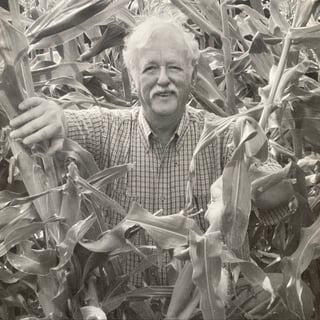
Speaker: Today we're hanging out with Nathan Sorendran, who's a systems thinker, recovering engineer, energy and security analyst, policy advisor, author of the Energy and Resilience Substack, and chair of the Wise Response Society, advocating for radical ideas like economies that operate within Earth's limits.
Speaker: So Nathan is particularly interested in energy blindness, which is the massive hole in our awareness regarding just how critical energy is for our economy and way of life, so abundant and historically cheap that we take it completely for granted. And this energy blindness goes all the way to the top, afflicting economists and decision makers who treat access to fossil fuels as an afterthought, not the very foundation of our modern way of life.
Speaker: I wanted to invite Nathan onto Reskillience to help us understand what's going on and what to do about it broadly, like with oil shortages and everything shortages and what they're going to mean in countries like Australia and New Zealand, how and if we can transition using so-called renewable technologies, the skills we're going to need, the stories we're going to need to rewrite, and all that we can do where we are to catch each other as things fall apart.
Speaker: It's a long conversation because there's so much to cover. I'm not sure we've ever gotten this technical on Riskilliance before, but let me assure you that even if the nitty-gritty details about energy and the economy aren't really your thing, Nathan brings it full circle to land right back in the heart, in the home, in your own backyard, right next to the spotted partalotes.
Speaker: Before we dive in, I want to say thank you to my sponsors, the good people who donate to Riskillians each month. Even though it's free and always will be, you are directly supporting me as a one-woman show, and I don't think I would have kept going without your support and encouragement. I am so grateful for you.
Speaker: you can join the Riskiliants community at patreon.com forward slash riskiliants. Shout out to new members Sam, Tyson, Brady, and Claire, and please give it up for Nathan Surendron.
Speaker: Nathan, I know you're a really busy fella and increasingly so. So thank you so much for joining us today on Reskillians. It's a pleasure. Thank you for having me, Katie. Yeah, it was lovely jumping on the call and seeing the tiny home behind you there and wondering what this life is that you lead because, of course, I just glimpsed your work on Substack and it's but a sliver of the whole person. so i'd love to hear a little bit about your life. I believe you're based in Southland. like How did you end up in such a southwesterly posse in Aotearoa?
Speaker: ah um So I... yeah How far back do you want me to go? Maybe just like the dust jacket summary. Yeah, yeah, yeah. yeah no and So and I graduated from uni in 2000, spent a few years working a bit of time on the west coast of Canada, did some travel visiting my dad's side the family. I'm half Indian and my dad's from Kerala in southwest India. And so he's got brothers and sisters in the Middle East, India, Malaysia, Australia,
Speaker: kind of worked my way through those places and through various family members and ended up in New Zealand um working as an engineer for about a year. and Met my now ex-wife um in Wellington and we came back to the UK. And then when we came back out in 2010, it was just after my father had passed away. And her parents had relocated to Invercargill because of the zero fees scheme, which is a polytechnic that you can study for free as a New Zealander. And her mum had retrained as a nurse. So they were living down here. We came to see them. And basically, I was at that point around 2008, 2009, really waking up to the bigger picture, which is now, you know, the focus of a lot of my work and Invercargill was literally as far away from anywhere as as you could possibly physically get.
Speaker: um And and that that kind of ticked the box for me in terms of, you know, I think understanding a little bit about what's coming and looking at a place that had a relatively low population density, lots of productive land.
Speaker: lots of sort of can-do attitude and practical people, you know. um And so, yeah, really just on on that basis, um i i I immediately, when we went back to the UK after the first visit, said to my ex-wife at the time, um look, I could see but see us living in Invercargill. And, know, after a little bit of to and fro and a couple of years, it um turned out that, yeah, this was this was the place that we moved to with two young kids and and They're both now older, 15 and 17, and I've got a couple of younger kids. um
Speaker: and I live on five acres in South Invercargill with their mum, and we sort of share the property and into and care of the kids and are trying to build more of a sort of resilient homestead type um situation, which is quite common around the outskirts of and the smaller towns in New Zealand, so that sort of urban rural boundary that tends to be a big sort of bet swathe of these, what they call lifestyle blocks, um which are, you know, sort of 5, 10, 15, 20 acres, um and lots of people trying to live um in a way that is a bit more, you know, in balance, I guess, in some respects, um and certainly a bit more resilient and,
Speaker: i won't I dislike the term self-sufficient because I don't believe there is any such thing as self-sufficiency. and i think community resilience is where it's at. um But yeah, you know people people tend to frame it up as self-sufficiency.
Speaker: Yeah, you do appear to be in a quintessentially self or at least community reliant part of the world where a lot of people have been setting their sights for quite a few years um in terms of escaping the apocalypse and building their bunkers. If you were in a big city, like if you're in London right now, would you be thinking seriously about getting out? 100%.
Speaker: hundred cent
Speaker: Yeah, I mean, we'll get into the detail of the fuel supply crisis, but in a broader sense, you know, I don't know if you've read um Jason Bradford's The Future is Rural, you know, as um energy constraints bite over the next um decade or so and possibly quite a bit sooner than that, certainly in our part of the world, um we are going to see people moving around a lot less fundamentally and moving stuff around, including food and including all the you industrial inputs to the existing food system. So on that basis, you know somewhere where you can
Speaker: you know be on the land and be able to um aim in the direction of that sort of community sufficiency, you know city sufficiency, regional sufficiency, bioregion is in another word that's used. I think that that has to be you know a better option than staying in cities where you know the ah the energy metabolism of the cities you know the amount of energy it requires to bring in all of the things that the people in the cities consume and then take the waste out again is very much unsustainable and um you know i i mean that that became pretty clear to me 15 years ago when i first got my head around the energy descent pathway that i believe we're on and um
Speaker: As a result of that, you know, it was it was an easy decision to move to Invercargill from where we were, which was actually just just north of London and I was working in central London. so Yeah, so only recently have you been on my radar and that's because you've been pumping out some premium substat content responding to the current global energy crisis precipitated by the war in Iran. But how did you, I'd love to go back to when, as you mentioned, you've been writing about or thinking about these things for about you know, 15 years at least and were previously working as an engineer. What is the background and the background thinking that has led you to be creating such such frank commentary on the unfolding situation and deeply practical guides for people who are following along? How has your thinking evolved to this point?
Speaker: <unk>s It's a good question. So i've I've come rather late in life, only in the last year or so after my two older kids had an ADHD diagnosis, to the and to an understanding of neurodiversity. And as part of that, um you know, my own um neurodiverse personality type, something, you know, that possibly kind of spans across both an aspect of autism and ADHD. And so, you know, i'm'm I'm a person who just, you know, will... dive into something and I guess you could say that this you know this energy descent stuff has become like a special interest to me in the you know the way it's talked about with autistic and people so for the last 15 years at at least I've just been you know unable to let go of this massive piece of the overall sustainability puzzle that's missing and and you know when I I'll contextualize that I graduated from university with a degree in building environment engineering it's kind of the physics of building energy flows so dynamic thermal simulation of the heat coming in and the heat generated within the space and the heat losses to the environment. And as a result of that sort of dynamic modeling background, um, that was it very much at the sort of building scale. When I sort of set my sights wider to that larger picture, the the dynamics of the, of the larger system, i guess, really kind of jumped out at me and, um,
Speaker: really captured my attention in a way that made me question both my career path and, you know, it's been quite a challenging thing in some respects. You know, I, I just um was getting chartered around the time that I was learning all this as a professional engineer, which is, you know the equivalent of kind of graduating from medical school after you're doing your first degree sort of thing. You know, it's four, five, six years, in my case, um of, you know, professional experience where you're gathering a portfolio of evidence around all the competencies that you need and so on, then going through this big interview process to attain this professional status of chartered professional engineer.
Speaker: i got that and sort of almost you know You can imagine like holding a certificate and just watching it crumble to dust in my in my hands as I realised that actually, um in a very real sense, you know the engineered systems that we have achieved since the um start of the Industrial Revolution are a big part of what has led us down this this fundamentally unsustainable path. And I guess i just I just had to start talking about it. And I, you know, it started initially, you know, just with friends and colleagues um where I was in the UK. And, you know, again, I was working for an engineering firm, lots of very competent people. um And, you know, i'd I'd sort of try and explain what I was reading and what I was discovering. And and and even even then, you know, very quickly it became clear to me that,
Speaker: there was something blocking people from engaging with this reality. um And so I felt, I felt quite a sort of sense of, alienation in a sense professionally from the people that I classed as my peers and, you know, close friends and stuff in that I could, I could just see this. I think it was like, this is happening. Like this is, this is right. Like the physics makes sense. The, you know, the timeframes that we're talking about, like, you know, this is coming and it's coming in the next decade or two. And, you know, we need, I mean, this is going to fundamentally change everything that we do. And, and why won't you listen? And why won't you, you know, it was ah quite a frustrating time in that regard.
Speaker: Around that time as well, um as I mentioned, my father passed away, we moved back to New Zealand. And I went from sort of new build design work to more energy efficiency and retrofit stuff. And, you know, broadly have continued, I guess, on that sort of trajectory, teaching and um with my professional endeavours, such as they've been since 2012.
Speaker: Wow. So it is a bummer doing all of that work, all of that heavy lifting, all of that study and training and probably being in debt and having your qualification disintegrate in your fingers and know that you can't unknow what you were discovering and what you had seen. missing the conversation and also very like ah a massive blind spot that your whole industry and our whole civilization seem to have. are you able to help us understand what this elephant in the room is, Nathan?
Speaker: Nathan? um Yeah, I can try. so i mean, you know, it's it's there's there's various sort of them framings of it. The one I've come to most recently that I think makes sense and you know I can probably talk to a bit more without like charts and pictures and so on is around net energy. um And by net energy, I mean you you have the gross energy supply and I've been particularly focused on oil because oil and specifically diesel are effectively the lifeblood of industrial society. Most of the heavy lifting in terms of mining, trucking, shipping, cetera, is done by diesel or close derivatives of crude oil, similar in in weight to diesel. So that those the the decline in that
Speaker: and particular class of of oil products is the thing that's driving my thinking. And what what has happened over historical terms is we've taken the low-hanging fruit first in terms of our energy resources. And this has been true across whatever type of resource you want. i mean, you can think of it simply as, and you know, back in the pre-industrial times, people would walk out the door and because it costs a lot in energy terms and time to to go get firewood, they get it from wherever was closest first, right? And then they go further afield. We've been able to circumvent that to some degree because of the cheap, um abundantly available fossil fuel energy, which is effectively fossilised sunlight that we've had over the last couple of hundred years.
Speaker: And because it's fossilised sunlight, you know, it's and it's it's biomass that has been sequestered in the ground through geological processes and then over over time with pressure and heat in the depths of the earth has reformed into the crude oil, coal, natural gas, etc. that we that we're utilising now. But that's a very slow process and also it happened at a period in the past when the biology of the earth was different and the ability of the earth to break down cellulosic biomass um
Speaker: and that eventually becomes coal, for example, um was was was limited. And so more coal formed faster in in that in that period when it was the main coal deposits were being laid down than in more recent times. um And as a result of that, we're drawing down on that big um reservoir of fossilised sunlight around about a million times faster than it's being recharged by natural processes. So, you know,
Speaker: On that basis, and because we live on a finite planet, and we are eating our way through the resource and um literally eating our way through it because you know every calorie of food that's delivered from the industrial food system, which is all you know underpinned by these fossil fuel resources, and takes about 10 calories of fossil fuels to deliver.
Speaker: um So it's a very inefficient system relative to, you know, the natural systems that we have. But because we've had so much of it and it's been so cheap, it's allowed us to just supply it and abundantly, you you might say profligately, um into into the world. And that's given us powers that were, you know, beyond the powers of gods to take the tops off mountains and reshape entire landscapes and you know exterminate entire species. um you might You might say if you take the sort of fatalistic like maximum power principle look at this, which is natural systems will organise themselves to make
Speaker: the most use of the available energy flows. I'm paraphrasing a bit there, but broadly that's what it says. And so, you know, we we will continue to use its maximum rate until we hit some hard fundamental physical constraint. And that's, you know, historically in previous civilizations been civilization that's grown in a particular area, has used all the available firewoods and the other, you know, resources that were locally available to them. has cast its net further afield and gone and conquered other neighbouring tribes or regions and extracted their resources and brought them back to the centre, Rome or wherever that might have been. And now we've got this global civilisation which is built on this fossil fuel resource which is quite distributed globally, although there are some obvious concentrations in the Middle East and so on. um And we've ended up in this situation where um as as we deplete the the higher quality resources, we are now going effectively down the ladder to lower energy resources. And what I mean by low energy is actually lower net energy, going back to where I started. So this is this idea that you can supply whatever, and let's just take the current situation in round numbers to give us something to talk around. 100 million barrels a day of oil is roughly what with the global oil supply system was delivering
Speaker: to the um to the wider economy pre pre um the start of the unwarranted and justified attacks on Iran that um the US has entered into. And as a result of that, those attacks, we've lost about 20% of that um fossil fuel supply. But even before that, of that 100 million barrels a day, you have to think how much is going back into the extraction of the resources and without wanting to be too precise because there's a lot of contention around exactly what the numbers are. We started off 100 years ago and you might have only had to put, say, a million barrels a day into extraction activities to get 100 million barrels back. um
Speaker: Globally, all things considered now, that 1 million barrels a day that you're putting in might only yield something like 15 to 20 million barrels back. so we're already we're going down this and descent pathway where We're seeing diminishing returns on the investment that we make in energy terms into extracting more energy. And as a result of that, you get less net energy, net of that gross production to and supply all of the other things that industrial society thinks it it has a right to do, such as healthcare and education and the arts and globalised tourism and travel industry and globalised fishing industry and all all all of these other things. They are all reliant on the net energy, the surplus from our energy energy extraction activities. And as we're going down that descent, it's becoming more and more expensive because um just to give you an example from, again, from that oil sector perspective, we used to in, you know, the 1920s Beverly Hillbillies sort of scenario, be able to, you know, go and drill drill a well few hundred feet into the ground, light sweet crude would bubble out and that's a a and petroleum um liquid, which is quite close to diesel or petrick petroleum. And so you didn't have to do much to refine it and you could,
Speaker: pop it in your Model T Ford or whatever, and off you went. And and that was that 100 to 1 return that we used to get. The oil from the Middle East is possibly a bit lower than that, um but there was a heck of a lot of it in, you know, Gawar and places like that, these enormous supergiant fuels they're called.
Speaker: And we then have um other things coming online, which are, i guess, what you call unconventional um fuels. So that would be things like the Canadian tar sands, the Venezuelan heavy oils, ultra deep water, which again, because of the infrastructure required to put a drilling rig out on the ocean in, you know, often quite challenging sea conditions and security and all the rest of it has a higher energy investment required to get a return. um And all of those things are trending down away from that one hundred to one to something like I say, the global average now is assessed at something around the sort of 15 to 20 to one, all liquids.
Speaker: At the same time, since the global global financial crisis, we've had only one source really increasing in terms of global oil supply, and that's been the US fracking operations. That's very light oil.
Speaker: It's not the heavier you know crude oils. It's natural gas condensate natural gas liquids and condensate, which are very much a lighter type of oil product. And as a result of that, The diesel, that lifeblood of industrial civilisation that was talking about before, yield in terms of the overall mix, has been declining um relative to the total amount that's being reported as you know about 100 million barrels a day. So that is already constraining productivity. And we can see this globally, you know, over the last 15 to 20 years, you hear often economists bloviating about, you know, economic recovery, and we know we need to increase product productivity and so on. And it's pretty clear when you step back from all of that and think about energy, and you think about economic activity,
Speaker: the The global economy is not a financial system that happens to use energy. It's an energy system which uses money as a means of exchange. And nothing that happens in GDP terms happens without energy. And in the industrial economy, most of that energy is still sourced, despite you know the heroic efforts over the last 20 or 30 years to shift towards renewable energy and and increased energy efficiency. Most of it, the vast majority, is still sourced from fossil sources. So, you know, we we have this we have this declining quality of resource, there is increasing expense to extract it. And as a result of that, we are seeing real constraints on economic activity. And then that leads to, you know, and people at the strategic level getting worried about this and looking around and going, well, where is, there's still decent amounts well, oh, Iran, you know, or Venezuela. right And it's no surprise in that context that these are the places now where the US, which has been the sort of global hegemon in terms of the oil trade and the petrodollar, is now concentrating its um its military might to try and control those resources.
Speaker: Because as as it says in Dune, who controls the spice, controls the universe.
Speaker: Hot damn. What a summary. And yeah, my mind is is blown and my head is spinning and I'm trying to think of an analogy that's going to work for me in simple terms and I'm thinking of We got this amazing inheritance from grandfather's son, millions of years in the making, and we were just like, let's go to Vegas and blow it all on sex, drugs, and rock and roll. And not only that, the drugs aren't getting us high in the same way that they did that first time because the quality yeah is getting, is diminishing, degrading. I'm wondering if you can help me and help us all understand
Speaker: Okay, so we've built this global civilisation on fossil fuels, on ancient sunlight and that amazing inheritance and it's it's a blip in time. It is like ah a one-hit wonder.
Speaker: Why can't we simply put up more wind turbines and switch to renewables? It's such a simple and sellable story but it's not the whole story.
Speaker: no that's right, yeah. um So there's a few things in here. and so Going back to the story I just told around the decline in in energy resources,
Speaker: The energy resources that we have used over the last 150, 200 years since the start of the Industrial Revolution have allowed us to access massive amounts of the other resources that were required, particularly metals, and particularly you know other forms of of fossil fuels, and deplete those as well. And so um in broad terms, what we now see is that those those other resources are are subject to the same sort of diminishing returns that we've been talking about in the energy context. So at the same time as you have less net energy, net of the energy system to do other things with, more is demanded to get the same amount of resource from our other critical mineral resources and so on to keep this whole system going and particularly to build that next generation of energy machines that's envisaged as you know the the wind turbines and solar panels and so on.
Speaker: Just to give you an example of that, Simon Michaud, leading thinker in terms of that critical minerals sub piece, um has said and that when he started as a um ah geologist and, you know, in the sort of mineral extraction sector, copper, the cutoff for copper ore was about 5%. That is to say, you know, if if the ore that they were mining didn't have 5% copper in it, then they'd say that was uneconomic to mine. In the 20 since then to you know this point in his career that he was talking about this was a few years back but not that long ago um it's now at 0.5 percent so if you imagine previously you took a ah ton of um ore and you got five percent copper out of that now you take that same ton of ore and you're getting 0.5 percent and so that is a big difference in terms of the amount of
Speaker: earth that you have to process to get these these minerals out. And that's just just copper. you know The same is is apparent right across the spectrum with most of the critical minerals that are required to to be put towards this supposed renewable energy transition.
Speaker: And so ah just simply on that basis, I think you know it becomes pretty clear logically that there are constraints that will bite. and that that will affect the affordability, um the economics in the in the medium to long term of and this idea that we can build out an entire renewable energy system. Another point that's important in this is energy density. So, you know, one of the things with the fossilised sunlight that we've been drawing down on our one-time inheritance of fossil fuels... is that it's quite a dense resource in many respects. Certainly the the better quality resources were, and you know, it's liquid and liquid at room temperature, relatively
Speaker: stable, you know, particularly diesel, you know, it's not as explosive as as gasoline and so on. And so its it's utility to us has been just incredible and its ability to sustain that utility is now challenged by the fact that it it's just becoming so much more expensive to extract.
Speaker: the The renewable energies, um you know, the sunlight that causes the convective currents that drive wind turbines on the in the atmosphere, you know the direct solar radiation that's picked up by the solar panels it's much more diffuse and yes you know the renewables proponents will point to the total quantum of renewable energy and quite rightly say that there's far more sunlight hits the earth on and on and on a daily basis than we'd ever be able to use um but to put machines in place to harvest that diffuse energy and then you know distribute it and would require a
Speaker: and a machine, an energy machine, which because of the relative density to the global fuel system, as I understand it, would be something like an order of magnitude bigger. So it's not like you're building out the entire global oil system again to replace the oil system with renewable machines. You'd be building something that was 10 times bigger because you're extracting from a more diffuse energy source. And so you just functionally need bigger machines to do that.
Speaker: m Gotcha. and And they require materials and and fossil fuels. Like, is it fair to say that the the wind and the sun are renewable, but the actual, the capturing of those and the utilisation of those of that energy is built on, basically still built on fossil fuels. It's not renewable, it's rebuildable. And what you're saying is we're we're reaching limits around those materials and it also doesn't really work with our current infrastructure. Yeah, I think that is fair to say, unfortunately. And, you know, I don't want it to be true in a sense because, you know, I kind of quite like my... um
Speaker: my place in industrial society as a technological wizard, you know, who's an engineer and and all, all these sort of privileges that that could afford me, you know, back when I was following, following that career path. And it's, it's very difficult just at the, at the basic level of all of our narratives culturally are built around these ideas that, you know, we can do this transition and the technology and human ingenuity will find a way.
Speaker: um and, To some extent, I do still almost agree with that. I think they will find a way. I think we are finding better ways to utilise, you know, and biological materials in some of these renewable energy machines and so on in a way that may potentially be more resource and sustainable in some respects. The problem is scale. And, you know, from where we are now, where um renewable energy is a percentage of global, total global primary energy production is, is still measured in single digits, as I understand it. It might might have broken into double digits, but it's you know ah under 10%, to my understanding. We we we can't 10x that in the next two decades, right? It's just we because of the other reasons that we've been talking about. you know
Speaker: And even if you know you take into account the primary energy fallacy that a lot of firm the people who you know, take pot shots at the sort of message I'm bringing out say and say, well, you know, because renewable energy machines are generally electrical machines and because electrical and machines are that much more efficient than internal combustion engine machines, we only need maybe a third of that much energy primary energy from renewable systems. you still That's still, you know, two, three times the site the scale of the current renewable energy system. And that is still...
Speaker: as I understand it, and again, from my reading of the literature, more energy and material requirements than we can realistically expect, particularly given that thing about Liebig's law and the fact that, and this may this current fuel supply crisis may give us a really painful example of this. Systems are only as good as their weakest link. you know There are single points of failure in all engineered systems, and often those single points of failure present themselves at the the most awkward times. that they they They come out of nowhere. You know, there's ah another concept from systems science about emergent properties of complex systems and systems fundamentally don't behave, particularly when they get complex enough, um in ways that are inherently predictable. And i think we can expect to see some unpredictable sort of curveballs being thrown into this electrify everything, renewables will save us method. Now, that is not to say that particularly in and the developed world, I don't think that we should be pushing a little bit harder than we are on the renewables front, because one of the problems that we have in the developed world is how dependent we are on energy supply at scale to, you know, sustain ourselves and not even to sustain our current way of life necessarily, but just we we we've become so inured to the hardships of, you know, working without those energy resources. And we we have we've lost quite a lot of the skills and abilities that we need to navigate a world without those energy systems, you know, people who can see what's coming and can put some rooftop solar and batteries in. um Australia is quite a long way ahead of New Zealand in that respect. I think it will help soften the landing a bit.
Speaker: I don't think we'll replace all the... fossil machines with renewable ones and keep going at the scale we are. But I think, you know, pushing in that direction whilst it's still affordable to do so, given that, and this gets me in trouble with the environmental, but um environmentally focused friends I have, who say, well, what about ecological overshoot? And, you know, the materials demands of even that much consumption.
Speaker: I get it. um And I'm not discounting that. I think it's just, you have to be quite careful to think at the different scales of what's going on. And and particularly in countries, the the phrase The phrase I've heard, and I don't like it, is lifeboat countries, but you know places where it's going to be survivable given the catastrophic climate change that's already baked in. you know i think I think to give the human species the best chance, pushing for more renewable energy systems to give us 20 years of sort of distributed electrical energy resources and whatever electrical machines we can conjure up to to use with those to allow us to feed ourselves and get through this
Speaker: what's effectively a bottleneck in terms of the human population on the planet, I believe, um I think is is something that we should consider carefully. i don't think we should go overboard, but I don't think we should just dismiss it out of hand either.
Speaker: and Yeah, I wanted to ask you about right relationship with these renewable technologies. And you have really touched on that there. But I wonder if you could spell it out. What would a household system, what could it look like in a healthy, energy conscious transition? Like what kind of gear would people have?
Speaker: Okay, yeah I'll have a go And this is just my take on this. you know There's lots of other people who would would would probably disagree with what I'm saying here. but So I'll start with the why which is all the things that we've already talked about to this point in the interview about the constraints on energy supply, the constraints on material supply, and the need to therefore accept that we will see a level of economic collapse because energy flows will not support our current level of activity. As we see that decline in energy and flows and resource flows, we will see a drop in material standards of living. And the question I think we should be asking is, where is the baseline that we're aiming for? So, you know, what are the things that and renewable energy technologies can provide us with that meet some of our fundamental needs in a way that could be affordable to a larger number of people
Speaker: And give them more time for adaptation to reality as it is rather than as we'd like it to be. Does that make sense as a starting point? It's beautiful, yes.
Speaker: so so So then from there, you then start to go, well, okay, so what are the, you know, let's just assume that we're talking batteries and solar because I think that's the obvious one that in terms of distributed energy resources that is available at scale and is relatively economic right now. What what what are the electrical machines that can support that transition? So, you know, the higher efficiency electric cooking things like um pressure cookers and induction stoves. Interesting. was thinking about this the other day. i've got I've got both of those things. And my electric pressure cooker is is a resistance heater in it. It's not because it uses an aluminium pot inside it. And actually, ideally, what you want a cast iron pot and an induction system in there because that would be a bit more efficient. And so, you know, as you go through this thinking, it does imply, you know, certain things that you kind of think from a design perspective, oh, that should be different. and Lighting, you know, LED lighting is incredibly efficient and is continuing to improve. um And I think, you know, so a level of electrical lighting, I think we should...
Speaker: be honest with ourselves about the fact that, you know, the magnitude of difference between summertime solar production and midwinter solar production is a factor about 10 realistically from from my own lived experience in the literature. And so, you know, if you install a system that is maybe say a two kilowatt system, let's say for a typical household. and that's a lot smaller than we're currently installing. you know, people are installing 10, 15, 20 kilowatts of panels, and then another 10, 20, 30 kilowatt hours of batteries for a household.
Speaker: and if you if if you If you actually bring it down to the minimum, then that 200 watts, which is a 10th of the two kilowatts that you get in the middle of winter, is enough to run your lights maybe.
Speaker: and um charge a phone or two you know small electronic device that sort of thing in the middle of summer you then have additional energy to run you know tools and and and and there's a seasonality to which actually i think is another important thing that we will have to adjust to is you know working with the seasons you're opening um bit about you know you're you're in heart in the midst of the harvest at the moment and you know It's a period of frenetic activity and there's still a good solar resource to run dehydrators and, you know, that sort of thing. ah that
Speaker: that And that can be direct solar as well. It doesn't necessarily have to be an electric dehydrator. ah So, you know, use of energy directly and particularly solar energy um for energy. For warmth and buildings, particularly residences with passive solar design principles, to be more precise, and so that you are minimising the demand for energy from those buildings. um And again, that can be done very sustainably. I've got you know associates in New Zealand who have been pushing into what is now a bit of a global
Speaker: trend around straw bale structural insulating panel systems so you know you take a um a wooden frame and you stuff it with straw and you can make building modules that can make extremely efficient houses with a very low carbon footprint because it's basically wood and straw and a few nails or screws to hold it all together um and you know people are continuously iterating on the design of those sorts of things and I think yeah one of the things I want to stress is As much as there will be a letting go of a whole lot of high energy, guess you'd say almost lazy business models because they've been but permitted by these um cheap, freely available fossil fuels, there will be an abundance of opportunities for people to find and identify other niche and tools or techniques or so on. And I'm quite excited about you know the potential for that work.
Speaker: provide pathways and livelihoods for you know my children, for example. So it's it's not all bad Yeah, totally. It's humans love problem solving. I think it gives us one of the deepest senses of satisfaction. And I'm so annoyed that we have all these public holidays for monarchs and football. Can't we just declare like a national holiday, maybe a whole month where people can just get their shit together, redesign their life, have their energy ducks in a row. Like that would be a great use of our national resource base, just funding that.
Speaker: Yeah, absolutely. And, you know, I don't know if you caught that interview with Ian McGilchrist on The Great Simplification of Priesthood. I haven't listened yet. Yeah, yeah. But he talks a little bit about, you know, something which I think I read in David Fleming's work previously, which is around the fact that the medieval peasantry had something in the region of 180 days of public holidays a year.
Speaker: That is to say they only needed to work half of the year. to provide for their basic subsistence needs. And the rest of that was given over to effectively partying and being human and looking after your children and raising them properly. And you know all the other things that we struggled to do in this insane ecocidal civilization that we find ourselves stuck in at the moment.
Speaker: I know. That just sounds magnificent. And as we come into winter, i'm thinking about I'm thinking about how those peasants would have taken this massive stretch of time off to rest, rejuvenate and revel after the the peaking of the harvest and all that that entails. And it just seems like an excellent model to me. So, Nathan, before we get on to...
Speaker: all of these behavioural changes and all of the kind of spiritual work that we can be doing to modify our lives and find the meaning and the opportunity beneath this crisis. That's where we're heading in this conversation and I know people are probably salivating for some of those solutions ah to hear those from you, but we're still in the part of the documentary where you show all of the bad stuff to kind of really, really hammer home the issues. And so in the first part of this documentary with you, I'm wondering if we can chat about energy blindness, because that is something that you've written about at length and really, as I understand, love educating people around, helping us personally awaken to the energy slaves that have been at our disposal thanks to fossil fuels. So I wonder if you can explain what energy blindness is and then what energy literacy might look like, especially for individuals.
Speaker: Yeah, I guess I'd start this by saying that these are not original thoughts of mine. I see myself as more of a synthesizer of thoughts and, you know, people from Charlie Hoyle, the originator of the concept of energy return on investment. I've mentioned Steve Keen, Tom Murphy, Vaclav Smil, Nate Hagans, Tim Garretts, Lewis Del Noy, Howard DeOdem. I mean, there's there's a myriad of thinkers that ah I've sort of been synthesizing to get to this perspective and I really want to sort of name check the prominent ones in my mind right now um and say there are a lot more um because you know what I what I see myself as doing is really just trying to um to give people that sense of this isn't just Nathan talking which I think has been to some extent the um the reaction I've had from students and you know People in positions of power in New Zealand that I've pitched some of this sort of knowledge to um is like, oh, you know, lone wolf howling in the desert sort of thing, you know. And actually, that isn't the case. You know, this is this is a well-worn.
Speaker: track that reaches right back to, you know, at least um the originator of the concept of peak oil, Hubbard and his observations about the fact that petroleum supply would peak and then decline. And, you know, obviously hasn't been evident in the in the trends up until this point. And so people have looked at it and gone, well, that's not right. um But you you have to dig quite deep. And I think that's one of the problems with the energy blindness thing. is that um yeah know it is a complex story to unpack. That big narrative that I gave you just before that you said blew your mind, you know that's the sort of that that's the really short version of it, right? And so you know that i often in the um energy auditing paper that I was teaching in the Polytech would spend a good couple of weeks, you know sort of four to six hours stepping students through that that story and helping them to understand the individual bits and actually giving them homework on the weeks when we were going through that right at the start of the course, which was as much around emotionally processing it as it was about intellectually processing it. And I think this is one of the really key things is that, you know, it's very hard for a man to understand something when his job depends on him not understanding it, right? And people...
Speaker: you know, want to know um about energy, but they don't really, because when it gets into it and you you start to understand the compromises and trade-offs that we're facing right now, it's very emotionally challenging because it it involves the story we tell ourselves about our place in the world and our abilities as a species and, you know, status as an engineer or whatever it might be. um and and and having to change all of that all at once, which is challenging. It really is. And, you know, rightly so. I've had students over the years turn around to me and say, look, you know, you might well be right, but I don't want to listen to this. It's just I can't. It's just's too much, you know. And so I think that's a real barrier when it comes to energy blindness is is that that intellectual side of it. Sorry, the emotional side of it.
Speaker: Because people are so immersed in and dependent on the systems that the energy surplus has given us, they can't see it. So I use the example in some of my writing and presentations about New Zealand. And New Zealand consumes something in the region of 130,000 barrels of oil per day-ish. And that sounds like quite a bit. You know, it's $100 a barrel. That's like, you know...
Speaker: 13 million? or Anyway, 1.3 million. um the The point is that it's it's it's a big number to start with. And, you know, could people kind of like, what what does that mean? And so um Nate Hogan's was the first person I found that really broke that down into the fact that that one barrel of oil, refined hydrocarbons in the form of petrol or diesel, contains... the equivalent in energy terms of around four and a half years of human labor in one barrel. So, you know, we pay a hundred dollars for a barrel of oil. How much would you have to pay for four and a half years of someone's labor?
Speaker: You know, and it it sounds, it sounds preposterous really on first hearing it. and I've had this reaction from students like, that can't be right. You know, that's a ridiculous amount of energy. And it's like, well, okay, go and drive your car.
Speaker: a kilometre down the road and then push it back and and see how long that takes. And so, you know, 100 mils of of of gasoline can push your car a kilometre, right? And so that is actually a ah really incredible thing when you think about it. um And when you realise how much physical energy that is, if you imagine looking to be physically pushing a car, I don't know if you've bumped started a car recently and pushed it, but try pushing it a kilometre, and that's from 100 mils of oil. So, you know, that 130,000 barrels a day that New Zealand um consumes is the equivalent in human labour terms of a roundabout, and you know, using round numbers to just simplify it, half a million years of human labour equivalent per day. Right. what you know that that's just oil that's just oil and oil is you know um i think it's around about 28 of primary energy consumption in new zealand something like that and so you know this is an incredible amount of energy that we're using and we we don't see a lot of it because it's in data centers it's in pumping stations for the you know the water supply to the city it's in the machinery that's out on the farms processing the, turning over the soil to, you know, plant the crops that we then harvest, process industrially in a factory that's using more energy and then truck using diesel to to the supermarkets and then drive there in our cars and back and so on. You know, all of those energy consumptions are things that we've just become, i mean, we've we've not known anything else, right? You know, i mean, I'm now...
Speaker: getting getting on towards 50 and in in in my entire life i've i've never known a um way of life that hasn't leveraged those and energy flows and when i got to you know 2009 ish and and started understanding that bigger picture of the energy system and and just how much energy we were using you know and and realizing also the inequity of it and the fact that you know We live in these militarised bubbles of prosperity where most of the world does not live like this and that we are drawing down on what is a global inheritance profligately in the developed nations and literally not leaving anything for either our brothers and sisters globally or for future generations. um You know, I just, yeah, that that that was something that I think, you know, was emotionally very challenging for me. And I do have sympathy for people who just, you know, start to feel around the edges of the elephant, as it were, in terms of energy literacy and overcoming energy blindness and just go.
Speaker: oh, like, it's like, I just can't process it, Nathan. I just don't want to know. Stop talking to me. um it's it's it's ah It's an understandable human response. I'm not saying, I'm not excusing it, but I can see why it does that to people.
Speaker: Yeah, I think when that... that energy, the abundance that we've had access to and taken so for granted is limited and may may be reduced to a trickle. It's going to be a very rude shock, but I wonder if that rude shock might be more akin to running into icy waves on a southern beach in Tasmania and it's it's bracing and for some people enlivening. And I want to I want to go with you into some of the spaces that you've been heading and offering to your community on Substack around how we can all support each other to kind of run into these icy cold waves together and find that, you know, maybe we can get through this together.
Speaker: So um perhaps just to frame just to frame that the amazing document that you've been co-creating with a whole bunch of people there in New Zealand when the trucks when the truck stop, which I will link. in the notes for people because I've just found that so instructive and it's been shared really widely in some of the groups I'm in here in central Victoria. But just to really frame that work, there is this eerie silence in the mainstream media around what the close what the closing of the Strait of Hormuz actually might mean for us. It's just kind of... ah
Speaker: I don't know, like dead air, this this hush when I feel like we should be rushing to really allocate those scarce resources to where they're truly needed, like for our own basic needs and survival. so would you just briefly speak to how you see the situation, why we're being gaslit by the people in charge and what you see is really imminent off the back of the closure of the strait?
Speaker: So, ah i I struggle to frame it in in terms of being gaslit in the sense that it's a sort of malfeasant behaviour. I think there might be a little element of that from some sort of sociopath, so psychopath types at the top at the top. But I don't think everyone at the top is like that. And I i think, you know, it's it's it's just really hard to accept what's going on, right? So, you know, that 20% of global...
Speaker: um liquid fuel supply plus 20% of natural gas liquid, the LNG, the liquefied natural gas, and that that we've lost through, that was transiting through the strait, plus all of the the urea and so on. I mean, i think ultimately one of one of the um culprits here is is the classical school of economics, you know, the sort of Chicago school back in the nineteen thirty s funded by Rockefeller and Co., And, you know, this this idea that you could ignore whole lot of what were termed externalities in and but in economic thinking and concentrate solely on, you know, the the finance side of things and specifically on the profit of things in purely monetary terms. And, you know, it's that school of thought that has driven a a whole new, and I actually started
Speaker: thinking about this I don't whether I've really written about this very coherently, but, um, thinking about it in terms of, it's like a civic religion. And I think I might've stolen that from somewhere as well. I can't remember where, but you know, the civic religion of growth and progress, um, which comes from the, you know, the high priests of, of the religion who are the economists and they are, um, calling us to worship at the altar of growth and to, um, you know, prostrate ourselves before the invisible hand of the markets and so on right? And say you can have some ah you can have some fun with that metaphor, I think. and But it sticks to quite a serious point, which is that, you know, these these people are blinded by a literal religious fervour, you know, the dogmas of this religion of growth and progress, this civic religion of growth and progress, literally blind people to
Speaker: the the book the bigger picture. And, and you know, that we they we aren't taught to be systems thinkers in schools. And again, right back from, you know, the start of the Industrial Revolution, the whole schooling system is designed to produce workers, not thinkers, because thinkers don't work nicely for a boss in a factory or whatever. They, you know, they're troublesome and they ask questions and they point to things that should be different. And, you know, that's that's inconvenient to to industrialization and to capital. And so as a result of that, we we've ended up in the situation where we just we have to change some really fundamental things and and call out some really um unspoken assumptions. And I guess that's part of what I'm trying to do with with with the work that I do are specifically focused around energy. And also, you know, trying to talk a little bit about economics in the context of biophysical economics, which is this, you know, energy literate economics that I think is is critical to understanding where we are.
Speaker: Does that answer your question? Yeah, I think that's that's a great pick-up on the natural bent of my mind where it's it is more cynical and it is frustrated with the lack of communication and the lack of foresight that these so-called leaders are showing for people on the ground. And i suppose... i don't think they can see it. Yeah. No, it's it's it's a really good point. Yeah.
Speaker: Yeah, I just wonder, Nathan, if there's anything more specific you can offer around like what might these shortages look like on the ground? Like I realise that you're writing from a really local viewpoint there, but I think we can at least, we're in ah West New Zealand here, um we could probably extrapolate a lot of it to help us rally in a grassroots fashion around some of these ideas. ideas Like what what practically do you think we're going to have to contend with?
Speaker: Well, just there's a is quite a fun piece of country music by a guy called Corb Lund called Getting Down on the Mountain. don't know if you've heard it, but he starts with the line, when the oil stops, everything stops. Mm-hmm.
Speaker: You know, and I mean, that is the trap that we find ourselves in in in the current economic system. And I don't mean in a literal sense, everything stops. But, you know, all of the movements of goods and materials and so on that we rely on to run the economy in its current form stop. And so, you know, that that does lead us into some very, very difficult and uncharted territory. I want to say as well, um you know, what what I've done with the, particularly the work I've done, you know, communicating this to local governments and so on, it's kind of framed around, I guess, my version of a slightly light worst case scenario where, um you know, we we we do have absolute shortages of fuel and that leads to you know, lack of food in the supermarkets and so on. But my hope, and it's, it's, it's almost, you know, it really is almost a hope rather than, I don't know whether there's any real basis for this. And, you know, I'll be honest about the fact that, you know, this isn't really quantitative at this point in, in the sense that, um,
Speaker: although I understand the numbers quite well, my hope is that we um end up in a situation where we have um just sort of intermittent supply over this next period. That is to say, you know, we're not getting the full amount that we have been historically, but we're also not getting zero for prolonged periods of time because that would be catastrophic. And um if if we do end up in that situation, then, I mean, all bets are off and I don't really know what that looks like.
Speaker: you can You can look at, you know, his historic accounts and see that, you know, people will come together and cooperate for a while. But then again, as Corblund says in that Getting Down on the Mountain song, have you ever seen a man whose kids haven't eaten for 17 days and counting, you know? And it's, um you know, there's there's some real desperate...
Speaker: um times ahead for some people. And I do also want to point out a bit of a contradiction. You know, a lot of people say, oh, well, you know, the rich people are protected from this. They'll be all right. And, yeah know, if we see the level of economic disruption that this energy supply disruption potentially leads to in terms of a sort of tsunami of defaults and insolvencies, and mortgage defaults and insolvencies that effectively crash the banking system, which we narrowly avoided in the last um crisis back at the GSC, then actually people who who think that they're wealthy because they've got lots of money in the bank or you know stock options and all the rest of it, a lot of that could go to zero quite quickly. And what what people don't understand in that context is people who are already living at or near the poverty line know how to...
Speaker: make do and to compromise and to be resourceful. And it's a mindset, you know, being resourceful and having to struggle for subsistence is a mindset. And it's not something that people who are leveraging those, um those high, high um energy flows and resource flows and financial flows and, you know, building their wealth in in financial terms, are really you' conscious of because they they think that they're winning the game at the moment. And, you know, that's how it's reported and in the mainstream. But actually, when it comes to a situation like the one that we're probably facing, it's the people who actually know what a level of interdependence because you can't just hold your neighbour at arm's length because, you know, you've got the the capital and resources to do so and you actually need to ask them to come and help you to harvest the um the grain in the field or something of that nature, you know, there's fundamental sort of subsistence needs, we'll do better because they they are already by default practising some of the skills that everyone is going to need. um So it's it's not all bad news for for poor people in this situation. I mean, you know, Yes, they may be more impacted in the short term by, you know, loss of income that leads to them having to make some very difficult decisions around paying the mortgage, putting fuel in the car and putting food on the table. um And I'm not denying the level of suffering that is already there. You know, before this crisis in New Zealand, we had reports that a third of New Zealand households were experiencing some form of food insecurity.
Speaker: and So, you know, there there is that real struggle that's going on, but those people that are already struggling are practicing. And there was a a famous essay by John Michael Greer called Collapse Now and Avoid the Rush, which he he put out back in about 2011, 2012, somewhere around then. And just that concept of like, you know, practicing some of these skills ahead of the need for them is is adaptive in a way that,
Speaker: you know building wealth and thinking that you know because I've got 10 million dollars in my bank account I'm protected from this and I can buy my way out of this situation I don't believe that that is the case.
Speaker: Yeah thank you for that reminder and I'm wondering in the last 10 minutes or so that we have access to your brain if we can discuss what that community wealth, that wealth in relationship, in the interdependence, in our immediate local sphere, what that might look like. And this is drawing upon the document When the Trucks Stop, which is founded on a principles of mutual aid. So Nathan, if you could let us know what mutual aid actually is and how it's not just volunteerism, and then pick out some of the
Speaker: the the skills and the organisational elements in community that stand out to you as things people could be actioning right now. I would love to hear that. So I guess mutual aid is a confrontation to the idea of rugged individualism and, you know, being able to, as I say, leverage the financial and material flows that we've achieved in the modern economy, in inverted commas, to hold our neighbours and other people in society and in our community at arm's length. And it's a recognition that, um you know, we need reciprocity. um Actually, you know, the idea of codependence has been pathologised in our society and we need to retake that ground, I think. And particularly the idea of interdependence, of, you know, needing each other in a community, in a reciprocal sort of,
Speaker: circle that that will allow us to manage our basic needs without necessarily so many modern things that we use to get around those needs. um So, so,
Speaker: we go back and I think this is where indigenous thinking is so critical and where people rightly point to, you know, indigenous cultures as having something that we can gain at this time um from from their knowledge, because fundamentally when we talk about indigenous cultures, really what we're talking about is cultures that matured before the industrial revolution. So, you know, they they have, um for example, in Māori, which is the indigenous people of New Zealand, concepts like manaki tanga. It's basically this idea of of care in the community and of sort of reciprocity fundamentally. um
Speaker: And you know the marae system, which is the effectively like the community centre of Māori culture, is is very much an interconnected, interwoven sense of interdependence and of us all being one and needing to work together for the health of the overall system because it's from the system that our individual health is derived. um And so it's it's that sort of concept I think that the term mutual aid speaks to. um And obviously, like I say, that's sort of at direct odds with them the idea of, you know, the sort of rugged individual um and and also the idea that's been marketed to us of self-reliance and self-sufficiency right so yeah um that's i think that's the the start of it and so then what what i did with the document was i i led with food because i think of all the things that people can agree on food is often the one that they you know have time for and excitement about it's something everyone does every day and well most people do every day and um is is really um
Speaker: a unifying thing around which a lot of the other things that need to happen kind of a peripheral to the food system. um And so, you know, mutual ra ah aid arrangements in terms of food production, distribution and preservation are things like direct farmer community agreements, you know, getting rid of the middlemen, not necessarily because they're evil, although, you know, there's a line of thinking which I'm not entirely unsympathetic to that says, you know, that there's a lot of extraction going on, a lot of profit-taking that probably shouldn't be, but actually just simply the fact that it's more efficient and in an energy-constrained future where we can't move around as much, local farmers who produce the meat, vegetable, eggs, dairy, grain, you know, all the things that we need to to survive, we we need to we need to have direct relationship with. And again, if you go to parts of the world where we don't leverage these energy systems and people live at a lower standard of material, existence that's how things are organized and it just seems obvious to me that we will have to go back in that direction you know and that can be at the community level with things like community supported agriculture or cooperative buying models and then you can drop down a scale from that and look at you know the street level and just sharing seeds between each other and recognizing that again you know there's a lot to be learned culturally from historical arrangements whereby
Speaker: for example, communities on opposite sides of ah a valley system that they were farming would exchange seeds um every year or two because there was diseases and so on that developed that, you know, based on the light and shade and other factors in the in the the local ecosystem meant that, you know, if you swapped seeds, you end up with a more resilient strain and you actually ended up with better overall production. And These cooperative things that we can do, you know, just around food, and then spin off into all of the other areas. So we've already got in the secondary, which is water, quite a lot of cooperation, actually, because, you know, water distribution systems are, you know, owned by municipalities, typically large scale engineered systems. need to be rethought in terms of an energy constrained future where we may not be able to sustain the reticulated water system that we currently rely on. We may not be able to get spare parts or the chemicals to, um you know, put into the um water system deodorise and sanitise and clarify the water in the way that we're used to. And actually, you know, the the point that I made it here is, you know, every roof is a catchment and small and rooftops, particularly in an area where it's blessed with sufficient rainfall like Southland, can yield massive amounts of water annually. And with basic filtration, it's it's drinking water. And even without that, you know, you can use it just straight out of a IBC or whatever you're collecting it in. um for but watering the garden and wash washing things and flushing and toilets if you're still using a flushing toilet. And, you know, that's another area, you know, the health sanitation thing, which I i didn't specifically cover, cover but, you know, it's it's related to this idea of maximising efficiency of water consumption. And yeah, somebody actually called me out on it the other day and was like, why don't you have anything on there in compost toilets? and I'm like, that's a good point because I i actually use a bucket compost system on my property. And, you know, i I'm very familiar with those and I just missed it because, it's you know, there's so many things that you can.
Speaker: And I really had to work hard on, you know, sort of editorially constraining myself because I wanted to give people a document that actually had you know, sufficient things to kind of give the overall scope, but also was not so overwhelming, gave so many different options that they they just couldn't pick anything. So, you know, it's really just trying to pick on some of those low hanging fruits, going back to that earlier thing, around water, energy, transport and mobility, health medical um care arrangements, economic mutual aid, you know, around the money supply and so on. Communication and coordination, you know, that that collective decision making piece, which we have to relearn as we're um becoming and more conversant with things and then governance and decision making, what we do with our vulnerable populations and how we engage with them. And then just point 10 was. what to do this week so you know actually how how do you just get on with some things and and I just gave again some basic things that I thought most people could relate to and were you know actionable in relatively short time frames. Yeah it's very refreshingly clear and practical and comprehensive and I was yeah so appreciative that that was out there in the world for me to dip into. And I especially got excited about the point around animal traction and the possibility of training oxen and draft horses to start. know um Because it's just, it's like these lost skills or maybe um latent that are just there, hopefully in the seed bank or ready to be kind of rehydrated in our communities and bring so much joy and richness to
Speaker: Yeah, yeah, absolutely. And, you know, um also danger and excitement, right? Yeah, part of puzzle. The animals are significantly less predictable than their, you know, their mechanical counterparts. um and and And that is actually, again, something that from a mental health perspective, you know, we actually kind of need, you know, danger and excitement aren't bad things, like, you know, and, and, and we go looking for them and you see this in in the general population. If you don't have something in your day-to-day life that's challenging in that way, then you kind of make stuff up and go and throw yourself down a mountain struck to a stick or whatever it might be, you know, ah to to to get that rush, right? So, you know, I think, and I think this is, you know, the future, although it's scary, I love what Vinay Gupta said about, you collapse is being, living in the same conditions as the people who grow your coffee. And, you know,
Speaker: when when you go When you hear pi from from people, and I hear this all the time when people from you know my local area go away to you know these supposedly impoverished third world nations with you know all of these um deprivation deprivation and material standards of living and so on, what you see is, yes, they're deprived in terms of those things. And I'm not um downplaying the the the struggle there, which is a very real struggle, but actually, people come back and they say two things consistently. They're the poorest people I've ever met and they're the happiest people I've ever met. And, you know, what have we lost in in in our um day-to-day lives around some of the things that we could be doing that that we will now have to do? And what do we have on the you know flip side that is what do we have to gain from dropping back down that material standard of living ladder, which is going to happen anyway,
Speaker: and whether we like it or not, let's look for the positives and look for the things that allow as to to to hold, yeah, a positive outlook because, you know, there's clear scientific literature about that and, you know, having a positive outlook and and trying to find that. and I guess that's also part of what this document was about. You know, I kind of felt like people were just frozen, there's like deer in the headlights sort of thing in in the face of this this situation with the the war and so on. And this is just, you know, an outlet for what it is to be human is to do all these things and help each other and help ourselves and take action and adapt. And and we're adaptable creatures, right? You know, we we we can make this transition. It won't be pretty and it won't be easy, but it will be better, I think, ultimately in the in the long run.
Speaker: Yes, I look forward to the thrill of dodging oxen horns as I plough the nearby field. Thank you so much, Ethan. This has been energising romp and surprisingly positive and I'm just really grateful for you making the time and also for all of the work that you're putting out there into the world.
Speaker: That's a pleasure, Katie. Thank you very much for making the time as well and I've really enjoyed chatting to you. i I kind of feel, as I often do at the end of these interviews, like I've talked a lot and not you know, given enough time. That is the whole point, my friend. Yeah, that's... So no, thank you. it's It's great to be able to put out these longer form things and kind of try and draw it all together into a ah coherent summary of of the why of all the things that people sometimes look at me and kind of go, what are you doing? but It's like this, you know? So yeah, that's its it's really helpful to be able to tell that story and I really appreciate the time. Thank you.
Speaker: Big thanks to Nathan Surrendran for joining us on Riskilliance. I've linked to Nathan's work in the show notes. I highly, highly recommend reading whatever he puts out there, especially going back and looking at the document that we've spoken about in the interview for ideas about mutual aid and all of the ways that you can conjure up grassroots resilience wherever you are.
Speaker: I gotta to be honest with you, i am freezing cold. am recording this at 5am. Under the stars, the Scorpio constellation is high above my head, as is the just-past half moon. It is, it's bloody cold, and ah it's actually also really special to be up in the pitch black pre-dawn. hanging out with you but I am dreaming of a hot breakfast and warm fingers and toes so I'm gonna blow this hot dog stand.
Speaker: Where does that where does that saying even come from? Is it appropriate? ah Well look if you're listening it's past the point of appropriateness.
Speaker: Yeah come back in a couple of weeks time we'll be here with another savvy guesticle and have an amazing fortnight in the moon times. Time for breakfast. bye