Transcript
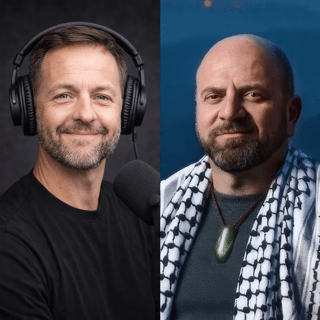
Speaker: Bob, I appreciate you joining me today. Where does today's recording find you? In Phoenix and kind of between between jobs. Would you mind telling me a bit about yourself?
Speaker: I've been building software companies for, it feels like, my entire life. And i got really intrigued by computers as a as a kid and ran a software company in high school that just you know made enough money to buy my first car.
Speaker: And then ah worked on the little family software business and then started Logos Bible Software with a friend when I was 19. And after i I moved out of Logos after 30 years leading that and went into another little software startup, and I just sold that a month ago.
Speaker: So I'm kind of, for the the first time in a little while, not in an active software business, maybe for the first time in 40 years. Yeah. What were you doing in i think you said high school when you started a software business?
Speaker: In my freshman year of high school, I started my first software business and it was tools for other software developers. So, you know, back in the days of MS-DOS before Microsoft Windows, it it There were programming tools, but they didn't you they didn't do user interface. and you It was just you know printed out lines of text. And so I wrote user interface tools to help MS-DOS programmers put user interface on their programs.
Speaker: And it was a you know before the internet, right? We used computer bulletin boards you know with the dial-up modems to distribute software. And ah it was at a a fun and exciting time with a whole new you know world of technology opening up.
Speaker: How did you get into that at such an early age? Because, you know, I know you're a little bit older than me, but not a lot, really. And I remember back then getting involved in computers. And at least for me,
Speaker: I don't think it would have ever crossed my mind that I had something that someone would be willing to buy. How did you get to that point? You know, I think it helped that I came from an entrepreneurial family. So my grandfather had been an entrepreneur. My dad was an entrepreneur.
Speaker: And I kind of grew up in, you know, around family business. And, you know, my grandfather had a real estate agency when I was growing up. And then my dad actually started a computer distribution company out of the real estate agency to sell computers to other real estate agencies and to write software to try to automate the real estate business.
Speaker: And so I just kind of grew up where there was this assumption that you, you know you ran your own business. And, uh, I think my, I give my parents a lot of credit for it. If I got into something, they you know would help me figure out how to turn it into a business, whether it was you know selling excess vegetables from our garden, door-to-door in the neighborhood, or you know ah things like that. And so when I got into software, and in the early days of the computer bulletin boards, you know there were people giving software away, but they we called it shareware, right? you'd You'd give it away, but people would send a send a check if they appreciated it, almost like a donation. Or maybe you'd buy the source code if you wanted to.
Speaker: And so that's what I, you know, when i started writing things that people found useful, I i started selling the source code. So I had the development tools out there and you could use them. But if you wanted to, you know, make them your own or change, then you could send me a check in the paper mail and I'd send you a floppy disk with a source code on it.
Speaker: I'm really curious about that experience with your parents or the support that you got. But before I get there, so you ended up in the Seattle area at some point, but did you grow up in that area?
Speaker: No, I'm from outside Philadelphia. I grew up in Southern New Jersey and I, I actually did a two six month internships at Microsoft and that's what got me out to the Northwest. And during my second internship, I just kind of converted to a full-time employee and never went back to school.
Speaker: I think if I recall from your history, you were at Microsoft for a while and then you went out and you started what became Faithlife.
Speaker: But yeah the initially it was the software Logos. Is that right? I wasn't at Microsoft that long. It was, you know, six months as an intern. i was a developer on Windows 3.0, which was kind of the first big release of Windows.
Speaker: So I was there on that development team when Windows 3.0 shipped. And ah I remember I was I had so many ideas for Windows that when at the end of the summer, my boss said, you know, we would hire you back. In fact, they offered me a full time job then, which was really cool.
Speaker: But they said, you know, you seem to care so much about how it works. You might like the program management where you instead where you kind of work on the specification instead of the code. And so I decided to try that. And I came back the second year in program management. and um But I missed the coding, right? So, you know, first I got to write the code, but i didn't have the spec. And then I got to write the specs, but I couldn't do the code. And that was actually kind of what led me to starting Logos was I was out to lunch with my friend and I was kind of worried that my My coding skills were going to atrophy while I was working in the on the specs side of things.
Speaker: And so we started Logos. For me, it was a way to like not only do something entrepreneurial, but to get back into coding. And ah so we started that while was at Microsoft and had to get them to sign off. that you know They didn't care that we were working on Bible software on our own time.
Speaker: And then within a year, we ah quit our jobs and raised a little money and and went full time with it. What was the timeline like before you felt like you had the finances to, or the the confidence to not have a day job anymore?
Speaker: Uh, we started working on it in, uh, want to say May. And by the end of the year that we had a working product and we started selling it, giving it to some customers and, you know, selling it.
Speaker: And I think it, it was the feedback from the people we showed it to and the initial, you know, the willingness of people to pay for a copy that gave us the confidence that maybe it could turn into a business. And, you know, we built out a spreadsheet to, to see if we could cover our salaries, if we raised a little money to get it going.
Speaker: We had a, my dad joined as the third partner because he had a lot of sales and marketing experience and it turned out he was, he was kind of launching another startup at that time that he wasn't as excited about as what we were doing. So he ended up selling his part half to his partner in that and joined us.
Speaker: And, and him coming on kind of made us need to raise money because, you know, he had to have a salary more than I did as a 19 year old. And, uh, that was, so we raised a little money and within the first year we got it to cashflow profitability, which was great. So that doesn't always happen, but It was the right time, right? There was a transition in technology platforms, a lot of excitement about new Windows applications, you know, with the transition from DOS to Windows.
Speaker: And so that that timing window, i think, was big part of the our success in the first year. Am I thinking correctly that around this time, i guess this time broadly from the beginning of selling software in high school to around about that time when you were selling logos, that was i at a a similar transition to ah away from, you know, free software to now people were willing to pay so hey for software. Because I think I recall in kind of the history of the internet and technology and all that there,
Speaker: people used to only pay for hardware and software was not valued, at least not like it is today. Did you, am I thinking of it correctly? There was ah certainly a lot of people giving software away and trading it around and things like that. But also was a lot of software purchases, right? We had literally had software retailers, right? your Egghead discount software and stores like that. And, you know, Microsoft Word cost hundreds of dollars and Excel and a Photoshop were hundreds of dollars.
Speaker: And now it's like, you know, if you charge $5 in the app store, people think that's outrageous, you know, but, uh, you know, used to, mean, our software sold for $159 in, you know, 1992.
Speaker: And, uh, so I think there was a period there where people were, you know, we're still buying software in boxes, right. With paper manuals, floppy disks and, Uh, but I think, you know, that period, the, you know, the bulletin board culture was, you know, on on the tail end and the, the internet culture was coming in and, aha it it was just a lot of, a lot of change all at once.
Speaker: When you started Logos, was it initially Bible translation or Bible research or something else? You know, what was your original vision, let's say? it was, ah you know, it was the Bible on the computer to be able to search it, right? i mean, now it seems crazy, but, you know, there were no e-books back then, right? You could barely fit and a whole book onto a computer with the amount of memory and disk space they had.
Speaker: And so you had um a culture of you know If you want to do Bible study, use paper books, right? There was a Strong's Concordance, which was this thing that looked like a telephone book, if anyone knows what that is anymore, right? Where you'd flip through and there'd be a list of all the places that a word appeared in the Bible and you'd go flipping around looking for it. And was actually the original impetus for me is I'd written a Bible software program in high school because I didn't like using Strong's Concordance. So i had I went to school where I had Bible classes and i i didn't want I wanted to use the computer because it just seemed like a better way to do everything. It was faster and easier.
Speaker: But, um, you know, just getting the Bible to fit onto the computer was a, was still a challenge at that point. And then from there we grew it to other books about the Bible and eventually over 200,000 titles.
Speaker: But, uh, you know, said it was so, it's so weird thinking back that far, right? You know, now we, we've got the Kindle and we've got the internet and so much content online. And, you know back then just, you know, seeing more than a couple pages of text in a word processor was unusual.
Speaker: And I guess back then you but would have been, you know, the boxes of software, someone would have been purchaing purchasing or you would have been shipping them a couple of, was it three and a half inch floppies, or something back then? Five and a quarter inch before that. Oh, wow. And then CD-ROMs and DVDs and the internet.
Speaker: it sounds like you were your ideal audience initially, or at least you were enough of a central user of the product that you could do some of your own user testing or, you know, I don't know if they still say this in the, ah in the startup space, but was, is it dog fooding or something of that nature?
Speaker: You're on dog food, right? The, uh, In the product. ah Yeah. And you, and that's how a lot of products start. People build something that they want to have in the world. And if you're, if it turns out that other people wanted that same thing, then you've got a business. um And oftentimes people build something they want in the world and it turns out nobody wants it. And then you don't, but then you have a hobby.
Speaker: Bob, I'm really curious about raising funds because i' I'm going to guess that you've been through it ah few times in your own businesses and you have been involved in advising other people or as an investor whatever else. But...
Speaker: It seems to me as an entrepreneur, like, sorry, let's step back from being an entrepreneur. It seems to me as an outsider, like that's really nice that someone else would write you a check for $10,000 or $100,000 or whatever.
Speaker: And that's great. But then when I'm in that seat of receiving the check, now it's quite anxiety inducing that have yeah this person is supporting me. You know, they're paying my salary or they're paying for the business or or whatever else it is.
Speaker: And if I screw this thing up, then, you know, it's not just my word or reputation or it could be a number of things mixed together. But you know, they really took a chance on me.
Speaker: And a $10,000 check might not be a big deal to you as an investor. But if you were, Bob, to give me a $10,000 check, that's a big deal to me. And so I don't know if you...
Speaker: you know, how much you recall about that, but through one or two or however many rounds of investing that you've been through in any number of positions, in particular, the first time around, was that a ah did did it create anxiety for you?
Speaker: You feel that pressure, right, of the obligation. um We didn't do as much fundraising as companies do now, i think, because ah we mean the the whole startup ecosystem and everything else wasn't as visible and aware, right? Before the internet culture, if you weren't, I guess, in Silicon Valley, you just didn't even know how a lot of that stuff worked.
Speaker: So, you know, we started with $120,000 is what we raised from six people who put in $20,000 each. Right. And my dad went and talked to a friend of his dad who, you know, who would, you know, taught business and had some business experience. And that guy became an investor and my grandfather invested and, you know, my dad's college roommate. And, you know, we just had six people who put up $20,000. And, you know, in retrospect that I see that as a, you know, that was a big investment in 1992. to make it a, you know, a speculative thing, but we had a finished product. We'd already sold it. We'd had a magazine ad and had people respond to it. So, you know, there was credibility that it could, could work.
Speaker: Um, and it, it did work out, but it took a long time too. In fact, one of the reasons we eventually, you know, sold a majority in the company was, you know, we, It had just been a really long time, right? My investors didn't see a return, you know, unless they sold to someone along the way, which a few of them did. But, you know, I had one investor who saw nothing for 28 years, right? 27 years, I think. Well, that's a long time to wait. Now, in the end, he got a fantastic rate of return. If he is compounded, any rate of return was great. But, you know, i i had one investor who died in that time period, right? You know, his estate did okay, but it's, you know that's ah that's a long time. And, you know, many times along the way, the investment could have gone to zero.
Speaker: Um, we did raise a little more money in the mid nineties. Um, and that was an interesting lesson too. Uh, we raised more money in the mid nineties than the original one 20, but really we didn't need it. We kind of did it because then in the internet culture, it seemed like that's what, what everybody was doing. If I could go back, I wouldn't raise that money. It didn't really help us and maybe distracted us with the wrong things.
Speaker: Um, but you never really know that on the front end. One thing that you said reminded me of this, a mutual connection of ours. Another person that it's not like I've had deep interactions with at all, but from you know almost 20 years ago, I recall him saying that you know, he had worked in his business for 20 some odd years.
Speaker: And then finally their business was acquired. I don't know if they had tried to sell the business before, or haven't, I don't remember anything about, you know, whether it was just time or whatever, but when the business sold, the purchase price and his equity was quite high.
Speaker: And this gentleman ended up fairly high on the list of, you know, high net worth individuals in North America. And I recall him saying it was something like 23-year overnight success.
Speaker: Yes. that There's all this work that you put in, which we can get into plenty of that, whether it's, you know, the blood, sweat and tears or it's taking risks with finances or who knows what, expanding, acquiring.
Speaker: um But one of the things that you said reminded me of the 23 year overnight success part, which it sounds like, however it went for you, that there were definite kind of milestones in the faith life or logos journey.
Speaker: Absolutely. And I've used that phrase too, right? It's like, um you know, people generally don't see the whole journey that takes you somewhere. And, you know, when it's successful and you have a significant company or you have an exit or something, it looks great. But it's like it, for us, it was 27, 28 years before we got to that point. And it's not that there weren't some good things that happened along the way there, but bad things, good things, you know, it's a whole roller coaster. And i think when you're the founder, i mean, i don't know about every founder, but many I know in my own experience you, you never don't feel like a startup, right? Even, even when we were, had hundreds of employees and lots of resources and money in the bank, you know, I still worried about, you know, can we make payroll all through the end of this year and are things going to be okay and our sales going to hold up and, you know, you just never get out of that meant startup mentality.
Speaker: I'm wondering how you dealt with feeling like a startup and worrying about payroll as your business progressed through different growth phases or even, you know, the economy.
Speaker: the We had things like the dot-com bust and so on. how did What was your experience like of worrying about some of those things and how did you handle it?
Speaker: I really love the phrase, you high-class problems, right? So, I mean, if you hear entrepreneurs complain, you know, it it could be, they often are high-class problems they're complaining about, right? So there's certainly some great things about, you know, being the boss in your own company, right? It's like, I...
Speaker: I had a lot of control over what I did. i had control over, you know, you could make the, you could do business things you wanted to do, right? You know, I'm i'm going to go to this conference in Europe, right? You know, well, I'm making the decision to go to this conference in Europe.
Speaker: And sometimes I felt like i had to go to the conference in Europe for an absolute business need. And sometimes i wanted to, right? And there's a, there's a mix of those things, right? So I certainly felt both of those things. And a lot of times there's a paradox, right? There's things I have to do. They're actually enjoyable or nice or have nice side effects.
Speaker: Right. um I saw the world, you know, leading a business, but I was gone 100 nights a year for a large part of my, you know, that period. Well, my family didn't always like that, but then sometimes they came with me on a business trip and we had an amazing experience that we wouldn't have had otherwise.
Speaker: And there's a lot of that in, you know, early on I had a, you know, was having conversation with a guy who who I had actually known him before he joined the company. He was similar age to me and we, we'd grown up in the same area and he was talking about, you know, how much freedom I had versus him or whatever. I was like, on the one hand, yes. On the one hand, no. Like I, I have personal guarantees. I'm with a bank and I feel this sense of responsibility to all these people work for the company who expect the paychecks not to bounce next week. And yet you make,
Speaker: you know You know, you're doing at the moment a customer service job at not much over minimum wage and everything you own fits in a Datsun, right? And so to if you decided tomorrow to move to another town or another city or start another career, you you know, you you don't make quite as much as I do, but you could make what you make today in any town in America in the next 48 hours.
Speaker: Right. And I, if I decided that I'm tired of this business or don't want the responsibility, just getting out of it could take me, you know, a time, money and maybe bankruptcy. Right.
Speaker: And, you know, yes, I, on the one hand, it's nice. I was making more money than him, even at that period, but not a huge amount more because it was really early. But, but I also didn't have anything close to the freedom he had.
Speaker: You brought in an interesting thing. for me, which is, you know, you bring other people along on this journey. So it sounds like you might have gotten married and had kids well after Logos was going.
Speaker: Is that right? Beginning. So what was that experience like of, and I'm assuming, needing to put a lot of time into the business and there's a lot of probably emotional weight or stress or whatever.
Speaker: And yet you have one of, I'm also going to assume the more important things in anyone's life, a family that you're you want to put equal emphasis on at the same time.
Speaker: Yeah. I mean, uh, a lot of ways, my story is like, like a thousand others you've heard, right? mean, you're starting a business and have a family. There's a struggle of, you know, the entrepreneurial businesses can take a lot out of you. And we had some, some difficult and hard times through that process, right? There was a period where, you know, I had, you know, ah a four year old and a three year old, and we've got you know, financial crisis in the company. And it was a period where I couldn't cash my paycheck, you know, on the normal payday and like, like nothing in the bank account and, you know, and worrying about everybody else's paycheck as well. Right. Being responsible for the whole business.
Speaker: Uh, and of course having signed personal guarantees on the loans, right. You know, it's like if the company goes out of business, that's bad for everyone and it's bad for the employees, but they can also look for another job. It's, You're the owner and it goes out of business and you signed a personal guarantee, you lose your house and you have to look for another job. Right. So, uh, you know, yes, high class to be the owner, but also you could have, you know, much more severe consequences in that situation.
Speaker: uh, there's, I had a lot of family in the business. My parents ended up both working for the company and my brother. And at one point, uh, my brother-in-law and father-in-law were involved a little bit too. And so there was extra stress in my wife is that every family gathering seemed to be a business meeting.
Speaker: And, you know, that had its own challenges as well. And, uh, I'm really glad she stuck with me and put up with it, but, uh, it's hard. And I, at some level, I think some of those things are choices we make. And I think some of those things are also about how people are wired. Right. And you, you know, you, you can't relive your life and do it differently. And I don't know how it would be if I'd made some different choices. Uh, I'm, I'm happy with many choices I made. There's many I regret and would, would have made differently. But I also think other, some people are just, you know, are going to be different in how they approach things. Right. Some people are,
Speaker: are are really good at compartmentalizing or keeping work and family separate. And other people have very, just an integrated style that, you know, whether they were an employee or an entrepreneur, it doesn't matter. They're going to be, know, kind of fully integrated.
Speaker: What's your thinking after all of this time working with family members? Do you have a general, ah do you have general advice, let's say, on whether you should work with family or friends?
Speaker: You know, I was blessed to have some really competent, smart family members to work with. And I think that that is, ah That's great. And not everybody has that. Right. And I, you know, i've been in a lot of business organizations that spend lot of time in kind of peer groups with other business leaders and family businesses can be the absolute best and family businesses can be the worst.
Speaker: And sometimes it has to do with the individual people and, and other things, you know, you know, same thing with working with friends, right? Sometimes you, you have really close friends from your time working together and other times it destroys the friendship from having that, that relationship in business.
Speaker: I don't think there's a general rule on that. um I think that for me, i ah tried to always put prioritizing the the personal relationship ahead of the business relationship. And at times I had to have, you know, create some separation. I've had other close friends or were kind of, you know, even more distant family members work in the business. And at times I realized, you know, this isn't going to be, you know, the best ah fit And, ah you know, you, you can't control how that's always going to play out. But I said, I try to put the personal relationships first, but, um, business to be a really stressful thing, right? And you see that with, you know, couples that work together, right? Sometimes that, that makes them just inseparably close. And other times that gets people, uh, you it's probably prompts their divorce, right? Because they can't separate the stresses of the business from everything else.
Speaker: I don't know what your involvement is with other businesses at the moment, whether you invest or advise officially or unofficially, but you know you have certainly had interactions with other entrepreneurs and startups through the years.
Speaker: When you know that there's a couple that works together or that someone has hired their brother-in-law to run operations or whatever else,
Speaker: Are there, that does that raise any flags for you or you? know, like you're, you're going to put more scrutiny on one thing or another, or is that something that you take just like any other data point?
Speaker: I think it's always worth, you know, having a conversation about and, and just making sure that people are clear on the motives and the reasoning and how they're going to handle conflicts that come up. Um, And you got think even about the impact that has on the other people in the business, right? Uh, when my dad and my brother and I all worked, uh, very close to each other for, for many years and we come, you know, we come from the East coast and we're a little direct and we, we sometimes shout. And, uh, I remember years ago I had a conversation with somebody once who said, he said, I just need to understand something about, he says, I was down the hall and I heard you and your dad yelling.
Speaker: And then a few minutes later, I saw you guys go to lunch together. And like, I don't understand how that could happen because if I, if my dad and I had yelled like that, we wouldn't talk for 10 years. Right.
Speaker: And, and I was like, yeah, but he's my dad. And we were yelling because we had a disagreement and, and kind of out of that disagreement, we, the answer became clear what was really the right answer. And then I went to lunch. school I got to lunch with my dad all the time. Right. And it's like, that's just our family dynamic. Right. And obviously in others that this guy persons, it wouldn't have worked.
Speaker: Right. But I, what I probably underappreciated was how much, you know, collateral damage is happening in the organization, right? The organization sees that, you know, people leadership are always going at each other, right? But, and maybe that would have been a problem with somebody who wasn't a family member, correct? My family relationship was so tight that, that, you know, we, you know, that didn't get in the way of, ah of being family. And, you know, for us, I mean, I, uh, I still see my dad all the time and we, you know, we, we spent two 25 years, you know, basically in side-by-side offices talking seven days a week, right? a lot of yelling in the early days, but yelling towards getting to the answer.
Speaker: Okay. So it sounds like you went into sometime in the 2010s before you sold a substantial part of the company. 2020. 2020. Okay.
Speaker: We basically bootstrapped on that initial investment until 2020. When did you get started with all drafts? In 2022. Were you still at the helm of faith life at that point when it, in 2020? Yeah.
Speaker: We brought in an investor in 2020 who took majority control and I stayed on as CEO. And then about 18 months in, we transitioned someone else into the CEO role.
Speaker: I stayed on an executive chairman capacity for a little while. And then in a summer of 22, left and ah started all drafts.
Speaker: A fair amount of time passed between founding the company and, you know, you leaving, certainly, or least starting all drafts, stepping out of the CEO role.
Speaker: But whether we're talking about the dot-com bust or 2008, 2009 financial crisis or whatever else One, I suppose, were you affected by some of these things? And two, were there ups and downs? Those are other things that, you know, you mentioned having a tough financial time at one point or another in the business.
Speaker: what What were some of the things that went on and how did you deal with them? i'm I'm sure I could take the blame for for almost all of the bad things that happened along the way, right?
Speaker: ah We, you know, i had a a strong desire to build the company and the product the way I wanted it to be. And, ah you know, in the big picture, that aligned with what people in the market wanted, which is why the company was ultimately successful, right? But sometimes I was wrong or was stubborn about something that I wanted to do that wasn't necessarily what the customers wanted to buy or things like that.
Speaker: um There was also, you know, tons of kind of technical upheaval and changes in the market, right? The internet was a big change from the kind of package software days. Then mobile was a big change. And then, you know, there's been all these kind of generational changes in the technology.
Speaker: um In the nineties, we tried to expand into more general electronic publishing to just get out of just doing Bible reference to doing all kinds of things. But we were in a small town on an island north of Seattle, and we were not really wired into Silicon Valley.
Speaker: And, but we wanted to kind of play in that gain. And I think in retrospect that you just couldn't do it without being in Silicon Valley. I think we might've been able to do that, but maybe not. And I don't think that was really what was, you know, the Lord wanted for us in the end. So we, but that was part of the, you know, we tried to kind of overexpanding into other categories and that seemed plausible, right? The internet, the whole.com was blowing up and just so much was happening in electronic publishing and things like that. And we had been pioneering electronic books and publishing for a long time.
Speaker: So then, you know, that was one big struggle there. And then it's just, we, we've always taken a really long-term perspective and that, you know, a long-term perspective, I think is, is a better way to build a company for something that's going to last, but it's risky, right? um We did things that other companies don't do, you know, we, we rewrote the whole software platform three times, right? That's, that's almost unheard of, right?
Speaker: You, And Microsoft Word is basically the same code base with just things added onto it for 40 plus years. right we we We threw everything away and redid it, right which is like, read any software expert, they will tell you not to do that. Do not do a full rewrite. and But we did it. And I think in the end, the reason we're still here that long is because we we have a better platform because we rewrote that platform several times. But each time we did that was a a risky thing that put the whole company at risk.
Speaker: I centered on some, you know, down times with the dot-com bust and all that, but were there times in between or otherwise where you were on an upward traje trajectory pretty consistently? And then, you know, Bob, your business is growing for two or three years in people, revenue, clients, something of that nature.
Speaker: And, you know, I assume that at some point things turn down and then they turn back up. I'm really curious about how you yourself thought about the business and the investments that you were making and kind of the insurance that you were buying yourself against bad times when things were still up and to the right.
Speaker: I probably didn't do a great job about planning against the bad times, right? You, you, when things going well, you feel like, uh, at least me, I start thinking I'm smarter than I am and that it's, you know, because we're geniuses that it's all going so well and it's going to continue indefinitely. Uh, and it doesn't always continue indefinitely. And then you have to adjust and make changes.
Speaker: Um, it And, you know, you, we all want to put narratives on things, right? So you want to look back and say, oh, you know, this success is because I did X, Y, and Z. And where this failure is because of these circumstances that are outside of my control.
Speaker: And, you know, there, there might be a narrative. I'm not sure that we ever get it right. And the narrative we try to put onto things in retrospect is, you know, even with the benefit of hindsight, the narrative might still be wrong because we make narratives in which, you know, we're the hero or we're the victim and, you know,
Speaker: And sometimes we might might not have been the hero or the victim or might have that wrong. And other times it might be something that has nothing to do with being the hero or the victim, right? it' It's a change in circumstances in the industry or the market or or things outside of your control.
Speaker: ah Overall, I think um our category was pretty resilient, right? You know, the economy goes bad and people, you know, stop buying it certain expensive luxuries. They don't stop going to church, right? You know? They, the pastor still gets paid at the church and the pastor still buys tools to do their Bible study. Right. So we were kind of resilient against some of the kind of general, you know, ah market collapses or things like that.
Speaker: Um, but on the other hand, it's a narrow category and again, good and bad, right. The narrow category means, you know, we, we ran a software company for 30 years that never really had the potential to be a billion dollar company because the the category probably isn't that big.
Speaker: On the flip side, a lot of software companies got got kind of killed in one day because Microsoft or Apple or you know, somebody added their feature, you know, added their entire product as a feature of some bigger platform.
Speaker: And, you know, and the the fact that we were selling into the church market meant that big companies didn't really want to be in that space, right? We weren't as as at risk of being wiped out by some move of a ah larger company.
Speaker: Um, although in some ways the Kindle hurt us, right. Cause a lot of electronic book sales and, you even in Bible study went to the Kindle, but it was, they were never going to put the Bible specific features into the Kindle that we had in our software. Right. So there's kind of a moat by being in a, in a specialized category, right. There's that old phrase that, you know riches are in the niches, you know, and it's, uh, there's something to that about kind protection against, you know, if we built, you know, accounting software, we, we would have gotten wiped out.
Speaker: When you look at someone, somebody comes to you for advice or whatever else on their startup, how do you think about some of those claims that it's like it's all blue ocean and it's all opportunity to be taken away?
Speaker: And yet also some of the things that maybe somebody has a great idea, but they need to, in the kind of the phrasing that I was using, they need to purchase insurance or they need to hedge against some of the potential downsides. Are there things you look for? Are there things that you say? do you see things? And you say,
Speaker: That man or woman, is they have a great product, but they're not even thinking realistically about this. What are some of the things that come to mind for you when somebody asks for advice or investment or whatever else?
Speaker: You know, I don't think anybody knows anything about what's going to succeed in business. And we we all like to pretend we got some formula or some metric and the, you know, the venture capitalists are all trying that too. But right even those professional investors, even those venture capitalists, they mean, BC has like a, what, a one in 100 hit rate, right? They basically, you know one out of 100 investments overall pays off and if at a seed level investment, right?
Speaker: I read that if you do angel investing, ah you basically need 500 investments to kind of to have the math work out that you're statistically more likely to be succeed than lose. You know, that's a lot of different investments to make where you're trying to evaluate each one of them.
Speaker: And I mean, I look back at companies that have been successful in the last 30 years in technology. And a lot of them I would have said, we're never going to make it, right? How in the world is Airbnb going to work? Who wants people sleeping on their couch, right?
Speaker: And, you know, I've been wrong about a lot of them, right? ah And, you know, there's others I could point back and say, yeah, I called that one. That was going to never work. And I'm more anecdote driven. Like I don't care at all about the total addressable market. Right. i mean, at some level, if you came to me and said, i want to build this product that only eight people in the world want.
Speaker: Well, you know, that's going to be hard unless you tell me those eight people, it's so valuable that they're going to pay you $50 million dollars a year each. I'm like, okay, well, that could still be a great business, right? You only have eight customers, but those eight customers will become absolutely dependent on your $50 million dollars product. Then, then that's great.
Speaker: Um, and ah so I'm not really, i don't care about those big picture metrics because I've also seen, you know, like how many people have launched a new ice cream brand in the last 30 years and like ice cream brands, just some of them work and some of them don't, but it doesn't seem to be, you know there's saturation, right? There's none of us who can't find ice cream in the next 15 minutes. Right. And yet over and over and over, someone's introduced a new ice cream brand and managed to carve something out of the market.
Speaker: And I don't think that has to do with the total addressable market for ice cream as much as it has to do with, does that entrepreneur you have the energy and a passion and the drive to go make it work? Right. No matter what happens, are they going to succeed?
Speaker: And I'd rather invest in somebody who I think is going to succeed no matter what happens than ah than in a particular market size. ah i'm I'm kind of more interested in, you know, like the Airbnb guys. Right. I think I don't know that the business today is exactly what they thought it was going to be when they launched it.
Speaker: Right. But they just found the thing that worked. Right. They changed it. You know, Uber is not what Uber was when it was launched. Uber was going to be, you know, black car, you know private black car service. Right. Well, now it's, you know, it' it's ah an app that calls you a taxi. Right. And that's that's a pivot from where they thought it would be originally. But what made it work is that they were going to do whatever it took to make it work.
Speaker: Is that something that, you know, in your own journey as an entrepreneur that you have found sets you apart or contributed to your success more than than other people? Or was is that common, I suppose, in your your perspective from entrepreneurs that entrepreneurs are the kind of people that will kind of do whatever they have to do in order to to see their project through?
Speaker: Yeah. I mean, I think that that's true about things in in everything, though, right? It's true about people in music careers. It's true about artists, right? It's like perseverance showing up, right? I mean, you've probably heard lots of cliches about, you know, the the old, you know, 80% of life is showing up or something, right? Well, maybe it's 95, 99% of life is just showing up and showing up over and over and over, right? And persevering and persisting through that.
Speaker: And I think that, that you know, that even you hear about somebody who, you know, who had a long shot musical career and finally made it big, right? Well, you know, they they sold CDs out of the back of their car. They bused in subway stations. They, you know, they they went to the farmer's market and sang when nobody was listening, right? It's, it that you know, and the people who don't do those things, you know, some of them make it through some random lightning strike of chance or discovery, but that's that's rare, right? I mean, you've probably heard the story about, you know, the Harry Potter books being rejected by dozens of publishers, right? John Grisham's first book couldn't get published. the His breakout but book as a novelist was his second novel because the first one literally nobody was interested in.
Speaker: and you know they went back later and published that book again and sold a lot of it. right But you know it's I think that perseverance and showing up ah matters a lot. And of course, the flip side of that, you know, which I always like to call out is, you know, there's, there's people who sometimes take that perseverance message the wrong way and they spend their entire life banging their head against something that's never going to succeed. Right. Or, you know, I actually know one entrepreneur like that is who fell in love with a product and I've known him for over 20 years and he is still trying to take this product that the world just does not want and not enough people are interested in. And he is, i mean, he has drunk the persistence Kool-Aid, but, but this product is not going to work.
Speaker: ah And, you know, but that's the problem, I think, is entrepreneurs are are delusional and some people's delusions turn out to be, they get the world to align with their delusion and some of them don't. And on the front end, I don't know that you can always tell them apart.
Speaker: As you went through growing your business, there must have been things that, you know, because you couldn't predict that this aspect of the program management, the software development, the accounting, whatever else, you couldn't predict necessarily that it was going to work or not.
Speaker: You had to hire the right person. You had to be a good sounding board or leader for them. And, you know, you didn't have all the time in the day as well to lead sales, to lead operations, to lead whatever. So I'm sure there were ups and downs, but were there things that you learned in the process of having to worry about payroll, having to worry about everything else that you still had to step back and say, I don't know everything.
Speaker: And here's how I can best hire or manage or lead the people who are going to do those things for me. So ah i love I love business in general. And the whole experience of starting at Young and growing the business was for me ah a great way to learn a lot of things, right? I had to go, you know, I learned about how accounting worked. I learned about how sales worked. I learned all these different things.
Speaker: um Because my dad had joined the business as the third partner, I had access to somebody who had a lot of experience, which was great. Um, sometimes you work with your dad, there's competition, but my dad was fantastic about, he, he'd done everything and he didn't want to do a lot of it again. So he wanted to stay in his lane of running the sales marketing.
Speaker: And I always had access to his expertise and wisdom, but I didn't have to like fight over, you know, running the company or something like that. And ah for me, it was about learning how stuff worked, you know, learning about the best practices and why they were the best practices. I'm on a little bit contrary. i always want to challenge the best practice or see if there's a different or better way to do something. And sometimes there is, and sometimes you learn that there isn't right. Or that it's not worth it. They know it's better to just go along with a standard process or standard procedure.
Speaker: Um, for me, there was a bit of kind of self-expression in the business, right? I want to do things this way, right? Whether there's, it's a best practice or not, right? I wanted us to answer the phone with a human being and not have an interactive voice response system where you press one for sales and two for support. And like, I hate those systems.
Speaker: And, you know, so long after everyone else had moved to interactive voice response, we had a human being answering the phone at reception all the time. Right. And that's something I just wanted to be different. And I could make a case for why I think that's valuable or useful, but it was also just what I wanted for the business that, that I was leading.
Speaker: Um, I think that I, I'm a big fan of studying history and human nature. And I think that if you, There are things that are timeless about how people are, about what they need and what they want and how they're going to behave.
Speaker: And for me, a lot of my kind of strongly held business beliefs came from beliefs I had about, you know, how the world is, right? You know, no matter what we do with our pricing or this or that or whatever, if our product doesn't help people,
Speaker: you know, get their job done, they're not going to pay for it. Right. And all things considered something that helps them, you know, move up the, you know, was it Maslow's hierarchy of needs is something that people are going to respond to. Right. And if you, you do something that's orthogonal to that, it's going to be harder to sell than something that helps people deal with safety and security. And so, you know, moving all the way up to self-expression.
Speaker: Right. And so those fundamental things, I think drove a lot of my decision-making and, you know, even at an anecdotal level, right. We know it's If you make it confusing, it's going to be harder to sell. And sometimes we did make it confusing and it was harder to sell. Right. We sometimes you have to learn that lesson even when you think you know it.
Speaker: Right. But, um you know, that that drove a lock of our decision making and kind of my, you know you know, obstinacy about the things I believe that were going to be true about the business. And, you know, over time, a lot of them worked out. Right. That's how we got to to make it over 30 years. And the company's still going now.
Speaker: How did you know that it was time to step back? I don't think I did know that. i mean, we we brought in the the partner because I felt like it was a In some ways, we wanted resources to grow into some new areas um that we had as a strategic vision. And in some ways, it also just felt like time for our original investors. It just seems like a really long time to have, in sense, locked up people's you know investment in liquidity.
Speaker: um So that was a big part of it. and We'd made it a long time without it. you know We hadn't raised money in over... 25 years, right? We, we didn't, there was no, there was no urgency to do anything. Um, but it, in some ways it felt like a time to, to, to make some change. And in, you know, I had expectations of how that would play out that weren't exactly how it did play out. And that's what happens when you, you, you know, do something structural. You can't always know what's going to be the result of that. That was in the middle of COVID too. We closed that deal like right, you know, two months into the COVID lockdown. And there's a lot of uncertainty and in the world. And I think some of that, you know, even changed the trajectory of the company, right? We had a very strong office culture. And now the company's become very remote um because COVID, you know, got people out of the office and learning to work from home. And then they hired people all over the country and it just became a different place.
Speaker: Are they still based in Bellingham, Washington? They still have an office there, but the even the executive team is in, you know, three or four different states. I think I recall reading articles in the local press about, you know, one of the buildings or something, Faithlife was ah a big property holder or something of that nature in the area. with a largest private employer in the downtown.
Speaker: Yeah. And then i'm I'm guessing you had teams in other places, whether it's in the United States or around the world, because you were doing a lot of different things and you were a big business. But I do think I recall reading or hearing some talk about, you know,
Speaker: selling buildings or not having as many employees in the area or whatever and I just hadn't really thought about how I guess in your particular case and you were you know transitioning out in one respect or another how that you know, remote work would impact a, an area like that. and i mean, that's happening in lots of businesses and lots of places.
Speaker: And it's one of those things too, that I, you know, I don't know that we know the right answer or that there is one right answer, right? Those, you know, remote work is fantastic for the fact that you can work in multiple places and, uh,
Speaker: I, I've in the last couple of years spent significant time in another, you know, a warmer state in the winter and have enjoyed the ability to do that because of, you know, a remote working culture on the flip side of that, there was things I really appreciated about an in-person culture. And I think that, I think we're goingnna see businesses that just, just like, you know, choosing different strategies. There's going to be businesses that are, that couldn't even imagine having an office and start virtual and stay virtual their entire time. there's going to be others that say, Hey, our strength and our success comes from getting everybody in a room for 40 hours a week.
Speaker: And I don't think that there's necessarily one right or wrong answer to that. I think there's there's good things about both of them. Before you got to starting AllDrafts then, did you have any other startups or projects you worked on on the side? Or was it, you know, family and faith life in large part? And then once you had stepped back from being the CEO, that's when your next project came on the scene.
Speaker: Faithlife was in many ways kind of like a, uh, an idea factory where we explored a lot of new businesses. So, well, that was the only thing I did for 28, 30 years. Um, inside fake life, we started with a Bible software company and then we made a print book publishing company and we had an academic journal and two magazines and a streaming television platform. And we made documentary films and a children's cartoon. And, you know, so,
Speaker: I feel like we had a dozen businesses. We just had a dozen businesses inside this one kind of corporate organization and we, we've launched different things in there. So I always wanted to start a new business and pursue a new idea. And was just able to do that inside that, that organizational framework.
Speaker: Uh, so I didn't have anything. And, you know while I was in it, leading it, that was, you know, more than a hundred percent of my attention and energy went to it all the time. but, uh, and I, you know, I worked with exactly a coach once who, went I made some comment about having the same job for a really long time. and He says, no, it seems like you've actually had a different job about every, every 24 to 36 months. It's just, he had all of them inside the same organization. Right. And that's kind of what I would do. I would get something new going, you know, and get it launched and then kind of turn it over to a team member. You know, when we launched our first paper magazine, I was super involved in, you know, in the first two or three issues. And then, You know, and then I had a lot less ah oversight over it as I turned it over to the team. And then I was on to, you know, now we're going to get into streaming, you know, streaming video. And, you know, so then I dove deep into that. And that's the things that was a lot of fun for me in in running the business. Probably some distraction to some of the employees. And I certainly have people on the team who felt like they wish we could just do one thing and and stick to it. But, you know, I wasn't interested in doing just one thing.
Speaker: How did all drafts come about? Was there a were you the, you know, initial user or was it serving some pain point that you had encountered previously?
Speaker: you know, just running a business for a long time. I dealt with a lot of contracts. Our business had a lot of contracts in it and I just felt like lawyers were using archaic tools. And the then when I was looking around for a new business idea or a new technology to play with, I was talking to a friend of mine who's a lawyer and he was, you know, sharing some complaints and frustrations he had with the processes that lawyers use. And I thought, well, I could fix that with technology. And that's what I did is I went and built a tool that to basically be an online, a cloud-based word processor for contracts that solved what I perceived as a big frustration and annoyance for lawyers.
Speaker: And we built a great product. um It wasn't a huge financial success and eventually sold to a company that I think is better positioned to take it forward. Um, but it's because, uh, and we did solve the problem well, but we didn't, I didn't do figure out enough about what it would take to get the market to adopt a new solution, right? There's things that, you know, where people have a daily complaint, but they're actually kind of used to that daily complaint and frustration. And while they might complain about it, they're not necessarily going to change their behavior to, to get around it or invest in learning a new tool or changing their workflow. Um,
Speaker: And so that was a good lesson for me. And, you know, being a little, you know, doing a little better go to market research and and understanding, you know, it's, it's one thing for people to say, this, this is something I pay for a solution for. It's another thing for them to actually do that.
Speaker: It's probably clear. And some of the things that I've said, or that I've asked you about so far, You know, i i'm I'm curious about things that you learned and the skills that you built up and how you mitigated some of your own weaknesses or whatever else.
Speaker: But then you get to the point where you're leading, i think it was a couple hundred people. but you know, ah a big organization. And then you go to a startup and I think I read somewhere that all drafts was, you know, ah six people or something. It was small, at least initially, if At one point i had 500 people at Faithlife and then I had, you know, at first one, then two, then eventually six at all drafts.
Speaker: So very different scale. um To me, still a lot of fun. um I missed having an assistant who could do some some tasks that I ended up, you know, had to do everything. I took the trash out.
Speaker: ah but which I'd done at the beginning of faith life too. Right. um So there was, you know, there's some nice things about having a large team. On the other hand, I felt like at all drafts, we can move really fast. Right. It didn't take a long time to have a meeting. You know, the entire company was in every meeting every day. Right. And it just, you know Uh, it was fun to iterate quickly and to be able to, you know, to make stuff happen faster than you can in a larger organization.
Speaker: So I enjoyed both parts of it because the part I like is, you know, understanding the problem and solving the problem and, you know, figuring out, you know, for me, it's about, there's a lot of joy in the pattern matching, right? I, I read a lot, I've got a lot of context and I feel like I have this massive pattern toolbox I've been building for my whole life and career.
Speaker: And I like going into new areas and and applying that toolbox, right? And, you know figuring out the right tool to use to solve this problem, which sometimes comes from a different discipline or a different area. um I got a strong technology toolbox, but also just like good business toolbox.
Speaker: Um, that's what I like even about working with other people's businesses or when, you know, people call and and want to talk over a business idea with me. It's, it's that ability to, you know, grab things out of that toolbox and apply them. That's interesting. And that, that made it a lot of fun to actually go into a new space, right? I was not a lawyer. I had just, you know, been a client of lawyers for a long time and seen a lot of legal documents. And it was fun to go in and, you know, learn about how lawyers work and see what things in the toolbox could, could make improvements. Yeah.
Speaker: Did you have to unlearn anything going from a big company to a small company? I don't know that I had to unlearn anything. yeah Did you have to change the scale of what you're doing? um I think there's some downsides actually starting when you're well equipped with resources, right? There's, um you know, starving is a great motivator, right? um Desperation is a great tool for focus.
Speaker: ah And at all drafts, i i was you know i was in a better position to fund the business and I wasn't worried about you know about making payroll or eating the next week. And so i probably maybe put too many resources into it too early, right before I had better sense of the go-to-market story.
Speaker: Um, I, I learned some things from that experience that, you know, at, because I had two partners early on at, at logos and faith life, I, I had people to kind of challenge and push back on different things. Right. And all drafts, I started it alone and then brought on some guys to help write the program who were fantastic, but I didn't really have ah a partner to say that seems like a bad idea or we should, we should prioritize this first or something. And there was a good lesson in the value of that. And there's certainly downsides to having a ah partnership that can, you know, you can have a lot of distracting conflict.
Speaker: um But you can also have somebody who's equally invested in the the outcome who, you know, can reflect things back to you in a way that that your your team might not be able to. After all this time, are there things that you can see in entrepreneurs or you hear them say that gives you a sense for whether or not they are likely to be successful?
Speaker: I'd like to think there are, but there probably aren't. or I'd be a great investor in making ah a ton of money off my angel investments. um i I did have one really successful angel investment where I didn't even...
Speaker: have a particular passion or care for the business, but I felt like this guy is both smart and unwilling to fail. And I invested in him and that worked out really, really well. Um, although then I invested in a second project and that did not work out well, but he kind of left it early on and went elsewhere. And I probably didn't pay enough attention and should have jumped out the minute he, he left it.
Speaker: Um, cause that was the sign. Um, you know, I do look for people who are, you know, I basically think you're going to do that perseverance, right? I mean, i whatever the business plan is at the beginning, it's probably wrong, right? Once you meet the market, you're going to learn something you didn't know. And are you going to stick to your plan or you going adapt to what you hear from the customers? And when you hit obstacles, are you going to find a way to work around them or, or not? Uh,
Speaker: And even then it's still risky, right? It's so hard to make something really succeed. It's easy when you've, when you've done it is you look back and, you know, again, you build a, the hero narrative. Well, of course I was brilliant. And I, I did all these things that I, that I've would be obvious to to me to know to do. And it's like, no this, there's a huge amount of randomness in it. It's like my story could very easily have, have been a ah failure that, you know, vaporized all of my net worth and my investors investment in 1998.
Speaker: Right. And, you know, we we, we barely made it through that. And then, you know, there's a couple other episodes we barely made it through and could have been, could have been a a failure story at lots of points along the way. And I'm, I don't really take credit for having it that not be the case. There's a, I think an element of, of chance and providence that we don't always account for.
Speaker: you know, you said earlier something about, this is not how you worded it, but the way that it came across to me is that eat ah Well, you said, you know, your executive coach, something like that said, you kind of, you've had a new job every 24, 36 months for just in the same company.
Speaker: And one thing that I thought when you were saying that, Bob, is that The way that I like things is that, you and as you said, the way that I want things to is not necessarily better and also doesn't mean that anybody else is going to want it this way. But the way that I like things is that we are finding that new territory. You know, we are breaking new ground or whatever and we're trying out new things. And there are other people who, for many different reasons, they...
Speaker: end up in a place where they're optimizing what exists or you know things are are well-defined and they're doing that well-defined job and then they're going home or they could be the entrepreneur that's working 100 hours a week and there's not so much you know ah inventiveness or whatever creativity to their work as much as it's just optimizing the heck out of this thing And I'm just more of the, well, what if we did this kind of person?
Speaker: And it sounds like you have some version of that as well. And as you were talking about that, I was connecting that a bit to why, you know, where I think we likely are today with artificial intelligence and whether we want to talk about generative AI or artificial intelligence and machine learning just very broadly.
Speaker: And I think you said it before, or you you mentioned AI before we started recording, if I recall correctly. And so tying some of this stuff together,
Speaker: One, I'm curious about if you have any ideas and you can keep those private, of course, but if you do, I'd love to hear them about what you might do next. And two, this is more of my prediction of the future, but I think that now more than ever in maybe the last hundred years or so,
Speaker: Now is the time for people to realize that some of the greatest opportunities are in trying something new and taking charge of your career or trying that creative idea.
Speaker: Because if you have, you know, a technology that can come around and it can say, I've absorbed this, all of this legal code, or I've absorbed all of the tax standards or whatever it is, and maybe it does a terrible job today at replacing you, it's probably not going to be doing a terrible job in 18 months or certainly in five years.
Speaker: And so wouldn't you want to get your reps in now to try something and fail and try and fail again, but find something that's unique and that you love doing versus just continuing to be that person or that business that optimizes what already exists. So it's two things here. One, you know, if you, I'm curious about if you know what you might be doing next and two,
Speaker: I have that philosophical stance, let's say, and I'm curious about your your thoughts on that. One of my characteristics is always to be a little bit contrary, right? So I'll push back a little bit and say that I i think that if you... We all have this tendency to think we're living in a special time.
Speaker: And my contrary take on that is um we're probably not living in a special time or not any more special than any other special time has ever been. We're always... living in a ah cutting edge special time where the whole world was changing, right? You go read some history of, you know, business and industry in the, you know, the 19th century, the changes that happened in the 19th century are unbelievable, right? The changes that happened in the early 20th century are incredible, right? You know, when my grandmother was born, the Wright brothers had flown, but almost no one knew it, right? And when she died, the iPhone was released two months later, right? You know, it's like, and we've been to the moon in the meantime, right? It's,
Speaker: ah There's always been times of technological upheaval and huge change in the world. So I think this is, it's it's both exciting and also kind of comforting, right? If you if you miss the AI revolution, you'll it will be a big change, but you also will, there'll be another one, right? In that you know in my career, we've had you know personal computers, right? People were doing their bookkeeping with pens and paper. Like there were people would buy a ledger book at the se at the you know office supply store and do their accounting on a ledger book. And I saw, you know,
Speaker: Lotus one, two, three and VisiCalc and Microsoft Excel come into the world and artists, you know, used X-Acto knives and colored pens on big drafting tables. And I, I saw the invention of CAD and everything else. And then the internet and the personal computers, then the internet and mobile phones changing the whole world. Right. And each one of those things, people like, Oh my word, you got a whole world's going to move to these devices we hold in our hands. And that's true.
Speaker: And, but then the whole world's going to move to artificial intelligence. And then, you know, what is the next thing beyond that? And, uh, and if you think about it, like, I mean, my personal favorite is something from about, you know, you think about it, you, if you lived 80 years from, you know, 1850 to 1930, like what you saw happen in technology and communications, right. The telegraph, the, the railroads, the steam engine, the, you know, airplanes, right. It's like the, the change, you know, we think we live in a time of technological change. I mean, if you're born in 1840 1850, I think, you You saw an insanely different world, right, from from thousands of years of human history.
Speaker: So that's exciting for me. And it's also kind of comforting and reassuring, right? that It's like, yeah, I don't want to miss out on the AI revolution, but, you know, there's been a ah revolution every 10 years that that changed the world in a dramatic way. And I expect there's another one we don't know about that's, you know, 10 more years down the road.
Speaker: Uh, for me, I'm, I'm interested in, in building technology for, like, for human flourishing, right? How do we just make people's lives better, right? How do we use these things to just make stuff better in the world?
Speaker: And there's, there's technological stuff, right? You know, the dishwasher or maybe a robot's going to fold the laundry and, you know, take a chore off of us or something like that. Although, you know, the, uh, you know, the, the, the, just having a washing machine was a big, big saver, whether was run by a robot or not a long time ago.
Speaker: So I'm, I'm also more interested in like how we, you know, ah getting back to the more fundamental, human experiences, right? What can we change about people's, you know, not just the making their mechanical life easier or taking some physical task and making it simpler, but how do we, how do we, you know, help people be more free, have more room for creativity expression, you know, to, to do a better job of taking care of each other. Those things I think are, are timeless and each new rent,
Speaker: thing of technology will give us new ways to do that. But those are the things that are really interesting. And in all the stuff that I built, like I geek out about the software and what we can do with the technology. Right. But ultimately, like when I built Bible software, I was trying to, you know, if I could give a pastor five hours back a week in their sermon prep where they did a better job in sermon prep, but they had five more hours. Now those five hours go to their family or to their congregation or their They get to sit in a coffee shop with somebody and talk more because they don't have to be looking things up in the paper book and while still getting the the sermon done that they need to do. Right. Ultimately, we we were using technology, but we were building a time machine. Right. We're giving people, you know, we're taking time from mundane tasks and letting them put that on the important things of interacting with people.
Speaker: right And the same thing you know when I tried to build software for lawyers, right it was I was trying to take the worst part, you know the wrestling with formatting in Microsoft Word and fix the worst part so that you could focus on the problem solving a legal problem right instead of wrestling with a word processor, which is what a surprising number of lawyers are doing every day. And whatever I do next, that's what I want to look for is where do I use the technical but toolbox I have or the new amazing cool AI technologies to to make the human thing that's happening better, right? How do we make that human life experience better? And those are the problems I've been having fun exploring.
Speaker: How are you going about that process at the moment? Doing a lot of AI coding just because I'm enjoying it as a creative thing to get back into it and so exploring what it can do and what it can't do, kind of finding the limitations of it.
Speaker: Um, I've just almost by coincidence, or maybe because I've been more available, I've had a number of friends who've introduced me to other people. Like they'll have a friend who wants, has a business idea and they're like, Bob's free right now. Give him a call. Right. And so I've actually built, uh, in the last month, I built two prototypes for other people's business ideas, right. That I'm not joining or part of, but like, they don't know how to get started. They just feel like maybe AI could help. And so I've actually used AI to code two completely standalone business prototypes that I've just and In fact, just this week, I turned one of them moat back over to the original person and said, you know, here it is. And if you go forward, you should probably hire a programmer who, you know, who, whose job it is to fix your problems. But like, you know, I, I figured out what can and can't be done here.
Speaker: Right. And that's been a lot of fun. So right now I'm kind of, you know, working other people's ideas. I have a couple myself. I'm, I'm working on a problem for building photo galleries for museums. Cause I, I was annoyed by how hard it was to find historical photos in my town.
Speaker: and how terrible their software was. And I went into the photo archive and saw the tools they were using, which were like desktop software for windows from 1998. It felt like, and I was like, I can do a better job. And AI could like, AI could help you with history is AI can describe this photograph in a way that you can find it without a human being have to sit and tediously describe everything in this photograph. So it can show up in the index. Well, AI can describe everything in the photograph. A human's still going interpret it and put it in historical context and tie it to the story of your community. But they were wasting huge numbers of hours just going, this is a picture of, you know, this building on this street and like now I can do all that for you.
Speaker: Um, so hey maybe if your listeners have a business ideas, they want to explore, talk about what can and can't be done with AI, and then they should call me because that's, I, I don't know what's next and I'm just having fun exploring that with other people.
Speaker: soon enough, hopefully you find that thing that you say, okay, the I don't know how it'll work out for you, Bob, but to just, you know, make kind of a ah generalization here, the nights and weekends will become necessary and worth it because you're you're now committed to that next thing.
Speaker: Hopefully it's not too long before then. My goal is during this year to figure out what that next thing is. Where should I go then if i want to give you that phone call, so to speak, or I want to connect or learn more then.
Speaker: then whether we got to it or not today, Bob, do you have a recommendation or if I was to take only one thing away from today's conversation, something that you would want me to be thinking about?
Speaker: I'm all over the internet, but you could find me at bobpritchett.com and then, you know, people can reach out by email or LinkedIn or something like that. ah And I think that the
Speaker: you know, kind of my go-to recommendation is, is look for the things that are timeless, right? You know, whether it's from reading history or just looking and say, what, what will AI not change about the world, right? What will people still need or want, you know, in a world where all the technology stuff has changed? And I, I, there's a great book called How Buildings Learn um by Stuart Brand. It came out like 30 some years ago.
Speaker: And there's some videos that, of the book on YouTube that are free. The BBC made a series around it. And it's about, you It's about buildings and architecture, but really it's about what lasts and what does not. And we often get that wrong, right? There are things that are that stay forever. And his one of his key points is showing that like you can look at an aerial photograph of what was a Roman city 2,000 years ago, and the streets are all the way the Romans laid them out.
Speaker: But none of the buildings are left. Right. And you see that even in America. Right. He shows an aerial photograph of Boston, that one of the first aerial photographs taken in America from a balloon. And there's only one building in that photo that still stands. And yet someone from Boston would recognize all the streets.
Speaker: right and and that's true about infrastructure right you know where you lay the road turns out to be much more important than the building you build and people think it's the opposite where the road is doesn't really matter it's this beautiful building i'm building but the buildings never last the roads last forever right and in the same way there's things about you know will people want to be creative and express themselves yes and one day they you know they may have used to do that by writing you know music for an orchestra and then they did it by painting And now they do it through photography and now they're doing it with AI and AI generating music. But like what doesn't change is people will always want to buy tools that help them create art.
Speaker: Right. And, the you know, what we let those tools look like may change, but people's desire to express themselves doesn't. And, you know, just looking for those timeless things and kind of being good at discerning, you know, what's what is really about what a tool or a format that it's going to be here today and might be gone tomorrow versus a fundamental truth that's going to, going to endure.
Speaker: Bob, I am really glad that we got to do this. As I said, you know, it's been really just very few times that we've interacted over the last 20 or so years. So not only had I, you know, learned a bit about you over the years, but this is just such a richer experience. So I appreciate you agreeing to record with me and I've i've really enjoyed this. So thank you for being here.
Speaker: Thanks. Been a great conversation.