Become a Creator today!Start creating today - Share your story with the world!
Start for free
00:00:00
00:00:01

EP 20 - Psychosis and the Porous Self

9 Plays2 months ago
What is the self? And how might the answers to that question apply to psychosis?
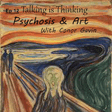
Dr Laura Nanni and Psychosis research coordinator Conor Gavin join us to discuss concepts of the self and how that might relate to psychosis. Both have much wisdom to drop on this topic so listen to the end.
Please Like, Comment and Subscribe, It helps a lot.
And Thank you for Listening
Recommended















Transcript
Introduction to Key Figures
00:00:02
philosophecker
Today I'm joined by Dr. Laura Jane Nanny, who is an affiliate researcher at the UCD Center for Ethics in Public Life.
00:00:10
Conor Gavin
Thank
00:00:11
philosophecker
She is the author of The Porosity of Self, Husserl's Philosophy of Self and Personhood, and also collaborates with clinical psychologists in Chile using her porous self model as an alternative framework for understanding the self in psychopathology.
00:00:15
Conor Gavin
you.
Research Focus on Maternity and Childbirth
00:00:26
philosophecker
Her research includes maternity care, focused on lived experiences of childbirth in the biomedical model. She teaches philosophy for children, P4C, which I say everybody should get a chance to do, and contributes to peace and conflict resolution initiatives through the Thinking Changes project funded by the Irish Department of Foreign Affairs in conjunction with Queen's University Belfast.
00:00:45
Conor Gavin
Thank you.
Philosophical Foundations of Self
00:00:50
philosophecker
We also have Conor Gavin back. Conor is a person with lived experience of psychosis and now works in the field as a psychosis research coordinator. He holds a master's in clinical neuroscience and blends his lived educational and professional experience in all he does.
00:01:08
philosophecker
Conor is also the founder and director of the Psychosis Arts Collective, which we discussed in our previous episode, an organization which empowers creatives with psychosis, raises awareness and fights stigma.
00:01:22
philosophecker
Conor is at the intersection of evidence-based clinical services, the recovery-based approach, mental health policy and the lived experience movement, hoping to bridge the gaps and ultimately improve outcomes for everybody.
00:01:38
philosophecker
So, the question, tell me about yourself. It sounds simple, but what are we actually asking? Are we asking about memory, personality, your profession, your trauma, your beliefs, your brain chemistry, your relationships?
00:01:51
Conor Gavin
Thank you.
00:01:57
philosophecker
Or are we asking something more fundamental about the structure of experience itself? Philosophers have wrestled with this kind of question for centuries.
00:02:08
philosophecker
David Hume said that when he looked inside, he found no self, only a bundle of perceptions. Immanuel Kant argued that the I think must accompany all experience.
00:02:20
philosophecker
The self is what unifies consciousness, according to Kant.
00:02:21
Conor Gavin
Thank
00:02:25
philosophecker
Sigmund Freud fractured the self into the id, the ego, and the superego, suggesting we are not even masters of ou ourselves. And Friedrich Nietzsche described the self as a battlefield of drives and that unity is just a useful story.
00:02:40
philosophecker
The doer is a fiction applied to the deed, according to Nietzsche. Contemporary neuroscience often tells us that the self is a brain-generated model.
00:02:51
philosophecker
But then there's Edmund Hussle.
Concept of the Porous Self
00:02:53
Conor Gavin
so
00:02:54
philosophecker
Hussle doesn't begin with metaphysics or brain scans. It begins with a lived experience. What is it like to be a self? not as a theory, but as something lived.
00:03:05
philosophecker
And then laura's nanny in Laura reconstruction of Husserl, the self is not sealed, isolated, or purely internal. It is porous. Porous meaning the boundary between self and world is permeable.
00:03:21
philosophecker
between self and other is permeable, between past and present is permeable, between habit and freedom is permeable.
00:03:28
Conor Gavin
so
00:03:31
philosophecker
The self is embodied, temporal, it's sedimented history, it's relational and is always intertwined with others. And that raises profound questions.
00:03:42
philosophecker
If the self is porous, what happens when the porosity intensifies, when boundaries loosen, When meaning floods in, when self and world blur, is that pathology?
00:03:55
philosophecker
Is a revelation? Or is it both? Before we begin, there's one important distinction. When psychology or neuroscience speaks of the self, it often refers to mechanisms and brain processes, memory integration, cognitive models.
00:04:11
philosophecker
When psychiatry speaks of the self, it may refer to disturbances, hallucinations, delusions, and boundary dysregulation. But philosophy has something different. What must be true for experience to be possible at all?
00:04:26
philosophecker
What is the structure of being the subject?
00:04:27
Conor Gavin
so
00:04:29
philosophecker
What does it mean
Stability and Social Nature of Self
00:04:30
philosophecker
to be a person, existentially, not just biologically? Those are different levels of analysis. And if we collapse them, things can get confusing. So today we're asking things like, what is the self?
00:04:43
philosophecker
How stable is it? How embodied is it? What does it mean to be embodied? How social is it? And maybe what happens if that fractures or opens too wide?
00:04:54
philosophecker
So we'll start with a question for Connor. Connor, any of the descriptions of self or the things we mentioned there, do they ring true for you or hit any?
00:05:08
Conor Gavin
Thank you.
00:05:08
philosophecker
Is any of them recognizable to you?
00:05:11
Conor Gavin
Yeah, I suppose, look, more no more than anything in philosophy, psychology, neuroscience, it's kind of a little bit of everything. you know there's There's not one statement. or I think a lot of people you know like certainty, um but I think when you study anything, when you study any kind of discipline, it psychology, neuroscience, philosophy, anything, that you've just kind of raised here today, Dahi,
00:05:37
Conor Gavin
You have to be comfortable with being uncertain about things. And ah there comes a certain amount of ah humility in that as well. I think, you know, people think that scientists know it all or researchers know it all and that they're certain about things and you can test everything. But especially in in mental health, like it's hard to measure things.
00:05:55
Conor Gavin
How do you measure if someone is doing well or not doing well? There there are ways of doing it, but... You know, sometimes lived experience can offer a lot and that brings on uncertainties and uncertainties.
00:06:07
Conor Gavin
But look, I'm open to ideas today and see what comes up.
00:06:08
Dr Laura Jane Nanni
Yeah.
00:06:12
Conor Gavin
But yeah, being comfortable in the unknown, I think it's important.
00:06:13
philosophecker
Good.
00:06:15
philosophecker
That's good. So, so yeah, in in mental health, you can't always get a ruler out or a measuring tape. it's it's not that It's not that kind of material, you know. um
00:06:24
Conor Gavin
Exactly, yeah.
Critiques and Theories of Self
00:06:26
philosophecker
Laura, when you describe the self as porous, which is your project, what are you correcting in kind of traditional models of personhood?
00:06:32
Conor Gavin
Thank
00:06:35
Dr Laura Jane Nanni
Oh, that's a great question. And also, Dahye, you've done a beautiful job of kind of summing up the core thesis of the book. So I really appreciate that. and it was It was really lovely and to hear someone else say it.
00:06:46
philosophecker
No problem.
00:06:52
Dr Laura Jane Nanni
Yeah, so effectively, this idea of porosity or openness, fundamental openness and presupposition to change, right?
00:07:02
Conor Gavin
Thank you.
00:07:03
Dr Laura Jane Nanni
um is is kind of it is the core theory of what porosity means. Now, effectively, my thesis, this porous self thesis, is responding particularly to several dominant theories of the self in philosophy that tend to overly emphasize one dimension of the self and downplay or almost omit the other side right and what does that mean effectively if you think about you know and I don't want to get too heavy here or too theoretical right I'm going to keep it as as uh as light and as straightforward as I can
00:07:35
Conor Gavin
Thank you.
00:07:48
Dr Laura Jane Nanni
But oftentimes when people hear the word self, right, they think of this kind of, oh, it must be this like really deep core inner and part of me. and You know, that's that's that's almost, and you know, you can nearly not verbalize it. It's so completely intrinsic, right? This very kind of sense.
00:08:11
Dr Laura Jane Nanni
And there is a theory by an incredible phenomenologist called Dan Zahavi,
00:08:14
Conor Gavin
Thank you.
00:08:18
Dr Laura Jane Nanni
i'm Zahavi is is just is one of the top Husserlian scholars. Now Zahavi came up with this concept called the minimal self theory, right?
00:08:30
Dr Laura Jane Nanni
And effectively, again, Zahavi, remember, is a phenomenologist. And keep in mind, phenomenology is a method. It's a toolbox, right? It's looking at structures of an embodied lived experience, okay? And it it gives sort of a whole other perspective to how we can think about things, how we think about the way we experience things, including ourself.
00:08:56
Dr Laura Jane Nanni
And so Zahavi comes up with this kind of a structure, right? This idea that the self, the very core, really intimate part of the self is equated to this sense of mindness,
00:09:10
Conor Gavin
Thank you.
00:09:10
Dr Laura Jane Nanni
what it is like for me-ness experience. Because of course, first and foremost, we are all subjects of experience, right? We all experience ourselves in relation to others and the world around us from an absolutely extremely individual, subjective, unique perspective.
00:09:31
Dr Laura Jane Nanni
Dottie, I can never be in your body and inside your mind. You can never be in mine. Conor, Same story, right? Because fundamentally we are embodied beings.
00:09:42
Conor Gavin
Thank
00:09:45
Dr Laura Jane Nanni
And so the body, Husserl often calls us the zero point of orientation. All right? And so effectively, this kind of heightened understanding of subjectivity, Zahavi kind of takes and really puts a massive microscope over it, right?
00:10:04
Dr Laura Jane Nanni
And what he's trying to do with this theory is really bring to the fore the absolute subjectivity of lived experience, okay?
00:10:06
Conor Gavin
so
00:10:13
Dr Laura Jane Nanni
Now, in doing so, while the concept itself, you know, it's great in terms of, yay, subjectivity and highlighting that absolute individuality and uniqueness.
00:10:26
Dr Laura Jane Nanni
The problem is that Zahavi's theory is basically saying that that experience of mineness or what it is like for mineness can be experienced in complete isolation completely independent from and without any reference to others or our surrounding social, cultural, familial environment.
00:10:52
Dr Laura Jane Nanni
Right. Again, he's saying that that minimal experience of mineness can be experienced in total separate isolation, independent from and preceding any referential experiences to others.
00:11:10
Dr Laura Jane Nanni
others or the world around us.
Empathy and Phenomenology
00:11:13
Conor Gavin
Thank you.
00:11:13
Dr Laura Jane Nanni
Okay? Yeah.
00:11:13
philosophecker
what what what What does he base that on?
00:11:15
philosophecker
I mean, I'm like, I'm just thinking myself, and it this seems to be kind of
00:11:22
philosophecker
the the pre-linguistic kind of self that he's pointing to here.
00:11:25
Dr Laura Jane Nanni
Yeah. Yeah.
00:11:27
philosophecker
um So would this mean that that's that's the self that that is available to animals who don't have language?
00:11:36
Dr Laura Jane Nanni
That's a fabulous question and one that I am not going to touch.
00:11:40
philosophecker
ah
00:11:40
Dr Laura Jane Nanni
I'll tell you why, because again, we're into territory. It's a beautiful question. And I love that. but Like that is a whole wonderful field of inquest that, you know, there are some amazing thinkers working on.
00:11:50
philosophecker
Mm-hmm.
00:11:54
Dr Laura Jane Nanni
However, when it comes to sort of these phenomenological ideas, it's all about embodied lived experience.
00:11:56
Conor Gavin
Thank you.
00:12:02
Dr Laura Jane Nanni
and it's human. It's a decidedly human kind of methodological framework that we're discussing, right? Now, massive questions come into play when we talk about the concept of empathy, which is a huge part of, you know, the the actual, the structural constitution of the experience of the self, right?
00:12:23
Dr Laura Jane Nanni
Now, empathy, I'm not getting into it, lads, because it's an enormous area, right?
00:12:24
Conor Gavin
Thank
00:12:27
Dr Laura Jane Nanni
And I want to try and keep it as simple as possible. But empathy in the phenomenological sense is and not quite what we understand it in our day-to-day sense because again we're talking about a structure of experience right and it's a structure of how we experience the other in our kind of conscious awareness okay now ah just you know, put a pin in that for a minute because I know I need to go back to that.
00:12:58
Dr Laura Jane Nanni
But effectively, the concept of empathy and empathic relations with animals in particular in the animal world, that that's a whole other field of incredible exploration.
00:13:07
Conor Gavin
Thank you.
00:13:08
Dr Laura Jane Nanni
But it touches more on, it does touch on kind of metaphysical concepts and existential inquiries in terms of existence and the, you know, the existence of other minds and that kind of stuff.
00:13:20
Dr Laura Jane Nanni
And that does sort of step outside the realm of phenomenological investigations. Because again, phenomenology is all about understanding how we live through and experience ourselves in relation to others in the world around us.
00:13:26
philosophecker
I just...
00:13:36
Dr Laura Jane Nanni
And it is about understanding how we have this sense of the meaning, how things are meaningful to us, how we experience ourselves as meaningful.
00:13:48
Dr Laura Jane Nanni
how we experience the world around us as meaningful.
00:13:49
Conor Gavin
Thank
00:13:51
Dr Laura Jane Nanni
But this doesn't...
00:13:51
philosophecker
ah just i
00:13:52
Dr Laura Jane Nanni
Oh, sorry.
00:13:53
philosophecker
Does that, when when when you say that about like the the minimal self, is there is is there meaning there in the minimal self?
00:13:54
Dr Laura Jane Nanni
Fire head.
00:13:59
Dr Laura Jane Nanni
Okay.
00:14:02
philosophecker
Or is that something that precedes meaning?
00:14:03
Dr Laura Jane Nanni
Brilliant.
00:14:05
philosophecker
Because to me, meaning comes with the linguistic world. i kind of, lecan when you enter that so some symbolic world, that that's where meaning lies.
00:14:08
Dr Laura Jane Nanni
Okay.
00:14:12
Dr Laura Jane Nanni
Mm-hmm.
00:14:15
Dr Laura Jane Nanni
Mm-hmm.
00:14:16
philosophecker
So I wonder, is there meaning in that minimal self that you're talking about? Or is it just a sense of, I'm here?
00:14:23
Dr Laura Jane Nanni
Listen, that is fabulous question because that is actually one of the massive issues with the minimal self.
00:14:27
Conor Gavin
Thank
00:14:30
Dr Laura Jane Nanni
In Zahavi's writings about the minimal self, he uses certain and you know sections of work and of Husserl.
00:14:41
Dr Laura Jane Nanni
Now, again, I don't want to sound like a stuffy academic and use big words that, by the way, it's only a language. It's not something... anybody else would find difficult to understand. It's just a language that we use to talk about these things. But effectively, Husserl does at times in his work talk about this concept of the ego.
00:15:05
Dr Laura Jane Nanni
Now, this is not related at all to Freud. So we have to make that very clear. But he uses this kind of terminology.
00:15:16
Dr Laura Jane Nanni
And he talks about the ego sometimes in this sort of isolated sense Right now, what Sahavi does is now again, I'm trying to keep this as simple.
00:15:26
Dr Laura Jane Nanni
It is it's kind of it's quite techie, our tech version of technique, techie language. Right. But effectively, in these sort of and descriptions of this ego that Husserl has, they are, in fact, an abstraction.
00:15:38
Conor Gavin
Thank you.
00:15:44
Dr Laura Jane Nanni
They're always an abstraction from the social, human being, the social person and the social world and others. That is always already the starting off point for Husserl in any of his investigations.
00:15:59
Dr Laura Jane Nanni
And that's where a lot of people who have the kind of old reading of Husserl m miss the point on that, which is what my work is trying to bring to the fore.
00:16:06
Conor Gavin
Thank you.
00:16:09
Dr Laura Jane Nanni
And and so what Zahavi does with his theory to sort of back it up, right, is he takes these sort of excerpts where Husserl has this very, you know, kind of detailed strict description of the ego and its isolated solipsistic sphere of oneness. And, you know, these kind of, you know, fancy words that, you know, really...
00:16:31
Dr Laura Jane Nanni
what Husserl in his descriptions is doing, it's it's it's actually showing how, in fact, you cannot have any sense, meaning, understanding or knowledge without implicit reference to the other or the world around us, right?
00:16:47
Dr Laura Jane Nanni
But what Zahavi does is he takes these kind of sections and he says, well, actually, here's a description of this ego that's stripped of reference to the others and our social environment around us.
00:16:58
Dr Laura Jane Nanni
and that's what the mineness or the what it is like for me-ness is and that's what can be separated off and analyzed and understood and so on right now problem with that is enormous and i'll tell you why psyche in a psychopathological oh my gosh connor how am i saying it psychopathology oh the
00:17:20
Conor Gavin
Psychopathology.
00:17:21
Dr Laura Jane Nanni
Yeah, okay. In research on mental health, let's keep it simple. her shes
00:17:29
Dr Laura Jane Nanni
This, ti because because obviously, and Connor, you again are the professional in this, so back me up if I make any silly errors. and In such kind of disorders as schizophrenia, for example, it is generally understood as a disorder of a disturbed self-experience.
00:17:42
Conor Gavin
Thank you.
Challenges to Minimal Self Theory
00:17:47
Dr Laura Jane Nanni
it's it's It's conceptually and you know depicted as as this very kind of and profound inner disturbance of the self. right Now, the model of the minimal self is what has been used in psychiatry for the last 20 or so years as representing conceptually, theoretically,
00:18:10
Conor Gavin
Thank you.
00:18:11
Dr Laura Jane Nanni
this self that is being disturbed the what it is like for meanness is being disturbed so again lads i'm a lowly phenomenologist not a psychiatrist i must make that very clear but i am working with psychiatrists so again i'm just making generalized sort of you know citizen examples not from any clinical standpoint i have to make that very clear so effectively
00:18:26
Conor Gavin
Thank you.
00:18:41
Dr Laura Jane Nanni
The problem is that this understanding of the self being this, you know, this conceptual idea that's really minimal, it's narrow, it's one dimensional and also would fit very nicely into a scientific kind of equation. Do you get me? Because it is so, and it's so bare, right?
00:19:03
Dr Laura Jane Nanni
And so the reason why and my colleagues have explained to me this was sort of favored in the beginning, right?
00:19:09
Conor Gavin
Thank you.
00:19:10
Dr Laura Jane Nanni
As, ah oh, this is a great thing that we can use is because A, it's simple, it's straightforward, and it brings forth the and importance and significant role of the subject, of the subjective experience of the disturbances, right?
00:19:24
Conor Gavin
so
00:19:25
Dr Laura Jane Nanni
Now, the big problem with that is it entirely omits the fact that A, we are fundamentally embodied embodied human beings. and B, we are inextricably embedded in our surrounding social, cultural, historical, and familial environment.
00:19:44
Dr Laura Jane Nanni
And that in actual fact, when you consider how we experience anything, ourselves, others, or the world around us, and I keep that just to keep a very simple structure in terms of speaking, you cannot separate one from the other.
00:19:57
Conor Gavin
um
00:19:58
Dr Laura Jane Nanni
Even if you go to the most isolated mountain, Mount Everest, on your own, there is still implicit reference to others and the surrounding world that cannot be separated, right?
00:20:14
philosophecker
Yeah, that' that's that's that's really good.
00:20:14
Dr Laura Jane Nanni
Yeah.
00:20:17
philosophecker
Let me just see how I got you so far.
00:20:18
Dr Laura Jane Nanni
Yeah, now sorry, I know I'm getting a bit, please pull me in if I'm getting a bit off.
00:20:19
philosophecker
so no No, no, no, no, it's fine. No, no, no, no, let's let's i think i think I think I'm following and I think the listeners will follow too, but let's see if we can um explicate what you're saying.
00:20:27
Dr Laura Jane Nanni
Yeah.
00:20:33
philosophecker
So,
00:20:36
philosophecker
Zahavi's minimum minimal self is kind of useful because it it cuts off all the all the messy stuff, all the complexities that we have to deal with that ah that are involved in being a real person and and where we're from, who we are, who we talk to.
00:20:38
Dr Laura Jane Nanni
Yeah.
00:20:45
Dr Laura Jane Nanni
Mm. Mm.
00:20:46
Conor Gavin
Thank
00:20:49
Dr Laura Jane Nanni
Correct. Yes.
00:20:53
philosophecker
And it becomes useful scientifically as kind of a data point. and But what you're saying is,
00:20:59
Dr Laura Jane Nanni
Correct.
00:21:01
philosophecker
That is not really a true representation of the self. The self is always embedded in society.
00:21:05
Dr Laura Jane Nanni
No.
00:21:07
philosophecker
The self, just being a person, and I'd argue even just thinking in language is kind of, ah it's it's it's a social activity.
00:21:08
Dr Laura Jane Nanni
Correct.
00:21:15
Dr Laura Jane Nanni
It's all intersubjective.
00:21:16
Conor Gavin
Thank you.
00:21:17
Dr Laura Jane Nanni
Correct.
00:21:19
philosophecker
um So it it reminds me of Newton and gravity, you know, Zahavi's thing.
00:21:24
Dr Laura Jane Nanni
Oh, go on.
00:21:24
philosophecker
Well, well well when when Newton first thought up a gravity, he he never actually found out what it was. i don't think we still know what it is, but we know what it does. And he said he said, like, you know what, we know what it does.
00:21:34
Dr Laura Jane Nanni
Go on.
00:21:37
philosophecker
That's all we need to know. You can forget about the rest. So that's it.
00:21:39
Dr Laura Jane Nanni
Oh my God, he's a phenomenologist. I love him.
00:21:42
philosophecker
but
00:21:42
Dr Laura Jane Nanni
I didn't know that. That's fab.
00:21:44
philosophecker
Yeah, but it's just it's just he knows what it does so we can work with them calculations.
00:21:47
Conor Gavin
Thank you.
00:21:48
philosophecker
So to me, that sounds like the kind of minimal self. but We don't want need to know what a person is. We just need to get a data point we can work with, you know?
00:21:54
Dr Laura Jane Nanni
Correct. You've nailed it.
00:21:56
philosophecker
um
00:21:57
Dr Laura Jane Nanni
That's it.
00:21:58
philosophecker
But... ah
00:21:58
Dr Laura Jane Nanni
and and And again, and I mean, don't get me wrong. And like, God forbid, if any loyalist Zahavians get wind of my argument, I'll be, you know, lambasted.
00:22:08
philosophecker
Mr. Sahavi, you're welcome to come on and defend this.
00:22:09
Dr Laura Jane Nanni
But oh Jesus stop no Tommy stop no because look a genuinely you know it has been a huge and movement there are some incredible and you know psychiatrists phenomenological psychiatrists who you know have used this theory you know and and it's been a huge benefit to a point but here's the problem with it and the problem is why the psychiatrists reached out to me in the first place and it's this
00:22:11
philosophecker
ah
00:22:40
Dr Laura Jane Nanni
How then, when you think about disturbed self-experience, right? Now, Conor, again, I'm only talking from my
Dynamic Nature of Self-Disturbance
00:22:47
Dr Laura Jane Nanni
perspective. Please don't judge my very minimal, pardon the pun, knowledge of mental health disorders.
00:22:53
Conor Gavin
Thank you.
00:22:56
Dr Laura Jane Nanni
Okay. But this is from my perspective, what they have told me. When you think about the genesis of self disturbed experience, right?
00:23:07
Dr Laura Jane Nanni
When you think about obviously, you know, how it kind of comes on and it builds up over time, it sort of doesn't just happen overnight, right? As in something is, is sort of accumulating and, um,
00:23:21
Dr Laura Jane Nanni
in other words, then, this is my perspective again, right, and effectively, there is a genesis, then, when the disturbances start, of how, you know, how far they go, and what shape they take, and, you know, so on and so forth, in other words, it's a dynamic concept, this concept of self-disturbance, it's not static, it's not fixed, and it's certainly not isolated or alienated from, i'm sorry, the experience is alienating.
00:23:32
Conor Gavin
Thank you.
00:23:50
Dr Laura Jane Nanni
I mean, and if like physically, you're not, you know, taken away again on on a mountain on your own having this experience, right? You're always in a, you know, social environment.
00:24:01
Conor Gavin
Thank
00:24:02
Dr Laura Jane Nanni
You're always in a context of some description, right? Now, the guys, and effectively then, the guys are talking about them when you talk about the narrative self. And Dahi, I've heard you speak about the narrative self, and mention it a few times, which is great.
00:24:18
Dr Laura Jane Nanni
And I'm going to come to that. But effectively, the guys are saying, look, if the self is this core, isolated, fixed entity, how do you explain the correlation between this closed, fixed, imp impenetrable,
00:24:22
Conor Gavin
Thank
00:24:35
Dr Laura Jane Nanni
concept or this experience and then the more social narrative forms of the self right in other words in our wording you'd say the constitutive correlation between the two cannot be explained if that's a theory you're working with right so effectively when you think about then what what i have done with my theory is i have combed through hustle roll's work for years
00:24:52
Conor Gavin
Thank
00:25:06
Dr Laura Jane Nanni
and found that you know he has the most incredible, rich, multi-dimensional picture and descriptions of self and personhood throughout all of his life's work, not just you know early, middle and late Husserl, which again, to read him chronologically is actually the worst thing you can do because he's a zig-zagger of a thinker.
00:25:24
Conor Gavin
Thank
00:25:29
Dr Laura Jane Nanni
He's mad, like his writings are, anyway, we won't go there. But in other words, There is this massive multidimensionality to the way that he explains the embodied, lived experience of a self, of ourselves, right?
00:25:49
Dr Laura Jane Nanni
paints a picture that is absolutely applicable and understandable and reliable to every person alive.
00:25:57
Conor Gavin
you
00:25:58
Dr Laura Jane Nanni
Because when you think about it, the embodiment, for example, first of all, it means that We express who we are through our bodies, right? Our bodies are our way of being in the world.
00:26:12
Dr Laura Jane Nanni
there We perceive with our bodies. the Perception, mind you, is the five senses. Don't forget, it's not just visual, right?
00:26:17
Conor Gavin
Thank
00:26:20
Dr Laura Jane Nanni
We're embodied beings, right? And for Husserl, consciousness is embodied from the ground up. Therefore, kind of critically responding to any dualistic conceptions of consciousness, right? Which is what, say, from Descartes,
00:26:37
Dr Laura Jane Nanni
you know, your Hume, and moving up to then the kind of that the philosophy of mind crew, you know, and and that end of things are always sort of taking this dualistic split approach to understanding sort of neurological brain function, you know, cognitive, very cognitive capabilities and sort of, you know, separating it all from effectively the embodied and the social and the embedded
00:26:43
Conor Gavin
Thank
00:27:02
Dr Laura Jane Nanni
and experiential side of of being a self, right? And so effectively, The embodied part is absolutely key. And it's also pre-reflexive because we are embodied from the ground up from dot, right?
00:27:11
Conor Gavin
Thank
00:27:17
Dr Laura Jane Nanni
And by pre-reflexive, I mean not cognitive, right? Not active, like high cognitive acts of, you know, recognizing concepts and this kind of thing, right?
00:27:31
Dr Laura Jane Nanni
Pre-reflexive means embodied. It means affective, right? So here's a little example of an affective.
00:27:38
philosophecker
Hang on now. I'm just, I'm going to stop you there, Laura.
00:27:39
Dr Laura Jane Nanni
Oh, sorry. Am I going off topic?
00:27:40
philosophecker
No, you're grand.
00:27:41
Conor Gavin
Thank you.
00:27:41
philosophecker
No, you're grand, you're grand. I just want to give, I just, I just want to hear what Connor has to say on, on, on what you've already said.
00:27:42
Dr Laura Jane Nanni
Sorry.
00:27:47
Dr Laura Jane Nanni
Oh, yeah, please, please do.
00:27:49
philosophecker
um So Connor, when you hear the term like the poorest self and embodied as how Laura is, is talking about it, does it resonate with your lived experience and your professional experience or do you see something that is missing?
00:27:49
Dr Laura Jane Nanni
Yeah.
00:28:05
Conor Gavin
Yeah, and look, obviously, the philosophical language and, the you know, some of the terminology may may be a little bit lost on me, but I am getting the bigger picture here. And there might be some, you know, marrying of the two in terms of neuroscience and the brain, of which I'm also not really a ah true expert on. Like, I have some background in neuroscience, but I wouldn't be as, you know, well-versed as some people. But there is the idea, you know,
00:28:34
Conor Gavin
We have our emotional brain, our limbic system, you know, the old brain or the animal brain. I thought it was really interesting, Tahir, how you asked, you know, does this apply
Emotional Brain and Self Across Life Stages
00:28:44
Conor Gavin
to animals? Really interesting question. And obviously animals do have, you know, cognition as well as, you know, certain animals would have. the the frontal lobes and that kind of thing. And in humans, you know, in homo sapiens, that obviously our frontal lobes are much more developed. So that's why we can think and so clearly. And, you know, we have our executive functioning and reasoning and logic and everything like that.
00:29:07
Conor Gavin
But I wonder... in in this idea of the self, like where does the limbic system fit in? Where do just our knee jerk reactions are, er you know, our our emotional, our emotions? You know, it's so automatic.
00:29:21
Conor Gavin
We don't think about how we feel as clearly as, you know, so so like doing an equation or doing maths or thinking of philosophy, it the logically like logical side of philosophy.
00:29:21
Dr Laura Jane Nanni
Oh. Yeah.
00:29:32
Conor Gavin
and and and and And to add on to that then, I suppose, a big thing in mental health these days mental health across the life course. So obviously we have CAMHS, we have child and adolescent mental health. I was in CAMHS. We have youth mental health, we have a psychiatry of later life.
00:29:52
Conor Gavin
But what about parenting? and And what about like babies, like children, like young children? Where does the self... So you're talking about social, you're talking about, you know, interactions with the world. I find that really interesting interesting from, you know, an emotional cognitive point of view when you talk about someone that doesn't, as you said, die pre-linguistic, like you're they let babies don't have have not let not yet learned English or any language, you know. So how does it fit in across the life course? How does, and can the self change? Like one one thing we know about measurement is that, you know, if you really want to measure something in mental health to see how outcomes are improving, if someone is responding to medication and intervention, you know, recovery, and how do things change and how stable or transient are these kind of things? So across the life of course, you know, what what is changing there in terms of your, you know, understanding of the self and and how does this all fit into that kind of thing? well I know I've probably hit on a number of different things, but I think it's interesting to try correlate some sort of scientific brain
00:30:59
Conor Gavin
biology and into this conversation and maybe die you have some thoughts or Laura.
00:31:02
philosophecker
No. No, yeah, I think i think that's ah that's very interesting stuff there.
00:31:05
Dr Laura Jane Nanni
Oh yeah.
00:31:07
philosophecker
I mentioned Lacan a while ago. I don't know that I explained what i was but I was bringing up. Lacan talks about... um how babies enter the symbolic world in that kind of moment or that period where they're being shown themselves in a mirror.
00:31:24
philosophecker
and they're being pointed to by the parent and given a name, like, that's you, Susan, and this is dad or mom.
00:31:25
Dr Laura Jane Nanni
Mm-hmm.
00:31:32
philosophecker
And that separation is actually what almost builds the self for Likant.
00:31:37
Conor Gavin
Thank you.
00:31:38
philosophecker
You know what i mean? And not builds the self, I guess, brings the person into ah into the symbolic world, I think he calls it. And that's where selves belong for Likant. You know what i mean? In that symbolic linguistic world.
00:31:52
philosophecker
So I think it's an interesting question too. Do babies cells? That's kind of what you're asking, Conor, is it? Is there a self-care in the baby?
00:31:59
Conor Gavin
Yeah, somewhat. and how does that evolve? Like, how does that evolve into an adult? You know, how do we, you know, we do know there is obviously developmental psychology, there's developmental ways of looking at mental health and, you know, how things develop in terms of even psychosis or any kind of disorder or condition. um So how, you know,
00:32:20
Conor Gavin
What age do you think maybe Laura are we coming close to a sense of self and maybe it's different for everyone obviously. Obviously our brains, our our frontal lobe develops fully probably on average with age 25 or something like that. um So how does that look across children, teenage years, adulthood, does change?
00:32:42
philosophecker
You can take that one, Laura.
00:32:43
Dr Laura Jane Nanni
Okay, I am so excited to get into this with you because without me needing to bring it up, you have brought up effectively the essence of this whole theory. And the first thing I'm going to say to you is the word habit.
00:32:57
Dr Laura Jane Nanni
I'm going to say habitual bodily memory. And that if you were to put a definition on what the self is, what the poor self is, it is effectively the unique, abiding, habitual, embodied style of life.
00:33:12
Dr Laura Jane Nanni
Now, sir, I'm going to answer all your questions, right? Well, answer, excuse me. I'm going to give and my subjective opinion on your, on my research on your questions.
00:33:20
Conor Gavin
you
00:33:23
Dr Laura Jane Nanni
So, okay. Do you remember I was talking about the self-other world? I kept saying that. Self-other world, that's how we experience always, all the time. Self-other world are implied in this. It's the very structure of our experience because we are embodied and embedded and we are always implicitly referred to others around us and the environment around us okay because we are fundamentally social beings so self-other world is this structure right how are we in the world well we're habitual beings right and habituality is in fact a pre-reflexive pre-linguistic affective form of self-experience okay and that all begins in the womb
00:34:10
Dr Laura Jane Nanni
All right, yeah.
00:34:10
philosophecker
I just want to clarify that when you say effective, it what do you what do you mean for the but the listeners?
00:34:13
Dr Laura Jane Nanni
Oh, sorry. Okay.
00:34:16
philosophecker
It's it's a to do with emotion, is it?
00:34:19
Dr Laura Jane Nanni
Okay, so first of all, it's like a primordial layer of emotion, if that makes sense, a primal layer of emotion. So emotion is is is huge, right, in all of this, absolutely.
00:34:31
Conor Gavin
Thank
00:34:33
Dr Laura Jane Nanni
um But let me let me explain. When I say affective, I'll give you a quick example, right? Okay, let's an affect is ah a very individual dimension of lived experience because it's a very subjective, individual, embodied lived experience. But it's the content, it is informed by this sort of social culture, you know, by the environment that you're in. Now, here we go. Okay, let's say the three of us are sitting here now And we hear a bang, a huge bang, right?
00:35:03
Conor Gavin
Thank
00:35:08
Dr Laura Jane Nanni
Let's say, you know, I've grown up in a war-torn country. Let's say, you know, Connor, you have grown up in, you know, the woods of Wicklow Mountains.
00:35:21
Dr Laura Jane Nanni
And Dahi, and you know, you've grown up um in, you know, Dubai. You've lived by a building site your whole life, right?
00:35:29
philosophecker
Oh, lovely. lovely
00:35:31
Dr Laura Jane Nanni
Bear with me. Each and every one of us will have a very individual and unique response to that loud bang.
00:35:43
Dr Laura Jane Nanni
Okay. And it's an embodied response, not cognitive. It's an affective embodied response. So for example, I've grown up in a war torn country.
00:35:55
Dr Laura Jane Nanni
And if I hear a loud bang,
00:35:57
Conor Gavin
Thank
00:35:57
Dr Laura Jane Nanni
For me, historically, loud bangs mean serious trouble, means trouble's coming, it means someone's after being injured, something's happened. And so my response could be a very visceral, kind of frightened, oh my God, kind of a response, right?
00:36:13
Dr Laura Jane Nanni
Now, Connor, you've grown up in quite a sort of you know peaceful you know environment with very little you know um urban sounds or you know kind no conflict or so on and so forth.
00:36:18
Conor Gavin
Thank
00:36:28
Dr Laura Jane Nanni
Your reaction could be kind of also quite kind of astonished and so on. But it could be more sort of, like it wouldn't be as sort of filled with fear and terror, say for example, as as my reaction would be, right? Because perhaps for you, a loud bang could mean a tree falling or something. do you know what I'm trying to say, right? And then dahi, we come to you, perhaps you have absolutely no response because you are so used to loud bangs and noises and knocks and this, that and the other, that you don't even flinch and you keep going on with your call, right?
00:37:04
Dr Laura Jane Nanni
how does What does this mean?
00:37:06
Conor Gavin
Thank
00:37:07
Dr Laura Jane Nanni
This is effectively to do with how. All of our lived experiences, every single experience that we have had since DOT, basically forms a temporally sedimented piece of experience, just bear with me, that sort of seeps into our embodied, into our habitual bodies, we call it, and it will build up over time.
00:37:31
Conor Gavin
Thank
00:37:34
Dr Laura Jane Nanni
to form a habitual embodied way of being, of responding, of engaging, of interacting. mic Now, what is required for a habit to be and constituted in the Husserlian in this sense? right Because habits,
00:37:54
Dr Laura Jane Nanni
are not cognitive. There's no involvement here of a cognitive mental act happening.
00:37:58
Conor Gavin
Thank
00:38:00
Dr Laura Jane Nanni
This idea of the habitual bodily memory is absolutely pre-reflexive. It's embedded. It's, you know, I don't like to say subconscious because that's not phenomenology.
00:38:12
Dr Laura Jane Nanni
That's, you know, more kind of psychology and so you know that kind of end of things but when we say pre-reflexive pre-reflective we mean sort of before you come to be fully cognitively aware of something you get me it's like you know that sort of way that we take for granted when we move through the world like i'm chatting away now and i'm also picking up my bottle i'm not even thinking about it right that kind of spur of the moment acts that we don't even need to think twice, we just do, right?
00:38:25
Conor Gavin
Thank you.
00:38:40
Dr Laura Jane Nanni
So that's sort of what the habitual bodily memory facilitates. It facilitates our seamless moving through the world, that we we we can you know walk from A to B and while being on the phone, because we don't have to think about how we move our feet and how we move our steps, because we have our own habitual way of walking, of moving, of engaging with the world, okay?
00:38:57
Conor Gavin
Thank you.
00:39:01
Dr Laura Jane Nanni
Now, I don't want, I'm sorry guys, because it is a bit tech, but I'm going to try and condense this as much as I can. So part of this structure of how the habitual bodily memory builds up over time and effectively you know, is our way of expressing our uniqueness and individuality in our shared common surrounding environment.
00:39:23
Dr Laura Jane Nanni
You can't have one with without the other, by the way, right? Is that a part of it is this concept called affect and attention, right?
Intentionality and Consciousness
00:39:34
Dr Laura Jane Nanni
And it's this idea that effectually, I'm sure you've heard of this whole thing about perception and perceiving objects and that kind of, I don't know if you're familiar with that.
00:39:34
Conor Gavin
Thank you.
00:39:42
Dr Laura Jane Nanni
You know, it's it's it's a phenomenology thing. It's a psychology thing.
00:39:45
Conor Gavin
Thank
00:39:45
Dr Laura Jane Nanni
You know, it's this idea of all perceiving objects and the object of my perception and all this, right? I try not to use that wording too much because it's kind of, it can be lumped in with this sort of positivists and the Humeans and stuff like that. But effectively, it's kind of to do with the way that we perceive and this concept called intentionality. Have any of you come across this concept before?
00:40:10
philosophecker
Yeah, intentionality, that that that that would be the kind of a the the the root of the pre-linguistic self for Husserl and guys like that, wouldn't it be?
00:40:10
Dr Laura Jane Nanni
Conor?
00:40:12
Conor Gavin
Thank
00:40:17
Dr Laura Jane Nanni
Absolutely, yeah. So all...
00:40:19
philosophecker
It's just's that initial instinct in the world to be towards something.
00:40:20
Dr Laura Jane Nanni
You're a you good man. And that's literally... like it's All it means, it's actually quite simple. All it means is that we are...
00:40:30
Dr Laura Jane Nanni
Our are embodied consciousness, and I have to keep repeating that because consciousness, when you think of it on its own, you think of something floating up here in you know in your mind.
00:40:37
Conor Gavin
Thank
00:40:38
Dr Laura Jane Nanni
no it's embodied. It's the whole way. They're both. You can't separate. Our embodied consciousness is always... reaching out towards something other to itself, right?
00:40:53
Dr Laura Jane Nanni
We're always already paying attention towards something other to ourself, right?
00:41:00
philosophecker
How does that hit you, Conor, hearing that? how did like When you hear that embodied consciousness and intentionality from that, how does that strike you with your experience and with your work and with your academic work?
00:41:19
Conor Gavin
Intentionality. So just give me a you know a brief synopsis of…
00:41:25
Dr Laura Jane Nanni
Okay, it's it means directedness.
00:41:28
Conor Gavin
just so I can answer a bit more.
00:41:31
Dr Laura Jane Nanni
Do you want take a die or me? I don't mind.
00:41:32
philosophecker
ah Yeah, it's it's directedness.
00:41:34
Dr Laura Jane Nanni
You take a die.
00:41:34
philosophecker
it's it's it's It's a pre-linguistic kind of intentionality towards the world. It's just our
00:41:39
Conor Gavin
Thank
00:41:40
philosophecker
or yeah our intent towards things, you know what i mean? Our leaning, our our being... for something or being towards something in the world um but the embodiedness as well as in i'd be interested to hear your take on the embodiedness part of consciousness where where mostly we think of it as just in the head and being neuroscience i imagine that's kind of the area that they think of that in so this embodied feature of consciousness where it's actually your entire body and that body is in the world does that ring any bells at you
00:42:15
Conor Gavin
Yeah, so suppose like intentionality, I suppose moving towards something, you know, is that like, I suppose, can give you an example of like having a goal in life or...
00:42:23
Dr Laura Jane Nanni
Can I, can I, can I jump in here?
00:42:25
Dr Laura Jane Nanni
Right. Just because, okay, Connor, this is it in a nutshell, bear with me. I'm going try and keep it as simple as possible. Right. Okay.
00:42:25
philosophecker
Mm-hmm.
00:42:33
Conor Gavin
i just want to answer, just kind of, can I just maybe go just a little, yeah.
00:42:33
Dr Laura Jane Nanni
You, you, I've given you a quick one, you know, you know, with delusional thoughts, right. People who have delusional thoughts and people will say, well, that's not real.
00:42:47
Dr Laura Jane Nanni
That's your, that's not real. That doesn't exist. Right. What you're talking about. It's not real. It's delusional. Okay. However,
00:42:52
Conor Gavin
Thank you.
00:42:53
Dr Laura Jane Nanni
The lived experience of that for the subject is very real. OK, that's because they are being directed towards something other to themselves that's outside themselves. I think now of a pink unicorn.
00:43:06
Dr Laura Jane Nanni
Right. <unk>m I'm thinking about it. I'm kind of can see I can you know, I'm having this, you know, lived experience of imagining this pink unicorn. Right. Whether it's real or not doesn't matter because I'm being intentionally directed towards this imaginary thing.
00:43:24
Dr Laura Jane Nanni
the that the existential reality the ontological reality that doesn't matter it's that you're always being directed towards something other to yourself so even if you're thinking about yourself right even if you're trying you know mindfulness and you're trying to have this you know deep inner thought of yourself your consciousness kind of always has to to to reach out
00:43:31
Conor Gavin
Thank
00:43:47
Dr Laura Jane Nanni
and kind of, gosh, this is very difficult now because I've got myself into a hole. Can I stop and just see if you've got me at all so far?
00:43:55
philosophecker
yeah We'll just let Conor we'll just let connor come back at that and and see see what he thinks of that and see if he can place another frame around it.
00:43:58
Dr Laura Jane Nanni
Yeah.
00:44:01
Conor Gavin
Yeah, well I suppose talking from someone who who has schizoaffective disorder, who lives with schizoaffective disorder, it's interesting these topics, you know, because obviously I started with having delusions like
Personal Experiences with Schizoaffective Disorder
00:44:13
Conor Gavin
it.
00:44:13
Conor Gavin
my first contact or first interaction with any real mental health, the mental health sphere was s slipping into a psychosis, which was the loss of touch reallening.
00:44:24
Dr Laura Jane Nanni
oh wow oh
00:44:25
Conor Gavin
So then, there was period then where I recovered, you know, was I was young, ah went back to school, I went to college and had a depressive episode, you know, so low motivation, everything like that.
00:44:39
Conor Gavin
And then following in that for, you know, different reasons, a manic episode. So, you know, there's been there's been a progression here. And i suppose it's, not saying in a delusional world, it feels so real.
00:44:53
Conor Gavin
Like, as in you said, Laura, like it's real for for you.
00:44:54
Dr Laura Jane Nanni
Yeah, absolutely.
00:44:57
Conor Gavin
So, yeah.
00:44:58
Dr Laura Jane Nanni
But it is real for you. Do you know what I mean? You're having an absolute, unique, individual, subjective, embodied, lived experience of this thing.
00:45:07
Conor Gavin
Yeah.
00:45:07
Dr Laura Jane Nanni
You know what I mean?
00:45:08
philosophecker
Yeah, yeah, yeah.
00:45:08
Dr Laura Jane Nanni
And whether it doesn't matter the the existential status or the social status of the thing, whether it's real or not, it's real for you. And that's what's important.
00:45:19
Conor Gavin
Yeah, it's very immersive as well. But what I would argue as well is that, you know, for me, at least the depressive symptoms, which I know still, everyone encounters depressive symptoms at some point, and maybe a little bit of mania as well, you know, you know maybe maybe not everyone is manic all the time, but like you do kind of balance between low mood, high mood, even the basic symptoms.
00:45:39
Dr Laura Jane Nanni
Absolutely.
00:45:39
philosophecker
you
00:45:40
Conor Gavin
Basically, like everyone, typical people have this as well. and But that I find that that actually can be more difficult. and Like I'm talking more clinical, more mental health sphere here, is that, you know,
00:45:50
Dr Laura Jane Nanni
Yeah, yeah.
00:45:52
Conor Gavin
when I have a low motivation or low self-esteem or low perspective and in a depressive episode, that's very all-encompassing as well. You know what I mean? So how, you know, so we do talk about delusions, obviously we talk about psychosis and losing touch reality, but something that I'm grappling with, you know, at the moment, and I'm not asking to pathologize me or give me you know, a personalized recommendations, but talk about it from philosophy people point of view.
00:46:00
Dr Laura Jane Nanni
Absolutely. Yeah.
00:46:18
Conor Gavin
Like how does the mood element, because as as I mentioned, schizoaffective disorder is so is a psychotic disorder with a mood component.
00:46:20
Dr Laura Jane Nanni
yeah. Yeah.
00:46:24
Conor Gavin
And then the mania, you feel very encompassed in that as well. And it's very visceral and real and immersive. So, you know, it is interesting to talk about delusions, but delusions are only one part of you know, psychotic illnesses, there's there's the negative side of things as well. There's negative symptoms, which are, you know, apathy, belumped effect of emotions, asociality, like, you know, lack of social interaction or social withdrawal. um There's all a whole host of of different symptoms. So, you know, across all them, you know, how how does this apply to these kind of dimensions of,
00:47:04
Conor Gavin
melt mental illness, I
Integrating Philosophical and Clinical Perspectives
00:47:05
Conor Gavin
suppose, you know.
00:47:06
Dr Laura Jane Nanni
Oh, brilliant question.
00:47:06
Conor Gavin
that is is is And I suppose that what what what I'm trying to say really is, is there potential applications of this, you know, because ah I'm a researcher in a sense, but also a lived experience researcher, you know, so we are I'm working on a couple of papers, working on a book, working on, I've worked on other projects and um have been integrated into research teams as a co-researcher or a peer researcher and these kind of things.
00:47:08
Dr Laura Jane Nanni
Yeah.
00:47:19
Dr Laura Jane Nanni
Yeah.
00:47:25
Dr Laura Jane Nanni
Yeah.
00:47:31
Dr Laura Jane Nanni
Mm.
00:47:31
Conor Gavin
And when you talk about the scientific methods, so being able to observe, you know, hypothesize, observe, test, conclude. And I'm probably rambling little bit here, but how, seeing as lived experience is such a part of research these days and mental health research especially health research even you know is there a way that your kind of grasp of philosophy to self could that be applied to you know maybe clinically but also how do I communicate my lived experience into a project into a you know so we have in scientific method you know you come up with the idea for the research you know you hypothesize something you
00:48:13
Conor Gavin
collect some data, you analyze that data. And really what we want to see in lived experience research, and there's policy and the bit written being written about this, even at the WHO level, that we should be involved as people with lived experience at each stage.
00:48:20
Dr Laura Jane Nanni
Absolutely. Yeah.
00:48:27
Conor Gavin
So there's of the two questions in this.
00:48:29
philosophecker
you
00:48:29
Conor Gavin
What's the clinical kind of relevance of these philosophical ideas?
00:48:32
Dr Laura Jane Nanni
Mm-hmm.
00:48:33
Conor Gavin
And maybe in research, yeah is there a way to understand how lived experience and the experience of themselves could mesh with scientific method in terms of you know elucidating patterns and collecting data and analyzing data and concluding and interpreting data.
00:48:50
Conor Gavin
So it's two separate questions, the clinical and the more academic side of things, would you see what comes up?
00:48:55
Dr Laura Jane Nanni
Brilliant. Brilliant, brilliant. Well, first of all, like you're absolutely spot on. I mean, it's all fine and well to sit here and pontificate, but what the hell does it all mean when, ah when, you know, we're trying to talk about how can you help people? i could What use is any of this, right?
00:49:14
Dr Laura Jane Nanni
And one of the kind of most incredible things that actually came from, you know, putting this, well, the PhD and the book and everything was back in July when I was contacted by this clinical psychiatrist from Chile, from Santiago.
00:49:32
Dr Laura Jane Nanni
And he effectively contacted me because there is a movement in psychiatry, slow and steady, of ps likeat psychiatric researchers, psychiatrist researchers. What am I saying?
00:49:44
Dr Laura Jane Nanni
People who are psychiatrists and very into research. Okay. And so um effectively, what they want to really advocate for more and more, and I think I've heard you mention this before, of course, is person-centered care, right?
00:49:53
Conor Gavin
so
00:49:59
Dr Laura Jane Nanni
Persons, it's a huge thing. It's also what I write about quite a bit in my in my work on maternal care research, okay? person-centered care in heavily medicalized systems and and and so on.
00:50:11
Dr Laura Jane Nanni
And how do we go about that? And like you said, how do you incorporate, you know, a person's translate a qualitative kind of study and analysis into something that is tangible and is quantitative and can be applied in a clinical setting?
00:50:24
Conor Gavin
Thank you.
00:50:27
Dr Laura Jane Nanni
Now, we have this hypothesis right so it's myself and there's um there's three other um psychiatrists that I'm working with And it's effectively that we have these sort of conceptual resources with this porosity of the self theory to look at the self, to look effectively at how, you know, we experience ourselves, how that is constituted or made from all these different angles, right?
00:50:54
Conor Gavin
Thank
00:50:54
Dr Laura Jane Nanni
Now, by the way, the biological, of course, it's a part. Sure, it's functionally inseparable from our lived experience, right? But it's not the, ah it's it's only one small piece of the puzzle. Do you get me, right?
00:51:07
Dr Laura Jane Nanni
So, We have, of course, looking at embodied, embedded, habitual, social, you know, all these other dimensions of the way we experience ourselves, right?
00:51:18
Dr Laura Jane Nanni
It's kind of like it's a framework, okay? Now, keeping in mind, Connor, it's a supplementary framework to... the biological neuroscientific research, okay? That's what phenomenology does is it brings this whole other perspective that can hopefully deepen our understanding and then perhaps show, you know, how we can think through the possibilities of change, right?
00:51:35
Conor Gavin
Thank you.
00:51:41
Dr Laura Jane Nanni
It's not a method, here you go go, into your office now and, you know, no. It's about actually helping us to come up with an alternative framework that can be measured, quantified. And, you know, in fact, my um my professor, i well, no, I call him my professor. He's not my he's my my colleague, but I call him the profe.
00:52:05
Dr Laura Jane Nanni
was saying to me, actually, because I was telling him a little bit about yourself and and the work that you do. And he said, and I just I wrote down what he said, because I have to write everything down. l I forget my head.
00:52:18
Dr Laura Jane Nanni
um So he was saying effectively said, we are thinking that we have these sort of conceptual resources to describe what happens.
00:52:22
Conor Gavin
Thank
00:52:25
Dr Laura Jane Nanni
where you know in sort of altered embodied states, delusional states, schizophrenic psychosis, that kind of thing. We have these other conceptual ideas to investigate the these the genesis of these experiences, right?
00:52:41
Dr Laura Jane Nanni
And effectively, what we're researching is how these qualitative insights and this phenomenological kind of framework can be beneficial, utilized and translated into quantitative and technological and neurobiological and language. Let's put it that way.
00:53:07
Dr Laura Jane Nanni
For example, he mentioned a machine and you can tell me this, Conor, an EEG.
00:53:13
Conor Gavin
Yeah, BEG, yeah.
00:53:13
Dr Laura Jane Nanni
What's that? Yeah, the EEG.
00:53:15
Conor Gavin
So it's the, you've probably seen it, it's the cap, you know, the...
00:53:17
Dr Laura Jane Nanni
Yeah, yeah, yeah. So he was saying that, you know for example, And remember, I talked about this idea of sedimentation, temporal sedimentation of the habitual body.
00:53:28
Dr Laura Jane Nanni
There's an entire, and I won't bore you, I'm so sorry again for the tech and speak, but there's an entire very detailed structure that we can spell out and all these little different dimensions and things that actually give you a framework for understanding how, you remember you were talking about like how the genesis of this self and do babies have a self and what happens and changing and all that, but this is actually a a phenomenological structure that can actually explain that, believe it or not, it can explain how that comes to be.
00:53:59
Dr Laura Jane Nanni
how we change over time how we're always changing and dynamic but yet how do we have this sense of sameness and difference at the same time you know and also it can oh sorry
00:54:05
Conor Gavin
Thank you.
00:54:08
philosophecker
So that that yeah the phrase you used there, this said in the sedimented historical...
00:54:14
Dr Laura Jane Nanni
oh jesus i'm so sorry it's so it's temporal it's the sedimented habitual bodily memory yeah
00:54:16
philosophecker
No, no, no, it's great. I just... Okay,
00:54:22
philosophecker
okay so so what that is is like experiences we have in our life almost leave a mark or a residue which leaves us which sediments like like like the sediment at the bottom of a river and become a part of what we are that's kind of
00:54:28
Dr Laura Jane Nanni
Mm-hmm. Perfect, yes.
00:54:36
Dr Laura Jane Nanni
Perfect.
00:54:39
Dr Laura Jane Nanni
And the key, what porosity brings to that, you're brilliant, Dahye, you're spot on, is porosity shows how these sedimentations are not fixed, how they are porous and permeable and open and predisposed to change, right?
Analogy of the Porous Self as a River
00:54:53
philosophecker
is is is Given what we're talking about there now, the porous self, is is it analogous to or not like to a river
00:54:57
Dr Laura Jane Nanni
Mm-hmm.
00:55:03
philosophecker
and that ah we can give a name to a river?
00:55:04
Dr Laura Jane Nanni
Beautiful.
00:55:05
philosophecker
We can give a name to a river, but the river is always changing.
00:55:06
Dr Laura Jane Nanni
Yeah.
00:55:09
philosophecker
And the water is never the same in it, but we still have that same name, it still has that same place.
00:55:09
Dr Laura Jane Nanni
You got it. You got it.
00:55:16
philosophecker
So the Karab has been there forever, as far as I know.
00:55:16
Dr Laura Jane Nanni
You got it. That's perfect.
00:55:21
philosophecker
But it's never at one moment been the same. So can we think of a human life like that and a human self like that maybe?
00:55:24
Dr Laura Jane Nanni
No. Oh, 100%. In fact, Husserl always talks about the continuous temporal flow of consciousness.
00:55:34
Dr Laura Jane Nanni
the continuous temporal flow of embodied lived experience. It's this idea that everything is ebbing and flowing and dynamic and, you know, and you know in in intertwined.
00:55:41
philosophecker
Yeah.
00:55:46
Dr Laura Jane Nanni
and And, you know, that's what the porosity is.
00:55:48
Conor Gavin
Thank you.
00:55:49
Dr Laura Jane Nanni
You've got it. It's it's opening these ideas together. It's opening all of these dimensions to show how they all interrelate with each other and also how they can change all the time over time.
00:56:02
Dr Laura Jane Nanni
But also, yeah, yeah.
00:56:02
philosophecker
does that hit Does that strike you as true, Conor, what we're saying there when we're relating the self to a river?
00:56:04
Dr Laura Jane Nanni
yeah
00:56:08
philosophecker
And it like does that does that settle any notion of the poorest self that we're talking about?
00:56:14
Conor Gavin
Yeah, that things evolve over time, yeah. um That definitely resonates. like i don't I could wake up in the morning and feel totally different than in the evening, you know, depends on how my day went.
00:56:24
Dr Laura Jane Nanni
Absolutely.
00:56:25
Conor Gavin
But like you know I just wanted to bring it back, ah maybe this is early days ah in terms of your research, Laura, but EEG, I'm curious, where does this fit in the EEG machine?
00:56:36
Dr Laura Jane Nanni
Oh yeah, sorry. So he was saying basically he was like effectively, so what we're looking at is how can we correlate this kind of understanding of the self to then the quantitative technical technology that we have where we can see and he said, I wrote it down again, so we can see like dynamics
00:56:57
Conor Gavin
Thank you.
00:56:59
Dr Laura Jane Nanni
and functioning and how it can inform the biological research and the mechanistic research that's being done, you know, to give a to give a broader picture again.
00:57:10
Dr Laura Jane Nanni
And so, like, if you see different, you know, like, let's say we talk about, you know, looking at the structure of experience and how I say and instead of being a disturbance of the self it's a disturbance in the structure of how we experience of self other world right and trying not to separate because again the big issue is that everyone's always trying to separate everything put everything in a box and no nothing you can't right because it's all totally interrelated and intricate and messy and you know what i mean and so it's literally we're trying to basically come up with an entire sort of reimagining of this framework of the self used in the in psychiatry, right?
00:57:35
Conor Gavin
Thank you.
00:57:53
Dr Laura Jane Nanni
And the correlative and sort of biological scientific measurements, for want of a better word, right? And effectively use this new idea of the self and come up with new biological scientific kind of correlations to effectively paint a much broader, bigger, richer picture.
00:58:13
Dr Laura Jane Nanni
of what's going on. Does that make sense at all?
00:58:15
philosophecker
You got it, you got it.
00:58:16
Conor Gavin
yeah Yeah, it's it's interesting.
00:58:17
Dr Laura Jane Nanni
Yeah.
00:58:17
Conor Gavin
You're trying to maybe put some numbers on what you're saying and maybe the the next question that I kind of ask or the next idea that I have.
00:58:22
Dr Laura Jane Nanni
Yeah, sorry.
00:58:25
Conor Gavin
um
00:58:26
Dr Laura Jane Nanni
Sorry, guys, i just got dark there again.
00:58:27
Conor Gavin
Yeah.
00:58:28
Dr Laura Jane Nanni
you Good old Irish weather.
00:58:29
Conor Gavin
No worries.
00:58:29
Dr Laura Jane Nanni
Yeah, sorry about that.
00:58:31
Conor Gavin
and It's a question of how much funding have you gotten? I won't ask that.
00:58:36
philosophecker
ah
00:58:37
Dr Laura Jane Nanni
Oh, here, listen, come here to me.
00:58:37
Conor Gavin
and Because, ah you know, i've I've been in studies, ah you know, I've been a co-researcher, but I've also been a subject of studies.
00:58:44
Conor Gavin
You know, I've been a participant in MRI. I've been in an and MRI machine like too many times, probably. They're very loud. And it's really interesting that you can do you can you can do pretty much pretty much, you know, pretty sophisticated
00:58:54
Dr Laura Jane Nanni
That's so cool.
Mental Health Research and Social Factors
00:58:59
Conor Gavin
tests, you know, there are limits to what we can tell, you know, from functional MRIs or fMRIs.
00:59:00
Dr Laura Jane Nanni
Yeah.
00:59:06
Conor Gavin
It's live picture of what's going on. So it's, ah I think that he uses, you know, blood flow basically to certain parts of the brain.
00:59:08
Dr Laura Jane Nanni
Yeah.
00:59:13
Conor Gavin
It's not a perfect measure. It's kind of a what would you call it, a proxy measure.
00:59:15
Dr Laura Jane Nanni
Yeah.
00:59:17
Conor Gavin
and You can, know you there's,
00:59:17
philosophecker
Yeah, I think i think they're they're temporally and spatially a lot of space around them.
00:59:17
Dr Laura Jane Nanni
yeah
00:59:23
philosophecker
that Isn't there?
00:59:24
Conor Gavin
yeah Yeah, so, well, temporally quite good.
00:59:25
philosophecker
Yeah.
00:59:29
Conor Gavin
and And, you know, in terms of spatially, the fMRI is is obviously, because you can see you okay.
00:59:33
Dr Laura Jane Nanni
Sorry, i have a visitor. Sorry, Connor. Athena. I'm on the call. Lads, I'm so sorry. Please cut that out.
00:59:44
Conor Gavin
worries.
00:59:44
Dr Laura Jane Nanni
No, this is my daughter again.
00:59:44
philosophecker
Go on, Connor.
00:59:45
Dr Laura Jane Nanni
She knows damn well I'm trying to do this.
00:59:47
Conor Gavin
ah Yeah, no worries, no worries.
00:59:47
Dr Laura Jane Nanni
She's a dance woman. Oh, sorry cutting you can put me off, Connor. Please continue.
00:59:52
Conor Gavin
I'll come back to maybe EEG in a minute and maybe chat about that.
00:59:54
Dr Laura Jane Nanni
Yeah.
00:59:55
Conor Gavin
And I'm not an expert on these things, by the way. I know from being in these tests as well, you know probably more than than the actual science of it all. But yeah, so that would be interesting, in fMRI.
01:00:05
Conor Gavin
you know I'm not saying they're expensive.
01:00:07
Dr Laura Jane Nanni
And like temporality is one of the ways we're constituted for God's sake. We're temporal beings, you know, and that's a, that's a huge part on and how there would be a lot of correlation between sort of the the temporal element of neurological, you know, um developments or unfoldings or whatever.
01:00:13
Conor Gavin
yesterday Yeah, so yeah.
01:00:26
Dr Laura Jane Nanni
Please forgive my lack of words for it, but you get what i'm trying to say.
01:00:27
Conor Gavin
yeah You have to be careful and in terms of the inference of inferring you know conclusions from Ephraim Rice, because there is criticism of them.
01:00:30
Dr Laura Jane Nanni
yeah
01:00:37
Conor Gavin
um And and like i remember you know I'd watch a cartoon in there, like theory of mind kind of things.
01:00:37
Dr Laura Jane Nanni
Yeah.
01:00:43
Conor Gavin
So how do we think about other people what's going on someone else's head which is also very interesting in terms if you want to talk about the self you know you you've mentioned the other a couple of times and you know how do we think about other people how does influence how how do we think about ourselves but you know there'd be a question it'd be like you know someone puts puts a ball under like a box or something like that and then another person comes along and changes it and the first person comes back and it's like
01:00:56
Dr Laura Jane Nanni
Oh yeah.
01:01:06
Dr Laura Jane Nanni
Yeah.
01:01:10
Conor Gavin
you know that The question is, lock does john where where does John think the ball has moved? And it's like, you know you're trying to infer what other people are doing and that kind of thing. um And there's all different tests. for and And then you can see what's going on in the brain. And obviously, if you take, you know I was part of a sample of...
01:01:30
Conor Gavin
300-400 people in a study or whatever like that. It's quite good sample size. I was compared to you know controls. And there's differences.
01:01:38
Dr Laura Jane Nanni
Yeah. Yeah.
01:01:39
Conor Gavin
you know There's differences in the brain when you look at MRI data, fMRI data compared to... I know we talked about this ta you before. It's structural, there's chemical, there's there's there are differences, genetic differences between people with you know psychotic disorders or any mental health disorder and your neurotypical controls.
01:02:03
Conor Gavin
And and just
01:02:03
philosophecker
And i ah they are they clear differences, Connor, or do they have to be inferred over over many large samples?
01:02:10
Conor Gavin
It's a large sample size as you get.
01:02:12
philosophecker
Hmm.
01:02:12
Conor Gavin
there yeah And like even then, you know like this like it's it's the the the very the data varies a lot. you know so and And you can correlate that with cognition, then you can correlate it with a whole host of different things like demographics, and male, female.
01:02:30
Conor Gavin
You can put a whole load of covariates in there and see what the changes are. Diagnosis, different types of diagnosis.
01:02:34
philosophecker
And yeah.
01:02:34
Dr Laura Jane Nanni
that's where phenomenology could help with, sorry to cut of across it, but like, you see the way you're saying there, like about, you know, then cross referencing it with, you know, like and characteristics or, you know, different groups or whatever.
01:02:36
Conor Gavin
Yeah.
01:02:37
philosophecker
yeah
01:02:45
Dr Laura Jane Nanni
And that's kind of where, yeah, again, like this sort of whole other perspective and whole other way of, thinking about sort of analyzing understanding you know um and so on is just hugely beneficial you know because as well as that like not only can it just bring this in incredibly other extensive broader perspective and again it's science is a mate like geez p.s i mean with my own mental health struggles i cannot believe I made it to 40 without medication.
01:03:17
Dr Laura Jane Nanni
And that's the truth. Honest to God, lads. Like, I've just a whole new appreciation for for everything that people who work in mental health do, you know?
01:03:24
Conor Gavin
Thank you.
01:03:26
Dr Laura Jane Nanni
and But again, it's like, and I've heard you say it yourself, Connor, like when in your last and interview with Dahi, when you were talking about, say, you know, well, when Dahi was asking some really interesting questions about the role of medication and recovery and so on.
01:03:43
Dr Laura Jane Nanni
And you said, well, look, at yes, of course, it's the part that you can go in and it can immediately sort of relieve the the sort of and you know, critical psychotic episode or what have you.
01:03:50
Conor Gavin
Thank you.
01:03:55
Dr Laura Jane Nanni
But, you know, medication is only one small part of the puzzle. I mean, for goodness sake, you can't just give someone, you know, tablets and off you go back to say your broken home or your, you know, whatever that the circumstances that are supposed like triggering or fueling this, you know, sort of response.
01:04:14
Dr Laura Jane Nanni
Please, again, forgive my ignorance. I'm just saying kind of from my from from my very small understanding.
01:04:17
Conor Gavin
Thank you.
01:04:17
philosophecker
Mm-hmm.
01:04:20
Dr Laura Jane Nanni
And, you know, there has to be more. There has to be a holistic approach, you know. But again, a big problem. And you know this better than anyone, Connor, in your work. is because just the systemic issues are just so enormous.
01:04:34
Dr Laura Jane Nanni
The money, the lack of funding, the lack of interest in actually, you know, giving holistic, creative, person-centered, taking each person as an individual and giving the proper respect and that they deserve for the experiences they're going through, you know?
01:04:46
Conor Gavin
Thank you.
01:04:50
Conor Gavin
Yeah, there's there's obviously, you know, there's a bit of hope as well. I know what you're saying, that medication and isolation and people, you know, seeing medical teams and being sent away with, with with you know, a box of pills.
01:04:54
Dr Laura Jane Nanni
Yeah.
01:05:02
Conor Gavin
And we do see, like, that does happen.
01:05:04
Dr Laura Jane Nanni
Yeah.
01:05:04
Conor Gavin
But there is a movement, you know, that there is a huge boost in terms of policy, and policy trickling down into into clinical care.
01:05:11
Dr Laura Jane Nanni
That's amazing.
01:05:13
Conor Gavin
Obviously, there's the recovery-oriented approach, ah which is hugely important. So you obviously, you know there's a personal recovery, there's psychological, social, occupational, functional.
01:05:27
Conor Gavin
you know there's there' there There's the CHIME model, which is used in recovery education a lot.
01:05:27
Dr Laura Jane Nanni
Yeah.
01:05:32
Conor Gavin
So recovery education is pedagogical approach.
01:05:32
Dr Laura Jane Nanni
Oh, what's that called?
01:05:38
Conor Gavin
to So it's's it's educational, but it's not psychoeducation per se. It's co-produced in terms of you know So I used to work in recovery education. Every time we would roll out a workshop on, we'll say, psychosis, for example, you would co-produce that workshop.
01:05:50
Dr Laura Jane Nanni
Yeah.
01:05:51
Conor Gavin
which you know So it's it's obviously, with withre people with psychosis, but it's obviously based on evidence-based care as well. So there is we pull we would have pulled from evidence and the literature and we'd put a pull from lived experience and make workshops.
01:06:04
Conor Gavin
But that was all based on Chime.
01:06:05
Dr Laura Jane Nanni
That's fabulous.
01:06:07
Conor Gavin
And the workshops were all evaluated through Chime.
01:06:08
Dr Laura Jane Nanni
Chime.
01:06:09
Conor Gavin
So what it is is, It's from um it's from research done the UK, basically.
01:06:11
Dr Laura Jane Nanni
What's chime?
01:06:15
Conor Gavin
Mary Leamy and Mike Slade, I think, are the kind of pioneers in this. ah It's connection, hope, identity, meaning, and empowerment. So these these are kind of the personal recovery kind of, you know, as you've said, holistic, more recovery-oriented approach to mental health.
01:06:24
Dr Laura Jane Nanni
Oh, that's beautiful.
01:06:32
Conor Gavin
And it's not, you know, it's not widespread. It is kind of trickling into, you know, there there are studies done on it in terms of personal recovery and You know, there are follow-up studies and, you know, interviewing people and doing qualitative analysis based on time.
01:06:47
Conor Gavin
And the ideas do trickle through. But yeah, no, there is hope. Like there is work being done in Ireland across the world. is The definition of recovery, like how do you know someone is recovered?
01:06:59
Conor Gavin
How do you know someone is in stable recovery? Well, there's different ways.
01:07:01
Dr Laura Jane Nanni
Exactly.
01:07:02
Conor Gavin
So there's clinical, you know, ah in terms of remission from psychosis maybe, it's no positive symptoms for two years or something, you know there's different ways.
01:07:11
Dr Laura Jane Nanni
Yeah.
01:07:11
Conor Gavin
Three years. ah Is a hospitalization for psychosis considered a a relapse? You know, what is a relapse?
01:07:18
Dr Laura Jane Nanni
Yeah.
01:07:19
Conor Gavin
what is it So a different study and there's methodological variance here as well. like So if you do a study in some part of the world and they use, you know, i we talked about MRI, we talked about cognition, you know, and and and recovery, like there's a lot of variance in terms of how we measure these things.
01:07:23
Dr Laura Jane Nanni
course.
01:07:35
Conor Gavin
But what's really important, is as you said, Laura, that things should change and are changing, I suppose.
01:07:41
Dr Laura Jane Nanni
Absolutely. Yeah.
01:07:42
Conor Gavin
There's hope it coming down the the line in terms of how we approach these things. And look, Ireland are quite good. In terms of mental research, actually, and especially in psychosis, You know, as ah I mentioned before, we came on that we're going where I'm going to Sears, which is the one of the biggest schizophrenia, psychosis, mental health conferences in in the world.
01:08:01
Dr Laura Jane Nanni
That's amazing.
01:08:01
Conor Gavin
Ireland really punches above its weight in terms of mental health research. you go If you ever if you ever go there,
01:08:05
Dr Laura Jane Nanni
Really?
01:08:07
Conor Gavin
you know And I've been to some of these conferences. There's this huge amount of Irish people. So we are you know we are a part of WHO consortiums in Europe and that we have huge amounts of grants from your your EU horizons, that kind of stuff. and So we we're doing quite well. like we're There's a lot of pessimism, I think,
01:08:27
Conor Gavin
in mental health.
01:08:27
Dr Laura Jane Nanni
Yeah.
01:08:28
Conor Gavin
And look, I'm not negating the experience that people have. People have horrific experiences with mental health and there are service gaps.
01:08:34
Dr Laura Jane Nanni
Yeah.
01:08:37
Conor Gavin
There's there's a lot of gaps. There's theoretical gaps. There's evidence gaps.
01:08:40
Dr Laura Jane Nanni
Yeah.
01:08:41
Conor Gavin
you know There's a lot of gaps. but A lot of them are service gaps. The funding is quite low.
01:08:47
Dr Laura Jane Nanni
Oh, yeah.
01:08:47
Conor Gavin
So i'm not i'm not you know I'm not ignoring that. I'm just saying there is hope. And and obviously our budget our budget is quite low for mental health.
01:08:52
Dr Laura Jane Nanni
But like, that's why we do what we do. Yeah.
01:08:55
Conor Gavin
There's great work being done in terms of increasing that.
01:08:55
Dr Laura Jane Nanni
Yeah.
01:08:58
Conor Gavin
like the the The government have increased it from, what was it, eight or nine hundred million to one point something billion. in a couple of years, but still not enough because the overall health budget increases every year.
01:09:08
Dr Laura Jane Nanni
Yeah. Mm-hmm.
01:09:10
Conor Gavin
Every year the health services, you know, require more and more for different reasons.
01:09:10
Dr Laura Jane Nanni
yeah
01:09:14
Conor Gavin
And they seem to always, you know, exceed that as well, which is telling as well. But the mental health budget is a percentage of that. I think it's could be six, seven percent. I think it needs to be more.
01:09:25
Conor Gavin
um And I'm notm not ignoring the fact that there are issues. I'm just saying that, you know, when you talk about holistic approaches to to care, there there is things coming down the line and I've been a part of some of them approaches so yeah.
01:09:38
Dr Laura Jane Nanni
Yeah.
01:09:40
philosophecker
I just want to ah kind of um bounce onto something else a little bit here that I think is is is very relevant to to a lot of what you just said and might help us explain the porous self that we're talking about and it might drag out some of the things that we need to work on as well.
01:09:57
philosophecker
And this is, and there there are parts of society and there are people in society who seem to be more susceptible to psychosis.
01:10:04
Conor Gavin
you
01:10:09
philosophecker
And I think people from lower socioeconomic backgrounds ah tend to be more susceptible to psychosis and um immigrants to new countries.
01:10:24
philosophecker
tend to be more susceptible to psychosis.
01:10:25
Dr Laura Jane Nanni
Yes.
01:10:27
philosophecker
This speaks to the kind of the the social aspect, the poorest self aspect. of this in that um if you're from a, if you don't have any money, you're living in a rough neighborhood, you've been brought up in a rough neighborhood, your life is a lot harder, you're under a lot more stress, you know, you you you feel a lot less safe all the time.
01:10:33
Dr Laura Jane Nanni
Yes.
01:10:34
Conor Gavin
Thank you.
01:10:43
Dr Laura Jane Nanni
Yeah. Yeah.
01:10:52
philosophecker
So much like that paper we all read, perhaps there's ah there's a there's a reconstruction that happens when people feel in danger.
01:10:52
Dr Laura Jane Nanni
Yeah.
01:10:59
Dr Laura Jane Nanni
Yes. Yeah. Different, yeah.
01:11:00
philosophecker
of the narratives inside their own head that that to to to recreate the world as as a safer imaginary than than what is and you can you could see that happening for immigrants as well you know i mean if if you're living in some place that that and you you move to another place where things are ah vastly different
01:11:09
Conor Gavin
Thank you.
01:11:23
Dr Laura Jane Nanni
different yeah
01:11:24
philosophecker
You know, where you use a different social setup. People speak differently. The little social norms that go on are different.
01:11:29
Dr Laura Jane Nanni
yeah.
01:11:33
philosophecker
you're yourself is destabilized. It doesn't feel as comfortable as it did in in your past country, even even if it was war-torn or even if it was harsh.
01:11:40
Conor Gavin
Thank you.
01:11:42
Dr Laura Jane Nanni
ye
01:11:42
philosophecker
there There was a stability because you knew what was happening around you. You knew you knew what to expect. And when you move to a new country, um all that is up in the air. so So immigrants are more likely to have psychotic episodes.
01:11:59
philosophecker
ah You can correct this language, Conor, if I'm using it wrong as well.
01:12:01
Conor Gavin
No, that's good point. Yeah. And I think we talked about a little bit about this, you know, on our last podcast, ah in terms of the environment versus the, you know, the heritable side of of schizophrenia.
01:12:05
philosophecker
Yeah. Yeah. Yeah.
01:12:13
philosophecker
Yeah, but I but yeah but i but i think that it really matches up with the porous self idea.
01:12:15
Conor Gavin
Yeah.
01:12:20
Dr Laura Jane Nanni
Yeah, totally.
01:12:20
philosophecker
You know what I mean?
01:12:21
Dr Laura Jane Nanni
100%, yeah.
01:12:21
philosophecker
That that that and it's not just an individual genetic psychological thing where you can take somebody and say, oh, yeah, you're you're you're a bit broken.
01:12:22
Dr Laura Jane Nanni
No. Yeah. Yeah.
01:12:32
philosophecker
we're goingnna We're going to twist a few dials here and you'll be grand.
01:12:34
Dr Laura Jane Nanni
yeah yes
01:12:35
philosophecker
You know, that that there's a much larger thing going on and that itself and that the person is always involved in the world. You know what I mean? and so So in a sense, when we're talking about funding mental health care and and how do we approach mental health, is... a is it Is it not a ah larger problem than funding centres for mental health?
01:12:58
Conor Gavin
Yeah.
01:13:00
philosophecker
Is it not something that that we all need to to consider how we're treating people, how we how we see people, how we how we help integrate people into new environments?
01:13:00
Dr Laura Jane Nanni
Yes. 100%.
01:13:00
Conor Gavin
Yeah.
01:13:12
Conor Gavin
Can I come in on on this real quick, Ty?
01:13:13
Dr Laura Jane Nanni
and percent
01:13:14
philosophecker
Please do, please do.
01:13:15
Conor Gavin
So yeah, like you know obviously there's we don't exist in isolation by any means. So you know we live in a country, it would say Ireland. you know We think about our health system as being very reactive. like People have symptoms. you go And I'm not an expert on on this either, but you know i do even from a consumer of mental health care or a person with lived experience, like it's until you It's not until you get unwell or it's symptoms that, you know, usually this is when you have your contact with your doctor.
01:13:48
Dr Laura Jane Nanni
Yeah.
01:13:49
Conor Gavin
The health systems that we would like to see is that it's preventative. It's early early intervention, especially in psychosis. And and actually to give an example, um so in psychosis, there's been studies done in Ireland actually, ah where the motto is earlier the better. So the earlier you intervene in terms of psychosis, the better outcomes long-term you have. So that it's called DUP, the durationative duration of untreated psychosis.
01:14:19
Dr Laura Jane Nanni
Dup.
01:14:19
Conor Gavin
excuse me And um that's huge. It's been a huge basis you know for services in terms of early intervention and funding for these kinds of services. And that's actually been found to be stable up until the 20 year point. And that's probably one of the longest studies that's been done. So the earlier the better.
01:14:37
Conor Gavin
And that's actually true for 20 years later, if that makes sense. So that's just that's one example of how important prevention, early intervention is. in term yeah So we have we do quite have a ah reactive mental health system and a health system in general, you know, the way we think about health, even with diet, and nutrition, these kind of things, you know, it's why isn't there more focus on that? And then you talk da you talk about, you know, the social factors, socioeconomic factors.
01:15:05
Conor Gavin
um someone that's living on a very basic income, um refugees, immigrants, that kind of thing these These are hugely important factors.
01:15:16
Conor Gavin
And ah we we kind of think about everything in isolation, you know, and there's a lot of discourse around, you know,
01:15:20
Dr Laura Jane Nanni
yeah yep.
01:15:24
Conor Gavin
diet and fitness and stuff, but there's also a huge link between physical health and mental health as well. So there's so much going on. And and I think as a health system across the world, you know, it it needs needs to be almost like a flipping upside down or a revolution in terms of even things like funding. We've talked about funding a lot here today. It's very yeah reactive.
01:15:46
Conor Gavin
does but the multi-annual funding for programs is is very important so that we can see the benefit over time. you know So a clinician who's the lead for a service might have you know a couple of million to run their service for a year whatever.
01:15:46
philosophecker
Mm-hmm.
01:16:00
Conor Gavin
But then the end of the year comes they're like, well, what happens now?
01:16:02
Dr Laura Jane Nanni
Yeah. yep
01:16:03
Conor Gavin
Can I hire someone else? or you know So it's really like the bigger picture. You have to zoom out here. and we We probably could get bogged down in the but for philosophy of it all and cognition and brain scans. But, you know, sometimes zooming out, as you said, Dahye, and looking at the the whole picture can be important. But yeah, boths both is important, I suppose.
01:16:23
philosophecker
Yeah, I guess, I guess my, yeah, that that all makes sense. But I guess I'm trying to say, do we, do we all have a responsibility? You know, um a fellow once told me the way I think he says, I, you want, you want to take the blame off everybody.
01:16:37
philosophecker
I said, I don't, I actually want to put it on everybody.
Collective Responsibility in Mental Health
01:16:40
philosophecker
Is it pretty much that like, you know, do we not all have a responsibility to this rather than saying, ah let's, let's fund the mental health services, let's fund them and then it'll all be good.
01:16:49
philosophecker
and I feel like there's something bigger,
01:16:51
Conor Gavin
you
01:16:53
philosophecker
you know, a societal shift, a shift in the way we think, you know, in the way we help understand people, you know.
01:17:00
Dr Laura Jane Nanni
And like, you know, what I find really interesting, again, just kind of coming back to your your point, which is crucial, and, you know, about in terms of, say, the high rate of psychosis in immigrants, for example.
01:17:17
Dr Laura Jane Nanni
And this, again, it's, Again, lads, look, put straightforward here. I'm an academic researcher. That's what I'm trying to make my, you know, and my very sort of narrow skill set to contribute something to society and to contribute something to help people.
01:17:36
Conor Gavin
Thank you.
01:17:37
Dr Laura Jane Nanni
That's all I've ever wanted to do my whole life was to help people, right, genuinely. And, you know, this is the way I can find This is my only way of doing it. I actually, I just want to tell you something really small and quick, but, um you know, because a lot of, listen, imagine first of all, like being a mother who has decided to go back to do a PhD in philosophy in suburban Dublin.
01:18:03
Dr Laura Jane Nanni
Can you imagine the, the, the looks? And I mean, like my husband and his mother were the primary caregivers for four years while I went and I did this. And we flipped the,
01:18:16
Dr Laura Jane Nanni
the script on its head. And I can tell you right now, we were pariahs, you know, because people just, they couldn't get their heads around it. And why are you doing this?
01:18:27
Dr Laura Jane Nanni
Like, what are you to be lady? You know what I mean?
01:18:30
philosophecker
Mm-hmm.
01:18:30
Dr Laura Jane Nanni
And it's like, oh, I'm sorry if I feel like I have a higher calling and I can't explain it to you because it's intuitive and it's something. And you know what I mean? Anyway, anyway The reason I say this is because, you know, Conor is spot on in terms of talking about the practical, the very important practical side of how can we actually, you know, fine, it's grand, we can come up with all these ideas, but how the hell do we get them to the people?
01:18:56
Conor Gavin
Thank you.
01:18:57
Dr Laura Jane Nanni
Funding is absolutely key. Or having proper, like, governmental or, you know, societal economic support. I mean, Jesus, like that's the only way, ultimately, we can make this a reality, okay?
01:19:09
Dr Laura Jane Nanni
But... Another way, which is why I suppose I kind of love this work and chatting with you guys and getting out there as much as possible is because, of course, it's it's old, but education, of course, is another huge, huge factor and that I believe has the power to change the world, actually.
01:19:27
Conor Gavin
Thank you.
01:19:28
Dr Laura Jane Nanni
That's why I teach philosophy for children. and I teach it mostly to primary school, and they would give you hope. in In one session alone, you will feel hope to continue on living in the world.
Art as a Medium for Mental Health Expression
01:19:39
Dr Laura Jane Nanni
And my little story is, I remember I was in the middle of the PhD, because my own, like, I had, I was having, you know, mania, very intense, and like, hyperpho, like, imagine someone who has undiagnosed ADHD going to do a PhD in philosophy.
01:19:56
Dr Laura Jane Nanni
Like, all it did was make, every single mental health issue I had come to light. And when the PhD finished, you can only imagine the fallout mentally from that.
01:20:09
Dr Laura Jane Nanni
And I remember it was the week that the Ukraine war broke out. And I was in a shopping centre close by to my house and I was already exasperated and just distressed over, you know, what I was seeing.
01:20:16
Conor Gavin
Thank you.
01:20:21
Dr Laura Jane Nanni
And I witnessed this horrible and interaction between this older Irish gentleman and this... um lovely foreign national who was a Deliveroo guy when he was there just to to get McDonald's and do his job and he had pulled in somewhere and this Irish gentleman that's not the right word to call him but this man anyway he leapt out of his car and he held up the traffic to go up to your man and in his face start like
01:20:54
Dr Laura Jane Nanni
Roaring abuse at him. It was it was the most viseral visceral and encounter I've ever had with abject racism, actually, in this country.
01:20:57
Conor Gavin
Thank
01:21:03
Dr Laura Jane Nanni
And, you know, like, I mean, where I live, it's, you know, camps, like, you know, you wouldn't really be exposed to that that much. and uh honest to god like you know when you're saying about what can we do to help and things and i'm sorry i know i'm going a bit off topic but kind of um like i was terrified because your man was really intimidating the older guy and he was roaring red and he was effing and blinding and every derogatory name under the sun and this as soon as he went off i actually ran over to your man and he was like this and i gave him a big hug and i was crying and i said listen that's disgusting and i am so sorry
01:21:40
Dr Laura Jane Nanni
but we're like, that's the minority.
01:21:40
Conor Gavin
Thank
01:21:42
Dr Laura Jane Nanni
We love you guys. Like yeah whatever, I can't even remember. And I rang my supervisor and I was bawling, crying. And I was like, Danielle, like, what are we doing? Why are we even doing this? why am we Why are we doing this research? Why blah, blah, blah.
01:21:56
Dr Laura Jane Nanni
And in her calm, like consummate professional response, she goes, where Jane? we're educating people to change the world. this is work We're educators. And the only way to affect change that's sustainable and that can you know impact long-term is education.
01:22:16
Dr Laura Jane Nanni
you know
01:22:17
Conor Gavin
Thank you.
01:22:17
Dr Laura Jane Nanni
And when she kind of put it that way, it gave me a purpose again. you know what I mean? to kind of To kind of move forward with this research and say, okay, of course, like you have the incredible doctors and scientists and all these amazing people in the world, but they only have one very specific type of an education, you know? And imagine if we could come up in an in an ideal world where we're all open to collaboration and communication and cooperation and we're working together and, you know, you give me your insights and here are mine and oh my God, let's come up with something, you know? And I suppose like, I'm just kind of saying all this suffice to say that like, where do I see all of this? How can you take all these theories and whatever? I firmly believe we can because there's people who really want to affect change and who are willing to sort of
01:23:06
Dr Laura Jane Nanni
lift their head above the power of it and go beyond and say okay we actually need something else here because it's not working right now you know and i mean it's like so incredible connor to meet someone like yourself who is sort of trained in the scientific theoretical methods and way of thinking and so on and like you've come up with this most beautiful concept the art collective project that you do i mean
01:23:11
Conor Gavin
Thank
01:23:29
Dr Laura Jane Nanni
That in and of itself is sort of a living example of sort of why i do what I do, why the group of guys I'm working with and I, for some reason, get on like a house on fire because we all want the same thing.
01:23:42
Dr Laura Jane Nanni
We all want to use what we can to bloody make a difference, you know?
01:23:45
Conor Gavin
you
01:23:46
Dr Laura Jane Nanni
So, sorry, I'm going to cry now.
01:23:46
philosophecker
That was lovely. Thank you, Laura. That was lovely. shit No, I just...
01:23:51
Dr Laura Jane Nanni
I'm getting very overstimulated.
01:23:52
philosophecker
that
01:23:54
Dr Laura Jane Nanni
Sorry, on.
01:23:55
philosophecker
ah just It just brought something to mind with was your art collective, Connor, and would this match up with the poorest self? um Like, somebody with psychosis creates some art, puts that out into the world.
01:24:11
philosophecker
Somebody else sees that art, gets a feeling from it, you know?
01:24:11
Conor Gavin
Thank you.
01:24:13
Dr Laura Jane Nanni
Oh.
01:24:16
philosophecker
like, is that the transmission of self or the porosity of self kind of, you know, is swimming around each other, you know, is this, is this part of it?
01:24:26
Conor Gavin
A lot of the work of the Air Collective is hugely powerful. You know, we've seen representations of people experience of people's experience and and sometimes not even being fully aware of you know the power that that it can carry, you know. So we've had a you know poets like myself um We have visual artists, sculptures, musicians, singers, basically everything. And if sometimes, you know, people just want to create art for the sake of it.
01:24:58
Conor Gavin
You have a creative spark. And probably a lot of people would have... being interested in creativity before they had their episode or before they became unwell or sympathetic at all.
01:25:06
Dr Laura Jane Nanni
Yeah.
01:25:08
Conor Gavin
So, you know, that that was there anyways. um and And some people just like creating art, you know, it's just fun. It's enjoyable. People share it and and that's great.
01:25:18
Conor Gavin
But a lot a lot of the time then there is themes that come out that is israel related to mental health, mental illness. And for me, you know, I write poetry quite quickly. It's kind of like an automatic thing. Like I, I do go back and edit them, but I do kind of scribble down the words.
01:25:29
Dr Laura Jane Nanni
Yeah.
01:25:32
Dr Laura Jane Nanni
It's affective.
01:25:33
Conor Gavin
it's an A lot of my poetry is very emotional, like you know and it's it based off my own life, you know whatever.
01:25:34
Dr Laura Jane Nanni
Yeah.
01:25:37
Dr Laura Jane Nanni
Yeah.
01:25:41
Conor Gavin
And it was it was actually when I went started going to go into therapy, and sometimes I would bring in a poem, and like I couldn't really make sense of it, and then we'd talk about the poem in put and in therapy.
01:25:41
Dr Laura Jane Nanni
Beautiful.
01:25:52
Conor Gavin
and kind of try to elucidate something there. And now that would actually, that some of the best sessions I had with a therapist was through doing that, you know.
01:26:00
Dr Laura Jane Nanni
Wow.
01:26:01
Conor Gavin
So there is something there in art. I think we can communicate things that sometimes might otherwise go on unnoticed. And there is work being done.
01:26:09
philosophecker
Mm-hmm.
01:26:10
Conor Gavin
As I said, I'm presenting on the work of the Art Collective at a conference. There is interest in this arts and psychosis, arts and health is a big thing. ah You know, there's there's ways, some people,
01:26:17
Dr Laura Jane Nanni
Yeah.
01:26:21
Conor Gavin
get into lived experience work like myself, we get involved in research, we get involved in all sorts of things. But some people, mightn't suit them. You know, this creative outlet might be the only way that they can process what has happened to them.
01:26:37
Conor Gavin
we did a piece of work and with with the university. um we We co-produced an animation which represented a psychotic episode.
01:26:48
Dr Laura Jane Nanni
Oh wow.
01:26:48
Conor Gavin
and you
01:26:49
Conor Gavin
So it was stop motion. I'm sure you know what stop motion is.
01:26:52
Dr Laura Jane Nanni
Yeah, yeah.
01:26:52
Conor Gavin
You move a little figure and you stop the camera or whatever like that. and Then it comes through like a video. I'm probably labouring that point. and I think everyone probably knows what that is um But
01:27:01
philosophecker
Thank you.
01:27:04
Conor Gavin
You could hear a pin drop in that room when when that was it's probably about five, six minutes.
01:27:07
Dr Laura Jane Nanni
Wow.
01:27:10
Conor Gavin
And there was some dialogue, but it mostly was visual representations of those music, those sounds, those different voices and different you know images. And even you know something similar we've seen at an exhibition before me, you actually came die to the exhibition, there was a similar video done where someone had taken pieces pieces of video from during their episode, footage ah of their episode, and and then...
01:27:20
Dr Laura Jane Nanni
Yeah.
01:27:33
Dr Laura Jane Nanni
Really?
01:27:35
Conor Gavin
edit that into a kind of representation of of psychosis.
01:27:35
Dr Laura Jane Nanni
Oh, wow.
01:27:39
Conor Gavin
But there's something going on there, I think. I think personally now, there's probably not a huge amount of evidence on this. And I've written about this, you know, in in some of my promotional content for the collective and TikTok, whatever like that, um that the the art that the people create has a big effect on them.
01:27:58
Conor Gavin
It helps shift something inside themselves, stirs something. i I can relate to that, I said, with therapy and all that. But when you put that out into the world, are you it can have a huge effect on other people. So, you know, we've done a bit of media work. i' ah I've been around, as they say, i've been done in the paper or with the Arts Collective and a few different pieces.
01:28:18
Conor Gavin
And people will message they'll email the collective email and be like, you know, I didn't realize this was the thing. and i create art. I didn i didn't realize there something going on like this. So it does have power beyond just the self as well. And obviously it relates to how other people perceive a mental illness. I think it brings a certain amount of hope and empowerment as well.
01:28:43
Conor Gavin
You know, that you think there there is that element to it as well, where maybe a lot a lot of people are creative, as I said before, they become unwell and probably for a couple of weeks at least, or months, or maybe even years.
01:28:56
Dr Laura Jane Nanni
yeah oh yeah
01:28:56
Conor Gavin
they don't um they don't return to that art craft or whatever they do, poetry, art. And and then, you know, some people will message me and say, they'll say, I'm only getting back into art now after being unwell for a number of years.
01:29:09
Conor Gavin
And it gives it hope, it gives it gives empowerment and it gives something to do. creatively, practically, we have Zoom calls, we chat. We chat about psychosis, obviously, our experiences, shared experiences.
01:29:21
Conor Gavin
We chat about art, we chat about everything, but there's something in that collective, I think it's probably one of the favorite pieces of work that I've done. I've done a lot of research and, you know, worked different jobs, I said recovery education, but There's something, there's a little bit of a spark in the collective. and i I don't want to be too self-conrope myself too much, but I think there is something going on. There's been a lot of interest in it from different organizations for collaboration. So yeah, you're right. think there's something going on there.
Human Values and Personal Impact
01:29:50
philosophecker
I think...
01:29:50
Dr Laura Jane Nanni
Can I just say, i have a quote, I have to read you both. And the minute I heard about your art collective, I went and I pulled it out because I think i think you'll really appreciate this.
01:30:03
Dr Laura Jane Nanni
So there's a philosopher called Maurice Merleau-Ponty, okay?
01:30:03
Conor Gavin
Thank you.
01:30:08
Dr Laura Jane Nanni
French guy, phenomenology, 20th century. He was the only post-Husserlian philosopher to get him right. He's a fabulous thinker, right? And he is all about embodiment, okay?
01:30:20
Dr Laura Jane Nanni
And in his book, The Phenomenology of Perception, um remember like when we were talking and Dahi was asking about like the the living body and like does that kind of resonate?
01:30:31
Dr Laura Jane Nanni
Well, he has this quote. It's one of my favourites. And it ties in, I see, with your art collective concept.
01:30:39
Dr Laura Jane Nanni
So he uses, when we talk about, you know, remember I was saying about like everything, all the dimensions of us kind of ebbing and flowing and everything is kind of inextricably linked and it's dynamic and it's this kind of porous, open, permeable exchange kind of always going on, right? The river, beautiful example, okay And you know the way I've kind of mentioned this idea of like, there's this double-sidedness, double-sided nature of all our lived experience, of all embodied lived experience.
01:30:39
Conor Gavin
Thank you.
01:31:10
Conor Gavin
Thank
01:31:11
Dr Laura Jane Nanni
So you have sameness and difference. You have, and you know, uniqueness and commonality, individuality, social. You know, there's always this kind of double sidedness to everything that we experience. Right.
01:31:26
Dr Laura Jane Nanni
And in particular, you remember you were asking earlier, Connor, you mentioned like, well, you know, but we're kind of always changing, but we're the same. But we it's all, you know, this idea of sameness and difference of kind of thing. And the the self and the porosity of the self gives this idea of self identity and personal identity okay and effectively what it's just a way to conceptualize the kind of abiding sense of sameness that we have that endures throughout all the change that we go through all the time it's kind of trying to conceptualize how we can be same and different at the same time and um the living the unifying medium of the living body is how we can express this okay And Merleau-Ponty gives the following example to sort of explain this a little more.
01:32:08
Conor Gavin
you
01:32:15
Dr Laura Jane Nanni
And I think you'll appreciate it. And he says, so he uses an example of a work of art to convey the continuous flow of synthesis and unity intrinsic to the ambiguous sense of persistence and change in the double-sided nature of embodied lived experience.
01:32:31
Conor Gavin
Thank
01:32:35
Dr Laura Jane Nanni
He says that, quote, The body cannot be compared to a physical object, but rather to a work of art. A novel, a poem, a painting, and a piece of music are beings in which the expression cannot be distinguished from the expressed, who sent forth their signification without ever leaving their temporal and spatial place.
01:33:04
Dr Laura Jane Nanni
It is a knot of living significations.
01:33:04
Conor Gavin
Powerful.
01:33:08
philosophecker
Nice.
01:33:09
Conor Gavin
Yeah.
01:33:10
Dr Laura Jane Nanni
end end quote
01:33:10
philosophecker
Nice. I think that's ah that's a that's a good thing to to close it out on, guys. and um It really is. ah ah One quick question. I've asked you this before, Connor, I think, but I'll ask Laura as well. If we were to rewrite the story of what it is to be human and you could put in one sentence, what would it be?
01:33:35
Dr Laura Jane Nanni
Oh my God.
01:33:37
Conor Gavin
Rewrite the story of of what it means to be human.
01:33:37
Dr Laura Jane Nanni
ah he
01:33:40
Conor Gavin
I'll let you go first, Laura.
01:33:40
philosophecker
Of what it is to be human. Let's say we were wiping the slate and leave leaving a note for the next iteration of humanity. And you could put it in one sentence.
01:33:52
Dr Laura Jane Nanni
Okay, but like, can I, thanks Conor, so nice of you.
01:33:52
Conor Gavin
and let you go first laura
01:33:56
Dr Laura Jane Nanni
m Yeah, well like, i so look, mine are gonna sound really cliche, but I will tell you now it's how I live my life and it's how I raise my children. Because, you know, we're a spiritual family, we're not religious per se, we don't follow like organized religion, but I teach love and compassion and kindness, humility, honesty, these for me,
01:34:17
Conor Gavin
Thank you.
01:34:22
Dr Laura Jane Nanni
are the core aspects of being a human being. And, you know, i suppose I would say like kindness, understanding, communication and love are the cornerstone of being a human being, to be honest.
01:34:48
philosophecker
That will do.
01:34:48
Dr Laura Jane Nanni
That's like, it like, does that make sense? Like, is that okay?
01:34:50
philosophecker
that that note that will do That will do. Connor, you anything to
01:34:54
Conor Gavin
Yeah, and like I'll give it a little bit of a preamble as well. like Obviously, and we've talked lot about our work and you know being human in our work. and how, like what motivates us and why we do things like, obviously my work because I've had to experience, Laura, or something similar.
01:35:11
Conor Gavin
um And i think in that, in general, like this could apply to any profession.
01:35:11
Dr Laura Jane Nanni
Yeah, yeah.
01:35:17
Conor Gavin
I'll sum it up in a simple way, you know, leave the world a little bit better off than how you came into it I think if we can all have that effect and have an imprint on on society in some small way, you know, that'll help.
01:35:25
Dr Laura Jane Nanni
I love that.
01:35:27
Dr Laura Jane Nanni
Yeah.
01:35:27
philosophecker
yeah so
01:35:30
philosophecker
lovely lovely lovely lovely I hope the the listeners take that on I hope I take it on too because you know we we can't all be good all the time but uh
01:35:41
Dr Laura Jane Nanni
No, but we can try.
01:35:42
philosophecker
but ah We can try. We can try. it We can wake up the next day.
01:35:45
Dr Laura Jane Nanni
Try and try again.
01:35:46
philosophecker
We can wake up the next day and try again if it doesn't go well. But okay, Laura, Connor, thank you so much for your time. And thank you so much for all the wisdom you both dropped here.
01:35:56
philosophecker
And listeners, thanks for listening.
01:35:59
Conor Gavin
Thanks so much, guys.
01:35:59
philosophecker
Bye-bye now.