Become a Creator today!Start creating today - Share your story with the world!
Start for free
00:00:00
00:00:01

Episode 1: Overcoming Challenges with 6 x Paralympian Mike Whitehead

8 Plays8 months ago
In our first episode of Levels, we get to chat with 6 time Paralympian for Team Canada Wheelchair Rugby, Mike Whitehead. Mike shares with us his journey from grade school athlete to competing on the biggest stages in the world. He also shares why he likes coming to the gym and how he starts his days. An exciting look into how a 3 time medalist found CrossFit and incorporates it into his daily routine.
Recommended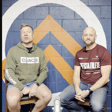


Transcript
Introduction and Mike's Background
00:00:00
Speaker
Hi everybody, welcome to Levels, where we explore the people and the stories that make our amazing community at all of CrossFit.
00:00:07
Speaker
I'm your host, John, and today I'm thrilled to have Mike Whitehead joining me.
00:00:12
Speaker
Sit down, grab a cup of your favourite beverage, and get ready to learn a little bit more about that person sweating alongside of you.
00:00:19
Speaker
So Mike, thank you for joining me on the very first podcast I've ever...
00:00:26
Speaker
done you're the initial guest like I said this could be um this could be a home run or this could be you know uh thrown at first so I don't know which way it's going to go but at least we're at the release we're at the ballpark yeah that's that's a good point okay so tell me a little bit about yourself where were you born where did you grow up yeah yeah I was born here in Windsor at Hotel Du like most people in the county and
00:00:51
Speaker
and grew up in the West End of Windsor until I was about 10, then moved up to Harrow and spent the rest of my adolescent years out in Harrow with the Harrow High.
Influence of Early Sports and Mentors
00:01:02
Speaker
And then from there, sustained an injury due to a car accident, a spinal cord injury.
00:01:08
Speaker
So that led me on my path.
00:01:11
Speaker
to London, Ontario, then over to the States for 25 years and full circle.
00:01:15
Speaker
I just came back home.
00:01:17
Speaker
Awesome.
00:01:17
Speaker
Yeah, and that's how we met you here at the gym.
00:01:20
Speaker
So kind of backtracking a little bit.
00:01:22
Speaker
So moved out to Harrow.
00:01:25
Speaker
Went to Harrow High.
00:01:27
Speaker
Did you play any sports when you were there?
00:01:28
Speaker
Yeah, so we were very fortunate actually at the elementary school to have a gentleman named Bernie Bulette, Mr. B. And he would pick us up in the morning before school.
00:01:39
Speaker
And he would let you know at school, hey, you want to come for early bird?
00:01:43
Speaker
It was either volleyball, basketball, or badminton.
00:01:46
Speaker
So for example, basketball season.
00:01:48
Speaker
And he would drive his Buick to our house.
00:01:51
Speaker
And if your light was on outside,
00:01:53
Speaker
And then you were coming.
00:01:54
Speaker
You were going to jump in the car.
00:01:56
Speaker
And he would do that for all the kids and then the kids that lived in town.
00:02:00
Speaker
And then we were, we didn't realize it, but we were training.
00:02:03
Speaker
Like by the time we were in grade seven, grade eight, we were all shooting left and right.
00:02:08
Speaker
And, and then competing after.
00:02:09
Speaker
A lot of us got really lucky with Mr. B. He'd make a few left-handed layups and he'd throw a Carmel or a Tootsie Roll across the gym floor.
00:02:18
Speaker
So my athletic career started that way.
00:02:22
Speaker
It was,
00:02:23
Speaker
We were actually training, didn't really know it, we were just having fun, playing sports and then played high school.
00:02:30
Speaker
And then my career took off in the wheelchair after that.
00:02:33
Speaker
Yeah.
00:02:34
Speaker
So it's amazing when you can look back at something like that.
00:02:38
Speaker
And at the time you had no idea how lucky you were and what an amazing mentor and I guess like friend and teacher Mr. B was.
High School Sports and Community Formation
00:02:50
Speaker
to give you that opportunity, like picking people up at their house, taking them to the gym beforehand, if we could all be so lucky as to have that, like that's amazing.
00:02:59
Speaker
And I guess that's what kicked you off in your athletic career?
00:03:02
Speaker
Yeah, it was a spot for me to get the energy out, you know, get the, I had a hard time sitting still and still have a lot of energy.
00:03:10
Speaker
So, and then it gave me community, it gave me exercise, it gave me goals.
00:03:15
Speaker
You know, and we were, you know, we would go compete against the other elementary schools in the county after school.
00:03:21
Speaker
So it was, you know, it was full on.
00:03:24
Speaker
And yeah, you're right.
00:03:25
Speaker
What a gift.
00:03:25
Speaker
You know, looking back, it was a special.
00:03:28
Speaker
He had high, high standards.
00:03:31
Speaker
And also he was so like he would drive from Windsor to Harrow every every day.
00:03:36
Speaker
They pick us up and go to Early Bird.
00:03:38
Speaker
And so he had a lot of support for us too.
00:03:41
Speaker
That's amazing.
00:03:42
Speaker
Now in high school, was basketball your main sport?
00:03:45
Speaker
Basketball, volleyball were the two main sports in soccer.
00:03:48
Speaker
I was a goalie-ish.
00:03:50
Speaker
Yeah.
Discovery and Journey in Wheelchair Rugby
00:03:52
Speaker
You know, and we went to all Ontario's for volleyball and basketball because us Harrow Elementary School kids go into high school and we have some skills.
00:04:02
Speaker
And so we, yeah, we competed at a high level for a small school and, you know, Harrow High Gymnasium was really low.
00:04:10
Speaker
the ceiling so for volleyball we all learned to bump in there like short little bumps and then other kids have come in and they're used to a high gym so they're roofing it constantly yeah it's just one of those things uh you remember yeah we had good teams yeah the situation that they kind of gave you the ball control that you didn't know you had until you yeah i know the people come in a little ceiling yeah it's like a golf course like we know how to play the course we played in i remember we played in the gym and
00:04:38
Speaker
in high school that was tiny and you could barely like shoot a three from the corner without your feet being out of balance.
00:04:43
Speaker
But, you know, you know, I had to, the home team knew that and that's where they trap you.
00:04:46
Speaker
So it's all that home court advantage.
00:04:48
Speaker
Yeah.
00:04:48
Speaker
Awesome.
00:04:49
Speaker
Okay.
00:04:51
Speaker
Let's fast forward again.
00:04:52
Speaker
So injury into a wheelchair, then kind of, how did you make your way back to sports?
00:05:00
Speaker
Cause I mean, there's a lot going on obviously when that kind of happens.
00:05:03
Speaker
Yeah.
00:05:04
Speaker
Yes.
00:05:05
Speaker
Final court injury, you know, that,
00:05:07
Speaker
It's catastrophic, right?
00:05:09
Speaker
You break your neck and it's touch and go and it's hard on the family.
00:05:14
Speaker
And, you know, you're in the hospital.
00:05:15
Speaker
I was in ICU for four weeks.
00:05:17
Speaker
I was having issues with the lungs and intubation and tracheotomy and the whole thing.
00:05:24
Speaker
Right.
00:05:25
Speaker
And then there's like a two week bed rest period where reality pretty much sets in where you're like, whoa, this is going to be tough.
00:05:32
Speaker
You know, it's scary.
00:05:33
Speaker
It really is scary.
00:05:35
Speaker
But that's where, you know, looking back again, it's like family really steps in and supports you.
00:05:40
Speaker
And, you know, being a goal setter, I remember having a picture of like a bodybuilder kind of guy in a wheelchair in the hospital room.
00:05:49
Speaker
And I would look at that, you know.
00:05:52
Speaker
And so I got to spinal cord rehab in London, Ontario.
00:05:57
Speaker
And I.
00:05:59
Speaker
What I wasn't aware of is the hospital has a relationship with the local wheelchair rugby team, wheelchair basketball team in the community.
00:06:08
Speaker
And so one of the guys on the Canadian wheelchair rugby team, he was prepping to go to Sydney.
00:06:15
Speaker
So I was there January 1st, 2000, like the day after Y2K.
00:06:21
Speaker
And by late February, early March, I had gone to my first wheelchair rugby practice, wheelchair rugby practice in Chatham.
00:06:31
Speaker
He picked me up and it was, you know, it was very normal feeling.
00:06:35
Speaker
And that's what you kind of need.
00:06:36
Speaker
You know, like you're hanging with a buddy.
00:06:38
Speaker
You just met, you're in the car, the windows are down, you're listening to tunes.
00:06:43
Speaker
And so that was very memorable.
00:06:46
Speaker
And we get to the gym.
00:06:48
Speaker
And I fell out of my chair in his van and he, I was like, Hey, you know, I got really nervous.
00:06:54
Speaker
Like, can you help me?
00:06:55
Speaker
He's like, look at me.
00:06:56
Speaker
He's more disabled than me.
00:06:57
Speaker
I was like, can you go get someone in the, in the building, you know, to help me?
00:07:01
Speaker
Like, help me out.
00:07:02
Speaker
I'm nervous.
00:07:03
Speaker
And nurses are like, don't fall, whatever you do.
00:07:05
Speaker
And I fall.
00:07:06
Speaker
And he's like, buddy, we're all disabled here.
00:07:08
Speaker
You got to figure it out.
00:07:10
Speaker
He just hung me there to dry.
00:07:12
Speaker
And I was like, what's going on here?
00:07:16
Speaker
What a gift.
00:07:16
Speaker
Yeah.
00:07:17
Speaker
I fought for that.
00:07:18
Speaker
Florida chair transfer.
00:07:21
Speaker
And then I got in the gym and I started hanging out with guys that were in wheelchairs between three and like 25 years.
00:07:29
Speaker
And they're like, do this, don't do that.
00:07:31
Speaker
You know, I had mentors, I had sport, I had community.
00:07:36
Speaker
I was in a gymnasium, which that's where I love them.
00:07:39
Speaker
I love a gym, right?
00:07:40
Speaker
Yeah.
00:07:41
Speaker
and knows just that community.
00:07:44
Speaker
I'll never forget that day, really.
00:07:47
Speaker
And because of all the basketball skills and all the familiarity on a court, you know, anticipation, vision, you know, both hands, my, you know, the coaches and my teammates can see that, oh, this guy kind of knows and can see what's going on out there.
00:08:05
Speaker
So my progression in wheelchair rugby took off fairly quickly after that.
00:08:09
Speaker
So forgive me because I'm a little bit ignorant when it comes to wheelchair rugby.
00:08:14
Speaker
How many players on the court at a time for each side?
00:08:17
Speaker
Yeah,
International Competitions and Achievements
00:08:18
Speaker
it's four on four.
00:08:19
Speaker
You have a basketball court.
00:08:21
Speaker
4v4, right?
00:08:23
Speaker
And so you score by, it's called a try now, taking, it's like a volleyball with a little bit different leather through the end zone of the basketball court underneath the baseline.
00:08:35
Speaker
And the baseline, there's two cones about 20 feet apart.
00:08:38
Speaker
So you're coming at me and you have three teammates and you're trying to get the ball across the line in your possession.
00:08:45
Speaker
What's fun about wheelchair rugby coming from a hockey guy and a physical sport guy is if I knock your chair over, we're strapped in the chairs, hip, feet, knees, and stomach.
00:08:58
Speaker
If I knock you over, we get the ball and you get a penalty if you land on me.
00:09:03
Speaker
So it's encouraged to knock each other over.
00:09:06
Speaker
Right, right.
00:09:07
Speaker
And in a wheelchair, at first, you know, you're like, ooh, fragile.
00:09:13
Speaker
You know, oh, be careful.
00:09:15
Speaker
And this just blows that stereotype up.
00:09:17
Speaker
I'm trying to blow your chair up.
00:09:19
Speaker
If I could break it, I could.
00:09:21
Speaker
You know, and so, you know, that's, it's just fun.
00:09:27
Speaker
It's fun and you have autonomy and it's just a really cool sport.
00:09:32
Speaker
So, and that's how it works is full court press.
00:09:34
Speaker
Like in basketball, you know how exhausting it is to full court press.
00:09:38
Speaker
It's 90 minutes full court press.
00:09:40
Speaker
The whole game is a full court press.
00:09:42
Speaker
So you're always denying imbalance, denying to get half because the rules are set up to be in favor of pressing.
00:09:51
Speaker
It takes years to get your arms.
00:09:52
Speaker
Like it's exhausting, like years and years.
00:09:55
Speaker
You're like, I'm just dying.
00:09:57
Speaker
And so that's it's a wild sport for so many reasons because it's aggressive and it's also like high intelligence.
00:10:06
Speaker
There's a really a lot of thought.
00:10:08
Speaker
Yeah, well, I can see how your basketball background would translate into that because I find that those court field sports have a lot of similarities in the way that the play flows, and especially because it's four on four and basketball is five on five, right?
00:10:20
Speaker
So spacing, passing, all that kind of stuff.
00:10:23
Speaker
Interesting that it's set up for pressing because I was going to ask if there are different strategies to set people like set a half court and kind of invite you to come or another one's pressed high.
00:10:33
Speaker
But I guess you answer the strategies are insane.
00:10:36
Speaker
and they they they change due to fatigue due to who's on the court due to so many things yeah so after that because i know a little bit about your story yep eventually you work your way up to team canada yeah yep so um david wills is the one that brought me to my first practice he was prepping for sydney i was at his place in london and they got the
00:11:00
Speaker
the swag package from roots to go to Sydney nice and it all showed up and I was like, wow, you know, this is cool.
00:11:09
Speaker
You know, it's for real right there.
00:11:11
Speaker
And he's, I could just feel his energy and excitement.
00:11:14
Speaker
And so, um, you know, just labeling the, it's just so cool.
00:11:20
Speaker
So I got, you know, I got to my first tournament to watch in Montreal in May of 2000.
00:11:30
Speaker
And from there, you know, I was training with the London Annihilators and training on my own.
00:11:34
Speaker
I got a personal trainer at the YMCA in London.
00:11:39
Speaker
I started pushing up and down a small, like, parking ramp at the hospital.
00:11:44
Speaker
That's what I wanted.
00:11:46
Speaker
I knew right away, this is what I'm going to do.
00:11:50
Speaker
The CEO at the time, she laughs because, you know, I met her and I introduced myself and
00:11:56
Speaker
I'm definitely pretty confident at a young age.
00:11:58
Speaker
I said to her, I'm going to be on this team.
00:12:01
Speaker
And so May of 2001 in either Regina or Saskatoon, we had tryouts and I squeezed in one of the last two spots, me and another fellow, Adam Frost.
00:12:15
Speaker
So that was 2001, made the national team 2001.
00:12:17
Speaker
And then 2002, we were in Sweden.
00:12:23
Speaker
And we ended up winning Worlds in 02.
00:12:27
Speaker
And it just took off from there.
00:12:28
Speaker
Wow.
00:12:29
Speaker
Yeah.
00:12:29
Speaker
So how many, how many, so Sydney was
Professional Transition and Olympic Experience
00:12:34
Speaker
2000, right?
00:12:34
Speaker
Correct.
00:12:34
Speaker
2000.
00:12:35
Speaker
And then your first Olympics was?
00:12:37
Speaker
Athens 04.
00:12:39
Speaker
04.
00:12:39
Speaker
Yeah.
00:12:39
Speaker
So we beat USA.
00:12:41
Speaker
Not really supposed to beat them.
00:12:43
Speaker
And we had a great robbery with them.
00:12:45
Speaker
There's a movie called Murderball, a documentary about wheelchair rugby.
00:12:47
Speaker
That's the original name of the sport.
00:12:49
Speaker
And that documents the O2 Sweden up to O4 Athens and our robbery with the U.S. So Athens was their first one.
00:12:58
Speaker
And we beat USA in the semis to go play New Zealand in the finals.
00:13:02
Speaker
And we were up on them and they crept back and snuck it out on us.
00:13:06
Speaker
We left with a silver, which was amazing.
00:13:09
Speaker
But to see the Paralympics in person, how like, again, I was like, oh,
00:13:16
Speaker
It was better than I anticipated, and that's what I wanted to do.
00:13:19
Speaker
That was going to be what my focus was.
00:13:22
Speaker
Yeah.
00:13:22
Speaker
So in the documentary Murderball, you said it was highlighting the rivalry between you and the States.
00:13:27
Speaker
Yeah.
00:13:28
Speaker
Now, was that a friendly rivalry?
00:13:29
Speaker
Not then.
00:13:31
Speaker
No.
00:13:31
Speaker
Now, like, I'm friends.
00:13:34
Speaker
A lot of the guys are retired.
00:13:35
Speaker
You know, I'm almost 50.
00:13:36
Speaker
I just retired in April.
00:13:39
Speaker
When I see some of the old USA guys, we have a laugh and, you know, have a coffee and chit-chat.
00:13:45
Speaker
Still don't talk about those years, but we have respect.
00:13:49
Speaker
Because they were as hungry and nasty as we were.
00:13:53
Speaker
And we had some confident guys that had, you know, liked to talk.
00:13:58
Speaker
So did they.
00:13:59
Speaker
We were young and full of vinegar.
00:14:03
Speaker
As they say, so there were times where we would go to their training center in Alabama and it would just be us versus them for like a week.
00:14:12
Speaker
And it's just like, there's no one else around.
00:14:14
Speaker
And it's getting heated.
00:14:17
Speaker
So if it were a hockey training camp, there would be gloves off constantly.
00:14:21
Speaker
But you're not fighting wheelchairs.
00:14:22
Speaker
You can barely reach each other.
00:14:23
Speaker
It's just not a thing.
00:14:25
Speaker
But you can definitely dirty hit and just things got aggressive.
00:14:28
Speaker
And it was intoxicating.
00:14:31
Speaker
It was awesome.
00:14:34
Speaker
great memories yeah yeah so just quickly sidebar on that because i want to know um is there a lot of trash talking yeah so like i can speak for myself early on my career because i grew up playing ball like i just grew up playing ball a certain way alaska ball and and talking was part of it you know we would come to the city and grind and
00:14:58
Speaker
We had some tough people around and you had to be a fighter, you know.
00:15:02
Speaker
Otherwise, either on the bench or you're not getting your layups or any of that.
00:15:07
Speaker
You know what I mean?
00:15:07
Speaker
That's how I played ball.
00:15:08
Speaker
Yeah.
00:15:09
Speaker
So I brought that mentality to rugby.
00:15:12
Speaker
It just felt normal.
00:15:13
Speaker
So, yeah, as far as talking, yeah, you show me a weakness.
00:15:18
Speaker
I'm going to go.
00:15:19
Speaker
I would let you know.
00:15:20
Speaker
I'd talk about it, you know.
00:15:22
Speaker
It's so easy to defend.
00:15:24
Speaker
Look at you.
00:15:24
Speaker
You go one way all the time.
00:15:26
Speaker
And then it's over.
00:15:27
Speaker
But as I became more of a professional, there were times where I was losing focus on my game and what I needed to do in my transitions and my strategy because my mouth was going.
00:15:39
Speaker
And so through the coaching staff and maturing a bit and being less of a, I guess, playing bully ball.
00:15:46
Speaker
Right.
00:15:46
Speaker
I started to honor, I guess, the beauty of the sport.
00:15:50
Speaker
How many Olympics did you attend?
00:15:51
Speaker
Six.
00:15:56
Speaker
Yep, yep, 01 to 24.
00:15:59
Speaker
That's crazy, man.
00:16:00
Speaker
Now, did you find that as you aged up as an athlete,
00:16:05
Speaker
that you were, as you kind of alluded to there, that you were relying less on your physical skills and more on the mental game.
00:16:11
Speaker
Like, how does that, did you find that there was things that you could no longer do as you're an aging athlete or maybe not as well as you could do?
00:16:19
Speaker
Yeah.
00:16:20
Speaker
I guess, you know, I was naive early on in my career.
00:16:25
Speaker
And so some of my mental game was more of like ignorance is bliss and everything, everything just rolled off my back.
00:16:36
Speaker
And, you know, it was a highly aggressive mentality, you know, and that was it.
00:16:43
Speaker
The highs were high and the lows were low.
00:16:45
Speaker
You know, I was either feeling like a winner or a loser.
00:16:48
Speaker
And then I wanted to play again the next tournament to feel like a winner again.
00:16:52
Speaker
And that isn't very sustainable.
00:16:55
Speaker
That's what I was doing.
00:16:56
Speaker
So as time went on, you know, I learned to take better care of myself, my nutrition, my stretching, my mental prep.
00:17:04
Speaker
And all these things in my wellness improved, which I started to get faster in my 30s and 40s, which was great.
00:17:13
Speaker
And relying less on raw skill, raw talents, you know.
00:17:21
Speaker
And so relying on, you know, and sports science has changed.
00:17:26
Speaker
We win some medals, we get more funding, and now we have physiologists, sports psychologists, nutritionists, you know, physios, massage.
00:17:36
Speaker
So we have a performance, a PT, performance enhancement team around us.
00:17:42
Speaker
And they're guiding us down the path.
00:17:44
Speaker
You know, they're teaching me how to be a professional coach.
00:17:48
Speaker
And that was a gift as well.
00:17:50
Speaker
When I was younger, I think I took it for granted, but we were utilizing what Sport Canada can
Retirement and New Beginnings at CrossFit
00:17:58
Speaker
provide.
00:17:58
Speaker
That's a world-class organization, Canadian Paralympic Committee.
00:18:03
Speaker
Yeah.
00:18:03
Speaker
Well, that's one of the things I love talking to you about between classes, before classes, after classes, is about some of the stuff that you did in training or some of the methods you used.
00:18:14
Speaker
Because like you said, you had access to the best.
00:18:17
Speaker
you know, that's a level of care that not a lot of athletes get to experience.
00:18:23
Speaker
And, you know, you get to, like you said, you had the best nutritionists and physios and sports performance specialists.
00:18:30
Speaker
And, like, being able to access that is just, like, another level.
00:18:35
Speaker
It's so cool.
00:18:36
Speaker
Because as a kid, you know, I feel, I really feel my dreams came true.
00:18:41
Speaker
In the gymnasium with Mr. B, I wanted to be a pro bowler.
00:18:44
Speaker
I was like, I want to play pro sport.
00:18:46
Speaker
Who wouldn't?
00:18:46
Speaker
This is what I... And so, it came in a different way.
00:18:51
Speaker
But it really... My childhood dream came true.
00:18:56
Speaker
Yeah.
00:18:56
Speaker
It's crazy how that path worked out for you.
00:19:00
Speaker
To get to the highest point in sport, the pinnacle of sport, the Olympics.
00:19:05
Speaker
And then walk away with medals, speaking of which...
00:19:08
Speaker
How many medals did you get in the Olympics and what were they?
00:19:11
Speaker
Yeah, so 0-4 Athens was a silver.
00:19:15
Speaker
White Beijing was a bronze.
00:19:18
Speaker
Yeah, I still haven't watched that semifinals.
00:19:21
Speaker
But that's okay, that's poor, because it really was a driver for the next four years.
00:19:26
Speaker
And then we silvered again in London.
00:19:30
Speaker
And then the last three, we did not medal, but, you know, on the cusp.
00:19:34
Speaker
So, yeah, it was a great early run and a great later run.
00:19:38
Speaker
Yeah.
00:19:39
Speaker
Now, which out of the six Olympics were your favorite?
00:19:42
Speaker
You know, they all have different meanings.
00:19:45
Speaker
And, you know, my wife at the time and my kids attended the 08 in 12 and 16.
00:19:54
Speaker
So, like, to spend time with them and watch them as young people in the stands and enjoying themselves in 16 was very, very special, you know, like, to have the family there was really nice.
00:20:06
Speaker
So, you know, that's memorable for me.
00:20:08
Speaker
The 16 is very memorable, and we fourthed in that one.
00:20:13
Speaker
And, you know, that was okay.
00:20:15
Speaker
You know, it's what happened.
00:20:17
Speaker
So that one stands out, and the 12 really stands out.
00:20:21
Speaker
You know, we're down to the last maybe minute 30 against USA in the semis, and it's getting just tight.
00:20:31
Speaker
We have a turnover.
00:20:33
Speaker
We make a mistake on an inbound, you know, pressure's on with last minute, you know, and there's 12,000 people.
00:20:40
Speaker
And we make a few plays to turn it back over on them and win with basically a buzzer beater to go to the finals against Australia.
00:20:51
Speaker
And just the locker room and the bus ride and the energy, I can feel it now, you know, you're floating.
00:20:57
Speaker
A win like that.
00:20:58
Speaker
So meddling in 12,
00:21:01
Speaker
you know is really cool then the closing you know is Rihanna is there Coldplay and Jay Z you know it was a it was a big 12 was a great one so 16 and 12 kind of stand out right now yeah but they all have they all have meaning yeah did you know when you're in Paris in 24 that that was going to be your last one
00:21:23
Speaker
Yeah, yeah, my last game, you know, some of my old teammates on the warm ups, you know, I just was thanking them for being there for me.
00:21:32
Speaker
And I knew that, yeah, I knew, I knew my heart and I was thankful.
00:21:38
Speaker
It wasn't easy, but it was also easy, if that makes sense.
00:21:42
Speaker
Like I was, I felt emotionally and physically ready.
00:21:47
Speaker
The rigors and the demand and the travel and the obsession, it's a selfish career.
00:21:54
Speaker
You have to be really self-focused on body and mind and rest.
00:22:00
Speaker
And so it's hard on, it can be hard on relationships.
00:22:03
Speaker
Right.
00:22:05
Speaker
But anyway, you know, the rigors, I could tell it was like, you know, I started to cash some checks on my body that my body was like, you know, this account's getting a little in the red, brother.
00:22:17
Speaker
Might be an overdraft.
00:22:18
Speaker
Might have got an overdraft coming.
00:22:21
Speaker
Yeah.
00:22:21
Speaker
Well, it sounds like you kind of picked the perfect time.
00:22:24
Speaker
Yeah.
00:22:25
Speaker
Like if you got to go out on your own terms, hit the last Olympics and then kind of right off into sunset.
00:22:31
Speaker
Yeah.
00:22:31
Speaker
That's pretty cool.
00:22:32
Speaker
That's a really cool thing.
00:22:33
Speaker
Thank you.
00:22:34
Speaker
Yeah, no, for sure.
00:22:35
Speaker
All right.
00:22:36
Speaker
So we're through to 24, almost to the part where you, you know,
00:22:42
Speaker
I meet you, you come into the gym to get a massage, a treatment, for my wife Grace here at Level Massage Therapy.
00:22:50
Speaker
And I'll be honest, when you came in the door and you're like, I'm here for massage, I was like,
00:22:56
Speaker
boy yeah right because i was like that's upstairs up that giant flight of stairs yeah and you're like no problem care if you can get my wheelchair up there uh i can get up the stairs and believe me that was a huge relief for yeah yeah um but through that you know i was interested in chatting with you and we had a good conversation and talked about you know the gym and what we do here and a little bit about you and then um
00:23:20
Speaker
you know, you started here at all level.
00:23:24
Speaker
And that was for us, for me, it was a cool moment as well because you were the first seated athlete that had been with us on a full-time basis.
00:23:34
Speaker
We had had someone who used to drop in once in a while, but
00:23:38
Speaker
But that was something that I was excited about because I believe in CrossFit and I believe in the scalability and the methodology.
00:23:47
Speaker
And I was like, I'm excited to try to make this work.
00:23:51
Speaker
And you coming from a very high performance background, I was like, this is amazing.
00:23:56
Speaker
It'd be fun.
00:23:57
Speaker
So I really wanted to get you in here.
00:23:59
Speaker
And I'm glad that you ended up coming and becoming a member.
00:24:05
Speaker
So what kind of made you want to
00:24:08
Speaker
to come back and give it a shot.
00:24:11
Speaker
Yeah, so we know, I knew that if I want a good massage going to a CrossFit gym, that usually works well because a massage therapist there work usually on athletes.
00:24:24
Speaker
And that's what I was looking for.
00:24:25
Speaker
So that's kind of like something I've done before.
00:24:28
Speaker
We're training somewhere.
00:24:29
Speaker
I'm going to look at that type of setting for a massage that works for athletes.
00:24:36
Speaker
And then you and I just, you know, hit it off.
00:24:38
Speaker
We started chatting and, you know, the place felt welcoming.
00:24:43
Speaker
I had just moved back to the area, so I wanted to get on schedule with a training schedule, which works well for me.
00:24:48
Speaker
Yeah.
00:24:49
Speaker
routine I had done I would say group fitness that was CrossFit ish when I was living in New Hampshire for several years and I enjoyed the social part I like getting to know my classmates I like you know going to the nine o'clock yeah 930 here yeah and so that routine
00:25:10
Speaker
So those were the things that, and it just felt right.
00:25:14
Speaker
I was like, oh my gosh, like how perfect, like this is going to be, this is going to be perfect.
00:25:18
Speaker
And so it has been, it really, I'm enjoying it on so many levels and we continue to grow and try new things and, and I'm getting stronger and it's, it's just been great for me.
00:25:31
Speaker
Cool.
00:25:31
Speaker
I, I, I didn't know that that's why you chose level massage.
00:25:38
Speaker
I thought it was just a random Google search and you're like, I'm going to go to this place, but actually seeking it out because of that, which is super smart because that's exactly right.
00:25:46
Speaker
And the reason that my wife wants to be here as well is because
00:25:51
Speaker
athletes and I'm glad that happened.
00:25:55
Speaker
So tell me maybe what's your favorite part about the community so far?
00:26:01
Speaker
Getting to know my classmates, you know, getting to know Gaber and Rich, you know, they've been fun and some of the other guys.
00:26:08
Speaker
So that, you know,
00:26:10
Speaker
And watching them work hard.
00:26:13
Speaker
It's great to see getting to know the staff, you know, use that staff and grace.
00:26:18
Speaker
It's been great.
00:26:19
Speaker
It has a family feel.
00:26:21
Speaker
You know, I always feel welcome.
00:26:24
Speaker
You know, we stay to chat and that's good for me.
00:26:26
Speaker
That's my social health.
00:26:27
Speaker
It takes a big box for me.
00:26:29
Speaker
And so those are the things that really keep me coming back.
Training Insights: Nutrition and Routine
00:26:34
Speaker
And I like to gym rat it a bit, you know, sometimes I'll stick around for half hour, hour and stretch and I'm just like, because if I go home, I'm not going to really stretch.
00:26:41
Speaker
I may massage you for like four minutes and then I get distracted.
00:26:45
Speaker
Yeah.
00:26:45
Speaker
So I get my stretch on here, which has been a mainstay in my, in my, you know, my usual thing.
00:26:51
Speaker
So those are the things that really keep me coming.
00:26:54
Speaker
And yeah, the coffee's usually on, which is great.
00:26:57
Speaker
Coffee's always on.
00:26:58
Speaker
I don't want a coffee that Zach, myself and Steph consume.
00:27:01
Speaker
It's probably bordering on unhealthy, but we love our caffeine.
00:27:06
Speaker
Is there a PR or something that you've done in the gym that you're most proud of?
00:27:14
Speaker
So I guess my version, you know, the seated version of the deadlift where...
00:27:19
Speaker
I'm bent over and pulling up and getting it to up, you know, over my head.
00:27:24
Speaker
Yeah.
00:27:25
Speaker
Seeing that, um, there's a fellow in the States, uh, Chuck Milton, who's a CrossFitter.
00:27:29
Speaker
He was invited to the competition just a couple of weeks ago, but he was taking care of some things.
00:27:34
Speaker
I play with him in Tampa on the wheelchair rugby team and, um, seeing him do that.
00:27:38
Speaker
I was like, nice, like cool.
00:27:42
Speaker
You know what I mean?
00:27:43
Speaker
For me, um, I can feel my lower back getting stronger, um,
00:27:49
Speaker
And it's a cool feeling because then I'll go play some recreation wheelchair rugby and it's applicable.
00:27:57
Speaker
So just when I thought that I was training for 25 years,
00:28:01
Speaker
there's some things I might've missed.
00:28:02
Speaker
You know what I mean?
00:28:03
Speaker
There was some, there was some, some function, some feelings, some strength in my lower back that I didn't test and push.
00:28:12
Speaker
So it's, it's, it's great.
00:28:14
Speaker
You know, I'm not, I'm not sad about that, but as a wheelchair rugby coach, you know, I can share that knowledge.
00:28:20
Speaker
Like, Hey, there's still things I'm learning about my body that will help me be faster in a wheelchair, you know, applicable.
00:28:28
Speaker
So I like that.
00:28:29
Speaker
I'm getting stronger.
00:28:30
Speaker
Yeah.
00:28:31
Speaker
And it's a muscle group that I thought was maybe pretty paralyzed and it's actually not.
00:28:36
Speaker
Yeah.
00:28:37
Speaker
We always say that, you know, when athletes come in here and and start with CrossFit, it it fills in gaps that maybe you didn't know you had.
00:28:45
Speaker
And like CrossFit is going to build the
00:28:48
Speaker
the broad base and then it's up to the sport and the sports coaches to kind of do the specific stuff, right?
00:28:55
Speaker
But we can build that base and strength and, you know, athleticism and that kind of stuff that's going to translate to anything.
00:29:02
Speaker
Like it's, I've seen it in so many sports and there's really no sport I don't think that can benefit from, you know, having that broad athletic base.
00:29:10
Speaker
And that's, I think, what CrossFit kind of does.
00:29:13
Speaker
It fills in those gaps that you didn't know you
00:29:18
Speaker
thought about or movements that aren't common if you're going to a general gym or maybe working with a regular strength and conditioning coach.
00:29:25
Speaker
CrossFit has some stuff that just doesn't come up in gyms like a rope climb or even some box jumps and things like that that can really help with that athleticism
00:29:38
Speaker
that in myself for for playing basketball for playing whatever sports back in my flag football days yeah a lot of functional movement exercises and gymnastics movements and and there's a lot of history and reasons why those are successful movements for athletes it's cool yeah cool all right what else I'm trying to go down my list here yeah okay
00:30:06
Speaker
If you could give your day one CrossFit self some advice, what would it be?
00:30:10
Speaker
So first day you walk in, first class, knowing what you know now.
00:30:13
Speaker
Like, you haven't been here for a ton of time.
00:30:16
Speaker
I'm at about five, six months now, I think.
00:30:18
Speaker
About six months-ish.
00:30:23
Speaker
That's a good question.
00:30:24
Speaker
I guess, you know, just continuing.
00:30:28
Speaker
Maybe, yeah, I don't know.
00:30:31
Speaker
It's tough.
00:30:32
Speaker
It's tough because I feel like I'm pretty open to trying things.
00:30:37
Speaker
And I feel like, you know, it's easy to make friends here.
00:30:43
Speaker
I guess the workouts are a little tougher than I anticipated sometimes.
00:30:46
Speaker
So my nutrition was off in the beginning.
00:30:48
Speaker
I was under, under nourished before coming.
00:30:52
Speaker
Yeah.
00:30:52
Speaker
So I, I wasn't, um, I didn't know how hard I was going to work here.
00:30:56
Speaker
Right.
00:30:56
Speaker
Cause I can, I can get a sweat on.
00:30:59
Speaker
And so in the beginning, sometimes I was bonking a little bit.
00:31:02
Speaker
So I was a little undernourished and my timing was off.
00:31:05
Speaker
And I think that's just because I, you know, I needed to, to know that or learn that, you know, it's, it's going to be a hard workout.
00:31:12
Speaker
And the coaches are keeping an eye on me and making sure that I'm safe and pushing me.
00:31:18
Speaker
So, yeah, there was a few times I didn't really say in the beginning, I was like, I'm dying here, man.
00:31:23
Speaker
I didn't eat barely anything.
00:31:25
Speaker
I need a banana.
00:31:26
Speaker
It's awesome that you have that awareness, though, and also that knowledge you can fall back on where you're like,
00:31:31
Speaker
I know what happened, I know why I was unable to perform there because I didn't properly fuel.
00:31:36
Speaker
There's a lot of people that won't be able to connect those dots and honestly it's taken me a ton of time to really figure out how much of a part that nutrition piece plays in your performance and even beyond performance, your everyday life in terms of how you feel, how you sleep, all the things, right?
00:31:55
Speaker
Mood, a lot of things are tied to that and it's like
00:31:59
Speaker
that's one of the biggest pieces that that is missing a lot of people's training i find and it's cool that you're able to like oh yeah that's the reason that i was unable to push there because i didn't properly fuel before the workout yeah yeah when it's time to play against the u.s and performance on demand the having anything close to a doubt that your nutrition's off is putting you at a disadvantage and your team at a disadvantage you know so yeah it's just such a focused nutrition but it takes time to uh dial it in and
00:32:29
Speaker
My training and my body has changed over the years, so I need to continue to adapt and learn.
00:32:34
Speaker
Yeah, that's a great perspective, too, that if your nutrition's not on, especially playing a team sport, you're potentially letting your team down, too.
00:32:41
Speaker
Oh, yeah.
00:32:43
Speaker
That's a massive... You're a team guy.
00:32:46
Speaker
It's the last thing.
00:32:47
Speaker
Yeah, no, no, no.
00:32:48
Speaker
You don't want to be the one that's dropping the ball because you didn't, you know, you ate the wrong food or you weren't eating properly.
00:32:54
Speaker
Or not hydrated.
00:32:55
Speaker
Yeah, yeah.
00:32:56
Speaker
Another good one, too.
00:32:57
Speaker
Yeah.
00:32:58
Speaker
Okay.
00:33:00
Speaker
How has CrossFit helped you in your daily life?
00:33:03
Speaker
Is there anything that it's kind of improved upon?
00:33:05
Speaker
Maybe a real-world example?
00:33:07
Speaker
Yeah, so I would say, you know, there's day-to-day, you know, I think the consistency of coming.
00:33:18
Speaker
is a direct correlation to my sleep and my hydration and nutrition.
00:33:23
Speaker
And, you know, like my friend and I were laughing, like some days when I wake up, I'm like, can't wait to get back to bed.
00:33:29
Speaker
Yeah.
00:33:30
Speaker
Getting close to 50.
00:33:31
Speaker
I'm like, I'm addicted to my sleep now.
00:33:34
Speaker
And it's all about, you know, what my next sleep is going to be like.
00:33:37
Speaker
And so I have having a consistent workout here.
00:33:42
Speaker
And it just puts me on a good schedule through my day, through my week.
00:33:47
Speaker
And my weekends are just relaxing and nice.
00:33:52
Speaker
And it's just that feeling of wellness.
00:33:56
Speaker
And so being in transition after retiring and not having a consistent training schedule was affecting my sleep a bit and a few other things.
Morning Routine and Mental Training
00:34:06
Speaker
And I like to have consistency in how I feel.
00:34:12
Speaker
You know, how, yeah, how my day to day action is.
00:34:14
Speaker
Yeah.
00:34:14
Speaker
I know that for me personally as well, that kind of the workout is the pillar that kind of holds up the other stuff.
00:34:22
Speaker
If, if I'm not working out, then the nutrition tends to slide and the rest of it, the sleep and things tend to slide a little bit.
00:34:34
Speaker
nutrition to be better, I want my sleep to be better so that it doesn't affect the way I perform in the gym.
00:34:39
Speaker
Even though you know I'm not training for any big competition but it's just like the day-to-day feeling so I know that that's the pillar that holds everything together for me is that coming to the gym.
00:34:51
Speaker
You know my family sometimes thinks I'm a little bit crazy when I'm showing up here and I'm like oh gotta go to the gym.
00:34:56
Speaker
Or even if we're on vacation, same sort of thing.
00:34:58
Speaker
I'm like yeah we've got to do something physical during the day because that's what holds everything else together.
00:35:04
Speaker
you know, mental state, physical state, everything.
00:35:06
Speaker
So it's just that, that piece that I, I need now.
00:35:09
Speaker
So that's, that's, that's good to hear.
00:35:12
Speaker
All right.
00:35:13
Speaker
Um, do you have a morning routine?
00:35:17
Speaker
Yeah.
00:35:18
Speaker
Yep.
00:35:18
Speaker
I do.
00:35:19
Speaker
Uh, you know, getting here at nine 30 is the goal.
00:35:24
Speaker
And so, you know, I have a few morning things that I take care of and, and, uh, you know,
00:35:31
Speaker
Water is like the first, you know, and coffee.
00:35:35
Speaker
And I like a breathing meditation or some type of other morning start to just center a bit.
00:35:42
Speaker
I've been doing that for about 12 years now.
00:35:47
Speaker
And it's just a nice start to my day.
00:35:49
Speaker
Just like the workout, it kind of centers me, you know, where I'm at in the moment.
00:35:55
Speaker
And I like that.
00:35:55
Speaker
It helps.
00:35:57
Speaker
And it's like workouts.
00:35:58
Speaker
Like I'll find different modalities.
00:36:00
Speaker
It could be...
00:36:01
Speaker
a breathing exercise.
00:36:03
Speaker
It could be, you know, a low hertz sound.
00:36:07
Speaker
That's nature.
00:36:09
Speaker
It could be a guided, you know, focus.
00:36:12
Speaker
And it's changed over the years, but I've been pretty consistent with it.
00:36:15
Speaker
Yeah.
00:36:17
Speaker
And it's a nice start.
00:36:19
Speaker
And then usually I'll touch base with some friends in the morning.
00:36:22
Speaker
They'll touch base with me.
00:36:24
Speaker
Just kind of checking in, like, how's the day going?
00:36:26
Speaker
And it could be, hey, are you having a coffee or
00:36:29
Speaker
Or it could be like, hey, I'm a little sideways on a couple things.
00:36:33
Speaker
Do you have a second to chat?
00:36:36
Speaker
And those, again, that's another thing I've been doing for about 12 years now.
00:36:41
Speaker
And it's a nice way to start the day.
00:36:44
Speaker
And if I get a little bit away from that routine, it's not a huge deal, but I can't really stray too far from that routine because I can feel it.
00:36:54
Speaker
Yeah.
00:36:55
Speaker
No, I love that.
00:36:56
Speaker
It's a part that...
00:36:58
Speaker
for myself that I always tell myself that I'm going to include in my morning routine because I've done a little bit of some guided breathing stuff and I find meditation very hard.
00:37:09
Speaker
But all those ones that are the more gentle side of wellness, like stretching and meditation and breathing, are for some reason harder for me to do.
00:37:21
Speaker
I'm much more apt or much more likely to
00:37:26
Speaker
you know, hey, let's go lift something heavy, let's go grind it out, as opposed to take that step back and do a little self-care, which... Yeah, the off switch, learning about the off switch through some education with the national team and practicing the off switch.
00:37:42
Speaker
And I think there's like some cool research on the vagus nerve.
00:37:45
Speaker
Right.
00:37:45
Speaker
I don't know much about it, but I think that's related to the off switch, the parasympathetic and learning just a little bit about that.
00:37:52
Speaker
And for me, it was always about winning.
00:37:54
Speaker
So I was like, well, it's going to help me be a stronger athlete and we can play USA or Australia and beat them or Japan or have a shot at them.
00:38:03
Speaker
Yeah.
00:38:04
Speaker
Then I want a shot.
00:38:05
Speaker
So I'll do whatever it takes.
00:38:06
Speaker
You know, that was kind of like the carrot, the trick.
00:38:09
Speaker
Yeah.
00:38:10
Speaker
And then that was the beginning of that journey for me.
00:38:12
Speaker
It was like, oh,
00:38:14
Speaker
I can be faster and a better athlete if I actually practice being down a little bit.
00:38:20
Speaker
Because I know what it feels like to be on and ready and stimulated.
00:38:24
Speaker
That's a great perspective on that as well, too, that you can still frame it as a tool to get better in performance.
00:38:32
Speaker
And not something, you know, I think my mindset is like, it's something you have to do to, you know, balance things out.
00:38:39
Speaker
But I like that if you can frame it and say, Hey, this is going to help you get better.
00:38:43
Speaker
And you just have to be willing to put in the work and the time to do the things.
00:38:47
Speaker
And I guess it's one of those things too, that, you know, they say, do the things that scare you a little bit or do the things that are hard for you.
00:38:54
Speaker
There's a lot more room for growth in those areas that you haven't dabbled in a lot.
Rapid-Fire Questions and Conclusion
00:38:58
Speaker
Okay.
00:38:59
Speaker
Um,
00:39:00
Speaker
I think we're getting close to the end.
00:39:02
Speaker
I want to go a little rapid fire if I can.
00:39:05
Speaker
Sure.
00:39:06
Speaker
Favorite movement in the gym?
00:39:09
Speaker
Stretching.
00:39:10
Speaker
Stretching.
00:39:10
Speaker
All right.
00:39:11
Speaker
All right.
00:39:12
Speaker
All right.
00:39:12
Speaker
Least favorite move in the gym?
00:39:15
Speaker
Oh, yeah.
00:39:17
Speaker
The version of burpee that I do can get pretty hard.
00:39:19
Speaker
That way I kick my butt.
00:39:21
Speaker
What's that?
00:39:22
Speaker
Can you describe that to me?
00:39:23
Speaker
Yeah.
00:39:23
Speaker
So I pull the rings.
00:39:24
Speaker
I got the rings to me and, you know, beside me and I pull my, I get out of my wheelchair, get basically on the ground and pull myself up.
00:39:32
Speaker
And if I'm really feeling froggy, I'll get a dip in there.
00:39:34
Speaker
Right.
00:39:35
Speaker
So, like, getting 10 of those with maybe five dips, it's like, I'm going to feel it the next day.
00:39:42
Speaker
Yeah, that's almost like a seated muscle-up.
00:39:44
Speaker
Yeah.
00:39:44
Speaker
A seated strict muscle-up.
00:39:46
Speaker
That's pretty badass.
00:39:48
Speaker
All right.
00:39:50
Speaker
I know the answer to this.
00:39:51
Speaker
Morning, afternoon, or evening classes.
00:39:54
Speaker
Morning, yeah.
00:39:54
Speaker
Morning, right?
00:39:55
Speaker
You're the 930 guy.
00:39:56
Speaker
Yeah.
00:39:56
Speaker
No early mornings.
00:39:58
Speaker
Not in retirement.
00:39:59
Speaker
Not yet.
00:40:00
Speaker
Semi-retired here.
00:40:01
Speaker
So no, I don't really have to push it.
00:40:02
Speaker
Yeah.
00:40:03
Speaker
No, that's good.
00:40:05
Speaker
Long endurance workouts or short and intense workouts?
00:40:09
Speaker
I've loved them both.
00:40:11
Speaker
Yeah.
00:40:12
Speaker
There's times I've loved them both.
00:40:14
Speaker
So that's it.
00:40:16
Speaker
Right now, I am craving a long, like an LSD, a long, slow distance.
00:40:21
Speaker
Yeah, yeah.
00:40:22
Speaker
I am.
00:40:22
Speaker
Because I don't get to do that too often anymore.
00:40:25
Speaker
Yeah.
00:40:26
Speaker
Yeah, that's it.
00:40:27
Speaker
Like in the confines of class, like, you know, you got a 60-minute class.
00:40:30
Speaker
We're going to fit in at most maybe a 25, 30-minute workout.
00:40:34
Speaker
Yeah.
00:40:35
Speaker
You know, I am trying to convince you to do the Detroit half marathon.
00:40:38
Speaker
But that would be... A little opportunity, right?
00:40:41
Speaker
Yeah.
00:40:41
Speaker
Oh, yeah.
00:40:42
Speaker
That would be my long slow.
00:40:44
Speaker
Yep.
00:40:46
Speaker
Okay.
00:40:47
Speaker
Favorite indulgent food?
00:40:49
Speaker
I crush an ice cream.
00:40:51
Speaker
Yeah.
00:40:51
Speaker
Oh yeah.
00:40:52
Speaker
What's your favorite flavor of ice cream?
00:40:53
Speaker
Right now it's, um, Grammy's cover.
00:40:56
Speaker
Oh, it's a Shaw's brand.
00:40:58
Speaker
Yeah.
00:40:58
Speaker
That I, yeah.
00:41:00
Speaker
Nice.
00:41:01
Speaker
I'll double scoop that.
00:41:02
Speaker
Nice.
00:41:03
Speaker
Are you an ice creamer gelato guy?
00:41:05
Speaker
Um, I'm more ice cream, but I won't, uh, uh, I won't get too fussy when it comes to dry away from it.
00:41:10
Speaker
Good gelato.
00:41:11
Speaker
Yeah.
00:41:11
Speaker
All right.
00:41:12
Speaker
Cool.
00:41:12
Speaker
Uh, favorite healthy food.
00:41:14
Speaker
Uh,
00:41:15
Speaker
I just, yeah, like a spinach.
00:41:19
Speaker
I'm constantly eating spinach.
00:41:20
Speaker
I remember my kids would buy bags of spinach and call them chips.
00:41:24
Speaker
They're spinach chips, kids.
00:41:27
Speaker
Did that work?
00:41:28
Speaker
I don't know.
00:41:28
Speaker
I'll have to ask them someday.
00:41:29
Speaker
They're young adults now.
00:41:30
Speaker
They're pretty smart kids.
00:41:33
Speaker
But so I'll have to find out.
00:41:35
Speaker
Well, that's it.
00:41:35
Speaker
I know that I'm trying to sneak spinach or my wife's trying to sneak spinach into spaghetti sauce.
00:41:39
Speaker
Yeah, yeah.
00:41:40
Speaker
I can tell.
00:41:42
Speaker
It drives me nuts.
00:41:43
Speaker
I try to put a little protein powder in the cereal.
00:41:45
Speaker
They're like, dad, some protein powder in it.
00:41:48
Speaker
It's like a dog sniffing out a pill.
00:41:50
Speaker
Exactly.
00:41:52
Speaker
100%.
00:41:52
Speaker
You know, you wrap it in a little piece of heat and you're like, here you go, and then it doesn't end up.
00:41:57
Speaker
They are.
00:41:58
Speaker
They can sniff that out from a mile away.
00:42:00
Speaker
All right.
00:42:03
Speaker
Favorite pre-workout snack?
00:42:05
Speaker
Yeah, a banana will always do the job for me.
00:42:07
Speaker
Yeah.
00:42:07
Speaker
Like having one of those guys around.
00:42:09
Speaker
Yeah, that's one of my faves too.
00:42:11
Speaker
Favorite post-workout snack?
00:42:13
Speaker
I'll... I'll... Protein powder, you know.
00:42:15
Speaker
You guys got the protein powder here.
00:42:17
Speaker
It works perfect.
00:42:18
Speaker
So I'll bring it in my... In my bag.
00:42:20
Speaker
Good.
00:42:20
Speaker
I'll give a plug-out to our... Protein.
00:42:21
Speaker
Yes.
00:42:22
Speaker
Owned by one of the owners, me and my brother, Zach.
00:42:25
Speaker
So I gotta give a plug-out to that.
00:42:28
Speaker
Favorite way to relax?
00:42:30
Speaker
Oof.
00:42:31
Speaker
You know...
00:42:32
Speaker
A baseball game on the couch these days is pretty chill.
00:42:36
Speaker
Yeah.
00:42:37
Speaker
You know, I can sneak a nap in there.
00:42:40
Speaker
Yeah, no, that's a great way to online.
00:42:43
Speaker
Okay, I think that's all for Rapid Fire, bud.
00:42:45
Speaker
Yeah.
00:42:46
Speaker
Thank you so much for being the initial podcast guest.
00:42:49
Speaker
I had a ton of fun, and I learned a bunch of stuff about you that potentially I didn't know before.
00:42:55
Speaker
Yeah, so join us next time, guys, on Levels, where we go a little bit deeper with some of our members, get to know them.
00:43:01
Speaker
There's a lot of amazing stories in the gym that just don't get told.
00:43:05
Speaker
And so we want to tell them.
00:43:06
Speaker
We want to get everybody more familiar with each other, you know, strengthen that community.
00:43:10
Speaker
So if you can, like, share, subscribe.
00:43:12
Speaker
We're going to come back next week.
00:43:15
Speaker
I believe we're going to have Coach Steph, Stephanie Dufour, on the show, and she's going to tell us about her journey as an athlete and a coach.
00:43:21
Speaker
And I can't wait for that to happen.
00:43:23
Speaker
Thanks again, Mike.
00:43:24
Speaker
Yeah, my pleasure.
00:43:25
Speaker
Thank you.
00:43:25
Speaker
Thank you, my friend.
00:43:27
Speaker
Awesome.
00:43:28
Speaker
Well, I think that went okay.
00:43:29
Speaker
Yeah, that was fun.