Become a Creator today!Start creating today - Share your story with the world!
Start for free
00:00:00
00:00:01
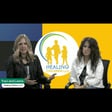
S3/Ep 7: Do I Need Therapy? A Parent's Guide to Seeking Help image

S3/Ep 7: Do I Need Therapy? A Parent's Guide to Seeking Help

S3 E7 · Guardians of Hope: Empowering Child Advocacy
Avatar
0 Plays2 seconds ago

You've spent years making sure your children have everything they need—pediatrician checkups, tutors when they struggle, therapy when they need support. But when's the last time you checked in on your own mental health?

As parents, we're conditioned to put everyone else's needs first. We push through anxiety, manage stress alone, lean on friends when we're overwhelmed, and tell ourselves we're fine—until we're not. But here's the truth: recognizing you need professional help isn't a weakness. It's one of the strongest things you can do for yourself and your family.

Dr. Caroline Danda, licensed clinical psychologist specializing in cognitive behavioral therapy (CBT), returns to Guardians of Hope to help parents understand when everyday stress crosses into territory that requires professional support—and why seeking therapy isn't just okay, it's essential.


Recommended
Transcript

Podcast Introduction

00:00:00
Speaker
Welcome to season three of the Guardians of Hope podcast. We are a community of parents, educators, health, legal and tech experts dedicated to positively impacting children's lives.
00:00:10
Speaker
The thoughts and opinions of my guests are not my own. This is a platform for sharing. Welcome, everyone. Many of us, especially parents, face struggles at some point in our lives.

Common Parenting Struggles

00:00:21
Speaker
The stress can include family issues, work challenges, or even problems in romantic relationships. The struggles often come with anxiety, sad sadness, anger, or fear.
00:00:34
Speaker
Often, talking to someone one like a friend can help you feel better, but there may be some times when these steps don't resolve the issue. When this happens, it may be time to consider seeking the help of a qualified licensed therapist or psychologist.

Meet Dr. Caroline Danda

00:00:50
Speaker
But how do you know if therapy is needed?
00:00:53
Speaker
Joining me to discuss this is Dr. Caroline Danda, a licensed clinical psychologist specializing in cognitive behavioral therapy for children and adolescents. Dr. Danda joined us in a previous episode where we discussed the signs your child may need therapy. She's here today to help us talk about adults.
00:01:13
Speaker
Dr. Danda, thank you so much for joining me today. Excited to be here. Excellent. So our audience knows you, so I'm gonna dive right in and start with the first question.

Therapy Awareness and Normalization

00:01:24
Speaker
um According to research from 2024, therapy seems to be in high demand.
00:01:31
Speaker
What patterns or shifts in recognizing the need for therapy have you seen? It's definitely more top of mind now. We just had the surgeon general ah recently who said both the mental health crisis for youth, as well as the parents are not all right, that the parents are struggling as well. And so we have a lot more information about normalizing you you know that it's okay to struggle, it's okay to not be okay, and it's it's okay to get help that we don't have to do it all on our own. And I think that's made a big shift. um
00:02:08
Speaker
i Kids today, there's a lot more mental health in the schools and they are more attuned to their mental health and their emotions as well. And so I find that sometimes the kids are asking for therapy.
00:02:23
Speaker
or they'll know other kids. They'll talk to their friends about going to therapy. So I think that it's a little bit something that is like, okay, maybe this therapy isn't just for crisis, or maybe it's not just when ah like for the bad kids, right? I feel like before there was a stigma of there was something that was really wrong with you if you had to go to therapy, that you're broken.
00:02:50
Speaker
And now I think it's more ah preventative in a way when we see something that's not going in the direction we want, I think we can recognize that that there's a challenge and we can start intervening sooner versus later.

Therapy as Preventive Care

00:03:05
Speaker
Yeah, and you know what? You make such a great point, and I wanted to ask about that specifically. You know, it's unfortunate that many people see therapy as a treatment, as a reaction to um ongoing issues or trauma or undiagnosed mental illness. Right. um And it's often seen seen as a taboo thing.
00:03:28
Speaker
um How do we lessen the stigma around that, Dr. Danda? um I think one is reframing therapy as a sign of actually being strong enough to ask for help.
00:03:43
Speaker
and Being independent doesn't mean you have to go it alone. Being independent means you kind of know what you know, and you also know what you don't know, and you're okay with asking for help.
00:03:54
Speaker
And going to therapy shouldn't necessarily be seen as a last resort or, well, I guess I have to go to therapy because I'm a failure. i think that's one of the barriers to seeking therapy because parents may feel like they're a failure. They feel like maybe they should have already understood it. ah Kids too, especially people who are perfectionists, like they don't want to go in because it feels like a failure.
00:04:22
Speaker
So bottom line, one of the reasons that we wanna remove the stigma is seeing therapy as a support, that it's learning about life skills. It's learning about how to address a challenge, much like asthma. So if you had a flare up of asthma and it was difficult to control, you would go to the doctor to figure out how to manage that.
00:04:44
Speaker
And just like asthma, like once you kind of understand what's going on, you can also understand how to approach it, how to treat it. Then then those mental health concerns go to the background.
00:04:58
Speaker
So really looking at therapy as resilience building, it can help you through the challenges you're having that bring you in, but it will also go beyond those initial challenges to build resilience and life skills that can support life moving forward.
00:05:15
Speaker
Yeah. I love the analogy of comparing mental health to physical health because we go to the dentist when we don't have a problem. We go twice a year. Some of us go more, but yes um you go there for maintenance. My son has asthma, so we see his pulmonologist twice a year as well, just for checkups. So why wouldn't you think of mental health as an extension of your physical health? It absolutely is. So that's such a great point.
00:05:46
Speaker
I had a kiddo even say that like everybody should go to therapy just as a check-in sometimes, even three to four, every three to four months, just like you might go to the doctor for a checkup.
00:05:57
Speaker
And particularly if you do have something that's chronic and ongoing, I do find that's true for the the families and kids that I see is again, we'll, they'll come in because there really is something that is presenting significant challenges and really disrupting life. And then a lot of times we'll have a few sessions, anywhere from five to maybe 15, I would say. And then, then we may taper off and I may not see them all the time, but occasionally as life again happens, we're always evolving our life circumstances change.

Generational Views on Therapy

00:06:28
Speaker
So they may come back and check back in. And they may not need you know all of those sessions, but sometimes coming in for kind of booster sessions can be really helpful as we're growing.
00:06:40
Speaker
Yeah, and the good news is the research that I've seen is that the younger generation of adults are more proactive in seeking therapy, and it is more normalized. It's not a stigma as much as it is for older generations, according to the research that I've seen. so And I would say a number of parents seeking therapy for their kids um a lot of them are already seeking therapy, have been in therapy before either as a child or they're seeking therapy for themselves as an adult.
00:07:11
Speaker
um And so I think that's another thing that reduces the stigma of it is I think we, my generation, um pretty much we just didn't talk about feelings. but It was a kind of a suck it up buttercup kind of approach. And i feel like we are starting to move beyond that where we can acknowledge that, yes, we have feelings and yes, we have struggles.
00:07:35
Speaker
And that's something that we can work through, not get stuck in. Absolutely.

When to Seek Therapy

00:07:40
Speaker
Or bury. Because we we I think many people have found it's not the greatest um coping skill to just grin grit your teeth and get through it. as i mean, sometimes in a situation, that's what you need to do. But as a general coping skill for life, the the whole suck it up and grit your teeth is not effective in in having um a successful life as a human being.
00:08:05
Speaker
It still causes a lot of distress. Yeah. Yes, for sure. And it's not modeling behavior for children either, you know. Right. Oh, yeah. All good things, all good points. So um you are now pointing me into another question where we talk about parents who grin and bear it um and are putting everyone else's needs first.
00:08:29
Speaker
It can be especially hard to recognize when their own mental health needs attention. What are some specific signs or patterns that indicate it's time to seek professional help rather than pushing through or relying on friends and family for support?
00:08:46
Speaker
I think one of it things is really looking at the level of distress, how consistent that distress it is, how disruptive it is. If you're feeling exhausted, depleted, you're confused, you're unsure of where to go, you're feeling maybe burned out, then that's a sign that you may need some support outside of what you're getting already from family and friends. And really, we have to think about therapy as not just, you know, rent a friend. That's not what therapy is. Therapy is designed to help understand you and give you coping skills for life. And so it's helping you do what you really want to do, but maybe be
00:09:30
Speaker
not able to do um because of just the emotional dysregulation or that you're exhausted. So I'm always thinking about you know how frequently is something happening, how intense it is, how long is it lasting and how much is it getting in the way? And if you see those consistent patterns, just know there's a better way.

Finding the Right Therapist

00:09:50
Speaker
It really sometimes can only take a few sessions to realize it. um I know, I mean, even I, you know as a psychologist, I'm dealing with kids all the time. and their parents and you know i had to go not had to go i i chose to go to my own therapy too because i knew that i needed it because when I'm emotionally drained or tired or, or not feeling one hundred percent in and my mental health, then I can't show up and be the person or the parent that I want to be.
00:10:24
Speaker
Right. And so that is a huge um component when you think about, should I go seek therapy? Right. Yeah. um Let's talk about what goes into finding therapy, right? Like I think we should go through some some steps or some strategies for parents um because finding a therapist can be overwhelming. There are so many different types and specialties. and approaches to therapy. Can you walk us through how someone should even start to find the right therapist for their needs? What questions do they ask? And how do you know once you meet the therapist, if that person is a good fit for you?
00:11:07
Speaker
Those

Therapy Costs and Benefits

00:11:08
Speaker
are great questions. What I would say is honestly, word of mouth is a great way to start. If you can share that you're struggling, again, that's part of being connected, that's part of being a community. And I guarantee you, you are not the only one going through a challenge. And so a lot of times I would say at this point, you know, i get a lot of my referrals from word of mouth because that feels like, okay, it's a trusted resource, or you can talk to your physician or your pediatrician. And I think that kind of gives you a good sense of things. Also, these days, pretty much most therapists and psychologists will have ah what website. They'll have some kind of online presence. And that may also give you a ah sense of who they are, what their specialties is. Most ah websites will also give details about you know where they're located, whether they take insurance.
00:12:04
Speaker
uh, what their fees are. It can give you a lot of great information on, on, on the websites. So you can Google, uh, different types of therapists. And usually you can say like, here's what I'm feeling.
00:12:17
Speaker
I want some therapy, like, and that may help you guide there. And then, um, you know, if you can talk to the person that you're going to see for even 10 or 15 minutes, like that may also give you a sense of whether or not it's a good fit.
00:12:31
Speaker
Um, hey That is a great tip. Now, what about the costs associated with finding a therapist? I'm sure you can find that information online or through insurance, but um can you help us with some parents who are worrying about the cost, the time commitment, you know, in-person versus virtual appointments? Right.
00:12:55
Speaker
um consistency? um yeah How does it look? All those things. Yeah, everything. i mean, and again, the answer is always it depends. um There's a wide range. There are many therapists that and psychologists who are out of network, but there are a lot that are also in network. A lot of times your insurance company may be able to give you a list. And so you can find out what there is, you know, what's covered under your insurance. You also have have to look at um It can get costly if you have a high deductible, so that is a concern. But a lot of times there's also trainees. A lot of clinics, mental health clinics may have trainees, and so you can get a lower cost or you can get a sliding scale for that. um
00:13:40
Speaker
I don't know as much about some of the other online um therapy, such as like BetterHelp or other types of things, but I know that that is certainly something that's out there. um so And I think that's a lower cost option.
00:13:56
Speaker
ah So that could be something where you might be able to search up for that. ah And therapy is anywhere, I would say, depending on what the situation is, it can be you know weekly to every other week. um And again, with parents, sometimes it can be with the kids. So a lot of times I do a lot of parenting work with the kids that really help the parents um also feel more calm and settled and confident. And then if I see that they need more than what I can provide as part of that, that part of therapy, that's when I might refer out and say, you know what, I think this makes sense, you know, because if you're feeling better ah about, you know, who you are and what you're doing and are managing your own life, again, you can show up ah more easily for for your kid.
00:14:39
Speaker
um So it is a little bit of an undertaking. I agree with that. um But it's also thinking about, you know there's a cost to not going to therapy.
00:14:51
Speaker
And I think that's what you want to weigh in and say, you know, this is this is really important. Can I, you know, eliminate my Starbucks or can I eliminate certain things that are really wants, you know, to prioritize like having therapy? And again, it shouldn't be something that is forever.
00:15:12
Speaker
Uh, it really be something that is forever. i joke that my job's to work myself out of a job. Um, people don't live in my office, right? And so a good therapist should be somebody who you feel gets you.
00:15:26
Speaker
You should, that they should understand you and that you're working collaborative together on goals. I always like to ask like, what are your goals? You know, what would like life look like? How would it be different after meeting with me? So it is very collaborative and thinking about how how we want to make this work um and trying to be open and transparent about what we're working on so that they understand this is kind of what we're looking for. i can't always give like a say, like it will be a 10 session course or whatever, but I can say like, usually in these cases, this is what I'm looking for. And as we're moving along, you still we still kind of update and say how we think things are going or how, you know, do we need to decrease sessions? Do we need to increase sessions? It really just

Therapy's Long-term Impact

00:16:13
Speaker
depends. And so having an open communication with a therapist is a sign that it's it's a good fit for therapy and it can be so worth it because it can make a big difference not just in the situation you're in at the moment, but again, what you learn in therapy often goes beyond that particular moment and builds moving but beyond because you may be learning about different communication patterns. You may be learning about how you know relationship dynamics work. You may be learning about different forms of how do I manage stress and anxiety?
00:16:53
Speaker
That's one of the things that if parents are work when I'm working with kids that have anxiety, a lot of times parents are part of the session. And I tell you what, they learn so much and they're so grateful to also understand it. And I think it just, again, opens the door to that communication and understanding.
00:17:09
Speaker
Yeah. And I feel like through my experience, it translates in different areas of your life. Like it doesn't always apply to the situation that you're in now. Like I've noticed that the way that I approach things um is learned from something that I may have learned to cope with years ago. And now I'm dealing with it in another situation. so Right.
00:17:33
Speaker
um Yeah, it really it really can translate across different areas of your life. And that's why I love and advocate for um getting children into therapy early if needed because children, like they say, are sponges and they they can benefit the most, I think, from learning these coping skills.
00:17:53
Speaker
Yeah. Yeah.

Modeling Healthy Behavior

00:17:55
Speaker
Completely agree. Well said. Thanks. I've been learning from you, Dr. Danda. What can I say? but i have one more question for you. um And this is how we talk about therapy with our kids um and how um handling our own mental health directly impacts them. um Can you talk about how seeking therapy, we we touched upon this earlier, but maybe offer some more advice or tips on how it actually models healthy behavior for our kids, improves our parenting, and also what should parents tell their kids about their own therapy?
00:18:36
Speaker
Like, Yes. Right. Like, I think it's, you know, just, you know, I kind of look at sometimes, you know, I look at therapy just like, you know, sometimes we get tutoring for academics. Right. So going to therapy is like a tutor for life skills. Right. Or you have you know some kind of you know injury or something, you know muscle injur injury, and you need to go to physical therapy. And so I really look at it a little very similarly to that is like, I'm going to go to my brain coach or I'm going to go to my feelings doctor. And, you know, they help me understand myself and live life. um And so I talk about that in general terms. um You know, I'm not going to get into the nitty gritty of all the things maybe I've learned in therapy um with my kids. Might share that with everyone. partner, that would be a good thing to share. But um it I just look at it as like, just like, again, I go to physical therapy or I go to the doctor or go to tutoring. So really really normalizing going to therapy is is kind of how I would look would look at it. And then it also models that
00:19:46
Speaker
that it it's okay to not be okay and to get support, that that is something that is appropriate. And it also opens the door for kids too. So if they know that you're going to therapy as a parent, then you know then they may not feel like, oh, I am a bad kid and now I have to go to therapy.
00:20:05
Speaker
I would say on that, never threaten therapy. Never say like, well, if you don't shape up, you know, we're going to have to go to the therapist. That's never an effective way to um approach therapy as, you know, because that does give the idea that something's wrong with you and that you're a bad kid rather than, you know, hey, we're just struggling. We got to figure something out. So I'm not sure that I don't, you know, it's also modeling like, I don't have all the answers.
00:20:34
Speaker
And so I'm gonna seek some support so that I can feel more confident in what I'm doing and I wanna be able to try new things. What I'm doing isn't working as well as I want to. Yeah, it humanizes the experience. Exactly.
00:20:48
Speaker
who Dr. Danda, thank you so much. It's always great to have you on Can you share information about where people can reach you or learn more about your work?
00:21:00
Speaker
Yes, I've got a website, carolinedanda.com. So that's easy to remember. I'm also on LinkedIn and Instagram and Facebook. So you can also find me in those areas. So I do. So on my website, you can find me for both therapy and speaking.
00:21:19
Speaker
And that's where you can find me. um All right. I always appreciate having you on. Thank you so much. All right. Thank you for having me. I always enjoy our conversations. They're so helpful. the all the All the topics that you dive into, it's so helpful to get these like brief, you know, deep it's a brief but deep dive into a specific topic that so many people wonder about, whether it's this or some of the other topics that you're doing. It's great to have that foray into it so that you kind of know where to start.
00:21:51
Speaker
So thank you for all the things you're doing. Of course. i appreciate that feedback. I love it. Thank you so much. All right.