Transcript
Speaker: They say, as soon as they'll be like, oh, you know, I know I'm working too many hours or I'm working really hard. And I'll say, can you give yourself some grace or time back? And they'll kind of go, well, you know, yeah, I'm going to do that in the future. But they never do.
Speaker: The company will keep putting work onto you until you literally break. It's up to you to tell them, no, this is my boundary. But how do you set that boundary when everyone else around you is signaling that they can do more, they can take on more? What?
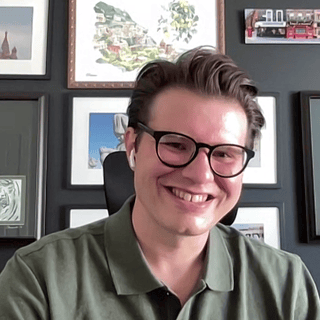
Speaker: I want to one, welcome you to the podcast, Michelle, to welcome everybody else to Something's Brewing, the podcast where we stir up real conversations about mental health, wellness. You know, you and I are going to focus on a lot of work-life balance, and I'm excited to talk to you today. Obviously, you and I have worked together previously, which is really nice to both be in conversation with you again and to have you on the podcast today.
Speaker: We've talked a lot about bringing wellness to the workplace. You're over in the UK, I'm in the US, and there's a lot of cultural differences as well. And I am excited for you to bring your voice to the space.
Speaker: So the first question I always have is what's in your cup today, i'm going to have you introduce yourself and then what's in your cup so we can start our Something's Brewing episode after that. Yeah, goodness me, what is in my, actually, do you know what, it's mid-afternoon for me here. Yeah. I really have quite a lot of coffee, um but it's also, it's very warm here right now.
Speaker: So I have what I think British people refer to as squash, which I think that you guys would refer to as like, ah oh my goodness me, it's when you have like, um it's diluted, it's like a diluted fruit drink, what would you guys call it? Like a diluted juice?
Speaker: Yes, yes, but call squash. washsh so Where does that come from? have no idea. honestly, there's a lot places in the UK where if, you you know, will do you want water? do you you know it's not soda? And they say, could yeah you, you would you like some squash?
Speaker: And that is what it is. It's like a diluted fruit drink. So what fruit? What fruit? I just want to use kind of a summer berries. So it's keeping me, it's very refreshing. It's keeping me cold. That sounds very refreshing. I'm on the coffee train because it's nine o'clock here, but that's hilarious. I had no idea.
Speaker: and learned something the new. Well, there you go. In the UK, if the middle of the afternoon and you're you can ask somebody if they've got any squash.
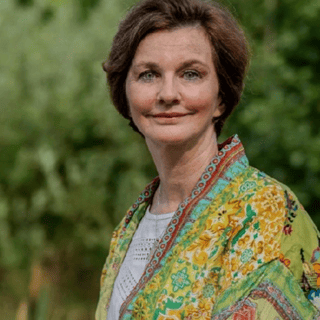
Speaker: That's awesome. I love that. Well, I'd love to give you a little space to introduce yourself and then we'll kind of kick it off with what we want to talk about today. Michelle Edwards- Sure okay well, my name is Michelle Edwards I work for my own company called clarity of mind.
Speaker: Michelle Edwards- i've actually worked over the last 10 years lucky enough to have worked in some of the kind of big tech companies. Michelle Edwards- Silicon Valley based but i've been in the European offices and and worked in recruiting for most of that time, but then also shifted over to the learning and development because it's where kind of my passion late.
Speaker: um I recently actually left the work that corporate world to actually pursue my own pursue my own work to make sure that I can go out there and continue to do that and so now I actually offer coaching and I also lean in and teach people about things like their own strengths and thinking preferences and so I'm really excited to to kind of come out of that but it's definitely a transitional moment for me what does it feel like to come out of the world the corporate world and do this yeah so there's you know a lot that's going to be a fun adventure.
Speaker: I love that. Yeah. And kudos to you. I remember when you told me about that and I was super excited for you, obviously hard to lose you on the, on the corporate side, but I'm always inspired when people go out on their own and and do their own thing, especially with the background that you have to take it out to the corporate world.
Speaker: um And I'm excited for that for you, but that must bring up some uncertainties, fears probably. so how are you dealing with that transition? I would say, keep saying there's a lot of fear, but I think it's also anxiety slash excitement. You know, you stay positive and I say that I don't, I have no idea where this is going to Everyone's wishing me the best I'm wishing myself the best.
Speaker: And all I can do is commit to that make sure that I'm doing the work. um You know, I'm quite a stoic person. I believe in stoicism and I've always loved that idea of people saying like, what is within my control? And so I'm very much going to work from that basis, like take every day as it comes.
Speaker: What is within my control? What can I go out there and do? um and I'm just hoping that I can also kind of put my enthusiasm into, you know, talk to people about the things that I love and hopefully they'll love it too. But, you know, it is going to be a journey, I'm no doubt. And i keep laughing and say, you know, who knows where I'll be in a year's time, but I'm ready to to go on that roller coaster, you know? Well, you seem super excited and ready. So that honestly is going to fuel that that momentum forward. So kudos to you and good luck with everything. But I think for our conversation today, I know we wanted to anchor around a little bit of how we create work-life balance. I know that's something that's come up a lot.
Speaker: you know when we worked together and it was how do we encourage people to take their own wellness into their own hands? um You and I have talked about cultural differences and global differences of what wellness and well-being looks like. So maybe we just start there of what is the importance of work-life balance?
Speaker: Gosh, I mean, i do think it is incredibly important, especially in a world where we we do blur the light between what is work and and what is our life. You know, they are they are very much the same, right? You know, we're living our lives, we're choosing to work in our lives.
Speaker: um And people give so much of their time to their workplace. And I think that for a lot of people, especially in the corporate world, in in certain kind of companies, your you know, your work becomes your life and you give so much of yourself to it.
Speaker: And there's something interesting around how we can help ourselves become more than just the role and make sure that we are carving our time to not just do the work, which we might love, but have the other components of our life.
Speaker: So that you know if that, if that work were to end or something happened there, like, obviously we still need to make sure that we are ah full human being without it. And it's interesting. I've been talking to some of the people in coaching, some people recently who are going through that period where they're maybe thinking about leaving their work or retiring. And I've had conversations with them about them saying, i don't know who I'm going to be without my work, because it's been interesting part of their life.
Speaker: Yeah, there's something there about how we shape, we intentionally shape our lives, and how we think about ourselves. Yeah, I love that. And I think it becomes so much of our identity because of the time that we spend there. um But I also think that it can create such blurred lines as you talked about. So what's like the impact that that has on people's overall mental and just overall well being?
Speaker: Is there is there anything that you see there? I do in that I think that people do give so much of themselves to it and and and therefore there is this this sensation of like if they're not doing well in their work then what does that mean about the rest of them?
Speaker: Because if you don't if you don't carve out time to you know for the rest of your life, for the rest of these other things, you know family, ah hobbies, whatever it is, your friends, and then your work, let's say it doesn't go so well, it is like your whole world is crumbling.
Speaker: you know So understandably that disney that kind of builds up a lot of pressure on people And I think we do need to make sure that we're giving everyone space to build a complete life that is not just focused around their work. As I said, people can love their jobs.
Speaker: That makes perfect sense. But I don't know if I think it is right for it to be the entirety of what we do. We have to be have other components because also that the components also are still there for us so when work fails and when things go wrong.
Speaker: You know, our friends, our family are there to to hold us. Yeah. And I think it's so easy for us to kind of say that. What would you say are kind of steps that people need to take in order to actually develop that?
Speaker: Yeah. What seems to be a well-rounded, holistic being, right? So that they're not putting all of their identity into work, but also in your X amount of years in the corporate space, what are some things that corporate companies need to do to even enable that?
Speaker: um I think part of it is around we need to have a better value, better value, place better value around resetting boundaries around when we work and when we don't work. And I really think that it's interesting that there are different cultures where this becomes very obvious that there are different ways that we view working time versus non-working time.
Speaker: And I say that from someone who's become aware of, you know, certain countries in Europe where people have these, you know, more, there are a lot more unions that have helped people, you know, that have built these contracts, these kind cast iron contracts that every country, yeah every company has to use in that country.
Speaker: And those contracts stipulate how long a person works for, you know, is it 35 hours, you know, if they work over that time, the company has to give them that time back. And um the interesting thing about that then is that it means that everyone is working to the same the same contract or the same in the same rules.
Speaker: So nobody feels that pressure to, oh, I've got to you know be here later, or I've got to do this. There's an understanding of everybody works this time and everyone has time off. And therefore, that culture is built around that.
Speaker: And there's more of a just a ah natural separation. Whereas what I tend to see now a lot in kind of corporate, and I want to use word corporate America, but it's also in the UK as well. have these companies where if you think about, you know, we have companies where people have got contracts where maybe they can be more easily let go, especially if, you know, there's no union involved.
Speaker: So, you know, they're working in a competitive environment. People want to keep their job. You know, they really want work in these great companies, but there is a culture in that company that people do work a lot of time and a lot of hours.
Speaker: And even if you are somebody who says, you know, I'm going to come in and I'll give you my absolute best during my working, people might say, good for you. Like, that's great that you have these boundaries, but I still, i still think there would be a thing where you would, you know, you're probably going to miss meetings or you won't get promoted. it's going to appear as if you're not putting in the same amount because everyone else there is putting in 150%. And fifty percent and yeah they've got used to that. They've said to themselves, oh, this is fine. I don't mind that I'm working on Saturday night. I don't mind that I'm working until 10 p.m. every evening.
Speaker: So they're kind of they're setting themselves up to fail. Everyone's kind of, ah what's the want? They're kind of all colluding in that that culture. Whereas if everybody just agreed again and went, whoa, we need to set up a better working environment.
Speaker: And that could be something that managers can do where they actually literally say to their teams, you know, i don't want you to work in evenings. you And actually, they need to role model that. Well, that's exactly what I was going to say, right? Like, if the manager themselves is working more than the people below are going to think that they need to work more. And question I always have is like, does it start from autumn up or top down?
Speaker: Yeah, you know, yeah, I absolutely think it guitar starts from the top. Yeah, that has to be role modeled all the way through. um it has to be something that and actually be something that people hold each other accountable for.
Speaker: And then there has to be a thing of holding yourself accountable. And sometimes, again, people do feel this compulsion to take on too much work. Oh, it's fine. I can do this. And they should they should feel comfortable to say, I'm not going to be able to get this done in that time. and I don't want to have to work an extra 50 hours this week.
Speaker: So can we negotiate how long this is going to take? Or is there someone else who can help with this? There needs to be just healthier conversations around what what people's expectations are around what they do so that they can then give themselves the grace to say, I'm going to tell i'm logging off at 5 p.m.
Speaker: I'm not working this weekend. Right. you know As you're talking, what comes to mind is like, I would imagine that the teams or individuals that do set those boundaries have probably greater performance metrics, right? And have probably greater output. And that would be kind of a model for a bunch of other teams and or organizations to say, well, this team seems to be having better output versus this team. And what's the difference, right? If there's set that psychological safety, if there is that open communication, if there's divvying up of responsibilities and roles because of time zones or because of boundaries that people have. Yeah.
Speaker: Right? wouldn Wouldn't the performance just you know exponentially grow? I mean, hopefully you've minimized burnout. You know, a lot of right people putting in so much of themselves, so much time and effort into things, and then they just break.
Speaker: And if we could actually say, no, no, we're not going to let you reach that breaking point. We're going to put in those safety nets to say, we want this to work for you. and We want you to be okay. I think that would be a so much more comfortable position for everybody.
Speaker: And then again, people would come in and go, I've had a great weekend. I've had, you know, a great evening last night. I'm ready to work again. Right. let's Get back on it. You know? This also brings up a conversation I had the other day and something that I personally have experienced and I want to hear your take on this is even if that was set up for people to feel that way.
Speaker: Do you think that there's a part of each individual that has to have grace within themselves to not over identify with their work? ignoring what their manager's saying and using work, myself included, as distraction from other things in your life and as, well, I'm just going to keep going and going and going and then ignore the other things, my mental health, my my well-being in general, that are declining on the side.
Speaker: And how do we kind of work with that? Because I think that then becomes you have to take care of you, yeah right? If the external setup for you to do that, you still have to decide to commit to yourself.
Speaker: yeah Yeah, you are so right. And that is really big part of this is people ah learning to, as I said, sort of like stop themselves from doing this. Because i so i've I've got friends who I've watched do this and they're like, they' thinking oh, it's not the company's, they're not pushing me to do this. I just come too much and I really want to do this.
Speaker: um But then I'll be like, hey, you're not giving yourself any space. Like when was the last time you went out and did this thing? When did you do that? They say, you know I want to do that, but I'll do that in the future. I'll do that when this project's over.
Speaker: I'm like, but you said that last time. i was going to say that never ends, right? Yeah. So you're right. There's something there. But then again, I wonder if that's something where we can have better mechanisms in companies.
Speaker: Again, i mean, I'm thinking on my feet. If a company can but like a block you after hours, so it's like you can't log in, you know. Right, right. If she finishes at six, you can't use your laptop. time off just i I mean, you I wonder if there's more that we could do to stop that as well.
Speaker: Because after that's a habit, you would hope. That if a person had like a two or three weeks where they genuinely couldn't work late, they'd suddenly be, oh, do you know what? I couldn't. I was forced to go outside and meet people. I was actually, that was a better experience and I could still do my job. So it's about forcing that reset maybe. i don't know. It is, it's interesting. I think in five years at Task Human, I think working with yourself and other people, a lot of what's come to mind for me is human beings are the workers, right? We have this employee wellbeing versus human wellbeing, and they've become so separate. But at the end of the day, you're still, I'm trying to figure out how the best way to say it, where the people working at the companies need to have their own foundation of wellbeing before they go into a job, right?
Speaker: Or they need to have a way and a support system of facilitating their own wellbeing foundation and what that looks like for them. eat for me every morning, I have to go work out and do something. My calendar is blocked for morning routine and That I know sets me up to work better during the day.
Speaker: Right. And it's taken me time to create those boundaries and feel safe in the workplace doing that where like people trust that I'm going to get my work done. But, you know, I wanted to kind of talk about this employee well-being versus human well-being and how that might impact the workplace, both just in general, but culturally as well.
Speaker: Yes, I think we have definitely as a whole culture, I think as a world realized the connection between us as humans and us as employees during COVID because suddenly we're seeing each other working. A lot of us are in the corporate world, working on our zoom, you know, on zoom, suddenly we had the idea of actually people are just humans at home doing their best and, you know, taking care of their kids and their dog.
Speaker: And there was this connection back to the person as a whole, as opposed to the person who was in the workplace. right So some of that came in there, but I do still think that we don't, you know, we we are doing our best to sort of say how, yeah, how people showing up at work are we taking care of them here? Right. there The recognition of, is that something that they also need help with outside and how can we make sure that this, yeah always I'm thinking about severance in the innie and the outie. It's like, oh, is there things that we should be doing to make sure that the outie feels like they can come in, like they can connect back.
Speaker: you said, can be things as simple as saying, look, if you need, two hours in the morning, an hour in the morning to go the gym, because that's going to make sure that you feel set up for it to come and be your best. We want you to do that. You shouldn't feel like the only way that you can have well-being or be taken care of is coming into the workplace and having a mindfulness seminar at work. It might actually be you saying, I need to go do this thing. And that's going to make me better set up in life, if that makes sense.
Speaker: Yeah, well, it sounds like there's ah proactiveness on the employee side as well to trust that they need to be able to speak for themselves, right? yeah yeah And say, this is what I need to perform my best and trust that the organization and or manager, whoever they're speaking with, is going to honor that.
Speaker: And I think some of that's also about recognizing that the people who are working in a company as a kind of side thing, but it's come to me now, people who work in the company, the same people are experiencing what's going on in the world.
Speaker: And so there has to be a thing about how corporations or companies recognize what people might be feeling. based on the world that we live in right now and things are going on right now. And maybe some of that does need to be just recognized.
Speaker: They need to have just a kind of moment to say things might be going on that are making, you know, making people feel like life's harder to manage right now. And if you need. to support with that, we want to give you that because, you know, you can't separate those two. You can't say to yourself, you know, oh, the person who shows up at work has to be absolutely fine with everything going on, even though the person who leaves at 5pm is dealing with this lot of stuff outside in the world.
Speaker: There has to be an understanding of the connectedness there. And again, that comes down maybe to some sensations or some thoughts around what's happening in the world and what kind of support do people need? And Where can a company show up or check what people might need, if that makes sense?
Speaker: Yeah, it does. It does. And I appreciate you saying that. One of the things that came to mind for me in your roles that you've you know filled in the past couple of years, I'm sure you've dealt with people who do struggle mentally, you know, just coming into the workplace.
Speaker: What do you think is important for workplace employees? Just culture and then ar people who are managing people to understand about mental well-being or set a safe space for people. I a conversation the other day where it was complete fear of judgment within the workplace. If someone says, you know, I'm struggling today, right?
Speaker: Okay, they're going to look at me as less than. Is that something that you've come across? Yeah, yes. And yes, I think so. And I do think that's something that, you know companies are still not putting enough effort into is that education upfront rather than sort of waiting until things have happened. it is about helping everybody understand how they can support each other. For example, I've worked in companies in the past where, you know, we know that we're we're in an environment, there's lots of people who are neurodiverse and there's still a lot of misunderstandings, confusion about what that means and how people show up neurodiverse.
Speaker: And I've been companies where we've had the opportunity to maybe you know, we had platforms that have said, hey, we run a really solid training on this or a thing that you could offer. Is this something that you're interested in? And there's just a sensation of not right now. I think everyone's fine. And you're like one person saying everything's fine doesn't actually mean everything's fine and doesn't actually mean that everyone has got the grip on this.
Speaker: And again, maybe there shouldn't be one person making that choice. It should be connecting back to our ERG groups, you know, going back to that resource group and people who are actually experiencing people who are neurodiverse in the company. How are they feeling? Checking in with them. Are we doing are we doing enough?
Speaker: Actually asking that question, are we doing enough? Or is there something that you think we're really missing? And I think that that seems to be you know, unfortunately, sometimes it's parked, it's still parked on the side.
Speaker: And there's just a sensation of, oh, I think I think everything's fine. You know, maybe one person's unhappy, but we you know, we're good. It shouldn't be. We don't need to wait for that to be a lawsuit. We don't need to wait for it before we recognize that there's something that can be done.
Speaker: and it just goes back to asking the right people, hey, what do you need from us? How can we support you and make this feel like a better environment? Right. I think the biggest thing is companies get so big on performance and output that the lack of pause, maybe it's an own self-awareness of ah CEO, a COO, an HR, CHRO, whoever it is in that place where they have KPIs, they have certain things that they need to hit in their role and responsibility, and we're all just kind of on that flywheel, right? Yeah.
Speaker: where it becomes like that one moment of reflection of that one person who says things aren't okay, right? That to me strikes like catalyst. That to me strikes improvement, right? To say, okay, I want to talk to that one person and see what's going on because honestly, if that one person feels it, how many other people feel it, right?
Speaker: So it becomes this like, well, 90% are okay, but 10% aren't and we're still we still get output and we have a company to run. Yeah, but as you said, it's not about that, is it? Because you could have 90% of people who reach it, but they might burn themselves out to the help they want for it for things to slow down.
Speaker: But they know they can't or they think, I can't possibly slow down because if I don't hit, someone else is going to take it. But can you imagine if actually the company went, you know what? This is too high a target. We are actually asking you all to burn yourselves out to hit this.
Speaker: We're going to bring this back by 10% or whatever. mean Everyone would go, oh thank God. naturally Exactly. are you right? You do need that one person who actually maybe be is the one who steps back and goes, this is too much. And it shouldn't be about us saying, you can't cope. It should be about saying, is it?
Speaker: Let's check in. Are we just scratching everyone to the nth degree and we're waiting for someone to cry out? Or could we, you know, exactly. Yeah. Well, as you know, as we're talking, it comes to mind where the fear on people who are going to be that one person that says,
Speaker: I don't know, this seems like too much. Like I'm already burnt out. Yeah, I think a lot of people are because then the conversations happen siloed, right? And everybody's saying that they feel a certain way. It happens everywhere, right? Every organization I've been in, and there's one person it takes to be that brave soul to speak for other people and, you know, change the course.
Speaker: But I would imagine that you would agree that that fear is real, right? Of speaking up. Yep. lot of places, there's a sensation of you have to do everything. As you said, you have to reach high targets. You have to work at speed.
Speaker: it's ah It puts people through it into a frenzy. We've started to believe that that's actually dynamic and fun and that's how people should want to work. um It isn't that can be an incredibly stressful environment.
Speaker: Not everyone wants to work at breakneck speed, not all of our best ideas in life come at us at that speed. Sometimes it's about cities we talk about that idea all the working smarter, not harder.
Speaker: Right. I don't think that is very smart, you know, to push people to that nth degree and say that's where you get excellence. What about if we all agreed and said excellence isn't just meeting the mark and getting the there.
Speaker: Excellence is having a workforce who are also feeling really good about themselves, having more time with their families, um you know actually finishing on time. What what if that was excellence?
Speaker: it'd be a whole nother world for sure. yeah Do you feel that there's a cultural difference in in how we approach well-being and work-life balance though? ah I think actually, funny enough, I think in some in some countries, um and the concept of well-being is discussed more.
Speaker: And interestingly, I can say that I think that I've heard it more openly discussed. I've worked in a lot of companies that are America-based. and think there is an understanding or a wish to engage in well-being wellness maybe because the size of the companies maybe because of where they're situated there's a wish for that it's always been there interestingly i work with a lot i've worked in my local community with a lot of people are in different companies and that's just it's just it's just an afterthought like if i said to them you know we've had these things going on they would be like what oh you know la-di-da look at you you know that would genuinely be considered fancy like oh you you must be and you think that's interesting that so i think that
Speaker: we forget that there are lots of companies making an effort. It's not say they're getting it right, but making an effort, whereas there's actually an an awful lot of companies where it's still an afterthought that they are going to put as a reaction.
Speaker: Yeah. And I wonder if Is that because people, I mean, stereotypically, people in the Americas are a little bit more overworked where I think it's a must do with employee well-being, right? It's kind of like that word of employee wellness.
Speaker: Whereas people in the UK or abroad, do you feel that there's just more of a foundation lifestyle that's more conducive to to balance? Yeah. Yeah, like that's a very good point. And again, like we like I wonder if there could be an interesting correlation as well with things like countries where the employees themselves have to put less of a wellness thing in place.
Speaker: Could be because the government itself puts in more things. Exactly. whats so play Again, funny enough, I'm thinking again about France and how they're unionized in their businesses. So the companies don't offer as much, but people pay higher taxes, but they get a lot back from the government for like things like childcare and all sorts of things that we wouldn't even consider in the UK or in America.
Speaker: So I wonder if there is this interesting correlation of the level of support that is being given by the government and the level of support by the employer. Exactly. exactly Cause as you're talking and people are like, oh, that sounds like what it's almost like, why do you need that in the Americas for like, we're good here. It's like the blue zones, right? yeah There's places where people are thriving because of the surrounding um support that's already naturally there versus what has to be forced upon some people in the Americas, right? Because it's not a natural way of living.
Speaker: Yeah, there might be some places where you said you had this kind of, you I'm just thinking off the top of my head, whereas if you said, yeah, we have to have this kind of mindfulness program, or we have these programs to, again, like if you said, you know, companies, we have, ah you know, an employee resource group to make sure that people of color feel like they're recognized.
Speaker: There could be over pay another employment or another country looking over and going, you have to have that enforced? you have to have Exactly. oh right You have to seem to tell you to do that? What? That seems obvious.
Speaker: You know, there's there is something there about we've put these things in place, but it doesn't mean, of course, it's great to have it, but it's because it was maybe missing rather than anything else. Exactly. Exactly. Super interesting. huh Well, maybe that's food for thought for you.
Speaker: um The conversation has been so awesome. As we start to like, you know, narrow down, one of the things I want to know is just what does well-being mean to you and how does it show up in your daily life? Hmm. I think, yeah, well-being for me definitely does mean carving out time for myself. It definitely becomes something I care far more about because I know that if I'm not caring for myself physically and mentally, then I'm not going to be able to do the but my best work.
Speaker: So I do carve out time every day for yoga. um I'm lucky enough to have a cold plunge at home. Ooh, nice.
Speaker: I'm one of those, one of those crazy people. And that really matters to me, like doing that, because then I'm normally really mentally ready for, you know, go out there and do great work. But I also know, think one of the reasons I've i've moved over into kind of things like coaching is I also think that wellbeing,
Speaker: means also giving people the space to think and slow down. And mindfulness matters, like people taking a second to just be. I've worked on wonderful companies, but everything is done at breakneck speed.
Speaker: And the older I get, the more I do want to just slow down and just take a second and just appreciate the life, of the world that I'm in. I love that. That's really important to me. And I want to make sure I love that people are doing that. I think that's, that's wellbeing.
Speaker: Yeah. I love that. And one of the things that brings to mind, we've done so many meditation kind of sessions at Task Human, and I remember so many people in five minutes of breath work and they're like, whoa, and like, do you guys really not pause during the day? right So Any meeting that starts with like a deep breath might be helpful for people, but pause, talking about work-life balance, talking about all of that stuff of just like performance and go, go, go. That breath and that pause is so important.
Speaker: So important, giving people space. Like, it's really funny. I often, are part of when I'm coaching is sometimes I'll ask a question and the person will go, oh, I don't need answer to that. And I'll say, okay, I'm just going to take a minute.
Speaker: And they look really surprised. Like, oh God, you, you, you want me to answer it. I'm like, you can take five minutes. You can take 10. let's just sit and think for a second. They either think it has to be immediate or nothing because that's the world we've worked in. It's like kind of like immediacy. And whereas if you just say, let's just think for a second, let's just enjoy this moment. What are you thinking? Like take a mental walk.
Speaker: No one's got time for that. And if you just give them that and say, Why don't we go on that mental walk together? Let's see where you come to That feels transformative when in fact, it's very simple.
Speaker: but It is. I love that term mental walk too, right? That's just like you have you have somebody along this journey with you and naturally they'll come up with something. Yeah. You know, because if they don't have it immediately, they have the space to actually be like, OK, hold on.
Speaker: Yeah. Well, I think I should have kudos as an incredible coach called Nancy Klein. And she came up with the idea of a coaching philosophy called Time to Think. And it is about building a thinking environment. And she's the one in in one of her books where she talks about giving people space to go on their own mental walk.
Speaker: And she says, you don't always have to go with them. They don't have to speak. But them just knowing that you're still going to be there when they come back gives them the space to have that walk. And then you can be like, I'm just here when you're ready.
Speaker: know? I love that. That's a perfect way to end too. We're just here when you're ready. So thank you so much for this conversation. i am really looking forward to the work that you're about to be doing. i really am appreciative of the reflective conversation on all the work you have done. And hopefully we can record again.
Speaker: and hear about the updates in your new venture. And i hope that we've inspired some people to take that pause, take that mental walk solo or with somebody else and really reflect on what work-life balance means to them and how they can foster that within their own environment.
Speaker: So thank you, Michelle. You're most welcome. It's been an absolute pleasure.