Become a Creator today!Start creating today - Share your story with the world!
Start for free
00:00:00
00:00:01

E46: Flying Demos (Part I)

31 Plays51 minutes ago
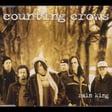
Counting Crows' 13-Song (!) Demo Tape is legendary for its length and consistent quality; resulting in a multi-label bidding war. They were special from Reel #1 .
In this episode, we go over the history and legacy of this tape, and give our thoughts on the album, track-by-track.
Eric, Geoff and Chris are joined by "Double-G" (the Counting Crows archeologist) for the first time.
You can listen to the Demos Here:
https://www.youtube.com/watch?v=xW6VcqUnfkU
Recommended





Transcript
Introduction to 'Flying Demos'
00:00:17
Speaker
Welcome back to Sullivan Street, where we will again talk about our favorite band and probably yours, too, if you're listening to the podcast, Counting Crows. ah Today, we're going to talk about arguably one of the, ah how would i say ah most famous or infamous legendary demo tapes of any band, at least from what I've heard um in the 80s, 90s and 2000s.
The History and Impact of 'Flying Demos'
00:00:41
Speaker
Chris, we're going to talk about the flying demos. We're going to go all the way back to the beginning.
00:00:46
Speaker
And I will, you know, as opposed to what Eric said, I do want to welcome anyone who's maybe Counting Crows is your second favorite band, your third your fourth. Maybe you're still willing to listen to us.
00:00:57
Speaker
um You know, i we we accept all, Eric, even if they're, you know, bless them, even even if they're like your fifth or sixth, although I don't really understand those people. We will, yes. We will accept that. it is good We've been actually talking about talking doing the flying demos since like the fifth episode, I mean, at least off the off the mic, and we're looking for a good ah good time, pun intended of when to do it. And after after talking to Amy, I guess we thought, hey, this is time to get into unearthed things and how the band started, the history. Yeah, it feels like the conversation, again, especially around because of the documentary, I feel like it's
00:01:31
Speaker
It's the right time to talk about it in the context. Adam's talked a little bit about some of these older songs in recent interviews, the discussion in the documentary. Yeah. and he Let's go all the way back, Eric. And he's talked about the... For whatever reason, he's talked about the demos quite a bit and or the process of giving it to the record execs, et cetera, over the last five
Expert Insights: Jeff Harkness and Double G
00:01:50
Speaker
years.
00:01:50
Speaker
Joining us on the podcast, if we're going all the way back, of course, we have to bring our historian, Jeff Harkness. Jeff, thanks again for joining us. all right What are you... Any quick hits about the flying demos? You're excited?
00:02:03
Speaker
Oh, yeah. I mean, I think that they're they're quite interesting, um you know, especially because you have some of the songs that are obviously fundamental to August and everything after.
00:02:15
Speaker
But then you have this other set of songs that that wasn't used. And then also you have the band's biggest hit, which is kind of crazy. So, yeah, I think it's going to be fun to kind of dig into this and and see what we can figure out. I'm excited.
00:02:30
Speaker
All right, cool. And welcoming also to the podcast today, first time, is the man that goes as Double G. We will say hi to him. And why did we bring him on today? Well, we have the Counting Crows historian. I would call this Double G the Counting Crows archaeologist, I guess, because he is going back, trying to unearth... little gems, little nuggets, little historical treasures that maybe haven't been here otherwise. Double G, welcome to the podcast.
00:03:02
Speaker
I like the Counting Crows archaeologist. I like that. It's a good one. I think, yeah yeah, we like to have have little titles like that. So um we we know you're a bit of an expert or at least know a lot about the flying demos. do you want to talk about how you how and when you first got into Counting Crows?
00:03:21
Speaker
Yeah, I mean, it's not really an interesting story. I'm 40 years old, and I guess in my youth, my younger days, teenage days, i i heard them, I liked them, and I quickly discovered it was my favorite band, and then, you know, it's very difficult on the internet.
00:03:41
Speaker
I find out that stuff that they put on the album, and I was like, oh, wow, you know, it's fascinating, so that kind of...
00:03:51
Speaker
I kind of got really interested from there in becoming an archaeologist, I suppose. But yeah, the origin story, you know like many ah other people, heard them. I said, no, these guys are really good. Do you remember the first song you heard from them?
00:04:07
Speaker
no Okay. What was the first album you had of theirs? Do you know that? Was it recovering? The first one that I bought myself, it's got to be Desert Life.
00:04:18
Speaker
Okay. That's my favorite album ever. so Okay, good. Good to know your favorite ah album. Yeah, that was probably, you know in some ways that was the album that maybe the most of that more than any other fans wrote us and said, oh, we want to be on that podcast. We love this desert life. And we've already said it's also a a band favorite as well. So let's get into the history. ah Jeff, you don't have to and mention everything that you know, because, you know, save some details for the book, right? You still want those people buying the Rain King book
Creation and Record Label Interest
00:04:49
Speaker
by Jeff Harkness. Awesome book. But Jeff, what why don't you tell us about this creation of this legendary, um again, that I'll just give the
00:04:58
Speaker
two-second Clive Note version that that that Adam says, right, that demo tapes even back then were, I don't know, two to four songs usually that you would send to somebody because, you know, some execs would just listen to 10 seconds of one song, right, and decide whether they want to listen to more. And he said he sent this 13, and every major record exec wanted it, and that's when the bidding war started or whatever. So, Jeff, let's go to you.
00:05:26
Speaker
Yeah, well, it is true that that usually a band will have a demo tape with maybe two or three songs. Adam said because if you put more than that, you reveal that you you have songs that aren't good. So he's like they hold back as much as possible because they don't want to tip the tip to the fact that that they have filler songs or songs that aren't that good.
00:05:48
Speaker
He said in their case, they kind of had the opposite problem, that they They had so many good songs um that that basically it was like showing the record companies what a strong writing unit um you know they they had. um the The sessions were put together at Dancing Dog, which is, of course, Dave Bryson's studio.
00:06:10
Speaker
And as I recall, Adam said there were sort of three big chunks that they were recorded in. um When he was putting together these songs, of course, he was working as a duo with Dave Bryson. He was working in the Himalayans. He was singing backup with sordid humor and and kind of a...
00:06:29
Speaker
musician about town, but he was slowly putting together these demos and bringing in musicians he was fond of. And so, you know, he brought, he worked with Bryson, of course, Bryson had worked with Matt Malley in Mr. Dog, a band of bears. And so, Hey, let's bring in this guy. Everybody loved Charlie. So they brought him in.
00:06:50
Speaker
slowly he kind of assembles this team and says, this is kind of a great studio band. And they record these songs in these sort of large chunks. Um, interesting and And of course, because it's a professionally produced demo in a 16-track studio, it doesn't sound rough and and like a demo. It sounds like a polished, almost an album. And so was very impressive sounding as well.
00:07:15
Speaker
Adam said it actually didn't take them that long once they started passing this demo out. To get ah you know a lot of interest from labels, it was really just a matter of months. um Eventually, they had kind of a couple of showcases. And at those gigs, all the record companies showed up. They eventually got nine offers from major labels and were able to kind of set the terms and and go forward.
00:07:39
Speaker
Gary Gersh, the A&R guy at Geffen, who was really interested in them, later became the manager. you know said that he had listened to it just over and over again. He loved the demo, but he also felt like, you know he said, you guys have made a demo that sounds like an album. Now we're going to make an album that sounds like a demo. Yeah.
00:07:57
Speaker
He thought that it needed to be more organic, a little less slick. And um yeah and this this is where T-Bone Burnett comes in and so on and so forth. So, um yeah, I think I'll just leave it at that. I mean, I know that there's more history. I think i think one thing, and we kind of know this, but five of the 11 August songs were on this demo. So you've got Rain King, Omaha, Anna Begins, Mr. Jones, and Round Here are all on the de all on the demo tape.
00:08:26
Speaker
um Not on there, then, are the other six songs. So Perfect Blue Buildings, Time and Time Again, Sullivan Street, Ghost Train, Raining in Baltimore, and A Murderer One, not on the demo tape. So these are songs that were apparently developed...
00:08:41
Speaker
During the, you know, in the interim between the time they were passing the demo around and the time that they started recording the album or got into the recording of the album. So um we'll, I'll leave it at that. And then we'll get into track by track. Maybe Double G wants to add add a a bit to it. so Let's have Chris. Chris has a follow up. Notably interesting in terms of the ah lineup, right, is that there's two different drummers.
00:09:05
Speaker
Cause Bowman has said that he there's, I can't think of the guy's name, something Hawkins, I think. john hawkins yeah Toby Hawkins. right i I always, I always like my brain always remembers Taylor Hawkins and I know that's wrong. Um, but right. He, there's, there's two different drummers cause Toby's on some of them. And then, and then Jim, uh, sorry. And then, uh, and then Steve Bowman, um,
00:09:25
Speaker
Yeah, that was one of my questions. It wasn't clear. And and and again, Double G will maybe chime in. It wasn't clear who else is playing in these. I i think Marty Jones gets some writing credit with some of these songs.
00:09:37
Speaker
And so I'm not even sure if Matt Malley was on these or not. Yeah, that wasn't entirely clear
Songs from the Demo: Hits and Misses
00:09:43
Speaker
to me. And it is interesting, ah Jeff, what you said about the songs that are on it, because except for Murder of One, I guess I would argue,
00:09:52
Speaker
they' but the the ones that are on it are their most famous songs from that album. So that's pretty interesting, right? When people think of August, they usually think of, right, bringing Mr. Jones around here and Anna Begins. Omaha, Yeah, yeah in Omaha, right. And those are the concert staples to this day.
00:10:07
Speaker
um Those are the ones that they play the most from this album. ah Luckily, they play Little Sullivan Street too. ah Double G, do you have any things to add from this ah historical look? I do have a couple things to add. First of all I don't know if you guys realize this, but the five songs that are on both the demo and August also happen to be the five songs from August on the best Things about Ghosts. Yeah, they're they're one for one match. So I think early on they knew, hey man, we struck gold with with these particular songs. Now, I said... ah
00:10:42
Speaker
I don't know if you guys hear That's okay. Those are the dancing dogs. Yeah, they are dancing. Oh, yeah. Sorry about that. ah Anyway, the there the lineup changes. There were a couple songs at least that Marty Jones played on. I believe it was Lightning and Shallow Days were at least two of them. So I know that he played bass on a couple.
00:11:08
Speaker
And... and I'm sorry. That's all right. When we're going off, you can do whatever. I was going to say Lydia Holly, I believe, played organ or keyboard on a couple piano possibly.
00:11:25
Speaker
oh yeah There's a couple of points where there's some female voices. can't think of the song, but on on some of the background vocals. right so clearly yeah Oh, I was going to ask about that too. Do we know who that is, Double G? Do you know who's doing the background vocals, the like the women doing the background vocals? I don't. I always assumed it was Lydia Holly, but i'm ah I couldn't tell you.
00:11:45
Speaker
That's what I was thinking as well, too. And I didn't know that. Thank you for one. I saw i knew that Holly was one of the writers for some of these, as you said, but I didn't know the first name. So, OK, Lydia. The other thing I'm curious about, do we know if the order of the tape that was passed around matches what has circulated right with Rain King going first and stuff like that? Do we do we know that or is that are we not sure?
00:12:10
Speaker
m I've never seen a ah copy of the original tape itself. uh, that was apparently, they said it was sold at shows and, and, you know, distributed.
00:12:20
Speaker
And he's always looking for that copy. If you've got a copy that was sold at show, have been, I have been, you know, I tried to reach out to people on social media who claim to actually have it. And, uh, all I can find out about is that it's just a cassette tape and, you know, like a white label where they just wrote counting crows on it. But other than that, I can't confirm that either. Nobody has gotten back to me with all the questions. So Double G, did you want to show them? You do have a copy of the CD version, right?
00:12:52
Speaker
Got right here. I don't know if you can see it. With that... um Legendary. Now, when did you pick that up? Do you know or did you get off eBay or from record store? or Probably 20 something years ago. yeah if um If I remember correctly, it was well, it's ah Kiss the Stone was like bootleg purveyor in it. You know, basically pirates in the 90s. I believe that this CD was actually published in 1996.
00:13:19
Speaker
But I'm not exactly sure about that. I believe theyre and they were an Italian bootleg company because the Italian – something the Italian copyright laws were somehow permissive of this. um And so there's a bunch of like of those bootleg companies from the 90s that like made – pressed nice CDs. But I believe they ah several of them were Italian.
00:13:41
Speaker
um And I think Kiss the Stone is one of them. That sounds right. Yeah. Okay. Yeah, thank you. I i i just remember hearing about, yeah i guess I guess I wasn't a hardcore fan. As I said before, I wasn't into bootlegs or B-sides as much back then for whatever reason. Now, of
Sound Analysis: 'Flying Demos' vs. Debut Album
00:13:58
Speaker
course, I would be. Not just about them, about all the bands that I was into. I was just like, well, kind of like what Adam says, if it was meant to be official, it's meant to be official or something. but And then I just figured they would come up at some point or on you know and so Some of them did.
00:14:12
Speaker
OK, I just remember that that people were talking on the message boards that I wasn't on that much, but there was always these discussions about how great these songs were. So it it was good for me to finally dive into them.
00:14:25
Speaker
recently. Okay. Any other... thanks Thanks for sharing that, Double G. I don't have a... I might have to make my own CD of that so I can live... ah act like I'm in the 90s. All right. So... um But by the way, Chris, we're going go track by track. But I was just thinking more than August, I think, and of course, this was made before August, the doesn't, doesn't just the sound of this album and the songs itself to sound. So nineties, you know, like so nostalgic to me, I just may, I think it sounds, but I also think it sounds kind of very late eighties. It's very like, but there, there's an interesting sound to it. And I think there is, I think there's something to the idea as we go through the songs, we'll talk about more maybe, but the idea that what the band discovers in recording August is,
00:15:16
Speaker
is what makes them so unique, right? That, like, you could have released this album, the the Flying Demos, as a record, and it's a good record, right? But it would have been more, to your point, Eric, like...
00:15:28
Speaker
of the time and kind of generic and sort of, they were able to find this voice to build something that's timeless yeah in a way that but this is of a time, you know, you could, you can hear it and the way this is produced and the sounds of it, like that, the drums, the gated drums and the synth, like this, the way it sounds is of a time in a way that August, of course, I think sounds out of time, right? You could have made that record,
00:15:55
Speaker
sort of at any time in the last 50 years, basically. And it was plausible, you know? So we'll give T-Bone and Adam credit for, for, for that. No, yeah yeah, you made it a good point. So I liked listening to it because it made me feel nostalgic, but of the time. And you're exactly right. Where August is much more timeless and, and,
00:16:13
Speaker
Quite frankly, a lot of their ah albums are timeless. So, okay, let's go track by track. And it's funny you said that, ah Jeff, about and also Double G, about the production and and who was in the band and and other people playing in there and the demos, because a lot of the production I found sounds like assorted humor. Yeah. maybe Himalaya, I didn't let listen to Himalayas as much. I've kind of dug into Sorted Humor recently. i guess they only have one album, right? But it's on YouTube. It was kind of hard to find, but I've been listening to that. And you could tell some of the same people were involved.
00:16:50
Speaker
And maybe Adam, of course, was, he wasn't a member of Sorted Humor, right? But he helped out with them. I think he sung backup. And he helped them record or was in the sessions with them or something like that. Okay. Okay.
00:17:03
Speaker
So let's go to, we'll start with track one, one of Chris's favorite songs of all time. Of course, I love it too. Rain King. The only thing I'm going to say, and I'll let you guys talk about it more. ah There is some new lyrics in there, or new or old lyrics that are different. And I like those. It kind of remind you know it reminded me of, do you, um speaking of the 90s, a lot of the ah hardcore and um lyrically explicit hip-hop groups would release a radio, which they don't do now. that Now they just write, they just um ah bleep words and stuff, but a lot of them would re-record songs for ah radio versions.
00:17:43
Speaker
of the hip hop song. So sometimes, so would be like 75% the same, but then there'd be, or there'd be a remix of a hip hop song to be like, Oh, one versus no. I'm like, Oh, that verse is kind of neat. I like the old verse. I like new verse. That's the same feeling I had when I got into the rain King of hearing like a new verse. So let's go with Chris, Chris, your thoughts about rain King from the flying demos.
00:18:02
Speaker
Sure. No. And it's interesting. Cause it's, you listen to it, right? It's relatively similar to what you get at the end. But I think it has, a again, there certain sounds like the drums that sound very specific to the time period.
00:18:15
Speaker
And it's also, and you'll find this through a lot of the record the original, the songs that ended up on August, there's more of a like rock sound. it's It's busier than the versions that you'll hear on August. um We'll get to one later that I think is the biggest, most very like obvious example of this. But that's, I think, the big difference is that there's a certain space in the August songs that's kind of missing here. um i feel like this version sounds, when art when Adam says that they're influenced by like REM, this kind of sound, this version kind of sounds a little bit more like late 80s REM than the final version does. And you can kind of hear, I think, that influence.
00:18:56
Speaker
and don't know about you, Jep, I know you're a, Actually, I thought the whole collection is you really hear when you listen to the whole a set of demos, you hear that REM influence, I think, more here than you do on August.
00:19:12
Speaker
It's like, yeah, now you really hear it. And I think one of the reasons is that If you look at the songs that that are on here that are on August and then the songs that are not on here that are missing, a lot of those are like the more like melancholy, um you know, kind of slow, sad, very spacious songs that are in some ways not that reminiscent of R.E.M.,
00:19:37
Speaker
This has got, you know,
REM's Influence on Counting Crows
00:19:38
Speaker
especially when you start adding in, you know, Shallow Days and some of these peppier songs. Remember that they originally worked with Don Dixon, who was the producer of Murmur and Reckoning, the first two R.E.M. albums or co-produced those two. And so obviously they were, you know, huge fans of the band. Adams talked about that. But I think that, you know, and and Don Dixon co-wrote Time and Time Again. So, you know, obviously they were really interested in in that kind of REM-ish sound. But also, to Eric's point earlier, you can hear how much they changed here too, you know?
00:20:11
Speaker
um And so it's very interesting when you can kind of A, B the tracks and hear a Rain King, you know, the demo version versus the the version that made it to August. But ah in some ways, I think it's the songs that they wrote for August that they aren't on the demo that really...
00:20:27
Speaker
give that give it its sound, you know, that melancholy kind of spacious, you know, very still kind of sound that they developed. And so it's interesting. I think also um just a ah final point is that you really hear what was there And then also what T-Bone Burnett brought to the table and what they developed during those sessions. But what was in place before there was T-Bone and Burnett, before there was a record company? What was there? And some of the things that were there that are in some ways surprising, like
00:21:01
Speaker
the great background singing. You know, I noticed that too, that, oh, there's a female background singer. So when they brought in Maria McKee, it wasn't like, oh yeah, this was some genius idea they came up with. I mean, they were replicating what was already here. And I think um to this song, you gotta, you can't, you can't leave out the fact that he does the yeah at the end, you know? yeah The signature gab, it still gets the the you know applause in concert and everybody waits for it at the end.
00:21:27
Speaker
That was there too. So a lot of things that we love about Counting Crows belong to them. You can't give it all to to T-Bone and the production and the record company and the development of the band. A lot of cool things that we love about them were already in place and you hear it on these demos.
00:21:42
Speaker
And the idea, right, that if this was the if this order that we have is the order that was sent to record companies and producers, I mean, that kind of makes sense. it's so It's stunning to me as we will walk through this, right? How far down Mr. Jones and around here are on this, if this is if that's the case.
00:21:58
Speaker
But if you put this in and you flip on and you're like, bam, Rain King, you're like, that is pretty good. i mean. And remember that they were, i mean, the band and the record company were convinced that Rain King was going to be the flyaway home run hit of the album, you know, and typically you front load your albums with the, you know, the biggest, best songs. So it's it it wouldn't surprise me if when they were sending out the demos, they put that song first because they definitely want to make sure people listen to it.
00:22:29
Speaker
Yeah, it is it is funny, that especially because to this day, like we've talked about, especially in concert, Rain King is the showstopper, right? not not Not Mr. Jones, not around here. and They are, but to a lesser extent. And here it is, the first track on the Flying Demos. Double G, any thoughts on Rain King?
00:22:45
Speaker
ah Yeah, I mean, most notable, I think, besides the obvious differences in production and recording, I think, is are the lyrics. I wonder, I guess like Adam has said recently, that he doesn't usually...
00:22:58
Speaker
go back and rewrite songs like once he gets it and this is he's like oh it's a this is something i've never done before but then there's songs like this and i think like even later around the middle of their career there was like i think it was like american girls they they dropped like a couple verses from the first couple versions so daylight fading you know so i wonder i just don't know what caused the rewrite not that i think it takes anything away from the song i think it's it kind of differentiates a little bit besides the obvious uh It's like what Chris said. He's got like a late 80s sound, I think.
00:23:30
Speaker
Oh, that's that is good. He could point Double G. He's pretty right. He's usually not into rewriting, especially right, lyrics where he says, hey, I concentrate, I get it done. But in these cases, there is something that he either thought he could do a little better. That is interesting to do what what motivated that because it's not like these lyrics were bad. Like they're kind of fun.
00:23:48
Speaker
Okay, let's move on to Omaha or as I call this one, the hard Omaha. Because it's almost like the, this is like the reverse across a wire, right? Where, or, or right, where instead of doing ah acoustic versions of electric songs, this sounds like, yeah, I know Mahal is not, right. It sounds like a little more of an electric song of a kind of acoustic song.
00:24:12
Speaker
I like it a lot, actually, i but I understand why they went a different direction with T-Bone. I've heard people comment online and like YouTube, and I agree that this song more than any others, just because of his youth, it the singer doesn't sound 100% like Adam Duritz, even though it clearly is Adam Duritz. At least I i remember i kind of I'm like, oh, that kind of sounds like a very, very young. And some people, I saw some people on YouTube like, oh, that track is not him. That must be one of his friends or something. Chris, let's go to you.
00:24:43
Speaker
Yeah, I mean, I think... This is definitely the big difference here is the guitars versus the keys, right? In the in the version of Omaha that we know best, the organ and and Charlie's playing is much more upfront as opposed to here where the guitars are much more upfront.
00:24:59
Speaker
I mean, this is one that Adams talked about in other interviews about like how this was one of the hardest ones to record because he was like, we had to strip this back. Like we played Omaha in a circle for days until everyone had an emotional breakdown basically. um But you can hear it, right? That again, this is again, a good good example of the idea of, okay, we're taking this from this,
00:25:22
Speaker
rock sound of a time to this other thing that we're trying to create um because the final version of omaha sounds like it's totally again a totally different space here that and and again a lot of it at the base level is just you're peeling back those guitars and you're layering up those you know charlie's playing um particularly on the uh On the, why can't I think of the word? Oh my God.
00:25:50
Speaker
On the accordion? On the accordion. Yeah, yeah. Yes, the thing he famously plays on this song. yeah Exactly. that it's a long It's been a long week for all of us. Jeff, your thoughts on The Hard Omaha?
00:26:02
Speaker
Yeah, and this one's on the August reissue that they did. this This is one of the few that they actually put out to the public and and let everybody hear. I like it too. I think, i think again, you can kind of A-B this and see how much development they had with a song like this.
00:26:19
Speaker
um and And I definitely prefer the studio version. i had written the same kind of note as that Chris just made about Charlie's role because we talked before about how he's kind of like the secret musical weapon of the band in some ways and contributes so much in so many different ways on different instruments.
00:26:38
Speaker
You know, sometimes he's playing piano, sometimes it's a accordion, sometimes it's organ, um and and many ah sometimes it's harmonica. and But Charlie is often somebody who's making a really key musical contribution. And I think that you you just don't hear as much of that. um Charlie's not as prominent anywhere in these demos as he becomes later and becomes like more important to the group sound. So it's interesting to hear this um early, early version of it. I, you know, it's a very kind of s stonesy guitar sound.
00:27:11
Speaker
In some ways, it it's not as reminiscent as as many of the, you know, it doesn't fit into the rest of um the demos as as easily, I think, because of that kind of crunchy guitar sound. right But, you know, and in all cases, one one of the things that clearly comes of clue clearly across and in all the demos is how strong the songs were. And so even if we're going to reimagine them or use different instruments or restructure them or rearrange them, you know The songs were there from the very beginning. And and so, ah you know as I said before, for all of the magic that that the record label and T-Bone Burnett and the other musicians bring to the table, um you know what was in place before anybody showed up was already pretty great. And I think this is just example number two of that.
00:27:59
Speaker
Yeah, thanks for bringing that up, Jeff. there There's a few spots that I wish I made better notes where I thought Charlie did shine, but I thought the same thing as you dialed down a bit. um And I wonder if that was T-Bone saying, hey, you have this star, let it shine, and it fits the theme, you know, or the overall sound of August, because as you said, remember, I said that to him in person, in in pat I was walking by him and said he was the MVP of the band, which I kind of think he is, Charlie, of of course, I've said before. So Double G, your thoughts on the hard Omaha?
00:28:34
Speaker
It's kind of like, to me, it's kind of like the hard round here from the Himalayans, you know, I kind of like, I kind of equate this as like it's a completely different version of a great song, right? And I think on its own merit, it's like if it showed up like this on August, kind of maybe more stripped down, not as reverb-y, right? People would still probably like the song, but I think on August, it's so unique.
00:28:58
Speaker
It doesn't really sound like anything else. ah on On the flying demos, it it sounds really good too, in my opinion. And i've I've seen over the years, a lot of fans have said that they prefer this version over the others a lot like they prefer the, maybe the, the Himalayans version around here. I mean, that's everybody's personal preference, but yeah And this is, Jeff said, this is one of the only ones that was officially released by the band. It was on the, uh, the August reissue in 2007.
00:29:28
Speaker
And, uh, it's the the stark contrast between the officially released version and like the bootleg that everybody has uh, you can You can really hear how well produced it was by Dave Bryson. So it's a shame that it doesn't really translate over to the bootleg.
00:29:45
Speaker
Okay. Yeah, i I know they wouldn't do it now because of the way that they set up the concerts. And Adam has a certain way he wants to do Omaha, right? It's almost a performance. He goes to the one side, he goes to the other side, he goes to the middle, he has the crowd singing the verse.
00:30:02
Speaker
But this, i think maybe 15, 20 years ago, it would have kind of been fun if they broke out this version of Omaha and live since they were really into alternative versions and replaying songs. I think this could have been a fun one.
00:30:17
Speaker
um But anyway, that's the one thought I had. Okay. Let's go to Anna begins. And i I'm like, geez, August, August, August. Here we go. This is what I call, you might disagree. I call this the groovy version of Anna begins.
00:30:32
Speaker
And was, It reminds me of a... I guess I think I sent this to Chris, but there's, an I think, an incredible version cover version of Anna Begins on YouTube. It's by a... I guess it's a cover band. I don't think they've done anything in 10 years. The YouTube channel is The Album Cover. It's what it's called. It says Anna Begins, Counting Crows, cover by the album cover. And it's also...
00:30:58
Speaker
it's like It's like this one. So it reminded It's also, and I wonder if they got the idea from this because it's also a groovier, faster version, which I found this one to be. ah the drum member of yeah okay I don't know I like this. And I, the one thing I thought of when writing this is I'm like, I like this kind of groovier version that Anna begins might be the only song that they have three different versions, right? They kind of have this uptempo version. They have the album version and then they have what they play now, which is the more guitar heavy version Anna began. So yeah, Chris, well, they definitely have multiple versions of rank. They definitely have at least three versions of ranking. Oh, that's true. I would say that's true. Um,
00:31:39
Speaker
Maybe there's some other ones I'm not thinking of. But i see, I actually think this is the most interesting one to AB. Yeah. Like, listen to this. Listen to the out the the album version. Because in certain ways, they are very similar. They are the same song. The song is there. Except when we talk about, like, the space in the instruments, the space in the arrangement, it's totally different. Like, to me, this version sounds very busy relative to the like the classic version on the album.
00:32:08
Speaker
um And to me, it's almost like this is like the best example of why the album works where the demos kind of wouldn't because in a lot of ways, I feel like it's kind of what makes the song. Like, I think there's again, Adam said something to the effect of like we needed to let the songs breathe.
00:32:24
Speaker
and this is the song most where I feel like you can hear like the space and the breaths and the conversation that like this demo version, this doesn't leave the space because there's constantly something happening. And it's not like, again, it's not, the song's not slower.
00:32:40
Speaker
It's just more open. It's not like, and i'm I'm bad at, you know, I'm not a ah musician on this, but like, it's not that the tempo is slower. It's that they have like left space for the playing of the notes in a different way.
00:32:55
Speaker
um That is, fascinating and different. this is This is the one, again, I think if you listen to one and like, what are we talking about with this like this shift? This is the one to sort of hear the difference.
00:33:07
Speaker
yeah I agree. Jeff, your thoughts? So, You know, Anna Begins, my favorite Counting Crows song. I listen to this one a lot. and And um yeah I definitely agree that the studio version is is a lot is significantly approved for some of the reasons that Chris says. It would be interesting to know given that these are bootlegs, we probably never will. But, you know, was it that original band of Toby Hawkins, Lydia Hawley, you know, Dave Bryson playing on this?
00:33:41
Speaker
Or was this, was it rerecorded with the new group, you know, the kind of super group that he put together with the the rest of the band? Because, know, um i think I think there are two key differences in this version um beyond what what Chris was saying about the busyness. One is that I think Adam's vocal performance is so much more like emotional in the studio version that was later released on August.
Emotional Delivery in 'Anna Begins'
00:34:09
Speaker
um And this is because, as you know, I've talked about this, like, you know, the particularly the end of the song is like one of my very favorite moments in all of music. So when he's singing, she's talking in her sleep and and that whole ending part of the song.
00:34:23
Speaker
It's not nearly as powerful or emotional in this version as the version that he brings, you know, brings out on August. It's. um You know, it's more maybe almost conversational or something, whereas in that one, it's very like he's wailing from his soul.
00:34:39
Speaker
um And so a big difference in his delivery of the same song, even though he's singing it the same way, the melody is the same. um The emotional impact of of the later version, I think, is...
00:34:51
Speaker
One key difference. And again, I don't know who's playing bass on this particular song, but certainly on on most of these demos is Matt Malley, who is probably right behind Charlie as the secret weapon of the band. But he talked a lot about how T-Bone kind of reigned in his instincts on this album. And he was one of those guys. He said, I used to go to Guitar Center and I could sit down with the bass and like blow everybody's mind. And they'd be like, oh, you're amazing.
00:35:17
Speaker
um And T-Bone said, you know, you need to play for the song. not to like show off what a great bass player you are. And I think on here, they also took away his fretless basses, not completely because you can hear them on some tracks on August, but um the fretless bass, I don't think there's any bass on this entire demo that's not fretless. And that gives it that very slick sound.
00:35:39
Speaker
um It gives it a very like unique sound that fretless bass has. And I think um it's a bit overdone on the on the demos just because it's, it's so prominent and prevalent. I think if anything, um in addition to the guitars, the bass is the instrument that's really foregrounded in these demos. yeah That's not untrue of, of the counting crows material either. I mean, Matt Malley plays a prominent role, but I think there's a lot of kind of a bit of overplaying on these songs. And, know, with these fretless basses too, you can see why they said, we're going to take away your fretless basses and you've got to like play half as many notes because it's, it's a bit overdone here and it does fill in those spaces a bit too much. So I love the demo here, but I agree that with Chris, that there's such a contrast between the demo and the later version, even though it's the same song, you, you know, you have to kind of listen closely to realize how different it is. um But I think that they, this is one that they, massively improved in their whatever, you know, process they went through to to produce August.
00:36:44
Speaker
by the way I think there's an interesting point there, right, in Jeff, the ah in the two things together, right, that Adam's vocal performance works in part because it gets more space and maybe forced him to be a little bit more bare emotionally, right? You strip back the instruments doing some of the work and you go, okay, well, what are you going hear? going the vocal, right? And that means the vocal takes more prominence and that means You got to give it more, kind of. You know i mean? You kind of got to foreground that in a different way. And so there's i there's a sense that that all plays together, right? That leaving the space is, in a lot of ways, leaving space for Adam.
00:37:22
Speaker
And that he fills with... you know, spectacular, greatest of all time rock and roll singing. Right, right. And it's got to you know, because of that, as you say, Chris, it then has to stand alone as its own kind of performance in some ways. It's much more, there's there's a bigger platform and a bigger spotlight on that vocal. I mean, I think it's very clear that that whatever happened between the time they recorded these demos and August was finished,
00:37:48
Speaker
He just really became a much better singer and and came into his own and became the incredible singer that he is. You really do. Or I really do hear that when I listen to these. Not that he wasn't already good and didn't have good instincts, but his delivery, his emotions, his performance and between the demo and August. It really is. He really, really stepped up quite a bit.
00:38:13
Speaker
Jeff, because we did not have you on the our first album review, our second episode of August and everything after, sorry we weren't friends with you then. right And plus, we we couldn't plug your book because I think... i mean It wasn't out yet. right we Yeah, it wasn't out yet. But what just very quick, what do you as someone who loves Anna Begins, do you... i I love the album version and I love their modern version that they play in concerts. and How do you feel about the... concert version that they are the more permanent version.
00:38:44
Speaker
Well, I've said this before. i think that the live versions they did in the first several years of playing live are the best ones. When Adam takes it up, um you know, he goes up on those notes at the end instead of holding it flat. I talked about this on the show before. And so like the version in Paris from that was released, that concert in Paris from 94.
00:39:08
Speaker
That's a good example of the the kind of version that I like. um He doesn't do that anymore because i think he doesn't have that that high range. But um his delivery of the song, I think, in in the first few years of them playing live, I can listen to every single version of that and and enjoy each one because of how he delivers it.
00:39:28
Speaker
Okay, great. Double G, your thoughts on Anna Begins' demo version? Yeah, Kimberly, I mean, those two guys, Chris and Jeff, you guys really you guys really nailed it. I mean, the only other thought I could really have other than, i mean, I feel like this is the inferior version of the two tracks, you know, side by side. um The only other thing I could think of is I wonder also if the stress of making August, because I think you said it earlier, you know, they they bang these demos out relatively quickly and then they they sit down with T-Bone and they
00:39:58
Speaker
or trying to make this out. I wonder if the stress of recording these songs there also adds to the emotion in his in his voice. you know like I wonder if that's also a factor, but you guys really knocked it the park.
00:40:11
Speaker
Thank you. Okay, great. So now we're going to go to the first song that's not on August, and one of their most famous songs, popular songs, songs he will never play live, song he wished never was released, Einstein on the Beach,
00:40:28
Speaker
uh famously uh because of this demo tape see that's what i didn't know back then and i i played einstein on the beach regularly on my college radio station because i think it was released when i had a radio show and i just thought it was like a side single for them why they worked on their second album or whatever but no it was from this original demo tape and it's super catchy and they released it and in fact the first fan mail chris that we got from sullivan street at counting crows podcast or for our podcast was about tell me more about Einstein on the beach. So now we are what episode 45. So we are going to address this now and why he doesn't play it live, et cetera. So, but yeah, he never intended. And and so I was listening. I, because I was talking to Jeff and Chris yesterday, I re listened to Kyle Meredith, who was on our podcast, of course, interview of Adam just last year, which is one of the only interviews with Adam, I think from the last,
00:41:27
Speaker
10 years where he gets, where the interviewer is allowed to get some into deep dives, even though it's about promoting their current album. I kind of think Bob Saget did it a little bit too. I'd have to find that but before he passed away because it ends up, he knew of some of these demos and he was asking about Matt and Ali and things like that. um But he, but ah Adam said on Kyle Meredith, did so he really liked Kyle Meredith's analogy comparing Einstein to uh accidentally in love e because ah because he's like hey they're poppy songs they're not so deep like you know etc and then he kind of said why do you like playing accidentally but not Einstein and he didn't directly answer it but he did say well um accidentally meant more to me, you know, because if I really wanted to be on a, you know, an animated and Shrek was a classic. He also said that the lyric, he said that both were kind of cute, clever songs more than deep songs. First of all, he did say, i don't play accidentally love that much, which is true. I think it's been 50 times. I think I looked it up yesterday, 53 in whatever that is, 20 plus years. And I would argue you probably 75% of those were within a year of of playing. Like I bet they played it
00:42:44
Speaker
I don't know, 25, 30 times. so like they yeah It's the kind of thing they play like once or twice a year, and sometimes they go years without doing Yeah, I looked at even even in rankings, I was like, oh, he's played Meat on the Ledge four times more than Accidentally in Love or the Fairport Convention or whatever that is. So, um yeah, so but he he did also say, he goes, well, the lyrics...
00:43:06
Speaker
They mean a little more to me because of the philosophy of what it means to be in love. And it's kind of fleeting and playful, blah, blah, blah, where he thought Einstein was just a little clever idea he had. He said he thinks that they only played it once live. Set list says they played it twice live. He said when we did play it live, one of those set list things though, because someone was asking about this recently. And I looked at that. Whatever the thing, the second time it says yeah on set list. FM is clearly, it's not a set list. It's like weird. And I, I,
00:43:36
Speaker
It does not look correct to me. The hilarious thing about this song is that there are people who will say that they've seen it. And that is impossible. Impossible. Yeah. just So maybe and impossible it's hilarious to me. People like this is one of those weird things with memory. People are like, oh, yeah, I saw the play. I sat on the beach a couple of times. and It's like, no, you didn't.
00:43:52
Speaker
I guarantee you didn't. And he, um so maybe you're right. Maybe they only played it or maybe he's right. They only played it once. And he said they did an awful job when they did play it once, that they were either had just recorded or were about to record it. ah The only other thing I want to say, I i like this song a lot. it It does remind me of accidentally love. This is one where Charlie shines a bit. Charlie's playing on the organ and even it ends with that classic, do you know, like in a, in a more than a handful of songs, it kind of ends with Charlie's organ doing, I think he does it in this one. His, I find that his,
00:44:24
Speaker
vocal performance is very good here too. Adams, there's some of the high notes and stuff. I thought in some ways this is, you know, separate from the song, um which I don't think is the best song on the demos, but I think his performance might be, especially given the fast pace. Chris, let's go to your you, your thoughts on Einstein on the beach. I mean, I kind of think Adams, right? Right. That like, this is not, I mean, it's a really interesting song. It's like a good pop song. it It doesn't seem to have much to do with what I like,
00:44:54
Speaker
love about Counting Crows. So, yeah, I'm kind of with them. Like, I don't understand contextually where this... It'd be interesting to hear them play it, um just out of sheer curiosity that anything they haven't played in a while is sort of interesting for us to hear them play.
00:45:08
Speaker
um But yeah, I'm with it. It's like not... I guess i'm I'm with Adam on it. I'm not desperate for them to see them bust this out. i mean... yeah It's a good pop song. You know what I mean? it's yeah And I'm with you, though. The vocals are great. like Maybe that's part of it and why it may be popped in a way. The vocals are great, I think. And it's particularly to Jeff's point, like relative to maybe some of the rest of these songs, Adam's performance is really strong vocally of this.
00:45:32
Speaker
Good point. Jeff, your thoughts on Einstein? Yeah. So this was, I mean, I remember when this song came out, too. And... You know, I mean, at this point in the in the August cycle when they were, um you know, this was in the would have been like the summer of
Unexpected Hits: 'Einstein on the Beach'
00:45:49
Speaker
1994. So they had had a two huge hits with Mr. Jones and round here.
00:45:53
Speaker
Everybody would had teed up Rain King to be the next thing. Adam refused to do a video for Rain King. You know, Geffen released it as a single anyway, but he didn't do a video. He said, I'm not going to do it. um Instead, they released this and it it topped the alternate like the modern rock charts. Basically, it went to number one. um The biggest or one and certainly one of the biggest hits that the band ever had during this time. And it's on their greatest hits, even though it was never released.
00:46:22
Speaker
Yeah. it Right? it That's yeah the only official release is on The Greatest Hits. so Well, it was officially released on DGC. Oh, that's true. That's true. That's true. yeah um But yeah, I mean, so it was very kind of frustrating to Adam that, that you know, he wanted to back off and said this song, he said it blew everything else up too. You know, suddenly they're playing...
00:46:42
Speaker
you know Rain King and everything else. it It was some ways it worked against what he wanted to do. He said, I probably should have just done Rain King instead of this because it would have been had less of an impact. um The one thing I'll say is that is Adam has said many times that this song was basically a clever idea, but he didn't think that it was a great song. So the clever idea is that a genius mathematician invents this brilliant thing, you know atomic the atomic bomb, and it it goes ah it works against him. you know So it kind of literally blows up in his face and becomes this horrible thing that's used um to kill millions of people. So...
00:47:22
Speaker
I'm not getting that in the lyrics. I'm sorry. Every time i listen to this song, I'm like, I know what Adam said it's about, but when I read the lyrics, that does not seem to be what it's about. I know Einstein's name is in here.
00:47:35
Speaker
The title, Einstein on the Beach, comes from a Philip Glass song. um For an Eggman, you know, and there's a lot of stuff about the Eggman and falling off the wall. Well, that's from I Am the Walrus. This whole thing about atomic bombs and you, the mathematician who invented this thing and it goes against what?
00:47:52
Speaker
I just don't get that in any of the lyrics. I'm sorry. So um I do think it's a catchy and and and fun song, but in some ways you have to respect the fact that Adam knew enough not to become the spin doctors and and have songs like this and,
00:48:09
Speaker
you know, become the thing that they did and the thing that they were known for because it is catchy. It is a hit. um And the fact that he didn't, you know, say, all right, well, we're going to jump all over this. You have to kind of respect the fact that they understood that that things could have went very differently for them if they had just become this kind of poppy, catchy band.
00:48:29
Speaker
And like I said, think of the Spin Doctors who were around at the same time. We've got a bunch of poppy, catchy songs like this. And um where are they today? You know, playing a... you know, third on the bill at a casino or something like that, um if if they're lucky.
00:48:43
Speaker
And so i do respect the fact that Adam adam didn't pursue this and, and um you know, play it at every concert. Yeah. And make it to your point, I guess we, I don't want to beat some to death, but we we've, you make a good point too. And think about their last, you I guess mainstream hits where it was right. The big yellow taxi and accidentally in love. I guess that that you'd hear him on regular top 40 radio, right? Yeah. Not just on that. um It kind of those songs to people that were only.
00:49:17
Speaker
paying attention to them peripherally, right, to the side. they they It kind of happened, Jeff, some of those people to this day think of Counting Crows as like a spin-doctor-y type of group because of that. So like what you're saying, Adam was kind of prescient thinking, I don't want that, ah right, because that that kind of came true. Yeah, there are some people I mentioned Counting Crows, and they're like, oh, right, Big Yellow Taxi and the Shrek song or something. yeah That's not really why I love them, but okay. ah double g uh going to you ah yeah i'm glad chris said what uh what he said about uh the arguments people get on there was the argument the other day on what was on facebook or something that people were arguing about seeing einstein i'm like you haven't all you got to do is look up the set list they have never they played it once in i think 1991 like we were saying and
00:50:10
Speaker
That's it. Adam doesn't like the song, and it's not my favorite either. so It was legitimately one of the funniest things. Oh, yeah, it was like Milwaukee in like 06. And it's like, i think like that would have broken Counting Crows message boards, which I have been on steadily for like 20 plus. Like, we would...
00:50:26
Speaker
We would know. It's like when we played August and everything after live for the first time. And it was, it was chaos. It would have been the same thing. You're right. Exactly. Exactly. Everyone was dying for that tape. It was like, oh yeah, they that, play that. You're like, yeah. Like we all literally freaked out and talked about nothing until a tape appeared. And then we talked about the tape.
00:50:44
Speaker
Like that was, you know, like. And nobody ever heard that the demo of that song that was given to that was given to Adam, but, you know, but, you know, it's a, you know, as soon as he went out and played the live version, it was just, cause nobody believed the story, you know, on the message board. So.
00:51:00
Speaker
Jeff, thanks for, um and actually all of you do this all the time, but thank you for bringing up things that are either in my subconscious or that I thought one point, because literally Jeff on the ride home yesterday,
00:51:13
Speaker
I guess I was listening to this again, right, to prepare myself. ah So I listened to the first F flying demos and I thought the exact same thing because I remember him talking about the clever idea about the atom bomb, et cetera. And it reminded me about the AI, right? Because maybe since atom bomb that the the the new, there I don't think there's ever been a technology since since the bomb until AI where they're like, this new technology might cause the death of civilization, right? Whether it it does or not. But I remember thinking, I was like,
00:51:42
Speaker
I didn't get any of that from the song. I know the title's about that, but I almost thought the title was about this, but the song's about something else. I don't know. Whatever. Okay. Let's move to track five, Shallow Days. So this is the first song on the Flying Demos and and then you know maybe eight of the next nine that...
00:52:01
Speaker
were not on August and not released as a single, right? From Geffen. So this is kind of the first new song. If you were just listening to flying demos for the first time, although shallow days was one of, I guess it's three of them, right? That were released as far as with the August reissue. So shallow days on the reissue, they have an acoustic version of it and the, I guess this version of it, right? Those are the two. Yep.
00:52:28
Speaker
Something like that. So, um, I don't so in in in about half of these ah songs that were unreleased before.
Unreleased Demos and Musical Evolution
00:52:37
Speaker
A lot of them, I know, okay, so i I am someone, and I'm glad Kyle Meredith asked about this. I am someone who want them to rerecord all of these, right? I want them to make a Shallow Days new version. I want them to make a 40 years. I want them to do Marjorie, maybe reimagine it, maybe fix it up, tighten it up a little bit. i've won Probably will never happen.
00:52:59
Speaker
But what's interesting is that when I was going through these, half of these songs were I think do have the skeletons of songs that were released later.
00:53:09
Speaker
And maybe to me, it's a stretch, but I do, these are just what I saw. So in this case, um I don't know. I don't know what my thoughts, i don't know if he's ever talked about why he uses the term Mary Jane. If it's, if it's, if it is a, you know,
00:53:23
Speaker
double meaning or whatever. It's just the name of because we're women called Mary Jane. Uh, it's clearly a bit of a funky song. Um, according to set list was never played live. Um, so I like, I like all these songs.
00:53:36
Speaker
So the song that I actually heard a bit of here was, um, new frontier. It kind of defunct in this. And I actually think if they would have taken this skeleton and added some synth and redid it during the Hard Candy, might have been a superior version of New Frontier. I like New Frontier. I know Jeff doesn't like it as much.
00:53:57
Speaker
um But and yeah. So to here you go. And it's interesting mentioned that because New Frontier, right, has like the mind the gap and sort the British references. I mean, this to me kind of sounds like a Blue Nile song.
00:54:08
Speaker
like it sounds like it has that sort of British synthy thing from the 80s.
00:54:14
Speaker
I like the tune. I'm not like, again, this is not one where I'm like, oh my God, they've got to go back with it. But um I think it's an interesting tune. um Yeah, I don't know. I don't know but It's not one where I have, I like the outro ah ah quite a bit on it. I know, but let's and I don't feel too strongly about this one.
00:54:34
Speaker
all right, Jeff, any thoughts on Shelladay's? Yeah, I mean, they they definitely liked the song a lot. And Adam has said that they tried and tried and tried to get this song right. And he he liked it a lot, but it just they could not get it to kind of work. He always said it was a two and a half minute song that was it that took five minutes to get through.
00:54:58
Speaker
and that they couldn't seem to tighten it up in a way that was that kind of worked. But he said that they did work on this one a lot, and that he really um loved the verses a lot, and he liked the melody a lot, and it just they couldn't quite get it to to click or to work. It is kind of surprising that He never never went back to it. For all the songs that they have gone back to, you know whether it's 1492 or Sundays or you know songs that were eventually revisited, it's interesting that he never you know came back to this one, at least in a way that was satisfactory to them. And obviously they liked it so much they put out two versions of it on the on the August reissue. So...
00:55:38
Speaker
they were, you know, we kind of get the like across a wire, you know, vibe from it. um Two different kind of iterations that it could have taken.
00:55:49
Speaker
But ultimately, I guess the one thing I would say is it, it does seem a little bit, and maybe this is why they didn't include it, but it does seem a little like sing songy and just a little, maybe too catchy for its own good or something. And,
00:56:04
Speaker
ah Clearly, Adam, you know he's he's said many times, he doesn't he doesn't like these songs that that were not released. he's not He's not a fan of them. And if they like the songs that they released them. And so you can kind of see as they moved into stuff like Perfect Blue Buildings on the on August, and he was writing these songs that were...
00:56:24
Speaker
much more melancholy and much more spacious that you can see he kind of wanted to get away from some of the things like Einstein on the beach and this song that were just maybe a little too catchy for their own good.
00:56:36
Speaker
So that's a wrap for part one, part two coming out in just a few weeks. So join us then down here on Sullivan street.