Transcript
Speaker: This podcast is sponsored with this house ad for Pitch Club, the monthly substack where you read cold pitches and hear the authors audio annotating their thinking behind how they sold and crafted their pitches that landed a publication and some serious coin.
Speaker: Welcome to pitchclub.substack.com. To subscribe, forever free, you read a little, you listen a little, you learn a lot And this podcast is also brought to you by the word pummel.
Speaker: To beat or thrash with, as if with the fists. A career in journalism will often pummel you into submission. Pummel.
Speaker: Shit, did I make a bad decision by even doing this story? So fucking tired of hearing my own voice.
Speaker: Ho, ho, ho, CNFers, it's Father CNF, Saint CNF, Santa CNF. Did you do the thing yesterday? Yesterday being the day many do the thing with the presents and the tree and the tolerating of the family. Did you get too drunk? Did you eat too much? Is 2026 going to be your year?
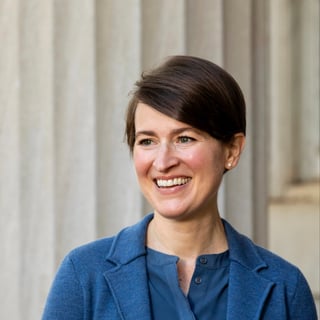
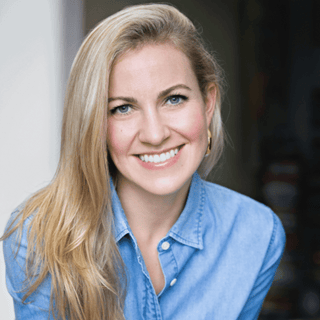
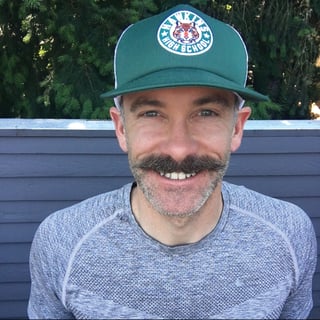
Speaker: I got some intention. I got some goals. I'll share those next year. Today we've got a fun one, aren't they all? With CNF pod regular Leah Satili, investigative journalist, podcaster, and author of Blazing Eyes Sees All and When the Moon Turns to Blood. But we also...
Speaker: have her longtime collaborative partner, Ryan Haas. They are primarily here to talk about Season 2 of Hush, an incredible series put out by Oregon Public Broadcasting that chronicles how a small town has, to date, failed to bring closure on the death of 18-year-old Sarah Zuber in 2019, who was found dead 400 feet from her driveway in Rainier, Oregon.
Speaker: The red herring of it all is that this podcast series starts like a classic true crime yarn, but it quickly becomes an interrogation of the true crime genre.
Speaker: and One of Leah's great lines in her narration is that this isn't true crime so much as it is bureaucratic horror in a small town in Columbia County.
Speaker: Oh, and ah here we go. Well, wait we got a new review for the podcast. Okay, now buckle up for this. And I'm sorry if this isn't a good color on me, but I really can't help it. Okay, deep breath. So here's a one-star review from some motherfucker called Bury the Lead. As you know, I read all the reviews that come in, and I debated whether I would dignify this one with a response. But because it's so baselessly false, I feel like I need to go to bat for the show and for myself.
Speaker: I'll likely post this to Instagram and Blue Sky and Newsletter as well because I need to defend the show's and my, quite frankly, reputation. titles from all right So it's from this person, Barry the Lead, and it said, titled, Stop dissing on your daily news colleagues.
Speaker: News reporting has a place to provide the public with immediate information. Daily news reporters receives long-form diehards the ah ability to do what they do because they don't have the responsibility to keep the public informed. Okay. Okay. Are we going to long form a sudden natural disaster? Don't think so.
Speaker: Okay, of course news reporting has a place to provide the public with immediate information. But that place isn't on this podcast. Not once have I dissed my daily news colleagues. If anything, I have begrudged that my i it's just not within my skill set to do so. But I've never belittled or besmirked, dissed, or disparaged daily news reporters doing those reports.
Speaker: Breaking news. This review is baseless and meaningless because my show doesn't deal with daily news reporting or reporters or breaking news. I deal primarily in books and long-form features, slow journalism, because that's where my taste is. So fuck you, bury the lead.
Speaker: Fuck you. And go listen to the daily. Better yet, start your own breaking news podcast and talk to all the other people covering zoning boards and school board meetings. And the beat reporters covering cops and courts, natural disasters and car accidents.
Speaker: Have at it. What's left of them? This is the Creative Nonfiction Podcast, and no, daily reporting, breaking news does not fall under that umbrella. Caught me in a mood. Ho, ho, ho. Show notes of this episode and more at brendanamero.com. Hey, hey. Bookmark it so you can browse for hot blogs and sign up for my two very important newsletters, The Flagship Rage Against the Algorithm and Pitch Club. Welcome to pitchclub.subsec.com. Also, if you care to support the podcast with a few dollar-dollar bills, visit patreon.com slash cnfpod.
Speaker: It's probably where I'll host the hashtag Flash 52 sessions. These will be little writing sprints, about 30 minutes or so, as I try to personally write 52 Flash essays this year.
Speaker: Plus, just imagine how much you'll be helping me out, the podcast, and other writers by joining the CNF and Patreon community, like the ah like the audio magazine. I'm getting through the code essays, I swear. It's going to happen soon. If you think each podcast is worth 50 cents to a dollar a week, give it a try.
Speaker: Okay, so this is really cool. I love getting a chance to chat with Leah, and this was special to hear from Ryan Haas, too, who up until recently spent more than a dozen years at OPB.
Speaker: He and Leah worked on the Epic Bundyville podcast, which was like tethered with OPB and Long Reads, and they did two seasons of Hush. I'm going to miss Hush because I would run five miles listening to primarily Leah, ah though Ryan pops in every and now and again, you know, narrate this incredible story about what happens when journalism folds up shop and in a small town and when the Greek choir of Facebook is the primary news source, you know, when power-hungry people leverage a tragedy for personal gain or and when law enforcement becomes lax.
Speaker: great It's crazy stuff. In this episode, they talk about the grid of doom. the evolution of their partnership, how they push each other, interrogating the true crime genre, whiteboard conversations, being open to where the reporting goes, being open to complication, finding the cliffhangers, and breaking news.
Speaker: Towards the end of the podcast, you're going to hear exactly what Leah and Ryan are up to, the future of their work. Parting shot on the absurdity of performative writing, but for now, it's high time we queue up the montage.
Speaker: Huh.
Speaker: People who do this for fame are foolish. That is, it's so true. I actually would not mind just growing people's flowers for them. Go get a gelato and chill out. And I was like, I can't. This is going to have to interest somebody somewhere other than me.
Speaker: We're nerds, so. Yeah. Story nerds. Yeah, the the mechanics of it all, which is like what I find fascinating too is, my God, there's so so much of the, as Leah knows from all the times that we've we've spoken on mic and on the record about this kind of stuff, just, ah my God, this the the mechanics of getting it all together and just the the the process and the doubt that's inherent to it. It's always ah fun to unpack. not Not fun to experience, but fun to unpack. It never feels like it's going to come together until it does. Yeah. I feel like it's so brutal in the process too. Like the closer you get to the end, you're like, I hate this and I'll never do it again.
Speaker: i always tell, i always tell my reporters that a story is never good until you actively hate what you're doing and think it sucks. That is so true. Like when I was buttoning up ah the front runner with my pre-Fontaine book, like it's the amount of rewrites that in the rereading of the thing, I mean, I i probably went through it 10 to maybe a dozen times towards the end in the final eight months of getting it really buttoned up. And to this day, i still haven't read ah anything except my short little reading that I'll do it readings or events like i just I can't even touch it. Like to me, I just want to barf every time I look at my own words. i'm like i can't I can't go near it again. Totally. Yeah.
Speaker: Yeah. Like, Leah, did do you have like when you would it similarly, did you just do you like just reserve that one passage you read for events? And theyre like, I you haven't looked at the rest of it.
Speaker: Yeah, like I feel like it, I mean, i feel like this stuff, you probably have this too, like with nonfiction, there's not always a ton that really works for public reading, so you're pretty restricted in what you can read anyway, and you just get really good at reading that one thing. yeah but yeah, like, I mean, I'm so with you, like with books, but especially with podcasts, I get so fucking tired of hearing my own voice. Like, I'm just like, I don't want to listen to myself. Yeah. Yeah.
Speaker: Oh, 100%. Like I get sick of myself just through the the little editing I do with this because, you know, when this is all done, like I only listen to it really one time through and I clean up things that are redundant, verbal tics and stuff of that nature. So usually my edit ends up being for an hour long pod, it's probably like in the neighborhood of two hours and because I edit at a faster speed and I'm not looking to get like move things around too much. It's mainly just to make it a good listener experience.
Speaker: So but even just listening to that, I'm like, oh I can't do this again. no but But yeah, but I am. How many passes does it take you to get to really button up and polish just a single episode of ah a serialized podcast?
Speaker: That's a good question. I mean, I think, well, as far as recording, it's interesting, like Leah has grown so much as a narrator over the course of our work where, you know, when we started, it's it's hard when someone's new to it and you're just like, say it again, say it again, say it again. Nope, that was bad, say it again. Correct me if I'm wrong, but like, I feel like I had a particularly brutal beginning radio thing because we, it was you, me and Peter Frickwright, who was one of the producers on Bundyville crammed in the smallest studio ever. And then both saying, do it again, do it again, do it again, do it again.
Speaker: I mean, i wouldn't say, yeah I wouldn't say you like were an outlier. In fact, I would say you're a pretty fast learner, but after that process is over, like the editing process starts, which is extensive. Leah created what we finally call the grid of doom, which is all the steps that need to happen per episode. And so you have, you know, eight or nine rows for one for each episode and then.
Speaker: I don't know, 10 or 12 columns that exist where each of those episodes needs to go through each of those steps. And so, you know, sometimes things get caught in edits or you listen to something and you're like, I thought this was working. This is not working at all. We need to rewrite this entire episode. And then you're starting the grid of doom over. so It always strikes me as um such a ah complicated edit, especially later in the process, because the blocks that you're working with are are just they seem at least to me from the outside harder to navigate versus say writing like if something needs to be buttoned up with just writing it's yeah it's it's text like quotes if you need to tighten them up you can tighten up quotes and everything but when you're dealing with audio and in in these tracks like you tighten up a quote or have to move it around there's a lot of things that can get fucked up if you're not there's just so many files that are tethered to a single episode that's like oh my god it it ends up feeling very delicate
Speaker: in a way. Yeah, absolutely. And I think there's always a discussion of, especially as you get later in the process, is this edit worth this? like It is going to be complicated. This is you know when you are in, you're talking about mixing, you know if there's music involved, like all of that affects all these pieces. And so if you're making a change, it really needs to be worth it. And but, you know, most of times the change is worth it because it makes it better. And so you just have to suck it up a little bit, like as you would with writing. You're like, I don't really want to do this, but it is going to make this better and we need to do it. Yeah, i remember you bringing up the cost of the edit. When I had a ah Julia Barton on the show, who's but like ah more of a story editor, who's worked with you know Michael Lewis and Malcolm Gladwell, and when we were talking about that edit, she was like, yeah, there there is that calculus you're thinking of. Or this could use the edit, but it's just like, do we really want to bring someone back into the studio to retract something? Is it the right time of day because their voice is going to be different in the morning versus the afternoon? And yet like all these things are at play. Like, OK, doing the math, is this actually worth it? And, you know most some of the times it is, but other times you're like, you know what? let's Let's just move on from this. Yeah. Yeah, yeah, I do feel like sometimes, I mean, I would say that at least with Hush, Ryan and I each listened to the final episode probably four or five, six times a piece. I mean, probably you more than me, but i I'll listen to it several times. Sometimes, I mean, even especially with Hush season two, there were edits that we would make to the final draft two days before it went out where we were like,
Speaker: okay, actually, no, this line shouldn't be there. Like it's ah it's it's disrupting the flow or it's just slightly inaccurate. And we just, it's not worth it to put it in. It's going to open up a can of worms. So yeah, we're just both pretty obsessive about it being as perfect as it can be.
Speaker: I think that is the other part that is challenging with audio is like one of those steps in in the latter part of the grid of doom is like legal and fact checking. And those things can be like, well, technically you say this, but you know, is that 100% accurate? And so those are the kind of edits where it's like, you have to make those. You have to make sure, you know, for us as journalists, it's like, it has to be 100% factually accurate. and And those are non-negotiable, no matter how much of pain in the ass they're going to be. And those come really late in the process. And so when you're thinking about the seventh or eighth episode of an eight episode series and you're like almost done and then you get a legal review. And I mean, probably other people wouldn't put as much time into it as we do, but Ryan and I will have two hour calls just to like make sure we're going through things with a fine tooth comb.
Speaker: And then, yeah, and then we got to schedule one more pickup session I got to drive a half hour to the studio to record one line just to make sure that it's perfect. oh shoot And you guys have gone back to, you know, you started with Bundyville and you've come to come to this point. You know, how would you ah describe the arc of your your relationship working together, you know, from then to now?
Speaker: Yeah. So, I mean, with Bundyville, that was a project that I was working on with Long Reads, and it was just supposed to be a series of stories. um and In fact, it was only supposed to be one story, and then some things happened that made it expand to a series. My editor asked, you know, is it possible that this could be a podcast and, you know, sort of in a...
Speaker: bout of self-confidence I was like, yeah, totally. I'd never done radio before. I'd been on OPB a couple of times because they'd done a series on the trial that happened around the Malheur occupation. So Ryan and I had at least met before, but really i set series of things.
Speaker: a meeting with OPB and um with the the editor at the time, Anna Griffin. And she just kind of put me and Ryan in the same room and was like, you guys are working together. And I remember at first being like, wait, do I need this person? Like, I i know what I'm doing. I'm writing this series or whatever. And learned very quickly. I had no idea how to make audio, no clue Nothing. I knew nothing. And so, you know, we just got together and that was kind of just the beginning. um We also had two other, you know, editors that work and producers on that show. But ah yeah, Ryan and I have continued to work together. I don't know, Ryan, you can explain the rest from there, I guess.
Speaker: Yeah, I mean, I think we pretty quickly realized we're a good team together. Like we have different skill sets that complement each other really well. And i think our working relationship has really deepened over the projects that we do. And, you know, every time we work together, I feel like we're we're better than we were last time, which is a really good feeling. And just going into some of these interviews that we've done over the years with someone who's like,
Speaker: a co-equal partner is super helpful. Like I can't tell you how many times like Leah and i benefit from that dynamic, especially in tough interviews where it's like, we can kind of vibe out who is who is being responded to well and who's not in that interview. ah You know, like when we're interviewing the Bundys at their house, like how who's taking the lead on that?
Speaker: Who needs to step in and kind of distract or ask the tough question? You know, who's asking the tough question in that interview will change depending on who we're interviewing and who's the bad guy in that interview. Often me. Often Leah, she's she's a tough cookie. I'm the nice one. You're the nice Just keep that in mind. We've really benefited from that. and and I think also like we think pretty similarly in terms of like how we investigate things. and so it's It's great to just be like, you're doing this piece, go investigate that. I'm going to do this piece. and Then we come back and be like, look at all this stuff I got. and Then we kind of go from there. So so i I think we've been very lucky in terms of our personalities and working style. We're pretty egoless in what we're doing, which is really helpful.
Speaker: Do you guys divide and conquer conquer or do you are you always together? i mean, we're extremely collaborative on a lot of things. I mean, we're constantly talking about whatever project we're working on um because usually the project starts Sometimes it smarts but starts with a very small idea and we're trying to figure out how to widen it. Sometimes it starts really big and we're just trying to creatively break down what the journalism is that we can do, what creative paths we can take in the investigations. um But over time, i think that because we've learned so much about how each other works, like I would equate
Speaker: Ryan to my process is like a, you know, a person that I would like lift weights with and that you're kind of trying to like challenge each other a little bit more each time. And so with each project, Ryan will come up with new things that I'm like, Oh, that's rad. Like I got to come up with something new that he's going to think is cool or or challenges him. So we're always kind of like pushing each other to to try new things.
Speaker: Yeah, I like that idea. And like maybe in ah an idea is small and you're looking to widen it or maybe it's wide and you're looking to narrow it. Tethering that to just the series of Hush, but maybe this particular season, you know, what was the the kernel, you know, the idea you were bringing to this season and, you know, widening it or narrowing it? and you know, what was your vision for it in your early pitch for it?
Speaker: Yeah, I mean, we had been really obsessively looking around for a second season idea. And we i looked recently, we had a list of 29 ideas that we were kind of like, well, this could work, that could work. Here's the pros and cons of each. But Ryan was actually gone on vacation and I just happened to be sort of doing my rounds on the Internet one day and saw a mention of this 18 year old girl who had been found dead 400 feet from her front door in rural Oregon and that nobody knew what happened.
Speaker: And I just, I don't know, I just had a gut feeling about it. Like, it was just this, that was the kernel of the idea. Like, that is insane. How is that possible? Ryan and I are really good at solving things. We probably could solve this. I mean, I really did bring that, like, ego to the situation where i was like, we can figure this out. I'll just tell Ryan and when he gets back and we'll have it solved in a month, you know, kind of thing. And...
Speaker: It obviously was so much more complicated than that. But I think that really, i do remember our first conversations, Ryan was like, I hear you. I trust what you're saying, but is this enough for for a whole show so Yeah.
Speaker: Yeah, no, for sure. i mean, i think I the kernel of the idea was interesting. But when you're talking about an eight or nine episode podcasters, I mean, it's essentially you're writing a book, right? And so you're like, do we have enough here to carry this? But that being said, like sometimes making yourself uncomfortable is the way to find new creativity or to challenge yourself to find a smart idea within that, because Yeah, we could have just looked for something that was like, oh, this is a very straightforward story. We can just cover it like any other true crime podcast. And, you know, that's easy to do. Like we understand the genre.
Speaker: But it was out of that idea of understanding the genre that, you know, Leah and I were able to make that perhaps more interesting to us. And by extension, you know, you hope the audience also finds that interesting.
Speaker: Yeah, how did you land on this idea to use the this Zuber story as a vector to interrogate the true crime genre?
Speaker: There's always ah a moment in every show that we've done where Ryan says to me, maybe we try and do this in six episodes or five episodes. And I'm like, no way. It's nine to ten episodes. And we usually find some path in the middle. But, you know, we knew, okay, we're going to give this a fair shake. First thing we have to do is get...
Speaker: see if the family will be on board. Doesn't mean we wouldn't do this story if they if they weren't, but if they are, let's get that interview scheduled. So we had and a very early interview with Randy and Rebecca Zuber, Sarah Zuber's parents. And it was such a good interview that I think that it was, I mean, it was very emotional.
Speaker: And i think Ryan and I have both been doing this long enough to know like, This could go a couple of different ways. We could just do this as like a, you know, a murder story or whatever. And only a certain people will listen to it because some people just avoid that kind of, if it bleeds, it leads coverage. I think we also both took a little bit of a particular issue sometimes in the past with our shows being labeled as true crime because it just felt very reductive of like what we were trying to do. Yeah, I think it was a combination of those two things. If this is, you know, siloed as a true crime show, is that doing service to the Zoobers in them sharing this incredibly emotional, powerful story with us?
Speaker: Yeah. And I think beyond that too, like as soon as we got up to Columbia County, we could, see pretty quickly. There was a lot of interesting dynamics playing out there and there's a lot of interesting characters up there. And so it was pretty quick. I think that we were like, Oh, what if we just expand a little bit beyond this particular case to look at the broader dynamics here and then going to a true crime class, it was like, Oh, this is like super helpful to like, think about this of like these three groups that tell these stories in every single
Speaker: you know, one of these true crime stories, it's always the police, the media and the community. And so what if we start looking at how those groups were telling this particular story? And from that point forward, it was like, oh, this is like interesting.
Speaker: There's a lot of people we can talk to here about this. Yeah, one ah you know one of the several things I've written down was like, when did you know you were going go to school, go go to class and go to Justin St. Germain's class at OSU? Like, when did that when did that yeah strike you? was like, oh, this is a good device.
Speaker: I mean, i had been on a panel um this spring before we had ah come up with our Hush season two idea with Justin St. Germain. We were both on a panel about true crime at Linfield and um we were both talking about how we both really disliked it. And I just thought like, that's so interesting. And he talked about his book and that his mother was murdered and he wrote this memoir about it. And I read it kind of just as a fan of you know, of what he was talking about. So yeah, when we came up with the idea, I was just trying to think of new things we could do. And I was like, Ryan, you know, I met this guy, he's a professor, he teaches this class called True Crime 101. If we want to go down this route, I'm pretty sure he would let us come. And he was stoked that we were, you know, sort of thinking about it in the same way that he was.
Speaker: Yeah, there's um um what I loved when you when you were talking to him, ah you know, there was this moment of like kind of like the utility of telling these stories. And then like he said, like, you know, it's totally within your right to do this. And then, Ryan, you were like, but but like, but is it? are Are there certain things that maybe you should just let lie? Like, what is you what is our purpose here? And that's kind of the ethical quandary of doing this kind of journalism, too.
Speaker: And that was really based out of an experience I had. You know, I worked on a show called The Fault Line, Dying for a Fight, and it was about this ah young man in Portland who was murdered um and the police kind of slow walked the investigation. And during the process of reporting that, it was very challenging for his mother and like caused a lot of emotional pain for her, was you know, as a journalist, as a reporter, like is not ideal. I don't want to be doing reporting that is like hurting people. And I think ultimately, you know, that show was helpful. Like it ended up locking up the person who did it, who had been evading arrest for years and years. um
Speaker: But during that process, it was very emotional and challenging. And that was more, you know, my own personal experience of like shit, did I make a bad decision by even doing this story because of what it's doing to this person? You know, what is the use of this? So that's really where that was coming from. And I was I was worried. I was like, I don't want to do that to somebody again if there's not a point to that.
Speaker: I think this is one thing that's really. critical and important about the reporting producer relationship that Ryan and I have established over the years is that we are allowing each other to kind of be squeamish sometimes about reporting. There were things that we that happened in Hush season two where we were I was like, I'm not comfortable. And Ryan was like, I'm not sure, you know, like we would really talk about.
Speaker: i think we're willing to kind of throw out a lot of the norms. of journalism and say like, are we personally okay with this? Like door knocking, you know, if you're going to the door of somebody who's just lost a loved one, you know, that's a very normal thing in journalism where there's a horrible thing that happens and reporters show up on that front lawn and have cameras and things like that. And I think we are of the mind together to question, is that the kind of journalism we want to practice? You know, where you're victimizing people who have already been victimized. I think in all the shows we've made together, that's been an active conversation. Like, what is our role? How can we change that?
Speaker: Where does the media go wrong with stories like this? How can we do things differently? In terms of using the phrasing you used earlier, Leah, about the idea widening, and I feel like that that happened with this. I don't know if it happened naturally or through rigor and structure. What was the you know the experience of seeing this idea widen maybe before your eyes?
Speaker: I mean, I'd be curious how Ryan would answer that. I do think that the most common reporting technique that I have done as long as I've been doing long form narrative journalism is to find a small element and then build it out from there. So like I can think of, we may have talked a long time ago, I wrote a story about this earthworm and like that people couldn't find it on the Palouse and in in Washington state. And so I wrote this whole story about how there were all these environmentalists that wanted to protect the land over this earthworm that no one had ever seen.
Speaker: And then there were all these farmers saying like, this is insane that we're gonna protect a species that no one has seen before. And so that was about this kind of like struggle, but really the smallest literal element was this earthworm.
Speaker: And so I think that like in a way, like I apply that earthworm treatment to a lot of the pieces that I do. And it's very satisfying because it shows you like, you know, it's like a stone dropped in water and you just are observing the ripples that go out from there.
Speaker: Yeah. Yeah, I mean, I think we're always eager to tell the biggest story possible and nothing happens in a vacuum. I think it's a kind of bad journalism, honestly, to be like, these two people are involved and they said this and, you know, that's the end of it. And that's the context. It's always looking for the biggest context possible. But, you know, you had asked, like, what did it feel like? It always I mean, it feels amazing when you're like, oh, I get i get what we're doing now, like, because you're so Early on, you just have to trust you're gonna get to that point. And if you think too much about like, why are we not at that point? why should We should be there by now. We've been reporting for like three months. We should know clearly what's happening. If you overthink that, it's really anxiety inducing, but you just have to kind of trust that you're gonna get there. And then when you finally do, you're like, I knew we were gonna get here. we i knew the whole time we were gonna get here, so.
Speaker: It's part of why we record a lot of our conversations because we, you know, we, we weren't sure, you know, there were a lot of times we're like, do we want to record us talking? Like, it's so annoying. It's so much tape to go through and stuff, but it, we did do it because we wanted the listener to feel a little bit of that stress of like, what is our role here and what exactly are we doing?
Speaker: Yeah, and bringing up that point, Leah, I love some of the the whiteboard conversations that you do track into this season of you just thinking about yeah where certain narrative elements are going, just the questions you're looking to ask, how you're looking to just structure your reporting going forward. So just maybe to take us to that behind the scenes a bit of you guys yet grinding over you know the whiteboard and how to proceed. Yeah.
Speaker: So I remember when we had our first whiteboard conversation, it was like, okay, we've both gone through the majority of the police files that we can get. We both read it. It's a good idea for us to sit down and kind of like distill our thoughts. But I would say we had a pretty preliminary storyboarding session.
Speaker: It was Ryan's idea. i was probably a lot more resistant to it than that he was. But in the end, it was a very good idea because it started to show us like if we were to start thinking about how to plot this out in the story, not saying any of this is permanent, but if we are, where would we go?
Speaker: And in a way, you could start to look at a rough episode structure as like a series of buckets of reporting and say like, OK, so if we're going to do a whole episode on the media, we got a lot of reporting we got to do there. So it just kind of helped us plan.
Speaker: Yeah. Yeah. and I think it helps me. you know, personally, just visually see like, okay, this person is this character. we're We're talking to them about that. That might go well with this person and just having it on a board and being able to move those pieces around and say like, okay, what which elements kind of work together or might say something bigger? and um Because it is. I mean, early on, it's just a lot of puzzle pieces. it's it's like solving a puzzle without a picture of what the puzzle is and you have to figure it out.
Speaker: Yeah. Yeah. A lot of times with a piece of writing or in book writing, somebody I talk to people and those the about their drafting and I ask them, you know, when does the the shape of it start to really coalesce and come come into focus? And for you, when you guys were yeah preliminarily reporting this out, yeah When did some of those pieces in those buckets that you say, Leah, like when did that start to crystallize? you're Like, OK, now the the shape, ah the image on the puzzle box is starting to reveal itself.
Speaker: i think Where my mind goes is when we started to find extremely compelling characters. So, for example, you know, Jennifer Massey is a character that we met extremely early in our reporting and is a fascinating, energetic,
Speaker: person and so we knew okay well we're gonna want to follow her um then later we went and met with the uh newspaper reporter in town and he was just so funny and had this great like you know um he sounded great on on mike he had has a really interesting voice and stuff so i think you know to me it was like we started finding these characters and we were like well how are they gonna come into the story how are they gonna how are they gonna tell it Yeah. Yeah. And I mean, that is the challenging thing about audio too, is it it's not just what is the information you're getting, but how, how does that person sound on mic? Are they, are they kind of dull and slow as a speaker, which is, you know, may work fine in a book because you can just, you know write the quote and it It reads like every other quote, but, you know, finding someone who's really a dynamic speaker or they're super energetic or they might play ah a significant role. I mean, I think we lucked out with Jennifer Massey because she ended up playing a gigantic role and it changed over the course of what we're doing, which is what you're looking for in characters, right? You want characters who are or acting on the world and changing over the course of a story. And she was all of that, you know, so.
Speaker: Yeah, you hear, I've heard Ira Glass talk about all of the stories that they kill with This American Life because a story might be great, but if someone is not good on mic and they're just boring on tape, it doesn't matter how good the story is. You still need good talkers. yeah And if you're not a good talker, it's like, it doesn't work. Yeah.
Speaker: And I think that, um you know, so we have like a little bit of an alchemy that comes together. Like there's, you know, Ryan and Leah tape where it's like we just like to talk to each other. And, you know, we have a certain dynamic and it can be a little bit funny. So there's that. Then you have characters like these good characters. But for us, we're always wanting to create good tape in reality.
Speaker: the way that we report. So driving the back roads, you know, going walking through the woods, knocking on doors, um and then archival audio. So like we're always seeking 911 calls, ah you know, phone calls to the police department, youtubes you know YouTube videos and things like that, just so there's this kind of rich rich texture, um this kind of palette that you hear come into play in each episode.
Speaker: With YouTube videos, do you just hold up your microphone to like your computer speaker to get audio? They have technology for that, Brandon. There is. These are some things I don't know.
Speaker: but You can, you can, you know, if you have a Mac here, we'll give some, a little technical advice. If you have a Mac, you can use a program called audio hijack. It will automatically record the audio playing out of your web browser. Okay. Audio. I'm going to write that down. Producer Ryan.
Speaker: hija Yeah. This is my job. yeah Figure out the technical problems. I'm always like, Ryan, I got this YouTube we need here. Can you get the audio? Oh my God. Yeah, and like, this for for example, so, you know, one one episode you focus on Vishal Christian, who was Sarah's boyfriend when she passed.
Speaker: And, you know, that's ah an episode that really focuses on, you know, the boyfriend there. And you characterize him and you, you know, speak with them as a group and and everything. um So when you're thinking about how you're going to orchestrate those interviews and, you know, what are the conversations you are having as you're looking to Choreograph's the wrong word, but there is an element of choreography when you're going into these kind of interviews. So like, what's the conversations you're having and then how you how do you how do you then set up in in and execute it?
Speaker: Yeah, I think like um for that one, we had a little bit of a strategy. Like here is this person whose name has been thrown around willy nilly, but ah by all kinds of people in the county, he he might not want to talk to us. So let's just call and say, look, you know, we're taking a long view on this story. It's going to take us a year or more to work on it. We'd like to talk to you multiple times, which we did. um and ah If you're curious about us, there's a whole bunch of material online that you can listen to and kind of get our approach. And you know in the case of Vishal, that was very helpful. He was like, okay, I see what you're doing. I see what you've done. i do want to talk to you. and And I still really care about what happened to Sarah. So I would like some resolution to that too. In other cases, it doesn't work and people see some of the stuff that we've worked on and they're like, oh, hell no, I don't want to talk to people like you. so um
Speaker: so yeah, that's a little bit of our approach there. I mean, yeah. And just to follow up, I think it's, it's. we're always thinking, how is this person going to respond?
Speaker: You know, and that comes down to who's calling that person and making the ask. um Who do we think they might respond to better and be more open to? Because, you know, ultimately we, we want to hear from everybody in a story. We, we don't really, we try not to go in with any kind of preconceived notion of like who this person is or what they think about something. And so we're, we're often coming from, you know, a very genuine place of just like we're,
Speaker: I think it would be good to hear from you. I think it would be informative for people to hear from you. And, you know, most of the time that works, you know, the places where you can get a little tripped up is, you know, Leah and i do a lot of accountability reporting. And so when people can understand that we are like talking to them from an accountability perspective, that's where, you know, they might be a little more standoffish or like,
Speaker: not want to do that. And but you still have to try every avenue. And that means like even if you say no once, I might call you in three months and say like, hey, like still here, like you thought any more about that? Yeah, I mean, and and and to be a little bit more ah frank, like there are times that ah there are people in the show that I called that they hung up on me and then Ryan called and they wanted to be pals. So, you know, there are there we we acknowledge that that is real and sometimes can be useful.
Speaker: Yeah, and what you're talking about, too, and it can be all the more challenging, especially when you're you know doing accountability reporting, which can come across as like, oh, you're calling into question someone's work and how they go about their work, and then earning trust to get them to talk to you. And that can be a pitch over the phone or it could be an email. but you know What is the challenge of earning that trust and trying to get these people to freely speak on on the record you know when ah yeah when questioning could get ah challenging?
Speaker: Yeah, I mean, i think and when it comes to you know your everyday person, i think we come in just as Ryan said and said, look, we want to hear your side of the story.
Speaker: Sounds like there's been a lot of conversation, controversy, confusion. Tell us about that. you know If you want to talk about that the media did a bad job or reporting on this this story and your part in it, tell us that. We want to hear it all. And so I think being open to sort of wiping the slate clean with people and saying, let's start from scratch. Let's hear it from you know your perspective. But also, we're going to do a lot of reporting, probably more reporting than than you can imagine. So um we're going to fact check everything you say, too. So yeah, I mean, maybe, Ryan, you want to talk a little bit about the approach with like people in power.
Speaker: Yeah. I mean, I think what Leah said earlier about we work on long-term projects is really helpful because people are more willing to open up because most of the time when I'm having those first conversations with like a detective, I'm just like, Hey, not on the record. We're not recording. Like, I just want to talk to you. Like, here's what we're doing. Here's why I think it would be helpful for you to participate.
Speaker: Let's talk about how you feel about that. What, what, reassurances you might need or how, what might help you get to a point of talking. And we can talk about all those things off the record.
Speaker: um So just taking that long-term approach can be really helpful. But as Leah said, i think, you know, sadly, there's often a gender dynamic to a lot of these things. Like I'm the one calling the detectives just because, you know, you're a dude. Yeah.
Speaker: Unfortunately, police police detectives do not want to be questioned by a woman sometimes. And, you know, i can build that relationship and get us in the room. And then, you know, and then I'm like, here's my colleague. She's going to ask you a lot of questions. so Yeah. Yeah. And that's always fun. You know, there are times in especially, i mean, in multiple times where we've interviewed law enforcement, where I ask the questions and they give the answer to Ryan until those questions start to get really hard. And then they're like, oh,
Speaker: This lady seems to know what she's talking about. It's fun. A moment ago, you were talking to a and talking to Vishal, he expressed like, oh, he would like to have some degree of resolution. and um And that is something you wrestle with. Like, what if you can't provide that satisfactory true crime resolution, solve the case and get the right person behind bars and, you know, bring peace to the family? It's one of those things where, yeah, like you had to grapple with maybe not coming up with the answer. So, like, when when did that...
Speaker: get on your table be like oh this might not wrap up in the way that you know people might expect boy i don't know i mean ryan i feel like we were reporting far far longer than either of us wanted to so much because we were we were like you know the show is going to come out in october By you know June, July, we should be finished, but we were still making calls in like early September just to see if we could get it one step over the line, knowing you know our our last episode isn't going to come out still until you know late November. maybe there's still something we can find. Maybe there, you know, and so, yeah, I mean, you hear us in the show literally pull over into a parking lot in Columbia County and we sat there for an hour and a half being like, how are we going to end this thing? Like we did not know.
Speaker: Yeah, it's it's ah it's a challenge with stories like this. I mean, this is part was part of my hesitance of taking a a unsolved death story because they can be challenging and you have that impulse. Like you always have that impulse of like, Just one more phone call. We maybe this is going to be the one. I mean, there is so many times, so many times in this process where Leah and I were like, we got it. We figured it out. Here we go. Yeah. And that's like, shit, that's not it. Yeah. I mean, dozens of times Ryan calling me on a Saturday and being like, I just talked to the person who carried the mail on the road. I think I got it, you know, and.
Speaker: yeah we' thinking that we were there. But, you know, I think we always were having conversations about if we can't solve it, what then what is this about? Why isn't it solved? And what is our job? Is is the job of a journalist to solve crimes?
Speaker: No, it's to document. So what are we documenting? We're documenting what had to happen for there to be no answer in a situation where there should be an answer.
Speaker: hmm. Yeah, and partly of digging into this, too, and then bringing the family back into it is like you might be giving them false hope. And so what was that ethical yeah dilemma that maybe you were wrestling with through the entirety of your reporting?
Speaker: I mean, Ryan, correct me if I'm wrong, but I'm pretty sure every time we sat down with Rebecca and Randy Zuber, we said to them, we cannot make any promises. Yeah. Yeah, and I think that was really important. I mean, again, that was kind of like important to me personally, based upon my past reporting experiences to just be as transparent as possible as and speaking to them and being available to them. You know, I can't tell you, you know, I text with Randy's Uber probably every other day during this process of just You know, I mean, these are grieving parents. They're dealing with something that's like the worst possible thing that could happen to somebody. And you have to understand, I think, as a journalist that they're real people. They're not just like folks in a story and and they are going to want answers from you. And you have to be having hard conversations of like, I don't know if I can be that. That is not my role here. I want to like I'm going to try.
Speaker: I'm going to do everything in my power to try to do that. But at the end of this process, that may not be the case. And I need you to know that from the start. So you are not making assumptions about what is going to happen here.
Speaker: Yeah, and I think in our first interview with the Zoobers, Randy said something that stuck with both Ryan and I in a big way, which is like, I'm just a garbage man, and my wife is a homeschool mom, and like maybe we don't matter. And I think that that just spoke so to the heart of why Ryan and I make journalism, is to like tell stories of people who do feel overlooked and who feel like they don't have any power. And we would say to them...
Speaker: What happened to Sarah matters to us. And we're going to show you in the best way that we can that, you know, her death is not just lost. Like, you know, we might not figure it out, but we will give it a lot of attention.
Speaker: It's been six years, but I imagine the work you're doing is refreshing it. And, you know, you can't promise something good will happen, but I imagine you you might have accelerated the process by which something might happen.
Speaker: Yeah, I think so. I think that's right for sure. Yeah, so I guess that's the utility of it all, like because you're using, you know, not using, that's the wrong word, but, you you know, you're, here's a good vector, here are these people who are a good vector to tell this exploration of, like, a a the genre, um you know, for art and for entertainment, um but also, you know, you're trying to put pressure on public figures, too, so there's all these, like, all these moving parts, too, that can make you maybe feel icky on the one side, but i was like, oh but, you know, we are trying to do some good over here as well.
Speaker: Yeah, and I think you know one of the things that surprised me was the media part of the story. When we got out there in Columbia County and we just started to see what are the effects when like local journalism is disappearing from so many places. And I can't tell you how many people have reached out to me after the show to be like, oh my God, this is exactly what my town is like. You know, I grew up in a very rural place in a very small town and people are just like, oh, this is exactly like XYZ thing that happened here. And it's just on Facebook and everybody's talking about it. And I was like, oh man, we like,
Speaker: tapped into what is happening in local communities as newspapers are dying. And it's bad. It's very bad. And we need to like find an answer to that, which I, I think, you know, is, is one of those things that we were able to elevate in a show like this, that, that maybe otherwise wouldn't have been covered, or maybe people would just ignore because they feel like, oh, it's just what's happening. There's, there's no way to counteract that.
Speaker: Yeah, was that ah an element of the reporting and the storytelling of this season that kind of surprised you? Like, oh, this is a chance for us to really investigate or interrogate you what it means to lose small local journalism. Like, how important it is. And when that vacuum gets filled with algorithmically driven slop and rumor. Yeah, totally. Yes, absolutely. I mean, I remember that there was a moment we were eating lunch after we'd done a day of interviews and we're sitting there and we're like, wait, maybe the show we're making is actually about journalism. Like maybe people are going to think that they're coming into a true crime show, but then they listen far enough and they realize this is actually about information and the lack of. So, yeah, it's not what we set out to do at all. But once we couldn't find information and we're like,
Speaker: There are, you know, there's ground that we're treading as journalists that people haven't touched here. And we're six years into the case. Like that says a lot about this place. Mm-hmm.
Speaker: Yeah, there's a ah moment, too, in that episode about the the closing of the paper and you know and that one of those one of those issues, it might have been the last one or it might have been... It was it had to do with the 24-hour police surveillance getting getting cut. what What goes to show is like the people complaining, be like, what are you doing? You're drawing attention. Now all the crime is going to come here. And they're they're like getting mad at the news outlet. It's like, no No, the news outlet outlet is reporting on this thing. You need to get mad at the people in power. Like, your your anger is directed at the wrong place. And I think that's that that underscores, like, people get mad at the reporters. They're just giving you the facts.
Speaker: You need to get people. If you don't want this to happen, you've got to go to the. It's not going away because the reporters, like, reported on it didn't report on it It's going away because of those people. And we're just telling you what's happening. Like, redirect your anger over there. I mean, I love that you had that reaction because you hear us really laughing about that, because I think as journalists, we've all been in that position where you're like, why are you getting mad at me? Like, I'm just talking about it. We're just not supposed to talk about a thing, you know? And um yeah, but we were we were laughing pretty hard about that with but with Will Laurie, the reporter there.
Speaker: yeah Yeah. Like all all the criminals, they're all going to flock Rainier, Oregon now because of it this. like okay But I love that, Leah, that you brought up how this that, you know, reporting on the the journalism and the commentary about what happens when you know newspapers fold up in small towns like that. that that was an element of the discovery that was that surprised you. And just over the course of your reporting for this, you know what other elements of this story really did illuminate and surprise you?
Speaker: I mean, i the there's hard it's hard to pick one. i think that ah probably the one of the biggest surprises for me was the complications to Jennifer Massey's character, you know for lack of a better term, that the person that we first sat down with um you know to us seemed to be an aggressive person a citizen who understands power and understands the importance of transparency in government.
Speaker: And you go through the series and you start to see that purity gets mudd muddled quite a bit um for for a lot of reasons. so That was a huge shock. Actually, it was crazy because, you know, when we when we started reporting in Columbia County, it was like, oh, the sleepy county where nothing happens. And then all this insane stuff happened, like the sex abuse scandal at St. Helens High School. I mean, there were so many scandals that happened in the year we were reporting on Columbia County. We were just like, wait, what happened? Was this is this how this place is? And just nobody knows. And so that was a huge surprise, too.
Speaker: Yeah, I think it was a lesson in like being open as you're reporting to following where the reporting is going, because we could have just ignored all of that stuff. But what we found was by allowing ourselves to track what's happening in the community, this abuse scandal that was covered up really in the high school.
Speaker: And who are the people involved in that? And why are they covering this up? And then suddenly seeing like, oh, well, you know, what else is being covered up? Oh, well, you know, Jennifer Massey is, you know, you mentioned the 24 seven police service like that becomes a giant plot point of like, was she involved with like orchestrating that story to basically win an election?
Speaker: And so you start to question all these people who are around you and you just have to, as a reporter, you can't be rooted in like, oh, these are the good guys. These are the bad guys. Because I think, you know, ah Leah has a really fantastic line in the series, which is just talking about, you know, how.
Speaker: people are complicated and there is no simple story and you just have to be open to that complication. And i I think it makes the show better. Like it feels uneasy as a storyteller to allow that complication in, but it's actually the secret sauce to make a really great story.
Speaker: As you're thinking about the structure of the entire series and you're settling on, say, eight episodes, yeah how are you how were you guys thinking about just plotting things out and teasing the right information out to sustain the momentum for those eight episodes?
Speaker: Yeah, I like to come in in all long form writing I do, whether it's audio or written, i like to come out really hot in the first episode or the first paragraph. Like if there's an explosion, the explosion is happening in the first paragraph. If somebody's dying, they die in the first paragraph. Get it all out on the table. like I think throwing cold water on people is a good idea, but there has to be satisfying kind of teasers that go into each episode. So a lot of times we'll say like, okay, this episode will get us to this and that'll be our cliffhanger. That'll go to the next episode. So we're always looking for where the cliffhangers, um, that are going to keep people reading or, so you know, listening and, um,
Speaker: It's always the last episodes that we're like are pretty TBD for a while. Like the last episode oh Hush in August, I was like, Ryan, when are you going to read this episode? Do you remember that? I was like, are you avoiding this? I was like, are you avoiding reading this? You know, because there's that finish, you know, you're finishing and you're like, are we ready to finish? Is it, is it done?
Speaker: is there really nothing more we can do? So I think it's really interesting too, because like with podcasting, I mean, unlike like if you write a book, you don't really know how people are reading it and how they're experiencing it with podcasting. It's like you have all this data. You can see where people drop off and, you know, what are what are the points in a series when you typically lose an audience and when do they come back? And it's always fascinating to me, the people who listen to the first and the last episode, those are always like the most listened to. And I'm like, this is like, do people do this where it's just like I skip all the crap in the middle? um
Speaker: So how do you make it interesting to make them want to like pull along the whole way? And as Leah said, like, what are your cliffhangers between episodes? And i think there's some funny things in this show because we are like taking such a meta approach to the genre.
Speaker: of sometimes breaking the fourth wall and being like, here's what you're probably thinking right now. That's not true. Or here's what I could do right now. i'm going to do this other thing. And just like calling that out a little bit. um You're always thinking like that when you're plotting out a long series like this. Yeah, there's ah one moment that just jumps out to mind. is It might be in the second episode, or might even be the first one, where, like, Leah, you say, like, right now, like, I know more information than you do, and I'm you know i'm sitting on this information, basically, to just keep you coming back. And it's it's one of those, yeah, it's that meta commentary. It's just like, here you are. Like, I know more than you right now. it's that That's one of those hat tips where you're talking about it. You're like, I'm acknowledging that this is the truth of this format.
Speaker: There is some storytelling happening here. Yeah, yeah. And that was the big thing where we're like, either we do this meta criticism. If we're going to do it, we have to completely lean into it hard. like or Because if we just sort of half-ass it, it's just not going to work. So, yes, some lines like that. Ryan wrote that line. you know if you yeah I know more than you know, and you know that. And like you know I think that that was like a...
Speaker: let's all be honest about what we're doing here, right? We're listening to a story about a girl's death and we're going to roll that out in a way that keeps you going. and What are some of the more satisfying elements of doing this kind of investigative reporting?
Speaker: I mean, I think there's, know, I'm just speaking for myself as a reporter, like the exciting part is always like, Oh, I figured out something that nobody else knows about this and being like,
Speaker: I am bringing new information forward about this and we're always looking for those. You know, we are always like, what's the bombshell? What ah what are you doing that is going to like astound people? You know, in the first season of Hush, we have this interview with this detective who like, you know, this entire department's like, we're not racist, we're not racist. And then he's like,
Speaker: dropping in bombs in this interview and we're like, holy shit, what is happening right now? um And so like when you have that, when you're like, oh, I have this piece that is like so interesting and exciting. You're like, I can't wait for people to hear this because their minds are going to be blown by this. So I mean, that element is like always a driving part for myself.
Speaker: I think that ah you will not find two people in this world who enjoy a good interview more than Ryan and I. And There are times that we do interviews specifically with law enforcement that I think we really show our mastery of the case, we go in and we're like, we don't wanna have a mid-level conversation with you. We're gonna have a very high level conversation. And specifically in this season, you know there was a moment where we were talking to the lead detective on this case and he just said, hang on. And he got out a notepad and started writing down what we knew. And and I said to him, look, we're gonna go talk to this guy right now that you haven't talked to. you Do you wanna come with us? And he's like, ah just give me a week.
Speaker: Just give me one week before you do that. And I think that that is for me, you know, this is part of the reason I think, you know, there's so many reasons not to be a journalist, but this is one reason where you're like, I'm doing something. i'm I'm holding people in power to account. I'm reminding them of why they are paid with taxpayer dollars and I'm challenging them because that's the job, right? Like you're not supposed to get cozy to power. You're supposed to challenge it in big and small ways. And so, that's very satisfying. And to be able to go to the Zoobers at the end of the show and say, okay, here's everything we found.
Speaker: That was very satisfying. Yeah. And this is very time intensive work and financially intensive work. You know, just maybe just speak to, you know, how expensive it is to get a hold of public records.
Speaker: It can be extremely expensive. It depends who you're dealing with. I mean, here in Oregon, um you know, I think we lucked out, honestly, in Columbia columbia County. think we were fairly cooperative and we're not restrictive. But Oregon's public records law has enough leeway in it where if someone wants to be a pain in the ass, they can be. And, um you know, we...
Speaker: We put that forward, like the the public can decide, like, is this person being reasonable or not? More often than not, people think public records should be free and they should be public. I mean, that's my viewpoint. And, um, you know, you have to, much like when you're negotiating, whether someone's going to give an interview, you're negotiating with that public records person. Hey, like, I think this is important.
Speaker: Here's why I think under the law, you should release these records. Here's why i think you should not be charging me $1,700 for these, et cetera, et cetera. And sometimes you have to pay the cost. Sometimes you can you can make progress and get there. Leah just had a very funny interaction with the Salem Police Department. but I saw that. Yeah. i mean it's ah um I think that, you know, Hush season one, the records were more expensive for no reason that I can say other than that we were working with the Salem police department and they are notoriously very expensive um with their records. It shouldn't be that way, but it is. And if you want the records,
Speaker: and you don't have the legal resources, then you just have to pay them sometimes. So yeah, we were in the multiple thousands for records on Hush season one, Hush season two, much, much cheaper because we had a friendly, you know, a records department that was like friendly to the public.
Speaker: With this the season ah of Hush, thing you know the the future of the endeavor is certainly like up in the air, at least with you two creatively, um because OPB cut the cord on it. Where do you know where do you guys you know see the trajectory of this kind of work going as you two as a pair? and just you know where yeah where Where are you taking your talents?
Speaker: Yeah. Go for it, Ryan. No, you go. OK, I'm going first. Well, yeah, I mean, let me say, like, it's incredibly disappointing that that OPB decided to end Hush.
Speaker: You know, I think it is the type of work that people that resonates with people and is the type when people talk about journalism, that is what they're talking about. They are talking about journalism that holds powerful people accountable, that gets the full story, that is not gotcha. It is not trying to like be clickbait. It is thorough reporting. And you know you're right. That is expensive to some degree.
Speaker: But you know for an organization of OPB's size and resources to do that, I think is is incredibly disappointing. you know As far as where we go next, I think Lee and I are both you know, we've both been in the journalism industry for a long time and we can see what's happening more broadly, where there is this sort of corporate mentality that is taking over tons of media, including public media. You know, when public media lost its funding, suddenly it's like, oh, well, we need to like tighten our belts and stop being ambitious and and round the corners off so people don't get upset about, you know, something that's being published. And that's just not what journalism is supposed to be. And so I think Lee and i you know, we're senior enough reporters that we trust our ability to deliver a good story. And I think going forward, we we want to pursue our own endeavor um because
Speaker: you know, even as this media sort of collapses happening, you see this rising up of independent media and the structures of how media is done are really changing. And there's opportunity there. There's opportunity to connect with audiences and deliver the type of journalism that we see is valuable and needed in the Western United States. And, you know, I think neither of us is willing to give up on that just because, know, some decisions are being made outside of our control.
Speaker: Yeah, I mean, as you know, Brendan, I've been independent for a long time. My relationship with OPBE is definitely the one exception to that. So I could work with Ryan. And, um you know, with the is such an unbelievably disappointing decision by OPBE, as he said. you know, they're really pushing that they want to do rural reporting. And so we can't really understand why they would cut a show that's based on rural reporting, but Hey, we weren't given answers for it and we're just accepting it. So yeah, we're going to do our own thing. And I think that, um, you know, it's, uh, I feel a big surge of energy around the fact that I can be an independent reporter and now my friend friend Ryan will also be an independent reporter and we can get so much done together when you take away the gatekeeping and the barriers that are put up.
Speaker: by arbitrary people in doing good reporting. You know, our job as journalists is to serve our communities and to be beholden to people, not CEOs and people who who don't make journalism. So that's what we're getting back to. That's why we both got into this.
Speaker: Yeah, and advertisers too. like ah You don't have to be beholden to that and be like, oh, publish that. You might lose this big Sunday full-page ad or something. It's like, yeah, you're right it's totally grassroots stuff. like It's such a drag that it that it's canceled through OPB because it's definite like the ads for it are like, we've got to close the funding gap. And here it is, this show helped close that funding gap. and they're like, well, fuck you you're gone now. it's But I imagine that... it There is probably a pulse of energy where you guys are like, oh, you know, we're skilled and seasoned enough at this. Like, there's got to be some excitement, too, of of the next chapter. Be like, oh, you know what? We're going to we're going to really be just unbridled with the degree to which we can bring our talents to, you know, underreported communities.
Speaker: Yeah, that's the plan. um So we do have a plan to start a small news organization. um Ryan, do we want to talk about that specifically? you going to break news on Brendan's a podcast? Yeah, I don't know. When are you putting your podcast up? Do you know?
Speaker: ah Let's see. I was going to go ah my ah I have you for the 20 26th of December. OK, so no, no that no, no, not at all. So you would definitely be breaking news. Yeah. So we'll we'll let you break news.
Speaker: So ah Ryan and I, along with two other reporters who are excellent in the West, Kathleen McLaughlin, who's based in Butte, Montana, and Jonathan Levinson, who is a former OPB reporter based in the Bay Area. We are starting a ah grassroots news outlet called the Western Edge. And ah we're going to be starting basically on Substack and we're going to be doing like a newsletter type thing with a podcasting arm of it. And we're going to give it a go. You know, we all have really varied experience in life and in media. But the commonality is that we are people of the West and we see that this area of the country is very, very overlooked. So yeah, we're going build something from the ground up. It's terrifying and exciting.
Speaker: That's amazing. Well, that that that's great excuse for me to have you guys back on once they you know that is sort of fleshed out and fully formed and we can talk more about you just the trajectory and ambitions and and goals for that. Because I know nothing drives you guys more crazy than like an East Coast reporter coming into the Northwest to report and then go back. Absolutely.
Speaker: to have something that's kind of pine tree air fresheners yes it's just like the yeah no it's it's uh you know and that's what we say like everyone deserves good investigative reporting everybody you don't have to be a certain income bracket or a certain zip code like we want to try our best to fill in some of those gaps and give attention to places that that have been overlooked That's amazing. I'm definitely looking forward to ah unspooling that those threads a bit more when the when the time comes. But yeah, I want to be mindful of your time and bring this conversation down for a landing. Leah knows where I'm going with this next. Ryan, this is going to be your first first thing.
Speaker: Oh, yeah. Nice. Both flat-footed. um I always love asking for recommendation of some kind, just something cool that's making you happy. ah And I would extend that to you guys, ah what you might be ah excited to recommend to the listeners out there.
Speaker: Okay, well, I have a recommendation. So since we're talking podcasts, I have been listening to Jad Averrod's Fela Kuti series. Fear No Man, I think is the subtitle on that. It's amazing. Like if you're into music and you want to know more about Nigeria and just its political history, it is an outstanding podcast. It's 12 episodes. I think it's ah but yeah, check it out. it's It's you know, I love a good um narrative podcast and it it fits that genre and it's
Speaker: I, you know, I learned a lot, which is always what I'm looking for in a, in a good show. So awesome. Okay, I got it. ah So as we've discussed before, I'm a big fan of horror movies. And over the past couple of years, I've been trying to get through all of John Carpenter's movies. So I've just watched his very, very first movie last night, which is called Dark Star. It's a sci-fi movie that he co-wrote ah with a guy as a comedy. It is so bad. But they basically repurposed the plot of Dark Star.
Speaker: to become alien later. They were like, the writer was basically like, what if I take this plot that I did with John Carpenter and just make it scary? And it it doesn't work as a comedy, but it works great as alien. So but John Carpenter.
Speaker: Fantastic. Well, Leigh and Ryan, so great to talk to you and talk at season two of Hush, which was just so ah so engaging and so illuminating. And I listened to it through twice. It was um yeah just an amazing piece of journalism. And I'm just so excited for what you're going to be doing with the Western Edge. So that's really exciting. So just thanks for all the work you've done over the years and the work you're going to be doing. And thanks for coming on the show to talk shop.
Speaker: Thanks, Brendan. Appreciate it.
Speaker: Yes. Awesome. We broke news on the podcast. The Western Edge. Nice. Never been done before. Thanks to Ryan and Leah for coming on in tandem to talk about Hush Season 2, the final season as it were.
Speaker: I miss listening to the show and my five-mile runs. I said that at the top of the show. and I'll be talking to them more down the road as they get fabulously famous with their new endeavor. Maybe they'll remember a little old me, the guy who disses on Daily News colleagues. One more time to bury the lead.
Speaker: Fuck that guy. What I hate more than anything is when you look on Instagram or YouTube and you see people posting images of themselves writing in a coffee shop or some shit. So pensive, so thoughtful, so ruminative.
Speaker: This is the writing life. It's such fucking bullshit. These are the people who would rather post with the yeah the writer filter and not publish worth the lick.
Speaker: You know, that cabin looks cute. Oh, you're overlooking a mountainscape. Isn't that nice? And doesn't the Paris skyline make you feel like a 1920s expat? Writing, real writing, is ugly as fuck.
Speaker: There is nothing romantic about it. I might be especially sensitive at this to this because in my early 30s, ugh, that guy, that guy, i used to post images of myself as a you know, working writer. And by that, I mean I literally put on steel-toed boots and work pants and flannel and wrote, standing up primarily, at a literal workbench in my basement at the time because I wanted to convey a workmanship around the bullshit I was producing.
Speaker: It was all for show. Instead of working on better pitches and just getting, manh I don't know, better, i was trying to, what? Impress people? Seduce representation based on my working class motif? What a fucking poser.
Speaker: Let's swap out the P in poser and say, what a fucking loser. I see this as a means not to discourage people from doing the work or starting that thing. Like quite the opposite.
Speaker: I want you to know that it's inexact and that it's very personal and very individualized. And when you see these images of cozy writing nooks, it's all bullshit. yeah Maybe you get to experience that here and there, like a writing retreat and they put you up in a cool cabin, but they ah whatever. I have never experienced that. Maybe one day I will.
Speaker: But let me tell you, it's more often not than not that you get somebody like an Andre DeBisa III just in his basement bunker. No windows, no internet, no computers, nothing.
Speaker: Just him and his yellow legal pads and pencils. There's only photographic evidence of this because a newspaper, I believe, did a story on him. That's different. That's attention sought him, not the other way around for his writing set up.
Speaker: Now, I understand the seduction of it, especially in a social media world where the performance often takes precedence over the art. Yeah, the art we say we want to do.
Speaker: I'm not sure if Austin Kleon coined the phrase, but he popularized it. it It is, forget the noun, do the verb. know, people want to be a writer, a filmmaker, a painter. yeah The noun.
Speaker: But they quickly abandon what actually matters. And that's the verb, the writing, the filmmaking, the painting. Like I said before, the drafting is so ugly. And the more seasoned you get, I'm sorry to admit, the harder it gets.
Speaker: But the more seasoned you become, the quicker you recognize that this is all part of the process. You can say, oh, I've been here before. This is normal. I know what this is like.
Speaker: This sucks. But this is the bad part that eventually gets to good stuff. You need that bad stuff to get to the good. The amateur gives up here.
Speaker: The pro notes it as part of the generation and proceeds. The amateur posts beautiful photos of a cabin overlooking snow-capped pines. and calls it writing.
Speaker: The pro hasn't showered for days and adheres to a manageable schedule, turns off the distractions, and pushes through the Pressfieldian resistance. You know what photo I want to see from you, if anything?
Speaker: Your finished manuscript. Everything else is bullshit. And I'm speaking from experience. So stay wild, C-Nefers. And if you can't do, interview. See ya in 2026.
Speaker: twenty twenty