Transcript
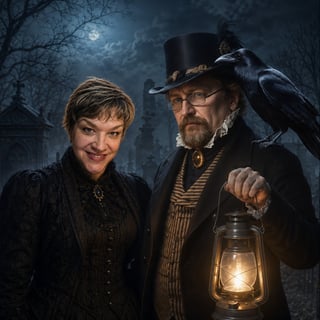
Lee Hatfield: Hello everybody and welcome to the premiere episode of the Paranormal Prism, formerly called SEPA Paranormal Chronicles. the prism though, we explain explore the unknown, we deal with real stories, real evidence, and we speak to real people. Tonight, I am more than delighted to have with me Travis Watson, known professionally as w t Watson.
Lee Hatfield: Travis is a bestseller, bestselling author, I should say, writer of both fiction and nonfiction, and as we discussed off air, a coffee addict. Travis, welcome. Thank you very much for coming here, my friend.
Travis Watson: Thanks for having me.
Lee Hatfield: Yeah, and as we were discussed offline, we're only a few hours away from each other. so stay in the same in the same province, but yeah we both know that this province, you can drive for 24 hours and still be in the same province.
Travis Watson: Yes. It'd still be in the same province.
Lee Hatfield: Yeah.
Travis Watson: It's kind of like my home state of Texas.
Lee Hatfield: That's it.
Lee Hatfield: Yeah. So how does, obviously, apart from the heat, because let's not talk about the heat because we're in Canada, how's the size of Ontario compared to the size of Texas? Texas bigger?
Travis Watson: You know, I don't know. i honestly don't know how they compare square mileage wise. I just know that, you know, if you start on one side of Texas and you drive to the other side of Texas, you're probably going to be driving for a while.
Travis Watson: I think Ontario is actually bigger though. So it's it's just vast.
Lee Hatfield: Oh, OK.
Travis Watson: It's one of the things that I always say in podcasts is, you know, it's the second largest country in the world. You can lose anything up here.
Lee Hatfield: That's it. We had a friend a few years ago, just after I'd moved here, wanted to come and visit. And she basically said, oh, it would it be OK if we went to Yellowknife for the day?
Lee Hatfield: It's like you do realize that it's like out like a week's travel. yeahre But on the map, it's like, okay, the UK can fit into Saskatchewan. but you're Oh, right.
Travis Watson: Several UKs could probably fit into Saskatchewan.
Lee Hatfield: Okay. Okay. Exactly. I think it can fit into Lake Ontario as well. So let's start off at the very beginning. You're a best-selling author.
Lee Hatfield: You write both fiction and nonfiction. So how did your your journey into writing and the paranormal start?
Travis Watson: I was about eight years old. It does. It does actually go back that far. The things that I remember that got me cued into the weird, if you want to call it that, high strangeness, the paranormal, however you like to term it.
Travis Watson: The things that got me cued into that, I was probably third grade. I think I was third grade, so would have been about eight or so. My father telling me his UFO story was the very first thing that I remember that got me interested in the paranormal, UFOs, any of that kind of stuff.
Travis Watson: My dad actually had a sighting when he was in the Air Force in in California, and he and a friend were were driving back to base from San Bernardino and had a classic UFO sighting with a cigar-shaped UFO with you know purple portals in the side and the whole whole schmear. And he was...
Travis Watson: yeah I mean, I heard that story from him I don't know how many times. I never heard him change the story. And he was absolutely convinced that you know that the UFOs were were something from another planet.
Travis Watson: All my research, yeah I have my doubts about that, but you know that was one of the things that I grew up. There are aliens and they're out there and they're flying around in our atmosphere. Yeah.
Travis Watson: The other thing, oddly enough, was a comic book. I had a, my grandfather actually gave me a Ripley's Believe It or Not comic book about true hauntings.
Travis Watson: And I read some of those stories and I remember going, oh, not only are there aliens flying around in the atmosphere, but there are ghosts. So I developed a, you know, I became that kid who rummaged around in the school library, read everything I could find about the paranormal, about psychic abilities, about Sasquatch, about UFOs, you know, when I wasn't reading about dinosaurs, you know.
Lee Hatfield: Bye.
Travis Watson: So it became really kind of an obsession with me when I was in school. know, of course you grow up, life hits, you know, you kind of put these things on the back burner, but I was still always interested in that stuff and read books whenever I had a chance and and and that kind of thing.
Travis Watson: You know, I got into my 50s and I had been reading this stuff forever and ever. I had published my first novel. Well, actually, the only novel I have published right now, i've got another one coming up in the autumn, probably.
Travis Watson: I just finished my first novel, published it with a small small publication public publishing house called Beyond the Fray. And they were talking to me one day and they said, you know, you know it seems like you did an awful lot of research for this for this fiction book.
Travis Watson: Could you write a book, a nonfiction book on the Phantom Black Dog? like well i've got a pile of research sitting over here in the corner yeah i probably do that so i went down the rabbit hole i wrote a book called phantom black dogs walkers of the liminal way and that was my first non-fiction publication and i went on to write as you've mentioned mysteries in the mist uh canadian monsters and mysteries when i moved up here
Travis Watson: Sasquatch Canada, The Forest Poltergeist. you know So I've been kind of at it for a while. My last book was published in 2023, so I haven't put anything out lately because I've been kind of making the shift into trying to do some fiction work too, because I love that as well.
Travis Watson: I'm also looking at maybe starting a YouTube channel where I tell spooky stories, true spooky stories of of the paranormal. So I've been trying to keep myself busy in addition to having a full-time job.
Travis Watson: So, you know, it's how it goes and if in this world.
Lee Hatfield: Yeah.
Lee Hatfield: Exactly. And it's interesting that you mentioned when you was a kid about yeah having the the comic. I know that when I was a lot younger, we had a a magazine about the supernatural in the UK and it was like Arthur C.
Lee Hatfield: Clarke's Unexplained, I think it was called. And yeah and it was like yeah UFOs and cryptids and ghosts and all that.
Travis Watson: Oh, yeah.
Lee Hatfield: And One thing that really did fascinate me was spontaneous human combustion.
Travis Watson: oh yeah
Lee Hatfield: And I really thought that I was going to be experiencing that on a daily basis because this this magazine had it. And you go, well, yeah if it's in this magazine, it must happen like yeah like every other week kind of thing. And i was quite disappointed when I realized that these kind of things do not happen.
Lee Hatfield: like every day it's a it's a one-off yeah and that's it and then that was my kind of my first interest into the the paranormal and the supernatural and i was so pleased a few months ago when i actually found a website that actually has all these editions that somebody's painstakingly scanned and it's got every every edition on it and it was
Travis Watson: Like every day, yeah.
Travis Watson: Yep, yep.
Travis Watson: We had time life books, which were were one of the early things that I looked at to, you know, cause they had books on Sasquatch unexplained events and all kinds of stuff. I don't even remember now.
Travis Watson: I imagine that a full set of those critters is probably quite the collector's item now, but I, yeah, I just always loved reading that stuff.
Lee Hatfield: Oh. Wow. Yeah.
Travis Watson: By the time I was in sixth grade, I had already read Ivan Sanderson's book on the abominable snowman, which is, yeah know
Lee Hatfield: wow
Travis Watson: The thing is huge, it's 700 plus pages, but I managed to slog through it. He's an interesting guy.
Lee Hatfield: And yeah, both of us are of of a similar age. And it's interesting how the the mentality has changed from when we were children. And if anybody mentions they anything to do with UFOs, ghosts or cryptids, that they were basically told to go and sit in a corner, be quiet, don't speak about it. where now every man and his dog has got a story and and yeah and it's everything's out there and it's amazing how they how it's the tides turned
Travis Watson: Yeah.
Travis Watson: And the U.S. government is actually, you know, like, oh, look at these look at these photos from from our fighter jets. You know, that kind of thing would have been absolutely unheard of when I was a kid.
Travis Watson: You know, because we were still, you know, it's the 60s. We were still in the, you know, in the Project Blue Book era where, you know, they had people who were professionally running around trying to debunk UFO sightings.
Travis Watson: and claimed that you it wasn't anything but swamp gas. yeah It was one of the big jokes in the UFO community for for years and years is, oh, it must be swamp gas, right? And And after reading Mystery and...
Lee Hatfield: That's it. And like yeah even, yeah, Roswell, yeah, Roswell, perfect example of the cover-up.
Travis Watson: Go ahead. Oh, yeah, yeah. Yeah, like my father actually went to school in Roswell, New Mexico. He went to New Mexico Military Academy there in in Roswell.
Lee Hatfield: Oh wow.
Travis Watson: And you know he, of course, had very strong opinions about what happened there because, like I said, he was an experiencer. He was sure that you know there were aliens flying around. They were crashing ships into things and doing all that stuff.
Travis Watson: oh Yeah, i'm i'm I'm a little more blasé about the extraterrestrial theory, but yeah, whatever. To each their own.
Lee Hatfield: Yeah, that's it.
Lee Hatfield: I've interviewed a couple of people that have told me about their abduction experiences. And it always amazes me because yeah if you experience a UFO sighting or you see a cryptid,
Lee Hatfield: That's your experience. I can't call you a liar because I haven't seen it. yeah You know, you see what or you saw what you thought you saw. So you talked me about it.
Lee Hatfield: And I take that as gospel because, know, I'm not going to call you a liar. And yeah, but when people kind of go into the I was abducted.
Lee Hatfield: I can remember the inside of the craft. I can remember what the creatures looked like. I can remember what they did to me. And then I was brought back and i was traumatized or yeah whatever.
Lee Hatfield: And that it's very difficult to understand that concept that's what's happened to that person. And if it wasn't genuinely what happened, then what did happen to them?
Travis Watson: Right. Yeah. The UFO abductions experience is one of those things where I think there is something a whole lot more interesting going on than, you know, little green men kidnapping people and stashing them on spaceships.
Lee Hatfield: Thank you.
Travis Watson: it It to me comes across. Well, OK, so let's talk about Joshua Cutchin, Thieves in the Night. OK, guy wrote this fantastic book and, you know, draws heavily on the work of Jacques Vallée, where.
Travis Watson: You know, he points out that the UFO abduction experience is very similar to what people would have reported as fairy abductions in the 1700s.
Travis Watson: Yeah, there's the same type of, you know, of you know, situation where people are waking up with these strange creatures around their beds and they're being taken out of their beds and they're going to a different place.
Lee Hatfield: Interesting.
Travis Watson: It's just that the phenomena, whatever it is, has updated itself. yeah and You can see this as you look at the progression of UFO history.
Travis Watson: you know I mean, back in the 1890s, they didn't have these silver saucers flying around. They had airships. And those were the UFOs of that time. you know you You know, you move along for a little bit. You get to World War II. You've got Foo Fighters, right? Or or in the the Norwegian area, you've got these ghost rockets that are going on.
Travis Watson: Then you get into the 50s and you get the Flying Saucer era started. Then you start getting cigar-shaped vessels that are, you know, a little bit more advanced. Then you get these huge triangular things. So it seems like this phenomena just...
Travis Watson: keeps a little bit ahead of of of what we're expecting as far as technology. And it seems to be very very malleable to what we're expecting.
Travis Watson: So, yeah I have have some... I don't ever want to say that somebody who experienced an abduction wasn't traumatized because I think that's definitely true.
Travis Watson: I'm just not sure what they're traumatized by you know, what what the experience actually is.
Lee Hatfield: Yeah.
Travis Watson: hit There are weird reports about people who come to basically come to in the middle of of an abduction experience and find, you know, like soldiers in their in their bedroom and stuff. You know, are we looking at some kind of a weird MKUltra kind of mind situation mind messing thing that, you know, the governments are doing to people. Are we looking at an advanced civilization that exists here on Earth, but has stayed hidden?
Travis Watson: Yeah, and is, you know, is doing this for whatever reason. Are we looking at interdimensional beings that are coming through from another another plane of existence?
Travis Watson: You know, a lot of these abduction experiences seem to me to be almost like astral projections. You know, because they describe floating up and, you know, going through a wall and ending up in another place. They don't really remember the transition to the other place.
Travis Watson: There's stuff that happens to them there. And then there's like this transition that they don't really remember back to where they started, you know. And if you read accounts of astral projection, you people like Robert Monroe or Robert Bruce,
Travis Watson: They describe a lot of things that sound really similar to that. So is something, some force, whatever, you know, pulling people's astral bodies out of their bodies and and hauling them off. And if you were sitting there, would you just be sitting there looking at their body while they were off having this experience?
Travis Watson: yeah So there's there's a lot, there's a lot, a lot of stuff going on there.
Lee Hatfield: That's a good point. That's a good point.
Lee Hatfield: Yeah.
Travis Watson: So I don't think it's as simple as some nuts and bolts you know spaceship sitting outside your house you know beaming you aboard, basically.
Lee Hatfield: Yeah. and It's weird because I actually interviewed somebody last year who lived in California, had never been to Canada,
Lee Hatfield: And one of the things that she said was that she could astral project. And she described a few things in my apartment.
Travis Watson: Yep.
Lee Hatfield: And it's like, how are you doing this? And it completely blew my mind. yeah just one Just one example, I said to her, what's below my my camera, below my monitor?
Lee Hatfield: And she said, i don't want to be rude, but it looks like you've got toy soldiers and I've got little like Lego soldiers. But it's like, how are you how are you doing that?
Travis Watson: yeah i Yeah, I absolutely.
Lee Hatfield: And it absolutely blew my mind. So, on.
Travis Watson: And I've known people that seem to have that ability or or the ability to remote view things. And it's it's weird. I had a friend who was a psychometrist who, you know, would she'd go into bars and She'd find the biggest non-believer she could find, right? They're like, oh, psychic ability is a bunch of crap, right? She'd say, give me your ring.
Travis Watson: they'd be like, you know, they'd hand her the ring. And she'd stand there for 15 minutes and tell them anything they wanted to know about themselves. It freaked them out so bad that sometimes they would just be like, nope, nope, I'm out.
Travis Watson: Yeah. So, yeah, I mean, do we actually have a body that separates and goes flying around and does stuff? Maybe.
Travis Watson: I think that we can make a pretty good case for the remote viewing thing, given the whole Project Stargate a thing and you know the CIA being involved in the government and how much money they put into it and some of the results they got.
Travis Watson: I think some people are more talented at that than than others. But it's one of those things that you know when I retire, I'm going to experiment with probably.
Lee Hatfield: Yeah.
Lee Hatfield: Yeah, i think I think, yeah, I'm going add that to my retirement list as well, I think. Okay, so you mentioned that you were asked to write a book about fiction, it well, sorry, nonfiction, I should say.
Lee Hatfield: So the first book I'd like to speak about is your Canadian Monsters and Mysteries. Is this the book in question? but you i know you mentioned the the another book, but when did Canadian Monsters and Mysteries come along?
Travis Watson: That was my, let's see, there was Phantom Black Dogs and there was Mysteries in the Mist. i Canadian Monsters and Mysteries was my third book. So it was somewhere in the middle, probably around 20, I don't know the exact date, probably around 2021, somewhere in there.
Travis Watson: I had i had the the
Travis Watson: the interesting situation of you know being US citizen and moving to Canada. And my wife was was Canadian so and went to work right away. I couldn't go to work until I could get a work permit and we were in the middle of a pandemic. So I was kind of at loose ends for a while, so I wrote books.
Travis Watson: oh And Canadian Monsters and Mysteries, had gotten here
Lee Hatfield: Okay.
Travis Watson: to Canada. I was in Kitchener. i still have been Kitchener. And I thought to myself, well, you know, I've written books about, you know, phantom black dogs. And I wrote a pretty extensive book about mist, fog and clouds in the paranormal. So let's see what kind of weirdness I can find here in Canada.
Travis Watson: And there's all kinds of stuff, right? you know I mean, and and this is setting aside Sasquatch, because I wrote a whole other book on Sasquatch in Canada, oh and setting aside ghosts and hauntings, because you could write dozens of books about ghosts and hauntings here in Canada. They're everywhere.
Travis Watson: You know, you can't shake a stick without finding a haunted house up here.
Lee Hatfield: Exactly.
Travis Watson: oh
Lee Hatfield: That's for
Travis Watson: So Monsters and Mysteries, yeah the the Canadian Monsters and Mysteries book was, you know, some of my early research into, okay, well, what kind of weird stuff happens in Canada? And as I said, there's all kinds of fun stuff ranging from, you know, the cryptids, the the the The man-wolf, for instance, what some people call a werewolf or dogman.
Travis Watson: We have several you know good sightings of of of the man-wolf up here. But the the the one that I found most interesting, and this isn't really a man-wolf thing, but it is a cryptid.
Travis Watson: was the wahila, or what Ivan Sanderson labeled the wahila, which is a a huge white wolf that is associated with the Nahanni Valley up in the Northwest Territories.
Travis Watson: This thing is easily two or three times the size of a normal timber wolf. It has a very broad head.
Travis Watson: It has short sort of, short of sort of i can talk tonight, really I can, sort of shorter legs,
Travis Watson: than than a regular wolf. Long, thick tail, just massive. the And one of the stories and in Canadian Monsters and Mysteries is about a fellow who was, you know I mean, a lot of people up north hunt, not just for the fun of it, but for food.
Travis Watson: And he and a native guide were out in the Nahanni Valley hunting. His name was Frank something. I don't remember his last name. And his guide went into this forested section that was underneath a plateau and was going to try to flush something out.
Travis Watson: Well, he's standing there. He's got his his gun and he's you know waiting to see if anything's going to happen. Here's rustling in the brush and out walks this monster wolf.
Travis Watson: I mean, this thing is huge, like I've described, and it's white as white as driven snow.
Travis Watson: He actually opens fire on this thing with a 12 gauge shotgun,
Lee Hatfield: Thank
Travis Watson: and which was loaded with birdshot, which wouldn't have done much, but he also had balls like slugs in there.
Travis Watson: This creature, whatever it was, didn't react at all. I mean, it just kind of looked at him and loped off like, okay, whatever. You know? he was He was, you know, I mean, obviously he was quite shocked. And when his guide came out to see what he'd been shooting at, he was describing this thing. And the guy says, okay, we're leaving now.
Travis Watson: know this This thing has a a reputation amongst the native folks up there oh as a solitary hunter. And it is sometimes associated with another legend in the Nahanni Valley of people turning up headless. Now, there's no there is no actual indication that the Wahila is responsible for these decapitations. But it makes a great story, right? Because several prospectors in the early 1900s ended up, minus their heads and...
Travis Watson: The most likely experience is that they ran into hostile natives. There were there were a group of people up there that the that the local native people feared called the Naha, which is kind of, I think, where Nahanni Valley comes from, who were supposed to be quite bloodthirsty and fierce and very territorial. So these guys may have wonder just into the wrong they have wandered into the wrong area So the Wahila was fun.
Travis Watson: Another one, not so much fun, it's not something you really want to run into.
Travis Watson: But as far as cryptids go, my favorite Canadian cryptid is a giant beaver.
Travis Watson: Now, just yeah just to actually give you an idea,
Lee Hatfield: so Okay.
Travis Watson: There was actually a giant beaver, Castorides ohioensis, I think was the the though the name, supposedly been extinct for like 25,000 years or something along that line.
Travis Watson: This was a beaver that was roughly the size of a bear. It was huge. Now there were people up in
Travis Watson: up in Northern Canada who claimed that these critters are still running around. And guy named, what is his name? John Harms.
Travis Watson: And if you give me a minute, I'll remember the name of his book, but he wrote a book about cryptids in Canada. He just did a significant piece on on the giant beavers.
Travis Watson: oh he originally had gone up to investigate these holes that people were finding along riverbanks and uh you know the local native people were like oh well that's that's where the serpents live he's like serpents serpents it's like oh yeah we have these giant snakes that live in these holes it's like but
Lee Hatfield: Okay, yeah, makes sense.
Travis Watson: but that's not possible. You couldn't have possibly have a snake that size in Canada. Oh yeah, yeah, yeah, they live in the holes. I guess they just hole up in the holes you know in the wintertime and then they come out when it warms up.
Travis Watson: It's like, okay, all right. Let's say there are actually giant snakes. Snakes don't dig holes. Where did the holes come from? Oh, well the giant beavers dig them.
Travis Watson: Yeah, if he these are the local indigenous people. And he thought they were pulling his leg for a while until he started collecting stories, both about the giant snakes, which, you I mean, there there are a number of those in the book, and then about the giant beavers.
Travis Watson: And he was so taken by this idea that he actually spent some time camping along a river and claims that he saw one, or he's pretty sure that he saw one.
Lee Hatfield: wow
Travis Watson: He said this thing had a head the size of a football and it was swimming along in the water and it was you know easily you know six or eight feet long. It was huge, right?
Travis Watson: And you know the the people that he had gotten reports from described these creatures as you know when they were on land, as being the size of a bear, you know like like a, not a grizzly bear, but like a black bear. you know they're They're much bigger than then a regular beaver. right I got a huge kick out of that because of course, you know everybody says, oh, Canada, you know beaver's moose, right? yeah Yeah, we got some beavers for you.
Lee Hatfield: Yeah, you some big ones.
Travis Watson: But he had yeah he had a number of sightings from people who were you know local indigenous folks who hunted those those lands all the time.
Travis Watson: They knew the wildlife. You know, they knew what a beaver looked like and they knew what an abnormally large beaver would look like. Right.
Lee Hatfield: Yeah.
Travis Watson: And they weren't going to confuse it with a bear or a moose or, you know, any of the other things. know So the skeptics are always like, oh, well, it's just a misidentification. It's like, have you ever seen a beaver?
Travis Watson: i mean, seriously. That's a really hard animal to misidentify with that that broad, flat tail.
Lee Hatfield: Yeah.
Lee Hatfield: For sure.
Travis Watson: you know it's it's it's It's like saying, oh, well, you know it's it's a misidentified animal when somebody's pointing at a platypus. you know It's like, that's not something you misidentify.
Lee Hatfield: Yeah.
Travis Watson: Either you saw one or you didn't.
Lee Hatfield: Yeah. That's it.
Travis Watson: Yeah, yeah.
Lee Hatfield: Bear, bear, wolf. Yeah. Yeah.
Travis Watson: yeah yeah so
Lee Hatfield: Bear, wolf. You could easily. Yeah.
Lee Hatfield: Sorry.
Travis Watson: So I got a kick out of the giant beavers. And there were, like I said, a number of those stories, you know, people out swimming and in local swimming holes and running into giant beavers and, you know people out collecting berries and running into giant beavers. And so there's there's several of those stories in in the book.
Lee Hatfield: Yeah.
Travis Watson: Let me think. Go ahead.
Lee Hatfield: Well, let me bring one up that's quite, I won't say common around here, but if you say for cryptids in and around Ottawa, people do come out with the Wendigo.
Travis Watson: Oh yeah, yeah, yeah. I didn't cover the Wendigo. really in Canadian Monsters and Mysteries, but I'm familiar with, yeah I've read Chad Lewis's book on the Wendigo and I've done some research on the history and the lore.
Travis Watson: It's really hard to nail down what a Wendigo is. yeah Everybody wants it to be this giant spectral creature with like a goat's head or something, you know with the horns and you know the glowing red eyes and all that stuff. And that's not really how the native people saw this Spirit, you know, it was a spirit of deprivation. Okay, so it was the being that represented the fear that everybody had in the wintertime of not having enough food to make it through the winter.
Travis Watson: Yeah, and the subsequent fear that if they didn't have enough food, they might resort to eating each other. So the Wendigo is this being that's seen as you know emaciated, very thin, starved looking, and cannibalistic.
Travis Watson: Now where it gets interesting though, is when we look at the idea that the Wendigo is actually capable of possessing people. At this point, it becomes almost a demonic entity, right?
Travis Watson: And there are stories of, you know, i forget his name now, something Crow, I think.
Travis Watson: The name slips my mind, but there's a story of a native fellow who showed up in one of the local trading posts back in, I think it was the 1800s sometime.
Travis Watson: claiming that his his family had been murdered. And when they investigated, they found that he had actually eaten his family and killed them and eaten them over the course of the winter.
Travis Watson: And the native people the the native people saw this as Wendigo possession, and he came to a bad end.
Travis Watson: More recently, this was actually a news story. A fellow actually attacked, they were on a bus.
Travis Watson: a This fellow actually attacked one of his fellow passengers and killed him and ate part of his body before they finally got him off that bus.
Travis Watson: so Again, you know, he was, you know, it's modern day now. So he's diagnosed with what they call Wendigo psychosis, which, you know, basically sounds to me like he got possessed by the spirit of Wendigo, you know, did what Wendigos do.
Lee Hatfield: Yeah.
Travis Watson: So it's a very, very creepy
Travis Watson: story all around because you have, This being that, you know, in history, people reported seeing and actually battling with. Interesting thing, the way to kill a wendigo is pouring hot oil down its throat to melt its ice ice heart.
Travis Watson: Its heart was made of ice. So you pour hot oil down its throat to to melt the ice, which can have very deleterious effects if the wendigo is actually inside a human being.
Lee Hatfield: That'll work.
Lee Hatfield: Yeah, for sure.
Travis Watson: You know, you don't typically survive that kind of thing. But, you know, so it's it's a very interesting folklore that I believe it originated with the Ojibwe people and then got picked up by some of the other Native folks in the area.
Travis Watson: But, yeah, like in your Ottawa area, I'm sure it's very very much a thing.
Lee Hatfield: Yeah, because you've got yeah because you got the Algonquin kind of area, that's where it kind of comes from.
Travis Watson: Yes. Yeah, yeah.
Travis Watson: yeah
Lee Hatfield: So when you were doing your research into this, one thing that Canada is quite renowned for is sea monsters.
Travis Watson: Oh gosh, yeah.
Lee Hatfield: So...
Travis Watson: that There is a whole section in the book on sea monsters and lake monsters because we have lake monsters in almost every province in Canada, including the Great Lakes.
Travis Watson: oh yeah You can't even remember all the names. There are so many of them. you know
Lee Hatfield: yeah
Travis Watson: But you if you go west, you you run into Ogopogo in Lake Okanagan in British Columbia. i think the the lake monster in Lake Ontario was called Kingste.
Travis Watson: And there were some sightings of him. There's you know Lake Monster, of course, the very famous Champ in Lake Champlain. And then there's also Lake Monster in Nova Scotia, in one of the lakes there, and I can't remember which one it is.
Lee Hatfield: Yeah.
Travis Watson: What's really interesting to me is that, you know, because Canada is where Canada is, it kind of sets in line with Canada. what parallel is that 37th parallel or something like that these lakes kind of generally set in line along there and you know the same parallel kind of passes through Loch Ness which is of course famous for its lake monster so it's like there's a whole series of lakes that have a whole series of monsters in them that are all along the same line sort of
Lee Hatfield: Yeah.
Travis Watson: yeah You have to think to yourself, okay, how did that happen? And what are they?
Lee Hatfield: Yeah. Spooky. Yeah.
Travis Watson: You know, what are they? It's like, you know, whether you're talking about Loch Ness or you're talking about Okapogo or you're talking about Champ or any of these these well-known lake monsters, it's like, what the heck are people seeing?
Travis Watson: yeah Now, of course, the skeptics are all, oh, it's just floating logs. It's you know it's it's boat wakes. it's It's all this stuff. But you have close-up sightings and you have photographs that beg to differ.
Travis Watson: yeah and And while, yes, some of those photos were hoaxed. I realized that before somebody says in the comments, oh, don't you know that those photos were Well, yeah, yeah, I know, i know.
Lee Hatfield: Yeah.
Travis Watson: But some of them have been shown not to be fake too. And so, and and you have a lot of very reputable people who are willing to come forward and say, hey, I saw this this creature in the lake, but you couldn't possibly have a breeding population of sea monsters in a lake.
Travis Watson: Yeah, I mean, there was a theory about Loch Ness that Loch Ness actually had, you know, deep down in the 700 foot depths of the loch, there was actually a cave that, you know, that the the monster swam through to get to the ocean.
Travis Watson: I mean, people got some really wild theories going around that. But that's just not the case in things like Lake Ontario. Yes, it's a big lake and it's deep. But I mean, how many 30 or 40 foot sea serpents can you keep in a lake?
Travis Watson: I mean, I don't care how big it is.
Lee Hatfield: without people without people seeing them. Yeah, exactly.
Travis Watson: People see him all the time. It's like, oh, there goes King's steer around him. It's fine. He won't hurt anything. just just steer around andy's it's fine he won't hurt oh Or Ogopogo, for that matter. Ogopogo was supposed to have actually chomped some people in the early history of the of the lake before it became kind of a tourist attraction.
Travis Watson: you know Back in the early early days when people were first settling in that area, yeah there were stories of native people who tried to paddle across the lake and you know disappeared forever. so Ogopogo at that time was nothing to be messed with.
Travis Watson: Now it's become kind of like the, you know, Lake Okanagan's tourist emblem, right? Which, you know, okay.
Lee Hatfield: Yeah.
Travis Watson: I mean, Yeah, I mean, and there are some theories, particularly with places like Okanagan and off the coast of British Columbia, there there are theories that, you know, maybe we have relic dinosaurs out there. What was it? It's pliosaur, I think it was called.
Travis Watson: It wasn't a mosasaur, that was Jurassic Park. but I think it's called a pliosaur. It was the forerunner to the whale.
Travis Watson: Okay, and yeah know there's there's a theory, you know people have theorize that that's actually that's actually what these lake monsters, at least the ones over in British Columbia are.
Lee Hatfield: OK. Yeah.
Travis Watson: i don't I don't know, I don't know.
Lee Hatfield: yeah cause yeah
Travis Watson: I find it hard to believe that a creature that size could have enough creatures in any size lake to have a you know breeding population and still remain hidden and not get picked up on sonar. you You've got people out there fishing all the time using their little fishy sonar things. It's like, oh, look, there goes the lake monster.
Travis Watson: yeah
Lee Hatfield: yeah
Travis Watson: i mean, now there's been some some weird readings and on sonar and Loch Ness. But you know honestly, we don't know what we're dealing with.
Travis Watson: Yeah, I mean, my favorite theory about that is they may be time anomalies.
Lee Hatfield: Yeah, I think.
Travis Watson: Did you ever see a show, it was a BBC show, it was called
Travis Watson: Primordial with with the anomalies
Lee Hatfield: Oh yes, yes. Yeah. Yeah. yeah
Travis Watson: Hey, stranger things have happened. I've written books where people disappeared in clouds. yeah So I don't have any trouble believing that you know we may have a problem with time that occasionally pops up and plop something in a lake that you know exists for a while and then disappears.
Travis Watson: Yeah, it's possible. Yeah, it's probably more possible than that there's a breeding population of sea monsters living in Lake Okanagan, right?
Lee Hatfield: That's it. And it is this.
Lee Hatfield: Yeah, that's it. and And that's it. Because you've got so many different varieties of cryptids, so to speak.
Lee Hatfield: yeah what what are people seeing if they are seeing something that we would define as a cryptid yeah it's sort of yeah like lake and sea monsters giant hills but yeah yeah but most of our lakes freeze over yeah in the winter because of the cold so how are these creatures surviving under one two foot of ice
Travis Watson: Yes.
Travis Watson: Yeah.
Travis Watson: Yep.
Travis Watson: Yeah, it's like the the giant snakes I was talking about earlier. Now, some of those giant snakes actually seem to be aquatic. So some of those could be the sea monsters that we're talking about.
Lee Hatfield: Yeah.
Travis Watson: But where do they go in the wintertime? You know, do they just go into hibernation?
Lee Hatfield: Yeah.
Travis Watson: I mean, how does that work?
Lee Hatfield: Well, I think for Ogopogo, what he does, he goes from British Columbia in the summer and then in the winter when it gets a little bit chilly, he goes to Loch Ness on vacation.
Travis Watson: Oh, yeah. Okay. Yeah, he beams himself over to Loch Ness. or Or, you know, he just hangs out on the coast of San Diego.
Lee Hatfield: That's it.
Travis Watson: You know, he just beams himself down to Southern California. and you know, he he basks during the wintertime and then comes back in the in the in the you know the summer.
Lee Hatfield: yeah
Lee Hatfield: Yeah, he's a snowbird.
Travis Watson: Yeah, exactly.
Lee Hatfield: that Yeah, so exactly.
Travis Watson: He's a snow serpent.
Lee Hatfield: that's what it is. So you mentioned about your mist and fog and clouds. So let's go on to the next book. Mistred in the mist, mist, fog and clouds in the paranormal. I'd love to take keep talking about cryptids, but we could do that all night. We could literally talk about one book per episode. But
Travis Watson: yeah Yeah, I mean, you could get me going on Sasquatch and we could end up the end up the entire podcast, you know, because i've i've got some opinions about Sasquatch.
Lee Hatfield: yeah
Lee Hatfield: Exactly.
Travis Watson: so
Travis Watson: So Mysteries in the Mist came about. I was doing my research for Phantom Black Dogs, and I ran across a couple of interesting stories where a Phantom Black Dog appeared out of the mist and interacted with people. One of the one of my favorite stories Phantom Black Dogs, and I think I actually included in Mysteries Mist too, because it was it was a great story.
Travis Watson: This fellow was like one of the first editors of the Oxford English Dictionary, and he took his family on holiday in one of the mountain areas and in in the UK, and they were doing a hike.
Travis Watson: And all of a sudden, as happens and in a in the UK, they got socked in. there there were There was fog and and they couldn't see where they were going.
Travis Watson: Well, this fellow figured he was just going to soldier on and and and keep going. And this phantom black dog appears out of the mist. You know, the the standard giant black dog with, you know, you know, the glowing red eyes and the whole s schmear, right?
Travis Watson: Appears out the mist, refuses to let them go a step further. God tries to go around it. Dog won't let him. He tries to go the other way. Dog won't let him. yeah He tries to you know see if he could scare the dog off. the Dog's not going to move. you know Anybody who's ever read about phantom black dogs knows they don't move.
Lee Hatfield: Oh, yeah.
Travis Watson: you know If they set up in your way, they're going to be in your way.
Lee Hatfield: Wow.
Travis Watson: So the the fellow and his family finally end up just standing there, basically. until the fog clears. And as the fog clears, the dog disappears. They realize that if they had kept going the way they were going, they would have walked off a cliff.
Travis Watson: So this is a great example of, you know, everybody associated, or not everybody, but some people associate Phantom Black Dogs with like death omens. And that is a thing.
Travis Watson: it is part of the folklore for the for the for the PVD. But they also have a strong history of being guardians. And in this case, this is one of the guardian stories. So I had that story. There was another one where, you know,
Travis Watson: A young fellow was out, this was in Norfolk somewhere, and heard the baying of a dog and you know he got freaked out because everybody knows about black shuck in Norfolk, right? And runs back to his house and bolts the door.
Travis Watson: Apparently his dad was made of st sterner stuff.
Lee Hatfield: bless you.
Travis Watson: He loads up his bird gun and goes up to the top of the to the top of the house and he looks out into his backyard and there's a big black dog back there and he takes a shot at it, right? which came out of the fog, which is where the fog comes in.
Travis Watson: So he takes a shot at this thing. And, you know, really all he succeeded in doing was putting holes in his outhouse. But yeah, so I was like, okay, I got fog happening here. I wonder if you know, because I'd also been talking to some other podcasters and, you know, we had talked about signs of the paranormal. And I was like, I wonder if if fog could be seen as a sign for for paranormal events.
Travis Watson: And I ended up writing like 243 pages worth stuff about mist, fogs and clouds and the paranormal, right?
Lee Hatfield: you
Travis Watson: Turns out that you find these cloud anomalies everywhere. And I found some absolutely fascinating stories.
Travis Watson: yeah Since we kind of talked about cryptids already, you know because there are there's some Sasquatch stories, there's some man-wolf stories, there's you know some other things where cryptids have appeared from the mist and and and done things. but Probably my favorite part of the book was toward the end where I talk about teleportations and disappearances and and other anomalies associated with with these clouds.
Travis Watson: In Australia, there was a fellow who was driving down the road. He's so on business. He was going home. He sees off to his right this weird, uh, missed anomaly. It was like an oval.
Travis Watson: a off to the side of the road. And there was something above it that seemed to be coming down that's going to join with it. They were both like formed out of like a mist.
Travis Watson: He was like, had no idea what this was, right? So he's driving along and as he's driving, he's looking at his headlights and his headlights are going like this.
Travis Watson: The light to his headlights was actually being bent toward this anomaly. this This, of course, freaked him right out, and he compensated trying to steer you know away from the direction of the bend and ended up going off the road and almost hitting a tree.
Lee Hatfield: Bye.
Travis Watson: So he he the the anomaly has disappeared. He gets himself back on the road. He gets home. He's pretty shaken. He tells his wife about it, blah, blah, blah.
Travis Watson: The sad postscript to this is that he saw on the news the next day that someone had been killed in that area in in a one-person automobile accident, had had gone off the road and run into a tree.
Travis Watson: So he calls the local constabulary and he says, hey, I don't know if this has anything to do with your accident, but this is what happened to me. And it turns out that the fella that that died hit the exact tree that he almost hit.
Travis Watson: Now, we don't know if this guy saw the anomaly too and and you know it it didn't succeed in stopping his car in time or or what the deal was, but it was just way too coincidental to be you know just sheer coincidence.
Lee Hatfield: Wow. Yeah.
Travis Watson: So that was an interesting one. Some of my favorite. Oh, go ahead. Go ahead.
Lee Hatfield: Yeah, one thing that I do find interesting and is when people talk about mist and fog and clouds, they can also relate it to the, yeah, using that barrier as a means to, know, dimensional shift or teleport or whatever.
Lee Hatfield: So did you kind of get those kind of, so but you mentioned the dog already,
Travis Watson: Oh, yeah.
Travis Watson: So.
Travis Watson: So one of my favorite stories in the book, another of my favorite stories in book, there's there's that is that's probably my favorite book because there's just so much weird stuff in that book.
Travis Watson: It's just like this total Fortean collection of weirdness.
Lee Hatfield: Yeah.
Travis Watson: Right. So, okay, so a couple of things, but we'll talk about teleportation first. Fellow in Bahia Blanca, I think is the name of the place, which is in Brazil.
Travis Watson: He's a businessman, another businessman. He's got a brand new car, very happy and fancy and snazzy, right? He's just come out of a hotel, checked out of a hotel, and he's going to drive home.
Travis Watson: He goes out to his car, and he notices as he's starting to get into his car that he's being enveloped in this strange mist. He has no idea what's going on. The next thing he knows, he's standing on a roadside.
Travis Watson: His car is nowhere around. The hotel is nowhere around. He has no idea where he is. So he sees a truck and he waves down the trucker and and asks for a ride into this Bahia Blanca place. The guy laughs at him and says, you're nowhere near there.
Travis Watson: yeah takes him to the closest town, which turns out to be, I think Salta was the name of the town, several hundred kilometers away from where he started. To make it even more interesting, he goes to the local police station tells him who he is, you know tells him about you know where he was, gives him the registration on his car, and they call the cops in in the little town or the the town where he was. They find the car sitting outside the hotel, still running,
Travis Watson: And, you know, they were able to verify that he checked out of the hotel when he said he did, you know, and all this stuff. So he was transported several hundred kilometers in a space of like 15 minutes.
Travis Watson: And he has no idea how he got there.
Lee Hatfield: That's crazy. crazy
Travis Watson: Yeah. In that same region, a doctor and his wife are traveling to wherever they were traveling to. Their car is enveloped by a cloud and they end up in Mexico.
Travis Watson: Brazil to Mexico. have no idea how they got there. Unfortunately, this event shook the doctor up so badly that he started having problems and they diagnosed him with a brain tumor. He ended up committing suicide afterwards. Now, whether the cloud had anything to do with his illness or not, who knows?
Travis Watson: But yeah it'd be how do you end up driving down the road, drive into a cloud, and the next thing you know, you're somewhere else? How does that happen? You know, it's got to be some kind of a space time anomaly, but, you know, no physicist is going to be able to explain this to you, except maybe a quantum physicist.
Lee Hatfield: Yeah.
Travis Watson: And and then it's all theoretical. Right.
Lee Hatfield: Yeah.
Travis Watson: So those are a couple of good examples of the teleportation thing.
Lee Hatfield: Because it's, yes.
Travis Watson: Mm hmm.
Lee Hatfield: Yeah, because if you there's there's a guy who was flying over the Bermuda Triangle, who I can't remember the guy's name, whose aircraft got surrounded by fog.
Travis Watson: Right, right, right.
Lee Hatfield: And i think you know the story that I'm going to refer to, but the amount of time that it
Travis Watson: i know of I know of two stories like that, yeah.
Lee Hatfield: Right. Yeah, but the amount of time it took him to get from A to B, he could not have possibly done it.
Travis Watson: Right, right.
Lee Hatfield: And he's got the fuel the field record and all that kind of stuff.
Travis Watson: Yep, yeah.
Lee Hatfield: So same kind of thing, I think.
Travis Watson: Yeah, I can't remember the fellow's name, but I know that he was he was flying a Piper Bonanza, if I remember right. And the top speed of this aircraft was like 200 miles an hour, and the normal cruising street speed is like 193 per And he covered 250 miles in some...
Lee Hatfield: Yeah. Yeah.
Travis Watson: and he covered two hundred and fifty miles and you some incredibly short period of time and again had absolutely no idea how it happened uh the same kind of thing happened to uh martin caden who do you remember this the the tv series back in the 70s six minute dollar man okay so that series is based on a book by a guy named martin caden called cyborg
Lee Hatfield: Yeah.
Lee Hatfield: Oh, yes. Yeah, yeah, yeah.
Travis Watson: Martin Caden was also a pilot who had a very similar thing happen to him in the Bermuda Triangle, where he and a group of of pilots got trapped in this cloud. And they were flying, I think, a pb one of those PB patrol boats, so the flying, it's like a flying boat kind of thing.
Travis Watson: They were flying one of these critters through through that area, got into one of these clouds, They lost all instrumentation. you know This thing had state-of-the-art electronics you know for that time. Lost all instrumentation, lost all electronics, lost all communication. They were flying completely blind.
Travis Watson: And to make matters worse, the way the clouds set up, it was completely opalescent, so they couldn't find the horizon. And so it was very difficult to judge whether they were going up, down, sideways, upside down, whatever.
Lee Hatfield: Yeah.
Travis Watson: Fortunately, they had a group of super experienced pilots on board, and they managed to fly out of this cloud without without you know major problems.
Travis Watson: But when they flew out of the cloud, it took them a while to figure out where they were. They had traveled some distance off course. So, but yeah, I mean, so this guy is like a, you know, New York Times bestselling author yeah and a naval pilot.
Travis Watson: You know, you don't get much more reliable than that.
Lee Hatfield: Absolutely. And it's, yeah, it's what is happening to these people. That's what I, yeah how can these things happen?
Travis Watson: Yeah.
Lee Hatfield: And they've got the evidence to prove, well, I put this amount of fuel in, I've used this amount of fuel, but I've covered this distance. And that is not, put yeah, it's it's absolutely crazy.
Travis Watson: I've covered this much space. Yeah. Yeah. It's, it's, it's unexplainable, you know, in, in the best way.
Lee Hatfield: Yeah.
Travis Watson: And, you know, when you look at incidents like that happening in places like the Bermuda triangle, you understand why aircraft disappear there sometimes, you know, because if that kind of crap is going on, then, you know, I mean, either a
Lee Hatfield: Yeah.
Travis Watson: You know, people get into situations like the one that Martin Caden got into where they can't tell up from down and they crash. know, or B, they may just simply disappear.
Travis Watson: know, just because one person ended up teleporting doesn't mean everybody does. They may just disappear to an alternate reality for all we know.
Lee Hatfield: Yeah.
Travis Watson: We just don't know.
Lee Hatfield: Yeah, that's
Travis Watson: It's completely unexplainable.
Lee Hatfield: yeah And for traveling on vacation, that would be great. yeah Get from A to B in 15 minutes.
Travis Watson: Yeah, yeah, yeah. I wish that I could you know fly into a cloud and come out and you know wherever, you know Cuba or something.
Lee Hatfield: so
Travis Watson: Someplace warm.
Lee Hatfield: Okay. Oh, for sure. So let's...
Travis Watson: One more, if you don't mind.
Lee Hatfield: Okay. okay No, not a problem at all.
Travis Watson: I have one one more cloud story. This one's great. This one happened in the UK. Young man is driving along on his motorcycle. It's pouring rain and he is soaked. He's soaked and wet and cold and generally not happy with life, right? He's driving along on his motorcycle. He sees behind him some purple lights.
Travis Watson: he's like I don't know what that is, but he thinks, you know, because he's being safe, it's it's raining, visibility is bad. And he pulls over to the right and because he thinks it's a vehicle. Doesn't turn out to be a vehicle, but later on, this jaguar catches up with him and starts to pass him. And about the time that happens, they're both enveloped in a cloud that is that he describes as being purple with pink highlights.
Travis Watson: which I thought was interesting.
Lee Hatfield: Okay.
Travis Watson: Now, both of these vehicles both of these vehicles stop cold, like no electronics, no gas, no nothing. They they have no power whatsoever.
Travis Watson: But they keep moving up a hill, like 300 feet worth of hill until they get to the top. And then the cloud dissipates and they both are able to to operate their vehicles again.
Lee Hatfield: What the hell?
Travis Watson: So not not only did the clouds make people disappear, they also seem to have, some of them seem to have anti-gravity qualities to them where this thing just floated them up the hill and let them go.
Travis Watson: so i yeah So those are some of my favorite stories from Mysteries of the Mist.
Lee Hatfield: Yeah, i i can I can see why, because it's like it completely boggles the mind of what is actually happening.
Travis Watson: Yeah. What is real? You know, it's like you hear people's like, oh, well, that's not real or that's not normal.
Lee Hatfield: Yeah. and wait
Travis Watson: It's like, what is real?
Lee Hatfield: Yeah.
Travis Watson: What is normal?
Lee Hatfield: We don't know anymore.
Travis Watson: Because, you know, I mean, if you live in my world, you know, we're surrounded by weird crap all the time.
Lee Hatfield: Yeah. Yeah.
Travis Watson: There's just no telling what might happen. Right.
Lee Hatfield: it' Exactly, exactly.
Travis Watson: Yeah.
Lee Hatfield: Okay, so the final book that I would like to talk about, and this kind of intrigues me because I love my ghosts and spirits, is The Forest
Travis Watson: Okay, so to understand the forest poltergeist, you have to so understand a little bit about Sasquatch stuff. If you look at the the you the the Bigfoot database, in the name of the the organization has just completely slipped my mind.
Lee Hatfield: Okay.
Travis Watson: Doesn't really matter. big dad Big, Bigfoot database. And they qua they classify sightings into three levels.
Travis Watson: A, which is a visual sighting of a Sasquatch. B, which is evidence that a Sasquatch was in the neighborhood. And C is, i don't I don't remember, it's something vague, right?
Travis Watson: So... I have often said in reference to Sasquatch that I don't have a problem believing that you know that there's something out there.
Travis Watson: I don't know what it is. you i don't claim to know what it is. If you live in Canada, We got hundreds of thousands of square kilometers where, you know, giant bipedal primate could live.
Travis Watson: You know, I mean, we lost wood bison for probably half a century, you know, up in the Canadian wilderness before they were rediscovered. again and We thought they were extinct. So, you know, if an animal that big can survive with nobody finding them, then, you know, I suppose that a Sasquatch could do the same.
Travis Watson: Given some of the weird stuff that I've seen around Sasquatch sightings, though, I don't think that's the whole story. Yeah, I'm an either or thinker, you know, or not an either or, both and thinker. You know, I think that it's entirely possible there could be a physical creature out there.
Travis Watson: Okay, great. But I also think that there's something more going on with the whole Sasquatch phenomena. And, you know, for more information on that, read Timothy Renner and Joshua Cutchins' book, Where the Footprints End.
Travis Watson: It's a two-volume set. And when you get done with that book, you will not look at Sasquatch the same. Very, very good, very well researched.
Lee Hatfield: interesting.
Travis Watson: But, and I've interviewed with Tim and been on with Joshua at the same time. And one of the things that kind of gets our goat about the the Sasquatch phenomenon is you have all these people and they go out in the woods and they're looking for Sasquatch, right?
Travis Watson: And they hear footsteps, you know, bipedal footsteps must be a Sasquatch, right? They hear knocking on trees, right? or clacking of rocks, must be a Sasquatch, right?
Travis Watson: They hear these these vocalizations, must be a Sasquatch, right? They find these footprints, must be a Sasquatch, right?
Travis Watson: But if you take all of those things and you take them out of the forest and you drop them into a house, what do you have? A poltergeist case, right?
Lee Hatfield: Yeah, yeah, makes sense, yeah.
Travis Watson: So the whole premise of the forest poltergeist is the idea that, yeah, i i as I say, i I'm sure that people are seeing something out there in the woods.
Travis Watson: There are too many reliable witnesses who've seen this creature to not think that there's something out there. Now, is it a physical animal? Is it an interdimensional creature? Is it an alien? You know, we don't know, right? We just know that there's something out there. We also know that there's something out there that leaves trackways out into the middle of cornfields and then disappears.
Travis Watson: Yeah. And I'm sorry, the Sasquatch isn't walking backwards in its own tracks. It's just one of the things that I've heard.
Lee Hatfield: Yeah, it's fair to
Travis Watson: happen Not happening, not happening. That's very difficult to do.
Lee Hatfield: it's feet on back to front. That's what it is.
Travis Watson: Yeah, yeah, that's what it is. It's absolutely, that's that's how it works. It just flips its feet around and walks into the court field to freak people out. Anyway, so you have all of these signs of the presence of the quote unquote presence of Sasquatch, but nobody sees anything.
Travis Watson: Now sometimes, yes, okay, I heard this rustling in the bush and then this giant hairy bipedal primate stepped out of the bush and looked at me, right? Sometimes. But there are tons and tons and tons of reports from you know from this from this book Bigfoot database that are class B reports, what what are called class B reports, that are, you know,
Travis Watson: If you put them into a house, they'd be a poltergeist case. So my argument in the book is very simply that not everything that goes bump in the night in the forest is necessarily a Sasquatch.
Travis Watson: yeah And I go on to look at some poltergeist cases that you you've heard of and some others that maybe you haven't heard of to prove that point.
Travis Watson: Footprints. Everybody goes on about footprints. Oh, well, footprints prove that Sasquatch is a physical creature, blah, blah, blah. It's like, yeah, sure. Except yeah if you look at poltergeist cases like the Black Buck of Pontreffac,
Travis Watson: they had a problem with water you know materializing in the house for no apparent reason. They even had the water shut off and had the the local council look at the the piping and everything. and There's nothing wrong with it, right?
Travis Watson: So toward the end of this haunting, quote unquote haunting, because you know we can go on and on about what a poltergeist is too. and Everybody says, oh, it's a ghost.
Lee Hatfield: Shut
Travis Watson: It's like, eh. maybe spontaneous psychokinesis in some cases, maybe a spirit in other cases. Again, we don't know. you Anybody who tells you, I know what a poltergeist is, is you know generally full of crap.
Travis Watson: yeah They have a theory about what a poltergeist is, and they're trying to cram all the evidence into a nice box so so that their brain will stop smoking.
Travis Watson: The whole point of doing this stuff, in my mind, is to embrace the mystery. you know So, yeah i'm not yeah I don't belong to a camp as far as these things go.
Travis Watson: So back to the footprint thing. So these folks during this this incident, this series of incidents had a problem with water. So the wife gets up one morning, goes down the stairs and notices that the runner that leads out to the door is just sobbed.
Travis Watson: And as she's standing there, she can see these giant footprints forming on the carpet going up toward the door.
Lee Hatfield: Yeah.
Travis Watson: Okay, so something's making those footprints, but it wasn't anything she could see. There wasn't a Sasquatch walking around in her house. yeah know i think she'd seen that you know the eight foot hairy biped walking around in your house that's kind of obvious right so there's an example of uh you know of a seemingly non-corporeal entity making tracks a poltergeist making tracks
Travis Watson: You saw yeah the old ghost hunters, and and some people still do this. Old ghost hunters would actually put a layer of flour down on the floor of a a room that had a lot of activity to see if they got what?
Travis Watson: Tracks.
Lee Hatfield: Yeah.
Travis Watson: they find tracks in the flower. Right. So, you know, yeah, I mean, it could be that there's a giant ape or primate or hominid or whatever it is, tromping around and leaving tracks.
Travis Watson: Yeah. It could also be since nobody saw what made the tracks that you have a poltergeist like phenomena that exists in the forest. And this is kind of my whole argument, right? Because you can take all of these things. I mean, one of the classic, classic signs of poltergeist phenomena is is throwing rocks, right? And everybody's like, oh, well, you know, I was out in the woods and, you know, we were setting our camp up and and rocks kept falling into the, you know, into our camp.
Travis Watson: Must be Sasquatch, right? You know, because bears can't throw rocks.
Travis Watson: But if you look at poltergeist phenomena, rock throwing is absolutely one of the most common things you'll see.
Lee Hatfield: Yeah.
Travis Watson: there's stories There's stories from Brazil, for instance, where a young lady was having issues with a poltergeist that was apparently following her.
Travis Watson: And at one point, she moved into a doctor's house or dentist's house, I guess it was a dentist's house. and
Travis Watson: They counted something like over 200 rocks that hit the roof of this house and fell off from from nowhere. Nobody knew where the rocks came from you know because there weren't like rocks laying around on the ground where they were.
Lee Hatfield: yeah
Travis Watson: Those rocks were coming from somewhere. But who the hell knows where they were coming from? we We do not know. you know, then you get into the whole apport thing and and then things get really freaky.
Travis Watson: But so, you know, and there's, I think it was the Enfield poltergeist case. They had a fellow in who was a news photographer and he was taking pictures and all this stuff.
Travis Watson: And there was a couple of famous photos of supposed phenomena happening in the house. But, but,
Lee Hatfield: Yeah.
Travis Watson: The funny thing is that, you know, we're talking about throwing rocks. There weren't any rocks in the house. So this guy got binged by a Lego. he he got hit hard enough to where he actually had a bruise when one of the investigators came to to uh to stay in the house for a while a little later you know he had a bruise over his eye where this lego would hit him and you know so everybody's talking well these sasquatches are very accurate because you know they throw these rocks and you know they'll land next to you and it stuff it's like
Travis Watson: And you can say the same thing about poltergeist phenomena, because most of the time people will get hit by those things. I mean, they may if the if the entity or whatever it is is ticked off at them, but most of the time they don't get hit.
Lee Hatfield: Yeah. Wow.
Travis Watson: There's just this stuff flying around and breaking and crashing and general mayhem happening.
Lee Hatfield: Yeah.
Travis Watson: Right.
Lee Hatfield: That's it. And one of the things that is interesting, apart the fact that you blow my mind about having a poltergeist in the forest, because I'd never even thought about that. If you talk about people that believe in other entities, yeah you've got elementals, you've got fairies.
Travis Watson: Oh yeah.
Lee Hatfield: So who ne it who has to say, like you've just said, that it's an eight foot bipedal hairy creature. It could be yeah something really small that you you you're not necessarily going to see.
Lee Hatfield: It's size 15 feet. But yeah something really small that is is throwing the stones.
Travis Watson: Yeah.
Travis Watson: Yeah. You know, I mean,
Travis Watson: fairy lore i mean that's one of the the proposed things that i talk about at the end of the book when i talk about the conclusions because you know the the fairies are known the fairy are known for being mischievous yeah so i mean oh hey let's mess with the humans and make a stick structure here
Lee Hatfield: yeah
Travis Watson: Or, oh, you know, I don't like having these humans in this campsite here. Let's bombard them with rocks until they leave.
Lee Hatfield: Yeah, makes perfect sense.
Travis Watson: I mean, some fairy in the lore are extremely territorial. So, you know, it's entirely possible that they could do all kinds of stuff to, oh how do you say, to drive somebody out of their territory.
Travis Watson: You you hear all of these things about Sasquatch roaring and making all this noise and tromping around in the bush and stuff.
Lee Hatfield: Yeah.
Travis Watson: I mean, it could just as easily be, you know, fairy creatures. I mean, I make a case for the possibility that, you know, it could actually be a human spirit, somebody who was particularly attached to that section of the woods.
Travis Watson: You know, if they gathered enough energy around themselves, who knows what kinds of things they could could accomplish, you know?
Lee Hatfield: it was It was a previous Sasquatch investigator that got killed by a Sasquatch, but he's haunting that location.
Lee Hatfield: There we go.
Travis Watson: There you go. yeah they The Sasquatch picked them up and hauled them off and you know they were never seen again. And then yeah know they came back to haunt that location.
Lee Hatfield: Yeah, it's now haunting.
Travis Watson: It's like, you need to leave.
Lee Hatfield: Yeah.
Travis Watson: You need to leave.
Lee Hatfield: Yeah.
Travis Watson: yeah Who knows? you know I mean, we really don't know. And that again, that's one of the things that you know that I try to get across in all of my books, but I probably particularly got a little little ranty about it and in the forest poltergeist is people in the the paranormal world live in silos.
Travis Watson: yeah I am a UFO researcher. I am a Sasquatch researcher. I research man wolves, or werewolves or whatever. you know i do this, I do that. you know I'm a you know i'm a ghost hunter.
Travis Watson: And that's fine, except that none of these people talk to each other. Because if Sasquatch researchers talk to the ghost hunters, you know, the people who are investigating psychic phenomena, they would realize that, oh, hey, a lot of this class B stuff that we have happening out here could be explained by ghost stuff, like this poltergeist thing.
Lee Hatfield: Yeah.
Travis Watson: So that was that was a lot of my reason for writing that book was just to you know rattle some cages. And you it's not it's not a a coincidence that that one is is not my best-selling book. but everybody loved Everybody loves Sasquatch Canada because it was like, oh, hey, lots of Sasquatch sightings everywhere.
Lee Hatfield: But yeah, I can.
Lee Hatfield: Yeah, yeah.
Travis Watson: i did I did Sasquatch all throughout Canada except for BC because BC would require a book all its own.
Lee Hatfield: Yeah.
Travis Watson: that was That's my most popular book.
Lee Hatfield: it's one thing that i find ay yeah One thing that I find funny is you get these Sasquatch investigators that do the mating call or the call of the Sasquatch.
Travis Watson: Oh, yeah.
Lee Hatfield: What are they going to do if that creature comes running out of the forest straight at them?
Travis Watson: It's like, oh, baby, come here.
Lee Hatfield: Yeah, exactly.
Travis Watson: i have It's like I've always said that, yeah just as an aside on the ghost hunting thing, I would really love to see one of these jackasses that goes into houses and taunts spirits just get slapped on his ass.
Lee Hatfield: Yeah, 100%.
Travis Watson: I would love to see that.
Lee Hatfield: Yeah. yeah
Travis Watson: You know, because I mean, come on, there's no reason to be disrespectful to spirits. I mean, I don't care what kind of spirit you're talking about. i don't care if you're talking about humans, you know, former humans, you know, people that are not in the body anymore or, you know, any of the the various, you know, spirits of the land, any of that kind of stuff. being Being a jackass is going to get you in trouble one of these days.
Travis Watson: Yeah, if you just have to provoke, yeah, you just don't want to provoke any spirit.
Lee Hatfield: That's it. When I do investigations, I'm so and that said i'm always so courteous.
Travis Watson: i don't care what it is.
Lee Hatfield: always so courteous
Travis Watson: Yeah.
Lee Hatfield: Travis, it's been an absolute pleasure talking to you. We could go on all night.
Travis Watson: We could.
Lee Hatfield: and I can guarantee you.
Travis Watson: We could. i have many, many stories that I could tell.
Lee Hatfield: I would love to invite you back for a part two just so that we can carry on. And I think i think you know we we could carry on on on these books and or we could do different books. Like you say, you've got so many stories to put out there. I think we could we could definitely do another episode if you'd love to come back.
Lee Hatfield: For now, I'd like to thank you for your time. yeah It's been an absolute pleasure.
Travis Watson: Well, thank you for inviting me.
Lee Hatfield: my pleasure You can blame the wife. it was it was She found you.
Travis Watson: Oh, okay.
Lee Hatfield: So it's it's we can blame her.
Travis Watson: but
Lee Hatfield: But it's gone I've thoroughly enjoyed it, don't get me wrong. But for now, thank you for your time, sir. It's been an absolute pleasure.
Travis Watson: Thank you.
Lee Hatfield: And I do hope that I can talk to you again. you You take care for now.
Travis Watson: Oh yeah, absolutely. let's Let's let you do a few more episodes and then you know we can talk about talking again, because I'm always happy to to sit and swap stories with people.
Lee Hatfield: Thanks very much.
Lee Hatfield: Absolutely. But for now, my friend, thank you very much for your time. You have a great rest of the evening. Bye-bye.
Travis Watson: Thank you. You take care.