Introduction to Pottery Guide
00:00:00
Speaker
Hey, real quick before we get started. Before you can actually find your voice with your pottery, you have to find out what you actually like to make with your pottery. That's why I created a free quick start guide to help you do just that. Go to shapingyourpottery.com to get your free quick start guide. I'll see you in there.
00:00:21
Speaker
If you love pottery and want to take your skills to the next level, you're in the right place. Find your own pottery style right here on Shaping Your Pottery with Nick Torres. Let's get started.
Interview with Betsy Morningstar
00:00:33
Speaker
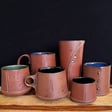
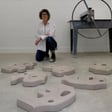
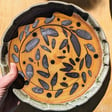
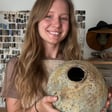
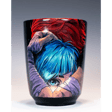
What is up everybody and welcome to shaping your pottery. In this episode I got to interview Betsy Morningstar. Betsy makes some incredible lined paper pottery where she documents her own moments of her life and she writes it down onto her pottery. In this episode you will learn how to make Betsy's lined paper pottery the power of connecting with other potters
00:00:55
Speaker
and just being inspired by little moments of every day. Betsy, welcome to Shaping Your Pottery and share with me what is one something you love besides working with clay. I love a lot of things. I view the world in a really happy positive way. One thing that recently has brought me a lot of joy and
00:01:17
Speaker
is my cat. I have a little tiny cat. She's like my little studio cat and she is really fun and lovely and it's just like a wonderful little being that I come home to and carry up into my studio. And yeah, she's definitely one thing that I really, really love. Love it. Animals are the best.
Betsy's Pottery Journey
00:01:36
Speaker
So can you tell me the story how you started working with Clay? Yeah, sure. So it was actually kind of an accident. I am a teacher.
00:01:46
Speaker
And I was going through interview processes to get a new job. And the job that I interviewed for was mainly a sculpture position at a high school. And they said, hey, do you have any experience with clay? And I was like, oh, yeah, totally. Absolutely. I can take that on. That'd be great. Meanwhile, I had only had one ceramics course in college and I knew basically nothing about it.
00:02:07
Speaker
And I just really wanted the job. And so I got the job and I immediately was like, okay, time for me to learn and figure all this out. So I was lucky enough that the small town that I lived in had a small ceramics guild and I jumped in there really quick and took a wheel throw class and
00:02:28
Speaker
got hooked. It was really fun. I like started to really enjoy making and doing and the hands-on aspect. I loved that it was terrible at it and it was something that I could try to conquer and get better at. And then at the time I was working on my master's degree in education and it was very stressful and going into the studio and working on the wheel became very therapeutic for me and I just got very hooked on it.
00:02:56
Speaker
And so then from there, I learned so much from the wonderful people who worked at the Guild. And then a friend of mine convinced me that I should just like apply to grad school for ceramics and see, because I kind of got to a point that I didn't, I couldn't figure out how to grow more myself. I hit the limit of what my knowledge and experimentation could go. So I applied and got into the master's
00:03:22
Speaker
ceramics program at Hood College and have been doing that for a while now. I'm almost done, thankfully. But then from there, it was just like an explosion of knowledge and so many things that I got to experience. And yeah, it was it was really, really cool to be able to have that opportunity. And then I just experimented for a long time. And then the pandemic hit and I was by myself in my house. So I created a studio in
00:03:50
Speaker
a little attic storage area of the home that I rent and was able to just like really devote way more time to it than I ever had. And that has gotten me to where I am now. So you mentioned grad school. What would you say has been your biggest lesson that you still kind of use today with grad
Lessons from Grad School
00:04:10
Speaker
school? Yeah, I think two things. I think number one is that with grad school, I learned that talking about art making is so important.
00:04:20
Speaker
talking about what you're doing and what you're making and what your goals are and ideas that you have is incredible because once you speak to somebody else who has other knowledge than you do and other insight, you start to really mind meld and come up with new things. So that was super important to be able to have a community in that school that was able to help me.
00:04:42
Speaker
Um, and then I think the other thing that was really cool about it was just having the opportunity to learn and know that there's always more out there. Ceramics has been around for literally ever. And, uh, there's always more stuff that we can take in and we can know, like ceramics is so humbling because it can break in a second and be destroyed in a second, but it's beautiful in that there are so many possibilities and having,
00:05:10
Speaker
grad school really helped me discover way more of those possibilities than I could have ever done on my own. For those that are listening, there are always more things that you can start learning and incorporating into your own pottery. So go out there and try to experiment as much as possible. Absolutely. That's so true.
Pandemic-Inspired Pottery Creation
00:05:28
Speaker
Can you tell me the story how you started creating your lined paper porcelain?
00:05:34
Speaker
Yeah, so that was, that started in the pandemic. Like I said, I was in grad school, I was teaching full-time, all was good. And I was getting to the point in my school that I had to figure out what I wanted to do for my master's exhibition and for my thesis work. And I had no idea.
00:05:56
Speaker
No idea at all. Um, I was still just like wandering and spinning in the ceramic world of possibilities. Um, and so then while that was all happening, the pandemic hit and I went from being a super busy person around people all the time to being by myself every day, all the time.
00:06:13
Speaker
I live by myself, so my family is elsewhere. I have a wonderful community around me, but it was really weird to be solo so much. And so I just like jumped in my studio. I went to Baltimore Clayworks and bought a bunch of clay and just started playing again. And it started with like a lot of happy things. Literally everything was just covered in smiley faces because I was trying to literally create that joy for myself that I was missing being alone.
00:06:43
Speaker
Um, and then I slowly realized that wasn't going to work for grad school for a master's exhibition and just started to really think deeper and figure out like what I could make that could also help my mental health more authentically than covering everything in smiles. And, uh, yeah, so then I was visiting my mom, I was at home and, um, we were talking about how I have done, I've been a journaler my entire,
00:07:12
Speaker
life. I've always written things down. I have a book that I write three things that made me happy every single night before I go to sleep. And I've done like small series of like photo projects on Instagram where I document like one special thing that happened every day for like a summer. And so I was talking to my mom and about all of this and I came up with the idea with her sitting at our kitchen table of like, well, what if I document moments in my life during this pandemic period to help me
00:07:42
Speaker
personally come to terms with what's happening around me and help me validate every single day of my life currently because it was a really hard time being by myself all the time. So then I started this project of like okay let's document like something important for my life no matter what it is whether it's big or small or whatever the tiniest moment helped me validate my day and then I came up with the form for the line paper just pretty organically because
00:08:11
Speaker
of journaling and jotting things down. It just felt like the right form.
Developing a Unique Pottery Voice
00:08:15
Speaker
So then I set to work in my studio just figuring out how in the world to create paper with ceramics. I had played with that before I made paper, what are they called? Milk Cartons.
00:08:30
Speaker
So I played with the idea of like Trump-Lloyd kind of stuff and I've always been a huge fan of Tim McCwall's Czechs work. And yeah, it just sort of started and I started making really simple things that look like paper and then it developed into what it is now.
00:08:46
Speaker
For those that are listening, how can you add in moments from your life into your pottery? How can you add those moments to make your pottery look even better? So now you mentioned playing, which is playing around with clay. How did just playing help you develop, start developing your own voice? Yeah. I mean, that's the cool thing about play is that you get to just be a kid for a little bit and you don't judge yourself. You just play and you make, um,
00:09:15
Speaker
One of my really good friends, Jason Laney, one time whenever I was stuck, he said, just make pots. Just make pots. Just see what you make. And I was like, okay. So I just kind of embodied Jason's philosophy of just make pots. And I just started playing and didn't let myself have any inhibition. I was like, this feels good. This makes me laugh. This makes me smile.
00:09:37
Speaker
this makes me giggle, I'll just make that thing. And so it was just little things like that that helped me want to keep going. And then that playfulness and that openness to tons of new ideas and not judging myself helped me to just create a plethora of ideas that then I could say, okay, this one's no good, this one's no good after the fact and start to create a direction to move forward in.
00:10:06
Speaker
I love it. I think playing is like one of the most crucial things that we can do to like really start developing our voice because it lets us get all ideas out there. Absolutely.
The Process of Lined Paper Pottery
00:10:16
Speaker
Absolutely. And there's like, you know, I feel like we live in a world where everything is black and white and we're supposed to have a right or wrong and act adulty all the time. And we forget that it's like, okay, just to be childlike sometimes and just play. You know, it's wonderful.
00:10:35
Speaker
I love it. That is such great advice. So now can you walk me through how you create your line papered porcelain? Sure. So I work with standard cone six porcelain and I roll out my clay really thin. It takes a couple times to roll it so thin because porcelain likes to re-wet itself as you roll it and it becomes
00:10:59
Speaker
You just I just can't get it to the consistency that I want. So it takes a couple times and I roll it really thin, cut it into templates. I have.
00:11:08
Speaker
so many silly little template shapes all over my studio that I've played with over time. And then from there I sculpt like the physical form of the paper. So I put the holes in the, I have one that's like didn't make the final cut, but I add the holes. I have a little tiny metal tool that I bought by accident from, um, and I poke all the little holes in the big ones and then I go through and I individually rip every single one. So they all start perfect. And then I finished them.
00:11:38
Speaker
Um, and I add the stripes for the lines and then I build the physical cup in the form of the paper. And then it just chills like that for a little while. Um, and then from there I inlay the color into the lines, um, the blue and the red lines, putting the red line in is one of my favorite ones. Cause it like brings the cup to life whenever the red line gets put in, it starts to really feel like, uh,
00:12:03
Speaker
a real piece of paper in the world. And then from there I use a wax resist and physically carve the journal or the note into the side of the pot and then inlay black glaze into that. So it's a multi-step process. Every piece gets like touched and put down so many times in the process of doing it all. But then the actual physical letters are, they're not just written on the top with the cups. They're actually like inlaid within it. So it creates a nice little texture that you can feel.
00:12:34
Speaker
which is quite cool that whenever I make the paper plates and things like that I do write with an underglaze pencil right on the surface instead of carving it in it just works a little bit better because the plates are a lot more fragile of a form so how do you get the lines to look like evenly spaced uh the fun fact is that they're not
00:12:59
Speaker
Um, so I, I thought about that for a little while and tried to make them perfect when I first started. And then I realized I liked the organic ebb and flow of the lines much more. And it's kind of a nice little moment, uh, where people can see that it's not real paper. I love that people look at them and they're like, what's that paper doing there? And then they start to notice these real moments where like the lines are just a little bit wiggly or a little off or a
Inspiration and Personal Reflection
00:13:24
Speaker
little uneven. And that's when they start to figure it out that it's actually ceramic.
00:13:28
Speaker
So the lines, often they'll be a little closer, a little farther away. I use the same motion, you know, every single time I do them, but I don't pay attention to them being perfect. Love it. Love it. So you, you are inspired by small moments of just everyday life. How does this affect what you're going to write onto your pottery? Yeah. So I think there is beauty in the small and the insignificant. A lot of times in our world, we,
00:13:58
Speaker
wants the big and the epic and the grand and that is how we validate our lives. That's how I tried to do it for a long time and then I started to realize that those small things are just like so beautiful and incredible and they often mean way more than the large grand things. So I have started creating a log of things that happen throughout my day. I have it's just really simple. I have a note on my phone
00:14:22
Speaker
Um, that every time something happens that I'm like, this is a beautiful moment that I want to remember. Um, I just jot it down with the very simple, it ends up looking exactly like it's on the paper, just with the month and the day, and then whatever that thing is. Um, and then I just have a compiled massive list of these things. Um, and then whenever I am making the paper and it's ready to put the words on, I go back to my note and I find
00:14:50
Speaker
the note and the paper that seems to fit together. Um, so not all of my notes ever get turned into cups. Um, it's always whatever feels right to me. Sometimes things that are most recent, I feel very drawn to put them on my cups. Sometimes I swirl back. Um, so like, you know, in 2020, and I look at some things that I wrote back then, and then I add, and they feel right to put on the cup then.
00:15:13
Speaker
Um, but it's just a really, it's also a really fun thing to have these like calendars of small moments in my life now on my phone, because it helps me think back at the things that I've done and the things that have happened. A lot of times I can remember exactly where everything came from.
00:15:30
Speaker
Most times, there's every once in a while, I'm like, who said that? I don't remember. But it's a really beautiful way to be like, oh yeah, I remember when my sister said that. Or, oh yeah, I remember when I was with my friends and that thing happened. Or it also can be hard stuff too. I'll see something that's a really heavy moment that I wrote down that was a thought that I had and be like, wow, I did that and I went through that and I survived that.
00:15:55
Speaker
which is a really empowering moment to have to. Hey, if you're enjoying this episode, I would really appreciate if you could share it with one of your friends. I'm sure somebody out there could get some value from this episode. I would really appreciate if you could share it. Now let's get back to the episode. Your life and you like you're being more present about it and I love that so much. I think we should all be practicing that it being more present.
00:16:19
Speaker
and just writing down our moments that we feel happy or when we feel angry or sad, just writing down our emotions. I think that's really wonderful. Yeah. Yeah. And it's important to document all of it, not just the positive. I think it's funny now too. My friends and family know that I do this. And so like something will happen and I'll pull my phone out and be like, are you writing that down?
00:16:38
Speaker
don't write that one down or you know it's really funny or they'll be like oh betsy we have a good one for you write this which is very sweet of them but i it's everything that i write down is always something that i've experienced from my life so i don't always write their stuff but don't tell them i mean they're gonna know now but i love it it's so awesome so what advice would you give to people trying to make some lined pottery make some lined pottery
00:17:06
Speaker
Make some lined paper pottery, sorry. Gotcha. So I think just be authentically them. I will say, if you want to give it a try, I can't stop you. Definitely please keep in mind that this is something that I worked really hard to try to make. So anytime you see artists that you're inspired by, just always be there for them and know that we all tried to do things that are
00:17:35
Speaker
who we are, you know? But I think if people are trying to make lined paper pottery and want to put their words on, I think that's a beautiful way for them to document their life.
Artistic Influence and Growth
00:17:45
Speaker
I've always really loved to do it myself. And just be patient and find your own magical way that you want to do it and put it in the world. I've seen a couple other people have made these kinds of things inspired by mine. I actually just met a woman via Instagram that has been doing something similar.
00:18:05
Speaker
She lives overseas and so it was really lovely to see her writing on her own thing that she's done. But yeah, I think just give it a try and be patient with yourself and you know, don't worry too much about what's on it. Just do what feels right.
00:18:23
Speaker
Excellent advice. Love it. So something I found interesting from your Instagram is a picture of you and your grandpa. And in the caption, you go on to say, my grandma was so artistic. She was always drawing and making things. What impact did your grandparents have on you as an artist? Yeah. Uh, sorry. Uh, yeah, that picture is really sweet to me. Sorry. I didn't realize this was going to happen. I apologize. Uh, it's okay.
00:18:52
Speaker
So my grandpa is wonderful. We're actually going to go visit him for Thanksgiving, which is going to be super great. I'm heading there tomorrow. I've been really lucky. My family is very creative and supportive of the arts and things. My parents met at the Art Institute of Pittsburgh.
00:19:12
Speaker
And both of my grandmothers actually were always creating artwork whenever I was a kid. And my grandma was just always making. She was always painting, always doing, and her hands were just like always covered in charcoal or pastel. There would always be her paintings in her house.
00:19:31
Speaker
You know, she was always had something out in some space that she was working on. She was always a very messy artist, which I love. I'm the same way. And when I would go to visit them, she would always ask what I was working on and what I was making and I would explain it to her and she would ask me questions and then she would show me what she was doing. And I just grew up with her making art be a very positive thing. It wasn't something you did in the shadows or that wasn't important enough.
00:19:58
Speaker
She always displayed her artwork. My grandpa in the picture always framed them for her and they displayed it in their home and her artwork was in every single and is still in every single room of their house. And so it was just always this very positive space of, yeah, play and take workshops and learn and whatever. And she didn't get into it a lot until later in her life. And so it was always really fun for me to come in as someone who was doing it earlier and use her as my inspiration.
00:20:28
Speaker
to continue pushing forward with something that I love. And it's funny, I can picture her hands still. She died in 2019 right before the pandemic. And so I can picture when things happen that I am doing, I can see her hands in my hands. And so I actually have a couple of cups that are about her as I worked through her passing in my ceramics.
00:20:55
Speaker
And I've always loved that my hands look like her hands. And I look forward to when I'm old and wrinkly and I have her hands exactly as I remember her. And it's really cool just to know that that creative part of her is physically in my body as well. I love that. That's really beautiful. So since starting Pottery back in 2015, what is one thing that has helped you the most?
00:21:24
Speaker
Uh, Oh man. I think one thing that helped me, uh, is just experimenting, um, and playing, like we said before, and being open to trying new things. Um, I feel like a lot of times we want to stick with a thing and get really good at that thing. Um, and that's always what I strived to do, but I just, I would never let myself settle with something. I just kept playing and playing and playing.
00:21:52
Speaker
And with that, since 2015 and working with Clay, I've just constantly been talking to people and learning from them. And I think I've had been able to surround myself with a really cool community of makers in a broad capacity of what they make and have been able to learn from them.
00:22:15
Speaker
I think those of two things have been really important for me. First, talking to people and learning from them and just being open to trying different things. Without those two pieces, I don't know if I would have gotten where I am or kept going with it all, you know, but like the joy of the community and the ceramic world has been really, really fun to be a part of.
00:22:36
Speaker
Definitely agree. A community with like building of like other potters is really, really helpful. It just, you bounce ideas off each other. It's just really great.
Overcoming Self-Doubt and Finding Voice
00:22:46
Speaker
So let's talk about discovering your voice. Before you found your voice, what would you say was your biggest struggle? Uh, self-doubt. Uh, for sure. I mean, especially because, you know, in, in Instagrammable world, everything is there.
00:23:04
Speaker
And I just wanted to like, I wanted to try everything, but I was like, Oh, I can't do that. Cause someone else already does it. Or I would make something that I would be like, Oh, this is cool. And this is original. And then someone would send it to me and be like, Oh look, this person does that. I'd be like, ah, okay. Can't do that anymore. You know? Cause I really wanted to like do something new and innovative, but I was always like, I don't know. Is this good enough? I don't know. I mean, I still feel that way. I am like the queen of overthinking and not being sure if what I'm doing is, is right. Um,
00:23:34
Speaker
So yeah, I think that was a really hard thing to get over and to work through, but then it also helped me constantly try different stuff so that I could, you know, test the waters out with, I mean, I did throwing, I did hand building, I carved stuff, I played with glazes, I made weird forms. It was just, it's been kind of crazy. But yeah, and I think,
00:24:00
Speaker
going to grad school really helped me experiment because it just like threw so much information at me that I was like I don't know what to do all with all of this so let's make everything I can think of um which was really kind of cool um but yeah I sorry I don't know if that answers your question I kind of forget what it was no that's that was great you answered it perfectly so so after you found your voice with your pottery what opportunities came your way
Opportunities and Audience Expansion
00:24:30
Speaker
Yeah, that's been wild. So about a year ago now, actually, which is crazy, I was doing my master's exhibition with notes, and that was the first time I put them all out in the actual art world and made me feel like a capital A artist, not just a person making stuff for fun, but I was like, okay, this feels real now. And then I think
00:24:58
Speaker
With that came a little bit more confidence in like who I am and what I have to offer. And then I think that started to like bleed into everything that I was doing. So I started to feel more confident putting my artwork online and presenting it to the world and I took the time to like actually create a website and put those pieces together that before I was like my work isn't like
00:25:21
Speaker
It's not good enough. Nobody needs to see this. And I had that confidence to help me. And then once I had that, then I think other people were able to take note of that and see that. And it's kind of crazy in the springtime Instagram kind of took off, which is like a weird thing that I never thought would happen. A couple people found my artwork and just started sharing it. And again, it's the beauty of the community of ceramics and art.
00:25:52
Speaker
that they just started sharing it and that started to create a wider audience for me. So beyond just my small town and my small community of makers, I started to get a broader worldwide audience, which was mind blowing and still is. And so from there, I mean, the social media aspect has really opened a lot of doors for me to be able to show other people my work and work with them. I just recently,
00:26:22
Speaker
This summer finished, I made a set of dishes for a fabulous restaurant called Esme in Chicago, just via
00:26:31
Speaker
photos and Instagram. The amazing chef, Jenner Tomaska, found my artwork online and asked me to produce a set of dishes for his restaurant and that was just like one of the most incredible like top five opportunities I've ever had in my life. It was like I went with my sister and we ate at the restaurant. It was like all of my dreams were like actually coming true. Like all of this stuff that like you imagine could happen with your artwork has been happening and that
00:27:01
Speaker
Like it's just so grand, it's hard to even comprehend it. It just makes me explode with joy. So that's been really cool. And then the other thing that's been a cool opportunity that I've been testing out lately is putting other people's words on my pottery and taking custom orders and fulfilling like really beautiful moments for other people in the world and capturing their special days and their special small moments, big moments on my ceramics and sending it to them.
00:27:31
Speaker
that's been a really cool thing because it takes me out of my own personal world where I'm putting my life on things and I'm connecting with other people and putting it out in the world for them too. And it's just a beautiful way to go from just one studio to elsewhere, you know? So yeah, and it's been cool to talk to people on Instagram and I've been having a conversation with someone in New Zealand who had a question about making things with paper clay and stuff like that.
00:28:00
Speaker
And it's been beautiful, the connections that I can get to have with people and the artists who I get to talk to. It's really cool.
00:28:13
Speaker
For those that are listening, when you find your voice, something that you like to make and is unique, you get a lot more opportunities to come your way. You can make connections, you can be able to sell your pottery, but you just have to find it and document it in order for that to happen.
Embracing Authenticity in Pottery
00:28:29
Speaker
So what advice would you give to someone trying to find their own unique voice with their pottery? I think stay true to you and really pay attention to what
00:28:43
Speaker
you enjoy. And think about like, what do you want to do? What feels right for you? What makes you happy? What inspires you? In this world where Pinterest and Instagram exists, it's really easy to want to like sell your work and make something that is sellable and see other people's stuff and make that thing because it's sellable.
00:29:09
Speaker
That's not going to be sustainable as a voice for anyone if you don't inherently like love it and feel it. So I think to find your own voice, you have to really think about who you are and what you want to put in the world. For me, it took me being alone in my house for months to really even hear my own voice. I was just, I've been so influenced by other people and paying attention to everything online.
00:29:34
Speaker
that it took me backing away from all of that and being by myself to really think about what my voice actually is and what I really wanted to say. And then from there, once you take that time to figure out what that is for who you are, then talking about it with others, because then that helps you define what that idea really is. We can have lots of ideas in our heads, and I often do, but it's when you speak about it that you start to clarify your real concepts
00:30:03
Speaker
and what point you actually wanna get across because things can seem very broad and very open or you might have an idea of what you're trying to do but maybe you're not actually making that and it's not connecting. So talking about your work, don't be afraid to have those conversations and be vulnerable in that way with someone else that you trust that can hopefully challenge you and help you to make sure that that idea that you have that's authentically you is coming through in your work.
00:30:31
Speaker
love it. So that was my last question. It was really great chat with you today, Betsy. Where can my audience go and check out your work?
Exploring Betsy's Work Online
00:30:38
Speaker
Uh, so I have my Instagram. It's morning star mud, my last name and mud. And then from there I have a link to my Shopify website in the, in my bio that you can click on.
00:30:49
Speaker
But if you just google Morningstar mode, that should also come up. Thanks for listening to this episode of Shaping Your Pottery. If you have questions about developing your voice or just pottery questions in general, send them to me my way. Go to shapingyourpottery.com forward slash contact to send me your questions.