Transcript
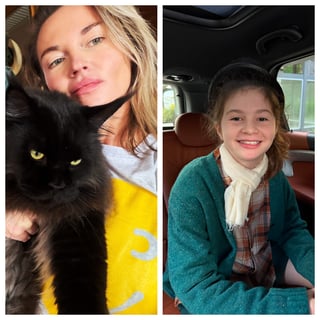
Speaker: You are listening to Something Rather Than Nothing, creator and host Ken Volante, editor and producer Peter Bauer. This is Ken Volante with the Something Rather Than Nothing podcast. And for this episode, I have two guests, Paige Henderson and Nicole Murray, who are
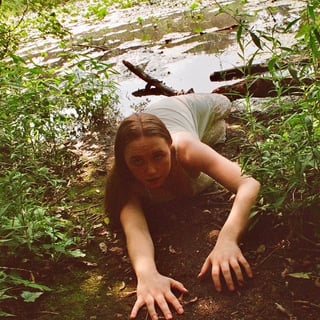
Speaker: A team of creators, they've done a show that's on YouTube. It's a web series called Dead Friends. They're both writers, creators and actresses. And Paige and Nicole, I got to tell you, I'm so excited to have you on the podcast. Wanted to welcome you to something rather than nothing. So great to be here. Thanks. Yeah, this is so exciting.
Speaker: And, um, so, uh, this is, this is the first episode we've had a couple guests and, um, just for the listeners, we're going to have a great, uh, table read from the show, uh, dead friends. So you get a little bit of a taste of maybe the creative process and how that happens. But.
Speaker: Before we get into that, I wanted to start with you, Paige, and then to you, Nicole. What were you each like as young children? Were you always have a kind of performative piece of your personality or an artistic little thread? Yeah, definitely. I grew up doing community theater, actually, in my hometown.
Speaker: The first show I was in was Wizard of Oz when I was four. So I always had that going on for me. I was also very stubborn as a kid. I was probably, being in community theater and being stubborn were probably my defining characteristics at the time. Yeah, but I just always, I don't know, I'm the youngest of four, so that really,
Speaker: kind of shaped my identity with trying a lot of new things, just, you know, trying to copy my siblings. But it was actually really great because they exposed me to really get great music. Nobody was really quite as into film as I was. I'm not really quite sure how I why I so specifically geared myself towards that because I was always interested. I always read a lot and everything as well. But film has always been a big love of mine.
Speaker: Um, yeah. All right. And for me, um, yeah, I, I've always been a little performer at from a young age. I recall like making my parents sit down and watch plays I made, or, um, I would write songs and sing songs. Um, and I did plays all throughout school.
Speaker: And also, um, I was pretty lucky because my stepdad had this like little recording studio in our house. And so as a family, we would make and sing songs. Um, but I was really the only one who enjoyed that. Like none of my other siblings ever wanted to do it. I was the only one who was really enthusiastic and we even made little music videos. So, uh, yeah, I kind of had a nice fun taste of
Speaker: that performative art from a young age. And actually, I guess I was so theatrical that my family, when I told them I was moving to LA to pursue acting, no one was surprised. They were like, yeah, of course you would. So it wasn't a huge commotion. It was like, I'm going to LA. They're like, well, we figured. Yeah, exactly. I guess it's always been in my blood. I don't know.
Speaker: Well, tell us, you know, I know there's a bit about the story that I think I read on your website, Paige and Nicole, about about your meeting and about how that kind of led into the web series Dead Friends. Can you tell a bit of that story of meeting and how that collaboration came about? Yeah. Paige and I met on a film set
Speaker: It's a short film in Seattle just a few months before each of us had already planned to move down to LA. And so then when we met and we're talking about it, we're like, hang on a second, you're moving to LA. I'm moving to LA. Why don't we do it together? It's kind of like, hey, I just met you. This is crazy. But now thanks. Yeah, so then we had a few like little
Speaker: like meetups just to make sure the other wasn't a psychopath and then moved on down together. And it's funny too, cause we, we went to the same university and didn't, didn't even know about each other at all, except like through friends of friends, we kind of had a mutual friend. And you established in for each of you both and not to put you on the spot, but each established that you weren't psychopaths, right?
Speaker: Well, Jerry's still out on that one. I don't know anybody else in L .A. That seems to be an open question. OK, so so you meet so you meet and you end up down there and then you then you work on this project. So what what was it? What was it like? Was I mean, you each have developed in your own way, you know, as far as what you do or what you write and how you act. I mean, how did that did it just kind of connect in that you feel kind of a vibrancy working together?
Speaker: Yeah, so where this actually came from was we'd already been living together for about almost a year in LA. And we both kind of, you know, the great thing right now about the film industry is it's
Speaker: very oversaturated, but we're so much more lucky than 30 years ago when you would have to rent out these huge cameras. And, you know, it was just really expensive to make a movie and now everybody can make a film. So that's kind of we started writing this web series just to give ourselves something to act in something that we wanted. And as we we kind of thought it was just going to be this little thing with our
Speaker: friend, Ben Slavin, to the DP on it, the director of photography. And we thought it was just going to be him and us in our apartment just shooting something for the fun of it. But when we were writing it, we ended up vibing really well in the writing. And it was pretty cool. It really is like a very 50 -50 experience for both of us. Like we were very much collaborating on all of the writing. And as we were writing it, we were like,
Speaker: Wait, we actually love this. We fell in love with the characters and the story, and we just wanted to do it more justice than just the three of us in our apartment. So yeah, it was fun because it came out of more of a necessity, and then it almost turned into a really great exploration of our writing abilities, creating this world, characters we wanted to play. So.
Speaker: It's funny because our original, you know, when we thought it was just going to be us and Ben, we were like, okay, what are we going to do for the spirit world? Cause we had always envisioned it to be the white void. And we were like, let's hang up white sheets in our tiny apartment and that will be the spirit world. And thank goodness that was not what the spirit world was. So no, it's not just as far as, um,
Speaker: just in the making the making of it sounded like you you're trying to use like what you can and what you had around and obviously within the material itself you know taking place in an apartment and roommates um that really become part of what you were doing from day to day or did it you know did you separate it out as like you know okay now we get to do our work or did just kind of appear a little bit more organically um yeah that's actually part of how we were able to
Speaker: I mean, I think we finished the first season in a month, like writing it, um, the whole thing from start to finish. And part of why we were able to do that is because we would make, even though we lived together and at the time we were, it was just the two of us, uh, we made sure to make, okay, on Saturday at 9 AM, we're going to meet at civil coffee, this coffee shop up the road, and we're going to write for two hours. And we treated those meetings like,
Speaker: if it was anybody else in the industry. So, you know, we couldn't cancel them because we retired or reschedule it for, you know, anything besides a huge reason we really treated each other like business partners almost in that. And that was enabled us to just, you know, write and not put it off as often happens. I feel like even with myself included when you don't give yourself
Speaker: and your art, the respect of committing to a time. Sometimes it goes by the wayside. So that was really helpful. So we're gonna get into some of the other questions that is part of the podcast about creativity in general and art in general. But as I mentioned, we wanted to do a scene from Dead Friends.
Speaker: And I was wondering if you could just do a quick little setup, and I'll help with the read, of course. But could you just set up the scene we're going to go into for the listeners? Sure. Yeah. So the scene we're about to go into is that Mel just came to move in with Kiwi. And Kiwi is her new roommate who's a bit
Speaker: eccentric, you could say. So far, the scene prior to where we're going to start has consisted of Keely giving her a tour, which is basically consisted of crystals and very invasive questions. So that's kind of where we're at. And it's the first episode. So this is just just the beginning.
Speaker: Okay, so it's the interior of an apartment, it's the kitchen, and it's daytime. And here we have another crystal. And this grasping I'm trying to bring back to life. You seem like a Capricorn. Does it for the tour? Any questions? Um, yeah, what's the Wi -Fi password? Is that human hair? Where's my room? Why does it smell like something's burning in here? My cookies!
Speaker: She opens the oven door and pulls out a tray of cookies. I made these for you. Triple chocolate fudge. I'm vegan. Oh, that's cool. Yeah, I love animals too. Awkward silence. So where's my room? Oh, right. It's the one down the hall. I'll just toss these and help you unpack.
Speaker: Keely hums as Mel grabs her suitcase and starts making her way down the hallway. Interior, Keely's apartment, hallway, day. Mel's overwhelmed. She walks down the hallway, comes upon an open cabinet filled with candles, crystals, and the same photo of the man we saw on the apartment door. This is Chris. Mel just steers, completely weirded out. It's obviously a shrine to Chris. It's weird.
Speaker: Ooh, that's Chris, my soulmate. Chris, did he? Keely nods sadly. Keely, I'm so sorry. I know what it's like to lose so many love. Oh, yeah, I mean, we didn't talk much when he was alive, but we're meant to be. We're in love.
Speaker: Excuse me? We're in love. He communicates with me from the beyond. From the beyond. Yes, I feel him every night. He'll rest my hair and make the lights dim. And when I wake up in the morning, he'll have left me little clues. Like this morning, my pen was two inches from where I had left it and it was pointing to the letter L. She looks at Mel, waiting for her reaction.
Speaker: For love, obviously. He's so cute like that. And I write him poems as often as I can. OK. Well, I'm just going to go unpack, I guess. So I'll see you later. Oh, of course. Let me know if you need any help. Mel grabs her suitcase and heads to her room. Interior apartment. Mel's room. Day.
Speaker: Mel closes the door and leans against it, closing her eyes. She's finally alone. We hear Keely outside the door humming. Mel opens her eyes and sees her room is covered in balloons. She reaches for the door handle as if to leave, but sees a present Keely left on her bedside table. She picks up the card attached. It says, I hope you find what you're looking for here. Mel decides to try.
Speaker: Who are you?
Speaker: Yo, dude, you got to help me. That crazy stalker is fucking up my afterlife. I can't move on until she stops calling my spirit or something. Just tell her to get over me. Tell her to go for somebody who's, you know, like living with like a body and a pulse. What do you say? And so now she caught. Do I say cut at this point?
Speaker: Thank you. I'd love to set up for anybody for anybody who's interested in the show dead friends web series on YouTube and The interaction between you both is is so great and I love that kind of initial over -the -top awkwardness of the meeting and
Speaker: Thank you so much for doing that scene. I know not being right next to each other and we're in three different spots doing it can be pretty difficult. But I wanted to ask each one of you, part of this podcast is about the art and the creative act of what various creators do. So I've had poets, writers, comedians, musicians,
Speaker: painters And I'm gonna start with you Nicole and then go to a page Nicole what is How would you describe the the the art of of of acting of that craft? How do you get into it? How do you go from one second, you know, just being yourself Nicole to to your character? How does that happen?
Speaker: Right. Yeah. Well, I think, you know, it's the exploration of the human experience and so a lot of how to get into a character
Speaker: really involves exploring another person's life. And kind of, you know, if you're seeing a script and you're seeing on the page that this person has this occupation or whatever other detail about them, it's up to us as actors to really explore why they have that or what in their lives has led them to the point that they're at. And all of these things so that we can kind of make these choices that come up with this very unique
Speaker: and relatable and extraordinary character that we can then play. And another part of it is kind of this finding the whatever you can use to trigger you to drop in and really be that person. And so that's kind of what that exploration is about is like finding those things that can help really ground you in this character. That way you do them justice.
Speaker: Thank you for that explanation. And Paige? Yeah. Can you actually repeat the question? Of course. It's basically about, you know, on the podcast we have, you know, get into the craft and the act of creation, right? So a singer and singing and, you know, poets, you know, the performance of poetry and as an actor, as an actress,
Speaker: What, you know, transformation happens from a moment where you're there as Paige and then the next moment you're into this creation of another character. What's that that that art of acting? How's that happen? Yeah. Yeah, I think what Nicole said about, you know, the exploration of the human experiences is something that the basis of all of the craft of acting is is for me as well.
Speaker: Uh, up until a couple of years ago, you know, when I was doing community theater and high school theater, um, I loved acting, but I was always acting. It was always something I was putting on top of page. Um, almost like a, you know, a layer of paint or something.
Speaker: If you have a flower that's black and white and you put yellow paint over it, but the actual flower itself is not yellow. And you can kind of tell, right, in those instances. And so it's become, in the past few years for me, it's really become, yes, about becoming a different person and believing it so much in your body.
Speaker: um like even physically um and I'm not just talking about you know posture or how they walk which is a huge thing because you you don't walk like anybody else in the world you know your your center of gravity and and all the aches and pains from you know that soccer injury 10 years ago they all they all change things but even just the physics physicalization of like feeling it within your soul um
Speaker: changes. So for me, that's what acting is about is just getting to that point and really believing it so much yourself when you're in the moment, because if you can't believe it, nobody else is going to believe it. And so, I mean, just those moments of transformation, for me specifically, you know, there's all of the technique of acting and
Speaker: objective and tactics and all of this stuff you do before the moment that people have varying opinions on. But for me in the moment, a lot of that big stuff for me is actually that physicalization, whether that's if I'm in a scene with a scene partner and I'm not really feeling in it, like on set, a lot of times I'll just
Speaker: I always ask content first, but I'll grab their hand and stare into their eyes and just really feel grounded in that moment. And that allows me to feel grounded in the reality of the scene. I also use music a lot. I'll find a song that really speaks to my character and in that moment in time, and I will
Speaker: just like play it on a loop over and over or I always have headphones on set. So if I know this certain scenes coming up, I'll play that song and just really sink into the feeling of that, which is kind of fun. Another another art form, you know, in for informing the art of acting. So absolutely. And I appreciate your description of that. I wouldn't have guessed that from the outside, but
Speaker: definitely understand in your description of what you're trying to do with that. Paige, just wanted to bring up another thing, a mutual friend of ours. We have Megan McGrarty, who is a director of a piece, Twin Parts, where there's a trailer for it now. You acted in that as well. In that particular short film, I think it's anticipated to be about 20, 25 minutes based on a fan film of
Speaker: Twin Peaks What was that experience like for you and were you a Twin Peaks fan prior to going into that? Yes Yes, I'm not nearly as much of a fan as Megan because she's her knowledge of all David Lynch is amazing I'm always very impressed. But no, I do love Twin Peaks You know
Speaker: R &R. Oh, my gosh. That's the name of the diner, right? Yes. Yes. OK, I know. Like I say, I'm a fan of that. I can't. But the R &R when I skied in college and would, you know, in North Bend to the diner, that's the R &R would pass that all the time. So that was kind of fun. But no, it was it was great. I love me. I think she's so creative. All of what I've seen from what we did is just I don't even know how she makes
Speaker: the video art that she does make. I'm always very impressed. And her passion is just really inspiring. And she has very, very creative ideas. So that was really wonderful to work with her. And she's so supportive and so great. Yeah. Yeah, thanks. And thanks for some of that background. Listeners know I'm a huge Twin Peaks fan myself, and I just
Speaker: It's nice to hear your perspective on that. Actually, yesterday I saw a picture outside the R &R Diner and it was a location for some of the protests around racial justice. It was interesting because you have a bit of an iconic
Speaker: image there and but also a very, you know, the very current events, you know, seen with Black Lives Matters and issues of racial racial justice. I had a couple like major things I think recently impact art and making art, but I want to focus in just for a second on that at present, you know, in general, whether it's your own art or art that you enjoy, each of you enjoy as artists,
Speaker: What do you think the role of art is in challenging or disrupting the processes of injustice that we have around us? What are your thoughts on that? I think art is incredibly important in shining a light on it. I think art in general is holding up a mirror to humanity and to reality, and it allows us to
Speaker: to understand what we're experiencing, what's going on in the world. I think art is incredibly important. Representation in art is so important. And, you know, Hollywood especially, I mean, not just Hollywood, but indie films as well. But Hollywood is so just everywhere. It just permeates our life. So the stories that are chosen to be told have a huge impact on
Speaker: what our country and what our world is thinking about at the moment and the struggles that we're understanding and learning about. And so I think it's the responsibility of artists to not turn you back on what's happening in the world or from racial injustice to everything. I think it's really our duty as artists to
Speaker: bring that to the forefront and to tell these stories that have been pushed under the rug for so long. I mean, without getting too, you know, crazy into too political of a discussion. I mean, just our history books, even that we, the history we learn in school in this country from being a child is
Speaker: is very much one -sided and very much pushes all of these stories under the rug that are so important to understanding where we are and how we should be better and how we can change. And so I really think that's now more than ever up to us as artists to continue to shine light on those stories, to hopefully make people have
Speaker: you know, question themselves, question what's happening, question our reality, make people have those hard conversations with themselves. Yeah, I think art is incredibly important. Yeah, thank you. Go ahead. Yeah, no, I
Speaker: all of that, well said, Paige. But adding on to that too, yeah, I think art does a really, it provides a really nice avenue for bridges to be gapped in order to provide more of like an informational platform for a lot of people. I think art opens doors and minds and I think
Speaker: It educates people about an experience from a different level. It's more than just reading something on the page and then trying to put that into words in your mind. It's like evoking a feeling and an understanding that I just really think does a great job of connecting people and bringing them together and helping people share their experiences, which, again, is why representation is so important in art, representation from all
Speaker: diverse backgrounds, because we all need to do a better job of understanding each other and trying to open our minds. And I just think art does a beautiful job of that, because it goes beyond the surface always. Yeah, I really appreciate your answers to this. I wanted to tell you, I mean, just on the acting
Speaker: component one of the most amazing Probably the most amazing interview about a particular actor in a director was with Spike Lee and Denzel Washington when he was playing Malcolm X in the movie Malcolm X and Spike Lee described when he offered the the part to Denzel and
Speaker: He says, you know, I really want you for this part. You're the only person to do Malcolm X and then sells. I'm going to need some time because I'm going to pull everything I can from the spirit of this character, Malcolm X. I mean, if he was Muslim, I'm going to live as a Muslim. I'm going to eat as a Muslim. I'm not going to have pork if I'm not supposed to have pork. I'm going to celebrate the rituals. And he did this for a month, for months, for months and going to filming and then
Speaker: Spike Lee talks about, during one of the speeches that ends up in the movie, that he's watching Denzel, who's now, in Spike Lee's mind, is Malcolm X. He's given a speech, he's given a Civil Rights speech, and he went on for about 10 minutes, and Spike went up to Denzel afterwards and was like,
Speaker: Oh, I didn't write any like what was that? And where was that? Where was that from? Like that was amazing. And he said, you know, Spike, he said to give Denzel's answers, Spike said that that spirit entered you, didn't it? Like and the director, you know, Spike Lee was just watching and said he got so much into it that there was some other spirit of Malcolm X got into him.
Speaker: And that scene remained. And that just blew my mind. The role of art in kind of like transformation. Anyways, if you ever get a chance to see that, it blew me away because it was almost so good. It was scary. You know what I mean? Yeah. Yeah. I definitely have to check that out. That's really cool.
Speaker: So what's going what's going on now? I think on the outside, you know, you both have done a web series. You're involved in community art and in various projects. What's it like now for you as artists in, you know, in a pandemic? What's going on with what you try to do for each one of you creatively right now?
Speaker: I think for one, you know, the pandemic, having the shelter in place has kind of provided an ability for, I think a lot of people have been looking internally more and then taking the time to kind of do the things that they want to do. Like for me personally, I've kind of
Speaker: really examined myself as an artist. And I've been like, OK, I'm staying at home all day. So let's use this time to really delve into my art and take it further and find my weaknesses and really work on those. And so I think the pandemic for how terrible it's been has also provided a really nice means for people to focus on themselves and their passions.
Speaker: And then beyond that, I mean, I think the industry has done a really good job of providing opportunities for people through like monologue competitions. There's some like free film festivals going on. And so Paige and I, we've been, you know, making little films together, helping each other with our self tapes. And, you know, personally, I felt like I've done so much more acting and
Speaker: art than I've done usually in this amount of time. And so again, for how negative a pandemic is, I feel thankful I've had the opportunity to be able to do that. Yeah, I mean, obviously everything, all production, you know, has been halted. But I agree with what
Speaker: Nicole has said it's been an interesting experience to have that time. And, you know, normally throughout the year, you get an audition a day or two in advance and it's kind of this like rush. And then both of us are continuing in scene study classes, which is great. But sometimes you kind of lose focus of, you know, because living in L .A., the film industry is such a business.
Speaker: Sometimes it's easy to lose focus of the art of it a little bit. So I think this time has been, like Nicole said, I think everybody over the world is kind of taking a step back and thinking and examining and just sitting with yourself a little bit more, just kind of figuring out how you want to lead your life a little more.
Speaker: as tragic as the rest of the consequences have been. Sorry, what were you? Well, yeah, and I know because I've talked to and then I think, you know, the impact has been strong upon artists. I've talked to artists who, you know, have kind of
Speaker: feel they need to rebuff the pressure to create, right? So like for me, I would say for myself as a creator, and you know, you know, my job, my main job, I work for a labor union, and I'm doing everything remotely. Being at home with less running around everywhere into, you know, just late hours, bargaining contracts and stuff, it's given me the opportunity to be at home and to create things. But
Speaker: It's also, I know when I've talked to creators being like, okay, I know I'm supposed to create something now, but I don't feel like fucking creating anything. I mean, like, I'm sorry. No, no, go ahead. Um, the first, I mean, in LA, the first, the first time we were in quarantine, it was only for two weeks originally. And.
Speaker: Yeah, the first two weeks I cleaned the house, I deep cleaned everything, I really avoided doing any sort of art. I'm so sorry, my dogs are freaking out. No, the last episode we had, the podcast is a pet -friendly podcast, so don't worry.
Speaker: What was it? Oh, yes. But I was totally doing all of that because I knew it was like, I have this time. I should finish that script. I started in August. I was like, nope, I'm going to clean my kitchen instead. Nope, I'm going to do this instead. So I totally also think it's, and then eventually after the two weeks, it was extended. Then I kind of let myself breathe a little bit and look at the script when I was able to. I was able to finish that script which was
Speaker: very great for me. But I do. But yeah, I totally think there's there was that pressure to to create because you have the time and it was it was very debilitating for me at first. Yeah. But I think the biggest thing has even been less be, for me, in terms of art during the pandemic has even been less be like
Speaker: output, because I finished that one script that I started in August and haven't finished a million other scripts I could have been finishing during this time, you know. But so I think the biggest thing for me has been able to just, yeah, like the direction I want to go and things I want to focus on within art. And so even if I'm not, haven't had the capacity to do that at this time, because, you know, these past few months,
Speaker: have been very hard on the world psyche. And I think we do need to give ourselves a break and just honor that a bit. Absolutely. Um, yeah, I know that the pressure that it's, it's created for folks can, can be one thing. And I also like, no, you know, part of the thing about the podcast is asking fundamental questions, right? And I think some of those can be a little bit disruptive of being like,
Speaker: You know, why are we, you know, why are we doing this? And I think those become more pronounced when there are these larger events that disrupt our basically our understanding of what the world's like in, you know, our senses of security and and and and things like that. Yeah. For for for both of you, you know, on this point. Can you tell me, you know,
Speaker: why it is that you seek, that you do create as artists, like as a fundamental question. I see like the work that you had done on Dead Friends during the quarantine had the ability to watch the whole show and for everybody listening, let me ask you both. I think it's a little bit over an hour for the total content of Dead Friends, is that correct?
Speaker: Yeah, it's like 67 minutes, I think. Yeah. And so I was able to I was able to do that. And for me, you know, in enjoying your art, it was very entertaining. It was funny. It helped me to watch it. And so that that's great. But on your side, you know, creating things right now, do you I mean, maybe we'll start eating the coal. You ever a question of like, you know, why do I create? Why do I act? Why am I trying to do this? You know,
Speaker: from the get -go, what am I trying to accomplish? Yeah, yeah, for sure. Especially because, you know, when I started acting, when I decided to move down, I don't think I fully understood really why acting called to me. And then as I was able to explore it more, and especially with Dead Friends becoming a creator in all of it, I was
Speaker: I was amazed by how much I really loved just storytelling in itself and what it can do. And, you know, and as I'm delving deeper, I realize that there's such power in storytelling and, um, you know, it can range all the way from being a
Speaker: just a fun comedic piece to make people happy all the way to delving into really important themes such as death, the afterlife, or even going beyond our piece. And again, back to that representation and exploring the injustices of the world and shedding light on challenges and problems that we as a humanity need to overcome.
Speaker: So I think I create in summation. No, I mean, I create because I believe in the power of storytelling. And again, whether it's from a one simple point you're trying to get across all the way to being open -ended and just being like, what does this mean to you? Let me share what this means to me. What does it mean to you? I think that
Speaker: creation is such a beautiful avenue for people to explore beyond where they would normally be or the thoughts that they normally have seen into other people's perspectives and lives. And then answering like opening questions within themselves that maybe they wouldn't normally think about. Yeah, thank you. And Paige,
Speaker: On the same question about why you create, what compels you, what you're trying to do? Yeah, that's a very good question. I feel like I mean, this is going to sound so basic. And I feel like people say this all the time. But I create because I can't not create.
Speaker: I like am somebody who needs to as much as sometimes I am, you know, I can sometimes be closed off. But I within myself, I need to explore my humanity and understand the world. It's a way for it is a way for me to understand the world to like questions that I have are sometimes things I start writing about, or specifically with acting if you have a character that you just really
Speaker: don't understand, but to be able to play that character, you do need to understand. Like, you don't need to, you know, maybe agree with that character, but you need to understand them and you need to love them. Still, which is what our acting coach, Kimberly Jensen, always says, like, playing the love, finding that love, even in the character who seems like they're a terrible person. Sure. So I think, yeah, for me, it's it's the best way I've found to interact with the world to
Speaker: to question the world, to try to understand the world, and in doing so, hopefully help other people understand. And that's more at the spiritual level of it, because I do think everything we've talked about with art holding up a mirror to society and having a sort of responsibility when you do create to do it,
Speaker: responsibly and acknowledging the world and what's happening. Yeah, I don't remember what I said. Did that make sense? I thought at the end of mine too, I was like, did that come full circle? No, it's the question of why in Korea, I mean, I always try to like
Speaker: place the question properly because how you ask is kind of weird. Fundamentally, I think it's a question behind anybody who's created anything, right? So it's like, what are we doing with our time? Why are you creating this? What's the intent? And sometimes it's a little bit startling of a question, but just kind of like the psychology
Speaker: You know behind because you make the effort and some people will simply say look I'm compelled I don't know how to do anything else like it's breathing and doing this for me, so I can't do anything else for you So that's where it is where others might have a gift or a talent in a particular area, but be like well You know that they can't connect to it and then feel compelled okay, so there's a couple more couple couple more questions and and
Speaker: uh the one of the big questions I like to ask on on the show and um page i'm gonna i'm gonna ask you here first is um what is art what do you believe art to be yeah I think that art is the expression of being human I think
Speaker: It's at the core of what being a human is. It's the moments where we let our humanity take over and are just expressing and experiencing that, whether that's a film, whether that's a dance, whether that's a conversation, whether that's an athlete. I think it's those moments where we're most in tune and as much as we've talked about, you know,
Speaker: Like I don't think art is a historical or a temporal, like it's always created somewhere and says something either actively saying something about what's happening in the world or is informed by what's happening in the world and therefore it says something. But I think art is when we let everything that's going on hit us and then we take away all of the societal expectations and norms and restrictions
Speaker: And what comes out of that is art, like how we express out of that, if that makes sense. Yeah, it sure does. Nicole, what is art? Yeah, and again, beautifully said Paige, definitely agree there. Thank you. Yeah, I think, I mean, it's the exploration of humanity, definitely. And I think it provides a really beautiful way for us to all connect and communicate with each other.
Speaker: And I think art is exclusive to humans. Excuse me if I'm wrong here. But what I know is that humans are the only beings that we currently know express themselves through an art form. And I think that that means something.
Speaker: really lovely intertwining of cognition and, you know, whatever you believe your soul to be and your creativity and all this just mixed into one. And it's just so unique. The unique expression of humanity. Yeah. Yeah, I appreciate it. It's a fun question. It's a fun question for me. And I think it's one that
Speaker: You know, I think my experience is that everybody kind of argues over it and they don't realize that they're arguing over it. So if you think about music, right? Like you're talking with somebody who likes a band and not only are they going to say that they like a band, that's the best band that they've ever heard, right? And they try to discuss that with somebody who doesn't like the band. It's basically a lot of times saying like, this is an art piece that is worthy. That's like the best musical art piece I've heard in modern music. The other person's like, ah.
Speaker: It sucks. And then it's kind of how it works. So I always like the question to kind of try to get a little bit of a backdrop of how we're thinking about the things we create. Prior to getting into like, you know, expressing to the listeners how they can connect with more of your material. And I didn't mean to cut you off there.
Speaker: The big question for the podcast as well is, why is there something rather than nothing? And that's the question. And any any takers, any first victims on the question or?
Speaker: Can I just quickly backtrack and say I just looked up whether humans are the only ones to do art? Yeah, do it. Do it. It's other animals as well. So I'm a liar. I knew I was. Well, let's talk about our anecdotal knowledge. I know there's an elephant. I know. Isn't there the elephant or the gorilla?
Speaker: the pain. There's primates, it looks like dolphins, elephants. Okay, so I'm just a jerk. No, I didn't give them the. No, no, no actions of being speciesist. We're learning, you know, they're learning. Their art is their expression of being an elephant. So it's like, like for us, it's our expression of humanity. It's for them, it's our expression of being an elephant. So it still holds up. Thanks, Paige.
Speaker: Yeah, I was thinking, and I'm glad you brought up the animals because it just tells you when you when you brought that up, I was thinking, OK, is, you know, I've been listening to too much Kurt Vonnegut science fiction lately, but I was thinking, OK, is it like aliens or is there some other aliens discussion we can get into? But I was like, that's why I said the Dorian. Exactly, exactly. OK, so why is there something rather than nothing? This is a cool question.
Speaker: Well, I don't really have an answer. My only answer is that this is honestly, I remember the first time I had an existential crisis. I was like seven and I was in the Kitsap County pool under the slide and there was water coming down for me. And I had just read an Archie comic where Archie was
Speaker: like in a video game instead of in his real life. And that just really hit home for me. And I was like, why am I who I am? Why am I here? Why am I not in a video game? Am I in a video game? And I know it's not exactly the question that you're asking, but it kind of is. Yeah. Yeah. And so I don't, you know, I don't really know. I don't really have an answer for that question of why is there something rather than
Speaker: nothing. All I know is that there is something instead of nothing, or at least our experience is that there's something rather than nothing. So we should honor that and make the most of it and make more something, make art and engage with the something because it's, you know, it is a gift.
Speaker: But I have no idea why there's something rather than nothing. I think your answer was, I think there was absolutely an answer there. And the question itself is super uncomfortable every time that I ask it, but
Speaker: The background of the question in general is always about, you know, creating things, you know, and some I think some folks think about like, you know, creation of the universe or are there, you know, some things or as an artist, am I creating something, you know, out of nothing and what I create? So it's like it's the question. So it's not an easy one to not an easy one to to handle. Good question. Yes.
Speaker: Um, may I say something on it as well? Absolutely. Please. Yeah. I just, you know, what comes to mind here, which may sound way more simple than, um, is justified for this question. But what I've always thought about, um, and not to get too dark here, but when I've kind of had conversations with friends who, like a couple of friends in college who had some difficulties and, you know, um, didn't know why to really exist. And I think my,
Speaker: what always came to mind for me was, why not? You know, it might as well. We're here. Let's do something about it kind of a thing. You know, we're, we have an opportunity. So let's take advantage of it, whatever that means, taking advantage of it, whatever it means, rather than accepting nothing. Yeah. I've had this,
Speaker: you know, and I appreciate that answer as well because it actually gets right into it because I mentioned when I've talked about this question before, there is a dark element like in the sense of
Speaker: You know, if within Plato is like he had said that philosophy was just a contemplation of death. Right. So like, all right. So we have a limited amount of time on the earth. You know, what are we doing with our time? Like why are we creating? What is it that we're creating and things of that nature? And it's like that, you know, that that fundamental. And I think that's when sometimes
Speaker: the on the podcast, we get into more of psychology or even sometimes the psychology of the creator because it's, you know, grappling with that question, which is a profound and difficult and difficult one. Yeah. So at the at the end of the show here, I wanted each one of you, Paige and Nicole to kind of
Speaker: We talked a lot about dead friends and twin parts that I mentioned coming out from Megan McGroarty as a Twin Peaks short. Could you each tell us about just where to come in contact with you as actresses, as creators, dead friends, things that I might not know about that you can share with the listeners? Yeah, so you can find dead friends at
Speaker: deadfriendswebseries .com. You can also find it on YouTube if you just type in dead friends web series. We have an Instagram at dead friends underscore web series, Facebook, Twitter. And for me personally, my Instagram is Lil underscore Jinja.
Speaker: L -I -L underscore G -I -N -G -A. Can I try to say that? Lil' Ginger, right? Lil' Ginger? Yeah. Yeah, all right. Paige is smart and has a website, though. I do. It's pretty rough right now. But yeah, you can connect with me on my website. Hey, it's Paige .com. Pretty easy to remember.
Speaker: My Instagram's at page P -A -I -G -E, Ella. Oh God, I messed it up. My Instagram's at page Ella H, which is P -A -I -G -E -L -L -A -H. That website has a contact form. Yeah.
Speaker: That's great. And again, on YouTube for Dead Friends. For both of you, I mean, just as far as a final question, like looking into the future, I know a lot of things feel uncertain. Just out of curiosity, is it a new project? What's going on with Dead Friends? Is that something that is picked up in other venues?
Speaker: What's, what's, what's ahead for both of you? Yeah. Yeah. So dead friends wise, um, we've been submitting to festivals, um, and, uh, we are, um, in kind of, we have season two written, um, which has been great. Um, so, but we obviously can't really quite do anything right now with that.
Speaker: So we've just kind of been on the back burner for pre -production for that. And then, personally, continuing acting as well. Nicole and I have our little production camp, Bernice Felt Dog Productions, where we do Dead Friends. And we both have written other scripts that we're hoping to develop as well. But then we're both also
Speaker: actors in other people's work all the time, as you mentioned, with Megan's piece. So yeah, just I mean, not again, not as much right now, but generally continually auditioning. I have a couple of films lined up that we're supposed to film during, you know, April, June, which obviously have been postponed. But yeah, so just all of that. I love acting and I love creating and I'm excited to see you
Speaker: where our production company goes because that has become a fundamental part of my life as well. It's not only acting and other pieces works, which I do love. I love getting a script that I didn't write and trying to understand this character that's brand new to me is really fun. But I also really love writing and creating and seeing this creation that just came from our minds come to life. So more of that in the future.
Speaker: Yeah, and I wanted to thank you both. The show is a lot of fun. I had mentioned that to you. You're both very talented and I enjoy
Speaker: work that you put together and really wish you a lot of good luck in the future. I want to hope to see you both in acting roles but also whether you're collaborating or writing it's a lot of pleasure and it's great entertainment as far as you reach in me in the work that you do. But I wanted to thank you both Paige Henderson and Nicole Murray
Speaker: for joining the podcast and hope to hear a lot more from both of you in the future. Thank you so much. Yeah. Thanks for having us. This is so great. Thank you. You are listening to something rather than nothing.