Become a Creator today!Start creating today - Share your story with the world!
Start for free
00:00:00
00:00:01
118: How Should We Eat To Be Healthy? With Abby Langer, RD image

118: How Should We Eat To Be Healthy? With Abby Langer, RD

S7 E118 · Movement Logic: Strong Opinions, Loosely Held
Avatar
1.2k Plays5 days ago

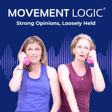
In this episode of the Movement Logic Podcast, Laurel and Sarah talk with registered dietitian and longtime myth buster Abby Langer, RD, about what it actually means to eat in a healthy, sustainable way. Abby brings clarity to some of the most confusing and overhyped nutrition messages online, explaining the meaningful difference between dietitians and nutritionists, why food guidelines get so much misplaced blame, and why simple habits like eating more fiber, plants, and whole foods still matter far more than clean eating, hormone-balancing diets, or supplement-driven solutions. She breaks down ultra processed foods, weight gain misconceptions, what causes overeating, and why carbs, fruit, sugar, and seed oils have all become targets of unnecessary fear.

The conversation also explores protein needs, plant versus animal protein, the role of fiber in digestion and satiety, what gut health is and isn’t, and why probiotic claims are often overstated. Abby shares how her decades of experience in hospitals, primary care, and private practice have shaped her evidence-based approach, and she offers grounded advice on how to build a sane, less anxious relationship with food in a culture that thrives on extremes.

SIGN UP for our FREE Barbell Mini Course
FOLLOW @MovementLogicTutorials on Instagram

RESOURCES

abbylangernutrition.com
Substack: Bite Me
Instagram: @abbylanger
Recommended
Transcript

Introduction and Expert Backgrounds

00:00:00
Speaker
I'm Laurel Biebersdorf, strength and conditioning coach. And I'm Dr. Sarah Court, physical therapist. With over 30 years of combined experience in fitness, movement, and physical therapy, we believe in strong opinions loosely held. Which means we're not here to hype outdated movement concepts.
00:00:15
Speaker
or to gatekeep or fearmonger strength training for women. For too long, women have been sidelined in strength training. Oh, you mean handed pink dumbbells and told to sculpt? Whatever that means, we're here to change that with tools, evidence, and ideas that center women's needs and voices. Let's dive in.

Barbell Basics Mini-Course Announcement

00:00:47
Speaker
Hey everyone, it's Laurel and welcome back to the Movement Logic Podcast. Before we get into into today's conversation, I want to quickly remind you that we have a free three-day mini course all about barbell basics. If you've ever wanted to feel confident using barbell equipment, bench pressing, dead lifting, back squatting safely and effectively, or if you're unsure just generally how much weight should I be lifting at your current strength level, This mini course walks you through exactly how to do all of this.
00:01:17
Speaker
It gives you the tools and the technique and the know-how. It's totally free and you can grab it through the link in

Dietitian vs. Nutritionist: Understanding Differences

00:01:23
Speaker
our show notes. Today, Sarah and I are talking with one of my favorite dietitians online, Abby Langer. Abby has been a dietitian for more than 25 years, beginning her career in hospitals, working in medicine, gastroenterology, and the ICU, and later spending a decade in primary care, caring for patients across the lifespan. She has served as the clinical lead dietitian at two major Toronto hospitals. In 2013, she started Abby Langer Nutrition, a full-time counseling practice. She's also written a best-selling book,
00:01:55
Speaker
Good food, bad diet, the habits you need to ditch diet culture, lose weight, and fix your relationship with food forever. She now sits on the Men's Health Magazine Nutrition Advisory Board and contributes regularly to outlets like CBC, USA Today, Forbes, and more.
00:02:12
Speaker
Abby is passionate about nutrition, science, and helping people cut through the confusion with evidence, clarity, and compassion. And I think you're really going to hear that in our interview with her today. If you've ever felt overwhelmed by nutrition advice online, confused about who to trust,
00:02:28
Speaker
bombarded by messages about clean eating hormone balancing diets seed oil panic sugar fear gut health everything or weight loss promises that just don't add up abby brings clarity and sanity and some much needed humor we dig into what dietitians actually do why food guidelines get so much misplaced blame the real drivers of weight change what actually matters in a healthy diet, and how to build a calmer, more grounded relationship with food and a culture full of extremes. So let's get into it.
00:03:07
Speaker
Welcome, Abby. Thank you so much for joining us on the Movement Logic Podcast. We're thrilled to have you. Thank you. I love your Instagram presence. I love the way that you are taking the influencers to task and helping de-complicate eating for all of us and all kinds of nutrition misinformation that is basically proliferating the internet. So thank you for your takedowns, your one-two punches, the way you stick it to them.
00:03:37
Speaker
You are welcome. You have a way with words and we really appreciate your approach. I just wanted to add, we're always really thrilled to meet fellow Mythbusters and you work in an area that is not our wheelhouse, right? So we were really excited to bring you on.
00:03:56
Speaker
We also really like to define terms at the outset. So what is the difference between dietitian and a nutritionist? And then does that really matter if you're just someone looking for general nutrition advice?
00:04:10
Speaker
The difference is that a dietitian is a regulated health professional. So all dietitians are nutritionists, but not all nutritionists are dietitians. Because the title is protected, the title of dietitian, have to be registered and have written boards and belong to a regulatory body, depending on where you live. in order to call yourself a dietician. Anybody can call themselves a nutritionist. So does it matter?
00:04:38
Speaker
i think it does, but it depends on the person. It depends on what you're looking for in terms of nutrition advice. If you're looking for nutrition advice that is evidence-based and from someone who took the schooling in order to really understand anatomy, physiology, biochemistry, all of that stuff...
00:05:01
Speaker
and can apply it to their practice and is governed under statutes and and guidelines, if you will, of their

Nutrition Guidelines and Their Impact

00:05:12
Speaker
regulatory body. If those things are important to you, then you should be seeking out a dietitian.
00:05:16
Speaker
Nice. yeah So literally anybody can be a nutritionist. Like I could just start saying I'm a nutritionist. Yes. Laurel, what we found a new a new avenue to grift from here on out. grab Movement and nutrition logic. That's our new name. Trust me, I'm a nutritionist. That's like a lot of people online who do that kind of stuff. And, you know, it it brings them authority because people don't understand that dietitians are...
00:05:44
Speaker
The actual authority, they hear nutritionists, and they think, oh, okay, this person has done like a course or two year program that is it does just doesn't measure up to what we do in dietetics. Yeah.
00:05:57
Speaker
That's good to know. So just so I'm clear, the registered part of the registered dietitian is the accountability part? Yeah. So I'm registered with the College of Dietitians of Ontario. So they oversee my practice and their job, as with all regulatory bodies throughout North America, is to protect the public from me.
00:06:20
Speaker
Yeah. It's not protecting me from the public. It's like my doctorate physical therapy, right It's the same thing. like yeah Yeah, exactly. you know it's It's a degree that I am accountable to. I can have my license taken away if i if there's malpractice, things like that. Right. Yeah.
00:06:34
Speaker
ah Very cool. Thanks for explaining that. Okay. Yeah. And so we want to talk about what we should be eating to be healthy, Abby, because we are bombarded with all kinds of advice and we're a little lost. That's a big topic. Yeah. So people often, i notice, criticize the food guidelines. they They have a lot of Beef, or maybe they're vegetarian, they don't have a lot of beef, but they have a lot of things to say about how the government just is corrupt, and they're getting it wrong, and the doctors are corrupt, and they're getting it wrong, and the guidelines, they're total shit. Are these criticisms...
00:07:13
Speaker
way off base? Is there some truth to it? And maybe you can tell us what the guidelines are even. First of all, nobody follows the guidelines. And we know that there is evidence, scientific evidence that shows that the the majority of people in North America do not follow any kind of nutrition guidelines. So as far as the argument that the guidelines are making people sick, and yes, I've heard that a million times, that's total bullshit, because nobody's following the guidelines. Only one out of 10 of us get enough fruit and vegetables, and 90% of us don't get enough fiber.
00:07:50
Speaker
That's the crux of the actual guidelines. We're not following them. So the guidelines, are they corrupt? Listen, you know, I think in every industry there is corruption of some sort. In Canada, the industry players were not invited to the table for our latest food guide development.
00:08:13
Speaker
just because of that. They're like, no dairy industry, whatever industry, you are not going to take part in this. How do you feel about that? i think it's great. i think it's great because listen, industry does have a stake in what we eat.
00:08:30
Speaker
Absolutely. And a lot of this is fine. It happens in every area of our lives. Someone's making money somewhere. However, I do believe that food guidelines, population-based guidelines, if you will, should not have industry influence.
00:08:48
Speaker
I truly and strongly ah strongly believe that. And it's not a good look, right? Yeah. yeah so So what's going on with us in the US? what Tell us about ourselves. Like, what what what do we have going on that Canada is doing better? Mm-hmm. I know that guidelines in general are moving towards less prescriptive. You know, you need six servings of X, you need seven servings of Y, and more along the lines of eat fewer processed food drink foods, drink less alcohol, choose more whole foods, eat with other people, make food part of the community and and enjoy what you eat. And that is a very much a step in the right direction. Okay, cool. Yeah.

Critique of Dietary Recommendations and Trends

00:09:33
Speaker
But I mean, if we're going to talk about corruption, like, how about your government is saying that they're going to make saturated fat a recommendation, like eating more saturated fat a recommendation? I don't know if that's like, that's ah not necessarily going happen, right?
00:09:49
Speaker
But most people who are in nutrition and in the medical community are aghast at that suggestion, because it's in the face of all of the evidence that we have. And yes, there is so much evidence that that saturated fat, a diet height saturated fat is not health promoting. Yeah, we have we have a little like mini question about the push for beef tallow on yeah our list of questions we want to ask you, but I guess we could just knock that one down right now. Like I see everywhere I'm in Alabama, which is a very Republican state. Yeah.
00:10:20
Speaker
And now everywhere these restaurants that are already selling like really high in fat, greasy foods are now shifting to beef tallow. Yeah, of course. As if that makes the food healthier.
00:10:32
Speaker
it has this now buzzy word, feel to it where like you see beef tallow and you're like, okay, it's beef tallow. That's so much better, right? Kind of like cane sugar, so much better than actual sugar whatever the actual sugar is. Didn't McDonald's a while ago stop using beef tallow to fry their French fries because it was unhealthy? But so now we're bringing it back in? Like what is happening?
00:10:55
Speaker
What's happening is that there is a fringe group of people, unfortunately, that has permeated your government, whose ideas are not evidence based. However, they're in positions of authority, right? And so people are like, oh yeah, you know, let's, you know, have natural flavors and Skittles. So they're healthier and beef tallow. And I don't know. But like, it's not any healthier. And it's merely a distraction from what would actually make people healthier, which improved nutrition, education, access to healthier foods, whole foods, subsidies for those whole foods, access to healthcare, care access to safe housing, like all of those social determinants of health are just being ignored because, oh my God, Fruit Loops have a...
00:11:46
Speaker
No artificial colors anymore isn't that healthy. What a win. so So you're saying you're saying taking away SNAP benefits is not the right direction to head in? It's so awful. There's so many people on SNAP. I did an Instagram reel about it the other day where this guy, this conservative commentator and not all conservatives or Republicans are.
00:12:09
Speaker
ah Follow these you know people and they're not bad people and all of that. But it's like this fringe, very loud group where who are like... This guy was like, Snap Benefit. they join The people who use that are just bad people. And a lot of them are just lazy and entitled. And it's like, no, dude. Like...
00:12:30
Speaker
How about hundreds of thousands of veterans? How about people who are going to school and can't afford groceries because they're trying to get a degree and contribute more to society or the elderly or the disabled? Like there's so it's just like without nuance.
00:12:48
Speaker
It's like, let's pit us against everybody else. Yeah, it's let's let's pit everyone against poor people or everyone against yeah just name some vulnerable group of people.
00:13:00
Speaker
yeah It's crazy as a Canadian looking at it. It's so nuts to me that people believe that kind of rhetoric is helpful.
00:13:11
Speaker
Because as I've grown up, I mean, I did live in the States for some time. But, you know, as someone who lives in a country with socialized medicine, I see the benefit of taking care of your neighbor and how, you know, people in the US sometimes like to say, oh, well, Canadians, it's, you know, you wait for healthcare, you'll die waiting for a whatever transplant. That's not true. And listen, like your society reaps the benefits when you take care of each other.
00:13:44
Speaker
And it's just a different way of thinking. Yeah, it's hard to watch. It's hard to be in. Yeah. like I mean, I have plenty of American friends and I just feel like, and they're just beside themselves really. Yeah. I don't even know what to say, honestly. I'm just like, I just want you to do the talking, Abby, because I'm in a state of despair. Well, I could talk about it for a long time, but not sure your listeners really want to hear that. Yeah. Let's get back to...
00:14:13
Speaker
the topic at hand, which is food and eating and being healthy, Abby. So we hear a lot about what we should be eating in terms of certain types of diets, right? So I remember like five or 10 years ago, it was about eating clean.
00:14:28
Speaker
yeah you have to eat clean. And now it's about hormone balancing diets or sometimes anti-inflammatory diets. So I want to ask you, are any of these ways, evidence-based ways to eat Is there any legitimacy to these ways of eating? What are these ways of eating? What do you think these words actually mean? Clean eating, hormone balancing, anti-inflammatory. I would say the vast majority of people who use those buzzwords because that's all they are and try to sell you products or diets or whatever, do not even know what they mean.
00:15:01
Speaker
Clean as it relates to food has absolutely no official meaning And it just can mean anything. it generally means like whole foods, no chemicals, even though everything's made out of chemicals. Like, don't even get me started. um Anti-inflammatory, sure. We suspect, we suspect that a diet that's full of fiber and whole foods and very little alcohol or ultra processed foods can help with inflammatory markers. And then what was the other one?
00:15:34
Speaker
The hormone balancing, which is like worse because you actually see some dieticians doing this too, which makes me enraged. Because what is that? What is balancing your hormones? Hormones are always...
00:15:48
Speaker
not balanced, like they're always in flux, right? So what does hormone, a balanced hormone look like? Like we don't have an answer. And it looks different for everybody. It's all just marketing spin. Yes. Like when you eat a combination of protein, carbohydrates and fat,
00:16:06
Speaker
It does help your blood sugar rise slower and come down slower. Is that what they mean by hormone balancing? Or is it just like some nebulous term? Usually it's the latter, right? Yeah. The bottom line is that my personal recommendations have not changed for probably two Close to 20 years. I've been a dietitian for 25 years, 26 years. I don't know.
00:16:32
Speaker
Close to that. And i I'm knee deep in the research every day. But we've always known that, again, it's not sexy. Lots of fiber, lots of plants, lots of whole foods.
00:16:46
Speaker
enjoying what you eat, not feeling stressed about, you know, food choices and freaking out about, you know, is this going to make me fat, not drinking a lot of alcohol, not eating a lot of ultra processed food, consistency, those are the things that really matter.
00:17:01
Speaker
Who cares? Like, i don't give a shit about an anti-inflammatory diet. What the hell? are like, fucking all these dollars on AG1 and then you go and drink two fucking glasses of wine every night? Like... what something So frustrating, because a lot of these people, they just they major in the minors.
00:17:24
Speaker
And it's like, do you have the basics down? What cares about all of those diets or supplements? Are you eating enough fiber? Are you eating enough fruits and vegetables? You know, are you eating on a consistent basis in a consistent way? I think we see something similar in the fitness exercise world where right people get so jazzed about like ah this special variation of an exercise or doing like this particular thing or this new piece of equipment that's going to blast your booty or whatever. But the majority of them, again, are are to your point, are not doing
00:17:59
Speaker
the bread and butter, they're not doing like basic like ABCs of getting stronger. I think sometimes as humans, we like the new flashy, we like sparkly things. Of We like something. And that always seems more appealing than like what this sort of very quotidian prescription of like, oh, I'm going to pick up a barbell. That's dull.
00:18:17
Speaker
Yeah, that's old. That's old school. But it's yeah people want want results and they want them now. And they are never going to be satisfied because um there's no quick fix. I mean, I guess Ozempic or GLP-1 agonist medications might be the quickest fix we have, but not everyone qualifies for them and not everyone should be taking them.
00:18:42
Speaker
yeah So it sounds like we have a shiny thingitis and we also are impatient. Right. Oh yeah. prefer It's the human condition, right? Right. Okay. That was going to be my question. I'm like, what's up with people? Why are we always majoring in the minors? Why can't we just stick to the boring basics with exercise, nutrition?
00:18:59
Speaker
Okay, cool. Yeah. So let's talk about, you mentioned ultra processed foods a couple of times, and I sort of became aware of this new concept, or new to me, I should say, concept of probably a few months ago. Can you tell us, like, what's the difference between just processed versus ultra processed? What's so bad about ultra processed? Help me.
00:19:19
Speaker
Isn't pasteurizing milk basically processing it? That's right. Okay. yeah So those two terms cannot really be used interchangeably, although that is frequently done. So processed food is any food that has been hulled or roasted or pasteurized, anything like that. But it it generally most often resembles its initial form. And it also means that there haven't been a lot of additives added to it. Okay. Ultra processed food is sort of the opposite of that. It has had several additives added to it. It has been highly refined. It does not resemble what it came into the factory as. It's ah often high in sugar, in fats, ah low in fiber. So those are the foods that...

Challenges in Accessing Healthy Foods

00:20:12
Speaker
we recommend eating less of. Do I recommend never eating ultra processed food? Absolutely not. Most people love at least a few types of ultra processed food. And not only that. They're delicious. yeah They're delicious and they're also accessible and convenient.
00:20:29
Speaker
So it's not about eliminating them altogether. It's making them a smaller percentage of your diet in favor of more whole and minimally processed foods.
00:20:43
Speaker
But it's harder for some people than others because if you're eating out of a food bank or you don't have a lot of money, ultra processed foods tend to be the quickest choice and the most accessible choice. And so to say, well, everyone, you know, can buy a bag of dried beans and some rice and then cook that. It's like, okay, well, what if they don't have a functioning kitchen? Or what if they're working three jobs and don't have the time? Like, it's so important to understand the nuance behind food choices and why people make them and their individual situations, which are probably not like yours.
00:21:23
Speaker
you know Right on. Yeah. Right on. All right. Let's talk about weight gain. That's another topic I hear a lot about online. Apparently, there's a lot of ways to gain weight and a lot of different things you're not supposed to eat. If you don't want to gain weight, there's something about inflammation I keep hearing, something about doing too much cardio. There's just so many ways to gain weight, apparently. So how does how does weight gain work, Abby? Like,
00:21:48
Speaker
Why do people gain weight when they don't want to gain weight? What are they doing wrong? Or what do they need to change? Listen, that's a great question, but the answer differs for everyone. What are people doing? They're eating too many calories and it they're not burning enough calories. Some of the things that I see most often in terms of people's habits that cause weight gain um is they exercise too much, which leads to...
00:22:16
Speaker
being really hungry and overcompensating with food. Right? I mean, i don't know if you guys have experienced this. But for example, I was training for a marathon and i actually gained weight because I was eating so much because I was so hungry. But there's also this element of per permissiveness, right? Oh, I ran 15 miles, I can eat like two donuts and a apple fritter.
00:22:41
Speaker
Would you say that the the issue there is people are exercising too much or would you say that they are not eating at the right time or said they're eating actually too much?
00:22:54
Speaker
So um there's new research that shows that exercise not only gives a sense of permissiveness and increases hunger, but also tends to slow down the metabolic rate to conserve calories if you overexercise.
00:23:11
Speaker
Right. I'm not saying that nobody should exercise. It's just not a great weight loss tool. Yes. And and the body has compensatory mechanisms that that lead us to eat more and conserve fat. Right.
00:23:31
Speaker
in our body. So it's, it's not a good idea. I see. ah i ah I'm saying this because I see people who exercise a lot with because they want to lose weight and it just doesn't work for them. So that's what you mean by exercising too much by exercising too much.
00:23:49
Speaker
Yeah, I mean, exercising too much is The exercising too much is the nuance here, right? Like everyone should be active and but ah and that's just for health. But in terms of weight loss, it can work the opposite if all you're doing is like slogging away at on a treadmill for like two hours a day.
00:24:12
Speaker
Yeah. I also think that while training for a marathon is probably not the best time to also try to be in a calorie deficit losing weight. You know what I mean? Like we have to kind of pick our seasons. If you're trying to lose weight, maybe don't also be training for a marathon. Yeah. I mean, and and I don't even think I was, in my case, trying to be in a calorie deficit, but it just made me so hungry. And I heard that from a lot of people where they're like, i I gained weight, because I was so hungry. And I also felt like I could just eat whatever I wanted, because I ran so much.

Weight Management and Eating Habits

00:24:46
Speaker
But I also see a lot of people drinking alcohol, a lot of alcohol.
00:24:51
Speaker
which is basically, I hate the term empty calories, but they're non-nutritive, right? There's really no benefit to drinking alcohol, at least no health benefit. I see people who graze all the time.
00:25:08
Speaker
have a lot of grazers in my practice. They come to me, they're like, I graze all day. I thought that was good for me and I'm gaining weight because your stomach is never empty and it's never full.
00:25:19
Speaker
So you're always in the perpetual snacky mood, right? So that tends to lead to overeating. And just picking things, you just eat more than you you think. So there's so many reasons why people gain weight when they don't want to. And generally speaking, these are all habits that people are unaware of.
00:25:42
Speaker
Yeah. You know, which is why I have people record their intakes, not necessarily with calories, but it's ah like great information to have a food record so that you can really look back and think, oh, yeah, like I've been eating all day long, i should have more protein, or I should have more regular meals, I skipped breakfast here, look what happened later on in the day, like all of that stuff is valuable information.
00:26:12
Speaker
I hear people say that it's the carbs that make them gain weight. Is there any truth to that? Yeah. You know what? I heard that too. Like I was recently talking to someone who I've known forever and they were like, yeah, i can't eat pasta because every time I eat it, I gain a bunch of weight. And I'm like, yeah, because glycogen binds three or four times its weight in water. That's just water. It's not fat. Like we don't want to gain fat.
00:26:38
Speaker
obviously, but you're not going to gain fat unless you consume more calories than you burn. If you have a small dish of pasta, like no one's going to gain fat from that on its own.
00:26:51
Speaker
Right. Some people even say that fruit is basically candy. Yeah. Yeah, that's just another extreme version of nutrition that is so prevalent right now. And it's it's so harmful because it's confusing to people. It makes them anxious about eating and and they don't are like, what can I eat if I can't eat fruit? Like I thought fruit was good for us. And it's just it's it's a bad state of affairs right now, because anybody can position themselves as an expert and say stuff like that. And they'll have an audience.
00:27:26
Speaker
Yeah, some people even think that sugar is poison is sugar poison. Do humans ever consume actual poison and live Abby? Not intentionally. um Yeah, no. so sugar is not poison. Food is not poison. it's not toxic. It's it's just food.
00:27:43
Speaker
And people who speak in hyperbole like that are people who you don't want to be taking nutrition advice from. Anything is harmful if you eat too much of it. And sugar is included in that. You know, but unfortunately, we live in a society now that thrives on extremes. So if I go online, which I often do and say, it's okay to have some sugar, i get dragged. Oh, obviously, I'm promoting people eat like a diet full of sugar and that they go out right now and buy a case of chocolate bars and pop tarts because you know, oh my god, look at the dietician. She's like giving terrible information. There's no gray area.
00:28:26
Speaker
right now. And the reason for that is that it gets more clicks and more attention when you're extreme. Yeah. Yeah. So sugar. So cane sugar is healthier than high fructose corn syrup, right?
00:28:40
Speaker
There has been no evidence that shows that consumption of high fructose corn syrup is any more dangerous or that it affects our health any differently than normal sugar. The thing is with high fructose corn syrup is that it is in a lot of sugar-sweetened beverages, like sodas, right? So they take people and they're like...
00:29:05
Speaker
You know, the people who drink the most soda, which has high fructose corn syrup, are the sickest, um or they have the fattiest livers, which is not surprising because soda delivers a very large amount of sugar into your body at one time. It overloads the system, right? If you're drinking a lot of soda, I'm not saying you should never have a Coke every once in a while, like whatever. But of course, that's it. But it's not the high fructose corn syrup. Rather, it's the amount of sugar that people are putting into their bodies that is the problem. And I've tried to hammer this idea home for years. I don't care what sweetener you use, like honey, maple syrup, white sugar, brown sugar. They're all the same to our bodies. I don't care if coconut sugar has nutrients. Like, are you eating sugar for the nutrients? You must be eating a lot of sugar for that, right? things are up Oh, it's lower on the glycemic index. Yeah, but you're not eating it on its own. So all of that is a moot point, right? Use the one you like the best and use the least amount of it that you can.
00:30:15
Speaker
yeah Maha made this big deal. Oh, now Coke has cane sugar in it. So it's so much better for you. yeah And I did post about that. I mean, it's all performative distraction from the things that really matter and that will really make people healthier.
00:30:31
Speaker
All right, so we've we've demystified the idea that any one type of sugar is better for you than any other type of sugar. Maha be damned. What about different types of fat? We talked a little bit about how saturated fat is not something that we should be you know pushing for.
00:30:47
Speaker
But in terms of sources of fat, are there generally you know better or worse sources of fat? So a healthy diet has a combination of fats. I'm not telling anybody not to eat saturated fat ever. The only fat that we should never eat is trans fat, but it's being raised out of the food system. Other than that, and saturated fats can be a part of any healthy diet that includes seed oils, which are, everyone says are so toxic, but the recent.
00:31:18
Speaker
Why never really, I just saw people getting upset about it, but never, I was like, this seems dumb and I never bothered to investigate like why, why are people upset about seed oils? Yeah, because they think that seed oils cause inflammation and that they are highly processed, blah, blah, blah, because the people who eat the most seed oils apparently are the sickest. However, seed oils are present in a lot of ultra processed food. So is it the seed oils or is it the ultra processed food? Mm-hmm. You know, this is the thing. It's like we're getting dumber. I mean, can you not, correlation does not equal causation. But because it's a soundbite, oh, seed oils are terrible.
00:31:58
Speaker
You know, and that gets attention. That's a narrative they continue to push. When a very, very brief lit search will show you very good evidence that seed oils like canola oil, grapeseed oil, soybean or oil, whatever, otherwise known as polyunsaturated fats, decrease inflammation. a diet that has these seed oils in it is associated with better health markers, not worse.
00:32:27
Speaker
And the saturated fat thing is, you know, it also has nuance. I've been saying that word so much because nutrition basically is nuance.

Myths in Nutrition: Sugar and Dairy

00:32:35
Speaker
Saturated fat from animal products like meat, for example, like red meat,
00:32:41
Speaker
is showing to be more harmful to our health in terms of our cholesterol levels or like blood lipid levels than saturated fat from dairy products.
00:32:52
Speaker
Okay, so there is no association between higher fat dairy products and heart attacks or risk for all cause mortality. Huh. That's interesting. I didn't know that. And, and, uh, a study from quite a few years ago, debunked the whole dairy is inflammatory thing. Like that's nonsense. It's absolutely anti-inflammatory. People avoid dairy like the plague, but it's such an easy and accessible way to nourish yourself. I love it actually. And I'm not working with the dairy. bar I did, it but I'm not right now and haven't for a while. So yeah,
00:33:28
Speaker
It reminds me a little bit of the whole, like there are people who are lactose intolerant, that is a thing. And there are people who have celiac disease, that is a thing. yeah But it always sort of struck me that people went on like a non-dairy, non-gluten diet always as an excuse not to eat bread.
00:33:45
Speaker
Yeah, I know. Just tell people you're trying to lose weight and you're cutting out an entire food group, you know, because your naturopath or your whatever said they always take out gluten and dairy. That's like, I just actually laugh because were like, oh yeah, no gluten and dairy again. can we talk just for a second, like a little ah detour here?
00:34:08
Speaker
Naturopaths. not I knew you were going to do that. They're not they're not all bad. Okay. So tell me about naturopaths. You told me about nutritionists. You told me about dietitians. I'll tell me about naturopaths. Naturopaths. Actually, it is a regulated health profession. Listen, I want to preface this by saying that there are dietitians, registered dietitians who give terrible advice, who are full of garbage. But naturopaths, I do see quite a bit of pseudoscience.
00:34:35
Speaker
coming from that sort of group. Are there naturopaths that stay in their lane and who are amazing? Yes, absolutely. Absolutely. But it's just... It's making me think of chiropractors, because I think you could say the same.
00:34:50
Speaker
ah hundred percent. I know a bunch of chiropractors who are awesome, yeah but they stay in their lanes, right? Yeah. Yeah. right Cool.
00:35:00
Speaker
Let's talk about protein. and Abby, officially, once and for all, how much protein do we need? You know, it just depends. But we know that the recommendations of 0.8 to 1.0 grams per kilogram that were around when I was in nutrition school, and that was 1997, 1998, those way too low. Those like the minimum.
00:35:23
Speaker
those are way too low those those are like the bare minimum Okay. We know that it's more like 1.4, 1.6 or grams per kilogram of protein for healthy people.
00:35:43
Speaker
There are exceptions, but for most healthy people, yes, that is that is the recommendation. 1.4 1.8 per kilogram. Because I do think sometimes people also get confused here in the States and they just translate it to per pound, which ends up being like a shit ton more protein. lot. It's literally more than double the amount of...
00:36:07
Speaker
protein. You do it with pounds instead of with kilograms. and and And some people are recommending that. I think one very popular author who happens to be Canadian is recommending a very outsized amount of protein. And I've had people come to me for nutrition counseling and they're like, but you know, Peter Attia, that's who it is. um yeah you And I'm like, but you're not eating anything else.
00:36:30
Speaker
You're eating so much protein. It's actually pushing out every other nutrient. Yeah. in your diet because you're too full. Protein has a huge effect on satiety. So if you eat too much of it, you're just going to feel Like you're not hungry ah all the time. and we don't need freaking protein popcorn and protein candy. Yes. And water. And no that's all marketing. Don't fall for that. If you want candy, eat candy. Don't eat a freaking bag of $8 protein.
00:37:01
Speaker
It's disgusting. I bought them. and I was like, oh my God, this, you know, pass the freaking jelly beans. This these is just this disgusting. You know, it's, it's, please start recognizing marketing when you see it.
00:37:18
Speaker
Well, I remember when everything went fat free, right? It was fat free this, fat free that. And it was like, people got fatter because they were like, oh, I should be eating this. It's fat free. remember i've lived through that, the salad dressing and the snack wells and the fat free Oreos or whatever, and the mayonnaise. It was like, yeah, they're translucent. It was weird. it gave you the shits. It did. Oh oh my god, Olestra. Yeah.
00:37:42
Speaker
Olestra was the worst. I loved Olestra though. I brought some back for the dieticians where I was working. I brought some a couple bags of Doritos back and oh my god, my friend who's a dietician ate too many and she was on the toilet forever. Oh no. Like orange poo. It's disgusting Yeah, was gross. Can we have another detour conversation about Peter Atiyah?
00:38:08
Speaker
um Just hot take on Peter Atiyah. I don't know a lot about Peter Atiyah. I try to, everything I've seen so far has been aggravating to me, especially the fact that he's Canadian. didn't know was Canadian. yeah Toronto, but I could be wrong. But um yeah, you know, there's been this big explosion of celebrity nutrition and wellness gurus, including like the carnivore shirtless guy and fucking Bobby Parrish and that Peter Atiyah and Huberman. Dude, no
00:38:45
Speaker
These are just the perfect example of people who are taking an extreme position to try to sell people longevity and wellness and buy this and in my red light friggin' and my yellow fuckin' glasses and they get all of those stupid glasses. If you see someone wearing those yellow glasses,
00:39:08
Speaker
Immediately. That's a problem. There's red flag. First of all, why do you want to live forever? And you're not anxious about fucking living an extra two years. You're going to make yourself sick and and you're going to make yourself broke, which is also associated with an earlier death. Mark Hyman is another one. It's like, yeah so all of these people, they have an agenda and that's great and everything. Like, sure, let's increase our health span. But we not do it with unnecessary bullshit and and saunas and fucking cold plunges, there's no evidence behind that. Maybe there is, but it's in rats. And you're not a rodent. So like, are you doing the basics, right? comes it keeps coming back to the basics. And we just, we hate that so much. I know. Peter Atiyah is so, you know, like so captivating and, you know, like this is the way you're going to, and I know the research and it's like, and Stacey Sims is another one. It's like, ye
00:40:09
Speaker
Oh, God. Yep. It just, and probably Mary Claire Haver. These people, they're selling snake oil. And they're preying on lot of women who are desperate because they have been ignored by the healthcare system, which is horrible.
00:40:24
Speaker
or they're just preying on people who are afraid of getting old. Yeah. We're all getting old. We're all going to die. yeah One thing you'll never hear him talk about are the social determinants of health. Yeah. Peter Atiyah?
00:40:36
Speaker
None of the people you named. Never. Like ever. called them all out for it. I called Mark Hyman out for his absolutely elitist positions. that like Basically, if you're poor, you're screwed because you can't afford ghee and fucking grass-fed yogurt, whatever. It's like crazy already. Yeah. and Same with Atiyah. He'll talk about how he works out 10 hours a week or something like that. I'm like, well, I'm very glad for you that you have all that free time. time I know. Because you have the wealth that you have built up by grifting people out of
00:41:11
Speaker
so many things. But to Laurel's point, the thing for me that's always so frustrating about these these people in general is the idea of optimizing yourself is this thing that you should be working towards. like Everyone needs to be optimizing every single aspect of your life. Yeah, bio-wealthy.
00:41:27
Speaker
it's Yeah, exactly. Everyone's looking to hack everything, but it's it's making people sicker. Yeah, it's not working. it's Well, it's only working to make these people more wealthy. True. It's very self-involved and the antithesis of what we were talking about earlier, which is a healthy society takes care of itself. But if I'm so up my own butt about my longevity and all the supplements that I need to be on and the cold plunge that I need to do every fucking day, like... like I don't have time for you, neighbor. i don't have time to be worrying about these people over here because me me me me, me, me, me. And what do I need to buy? And what do I need to buy? You know, it's like, that's very Gabrielle Lyons. That's another one. yeah All of them. they're It's just so obnoxious and none of it's real too, you know, and the image that they portray, i don't think is real. And also there's no evidence that these people are going to live longer or be happier than anybody else.
00:42:19
Speaker
They can have a lot more money though. Yeah. we Yeah, but they're assholes. That's true. That's true. want to live your life as an asshole grifter? Like that's yeah a choice. That's a choice. it's there They, you know, no matter where you go, there you are. They still have to wake up with themselves in the morning.
00:42:36
Speaker
I got one more question. I do want to ask because I hear this a lot. Is plant protein inferior to animal protein, Abby? Yeah. Yeah, so that's a great question. it is not as bioavailable as animal protein. However, that doesn't mean that you have to eat twice as much.
00:42:55
Speaker
to get the same amount. A healthy diet has a combination of foods. You don't have to worry about, oh, my tofu isn't as bioavailable as my steak. Just eat more plants, eat beans, eat lentils, eat a variety of foods, it'll work itself out. Yeah, I heard that if you eat a variety of plant proteins, you're going to have the full profile.
00:43:16
Speaker
is that yeah Yeah. So aside from bioavailability, plant proteins, most plant proteins, except for soy, have a limiting amino acid, meaning they're not a complete protein. They don't have all of the amino acids in the amounts that are required. But yes, we used to believe that you had to eat plant proteins together, like beans and rice, for example, in In order to form a complete protein, we now know that that's not necessary. The body does it for us. As long as we eat a variety of protein foods ah every day, then we don't have to worry about that.
00:43:49
Speaker
Oh, that's great. Yeah. All right. So we talked about protein. We've talked about sugar. We've talked about fat. Let's talk about fiber. Okay. Because this is one that I feel like suddenly my entire Instagram feed is fiber.
00:44:02
Speaker
fiber. And I was like, fine is this is it because I'm entering like the Metamucil age of my life? Like what is happening? fi relaxing why what How much is enough fiber and why is it important that we get enough?
00:44:14
Speaker
yeah What is it actually doing for our bodies? Okay. So most healthy individuals need between 20 and 35 grams of fiber a day. Most of us are not getting even close to that. We're getting like maybe 15 or 12 grams per day The purpose of fiber is many pronged. It helps keep us regular. So it helps our digestive system function properly. It helps with satiety. So it helps us be fuller for longer. It helps with blood lipids. So its job is to bind to some of the cholesterol and bring it out of

Health Benefits of Fiber and Probiotics

00:44:48
Speaker
the body. And it also feeds our good gut bacteria, which I mean, we're only at the tip of the iceberg in terms of gut health and its effects on human health. But we do know that a healthy gut fed by fiber, it seems to be linked with a multitude of health benefits.
00:45:06
Speaker
So in other words, like we need to get going on our fiber intake. Right on. Hey, I got a question about these Olipop sodas, these fiber sodas. like What is up with that? Can you drink fiber? I don't understand this. How can you drink fiber?
00:45:21
Speaker
Yeah, so they do have fiber in them. It's inulin fiber, ah most of all. There are a couple other kinds that other products use, but it does count as fiber. However, many, many people become really gassy with it. like I wouldn't say...
00:45:39
Speaker
You should have 12 Olipops or poppy whatever sodas every day to get your fiber. You'd be farting like you'd go into orbit. You have the worst diarrhea cramps, like most likely, right? Most people can't tolerate a lot of that because it's a sugar alcohol. And so it's just like really farty. I mean, that being said, those symptoms occur because your gut bacteria are having a party in there.
00:46:08
Speaker
digesting the inulin and that's a party that you want to host you just don't want to get out of hand right like anybody but yeah they do have fiber you know as an adjunct to a higher fiber diet it's fine i do think there is a bit of a health halo with those sodas well aren't they highly processed well they're soda and they do they have sugar they have lower a little Lower sugar. It's fine. Like you can crack one open every once in a while, but they're super expensive and a healthy varied diet has several different types of fiber.
00:46:43
Speaker
There we there are just There's more than just inulin fiber. And so you really want to include a variety of whole foods in your diet. So you get that. and If you want to have a prebiotic soda every once in a while, that's fine too. But yeah.
00:46:58
Speaker
Awesome. up Thank you. Yeah. yeah getting to ask all the questions I'm curious about. Laurel, did you want to ask a little bit about the gut health stuff since we sort of started talking about it? I do. And it's going to actually also be a vehicle for my next question that I'm selfishly very curious about. Okay. So gut health, apparently it's now all about gut health. And you said we're kind of just at the very tip of the iceberg with gut health. So is it true that it's all about gut health? Does everything come down to gut health and are there gut healthy foods? Yeah.
00:47:28
Speaker
Okay, so great question. So does it all come down to gut health? Well, some quacky people say that every single disease has its basis in gut health. I call bullshit on that. um No, it doesn't all come down to gut health. A lot of it seems to come down to gut health. We don't know. Nutrition science is it's very hard to keep people in a lab and actually unethical. And when I say very hard, it's impossible to keep people in a lab over a long period of time and feed them a controlled diet to assess the outcomes in their health over time. But what we do know is that people who eat
00:48:08
Speaker
More fiber seem to have better health outcomes. And we believe that it has something to do with the health of their gut. What does the healthy gut look like? It looks different for everybody.
00:48:22
Speaker
That's another component, right? we know It's important to recognize that there's so much we don't know about gut health. So making really bold, definitive claims about gut health, they're just making that up because how could they possibly know? Yeah, like one of the the claims that I see quite a bit is around gut health and weight loss.
00:48:42
Speaker
for example, gut health and mood. There may be associations with certain strains of gut bacteria and those outcomes, but we don't know the mechanism.
00:48:55
Speaker
h Like, how does it work? And how do we get more of these bacteria? And what's the level of those bacteria that we need for that outcome? And how long does that outcome? live Like, these are all unanswered questions. So anyone saying, oh, these probiotics, they're fat-burning probiotics, that's bullshit. Nobody has done that research, and it doesn't exist.
00:49:15
Speaker
So probiotics are bullshit or people who are saying, well, you'll lose fat by eating them? That. But probiotics is another thing. Probiotics are great if you have a specific...
00:49:26
Speaker
condition, if you will, like C. difficile or like drug induced diarrhea, traveler's diarrhea, or IBS in some cases, but just taking a probiotic so you don't get a cold, like my mom used to make me do in the 80s.
00:49:41
Speaker
That's never been proven. Okay. So yeah, people put a lot of stake into these things. And it's like, no, there's no evidence behind there's very specific strains and in doses of probiotics for very specific conditions. Everything else is like, no.
00:49:57
Speaker
So if my yogurt says probiotics on it, or if anything says probiotics on it, it's just a marketing ploy? Well, it is um in most cases, except for if you're selling probiotics, if you have an actual label telling you the strains and that, you know, they're, they're specially packaged to withstand the acidic environment of the stomach and how, how many colony forming units there are in that product. People buying probiotic yogurt, like Activia is a good one um It has research around it, but not all yogurts probiotic. And also a lot of the yogurts that are advertised as probiotic don't have
00:50:35
Speaker
as much probiotic in them as they say. And it's like a mess a little bit. Well, I have one more question. It's kind of about gut health. I love fermented food and I get in really big trouble in my house when I bring kimchi into the house. It's so good though. i love kimchi and everyone else thinks it smells horrible. i wanted to ask you about kimchi, pickles, pretty much if it's fermented, I'll love it and I'll eat it.
00:50:57
Speaker
Do these vegetables have the same nutrients in them as fresh vegetables? Like, am I getting the same benefit? I know I'm getting a lot of salt. I understand that. yeah But if I'm willing to accept that trade off, am I still also getting the micronutrients from the vegetable that's fermented? Or is it not the same?
00:51:16
Speaker
That's such a good question. I don't even think I know the answer to that. But you asked me earlier about foods that are good for gut health. And aside from fiber and fruits and vegetables and whole grains and all of that, fermented foods have been shown to be good for gut health as well. Just make sure they're fizzy.
00:51:34
Speaker
Fizzy. Yeah. So you know how you go and you buy some sauerkraut or pickles or even kimchi and you can feel like it's not fizzy. It's like kombucha. Yeah, kombucha. But that tells you that the bacteria is alive.
00:51:47
Speaker
o Which probiotics are bacteria. But if you heat them, they die. Yeah. And how are a lot of foods jarred? They're put into the jar and then cooked. So like that jar of pickles, probably not probiotic. That barrel of pickles you get in the Polish deli down the street that like has been there forever.
00:52:09
Speaker
Those are more likely to have probiotics. That's good to know. Yeah. good to Interesting. I just learned so much, by the way. Yes. It's really, really interesting. And I was like, How we possibly have sane relationship possibly have a sane relationship with food at this point.

Developing a Healthy Relationship with Food

00:52:28
Speaker
Like, what does that even look like anymore in a world where we're we're bombarded with some good information and a lot of misinformation on the internet where there's a societal aspect to it, where there's an emotional component to it, right? Our our personal relationships to food. As women, there's a whole...
00:52:48
Speaker
patriarchal relationship to eating and being a lady and you know you're not supposed to eat too much you you know all that kind of stuff right so that is bullshit first of all the patriarchal stuff you need to immediately reject I think, you know, yeah it comes down to again, focusing on the basics and tuning out the noise. There are so many people out there who give great information, and then they'll sprinkle in little kernels of pseudoscience. yeah And that's problematic. So my advice is to clean up your social media feed, focus on the basics, don't compare yourself to others.
00:53:25
Speaker
And if you have issues around food and eating, if you grew up in a household where parents dieted or put you on a diet or commented on bodies and you're constantly on a diet or you feel awful about yourself and you punish yourself by restricting food or dieting and you don't feel worthy unless you weigh a certain amount, that's not a food thing. That's a psychology thing.
00:53:51
Speaker
Yeah. and Take care of that. Clean out your closet. So you're free to eat in a way that makes you happy. i often will send clients to psychologists just because you're not going to make lasting, meaningful change with me for your nutrition until you take care of all of that other stuff. That's why everybody needs to check in with themselves right now What's my relationship with food like? How do I feel about myself and my body and food? And how did I grow up? feeling about food and hearing about bodies. um But yeah, like just try to tune out the noise and understand that most of the stuff and that we see on social media is not real.
00:54:31
Speaker
There was a recent study that showed that 1% of diet and nutrition information is accurate. It was like 1% or 3%. It was very low. The rest is accurate. So just understand that most of what you hear even if it sounds great, may not be the truth.
00:54:48
Speaker
It also depends on what the algorithm rhythm is targeting you with. It's like I follow people like you and other evidence-based experts in their respective fields. And I feel like the percentage of correct information I might get might be a little bit higher, but then I hate follow a lot of people. See what they're up to. like i I refuse to do that because it makes me so angry, but I guess like, I don't know. But um if you have a trusted person like me or Amanda Thieb or Jed Gunter or Dr. Ids, see who they follow. Yeah.
00:55:26
Speaker
Hopefully they don't hate follow people, but people who we follow the most are people who have evidence-based views. Yeah. Yeah. Is there, sorry, I just have one last little follow-up. Is there a way, i mean, that sounds like a really good way to know, okay, these people all follow each other. Therefore, if I find that one of them is trustworthy, likely the rest of them are trustworthy as well. Apart from that, are there other ways that people can really suss out if what they're seeing online about nutrition and food is real or pseudoscience or fake. like Yeah, I mean, like anybody who is making claims that use fear or shock value, you know, you can cure cancer by this one thing in your pantry or never eat Pop-Tarts or crumble cookies because they contain yoga mats and, you know, they're toxic. That kind of rhetoric is such a red flag.
00:56:21
Speaker
People who have stores where they sell supplements like Amazon stores, they have their own lines of supplements. That's a red flag. No hyperbole, red flag, skinny talk. There are a lot of influencers who are berating people for not being skinny and saying how great skinny is. Obviously, that's terrible and harmful.
00:56:40
Speaker
And so anyone who, you know, is... demeaning um and punitive to others for how they look and how they eat, don't go there. yeah And anyone who doesn't acknowledge the social determinants of health, who make nutrition and food and eating seem, it's easy. you know, it's not easy.
00:57:06
Speaker
Simple does not mean easy. And it also does not take into account other people's struggles. So anyone telling you that X is easy, forget it.
00:57:17
Speaker
Maybe it's even for them, but what about everyone else? that's Those are really good tips.
00:57:24
Speaker
Well, Abby, thank you very, very much for coming on and talking to us. I knew this was going to be a lot of fun and it was. And I also learned so much. So thank you. Where can people find you, Abby?
00:57:39
Speaker
Yeah. so if you want to book an appointment for nutrition counseling with me and get more information about that, you can go to my website, abbylangernutrition.com. You can find me on Substack at Bite Me, period. but a new thumbsta um And on Instagram at Langer Nutrition and on Facebook at Abby Langer Nutrition.
00:58:04
Speaker
Perfect. We'll put all of that in the show notes. Awesome. All righty. Thank you. on
00:58:15
Speaker
Thanks for listening, everyone. After we wrapped the recording, I just wanted to let you know that Sarah and I continued to ask Abby questions. And one more question that we did ask her off air that I wanted to share her answer with you here was, we asked whether frozen or canned vegetables are as healthy as fresh vegetables. And she told us that they're often healthier because they are processed right after picking. Fresh produce, on the other hand, can sit on trucks or in storage for weeks, losing some nutrients along the way. So actually, frozen or canned vegetables can be healthier. So we wanted to share that answer with you because it sort of flies in the face of at least what I thought, I thought, oh, if it's, you know, in a bag or in a can, it's not as good for me. She does say that you might want to rinse the canned vegetables because a lot of times there's a lot of salt in those. But at any rate, I thought this was a really good thing to share.
00:59:11
Speaker
And I think it's good news because it's just going to make eating vegetables more accessible, more affordable and less sustainable. I don't know. I always feel guilty when I have to throw away the fresh vegetables that we didn't end up eating. I compost them, but I still feel kind of bad. You don't often have to do that with frozen vegetables, at least. We eat a lot of frozen vegetables in my house because um you just take what you are going to eat for that meal, right? So anyway, I wanted to share that with you because I thought it was just such refreshing, evidence-based, accessible advice, which Lord knows we need more of that in this world.
00:59:44
Speaker
All right, everybody, we hope you enjoyed this episode and make sure to check out our free three-day barbell mini course in the show notes. It's free and it's a lot of fun.
00:59:56
Speaker
We bring our personalities everywhere we go, Sarah and i but you also learn how to bench press, deadlift, back squat. These are life skills and you'll learn to do it with confidence and you'll learn exactly how to know how much weight to lift because we get that question a lot. How much weight should I be lifting? You can figure that out yourself with a few simple tools. So head to the show notes, click the link and sign up. You'll get that free mini course delivered directly to your inbox, instant gratification style. Until then, happy holidays. we will see you in two weeks for our next InBetweenie.