Transcript
Speaker: Greetings friends. Thank you for joining us on the Mentally Oddcast where each week our guests regale us with tales of the creative process through the lens of addiction, recovery, mental and emotional health, trauma, treatment, medication, all that there because we believe that no matter what you are going through, you are not alone and you can make art about it.
Speaker: Art helps. Find us on Ko-Fi, that's K-O-F-I, to support the podcast and get all the back issues of Sometimes Hilarious Horror Magazine.
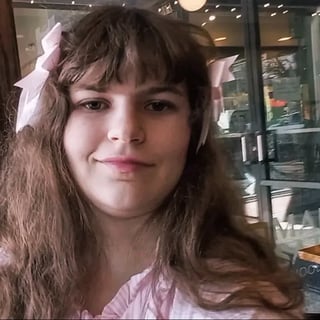
Speaker: You are listening to the Mentally Oddcast. My name is Wednesday, leave Friday, and you should find us on Ko-Fi, that's K-O-F-I, where we are still sometimes hilarious horror. That's just how we roll. We'll never let go of it. This week, we are speaking to Carolyn, and Carolyn is the host of Beyond Six Seconds, which is a multi-award-winning neurodiversity podcast. She started her podcast in 2018 as a general interest interview show. show
Speaker: But in 2022, she shifted it to focus on neurodiversity after receiving an autism diagnosis in her mid-40s. So Carolyn introduces interviews neurodivergent people from around the world about their lives, identities, and passions with a focus on the intersections between neurodivergence and race, gender, sexual orientation, and disability, and more. um Welcome, Carolyn. It's great to have you here.
Speaker: Hi, Wednesday. Thanks so much for having me on the show. I'm happy to be here. Sweet, sweet. I imagine we'll have lots and lots to talk about. um We start always on this show by asking guests to tell us about the first horror movie that they remember seeing because everybody's got one. So let's hear it.
Speaker: Oh, my gosh. um he
Speaker: I don't know that it necessarily counts as a horror movie, but because I saw it when I was very, very young, when I was little, I saw ET in the theater and granted that is not considered a horror movie, but I remember being very traumatized at several different times, like during the movie, particularly when ET gets like when the government tries to capture him and all these other things. So I just remember being very little and very scared and horrified by that, but, I guess early 80s movies were somewhat scary and traumatizing for little kids sometimes. So that's really the first thought I have of like really horror movies, even though it's not technically a horror movie. That makes a lot of sense. Yeah, because even though, I mean, Bambi's not a horror movie. The Lion King's not a horror movie, but they can still mess you up if you see those as kid. So yeah, that absolutely qualifies. Now, with regard to scary movies or movies with scary content, and you know, not just movies, but books and video games, there are a lot of people who say that letting kids see content like that is likely to cause lasting harm. What would you say to that?
Speaker: Gosh, I don't know. Again, um growing up in early 80s, we probably saw a lot of media that was, ah you know, a PG rating in the 1980s is very different from PG ratings these days. So while it was, you know, a little bit scary to watch and sometimes...
Speaker: people from my generation x will reminisce online about all of the scary things and we can't believe we saw these all these movies and even though they were children's movies that had a lot of scary intense parts when we were so young um i don't know that it really traumatized me for the long part necessarily i don't know how much it built my character or anything but um yeah i think it maybe it just depends on the person and i think it's important You know, if you're that young to have, you know, maybe a parent or a trusted adult in there with you to kind of help you process it if if someone gets like especially upset and they're very young at something like that. But um yeah, I'd have to say sometimes it depends on the person.
Speaker: Yeah. Oh, well, totally. And I actually, I think bringing up the the parents and the household atmosphere is also really important because I think that if you have a child who is left alone with a steady diet of horror movies, yeah over time, it's certainly possible that that can change one's outlook. I mean, we see this happening now, not so much with horror movies, but like you know, the the programming, the the podcasters that are teaching people that that women are the reason that their life isn't nice or whatever. I don't, I won't pretend to know how they take it, but yeah, there's there's a lot of that. so
Speaker: So you actually have an autism diagnosis that came really late in life. So I want to start by discussing what led you to seek out a diagnosis as an adult.
Speaker: So it's interesting. A lot of times with the other autistic podcasters that I happen to know, a lot of times they will get the autism diagnosis and then start their podcast to talk about it and help process it and meet other people with autism diagnoses. I kind of went in the other direction. i was already podcasting. and And my podcast and the conversations that I had on my show helped lead me to getting my autism diagnosis. So as you mentioned, I started my show, my podcast in 2018. It was really just something that I did as for a variety of reasons. It was a creative outlet. i I didn't really have anything creative going on at that time. i had a little bit of recording and audio experience from my days of of singing
Speaker: in singing groups and I had done a little bit of recording so I sort of knew audio equipment so I'm like let me give this podcasting thing a try it was something that I was just learning about at the time and looking back it's kind of funny now that I have the autism diagnosis but looking back on one of the other reasons that I started it is that I was never really very comfortable I was always very shy very introverted and wasn't really even sure if I could have conversations with strangers or people or be able to interview them and make some sort of like compelling observations or conversations because when I'm, you know, in groups of people, um i very rarely even talk. So a lot of people were somewhat surprised to hear that I would start a podcast where I would actually have to be prepping for interviews and interviewing people and and continuing conversations over a period of time because that was not really something that I was
Speaker: very good with um in real life so wanted see if uh visualizing that in internet life would be any easier so um so it's kind of funny looking back it's like well i don't know that's andm i'm not saying that all autistic people necessarily are introverted and shy many are not um but it was interesting that the communication challenges showed up um even at that point as a reason for starting my podcast So, as you said, I started it as sort of a general interest show because I was thinking, well, how do I get people, how do I make it easier for people to have conversations with me and and have a conversation? Well, if I just talk to people about things that they're passionate about, whether it's a business they're starting or a really cool hobby that they have or some volunteer work that they're really excited about, um people tend to talk like to talk about things that they're excited about that they're doing so that's what I based the show on it's like I knew a lot of people in my online life and and my personal offline life who were doing really cool and impactful things in the world and didn't really spend a lot of time advertising or marketing or talking about it on social media so I wanted to help platform and share what they were doing with the world because I just thought it was really cool and I figured I could ah practice having those conversations at the same time. So I started with a few people that I knew, some friends, some online connections I had already had some chats with. And pretty soon, um i was getting a lot of interest from people who were either friends of my former guests, or even just random strangers who found my podcast and said like, hey, I i really would love to tell my story. So that went on for a few years, I got a steady influx of guests, and I got to meet a lot of new and different interesting people i got to integrate with like the the podcast the indie podcast community which is a really great supportive community and i did that for a few years and part of my guest reach out and and a lot of the guests that i interviewed were people who had disabilities and including people who are autistic who i just discovered from like being on social media um you know the algorithm works if you start searching on one thing it'll just start presenting you with like same stories over and over again so i said okay these are um and again i i grew up in um you know the the nineteen eighty s i'm like the younger the younger side of generation x so my impressions of autism were very like rigid and um stereotypical and very narrow like we had it was rain man was the archetype that was well known when i was growing up and that's how many of us were introduced to so why would you think you have it like i can't count cards but guess what you know
Speaker: It was like, well, i' like I don't really know anyone like that. And I didn't even certainly didn't see myself in that. um You know, and then that, you know, didn't really think about it again for many years. But then I started now with the Internet and social media. I'm meeting other people who are autistic and just sort of.
Speaker: seeing a more full representation of what, you know, it it was less about like what it looks like standing from the outside looking and and observing someone's behavior and trying to interpret it. I got to hear what it really feels like to be autistic. Like what do those communications differences feel like when you're inter, when you're talking with other people, what was it like growing up for you? What were the things that you struggled with? What were the things that you were really good at? um And then also like, you know,
Speaker: I guess the other piece is like sort of the need for repetitive behaviors. Like how did that manifest? Like we've had to have a stereotypical idea of what that would look like, but it could be any variety of like a strong desire and need for routine versus, you know, ah other just types types of things like that. So I, you know, got to really have deep conversations with several autistic people. And then I also was starting to do some research on my own um because as I was having these conversations, It's like, you know, I've always kind of had that thought and stereotypes about like, you know, autistic people must be so hard to relate to. Yet I'm relating to all my autistic guests way more than my other guests. Like we're having much like deeper conversations and just like, you know, kind of syncing together on the the types of things we're, experiences that we had. um But still it didn't really click with me yet. I just thought like, wow, my impressions of autism were just like really wrong growing up. So this is interesting and let me talk about that this because this is important. So um then I started doing other research about like what autism looks like and feels like in in girls and women. um And that really resonated with me as well. So it was, and this was over a period of many, many months um through in the year 2021. So leading up to um to the end of that year. And then I just decided like, you know, there's just so many things that I'm relating to. i went back and looked at like sort of thought about my childhood and found like all, you know, all these remembrances and indications of like, oh yeah, like these were things that I did when I was really young because that's another thing is with autism, it has to be kind of
Speaker: present when you were young it's not like you know you just sort of you don't you don't develop it mid like teenager adulthood there are indicators like early indicators so you kind of have to have those so I was fine you know looking back I'm like oh yeah I have all these indicators that I just like were explained away by other things at the time so then I went and um looked into like well how you know I am curious I want to know if if I'm autistic because I'm just there's just so many things pointing towards it so I found an assessor who has a lot of experience assessing um adults and and specifically women um because that is it's important um if you're an adult and want to get assessed to find someone with experience on adults as opposed to children because that's just very different you know types of testing and a lot of times um and then adult experiences sometimes are harder to tease out because of you know a life because we've been masking for 40 years so it's very different um so I found that I went through many hours of like interviews and then and tests and and like
Speaker: family family assessments and and then wound getting a diagnosis towards the end of 2021. So at that point, i really wanted to, you know, i want to help me process that I wanted to learn more about other people's experiences specifically. um and And again, not with just with autism at that point, because I just didn't want to have like a ah podcast that was only focused on that, but I was just interested in the whole concept of Neurodiversity and neurodivergence and other people's experiences because I realized like, you know, if I had all these misconceptions about say autism and autistic people like there's so many other people who like have these experiences of, you know, whether it's ADHD or or bipolar or being a plural or, um you know, Tourette's syndrome, like all these things that are very like get stereotyped and have a lot of stigma. um You know, now I have an opportunity to be able to talk to them and learn more about their experiences and share that as opposed to just sort of always hearing these like media stereotypes or misconceptions and stigma about a lot of conditions or, or,
Speaker: um neurotypes like that so so i decided to use the podcast to learn more about neurodivergence so i now i'm really interviewing people who are neurodivergent themselves so i really don't have like you know experts necessarily on the show i mean you're experts in your own story in your own experience but i really try to hit people with that lived experience of whether it's autism or another type of neurodivergence, just to hear more about what it really feels like for them. And you know when when people are making judgments about them, what's really going on? Because a lot of people have thought about their childhood and what was going on at the time and just giving people a chance to explain and process it and and also still learn about all the cool things they're doing as well in their lives.
Speaker: Cool. Now, I want to be really clear about something because some people use the term neurodivergent to refer specifically to the autism spectrum. um I tend to use it more liberally than that to define like any sort of mental health deviation that needs to be compensated for in order for you to to live fully and and well. So what are what are you talking about when you use the term? So i'm I'm using it the way that you're using it. So really any way that you diverge from like, you know, whatever the social norms are considered of what is like typical for behavior. So that could be anything. from, you know, ah like autism and ADHD tend to be the things that people think about first. And you're right, a lot of people use that as a synonym for both of those or one of those. um But really, it is, know, it's a much wider umbrella of any sort of experience with the, you know, your neurology. So it could be your brain, it could be like any types of your your nervous system. in terms of that differing or or being diverging from whatever the norm is. And there's usually some aspect of marginalization that goes along with that um oftentimes. And then, of course, it intersects with all other things
Speaker: types of parts of our identities, some of which can be marginalized as well, depending on where we go with that. So yeah, really it includes any kind of mental health conditions, things often considered disorders like, um you know, by the psychiatric or therapy community, as well as other ah developmental disabilities and things like that. So I have a very wide view of that.
Speaker: Okay, cool. Well, that'll be helpful then. Now, i can tell you from my own experience that I can be pretty angry about not being diagnosed as a child. There were a lot of things that were missed in me. Like I needed glasses. I wasn't sleeping right. There was monstrous abuse happening in my home.
Speaker: But the school really dropped the ball. not no i mean, I guess it's it's not fair to hold the school predominantly accountable, but, you know, psychiatry failed us. They failed a generation, several generations of women. And, you know, we were called lazy, told we weren't trying, you know, why don't we, why can't we be quiet? Why can't, you know, just all these things, the boys were just like, not only were they allowed to get away with more,
Speaker: and But when something was wrong, it was everybody stopped what they were doing to pay attention to the boys and make sure that they all had good self-esteem and they were active and just all these things that, you know, and meanwhile, I'm just being handed a book and you point to the corner and and that's it, you know, which like I love reading. That's nice. But I'm curious to know if if you also are angry or annoyed by the fact that You went through your whole life without knowing this thing.
Speaker: um I can't say that I'm angry necessarily because i just have to look at the context of um just history. and And at the time I was born when I guess I should have been diagnosed, um which would have been like probably late nineteen seventy s early eighty s The idea of what autism was, it was very different the way it was defined um and and looked at than it is now. And as you said, it did exclude a lot of, you know, pretty much women and girls. think there's more research now that is going into it. So they're they're getting better with that. And certainly um diagnoses of women and girls are increasing. But um it's like I never, like it never would have happened, honestly, back then. um i never would have gotten that diagnosis. um I learned later on that there were, i guess, some concerns about some of my early behavior because I was like,
Speaker: doing a lot of flapping, I guess more than more so than ah kids would be necessarily. and But their the first thought was that possibly I had Tourette's syndrome, but I didn't. I didn't wind up getting a diagnosis because I just didn't meet the criteria at that point. And I guess it made sense because I i don't have Tourette's syndrome. But it was interesting that they're like, okay, there's something going on, but like, it's not quite that. And let's just sort of, it's almost like, let's wait it out. Let's not like put a label on somebody that young, which, you know, I have feelings about because like, you know, like labels can, you know, sometimes labels come with additional support and help you understand more about your identity and and stuff. But other times they can be limiting and it really depends on you know, what kind of support you're getting. And I think there's more support now these days for, um you know, for kids and we're doing kind of a better job at identifying. But back then, was like, even if I had gotten the diagnosis, like, I don't even know what kind of supports there would have been. I'm almost like afraid to think about what there was because it seems like even if uh even if it's a misdiagnosis like for example if it was an add or adhd diagnosis that's something that the treatment for that can also help with autism depending on how things present and just you know a lot of that is about just instilling coping mechanisms and and yeah reframing techniques so yeah i guess um
Speaker: Yeah, my mind just... yeah but But I'm curious to know, how did people in your life respond to your diagnosis? Now, I know a lot of parents either feel like they did something wrong, or if their child's already an adult, there's a defensiveness there, like they feel like they dropped the ball. What was your experience with that?
Speaker: I mean, yeah I was lucky. like my you know My parents were overall took it well. I was worried about telling them because, i again, i it was just sort of a I don't know. I wasn't sure how they would take it, but, like, my... i think In some ways, i don't think my mom didn't seem, like, that surprised by it, shockingly. That surprised me, because she's like, oh, yeah. ah Because I had had this early experience where they thought, you know, were taking me to, like...
Speaker: don't think was a psychiatrist, but it was like experts in Tourette's syndrome, trying to think that out. So they're like, okay, well, there was something going on. So it didn't really seem like it was that much of a surprise, um I guess. So, but I guess, yeah, I don't know. I thought they would be a little more surprised. But um but I mean, I guess in some ways that's good, but I was worried about telling them a little bit. And then, yeah, I think other people were, you know, most most of my friends were like overall, you know, supportive or curious about my experience and and what that's what it's been like and and things like that. So I haven't really had too many like negative reactions to hearing it, which I have been very lucky about.
Speaker: about that piece of it so um yeah yeah it's really fortunate so um but again I don't really like disclose it that often like you know through the you know in other ways i may you know I don't I wouldn't deny it if it came up um you know obviously i have a podcast where I talk about it but um but but what do you use your full name on your podcast because we're not using your last name here Yeah, I mean, I do at times. um So yeah, because I always used it before, but it kind of depends when I go in other ways. I just kind of try to point people directly to to the podcast name to find it. But um yeah, but again, everyone in my life knows that I have a podcast because I was doing it for many years before you know, before I switched over to Focus on Neurodiversity. And um and it has the same name, like the podcast didn't change its name. So I think people are sort of aware from listening to that.
Speaker: Now, I want to circle back to something. You said that you decided to seek out a diagnosis based on new information that you got from guests and and private research and whatnot. um And so you looked specifically for someone to evaluate you that had expertise in this area. Mm-hmm.
Speaker: Now, my experience with trying to get an evaluation was that my insurer told me to go F myself. Wow. um So i'm I'm curious to know, are you you're you're in America, right? Yes. So how did how did you do that?
Speaker: um I did not go through insurance. um So yeah, it is it you know, it's... it's It can be an expense. And I know a lot of people really can't ah afford to pay like a couple hundred dollars out of pocket for that. But I was fortunate to find something in a position um or be in a position where I was able to ah find someone who, you know, it was, it wasn't like a prohibitive cost. It wasn't like thousands of dollars, fortunately, but it was something that I was able to do without going through insurance. Honestly, I i wouldn't even know. didn't.
Speaker: If insurance would cover it, honestly, at that time, the insurance that I had. So that's how I did it. have They're pretty notorious for not covering things. Yeah, yeah, they are, definitely. Yeah, so that's the way that I wound up approaching it.
Speaker: So when the focus of your show changed, I'm curious to know how exactly that presented. Like, was there, did you just seek out different types of guests or was the the general questioning different? Like what what changed specifically?
Speaker: Yeah, i started seeking out different types of guests. So I had like, think it was like a, probably if this this whole revelation happened towards the end of the year, of the end of 2021. So I did sort of like a year end type of wrap up episode where i you know, talked about it was. kind of like changing formats and things like that and then i just started seeking out other um other types of guests at that time so before it was mostly like you know entrepreneur it was a lot of entrepreneurs because that tends to who they tend to be on the podcasting circuit because they want to talk about their business and that's a very popular type of topic to talk about general podcasts. But um yeah, basically, I just started looking for other neurodivergent guests. And was looking on social media. And I wanted to make sure that I wasn't, you know, I wasn't just looking for autistic guests. But I think my first guest in that year of 2022, when I switched formats, was someone with dyslexia. So I definitely wanted to just sort of
Speaker: vary the types of experiences that I was talking about. And I just looked on, you know i think i looked on some like speak like speaker websites, like so speaking bureau websites for people who wanted to talk about these types of things. um you know but Instagram, I found a lot of people through there. um And yeah, it took a little while to to build up that that guest sort of bank of of people and and get that pipeline going. But um but now I think i've I've been doing this now for a couple of years. So I've got a full sort of steady stream of guests or people who are interested in being on the show. And I just sort of base my selection on um you know what kind of topics we would talk about if we talked about it a lot on the show before and just trying to balance out those experiences.
Speaker: See, that is amazing. Cause I'll say this is the third year we have, we do two seasons a year and, uh, I'm routinely having difficulty. I want to invite people from my community, my online community for the most part. Uh, you know, I've had a lot of former classmates and friends and the children of friends, whatever.
Speaker: and I find it challenging because if I have just sort of a peripheral relationship with them and I don't know for sure if they are neurodivergent or if they know they're neurodivergent, because sometimes, you know, I don't want to armchair diagnose anyone, but sometimes it seems pretty obvious, you know, I mean, and I find it difficult to approach people and say like like just the the approaching and saying you know are you are you neurodivergent because you seem like you are hey crazy pants come be on my show like it it can be tricky to know and I still I still haven't mastered it if people are not
Speaker: and talking publicly about their neurodivergence, then, you know, I have a choice to make. Do I want to get in there and risk it and risk altering my relationship with this person? Or do I just want to not, not do it? And then, you know, then I beat myself up for being a coward. Yeah.
Speaker: That's tough. Yeah. I mean, that is one approach I take is that, i you know, I really look for guests who are already talking about neurodivergence or have at least publicly stated that they are neurodivergent and maybe don't talk about it that much. um Like I have had some guests on who are neurodivergent, who like kind of talk about it for like the first or second time on my show, but it's something that they've been willing to talk about. Like usually they come and say that they want to talk about it. So I'm lucky that I have people either approaching me and saying like, hey, you know, I have ADHD. I usually talk about these other topics that and the the business that I'm running, but I'd be happy to talk about my experience with ADHD plus some other topics. So that is usually how I do that. But yeah, I would have, I would be, a I would find it very challenging to talk to someone in my community or a friend if I really wasn't sure that if they were neurodivergent or not, Or if I knew that they were, but they didn't really talk about it much, I would i would feel yeah i would have some hesitations, like asking, like, hey, do you want to in my show to talk about this? Because I have no idea if they're comfortable talking about it on a podcast. um Not everybody is. not everybody Not everybody wants to do this, which kind of surprises me. No, no, because I mean, yeah. You know, we we get pretty deep around here. i mean, you've you've seen our questionnaire. Some people talk about like the absolute worst times in their life because if we're talking about, you know, being afraid to die or what caused our trauma, like, which is is kind of why I always make sure to talk a little bit about myself as is relevant to the whatever the conversation is.
Speaker: Because I just don't think it's fair to ask people to expose themselves and and display that kind of vulnerability if I'm just, you know, asking the next question. Like, that doesn't seem like a fair trade. Yeah, I know. It's hard. And that's one of the things that I struggle with on my show is that it's hard for me. It's hard for me to talk about myself and my own experiences. Like I keep thinking that I should do more solo episodes, you know, where I don't have an interview and I just talk about like my own stuff. But um yeah, I find that so much harder than talking about, you know,
Speaker: you know, talking with other people about their experiences. It's still hard for me to open up and be honest. I wonder, like, is anyone going to care about this? Am I going to be talking about stuff I shouldn't be talking about? But but those episodes where I do open up, like, because people want to know their podcast hosts. That's how they connect. So even if you have an interview show, like, people want to know so about you as the interviewer and the host and, you know, what your life is like and what kind of experiences you've had. And they want to be able to, like, relate to you and and kind of feel like they, they
Speaker: you know, they're excited to come back and and hear from you. So um that that is one thing that I still struggle with after all these years is like just getting myself out there a little bit more, which is usually why I either go on other people's shows and have them try to like drag it out of me so because I can't get it out of myself. or sometimes I'll have someone come on my show and like interview me. It's been a while since I've done that, but that's another way to That's what my very first episode was. My first episode, I invited on someone who's neurotypical.
Speaker: and and And, you know, like told my basics, you know, like your your basic psych intake, this is where my trauma comes from. This is the years I spent, you know, hating myself or whatever it is. And then just because, ah you know...
Speaker: it's It can be difficult to parse the line between hiding something versus maintaining privacy. And what I want to do is maintain some level of privacy. Like my husband, for example, is a very private person. I'm not an especially private person because I grew up in a never tell anyone what goes on in this house kind of family. yeah so everything seems deceitful to me. Cleaning your house,
Speaker: feels like you're pretending nobody lives there. Like I take it to ridiculous extremes because, you know, my brain be broke. So, but, but that's, you know, that's, I have a, just a real bug up my butt about honesty and hiding things from people. Like I never want to I don't want to hide things from people, but then that can also lead to like trauma dumping, which is not always welcome, especially if you're around neurotypical people. They don't get it.
Speaker: Yeah. So... Yeah. And I've seen and i've seen so many other... like you know oh Since I've been doing this now for a couple years, I've seen like content creators, I think mainly autistic content creators, kind of like come and go, where they've been like really, really popular and then they just burn out because it's just too, either the pressure of being like, an online personality and, and sharing so much and creating the constant, like, um, pressure to create new content that we're all under if you're on social media, um, just totally burns them out. And a lot of times they'll step away. um
Speaker: you know, they'll take a break and and some of them have like just sort of retreated into their own private life. They're like, this is, I'm done with this part of my life where I'm sharing everything in the world. And now I'm just going to go live my own, like, you know, private little life. So I don't know if that means it just runs in a cycle with with a lot of us or we just like get tired and burn out, but it can be intense.
Speaker: One of the main things, one of the main risks that you take when you put yourself out there on the internet is for strangers to misunderstand you, to misunderstand your intentions. And if you are autistic, if you have trauma, if you are a an abuse survivor,
Speaker: that cuts you to your soul, you know, being misunderstood. It's so frustrating. And, you know, you want nothing more. Like, cause I mean, for my, to to me, if, fur if someone hears what I have to say and they don't like it or they don't agree with it,
Speaker: you know, that happens. People are allowed to disagree. I'll get over that. That's fine. But if someone is telling me that what I mean is not what I said, nor what I implied, and like, then I'm being accused of all these things. Oh my goodness. I cannot handle it. And then like the defensiveness that I feel, it doesn't help the situation typically. So I think that's something that, and I've definitely seen that with other content creators who I've been friends with, where like their their content is growing, but then like it it it escapes containment. They have like a really popular like either viral video or podcast, and then you get all the strangers coming in who like say horrible things about you, and it's a lot to take, really, for anyone, especially if you're autistic. like I don't know how people just sort of brush that off. I would just have to like log off and like never check the comments ever, but like most of us, I think it's so hard to read that stuff and just do brush it off.
Speaker: Yeah. Have you written a book yet? I have a book out. No. Okay. Notice I said, yeah. yeah like well Oh, an articulate person with a podcast. When's your book coming out? but That is one of those, you know, it's one of those stepping stones of of dealing with the public. You have a book come out and your friends read it and your family reads it. And, you know, they leave like kind reviews that basically show support for you. And then strangers start reading it. And they want you to know that you suck. And, you know, like me, I'll i'll talk to MAGA boys on the internet and then they get mad and they're like, oh, I'm going to go leave a review on your book. Like, yeah, yeah.
Speaker: That'll be believable. I'm sure you read a lot. Speaking of which, I'm curious to know whether you're covering sociopolitics on your show. And I mean, I know for my show, it's difficult to discuss mental health and treatment without getting into all of the hurdles to to seeking treatment.
Speaker: hmm. Yeah, I mean, it's something that I talk about a lot with my guests who particularly and and the types of hurdles that they've faced, whether it's like medical racism, um either from getting like a a diagnosis or or getting having interactions with the person.
Speaker: like the the medical or um psychiatric community or or professionals um i've I've noticed there's a lot around like medical racism and sexism as well and and I have had discussions with you know ah certain guests particularly with more um conditions that are more stigmatized, like particularly psychosis and schizophrenia. So I've talked with, you know, white, like ah one of my, some of my guests who were like white women who have had schizophrenia talk about like terrible experiences that they've had being like, you know, involuntarily institutionalized and interactions with law enforcement that were challenging and terrible um and the abuse they've suffered. But at the same time, recognizing that because they were white, they were not subjected to like, the racism that um a black woman who is schizophrenic would be subjected to additional racism in terms of being much more criminalized for a mental health condition. Whereas with ah you know a white woman, you might you know you're subject potentially to like sexism and misogyny and abuse in in that in that frame. But don't necessarily, you know, but law enforcement and psychiatric may not see you as a threat as easily as they might jump to. Well, and accusations of drug seeking behavior. yes There is a huge racial racial disparity there. Yeah. um Because I've never been accused of it. And I have been smoking pot daily since I was a, yeah well, an older teen, we'll say. um and I've never been accused of drug seeking behavior.
Speaker: even though I'm openly a drug user and I know women who have not ever used drugs and yet they were, I mean, there was a a black woman that I used to work with and she had sickle cell. And there is, my understanding is that there is just monstrous pain that can happen with that. And yeah. And, and she was accused, she went to an yeah ER and was accused of drugs seeking behavior and they didn't help her. They tried to discharge her and she had to like call her real doctor on call. I mean, it's, it's crazy yeah because that like, I'm, I'm a fat person. Like I'm, I'm quite fat. So,
Speaker: Like to the point where if I go to a doctor, I might need specialized equipment or whatever. And I've never been treated badly for it. Wow. i I guess like in the past when I went to the poor person hospital, but since I've been going to U of M, everybody is great with that. It is paramount to treat patients respectfully there.
Speaker: And I have still seen incidents. I don't mean to call out U of M, but just, you know, little eye eyebrow racing things that are like, They they didn't say that to me and yeah I'm talking about drugs right now. So, so yeah, I mean, I just, I find that when you have guests that are trying to hype themselves, know,
Speaker: sometimes they want to avoid talking about politics and i i always try to accommodate that but in the back of my mind I'm thinking what are you Dwayne Johnson just say it just say what you think and because I i often find and this is just my experience I don't want to make a sweeping generalization but from the alt-right, I hear people saying, how dare you say you're not gonna patronize my business because of who I believe, that's not who I vote for or whatever, that's that's not fair, you can't do that. And then, you know, when I talk to progressive people,
Speaker: and And myself included. The attitude is, oh, you don't like that I'm inclusive. You don't like that I supported, you know, Biden or Kamala or whatever. i don't want your fucking business. Get out of here. you know But then the alt-right will say that the progressives are discriminating against them because they're calling them out. and So it's this weird circle. of like okay um not i mean that's different that's not your identity even though you think it is like your politics are not you know in their own way identity it's just unfortunately a lot of our identities have been politicized so that's now part of everybody's conversations Yeah, but the thing is that because one side is so bad, like I don't want to spend my money with a company that sends them money.
Speaker: yeah But sometimes you don't really have a choice, you know, like if I was going to avoid giving money to fascists, I couldn't have internet in my apartment because there's only two places that offer it. And I mean, one is Comcast and one is AT&T. So they both give money to the fash.
Speaker: Yeah.
Speaker: So wait, so and do you want to say who your favorite guest was? Gosh. I don't know that I have a favorite guest. Um...
Speaker: I've interviewed like a lot of really cool and interesting and exciting people. um Who was my favorite? I think a lot of times my favorites are like the first time on my show that I talk about a particular like neurotype. um Like one of my ah first guests about who talked about her experience of schizophrenia is ah her name is Michelle Hammer and she is an artist or designer who runs her own business and she has schizophrenia and it was the first time that I talked about on the show and she's like, you know, she has a great online social following. Her name of her business is like schtizophrenic.nyc and she has these sort of like,
Speaker: and don't want to call them like empowering messages, but they're kind of like cool pro mental health, like t-shirts and other like really cool artistic designs. And she has, she makes like pill boxes that are like really artistic and have like cool designs. Cause she's a designer and she really struggled to get like a, and stay with, full-time types of employment, which is why she went into her own work. So it was just really interesting hearing about her experience of schizophrenia and how it kind of started with her in terms of psychosis and the types of delusions and hallucinations that she had, because she's very open about it, like on her social media. So I was, you know, it's just so interesting, because i never thought that I would get to sit down and learn from someone about what their experiences were really like. And she talks about sort of the interactions that she had, like her mother kind of helping her through the the um the challenges that she was having, but also everything from kind of, you know, when it started and and like little ways that it began and then challenges that she had with her roommates because she like because of her hallucinations and delusions, like tell giving her messages that like
Speaker: You know, people were trying to harm her and then just being very open about um the types of treatments that work for her. You know, I try to say on the show that it's it's not medical advice. So like this is what worked for this one person. Right. um But, you go you know, for so for medical advice, go somewhere else. It's definitely not the show. um But, you know it is interesting to hear people's, um you know, people's experiences with that. And, yeah, just always, and to just see the type of artwork that she, that she does. And, you know, she was one, yeah, I definitely enjoyed talking with her because, again, she's very open and honest and candid about the experiences that she's had.
Speaker: Sweet. Yeah. Sweet. And we'll have a link, I don't know if you're using Linktree, but at the very least, we'll have a link to your show in the description. um We need to pause the questioning and discussion for just a moment, because this is the part of the show where I read the names of our supporters.
Speaker: Not all the supporters, just the big money ones. So we want to extend our thanks to... allison huugh kathy martin nemu ravenal that one fool supporter x shannon fleckenstein loke brianna simmons that damn jim and bradley and fred So thanks to all of them. If you want to show us some support, you can do that by going to coffee. That's K O hyphen F i where we are still listed as sometimes hilarious horror, because we used to be brought to you by the magazine, but the magazine was very expensive. So we don't do it anymore. um
Speaker: And yeah, so you can also just search for the mentally odd cast. It'll totally come up for you. um So Carolyn, I'm aware that Beyond Six Seconds has won some awards. Tell us about that.
Speaker: Sure. So yeah I decided after switching to Neurodivergence that I wanted to try to put my name out there for potential awards. And yeah, I was able to to win a couple of them over the years, which is really exciting. One of the most recent ones that I just won over the summer is from a organization called women who podcast it's actually a magazine primarily and the person who runs it Kathy Barron started an awards program she started it last year so this is the second year of that and it's for women to submit and their shows and get ah reviewed by a panel of judges and then there are several categories that you can potentially win in. So I actually did win last year for one of my one of my episodes specifically about neurodivergence. And then this year I won again for a particular, an episode that was a little bit of a departure from my usual um focus because it was um taking place during something called Podcast-thon. which happens in March. It's like a coordinated effort between podcasters around the world to talk about their favorite nonprofit um or charity that's doing good in the world. it's meant to raise awareness by doing it all together so it's kind of a fun solidarity thing to do so i interviewed a friend of mine who runs a um he started um organization a non-profit around food insecurity in the south of the chicagoland south suburbs which is near where he lives and um i just really admire the fact that he did that because he had a whole separate career in a different area and he just felt really
Speaker: called and inspired to give back to his community in this way and help people fight hunger and i'm like hey you know people neurodivergent people and people in the disability community that is one of the things unfortunately systemically that we have to deal with yeah is hunger and poverty so it it tracks so um yeah so i interviewed him about the really great work that he's doing so um yeah so the and again women who podcast magazine i i can't say enough great things about it it's a really great resource for indie uh women podcasters to uh just find a community um get featured in a magazine whether you're a new podcaster and you just started or you want to write an article about a different topic but um yeah i've been friends with the uh you know with the founder of that for a while and then um of course my My friend is not judging. It's independent judges. So she's actually not involved in any of the judging. She just runs the program. But um yeah, so that was the most recent award that I won and definitely one of my favorites.
Speaker: Sweet. Well, congratulations. That's amazing. Thank you. Now, you are also a singer and you sang acapella. Now, I'm curious to know about the difference between solo singing and being part of an ensemble.
Speaker: Because I mean, I wouldn't normally think about singing as being a collaborative art, but it certainly can be. yeah What would you like to say about that? Oh, wow. Yeah, I guess I've been singing.
Speaker: Yeah, i it's interesting. I haven't really thought about the difference between that because I guess you always start out as the solo singer and that's how you kind of discover if you're interested and in singing or pursuing it. I don't know. That's kind of how I started. But I've been singing all throughout school, even before I discovered and knew what acapella was, which is basically singing without any kind of instrumentation behind you. um But yeah, I sung in choruses, but I've also been a solo singer and I've trained in like in high school, there were like these statewide competitions and I would just go and dance.
Speaker: prepare a solo for that so there's a lot of prep in terms of being a solo singer um that i i do enjoy solo singing but it's a lot more intense than singing with a group even with a small group which is what i did more recently in my adult life i sang with a very small group of women based in manhattan for many, many years, and we still keep in touch and occasionally we'll sing um either virtually or or physically together, those of us who still kind of live in the New York City metro area. um But yeah, i that it's different singing as a group, particularly with acapella, because you have to really you know pay attention and listen to the different people singing parts around you. So chances are you have someone singing the same exact voice part, like the same notes and rhythms as you So you have to kind of be in sync with them and in rhythm and in tune. And then you've got like the other harmony parts around you. So you also have to be like really tuned in to other people and just to make sure that you're all moving together and, and in the the overall vibe of the song and that it just sounds good. So a lot of times we would spend rehearsals, like that's what it is. You kind of learn the parts before you get to rehearsal a lot of time. And then, When you're all together, it's practicing, like so basically sounding good together. Like, can we stay in rhythm? Can we come in at the right times? Are we in tune? Is our blend good? Like, is someone... voice sticking out more than somebody else's because that's another thing so um yeah it's it's different things to to think about and i generally i like singing um solos if i have like a little solo in the group but i don't think i would want to be a solo singer like exclusively but it is it's for fun i i enjoy doing karaoke once in a while i don't get to do it much but but there's less There's not a lot of pressure with that, really. i mean, it's just, you just get up there and you sing your song that you don't really rehearse and you're not sure if you can sing it or not. And then just get off the stage and sit down again. It's just fun. That's I approach it. But um yeah, it's ah it's definitely a group, a collaborative effort if you're singing together. That's really interesting because, I mean, obviously there are going to be portions of it where you need to prepare on your own, but it sounds like it's really...
Speaker: no matter how prepared everyone is individually, it doesn't come together until you actually get together and and refine it with everyone.
Speaker: Yeah. Yeah, i was I was a theater major. So, you know, my my perspective on that is is a little different because everybody has their part. But then, you know, you don't like the stagehands may not even speak to the actors while the show is going on. You know, that sort of thing. Everybody is very compartmentalized. Mm-hmm.
Speaker: yeah oh that's Yeah, that's interesting with with theater. um Yeah, I did musical theater very briefly in high school. It wasn't really my thing. oh i'm not very good with like any kind of choreography or blocking or anything like that is like the worst. It's like our memorizing lines. like everything you know Everything that isn't singing um was kind of a challenge for me, but um but I did enjoy it, the little bit that I did. So I just stuck with singing. hear that. I was in Fiddler on the Roof in high school.
Speaker: i was I was not a star. I was not a star. Actually, one of the guys that was in our Fiddler on the Roof went on to be in the first season of MTV's The Real World. Wow.
Speaker: Yeah. And another guy became like a soap opera actor in like Denmark, I think. Oh, wow. Yeah, lot of talent where I went to school. That's really cool. Yeah. Yeah, I was in Fiddler on the Roof, too. i actually and really, i I was not, I, you know, I did not have any kind of ah part that was recognizable. It was like one of the background singers, but it was still, it was, yeah, it was The chorus gets you in the program, too. So, you know, being in the chorus is nothing to sneeze at. um So do you want to share a song um with us today? Because if you want to send me something, I can put it on the end of the episode and then we can all hear what you sound like. Oh, my gosh. I'll see if I can find something. I don't think I have anything. Well...
Speaker: Maybe I do have something, either even if it's just me singing a a bit of karaoke. But I do have some group songs that I'm i'm part of that I think might be might still be on YouTube. So I'll see if I can find something. and I'll send it to you afterwards. Sweet. At least put part of it. so So we'll have that at the end of the episode, kids. So stick around for it. um So getting back to having a late-in-life diagnosis and hoping that my puppy be quiet soon, formerly. Yeah. She's so adorable too. But yeah, we're we're kind of new to this podcasting with a puppy. The podcast has been around for a while, but she is relatively new. yeah um
Speaker: But I'm curious to know, bearing in mind that neither of us are doctors, what advice would you give to someone who is an adult and isn't sure if they need an evaluation, they don't know why it might be useful to them?
Speaker: Like, what what would you say? Yeah. I mean... I think it's it's very much a personal decision.
Speaker: um So i think for me, the diagnosis was more for me to learn more about myself and understand more about my, you know, kind of where I came from and what my childhood was like and and ways to support myself now. um In terms of, yeah, in terms of finding a diagnosis, it's really up to you. um There are a lot of barriers and challenges with getting one so if you are not able to get one for whatever reason whether it's finding the like a therapist or a diagnostician with the right credentials or um financial barriers to that or any other variety of things um
Speaker: I would say, you know, therere there is a lot there are a lot of people who self-identify. I think a lot of us self-identify before we actually go and get a diagnosis. It doesn't always work that way, but, you know, often that it does. um So I think as an adult, one of the biggest reasons to get a, you know, pursue a diagnosis is to potentially understand more about how to, you know, get supports. So sometimes it might be a way to get supports, whether it's you know accommodations at work or um you know just other types of things. Maybe if you're in school, it could be relevant to that, depending on um you know what's where you are in your life. So it could be important for that. yeah i would say it's hard it's hard for me to say either way like you should get one or or you don't have to get one it really is it's it's more complicated now than it used to be because if you had asked me two years ago i would say of course find out as much as you can about yourself and your condition because as you said it can help you get accommodations and just understand yourself better but Now that we've been taken over by the fash, there are people that want us, I mean, i don't want to say words like camps and train cars, but for fuck's sake, man, they're they're taking people to camps. They're taking people to work camps. And
Speaker: they They don't want disabled people messing with the means of production. I mean, we're just servants to them. they don't if If we can't toil in the mines for their profits, they they don't they don't want to help people. They don't want to encourage people to reach their potential. They just, you know, profit, profit, and then praise dear leader. And, you know, this is kind of a tangency subject with me, so I don't want to go off on it too much, but it it makes such a profound difference for so many individuals. I know someone in my life, they've been on the show actually, and they didn't apply for disability
Speaker: even though they have issues that would absolutely qualify them because they don't want to be on that list. Yeah. That list of people that said, i need help because now needing help can put you on a list. It's terrifying.
Speaker: Yeah. Yeah. It is scary to see the, you know, at least the online rhetoric about disability, um, really getting more and more negative over the years that I've been focused on, you know, neurodivergence and disability with the show, as well as what's going on in the governments and not just in the United States, like United Kingdom, like other ways in terms of what politicians are saying about disabled people. And like that that rhetoric is starting to creep in about like not being, you know,
Speaker: not being, i don't know, what not being as valuable to society or not having a place in society just to be vague about it. But it's much, much worse than that. Yeah. So yeah, that is a concern for a lot of people. And I agree with you, like a couple of years ago, it would have been a lot easier for me to answer that question. But now it's like, I don't want to tell people not to get diagnosed because it can be really important for getting supports and other things like that that are available.
Speaker: But um at the same time, you know, for a lot of people, there unfortunately are risks. So, yeah. Yes. um We are actually nearing ah the end of the question list. I'm curious to know, was there anything that you wanted to talk about that we did not get to?
Speaker: Um, I think we covered a wide variety of subjects. So yeah, we did. We did. talked to We talked about my podcast. That was the main thing I definitely wanted to talk about my own story. So yeah, we I think we covered a lot of it. So well, here's the thing, though. I don't really know you that well. I mean, we met basically in the context of of you coming on the show. So I don't know like what you read. I don't know what you're streaming right now. Like, what is your creative intake? Like, what what are you doing?
Speaker: Oh my gosh. So yeah, I mean, a lot of the things I read are like, like advanced books that I get from people that I'm interviewing, which is really fascinating, honestly. So um yeah, I think, um oh gosh, what was one of the more recent things that i read? And I'm trying to remember the exact title of his book. I interviewed,
Speaker: um do His name is Oliver James. He is someone who has talked quite a lot on TikTok and in some ways in Instagram reels about learning to read. He's in his mid-30s and from a variety of, um you know, basically like educational neglect and learning disabilities that weren't diagnosed until later in his life. um He published a book recently earlier this year actually, or a couple months ago, was called Unread. I just found it. But yeah, I wound up reading that before I got to interview him. And he just talks very openly about the experiences that he had in his life and what it's like to be an adult in your thirty s who... Like, you know, beyond a couple words here and there, like he he literally calls himself functionally illiterate. And you kind of have an idea in your mind of like, OK, maybe you're not that good at reading, but it impacts like every aspect of your life. Like you have to rely on people to do almost everything for you. You have to trust people who maybe shouldn't be trusted, Because, you know, so it's not just like, oh, I can't read. It's like, well, if I can't, you know, if I can't read, then I can't pay my own bills. Someone has to do that for me because I can't read the bill. I can't read the information or I can't like go out and, you know, go to a restaurant because I can't read the menu. Like it's it just extends so much beyond that. And he talks about basically.
Speaker: getting to the point where he decides to teach himself how to read. comes He comes, he was already on TikTok. He was like a fitness influencer. And he came out to his huge following and said, like, listen, I need to tell you, like, this is my secret. I can't read. And he taught himself to read by, like, reading different kinds of books.
Speaker: and he shared his journey online. So I think it was just very open and vulnerable and just very open to watch, you know, have his people watch him struggle through it and learn um and then share like the insights that he had about the books because um One thing he talks about in that book is it's not just like, oh, I can read a book and read and understand the story, but it opens up your mind to other people's experiences, which I think is not something we think about as readers.
Speaker: It's like, oh, I can imagine like different people's perspectives instead of just my own perspective. or Oh, no, there's there's definitely studies about that. People who read it have more empathy. mm-hmm yeah you can yeah yeah just like can imagine other possibilities for yourself because you see other people model it and like it's not you know it just expands your whole mind so that was a really fascinating read and I got to read it um before I interviewed him that we talked about the book so that was one of the more recent things that I finished up with reading so nice it's cool it's good book nice I think the last book I read from a guest was a novelization of a, a B movie about sharks and it was awesome. That's awesome. But maybe a little less ah enlightening.
Speaker: I need to read more fiction. Like almost all the reading I do is like nonfiction, which is awesome, but it's, you know, it's not, a lot of times it's really intense. So it's like, I need to read something a little bit lighter, like sort of things like that.
Speaker: Well, you know, I got some short story collections full of horror and dark comedy, so I'll shoot you one. You can let me know what you think. Yeah. Unless you hate it, then you can keep it to yourself. Yeah.
Speaker: yeah he So, so, okay, I'm going to paint a picture for you. It's the end of your work day. It's been really stressful. You plop down in front of the TV, you got a nice cold drink. What do you, what are you putting on?
Speaker: um I watch a lot of games. viewing. My comfort viewing is game shows, particularly like Price is Right and Let's Make a Deal, like the ones that are on. vintage. I've definitely enjoyed the old ones. There are new there are like newer versions on now, of course, and I watch those mainly, but um you know on recording, obviously, they're not.
Speaker: live after the end of the day but it's just i don't know it's just entertaining it's just like fun and happy and silly and wacky and comedy so it's just a good way to unwind from like the stresses of the day See, that's really interesting because on a game show, it's like you're making a human connection with someone without getting into the particulars of their life. you know You don't know why this lady really, really wants a new dinette set, but it is quite clear that she does. And she's very excited when she wins it. And so, yeah, it's like you get to share this joy with a stranger without having to know...
Speaker: Yeah.
Speaker: you know grief porn Because there's so much of that out there. Like, oh, look how sad everyone is. Like, no, I could look around my life and see people that are sad. i That's not why I'm here.
Speaker: know. That's why it's hard for me to watch a lot of like serialized things. Like I, the one thing I did watch is Stranger Things. So there's like the horror component of that. That I loved. But everything else that's like serialized, it's hard because they're so intense. And as you said, like, you know, life, life is stressful and traumatic enough. Like I've, I remember during, you know, like a couple years ago, like when Marvel was putting out a lot of like the TV shows would watch them and, People like, oh, this will be fun and stuff. And I'm watching them and like, it's just like grief and trauma and pain. And like, that's all I'm seeing when I'm watching these things that people think like, oh, that was a fun show. And it's like, no, it's not. It's horrifying. It just made me feel so terrible. They're so dark and gritty. Well, the last Punisher movie, I mean, spoiler alert, but they killed a dog.
Speaker: Yeah. aye i's like I'm sorry, where's my trigger warning? I had just gotten a dog. I don't... Ah! it ah snow But yeah, that's the thing. like My husband and I disagree on programming for that reason. Because he doesn't want to watch a show where everyone is bad. you know There have to be good guys to root for. And he doesn't want to watch a show where everything that happens is terrible.
Speaker: yeah Which means I had to watch Game of Thrones all by myself. You know, because he just is not. And I don't know what it is about me that makes me seek out that kind of programming. Because one of my shows that I watch ad nauseum when I have the the channel is is Dexter. I watch an awful lot of Dexter. i could recite some of the eps. And it's, I mean, it's it's more of a a dark comedy than a horror show. But it's a show where murders are getting justified every single week. And as the viewer, you're on board.
Speaker: you're you're absolutely rooting for this guy whose favorite hobby is killing people. Yeah. Well, it's interesting. I don't know if we have couple minutes left, but one of my guests that I interviewed several months ago, their name is Tass the Artist, and they create like they write and they create a lot of art around horror. And they had a very like deeply traumatic life where they grew up in a fundamentalist cult and faced a lot of abuse. And they talked about it on my show. um oh my god i need to i need to talk to them hook me up yeah i need to send you that episode and connect with them um they're not as active on social media anymore but like they they still have a business i think they work in like
Speaker: They try to do like accessibility work as well. But um they explained it to me because I'm not as into horror, but they said like, listen, I create all these, but I write and all these like horror in the story as a way to kind of control and process what happened to me because everything I write about is not ever as bad as the things that I've already been through. So I'm not like scared by it. And I'm like, wow, it's just like not any way that I had thought about horror before. So yeah, I'll definitely...
Speaker: send you that episode that it was it was really fascinating and interesting and their art is just so interesting Well, a lot of my guests are horror people, not just because I'm a horror person, but because it's very common for horror people, the people that make it and the people who love it, to have lived through trauma, to be very aware, ah you know self-aware of their neurodivergence.
Speaker: Because horror really is about the individual, as opposed to like sci-fi, which sci-fi is much more about society and and where we're headed, Horror tends to deal with you know personal challenges and a lot of just putting yourself in someone's shoes. you know What would you do if... And some of it is less universal than others. Most of us are not spending the winter in an abandoned hotel because everybody went home for the season.
Speaker: Most of us don't have telekinesis. But at the same time, because Stephen King says... fiction is the truth inside the lie so the story isn't real necessarily but the the underlying themes are things that we all understand you know addiction and insanity and feeling like you're not enough you know things like that that are just about universal And that that permeates the horror genre. You know?
Speaker: mean, there's a ah wonderful Italian horror film, House by the Cemetery, I think it's called. And it starts out, you're introduced to the killer with childhood trauma.
Speaker: yeah And it's so, like, it's very basic. It's like he's a little boy and his friends are calling him a girl. And it's driving him insane because, you know, misogyny. He thinks that's a terrible thing to be. yeah so Yeah, that's that's, I think, why horror started speaking to me when I was a kid, because it was a way to talk about those feelings without saying, hey, I live in a horror house where people are being beaten all the time. Yeah. You know, I could i could instead talk about horror movies. And then every once in a while, somebody would say, wow, why is she so into that? What's going on with her? Yeah.
Speaker: Okay. um I guess the last thing I do is I like to give guests an opportunity to ask me a question if they have one. So if you do, now is the time for that.
Speaker: Yeah. So i just I'm curious what got you into doing your own podcast? Like how did you make the decision that you wanted to sort of go into this like special audio medium to tell stories or or share like what was on your mind and talk about things that were important to you. What got you started in that?
Speaker: Okay, well, I have a degree in broadcasting. It was my undergrad degree is in tech theater and broadcast journalism. So I used to work at the radio station. But when we were cutting things together, we were using like actual tape and razor blades and making cuts and, you know, using sticky tape to put them back together. um i ah got real sick in 2022. I almost died. um I've talked about this on the show before. When I got better, I was pretty determined to do things. I got real into thing doing. And that's when I started the magazine. That's when I started the magazine really was just to keep me accountable and writing stories regularly instead of sitting around and watching TV. Yeah.
Speaker: And so from there, i was like, you know, what would be cool is if I could talk about the relationship between creativity and neurodivergence and how those two things not only play into each other, but how creativity and like producing creative things can be a lifeline and a coping tool for people that live with neurodivergence, particularly if their diagnosis is not well understood by them or, you know, just, I mean, any number of ways that that that sort of thing is important. And I brought it up to some people that I know online and they were like, dude, that's a good idea. You should do that.
Speaker: So I was like, okay, well, if I can find guests and it turned out to be, at least in the beginning, it was really easy to find guests because, you know, people like to talk about their art and people, at least in my circle, know how helpful it is to hear perspectives from other people. Cause you know, we're big believers in DEI, for example, and just the idea of like, not only do we need to hear perspectives, but we need different perspectives. Yeah. you know, as many different demographics as we can muster. And that I think is is actually one of the ways in which my show falls kind of short.
Speaker: Because we have an awful lot of white dudes. And, and you know, like a lot of the the guests on the show are similar to me in demographic or they're dudes.
Speaker: But, you know, a lot of them are are roughly my age. they They're horror people. So I would like to to branch out more and make sure that the ye representation on the show is more varied.
Speaker: Because I don't want to leave anybody out. um And plus, you know, ah ah in a selfish way, like I learned so much from the guests. It's so good for me to be able to talk to so many different people.
Speaker: so So, yeah, that's that's kind of why. And and I really like it. i I remember after Trump got quote unquote elected that this most recent time, um I was going to take a break.
Speaker: From from the show and I ended up I did take a short break but what happened was during the break instead of just relaxing i was planning what we were going to do when we came back in January because all I could think of was what can I do what how can I what. What do we do? what do we do now? And so we did a show about maintaining sobriety and you know during a FASH takeover with everything that's happened. How do you do that? We did a show about schools. I had a panel of teachers and we all talked about you know what was happening with IEPs and budgets and you know actionable things that parents and teachers could do. and then the other show that we did specifically with that in mind was... ah
Speaker: Gun use for non-gun people. So all my liberal friends that were suddenly like, well, I'm going to get a gun. Okay. I fully support that. Let's do it safely by talking to people that know what the hell they're doing. so you know...
Speaker: I mean, on the one hand, I'm aware that it's a stereotype that liberals don't like guns. We like guns just fine. We just want people to be safe about it.
Speaker: And that used to be like that used to be the focus of the and NRA. When I was a kid, the NRA was all about gun safety. They were a gun safety organization. And it wasn't about cold dead hands. It was, you follow all the rules or you will not have guns because this is a responsibility. Yes, it's a right, but you know, freedom is a right until you do the wrong thing and then your ass goes to prison. So yeah, the the rules.
Speaker: Yeah. All right, guess what? It's time for the Mad Lib. Are you ready for this? Yes. sweet we're gonna start out with some adjectives looks like one two three four five adjectives let me have them oh i'm trying to think of good ones i got my performance anxiety um adjectives um i can only think of the names of colors i guess colors count they describe nouns yeah yeah uh purple cranky
Speaker: happy all right happy hu Two more. Impossible.
Speaker: Jaded.
Speaker: All right. Yes. And we're going to need some singular nouns. So that's one, two, three, four singular nouns, please.
Speaker: Kangaroo.
Speaker: Table.
Speaker: Tree.
Speaker: All right. Microphone.
Speaker: And cough drop.
Speaker: I think that's one too many. I'm going to actually pluralize that. Okay. And because we have a couple of plural nouns, so I'm going to pluralize that and use that. And then I also need one, two plural nouns. Two more.
Speaker: Two plural nouns. Let's
Speaker: see.
Speaker: Streetlights.
Speaker: And sneakers.
Speaker: I need a verb.
Speaker: Run.
Speaker: I need two verbs ending in ing.
Speaker: Dancing. Thinking.
Speaker: And finally, a part of the body.
Speaker: foot
Speaker: Alright, so this is called How to Get the Scoop. Do you have a purple nose for news?
Speaker: Here are cranky tips for becoming a kangaroo-winning investigative journalist. March up to a person's front door and run.
Speaker: When they answer the table, stick your micro tree right under their foot and start firing questions. oh Ask as many happy questions is as possible.
Speaker: Getting someone to break down and start dancing is great. Seek out a person's family and cough drops. offer the large amounts of streetlight Offer them large amounts of streetlights to tell you everything they know.
Speaker: Assemble an impossible disguise to go undercover. An oversized microphone to wear across your face and a fake pair of sneakers work well. Oh, goodness. Wow.
Speaker: Practice thinking as fast as you can, so when necessary, you can make a jaded getaway. All right. Very nice.
Speaker: Sweet. I just love Mad Libs. Oh, they're so fun. I know, right? Yeah. and it And the thing is that like I think of it as a smart people game, but it's really not. If you know your basic parts of speech, anyone can play it.
Speaker: Even like it's it's actually great when there's a language barrier because it's a good way to learn the language and get how silly it is. So, yeah, big fan, big fan. All right, Carolyn. Well, it was great to have you here. I am so grateful for you for giving us your time and your stories.
Speaker: Yeah, thanks Wednesday. It's been great to be here. Thank you for inviting me. Great talking with you. Sweet, sweet. We want to remind listeners to find us on Ko-Fi. That's K-O-F-I. And show us some love. And you'll also, we have a blog over there. So it'll have links to transcripts and letting you know who's coming up in later weeks of the show. So thanks, everybody. We'll see you all next week.
Speaker: Is it too much to ask? I want a comfortable bed that won't hurt my back. Food to fill me up and warm clothes and all of that stuff.
Speaker: Shouldn't have this? Shouldn't have this? Shouldn't I have all of this? And passion and kisses. Passion and kisses.
Speaker: Passion and kisses. Passion and kisses.
Speaker: Is it too much to demand? I want a full house and a rock and roll band. Pens that won't run out of ink and cool and quiet and time to thank.
Speaker: Shouldn't I have this? Shouldn't have this? Shouldn't I have all of this? Passionate kisses. Passionate kisses.
Speaker: Passionate kisses. From you.
Speaker: Do I want too much? Am I going overboard to want that touch? I shout it out to the night Give me what I deserve Cause it's my right Shouldn't I have this?
Speaker: Shouldn't I have this? Shouldn't have all of this?
Speaker: Passion actresses from you
Speaker: May be still rhythms but remember, winter's warm there you and I. Kissing whiskey by the fire with the swell sight.
Speaker: Let your summer come, the river swims in the night. She called me, touch the bottom, you and I.
Speaker: all Stay on here, I want you not to go but you did
Speaker: Wake up naked, drinking coffee, making plans to change the world. While the world is changing up, it was good, good, good, good.
Speaker: We used to laugh under the covers, maybe not so often now. The way I used to laugh with you was loud and warm. Stay all here, I want you not to go but you should.
Speaker: It was good as good.
Speaker: Did I do all that I should? That I could love
Speaker: Stay on him, I want you not to go but you should.
Speaker: But only if I want you, I'll tell what you did.