Transcript
Speaker: Greetings friends. Thank you for joining us on the mentally odd cast where each week our guests regale us with tales of the creative process through the lens of addiction recovery mental and emotional health trauma treatment medication all that there because we believe that no matter what you are going through you are not alone and you can make art about it art helps Find us on Ko-Fi, that's K-O-F-I, to support the podcast and get all the back issues of Sometimes Hilarious Horror Magazine.
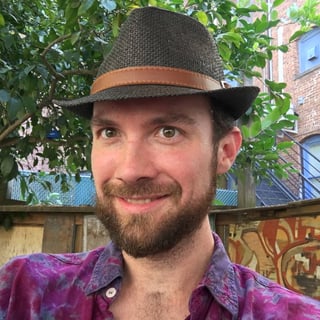
Speaker: You are listening to the Mentally Oddcast. My name is Wednesday, leave Friday. And with us today, we have Michael Brueggemann. And he is a laborer, a weird fiction author, a Magic the Gathering enthusiast, a father, and a local politics aficionado. And he is from the most haunted town in America, which is Elton, Illinois. Welcome, Michael.
Speaker: Good to be here. cool and and to be clear you do prefer michael and not mike i actually don't have preferences but you know that's fine wow that's that's we we should get back to that because i think not having preferences would be ah a lovely way to live i don't i think i'm too much of a control freak to just not have preferences like that yeah i think maybe i don't know um
Speaker: But it is great to have you here. I might be too go with the flow, you know, sometimes.
Speaker: I see. I see. Well, as you know, we always start by asking guests to tell us the story of the first horror movie that they remember seeing. And I don't know yours, so let's have it.
Speaker: Okay, so um I think it's it's technically not a horror movie, but Um, but the first movie I remember seeing that scared me was, uh, Big Trouble in Little China. Okay.
Speaker: Yeah, I was watching that. You say, Dad, and there's just, I don't, you know, there's like, there's a snake lady and there's a beholder and there's all these sort of like weird creatures and at a very young age. I was, was very scared of it.
Speaker: And, uh, And yeah, I don't know. It just it just freaked me out. And then I i can't... I'm going be able to put my finger on the very first horror movie I saw because my parents were like really into horror movies. And as a very young child, I was very skittish and scared all the time.
Speaker: so ah So yeah, i remember I remember being scared of Big Trouble in Little China. and I'm pretty sure my first... horror movie that I was able to watch was probably Gremlins, um which I think is probably the most most people my age, you know, the first one that you're actually able to tolerate. It's usually Gremlins.
Speaker: It's the thing that gets you into yeah yeah the horror if you're a skittish kid.
Speaker: Well, yeah, that movie was so scary they had to make a whole new rating for it. That's it.
Speaker: Okay. Um, so your parents were watching a lot of horror and you weren't really into it. So what were you into? What was your, your favorite childhood viewing?
Speaker: Um, well, when I was a kid, you know, uh, I liked, uh, cartoons. was really into like science fiction. Um, I would read a lot of science fiction. My, um,
Speaker: I had an uncle um who he lived on ah my aunt's farm in a trailer. And by the time I was, you know, ah coming up, he had had a stroke and he was half paralyzed and he he was so dependent on on alcohol that like he would get hospitalized and they would um allow him to have beer in the hospital with him because he was so physically dependent on it. sure sure And he would just sort of like chain smoke chain drink and tour around his little, his little motorized wheelchair. And he would,
Speaker: ah watch the Sci-Fi Network and he would ah i would go there and i'd hang out with him and he would you know we would talk about science and science fiction and politics and sort of like all of those sort of things so he was a big inspiration on me and ah and ah so yeah so I was from a very young age I was really into sort of science fiction and science and things like that okay Yeah, that that makes sense. And now I know you are into, you're not really a horror person, more of the leaning toward the fantasy side of it, sci-fi fantasy. um Yeah.
Speaker: Now, you refer to yourself as a weird fiction author. So I would like to discuss that term in more detail. First of all, is the fiction weird or the author?
Speaker: i think I mean, it's probably probably a little bit of both. Yeah. Yeah, I don't know. what My process of like, when I write, it's usually just like, I'll come up with like a premise and i will just, just crank it out, you know? Uh-huh. Yep. kind of flows out of me pretty easy. And it's like, it can be like, whatever sort of concept. Like I, I wrote a story based on a, you know,
Speaker: that I was like, well, I wonder what it would feel like if, if like, fat came out of your nose. And so I turned that into an entire story.
Speaker: um i mean, I have done things that, like, where it it I've put more work into it, where it was, like, not just jamming it out quickly. um You know, the first...
Speaker: Story was ever published in was for for a so like a Wizard of Oz themed anthology. neat. The editor of that, he actually um just passed away. i was really sorry to hear about that. um But ah that was something I spent weeks on.
Speaker: And, you know, i I tore through it. I was i was ah constantly, you know, using thesauruses and reference guides and building and and and the the the wiki for, um you know, the sort of worlds of L. Frank Baum.
Speaker: And I put a lot of effort into that, but um a lot of times it's just, it's just, here's an idea and I i crank it out based on just an idea. um and it's usually, it's always something weird and I don't really sort of make myself too beholden to like, um like,
Speaker: how much sense it makes or how much, you know, it fits into the rules of a certain world. i mean, except what I do. um But yeah, so I don't know. Like, i I don't know how to describe it other than just it's weird. It's weird stuff. um So that's that's just the genre I feel like it is. I don't know. I don't i don't know what else to call it. Okay. Okay.
Speaker: All right. Yeah, I get it, man. I mean, I'm like branching out into different subgenres myself right now because since I made the switch really from writing long form to just saying, you know what, short stories are so much easier. And now that I understand that I have like ADHD, it makes sense that like you get that idea like, oh my God, wouldn't it be wild if if this happened? And then you can just sit down and draft it out. And before you know it,
Speaker: you've got like five, 10,000 words. And it's just this cute little story that has like a focus and a theme, maybe a twist of some kind. And yeah, when you are excited about it and you can just sit down and do it and then it's done, that's, that is a beautiful thing. It's not like, Oh, I'll write that down so I can use it in a novel someday. And then it just sits in a frigging notebook for 10 years. Right. Right.
Speaker: So... so When you are writing weird fiction, I'm guessing that you are not using common tropes or you are like really flipping them on their heads. I mean, it seems like for a fiction to be truly weird, it has to be like the weirdness is kind of relative to what other people are doing, right?
Speaker: Like it's unusual fiction. It's unexpected. Like, is that am am I understanding that right? Uh, yeah, I think so. I think so most of the time.
Speaker: um you know, it's, it's like, I do have to say, you know, it's, it's hard because it has been so long since I, I've really written. Um, um, it's kind of hard to remember.
Speaker: ah but yeah usually usually I, You know, yeah, if if it's if it's a... I'm messing with a trope, but's usually it's usually trying to be a subversion of it.
Speaker: um And... And, yeah, I don't know. i don't know. so it Otherwise, yeah, I mean, I don't know. I just write what i what I want to, and I don't really worry too much about it. don't know.
Speaker: Okay. So would you, are you writing to an audience? Like, do you have a specific type of reader in mind? Um, I think,
Speaker: because I do, i have, you know, um use like the Vonnegut, uh, idea of like writing to a person with one specific reader in mind. Uh, mm-hmm.
Speaker: It's usually like always somebody different. I think a lot of times I might just be writing to like myself when I was younger, you know?
Speaker: um Okay. Because I kind of wish, I know, I wish sometimes it like I had a sort of realized like,
Speaker: that there aren't actually any rules, you know? I mean, there are rules, there are guidelines to how you can write to get ah so specific outcome. And there are rules to what the conventions are and and they're there for a reason, you know?
Speaker: um But when I realized like how much, like you you are you are actually allowed to do whatever you want. um Like, I think i I kind of found that out when I was when i was a little bit older.
Speaker: So I think sometimes I'm just writing like what I would have liked to have read when I was a kid or a preteen, when I was like interested in that sort of thing.
Speaker: um You know, when I was when i was ah probably 13 or 14, I started writing like poetry that was like really like subversive and and and to be honest, kind of like gross and and um violent and angry and just just just I was like, what if poetry could be this? And ah my aunt, who is a like an old farm wife and she's like really nice and like ah doesn't like the F word and you know okay she found she was I think just putting laundry in my drawer or whatever Um, and, uh, when she was for a visit, cause she's the type of person who would do your laundry when she was visiting you. And she found it. She goes, Michael, I found these.
Speaker: She's like, these are disgusting. This is the most disgusting things I've ever read in my life. And I was like, but you're a really good writer. i was like, Oh, thanks. Wow. Yeah.
Speaker: So, uh, Well, and you know, honestly, that is a rare thing. it is ah with people, especially people that are not actively involved in the creative arts.
Speaker: People have such difficulty distinguishing between this is of poor quality versus this is not to my taste, you know, and it it sounds like she did. So that's that's a good thing.
Speaker: That is a wonderful thing. Although people shouldn't be snooping, man. I couldn't imagine just finding a notebook in a house that was not my house and being like, oh, well, why don't I give this a perusing? Because, yeah, what what? They were loose sheets of paper in the drawer.
Speaker: see Well, but the thing is, you can't go looking through somebody else's stuff and then be like, oh my God, I'm so offended by what was in your stuff I found. and Yeah. Okay.
Speaker: But yeah, that, you know, that's the kind of thing that, you know, that you got to take that in the context of the entire relationship. So I get it.
Speaker: So I, all right. So, so back to like weird fiction. Okay. What, who else is a weird fiction author? Who would we know that writes fiction in this particular category?
Speaker: like gosh. Maybe, maybe Christopher Moore. His stuff is kind of weird. Yeah. Maybe. I
Speaker: and i don't, I don't read enough either lately. So it's so hard for me to think. um But, you know, like, reticent to say, like, Matthew Bartlett because he's so good. He has such a singular voice. But ah i his stuff does have, like, a similar sort of ah
Speaker: sort of weirdness to it. um
Speaker: Gosh, I don't know. i don't know. Okay. So many. Well, you should think on it and let me know because now I want to dive in and find out like who's the weirdest of them all.
Speaker: So you mentioned that you haven't been writing much lately, but do you have ideas for upcoming projects that you want to share? I do have like oh i do have like
Speaker: I am participating in sort of a a group project that, um you know, and the other people involved kind of want to keep there ah keep it under wraps um because it's like it's like a thing. It's like a new um it's a new medium for everybody involved. So I'm really not okay talking about that. ah Don't break your NDA on my account.
Speaker: Mostly I just want to get... um i just want to kind of finish some things that I've had hanging, you know, for so long. ah Like...
Speaker: You know, there's a story that I was like... It's like kind of like... default i don't know. I felt necessary for it to become this short story. but But I think the concept is so simple that I need to just start from scratch and just let it be like Flash or something like that. Because it's... Okay.
Speaker: You know. ah i think that would be better. I mean, it's also... it's like It's kind of like just based on a pun. so like Which i've I've written a lot just based on a pun. like
Speaker: Wow. that That's amazing. Because, I mean, have you tried ah have you tried writing with AI? A lot of writers are writing with AI these days. Are you doing that?
Speaker: No, I don't really. I'm joking. I know you're not doing that. Yeah.
Speaker: Well, you know, amazon Amazon just changed their rules. Amazon says now, for for KDP, for Kindle Direct, if you're like publishing your own stuff, the new rule is that nobody can upload more than two books in a week. So, like, two in each format.
Speaker: So like two paperback, two hardcover, two digital, which, you know, usually you would do at least two of those for each book. And yeah, they're saying not more than two a week. So anybody that's losing their goddamn mind over it is an AI slopperator. Like we know now who's doing that. Right. You know, we all know writers who are fairly prolific. Nobody is writing two books a week. And well, I guess more than two books a week because you could upload that many. so like yeah yeah i mean i guess that's one way to combat it but yeah it's like what like you like chuck tingle like and maybe he would get close to that you know but nobody's nobody's doing that two a week so no no certainly not um now you're a dungeons and dragons guy
Speaker: And i'm I'm not, but my understanding is that Dungeons & Dragons was the first ah major game, major RPG, to welcome and encourage the use of of ai dungeon masters.
Speaker: um And that because they're such an industry leader, other games are following suit. ah You got any thoughts on that? i I mean...
Speaker: I think it's it's it's just ridiculous. like I mean, I don't understand really... Because when they said that, but when they came out with that, there was huge pushback. People don't want it. like it's just It's kind of amazing to me like the lengths that these companies will go to to like shoehorn AI into their shit when... like Like, so, you know, Dungeons & Dragons is owned by Wizards of the Coast, who owns, makes magic as well. ah And they, they have always, Wizards of the Coast has always been very responsive to player feedback, you know? um Like, if there's a big enough stink about something, they usually just will start doing it or stop doing it or change it, you know, whatever the people want.
Speaker: So it's kind of wild to me that they're that they're continuing to push forward with that when like, it's like DMing, like creating a world, creating a story, you know, creating an experience for your friends is like such a huge part of what makes that game great, you know?
Speaker: That is my understanding. Now, was was there a shortage of of people willing and un able to do that? Is there a shortage of dungeon masters? hi Not really. You know? I'm trying to...
Speaker: you know i'm trying to to wrap my head around like is that is it solving a problem that exists is there some reason that it might be valuable to use ai for that purpose because it sounds to me as non-gamer like just another thing where people want to pretend they can do it even though they can't do it like visual art or writing a novel in a day um yeah that you know that that it like like you were just saying it's a skill and an art you know it's it's something that you that that people work on and and develop an ability to do and then the ai then comes and looks at that body of work and says here let me imitate that for you um yeah like who who is that for i guess what yeah is it is it solving a problem that exists
Speaker: Yeah, I don't know. I was i was just watching, actually. So, getting really into this ah the YouTube channel, ah Mystery Treehouse. It's like sort of like deep dives into just anything, usually pop culture type stuff. And there is just... They did one about, apparently, Colin Kaepernick, who, like, I've had, like, um you know, sort of, like, great respect for, like, the way that he's been outspoken on social issues and things of that nature is for some reason, i don't even know why, decided to invest in like a AI graphic novel business, you know, like to churn out graphic novels. And I don't know how these, like, I feel like people really get their minds twisted into believing this narrative because he's up there and he's people are asking about what about why what who's this for what what about the people who make this art and they wanted they make the art they want them to make them people want art made by human beings and he was like well you know i think this will help um you know artists because then you can use the the the
Speaker: machine to, to like make your art for you. and then you don't have to like hire a writer. And it's like, well, you know, like a writer is like another type of artist, right? Like, right. And then he was even, he said at some point he had said in in some interview, uh, you know, I can't draw and I can't write.
Speaker: I'm just a creator. And this concept that, like, you're a creator when you don't know how to create anything is insane.
Speaker: like Well, tell him where we're replacing his sport with foosball. Right. Because it's cheaper than paying players. I think he might get it then. What the hell? That's very disappointing. And I think, I mean, I suspect slash hope that that comes from a lack of understanding of the issues. I mean, over and above the fact that they're called the humanities because they're made by humans, I would think that that someone like Kaepernick with his history would be more sensitive to...
Speaker: the class issues inherent to AI and where they're putting these, these places and whose resources they're stealing and who is paying the higher electricity, the higher water bills, like who is being the most, I mean, i want to say inconvenience, but it's not really inconvenience. They're being stolen from.
Speaker: You know, poor and minority communities are being hurt by that to a much larger degree than affluent, largely white communities. I mean, that's, you know, that's demonstrable. And even if he's on the fence or or even pro-Gen AI, which I don't know why...
Speaker: I mean, i i still can't get my head around it. I think it's making us weaker and lazier and dumber and even less media literate and empathetic than we were when all this started.
Speaker: But yeah, that's that's a whole huge thing, right? um Right. Because didn't he stop taking money from Nike when he realized that Nike uses child labor and slave labor in other countries? oh I kind don't remember That that might have been why the Nike nike thing So it's hard, you know, they didn't mention that the thing I just watched, but that's kind of how i heard that's kind of what I remember from that situation. Yeah, that's...
Speaker: I don't like... oh which Like, AI is like it just as a technology, as a thing that exists. Like, I don't have like and a fundamental issue with it, but...
Speaker: this idea that like it needs to be in everything the idea that like it should be creating art this idea that like right like you said like like because of building data centers there's an issue with um in in granite city right now which is a town near me where they're talking about putting in a data center and and To be honest, my hall, because it would mean a lot of work for us, what is was asking people to go to speak at these like town halls about it um in support of it. and
Speaker: like I understand that like things need to get built because human beings are like you know using the internet and the the infrastructure needs to be there for it. But the thing is is that
Speaker: The fact that too bad, so sad, your power bill going to be higher when you don't, when these people are are poor. This is a depressed area. This is the town where there's a steel mill.
Speaker: And it's it's been, you know, this steel mill that was built 150 years ago they made the town really affluent. And and they they call it Granite City because it's sort of a granite-looking steel that's used in, like, cookware was invented there, in and it was a huge boon for the neighborhood, but as time has gone you know, it's just completely fallen into disrepair, and and, you know, crime and the median income is really low, and people are, you know, and they're putting so much effort into, like,
Speaker: into like trying to make it a place, you know, like a place that people want to go. There's like cool shops on main street. There's, there's a tiny movie theater that like, it shows like, you know, three of the, of the, you know, big, movies big movies that are out, but then also we'll do like a midnight showing of like Rocky Horror Picture Show. And it's got all these things going on in this, in this little town.
Speaker: And, They don't need that like as a burden. And nobody's talking about you know making like energy production cleaner and more efficient. Nobody's talking about nobody's talking about like if a company's building this fucking data center, like why aren't they paying for the fucking increasing cost yep to electrical production?
Speaker: We know why, because we have been an oligarchy for some time in this country. And even politicians, like I'm in Michigan, ah Gretchen Whitmer, ah fairly progressive, ah kind of drug her feet on things like roads and Flint's water and stuff like that. And then on her way out the door, she approved a data center that nobody wanted.
Speaker: Like, nobody wanted. that There was, you know... i don't I don't know what ah what a pro data center argument would be because all it really does is make our bills get higher. And people talk about, oh, it's a job creator. It's not a job creator. Maybe it creates, let's say, two dozen jobs.
Speaker: Is that really worth it to raise everybody's bills when the bills are already insane? Like, rent is out of control here. Our rent right now is 75% of our income. Just the rent.
Speaker: And I live in a... I mean, it's a cardboard box in here. It's so crowded. Especially since, like, the business and everything. I don't want to go off on a tangent about, like, my deal, but it's... um We have long had a government who really does not care much for the average person.
Speaker: And obviously that's more true of one party than the other. But the older I get, the more I see the patterns of Democrats just doing fuck all while bad people ride rubshot over us. I mean, as far as I'm concerned, they should be bringing impeachment articles weekly.
Speaker: Even if nothing's going to happen, even if it's not going to get voted through or whatever, bring it every week. Remind everybody he is breaking the law constantly. He is enriching himself and his family constantly.
Speaker: All these other guys doing all this bullshit and nobody's bringing it up, you know, because I know like all the papers are bought off. And that's the thing about like the news. Jeff Bezos could be a hero.
Speaker: since he bought the Washington Post, he could save democracy with that shit. But he's not going to do it because, you know, he's got his little plastic wife or, I mean, they look like the Penguin's parents. I can't stand it. But, um... Yeah. But, but no, like, what I want to get to, though, is that...
Speaker: i What I want to parse is how deliberate you think is the correlation between the rampant acceptance of ai and the rise of fascism.
Speaker: If AI is making us dumb, fascists want us to be dumb, right? They don't want an educated populace. I would have a lot of trouble parsing like
Speaker: how much of anything... is deliberate simply because, like, so much of people in power are also, like, so incredibly stupid.
Speaker: Like, so, it's it's hard to say,
Speaker: but it is, like, worth noting that this is, like, these trends are like a worldwide thing. And that's ah something I think that like we as Americans like forget is that like, it's, it's literally happening like all over the world, you know, like um Japan just, just elected, you know, a fascist prime minister. yeah And, yeah you know, didn't Germany just elect somebody really conservative, Germany, Germany elected a lesbian,
Speaker: married to an immigrant who's a member of a party that is against homosexuality and immigration.
Speaker: Long sigh. What a shame. What the hell is wrong with people? Now, was that legit? Because I would maintain that our last digit election was not legit. That Elon Musk absolutely ah did what he does and and tampered with a vote count.
Speaker: And that one of the jobs of the Doge Boys was to erase all the evidence of that. And why that was never pursued. of I mean. Who do we blame but the democrats for that. I don't. I mean.
Speaker: It's just so obvious. And I can't believe we're all just standing around. With our mouths open. Gawking at the blatant. Blatant corruption of it all. But yet nobody can do anything. Because like what do we do.
Speaker: You know. what What do we do. We can't do anything. i mean I don't know if it's like. It definitely seems possible to me. i don't know if it's like a conspiracy or if there if there was cheating.
Speaker: And it is it is hard, which is something I think they do as well, is that the the people on the right are just constantly spouting... this this crazy bullshit. So that if, like, if you or i want to suggest something conspiratorial or, like, something that seems kind of out there, then it's, like, then it's like you get equated with, like, those fucking nutjobs.
Speaker: um So, yeah, all I know is that, like, after this midterm, I really hope that people... just start writing to their, you know, elected officials and like pressuring them to like actually kind of change some of the fundamental issues that we have, like with like the structure of our government right now.
Speaker: Um,
Speaker: Because like so much of what made like this administration's like sort of power grab possible is just because people get complacent. um Anybody who actually cares about, um you know, whether or not the government is corrupt, ah just sort of like a Democrat gets elected. Then they just sort of like sit on their hands and they're like, oh I'm so relieved that we got, you know.
Speaker: Somebody who's like not doing as much fucked up stuff and then like and then nothing changes about like a sort of like overreach of the executive branch. and like You know, i think that in my in my own life experience, the more I care about the job that I have and the the harder I'm trying to do a good job, the faster I get burnt out.
Speaker: the faster they just run through all of my excitement and fervor and and goodwill. and And after a pretty short time, I'm just like, you know what? These people don't appreciate a goddamn thing. They're not paying me shit. They're not keeping their promises.
Speaker: yeah And i would I would think that that is something that politicians are good at. Well, like social workers, you know? Social workers get in there and they've got an idea for everybody and they want to help everybody and they're sure every situation is fixable. Five years later, they're like, well, here's your paperwork. Do what you can.
Speaker: you know, and it's I'm sure and and I'm not making excuses. it It certainly seems like. There's also like now that we know more about the Epstein files and they won't tell us the names and they say the same things. Oh, everything would collapse if we knew who they were. Well, good.
Speaker: Then it should. But that's I mean, that's a problem. And honestly, that's why we need way more women in politics. Because women are much less likely, and I won't say never, but they are much less likely to go to islands and make compromise of themselves hurting children for sexual reasons, for example. right And I'm sure that a goodly portion of the Republicans, not not just the gay ones, but but like in general, have done things that have been filmed and that's why they do whatever this gross old man says.
Speaker: Because he's got a compliment on so many people that we would all be sad if we found out who. Yeah. So that's I think that's that's a huge part of it.
Speaker: Yeah. ah just It's just that in this country, it's like you're you're
Speaker: you're already like... We're already being asked to like accept a society that is like sort of built on... like
Speaker: income inequality, ah you know, a sort of for-profit prison system, ah you know, ah ah way more quid pro quo than I'm comfortable with. And so you're already, like, we're already asked to, like, accept that as sort of, like, foundational to our to our society and our civilization. It's like, and then you want us to also, like, add, like,
Speaker: pedophilia and child murder to our to like our things that we need to accept about how our world works but no like no i don't i don't accept that and it's not it's not worth it to me for if everything collapses i mean i like like i hope i hope i don't run out of insulin before we fix it but go ahead know like yep because it's it's really it's not worth it to me No, no, it is not.
Speaker: And it's it's so jarring how many people, people that seem decent. Like, I have long said that the worst thing about MAGA, actually ever since, like, the tea party, is all the people that you find out things about. Like, people that...
Speaker: you know you you thought were firmly on your side are like, well, yeah, i mean you know why should we all have healthcare? Why should you know trans kids be treated like people? Just like regular decency has evaded people that I have thought were cool my whole life. you know not just not just like artists, but people in in my family. you know People like, oh and you know i don't It used to be that like, because, you know, I was raised by blue collar conservative types, you know, with like the hard work ethic. And if you're doing bad, it's because you didn't work hard enough, whatever, you know, opposed to school lunch, didn't want me hanging out with kids that got free lunch at school, stuff like that.
Speaker: Just, you know, very backward. i We're oppressed, but we've found nobility of it. Like the Middle Ages, you know, where like you're a coward if you don't go die for war for like the richest guy in your town.
Speaker: it's It's that mindset of like, yes, we will hurt ourselves and be in pain because we believe it's noble for the system. Like that's that's that whole like working class blue collar mindset. So I can appreciate how people think there's value in that.
Speaker: But first of all, a lot of them do not live what they preach, like you had just pointed out. you know a lot I mean, how many ICE guys are getting their their spouses are getting taken in or their recently ex-spouses?
Speaker: Because a lot of, I mean, there are way more immigrants than I did not realize, that I realized. you know I didn't think that was a problem in Michigan, for example, that there were a lot of immigrants here outside of like Dearborn but apparently there are and then people are like see see there's so many of them yet so what i know one I don't understand why it's a problem. if i i mean Basically, it means there are more options for late night falafel. like i don't I don't know what people are so upset about.
Speaker: Oh, God, but they're Muslim, though. They want to impose their will on us. like You only think that because you're Christian and you're always trying to impose your will on people. Yes. Yeah.
Speaker: yeah I think that's that is such... i remember that I kind of remember if the when i first heard it being pointed out that like that like i think it was in reference to like homosexuality is that like men being homophobic like the reason that they are is because they think that a homosexual man is going to treat them the way they treat women.
Speaker: Yep, there's that certainly. I think that's certainly fueling it in the in the military. Yeah. But also, I mean, there have been studies that show that like ah the aggressively homophobic people are generally closeted.
Speaker: Abusive fathers is another like link between all of them. It's like, so really? So you'd rather just like beat up every gay person you see than confront your dad? You're a grown man. Do better.
Speaker: But if you look at our government, we are under the yoke of fascists who did not confront their abusive dads. I've never met Pete Hegseth parents, but I would bet my last dollar that his dad regularly beat the shit out of him.
Speaker: Or he didn't live with his dad. And so he beat himself up for that. But I mean, what a vile person. And you look at these people and the dysfunction is so obvious.
Speaker: It's so obvious. And it just kills me that they walk around pretending to be tough guys. Nobody thinks Kash Patel is a tough guy. My God.
Speaker: it So, ahem. um So, like, it seems like this started with Citizens United.
Speaker: Like, once we said, you know what, we're basically going to legalize bribery. um And then, you know, SCOTUS has made a few spectacularly bad decisions since then.
Speaker: But is is that your understanding as well? That that's how this began? i well, I hate to think of, like, when something began, because my mind always goes to like, because I didn't tend toward literalism. And then I'm like, well, you know, but then you, you had, ah you had Reagan and then, and then for Reagan, you had Nixon and the Southern strategy, you know, but yeah, I think that like, as far as like making this country, like even more of an oligarchy than it already was. I think that like,
Speaker: Citizens United was like a huge, a huge blow um to like fairness and license. And and really, i think the idea of, it comes down to me, a lot of things, the idea of money in any of it, the idea of money in politics as far as like getting elected the idea of money in the criminal justice system as far as like hiring a lawyer the idea that like money plays a factor in these things i think is like the root of like injustice because if you know
Speaker: if a rich guy can hire a good lawyer and get off for killing his wife and then poor people are put into prison, ah because for shit they didn't do.
Speaker: And then, and then, and then when it's proven that they didn't do it, they still sit in jail for another five years and have a retrial and maybe you just get thrown right back the fuck in. So I think that like,
Speaker: There should not be an inequality in like somebody's criminal defense. i don't i I personally don't think that money... like it's It does seem kind of like ah goofy to have like the whole set amount of money for advertising for political campaigns. thing like i don't know like how it should work specifically, but the idea that you can buy your freedom...
Speaker: Like, when you've done something horrible, the idea that you can buy your seat when it comes to like the idea that you can buy a politician Yeah, I actually didn't know until Michael Cohen that there was a prison for rich people and that it was nice and didn't have, I mean, it was like a white-collar prison and if you had a certain amount of wealth, you would just pay and go to the nice prison. And I don't even know where to begin with the level of bullshit fuckery that that I mean the thing is in my book I was ah you know I'm doing the third book of my political trilogy and the reason it's taking so long is because it was so hard to find things like the the world and the government kept outdoing me you know
Speaker: And, well, no, I mean, I got to the point where I'm like, you know what? Fuck it. I'm going to make it about space aliens. As long as space aliens don't come to work, don't come to this planet. And not no not a week after I said this, I went online and Don Jr. was like, if you see aliens in the sky, shoot them down. Like, if if what now? What did you say? Come on, you're fucking with me. You have to be. I mean, it started to feel personal at that point. My goodness. Yeah.
Speaker: This is a tough time for absurdists and satirists. like like Yeah, it really is. um It is. But one of the other things that happens in this book is that there is a program introduced where you can be paid to serve someone else's prison sentence.
Speaker: And that your family will get money if if you agree to do it. And then there are some updates along the way about how the program is going and how it's working out for people. um So you'll have to read it to find out what that all entails. But yeah, it's... ah You know how in a trilogy sometimes you have like a really good book and then the second one is kind of like, oh yeah, that's a continuation. How interesting. But it's not like great like the first one is. But then you get that third one and it just brings it all right back around and you're like, bam, OK, that's That's what's happening here. Like, when I wrote the second one, I thought I was just really mad because of everything that was happening and because I spent two years writing a book about presenting someone as a good guy. And then he was just like, okay, thanks, I'm doing sedition now. Like, wait, what?
Speaker: Yeah, and I'm engaged to a hag. Like, wait, wait, stop, what, what? So... but But also, though, that was the year that I almost died. So I was like, I was mad. Like, I was mad at what was happening. But also, like, when I got COVID, my heart was like, actually, no, we're not going to beat right anymore. We're going to, you know, do some AFibs or whatever. So that started a whole long health journey for me that, you know, I got out of the hospital and that book came out, I think, two months later three something like that like I busted ass and finished that book because once my heart was right again which took a while um yeah so that that was the second book that was the book with the assassination attempt in it because I'm prescient as hell for because yeah there's so much prescient shit in it because well the first book is about well you've read the first book you know what it's about And yeah, like, I don't want to give it all away, but there are things that that like I predict in the first book, and then they immediately do that by the second book, and then there's things in the second book that turned out to be predictive because they actually happened.
Speaker: So let's hope aliens are not on their way here because it's not good news that that they're here. Or that they are. Yeah. Well, most people seem to think that if aliens are coming here, it's either because they want to eat us or because they want our water.
Speaker: And it's neither of those things.
Speaker: ah So I'm excited. I'm excited to loose it on people. Yeah. Now... Moving on, I don't want to presume anything about you or your household because, you know, but I suspect that you have a perspective on disability and the ADA and how well our country does in ensuring the safety of our most vulnerable people.
Speaker: I do. I do have a opinions on that and a perspective on that. um Yeah, well... um So, you know, I'm married to a disabled person. and like,
Speaker: think i always like had my suspicions because, you know, I do live in the world and in this country. And i
Speaker: like, for one thing, she was, she doesn't get SSD because of... Because she worked. Because she worked when... Before everything finally got really bad with her body, she worked. So then let you go to a court because ah money has to be involved in everything. You're supposed to get a a fucking lawyer to get your social security. Yep.
Speaker: And they were like, because you worked... you are not disabled. And it's like, you know, it's like, you understand that like people do things when they shouldn't, like, it is a thing that happens. And when people have kids, they certainly do that.
Speaker: um And it's just nobody really like,
Speaker: Hardly anybody, nobody nobody enforces the ADA. is There's this myth. i I feel like most people have this perception that if, like, a person is disabled, that they get enough money to live from their from their disability checks, and that and that the world is gives them the accommodations they need to move throughout it.
Speaker: And they think that this is so true, that it is so... you know, easy to to to be a disabled person in the United States of America, or so possible at least, that people fake it.
Speaker: They think people fake being disabled because of all the benefits you get for being disabled. And the fact of the matter is, is that like people cannot survive on what they're allotted, if they even get it, you know?
Speaker: And i don't know. I just, I feel like the perception of disability as like thing that is taken care of and accommodated for is part of the reason nothing's done about it. i mean, part of the reason is like, you know, we act like that, like in the thirties or forties or fifties when we had,
Speaker: You know, ah these sort of like horrendous, you know, mental institutions are like, well, you know, at the time people just wanted to shove those people away and and get them out of sight. And it's just bananas to think that like that has actually changed. Like you do think that that has changed.
Speaker: you know um Well, that's one of those things that comes down to how much money you have. Because yeah if you have good insurance and someone in the world cares about you enough to fight for your dignity and well-being, you'll probably end up someplace decent.
Speaker: If you don't, right you won't. Because I can tell you the difference between just being a regular person without insurance. I was in a state hospital.
Speaker: and it I mean, I'm just going to say it was a world of difference once I moved to Ann Arbor and got to go to U of M Hospital. Just the difference in in dignity and how you're treated, whether or not people answer your questions, things that don't necessarily cost more, but that they don't bother to do it if they don't find you valuable enough.
Speaker: Yeah. And that's horrifying because no one seems, I mean, if you're, if you're evaluating people based on how much they're, they make monetarily or what their skillset is, that's not, don't, don't people, if that's what you're doing, because you're bad at people.
Speaker: Yeah. Yeah. So much of the idea of like value in general being, you know, like most people, normal people think of value as like synonymous with like an amount of money. Like this is, this is what the value is. You know, how much is it worth? How many United States dollars is it worth? And that's the value of something. That's, that's the value of a person. And it's like, I do understand that like assigning a number
Speaker: to like what a thing is worth makes sense. I do understand like the benefits of like capitalism as an economic system, as a way to encourage production of things, an idea of assigning value to objects.
Speaker: But the fact of the matter is, we assign that value to people, to justice, to... you know, like to the environment, to the air we breathe and to the water we drink, there's ah there's a dollar amount assigned to what that is worth to us.
Speaker: It's like there should not be a dollar amount assigned to you things that should not be sold. Human beings should not be sold, or and water should not be sold, and justice should not be sold, so there's no reason for them to have a dollar amount assigned to them.
Speaker: Well, no, because it does not not everything should be run like a business. You know? Right. Some things should be run like a household. You know what I mean? Like if you have a child who is ill and needs medical treatment, you don't look at the child and calculate how much they bring into the household.
Speaker: You give them what they need because that's what a household is. So that everyone under that roof has, to the best of your ability, been given the things that they need to be healthy and safe.
Speaker: So when you, you know, i mean, we we do that not just with people. We do that with our institutions. We did it with the post office. Just this whole like, well, how much money do you make? Why, you know, how much money should we spend saving you based on what your value is? And and yeah, you are absolutely right.
Speaker: if you If it's certainly, if it's not something you can sell, there should not be a value on it. um Right. But like by the the rules of value, like you know i I got a dog this year. And I spent a long time looking for dogs before I got one.
Speaker: And there were dogs that were... I mean, they looked a lot like the dog that I ended up with. Except my dog isn't ah a purebred or whatever. Because I don't care about that. And in fact, I kind of wanted a mixed breed. Because I think...
Speaker: that will help her like avoid a lot of the like breed specific issues. yeah She got that that hybrid vigor. But the thing is, that's the thing. like I got my dog as a gift. you know The actual dog was given to me as a gift.
Speaker: But people pay like, I mean, $6,000 it turns out is cheap for a dog. There are people that spend yeah insane amounts of money for dogs. But yet...
Speaker: it It just, like, I don't i don't get that. Because, I mean, sure, a dog is a thing and you buy it and it's a business or whatever. But it's not like...
Speaker: you're getting a better one because you paid more. Like, as far as the day-to-day life of dog, it's not like, oh, I got a cheap dog, so she kind of sucks because I didn't pay that much for her, so she's not that great of a dog. She's an awesome dog. She's amazing.
Speaker: And there are people that, like, oh, I paid $12,000 for a dog and it ruined my carpet and my couch. Like, well, I don't know what to tell you, buddy. You know, that's...
Speaker: um So let me ask you this. What would you say to a disabled person who relies on their partner and then that leads them to feeling like a burden?
Speaker: how How would you respond to someone who says that? um Well, I think that, like,
Speaker: can point out that, like,
Speaker: you know I don't know. i just Personally, i don't
Speaker: value things in like a monetary sense. I don't think that like you know what a person brings to a household or to a relationship is like necessarily tied to like an amount of money.
Speaker: ah And i don't think about it. I mean... To be honest, I don't think about money a lot and my partner does. So that's something she brings to the relationship is actually having a head for like, you know, budgeting and, and, and keeping track of money, you know, cause that's something that like, I was not gifted with ah my,
Speaker: mother had me when a she was 18 and she was a single parent within five years. And she was kind of wild and never had very much money for very long. So i kind of grew up without being, you know, taught skills on how to like be good with money. And my partner does. I just think that like when it comes to relationships,
Speaker: ah you know, people bring, you know, what they have. They bring their skills. They bring their abilities. They bring what they can to the table, you know. ah You know, each, um you know, each to his ability, each to his need.
Speaker: Yep. You know, because a household is a commune, you know, and that's, that's what we're doing here is building a home, building a place that, you know, a family lives. And, as much as like a business wants to call themselves a family, they're not, um, you know, and, ah this is, this is a family. So, you know, people bring, people bring what they have to the table and,
Speaker: You know, I don't know it is it is It is hard. It's hard for people. it's it's And I think especially now, I feel like so... Like, public attitudes... I think public attitudes have, like, shifted, like, to the extreme, sort of in general, where people are I mean I suppose it's always been that way, but I feel like it's become louder that people are like, oh, these people are worthless. They don't contribute anything. but it it a You know, I mean, just as much as there's like people who are like, uh, nobody should have to work and we should live in a perfect, you know, socialist utopia where where robots do everything for us.
Speaker: Um, You know, like, neither of those things are true. It's kind of like I've always had a problem with, like, the idea of, like, I've always had a problem with absolutism, you know? Like, nothing is entirely one thing. There's nuance in everything. There are gradients to everything.
Speaker: You know, there's going completely one way on anything is never going to be the answer. And what the answer is shifts. I think that's another thing that's like not and like I feel like people don't see that the answer, what the answer is changes. you know and as a society, we should be adaptable. you know Government is a slow ship and it it's supposed to be because the fundamental rules under which a society operates should try to be as permanent as possible. you know
Speaker: it should have the ability to change but like not so drastically that it like you know alters everything to the point where it can cause harm.
Speaker: But as a society, the rules and the answers that we have need to shift over time. don't i don't know. so i just I feel like people don't think in that way.
Speaker: i don't i think people just want there to be one right thing. i'm You know, I'm this is right and everything else is bad, you know, and it's like, well, people want simplicity, you know, people don't want to have to spend their day thinking about politics. And that's why slogans do a lot better than nuance and conversation, you know, and and it's a shame. I mean, like something as simple as defund the police.
Speaker: is, you know, people misunderstand it, I think, intentionally. And then you have to say, well, no, we're not saying let's not have any police. We're saying let's not overarm these people that are, you know, not necessarily doing a great job.
Speaker: and And send in people that are trained for mental health emergencies and domestic violence, which is you know kind of different than other kinds of violence. You got to have an education for it. And the thing is that one would think that police would be glad of that because I don't think anybody wants to show up to a work situation that they have not been adequately trained for.
Speaker: I mean, you can't train cops for for everything. Yeah, I mean, I think some cops are absolute bullies and brutes and they're on drugs and they're domestic abusers and they're they're unsavable. But I am sure that there are also cops that are well-intentioned and just don't know how to deal with the situations that are put in front of them.
Speaker: so So that's something that that is addressable if people would stop fucking fighting it. um you know Maybe should be restructure the police. Sure, sure. But see, that's the thing. like Once you start to explain, people are already tuning out because paragraphs are just too much for people. Thanks, Twitter. um yeah Now, I'm aware that you do not have a mental health diagnosis.
Speaker: Is that because your mental health is impeccable and you've never needed a hand? It's because I don't, uh, have not yet, I suppose, taken time to do something about it. Like, maybe I should. and because I've been largely, despite being kind of a mess, I've been largely functional, uh, most of my life.
Speaker: But, um... i do i like I know that like I am compulsive and obsessive. like i Not that I'm trying to claim that diagnosis, ah but i like I don't know. like I have a trouble. like Stuff gets stuck in my head, and and i i feel a compulsion to say, parody of song.
Speaker: like ah like ah like a parody of a song like for hours on end, um you know, things like that. And I'm incredibly disorganized and I have a lot of executive dysfunction. And that's, that's what I know about my mental state.
Speaker: And, but yeah, it's, it's hard to like take off work. It's hard to, you know, get started on the process of doing something about it.
Speaker: Well, and it's tricky because without a solid diagnosis, it's difficult to know how to proceed with, you know, what kind of treatment is appropriate, whether you need meds or CBT or DBT, you know, it's, it's ah like that to me is the value of a diagnosis, you know, and, and, and,
Speaker: I was never, I was not able to get an official diagnosis of, of ADHD. Um, but I took a battery of tests and the, and the person was like, oh, well, yeah, um, I'm not qualified to, to put this down, but yes, you, that's what you have.
Speaker: Like, well, that doesn't fucking help me. I need doctors to say that I have this so I can get treated and, you know, yeah. And the thinking is, well, you're an adult. What do you need to get treated for? Like, well, I don't have a job. it It'd be nice to have one because I have a husband, so I can't get disability even though I'm clearly disabled. um Yeah.
Speaker: That reminds me of when I got diagnosed with diabetes. I went... I'd lost, like, 20 pounds in two weeks. and Oh, yikes. I had, like, gone out partying with my cousin the night before. And next day, I...
Speaker: mom took me to this, to the pediatrician. and I walked in and he said, well, he's like, I can't make an official diagnosis, but you're a diabetic because he can smell the ketoacidosis on my breath. And then I got helicoptered to the children's hospital and got the official diagnosis. And it's like, oh oh yeah, I mean, it would be nice if like, like a doctor could be like, ah you know, you're you're a jittery mess and and you keep acting weird, we're going to fly you through a he by helicopter to see... Yeah, because when I have the jitters, I think a helicopter ride is just the thing. um Wow!
Speaker: Wow! That's crazy. So, you actually indicated a willingness to talk about a time when you felt in legitimate fear for your life.
Speaker: So what would you like to tell us? Uh, well...
Speaker: All right.
Speaker: It's hard to pick one.
Speaker: there's the fun one. ah We'll definitely do the fun one. Yeah, so ah one time ah when I was, you know, using...
Speaker: intravenous narcotics. I ah ended up with like a lot of abscesses. And so I had to go to the hospital to have them removed. And I was, they put in a PICC line. So it's a line that goes, for people who don't know, it's a line that goes straight to your heart.
Speaker: And I was there in the hospital and even though they were gracious enough to like up my dose of like opioids because they knew i had a tolerance. I still, of course, was injecting, uh, additional narcotics and, uh, through the pig line, of course, because, you know, while you've got it, might as well use it.
Speaker: And so, uh, But, you know, I like i wanted to be like really safe. So instead of using just regular tap water, I was using saline because, you know, I'm such a i'm such a good and and gracious and healthy drug addict. Okay.
Speaker: So they leave these little saline pushes sometimes um in the room. and But ah on occasion, they would put them in the sharps container and I would not have access to one.
Speaker: So I started just mixing up salt water in the little styrofoam cups. And I had styrofoam cup of saline and a styrofoam cup of Diet Mountain And I grabbed the wrong cup.
Speaker: And I mixed up a some heroin into the Diet Mountain Dew, and I injected it directly into my heart. And the thing is, is like carbon dioxide is like not good for your heart.
Speaker: Right, right. so i started I started sweating and and my my temperature went through the roof and my vision got blurry and I was i was sweating bullets and i was sitting there and i was holding the ah the the nurse call button and my thumb was hovering over it because i was like, I don't want to explain this, you know?
Speaker: yeah ah But they had removed all of my... ah I didn't have any monitors on at the time. So i was like, if this gets bad enough, like I'm going to have to call somebody in going to have to explain this. in um And, um, I'm like, also my dad worked at that hospital at the time.
Speaker: he was already pretty mad at me for like why I was there. He was, uh, cleaning my wounds and like was a little more, more forceful with the cotton swab when he was doing it. Uh, so I really didn't want to explain it. And eventually,
Speaker: But I thought I was going to die. Eventually, though, it did subside and my heart slowed down and my temperature dropped and and i ended up being just fine. so ah So that was good, except for I probably should have learned something.
Speaker: Wow. So that that was not the end of your of your drug use. You continue to use after that. Am I understanding that right? Correct. Yes. Yeah. Wow. Wow. ah Yeah, I wish I had a ah minute to contemplate that because the mental picture of like, I mean, we joke about mainlining caffeine, but um yeah, that's my goodness. What a what a story. What a tale. um And also it's I'm also taken aback by the idea that you weren't able to be immediately forthcoming with medical professionals because you had to go somewhere where one of your parents was on staff.
Speaker: Well, that that wasn't the reason. I didn't want to explain it in general. you know I mean, I was honest. When I went there, despite the fact that the person who brought me in was like,
Speaker: He was like, say that you got it from like taking insulin or something with all these abscesses I had. And as soon as he left the room, the guy who brought me there, i was like i said to the nurse, so i was like, I don't know why he's acting like that, but I want the right treatment.
Speaker: I have infections from intravenous drug use. Please you know treat what's actually wrong with me with all the knowledge. you know But i just I just wanted to keep...
Speaker: shooting dope directly into my heart. So it's probably the reason I didn't say anything then.
Speaker: Wow.
Speaker: So, I mean, okay, moving on. that's That's quite a tale, but but we're moving on now. um The focus here on the show is mental health and the connection to creativity and productivity.
Speaker: So you do not work in the creative field and you don't have a mental health diagnosis, um but yet I don't really consider you an outsider on the topic. I consider you someone who is in the thick of it.
Speaker: what What would you say? Would you say you're an outsider? um I mean, I don't know. I'm like as prone to imposter syndrome as everybody.
Speaker: so I often they consider, I often other myself, ah but I don't know if I really think about it. No, I don't consider myself an outsider.
Speaker: And like, I think I try to stay um like as involved in like the communities that I am a part of as possible.
Speaker: So I don't really consider myself an outsider of like any of the sort of groups I fall in except for when I do. Well, you know, some people will weigh in on any topic, even talking over people who live that topic. um But you're not really one of those people.
Speaker: you know You strike me much more as someone who, if you know that your knowledge base doesn't match other people, you won't be talking over them. You'll be listening. so that's that's actually the reason that i asked the question um the next thing i want to ask though is that like it's spooky season right now so what are what what are you streaming
Speaker: don't uh be honest well we did just start um sort of watching like uh some of the classics uh we had a night of watching some of the classics recently um sort of a you know uh nightmare before christmas uh paranorman underappreciated classic in my opinion agree agree yeah and things of that nature um
Speaker: not really i've i've been watching like a lot of youtube lately so uh So I think it's kind of funny because we just got like a deal like a package deal from our cable company like get this little box. We call it the Boomer Box because it's like, it's got like an old great big remote that you remember from like your cable box and stuff. with like So it's it's got like a package of all these streaming services. We got all this, yeah, it's, You know, we have access to like Disney and stuff like that now. And so then that's when I decided I'm going to become like a big YouTube head.
Speaker: Of course. i feel like I have a tendency to make things harder than they need to be. Like always trying to do things a hard way. We have um Apple TV, so we get our YouTube through that. And I do watch just an obscene amount of of YouTube, mostly like cooking shows and movie commentary and then people going on vacation and not listening to the guides and then getting eaten by animals is one of my favorite genres of of YouTube. But like yeah for for two months before the election, it has become my habit to go ahead and pay for YouTube so that I don't yeah get the the political commercials. Because again, I'm in Michigan, so they're just awful.
Speaker: They're awful. I keep getting these... Because I'm in Illinois, but I'm right by St. Louis. I keep getting these Missouri ads, and oh my god.
Speaker: They're just like... blah, blah, blah, wants to give all your you all your money to the to the for transgender surgery of children and blah, blah, blah, blah blah which is like, i guess, so this is like a Proposition 3, I think it is, that they have in Missouri right now is basically like, they say it's to like ban transgender surgery of children, except that's already banned in Missouri.
Speaker: It's banned everywhere. It's federally illegal if you're under 16. They're trying to make abortion illegal, which they've put on the ballot four or five times now in Missouri. And people keep voting it down. So now they're trying to like sneak it into this we're protecting children thing.
Speaker: ah If they wanted to protect children, we would have seen the Epstein files a year ago. the fuck? For real. for real Uh, but yeah, I love to get at Apple TV. We, we actually canceled Apple TV recently as just trying to pare things down. And I, I,
Speaker: i do We should pick it up again pretty soon. because there's like We don't actually have the service. We just have the box. Not the Apple TV like channel. no just but because The Apple TV box lets you get everything. so yeah you know yeah like anything When we first got it, it didn't do Prime. Apple and Amazon weren't getting along. so you couldn't You couldn't watch Apple TV through... ah of what would I forget what they called it. The Apple Stick. they're The...
Speaker: the Yeah, Prime had like their own stick. I forget what it was. But yeah, they they didn't work with each other. And now my understanding is they both do, but I don't pay for Apple Plus.
Speaker: Oh, okay. It's like Netflix to me. like I don't want to support the company that much. So if there's something I want to see, I'll get it for ah like long enough to see it.
Speaker: You know, like when my ah Mike, whenever Mike Flanagan releases a new thing, I'll ah like, okay, well, I got to get whatever channel that's on for two weeks because it's my boy. He's my boy.
Speaker: You better not fuck up, Carrie. I'll be so upset. Once he were, yeah, Carrie. Yeah, that's what he's working on now. doing Carrie. And then after that, he's doing The Mist. Yeah. Oh, really?
Speaker: And I love The Mist so much. So, so much. I love that movie. And then they did the series and it was so bad. Like, it was just offensively, horrifically like, Mr. King, why would you allow this?
Speaker: Bad. Well, he's he's easy, though. Well, you know what? lot But that's the thing. The Mist made Under the Dome show look like The Stand. I mean, it Yeah.
Speaker: Because I didn't like Under the Dome either. I thought it took some really ridiculous liberties in the name of stretching it out to multiple seasons. And that was so unnecessary. Yeah. Yeah, I fell off of that one.
Speaker: Yeah, and and I watched it because I got paid to watch it. I was reviewing it. I think I was reviewing for, not Screen Rant, but maybe it was Mania at that time. But um yeah, I literally only watched it because I was being paid to, and I still was like, no, you need to pay me more if you want me to do another season of this.
Speaker: Once people started just like bopping in and out of the dome willy nilly and they're like introducing new characters in the second season. Like, wait, you're telling me there was a scientist in town the whole time and they just stayed in their house the whole first season while this was happening?
Speaker: How dumb do I look? I couldn't possibly look that dumb. That's well But yeah, Flanagan, good one. Okay. yeah Sorry, that got a little tangenty. Oh no, I'm a fan, yeah.
Speaker: You are a dead. And you are a dead in a climate where young men are being led astray by programming and and toxic incel culture. how's How's that going for you?
Speaker: It's going well. um dad I mean, I gotta admit that there was a you know, there were some concerns a few years ago, like during the during the lockdown, during quarantine, when everybody was spending a lot more time on the internet, there is like, you know, you hear about things like, the kids will tell you something, like, it's it's kind of like adjacent to the thing, you know,
Speaker: some of these opinions and you're like, look, yes, that's true, but this is where it's usually coming from. And, uh, you know, but overall, like like, I don't worry too much about like the kids opinions because they just, you know, they have pretty good heads on their shoulders, like about that sort of thing.
Speaker: Um, but I don't know. It's just, you just have to be vigilant and you have to like, talk to you have to talk to your kids like teenagers e you kind of recognize when it's time to start talking to them like like an adult like that you know they're they're they're going to be influenced and they're going start forming opinions they're kind of like it's kind of the time in their life when they become like a full person and you know you gotta like be involved in like the person that they're going to become
Speaker: um so I think
Speaker: you know and then the like the 12 year old is like I'm just like dreading when he's like old enough to like I mean it's getting to that point already I guess you're starting to realize like some of like the YouTubers that he loves are like total douchebags you know And so it's kind it's, you know, kind of sucks. You can see the little hearts break, but um like it's it's a small price to pay for this, like to have your kids like not become douchebags. So, ah you know, it sucks to see them disappointed, but it's good that they are disappointed by that sort of thing.
Speaker: um
Speaker: So, you know,
Speaker: I just, like, i think that
Speaker: they they were raised right. i I do think that, like, that, you know, I do think that anybody, if he if you converse with your children pay enough attention that, you know, and, like, if you yourself have good values, but thought that they will be all right.
Speaker: But it is scary, you know. there's There's a lot of radicals. There's a lot of people. you know, I mean, there are whole groups now.
Speaker: There's so many different groups. You know, like, there always have been extremist, ah you know, nationalist, bigoted groups out in the world. ah But it's it just it feels like there's so many more.
Speaker: And there's so many... There's so much... ah
Speaker: like half weighing it, you know, like, ah you know, like how they, can you know, it's like, you know, like how many proud boys are like brown persons. Right. And it's like, well, their lead guy was, his name is Enrique.
Speaker: Yeah. Like, dude, we could see you. Yeah. Yeah. So it's it's wild about it. So, yeah, I mean, i just it feels like there's just so much more of it, or maybe they're just in more communication or whatever. But, you know, it can't it can be concerning, but I don't i don't really have to worry.
Speaker: never had to worry too much. So that's good. Well, that's good. You know, I actually... um I should have done this like half an hour ago. I'm supposed to stop at the halfway point and read the names of our supporters, and I forgot to do it, so I got to do it now, okay?
Speaker: um So, um well, we have supporters that come to us through Ko-Fi. That's K-O-F-I, and they'll give, you know, between $2 and $10 a month usually, just to help us keep the lights on around here.
Speaker: so This month we want to thank Van Weller, Shannon Fleckenstein, Kathy Martin, Lisa Linderman, Laura Wagonlander, That Damn Jim, Rusty Shackelford, Bradley and Fred, and our mega supporters who are Brianna Simmons, Allison Huff, Nimue Ravenfall, and Loki.
Speaker: So big thanks to all of them. Now, Michael, I want to ask you, what is the best thing about being a dad?
Speaker: Sorry. I think the best thing about being a dad is all of the money I get for the government for being a dad. Yeah.
Speaker: ah No, it's neat when they think they start turning it into, like, full-fledged persons. Like, it's just really cool. And they get interested in things. And then they, like, they come and, like, suggest artists to you that you've been listening to for, like, 20 years. Yeah. ah Oh my gosh, that's so funny. I was actually in a store and a kid, i had, you know, one of those popsockets on my phone and it said Wednesday in the font for like the Wednesday show from Netflix. And so a girl saw it in a store and was like, oh, do you have that because of the show? and I'm like, well, yeah, but my name is also Wednesday.
Speaker: And she says, there's a band called the Cramps. Have you ever heard of Goo Goo Muck? Like, my God, I like drank to Goo Goo Muck in the 80s.
Speaker: Like, but you can't say that to a child. But like, yes, I am familiar with Lux. that's That's a thing I know. so Yeah, well, and the whole Wednesday stuff is hilarious because kids would be like, oh my God, are you named after Christina Ricci?
Speaker: Like, ah sure. yeah Like, yeah, that that came out when I was in college. But yeah, we can go with that. Yeah, right.
Speaker: We're actually, um we're nearing the end of our time. So what I need to know is, was there anything you wanted to talk about that we did not get to? I don't think so.
Speaker: Okay. Well, we covered a lot good ground, so. Yeah. Yeah, I have trouble thinking of things, too, when put on the spot. Like, ah you know, like when you go to, like, a doctor's office and all of the issues that you want to talk to your doctor about, you remember, like, one of them.
Speaker: oh right i always make a list me anyway whether it's my doctor or millie's doctor i always bust out a list because i learned the hard way that that always happens to me and be like no i clearly my health is good well aren't you in heart heart failure oh yeah except for that like why yeah yeah
Speaker: um we also like to give guests an opportunity to ask me a question so now is the time for that if you have one I wanted to and then I didn't think of one.
Speaker: Aw. Wait. Hold on. I'm holding on. When is book three coming out?
Speaker: You know what? It is entirely possible that I will have it done in time for the midterms. If not, I will have it by Christmas. But yeah, one of the two. I might actually save it for my birthday because that's like the end of November. But yeah, soon. Very soon. I can absolutely see the ending from where I am now. I'm talking maybe three more chapters. It's it's so close now. It's so close to being done.
Speaker: Yeah. Yeah. Well, yeah yeah, it'd be great if you could get out get it out with with you know the midterms. like You probably don't know that this specific example, but like when the magic set comes out at the same time as the new episode of the show, you know...
Speaker: yeah that Isn't there some craziness going on with with magic right now? Like there were new cards and people like bought a whole bunch of cards because they were hoping to gouge their fellow fans, but then they made enough for everybody. Have you have you heard about this? Have you seen this?
Speaker: I mean, that's like kind of a thing that's like almost always happening. They did have a recent set out like a a recent secret layer come out, that was like which is where it's cards that order directly from the company. And ah they did um like an homage to the original playtest cards, which were like...
Speaker: sort of like black and white cards with like, um you know, it would be like a picture of Spock or like, or whatever, you know, they use to make the cards to play test with. And they did an homage to that with the art collective mischief. and it was like a limited time thing. And the website crashed. and I'm almost glad for it because it was like,
Speaker: the first time they'd done a randomized booster product through the secret layer and it was like $20 a pack. And it's like, I really feel like, I kind of hate the whole secret layer thing. I feel like they've done enough to like kick local game stores out of their business model that like, if they want to make that product, they should just sell it to local game stores and let them have it and make a little money. So Right. like There's always a controversy. Huh.
Speaker: Interesting. All right, dude. It is now time for the Mad Lib. Are you ready for this? i believe so. Okay, cool. Well, then, let's start with a verb.
Speaker: Uh... Spelunking. Okay, that's present tense, so it's going to spelunk. Let's see. Nouns, I need one, two, three singular... Oh, four. I need four singular nouns.
Speaker: Four singular nouns. All right. Cranberry.
Speaker: Jackhammer.
Speaker: ah Explosion.
Speaker: notebook. oh Okay, and we're gonna need some adjectives. One, two, three, four, five adjectives, please. That's a lot of adjectives. Uh, slimy.
Speaker: Numerous.
Speaker: Uh, chicanerous.
Speaker: bloated
Speaker: ah starved okay and i need a part of the body skull and a plural noun run beanie babies all right i need another part of the body
Speaker: Thumbnail.
Speaker: And a number. 516.
Speaker: Okay.
Speaker: so this is called celebrity interview Movie critic Daisy Meadows had the chance to spelunk with international Cranberry star Brad Clooney and chat about his new project, The Michael Chronicles. Oh, because it said person in room and that's always the guest. I didn't say that.
Speaker: Uh, Daisy, forgive me if I'm a bit skulltied. I'm such a slimy fan of yours. You're the handsomest jackhammer I've ever laid eyes on.
Speaker: Brad, that's so numerous of you to say. Daisy, so Brad, in this movie, are you a good explosion or a chicanerous guy?
Speaker: Brad, I play a bloated guy who gets mixed up with some Beanie Babies who may or may not be on the wrong side of the law. I spend a lot of the movie thoughtfully scratching my thumbnail.
Speaker: Daisy, there is already buzz that this role will earn you a Notebook Award nomination. bread a happy starved audience is all i want and my 516 salary
Speaker: irreverent and i would watch the hell out of that movie man sounds good we never actually got a beanie babies movie did we did not i think they're coming back though Oh no, that's all we fucking need. yeah Maybe we can have them fight our Funkos.
Speaker: We're not fucking Funkos. Peaty babies versus the Funko Pops. Yeah, okay. i think I think Pops have got that one. Like, really? yeah You beanie babies think you're going to fight all the dragons from Game of Thrones, including the zombie one? I don't, oh, spoiler alert. I don't think you are.
Speaker: no All right, man. Well, was so great having you here. I'm really glad we could do this. Yeah, it was fun. Cool. Well, I'm glad of that as well. um I want to remind listeners to find us on coffee. um We have a blog over there. We don't blog very much, but we will let you know who's been on the show, who's coming up and where you can get more information for all of our guests.
Speaker: So we will see everybody week.