Become a Creator today!Start creating today - Share your story with the world!
Start for free
00:00:00
00:00:01
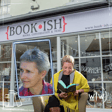
26 Melissa Welliver | Dystopian YA Author image

26 Melissa Welliver | Dystopian YA Author

S1 E26 ยท The Write and Wrong Podcast
Avatar
214 Plays4 years ago

Award winning YA dystopian author, Melissa Welliver drops by with her excitable energy to tell us all about her dystopian debut, The Undying Tower. We go back and talk about Melissa's time studying literature and creative writing at University before attending the Curtis Brown Novel Writing Course and getting onto several prestigious short-lists. Melissa also offers her services not only as an app designer and freelance editor, but also as a mentor with Stuart and the gang at Write Mentor.

Support the show on Patreon

Signing up to the Patreon will give you access to the Discord server, where you'll be able to interact directly with Jamie as well as many of the previous agents, authors and editors who have been on the show. You'll also be able to see who the upcoming guests are and put forward questions for Jamie to ask them.

WriteMentor

Get a whole month with WriteMentor's Hub for free using the coupon code 'Write&Wrong'.

The Chosen Ones and Other Tropes

Jamie, Melissa and Noami talk about the best and the worst writing tropes!

Bookshop

Click here to find all of our guests' books as well as the desert island library over at bookshop.org.

Zencastr

Click on this referral link to get 30% off your first three months with Zencastr.
Recommended
Transcript

Introduction to Podcast and Guest

00:00:00
Speaker
So our podcast is called Right and Wrong.
00:00:02
Speaker
Are these your notes?
00:00:03
Speaker
These are your notes about what we're going to say.
00:00:06
Speaker
What does it say?
00:00:06
Speaker
I thought it would be a good... I didn't even get the idea.
00:00:12
Speaker
Maybe I can just ask you the question.
00:00:16
Speaker
It's going well.
00:00:16
Speaker
It's going really well.
00:00:22
Speaker
Hi and welcome to the Right and Wrong podcast.
00:00:25
Speaker
I'm Jamie.
00:00:25
Speaker
And I'm Emma and today we are speaking to Melissa Welliver, debut novelist of The Undying Tower.
00:00:31
Speaker
Welcome Melissa.
00:00:32
Speaker
How are you doing today?

Exploring 'The Undying Tower'

00:00:43
Speaker
I'm great, thanks.
00:00:43
Speaker
How are you?
00:00:44
Speaker
Good, not bad.
00:00:45
Speaker
We're great.
00:00:46
Speaker
We're excited to talk about your book, The Undying Tower, which I have got here as set in a dystopian England where a small amount of the population, the undying, have stopped aging.
00:00:59
Speaker
And we, the reader, follow Sadie, a 16-year-old who's been taken away from her ailing father to go and live in the undying tower.
00:01:08
Speaker
That's it.
00:01:09
Speaker
Yeah.
00:01:10
Speaker
That's a great way to set it up.
00:01:11
Speaker
That's better than I could have done.
00:01:12
Speaker
Thank goodness.
00:01:13
Speaker
Never ask a writer to sum up their book.
00:01:18
Speaker
I love speculative fiction.
00:01:20
Speaker
This kind, you know, you're bringing in concepts of immortality and some kind of class divide here.
00:01:26
Speaker
Tell us about the inspiration for this.
00:01:28
Speaker
Yeah.
00:01:29
Speaker
So

Inspiration Behind the Novel

00:01:30
Speaker
I started writing this around about 2016 when we started talking about the dreaded Brexit.
00:01:35
Speaker
Amazing to think it's dragged on this long, but it has.
00:01:37
Speaker
Feels like forever ago.
00:01:38
Speaker
Just a reminder to everyone.
00:01:40
Speaker
I know.
00:01:41
Speaker
Still going.
00:01:42
Speaker
Absolutely.
00:01:43
Speaker
And essentially when I started writing this, it was shortly after a friend of mine, Caroline, passed away.
00:01:50
Speaker
And I really started to think about she was very much a social activist,
00:01:55
Speaker
And she would have just hated Brexit, you know, absolutely hated Brexit.
00:01:59
Speaker
And I also started to think about that isolationism in relation to mortality and what it would mean, especially if you were a young person facing a quite dark future, but knowing that that could go on forever.
00:02:13
Speaker
So the people in the book who are undying, they don't age past around about 25.
00:02:18
Speaker
So they're sort of staring into this bleak future, knowing it could go on for a very long time.
00:02:22
Speaker
So it's a comedy, as you can tell.
00:02:26
Speaker
Well, I mean, it must have taken on even more kind of meaning with the lockdown and everything in terms of the isolation aspect of it.
00:02:35
Speaker
And in some ways, the world's never seemed as dystopian as it is now.
00:02:39
Speaker
Yeah, absolutely.
00:02:40
Speaker
I found it's funny, isn't it?
00:02:42
Speaker
When you log on something like Netflix and all you can see is that sort of the top trending are either wedding crashes and the Miley Cyrus movies, or it's, you know, contagion and divergent.
00:02:54
Speaker
And I feel like people are sort of
00:02:56
Speaker
massively escaping to either something from the before times or something that there's got to be something worse than this right yeah so yeah i think it's really taken on a new meaning now and dystopian fiction's on the up actually i've definitely noticed things coming up everything i feel like uh where the way the industry works is like everything's on the up and on the down at the same time always yeah do you know what i mean yeah that's so true yeah there's always some dead genre that isn't really dead until someone comes along yeah exactly

Writing and Publishing Journey

00:03:23
Speaker
Yeah, like fantasy's dead and then Game of Thrones comes out and you're like, oh, well, I guess it's not dead then.
00:03:26
Speaker
Yeah, exactly.
00:03:27
Speaker
Nothing's ever dead.
00:03:28
Speaker
Yeah, it's so depressing.
00:03:32
Speaker
So going back to the inception for this book, uh...
00:03:37
Speaker
something that a lot of people I think are often surprised by both sort of people involved in the in who are trying to get involved in the industry as well as outside is just how slow this whole process can take right um when did you start writing this novel and and when was it sort of when did when did the wheels start turning to get it into the process of being published
00:03:59
Speaker
Yeah, absolutely.
00:04:00
Speaker
So I did a creative writing masters.
00:04:03
Speaker
I'm one of those.
00:04:04
Speaker
And so I've got on the back of that and actually one of those bad people came out the back of that and just did not want to write.
00:04:12
Speaker
I'd spent a whole year focusing on writing.
00:04:15
Speaker
So I didn't write actually for a couple of years.
00:04:17
Speaker
And this is the first book I sort of gave a go.
00:04:20
Speaker
Like I say, the impetus, my very good friend was also a great writer.
00:04:24
Speaker
And I know she'd kick my ass if I didn't actually get it into gear and start writing the book that we had talked about when I met her on my master's.
00:04:32
Speaker
So certainly it was something that I started writing probably around 2016.
00:04:38
Speaker
And then I did a couple of online courses and thought,
00:04:41
Speaker
that's it.
00:04:42
Speaker
I know exactly what to do now.
00:04:43
Speaker
I know who to apply to.
00:04:44
Speaker
I know how to get an agent.
00:04:45
Speaker
Can't wait.
00:04:46
Speaker
And so I started sending off those queries and crickets for the next year, to be honest.
00:04:52
Speaker
Didn't get too much.
00:04:53
Speaker
Got a couple of full requests, as they're called, where people called in the whole manuscript.
00:04:57
Speaker
And I started planning what I was going to wear to the red carpet, where it's going to be made of
00:05:01
Speaker
film of my book uh nothing really happened which is really common in writing and a year feels like a long time but most agents take sort of you're looking at 12 weeks is fairly average for them to turn around three chapters of your precious book that you've poured your heart into um so i actually wrote another book um and that was the one i actually signed with my agent um which is not going to be my debut yeah yeah
00:05:26
Speaker
Wait, so you wrote this book first, then signed with a second book, but are actually publishing this book?
00:05:33
Speaker
Yes.
00:05:33
Speaker
After this one was rejected by all the agents.
00:05:36
Speaker
Yes.
00:05:36
Speaker
So this one got lots of interest.
00:05:39
Speaker
It's a great hug.
00:05:40
Speaker
I love this book.
00:05:42
Speaker
But yes, never got any further than that.
00:05:44
Speaker
So I ended up writing another book.
00:05:47
Speaker
I've got a wonderful writing mentor in Jeanette Winterson.
00:05:51
Speaker
I studied under her and she's amazing with her students and keeps in touch with
00:05:55
Speaker
She encouraged me, keep writing, find something fun to write, maybe change it up.
00:05:59
Speaker
So I wrote sort of a middle grade time travel novel and sent that out on some pitch competitions on Twitter and got some buzz and then ended up sort of like querying with that and ended up signing with Peters Fraser and Dunlop, who I'm still with, but with a different, very lovely agent called Tessa David, who sent that out on submission, which is where you send it out to different publishers and
00:06:21
Speaker
and uh that died on submission after probably 10 12 months of just sending it out to publishers waiting to hear back and it just takes such a long time to hit back and you know this it just feels pretty crushing um and then at that point i think we realized that i wanted to move back into darker stuff into ya that that's where my heart was so um
00:06:43
Speaker
We actually just had a frank chat and I found my now agent, Lucy Irvine, at the same agency.

The Role of Editors and Agents

00:06:49
Speaker
And I sort of moved across.
00:06:51
Speaker
No animosity.
00:06:52
Speaker
It always sounds like, oh my gosh, what happened?
00:06:54
Speaker
You've had two agents.
00:06:55
Speaker
Yeah, there was a huge cat fight and they were fighting over me.
00:06:58
Speaker
That's not what happened.
00:06:59
Speaker
It's all very, very amicable.
00:07:02
Speaker
So yeah, so then this is the book we went out with.
00:07:05
Speaker
I went out with Lucy.
00:07:07
Speaker
Okay.
00:07:07
Speaker
Well, brilliant.
00:07:08
Speaker
And you, so you were submitting for quite a long time with that first book and then you eventually decided to submit with the second book and you talked about, you briefly touched on, you entered a few competitions and I know that you've been listed for several competitions, Bath, Mislexia, Hachette.
00:07:29
Speaker
So was that with the second book, the one that you ended up being signed with?
00:07:33
Speaker
Or was that with the first book?
00:07:34
Speaker
Funnily enough, it was still with this book coming out, this first book that I wrote.
00:07:38
Speaker
Yeah, that was what always sort of kept me pushing to try and get it signed by an agency and kept me pushing for so long.
00:07:45
Speaker
Because I think when it's your first book and you've got no experience at all, like I didn't, of querying and talking to agents and...
00:07:52
Speaker
booking in at well not that you can do this at the minute although there's great stuff online but booking in to meet agents at shows and you just have no idea and you just think it's going to happen so quickly and when it doesn't you think well it must be rubbish because obviously if it wasn't I would be one of those people you read around the papers I have to
00:08:07
Speaker
24 hour auction.
00:08:09
Speaker
Um, so yeah, entering competitions has been a great way to meet people and get more interest in your book and learn from other people what they might think about your book.
00:08:17
Speaker
And if you do get listed, it's a great boost to know, you know, you are on the right track.
00:08:21
Speaker
Maybe you've just been unlucky.
00:08:22
Speaker
Um, so yeah, I've listed a few times, um, with the undying tower, which is great and gives me a lot of confidence going into publication.
00:08:30
Speaker
But, uh, before that, I think I did with the book that I signed with my agent, I did list once, um,
00:08:36
Speaker
That was the Hachette listing.
00:08:39
Speaker
But apart from that, not too much on that book, actually, which is funny because that is the one that hooked my agent in the original sense.
00:08:47
Speaker
Had she read this one, The Undying Tower?
00:08:51
Speaker
My first agent.
00:08:53
Speaker
Yes, the one that signed you off the second book.
00:08:55
Speaker
Yes.
00:08:56
Speaker
So what happened was the first book went out and lots of excitement and lots of near misses and unfortunately was turned down by lots of publishers.
00:09:06
Speaker
And we had to make the difficult decision.
00:09:08
Speaker
Do you want to pull this and try something else?
00:09:10
Speaker
Or do you want to go to those smaller, brilliant indie publishers, which might not be able to have such a big splash, but would be able to put your book out?
00:09:19
Speaker
and it was my first time doing it.
00:09:21
Speaker
I didn't really know what I was doing.
00:09:23
Speaker
So I followed the advice from agent and I said, look, let's have a look.
00:09:26
Speaker
Let's have, let's pull back.
00:09:27
Speaker
Let's have a think what we want to do.
00:09:28
Speaker
So I sent her this manuscript said, look, I've got this book.
00:09:31
Speaker
And she wrote a couple of years ago now.
00:09:33
Speaker
So at this point we're in probably early 2018 after a year on sub.
00:09:37
Speaker
So
00:09:38
Speaker
you know I wrote a couple of years ago it's kind of a book of my heart dedicated to my friend and she read it and she did love it but that was the moment where we realized our past were going to diverge um because she'd signed me on this middle grade book that was all about fun and adventure and this one's very much a more serious thematic book that was when we sort of decided to move me across to a different agent and it was a good decision really good business decision
00:10:03
Speaker
So it's done really peacefully as well.
00:10:05
Speaker
Like what you said, it was, you know, there's no animosity or anything, which is nice.
00:10:09
Speaker
No, no, I wouldn't give you their names if there was animosity.
00:10:12
Speaker
I know, imagine.
00:10:14
Speaker
Imagine.
00:10:15
Speaker
So do you think, you've obviously not only worked in fiction, you've done reviews for magazines like heavily.
00:10:24
Speaker
How did you find your way into doing that?
00:10:26
Speaker
And what did you review?
00:10:28
Speaker
So first year after I left uni and I just could not face looking at writing and writing.
00:10:33
Speaker
felt a little bit in a slump.
00:10:34
Speaker
I actually ended up working for my dad.
00:10:37
Speaker
I think a lot of people probably end up doing stuff like that, you know, move back home, work for my dad.
00:10:42
Speaker
My dad does programming, he does payroll.
00:10:44
Speaker
So it wasn't the most exciting job, nothing to do with writing.
00:10:47
Speaker
So I wanted to sort of keep a hand in, and I've always been really interested in technology, writing these spreadsheets is also a bit of programming involved.
00:10:55
Speaker
So I ended up doing games journalism, always played a lot of games with my friends online and always been into that kind of stuff.
00:11:01
Speaker
So, yeah, I ended up writing for quite a few different magazines.
00:11:05
Speaker
It's one called Gamer Attitude and one called Tapscape.
00:11:07
Speaker
I think I'm probably still around somewhere if people Google me, my old reviews.
00:11:12
Speaker
But, yeah, it was brilliant.
00:11:13
Speaker
I got sent all these brilliant games and got paid to write these reviews, and it was awesome.
00:11:19
Speaker
It's not exactly money that โ€“
00:11:21
Speaker
hold up a mortgage right yeah but uh no it was great fun yeah i loved it do you think um you know writing for reviews for magazine helped you hone a certain writing technique or obviously do you think you had that anyway from previously writing
00:11:38
Speaker
Yeah, yeah, that's a good question.

Skill Development and Critique Groups

00:11:39
Speaker
I think it definitely helps, first of all, with very quick feedback.
00:11:44
Speaker
So that feedback that you get maybe from a critique partner, if they're your friend, they might give you very gently and maybe try this or do this.
00:11:52
Speaker
I mean, when you're on a deadline, again, deadlines, that's another thing that's very helpful for, you know, the editor at the magazine is going to turn around and say, okay, this is great, but actually there's only 200 words for it now, not a thousand like I told you, and it needs to be done in two hours.
00:12:03
Speaker
And you just have to deal with it.
00:12:05
Speaker
So it's really good for, I think, harsh, quick critique and also deadlines, definitely.
00:12:09
Speaker
And just being more concise, which is quite funny because I can hear myself waffling during this interview.
00:12:14
Speaker
And I'm a bit waffling, if I'm totally honest.
00:12:18
Speaker
But it's very good for trying to keep things concise.
00:12:21
Speaker
So whilst that's not always the best way in fiction, there's always a benefit to being more concise with your ideas.
00:12:27
Speaker
How have you found like writing through a pandemic as well?
00:12:30
Speaker
Do you think, have you like sort of, do you sit down and write for hours now because you feel like you've got a little bit more time or you're in sort of a quieter space or do you, are you, is that not how you tackle writing?
00:12:43
Speaker
Yeah, it's funny, actually.
00:12:45
Speaker
I found the pandemic to be, yeah, the lockdowns have definitely been two halves.
00:12:49
Speaker
I think a lot of people felt that way.
00:12:51
Speaker
This last one, I've been really struggling to read, really struggling to write, to be honest, really struggling to even watch TV and concentrate on a fictional storyline.
00:13:00
Speaker
Whereas the first lockdown, I actually...
00:13:03
Speaker
The first lockdown, I very much buckled down.
00:13:06
Speaker
And I actually wrote a book in the first lockdown, which is crazy to think about now.
00:13:11
Speaker
Yeah.
00:13:12
Speaker
I just sort of, a lot of my work dried up.
00:13:14
Speaker
I'm still working this family business a little bit, do some freelance editing and a lot of work just dried up.
00:13:20
Speaker
I also used to teach a lot of creative writing classes and obviously they all stopped.
00:13:23
Speaker
And it was back when we really didn't have any contingency and no one knew what was going on.
00:13:27
Speaker
So I just thought, when am I going to have this much time again?
00:13:30
Speaker
I'm skint, but I've got loads of time.
00:13:32
Speaker
I'm not going anywhere.
00:13:33
Speaker
No one's going to call me and say they want to do something.
00:13:35
Speaker
So yeah, I got another book written and edited.
00:13:39
Speaker
I think I started writing.
00:13:40
Speaker
I sort of plotted it a few months earlier because it was in my head and then got it written.
00:13:45
Speaker
And yeah, it's crazy.
00:13:46
Speaker
I got it probably written between June and September.
00:13:48
Speaker
Wow.
00:13:49
Speaker
Very impressive.
00:13:50
Speaker
Yeah.
00:13:50
Speaker
So it's been pretty productive in some ways, but then again, since then, must admit, I've not written anything new.
00:13:57
Speaker
Oh, right.
00:13:57
Speaker
Yeah.
00:13:58
Speaker
It's funny.
00:13:59
Speaker
I guess it's just different.
00:14:01
Speaker
The second and third lockdowns felt different.
00:14:03
Speaker
Yeah.
00:14:03
Speaker
Yeah.
00:14:04
Speaker
There's like different like phases, isn't there?
00:14:07
Speaker
And then you mentioned, Melissa, that you do some work in freelance editing.
00:14:12
Speaker
Do you feel like that has helped you through your own editing process?
00:14:16
Speaker
Oh, my gosh.
00:14:16
Speaker
It's if any, the best thing you can do when critiquing your own stuff is critique someone else's.
00:14:23
Speaker
Even if it's just a critique partner, even if it's not professional, you just look at it.
00:14:26
Speaker
It's amazing the stuff you see in other people's writing that either you realize you do as well, which is always embarrassing if I'm telling someone off for using too many adverbs and then they read mine and there's an adverb I've read the lines.
00:14:37
Speaker
That happens all the time.
00:14:39
Speaker
And also just having that critical eye and realizing what would the reader want?
00:14:44
Speaker
Because sometimes when we're writers, we forget that also we're readers and we're appealing to a reader.
00:14:50
Speaker
So I think definitely when you're editing someone else's work, you're editing as a reader and telling them, you know, this isn't that interesting to me.
00:14:58
Speaker
Bring this forward.
00:14:59
Speaker
Love this character.
00:15:00
Speaker
Not sure about this one.
00:15:01
Speaker
And it's great to get that perspective.
00:15:03
Speaker
And it makes you think about your own work in the same way.
00:15:05
Speaker
You've got to have two hats on.
00:15:06
Speaker
Yeah.
00:15:07
Speaker
Yeah.
00:15:07
Speaker
Do you work with critique partners?
00:15:10
Speaker
Do you have like a group of people that you bounce your work around with?
00:15:14
Speaker
Because it's always easier to, as you say, it's much easier to see the kind of hiccups in other people's work than in your own.
00:15:22
Speaker
Yeah, absolutely.
00:15:23
Speaker
Yeah, it's really hard to see the wood for the trees sometimes.
00:15:25
Speaker
Yeah, I've been really lucky, actually, to have a local writing group, which, again, we're meeting on Zoom at the minute anyway, so they might as well be in China.
00:15:33
Speaker
But there is a local group out where I am, which is really nice that I met.
00:15:38
Speaker
We were all doing an editing course, just sort of a couple of weeks editing course at the local art gallery and sort of said we'd carry on.
00:15:45
Speaker
And it's just turned into this lovely little group where we swap, you know, a chapter, say, every couple of months or something or a couple of people every month.
00:15:52
Speaker
Yeah, it's lovely.
00:15:53
Speaker
And I've also met another great group out in Manchester, actually, doing another little mini course a couple of summers ago.
00:15:59
Speaker
So, yeah, I'm actually really lucky to have a couple of critique groups.
00:16:03
Speaker
And yeah, definitely their input is in this book.
00:16:06
Speaker
They have to go into the acknowledgements.
00:16:08
Speaker
Like, yeah, they've pointed out stuff that I would never have seen.
00:16:12
Speaker
Yeah, yeah, yeah.
00:16:14
Speaker
And this is what I was interested in is, so you are a freelance editor in your own right.
00:16:21
Speaker
What was it like for you working with an editor at a publishing house?
00:16:26
Speaker
Yeah, so I've been editing.
00:16:28
Speaker
Did you butt heads at all?
00:16:29
Speaker
Yeah.
00:16:30
Speaker
Not yet, thank goodness.
00:16:33
Speaker
But I'm sure something probably will come up.
00:16:36
Speaker
I mean, I've got a great relationship with the editing house.
00:16:38
Speaker
So when I'm editing myself, obviously, usually I've got clients that perhaps have never sent me anything before.
00:16:44
Speaker
So I really have to balance.
00:16:46
Speaker
Knowing when I'm in my critique group and I know people really well, I know that this person appreciates a really harsh critique and this person appreciates a softer touch.
00:16:54
Speaker
And so I can do that.
00:16:56
Speaker
Whereas when I've obviously got clients, I may have never really spoke to them before and never looked at their work before.
00:17:01
Speaker
And that becomes tough.
00:17:02
Speaker
I've got to really balance the good with the bad.
00:17:04
Speaker
Yeah, that's definitely something with some critique groups, like they often fall apart early because people don't get a good sense of each other.
00:17:11
Speaker
The longer you're with one group, the stronger it gets and the better I think all the advice gets because you start to know.
00:17:18
Speaker
It's not just about like what kind of criticism everyone likes.
00:17:22
Speaker
It's more like for you, you get to see, oh, I know that this person is really good at this aspect that I'm weak at and this person is really good at this bit.
00:17:31
Speaker
And you can...
00:17:32
Speaker
Because the important thing with critique is to remember that a lot of it is its opinions and you need to know when to say, but I actually like that.
00:17:40
Speaker
And I think that's part of me and I'm going to keep that bit in and, you know, knowing which parts to keep and which parts to lose, I guess.
00:17:47
Speaker
Yeah.
00:17:47
Speaker
Yeah.
00:17:48
Speaker
Massively agree.
00:17:48
Speaker
I think.
00:17:49
Speaker
And especially when you've been in those groups for a long time and then perhaps someone else.
00:17:53
Speaker
in the same area if you or something says oh do you have a critique group do you know if it's open to new members but if you know each other really well it's terrible it can sound really clicky but it's really tough to bring someone else in when you're not sure what they're writing and how they're going to react to other people in the group and what they're writing it becomes a bit of a family really yeah it's quite personal sharing your writing with someone so I guess that's the main difference with sort of that's clients and then
00:18:19
Speaker
writing groups and then moving on to my professional editor I've been really unlucky in that I signed my contracts during lockdown so I've never met my editor in real life if you like only over zoom and usually I'm surprised my internet's lasted this long to be honest usually my internet's so dodgy so it's usually just me with a frozen face and somebody eventually tells me I'm frozen so that's not been the easiest way to get to know your editor but um Peyton
00:18:45
Speaker
at Stableford over at Agora Books, who is my editor.
00:18:48
Speaker
She is amazing.
00:18:49
Speaker
And I just feel like it's so important when you're trying to get your book out there.
00:18:52
Speaker
If you've got a good agent, they'll know which editors you'll work well with.
00:18:55
Speaker
And it's like, I feel like I've been set up on a blind date by my agent with Peyton and we just, we just match, you know, it's like married at first sight.
00:19:02
Speaker
The experts have matched us and we match really well.
00:19:06
Speaker
And so we really vibe actually a lot.
00:19:08
Speaker
So the way she sends back her comments in case everybody's interested is on a Word document, she'll put lots and lots of tracked comments and she'll ask me questions.
00:19:17
Speaker
So even if she changes just a couple of words, she'll pop a comment and say, I thought this would be better capitalized.
00:19:22
Speaker
What do you think?
00:19:23
Speaker
And then I can reply to the comment.
00:19:25
Speaker
We can sort of have a little.
00:19:26
Speaker
The other day I spent about two hours on page one.
00:19:29
Speaker
I've just got back my line edits.
00:19:31
Speaker
Yeah.
00:19:31
Speaker
Spent about two hours on page one deciding whether to capitalize something and having an argument with myself in the comments box to Peyton that she can't even see until I send back.
00:19:39
Speaker
Like, I was thinking this, but now you mentioned it.
00:19:42
Speaker
Maybe it could be this.
00:19:42
Speaker
What do you think of this?
00:19:43
Speaker
But I might not use it.
00:19:44
Speaker
What do you think?
00:19:46
Speaker
We've all been there.
00:19:48
Speaker
I think it's good to know that it's a conversation though, for like, obviously for the listeners, that it's not just something that you, you, you know, write something that you're really passionate about, you send it off and then that's it.
00:19:59
Speaker
And it's there for someone to scrutinize and send back and be like, this is how you need to write it now.
00:20:03
Speaker
It's kind of like a bit of a conversation rather than in a backwards and forwards.
00:20:07
Speaker
Yeah.
00:20:08
Speaker
Which sounds like is what happened with, with your editing process anyway.
00:20:12
Speaker
Exactly, yeah.
00:20:12
Speaker
I can't speak for everyone, but I would certainly, now I've done this for my debut, I would not want to say if I signed with a different publisher on a different book, this is the sort of relationship I would be looking for.
00:20:24
Speaker
It's having the conversation, but also knowing...
00:20:27
Speaker
It's difficult.
00:20:28
Speaker
They sort of, if you like, the expert, but also you're the expert because it's your book.
00:20:33
Speaker
So you're kind of two experts sometimes.
00:20:35
Speaker
And there's always probably going to be some clash or something that we don't agree on.
00:20:38
Speaker
But the nice thing is because it's a conversation, it feels like we can find a third way.
00:20:42
Speaker
And usually I found this with my agents, very editorial.
00:20:45
Speaker
Usually if she disagreed with something and I disagreed with her solution, we actually found something better than what I'd originally come up with or she'd come up with by going a third way and having to work together.
00:20:54
Speaker
Sometimes those roadblocks can provide actually more interesting writing.
00:20:58
Speaker
Yeah.
00:20:59
Speaker
Yeah.
00:20:59
Speaker
That's a really good tip.
00:21:01
Speaker
And speaking of working with people, you have been, you mentioned that you have a mentor who you've been close with for a while and you also are a mentor yourself at Write Mentor.
00:21:13
Speaker
Is that correct?
00:21:14
Speaker
Yes, that's right.

Mentorship and Growth

00:21:15
Speaker
Yeah.
00:21:15
Speaker
I'm doing my fourth year this summer.
00:21:16
Speaker
Fourth year.
00:21:17
Speaker
Wow.
00:21:17
Speaker
So how many mentees do you have?
00:21:19
Speaker
So I've, uh, a lot of the mentors did take on multiple mentees other years.
00:21:24
Speaker
I've taken on one per year.
00:21:26
Speaker
I'm quite specific with my criteria.
00:21:27
Speaker
I love my speculative fiction and a lot of people aren't writing it right now.
00:21:31
Speaker
And UKYA is a smaller market, which means that writers aren't submitting as much of it.
00:21:36
Speaker
So I do usually just take on one mentee per year.
00:21:40
Speaker
So I've taken on three so far and I've had, um,
00:21:43
Speaker
So one time with agents, I had one win the Right Mentor Children's Novel Award.
00:21:48
Speaker
So I'd like to think I've been helpful.
00:21:50
Speaker
But also, they were just amazing.
00:21:52
Speaker
But I definitely, you know, I picked out the winners, I knew.
00:21:56
Speaker
I knew how to make my job easy.
00:21:59
Speaker
And do you find that you were saying earlier how when you critique someone else's work, when you edit someone else's work, you personally gain so much, like you learn so much by seeing the mistakes in other people's work.
00:22:13
Speaker
Do you find that being a mentor in that same way, do you get a lot back yourself?
00:22:19
Speaker
Yes, so much.
00:22:20
Speaker
I think what's really nice about when you're mentoring, so the way that Right Mentor works is you work with somebody all summer and then there's sort of a showcase at the end with agents to kind of show off your first page and have a little bit of a celebration.
00:22:32
Speaker
What I really like about it is the back and forth, you were saying building that relationship, having that conversation, learning about that person, learning about their inspiration and what they've put into that book.
00:22:42
Speaker
You know, I work as a judge on the Right Mentor Award.
00:22:45
Speaker
And we're reading at the minute, ready for the long list announcement soon.
00:22:49
Speaker
And it's really tricky because it's anonymous.
00:22:51
Speaker
So I'm reading stuff sometimes.
00:22:53
Speaker
I want to know what those deeper meanings are behind some parts.
00:22:56
Speaker
Like, who is this person that wrote this book?
00:22:58
Speaker
Why did they write it?
00:22:59
Speaker
I want to know more about them, which obviously is a sign of a great book.
00:23:02
Speaker
But what's nice with Right Mentor is you can ask those questions.
00:23:05
Speaker
You can, I mean, I'd like to think, hopefully my mentees agree with me, that we've all been friends after doing it.
00:23:12
Speaker
We still chat on Twitter and stuff.
00:23:14
Speaker
Yeah.
00:23:14
Speaker
Yeah, it's really, it's really formative experience.
00:23:17
Speaker
I think mentor, mentee.
00:23:19
Speaker
Well, that's great.
00:23:19
Speaker
And it's, it's great to, you know, as a right mentor is just a great platform for kind of giving back in many ways.
00:23:25
Speaker
And I think as it sounds from what you've said, mutually beneficial to, to, to both parties.

Rejection and Persistence Advice

00:23:32
Speaker
Oh yeah.
00:23:32
Speaker
Yeah.
00:23:33
Speaker
And I think it's like about obviously like passing on,
00:23:36
Speaker
advice isn't it and sharing advice and speaking about advice would you have um if you had a golden nugget of advice to give to yourself during maybe the most difficult point of your process whatever that may be what would you have have said to you
00:23:52
Speaker
I think definitely rejection is a good thing.
00:23:57
Speaker
I think what I discovered a couple of years ago, the whole, I don't know if anybody listening might know about this, but the 100 rejections hashtag on Twitter and Instagram.
00:24:08
Speaker
which is where you aim to get 100 rejections in a year.
00:24:12
Speaker
And essentially what it does is it, yeah, I know.
00:24:15
Speaker
Yeah.
00:24:15
Speaker
We're just, I told you it.
00:24:16
Speaker
I'm just such a happy go lucky person as you can tell by writing.
00:24:20
Speaker
Yeah.
00:24:22
Speaker
So you essentially apply to so many things that every time you get a rejection, you kind of cheer and you go and find your writing pals, your squad.
00:24:29
Speaker
And you say, yes, I got a rejection from, I didn't make it onto the bath long list.
00:24:33
Speaker
And everyone goes, yeah, go out and do it again.
00:24:35
Speaker
Yeah.
00:24:35
Speaker
I will.
00:24:36
Speaker
Um,
00:24:36
Speaker
But the brilliant thing is it works.
00:24:39
Speaker
Annoyingly as it is, writing is a numbers game.
00:24:43
Speaker
It's so competitive.
00:24:44
Speaker
It's so much of it is luck and so much of it is perseverance.
00:24:47
Speaker
And some people will get lucky and, you know, the number will come up the very first time they apply something and they'll just get there.
00:24:55
Speaker
And other people, you know, they're waiting and waiting.
00:24:58
Speaker
um so i think yeah definitely i would say rejection is a good thing it also does teach you about not maybe planning your entire pinterest board of your outfit for the leicester square premiere before you actually you know get a book even into an agent's hands so yeah i think rejection is a good thing pinterest is essential though sometimes i guess oh yeah
00:25:21
Speaker
Why not?
00:25:22
Speaker
What if it does happen?
00:25:23
Speaker
Why not?
00:25:23
Speaker
Exactly.
00:25:24
Speaker
Just do that as well.
00:25:26
Speaker
That's great advice.
00:25:28
Speaker
And I think something, you know, it's a lot of the time it's hard to, we get a lot of people on giving advice and sometimes that advice seems odd.
00:25:38
Speaker
Like a lot of people, when you say, oh, you need to do the vomit draft, as people call it, where it's like, just write, don't edit yourself, you know, and that doesn't work for everyone.
00:25:45
Speaker
But I think it's definitely worth trying.
00:25:48
Speaker
So if you, so whoever was listening, if you haven't tried to get a hundred rejections in a year, now's the year.
00:25:55
Speaker
2021's your year.
00:25:55
Speaker
Now is the time to get a hundred rejections.
00:25:59
Speaker
Nothing can be worse than last year, guys.
00:26:01
Speaker
Come on.
00:26:02
Speaker
Exactly.
00:26:03
Speaker
Exactly.
00:26:04
Speaker
Exactly.
00:26:04
Speaker
It's like, it's a good challenge.

Desert Island Book Choice and Closing

00:26:06
Speaker
And I think that brings us roundly onto our final question, which is,
00:26:11
Speaker
Melissa, if you were marooned on a desert island with nought but a single book, which book would you take?
00:26:20
Speaker
Do you know, I've thought about these questions before and I've thought, do you go with a clever answer?
00:26:24
Speaker
Like I would take building a raft for dummies.
00:26:28
Speaker
I would take how to hunt down big.
00:26:30
Speaker
Or do you go for a literary answer?
00:26:32
Speaker
I would take Lord of the Flies.
00:26:33
Speaker
I mean, I should go on brand.
00:26:35
Speaker
I'm sure my PR people over at Agora Books said, go on brand, pick Oryx and Crate because they're stranded somewhere.
00:26:41
Speaker
It's dystopian.
00:26:42
Speaker
Yeah.
00:26:43
Speaker
But if I'm being honest, when I thought about it, the thing I would actually want most, because I'm not somebody that rereads books.
00:26:48
Speaker
I'm not somebody that enjoys the process of rereading.
00:26:52
Speaker
I think I would take the Argos catalogue.
00:26:55
Speaker
LAUGHTER
00:26:58
Speaker
I love this answer.
00:27:00
Speaker
Yeah, definitely.
00:27:01
Speaker
Argos catalogue.
00:27:02
Speaker
I just thought, think of all the things I would miss looking at, you know?
00:27:06
Speaker
I would just be looking at those beautiful blue waters every day and palm trees and everything.
00:27:11
Speaker
I thought, you know, I'd probably miss, I want something with pictures.
00:27:14
Speaker
Yeah, you could look at microwaves.
00:27:16
Speaker
Yeah, just think about all those good times in civilization, you know.
00:27:21
Speaker
Why don't I have a toasty machine?
00:27:23
Speaker
It's like, it's a great answer.
00:27:26
Speaker
one day there's a plethora of different things in an argos catalogue and that's that's the thing the index is exactly yeah which great it's great for the little people that are modeling all the strange things it just be yeah just i need pictures i'll be on my own you know i'm lonely that is great oh thank you so much um thank you for joining us yeah um
00:27:48
Speaker
It's been lovely.
00:27:49
Speaker
Thanks so much for having me.
00:27:51
Speaker
Yeah.
00:27:51
Speaker
Best of luck with your writing moving forward.
00:27:54
Speaker
We can't wait to hopefully meet you in person one day.
00:27:56
Speaker
Yes.
00:27:57
Speaker
On the red carpet.
00:27:58
Speaker
Go to my Pinterest.
00:27:59
Speaker
We can all match.
00:28:00
Speaker
Absolutely.
00:28:07
Speaker
To keep up with everything that Melissa is doing, you can follow her on Instagram and Twitter at Meliva.
00:28:12
Speaker
And to make sure you don't miss an episode of this podcast, follow us on Instagram at RightAndWrongPodcast or on Twitter at RightAndWrongUK.
00:28:19
Speaker
Thanks so much for listening and we will catch you in the next episode.