Become a Creator today!Start creating today - Share your story with the world!
Start for free
00:00:00
00:00:01

Franchising vs Real Estate: Building Time Freedom, Income & Resilience in an AI Economy

34 Plays4 months ago
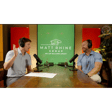
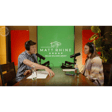
In this episode of All Roads Lead to Real Estate, host Matt Rhine steps outside the traditional real estate lens to explore an alternative—and often misunderstood—path to ownership and freedom: franchising.
Joined by franchise expert, author, and entrepreneur Giuseppe Grammatico, the conversation breaks down how franchising compares to real estate when it comes to income potential, scalability, risk, and lifestyle design—especially in a world being rapidly reshaped by AI.
If you’re an investor, professional, or entrepreneur questioning the future of traditional careers—and looking for resilient, scalable paths to ownership—this episode offers a practical, honest framework to think differently about your next move.
Recommended












Transcript
00:00:02
Speaker
This episode is sponsored by First Home Mortgage.
00:00:07
Speaker
Wow. So funny enough, that's when I started full-time in real estate, 2007. So that's... Good year. Yeah, it was a good year. Right before, at least in my world, that was right right at the the peak of you know of real estate. And then it just went crazy down for the next several years. So I got to enjoy that experience. um Hopefully yours... character. It did. did.
00:00:27
Speaker
ah Absolutely. Franchising is, is absolute you know, it's changed my life. My um I'll tell you my success story. My success story is simple. People talk about their their Bentleys and their Ferraris and they're posting all this nonsense online. My success story is that I'm a 47 years old, been self-employed 20 years. I've never missed a soccer game, became a soccer coach.
00:00:49
Speaker
I challenge you how many people can actually say that.
00:00:56
Speaker
Hello everybody, this is Matt Ryan with All Roads Lead to Real Estate. And I have a guest today that's a little bit out of the box, at least for me, if you're a frequent listener of my podcast. And the reason I say that is because I have somebody outside of our little bubble, this this Maryland bubble I like to live in, so to speak. And I have a lot of guests that are local experts. And the reason I did this, and this is the first time I've allowed someone, which is crazy enough, I get a lot of people reaching out to join this podcast. and This individual um sparked my interest because it's really in line with what I do with our clients. and so As everyone knows, I have a decent size ah rental portfolio. I've helped people buy large projects. I have multiple you know multi-million dollar assets under contract for other clients to be able to purchase.
00:01:48
Speaker
And so I am all about the real estate world, and I wanted to expand upon that because if you're listening and you're interested for those reasons, um I certainly want you to be ah introduced to the idea of the franchise model. And so the expert that I have today is Giuseppe Grammatico, and i hopefully I'm saying that correct. Am I saying that correct? You got it. Perfect. Excellent. and so He is a franchise expert. He's an entrepreneur, he's an author, and he's a podcast host himself. I know we all grow on trees these days. and um and so He's really someone that is going to be able to speak more specifically to the franchise world.
00:02:27
Speaker
Because I have a lot of people that have asked me, Matt, why don't you get into franchises? I don't own any. I don't participate in the model. I am very um curious. And I'll tell you right at the front, I almost got into one when I was in my 20s many years ago. And it was ah Salad Works. are you familiar with Salad Works? Yes, I am. So, I almost went into that world. I was so fascinated by the margins on salad. I was very excited. and And so, I have so many questions, just organic questions for you. And so, I want to first um make sure your information's out there. So, if you want to check out at the end of this, or at any point, you want to listen to Giuseppe, his his information is out there. He wrote a book called The Franchise Freedom. It's a manifesto for your financial and time freedom. And his podcast is The Franchise Freedom pop Podcast. So you can check him out there and he has 20 plus years of experience doing this. So I want to welcome you to the podcast. Thank you for joining me.
00:03:22
Speaker
Awesome. It's an honor. I really appreciate it. Looking forward to it. You mentioned real estate, and my gosh, if you look at the franchise out there, they own quite a bit of real estate. if you ah If you look at companies like McDonald's, just to name a few. Yeah. Oh, from my understanding, that's that's their bread and butter, right? so that you know that's That's where they make predominantly most of their money. and ah and so i I have questions related to that, of course, but I want to kick it off and try to understand, first off, what do you...
00:03:50
Speaker
As we get this education from you're trying to educate us, what is your role? So why are you willing to share your time and your wisdom with us today? you know what's What's your passion and and what exactly do you do in your business?
00:04:03
Speaker
Yeah, so our our goal and my my passion is to empower people to think outside the box. that ah they're not constrained just to their job. you know, there's other things out there. There's business ownership. And a study years ago showed that most people have no idea where to start. They're just overwhelmed by the process or have misconceptions like you need to be a millionaire in order to get into franchising or business ownership so they don't even bother. So my goal as a um miserable corporate executive on Wall Street was to empower people to say, you know,
00:04:36
Speaker
give me five minutes, let me explain to you what a franchise may or may not look like and that that it is not all about fast food. And once people give me five minutes, they're like, you know what, i did not realize there are so many options outside the the food space, i like, like ah I don't know, ah business coaching or expense reduction. So people are just floored that there's so many options out there. So it's really giving people that fighting chance to to look elsewhere and potentially hire themselves and and become entrepreneurs.
00:05:06
Speaker
And so, where exactly did you start? It sounds like you had some experience, like you said, in in corporate America. So, what gave you the inkling to start researching this and start going down this path yourself?
00:05:18
Speaker
Yeah, so at nine years old, i was working in the family restaurant. We owned an Italian restaurant here in central New Jersey and i loved you know the the aspects of owning a business.
00:05:30
Speaker
A lot of hours, but I really enjoyed having just full control, you know working that business with my family, but realized i didn't want to work those those weekends and hours and holidays that we were always stuck catering on Christmas Eve or New Year's Eve because that's where- Everyone was having their their party. So I decided, you know what, i'm going to be the first person in my family to to go to college.
00:05:53
Speaker
Went undergrad, got my graduate degree shortly after and went the corporate route. Worked on Wall Street for companies like JP Morgan. Loved the investment world, but felt like I had so many managers above me. Too many people controlled my decisions, controlled my future, my destiny within the business. And I said, you know what, there's got to be you know other businesses i always had that itch um so i kind of looked at other businesses came across a franchise coaching consultant which is what i do today and that was over 20 years ago and he opened up the world of franchising of having that business on in a box that business on training wheels and i was shocked at You know, you don't really need experience in these businesses. You really need that passion and that that transferable skill set. So, and fast forward, you know, i worked on in corporate America for several years and in 2007, left JP Morgan to to launch my first business. Wow. so Funny enough, that's when I started full-time in real estate, 2007. Nice. Good year. Yeah, it was a good year, um right before, and at least in my world, that was right right at the the peak of you know of real estate, and then it just went crazy down for the next several years, so I got to enjoy that experience. um Hopefully, yours- character. It did.
00:07:10
Speaker
it ah It actually made me stick onto my old day job a little bit longer than I wanted to as a result. but but um so That's interesting. so When you first started, did you buy a franchise right away prior to leaving JP Morgan? or did you like How did your coach at the time, your your consultant that you were working with, how did they get you like into this world? That's my biggest thinking. is like Even a guy like me, I own businesses, but it's not a franchise. so i'm just How did someone convince you to take that leap of faith?
00:07:41
Speaker
Yeah, so um it's the research. So we started with, even before research, what does this ideal business look like? And the first requirement I had, and it and it has has not changed 20 years later, is recession resistance. I wanted something that was recession resistant,
00:07:57
Speaker
I needed something that was in my backyard ah that had very few employees. you know I had those requirements. I did not want a brick and mortar our storefront, a small office would do. And we started there. So what is instead of looking to see what would match or what was out there, we didn't look at any franchises. We kind of put them aside and said, okay, You know you want to own a business and you don't want to create the wheel. Agreed? Yes. And you're okay following a system. Yes. Okay.
00:08:25
Speaker
Let's build what this ideal business looks like so that we can go to market to see what's available. Okay. Because sometimes you fall in love with the brand to find that it's not available or registered in your state. So we went that that route. So we looked at, as I mentioned, that the transferable skill sets, the sales and networking background that I had, or I should say skill sets.
00:08:47
Speaker
The investment range, we wanted to keep it under 200,000 at the time. Recession, resistance, things like that where I didn't need this big storefront. And we started to whittle it down. Okay, this is what this business looks like. And then we went down the list of brands that were um that they vetted, you know kind of went down the list, making sure they checked off all those boxes for me to continue the due diligence. So we didn't just look for the hot franchises. We looked the franchise that met my my ah franchise model, my fra my ideal franchise business. Well, now I have a starting to understand what the value is, right, of of what you do for a living, it sounds like, because a a guy like me on the outside, where would I even start? Right.
00:09:28
Speaker
and um And that's interesting. So, have you, I guess, where did you start? What was your first franchise that caught your attention? Well, we originally it was Subway. you know Subway was the um was the the franchise of choice because that was the hot franchise prior to working with my coach. So he encouraged me to continue working with that and see it how they add how they fit the franchise model. And we found out that it didn't fit it at all.
00:09:51
Speaker
It was the complete opposite um just because i just it was a hot franchise and I had a background in food as we owned the Italian restaurant. So, we quickly removed that from the mix. We looked at quite a few things from handyman services to residential cleaning. The brand that um was sold many years ago, i forget who the new powering company is, was around building services.
00:10:14
Speaker
ah So I had a ah small staff of under five office staff and we hired and worked with subcontractors in the area to handle anything around maintaining a building from cleaning to restoring the floors to to even painting. So that was a business that kind of had all those, you know, 15 plus revenue streams that we were able to provide and be a one-stop shop for the for the client.
00:10:38
Speaker
and so I'm assuming the reality is, if if that was your dream, that business makes sense. I actually know i actually work out ah two days a week with the lady who owns two separate ah cleaning businesses, residential cleaning businesses. I didn't know this until the other day. We rarely talk about work, because it's 5.45 in the morning. But we did, and I found out that she doesn't have a franchise, but she's out there busting her hump out here, and now she has several people working for She's no longer cleaning the homes, but she's now the business owner. and so If I were to talk to her and say, why haven't you or should you consider the franchise model as opposed to what she had to do, which is everything herself, so what would you well how would you coach her? what What proposition would it make sense for her to to consider that route?
00:11:22
Speaker
Yeah, I mean, first first off, we go to we go to the very basics. You have to be okay following a system. The whole point of a franchise is that you are going to buy a proven system, you're going to pay a franchise fee once, and then an ongoing royalty. If you have no interest there, I'd advise, you know, start it on your own. You don't need that specific franchise. but When you start to do your due diligence and speak with the brands, you'll notice that you'll you'll have an unfair advantage. So number one, speed to market.
00:11:48
Speaker
you We'll look at a cleaning franchise. You can pay a franchise fee, essentially go to training the following week and be up and running in less than 90 days. Wow. Within 90 days, you have your legal entity set up, you're trained. Not only that, your marketing is in place and your calendar hopefully is is full of appointments because many of the franchises have turnkey marketing program as well as a call center.
00:12:15
Speaker
So you have potential customers lined up and ready to go and you're not figuring anything out. The CRM is is set up for you, the chart of accounts in your you know QuickBooks or whatever software that they're using is all set up. There's nothing to figure out. It's more of you know Let me monitor manage the KPIs. Let me review the marketing to make sure it is it is working.
00:12:37
Speaker
Does it need to be tweaked? Am I getting enough leads, but my close ratio is low? Do I have to make adjustments there, either with the lead generation with ah via the marketing, or does my salesperson, maybe they need to be retrained, or maybe we need to...
00:12:52
Speaker
you know go back to the basics so you had the system literally the day you sign the franchise agreement the full system is available to you it may have taken that franchisor five years to come up with that system right and you immediately have access to it so you're paying that franchise fee you're paying the royalty ah and you want to make sure you're getting enough value via that that royalty and system to make it worthwhile And on average, are you can you speak in general? like I've looked into, for example, the Chick-fil-A model. I know some folks, and I've represented folks that own McDonald's, and several in Maryland, and I've represented folks that have Burger King. It's funny, that's like ah that's a crazy war I could create. But I've learned a lot through their experiences, and they are doing exceptionally well. Let me just tell you, those are big franchises, and they have done very well for themselves. and um But they say it's a lot of vetting, that there certain areas, and you have to prove yourself before they give you the more lucrative areas. and and it's ah it's a it's a
00:13:48
Speaker
process. and I think Chick-fil-A, at least that's what I've read and and heard, is that's the hardest of all. and They look for a very specific entrepreneur that's going to really dedicate themselves to that one store versus owning 10 McDonald's or 10 Burger King. I'm assuming it could be wildly different depending on the model.
00:14:05
Speaker
Wildly different, yeah, the model and the brands are completely different. ah Chick-fil-A and Popeyes or you know Wendy's or you know the McDonald's, they're all gonna be completely different. Chick-fil-A is definitely the anomaly. a Very low entry fee of about, from my understanding, $10,000 to get in.
00:14:23
Speaker
but you don't really own anything. It's more of you're managing partner is my understanding. So low investment, you're expected to be there six days a week. You can make a great income, but at at the exit point, there's nothing to sell as Chick-fil-A actually owns the business. right um So for people that don't mind working the hours, you're not really getting that time freedom from the business, I guess is the argument I always make. But you know they definitely have different requirements and every franchise is gonna be selective in who they um who they work with. So if i if I bring a family member to, or ah I'm sorry, a family to to take a look at a franchise, we're gonna make sure that they are the ideal franchise avatar. That's what they call it. If you are getting into a cleaning business and the primary role of the franchisee is to go out and network at at the chamber give speeches, jump on podcasts, you need an extrovert. You need someone that can handle that. If you're very introverted, it's probably not going to be the right fit.
00:15:25
Speaker
um Even though you may have or had a cleaning business or whatever business you had in the past, they're looking for that specific avatar. So yes, um if they don't feel the fits there, they'll probably tell you on the first or second call.
00:15:37
Speaker
If the fit's not there, why why drag it you through? So they'll they'll definitely let you know. Now, as a guy like me, and this might be different from some of the other podcasts you've done, or maybe it's similar, I i am busy. right My day job is is such that I work at least six days a week. I work crazy hours, 10 to 12 hours a day. i would i have the assets though right to be able to, let's say, buy another rental or a building or maybe invest in a franchise, but I cannot give you 20 hours, 30 hours of my week. I don't have it to give. so Could a guy that or a lady that is doing their thing that has income, they could be a physician, they could be anything that has income that they need to park their asset their assets, are they is this possible for them or is it unrealistic because I know how much I have to be inside of my business? and If you own, in my mind, ah any of these businesses, I think you need to be there to make sure it's successful. How how do you coach someone through if they have the money but maybe not the time?
00:16:33
Speaker
Great question. That's a very good question. And the simple answer is you're going to be involved. And whether it be full-time or part-time, this is not a, ah like, for example, I invest in real estate syndication. There's no involvement. I get a report. I have a question. i have a contact or I can shoot an email.
00:16:51
Speaker
Very little involvement, but I know roughly what I'm making, you know, um on an annual basis. So i I feel in that case, I'm a little bit more limited in return, but I have zero involvement.
00:17:01
Speaker
time commitment to there and i use the proceeds of my main business to reinvest in real estate syndication that's that's what i do i mean everyone does things differently with the franchise it's it's a business so it's not it's not a passive opportunity like the stock market or certain real estate deals you're going to be involved heavily to start With that being said, can you run a franchise part-time initially? The answer is absolutely.
00:17:28
Speaker
With that being said, number one, you have to understand that the investment is going to be a little bit greater because you probably will have to pay full-time general manager, give them a little skin in the game, cut of the action. Also, the franchisor has to allow that.
00:17:44
Speaker
So going back to the ideal franchisee, the franchise avatar, they will have to allow what they call semi-absentee ownership, which is basically keeping your job and running the business on the side. Now, that first year, there's a lot of hours put in and maybe you're keeping the job and and you're running it in the evenings. But you're really working with that general manager to take more of that active role. So yes, the hours can start scaling down, um but it's definitely not a a passive opportunity. So I like to set the the expectation day one. Well, let's also entice some folks because you're... I know, I get these calls from past clients, from people. they They see what I do, and I'm self-employed, and they think, my God, you get to go to the store when you want to. You want to sleep in, you can sleep in. You work for yourself. It's amazing. and i try to describe that i think I just ran my numbers. I i sold about families a home last year, wow wow and so I had bosses.
00:18:40
Speaker
and so It represented close to $70 million dollars in assets in order that that calendar year in totality. and so I had decent income, but I had all these bosses. it's not It is nothing like what people probably anticipate, which is you have all this amazing freedom. and so If I were sitting there and i'm listening to this, like so oftentimes people go,
00:19:03
Speaker
for a lot of the same reasons you just described, into real estate, because they're seeking freedom, they want to be their own boss. The startup cost, just so you know, in real estate is very, very low. That's why we have so many entrants into real estate every single year. And the fail rate is close to 80%. The rate just got published through- i know that Yeah, through ah through Maryland Association of Realtors in conjunction with the National Association of Realtors, the fail rate is 80% over the last three years. so In the average agent, 58% have sold zero homes last year.
00:19:36
Speaker
Wow. so But they all come into the market for the same reason, and they all leave for the same reason, and very few do all the business. so Is there more positivity? Tell me there's more positivity in the franchise world than in the real estate world.
00:19:50
Speaker
Absolutely. Yeah. in In the franchise world, the biggest the biggest thing with the franchise world is finding the right franchise. And I think too many people, they're first-time business owners, and they rush into it. But if you find if you if you sit down and fine work with a, doesn't have to be myself, although I'd love to work with you, a franchise consultant and really break down what the business looks like, um it is absolutely amazing. You know you definitely...
00:20:14
Speaker
stack the odds in your favor, right? You have a a proven business model. It's been proven to work in multiple states. As the brand gets larger, you start to get the national accounts. You start to get better economies of scale, start to cut back your expenses.
00:20:29
Speaker
ah The AI revolution in franchising and is that they're absolutely killing it. They're reinvesting in their own platforms. They're cutting. we have ah brands with call centers that have 200 ah The AI agent could take 250 calls at any given point in time while only manning it with two or three employees in the actual office itself. So it definitely, I call it an unfair advantage. It definitely gives you and and helps you scale given that proven model. and the way to grow these businesses is simply, hey, I want to buy more territory. I want to buy another location.
00:21:05
Speaker
and And those are ways to expand. so absolutely, if you find the right franchise and don't fall in love with the product or service, that's the the other biggest mistake. You're not going to buy a franchise because you love their burgers or sandwiches. You can start any business and buy all the burgers you want. Sure.
00:21:22
Speaker
Find a business that really takes advantage of your skill set, that has a proven path to say, i don't mind putting those hours in up front, but year two, i want to be you know, working from home, I don't want to be in the office very often and I want to have everything kind of automated and systems in place.
00:21:40
Speaker
Those are the questions people aren't asking and I encourage for anyone listening, you know, ask what is the ideal situation? What is the average timeframe and which franchisees can I speak with that I could dive in a little bit deeper? So absolutely, franchising is, is absolutely you know, it's changed my life. my um I'll tell you my success story. My success story is simple. People talk about their their Bentleys and their Ferraris and they're posting all this nonsense online. My success story is that I'm 47 years old, been self-employed 20 years. I've never missed a soccer game, became a soccer coach.
00:22:15
Speaker
I challenge you, how many people can actually say that? and two decades, they've never missed a family event, a dance recital. So to me, that's true success. You know, do I envy people that make a lot of money? Sure. We we all like to make money and i and I've done well financially. But, you know, why am I going to get into a business where maybe my neighbor is a multimillionaire and he's working 100 hours a week? I don't envy that. That's not the life I want. um I have this this ideal kind of life. I wrote it down and kind of worked in reverse to say, okay, what what are the vehicles that can get me so that I can get to that working normal business hours and not missing those family events? So yeah, definitely do a kind of why you're doing this. Figure it out because it it is not easy.
00:22:59
Speaker
It does take time. There's definitely a learning curve, but so worth it long run if you can just stick it out that that first year. It's funny you say that. That is was is and was my reason for trying to be successful is because success allows you to choose. ah Well, what I refer to it as the the the best successful determination in terms of my life is choice. So when you have the ability to choose, I mean i have the ability to choose to be here at this podcast rather than at another appointment. and Like you, i coach I have three kids and I coach all of the sports. I do soccer, basketball, and baseball. so
00:23:32
Speaker
That's my most important thing and I will skip anything, but I work for myself. I i think I go through a lot of headaches in order to have that choice in freedom and What you're saying is, yes, it's going to be a pain in the tail, but once you get going, it's similar. You'll have the freedom of choice if you do this correctly.
00:23:48
Speaker
Absolutely, and it's not gonna be overnight. you know You're not gonna have time freedom day one. right So you're gonna get the business up and running. There's a learning curve. You have to find the right staff. Be patient. it's not you know I call year one the builder or the focus year I talk about quite a bit.
00:24:03
Speaker
Focus on that business. Don't get distracted with 10 other businesses. Just focus on that one business. and focus on what's the goal here. And if it if it is time freedom, you better get those systems in place. It's not about working harder. You need to make sure that you could be replicated and you don't have to be chained to the office, right? Chained to the desk constantly for the business to run.
00:24:23
Speaker
Well, there's two things you pointed out that I want to at least highlight here. One is when you mentioned ai and if you're not If you're listening to this and you're not nervous, if you're a white-collar worker, somebody that that ah moves around a mouse for a living and enters keystrokes in a computer, you should be terrified, because you will be the first to be replaced by AI. and If you listen to any of the experts out there, it is it's not necessarily something terrified that there will be zero jobs available, but the jobs will change. and What we do for a living will change. and it should maybe It's potentially going to be an amazing positive thing for all of us, but it's going to be different. and What you just described is that instead of being terrified, if you have a position that's ah you know ah a traditional corporate job or a white collar job that is an office based setting, starting to learn about being an entrepreneur, learning ways to be the owner of your own success and path is probably something, if you have never thought about you better start thinking about it and positioning yourself so you're not irrelevant in a couple of years. because It's not going to take 20, 30 years for this to happen. It's going to be in the next couple of years where seismic shifts
00:25:31
Speaker
are going to occur, and it sounds like um you know is just this should be something everyone starts to consider, as opposed to just sitting there assuming that your job will be around because you're such a great person and everyone loves you, and I'm so good at my job. like Well, guess what? Guess who doesn't call out sick, and guess who doesn't have you know any other family issues? It's going to be...
00:25:51
Speaker
The computer, the AI's taken over, and I think ah we should be excited by it. If you're a business owner, AI's amazing. like I'm excited as a business owner for margins to improve, for for things not to get um overlooked. I think experiences to the client could improve. and so These are just the thoughts that I think of when when you're describing what you're describing. You just need to get prepared and be realistic.
00:26:14
Speaker
yeah You have to be prepared. you can You can only control so many things, right? You can control your attitude. ah You can't control the stock market. can't There's a lot of there's a lot of things we can't control, but you can't control the attitude and just you embrace AI. I'm not saying it's going to you know take over the entire business, but use it. That's going to be kind of you know stepping up the ah the playing field. If everyone's using it, everyone's posting a lot more often. So um i say embrace it If ah if ah you are looking at a franchise, ask the franchisor, how are you taking advantage of AI? There's millions of dollars being reinvested. I mean, you buy a franchise, technically, you are you know you're you're investing in AI, technically, right? you know they're They're working on ways to make you more efficient. I was talking with a few CEOs and
00:27:00
Speaker
and they'll have They'll do a podcast. they'll get the They'll strip the audio from the podcast and throw it into the AI, and it creates training manuals. It creates live on demand. What do you call it? When they get stuck on ah on on a job site, there was a roofing company, and it uses the audio, creates videos, ah troubleshoots. that That's the word was looking for. Helps you troubleshoot when a technician's stuck at a job site or a franchisee. because it may be eight, nine o'clock at night, the office may be closed, but you need access to that information. So it's amazing what it what it's doing, but it's also you know really cutting back on the costs via call setters, via the marketing alone, paid ads. The AI is able to shift the ads based off of performance and clicks before you have a couple hours to review the information. so it's pretty it's It's absolutely amazing. And and the AI and the tech, I'll give you another example. We have roofing companies where drones are flying over homes and looking for roof damage. it It has infrared looking for heat loss before a storm. It can actually track and scan an entire neighborhood before and after a storm and say, hey, well, we have we have videos and photos before and after. you definitely had some damage from the the hail storm or the the hurricane. So it's pretty crazy.
00:28:15
Speaker
Well, all that sounds exciting, but help me understand, because what we haven't gotten to is what's the potential? So give me an idea of a realistic expectation, because I can tell you in real estate, when I interview people that want to start a career in real estate, everyone has this magical number. And by the way, this number hasn't changed since I was in college over 20 years ago. For some reason, this number still exists. It's I need to make at least $100,000 a year.
00:28:40
Speaker
That's the number. That was my magical number when I was in college. I thought I would be rich if I could do that. and it it It seems to me that's everybody's mindset. I got to make at least $100,000. Explain to me what's a realistic opportunity. I know there's literally tens of thousands, if not more, of franchises, but what's in what' what does it cost minimum that you see to kind of average to the high end to get in? and Then what's a realistic expectation in terms of either business revenue or or additional assets that you would own that one day you can sell off? like Give me the financial piece.
00:29:14
Speaker
Yeah, so on the on the finances, I would say anything non-brick and mortar, so a home-based service business, maybe it's business coaching, maybe it's roofing or cleaning, ah you have a range of about $100,000 to $300,000. That's a good healthy range.
00:29:28
Speaker
And the reason that you have that range is that some businesses will require zero staff like business coaching, where you'll outsource your coaches via 1099 contractors.
00:29:39
Speaker
And then you have a company that does water and smoke restoration. they have the trucks, they have the equipment. So obviously that's going to be the variable. And that usually includes startup in the first 90 days of operation. So that's ah a good, healthy range between one and 300,000. Do some go over or some under? Yes. Well, can you borrow that money? Can you get a SBA loan, a small business association loan for a franchise?
00:30:02
Speaker
Yes. so ah yeah Absolutely. We work with companies like Benetrends. And I would tell you that the three ah most popular funding options have been number one, retirement rollovers.
00:30:13
Speaker
If you have an old traditional IRA or are leaving your job, you can use those 401k assets to fund the franchise. There's no penalty associated with that? Absolutely not. Benetrends created the the ROBS ro bs rollover business startup back in 1978. They do all the reporting for you. They set up the C corporation for you.
00:30:35
Speaker
It needs to be done in a certain way and you just have to have your reporting in order, but you're able to use a basic and take your money out of stock market and reinvent your business. That's been extremely popular, takes all of about 30 days, depending on how quickly you can get those assets. Very popular way if you qualify and have those funds available. For those that don't have the retirement or maybe they're keeping their jobs, the SBA has funded quite a few, essentially government-backed loan, 20% 30% down of the project. So on $200K contract,
00:31:09
Speaker
Franchise investment, you're looking at $40,000 to $60,000 down and and getting funding for the rest. a little bit longer of a process, but if you're okay with that with a loan. Sometimes it's a combination of those two, depending how much is available, how much you've been approved for. and then, it yeah I mean, there's dozens of options. well Just real quick on the SBA loan, on that small business loan, from my understanding, that's much easier to get approved for that because you have a proven system, a model. I'm buying into something that can already... I can show you, look at the model that I'm going into. There's 100 others just like this that are very successful. This is the standard, as opposed to if you and I want to have a pizza shop and we've never done this before, that's a lot harder to to to prove that you should you know give us the loan. Yes, absolutely. Yeah, the companies like Benetrends will help with the business plan. They'll use the franchise agreement to make the case because they want to get you the best rates. They want to get you the best ah overall experience, maybe even a a line of credit tacked on to the to the SBA loan. So absolutely, you have that business plan and and you have some history via the franchisor, so it makes it a lot easier.
00:32:12
Speaker
Got it. Well, that's i mean that's interesting. so Get back to real quick, because everyone wants to know about the money. so What can I earn? What's a realistic expectation? Can I make 100,000 a year? Can I make more than that? Is what's is it the first year you break even? like what What do most people come into you either asking, because this is the conversation you have. They're saying, I have a family, I have two kids, whatever. i have expenses. What can I make doing this?
00:32:36
Speaker
Yeah, i mean, it's it's all over the map depending on how you're running this business. So if you're looking at a business, so we'll call it a expense reduction business, there's really not much expense to launch the business. You're you're looking at potentially, ah we'll call it in that low lower range, closer to the $100,000 all-in range. And there's not many expenses. You're essentially going to the Chamber of Commerce. Maybe you're funding it with $20,000 to $30,000 out of pocket via the SBA loan. So we look at cash on cash return, right? Putting that $20,000 to $30,000 down, funding funding the rest. Maybe that's a couple of clients to break even. But you can absolutely make, really sky's the limit when it comes to franchises. What I will say is you'll hear different margins. can make 20%. I can make 30%.
00:33:25
Speaker
and And people say, well, I'd rather go with a higher margin than lower margin business. And where that gets a little bit confusing is we want to also make sure the volume is there to support it. Because in the cleaning business, you tend to have lower margins, but higher volumes. Whereas other businesses, the the profitability, the margins are greater, but the AUV, the average unit volume tends to be a little bit less. So you can absolutely make as much as you'd like with the franchise. Now, if you're...
00:33:51
Speaker
you know, if you open up one territory, what I advise is going to the franchisees and saying, okay, you know, what is the average franchisee making per territory? So again, this is kind of working in reverse. If they're telling you 100,000, you're hearing 200,000, which ah can definitely be done. Maybe you take an average, a blended average, one, we'll call it 150. Now you factor in, okay,
00:34:16
Speaker
150 is the average. How many territories do I need to make my goal of three hundred k a year? And that number will be two. So you can kind of work in reverse to figure out what the average franchisee makes. I don't consider myself average, and never have. So you can always go on on the higher end and say, well, I'm going to make 200,000. But you're going to go in and just say, what is the...
00:34:36
Speaker
you know, market penetration, how much business can I do? How many businesses can I do business with? And in many cases, certain industries have no, sky's the limit. Expense reduction allows you to work with clients all over the United States, whereas a roofing franchise will have you work with a couple zip codes in your market. right now Well, now, all the terms you just said, i've done i'm in i have a business degree, and I've been in the business world my whole life. I'm a huge nerd. This is the stuff I listen to for fun on podcasts. so this is not i can I can track you, is what I'm saying. i think a lot of people might just be so overwhelmed with the sheer amount of information you just shared.
00:35:12
Speaker
How do they get over that? They like the idea. They're hard workers. They're capable humans. They might have the savings or the ability to get the loan to get this started. If they're overwhelmed by everything you just said, how do they start this process to see if it's an opportunity for them? Is it is that the reason you have a job in that sense to be able to break it down to figure out what the fit is? because I feel like that's ah that these are choppy waters to navigate for a first-timer, especially if you're not familiar with with you know all the these business terms. and Even just getting an SBA loan, I don't think a lot of people would even know where to start.
00:35:47
Speaker
Yeah, our our process is ah is very streamlined and we simplify it. This is this conversation is is blending about three calls, right? We covered different topics. So if I had to break it down in steps, number one, forget about the franchises, forget about the SBA, it's all irrelevant.
00:36:06
Speaker
why do you want to own a business and that's our first call are we are you know is franchising a good fit what is your expectation of a franchise for i'll give you an example someone called me um young guy called me up and said i heard you can't lose money with the franchise well obviously you can oh yeah it's a business it's not a again it's not a cd or you know whatever else is guaranteed out there so we'll set the expectation of what a franchise is we'll talk about investment ranges and things like that because you do need money to invest in a franchise. You need skin in the game.
00:36:39
Speaker
um Once we have that conversation, we have a second call and the second call outlines what does your ideal business look like? um So forget, again, we don't care what's available. We just care about what is your role?
00:36:53
Speaker
Can you run this full-time or part-time? What are your assets? What's your liquidity and net worth situation look like? What's your skill set? What are you good at? We'll touch on funding where I will immediately introduce you to our funding partner. And that's a separate conversation where they'll go through all your options when it comes to funding and funding only. So that's kind of done on the side. And then we regroup based on those findings.
00:37:18
Speaker
um Our third call. I grab all the information and again, we always start off with Q&A in the beginning of the calls and then we'll say, you know what, based off of all the things you want in the business and all the things you don't want in the business, these are three, and this is to answer your question, these are three ideas, three brands that check off all the boxes that I feel you will love,
00:37:40
Speaker
that I will have you continue doing your due diligence, speaking with the brands, speaking with the franchisees, and then speaking with the founder. So we break it up into kind of three different sections so that they can get educated on the on the brand. They need to hear the story from the company.
00:37:56
Speaker
No one's going to tell their story better than the company themselves. So I want them to really spend the time learning about it, talking to existing franchisees in their market to really understand what the average day in a life looks like. So we spend, we have weekly calls from here on out.
00:38:12
Speaker
We answer questions. we We make a ah short list of of questions to follow up with the franchisor. And every time they're having that conversation, we're starting to rule those three brands, maybe down to two and eventually down to one, getting super selective on those companies that really stand out, that would be the perfect fit, would be the perfect partner. There are a lot of tricks that i coach each and every one of my candidates. And one of those tricks is,
00:38:40
Speaker
If you find the perfect brand, it checks off all the boxes and you meet the founder and the founder does not have a vision going forward. What are you working on? Talk to me about the next five or 10 years. That's a major red flag. That may be a reason not to work and partner with that specific franchise if they don't have that vision going forward. So there are a lot of questions, a lot of advice that I give on these calls that they can bring back in those conversations with the franchise owners but and the franchisees.
00:39:09
Speaker
We cover the terms, we cover the the things like that. the The franchise companies will supply you that that franchise agreement. And in many cases, those acronyms and terms are all laid out as well. So they'll definitely assist you there. But we work very closely so that we can navigate those waters.
00:39:26
Speaker
learn as as much as we can but ultimately the big question is do you see yourself working with this franchise and partnering with that franchise for the next decade um you know that this is a partnership for the next decade if you don't if if your gut says no and there's a lot of red flags maybe it's time to to move past or make sure to address those concerns before moving forward i'll tell you i uh I might have named this podcast by accident, but I can tell you what you just described is my job. its All roads certainly lead to real estate in your world. You just described my job. i was writing it down as you were describing your process with people.
00:40:02
Speaker
First thing that you discussed is motivation. Why are you moving? right it's like it's It's the why, because if the why is not strong enough, nothing else matters. great If you just don't like your boss, but you don't want to work for yourself, this the rest doesn't matter. right so For me, that's the same thing. If it's not worth moving, i we don't need to move. Moving sucks. um and Being a business owner, there's aspects that are really challenging. You went to needs analysis next. What do they need from all of this? And then you've finalized it and went into the financing or budget in my world or funding in your world. And then you finalized the whole package with, in my world, I create a home search or I create a plan for you to sell your home. And in your case, you're actually creating a business search.
00:40:46
Speaker
Right. And so the way I make a living, and I'm bringing this up for a reason, so I make a living when something transacts. I only get paid when something transacts. And if no one ever buys it or no one ever sells their home, that's just the cost of doing business in my world, for me. um Is that similar to how someone could afford your services? Is it is it free of charge up front, or do they pay a consulting fee, or do you get paid when they invest in a franchise? How does that work? so they So someone can know, can they afford your expertise? Similar, it's exactly the same as as on your end. no one No one will pay me anything ah to work with me to find their franchise. If you end up buying a franchise, we are paid a referral fee from the franchisor. And that's it. So whether you work with a franchise coach or find the brand directly online, your your investment doesn't change whatsoever. Obviously, working with a coach, they're going to bring a lot to the table asking those important questions, but there's no no cost aside from time to work with me.
00:41:50
Speaker
that's That's very, ah I mean, if you ever considered real estate, I could get you a job. It sounds like we're doing the same thing. oh Very similar. It is very similar. It's pretty shocking. ah so Now, does everybody work with you? Are there certain franchises that that won't work with consultants? Are some of the big boys, let's call it, maybe they don't choose to do this because there's a waiting list to get in ah a Chick-fil-A, for example? is there Does that make sense? Are there certain ones that are willing to participate or or does everybody participate?
00:42:18
Speaker
Yeah, so I'm partnered with a company by the name of FranChoice, a national company, been around for over 25 years, actually 26th year, and um we will ah pre-screen companies. So we have two two or three three employees, excuse me, that will pre-screen companies on a daily basis.
00:42:35
Speaker
uh some companies uh do not work with any franchise coaches and that's okay but they'll do a full analysis we'll make sure that the ah that they're national that they're offered across the country that they have room for growth sometimes companies are 99 sold probably doesn't make sense to work with them since they have limited markets but any companies that pass the pre-screen we will work with those specific brands um And again, it doesn't take the place of doing your own due diligence, but that prescreen involves things like a quick review of the franchise agreement. They'll speak with franchisees, the franchisor, and have an interview asking, again, kind of going back to the the conversation with the founder, you know, what is the growth plan? How do you plan to go from 50 to 100 franchisees? And how will you increase the support for those individuals? So Franchoise will do that, that pre-screen for us. And it's an evolving thing. You know, brands are being added and and removed throughout time.
00:43:31
Speaker
And it makes our job a lot easier. So we're working with a smaller universe, although still large, but ultimately showing our our um Studies have shown three brands is kind of the max people can handle all at once, although people may say, I can handle more. We've noticed when I've had people look at four or five brands, they get overwhelmed. with The brands start to bleed you know with one another, they they get them confused. so Three brands that are different, you know, so you can kind of compare and contrast them seems to be the ah the right number. And then worst case, a brand has to get removed. We can always replace it with something else.
00:44:08
Speaker
ah But it it ah it reduces the overwhelm and it just keeps it a lot more easier to manage for myself as well as our candidates. Well, tell me about the outlook. and We've already discussed how AI's coming in. How do you anticipate the next five, 10, 20 years, if you could, if you had a crystal ball? I know franchises, and I believe in general, have been around, what, since the 50s, somewhere around there?
00:44:29
Speaker
and so They've been around for at least 70 years. so They're here, and to my knowledge, they've grown tremendously in the last 20 years. It feels like it. I feel like everywhere I go, if you travel anywhere in this country, all I see are franchises. right I see the same strip mall in every city in America. um Every single one of them, at least here in Baltimore, from the owners right of this commercial spaces, all they want are to give it to brands that have a track record of success. see You don't see them on-post shops, at least at least the brick and mortar stores. and so I don't know if if that's something that you're excited about in the sense that in 10 years, that you'll be even stronger or are there headwinds, are there concerns? I can tell you in real estate there's tremendous concerns. I believe our headcount in real estate will be cut in half in the next five to 10 years. So I think that's coming quickly. um
00:45:19
Speaker
ah Do you feel the same about your industry? in In franchising, I see i see franchise, i see extreme growth simply because going back to real estate, the landlords, ah you know, I have a startup idea. We're going to make ah this type of food versus, you know, a chain, a McDonald's or or whatever the the brand is. So ah McDonald's a bad example, but we we'll call it even a Chick-fil-A. So ah the landlords wanna do business with proven brands. And a lot of these landlords, right, there's this idea of consolidation. So if you're dealing with some larger companies, maybe they have properties in all 50 states available, ah they'll have those national partnerships with some of these larger companies, and it's just much easier to do business.
00:46:02
Speaker
ah There's this consolidation of companies that are doing the build outs, the contractors and things like that. So um I think ah the growth is there. I think just the idea of these franchise companies growing and decreasing costs with the reinvestment back into AI has been huge. The biggest thing and that I'm excited for is also the national accounts.
00:46:24
Speaker
As these brands get larger and are located in all 50 states, for example, we work with a painting franchise and they're working with some of the larger retailers out there as the preferred vendors. So any franchisee that ends up buying a franchise and there's ah there's a job that needs to quoted, you're the first a company that they contact. So...
00:46:43
Speaker
I think growth is there. um We talk about real estate. For every one brand you you recognize in a strip mall, there's five service brands you never heard of. A lot of our service brands are kind of behind the scenes. They're not a household name because they're not meant to be, right? They're in water and smoke mitigation, which is a real a big one, a non-sexy business ah that works with plumbers and getting people back into their homes as soon as possible. So these are- That's a high margin business. too. I've had to hire those folks. Very high margin business, very very low staff, high margin, but you know there's there's additional hoops to to jump through. right You need the the proper licensing, the proper training. I could tell you everything you've said, i when I go back to what I think the next, I don't know, five, 10, 20 years is going to look like with the disruption in just the workplace in general, I want to, as Elon Musk would say, move atoms. He describes the last the last business that'll be disrupted fully are the folks that move atoms. that's like My brother owns a landscaping business. It's a big 100 plus employee business. He does landscaping. He installs pools. and he He transforms backyards. Beautiful projects. It's great. He says, I still pick a shovel up and dig dirt. right that's the That's the business. Now, he himself isn't doing it anymore, but the business is is basically moving one thing to the other location and building physical objects. He believes he's going to have a little longer to have a job than some other folks, like I mentioned before, that are simply inputting data into you know a spreadsheet. i mean You go to a McDonald's, i I was driving through, we went to the to ah a ski resort with the family over the break, and you go to McDonald's, I'd never go there, but it's a kiosk. I can't even see a human. I didn't interact with a human. and I'm like, where are these people? Where are the jobs? and so They're already being replaced in in meaningful numbers. and so i just I would invest my time and energy, and I want you to correct me if I'm wrong, into things like a abatement company potentially, or yeah something that that has a physical component to it, versus a purely spreadsheet or financial you know ah so you know analysis type company, something that could be very easily disrupted.
00:48:57
Speaker
Absolutely, and you know that's the thing. I mean, they're there're still gonna be, from ah ah from a service standpoint, companies like ah Expense Reduction helping small businesses, yes, it's behind the scenes in analysis, but you have you have franchise companies, big teams, right? Hundreds of people doing the analysis for you, helping small businesses cut their expense. It works in an up or down market. Going back to the you know water and smoke mitigation. these are You can't outsource this, right? You can't outsource it to another country. This is stuff that needs to get done. People need to get back and into their homes. So there's there's so much opportunity out there. i think um you know how to how to go about getting the business is also a big one. Nothing is going to ever replace you know in the business.
00:49:40
Speaker
Yeah, everyone's talking about AI, but you know these conversations, the one-on-one, the human-to-human element is always going to be extremely important. And that's that is never going to change. If anything, it becomes more important as a way of kind of standing out amongst all the noise and and the AI and the posting and all that other stuff. So that relationship you have, that that that you that community involvement, that doesn't go away. If anything, that becomes even more important. Right. I think it's kind of, i think I feel like it's kind of going back to the way things were years ago, where it was all about reputation within the community. That that that that company could still have you know and utilize AI and very few employees, but ultimately um you know they want to do
00:50:23
Speaker
more business with less less resources. you know If I had to kind of- Right.... want to grow, but not have to have- Well, want to be in the human experience business. I feel like that industry will be large. It'll be huge. I think we'll have less demands physically at work potentially, but you're going to have a business.
00:50:39
Speaker
I think the opportunity is massive to have a human experience. I think interacting with a human is going to be something that people pay for extra. like yeah like I could tell you, I go somewhere, I want a human to serve me my meal. I don't know if I'm interested, if I was at a fine dining experience, to have a robot bring it over. i don't know. so i think ah you know when you go yeah i'm planning ah a Disney trip with the family. i'm like, I want a human to interact with our family. as opposed so I think the the experiences that we're going to have... and so That's why I say, I don't know if it's all doom and gloom. I think it's going to be a transformation. i think I think if the experts are correct that I listen to, GDP in the country will explode. I believe the economy in general is going to go wild in the next five to 10 years, not down. I think it's going to adjust. We're at all-time highs currently with the stock market. and I don't think that's going down anytime soon. All the leading indicators suggest it's going much higher, which is bizarre. We've been in an upmarket for a very long time.
00:51:36
Speaker
Yeah, it' it you know what what is the stock market of the economy are two different things. And I came from Wall Street. That's how I cut my teeth and yeah got into sales. I was a 19 Series 7 licensed advisor. And it it comes down to sentiment, right? Money is still being dumped into the market. People are putting money away in their 401ks. There is a trend, the younger younger generation, they don't feel the same.
00:52:00
Speaker
about the stock market. Someone introduced me to the term financial nihilism and that's the idea that they don't have faith in the dollar, they don't have as much faith in the stock market. That would be a disruptor because we're putting less in there. But as long as things you know continue as is and there's there's there's this positive sentiment that yes, you know it's it's crazy times but things will get better. I don't see, i mean, i'm ah I'm a big investor. i invest my money first, max out the retirement before anything else, before I invest in in real estate or anything else. So i' ah um I'm bullish. i've I've always been bullish. ah bullish i'm ah I'm a student of Uncle Warren Buffett. So I've i've ah you know studied him in grad school past couple decades. you know Big, big supporter of Berkshire.
00:52:46
Speaker
Wow, incredible. Well, I hope this inspires some people. I think, if anything, I i want people to be i have their eyes open and recognize that there are opportunities beyond just working a traditional nine to five. That's one i was why I wanted to have you here, is because this is something I personally had no prior knowledge of, and what I do, it's kind of very limited. i just I would love to find an opportunity, if I were going hire you tomorrow, to somehow include a franchise opportunity with what my knowledge and passion is, which is real estate. and If I could have a brick and mortar presence that I could own, that I could invest in, as well as have a cash flow portion, which is the job itself, a service, or something that could cash flow that's resistant to the ups and downs of a traditional market, I don't know what you had, but if you were interviewing me, that's exactly what I'd be telling you. I want something when I exit in five or 10 years that I could sell, not just the franchise. Hopefully, that's worth something. Maybe my database, whatever I built. But additionally, I want the real estate asset.
00:53:47
Speaker
So, I don't know if you've helped anybody with that, but that's where my head goes when I when i hear about these type of opportunities. Yeah. most Most people that have have got into the brick and mortar side have not owned the real estate.
00:53:57
Speaker
And there's no right or wrong here. It's ah it's two it's another separate ah set of income, right? There's an opportunity cost in everything we do. So if they're not investing in the real estate, are they buying another two or three locations?
00:54:10
Speaker
Or are they sticking with one location and and owning the building itself? or the ah So- One is not better than the other. It's it's diversification and it's not and not a bad idea. we just i think they advise us to to separate those under separate legal entities. But a lot of the people I work work with do not own the actual real estate, but you can.
00:54:29
Speaker
And that's ah's it's neither a positive or negative. It's really just another investment on your diversification. Some people would prefer having, you know, more locations and just leasing. Other people would have fewer locations and and owning the real estate. So they both work. What I what i do want to say is for for everyone listening is that, you know,
00:54:50
Speaker
create that safety net, right? there's There's a lot of uncertainty in the market. so you know, if you do one thing or there's one takeaway is contact someone, look look at your financials, um you know, figure out kind of, you know, what happens if I lose my job tomorrow? It's great to be proactive, right? Control your attitude, be proactive, look for a business, whether it be that side hustle, that franchise, that startup that you can,
00:55:15
Speaker
start on the side and then eventually transition full time. Maybe you get laid off sooner than later, maybe you never get laid off, but creating that safety net is gonna be critical, I think in this environment. Not everyone's giving in any type of severance, maybe you get a few weeks ah full pay, but you know take control of that. yeah know That's something you can control and and it's being proactive. So take a look at other investment vehicles. um you know You start to slowly get into them and then maybe, who knows, in six months, maybe you can leave the job on your own terms and and run the business full-time so that's something you can definitely set up with a franchise as long as that franchise can be run part-time and i encourage you to at least you know set up that that conversation that call with me and we could definitely figure out if it's there
00:56:00
Speaker
Well, i appreciate your time. i think I think you've outlined it extremely well. And once again, everybody, if you would like to see ah in listen and listen and learn more, Giuseppe has a book. It's free of charge. He's willing to give that to folks. What's the best way to reach you if they want to reach out and and have a consult or maybe just get the book and learn more about it in more detail?
00:56:21
Speaker
Yeah, my name is hard to spell. So it's my initial is ggthefranchiseguide.com. And you got a couple options. You can download the book on the resources. It's free. You can watch my podcast. we have 170 episodes covering any topic imaginable.
00:56:38
Speaker
And then there's a book a call button on top right side of the screen. And it's a 20 minute call. We'll sit down, we'll talk about, ah you know, franchises and business ownership and answer your questions.
00:56:49
Speaker
And if the fits there, we'll talk about next steps and what those next calls look like. Again, no no cost for any of the resources for for our services. So i encourage you at least to ah You know, no silly questions. If you just have a question you want answered, we'll jump on a call. Maybe we figure out it's a good fit and the timing isn't right, or maybe the timing is right. And we'll talk about next steps and timeframes more than more than glad to help.
00:57:12
Speaker
Well, that sounds wonderful. So once again, thank you for your time. I know I learned something today and and hopefully everyone listening did as well. So thanks once again for your ah for your time and I hope to see you around and I'm going to look into this a little bit more. I do promise you that I'm not going to be as ignorant on this topic in the future. I promise.
00:57:30
Speaker
Awesome. I appreciate it. was fun. I really appreciate the invite and looking forward to the next conversation. All right. Thank you. And big thank you to our sponsor, First Home Mortgage. You can check them out at firsthome.com.