Become a Creator today!Start creating today - Share your story with the world!
Start for free
00:00:00
00:00:01
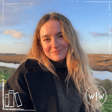
32 Wendy Turbin | Supernatural Crime Author image

32 Wendy Turbin | Supernatural Crime Author

S1 E32 ยท The Write and Wrong Podcast
Avatar
210 Plays4 years ago

Supernatural crime writer Wendy Turbin tells us all about her long journey as a storyteller, from being given a typewriter by her parents when she was little, all the way through to publishing her debut novel, Sleeping Dogs, without an agent. We learn about what inspires her, how her characters find her and how the industry has changed over the years and the exciting new directions in which it is going.

Support the show on Patreon

Signing up to the Patreon will give you access to the Discord server, where you'll be able to interact directly with Jamie as well as many of the previous agents, authors and editors who have been on the show. You'll also be able to see who the upcoming guests are and put forward questions for Jamie to ask them.

WriteMentor

Get a whole month with WriteMentor's Hub for free using the coupon code 'Write&Wrong'.

The Chosen Ones and Other Tropes

Jamie, Melissa and Noami talk about the best and the worst writing tropes!

Bookshop

Click here to find all of our guests' books as well as the desert island library over at bookshop.org.

Zencastr

Click on this referral link to get 30% off your first three months with Zencastr.

Recommended
Transcript

Introduction

00:00:00
Speaker
So our podcast is called Right and Wrong.
00:00:02
Speaker
Are these your notes?
00:00:03
Speaker
These are your notes about what we're going to say.
00:00:06
Speaker
What does it say?
00:00:06
Speaker
I thought it would be a good... I didn't even get the idea.
00:00:12
Speaker
Maybe I can just ask you the question.
00:00:16
Speaker
It's going well.
00:00:16
Speaker
It's going really well.

Guest Introduction: Wendy Turbin

00:00:22
Speaker
Hello and welcome back to the Right and Wrong podcast.
00:00:25
Speaker
I'm Jamie.
00:00:26
Speaker
And I'm Emma.
00:00:27
Speaker
And today we are speaking to British crime author and debut novelist of Sleeping Dogs, Wendy Turbin.
00:00:34
Speaker
Hi, Wendy.
00:00:35
Speaker
How are you doing?
00:00:36
Speaker
Hi Emma, hi Jamie, how are you?
00:00:39
Speaker
We're very well, thank you.
00:00:40
Speaker
Excited

Creating Sleeping Dogs

00:00:41
Speaker
to talk about your debut novel, Sleeping Dogs, out now.
00:00:46
Speaker
A crime thriller about an investigator that can see ghosts.
00:00:52
Speaker
Yes, indeed.
00:00:55
Speaker
So how long have you been planning this and the character of Penny Wiseman, the investigator?
00:01:01
Speaker
Well, the character of Penny Wiseman was sort of born about three years ago.
00:01:07
Speaker
Oh, might be near a four now.
00:01:09
Speaker
When I was on a plane going somewhere and I was scribbling.
00:01:13
Speaker
All my electronics had died and I was scribbling on a piece of paper.
00:01:16
Speaker
And she sort of came out of an idea.
00:01:18
Speaker
But she didn't see ghosts then.
00:01:20
Speaker
So she was just a private investigator.
00:01:23
Speaker
And then...
00:01:24
Speaker
As I began to work with her, as it were, and started turning her into a novel, then she suddenly came up with this ability to see the dead, which is a bit of a blessing and a bit of a drawback, really.
00:01:41
Speaker
So I kind of thought, this is weird.
00:01:44
Speaker
And is this actually going to be of interest?
00:01:47
Speaker
But it interested me.
00:01:49
Speaker
So I thought, I'll keep going.
00:01:52
Speaker
And I did, I don't know if you're aware, but I did a master's in crime fiction writing at the University of East Anglia.
00:01:59
Speaker
And

Influences and Writing Style

00:02:00
Speaker
I went along with an idea for a novel, a different idea, completely different idea.
00:02:06
Speaker
And in the first workings of that, a ghost kept walking through my scene.
00:02:12
Speaker
which was sort of annoying.
00:02:13
Speaker
Goodness, that's irritating.
00:02:15
Speaker
You're trying to write.
00:02:16
Speaker
You're trying to write.
00:02:18
Speaker
It's crazy.
00:02:19
Speaker
You're trying to write something really sensible, really in the now, absolutely clear what you want to do.
00:02:25
Speaker
And this ghost just drifts through and creates havoc.
00:02:29
Speaker
And I thought, well, obviously, it's not going away.
00:02:32
Speaker
I am the haunted one, basically.
00:02:34
Speaker
So I thought, right, I'm giving in.
00:02:37
Speaker
I'm going to go with the ghost.
00:02:38
Speaker
So Penny and the ghost sort of married together.
00:02:42
Speaker
And I started working with that.
00:02:43
Speaker
And there were sort of drawbacks.
00:02:46
Speaker
And I was told this might not be a big seller because people will be put off by a ghost.
00:02:52
Speaker
But I would like to point out it's not terribly spooky.
00:02:56
Speaker
And she doesn't see millions of ghosts.
00:02:59
Speaker
She sees a usually specific ghost for a specific reason.
00:03:02
Speaker
And it's a ghost who pretty much wants to hire her services.
00:03:07
Speaker
So it's quite fun.
00:03:09
Speaker
Not for her, obviously, but it's a ghost.
00:03:10
Speaker
It's kind of fun for us to look at because she is kind of compelled to solve the ghost mystery at the same time as she's trying to cope with all these other cases and lots of other things going on.
00:03:22
Speaker
And then they sort of tend to marry together as it goes on.
00:03:28
Speaker
So it wouldn't leave me alone.

Genres and Inspirations

00:03:30
Speaker
So I didn't really have much choice.
00:03:31
Speaker
I just had to write it this way.
00:03:33
Speaker
Yeah, absolutely.
00:03:35
Speaker
So based off that, am I right in thinking that of the two kind of broad disciplines of writing a book is plotting or just kind of discovering it as it goes, you're very much in that discovery side of things?
00:03:51
Speaker
Oh, plotting.
00:03:52
Speaker
Now that's an idea.
00:03:56
Speaker
I have tried throughout my entire adult life to plan out a novel and I've never succeeded yet.
00:04:04
Speaker
I wish I could.
00:04:06
Speaker
I admire those who do because it really is a very clear way of looking at things.
00:04:11
Speaker
And you probably don't waste as much time down blind alleys as I do.
00:04:16
Speaker
But in the process
00:04:17
Speaker
of discovery, I find much better ideas than I started off with.
00:04:22
Speaker
And the characters tell me their story.
00:04:26
Speaker
So if I had started out by saying I was going to write Sleeping Dogs and planned all the things that happen in it, I think I couldn't have done that.
00:04:35
Speaker
And a bit of me would have been going, oh, this is absurd.
00:04:39
Speaker
You can't have this happening.
00:04:41
Speaker
But actually, when it comes organically out of the characters and the situation they're in,
00:04:47
Speaker
It does work.
00:04:48
Speaker
It flows.
00:04:49
Speaker
And it also surprises me.
00:04:50
Speaker
And if it surprises me, I think it surprises the reader as well.
00:04:54
Speaker
Some of the reviews I've had for the novel have expressed surprise that it follows a path they weren't expecting.
00:05:03
Speaker
There's always something, you know, sort of different around every corner.
00:05:07
Speaker
And I love that.
00:05:08
Speaker
I love that when I'm reading other people's work and I love it myself.
00:05:11
Speaker
So it was very much a voyage of discovery.
00:05:14
Speaker
And plotting is great, but I have to do it retroactively.
00:05:20
Speaker
I don't know if that's how it works.
00:05:23
Speaker
Well.
00:05:25
Speaker
Does it still count as a plot if you kind of look at what you've written and then write down the plot from that?
00:05:30
Speaker
I have to tidy it up a lot, obviously.
00:05:33
Speaker
So that's where the plotting comes in, because it is a bit of a puzzle.
00:05:36
Speaker
You know, it's put together like a puzzle.
00:05:39
Speaker
So I have to make sure all of those jagged edges do fit neatly together.
00:05:44
Speaker
And that's where the plotting comes in.
00:05:45
Speaker
But I leave that until I've got a first draft, because I can't predict where it might go next.
00:05:51
Speaker
Isn't that the fun of life?
00:05:52
Speaker
Yeah, it makes a lot of sense as well.
00:05:56
Speaker
But I mean, circling a little bit back, when you first began writing and your writing journey, was there anything in particular that drew you in to choose the genre that you're writing at the moment?
00:06:11
Speaker
Yeah.

Early Writing Experiences

00:06:13
Speaker
Well, yes.
00:06:14
Speaker
I mean, certainly crime.
00:06:16
Speaker
Crime has always been one of my loves.
00:06:18
Speaker
I mean, I'm a great Agatha Christie fan.
00:06:21
Speaker
I'm a great Val McDermott fan.
00:06:23
Speaker
I have read crime writing of all types since I was very young.
00:06:28
Speaker
So this is great.
00:06:30
Speaker
And I've also had that slightly kind of mad supernatural experience.
00:06:33
Speaker
thing as well and a bit of sci-fi chucked in there uh so that's kind of where my head generally is is in killing people um you know this is what i do oh i forgot this was being recorded so they can get me to this
00:06:53
Speaker
We do have some dreadful things where people ask you what you're doing and say, oh, I've just been murdering somebody in the kitchen.
00:07:01
Speaker
And they look very worried.
00:07:03
Speaker
So you do have to explain so I don't end up in custody somewhere trying to explain myself.
00:07:09
Speaker
Yeah.
00:07:10
Speaker
Disclaimer, Wendy has not killed anyone that we know of.
00:07:13
Speaker
Yeah, well, actually.
00:07:13
Speaker
Yeah.
00:07:15
Speaker
Can I just say, Jamie, the that we know of was also rather worrying.
00:07:21
Speaker
Thank you for that.
00:07:22
Speaker
Allegedly, not killed anyone.
00:07:24
Speaker
Not what I'm admitting on a broadcast.
00:07:29
Speaker
As well, how did your writing journey begin?
00:07:33
Speaker
You've obviously done short stories and written for a long time as well.
00:07:36
Speaker
Where did that all start off for you?
00:07:39
Speaker
And was there like a first story when you were younger that you wrote or anything like that?
00:07:44
Speaker
I've always wanted to write.
00:07:46
Speaker
I mean, when I was a child, I pestered my parents for a typewriter, which as I was, you know, I'm of a particular vintage now.
00:07:57
Speaker
And at that point, the toy of choice was a little petite toy typewriter.
00:08:04
Speaker
And I was desperate for one of these.
00:08:05
Speaker
And we didn't have a lot of money in our family.
00:08:07
Speaker
They were quite expensive at the time.
00:08:09
Speaker
And they came in a little neat case and they just they were lovely.
00:08:14
Speaker
And to be honest, I think my parents couldn't really afford one.
00:08:17
Speaker
But my father particularly was always of the opinion, you shouldn't give a child a toy if you could give them a real thing.
00:08:25
Speaker
Good job.
00:08:26
Speaker
I wasn't interested in guns, probably.
00:08:28
Speaker
But sorry, sorry, Dad.
00:08:35
Speaker
So what they did, and I don't know how long it took them to source it, but it must have been ages.
00:08:40
Speaker
They bought me an absolutely beautiful Underwood typewriter, which was a real typewriter, heavy duty.
00:08:48
Speaker
I won't say childproof because I did manage to destroy it over many years.
00:08:52
Speaker
thumping at the keys like hammers they were, they went down.
00:08:56
Speaker
But that was fabulous because it wasn't a toy, it was like being a real writer.
00:09:02
Speaker
And I think at that point, I knew that one day I would be telling stories to the world.
00:09:08
Speaker
At that point, my stories were very much geared around the TV programs I was watching and whatever I was reading at the time.
00:09:15
Speaker
So I suspect Enid Blyton had quite a bit of influence.
00:09:19
Speaker
which probably explains the investigation side and a few programs like Star Trek which was very new at the time the original one and I loved it Doctor Who of course and that kind of thing so they all kind of blended together into this mad world that I bored everybody to death with I don't think they were very good none of them have survived for which I am rather grateful I think
00:09:42
Speaker
But I spent a lot of my teenage and my young and my teenage years hammering out these stories.
00:09:48
Speaker
But it was a good learning base, I think, but not for public consumption.
00:09:54
Speaker
We've

Fan Fiction and Craft Learning

00:09:55
Speaker
had other authors on talking about how their first kind of foray into writing was fan fiction, which is what it sounds like you were doing as well.
00:10:03
Speaker
Absolutely.
00:10:04
Speaker
Yeah, really.
00:10:06
Speaker
I think it's where so many people start off because you copy what you love in life and that's what I was doing.
00:10:13
Speaker
But as I say, I wasn't terribly good at it.
00:10:16
Speaker
I do remember that I did do several episodes of Star Trek and in every single one I killed off Captain Kirk.
00:10:24
Speaker
Not William Shatner.
00:10:26
Speaker
Yeah, I know.
00:10:27
Speaker
I know.
00:10:29
Speaker
I'm sorry about that.
00:10:31
Speaker
Yeah.
00:10:32
Speaker
I mean, I did love him to pieces, I have to say, but to pieces was kind of literal.
00:10:36
Speaker
So he was always getting killed.
00:10:37
Speaker
But then because I even then I had an idea you shouldn't really kill off the hero.
00:10:43
Speaker
because that makes life very difficult for the next episode so then yeah then I had to I had to find a way of resurrecting him every time so so he went through lots of different transformations challenges for yourself Wendy wasn't it yes oh absolutely absolutely I think it might have been the Doctor Who influence that you could change into someone else that's an easy hero to just keep killing isn't it
00:11:07
Speaker
It's all the advantages with that, definitely.
00:11:11
Speaker
So, yeah, so, I mean, I just imitated, you know, the things I loved.
00:11:16
Speaker
And gradually, I think I got better.
00:11:21
Speaker
But certainly not until much, much later on, did I start to learn really the craft of writing, which you'd
00:11:29
Speaker
You do need, unless you are immensely talented and can do it just as a natural flow, you do need to learn the techniques.
00:11:38
Speaker
And it's, you know, it takes a lot of doing, like anything worth doing.
00:11:42
Speaker
It takes a lot of learning.
00:11:44
Speaker
And that didn't come till much, much later.
00:11:46
Speaker
So I'm glad nothing much has survived.
00:11:50
Speaker
When did you first sort of approach writing a novel that you thought you might put out to publishers?

First Novel Submission

00:11:57
Speaker
Like when did you first submit or put out your work?
00:12:01
Speaker
The first time I sent a complete novel was about 20 years ago.
00:12:08
Speaker
And I was, I don't know if I was lucky or unlucky.
00:12:11
Speaker
It depends on the glass half full, I think.
00:12:14
Speaker
I sent it to publishers then, even the big publishers,
00:12:20
Speaker
you didn't have to go through an agent.
00:12:21
Speaker
You could go directly.
00:12:23
Speaker
And I sent it to Transworld Publishing, you know, just one of the little guys out there at the time.
00:12:30
Speaker
And they liked it.
00:12:31
Speaker
And I was over the moon.
00:12:34
Speaker
And they put me with an editor.
00:12:38
Speaker
Unfortunately,
00:12:40
Speaker
It didn't go anywhere because the editor was really helpful and tried really hard.
00:12:47
Speaker
But I was working full time and life always gets in the way.
00:12:50
Speaker
So there was time constraints.
00:12:52
Speaker
And that really wasn't too much of an excuse.
00:12:55
Speaker
But the big issue for me was that I didn't really have the tools of the trade at that point.
00:13:00
Speaker
So they would say, you know, the editor would say to me, we need this chapter to be tightened up.
00:13:06
Speaker
And I would think, great, good, yes.
00:13:10
Speaker
And then I would get some explanation of how to do that.
00:13:14
Speaker
But it didn't gel with me.
00:13:19
Speaker
So I think I had a tendency to not really make it any better despite my endeavours.
00:13:29
Speaker
And at that point, I thought, I don't think I can do this without โ€“
00:13:35
Speaker
studying and really looking at the mechanics that you need to underpin the machinery of a novel.
00:13:43
Speaker
It needs a huge amount of infrastructure under there.
00:13:46
Speaker
And I didn't understand how that worked.
00:13:48
Speaker
So it was a bit like trying to build a roller coaster without knowing anything about gravitational pull.
00:13:55
Speaker
Not a recipe for happiness, that one.
00:13:58
Speaker
So we agreed in the end that actually now was not my time and I backed away.
00:14:05
Speaker
And I won't pretend that I wasn't bruised and battered by the encounter.
00:14:08
Speaker
I was going to say, it must have been a hard decision.
00:14:10
Speaker
It was.
00:14:12
Speaker
It was.
00:14:12
Speaker
It was my life's dream.
00:14:15
Speaker
And it did feel absolutely crushing.
00:14:18
Speaker
But I think that they were right to, you know, to suggest that actually this wasn't going to make the final cut.
00:14:27
Speaker
And I think in retrospect,
00:14:31
Speaker
It was a really good thing that happened because it made me understand that I needed to go and do my apprenticeship, if you like.
00:14:40
Speaker
I needed to go and actually put the work in.
00:14:43
Speaker
My due diligence, exactly.
00:14:44
Speaker
And it's lovely to have a dream.
00:14:47
Speaker
You're going to write a novel and people like it, you hope, and they'll read it, you hope.
00:14:51
Speaker
And who knows?
00:14:52
Speaker
It might be a movie and you might get rich and this is lovely.
00:14:54
Speaker
But it's a bit.
00:14:56
Speaker
But this is the winning the lottery dream.
00:14:58
Speaker
This is not what happens in reality.
00:15:00
Speaker
So it was it was an understanding that I really needed.
00:15:04
Speaker
If I was serious, I really, really needed to put some work into this and and just go forward, you know, exploring how to do it rather than, oh, I want to write a story.
00:15:17
Speaker
Because it's the difference, I think, between writing for yourself and writing to be read.
00:15:23
Speaker
Because if your purpose is to entertain an audience, you have to understand what makes it entertaining, not just recognize it when you see it.
00:15:32
Speaker
And it's a difference between being a reader and a writer.
00:15:36
Speaker
And that's huge.
00:15:38
Speaker
It came to me late in life.
00:15:39
Speaker
I wish I understood that when I was much younger.
00:15:42
Speaker
No, I don't really, because I couldn't write the way I do if I hadn't been through my life.
00:15:47
Speaker
So, you know, everything happens at the right time for a reason, I think.
00:15:53
Speaker
And although it was very bruising to nearly make it and then not make it, it did give me a way forward.
00:16:00
Speaker
And I was grateful for that eventually.
00:16:03
Speaker
Yeah.
00:16:06
Speaker
Now I am.
00:16:07
Speaker
Now I am.
00:16:08
Speaker
No, it's so true.
00:16:09
Speaker
And it's obviously such a life passion of yours to have that happen and then to think, right, okay, now what do I need to do to make that better?
00:16:16
Speaker
Because that's such a hard thing to do, I think, sometimes to go, okay, I need to...
00:16:23
Speaker
sometimes you can't pinpoint exactly what you need to do and and it's easier to you know just be like admit defeat and just be like all right okay I'm just gonna leave it now maybe it's not for me and it's great that you went on that full arc and that journey as well to sort of yeah it's great um yeah
00:16:41
Speaker
I do think you've nailed it there exactly because you can't actually do it on your own.
00:16:47
Speaker
And any writer, I think, that I've ever heard speak will say the same thing.
00:16:53
Speaker
Writing, despite the fact that people have this idea that you lock yourself in a room somewhere and just do it on your own, it's not how it happens.
00:17:01
Speaker
You might do that for a scene or two, but it's all about the reader.
00:17:05
Speaker
And the only way to find out what the reader thinks of it is to give it to people to read.
00:17:09
Speaker
Yes.
00:17:10
Speaker
And ask for their opinions.
00:17:11
Speaker
And oh boy, that is scary.
00:17:14
Speaker
Big, scary stuff.
00:17:16
Speaker
But it's the only way.
00:17:18
Speaker
And you need

Importance of Feedback

00:17:19
Speaker
the right people because, you know, you give it to your best friend and your best friend might say, oh, it's lovely.
00:17:24
Speaker
It's wonderful.
00:17:27
Speaker
You've got very polite friends at least.
00:17:29
Speaker
My friends might be a bit ruder.
00:17:31
Speaker
All right, I'm pretending.
00:17:32
Speaker
I'm pretending that they might say all sorts of things about it.
00:17:37
Speaker
But what they can't usually do is say how it could be better, which bits work and why, why they don't work.
00:17:44
Speaker
They can't pick it apart for you.
00:17:48
Speaker
But if you have other writer friends, then that is when...
00:17:53
Speaker
It really, really helps because you can see and it's very difficult in your own writing to see the flaws.
00:18:00
Speaker
But we recognize our own flaws in other people's writing.
00:18:03
Speaker
It's a really weird thing, but we all do it.
00:18:05
Speaker
Immediately.
00:18:06
Speaker
Yes.
00:18:07
Speaker
Yes.
00:18:08
Speaker
And then you're really embarrassed and you have to say, oh, I'm really sorry, but, you know, I think it's gone like this.
00:18:14
Speaker
And you can almost hear the wheels go around and say, well, you do it all the time.
00:18:17
Speaker
I know, I know.
00:18:18
Speaker
And isn't it awful?
00:18:19
Speaker
So please do call me out on it when I do it.
00:18:21
Speaker
It's very healthy, I find, that exercise.
00:18:24
Speaker
Because when you do spot, you spot something that's wrong and someone else is, like someone in my writing group, I'll spot something that's wrong in their work.
00:18:32
Speaker
And then, and then I'll think about it and think, oh my goodness, I've done that a hundred times in my novel.
00:18:37
Speaker
Yeah.
00:18:38
Speaker
I could really do my own again, take my own advice.
00:18:42
Speaker
Yeah, exactly.
00:18:43
Speaker
And you wouldn't spot it unless you saw someone else doing it.
00:18:46
Speaker
No, it has to come from outside, doesn't it?
00:18:49
Speaker
You always think you can analyse your own faults, but you can't.
00:18:53
Speaker
You really do need people to point them out.
00:18:54
Speaker
But oh boy, doesn't it hurt?
00:18:56
Speaker
Doesn't it hurt?
00:18:57
Speaker
Yes, it can.
00:18:58
Speaker
It can hurt, yeah.
00:18:59
Speaker
But it can also be very validating.
00:19:01
Speaker
Yeah.
00:19:02
Speaker
And obviously it's one of the most helpful things that you can do
00:19:08
Speaker
getting that feedback off people, off your peers, people that you need mutual respect is required there.
00:19:14
Speaker
And I think that's what takes the hurt out of it is the mutual respect.
00:19:18
Speaker
If a writer that I really respect and who, you know, I'm very blessed to have a sort of small group of writers that I work with.
00:19:27
Speaker
And if one of them says to me,
00:19:31
Speaker
that this isn't working and this is why and this is what you're doing.
00:19:35
Speaker
I will take that on board as being a criticism which is totally constructive because their only agenda is to make my work better.
00:19:46
Speaker
And I do the same for them.
00:19:48
Speaker
And because there is respect there, you know, people aren't just, you know, making it up, trying to be hurtful, whatever, or even just trying to please, which, of course, is equally, you know, damning.
00:19:58
Speaker
But they're giving you an honest view and an honest idea of how you can make something better.
00:20:06
Speaker
And you might not agree with them.
00:20:07
Speaker
You don't have to agree with everything.
00:20:10
Speaker
Because sometimes you can think, well, yes, you find this character prickly and unlikable.
00:20:14
Speaker
Good.
00:20:15
Speaker
I wanted them to be prickly and unlikable.
00:20:17
Speaker
That's a good thing.
00:20:19
Speaker
It's not about liking it.
00:20:20
Speaker
It's about whether it works as a piece of writing.
00:20:23
Speaker
And that, I think, is something you need people that you trust and who trust you to exchange views on.
00:20:30
Speaker
And that is ultimately the only way to get better because the reader is king or queen.
00:20:40
Speaker
other pronoun of choice whichever you like yeah and that relationship uh especially in you know more recently as you said you used to be able to go direct to publishers nowadays you very much need an agent for most of those interactions especially the big publishers that's a relationship that a lot of people have with their agents now the agents are also editors yeah you you don't have an agent is that right
00:21:04
Speaker
I don't.

Publishing Industry Insights

00:21:06
Speaker
I'm very, very lucky in that I am with a small independent publisher, Hobart Books, who were very new when I discovered them and submitted my manuscript.
00:21:17
Speaker
And I was one of the first people that they took on.
00:21:19
Speaker
There's a small group.
00:21:21
Speaker
They've taken on a lot more since, I have to say.
00:21:24
Speaker
They are.
00:21:24
Speaker
They are really, you know, they're growing very, very fast.
00:21:27
Speaker
It's wonderful.
00:21:29
Speaker
But they are amazing.
00:21:31
Speaker
And I'm
00:21:32
Speaker
they are great to work with, but they don't offer the same editing service in themselves that an agent would do these days.
00:21:43
Speaker
But they do when you are as far along as you think you can be with your draft.
00:21:50
Speaker
that's when they put in professional editing services to work with you.
00:21:55
Speaker
And that helps enormously.
00:21:57
Speaker
But it is a different relationship.
00:21:59
Speaker
But most publishers, I gather from other writer friends who are with different publishers, you don't have an awful lot of input from them.
00:22:09
Speaker
It's mainly the agent that you work with.
00:22:12
Speaker
So Hobart books are very different in that respect.
00:22:16
Speaker
But because I'm fortunate in having this sort of group of writers that I work with anyway, I kind of feel that I have that already.
00:22:25
Speaker
And then a professional editor who doesn't know my work as well, obviously steps in and sees things with total clarity coming at it absolutely new.
00:22:34
Speaker
And that is a very interesting process.
00:22:37
Speaker
With Sleeping Dogs, she picked up so many things that really others didn't.
00:22:43
Speaker
had sort of accepted as being part of my world.
00:22:46
Speaker
And she was quite challenging.
00:22:47
Speaker
You know, why is this there?
00:22:48
Speaker
And why does that happen?
00:22:50
Speaker
And if that happens, why doesn't that happen there?
00:22:52
Speaker
And she was really spot on.
00:22:54
Speaker
So there was a lot of good work with that and a lot of changes that I put in afterwards.
00:23:01
Speaker
But I did try to get an agent early on before Hobek were in business.
00:23:05
Speaker
Sorry, Hobek.
00:23:06
Speaker
I would have come to you first, honestly.
00:23:09
Speaker
I probably would, actually, because they're so much fun.
00:23:12
Speaker
But I did try to get an agent and I came close.
00:23:16
Speaker
But agents, they have limited time and...
00:23:23
Speaker
they can only take on so many writers.
00:23:26
Speaker
And although it was a near miss, which is lovely because it does tell you you have something, but it wasn't quite enough.
00:23:35
Speaker
And I don't know now whether that was perhaps a good thing for me because I've still kind of got all that freedom to do what I want with my characters.
00:23:46
Speaker
I do have friends who work closely with agents and they've done โ€“
00:23:52
Speaker
quite a lot of changes, you know, with discussion and changing things.
00:23:57
Speaker
And it can be good, but it can draw you away sometimes from where you wanted to be.
00:24:04
Speaker
And it's a commercial decision.
00:24:06
Speaker
I mean, I totally understand that.
00:24:08
Speaker
But there is a lot of advantage in being independent and having the freedom to write things the way you want to write them.
00:24:17
Speaker
And then
00:24:18
Speaker
make them as good as you can technically, but not have to change too much in your characters.
00:24:24
Speaker
I mean, yeah, it's difficult.
00:24:27
Speaker
They're different things, I think.
00:24:29
Speaker
But publishing is just such a wonderful place to be at the moment because it's all changing.
00:24:35
Speaker
It's all changing.
00:24:37
Speaker
And that's so exciting.
00:24:38
Speaker
How did it change from when you submitted to publishers before or since you started writing?
00:24:48
Speaker
Yeah, it's changed enormously.
00:24:50
Speaker
I mean, the idea of most sales being e-book sales was not โ€“ I mean, the e-books were tiny little things that nobody really cared about then.
00:25:01
Speaker
And when I started writing, they didn't exist.
00:25:04
Speaker
So, hold your technology.
00:25:06
Speaker
But now, I mean, where do most people get their reads, especially avid readers, readers who get through two, three, four books a week?
00:25:14
Speaker
There are a lot of them out there.
00:25:16
Speaker
And it's wonderful.
00:25:17
Speaker
I mean, it's open reading to so many more people because it's expensive to buy books.
00:25:23
Speaker
It's so expensive.
00:25:25
Speaker
And libraries are being cut and opportunities for for browsing and just taking a risk on a book.
00:25:33
Speaker
that you don't really know are so limited unless you go into the e-book world.
00:25:37
Speaker
And then, you know, 99p, 199, 299, small amounts of money to really try something new.
00:25:45
Speaker
Yeah.
00:25:46
Speaker
Make new discoveries.
00:25:48
Speaker
How exciting is that?
00:25:49
Speaker
And then from the publishing point of view as well, you can now get online-only publishing deals where they don't publish a physical book.
00:25:57
Speaker
Yeah, yeah.
00:25:59
Speaker
There's a lot of that out there.
00:26:00
Speaker
And I can see that that's going to be the major, major thing in publishing for many years to come.
00:26:06
Speaker
Of course, audio now is such a big thing as well.
00:26:10
Speaker
So I don't know if I'm allowed to say, but...
00:26:14
Speaker
I hope, let's just say, I hope that sleeping dogs will be out in audio in the not too distant future.
00:26:20
Speaker
So that's exciting.
00:26:23
Speaker
You've got that first.
00:26:24
Speaker
I might have to check with Hobart and get you to cut that bit.
00:26:30
Speaker
I will, I will.
00:26:31
Speaker
I'll let you know.
00:26:34
Speaker
No, that's great.
00:26:35
Speaker
Talking about, you've shared so much of your experience and you've been in and around this industry, especially involved with storytelling.
00:26:44
Speaker
I can't speak to that.
00:26:48
Speaker
Especially.
00:26:50
Speaker
especially involved in storytelling is what I was trying to say, uh, for such a long time.
00:26:56
Speaker
What advice would you give yourself back when you first started writing stories or back when you first thought, I'm going to put this story out there and try and get a publishing deal?

Advice for Aspiring Writers

00:27:10
Speaker
I think I would say be brave.
00:27:13
Speaker
Be brave.
00:27:14
Speaker
Two elements to that.
00:27:16
Speaker
One is write what you want to write.
00:27:20
Speaker
And it's no good trying to follow the market and think, will this sell?
00:27:25
Speaker
You have to write what's inside you.
00:27:27
Speaker
Be true to what you want to write.
00:27:29
Speaker
So that's the first thing.
00:27:31
Speaker
And secondly, I would say...
00:27:38
Speaker
My mind's gone completely blank.
00:27:40
Speaker
You're going to cut this bit, right?
00:27:45
Speaker
It had to happen at some point today.
00:27:48
Speaker
Yes.
00:27:48
Speaker
So write what you want to write.
00:27:50
Speaker
Absolutely.
00:27:50
Speaker
Yes.
00:27:51
Speaker
Be brave and be really brave and share what you write with other people.
00:27:56
Speaker
Don't keep it to yourself in a drawer and don't let it see, not letting it see the light of day because it's,
00:28:03
Speaker
it needs to breathe the air and it needs to be read.
00:28:08
Speaker
And scary as that is, it's the only way you'll know whether you've got anything.
00:28:14
Speaker
And everybody's got something, you know, whether it's their life story, whether it's a piece of poetry, whether it's an article, whether it's a piece of fiction, short fiction, flash fiction, or a whole novel, you know, it could be anything.
00:28:26
Speaker
Everybody's got something.
00:28:27
Speaker
You've all got something to say.
00:28:29
Speaker
So don't be afraid to put that out there for people to look at because it is exposing your soul.
00:28:37
Speaker
And that is a big, scary thing.
00:28:38
Speaker
But it's also liberating and wonderful.
00:28:42
Speaker
Wonderful.
00:28:43
Speaker
Well, that's great.
00:28:44
Speaker
I mean, that rolls us really nicely onto our feel.
00:28:47
Speaker
Our last question of the night, Jamie.
00:28:50
Speaker
The night, I say, or the day or whenever we close this.
00:28:53
Speaker
Yeah.

Desert Island Book Choice

00:28:56
Speaker
And yeah, the question is, if you were on a desert island and you could only bring one book of choice, what would that book be and why?
00:29:07
Speaker
I love this question.
00:29:09
Speaker
Oh, wow.
00:29:10
Speaker
Usually everyone hates it.
00:29:11
Speaker
No, it kept me awake nights, but I loved this question.
00:29:15
Speaker
And I'm going to tell you what I came to in the end.
00:29:19
Speaker
And I'll tell you why.
00:29:22
Speaker
And I'm going to cheat because I know some other people have.
00:29:24
Speaker
So I'm going to cheat a little bit.
00:29:27
Speaker
If I'm allowed.
00:29:28
Speaker
Yeah, words got out.
00:29:29
Speaker
So I would like the box set.
00:29:31
Speaker
And not only that, but I want the one that hasn't been written yet.
00:29:34
Speaker
Oh.
00:29:35
Speaker
Because I want the whole set of Game of Thrones.
00:29:39
Speaker
Oh.
00:29:40
Speaker
Oh, yeah.
00:29:41
Speaker
Oh, yeah.
00:29:42
Speaker
Now, you obviously go, yeah, I get that.
00:29:44
Speaker
That's fine.
00:29:45
Speaker
But the reason for me is because it's got every crime you can ever think of.
00:29:50
Speaker
It's got every character you can ever think of.
00:29:53
Speaker
It has no...
00:29:56
Speaker
problem about killing off the main characters just when you think they're going to go on forever it is unexpected it's whole world it's everything everything and I could reread it uh every every well I could just reread it over and over but I want the last one yes I am heartbroken heart that's a good cheat because you've got a lot of books that you've read already and then you also have got the book that doesn't exist yet so yeah you'll get something old something new
00:30:23
Speaker
Oh, it's a good cheat.
00:30:25
Speaker
It's a good cheat.
00:30:26
Speaker
Game of Thrones is great.
00:30:30
Speaker
He's so good at just throwing you off.
00:30:34
Speaker
Just as you think you've got a hold on what's going to happen.
00:30:37
Speaker
No, done.
00:30:38
Speaker
Yeah, that's what I love.
00:30:40
Speaker
The unexpected just absolutely does it for me.
00:30:43
Speaker
And there's bits of it which are way more brutal than I would like to read normally.
00:30:48
Speaker
But it is all so credible and in such colour and such depth.
00:30:55
Speaker
And before it was made into TV, I had read it and I was just blown away by it.
00:31:02
Speaker
It is brilliant.
00:31:04
Speaker
And there's so much more in the books that they obviously couldn't cover on television because the medium doesn't really allow.
00:31:11
Speaker
No, exactly.
00:31:14
Speaker
It would be the longest TV program in the world.
00:31:17
Speaker
Yes, yes, it would be.
00:31:19
Speaker
Well, thank you so much, Wendy.

Closing Remarks

00:31:21
Speaker
Thank you so much for joining us.
00:31:24
Speaker
It has been my, it has been my absolute pleasure.
00:31:26
Speaker
Thank you so much for inviting me on.
00:31:28
Speaker
It's lovely to talk to you.
00:31:30
Speaker
And I am always happy to talk about books.
00:31:32
Speaker
I love books.
00:31:33
Speaker
I love writing.
00:31:34
Speaker
And just to everybody who listens to this, you know, just, just do it.
00:31:38
Speaker
Just go out there and do it and enjoy it.
00:31:40
Speaker
Just do it.
00:31:41
Speaker
Just do it.
00:31:41
Speaker
Thank you so much, Wendy.
00:31:42
Speaker
Thank you for sharing your experience with us.
00:31:45
Speaker
For everyone listening, to find out more about Wendy and her current and future works, you can follow her on Twitter at Wendy at the Sea, or you can look her up on her website, www.wendyturban.com.
00:31:59
Speaker
And to make sure that you don't miss an episode of the podcast, you can follow us on Twitter at Right and Wrong UK and on Instagram, which is at Right and Wrong Podcast.
00:32:10
Speaker
Thanks for tuning in and we will see you next time.
00:32:13
Speaker
Bye.