Transcript
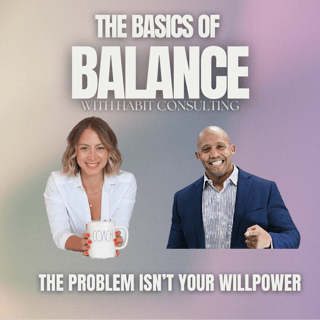
Speaker: All right, we are here with Dr. Mel today, a special guest on our episode of the Basics of Balance. Thanks for being here, Dr. Mel, taking time out of, I'm sure, your busy schedule. um Can you just tell us a little bit about yourself? So just give us a little intro about who you are, who you help, how you got into your field, and who's Dr. Mel? Yeah, absolutely. Well, I'm an American woman and it was just, I kind of, life just wanted me to get into this, you know. um As a kid, my mom got really sick with cancer, you know. She actually died of breast cancer at 33, which was pretty unheard of back then in the 90s. And being the only daughter and the second oldest, I spent a lot of time
Speaker: attending to her, right? And she had a baby, right? So, and we go to all these appointments and I didn't know anything because I'm a child. And I thought, well, you go to the doctor to get better.
Speaker: Fair enough. And that was not what I saw happening. i Actually, she seemed worse. after we can yeah So it didn't compute, right? I'm like, okay, this isn't really quite lining up. And then unfortunately, she ended up passing away. You know, some would say from the treatment, some would say from the disease, you know, the jury's out on that. um But, and so that was a marked experience in my life, right? um And then ah then my father, because our my parents were divorced,
Speaker: Didn't know what he was doing as far as like being a parent, but he's sweet enough. Right. But he was a bit of a health nut in the 90s, which was kind of unheard of, too. Right. So he would be doing these 10 day juice cleanses. And where me and my older brother were going, so, okay he's not going to eat food for like 10 days. Like, isn't that psycho? You know, and so we had like these things kind of shaping us, you know, and and the and the the final piece was I have a son.
Speaker: And he's now almost 23 years old. So when I got pregnant with him, that was kind of my light bulb moment that maybe I needed to learn ah about health. and And maybe my dad wasn't so weird, but maybe he was like kind of on to something because I didn't want my kid to not have a mom. Because i I literally grew up with this voice in the back of my head that like, you're going to die young.
Speaker: Sure. Of breast cancer. Like actually, like the whole thing, like this whole narrative. And I'm like, okay, so maybe what dad's doing, what goes into your body, what's in your environment is important. And I'd like this kid to have a mom, at least through his childhood, you know, because it it's kind of, for me, it was kind of rough not having a mom, you know? And so that's what kind of took me off in this whole field. You know, that's why I'm not a teacher or I don't do real estate or anything. Like that, you know, and it was weird when I got into it, too, because people go, why don't you want to be a real doctor?
Speaker: but yeah like That's a real kick to the face. Just keep going. They don't get it. One day they will, hopefully, right? Yeah. And it's a totally different climate now, right? Like here we are like 15 years or so in the future. Again, people kind of know what a naturopath is or everybody kind of knows they should detox, right? It's not as hard of a cell. um Yeah. On the detox. And then as i went through my career, I had so many interests, I thought I wanted to do cancer. um It was i did not jive with me energetically, you know, at least where I was, you know, had the opportunity to get trained. And I found a love for reject what I call regenerative medicine, which are more holistic therapies that are actually healing. And that really got me fired up. I'm like, wait, what? You can heal scars. You can heal bad joints. You can you can get rid of diabetes. I'm like, hold the phone, you know? And so that's what I went after.
Speaker: And then, of course, because we're our biggest teacher, I stressed myself into becoming pre-diabetic. So this is one of my things that I really get on a soapbox about now, because sometimes more is not more, sometimes less less.
Speaker: is more and then just having the right map. And so that's what was missing. And and that's that's why I'm such a nut about metabolic health. And it's a pillar in our cardiovascular program. And what we found is I think that's a big part of what's missing and why folks aren't getting as well as they could be.
Speaker: Sure, sure. Well, and I think also at the same time, like you said something at the beginning, you know, you, the way that you basically grew up well, i shouldn't say grow up, but the way that you were basically raising your son with this kind of voice in the back of your head, like you're going to die, you're going to die early. Our background, our experiences, our life experience shapes our perspective on the choices that we make today, right? And so had you had not had that goal, background, if you will, or experience, I'm curious how that would have kind of shaped like the trajectory of your life. You know what i mean? Like, I'm curious, like how much of an impact that really had on your curiosity as far as regenerative health and, you know, things like that to really kind of dig deeper and put two and two together. Like, OK, wait a second.
Speaker: I'm wondering if traditional medicine is not necessarily the end all be all. That's your, you know, assuming that's your perspective right now. I'm wondering how much of that would have been influenced had you had not had that experience. You know what i mean? Yeah. I think the biggest thing was like literally getting pregnant with my son. Right. Because then I had something i had my why.
Speaker: Yeah. Right. You know, because what I found is that human beings are incredible, but they just have to make a decision. sort of And then it's over. Right. So then so then instead i could have like just spun out and lived an adrenaline lifestyle because I was sure I was going to burn out fast, you know, which I probably was doing like up till that point. Right. But then I had my why and then I got my boots on the ground and I made a decision and and that was it. So I'm very grateful for him. That wasn't my plan. You know, my plan was that I was going to have kids at 37. I was going to be an international businesswoman, you know, but I'm pretty sure he massively saved and improved my life. Sure, sure. Well, you kind of are a, at least a national business woman. So you are, you are in functional medicine. um And so, you know, obviously for those who are listening, functional medicine takes a little bit of a different approach as far as Western medicine, such as kind of treating the root cause versus treating the symptoms, right? So really trying to like dig deep, really trying to understand what might be going on versus just treating that surface level, you know? And so um in that line of logic, kind of like what you focus on from a functional perspective, you kind of touched on it, but tell us about your ideology as far as the whole cardiovascular health and kind of how that really is affecting a lot of our population and maybe ways that we might not even recognize, you know? Yeah. So if you if you step back, maybe look at your family or, you know, people from your church, friends, whatever, it just seems as we get older, it's just on the path. You're going to get high blood pressure. Now there's sugar problems and there's heart plaque and heart failure. Right. It's just and it it doesn't seem fun. Right. And and I'm looking at my elders, you know, 90s. Right. And it's just so many meds. so many ailments, right? And what we're missing is, well, why? Like, why is the blood pressure high?
Speaker: Yeah. You know, why, you know, why are we stacking plaque, you know? And a lot of these solutions are are kind of, it's like Band-Aid medicine at best, if we're lucky.
Speaker: none None of them are, i I venture to say, actually healing the system, right? and um And then they all have side effects. You know, and so what I found is that ah totally on accident, I wasn't even thinking like this was what I was going to do. Right. client came in that I hadn't seen in a year and he didn't want to put stents in his heart. Right.
Speaker: Who could blame him? That doesn't sound pleasant, right? um But it's scary. So most people, you know, would get told that and go, okay, oh crap, here we go. And so that's the cool thing about this guy that he told his team, well, hold on, i don't want to do that. Can you give me two months? And I think that's incredible because I was like, Yeah. And they said, sure, you know, we'll give you two months. And he came to me and he and and he was really serious for like the first time ever because he just was always like, I'm not going to listen to your diet advice and you know whatever. and um and And he said, I got two months. What do you got from email?
Speaker: And I was like, pretty serious you know so I was really present and then that's when this this protocol came in and luckily this was right after I had had to reverse my own pre-diabetes so it was really on a stress and like metabolic kick you know so that had to be in there and so you so basic pieces if you just want to go really basic it's like you got to do something about the stress Where am I burning the candles from both ends? What can I give away? What can I get rid of? am I doing anything to relax? And if not, let's not get stressed out about that. Let's just find something. Even if it's just going in the backyard to look at the birds for two minutes, you know? um And then it's balancing the blood sugar and insulin.
Speaker: This is key. You cannot, you cannot skip that piece. And then it's disinflaming, detoxing the system. Right. And then after that, you know, we've got to get after the gut. Everybody kind of is kind of clued in like, oh yeah, the gut's important. Right. So our gut, this is, it's crazy. Your gut gets inflamed and it leaks out to the system. So then we get systemic, like body wide inflammation. So you can't skip that part either. And then I put in some of those, my favorite, regenerative therapy IVs um to disinflame and help with the plaque. And I mean, that's how it all came together. it was yeah It was like presence. It was like, you know, years of experience and then putting personal experience and putting this together for a why. This guy doesn't want to have stents. Let's see what we can do. Sure.
Speaker: And it was crazy because in two months he was excused from needing the sense like his plaque had gone down so much that they're like, yeah, you're cool now. And and I was like, oh, that's a good protocol.
Speaker: Let's take it and run. Well, I actually didn't even take it and run at that point. I was just like, OK, put it like note to self. Right. Because I had other, you know, so many interests. Right. And yeah literally at that time I was really focused on PTSD and anxiety and depression.
Speaker: which is always ah in everything, by the way, you know, it's like one hundred everybody has a little bit of that and that's contributing to your inflammation that may manifest as heart disease or autoimmune or whatever. So yeah that that is important. um And so then it just, it was until another fella showed up, you know, some months later and he was pissed off because he had all this plaque in his carotids, the big arteries up here that go up to the, to the head. Yeah. I said, Oh, I got a protocol for you.
Speaker: Let's try it. It worked really great on this guy. And this, this fellow was older, but he was more like you wanted him in as a patient. Like he was intermittent fasting and he was, was really trying, you know? Yeah, yeah, yeah. So he was kind of, you can tell, you can tell when someone is like trying and then when someone is just like, okay, I'll just do what you tell me. But like, I'm not bought in, I'm not invested. You know what mean? Yeah, yeah. he wanted to have a great retirement, you know? And, and so I'm like, it'll work great on him. it's, and it did like, so he loves, he's such a studious fellow. I like these studious guys, you know? So then he loves, we do the protocol. He does it. And then he goes and gets his scan and it was like, his plaque was cut in half. And this was like, you know, in a two period timeframe, like the other guy that had two months to get out of his surgery. So I was like, wow so we can really if we get serious cut down plaque in two months that's pretty cool and i thought this guy was going to be happy but because his personality he said i want to do it again i was like well it's not gonna hurt you sure let's do it again sure and that was the coolest thing right so at the end of that round when he went for a scan report came back and it just said normal and so we're going
Speaker: You know, lots of thoughts are coming out here because we're like, well, what is normal? yeah What does that mean? And so we had to call the radiologist's office to just, you know, and he's there. I'm there. we've got my assistant on the phone. And she came back saying he has absolutely zero plaque.
Speaker: so So with that, let's talk about that really quick, because I think a lot of people, especially when it comes to plaque, we're talking about the majority of people are taking things like statins. The majority of people are taking things like, you know what I mean? Like beta blockers or, you know, all of these medications. that you know are suggested and again I'm of the mindset of these are symptoms right so like let's dig deeper and what is the root cause of them so in order to and obviously context is everything right like we need nuance we need you know human uh situations and we're living human breathing beings that change Right. However, generally speaking, what are some of the things that you have seen in your experience that have reduced the amount of plaque or prevented buildup that don't have anything to do with taking a statin or putting stints in your arteries? You know what i mean? Like what what are some of those things that you suggested?
Speaker: Right. Well, one thing that I do that I don't really know anyone else that does this, but i I assume in the future people will start doing it is I do and it's and it's a mouthful anti orbital ionic calcium therapy. Right. So this is not a calcium supplement. In fact, i'm I'm not a fan of those. Those can be kind of gunky and like cause more problems. But what this does is it it's you it's at home therapy, very efficient, goes in and in effect, scoops up rogue calcium around the body. And if you do a deep dive on this, a lot of the diseases of aging is calcium gunking up, calcium misplaced. even intracellularly, right? So think about things that we get. Joint pain, yeah that can be calcium adhesions in the joint, that can be calcium adhesions in the tendons, right? You can see that on imaging. You can see that gone after doing this therapy, right? But you feel it, that's even better, right? um But this can happen intracellularly, like pain syndromes can be pain, calcium signaling, this virus just going pain, pain, pain, pain pain all the time, right? That's like like, have you ever heard about people getting imaging? And somebody's back looks like crap and they feel totally fine. And someone's back looks fine and they are miserable. Like this this is one of those things, right? So there's some calcium firing different in these people, right? And the arrhythmias that some of our elders get, that's...
Speaker: The rhythms are calcium signaling, right? So a lot of this stuff can get better, but especially cardiac people are thinking, I've got calcium stuck in my arteries, right?
Speaker: And we're thinking calcium, arteries, calcium, maybe bones and teeth. Yes, arteries, No. And so that's what this therapy helps with. And I put everybody on that. And there's there's I don't really know what else people are doing out there that like a lot of people call me and they're terrified because they got an elevated calcium score and then just told like, sorry, you know, that's too bad for you. you know kind of So there's not even a therapy in there for the calcium.
Speaker: And because it's almost like one of that's one of those things where it's like it's an it's indirectly related, but it has a direct impact on your overall, you know, cardiovascular health. And that's it's interesting that you say, you know, calcium, because that's not necessarily on a lot of people's radar. A lot of people's radar is focus primarily on exactly and high cholesterol numbers and whether it's good or bad animal fat you know things like that so it's interesting how something that you might not necessarily think directly affects your um you know cholesterol for lack of better layman's term 100 can and i think that that is functional medicine in a nutshell You what mean? It's like, it's not necessarily like you were looking at the sky is blue, but why is the sky And what kind of things change it to be a light blue versus dark blue? And there's not one thing. That's the thing. That's the one issue with the cholesterol is that we're thinking there's this one thing that I've got get into control and then this is going to be better. Right.
Speaker: My other issue is it's a distraction. So for, in my opinion, It's a false peace of mind. Okay, I'm managing this number. Therefore, I'm not making plaque and and inflammation. That's not true.
Speaker: Right. That kind of pisses me off a little bit. Right. But I like that pissed off energy. Right. It's way better than being apathetic because when you're pissed off, you're probably going to do something. Well, you're passionate. Yeah. Yeah.
Speaker: and So that's why i like people to get labs and imaging. And let's look at it. I know some of my natural colleagues don't like imaging, but I find people need some something to light the gas so that they can get get get moving, you know. um But the cholesterol can be low and the plaque in the arteries can be high.
Speaker: You see, so we're thinking it's low and we're good. Go, go into, go into PubMed. Look that up, guys. I'm not making this stuff up, right? You know, don't get mad. Just, you know, get informed. um Then, you know, the cholesterol can be high and the plaque can be low. So, so we, so we're, we're, we're focused on this idea that doesn't really pan out in actual plaque reality. That's the problem.
Speaker: Somebody who might, let's just say, have, you know, elevated cholesterol. Maybe it's something they've dealt with their entire life. It's not even necessarily like as they've gotten older, you know, anything like that. Someone who has high cholesterol their entire life. And let's say that they have. done all of the things, okay? All of the things, you know, with with guidance such as, okay, watch what you eat, remove certain food groups, watch certain food groups, know what i mean? Like get some exercise, things like that. But it's not necessarily having any kind of impact on their overall cholesterol levels. And so that triggers an action of, okay, well then I need to, I guess I need to be on a statin. I need to be on something like that. So like, why does that happen? Is it because we're focused on cholesterol? What do we really need to be focused on? Calcium.
Speaker: Yeah, it's it's a narrative that we've all, I mean, I bought into it. Like, you know, it's it's it's been, you know you know, just kind of spoon fed to us for for decades, right? So some people just have familial high cholesterol, Right. And that's another fun thing to look up. There's studies where people with higher cholesterol lived longer and people with lower cholesterol died more of all kinds of causes, you know? um So that's interesting. And I would just say that that basic cholesterol panel
Speaker: it's kind of like, and you know, like we got to go a little deeper because there are sticky molecules that we might want to look into. And some of them respond really well to detox and balancing your insulin and glucose and getting your cortisol down, right? Or or certain supplements actually that aren't going to be found in a statin, you know, um and are going to help with those things, right? So I'm not very thrilled with the general screening panel that people are getting. i mean, fasting insulin, I think should be on every American screening panel, you know, and also just fun fact, if you're a super nerd listening to this, you want it to be less than five because they'll tell you on the form that you're fine at 20 to 25, but that's pretty insulin resistant.
Speaker: You know, so that's the other thing. Like the labs might be telling you you're fine. But in reality, like you need more information to know what the labs are actually telling you. Just just to think about it like this, like usually that range is just a range of the population.
Speaker: Sure. Not a range of healthy, ideal people, you know. And that's what I've heard so often um is, you know, I'm dealing with these kind of symptoms, but my lab show normal. And it's like, you know, trying to let them know, OK, understand what this range is really indicating. This is not necessarily a normal range of what you want to be within. It's based on the population. And as the population gets sicker and sicker and, you know, more degenerative, You don't necessarily want to be okay with falling in normal range because that normal range was not normal 50 years ago.
Speaker: You know what i mean? like Right. um So it's it's interesting how you know we kind of go based on what these labs say. Number one, they say that we're normal when we still don't feel great. And also, number two, normal doesn't mean what we think it means. And so it's like, no wonder we have trust issues. but Right. Right. and And number three, we're missing some labs that would actually give us some good information and some imaging that would give us like excellent information. Absolutely. Absolutely. as far as like, you know, even even insulin sensitivity and, you know, a one c levels. And obviously, again, nuance matters. Like, obviously, this is very multifaceted. But what are your thoughts as far as, in a way, almost helping regulate cholesterol, removing excess cholesterol, helping balance blood sugar, insulin levels, things like that, the indirect effect of eating enough dietary fiber and how that basically affects your you know blood sugar, your insulin sensitivity, things like that? What what are your thoughts on that?
Speaker: Oh yeah, everyone does great with more fiber, you know, um like, and it's great for insulin sensitivity, you know, and it's, I just think like, as time went by, you know, we're eating more processed food. There's, there's people, I know people that they say they don't eat vegetables. or fruit like ever, you know? um But it's like, like, I mean, even think about it, like, you know, fiber, you're going to clean out the colon, you're going less toxic and inflamed from having old fecal matter in there. I mean, there's just so many benefits to it, you know? um
Speaker: And if you haven't been eating fiber, it's going to move stuff and you might get like some gas and stuff, you know? So, you know, you just got to like kind of work into that or, you know, um But it's because it's like a lot of people have just been so kind of constipated that um when we start moving stuff, it's quite uncomfortable and we got to go a little bit slow. you know, um I always do a gentle colon cleanse with herbs on my clients that can handle it and then go into removing the most inflammatory, you know, food and drink substances for a few weeks. um And it's just amazing how much better you can feel when you're disinflamed, you know. And then we learn how to balance the the the the glucose and the insulin. I all these diets because people will go, well, I did great on the carnivore diet or I did great on the vegan diet. You know, well, it's cool because you're taking the the cool thing about all those is in general, you're taking the processed food out.
Speaker: and you're simplifying things for your system so i think any of these work great as a cleanse but i don't know for me and this might piss a lot of people off it's more about balance it's really more about balance i'm not all meat i'm not all veggie you know for me i found i tried to be vegetarian it didn't work for my body i ended up pre-diabetic i needed more fat and protein to keep my so system in balance, you know? And the numbers don't lie. The waistline doesn't lie. You know, I had to find what works for me. I understand that we get very attached to your ideas and our beliefs. I tell people, I don't tell people what to eat. I have the 12 items to take out for two weeks to disinflame. And then I say, why don't you watch your glucose sensor? And here's the guidelines. And then you, because like people don't care what I say, blah, blah, blah, annoying naturopath lady, you know, but when it's a video game and they're the winner or the loser, I've never seen anything better for patient compliance. And everyone's a little different. Like some people can have bananas. Some people can't even look at a banana. Right. Yeah. Right. Well, and I mean, honestly, you know, what's healthy for one person is not necessarily healthy for everybody. You know what i mean? And I think a lot of times, like that's kind of how I got into the whole nutrition, you know, element was from a very early on age, I was diagnosed with IBSC. And reason one of the biggest reasons was I was eating a lot of quote unquote healthy foods, but it wasn't healthy for me. And it was causing a lot of problems, you know, and so I think that's kind of the I would say one of the issues with following blanket advice and blanket statements is a lot of people, especially in the information age, we go online and people are shouting from the rooftop their experiences, which is fine. Right. However, where experience is not science. OK. And so a lot of times. At least in my line of work, I will talk to somebody who says, you know, oh, you know, carnivore, you know, um ah carbs are non-essential and fiber is non-essential and all of these things. And it's like, I feel like you're just regurgitating something that you heard because you don't have any personal experience in that in the way of. you tell me how you feel when you're not eating fiber and when you do eat fiber in the way of you tell me, was it the carnivore diet that really helped, you know, you feel better? Or like you said, was it removing a lot of the processed food and by nature of that, Hey, we feel great because we are eating a little bit more and how our body was intended to be, you know, fueled. So it's just interesting how we, we look at things through our lens of our own reality, right. In our own perspective. um And obviously our life experience has kind of helped shape that. But I think that we just really have to be careful that, you know, everyone has a platform right now and everybody can, you know, share their opinions on the platform. But it's right got to be really careful with who we're listening to, because it's not always it's not always going to work for everybody. Yeah. Yeah, I tend to not favor things that are extreme, you know, um personally. And then just what I found, you know, and and everyone is welcome to do whatever they feel works right for them. And I can give them some guidelines. But I just found like people that that do long term carnivore, they they get really constipated. You know, and then that has its own, ah you know, that's making the body more toxic and inflamed, right? And then, ah and eventually I see issues with the kidney and the liver keeping up with all of that, right? And then on the other end, it's really hard to have a good insulin on a vegetarian and v and vegan diet. So you just gotta, you just gotta be on it and like be very vigilant, you know? and and and And that's where like knowing what's going on and like seeing your numbers and and being mindful and noticing how you react to things,
Speaker: and stuff like that, you know, like you don't, you don't have to change your complete life, but just like be mindful, no guidelines, you know, and the and things like that. Sure, sure. um What about, okay, so, you know, fiber plays a role, you know, a lot of things are going to play a role, you know, relatively speaking, but what about the role that muscle mass plays in helping regulate yeah blood sugar, insulin sensitivity, and things like that?
Speaker: Yeah, I love that. So so so now we're all getting clued into like muscle is the anti-aging organ, right? So we all we we all liked, you know, He-Man and like She-Ra and we didn't know why. it's it's Maybe it's because unconsciously we know muscles equals vitality, right?
Speaker: And it's not alone, right? You have to have everything in balance. You know, there's plenty of, ah you know, it's... crazy workout people that are kind of a metabolic mess, you know, but it's like when we eat and, or we get stressed and we make more glucose in the system, muscles love glucose, right? Glucose in the bloodstream can cause us all kinds of problems and disease, right? But glucose in the muscles is good. So I always encourage and and to make it a lifestyle, move after you eat.
Speaker: okay I wasn't taught this when I went when my son was little, I would make us go on a walk after dinner, you know, with the dogs. It just seemed like a nice thing to do. But we need to move after we eat. Right. And the easiest way, this is what most of the clients do. We just do 30 squats because you've got the big muscles. They suck up that glucose super fast. If you have a monitor on, you'll see your level go down like in real time in like five minutes. um And so just making that a habit, whether it's a 10, 15 minute walk or 30 squats after you eat, that's great.
Speaker: Of course, it's good to go to the gym, build muscle. I always tell my clients, if you're only going to one thing, please just do some kind of weight bearing exercise because we've got to keep, maintain or grow those muscles. But but we do have to move after we eat because what we used to do, and we've even seen it in movies and shows and in our life is eat and get sleepy and lazy. We don't, you don't want to do that. That is a bad sign. yeah And so we want to move after we eat. So if it's the squats, you know, that's good. That's easy. It's hot some places right now. We don't want to go outside. um That is like a life hack that we should all be doing.
Speaker: I love that. It gives you an option because I'm a big fan of like post-meal walks. You know what i mean? Even for like 10 minutes, it, you know, it chips away at movement throughout the day. It chips away at, you know, steps and need activity throughout the day. And also it helps improve digestion and your blood sugar response and, you know, all of these things. But if you can't walk, If you're in a situation where walking is not possible, 30 squats, right? You know, even when I had, you know, an office job and I would walk or I would eat first and then I would go for a walk afterwards. But like you said, sometimes it's hot at like 12 or one o'clock. So like these are options, you know what mean? Like it doesn't have to be like all or nothing kind of thing as much as like there's value to moving after you eat yeah uh and you also said something too big muscles so legs legs are big muscles glutes are big muscles compared to biceps right so i think a lot of times too you know when i'm working with you know a male client versus female client and they typically males typically love upper body right and females typically love lower body and so trying to get you know all everybody to understand
Speaker: Listen, yes, okay, train what you enjoy and and things like that. However, we want to stimulate those big muscles because it's number one, going to help your overall strength throughout your entire body. But also number two, for those kinds of reasons, such as helping, you know, regulate blood sugar because they're bigger muscles, it's going to have a better response. am i incorrect in no you're absolutely right i always like to tease my clients because a lot of them like they're initially they're not exercising and they don't want to and i'm like yeah just just go big and then go home right go big and go home just just to hit it big as heavy as you can and then go home if you just hate the idea of being there it doesn't have to take forever Totally. And I think a lot of this too is kind of just shedding light on like, you know, basics versus specifics. You know what i mean? Like I think a lot of people, they are so focused on, you know, wearing a glucose monitor and trying to prevent your, your blood sugar from spiking period. And it's like, well, that's a normal biological response. It's not necessarily preventing it as much as understanding what habits and actions and whatnot naturally you know, turn that from a natural biological response to an issue, right? You know, even something as much as, you know, cortisol, right? Obviously, we want to make sure that, sure, we are keeping our stress barometer at bay and we are doing certain basic habits that help us you know de-stress and things like that but you're never gonna get into a situation where you're gonna prevent add your your cortisol from spiking period you know what mean and i think that that kind of just goes back to number one and knowledge is power right uh and also number two um you know focusing on specific actions versus like basic approaches um
Speaker: I feel like a lot of times it kind of keeps people on a hamster wheel. So it's almost like focusing on the majors versus the minors. You know what mean? Like major lifestyle habits versus things like standing on a vibration plate and wearing a glucose monitor. It's like not saying that either is right or wrong from a big bird's eye view approach, but if we're talking about really improving our overall quality of life, our longevity, you know, reducing or improving our insulin sensitivity and, you know, cholesterol levels and things like that.
Speaker: what habits have you seen in your line of work that are helpful for your clientele compared to maybe some things that they come to you saying, this is what I'm focusing on, but also i need help. Does that make sense? Like the big picture, the big picture things that seem to work great for everybody. Yeah. A big one that we have everybody do is eat less often and move after you eat.
Speaker: Right. And then also scoop that last meal up earlier because we want to kind of get on a sunlight schedule. You know, it's hard in the summer because some places the sun never goes down. But like so then I just say, we'll just be done by 630, you know.
Speaker: um But if we do all of our action stuff while the sun's up, working out work, food, the body works better. We just naturally want to go with that rhythm of the sun. So even like don't have like all the bright lights on at night, you know, have it kind of dim. um But those are the big ones. I get people off the three meals a day plus snacks. You know, most of us do two meals a day um or or sometimes one big meal a day. um And we have to wean down to that. So if you're used to kind of snacking all the time, like, don't just be like, yeah, I'm doing one meal a day. That's going to be hard on your system. Yeah. But we find it we're we're more about that. We're less about calories. We don't care about calories. We're about nutrient density and how often you eat.
Speaker: And even the idea, too, because some people will go, well, I'll have like a 6 a.m. and a 6 p.m. I would squish those guys more together and having that bigger fasting window.
Speaker: That's nice for the body, right? That little, that the bigger fasting window, the the better the body's going to heal and run and be efficient and all of that. And then I, I, And it's a hard one with Americans, but I really am about sleep.
Speaker: yeah Sleep hygiene, getting to sleep on time, getting, you know, plenty of sleep, you know because a lot of my clients have just packaged it up like, oh, I just sleep four hours a night or whatever it is. and And for four years, you know, well, guess what? We've packaged that up and put it like it doesn't matter, but that's been causing oxidative damage. What is that? We're rusting from the inside. We're causing inflammation. That's definitely contributing to plaque and high blood pressure and other things we don't want.
Speaker: Well, and also at the same time, I think there's a difference between thriving and surviving. You know what mean? And just because you can run on four hours of sleep doesn't mean that like your body is really like loving what you're doing. And also how much of you're running on four hours of sleep, how much caffeine do you have throughout the day to basically mask a lot of symptoms that lack of sleep is basically creating. And then you're going to have a hard time falling asleep at night because you had caffeine late in the day and the cycle continues. You know what mean? hamster wheel. Yeah. Yeah.
Speaker: Yeah. Yeah. And it's and it's so bad to what I find a lot, too. It's like with all the devices nowadays, you know, um even even, you know, work with, ah you know, an older population, like 45 to 85. But they a lot of them love doing research or playing a game at night. And then that light from your device is kind of triggering your brain to think like, oh, is it action time? You know, that's a big problem these days. Well, and I think, too, you know, i I know when I'm working with clients initially and I'm trying to, you know, sleep is our number one habit. Like that is the number one from a baseline. I don't care what your goals are. We need to work on that sleep. Right. And so, you know, even when I'm working with somebody who, you know. Oh, you know, I just can't fall asleep. Cool. We'll get there. Just because your past has said something doesn't mean that we can't change and evolve. Okay. So we'll get there. But one of the biggest things is, you know, reducing the amount of that blue light that you're exposing yourself to, whether it's TV, whether it's your phone, like put it away. You know what mean? Like, don't let it tempt you to like open up. If you can't sleep in the middle of the night, we should not be also going to our phone because that's, that's preventing you from falling. Yeah. you know Like you, you want to, you know, keep your mind going cause you're bored. Okay. Well read, you know what I mean? Read or just like think you process. A lot of times I tell my clients to, um, you know, keep a a notepad by their bed. So instead of grabbing for your phone and maybe adding to your notes, if like your mind is kind of racing, You have a notepad instead. You can write down, you know, whatever you're thinking about that's keeping you awake, mentally offload it while also not opening up your phone, exposing yourself to that light, which is keeping you awake at the same time, you know? Yes.
Speaker: Yeah, you're absolutely right. Um, okay. So I would love, uh, to kind of just kind of shift gears a little bit. So like basically long-term cost of like choices. So like, okay, we don't necessarily see the, the outcome of our choices now because the outcome of our choice is usually compound and they take time for us to really see the benefit or, you know, uh, lack thereof. Okay. So even things like sleep. Okay. Oh, cool. You have been running on four hours of sleep and it's worked for you now.
Speaker: How do we get people to understand just because it's working for you now does not mean that there's not going to come a time where we are going to have to pay the piper. And we are either investing in our health or we are borrowing from tomorrow kind of thing. Things like not investing in your muscle mass, things like not investing in adequate dietary fat or fiber. You know what i mean? It's like basic fundamental approaches to health and fitness that are are kind of universal to a certain degree. And just because it works for you now doesn't necessarily mean that that is what your body was intended to run on. But trying to get them to understand that from looking ahead in the future. And that's so hard to do. You know what i mean? Like, it's so hard to do. But how do we get them to kind of shift gears to say, this might be easy to do now, but I need to make the choice that might be hard in the moment for the payout in the long run?
Speaker: Right, right. so it's it's a few things. Like it's definitely everybody knows inside their heart that it's better to be proactive than to be reactive. Right. So um right now you might not think you're maybe you just think that you're busy. Right. And that's why you don't want to make a change or anything like that. But it's always in the future. going to you're not goingnna have time to be this sick.
Speaker: So it's better to take the time right now to build a good foundation. You know, um it's just it's just the best way to do it. with my with my clients, I do a whole class on sleep so that they they it really is like.
Speaker: put in front of them in multiple different ways with multiple different studies, how important the sleep is, things that we can do about it. You know, and and also it's even like language, like you said, like, because people will say, well, I'm just a night owl. And I'll say, well, let's stop saying that, right? Because our mind loves any identity. They're like, oh yeah, oh yeah, oh yeah, I'm a night owl. Like we don't sleep. Yes, yes, yes, yes. Even if it's not good for you, we have to be careful what we say because our mind is in the background wanting to grab onto anything. Like, yes, I'm a bad driver or whatever it is. know, so it even just starts with like words, but like, you you know, like, and a lot of people I find they have a hard time doing things for themselves, right? So then maybe you got to step back and go, well, how is that going to affect my wife or my dog or my kids if my health goes down or my business or whatever it is? And give your yourself the why. if I'd love you to do it for yourself, but if you can't, if you're not there yet,
Speaker: That's fine. A lot of people are in the same place. You have people or things or or animals that that would love you to be vital and healthy. So give yourself a why. And it's all about discipline. yeah We hate that word. Discipline, that doesn't sound fun, but it's only hard.
Speaker: at first and then it yeah becomes second nature so you've just got to be stubborn which i know you can because all humans are and decide i'm just going to push through like not having two cups of coffee in the morning going to have a glass of water first i'm going to push through until i like doing it and it's just second nature yeah You just got to push. It doesn't take that long. You know, they say it takes 21 days to build a habit. You know, um I find that people push through the first three days of the nutritional detox and they don't care.
Speaker: Yeah. so good Well, I think, you know, a lot of times we forget that, you know, your mind, your mind gets used to what you allow it to get used to. Right. And so, you know, we are constantly creating new neural pathways and you can continue, you know, the lifestyle that you have grown accustomed to or you can change. You can adapt. And just because it's not easy, does it mean like initially doesn't mean it's always going to be that difficult. Right. And so, you know, as each time you make that same choice over and over again, you are changing something that was new to now becoming a routine. um And I think a lot of times people forget that. And sometimes, yes, it's about discipline. And I think I think a lot of times people look at investing in themselves as a selfish um endeavor, like you mentioned. However, is it selfish? Or if we look at taking care of our body, such as investing in, you know, movement, sunlight in the morning, you know, eating balanced meals, things like that, taking care of the very basics. You're able to be a better human and give more to your people. So is it really selfish or do we have it almost backwards, such as we might feel like we don't have energy to focus on ourselves, but really we're giving people the short end of the stick if we choose to not ah invest in our health in one way, shape or form. You know what i mean? Like I am able to be a much better coach, wife, sister, daughter, if I get my workout in, if I get adequate sleep, if I, you know what i mean? And if I don't, please believe my husband will say to me, when was the last time that you worked out? You know what i mean? Like, because you can tell, you know, there is a difference, right? Like I am a much better person. And that's not just me, that's just humans in general. And so I think sometimes I understand, listen, we don't all have the same 24 hours. Like, please believe me when I say, however, start where you are. Start with what you have and build on that. And the only way to make something new, no longer new, is time and repetition. And it's not easy initially, but the only way to make it easy and turn it into a routine and a habit is to continue to choose that action, even when it's not the easiest sometimes. um And I think, you know, in the long run, your reasoning and your motivation for showing up for yourself comes from less of a place of, I have to do this into I choose to do this because life is better when I choose to do it. And it's not necessarily easy to wake up super early, but I know my day will be better if I can choose to wake up, get some movement in, you know, X, Y, and z so on and so forth.
Speaker: Yeah, my husband's been really working on the going to bed early. And he like he he he's never really been good about it, but he knows that it's like the best for the health. Like you said, like it's the not the number one thing is sleep like he knows. So he's really been working on like stopping working and like getting to bed early and just yeah real like he knows it's going to be the best for him and he's going to feel so good every day. So he's even though it's not it hasn't been in his nature, like he's really pushing for that one lately.
Speaker: Definitely, definitely. Well, i that's, that's a big one. but So if he's going to focus on one, that's a big one for sure. um I, ah I would love I mean, i I have so many other things that I want to talk to you about. But, um you know, I think I want to respect your time as well. Um, I would love to kind of hear from you how, if somebody wanted to kind of reach out to you, who, who are the clientele? Who are the kind of people that you see? How do they find you? I'll put your contact information kind of in the caption and whatnot. Um, but how do, how do they find you? Tell us about, you know, your website and things like that.
Speaker: yeah the best place to go is the website because then you can you can find out about me you can watch the master class to learn about what is this cardiac protocol that we do you can sign up to come to my next live webinar i usually do one a month or right now we're running a metabolic reset challenge so we'll have those things um on the website you can sign up for just kind of check us out see other people's experiences testimonial videos and that's dr as in doctor melanie icard icard.com dr melanie icard.com and everything is right there um i typically work with people 40 to 85 that either have a personal history that they're trying to unwind
Speaker: Or they have a heavy family history that they don't want to make a legacy. You know, i people come to me that don't want to be on meds. Maybe they're they're refusing meds, you know, or maybe they're just like, why am I still on these meds and they don't work? These are the kind of people that come to work with me. And ah you don't have to be a health nut. I have plenty of people that have never done anything holistic come to me because they're just frustrated with the options they've been given and they have been floored at their results. Like I'm thinking of this guy in the Midwest flew out to see me in Scottsdale, Arizona, and he was so funny because he's like, I'm really skeptical. and But I don't have anything else to do. I talked to him a few weeks ago. He has lost 70 pounds since January. He no longer has a blood pressure issue. He's not on meds. He's golfing all the time. And at over 70 years old, has decided to build a new house. because he And he said, I never would have done it, Mel. I wouldn't have had the energy to do it. but i've just And he thought it was overwhelming at first. And then he said, but then I couldn't believe how easy it was.
Speaker: You know, so anybody can do this. that You don't have to be like Mr. Health Net. You know, just you just got to be willing to, like, show up. That's it. Yeah. I feel like there is ah usually a crossroads in our lives that makes us really need to or really seek out some kind of change. You know what i mean? Like that that is kind of the catalyst where it's like, OK, something has happened And I need to seek out a different approach because what I've been doing has not working and like I am desperate. And so I think a lot of times people like that, like success stories, that's amazing. 70 pounds since, you know, January, you just you get fed up, you know, you get fed up with with following advice that just has not been working for you your whole entire life. And you're willing to try something else that you maybe wrote off and.
Speaker: That's how we grow. That's how we evolve. That's how we grow. And I love that there are professionals like you out there to you know lead them in the right direction. And um I think that's great. um more More of that, more of actually changing people's lives and the ripple effect that that can create. I just love how happy he is. like i love it. Exactly.
Speaker: up That's what makes it worth it. You know, I think a lot of times when you're, you know, kind of in the line of work that you're in, um i mean, you're gonna, there are not always easy days, you know what i mean? But I think those kinds of stories really just solidify like, man, it makes all those long days you know, hard, hard situations really just worth it. um And that's kind of the double edged sword. It's like, you know, that not everything is always easy, but in the long run, it's usually worth it if if you can kind of be disciplined and kind of look ahead and delay immediate gratification and all of that. Yeah. Awesome. Well, thank you so much, Dr. Amell. I appreciate your time. Is there anything else that you kind of want to like touch base on or or say before we kind of wrap up?
Speaker: Well, i just I just really think it's important that people open up to the fact that we can age well. Plaque doesn't have to be forever. yeah You know, a lot of these things don't have to be forever and it can be simple, you know. So just have hope and have faith.
Speaker: Agreed. Agreed. and a good And a good functional medicine approach. Awesome. Well, thank you so much. This has been great. um I will put all of you know your contact information in the caption. That way, if anybody you know wants to reach out to you, it's an easy find for them. But I appreciate your time. I hope this was a helpful resource for those of you listening. And yeah, until next time, I appreciate it.