Transcript
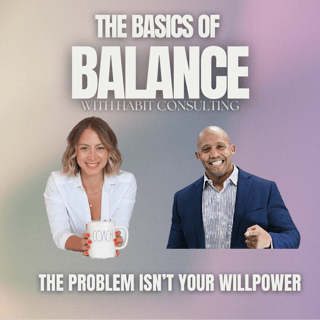
Speaker: All right, friends, we are back with Dr. Schumer. Very excited for our conversation today. Thank you so much for taking time out of here. I'm sure a very busy day, Dr. Schumer, to be here with us. i appreciate you having me. Thank you. I'm excited for this.
Speaker: First, before we get started, let's hear a little bit about you. So, you know, you're in the functional medicine space. Just tell us a little bit about yourself, ah what you focus on, what what your clientele looks like, how you got into functional medicine in the first place.
Speaker: Yeah, that's that's a pretty well-rounded question there. and And so I originally got into functional medicine mainly because my mom was diagnosed with type 2 diabetes. When she was diagnosed, like many people, i just figured lifestyle changes, management, no big deal.
Speaker: And boy, was i completely wrong about that situation. So as her condition continued to progress over time, I became a little more concerned. And fortunately, when I was in school, I'm ah i'm a doctor of chiropractic. That's my profession. That's what I chose, mainly because I love the philosophy about the body being to heal itself. And I didn't want to be prescribing pharmaceuticals, which is, you know, it is what it is. That's just my the the path that I chose.
Speaker: But I was introduced to functional medicine and in the school that I went to. We had some um people come and talk about it, and I just was very intrigued. I started doing some of the trainings while i was in school. and And as I continued, as i postgraduate, I continued more training and eventually got to a place where I felt very confident that I could start helping people. So who's the first person I went to? I went to my mom because I wanted to help her with her condition. And unfortunately, she was not interested in help.
Speaker: She was not interested in learning about what we wanted to do, interested in doing the protocols, mainly because her docs were telling her she was fine, right? Her A1C was doing well, and we can talk about that if you want to discuss more details about that. But her blood sugars were in range. She was taking pharmaceutical drugs. She wasn't in a lot of symptomatic problems at that time. But as things progressed over time, she got worse. Eventually, she she went into kidney failure and but within eight months she passed on a stroke. So this disease destroys people very rapidly.
Speaker: When I say rapidly, there's a lot of non-symptoms in initial phases. And then, and then the the person just falls off the cliff, like just randomly. And then that's when they start to become serious. And oftentimes it's a little too late to, too soon at that point. So I chose, I guess I could say i didn't choose functional medicine. I really chose meme So obviously my passion is working with individuals with metabolic disease, which is very broad and it's it's something and a lot a lot of our diseases start from, right? They start that cellular component there. So in reality, we work with a lot of conditions, type two diabetes being one of the main ones because that's my passion. My mom dealt with and she lost her life too. So in her legacy, I continue working with individuals. We have a mission to change lives of a million people.
Speaker: And that's our mission we chose when she passed in 2021. And so, but we work with individuals with thyroid conditions, autoimmune, digestive issues. um There's a lot of things that we can work into. And now with more of this, you know, I know we'll probably jump into this peptide stuff like that. There's so many things that we can do from a cellular perspective, which is where I believe. And, you know, I guess it shouldn't just be me. It's the research shows where essentially all diseases start in the cells. And when your cells are not functioning optimally,
Speaker: it's very challenging for your body to heal. But unfortunately for most people, they just see the out, the outside of it. They just see the disease, the, the high blood pressure, the high cholesterol, the cardiovascular issues, the pain, the experience, and, and to try to revert it back to the cells is, is I call it not sexy, right? sure It's more sexy to take the GLP one to lose the weights. And it's more sexy to do this and all these things. It's like, yeah, you, That's great in all you're seeing the symptomatic changes, but the reality is if you don't fix your foundation, these things are coming back. And that's why oftentimes being said in medicine, oh, you can never reverse diabetes. You can never reverse autoimmune. You can never reverse these diseases because they're working from a symptomatic approach and working from the surface rather than from the foundational issues, which we really we really focus on here.
Speaker: Well, and I think it's interesting because you know one one line of logic really focuses on treating the symptom. One line of logic really focuses on treating the root cause. And treating root cause is unsexy. It is boring. It is every single day. It is a bunch of really small choices, you know what i mean? Versus treating something acutely, which sure might mask the symptom, but that doesn't mean that you know what's going on and underneath the surface is being addressed. um you know That's more indicative of... those who are on a GLP-1 medication, 85% of them are gaining the weight back. And that's because we're looking at treating obesity, treating the quote unquote issue of, you know, wanting to lose weight and things like that. But we're not treating the lifestyle that got us here in the first place. You know what i mean? We're not addressing the habits that really help improve your health in conjunction with taking a GLP-1, you know? And I think that's also where a lot of that controversy comes from is people taking a GLP-1 and others looking at it like cheating, you know what i mean? Taking a shortcut type thing. And don't get me wrong, there's always a bad you know group of apples, if you will, in every single demographic. But I certainly don't think, at least what I've come to understand of GLP-1s, that it's the easy way out for many people who are really making some lifestyle changes. Yeah, yeah, it's it's so true. and And it's it's it's so much easier to just take the purple pill every single day without having to change anything in your life and seeing the results. The problem is, is that by that type of philosophy, anything that's easy is always going to have some bad effects in the in the long term. Anything that's more challenging is going to usually have much better effects in the long term. So that this is something that we have to mesh this right if we can use
Speaker: the ease with bringing in the hard stuff, that's when you're going to win the battle. That's when you get off the GLP-1 and you don't start getting that weight back because you have made those those milestones along the way. And I think that's how we can really make this change because we're seeing so many benefits Beyond the weight loss. I mean, yeah, the weight loss is there. Yes, it helps a lot of things. People look better and blah, blah, blah, blah whatever. That's fine. But the other impacts of it's done right can really improve longevity and the in the effects of your underlying cellular health.
Speaker: Absolutely. Well, I think that's also kind of just indicative of like, I know in the coaching space, when I'm trying to help somebody who is really just honed in on making a physical change, like I want to lose weight, I want to, you know, build muscle, you know, all of these things.
Speaker: And it's like, listen, don't get me wrong, that will happen as a byproduct of what we're gonna focus on. You know what i mean? So it's trying to get people to understand, i hear what you're saying and we will get there, but we're not gonna sacrifice your overall health and your longevity in the process of getting there. And so let's take this approach and making sure that your insides are picking up what we're putting down And the outside will catch up. The outside will happen. It's just a matter of time. But doing it from, I would say, maybe a backwards frame of mind is what makes those changes sustainable, is what makes those changes long term and kind of prevent some of those long term issues that we are kind of just now seeing from taking long term GLP ones without some kind of a strategy. um I would love to hear from your side of things, especially in the functional medicine space, what
Speaker: What are some of those long term issues that you're maybe now just seeing or have been seeing for a while? And what do you think are some like habits or actions that might prevent some of those issues from happening in the first place?
Speaker: I think the biggest one is dosing. So, you know, oftentimes, you know, a lot of the research that's out there is based upon these higher levels of dosages. And what's happening in the traditional medical model is they're using these dosages and getting effects. Like they're seeing the weight loss, they're seeing, you know, maybe better blood sugars and, you know, things that are happening in the body. But the problem is these patients not taking this for a year, two, three years. And those high dosages are now creating this negative impacts on the body. We're seeing, you know, there's ah there's actually a um a case right now, a legal case against Ozempic.
Speaker: And it's a $1 billion dollar case because of gastroparesis, because we know that it actually causes paralysis in the GI. And that's one of the mechanisms. That's why the drug is so great, because it slows down that process of emptying into the bloodstream. So it's slowing down the sugar being released in the bloodstream, which helps sustain all that stress on the cells, increasing insulin resistance. So it has its benefits. But if you're doing this long term in high dosages, it can start to shut off the ability for your gut motility, which is peristalsis is important. sorry We need that movement to get these things out of the waste out and hold on to the positives here. That's a big issue.
Speaker: We're seeing hair loss, which is a big one um that not only especially we start to see, you know, women go into perimenopause and menopause. into menopause um You know, they already have thy thyroid conditions as well many times. So we're seeing that as a big one.
Speaker: um Vision loss is becoming huge now. And I think it's just because it's not the the usage of the medication itself. I think it's the high dosage with the longevity they're using. So if we do it and we do it a better way, and I don't i'm not i don' have a problem with the higher dosages, but not forever, right? That's ah that's the issue.
Speaker: If we do it either one of the two ways, either you microdose the whole time or you do high dosages and then go to microdosing, But as we mentioned before, the problem is if you start going high doses and micro dosing, next thing you know you're start gaining weight again because the person hasn't been educated on the amount of protein they should be eating every single day, the activity levels they need to be keeping up. um Are they actually eat looking at analytics? Are they looking at to make sure that their muscle mass is not going down because we're seeing more muscle mass being lost because these individuals are losing so much weight. They're like, i don't need to exercise.
Speaker: I mean, there was a huge thing in last year how gym memberships are are crashing because people are on GLP ones. They're like, I don't need to go to a gym anymore. um I'm just losing weight on my own. And they don't realize that they're now a skinny fat person because they've lost so much muscle mass and they still have the fat percent body fat that is still really high because no one looked at analytics. It's very simple. We don't need the in body. That's 12 $18,000 machine. we can just use Hume. which is a $100, $200 machine at home. i mean, it's pretty accurate. I use it on a weekly basis to evaluate myself, and it's a pretty decent situation. You can see what's my visceral fat doing, what's my percent body fat or percent body mass doing. So these things can be easily evaluated as well as as long as the person has a right education. But of course, unfortunately, in the medical model, that education is not there. Here's your GLP-1.
Speaker: We'll see in six months to a year. And there's no other information, no other education, which is why I think we need You know, individuals like yourself, we need functional medicine practitioners to come into play and say, listen, we don't have a problem with being on GLP-1s, but we need a plan.
Speaker: Right. right But most people, again, they're looking for the easy way out. They don't want to put the work in. They don't want to put the energy in. It's I'm already losing the weight. I'm losing two to three pounds a week. I'm i'm fine. I'm good. And they're again, they're not seeing the long-term effects. Once that long-term effect happens, like, oh, what do I do now? And now over here, we're trying to figure this out for them. And they're wondering why it's going take so long because you waited so long to let this get so so much worse.
Speaker: Right, right. It's almost like you're like, you have like blinders on, you got like a veil on that's like you are so focused on the immediate that you are able to look at what's coming down the pipeline. And we have research that shows what happens when you don't prioritize your muscle mass as you age, regardless of if you're on a GLP one or not. You know what i mean? Like this is, this is relevant if you are a human being. Right. Getting older, you know, so it's it's just interesting because I know the the clients that I've worked with who have been on a GLP one, it's almost like, you know, the way that I frame it is, OK, for lack of a better word, we don't have to worry so much about focusing on making sure you're in a caloric deficit as much as making sure that we are supporting your body as much as possible while you are on a GLP one, because you're not as hungry. So the food noise is down. um you know You don't have to worry so much about saying no to certain things but because you're not as hungry. And so that gives us a better opportunity to really focus on, hey, what's the quality of nutrients of what you're eating? When you're building your meals, where is your protein? Where is your fiber? So that when you're off of a GLP-1, that does kind of slow down that motility in your GI tract to prevent
Speaker: yeah you know, your glucose from going rampant and all of these things, you're still having that habit of increasing your fiber intake to basically do that exact same thing. You know what i mean? So it's kind of one of those things where it's like you switch your strategy from how little can I eat, right? And fearing how much food you're eating to how much can I eat with what your appetite is going to allow us to feed you, you know, and you kind of have that ah framework to to move through. um Kind of in that line of logic, talk to me about type 2 diabetes. Talk to me about insulin resistance. There are so many people right now who are, number one, worried about regular, normal blood sugar spikes that naturally happen as a result of being a human, right? um and they are wearing glucose monitors what do you think about these glucose monitors do you think that they are helpful do you think that it is really just kind of giving you information that your body is naturally doing or do you think that it's actually a tool worth investing in i think i mean i could i think it can be a great tool i think it can be something to identify because we're all unique and different and genetically
Speaker: predisposed in certain ways, and our body's going respond differently to certain foods and the other foods. Now, the problem is is when you're when you when you you go overboard with it, right? So you're overly cautious, if you will, because the reality is not only is that the sugar going up and everything, but what's your insulin doing? Because the insulin itself is the major contributing factor, right? So if you're looking at You're using ah a CGM and you and you're saying, okay, my blood sugars are stabilized at 90 on a 30-day average, whatever it might be, right? But your insulin is now at a 12? Well, that's a problem. And if you don't know that that, you could be developing insulin resistance and eventually have high sugars. you're thinking, well, I'm eating properly. I'm doing the right stuff. It's because you're looking in the wrong direction. You're looking...
Speaker: at what's what what's coming out of the hose, if you will, than actually what's the hose attached to. where there's ah there's a There's a much more component going on here because all of the elevated blood sugars that are happening inside your body are not only just contributing from what your gut is releasing and and what's happening from into the bloodstream, but it's happening at the cells themselves. Because if your cells have the ability to accept the sugar, it doesn't matter if you the spikes.
Speaker: That's not a big deal because you're now you can consume that. That's why you see within two, to three hours post-prandial, your sugars are going back down to the, in the nineties whatever. That's a good normal response. Even if you're getting a 200 spike, but if you're coming back down afterwards with that time period, within a timely manner, then your cells are doing their job. You know, your cells are healthy and you likely have good insulin levels and you're not developing insulin resistance because insulin resistance happens to the cell level.
Speaker: But everyone wants to focus on the sugars. Why? Because there's so many things that we can do. There's blood sugar medication and there's GLP-1s. There's berberine, chromium, all these things. Again, looking for the easy solution. So this is why I get so concerned when you're all looking at all this stuff on the Internet.
Speaker: it's like reverse your diabetes in 30 to 45 days. And they've got some like supplements and a nutrition plan. Yeah, you can probably reduce it pretty pretty rapidly. in it But can you sustain it? And are you fixing the underlying issue? Or when you go off that, is it going to come right back again? Which is likely going to the case because you're not addressing the long-term effects. People that have type 2 diabetes commonly don't realize that it takes 10 to 20 years plus to develop enough cellular damage that their sugars are now high.
Speaker: And they're going to only focus on trying to lower those sugars because that's what we're being told. All you gotta to do is change your diet, exercise, lose weight, take medication. Will those things lower the sugars?
Speaker: Yes, in many cases they actually absolutely will. Is it fixing the cells? No, it's not. That's where the work has to ah come into play. And this is the reason why diabetes is considered a progressive disease process because the person could be eating the same way, they could be still exercising, you know keeping their weight under control, but they're now taking more medication. And the realization is they don't understand that is that they're taking more medication. That's an indication their cell problem is worsening because that's the only mechanism that's driving your sugars to go high. So if your sugars are staying higher, it's not because of what you're eating in many cases, not because of your weight. It's not because of your lack of exercise in many cases. It's definitely not because of the lack of a medication in your body. It's because your cells are becoming worse. The damage is there. Now, the problem is for most people, they have no idea what is contributing to their cell damage.
Speaker: Sure. Nobody's looking for that. Everyone is focusing on A1C. They're focusing on your fasting glucose. Maybe they're focusing on other mechanisms like insulin levels, C-peptide, things like that. But they're not looking to identify why the cell is damaged in the first place. And there are a multitude of reasons that could be going on. at the cellular level. And so this is why it's so important that you get a comprehensive test.
Speaker: But again, like I mentioned before, that work will take time. It will take, ah ah it could take months to years to actually fix, depending on the situation that we're dealing with. And in many cases, with the individuals that we evaluate, they're going to have on average between 10 and 20 different problems and mechanisms that are driving their cellular damage.
Speaker: So let's just say hey they have 10 and three of those are, or one of those is they're because they need to eat better. One is because they need to lose weight. One because they need to start exercising. So that's three of the 10. There's still seven problems and people wonder why they're not getting better because there's still seven issues that you're not addressing that is still causing your cells to become worse, first which is progress your disease.
Speaker: medicine doesn't talk about this they don't evaluate it for it because that's not their job the people think that their doctor's job their medical doctor's job is to get them healthy that's not their job their job is to prevent you from dying today that's their job right and if you don't understand that you're gonna miss the boat and think oh i'm doing all the right things my doctor says i'm fine next thing you know a new disease pops up and now they're like oh well now we got to treat this not telling you it's the same mechanisms that have been driving the disease and now you have a new diagnosis. This is where medicine is failing and where functional medicine is thriving.
Speaker: But I don't understand why is it that when like, you know, regular like Western medicine, having a conversation about, you know, controlling your diet and exercising and things like that, why is one of the first suggestions is to lower or completely remove carbs? Like from a cellular level, you know what i mean? Like from a cellular level, if we're talking about medicine and health care versus sickness, you know what i mean?
Speaker: Why are we not looking at your body as a total multifaceted system that's all working together and lowering slash removing carbs is not how you improve. the issue that I came here to seek your guidance on. You know what i mean? So why are we getting that kind of information? Why do you think there is that disconnect? Like knowledge is power, but people are going to their doctor for that knowledge. And then the information that they're getting is not helping the situation at all. um Because the the medical physicians don't have education and nutrition.
Speaker: Right. They don't have there's no education. I mean, even if you look at medical school, they're required to take ah essentially one nutrition class and they're not even required to attend, to be honest, because most of their training is through pharma pharmacology and emergency medicine. Right. Why do you think there's there's four years of rounds they have to go through because they have to learn emergency medicine because that's what they're trained to do is emergencies. And that's when they start to move into their, you know what they're going to General general physician. if they're gonna do orthopedics, whatever it might be, they start to compartmentalize.
Speaker: And when you start carbon compartmentalizing the body, There's no way hey you're going to win because we're not a machine, right? We're not a, like when something breaks down, we have adaptability. have to look at the adaptability from the body. But if you're like, oh, I'm sorry, I only work on knees. I don't work on ankles. I'm like, well, that's like, what, maybe a foot away? i mean, that's like, come on, that's not that far away. to to The difference here, can't you just look down? Like, you know what I mean? Right. No, no, no. we We don't we don't look at ankles. i mean, you have to go to the ankle doctor for that type of thing. And and that's where we when we're we're coming into these these issues here.
Speaker: and then on top of that, now you've got you've got your nephrologist, you've got your urologist, you've got your, you know, all these different physicians and they're all prescribing pharmaceuticals. who Who's looking at the list? Who's looking at the interactions? Who's looking at what's happening here? It's the pharmacist.
Speaker: Now the pharmacist has now become the last line of defense. And it's interesting to me how you have this person who's taking 15 different pharmaceutical drugs, right? We start working with them, start giving them natural supplementation and the patient has something happens, right? Let's just say they develop, i don't know, UTI or whatever.
Speaker: So they go to their doctor and the doctor's like, well what are you taking? Well, I'm taking all these medications and these supplements. Oh, you got to sell all supplements. that's That's the cost. The supplements are the cost. And I'm like, yeah the supplements the cost.
Speaker: The supplements that have no negative side effects, except for positive health, but all these pharmaceuticals that have all have negative side effects, those can't be the impacts of it, right? No, yeah, that's not that. It's just like, it's so unbelievable. And it's, again, going a little further, right? Again, we we need we need medical practitioners. We need them for emergency situations. I'm not saying anything negative about them at all because they do an amazing job. But the problem is is that they have no education in natural medicine.
Speaker: They have no and holistic health care. and And I'm not saying they have to. But what about having an open mind and start wanting to learn more about this type of stuff? Like we're required to learn about a all these medications. I don't prescribe pharmaceuticals, but I have to understand them. I have to understand what they do in the body. i have to understand what what the negative effects are going to be and in the impacts. I have to be able to look at a pharmaceutical and say, is there any complications or contraindications of this supplement that they're taking? Like they we can't give someone with, say for like that's on blood thinners, we can't give them,
Speaker: anything with grapefruit extract. We can't give them anything that's ah like even a fish oil may be negatively impacting them because it's a natural blood thinner itself. So we have to be, have to look these interactions, but they don't, they don't look at these things and they're to look and just kind of get in information. I, for 20 years, I've had an open,
Speaker: um policy and said hey for anybody we work with if your physician is interested wants to have a conversation with me talk about what do how how how we were seeing an impact in your life and see why you're reducing why you're able to reduce your medications and all things i'm totally happy to get on a call because i want to make sure we have more people that know we can do and how we can help them and in 20 years i've had zero phone calls not one And I even reached out to some people i locally here.
Speaker: This is a naturopathic doctor, by the way, and this is a doctor who specializes in hormones. And we're working with a patient who has eight autoimmune diseases, eight autoimmune diseases, like very sick individual. And we ran a hormone test on her. and We ran a Dutch test that you would be familiar with. It's like, an it's a metabolite analytics for hormones, which gives you much more insights into the hormones than just blood alone because of you know protein bound versus non protein bound hormone analysis. And so when we looked at the her estrogens were off the charts because they're giving her estrogen as a hormone replacement therapy. And I'm okay with that if the person needs it, but I'm like, listen, we do know that um high estrogenic effects can stimulate immune reactions. It can stimulate autoimmunity. And so she's like, well, what do you mean? I said, well, we ran a Dutch test on her and her estrogens are massively high. I think we may need to to kind of adapt some things here. She's like, well, we don't we don't run Dutch. I'm like, what do you mean? She's like, well, I was trained just like a blood.
Speaker: I'm like, well, you're not open minded to look at another option. You're a naturopathic doctor. I know you were trained you understand Dutch. Like, no, we don't do that. So sorry, we can't help you. Hung up on me. My mom, for for so many years, she was told she had fibromyalgia. She you know got that blanket you know diagnosis. She is someone who you're talking about. She has a medication for everything. She takes a medication for some of the side effects that other medications take or give her, you know what i mean? And it is it's frustrating to...
Speaker: try to get some of her doctors to, like you said, have an open mind, think outside the box, like, hey, let's try to connect some of these dots versus just like keeping your blinders on and just reading from your textbook, you know? And I think sometimes maybe this is just me. I like to give people grace. I'm always going to give people the benefit of the doubt. Do you think it's just because they're so overworked, they don't have time to actually put in the level of care that they need to, if you will? I think that's a component, right? Because the the issue now reimbursements. The problem with reimbursements, they're going down lower. right The cost of health care is higher. The reimbursements are getting lower. And the problem is these physicians need a team to go and get these reimbursements. And it's very challenging because there's multiple times they're going to deny and have to go back and forth and everything. And so the time they have now is 15 minutes because they have to see a certain amount of people to make a certain amount of money for the reimbursements to pay for their team, to have a life and everything else. That's a component of that. And that time is a component of it.
Speaker: the other side effect that The other side effect of this, i guess you can use, pardon the pun there, is that these individuals have a half a million dollars invested into their profession.
Speaker: Right. And now you want to go and debunk that? Yeah. No way that's happening. The only way that's going to happen, which is where you see many medical doctors moving over into the integrative functional medicine side because something happened to them or to their family and medicine failed them.
Speaker: And they had no other option. They went to a functional medicine doctor. They were healed, if you will. I don't use like using that word because you don't do it. We don't do any healing. The body does all the healing. Right. That's the you've improved. But you they we we gave them the insights they needed to get healthy again. And they're like, wait a minute.
Speaker: i I have this professional and trust and I think think it has amazing benefits, but we're missing some things here that can help other individuals with and they start moving over. That's where you see the Mark Hyman's. That's where you see the Jill Carnahan's where you see the um that Isabel Wentz and these individuals who are the medical world and they still are to some extent, it's still in their training, but they've now moved to this holistic pathway.
Speaker: And that's why you're seeing a lot of the functional medicine world now, if you go to like the functional medicine conferences, many of them are are moving their medical practitioners. The hard part is is that there is zero coverage on insurance for functional medicine, because it falls outside of that scope, because medical insurances rather pay for your leg amputation, your cardio, your your but quadruple heart bypass, than to do things to pay for things to help you get healthy before that ever happens.
Speaker: Which is so sad because it's one of those things where it's like, what is the cost associated with your choices? You know, like in the coaching space, I'm trying to get people to understand you're investing in your health, right? You're investing in your longevity and you're either going to pay for it now in the form of time, right? And in convenience. or you're going to pay for it then in the form of medications and doctor's appointments and wasting time and ah waiting rooms and you know things like this. And so you're paying for your health in one way, shape or form. okay So we can either have control of your health or as much control as we possibly can right now, or you can give up control right for for convenience and things like that. and so I don't think that I think that society in general is generally moving in that direction of more of the functional space. Maybe that's just because I'm in my own echo chamber and that's something that I want to believe. But I truly think that we are moving more into a functional space because we are recognizing a lot of the conventional advice that we have been following is not necessarily moving the needle. So what are we missing kind of thing? You know, you know,
Speaker: Before GLP-1s really came into the scene, I had a client, for example, who I follow a macro-based diet approach, right? Every single client's different, so we don't necessarily follow the exact same formula, but I want to make sure you're eating enough of the right things to keep your body as healthy as possible as we do whatever else we want to do, right? And so at the end of the day, you need to make sure, yes, okay, protein is important. That doesn't mean that we ignore things like dietary fat and carbs and fiber and yadda yada, yada, yada, right?
Speaker: And so his A1C levels had dropped from being pre-diabetic in November to in March. He was no longer pre-diabetic. His A1C levels were completely normal. His labs have improved and we didn't remove carbs.
Speaker: That experience really stuck with him. He was very surprised. He was a little worried at first because of the conventional ah you know medicine process. ah advice that he was given. And then when he had his own experience, now he's thinking a little bit differently. Now he's questioning his doctor a little bit more. And he did end up going in to see ah more of a functional medicine approach. So, you know, I think, I think that people are, you know, taking their own experiences based on what we've been told so far and kind of putting two and two together. And I'm, I'm here for that. but I'm here for having more of a, um um you know, say in your health care, if you will. um Kind of going back to that A1C conversation, not necessarily trying to not necessarily trying to prevent your blood sugar from spiking, but some things that maybe you've seen in the functional medicine space. that help your body function properly so that you're not necessarily worried about your blood sugar, your insulin levels, things like that. Like what are some of those habits? What are some of those things that you see in your space that you say are important as a lifestyle as well?
Speaker: Yeah, I think, I think the biggest one is what you said that the, the macro component is, is very challenging for a lot of people because that, that, um, analyzing, you know verifying things that that can be more challenging. So I try to make things a little more simplistic because a lot of the individuals that we work with are very sick and they're and they're already challenged on what they shouldn and should shouldn't eat. they People don't realize what real food is, right?
Speaker: They think that going to McDonald's and getting a hamburger is real food. but They don't realize that that that that there's a difference to between you know good quality food that's good for your body and food that has no benefits at all.
Speaker: right So the first thing i we talk about is, listen, if you can just live out of your refrigerator and stay out of your cupboards, That's the first starting point, right? We're going to be eating out of your fridge, right? So perishable type foods, if you will.
Speaker: And if we can start doing that first, we can start making a dent because what we know about the body is that it takes 21 to 90 days to make a change of habit. So we can start getting their brain chemistry to start changing because food is a drug, right? It can, it's, it's a, it's a chemical reaction. These scientists know this, they're putting these chemicals in the foods to make you want to eat more, to make you want to consume more of that product and and to suppress your, you know, leptin and and those things like that to kind of, so you don't feel like you're full and satiated. You want to consume more and more because they want you to buy more of their products.
Speaker: Right. And we when we, it's interesting how we, how healthier food costs so much more than unhealthy food. Right. hundred And I found it interesting about, you know, we went to, we went on a trip a few years back and we went to Switzerland and we were stuck in the train station for about an hour. So we went to like the local store there and just to kind of get some food for, we had like a three hour train ride. And when we went there, and I'm not saying this is healthier or not, but when you buy a bottle of wine in the store there, it was like three or $4 or Swiss francs, and ah ah a can of soda was 10.
Speaker: The mentality, and I'm not saying wine is healthier. i'm just using it from perspective because it's made from grapes, basically, right? It's made from a fruit. It's fermented. It's got alcoholic and other those negative things, of course. But rather than the pure sugar and the actual the negative effects of a can of soda, they recognize that as being a problem and they charge more.
Speaker: Bag of potato chips was more expensive than the fruit. Mm-hmm. So this is why this is what what's interesting to me when you look at European countries and how people are different there. They live longer, they have better health. And there's a lot of components to that when you look in the States, you can buy a bag of potato chips for two bucks, but to go buy, you know, an organic bag,
Speaker: um An apple could be almost two dollars in one apple. it's It's interesting to me how we've changed the the situation and and a part of it, I believe, and and this may be a conspiracy theory, if you will, but I think it's actually planned. Right. If you look at this, we're the only country in the world that we have one organization that controls all of our food industry and our drug industry.
Speaker: So if you feed the individuals the masses bad food, eventually they're going to get sick and they're going to need pharmaceutical drugs. It's a perfect marketing system if you think about it, rather than actually the health of the individual. Because if we were truly thinking about the health of individual, we would have...
Speaker: have we would get rid of ah many of the pesticides right we get rid of there we wouldn't allow monsanto to be in this country at all we would boot them out and say you're no longer allowed here like european countries did bayer owns monsanto and they're a german company and they still don't allow any of their products to be used in their on their food supply in all of europe which is very interesting they allow it here in the states they don't allow it in europe and that's why many individuals even with like um things like um you know non-celiac or gluten sensitivities, they can eat gluten in like Europe, but they can't eat in the States. And if people from Europe come over get our gluten, they get sick. And so there's ah there's a reason for that.
Speaker: So we're driving these diseases, driving things. So if we can get them to understand food, from perspective. And and and again, we'll use potato chips. i'm not I'm not promoting potato chips here, but if you look in the back of a potato chip bag and there's anything else but then potatoes, right you shouldn't be eating it.
Speaker: Like what else do they need in there? the The other stuff they're adding is chemicals to make it taste a certain way to suppress your ability to feel hungry. And that's why like you can just consume a whole bag of potato chips, not even thinking twice about it because you have this shut off mechanism what that's happening to your brain chemistry. Everything that you want to consume is is what your brain is wanting. Just like the person who wants to consume drugs, even though the drugs are unhealthy, their brain is telling them they need it, they want it, it's to make them feel better, etc. Food is no different. It's a much more powerful drug than anything else because it's easily can to be attained. And so if we can start changing their mentality of what they're eating, how they're eating and start educating them little bit, that is a big step in the right direction for that individual.
Speaker: Definitely, definitely. i um I had this thought last week and i feel like this is so relevant. Illness is covered by insurance. Healthcare is an out-of-pocket expense. And so I very much agree with that kind of ideology. i do believe that greed from ah from a root level is so evil because it really has... If you think about it, that has been the trajectory of our food system in this country. It really, truly is. How can we make it faster, cheaper? How can we make people depend on it more? And then, hey, when they depend on it more, they have that addiction, if you will. And also look at these doctors who know how to prescribe a medication to help kind of combat the issues that they're dealing with from disease. health or from this food that we are giving them and around and around and around we go, you know what i mean? And so that's why I think it's so surprising that maybe some people for the first time are hearing that comment about how traditional medicine is not necessarily taking a whole person approach, especially from a root, uh, uh, treatment, if you will, of what you're eating, your food. has a direct impact on your overall health, your quality of life, how you feel every single day. If you are tired, if you have brain fog, how much are you eating? And of what you're eating, what is that? Are we only focusing on protein without really recognizing that's one piece of the pie? and i And I love the effort and I love the acknowledgement, but we can't forget how everything else that we eat is going to either help us feel our best or keep us stuck. um
Speaker: And so I completely agree. I think that what you eat is baseline. That is first and foremost. And if we're not giving our our body the basic fundamental building blocks of what it needs, then we can't really be surprised. Now, obviously, that goes into, you know, knowledge is power. And I do think that there is a level of a lot of people have no idea. A lot of people were never taught nutrition. They were never taught the basics of nutrition and not even from like a big bird's eye view, you know, open up an app, analyze, just simply understanding that not all calories are created equal. Not all food is created equal. Simply going around the grocery store versus eating the food that's within the aisles, you know, like companies are very privy to the idea of what is trending. Back in the 90s, everything was low fat, right? 2000s, low sugar. Right now, we're in protein. and so It's no so surprise that when you go into these aisles and you see something that says, protein, five grams of protein, and you look on the label, and in order to eat five grams of protein, I have to eat 500 calories. like That makes no sense, but from a very basic level, that also doesn't make sense to other people and they think they're doing great because they chose something that said protein on the front and so it's just sad because that's greed that's what it is that's marketing in a nutshell you know and to basically understand how to read food labels how to identify what is a healthy food ah versus a food that's just processed with chemicals that's kind of keeping you on that hamster wheel um i think that's that's so so important Um, what about kind of how, let's talk about muscle for a second. Okay. My favorite conversation, how muscle, affects things like overall health, but also from, you know, a blood sugar response, right? How muscle affects things, um, from a basic rudimentary level. What, what do you kind of talk about with your clients as, as it relates to muscle?
Speaker: Yeah, muscle loves glucose, right? They love sugar. And so when you're actively working on um either sustaining or growing muscle, your body, your body is going to consume more of that glucose to help the functionality of that muscle grow and expand. So muscle, not only from a metabolic component actually is beneficial. We know longevity wise individuals who actually work on maintaining muscle mass through their, you know, 50, 60, 70s plus, they have better longevity, they have reduction and weight, because they're actively involved, they have less cardiovascular issues, they have less risk for osteoporosis, which decreases the risk for broken bones, hips, etc, which we know that decreases longevity. So muscle itself and strength training has been shown, you probably been noticed better than I do as well that that is better than cardiovascular long, long, long, like, um like, you know, so long sustained cardiovascular, either like running for a long period time or walking for a long period of time. Those things can have its benefits, but strength training itself has more benefits than doing those things. for long-term overall health. Now we should still be doing some activity um and that can be maybe, you know, a 20, 30, 40 minute walk daily if you want to Getting your steps in, of course, are important. That zone too is gonna be more consider a better option for long-term. If you want to do a one or two days of HIIT training, that's fine.
Speaker: But sustained multiple days of HIIT has not been shown to the positive effects even on VO2 max. So we know that muscle strength training beats everything. So if you're actively doing that type of training is massively important it because sustaining muscle mass, which is why i think it's so important to kind of look at those analytics to make sure ah You're sustaining muscle mass um with activity. You start seeing that muscle mass going down. You've got to get into a routine right away to start retaining that because muscle is very challenging to grow back, especially where a lot of these individuals use the GLP-1s. Those in their face, very challenging to get face muscles back and... Um, also the buttock area, which is another area there because that's where your hips are and that's where your stability is for walking and in decreasing the risk for, um, um, damage those bones and and fractures.
Speaker: Definitely. Yeah. I mean, the more muscle you have, like if you were worried about, you know, your blood sugar or, you know, things like that, the, the better you're the better. How do I say this? You're in a better position. I don't know why I can't talk right now. Yeah, 100%. You know, also, you know, from a glucose monitor standpoint, um you know, I think it's interesting how, you know, those who might be wearing a glucose monitor look at the data that it's providing on what your glucose is doing when you do a resistance training style workout versus a more cardio based, you know, high intensity style workout, right? So for those who are really like honed in on, no, I'm really trying to prevent these spikes from happening.
Speaker: Look at that kind of data. You know what I mean? Like those are kinds of choices that kind of help work in alignment with what you think that you're focused on right now is trying to prevent that from like a rudimentary level, you know? um And why do you, can you just explain in your line of logic, why is it that we see um you know, lower spikes when you're doing something like resistance training or going for a walk zone to compare to high intensity interval training, something like that.
Speaker: There's a couple components that are going on there. The one thing is, is that we do know that when you're actively training your muscles, you're going to consume more glucose. Like your body will consume that as fuel to re retain the, the, the muscles, um, nutrition that it needs to, to, to, to function. Right. And to regrow. And it's to consume that even with, um, sustained activity at zone two, where this could be like, for example, uh, three to 3.5 on an incline of whatever, five, 10,
Speaker: 12 you want to do for a long period of time. It's like zone two is where you're actively doing cardiovascular, but you can still kind of hold the conversation, right? It's a good way to kind of explain what zone two would look like, if you will.
Speaker: And so that, that again is going to actively involve when you're doing incline, you're using more muscle mass, right? You're getting your lungs involved. It's more challenging as well. Whereas when you're doing an HIT routine or like, which is actually can be beneficial, but if you're doing it consistently, you're,
Speaker: that's at a higher stress level to the body. And when you're increasing stress levels, you're going to impact adrenal response. So your adrenal glands are going to push more cortisol production. And when cortisol is being produced, going to push you more to fat.
Speaker: It's going to push your glucose more to fat You're going to sustain that fat around your visceral areas, which is the worst type of fat you can have, increasing the risk for stress around those cells. And then you're just pushing more of that insulin resistance. So that's why, you know, if you're doing, if you want to I mean, the ideal routine would be maybe one or two days of HIT if you want to do that um per week.
Speaker: um Fill in the rest of it with like zone two type cardiovascular if you want to and strength training. Strength training at a minimum of of three days a week, what I recommend for you know, at least 20 minutes, 15, 20 minutes this is ideal. And it's not very challenging to get 20 minutes of strength training. You can do a a full body workout, um you know, circuits, if you will, get every single exercise, do it two, three times, you're 20 minutes right there. It's not a very, it's not a long time, but it's enough activity.
Speaker: You know, that's why I love like, you know, things like kettlebells. It's a very small thing, really small thing. You can do a full body workout with one kettlebell. I mean, it's like very minimalistic type of situation. You don't need a full gym and need all these machines and everything. My gym consists of basically 50 square feet.
Speaker: yeah yeah I don't have a huge gym. It's a very small little plot of land. But I've got everything I need right there and i can do a full workout, including a treadmill that sits in that because it pops up. Right. So it's it's sorry get that space when you when you push it up. So I have everything I need in this small little space. and You don't need this, you know, massive room with all these equipment. You can do something very simplistic. But by doing that, where you're doing those strength type trainings, you're going to that's where you're going to see, you know, oftentimes people say, oh, my glucose levels go down after workout yeah because your body's consuming that you've lifted weights you did good cardiovascular work that was zone two probably and it's going to consume that more effectively rather than if you're just trying to push yourself so hard you know um at some of these places like for example i'm not trying to throw one of them out there but orange theory may not be the best option for everybody right now could you go a couple times a week and be beneficial absolutely but you're going like if that's your only exercise routine you're probably causing more harm than good
Speaker: I think it's just helpful to just kind of hear from, you know, your point of view, you know, from a functional medicine approach. I mean, I can talk about this stuff, you know, until I'm blue in the face, but I think it's going to hold a little bit more weight coming from someone in your position. And so I i appreciate you kind of just shedding some light on that. um yeah I mean, this has been a great conversation. Is there anything else that you want to kind of just like touch on or ah share? um I would obviously love to kind of just, you know, for you to take some time and just share, you know, if if there's a way that we can find you. So if anybody who is maybe looking to, you know, work with you or, you know, kind of find you and things like that. So um anything else that you want to add?
Speaker: the the The easiest way is my website. It's very simple. It's my name, d r schumar so d r s h u m a r d Dr. Dr. Schumard.com is our website. Lots of great information on there. if you're looking for information on functional medicine, there's also a registration form there. If anybody is interested in learning more about what we do and how we help individuals with type two diabetes, as well as other conditions. we we have I have a full webinar that I do. It's about 50 to 60 minutes long, where we go a little more in depth about the type of analytics that we do, why we do certain things, how we...
Speaker: what we're looking for specifically, how the cells are impacted in your blood sugar metabolic dysfunction. So if you're looking to get more educated on that, it's a phenomenal place to go to. Easy to go to the website. There's a registration. It takes you there. um You can either watch the live version or you can watch like ah a prerecorded one that we have. There are options as well if you want to have more on your own time type of thing. So.
Speaker: and This has been a great conversation. i have so many other things that I want to just like keep talking to you about. So maybe we'll do like a a repeat in the future, but this has been a great conversation. I appreciate you so much taking time out of your day. yeah I appreciate you having me i love these conversations. It's my life. I enjoy it. It's a passion. I love this type of work. I'm blessed to get able to work with individuals that are looking to better their health every single day. So I appreciate you having me here.
Speaker: I can tell. i can i can feel the passion coming through the screen. You can always tell when somebody is passionate about what they do. So thank you, Dr. Schumer. We appreciate you so much. um And I hope you have a great rest of your day. Appreciate you. Thank you so much.