Become a Creator today!Start creating today - Share your story with the world!
Start for free
00:00:00
00:00:01
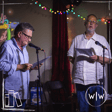
3 Andi Osho | Romantic Comedy Author, Actor, Comedian and Screenwriter image

3 Andi Osho | Romantic Comedy Author, Actor, Comedian and Screenwriter

S1 E3 ยท The Write and Wrong Podcast
Avatar
340 Plays4 years ago

Romantic comedy author, actor, comedian and screenwriter, Andi Osho drops by to tell us all about her debut novel, Asking for a Friend. We learn all about her adventures in learning how to write a novel, which skills she was able to transfer from her career as a stand-up comedian and scriptwriter, and who most importantly, who she would want to be marooned on a desert island with!

Support the show on Patreon

Signing up to the Patreon will give you access to the Discord server, where you'll be able to interact directly with Jamie as well as many of the previous agents, authors and editors who have been on the show. You'll also be able to see who the upcoming guests are and put forward questions for Jamie to ask them.

WriteMentor

Get a whole month with WriteMentor's Hub for free using the coupon code 'Write&Wrong'.

The Chosen Ones and Other Tropes

Jamie, Melissa and Noami talk about the best and the worst writing tropes!

Bookshop

Click here to find all of our guests' books as well as the desert island library over at bookshop.org.

Zencastr

Click on this referral link to get 30% off your first three months with Zencastr.
Recommended
Transcript

Introduction to the Podcast with Andy Osho

00:00:00
Speaker
So our podcast is called Right and Wrong.
00:00:01
Speaker
Are these your notes?
00:00:03
Speaker
These are your notes about what we're going to say.
00:00:06
Speaker
What does it say?
00:00:06
Speaker
I thought it would be a good... I didn't even get the idea.
00:00:12
Speaker
Maybe I can just ask you the question.
00:00:16
Speaker
It's going well.
00:00:16
Speaker
It's going really well.
00:00:21
Speaker
Let me get my speaking voice going.
00:00:27
Speaker
Hello and welcome to the Right and Wrong podcast.
00:00:30
Speaker
I'm Jamie.
00:00:31
Speaker
And I'm

Andy Osho's Literary Journey

00:00:32
Speaker
Emma.
00:00:32
Speaker
And today we are speaking to the wonderfully talented Andy Osho, stand-up comedian, actress, presenter and author of her debut novel, Asking for a Friend.
00:00:43
Speaker
Hello, Andy.
00:00:43
Speaker
Thank you for joining us today.
00:00:45
Speaker
Hi, Andy.
00:00:45
Speaker
Welcome to the podcast.
00:00:46
Speaker
Thank you.
00:00:47
Speaker
It's good to be here.
00:00:48
Speaker
Well, congratulations on the release of your novel, Asking for a Friend.
00:00:53
Speaker
Thank you so much.
00:00:55
Speaker
This has been a very exciting time because it's a whole world that I didn't know anything about.
00:01:03
Speaker
And yeah, so it's just been a really lovely, it's not, it's whatever the opposite of a baptism of fire is.
00:01:10
Speaker
That's what it's like going into the literary world.
00:01:13
Speaker
It's just lovely.
00:01:14
Speaker
It's a warm bath compared to, like, say, for example, you know, if you were going into standup for the first time, that's definitely the fiery baptism.
00:01:22
Speaker
Whereas this is just like, yeah, it's a nice bath.
00:01:25
Speaker
Well, that's lovely.
00:01:25
Speaker
Well, that's good to hear.
00:01:27
Speaker
Yeah, no, I'm loving it.
00:01:29
Speaker
Could you give us just a little overview of the book itself and what it's about for the listeners so that they can get a gist of what it is, really?
00:01:38
Speaker
Yeah, sure.
00:01:39
Speaker
So the year is 3,012.
00:01:40
Speaker
Imagine.
00:01:40
Speaker
I wouldn't even know where to start.
00:01:47
Speaker
Will there be hoverboards?
00:01:48
Speaker
Will there not be hoverboards?
00:01:50
Speaker
I just wouldn't know.
00:01:50
Speaker
This is not the book I read.
00:01:54
Speaker
Well spotted.
00:01:54
Speaker
Well spotted.
00:01:55
Speaker
You're right.
00:01:56
Speaker
So Asking for a Friend is, it's about romance and it's about dating, but it's also about friendship.
00:02:02
Speaker
And the three central characters are these three women who are kind of stuck when it comes to relationships.
00:02:07
Speaker
So they decide to take it all offline.
00:02:10
Speaker
They ditch the dating apps and they go out and ask guys out in real life, but for each

Influences from Comedy to Writing

00:02:15
Speaker
other.
00:02:15
Speaker
But it doesn't quite go to plan.
00:02:18
Speaker
Sounds like a reality TV show.
00:02:20
Speaker
It could well be.
00:02:21
Speaker
I mean, if people start going out and doing this, they will be living their own reality TV shows for sure.
00:02:27
Speaker
Yeah.
00:02:29
Speaker
So a common piece of advice that we often hear from authors and editors and people in the publishing industry is write what you know.
00:02:39
Speaker
And in asking for a friend across your three characters,
00:02:44
Speaker
you cover standup comedy, acting, writing and publishing novels.
00:02:49
Speaker
And I just wanted to know how many of the shenanigans and events in the book are things that you've actually kind of gone through or experienced to some degree.
00:02:58
Speaker
Um, yeah, there's, there's quite a bit.
00:03:00
Speaker
I mean, for sure the standup course, which is where the girls meet.
00:03:06
Speaker
Yeah, that is, um, that's my experience as well.
00:03:09
Speaker
Um, there's even the, you know, the reference to a lot of young comedians, um, having a lot of material about their own penises.
00:03:15
Speaker
Um, that's kind of true as well.
00:03:18
Speaker
I mean, it's probably not like that now, probably cause I haven't done standup for a while, so I don't know what the zeitgeist is, but yeah, back in the day, people had a lot of material about that sort of stuff.
00:03:28
Speaker
And yeah, I mean, certain aspects of the publishing experience, though I have to strongly state that the editor, the pushy editor Eve, was not my editor, Charlotte.
00:03:39
Speaker
She was brilliant.
00:03:41
Speaker
Good to know.
00:03:43
Speaker
Yeah, yeah.
00:03:44
Speaker
Got to stipulate that because this book wouldn't exist without her.
00:03:50
Speaker
So I don't want her thinking at any point like, hmm, that woman, no one likes her.
00:03:55
Speaker
Is that me?
00:03:55
Speaker
Yeah.
00:03:57
Speaker
Okay.
00:03:58
Speaker
So that back and forth between the agents, editors in the book, that's not something that you really experienced.
00:04:04
Speaker
I mean, yeah, for sure.
00:04:05
Speaker
There was back and forth, but it was, it was, it was constructive.
00:04:08
Speaker
And to be fair, in a way, I mean, I don't want to sort of talk too much about where that character goes on that journey in terms of Eve's notes, but yeah.
00:04:17
Speaker
She's trying to make the book better.
00:04:19
Speaker
And, you know, I've written a lot of things in different contexts.
00:04:23
Speaker
And so, you know, it's one of those things where you do have to weather notes.
00:04:28
Speaker
And for the most part, people are just trying to make your material better.
00:04:33
Speaker
They might not be succeeding and it might not be a good note, but that's their intention, you know, usually, isn't it?
00:04:40
Speaker
Yeah, for sure.
00:04:41
Speaker
So where do you think this novel originated from?
00:04:45
Speaker
Is this something you've been working on for a while or was it quite spontaneous?
00:04:49
Speaker
Yeah.
00:04:50
Speaker
Well, I mean, I was really lucky in the sense of I hadn't written this book and then went and tried to sell it.
00:04:58
Speaker
I had a conversation with HarperCollins and I came up with the story and we had a conversation about, you know, writing this book.
00:05:05
Speaker
And then, and so that's how, that's how it came about.
00:05:09
Speaker
But in terms of the story,
00:05:11
Speaker
it was like you said, Jamie, it's like, write what you know.
00:05:13
Speaker
And at the time I was, you know, writing a lot of standup about the dating experience and had a lot to say about it.
00:05:20
Speaker
And so it felt like a natural progression that I would go from talking about it in my standup to, if I were going to, if I were to write a book, it would be probably on that subject.

Challenges in Writing and Editing

00:05:30
Speaker
And, uh,
00:05:31
Speaker
what happened as well is around that time that I was sort of putting the story together, I had just had another breakup and I was talking to a friend and she was like, Oh, you should read, um, one of the, she said one of these, like four, she listed four, um, dating books and I read all of them and,
00:05:50
Speaker
And I got so much from it that I was like, how could I turn this into a story?
00:05:55
Speaker
Because I saw so much about my own life and the mistakes that I've made and, you know, situations that had happened.
00:06:01
Speaker
And they sort of made sense after I'd read these books.
00:06:05
Speaker
I thought, oh, I wonder if there's a way of turning or weaving what I've learned into a story that I'd like to write.
00:06:12
Speaker
So that's kind of, yeah, there's a little bit of lots of things happening all at the same time.
00:06:15
Speaker
But yeah, definitely those dating books made a big impact as well.
00:06:19
Speaker
Yeah, for sure.
00:06:20
Speaker
I mean, so like a friend of mine is a stand-up comic as well.
00:06:24
Speaker
And through her process of writing, she kind of performs the text like scenes or like story snippets after each thing she's wrote to see if it works out or, you know, like between the writing.
00:06:38
Speaker
Is this something that you do when writing comedy or have you got a technique that works for you specifically when writing?
00:06:45
Speaker
Are you talking about writing a book or writing standup?
00:06:48
Speaker
Because it's slightly different.
00:06:50
Speaker
I guess writing standups to start, yeah.
00:06:53
Speaker
Yeah, so with standup, I mean, you can write as much as you want, but for my money, you have to just try it out in front of an audience.
00:07:00
Speaker
I don't think there's any other way to know whether it works, which is kind of frustrating because you want to be able to make your mistakes privately and with nobody else watching.
00:07:08
Speaker
Oh, yes, of course.
00:07:09
Speaker
You know, standup's not like that.
00:07:11
Speaker
So,
00:07:12
Speaker
There was one time where I can't remember what had happened.
00:07:15
Speaker
I think maybe I was like really busy and I or I couldn't get any.
00:07:19
Speaker
I wanted to try out some material for a show and I don't think I could get stage time.
00:07:26
Speaker
So I remember a couple of times performing an entire hour long set to my sofa.
00:07:34
Speaker
And weirdly, it was actually, yeah, it's like, all right, guys, settle down, stop chucking stuff.
00:07:41
Speaker
But weirdly, it was very helpful because I think because I'd done so much stand up, I could, I could kind of visualize or imagine where the audience responses would be.
00:07:52
Speaker
I wasn't, I was tough on myself.
00:07:54
Speaker
I wasn't thinking that this imaginary crowd was like rolling around on the floor.
00:07:58
Speaker
So, but it was useful, but it's no substitute for getting out in front of an audience.
00:08:02
Speaker
Yeah, for sure.
00:08:03
Speaker
And did you find like going into novel writing that the process of writing stand-up comedy helped you or prepared you for writing a novel?
00:08:13
Speaker
Yeah, it really did.
00:08:15
Speaker
I mean, definitely in constructing jokes.
00:08:18
Speaker
And one thing that I always felt with stand-up is I wanted to always be as concise as possible.
00:08:25
Speaker
And I remember writing with another comedian for a project and he wrote some jokes.
00:08:32
Speaker
that I was going to go and perform and they were very padded.
00:08:37
Speaker
And I was like, but surely it's this and this, which is like about 10% of the words that he'd written.
00:08:44
Speaker
And he's like, no, yeah, but it's really funny if you get da, da, da, da.
00:08:46
Speaker
And I'm like, this isn't going to work.
00:08:47
Speaker
I was thinking in my head, this isn't going to work.
00:08:49
Speaker
So...
00:08:51
Speaker
So in terms of constructing jokes, yeah, gosh, it was so, so useful to do the standup before writing them in the book.
00:08:58
Speaker
And I did a play called The Miser about three years, four years ago now.
00:09:03
Speaker
And Lee Mack was in the cast or leading the cast, I guess, alongside Griffey Jones.
00:09:09
Speaker
And we were kind of working the script and finding humor as we rehearsed.
00:09:16
Speaker
And he's like a real master craftsman when it comes to humor.
00:09:20
Speaker
And so I learned a lot from listening to him because he was quite ruthless in terms of, look, if a sort of mediocre joke is not worth having, you might as well get rid of it.
00:09:31
Speaker
And just go for the bigger laughs.
00:09:33
Speaker
That will actually empower the bigger laughs.
00:09:36
Speaker
And so that really, and what I really took from that is that that is applicable wherever you're writing comedy.
00:09:43
Speaker
It doesn't matter whether it's in a play, in a book, doing stand-up.
00:09:47
Speaker
That principle is valid across the board.

Feedback in Different Writing Mediums

00:09:51
Speaker
Yeah.
00:09:51
Speaker
So is this your first novel that you've worked on?
00:09:54
Speaker
Well, when I was 10, I think I gave novel writing a go, but it was just an intimidating amount of words.
00:10:02
Speaker
I think I just gave up after page one.
00:10:05
Speaker
So yeah, this is my first.
00:10:07
Speaker
And so that's why, um, Charlotte, who was originally my editor and then, um, she left and Katie Seaman took over.
00:10:17
Speaker
That's why her input was invaluable.
00:10:20
Speaker
I couldn't have done it without her.
00:10:21
Speaker
Because, you know, I remember like early on, there were two critical mistakes, fundamental mistakes that I made.
00:10:27
Speaker
And one was that I was trying to perfect everything before moving on.
00:10:32
Speaker
So it was taking me an age to write every chapter.
00:10:35
Speaker
And the other thing was I wasn't writing a huge amount of prose in between the dialogue because I was so used to writing like screenplays and things like that.
00:10:41
Speaker
So it was like Jemima said, blah, blah, blah, blah.
00:10:44
Speaker
And then Megan was like, blah, blah, blah.
00:10:46
Speaker
And Simi was like, blah, blah, blah.
00:10:47
Speaker
And she was just like really politely said, listen.
00:10:52
Speaker
Read it in.
00:10:54
Speaker
Yeah, we really would love to know what the characters are thinking.
00:10:59
Speaker
Yeah, I was like, gosh, yeah, that's true.
00:11:01
Speaker
That does happen in books, doesn't it?
00:11:03
Speaker
I literally generally had a thought like that.
00:11:05
Speaker
Like, yeah, yeah, I've seen that before.
00:11:06
Speaker
Yeah, yeah.
00:11:07
Speaker
Okay, I'll try it.
00:11:09
Speaker
So was that a big, that's quite a big learning curve, a big difference from, you know, writing your previous writing and comedy and scripts and things.
00:11:18
Speaker
But when you did that, did you also work with editors?
00:11:20
Speaker
Like how different is a editor for a novel versus editors or critique partners for comedy and screenplays?
00:11:31
Speaker
Hmm.
00:11:33
Speaker
It's hard to say really, because there's such different mediums, but I think, gosh, it's really hard to say, I guess because partly because like, you know, literature was such a new area for me that everything was, everything was new.
00:11:49
Speaker
And I think probably, you know what?
00:11:51
Speaker
I don't know if there is any difference actually.
00:11:54
Speaker
I'm not sure that there is because at the end of the day, if you're delivering to somebody,
00:11:58
Speaker
they're going to give you notes and you're going to either do the notes or you're not going to do the notes and you're going to ask questions or you're not going to have any questions.
00:12:05
Speaker
You're just going to crack on and you're going to keep going.
00:12:07
Speaker
And that's, that was the same process through, you know, writing screenplays.
00:12:11
Speaker
It's, I mean, even, even standup, I've had that situation.
00:12:16
Speaker
Now the good thing about standup is not often are you in a position where you get notes.
00:12:20
Speaker
However,
00:12:21
Speaker
I did a few episodes of the Craig Ferguson, what's it called?
00:12:29
Speaker
The Late Late Show when Craig Ferguson used to present it.
00:12:31
Speaker
Yeah.
00:12:32
Speaker
Yeah.
00:12:32
Speaker
And so they said it was a five minute.
00:12:36
Speaker
Well, no, actually it wasn't a five.
00:12:37
Speaker
It was like a four and a half minute slot.
00:12:39
Speaker
Yeah.
00:12:40
Speaker
And I was like, what?
00:12:41
Speaker
Yeah, exactly.
00:12:41
Speaker
Like what?
00:12:43
Speaker
That's really specific.
00:12:44
Speaker
And then I, and they said, or maybe it was 415, something like that, but it was a really weird number.
00:12:49
Speaker
And I said, well, what if it's like, what if I do like 430?
00:12:51
Speaker
What if I can't quite get it?
00:12:52
Speaker
It's like, well, all right, we could, we could probably go to 420.
00:12:55
Speaker
Yeah.
00:12:56
Speaker
Are you serious?
00:12:57
Speaker
It's a joke.
00:12:58
Speaker
I don't get it.
00:12:58
Speaker
What's happening right now?
00:13:00
Speaker
And so I did the, you know, I wrote out my standup, the script, I suppose.
00:13:08
Speaker
And I had to jump through all these compliance notes.
00:13:12
Speaker
Oh no, you can't really say that.
00:13:13
Speaker
Oh, that sounds like you're saying that about that type of person.
00:13:16
Speaker
That's going to have to come out, blah, blah, blah, all

Future Writing Endeavors and Audiobook Narration

00:13:18
Speaker
this sort of stuff.
00:13:18
Speaker
And I'm like, you're killing these jokes.
00:13:21
Speaker
So, so even that, but I had to work with them and I said, all right, what if I said, there was a thing with guns.
00:13:26
Speaker
I think there was a thing where I mentioned shooting a gun and they were like, no.
00:13:30
Speaker
I said, what if it was a laser?
00:13:31
Speaker
Yeah.
00:13:33
Speaker
a space laser exactly and they're like no no shooting of any type of thing what if it's a water pistol this is now the joke is now dead but I'm just like on principle just fighting for it but yeah so that I mean and it was exactly the same process of back and forth them saying what they want what's going to work for them and they're the buyer so you have to give them what they want same as with the novel HQ with the buyer same as with any screenplay I've ever written that they're the buyer so
00:14:02
Speaker
really I think the notes process and working in collaboration with the buyer is always the same.
00:14:08
Speaker
We're two creative folk.
00:14:09
Speaker
We're just coming at it from different spaces.
00:14:12
Speaker
Right.
00:14:12
Speaker
Yeah.
00:14:13
Speaker
Because they're there for the business aspect thinking this is what is going to sell.
00:14:17
Speaker
This is what we need you to change.
00:14:19
Speaker
Yeah.
00:14:19
Speaker
The context is different, isn't it?
00:14:21
Speaker
That's all.
00:14:22
Speaker
But they're not, they're no less for the creative process than we as creatives are, but they're just like got a different context.
00:14:28
Speaker
Yeah.
00:14:29
Speaker
I can only imagine that
00:14:31
Speaker
going through comedy first, you developed a thick skin to that kind of critique.
00:14:37
Speaker
You would hope, Jamie, wouldn't you?
00:14:38
Speaker
You would.
00:14:40
Speaker
I don't know that that's actually true.
00:14:42
Speaker
I do.
00:14:43
Speaker
Never gets easier.
00:14:45
Speaker
No, it doesn't.
00:14:45
Speaker
It really doesn't because you're like, you're crazy.
00:14:47
Speaker
You don't see how brilliant this is.
00:14:49
Speaker
All right.
00:14:50
Speaker
I do that note.
00:14:50
Speaker
And then you go, Oh, actually that is, that's quite good.
00:14:52
Speaker
Well done.
00:14:53
Speaker
All right.
00:14:53
Speaker
That was a one-off.
00:14:54
Speaker
Your note was good.
00:14:55
Speaker
But next time, you know, so lucky.
00:14:58
Speaker
Yeah.
00:14:58
Speaker
Yeah.
00:14:58
Speaker
Exactly.
00:14:59
Speaker
Even though this is your job and whatever.
00:15:01
Speaker
But I think what, if I was to advise anybody on this whole notes process thing,
00:15:07
Speaker
It's to learn how you respond to it because, and also learn to distinguish what is a reaction as opposed to a response because notes in the past and still do actually, they still make me, I just have this automatic response of like, either it can't be done or you're asking too much of me or what more do you want?
00:15:27
Speaker
Or that's going to, you know, that's, that's a bad note or something like that.
00:15:31
Speaker
So what I'm training myself to do, I'm not there yet, but what I'm training myself to do is just to be able to go, oh, there's you having your reaction.
00:15:39
Speaker
Let that play out.
00:15:41
Speaker
And then now look at the note again.
00:15:42
Speaker
Because like even the other day, I'm doing a polish on a script.
00:15:46
Speaker
And they asked me to make a change to it and I don't want to do it.
00:15:51
Speaker
I don't want to do it.
00:15:52
Speaker
So I've got this list of things I'm not going to do that I'm going to, you know, this list, I'm going to send them afterwards going, oh, well, that wasn't possible.
00:15:58
Speaker
And that wasn't possible.
00:15:59
Speaker
So I added this, this particular thing onto the list, but there was something nagging at me just thinking maybe you can make it work.
00:16:06
Speaker
I was like, no, it can't, can't possibly work.
00:16:08
Speaker
It's terrible.
00:16:08
Speaker
It's terrible.
00:16:08
Speaker
No.
00:16:09
Speaker
And then I thought again, it's like, Oh, actually, if you did that there, remove that.
00:16:13
Speaker
No, all right.
00:16:14
Speaker
Crossed it off the list.
00:16:15
Speaker
You know, and did the note.
00:16:16
Speaker
Yeah.
00:16:17
Speaker
Go on then.
00:16:18
Speaker
You know, so, so if you can start to distinguish responses, reactions from responses, then, you know, it will make the notes process so much easier all round.
00:16:28
Speaker
Yeah.
00:16:29
Speaker
Yeah.
00:16:29
Speaker
That's, that's what I've had to do anyway.
00:16:31
Speaker
It's just for sanity.
00:16:33
Speaker
Great way to approach it as well.
00:16:35
Speaker
And it's always, it's always a journey thing.
00:16:37
Speaker
Like,
00:16:37
Speaker
writing process, no matter what you do, how much you've done, you're always learning more and different ways to approach stuff.
00:16:44
Speaker
Yeah, for sure.
00:16:45
Speaker
For sure.
00:16:46
Speaker
And speaking of that, are you planning on a sequel or another novel, potentially unrelated?
00:16:55
Speaker
Or are you one and done?
00:17:01
Speaker
Yeah, sure.
00:17:02
Speaker
Why not?
00:17:03
Speaker
Why not?
00:17:04
Speaker
That's great.
00:17:05
Speaker
You heard it here first.
00:17:06
Speaker
Exclusive.
00:17:07
Speaker
Well, I've said it before, but no, I see what you're saying.
00:17:10
Speaker
You know what?
00:17:12
Speaker
I liken it to the whole childbirth thing.
00:17:15
Speaker
I don't have children, but I mean, I've heard people talk enough about it to, you know, be quite familiar with that thing of where people say, oh, you know, they're in pain and it's never again.
00:17:24
Speaker
And I've never do this again.
00:17:25
Speaker
And then you see the baby and you're like, oh, let's have another one.
00:17:29
Speaker
So I'm kind of a little bit like that with writing because it wasn't easy.
00:17:34
Speaker
It was a painful process, particularly because I didn't really know what I was doing.
00:17:38
Speaker
I was very much learning on the job.
00:17:40
Speaker
But afterwards, and I'm not talking about enjoying it being published, which is hella fun, but it's actually...
00:17:49
Speaker
completing on such a mammoth task was so rewarding.
00:17:52
Speaker
Um, cause it took over the course of, I was writing over the course of like, I think like two and a half years, something like that on and off and having to fit in between acting projects and filming and all kinds of things.
00:18:02
Speaker
So, um, it was, for me, it was a mammoth task to get it done.
00:18:06
Speaker
And, um, I realized I can tell stories in this format and I, hopefully I can tell them well, if, you know, hopefully people are enjoying it.
00:18:14
Speaker
So, so I'll do it again, you know, apply what I've learned and keep,
00:18:18
Speaker
keep growing in that area as well, because I like sitting at home and writing.
00:18:23
Speaker
So we are a perfect match, me and novel writing.
00:18:28
Speaker
Yeah, that's good.
00:18:31
Speaker
And the, um, Emma and I actually both listened to your book because I, Emma was about to get it.
00:18:38
Speaker
And then I messaged her and said, Oh, have you seen that Andy herself has narrated the audio book?
00:18:43
Speaker
So we ended up both listening to the audio book.
00:18:46
Speaker
Okay.
00:18:47
Speaker
Yeah.
00:18:47
Speaker
Was that always your plan to narrate an audible version of it?
00:18:53
Speaker
Or did you consider bringing in another actor?
00:18:56
Speaker
Um, it wasn't, yes, it was kind of, it was my plan.
00:19:00
Speaker
Ha ha ha.
00:19:01
Speaker
But not in that way.
00:19:03
Speaker
Yeah, they fell for it.
00:19:05
Speaker
Um, yeah, it was more like when they started talking about, oh, we're going to, you know, we're going to be doing the old recording the audio book soon.
00:19:13
Speaker
And I said to my agent, um, uh, is there any trouble?
00:19:18
Speaker
You know, it's like, who, who, who,
00:19:21
Speaker
And then, you know, but I didn't feel like it made sense for anybody else to do it.
00:19:27
Speaker
Right.
00:19:28
Speaker
And I know some people don't, you know, some people do have another, have an actor come in if they're not, if they don't feel that they're the right voice for it or something like that.
00:19:36
Speaker
I was just like, no, I don't, didn't even question really that somebody else would do it.
00:19:40
Speaker
It's going to be me.
00:19:41
Speaker
Yeah.
00:19:41
Speaker
Yeah.
00:19:41
Speaker
Well, you had the skillset.
00:19:42
Speaker
Yeah, exactly.
00:19:43
Speaker
Your, your skillset's there and you're so close to the words.
00:19:46
Speaker
It must've been lovely to be able to act out your own narrative, I guess.
00:19:51
Speaker
It was, there were passages where it was really, really fun, but it was actually quite tough as well.
00:19:56
Speaker
And it was a long gig.
00:19:57
Speaker
It took like four days to do, um, and four and a half actually.
00:20:02
Speaker
And then obviously there's a post-production that those fabulous folks did as well.
00:20:06
Speaker
And I, afterwards I was just like, so to the producer and engineer, I was like,
00:20:12
Speaker
how much do people get paid to do this?
00:20:13
Speaker
And he told me, I was like, yeah, I'll probably just do this one.
00:20:16
Speaker
And it's like, but the amount of hours you put in and what you get paid is like, wow, this is like voluntary work because it was my book.
00:20:27
Speaker
I would have done it.
00:20:28
Speaker
You know, I would have done it for free.
00:20:29
Speaker
So yeah, exactly.

Writing Advice and Creative Process

00:20:32
Speaker
And I think in touching on challenging things, was there anything about the whole process that you found particularly challenging?
00:20:39
Speaker
Yeah.
00:20:42
Speaker
I would say in a general sense, it was just the technique.
00:20:44
Speaker
Mm-hmm.
00:20:49
Speaker
There were some things that, you know, if you've perhaps done a creative writing course or if you've done a degree or something like that, you would just know this stuff anyways.
00:20:57
Speaker
And so I was having to learn a lot of that stuff as I was writing.
00:21:00
Speaker
So for example, head hopping, I didn't know anything about.
00:21:04
Speaker
So, you know, my, the standpoint or viewpoint or whatever kept shifting and I didn't know that it was, I didn't even notice.
00:21:13
Speaker
And it wasn't until Fabulous Charlotte pointed that out as well that I was, oh.
00:21:17
Speaker
And then that's when it became each chapter moving from one character to another.
00:21:23
Speaker
Yeah.
00:21:25
Speaker
And so, yeah, there was a lot of things like that.
00:21:27
Speaker
And just I was Googling all kinds of things like different words for said, you know, just fundamental stuff.
00:21:36
Speaker
Yeah.
00:21:37
Speaker
So if you haven't written in a particular format before, you might be a great storyteller, but there's still sort of technique to.
00:21:44
Speaker
to um how to execute well so that it's an enjoyable read for the enjoyable for the reader because otherwise that can be quite jarring if it's not intentional because when you know the form obviously in the rules you can break them all can't you but sometimes i think it doesn't necessarily work breaking the rules before you even knew what they were sometimes it can be magnificent and so one shouldn't like discount that as an approach but
00:22:08
Speaker
um yeah for the most part it's probably better to know how how to do the thing well and then start to sort of break boundaries and rules yeah that's definitely definitely great advice yeah definitely i mean moving on from that do you have any other advice for would-be novelists within this whole process um either the writing or the style or you know any tips
00:22:30
Speaker
Gosh, I mean, having only done one, I don't know.
00:22:34
Speaker
I really don't feel like I'm in a position to say I'm still figuring this out myself.
00:22:39
Speaker
Sometimes those are the best people.
00:22:41
Speaker
I think like people who've just been through it are sometimes the best people to give insights on what will help them, you know.
00:22:49
Speaker
I tell you what I can say, cause this is how I've, what I, how I relate to my relationship past.
00:22:56
Speaker
Cause I, sometimes I tell people about relationships, like I know something and I realized I don't, I know about mistakes.
00:23:04
Speaker
I don't know about solutions.
00:23:06
Speaker
So it's the same with writing.
00:23:08
Speaker
I know about mistakes, so I can't give you solutions, but I can tell you what happened when I made these mistakes.
00:23:13
Speaker
So for example, I,
00:23:16
Speaker
Like I said earlier on, I sort of painstakingly was working on each paragraph.
00:23:21
Speaker
I was like, mom, it takes you like an hour to just write a paragraph when you're writing a book.
00:23:24
Speaker
It's mad.
00:23:25
Speaker
She's like, oh dear, that's going to take you a really long time to finish this book.
00:23:28
Speaker
I was like, I know.
00:23:30
Speaker
So the concept of the vomit draft, which I was very familiar with in the domain of screenplays, but not so much in terms of literature.
00:23:40
Speaker
I just thought, if I perfect it, there won't be any notes.
00:23:43
Speaker
So I would say, you know, and I've read this as a quote elsewhere, it's just the first draft, the job of the first draft is to exist.
00:23:54
Speaker
That's it.
00:23:55
Speaker
And it most likely is going to be terrible.
00:23:57
Speaker
Don't worry about it.
00:23:59
Speaker
Just write that terrible first draft and trust yourself to have the skills to edit and make it better.
00:24:06
Speaker
Because that's what I didn't do.
00:24:07
Speaker
I assumed that I had to do all that on a one-er sort of thing.
00:24:11
Speaker
It had to come out perfectly.
00:24:13
Speaker
And it doesn't.
00:24:13
Speaker
It comes out in whatever form it is, and then you look at it and then you shape it.
00:24:17
Speaker
As long as you've done good prep before starting the story...
00:24:22
Speaker
then what comes out will be in a shape that you can work with.
00:24:27
Speaker
And I sort of likened it to sculpting in the sense of like a sculptor doesn't put their slab of whatever it is of clay or whatever on their plinth and then start doing the eyelashes.
00:24:36
Speaker
Yeah.
00:24:38
Speaker
That's so true.
00:24:39
Speaker
That's so true.
00:24:40
Speaker
They shape, they get a general nose, some cheeks, the lips, the just very general.
00:24:46
Speaker
And then they refine a little bit more and a little bit more, a little bit more.
00:24:49
Speaker
And then that's what we need to do.
00:24:51
Speaker
I would say with writing, that's the mistake I made.
00:24:53
Speaker
And so that's, you know, what I would share.
00:24:55
Speaker
And then just one other thing, just off the back of that is,
00:24:59
Speaker
because I've done writing courses and various courses about creativity where the facilitators talked about the brain and the way the brain functions.
00:25:11
Speaker
And I don't know any science around any of this or whatever.
00:25:14
Speaker
It's in the books that they gave us to read.
00:25:16
Speaker
But one thing I did take away from it is about how different tasks use different parts of the brain, as it were.
00:25:25
Speaker
And so if you try and collapse those tasks together, which again is what I did when I was trying to produce and edit and refine it all at the same time, your brain doesn't like it.
00:25:37
Speaker
So if you can separate those tasks out, everyone's happy.
00:25:41
Speaker
Brain is very happy.
00:25:43
Speaker
Mind is happy because obviously the different things, but, um,
00:25:46
Speaker
So you can just get it out.
00:25:48
Speaker
Just be in that creative, open, expansive, producing, creative space.
00:25:54
Speaker
Because that's a different part of your brain, your mind.
00:25:58
Speaker
Then once it exists, then you can go into that critiquing mode, which is about reducing, paring down, you know, refining, all that type of thing.
00:26:06
Speaker
And even the type of editing you do takes different parts of the brain.
00:26:09
Speaker
Because, you know, if you're doing like refining, it's different from...
00:26:12
Speaker
making cuts so separating the more you can separate that process i think the more you more your brain is happy and and it's easier to do that's that's what i learned anyways yeah i think that can sometimes be like the hardest bit isn't it like separating your relationship to what you've wrote down and then i guess the editing process i find the hardest thing to do like you know just like to your own work as well which is why i think it's important to have you know
00:26:41
Speaker
I don't, you know, I think it's just because I, I'm like, oh, I really like that.
00:26:46
Speaker
And I've got an emotional connection to what I've just wrote there.
00:26:49
Speaker
And then maybe someone's like, yeah, well, that sounds crap.
00:26:52
Speaker
So you need to do, you need to do something about it.
00:26:55
Speaker
Or, you know, I'm like in a little mentor group.
00:26:57
Speaker
So I think, you know, it's handy to have that.
00:27:00
Speaker
Well, the other thing is as well, is that like, um, one of the writing courses I did, the lecturer said, you know, if,
00:27:08
Speaker
when you know what your your piece is about whatever it is you're writing then anything that's not in service of that theme or that idea no matter how brilliant it is you've got to go and that is like really great advice because then some of those darlings that we love we can actually also see but you don't belong yeah yeah
00:27:31
Speaker
It's a hard thing to let go of a lot of the time, though.
00:27:34
Speaker
It is.
00:27:34
Speaker
It really is.
00:27:35
Speaker
And I'm in that right now.
00:27:36
Speaker
It's just like, man, that's such a good line, but you don't need it.
00:27:39
Speaker
It doesn't mean anything.
00:27:40
Speaker
It doesn't serve the story.
00:27:43
Speaker
Well, exactly.

Andy Osho's 'Creative Source' Podcast Introduction

00:27:44
Speaker
And if anyone listening is after more of Andy's brilliant advice, you have a new podcast of your own, Creative Source.
00:27:53
Speaker
This is true.
00:27:54
Speaker
Yeah.
00:27:56
Speaker
So, yeah, it's just it's not just about writing, although obviously I just referenced the disciplines that I know well.
00:28:02
Speaker
So comedy, acting, writing, even presenting a little bit.
00:28:06
Speaker
I learned some stuff from doing that.
00:28:07
Speaker
It wasn't one of the things I learned was it wasn't my thing.
00:28:10
Speaker
But it's a good thing to learn.
00:28:12
Speaker
Yeah, no, but sometimes you've got to try these things to find them out.
00:28:16
Speaker
And I'm sure there's other skills that I've got from doing it that are valuable, but it wasn't a thing for me.
00:28:22
Speaker
But yeah, so in Creative Source, I just talk about the whole creative process, but I take a different topic every week.
00:28:28
Speaker
So for example, I started...
00:28:31
Speaker
um, on rejection.
00:28:32
Speaker
And then, uh, that ended up being two episodes actually, cause there was so much to say on it.
00:28:36
Speaker
And then I just talk, talk about different topics and hopefully, um, reposition them in people's minds so that they can be, even if they may have a negative connotation that by the end of the episode or the two episodes, if they're the two parter,
00:28:51
Speaker
um, you know, that they can have a more positive relationship with these things so that they can have a happier life.
00:28:59
Speaker
It's just about being more content as a creative basically.
00:29:02
Speaker
And hopefully my goal is just to contribute to people's joy around the creativity rather than
00:29:08
Speaker
the burden that it can sometimes be because people feel just like, oh, it's so hard.
00:29:12
Speaker
I'm on my own.
00:29:13
Speaker
I don't know how to move forward.
00:29:15
Speaker
I'm not getting anywhere or whatever the thing is that, that we get caught up in.
00:29:19
Speaker
I just want to have a conversation with people where they just feel like, don't worry.
00:29:25
Speaker
It's okay.
00:29:26
Speaker
Just keep going, you know?
00:29:28
Speaker
Yeah.
00:29:28
Speaker
Sometimes that's all you need to, to, to do these things.
00:29:32
Speaker
Yeah, some encouragement, you know.
00:29:34
Speaker
That's great.
00:29:35
Speaker
I think it's great.
00:29:35
Speaker
I've listened to a couple of episodes and I think that this brings us to our final question of the interview.
00:29:42
Speaker
Emma, would you like to do the honours?
00:29:44
Speaker
Oh, thank you.
00:29:45
Speaker
I love this question.
00:29:48
Speaker
Oh, wow.
00:29:50
Speaker
If you were to be marooned on a desert island, which one book... Bradley Cooper.
00:29:56
Speaker
what's the question and that's the podcast what one book listen more no it's great I love it I would take that as well so which one which one book would you like to bring with you on the desert island if you were marooned on it
00:30:24
Speaker
Oh, it's obviously got to be some sort of Bear Grylls book, surely.
00:30:27
Speaker
But apart from that, you mean like something to enjoy?
00:30:32
Speaker
Yeah.
00:30:34
Speaker
Whatever you want to do, whatever you want to have.
00:30:37
Speaker
Exactly.
00:30:39
Speaker
Do you know, I think I might take something like Big Magic.
00:30:42
Speaker
or something.
00:30:43
Speaker
That might be a bit exfil because we're talking about creativity and that's a book about creativity, but it's just, she just writes such sort of easy, accessible, funny, warm, generous stories about being a creative.
00:30:57
Speaker
Yeah.
00:30:58
Speaker
It's very mental wellness as well, that book.
00:31:02
Speaker
Yeah, exactly.
00:31:03
Speaker
Exactly.
00:31:04
Speaker
Or, you know, maybe a big book with a lot of pages, use it for firewood or fire paper.
00:31:09
Speaker
Yeah.

Conclusion and Social Media Shoutout

00:31:11
Speaker
yeah read it and burn it exactly like i'll bring a course in miracles or something like that like a thousand pages or something um yeah yeah something i think you've got to have something uplifting if you're there forever forever and ever that's very true forever and ever without Bradley oh poor Bradley oh he's got Lady Gaga anyway it's true there you go exactly um oh thank you so much Andy for speaking to
00:31:40
Speaker
us it's been an absolute joy it's been such a pleasure oh man thanks for having me on that was really really lovely to keep up with everything that andy is doing you can follow her on twitter at andy osho or on instagram at the andy osho and to make sure you don't miss an episode of this podcast follow us on twitter at right and wrong uk or on instagram at right and wrong podcast thanks again for listening and we'll see you in the next one