Transcript
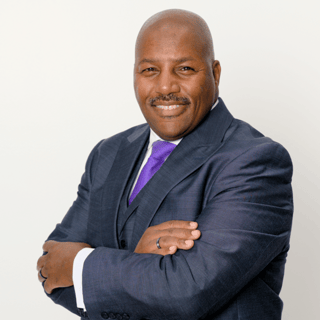
Speaker: Welcome to Ethocast, a podcast about sound leadership practices to boost life in college fraternities and sororities. I'm Eddie Francis, presenter of Followership to Leadership and the D9 Leadership Blueprint, presentations designed to help Greeks become more ethical and effective leaders. I'll share lessons learned from my college days, my career journey, and leadership research.
Speaker: This is Ethocast. Leadership. to the letter. Welcome to Ethocast. I'm Eddie Francis. Thank you so much for hanging out with me. Ethocast is presented by Edified Ventures LLC, publisher of the D9 Leadership Blueprint, Personal Leadership, Ubuntu, and Collective Impact.
Speaker: You can read a free excerpt right now. All you have to do is go to d9leadershipplueprint.com. Now, there's never a bad time for you to work on your resume. And Nikki Joyner is passionate about helping college students get into position to get into the careers that they want successfully. And you know what I decided to do?
Speaker: I decided to have a conversation with her about just that. So coming up, Nikki Joyner. The views expressed on EthelCast do not necessarily reflect the views of the hosts, guests, or any entities with which this podcast's participants are affiliated. Questions, comments, email eddie at eddiefrancis.com.
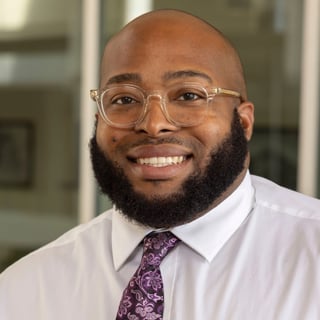
Speaker: And thank you so much as always for joining me on EthelCast and joining me is someone who, um, I don't know. Something that tells me that energetic may be an overused word for you, Nikki. I kind of i feel like it.
Speaker: it no You know what? No, scratch that. It doesn't do you justice. There it is. It doesn't do you justice. as Nikki Joyner, she is your favorite career readiness speaker. um And the intersection of career readiness and Greek life is actually a really cool intersection because of the because the question comes up The question comes up all the time in the workplace. and i've been I've been in the workplace for 35 plus years.
Speaker: And so the question has come up time and time again. Somebody who was in a fraternity or sorority meets another person in a fraternity sorority or I guess to know one another. We have a fraternity or sorority talk at work. You know, where we went to school, that it why did we become members?
Speaker: And inevitably, someone who is not in a fraternity or sorority will go, How is it so many of you wind up in the same place and you get all of the jobs? yeah So um first things first, ah let's let's let's learn about your story, though. All right. Yeah.
Speaker: Nikki Joyner, which sorority are you in? Why did you join it? Well, what was your motivation? Yeah. Oh, these are great, great questions. Nikki Joyner, coming at you live. I joined Delta Phi Epsilon, which is a Panhellenic sorority founded in the Northeast, 1917.
Speaker: i joined Defi in 2008 at Central Michigan through the formal recruitment process. And then my mom actually signed me up for it. I did not sign up for it. She like mailed in a check and like signed me up for this process.
Speaker: And I missed the first week of recruitment, this like formal process, because i had tickets to the Rascal Flatts concert. I could not miss the Rascal Flatts concert. Of course. So I had to be there.
Speaker: And then the second week, I just kind of went through this process. I didn't really understand well what what was going on. I'm a first gen student. No one in my family has ever been in a fraternity or sorority. I didn't even know what that was.
Speaker: And i remember feeling so underprepared, under knowledgeable, all of these things. So I just was in a space where I was like, you know what, I'm just going to float with the wind. Whatever happens, happens.
Speaker: And i remember after preference night, I met two people, Laura and Elena. And we walked because back then you had to walk to go put in your preferences. We didn't have these cool systems online.
Speaker: um And we had about a 15 minute walk across campus to the computer lab. And they were both wicked and awesome. And I've liked with them so much. And when I asked them what chapter they were joining, they both said Delta Phi Opsan was their first choice.
Speaker: So I looked at my sheet of paper. I was like, do I have that one? I do. Okay. That's my choice too. and did not remember talking to ton of people i did not i wasn't in overly in love with if i i wasn't like oh wow this is gonna be my whole the way from home i was like these girls seem cool might as well it just it just wasn't it was not an aha i'm at home i found my place heavens opened up and the doves came out like it just wasn't that right and i think a lot of times specifically
Speaker: people who go through this panhellenic formal process are like, when you know, you know, if you're listening to this, I'm here to tell you that it's okay if you didn't know. It's okay if you got your second choice, your third choice, your fourth choice.
Speaker: It's okay if you still don't know if you're the right somewhere. It's okay. um but But yeah, it was that it was a really interesting experience. um like Like I said, I was first gen, so I went into this not really knowing what it was. um And then I later learned right before I got initiated that my sorority was root that that my sorority was rooted in a Jewish heritage, and I did nothing about Judaism. So I learned a lot about that too, um from both the people that were my chapter and just being around the organization in general. So Yep. I joined in 2008. I graduated in 2013. I was involved with the national organization for about 10 years after that at the international level, at the local level, at the regional level.
Speaker: And ah now I am a happy alumni that goes out to the world and shares great things about sorority. That is really interesting how many people, especially a few people who I've had on this podcast who have said, yeah, I didn't i didn't know anything about what I was getting myself into.
Speaker: mean that's my That's my story. I mean, yeah i I was initiated into Alpha Phi Alpha 1989. Yeah.
Speaker: One of my line brothers, his dad was an alpha. And so he knew all about it. My other line brother just knew about fraternities and sororities. I knew nothing. And so i I'm sitting there going, i don't know what.
Speaker: yeah But one thing for you, one thing we have to give a big cheer for, first gen. First gen. So that is a very, very cool thing. Shout out to all the first gens. Absolutely. Absolutely. As matter fact my wife is first gen. Come on.
Speaker: Let's go. She is first gen with a PhD from and NYU. So there you go. So... what did you learn? your Your story is fascinating because you, number one, you didn't really know what you were getting yourself into, but then number two, to get into the sorority and find out, Oh wait, is this what the sorority is? What did you learn through that? And especially since you stayed involved for a little, a little bit, what what was one of your biggest learning experiences?
Speaker: Yeah. So I have a couple. um I think one of them is you know, There is sometimes a cost to being right. Interesting.
Speaker: As a student leader, you know, I was, i was really involved in my sorority, my very first position ever Greek week chair. Okay. Um, that was like our big event on campus. I loved it. Um, that was the first thing I ever did with, with the chapter, but because it was such a big deal for everybody else, it was like, okay, you you're going to do this and you're going to do it right. And you're going to be great at it. And you're going to, you know, have us win and all this other stuff.
Speaker: Woo. So much pressure. Um, But I a lot of positions in my chapter, leading all the way up until chapter president. I was also on Carolina Council. And, you know, sometimes as a as a leader in general, but specifically as a student leader, you don't always you you always make choices that are popular for people. Yeah.
Speaker: Sometimes there is a cost of being right. And I learned that when I was in my sorority, you know, I know what is right and wrong and what we should be doing and not be doing in this moment.
Speaker: But the what is right is also unpopular. So sometimes there was a cost to that. There was a cost socially. There was a cost um mentally. There was a cost emotionally. There was a cost in relationships.
Speaker: And that was something that I really struggled with that I don't think I ever anticipated that I would. um But again, I didn't know enough about it and I didn't have enough leadership experience in high school to know that I, what a leader was and what they would be expected to do. So that was probably the first one. The really first big lesson that I learned in sorority is that sometimes being right has a cost.
Speaker: And if you're going to be in a leadership position and you're really going to anchor in what you believe is right, sometimes there's a cost cost to that. um What else? Oh, my gosh, this is a huge one. I talk to students about this a lot, but um I think one of the other life life lessons or really life lessons that I've learned in sorority, even throughout my experience, not necessarily as a undergraduate, but just since for instance since forever, there is a difference between generosity and belonging.
Speaker: And I have found so many people in fraternity and sorority to be incredibly generous with their time, talent, treasure. I mean, we all have this like kind of common thread, especially if you come from the same organization, you're like bonded um in this commonality of ritual. um Organizations tend to have attract similar type of people with similar mindsets and values and goals, et cetera, et cetera.
Speaker: I was, you know, I am an overly generous person. i will always give my time, my talent, my treasure whenever I i can. And um there were a lot of times in in sorority, both when I was in college and after, where that generosity helped me feel connected to people.
Speaker: And specifically after I graduated, being an alum of a sorority, of a Pan-Ellenic sorority, a historically white sorority that does not do the best job with ah with alumni, um you know, I'm in a space where I'm like, okay, I'm going to continue to give. Generous, generous, generous, generous feeling or knowing that that will feed community for me.
Speaker: And what I learned was that generosity is not the same thing as belonging. Generosity is one way. Belonging is two. Um, and it's a mutual connection that, that both people experience, um, that binds them.
Speaker: So being a part of a sorority has actually taught me a lot about like, what is, what does sisterhood mean to me? How do I define it? How do I surround myself with other people that define it similarly to me? Cause not everybody does.
Speaker: Um, and then how do I position this, this thing that I now have for life in my life in a way that makes sense for me? um because that will change throughout the duration of our lives. Right. But, um,
Speaker: Yeah, those are probably the top two. Being right sometimes has a cost. And um generosity is not the same thing as belonging. Isn't it funny that even being in a fraternity or sorority, that leadership can be a very lonely place?
Speaker: Oh, don't you know it. Yeah. Yeah. it can It can be very, very lonely. i There was a time when i was actually president of an alumni chapter and there was a gentleman that the brothers wanted to initiate and Some information you know came my way about him and I said, nope, absolutely not. you know I said, if you want to invite him to an interest meeting, fine. I said, but I'm telling you right now, if we make this decision, it is not going to work out in our favor. And it was a very unpopular decision because the brothers really, really
Speaker: they They really they really liked it. But I said, listen, some information came my way. Is this true about this person? And he said, well, yes. I said, is that true? And they say, yes. I said, how is that going to work? And how is that going to work with the reputation that we as alpha men are supposed to have?
Speaker: And that that was just it was a tough conversation. And to this day, I will go back and make the exact same decision. um But that was a pretty lonely time because I was i was the jerk in the room at the time.
Speaker: Yeah. And that you're right. i feel that. it It can be that can be very that that there can be a lot of pressure with that. And the thing is is, that if you're not careful, you'll wind up questioning yourself for the wrong reasons.
Speaker: Totally. no Yeah. So, yeah, I definitely feel that. I mean, and even in my experience working with thousands of college students, a lot of them are affiliated. And I cannot tell you, eddie how many conversations I have had with student leaders that are at their leadership is lonely place.
Speaker: Yes. All of their experience that they pull from. is fraternity and sorority. So they almost experienced this level of what they believe to be inauthenticity as part of their career search and their job search process, because they've dedicated so much time and talent and energy into a beta, beta, beta sorority, but they don't feel connected to beta, beta, beta sorority. um So when they're talking you know about their experience and Um, they're, you know, really anchoring in operationally, but I think what they tend to realize and a lot of the ahas that come to me is like, I don't know how to navigate this. I wish I would have had some other experience other than beta, beta, beta sorority. Um, because I like, just don't feel connected here. And I always feel awkward is the word that they use pulling from it in an interview and though they think it's like tattooed on their forehead. Like nobody likes me here. I am unpopular, right?
Speaker: Yeah, but it's just so fascinating how so much of that can be wrapped up in things that people don't even maybe realize, are you know, students are are experiencing.
Speaker: um So that's why I think this like well-rounded way of thinking about fraternity and sorority as like a career path. prop propeller is important.
Speaker: um But there are so many things on a college campus now that are focused on career development. Whereas, you know, 30, 40 years ago, it was, this was the thing we were selling. we were selling the networking piece gets you the job because you were in this organization.
Speaker: and no longer is that the case. um So I think like just thinking really critically, wherever you are listening to this and whatever kind of lens you might have, that that landscape has changed. So fraternity sorority still needs to be relevant for people in this area. um That's part of the reason why i do what i do because I hope to make it that that way.
Speaker: Yeah. You know, one thing that does lead into the career experience, and and we're definitely going to talk about why you do what you do as far as career readiness is concerned, but One thing that occurred to me is that sometimes i would meet these people throughout my career who were just bitter for whatever reason, right? Just bitter, bitter, or bitter. And then you find out they're in a fraternity or sorority. And then you find out that they had this bad experience. They tried their best and they
Speaker: They felt that they were doing the right thing, the moral thing, the ethical thing, or just they just felt they were doing the logical things and something went against them. And like you said, you know, that that that leadership part, you find out that you're right. Everybody else might not be in a place that they should be to honor the the values, the mission, the aims, the ideals, the you know.
Speaker: And so you find out that one of the reasons that these people are bitter is they never quite recovered from that disappointment. Totally.
Speaker: And that carries over into people's careers. so Totally. My question is, I'm really curious about your thought about this. As a college student, especially at an age when your brain, your emotions are still so malleable,
Speaker: How can students recover from that disappointment in a fraternity or sorority? Especially at to your point, we kind of set them up for this idealistic experience where everything is going to be nice and rosy because you got your brothers and you got your sisters. And how do they recover from those disappointments? What do you think?
Speaker: Yeah, so I think this is two twofold. First and foremost, I think that a lot of people that experienced this in in college, whether it's with fraternity and sorority, an athletic team, an internship or whatever, it didn't go the way that they wanted it to go.
Speaker: And then how do they recover from that? Number one, recognizing that not, and and again, this was this was very hard for me, but like Not everything always goes the way that you want it to go. And you have things that are in your control and things that are not.
Speaker: um I think so often we equate how much time and energy we put into something. We equate that to how good it should be to us.
Speaker: And that's, that's, I joined this organization and I didn't, and I didn't have that, that experience. That's also, I was in this job. And I didn't have this experience. that' right Exactly. yeah I think anybody who is listening to this has had an experience in their life where they have put so much into in into it and didn't feel like that thing gave it back.
Speaker: Right. yeah And we have a level of disappointment from that. But I think to your direct point, what my answer would come in the second part of this, which is we need be careful about wrapping our entire identities up in one thing.
Speaker: Because people that wrap their entire students that wrap their entire identity in fraternity and sorority are the people that go into the workplace and wrap their entire identity into their job. And somebody who is. That happened to be early in my career. Honestly, same.
Speaker: And I didn't even realize i was doing it. it is Yeah. I did this for eight years in my full time career. And it did not occur to me that I was doing this until I got fired.
Speaker: i got i got fired from my job in 2020, a job that I had built my entire identity around. And i didn't know what to do. Honestly, I went into like PR mode.
Speaker: And just like managing the narrative to make sure that, you know, people didn't look at me different or like, oh my gosh, whatever. and I immediately like I'm like clipboard in hand, like it's pan-olynic sorority recruitment. Like, of course, where did I learn this from? Right. Like.
Speaker: But I think that I think people can get over the the or that um I think that students, people in general can remind themselves that when they wrap their entire identity up in one thing,
Speaker: that thing that your identity is contingent upon that thing being a thing forever. yeah And I think too often people will fold into whether it's a fraternity or sorority, an athletic team, career um that feels like it fulfills them, but really they don't actually know that they're just pouring into something because it's helping to shield them.
Speaker: oh And I've seen a lot of times with myself and tons of other people where the career becomes the thing that people are building their entire life around.
Speaker: And then when things change, and as we've seen in the market, things do change. uh, it becomes really challenging for people to deal with that. And then that's when the mental health, the physical health, the emotional health tanks, because we have some people who are sitting here for, for me, I was 31 years old when I got fired from my, from my job.
Speaker: So I was 31. You could be listening to this call and be 20 to 22. You could be listening to this call and be 57 and be like, well, here I am. Right. And, and maybe it's not, you're fired, but maybe it's,
Speaker: There was a organization reorganization, workforce reduction. Maybe it's just like, man, I'm a breaking part. I can't do this anymore. Like, I think we all experience this, but people who experience it the hardest at the lowest are people who wrap their identity up into their job. And it becomes a real challenge to think of yourself any other way.
Speaker: I'm Eddie Francis. You are listening to Ethocasta, and we are talking to Nikki Joyner. She is your favorite career readiness speaker. And speaking of career readiness, how did you get so into it?
Speaker: Because you seem to love it. Oh, it's such an interesting topic. So...
Speaker: beef. So when I left my job or when left my career in higher ed, I was about 16 months underemployed and unemployed. Um, the mix of those, I was like Uber Eats and door dash and lifting shopping for people's groceries on Instacart, uh,
Speaker: I worked at an apartment complex all while trying to build a side hustle to be a full-time entrepreneur as a speaker. Now at that time, I didn't really know what my message was and what I was putting out into the world. So I was doing all sorts of different things.
Speaker: um And then I got a job at JPMorgan Chase after 16 months to be a sorcerer, not to be confused with magician. i want to be clear. I was making magic happen. now I was definitely making some magic happen. It was a fun time. but when i When I got this job Chase, I had to decide, am I going to take the job offer, the salary and benefits that I've been waiting for for eons, or am I going to continue to build my business?
Speaker: Now, most people that come on a podcast are probably going to be like, oh, and I stuck with entrepreneurship and dah, dah, dah. I didn't that. took the job. yeah I took the job. And I kept building my business on the side for the next four years.
Speaker: So at Chase, I was a sorcerer, again, not to be confused with magician. um I was a recruiter, ah a senior recruiter, and a program manager.
Speaker: and i And I recruited for four or five, oh technical technically five different programs the firm, um focused on early careers and workforce reentry.
Speaker: So I learned a lot about career development from the other side of the table, not necessarily my side. But how do people hire? How do people fire? How do people allocate budgets for hires?
Speaker: um How do people actually get hired? What is that process like? What do people look for? What is ah what is a recruiting strategy? Like all of these things. And I learned I gained a lot of knowledge over four years and it started to help me shape my message around career readiness as a speaker.
Speaker: So I have a above four and a half year stint at, the I would argue, the largest financial services firm in the country. um Certainly a Fortune 20 company. And that is primarily what I leverage when I teach people is the the the things that the Internet is lying to you about, essentially.
Speaker: What I found last year in the first full time year that I did this, because I left my job at the beginning of last last year to pursue this full time, what I learned is that I actually have such a unique narrative from my own personal experience that I myself was ignoring.
Speaker: to focus on what am I going to teach the people, right? That's great. And I'm happy to teach the people whatever they want to be taught. um But there was such an added layer to this for me personally on all of the things that I experienced as a person who changed industries and is now in their third career in their mid thirties, as someone who was really invested and ingrained in their career and what happened when I no longer had that thing.
Speaker: Combined with the fact that I'm the first person in my family to be in a corporate career, the first person in my family to graduate from college, I have all of these like unique um things. I just throw it, throw in the pot. So at the end of last last year, i really started to think to myself, like, what are the Nikki Joyner frameworks that exist that I can teach people that are rooted in my experience, but backed by science and what is happening.
Speaker: Because I think that's a lot of times what happens in the career space is a lot of people are just talking about their own experience, about how they got this job, as opposed to what people can do to get jobs. yeah I focus on what people can do to get jobs by using the multiple lenses that I that I have the swings and misses that I had in my own career, and how people can avoid some of those. So This is actually a topic that matters a whole heap load more to me than I originally anticipated it ever would.
Speaker: but I feel like it's such a natural fit now. It has so much synergy. So I love it. Yeah. Yeah. So so from from one former recruiter to another, isn't that one of the most fascinating things so that you can get into? I mean, just. just First of all, just sourcing alone.
Speaker: Sourcing alone is is was so fascinating to me. But then i remember the first time I negotiated a salary and I was so excited about it.
Speaker: um As a matter of fact, the person for whom I negotiated the salary, well, no, this was someone who was later on, but there was one person for whom I negotiated a salary. I got them $10,000 more than they were asking for. Nice. And I was just like, oh, oh Now if I can just do that for myself. Yeah. yeah That part, that part. Yeah. A million trillion percent. And I think, Eddie, so many people do not ask for more money or ask for anything because they're just happy that that that they got the offer. When I became a recruiter, I learned that the last thing i want to do is go back to the pool.
Speaker: So one, i'm not going to like take your offer from you because you asked for more money. Number two, and please hear this so loud and clear. It ain't my money.
Speaker: mean, yes, I have to like act in good faith and good stewardship on behalf of the company, but like it ain't my money. ah number one and Number and number two, the first offer is not the best offer ever. right yeah and and And even if you are a student entering the workforce now and you are in like a like a cohorted experience where it's a flat salary, um there are other things that you can negotiate and you should write money is always a first. Right. cause Give it to me. Hello.
Speaker: There's other stuff. There's other stuff that you can ask ask for. And I think so often, um especially people who are first-gen corporate career folks, ah people who maybe don't have as much confidence in themselves as they would like, they're just like, I'm just happy to be here, coach. you Give me a jersey. And I'm like, no, babe. You want the warm-up track suit?
Speaker: You want the jersey? Get the duffel bag and get the ticket paid for so you can get to the game for free, okay? Thank you. um Because I mean, because because there's the salary, but then there's compensation. Right.
Speaker: and And and teaching people the difference between those two things and how to get those to work together. I mean, when I when I when I started doing executive recruiting,
Speaker: That's when all kinds of light bulbs came on, um because, you know, I'm talking to this person who is trying to become a vice president at a place and they're going, yeah. So listen, um here's how here's how I want this to go. but They're telling me the recruiter and they're saying yeah, this is how much PTO I want and this is what I want as far as stock options and this is what I want and Okay, if you're gonna put me in middle of the band, that's fine If you put me in middle of the salary band, but since I'm in the middle of the salary band I want this I want that I want this I want that and the first time I heard somebody walk that list down I just remember sitting there going man okay
Speaker: Okay. And I went to the hiring manager and I said, listen, this is somebody you really, really need to seriously consider. And the hiring manager goes, why? I said, because they know what they want.
Speaker: yeah And you know the hiring manager said, huh, that's really interesting. I said, yeah, because of all the candidates that This is the one candidate who was very unapologetic about what they want.
Speaker: Right. And imagine that person being on your team. Right. getting that And getting that for the company. Right. And when I told the hiring manager that, he said, yeah, set up the interview. yeah Totally. I mean, and so much of the work that I do is not just about let me teach you how to get a job.
Speaker: It's like, what is your good, better, best strategy in this moment? Meaning what is the band bandwidth that you have on your, this is the offer or that where the heavens gates are going to open up. It does going to fly out. Okay.
Speaker: And this is the offer that you'd be like, give me that. I'll sign it. ah Okay, fine. um Like so many students go into this process, just, I mean, people in general, but especially students who don't have as much experience, they go into this process being like, I'll take whatever someone can give me. Like there's so much resources and guidance and support out there that most people don't even realize exists.
Speaker: So they're in a space where they're just like, I don't even know how to decide if this is like a fair range salary or not. yeah Or on the flip side, Sometimes, and I do get this a lot, particularly with students that are at the um more seasoned end of Gen Z, they're like, well, I'm worth more.
Speaker: But there's a difference between worth and market value. Ooh. So like your, your worth, your, you are worth eight figures to me, baby. Okay. Maybe even nine.
Speaker: You're cra fantastic. Like put you on a poster. All right. But market value is not six figures for this with your level of experience anywhere.
Speaker: So then it becomes, I don't know how navigate that. don't really like that. Well, I don't really want this career. I hate my college because nobody told me this. Oh, goodness gracious. Oh, don't get me started on that. Oh, don't get me started on that. We could be here all day for that.
Speaker: Yeah. one of my One of my most downloaded resources is seven questions you should ask yourself before you pick a career. Now, most most most career people are like, what's your passion?
Speaker: What lights you on fire? I'm not going to lie. For the purposes of this conversation, I don't really care about that. I just don't. What I do care about, if you want to be a nurse, I need you to understand, and and you know you want to live in the state of Texas, specifically in Dallas.
Speaker: I need you to understand how many nursing jobs exist in the state of Texas, specifically in Dallas. What do those people get paid? How often do they get paid? What type of education do you need? And when do you need to re-up it?
Speaker: Like, how much does this stuff cost? And then you want to know, what is the trajectory of a nurse? And see this so often with so many different roles, but people are like, oh, no, like, I don't I don't want to do that.
Speaker: I just want to do this. and I'm like, OK, well, this is not the job that you're applying for. And if you want to do this, like be a school principal, you've got to be in education for a couple of years before you do that, friend. You're not going to be able to apply for school principal right now.
Speaker: yeah it just like so so many things, but that is the one resource. I have like almost 11,000 downloads on that resource alone because I posted places and people are like, give me the questions and they send it to their friends and like all all all this stuff. But I wish more programs, schools, systems, anybody that prepares a student for their future,
Speaker: need to be giving students this as opposed to being like, what are you passionate about? Because what are you passionate about as an entry level career question is trash. trash.
Speaker: It's trash advice. um It's such a trash precedent. I just don't like it. Yeah. Yeah. and and And listen, I don't I don't disagree at all because, I mean, so you said it yourself. You're on your third career.
Speaker: I mean, i'm I'm on my third or fourth career. I'm i'm losing count. I mean, this is so. So you if you're not, especially as a young person, especially somebody just getting out of college, if you're not ready for those pivots and if you think is going to be a straight line, you are going to have a problem. Especially if you're going, no, no, this is this is my passion. This is what I'm going to do. Because life can be cruel.
Speaker: and And the workforce can be even more cruel than life. yeah So yeah. um Fraternity and sorority members. What is it? what is What is this secret sauce cheat code that fraternity and sorority members have as far as career readiness? Yeah.
Speaker: Yeah, so I think there's a couple things. um Number one, it's definitely ah closer proximity to people who work there. um You know, there are so many fraternities and sororities that have, ah you know, communal groups set up where people can connect with one another. so proximity, especially in this job market, is, I would argue, the most important asset that you have.
Speaker: Because there's such an in if there's such an influx in the amount of applications that companies are receiving with these like wicked, ridiculous AI tools where like students can press the button and apply to 400 jobs. And you want to do that in 17 seconds, but then you want me to take 17 days to review all these applications for 70% of you that don't even qualify for this job because you never once looked at the application. Like, wow.
Speaker: um But they have proximity. So I think that's the first first thing is, you know, they are they are able to find people that work at companies quicker because brothers, sister sisters, people that went to their school, people that are their pledge classes, people that are, you know, line line brothers or sisters, they they can connect to them faster.
Speaker: um The second thing is in just in terms of the work that they're doing. it is elevated. It's not your traditional student organization. I mean, some of these some of these chapters at large schools, Big Ten, Pac-12, SEC, their chapter budgets, their council budgets are the size of small companies.
Speaker: um if not medium-sized companies. ah So the volume that they would experience and the reps that they get in is something that can be attractive to companies that are hiring so long as I know how to articulate it appropriately.
Speaker: So I definitely think that there are some fraternities and sororities that have really prioritized this. and And again, it's not just because they work with me. Like there are organizations that prioritize this that I've never worked with.
Speaker: um But I don't think there's enough that are prioritizing it at the national level in a way beyond you have this bond for life. I just think there's so much opportunity that can be.
Speaker: But right now, what I see in the market is that proximity helping tremendously, regardless of the the organization. That experience that that that that that actual student is having is a little bit elevated um in some cases from their peers and other groups and student councils and all of this stuff.
Speaker: Yeah. And then that that third piece is really those two things combined with organizations that have systems and structures and resources in place. Those are the organizations that are graduating and hiring students into the workforce pretty quickly.
Speaker: So quick ah quick example, when I was at the firm, we got resume books from organizations. So Delta Sigma Theta would send resume books to Chase.
Speaker: They had a formalized partnership. Their national organization had a formalized partnership with Chase, and we got resume bundles from them once a quarter. I don't know how their organization got them together.
Speaker: but i mean, some of them were awesome. I hired two students personally from those resume bundles. um So those organizations that are taking the extra step are just positioning their members for better experiences and better end results, which I think is pretty awesome.
Speaker: Hmm. What do fraternity and sorority members have working against them when it comes to career readiness? Oh, if y'all follow me on Instagram, you might unfollow me now, but you don't that and all i'm want to tell you. um But I am going to be honest because I think that I think there is some honesty that needs to be deserve that is deserved here. And I do share this when I speak across the the the country and sometimes the room like,
Speaker: Suck the energy out of it. um The first thing I'll say is just because you are in a fraternity or sorority does not make you entitled to a job.
Speaker: and and And again, i say it with big sis love at like Denny's 3 a.m. moment here. OK, like I'm like in the deepness of my bellies. But man, like there as and and this is more prevalent in some organizations than others.
Speaker: But I need for every student to understand that anything that is attached to your name does not um that you are not entitled to a job because of it. That is your fraternity sorority affiliation.
Speaker: That is your honor roll status. That is the college and university that you graduated from. You are not entitled to a job because you have those things. So it's about how you can position those things.
Speaker: So I think that's probably the biggest thing working against the fraternity and sorority students is that. I also think that that, you know, so many FSL students are incredibly involved.
Speaker: They do so much, whether it's in their communities or on in other groups on campus. And they have an immense amount of experience, but nobody coaching them along the way to know when they need be applying for an internship.
Speaker: There are too many fraternity and sorority students that have all this experience who invested so much time, talent, treasure into their their organization and their college or university and their senior year are looking for an internship.
Speaker: Well, that tells me that you don't have a trusted adult in your life or systems and structures that are set up to see you win. Because I'm here to tell every single person listening to this, whether it's two people or two million, there are no internships for seniors.
Speaker: Mm hmm. Yeah. So, yeah. Then you have these students who are, you know, overly qualified, not able to get a full time job because they don't know how to navigate the job search. they don't know what they're looking for.
Speaker: um And they're graduating these organizations and they're blaming their schools. They're blaming their fraternity or sorority because the selling point to join beta, beta, beta is. yeah was you're gonna help me get a job and now i'm here four years later jobless and if one more person from beta beta beta national office calls me and asks me if i want to donate 15 so you love my fun i'm gonna lose it but again it's like this full circle there are so many people on the fraternity and sorority end that don't even recognize that career readiness is part of their role
Speaker: And with that population of people, I can say first firsthand, you know, I have been at conferences where I have sat in sessions as the presenter or otherwise um with fraternity sorority professionals in the room.
Speaker: And the narrative is always or the questions are always. This is not my job. And the more that the less that we start passing the buck to the career center, um the better off we're all going to be. Because if we want our members to be engaged lifelong, they need to feel like their time with us was worth it.
Speaker: And one of the quickest ways for them to reverse that thought process is leaving college and not being able to land a job when that was one of the core things that you promised them when they got here. Yeah. Yeah. And, you know, listen, i guess this is probably why I didn't.
Speaker: I think this is why my time in higher education kind of wound down unexpectedly, because I was one of the people who, when I heard the words, not my job,
Speaker: I said, so? Somebody's got to do something. And I know this is really inconvenient for you, you know so-and-so director or whatever,
Speaker: but This kid right here is taking out all kinds of student loans for this experience. Their family is spending every last dime to get them through this thing.
Speaker: The very least we could do is take a little extra time. The very the very least we could do. and you know and And that is a very unpopular stance with a lot of people in higher education. But I'm one of those people.
Speaker: I remember I had somebody tell me this once. They said, you know, if you have somebody going to a Harvard or a Yale or a Northwestern or a Stanford, they have privilege already. And so, you know, hopefully they can just get whatever they get. And I said, well, I disagree with that.
Speaker: yeah My thing is, is that the more you pay for something, the more of a white glove treatment you should get. So yeah even if somebody is on a full ride to an Ivy or a top 100 institution, they are still there and they are still investing their time into that experience as a student.
Speaker: So give them the white glove treatment, you know, give them You know, and I'm not saying I'm not saying let them get away with anything and let them be disrespectful. But at the very least.
Speaker: If you are asking them to graduate from your institution, carry the name as ah an as an alum with that degree and then give back a few years later, give them a reason to do it.
Speaker: Right. And and that's that's something that I think on the university side, we need to we need to keep that kind of stuff in mind with these students because- Totally. You know, that students get lost.
Speaker: and they get lost And they do. And ask someone who has been on the back end of hundreds of conversations with law students, there are many law students right now as part of this process. And honestly, it's not based upon what type of school they go to.
Speaker: Like there are, there are Stanford students lost and there are Lone Star community college students lost. And it's, And right now the the, the job market is so fractured, but I think for me, it comes down to I don't care how much you paid to be here.
Speaker: My thought process really stems from what did you promise? Because if you said going to come here for four years, we're going to prepare you for the workforce and we're going to help you land a job. And then you don't do that.
Speaker: I don't care if I paid $40 or 4 million. You didn't do like services were not rendered. Okay. He didn't do that. So it, it becomes such an interesting conversation around this concept because then it boils into like, what is enough?
Speaker: Yeah. What is enough to say, you know, you were, you participated in this experience. You, so you did X, Y, Z, A, B, C, and then we gave you B, C, X, Y, z And now you can go out and, in and, and, and the world, right? Like what is enough?
Speaker: And I think we don't have the answer to that question right now in higher ed. And it's about to get shooken up for real um because of those new workforce Pell grants that just got
Speaker: approved or accepted starting July 1. So now, you know, higher ed right now is focused on, I mean, about there's data that shows that about 54% of college graduates right now are first gen.
Speaker: Well, first gen students are like, this is the better option for me. So I'm going to do this thing. Workforce Pell now gives them an opportunity to essentially get financial aid to go to school to learn, um,
Speaker: how to code, to go to school, to learn, a like just a highly skilled trade in between 12 weeks and 18 weeks. So now you have all of these first-gen students who four-year college and university, or just college or university in general, whether it's two or four, they have banked on these kids.
Speaker: They have banked on their money. They have banked on their their bodies and have butts in seats. Now these students are going to have ah have a choice. 18 weeks, for highly skilled trade paid for, or four years of college or university for highly skilled trade paid for.
Speaker: I don't know if you ever met anybody from Gen Z before, but this one's going to be hard to sell. exactly it's gonna be real we gonna be shaking it and putting colors on it because it's gonna be hard to sell now there is gonna be students in this bucket that are like i'm still going you know grandma went grandma went to duke mom went to duke this sister went to duke we get it okay you're going to duke right now the higher education system systemically is not stood up by those people it is stood up by our first gen students um
Speaker: So let's get up it's going to be fascinating. But I think the question still remains like, what is enough? Yeah. Yeah. What is enough support guidance? Whatever. So I'll be interested to see what happens over the next couple of years.
Speaker: So very quickly ah to close out, I want to give you a last word on this thing. ah What do students right now need to think about to set themselves up for careers?
Speaker: Oh, great. I'm going to give you two minutes of my framework that I use whenever I talk to students. So the three P's.
Speaker: Students need the three P's. They need to know what problem they solve. They need positioning and they need proof. If you want a job that is ai proof in the 21st century, that is going to outlast this ai revolution, you need to know what problem you solve.
Speaker: you know how You need to know how to position yourself. You need good positioning and you need proof. So I'm going to spend time on the problem that you solve because this is the most important one that most people gloss over, specifically college students.
Speaker: People go into college. They say, I have this major. I'm going to be this thing. That's great and excellent. ah What next? What happens if that job doesn't exist anymore? Some of you will go into college. And when you leave college, a job that you wanted will not exist anymore. It will be formulated and molded and folded.
Speaker: When I was at the University of Wisconsin, um where i was working with a student and she said i am ah a criminal justice major i said great what does one do with that when they graduate she said well i go into the criminal justice field okay um awesome what type of job do you have for that she said well i could be a police officer so i think that's what i'm gonna do cool have you explored any other career paths with within this no like i think i'm just gonna be a police officer and like i'm gonna focus on criminal justice Some people are so tied to their major or a job title, they don't actually know why they want to be in that job or what problem that job solves.
Speaker: So if you are a student right now and you don't know what problem you're uniquely positioned to solve based upon your skill set, you're going to be hard pressed to find a job. You're going to be hard pressed to convince another human being to give you a job because the job search process is just about trust.
Speaker: That's all it is. When you can get trust from enough adults across the room from you, you're going to get a job. The problem is, is most most students go into a job search process asking other people to trust them before they trust themselves because they don't know enough.
Speaker: And hear me loud and clear. It's not that you're not knowledgeable. You just don't know enough about the problem that you solve. So if you do not have a problem that you solve that can span across multiple different industries, sectors, positions,
Speaker: it's going to be real hard for you to maintain a solid career that is fulfilling over time. I'm not saying that you can't. I'm saying it will be more challenging. um So I think students in general, i think people in general, if they want an AI proof career in the 21st century that is going to outlast this AI binge that we're on, ah they need to know what problem they solve. They need to have good positioning and they need to have proof.
Speaker: So the three P's. How can people find out more about you? Oh, I would love to be friends on Instagram for real, for real. So you can find me on Instagram. It's howtheyhire, just like you type it in a sentence, how they hire.
Speaker: You can also go to howtheyhire.com and find some cool stuff about me there. You can also join my newsletter. So in my in my Instagram bio, you can find me there. And I um put out some news newsletters about all things popular and unpopular opinions like we talked about today.
Speaker: on my news newsletter. You can also get a ton of free resources there. And if you're on LinkedIn, please feel feel free to connect with me there too. All right. Nikki Joyner is your favorite career readiness speaker. Thank you so much for joining me on Ethocast.
Speaker: Ethocast is a four-hour edification limited series. If you like what you heard, like, follow, and share this podcast for more leadership insights for your fraternity or sorority chapter. To find out how your campus or a campus near you can book followership to leadership or the D9 Leadership Blueprint, contact me today, eddie at eddiefrancis.com. Until next time, spread brotherly and sisterly love everywhere you go.