Transcript
UKRunChat: Welcome to the UK Run Chat podcast. I'm Michelle and this week I'm joined by James Sterling, who you might know better as London Fitness Guy on socials. Now James is really passionate about helping beginners build sustainable fitness habits and he's currently taking on the Super Halves Challenge himself, completing six iconic halve marathons across Europe. So in this episode, we'll be talking about what it really means to be a a stronger runner, how you can fit that into your life um and how to crack the half marathon distance, because that's not something we've ever really talked in great detail about on this podcast yet.
UKRunChat: and So James, welcome to the podcast. Really excited to have you here today with us. How are you?
James: I'm really good. Thanks so much for having me and looking forward to sharing my super half's experience and hopefully providing some valuable tips for people to build strength and run faster.
UKRunChat: Yeah, brilliant. So just just tell us a little bit about the Super Harves just to start with, because people might not have heard of those before. So there are six half marathons across Europe. That's right, isn't it?
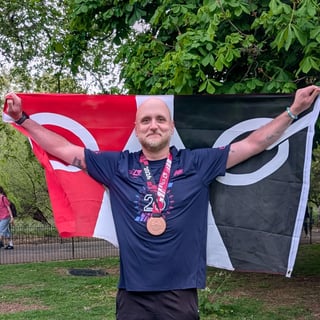
James: Yeah, six across Europe. It's been amazing. I've done five, so I've got one left in Wales. um But they've been a brilliant. It's just such an amazing experience to travel and run. And what people maybe don't realize is you see so much of the city by doing it that you basically get a free sightseeing tour at the same time. So it's been really good. And I've got Wales left in October to complete the last one. And at the end of doing the six, you get a huge medallion-style medal, which is great. so I've been running them with real buzz.
James: um for Make-A-Wish charities, so it's also for a great cause. And it's just been such a lovely experience. I'm sad to see them finish.
UKRunChat: Yeah. Oh, that's lovely. So where has your super halves challenge taken you then?
James: or so it's taken me to Lisbon, Copenhagen, Prague, um Valencia, Berlin, and then finally Wales.
UKRunChat: wow know So which has been your favorite so far, would you say?
James: They've all been really unique. I loved Berlin. I think for atmosphere and crowds, Berlin was incredible. But Prague was also one of my favorites just because it's such a beautiful city.
James: And it's a quite a tough run because there's a lot of cobbled streets as well. So it's it's very tough. But it was really good. And the crowds have been amazing in every single one, even when it's had torrential downpours like I had in Copenhagen, there's always been a crowd turn up. And it just makes the day so much better.
UKRunChat: Yeah. So had you been to these places before or or was it your first time visiting with the half marathons?
James: I've been to a few of them before, but I think when you run, you just see cities in such a unique way.
UKRunChat: Yeah.
James: And also because there are so many runners, it feels like a real shared experience. So it's been really amazing. And what's been so incredible is just seeing how running has taken off.
James: It's worldwide. it's you know every so Every city has had such a pull. I've met people from the UK on these European ones just when running around. And it's been amazing to meet some of those people as well. But I can't recommend it enough. It's just a really unique experience. We feel great once you've them done.
UKRunChat: Yeah, and sounds great, like, bringing people from all across Europe together as well. I bet that's a really good atmosphere.
James: Yeah, and obviously, see but when you're on the start line of any half marathon or marathon, It's such a buzz anyway. But when you've just got all these people from different experiences, abilities, backgrounds, it just feels really special. And it's it's a nice experience to do in a different country.
UKRunChat: Oh, so Wales kind of near nearer to home turf to finish off then. Yeah.
James: I'm finishing on home turf. I know Wales is a quite challenging one because there's a lot more hills.
UKRunChat: Okay, yeah, I can imagine.
James: So it's been nice. But I know Wales is the most hilly. So I'm finishing on ah on a hill climb there.
UKRunChat: Yeah, well, that'd be fun and challenging. So when when is that happening?
James: That is in October. So I've got um a bit of time now.
UKRunChat: yeah
James: Some of them are are packed quite tight when you do all six of them in the same year. So I've got a little bit of a break and then my training will kind of ramp up a little bit from from next month. So from the end of July, really.
UKRunChat: Yeah. So you normally give yourself kind of a good, good three months to, to get half marathon ready. Yeah.
James: Yeah, I mean, I run consistently anyway, but I kind of tend to stay around the 10k sweet spot for most of the year. And then when I'm training for a half marathon, I'll ramp things up a little bit more. But with work life as well, it just sits really nicely for me to be able to put those runs and that distance of 10k typically into my weekly plan.
UKRunChat: Yeah. Yeah. You got to do what you enjoy and what fits into life. Haven't you?
James: Exactly, exactly. It's really tough running, strength training, trying to manage work. you know it's It's very tough.
UKRunChat: Yeah.
James: And I always take my hat hat off to people that manage to do it because it's something to be really proud of if you can.
UKRunChat: Yeah, absolutely. and So let's just let's go back to the beginning. And before we get into half marathon kind of tips, and what what first got you into fitness and and sports and, you know, help helping communities of people get stronger?
James: Well, I studied sports science at university. To honest, sport was the one thing I was half good at at school, so it tended to be the one thing I showed most most interest in. So it led me to do a sports science degree at university. And when I came out of university, I did various jobs from managing leisure contracts to working for Badminton England, the governing body of Badminton. And then I went to work for a football club, um charitable arm, a football club in the Premier League. And it was working with young people in actually taking them out of gangs and these
James: awful situations they were in and using sport as a tool and a vehicle to take them into more positive opportunities. And it was an incredible job, but I was PTing on the side and I was training people and running classes across London. It just got to a point where I felt like it was now or never. And I gave up a job I absolutely loved to do something else I absolutely loved. So it kind of felt like a win-win. And at that age I had far less worries in life. So I took the gamble and um yeah, I've never really looked back.
UKRunChat: Wow, that's that's a huge gamble to take, actually. So, I mean, because you you've got a huge kind of following on Instagram, haven't you now? is Was that always the goal?
James: Yeah.
James: No, not really. I mean, Instagram is, um, is obviously huge now. And when I started posting workouts and fitness tips 10 years ago, it was kind of growing, but not, not quite to the extent it is now, but my passion for social media has always been just to share workout tips. And today it's the one thing I love to share. And I've always had this ethos of wanting to provide people with accessible fitness tips, home workouts, strength workouts. They can do with just a set of dumbbells, because I truly believe that you don't need to go to a gym and if you are prepared to get dumbbells invest in heavier dumbbells when you get when you build strength you can continue progressing for life and it's just about commitment
UKRunChat: Yeah, and it's finding time, isn't it, like we were saying earlier? Because I think what comes across in your videos is here's 20 minutes, here's what you can do to make yourself stronger. Because it doesn't need to be a whole hour going to the gym, does it?
James: No, exactly. And there's so much research now around, you know, how you can effectively strength train in a short time. And research shows that actually you can do two sets, providing you take at least one of them to failure to build strength. I think that's really encouraging for people who struggle to find time to strength train.
James: And it's been really popular across social media. I've got 2 million people across social media now, which is just mind blowing and time and time again, the most popular strength, are the most popular tips I share are strength workouts.
James: So people are looking for quick, easy workouts they can do that actually are effective in work and backed by science.
UKRunChat: Yeah.
UKRunChat: Yeah. And it's knowing, I think it's knowing what to do as well, isn't it? There's a lot of, there's a lot of information out there that isn't always necessarily the best for us as runners, is there? So it's it breaking down that confusion around it, I think.
James: Definitely. And you know, it's difficult because a lot of the time, the the basics and the boring things that we see are the things that work. And I think that's really hard to get across in a world of social media.
James: You know, you don't need to be doing backflip burpees to get results.
UKRunChat: Yeah.
James: It's the simple things of progressive overload. So lifting heavier when it feels easy, um mastering the basics of movement and repetition and doing the same things week in week out, but with a focus and intent of building strength.
UKRunChat: Yeah. Because I think think quite often people aren't patient enough with strength training. Do you see that with beginners that you work with?
James: Yeah, sometimes, i mean, I think a lot of the the difficulty is we second guess ourselves and doubt whether what we're doing is right or whether we're structuring things in the right way. And I feel like a lot of the time we're looking for to optimize everything for the the perfect plan. And sometimes the perfect workout is just picking up dumbbells and doing the same thing for four weeks and trying to build the dumbbell weight periodically over that four week period or eight week period, however long you give yourself. um
James: I think what's what what's quite difficult is if you don't track your weights, you don't track your reps, it's quite hard to see the change. And I think for anyone that's starting strength training is setting a plan for yourself is really important because it means that when you go into your workouts, especially if you're time restricted, you don't need to think about how many reps or what weight you were doing last week. You've got it all there for you. And if you see the progress there, it's really motivational.
UKRunChat: yeah so so how do like how would you recommend somebody who's who's never picked up a set of dumbbells before like where would they start how do you know what weight to get and Do you, how many exercises do you start with just as an example?
James: Yeah, it's a great question. I mean, I always think the first thing to do is start with your body weight, especially if you've never lifted a weight before. Sometimes dumbbells or barbells can feel really intimidating, but mastering the movement should always be the first port call.
UKRunChat: Yeah.
James: So how do you squat? Can you do a hinge movement? You know, can you do a push up? Can you master these basics before you start adding more load to them?
James: basically adding the dumbbells to them. And once you can master the basics and you get feel for the movement and, you know, even asking a PT to check for you, once you can grasp those basics, it's just a case of repeating it, but with more load when it feels easy.
James: And I think sometimes we massively overcomplicate it, but you know, the effort level yourself and, know, Again, research shows if you can take your last set to failure, meaning you can't do another rep, that's the optimal position to be in to build strength and to build muscle.
James: So I think we overcomplicate it and going back to those basics and foundations is really important. So that would be the first thing I would look at doing is mastery movement.
UKRunChat: Yeah.
James: And then you can start to get a little bit more creative and add more intensity to your workouts as progression, because that's all we're looking to do is progress it across weights, across reps, across different styles and patterns of movement or more sets. It really is as simple as that.
UKRunChat: Yeah. Yeah. That's, that's a really good point actually. So how do you like, how many reps would you start with, for example, of, of, say you find the the good weight for you that's challenging, how do you know that's challenging enough for you?
James: So especially for people that train from home, I always like to look at 10 rep range.
UKRunChat: Yeah.
James: And the reason why is because again, going back to research, always like to bring it back to what studies actually show, but you can build strength and muscle across any rep range. But what you're really trying to make sure you do is work in a rep range it doesn't over fatigue you.
James: So you can build strength at 20 reps. You can build strength strength at six reps. But what people often find is that if they're doing 20 reps consistently, it gets quite boring and it gets quite fatiguing.
James: So I find this 10 rep is a bit of a sweet spot, eight to 10. And if you can get to a point of three sets where the last one feels really challenging and you can't do another rep,
James: That is the sweet spot across every exercise. And if you have 30 minutes, you know, you're looking at six exercises, three to four sets, and that's it.
UKRunChat: Yeah, so you don't need much really, do you?
James: No, I don't think so at all. And, you know, when I structure a workout for myself and for clients, what I typically look to do is start with some plyometric movements to wake up your central nervous system and just get your body fired up for the lifts you're about to do.
James: I then move into my compound lifts, which are the bigger exercises or that recruit more muscles like the squats and the deadlifts, and then make things a little bit more run specific or introduce accessory movements, which might even be bicep curls.
James: If that's an area you want to improve on, and then you finish with some mobility.
UKRunChat: Yeah.
James: So that's a 30 minute workout. And for me, that ticks so many boxes and make strength training so much more accessible to people that are restricted on time.
UKRunChat: Yeah, and I think the key is what you said earlier about just repeating the same session kind of for for four, six weeks.
James: Absolutely. And I know people might say, well, that's really boring, but it works. And if you're after results and you are after improvements in performance, the boring things tend to work best.
UKRunChat: Yeah. So are we just, as runners, should we just be focusing on legs and glutes and...
James: I think it's really interesting because when people get into strength training, myself included, when I started strength training, I typically followed a bodybuilding style of training. So it was a lot of overhead press.
UKRunChat: Right.
James: It was a lot of chest press and movements like that, which is kind of quite restrictive because you end up just doing a lot of push and pull movements, but you don't really train with much athletic performance in mind.
James: So I kind of switched that focus when I started running to do exercises like plyometrics, because again, there's so much science around how impactful plyometrics are within your training to improve your running economy and fin essentially, you know, run better.
UKRunChat: Yeah.
James: So there's been a big shift in my own training that I think is really important for anyone who is looking to running. It's not necessarily just training your lower body, because I still think as human beings, we should be able to push and we should be able to pull with strength. But I think it's about making sure that in your plan, you have the right exercises to generate the right response to improve your running. It's a bit like, you know, if you're a swimmer, you'd expect a swimmer to train in the water. Well, you know, you'd expect the runner to still do the right exercises to improve their running.
UKRunChat: Yeah, yeah. So if everyone i had time for, say, two thirty minutes strength sessions a week, what kind of what would you focus on then? So quite time poor. What's your recommendation?
James: So even like two to three strength workouts a week, I always encourage full body because when you train full body, you're able to tick off each muscle group twice per week, which again is kind of optimal for strength and muscle and longevity.
UKRunChat: Yeah.
James: So I would focus one of those workouts on pool based movements, including lower body. So movements like squats are included in that because you're pushing away from the floor.
James: And then your second workout, I'd focus more on pull-based movements, including deadlift and hinge for the lower body, because that way you're you're getting a much more complete program.
James: And again, it's 30 minutes twice a week, which I think balances really nicely in a week of running as well.
UKRunChat: Yeah, no, that's, that's really good. So I'm going to put something a bit controversial out here. And that is, I'm coming from a female perspective with society telling us we need to be smaller.
James: ah no.
UKRunChat: A lot of female runners especially worry that lifting weights will make them bulky. So is is there any truth in that?
James: Well, I mean, unfortunately, I've been lifting for 15 years and I'm not bulky at all.
UKRunChat: There we go.
James: I'm very sad that I'm not. um But really, it's your your calories and your food intake that dictates growth. It's actually very hard to build a substantial amount of muscle, especially when you're running, which is generally quite catabolic in terms of exercise.
UKRunChat: Yeah.
James: So I think for anyone who is concerned about getting too bulky, I would say, don't worry because you're getting strong. And when you build strength, you improve your running economy and holding pace feels easier.
UKRunChat: Yeah.
UKRunChat: Yeah. So, so talk to us a little bit about that then. So how does it help our running? Because for a long time, we've been taught that running is, and strength training is great for like injury prevention, but I don't think we talk enough about how it actually contributes to you know, improvements in our actual running. So just tell us a little bit about that.
James: Yeah, I mean, I include plyometrics in my strength training as well, because I think it's something that's massively overlooked in runners. But basically, when we're looking to do plyometrics, for example, we're looking to improve our ankle stiffness. And when we do a plyometric movement, it's the stretch shortening cycle. So I always use the analogy of a spring and your ankle stiffness being like a spring.
James: And if your spring has no spring in it, it's quite loose and it doesn't give you that rebound. Whereas if you are doing plyometric movements, for example, and you improve your ankle stiffness by doing these types of exercises like jump lunges, jump squats, skaters, pogo hops, you're improving the spring and the force production that you're getting.
UKRunChat: Yeah.
James: And when you think about running, all running is is a series of plyometric movements. So as a result of plyometrics, it's basically three things we're getting. We're getting increased our ankle stiffness, we're getting increased force production, and we're getting a reduction in ground contact time.
James: And those three combined are really essential if you're looking to make improvements in your running.
UKRunChat: Yeah, OK. So if somebody's never incorporated plyometrics into their strength training routine before, how are we how were we best in introducing that?
UKRunChat: Because obviously, yeah they must be quite hard work to do when you're new to them.
James: I'd like
James: They can. Yeah. But there's always a way to simplify and regress exercises.
UKRunChat: Yeah.
James: And it's important to remember, essentially, when we are running, we are already doing plyometrics. So there is always a form. But skipping is a really good example of a plyometric that most of us can do. if we can If we can skip with a rope, we can do it. And you know there was a really interesting study where they looked at the impact of skip skipping on time trials of five kilometers or 10 kilometers, and it actually improved performance. So there's background behind this as well, and evidence suggests that this does work.
James: Some of the hard movements like jump lunges are often hard because we don't quite have the stability to be able to do them. And it does take a little bit of time to start to practice these. But starting with exercises like pogo hops, single leg jumps, just literally hopping on the spot or laying down a towel and hopping side to side as a progression from there, that's still a plyometric movement.
UKRunChat: Yeah.
James: And it's still looking to reduce our kind ground contact time.
UKRunChat: Yeah, and that's and that's going to help you running. So would you do that as part of a strength session, or would you would that be something you could incorporate into a warm up or something, for example?
James: Both. I mean, i like to do it as a bit of a warm up for my strength sessions and before my runs, actually, if I'm doing a run from home i treadmill, I often do them before before runs on the treadmill too.
UKRunChat: Yeah.
UKRunChat: Yeah.
James: But I do them at the beginning of a workout when I'm less tired and less fatigued from strength training so I can be quite fresh to work on that spring. And again, just two exercises.
James: you know twice a week that's four plyometric exercises you're doing across the week and if you can add some into your warm-up amazing but it's almost like you're just micro dosing these plyometric movements across your week to compound over time and create improvement in your running
UKRunChat: Yeah, and and how long would it generally take then, say if we introduce plyometrics regularly into our routine when we just start to see an improvement, you think?
James: It's really difficult to say because quite often when you do plyometrics, you're also doing strength training and you're also running. So it's hard in these situations to look at exact time scales.
James: But from memory, they the just skipping was an eight-week program where they looked at skipping and improving time trials. So that was an eight-week progression of just skipping.
UKRunChat: Yeah. Yeah. That's a short time really, isn't it? Yeah.
James: Really short. Yeah. So I think that's really encouraging for a lot of people who are new to it.
UKRunChat: Yeah.
James: Um, and what, again, what's great about plyometrics is you do actually feel the difference as well. You can feel when things become starting to become more comfortable, but I would just say, look, start with some single leg hops twice a week, see how that feels and, you know, work laterally as well.
James: Cause a lot of time we've run is it's always front to back, but for English, I think it's really important to work laterally as well, especially
UKRunChat: Yeah.
UKRunChat: So why is that important, James? What's the what's the benefit of that lateral movement?
James: Well, when you think about running, most of the time it is quite straight, but there are still some movements that we do, especially in in races where you're kind of weaving in and out of people, or you might be coming down a curb if you're look on a road.
UKRunChat: Yeah.
James: And it's still important to train our body to be able to be strong in lateral movements as well as those frontals. So... If you're someone that's doing a lot of trail running, you're probably doing this all the time because you're consistently dodging things on your runs out in the trails.
James: But for some reason, typical road runners sometimes overlook that. And in strength training programs, I'll always factor in lateral movements like, um, side squats or Cossack squats, because I still think it's important to build those components of fitness in all body parts and across all planes of movement.
UKRunChat: Yeah. Oh, yeah. So there you go. so you've got loads of videos, haven't you, online? if oh Yeah.
James: Too many, I think. Instagram. But i again, I tend to follow the same process with what I share and that is always about how can we build strength when we're time restricted and we're trying to manage a week of running.
James: And I guess this also ties quite nicely into how do you actually put strength training sessions into a week where you're trying to run two to three times as well.
UKRunChat: Yeah, well, that was actually going to be my next question. So how does that work? Because we are, we're quite time poor, you know, if people work full time, got families, and got other commitments, how do we fit? Running is always going to be our priority, right, as runners. So how do we fit that strength training in?
UKRunChat: But so that it's not kind of adversely affecting our running and making it kind of, you know, fatiguing us too much.
James: Well, I always use this analogy when I try and explain how to balance a week as a pot and you're adding stress to that pot.
UKRunChat: Yeah.
James: There are certain sessions, running sessions that we do in the week that are more high stress. So for example, if you're doing speed intervals, they are higher stress, but they also get a larger adaptation. So they're high stress, but big adaptation, whereas your easy runs are lower stress, but also a lower adaptation.
James: So what I always try and say is you're managing that pot by adding stress, but making sure it doesn't overspill because of the overspill tends to lead to injury. So when you look at a week as a whole, the typical person might do two to three runs and two strength workouts.
James: So the most important consideration to make when you look at your week is to ensure that you don't do something like speed work after heavy leg work. because you're simply not going to get the power or the output from your body that you need for that session.
James: So I always like to start the week with speed on a Monday, get that one done and out the way.
UKRunChat: yeah
James: And then Tuesday, I can do some strength work or have a rest day, whatever it might be. But that's a really nice format then because you're getting all the bang for your buck from your speed, but you're not compromising your run.
James: And that's really important. Then looking at the other sessions across your week, your long run and your other strength session and possibly an easy run if you're running three times a week, or you've kind then got the whole week to kind of factor that in. And most people tend to do their long runs on the weekend because they have more time. So that means you're just trying to factor that last strength session on a Thursday or a Friday to give yourself, again, time to recover before you start adding that mileage in your long run.
James: You can do strength sessions and runs on the same day. And some people even do them in the same session. So they'll go from doing a run into their strength.
UKRunChat: Yeah.
James: And this is where, again, it it kind of shifts a little bit because there's a lot of time we see online, you should always do your cardio after your strength. But if you're a runner, your priority is to improve your running and it makes sense then to do your strength session after it.
UKRunChat: Yeah. Okay, that's interesting. so So say, for example, because I, for example, will do, I'll normally do my speed on a, I'll have like an easy run Monday. I'll do speed on a Tuesday. um tend to have a day off Wednesday and then I'll do, or I might do a short, easy run and then I'll do my long run on Friday because I take weekends off.
UKRunChat: So where would I kind of fit? I'm just thinking where i out would to fit strength in there, possibly on the Wednesday, right, on the, on my rest day.
James: mr Yeah, or or after an easy run.
UKRunChat: Yeah.
James: um
UKRunChat: yeah
James: Most people tend to have a couple of days free. And even though we don't want to be working out all time, trying do 20 minutes,
UKRunChat: Yeah. yeah
James: twice a week seems a lot more manageable. And especially when you can do it from home, I think it's realistic. And you know, i I don't know where the gold standard of 60 minutes strength training ever came from, but it really isn't needed. And you know, when we're not trying to be a bodybuilder or a power lifter, we're just trying to build total body strength specific to running, I think 20 to 30 minutes as a minimum is quite realistic for a lot of people.
UKRunChat: Yeah, that's really reassuring to hear, actually. and Yeah, as somebody who will avoid strength training, because it's, it feels like that it feels like there's ah there's a difficult barrier to to get to actually do it.
UKRunChat: But I loved what you said earlier about just write it down what you're doing, know your weights, and then you can just go and pick them up, can't you?
James: Yeah, and I guess it's almost a bit of accountability, right? It's giving yourself something to follow.
UKRunChat: Yeah.
James: And again, if you're time restricted, i always come back to this because runners generally are time restricted. Writing it down will make your session more efficient because you're not spending 10 minutes out of half an hour thinking, what do I do now?
James: What weight do I am i supposed to lift here?
UKRunChat: Yeah.
James: You know, what do I go and do as my next exercise? You just got a plan you follow it and it's super efficient and it saves time.
UKRunChat: Yeah, no, that's that's brilliant advice. Yeah, thank you. and Yeah, so, okay, so let's talk about half marathons then specifically, because this isn't something we've ever really gone into in great detail on the podcast, because I think ultra running is booming. We've had loads of ultra running on. We've had loads of tips for that, but half marathon is,
UKRunChat: It's an achievable distance for kind of most most people, right? Isn't it? it's it's And it's not going to take up too much of your time, I think we were saying earlier.
James: I think so.
James: Yeah, no, I think it's really achievable for everyone. And, you know, it's what I love about the half marathon distance is you don't have to spend your whole weekend out on long runs. And again, if you're a busy parent or you're busy with work, it's very easy to be able to put your runs into your week about, you know, taking over your life.
James: Um, you know, I've done marathons before and know, it's an amazing achievement, but I did find it, I find it really hard to train for those. And now I just, I can kind of get through half marathon training and it doesn't feel overwhelming.
UKRunChat: Yeah.
James: feels like it slots into my week rather than taking over it, to be honest.
UKRunChat: Yeah. what What's your running background out of interest before we get deep into half marathon tips? what How did you get into running specifically?
James: i I, took part in the London marathon in um two thousand and, 18 from memory it was 2018 and it was the hottest marathon on record in london and my training was an absolute disaster i kind of winged it i was guessing my long runs guessing my pacing it wasn't as as accessible to get the information as it is now and i really struggled with it it was really tough amazing to finish it but really tough
UKRunChat: Right.
James: um After that, I did whole load half marathons, again, kind of winged it, but really enjoyed it. And then over the last couple of years, I thought, you know what, I'm um a PT.
James: I work with people who are interested in running. I need to upskill. So I took part in ah in it but i got a run coach qualification. It just completely changed my outlook on running. And it made me realize that actually,
James: It's a system and a structure, just like strength training to achieve a body transformation goal. It's just a different system that you need to follow. But I don't think there was enough advice out there for beginners or for people maybe doing their second half marathon that want a little bit more structure on how to do it. And I really wanted to simplify that.
James: And the core groups I work with are people that are even new to their half marathons or running their second one and want to make an improvement.
UKRunChat: Yeah.
James: So kind really... encouraged me and spurred me on and then for the last few years i've just really enjoyed it
UKRunChat: Yeah, i that was great.
James: best
UKRunChat: so So what did you learn personally then from from going through that qualification process for your own running?
James: the difference in strength training was a real shift to me like i said at the beginning i've always been following you know a bodybuilding style and it something kind of switched and made me realize that as we get older
UKRunChat: Yeah.
James: think there are far more areas of our body we should be using, like our mobility, like being able to jump, you know like being able to run, sprint, whatever it might be, that I was not doing. And i felt like I wasn't getting the most or giving my body the most opportunity to perform at its best.
James: So my training has changed massively since doing that qualification. And, you know, i can structure my own week far more efficiently now because I i know what I'm doing. And it's just it's helped me so much in my half marathons because I write my own plans and, you know, i get through them really comfortably and I enjoy them. And that's, always think that's the most important part to enjoy it for me.
James: The most important importantest part is to enjoy them.
UKRunChat: Yeah, no, that that's absolutely key, isn't it? So why why is the half marathon then such a challenging distance? I find it a difficult one, personally.
James: Yeah, I think it's because there is this urge to go really fast. And a lot of people, especially beginners, when you're still on that start line, you know, you have the apprehension and the anxiety of doing your first race and you just get caught up when everyone else is pacing. So I think there is this urge to think of half marathon as this kind of hybrid of like, how fast do you need to go in this race?
James: So it's really tough from that perspective. And I know a lot of people, they they do go out way too fast rather than taking a little bit more of a reserved approach to the to the full race. um Again, I've done it myself and it's it's a nasty experience when you get to kind of 16 kilometers and you've got to get through that that last five and you're feeling like it's really tough.
James: So ah think that the reason it is so tough is just not having a clear approach and strategy to actually execute it.
UKRunChat: Yeah. So, yes, and and i pacing on the day. i think you get carried away with the crowd at the start as well sometimes, don't you, in a race?
James: Yeah, I mean, it's um it's always, know, you look at your watch, you've been going far faster than your the pace you should be. But again, this is why I think having a coach or having a plan is really important because, know,
UKRunChat: Yeah.
James: When you look at your training schedule, I always like my clients to be able to know exactly how that pace should feel. So even if their watch goes down, they've got no GPS during a half marathon, they can go off RP, so they can go off their rate of exertion to know this this actually is my comfortable pace to work within.
James: um When I'm coaching runners for a half marathon, A lot of runners will come with a goal time, but I always try and flip that and say, look, the aim should always be to get as fit as you can and as strong as you can, then you're always gonna perform at your best.
James: but around the kind of midway point of their prep, when you go into a kind of a build phase of that preparation, then you can start to think around pacing and how fit is the client now? What improvements have we made? What's a realistic goal? And then start to weave in some of that race pacing into that strategy and that training plan.
UKRunChat: Yeah, and what what will you be looking at in terms of kind of past data to help you set a sensible goal for people then?
James: So I actually do a test with my clients periodically throughout their training plan. So the the first thing I do is a time trial. So I'll either do a 20 minute time time trial or a five kilometer time trial, and I'll base their initial pacing phase off that.
UKRunChat: Yeah.
James: And then throughout their 12, 16 week plan, I'll have milestones of races. So maybe a 10 K race they they work within or another time trial. And then I'll take that data and then refresh their pacing. So you get a really good idea of roughly where they're sitting and what's realistic. and you know, if they do have a goal in mind, I think it's really important to be honest and say, yeah, you're on track for that. Or actually, you know, it's great to have that goal, but maybe that's the next one you do and kind of just bring bring a sense of realism and perspective to that training too.
James: There's nothing worse than when you get started with it.
UKRunChat: Yeah, I think it can be tricky. Yeah, yeah. It can be tricky to set a goal, I think, because quite often you'll set a goal based on what you think is a good half marathon time and it's not necessarily what you're capable of right now.
James: And in in a world where running is now booming, it's all we see is these incredible times being set by people. And sometimes I think it gives a bit of an unrealistic expectation of what is a really great time in a marathon or a half marathon.
UKRunChat: Yeah, I think you posted a really interesting video that I was watching earlier that said, um what does it, what's an average half marathon time? And you said something like, there's no average half marathon runner because not many of us actually go and do a half marathon.
James: know It's in single diggger singled digit percentages of worldwide population of people that actually do it.
UKRunChat: Yeah.
James: So just completing a half marathath marathon, i think is an absolutely huge achievement for everyone. um And you know that that again is why i love coaching beginner runners because I find it so rewarding to get that finish line photo and see that finish line photo with a medal and it's you know smiles and the first one's really important. I think it's If you can have a really enjoyable experience of the first half marathon, I think you get the bug.
UKRunChat: yeah
James: and I've had that bug through through the super halves with RealBuzz. I've finished one, went to the next, and it's just kind of consistently gone on for the past year.
UKRunChat: yeah it's it's an amazing feeling enough i remember my first one actually and i don't think you ever ever forget it because you feel like it's just the most amazing achievement don't you
James: Yeah.
James: Yeah. And again, i think that's why when you look at your training and you complete your training, I think it's really good just to know when you're on that start line that you well you have a plan of what you're going do and you're confident or as confident as you can, but you're always going bit nervous, but you're as confident as you can be in knowing I've done all I can. i know I'm fit enough. Now it's my time to go and do it.
UKRunChat: yeah so what so people listening to this podcast hoping for some kind of tips and advice on how to approach half marathon training so what what advice would you give for kind of like i mean how long do you give yourself to to train properly
James: I think it depends really on the start point of the individual. So again, when I build a training plan, I'll break the training plan down into three different phases. So start with a base phase where we build base and base aerobic fitness.
James: The second phase is more build. So it's more, a little bit more race specific, start integrating some of those race pace strategies. And then the peak is around your race. And this is the period where you want to feel your fittest and strongest going into that race.
James: because you can't sustain peak fitness for the whole year. so it's about being strategic with that and making sure that at that phase, you feel really good. And that's when your races. And then it's just about making sure you're you're ticking the boxes from a recovery training, strength perspective and fueling perspective to to go and deliver your best run. um a lot of people who do half marathons that I've coached with have actually come from a background of not even doing five k
UKRunChat: Right.
James: So when you're at that, that level, it's more follow a run walk strategy until you can build up to a 5k distance, and then you can start to work on some slightly bigger, bigger runs or slightly longer runs, um, and go into ah a base again of, of, of training for a half marathon. But I think it's patience. I think it's giving yourself enough time so you don't feel against the clock to deliver.
James: And again, enjoying it because you're doing something amazing. You're working on your fitness, you're. strength, everything to be able to run this distance. And i think it's really important to run and enjoy the the whole cycle of doing it.
UKRunChat: Yeah, so say it's your first half marathon, would you be recommending like three three runs a week for people? Yeah.
James: Two to three is what I typically say if you're running your first. And a lot of the time people tend to think that they need to run the full distance of a half marathon to do it. But I think for beginners or people doing their first half marathon, hitting anywhere around 16, 17 kilometers is your long run is perfectly doable.
UKRunChat: Yeah.
James: There's kind of diminishing returns at that from that point onwards. And you know the risk of injury goes up. So if you can hit 16, 17 kilometers, you're going to get through your half marathon.
James: And um I think that's where a lot of people fall short is they tend to be doing their, either their long runs too fast, or they're just simply running way too long than they they need to be doing.
James: um if you look at our bodies basically our cardiovascular fitness develops much faster than our muscular skeletal so we might be able to run the distance but it doesn't necessarily mean that our muscles tendons connective tissues can actually adapt and respond to what we're expecting them to do and it's why people do get injured when they're trying to run too far too soon
UKRunChat: Yeah, that's a good point, actually. So people need to build up really, really gradually and do that strength training, of course, which will help, won't it?
James: Yeah, and there is this kind of 10% number that's thrown about where not increasing your weekly mileage by much more than 10%, which does need to take a little bit loosely, but I think it's a good, good base for beginners to work within to make sure that they are giving themselves enough time. And if you take your, your distance for your half marathon and work backwards, you can roughly work out to where you are now and how long it's going to take you in terms of weeks to build up to that distance.
UKRunChat: Yeah. Yeah. So say if you're then going back to the half marathon distance, because I think the first one's quite nice, actually, because you've no kind of pressure of having to run a certain time, have you?
James: No.
UKRunChat: But I think when you go back to the half marathon distance for the second time, you always want to kind of do better, don't you? and So how would you approach that kind of training cycle differently?
James: Well, you kind of set a baseline of yourself then. So, you know, you're kind of competing against, which is great because you're competing against yourself then not someone else. So I think that's really nice.
James: But I think a more advanced program for half marathon training would be looking at to play around with sessions like the long runs a little bit more. What what the typical flow of people, I would say 90% of people that run a half marathon is that they fatigue in the back end of it.
UKRunChat: Yeah.
James: So with your long runs, you can get a little bit more creative to train your body to be able to cope with that fatigue. So, for example, you know, sessions such as 10 kilometers with five kilometers at 10K pace or whatever it might be. A session that's basically integrating speed in the back end of your long run can be really nice. But I tend to save those sessions for...
James: clients and I'm working with that are a little bit more advanced because I like to keep things super simple for for big beginner runners.
UKRunChat: Yeah. Yeah. I mean, would you be putting in kind of any kind of speed work in for beginner runners?
James: Yeah, yeah, definitely. um But again, I have it on that separate day so that what what again, what i like for my clients to do is to know the purpose behind each session. So when they're doing their speed, they know the intention is speed.
James: When they do the long run, they know it's about restricting the pace a little bit and working in that zone two area.
UKRunChat: Yeah.
James: So it's very clear and simple for them. And it's like almost like if you're asking yourself the why behind each session, you know, before you go into it, most people do tend to run their long runs too fast.
James: And when you actually work with them around pacing from doing those tests, like a time trial to get the right pacing, it's a bit of an eye opener to how fast they have been running those long runs. But absolutely, I do 100% do speed work and sessions like 400 meter intervals.
James: with 90 seconds, two minutes of recovery, I think are really great sessions for everyone, but especially for beginners.
UKRunChat: Yeah, really accessible for beginners as well. and So, yeah, you so you mentioned doing your long runs too fast. How how do you know it's too fast? And how do you know what's a good pace for you?
James: difference
UKRunChat: And why is it important? Yeah.
James: Yeah, so the the first one is thinking about it in terms of RPE, so that rate of perceived exertion. um Trying to keep it at a conversational pace is probably the easiest. So can you hold a conversation? Yes or no. If you can, good chance you'll work in that range.
James: I also implemented a really different way of working on my long runs, that's through nasal breathing.
UKRunChat: Oh, yes.
James: Um, it's been very different, very hard to do. I definitely don't recommend it for just going straight into it. Cause it does take a little bit of a time to build up into it. But nasal breathing is essentially only breathing through your nose. So you in inhale through the nose, you exhale through the nose and it does slow down your breathing rate, but you won't be able to maintain a higher intensity is over kind of 80, 85% of your effort by a nasal breathing. So it kind of is a tool to restrict you from pushing that intensity too much. So I tend to do all of my easy.
James: all of my long runs nasal breathing only.
UKRunChat: That's a really good tip, actually. We do have a podcast on that with the breath running coach, if anybody's not heard of that. So, yeah, we we we go into that a bit deeper. But that's a really good tip for doing your long runs, actually.
UKRunChat: is It's tricky to do, though, isn't it? I've been trying it. It's hard.
James: Really tough. I mean, if as a baseline again for doing that, even just nasal breathing, when you're fast walking can feel quite tough. So it does take time to, to, to build that tolerance.
UKRunChat: Yeah.
James: It's all around your carbon dioxide tolerance, which I'm sure, um, is, is included in the podcast and, you know, oxygen, carbohydrate, carbohydrates is very complex if you want to learn the science behind it.
UKRunChat: yes Yeah, yeah.
James: But as a tool, I just think it's a really nice way to restrict intensity.
UKRunChat: Yeah, yeah. And it's it's important to do that, of course, because we don't want to tire ourselves out too much, do we?
James: Absolutely. But, you know, even just asking yourself out of 10, what does this intensity feel like if, you know, nine, 10 is really going flat out and it should sit somewhere around a three, four out of 10 effort?
UKRunChat: Yeah.
UKRunChat: Yeah, think I think we we do generally as runners try and go too quickly on on all of our runs, don't we? I don't know why that is. Is that, I don't know, what's the way?
James: Yeah, I don't know. Maybe it's just impatience to get it done.
UKRunChat: Yeah. Yeah.
James: earth um But again, it comes back to that analogy I used around the the managing stress. And if your speed work is the one that builds the most stress, you don't want layering more into it throughout your week.
James: And that that that session is not about that. And that's not the purpose and the intent behind that long run. It's just about building mileage and time under the feet, really. Is that good?
UKRunChat: Yeah. And getting your muscles and tendons used to that. Yeah. So just, we touched on rest and recovery there then. So how, how do you build rest and recovery into a week and what, what's most important?
James: I think the weekly structure is the most important because it does mean that you're not trying to perform and your body's not recovered from the previous session. So again, just just managing your hard runs with your strengths training and giving yourself the right pace to run at is in itself the best way of managing the intensity across the week. um Fueling is also really important, making sure that you are well fueled. A lot of people don't don't use gels on their their long runs. So I think it's really important to make sure that if you are doing, you know,
James: over 60, 90 minutes, 90 minutes of of ah of exercise, of cardio, then you should be fueling with gels to be able to give yourself that resource because otherwise you're simply running on empty. And sometimes I think we we get in the mindset of gels are for race day only when they can quite easily be implemented into your long runs.
James: And it gives you a nice prep anyway to be able to test which gels work best for you with your gut. and which ones you enjoy. And then you you don't have to worry about it or think about it on race day too. So I think fueling, um giving yourself enough rest generally and sleep and managing your week, that's kind of the pinnacle of of recovery for me.
UKRunChat: Yes, sleep is something I don't think we give enough value to as as a society, really. I think we we tend to underestimate its importance, but it is it does have ah a place in training.
James: Yeah. And also we're really lucky these days that we have so many metrics at hand to be able to tell us if we are overreaching and pushing too much. You know, your HIV, resting heart rate, resting heart rate is such a good measure of how your body is responding to that stress. And yes, there is going to be a ah natural lift from any session that creates high stress.
James: But I think if the general trend is upwards, then perhaps it's time to look at your week and scale some things back or give yourself more recovery so that your body can actually adapt.
UKRunChat: Yeah.
James: The other thing I tried to do is incorporate deload weeks into clients training plans, which is again often massively overlooked, but If you add a week where you scale back on your mileage or your intensity, you're giving your body a chance to adapt and absorb all the training it's done in the previous two to three weeks.
James: And you go into the the following week feeling better. And it's kind of like a chart of progression. It goes up, it stabilizes or goes down a little bit, then it goes up again. And you know we're we're never going to get linear progress across the whole training plan.
UKRunChat: No, and I don't think we we necessarily want it either, do we Because like we were saying right at the start, we want to be peaking that race day.
James: Absolutely. Absolutely.
UKRunChat: Yeah.
James: It's this. There's so much complexity to building a good training plan that I think it's often overlooked, but this is why it's great to have all these apps and coaches that can provide the resources, um, and give you the information that is, is, is needed to be able to run and perform at your best.
UKRunChat: Yeah, it feels like there's just such a lot of information out there, there doesn't it? so So what are your kind of, let's say, top three tips then for running a good half marathon?
James: Okay, great question. The first one is to manage your week. and I've spoken a lot about that, but plan your week and plan it well and think about those sessions and the stress.
UKRunChat: Yeah.
James: That would be my number one tip because I think a lot tends to fall into place from recovery and performance when you do that. The second one would be to strength train, um not for an hour, not for 90 minutes, just just strength train and keep things simple and work the key areas of your body that are relevant to running.
James: So six exercises, two to three sets, take the last one to failure and do that twice a week, minimum. think that's a solid introduction to that.
James: And then i think the third one, the third one would would be just to have a plan, um, and actually, you know, execute it to work back from your target race day, work back to where you're at now and build slow and steady progressions that are kind to your body, but also allow you to progress to progress.
UKRunChat: Yeah.
UKRunChat: Yeah, like that. so starting where you are now, not where you you hope to be really.
James: Yeah, I mean, there's nothing worse than when you're on social media something You see someone's gone to run a half marathon or a marathon as fast as they can, just because they feel like they want to. And I'm always like, please don't do that. It's just, you know, it's just a not sensible thing to do.
James: um And more often than not, you see the same people getting injured. So it's just, it is just a case of just be sensible and follow a plan that is kind.
UKRunChat: Yeah, yeah, I know that that's great advice. Thank you very much. It's been really great to chat to you today. So what are your, have you been kind of going through your super halves, aiming for times?
UKRunChat: Are you just having fun? Yeah.
James: No, i've um they've all been very different, actually. i've um I've trained for them all with the goal of just getting through and enjoying it this time. And i've one of the guys I work with who um shoots my videos for social media, I've roped him into running some of them with me.
James: So it's been really nice to train him for them.
UKRunChat: Oh, brilliant.
James: And he had the goal of this of of hitting under two hours. And the first time he got two hours and one. So he was a bit gutted about that. And then we ran Prague and he and he got the sub two.
James: So he was he was over the moon. So yeah, like I say, I said at the very start, my my satisfaction from running now is seeing just people run their their first, their second, their third and see improvement.
James: And even when I run myself, that's what I like to see.
UKRunChat: Yeah, oh, no, that's so lovely. And you're, of course, running all these for charity, aren't you? So just tell us a little bit about your charity as well. Yeah.
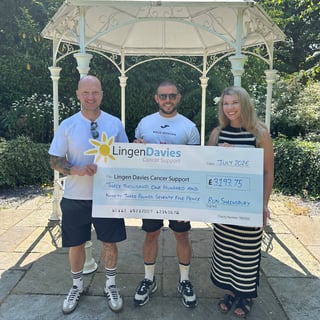
James: Yeah, so it's for Make-A-Wish, which is obviously a UK charity providing opportunities for um children. And yeah it's been amazing to run them for that and keep that in mind during the races as well. And it kind of definitely gives you a much bigger perspective of everything in life that you know we're doing. So it's been amazing. And doing that with RealBuzz has been great for support as well.
James: And yeah it's the last one in Wales in October. So if anyone is running Cardiff in October, hope to see you there. And um yeah, then I'll get my my gold medal, my big gold medal that you get for competing in the last six. And I'll be sharing that across social media as well.
UKRunChat: Yeah, oh that's brilliant. oh Well, thank you so much, James. It's been great chatting to you today. And I've certainly to learned something. So um um I need to get on with some strength training, I think.
James: That's it. Well, 20 30 minutes twice a week. You've got it.
UKRunChat: Yeah, right. i'll be yeah I'll be having a look at your videos. So thank you. If you'd like to follow James's journey, we'll put all the links in our show notes. And as always, we love to hear what you're up to at the moment.
UKRunChat: So do tag us on social media. And thank you for listening. We will see you next time on the UK Run Chat podcast.