The Silicon Gods Must Have Their Blood: How Public Venture Capital Might Kill Venture Capitalism

"They are changing venture capital from a 30% tax to 0% tax. If Robinhood succeeds, it makes Sequoia and Andreessen's business model untenable." — Keith Teare
The Silicon Gods must have their blood. And they've finally come for the funders of disruption, the venture capitalists, who are now being disrupted by something called Public Venture Capital (PVC). That, at least, is the view of That Was The Week publisher Keith Teare, who leads his newsletter this week with Robinhood's new venture fund. This new stock-trading app for millennials is going after Sequoia and Andreessen Horowitz—not by competing on deal flow, but by charging 0% carry instead of 20-30%. Robinhood promises it blows the doors off traditional venture capital.
But Keith urges caution over PVCs. Robinhood is packaging late-stage private assets—companies like Databricks that would have IPO'd years ago but are staying private longer. By the time retail investors get access, employees are already cashing out through tender offers because they think the peak is near. The poster child: Figma, which did secondaries at $12 billion after Adobe's $20 billion acquisition failed. A lot of (dumb) people bought at the top and are now slightly less stupid.
Fortunately, this week's tech roundup isn't just about get-rich-quick investment schemes. We also discuss Yasha Mounk's sobering experiment: he asked AI to write a political philosophy paper and found it "depressingly good"—publishable in an academic journal. Keith reframes this supposed "death of the humanities" as automation, not democratization. The humans aren't being leveled up; they're masquerading as producers while AI does the work. But craft still matters. When technology relieves humans of the mundane, he hopes, it elevates the special.
Lastly but not least, we get to the abundance debate. Peter Diamandis and Singularity University have promised something called "exponential abundance" by 2035. Keith is sympathetic. I am not. The only thing I'm willing to guarantee is that we'll still be talking abundantly about abundance in 2035. And that the Silicon Valley Gods will have their blood.
Five Takeaways
● Robinhood Is Charging 0% Carry: Sequoia and Andreessen take 20-30% of profits. Robinhood takes nothing. If they scale, the traditional VC model becomes untenable.
● But You're Buying at the Top: These are late-stage assets. Employees are selling through tender offers because they think peak valuation is near. Ask the people who bought Figma at $12 billion.
● AI Is Automating the Humanities: Yasha Mounk found AI could write "depressingly good" political philosophy. This isn't democratization—it's humans masquerading as producers.
● Craft Still Retains Its Power: Technology relieves humans of the mundane—and elevates the special. Creativity that breaks through will always command attention.
● The Abundance Debate Continues: Diamandis says abundance by 2035. Keith agrees land is already abundant. Andrew calls this "such a stupid thing to say."
About the Guest
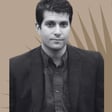
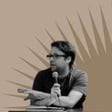
Keith Teare is the publisher of That Was The Week and Executive Chairman of SignalRank. He is a serial entrepreneur and longtime observer of Silicon Valley. Keith joins Keen On America every Saturday for The Week That Was.
References
Companies m