Transcript
Speaker: Oh, hey, if any of you goons want to sign paperback, it's really cute. It's super lightweight. Off the front row life of Steve Prefontaine, you heard. I'll be signing books from 1 to 5 on Saturday, November 7th. Tomorrow.
Speaker: At Hodgepodge Books and Taps and Eugene. They were only able to secure three from the publisher, which is like super cool. ah So I have to bring my carton of contractually obligated freebies to supply stock. Isn't that nice? On Thursday, November 12th, I'll be at Roundabout Books in Bend, Oregon in conversation with Lauren Fleshman. I presume they have books.
Speaker: That's a ticketed event, and there's already like 50 people going. That's something. So if you're in central Oregon, visit roundaboutbookshop.com to get a seat.
Speaker: Oh, nice. Another new podcast sponsor. Look at this. This podcast is brought to you by the word lackluster. Noun. Lacking in sheen, brilliance, or vitality. Dull. Mediocre.
Speaker: Lackluster. You're looking at it. It's, you're diffusing a bomb. Like, it doesn't have the same sting after you write the whole story and you interrogate it from all the angles.
Speaker: OAC and Efforts, it's the nonfiction podcast, the show where I speak to tell the surf true tales about the true tales they tell and the art and craft of telling true stories. Been doing it a while. Then again, you knew that.
Speaker: I'm Brendan O'Meara. I've been in Oregon now for 10 years. It was about 10 years ago that I made the decision to commit to this podcast every single week. And now look at us.
Speaker: Don't skip ahead. Stop it. Don't do it.
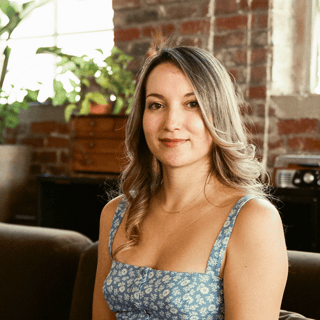
Speaker: Courtney Kosak is here today, and I read her debut memoir, Girl Gone Wild, over the summer to interview her as part of a debut author panel for Hippocamp. Finally getting around to inviting these jabrones on the show for a little more in-depth combos.
Speaker: First one of that cohort being Shonda McManus with her memoir, Brother Apostles. Awesome book. In any case, Courtney is something of a creative Swiss army knife. She's an author, podcaster, comedian, screenwriter, substacker...
Speaker: Her work has appeared in the New York Times, Washington Post, LA Times, Slate, HuffPost, and many, many more. Show notes through this episode more at brendanomera.com. Hey, hey. There you can search the vast archive of the podcast as well as peruse for hot blogs, just as nature intended. You can also sign up for the Wicked Hot Pitch Club or the Rage Against the Algorithm newsletter for tasty riffs, four book wrecks, and seven other juicy links. It literally goes up to 11.
Speaker: These go to 11? I didn't put one out in November for the first time in many, many years, and nobody noticed. So that right there tells me something. There's Patreon as well if you want one-on-one coaching calls or access to the Sunday writing sessions to keep you from drinking too much the night before, but that has never stopped me.
Speaker: Or if you just want to support this ad-free, listener-supported podcast. It's free, but it sure as hell ain't cheap. I might be doing something really stupid in the new year, but you're just going to have to wait and see if I follow through on it. You know me.
Speaker: Crackpot full of ideas and next to zero follow through. Speaking of follow through, Courtney follows through on shit. She's produced a bunch of podcasts and currently hosts three of her own with over 2 million downloads. That's like 2 million more than mine. Private Parts Unknown, The Bleeders, and Podcast Bestie.
Speaker: She teaches writing and podcasting for writing workshops, write or die, and roadmap writers. You can find her on many socials, but she's also at Courtney Kosak on Instagram.
Speaker: In this episode, we talk about diffusing the bomb, having perspective versus the rawness of the moment, using an ethical reader, the empathy for her younger self, being like Teflon, arrival fallacy, delusional dreams, the best part of the process, getting to do the art, platform as ecosystem, and a whole lot more.
Speaker: I'd pair this episode, if you were interested, with ah any of Lydia Yuknevich's appearances, Rax King and Elisa Gabbard, just to name three. Parting shot on why do we even still listen to these things, but for now, it's high time we queue it up.
Speaker: Riff.
Speaker: Well, I'm no fun. I want to be fun. i want people to think that I'm fun. I think I'm fun, but I don't write about fun stuff. I didn't get a dongle. I'm really sorry. Don't at me.
Speaker: but This is going to have to interest somebody somewhere other than me.
Speaker: Anyway, I have some sticky notes here. They're just the reminders for myself. And I wonder later ah for you if there are things you like quotes you keep handy for inspirational purposes on your monitor or in a notebook or just, you know, maybe a little things that help ah reorient your compass.
Speaker: You know, I don't have it on my laptop, but on a computer that I have in l la I have Slow When It Hurts is one of my writing post-its that I think ah Melissa Chadburn told like, gave to me as a note one time. and I was like, oh, yeah, but duh. But i I was writing an essay that actually did make it into the book about, know, my grandma passing and think it was just moving through time a little too quickly, but i I feel like that's very good advice. And then for a long time, I used to have post-its from parents
Speaker: my therapist that were like, choose love and like all that kind of stuff, which I sadly really needed to hear at the time. he Yeah, that slow down where it hurts. That's a very astute lesson when you're writing personal story, personal memoir. How hard was it for you to really lean into that advice?
Speaker: Well, I'm a little bit of a masochist, so I needed the reminder, but like, then it's like, you didn't need to tell me twice. I don't, what I have to do when I'm writing that kind of stuff is like carve out the time and space to like sit with the work so that I can drop in and, you know, it's not something you can just like, oh, I've got a 15 minute break. Let me feel the worst trauma of my life. Like you kind of need the day or you know, it's it's better for me if I have a little bit of time to lean in to that kind of material. But yeah, other, I mean, once I'm there, i I'm happy to be there. and And you know what's so great about
Speaker: like ah one of the big lessons that I learned in writing my book and, and just this kind of memoir in general is just like, it's, you're diffusing a bomb. Like it doesn't have the same sting after you write the whole story and you interrogate it from all the angles.
Speaker: And then it's just a thing that happened in your life and it has way less power. And so That's such a awesome thing that you can do to like the worst experiences you've ever had. And so i know that that's waiting for me if I put in the work and that's a very enticing carrot. Mm-hmm.
Speaker: And ah how comfortable have you been are with the the degree of time that you need ah from, say, a moment and yeah the patience that it takes to let something gestate for a long time so you get perspective? Some people jump in right away too soon to the the heat of the moment, but to write good memoir, you need time. So I wonder what your relationship to that that is in the writing. Yeah, it's interesting because I'm working on another memoir now that, you know, I'm living the ending. And so I'm, it's some of it's happening in real time. and I think there is a value to that too. Like you can capture everything.
Speaker: the exact sentence, you know, that someone said. You can, you know, get your, like, precise movement. Some of the things that you have to create when you don't have that immediacy in capturing it the first time that I had to do with Girl Gone Wild, I'm able to get down on paper, like, as it's happening. But yes, for me, i would never publish something right after like that first initial draft. Hell no. I'm not a person on the internet that's like going to write my hot take. That's never going to happen. i am all about cool takes because there's something about there's
Speaker: power in the perspective because you, it changes. You don't always feel the same way. And so to me, like the best of both worlds is being able to capture it right away and then being able to like step back.
Speaker: for you know ideally at least months and then return to it again and see it with new eyes and hopefully do that a few more times throughout the process and then have a really like clear-eyed idea of what happened and have revisited the material in like different emotional states and You know, different periods of your life and then and then you kind of know for sure.
Speaker: It's not always possible to do that. But that's that's to me the ideal situation. Do you have ah ah a journaling or a note taking practice to help you keep things fresh so you can revisit it?
Speaker: Yeah, I wish. like 2014, 2016, even 2020, was like journaling lot. I thought that this was like maybe even sooner than that, too.
Speaker: i was like, this is what's going to make me a writer and I'm going to use all this stuff. for my memoirs, that's not really what happened because some of it's trash. So so i do journal a little bit, but I just, it's not, you know, it's like mostly just my movements, unless there's something really incredible that's going on. You know, my life's pretty boring right now. So I'm just capturing like what I read and like sometimes what I had for dinner, it's like not the juiciest stuff.
Speaker: But I do think There have been recent things that I've written that are not out in public yet, but like I wrote this essay after I got married and my grandma died and I had captured it sort of like right after it happened and It's so visceral to me when I read it again. and I've since gone back and i'm still I'm still editing it. But that is an example of something that it's like, oh, I got i got the like fresh. It's so fresh. Same thing after my dog died. i was like, I need to, I didn't want to sit down and like talk through everything that had happened, but I like literally talked it into my phone to have that. And so I just tried to
Speaker: not necessarily journal it, but like during this IVF stuff that I'm doing right now, if I have an appointment, I will try to jot down my notes. If some nurse said something fucked up to me or, you know, whatever, i ah do try to jot it down. But yeah, I've gotten better about like if something that I'm like, I know I'm going to write about this just to capture it, even if it's a voice memo in my phone.
Speaker: That's always the calculus you're doing as a writer too. Like what can you jump on right away versus what can benefit from more time and how can you use the same thing, like the same story, multiple, multiple ways too.
Speaker: I love recycling a story. And yeah, you're right. i have not been publishing online as much as I have during other periods just because I have so much going on right now. But I do wish I could. Like I heard something um Sylvester Stallone was on The Daily and he was talking about bulimia. And I was like, oh, i wish I could fucking write something about this right now. But like, I just don't have time.
Speaker: You know, when when people are tackling ah you know memoir and stuff, like I think it's always good for people to you know write personal stories or write a memoir. It's another thing to want to publish it. So so when you were you were thinking, but you've been something of um a very demonstrative, performative person your entire life. So I feel like it was very a natural extension of your personality to want to like publish yeah publish things. But what was the the sort of math you're doing in your head? I'd be like, yeah, like this is something I definitely want to put out in the world.
Speaker: I mean, it had been such a dream when I, I became a writer, probably like 2011 is when I started writing essays. And soon after I read wild and I read chronology of water and like those books made such a impact on me. And I was like, that's what I want to do Like I want to I wanna be able to give younger people a guide, not a guidebook, kind of like a what not to do book in my case. But like that, you know, that was the dream from that point. So it was never a question of like,
Speaker: will I publish this? Won't I publish this? It was like, that's what I'm trying to do. And so I did take some precautions in terms of like, I got a legal read and I did what I like to call an ethical read.
Speaker: So I read through and like, there were a few things that I pulled out that weren't about me, but that were just about other people. and you know, that weren't my stories to tell. And ah so I pulled those out and it didn't affect my part of the story at all.
Speaker: And so i did that kind of stuff. And then i just had to know that my mom was going to be really mad at me. And that's just sadly our relationship. And so, yeah, that was just a a consequence I was willing to accept.
Speaker: Uh-huh. Like, I'll never forget, I, for this unpublished, probably forever unpublished, but I wrote it anyway, this um baseball memoir I wrote. I remember giving you a a draft of it to to my father to kind of fact check and everything. And, ah yeah, he was just, like, incensed with more than half of it. i was like, all right, well, this... That's your take. you know You can write your own if you have a different take. um But it was ah you it was never yeah know salacious or anything. But you know ah my point of view was as as a kid was just far different than his. and it was ah
Speaker: And ah yeah, he took issue with it. And he he could be kind of a bully in that way. And and so, yeah, he just you know took issue. He wrote in the margins like, you bullshit, bullshit. It's like, all right. but I'm sure it's something you can probably relate with your mom, too. Just somewhat of an adversarial relationship at times. Yeah, she she actually I'd kind of love it if she wanted to write bullshit in the margins, but she she just doesn't want to engage with it at all, which is like.
Speaker: It's fine. um But, you know, i think it does affect your relationship. And I also am very empathetic to like, what would it be like to be written about in that way if you didn't feel like you held the pen as well? and Like she she has no desire to do that. And so I do try to be empathetic to that perspective as well.
Speaker: I remember when I read ah your book over the summer and it struck me how anybody gets out of their 20s alive. in l a i've Speaking of personal experience, the dumb shit that I did and sometimes still do, but definitely then. yeah and it i don't know if that struck you as you were going back over this material. It's like, oh my God, how do we get out of our 20s? Oh yeah. I was very aware of like- Seriously, like, how did I not die? There are several points in the book that I'm like, I could have died here.
Speaker: And so that was, i mean, i i had like this kind of contentious relationship with who I was in my 20s, though. And it was so powerful to heal that because There were a lot of, some of the stories in the book are like things that, they're memories I would not even access when I was like in my later 20s and into my 30s. I would just not even think about them because they were suppressed because i didn't I didn't, I divorced myself from the person who made those decisions. And so being able to reintegrate that younger, dumber, but like really earnest and sweet,
Speaker: person back into myself was, I mean, everything really transformative. And like, it it gave me a lot of empathy for myself of like, some of these situations were hard or I didn't have the tools or all of the above, you know? And so hopefully not everybody has twenties like, like mine, but sadly, I think we, a lot of us do.
Speaker: Yeah, it's a rite of passage, I think, to just be a fucking moron in your 20s and somehow somehow get out of it. And a good chunk of us do. Some don't. yeah but ah But what you say, you know looking back on with a sense of empathy, but ah i often like for me, I kind of sometimes look back with a sense of like kind of shame. I wonder if that's something you experienced, too, of just like, yeah, you just feel like shame over it.
Speaker: Yeah, i mean, that was my like initial feeling about a lot of the stories, but i wrote my way out of that because I don't know. When you're when you're really like putting yourself in the shoes of the who you were and like remembering the the pressures that kind of made you make those decisions, like the overdrafts and the all the... It's like you weren't... I was not in the perfect scenario to make the perfect decision. It's really interesting to think about now, too, in terms of like, I never...
Speaker: the thing with my mom has been forever. Like she didn't she did not want me to live this life. And so there it wasn't like someone was guiding me through any of, you know, this era of like, how how do you go to the coast and how do you try to be an artist? And like, how do you, it was like, nobody was telling me anything. And so a lot of that shame just morphed into something more tender and it was great to release the shame because that's such a shitty feeling.
Speaker: Yeah. What do you admire most about, you know, the Courtney of 15, 20 years ago? Well, I have some issues with her, but, um, but I think that she would just go for it.
Speaker: That, you know, I am so risk averse now and i was fearless and in a way during that that time. i was also like just down to try everything once.
Speaker: And I'm also really proud. you know, the other side of some of the stories is like, I didn't get stuck in Girls Gone Wild for a year.
Speaker: Like, I got stuck there for seven weeks. Like, I did have a boundary or, you know, I was discovering that, like, I don't love this Craigslist massage that I'm giving. Or, you know, like, I had not deserted myself.
Speaker: And I'm also really proud of the times that I, like, knew when to walk away. even if that you know decision left me broker or left me whatever in the moment, finding her edges and realizing that she was both even then, like that there was like a ah fearlessness and also and also very you know a person discovering her boundaries. like i loved I loved that part of the realization.
Speaker: And early in the book, too, you your father performs this exercise to make you realize just how unlikely it is to make it as an actress and ah to to, quote, like reckon with the delusion of it. and But in the face of that, you know, you still pursue it. So yeah how did you take that as a challenge and not something to snuff out your flame?
Speaker: You just could not tell me. And you still can't tell, like, I am i just turned 43 and like nobody's going to tell me i can't publish another book or, you know, like whatever I want to do right now artistically, it's the same it's the same thing. and i And I still am like going to give my last dollar to pursue my dream. Like that part of me has not changed. And so that I just think is like,
Speaker: in my core, and especially then, i was just not hearing it. You know, he was like showing me this chart about exactly how unlikely it would be to make it as an actress, which is what I wanted to do when I was younger.
Speaker: and it just, I was like Teflon. Like, that does not could did not register. And I just think I had this innate sense of like i always knew i was an artist the way that i've been an artist has morphed but like you know people would always say don't do this unless you have to do this and i would always be like i have to do this i hear you thank you for the advice also this is mandatory yeah right and It's funny, like on on the one hand, you know, something like that, I reckon with the delusion, it it comes from, it can it can feel like it's someone trying to snuff out your your drive, but when you really burrow below it and maybe the perspective of growing older, it's like it does come from a place of love that they want to spare you some pain and the growing pains and the and the high uncertainty and the high failure rate of it all. But that but ah ah but it also to be an artist on any level, it does require a significant amount of delusion yeah that, yes, that maybe this will work and it might not work, but I have to try anyway.
Speaker: It's the delusion and it's also the like. yeah, fuck off, I'm gonna try it anyway. yeah And i the funny thing about it is is, like, I give that advice too. Like, I'm teaching an incubator right now, and I was i taught a a class around the launch of my book. I was teaching a memoir class, and one of the students asked me like,
Speaker: What do we do about the people who say, you know, it's unlikely to publish or whatever? I'm like, yeah, everybody's going to tell you that. You have to believe so strongly that, you know, but I i would tell a young actor, like, don't do this unless you have to do this.
Speaker: You are going to ruin your life in some ways. And, hopefully you know, hopefully you don't, but like, it is It is a different lifestyle and i would not have it any other way, but some people would and those people should live a normal life.
Speaker: When I came out of my MFA program back in 2008, a while ago,
Speaker: Honestly, like the best advice I got what from Tom French, Pulitzer Prize winning writer, and I worked on, he was my third semester mentor, and um I was writing this, you know more of like an immersive journalism project. And I was banging my head up against the wall to find an agent to get this thing published. And I think he was getting really frustrated with me. That's how of my brain is interpreted. that He was like getting mad at me. And he's just like, you know Brendan, sometimes we write books and they don't get published. He's like, it's probably best just to move on.
Speaker: And i'm pretty that's pretty verbatim. And it's like, that's a hard pill. That's like a sideways pill going down your throat. yeah But it's actually pretty good advice because even though the book didn't get published, I did write the thing and I was one book better. So I got some book practice in. And I think that is some advice. Some people like they write this memoir or something.
Speaker: And if it doesn't get published, it's the end of their life. And it's like, no, it's all right. You know, sometimes this might not get published, but you are that much better for having written it. Now you can write the next thing with more confidence. Yes.
Speaker: First of all, sometimes that rejection is protection. And like maybe that was a book that you didn't want out in the world in five years. I don't know. Maybe it's wonderful. Like we all have different. But I think that's also...
Speaker: You know, it's interesting in today's kind of creative economy, like what I would say today is like, you have avenues. Like if you if this is if you fucking love this book and literally everybody says no to you, you can self-publish that book. If you really wanna go down that road. There are small presses that I think are some of the best places to publish these days.
Speaker: Those are avenues too. And also if you know, you, you can relook at the work and decide, you know, if I just interviewed Brad Listie and he was like, God, I wrote this terrible book. I'm just so glad it's not out in the world. And that is a possibility too. And I love what you said about, yeah, either way, you're a book better. And then my other kind of feeling on it is,
Speaker: we don't know when these like dead projects are going to reemerge in our lives. Like there have been things that I have put in the drawer that I'm like, that it's not dead though.
Speaker: You know what i mean? Like that I might, something might happen in the culture or whatever. And I'm going to dust that thing off and I'm going to be so happy for the work that I put in before. And that is another option as well. So you never know.
Speaker: Oh, totally. Yeah. the The drawer is not a coffin. Yes. Right. i love that. Yeah. It'll just sometimes it is a matter of timing, but I think it's whether we're spending a year or two years or five years on a project, you you want that sort of the return on all that effort is to see it out in the world. And when that doesn't come to pass, it feels like you've wasted your time. And I can speak to that from experience because that was always the case with me. But the perspective of it is is's like, yeah, you can set it aside and then you know the timing's right. Or you know in the case with memoir, memoir being such a tough sell, it's like, well, it helps to have a good platform for any nonfiction. And so you start building your platform. You start doing these other things. And then suddenly, maybe in 10 years, you're a more attractive publishing commodity because you've built...
Speaker: an audience on something, be it on audio or video or wherever. yeah And now that suddenly that book that you wrote 10 years ago that was unsellable now is like, oh, we need to see that book because you know you've got this baked in audience. So there are all these things that are happening you know concordant or in the back roads of this thing. And then, yeah, and then it'll come it all comes down to timing at that point. Yeah.
Speaker: And in the in the book too, I love that at the start, you know you dedicate it to the to the dreamers. and um know And there's also a moment in the book where ah you admit that you had downsized your dreams. And I wonder like what your relationship is to that sense of magical striving, if you will.
Speaker: Yeah. Well, I downsized because of a terrible relationship that I was in. and I think that lesson was...
Speaker: a powerful one because it was a really, a really, truly awful relationship. And I made some rules for myself kind of after that about like how I, it wasn't like the end of my relationship strife, but it was the end of anyone getting in my way like that. And like what I was willing to sacrifice for another person. And so that was such a, that was such a good lesson and that I had to learn the hard way
Speaker: Magical striving. i love, but I love that. i mean, yeah, we'd sort of been talking about this before, but it's, it's one of the North stars of my life is just this relationship with chasing the dream and pursuing the art and you know, chasing it all to its like natural conclusion and beyond like whatever I can sort of make happen for myself. So it's not to say there haven't been hiccups along the road. There definitely have been. And there have been times that I sabotaged myself and there have been things like that relationship that got in the way.
Speaker: but i like myself better when I you know, lean into the magical striving. but When I had ah Issa Adney on the show a few years ago at this point, she wrote a book about and interviewing a lot of creative people about dreams and making the dream come true. I remember writing my parting shot for that particular episode and I was in the throes of the Prefontaine research and everything, you know, with ah a book contract and a book advance and everything that comes with it. This thing that I wanted forever.
Speaker: And it made me realize that, oh my God, in a sense, I accomplished like the dream.
Speaker: It happened. And it was isolated, it's one moment and it's ongoing. But I think a lot of us, we have these dreams, but we don't know what to do when it actually happens. Yes, oh God. Because it always feels like it's out of reach. I wonder what your relationship might be to that. Because publishing your memoir, I imagine several years ago, that was the dream you accomplished it. And it's like, okay, well, now what? And so I don't know, what's your relationship to dreams, dreaming, but also if that dream comes true? Yeah, totally. That's such a good point. It never feels like... You never feel like you arrived. Yeah. And it's always kind of anticlimactic, right? It's this thing that you dreamed about forever and you're like, I'm going to go out and celebrate and blah, blah, blah. And it's like, that's not what happens. You like sign the contract and like my husband brought me a pizza or, you know, like it was, it's not that exciting.
Speaker: it is it is like a great internal, like, I did it. But it's much more subdued than you would think when you're doing the dreaming. But it also, don't you find Like in a way, when you're doing the, when when you're yearning, it's like, if it almost feels like it will never happen.
Speaker: yeah And then it happens and you can go back and you can count and you can be like, oh, was a year from that draft. Or it you know you can like kind of put the pieces back together And then i try to, this is what I try to remind myself when I'm then dreaming about the next thing. Cause it's like, yeah, I want to do another book and another book. And, you know, like, and I don't know right now, i don't know the timeline for those things. I don't have a contract. I don't, whatever. And so I just remind myself that like, when that happens, I'm going to look back and I'm going to be like, oh, it was
Speaker: two years from that conversation with Brendan and it's gonna make sense. It's the timeline actually kind of feels faster when you look back in retrospect in a way.
Speaker: And so it's good to kind of shift your perspective on that. Cause you're right. When it actually happens, there's a little bit of a, not a letdown, but a like, yeah, like now what? And I think one of the things that I do to kind of, i don't know, I don't experience that like too devastatingly because I have so many delusional dreams. Like I'm doing stand-up right now and I'm, you know, so it's like I have at any given time five delusional dreams and like it's like, great, if one of them happens, we still are chasing these four other ones. So...
Speaker: Well, yeah, even just piggybacking on that, like you could be working on all this material and you got 10 minutes, then 20 and you're like, oh, maybe I i can record that hour. yeah And then let's say you do it and you know you invest in your production and it's great and you put up on YouTube or wherever, maybe you got like a Netflix deal, who knows. But then when it's out there, yeah, and then you're just left with yourself again and it restarts the clock and you're like,
Speaker: Yeah, it is anticlimactic when that when when and if the dream occurs, at least in that moment that that that period of striving, you're always you're yearning, you're going for it. And sometimes you're going for it knowing you can't do it And that's kind of what keeps you going. But then if it actually you do accomplish it. You almost have to reckon with the the emptiness of having, of the denomana of it all. And you're like, now we got a dart over I over. gotta keep it going somehow. Totally. And I don't know what it's like to, I hope one day i magically discover like what it's like to have a hit. And so I don't know that feeling right now. And I'm sure that's a whole nother complicated thing where you're like, I thought it would be like this, but it's really like this.
Speaker: But what I can say about my own experience is like, publishing is so external. And so... The beautiful part of the publishing process was like, I had to work so hard on that revision because i had written the book being like, other people don't exist. Like I'm writing for myself. And then there were like three months where I was like, oh my God, other people are going to read this. I want it to be the best possible thing that it could possibly be. and I really like worked my ass off. And that was such a rewarding
Speaker: it felt like it's never going to get in the right condition that I want it to be. and then when it finally kind of snapped into place, I was like, oh that feels really good. But like the how it's received by the public, what press opportunities you get, whether, you know, a bookstore wants you to come in, you know, who's going to enter. yeah It's all that. All of that shit is is totally out of your control.
Speaker: And so it sucks to even pin too much on that. It's like, you can try. but I just always think about like, I, you know, I took an incubator when I was working on this book and people would come in off, published authors would come in and visit the class and they'd be like,
Speaker: The best part of the writing process is when you're when you're actually writing the book before you get the book deal. And I was like, shut up. I was like, that's really easy to say when you have the book deal.
Speaker: But having lived through it, I now know that that is like the God's honest truth. like the best part Like the best part of my second memoir that I'm working on right now is right now. It's like when you're actually doing the writing. And so that's just a good thing to keep in mind when you're you know, perpetually striving is like getting to do the art is the awesome thing about it.
Speaker: Yeah. Well, it's hearing you articulate that so wonderfully is kind of where ah where I'm at right now, trying to get the next book, Altitude. And i just had a great interview with you know Ken Griffey Jr.'s minor league manager from 1987, Rick Sweet, who's now a AAA manager in the Brewers organization out in Nashville, Tennessee. you know And i was able to track him down. And, yeah, we talked for 45 minutes and, like...
Speaker: That is i hung up the phone with them and I was like, that was awesome. Like that was like that's the juice right there is having these great repertorial conversations where you're getting this information that is very unique to that particular person. And I know that not a whole lot of people have heard and I'm like.
Speaker: hoarding this great information that I'm hoping to metabolize into a good story. And to remind myself of that, I've since started keeping what I call like a compendium, which giant. Yes, I love that. And so this is like ah a diary of this next book project. It's also a phone book. Like I find names and I write their all their contact info. And so on a day-to-day basis, this is also a log to be like,
Speaker: to remind myself the work I did on a given day. Like, okay, you catalog 20 articles, you left 10 voicemails, you talked to two people. Awesome. And then at the end, just a few sentences about like how, like how good the day went or how bad the day went. So I can always go back and be like, okay, you were here at one point and you made it through. And so this is almost more for the, next book after be like, Brendan, you've been here before. It felt like shit before and you still got through it. And so that's what I've taken to doing. And it's, um, it's kind of a living document of a current book project. I really, I've really been enjoying that as a, as a means of being very present in the process.
Speaker: I fucking love that so much. And yeah, I started a notebook just recently for my second memoir and you are inspiring me to be better about my daily notes. I keep like more overarching notes, but documenting the daily stuff, the like kind of little minutia of it. I think that's awesome.
Speaker: Thanks. Yeah. And I got the idea from John Steinbeck. You know, he would he and I have, you know, some some of those books of ah his, ah you know, his diary for East of Eden or his diary for the Grapes of Wrath. And here he is, the the titan of American 20th century American literature. And some of his entries are just like beating the shit out of himself. Be like, I am like the worst writer in the world. Like I had the worst day. It's like, okay, if John Steinbeck can feel like this, like I have permission to feel that shitty too. and And then, yeah, just to keep track of progress. Yeah, I wrote 220 words today. Cool. Good.
Speaker: They're crappy. It's probably all going to get thrown out anyway. Sometimes in the in the throes of a nonfiction project, especially something heavily researched, be it narrative history or biography, At the end of the day, sometimes it feels like if you didn't log or at least catalog what you did, it can feel like you look back like, what did i even do today? Yeah. And it's so just like keeping that I can look at the diary entry and be like, oh, OK, you did do some things today. And ah it's like, OK. I have ah an actual catalog that i I didn't just sit on my ass and look at Instagram all day. It's like, yeah, you you did some work here, buddy. Yeah. And the Steinbeck thing, I was just reading about this in Mental Floss. I love the i love seeing a ah hero be like struggling with his own ah shit. That's ah very kind of reassuring to...
Speaker: to read. And then also, he would essentially, from my understanding, do like write letters to himself in the morning. And like, that was his diary, that was his morning pages to kind of like get ready to do the work. And i think that's like a really interesting project too. i Like kind of a version of what you're doing, but knowing where you were emotionally and like for him with his sons and all of that while you're working on a project is kind of like a companion project. Yeah.
Speaker: I always love getting a sense of, ah you know someone's the the the practice of writing, your writing practice. And, you know, for you, when especially when you're, ah you know, trying to slow down with the hard stuff, it like harken back to the start of our conversation, you know, when you're when you're in the throes of that process of of a project, you know, what is the the practice by which you, you know set up your days to to write?
Speaker: um That's a good question. i Right now, it of depends what phase I'm in. So like, I'm very much in like the messy middle of this second memoir. Like I have, you know, 120 pages and I'm trying to like muddle through generating.
Speaker: the new stuff that I need and also doing a little revision. So it's a little bit slapdash in terms of like, am I going to, you know, block out a day and do revision? And I like to ideally I like to work on if I'm going to do revision like a couple days in a row so I can at least make progress through a few pieces or whatever I'm doing.
Speaker: If I am generating new stuff, I'm just trying to get get it on the page. And so usually what I've been doing is like blocking out two, three hours to like write a shitty first draft.
Speaker: And letting it be shitty, i think is an important piece of it too. Like you don't have to know the structure yet. You don't have to, like you're just getting the trash on the page on the page so that you can kind clean it up.
Speaker: So those are those are the stages that I'm dealing with right now. i think if I'm like in a deeper revision process too, same thing. I like to have...
Speaker: Ideally, days many days in a row, i like to work on it as much as possible during the day. So what I wind up doing, and I've been really good about this lately, is like I have a lot of other shit going on. And so really, truly blocking off my schedule in a way that feels like it's sincere and like acknowledging when I'm not going to have time. and so if I do have a day that can be primarily a writing day to take that and then to just be okay, if it's like, I have class on this day.
Speaker: okay I'm going to try to stack my other appointments because I know that like, I can't, I can maybe edit a podcast or something that doesn't take the same kind of brain space. And so it's really,
Speaker: My writing practice is a lot about acknowledging my limitations in terms of time, in terms of other obligations, and trying to use that time as wisely as I can. and then, you know, ideally carving out the the space that I can, you know, even if it's just for two or three hours, like really drop in and focus on that.
Speaker: Yeah, it's good to hear you say that because a lot of people listen to the show are either working writers with other day jobs or or they have other a more mercenary writing work that's not very creatively fulfilling, but it's what pays the bills. ah Or, you know, they just have you know families and kids and soccer games and all sorts of shit.
Speaker: But there's an image of a successful writer where it's all they do and they like plug in for a few hours every single day. But the reality is, like you said, like maybe it's you have a two or three hour block two Sundays from now and like that's going to be it. And you're busy with other other things in your life. And but you're going to wall that off and honor. that that time so it's nice. It's just nice to hear you ah speak to that. They're like, no, it's, you know, it's not a daily thing. It's like, it might just be these two hours yeah twice a month and that's okay.
Speaker: Yeah, my whole early writing career was that, stealing time. You know, I was like an apartment manager and i had, you know, a shitty day job and I was also, you know, trying to write for TV and like I had a million things going on. And so it was literally stealing time. Yeah. Which is why I found classes so helpful for that stage in my career, because I had the external like accountability and commitment that like I was going to show up. And there were other people that were counting on that assignment. And so that was like actually a really good hack for that stage.
Speaker: And my schedule is better now. like you know, I teach and I do all these various creative things. So there's a lot going on, but like when I really need to carve out writing time, I can, but there's always going to be owing students feedback and blah, blah, blah. And so, yeah, it's really also just, I think, understanding your own prioritization.
Speaker: So like, For me, I have these different projects and like, do you have to write your sub stack this week? It's probably going to be okay if you skip it, if your writing is more important.
Speaker: It's not, you don't always want to do that, but there are things, you know, it's like one of my podcasts, I have ad obligations, so I can't, You know, I can rerun an episode, but like I have to show up. So I really try to you know, like when I was in the deepest revisions for Girl Gone Wild, I really try to clear the decks for like three months and do as little as possible. I still had to do other stuff. I still had to teach classes. I still had to organize the reruns on my podcast.
Speaker: But during those phases when I am trying to really, like the writing is the number one priority, it's also being really honest with myself about like, what is essential about what I'm doing right now?
Speaker: And like, I can probably take a month off of my sub stack and like, I'll just hit them with something good when I am, you know, when I'm done or give them an update about this process or whatever. And so,
Speaker: I always think of that, you know, important, urgent, that like productivity matrix. And it's like a lot of what we concern ourselves with is not important and it's not urgent. And and making sure you're honoring your your priorities, I think, is a good thing to keep in mind.
Speaker: Yeah, and also hearing you talk through that answer, you have sub stack and i think multiple podcasts, not just yeah not just one. And then there's your writing and Instagram and other social media. So that it's this idea of of a writer's platform and the the degree to which you cultivate that garden and give it time, but also afford yourself time to do the art that actually makes that platform worthwhile to stand on. So how are you thinking about you know platform these days?
Speaker: Yeah, i really think of it as like an ecosystem. I mean, all of my different inputs hopefully feed into each other. And so i am using my podcast to promote my book at the end. And I'm also, i use them both as platform, you know, the podcasts are platform, the newsletters are platform, teaching even is a source of platform.
Speaker: But then sometimes you can use those things as generative kind of work for the art that you're making too, which I tried to I try to like get as much out of whatever I'm doing as possible. So for example, I was hired to produce this podcast about my Girls Gone Wild experience because I'm iterating on this across mediums.
Speaker: Well, I did those interviews and And instead of, you know how it is, sometimes you do an interview and you throw away a lot of the good stuff because you're only pulling out a few quotes for whatever you're using it for. And you're like, shit, but the whole interview was good. yeah you know, like ah you almost feel like you're wasting it in a way. So when I was working on that, like I ran one of the whole interviews on my regular podcast so I could use it to promote the other thing that I had made. And also I wasn't wasting it. And I will also use those interviews for my book proposal related to narrative nonfiction version of the Girls Gone Wild project I'm working on. All that to say, it sounds complicated, but what I'm trying to do is like be as efficient as possible with all these different things that I have created. so
Speaker: And that's what, to me, I used to hate the idea of platform. So like doing doing platform in a way that's like, I love interviewing people. Like I love doing Q and A's for my sub stack. I love reflecting on my craft. Like those things don't feel, it's not like painful platform building to me. It's like yeah fun. And so as long as I can keep that in mind and try to like use the whole buffalo and, and, you know, really like stay true to you know, having some of the platform be actual art that I'm making that really makes it not feel like a chore. It makes it seem like something that I want to do. And that whole way of looking at it has been really beneficial to me.
Speaker: ah Of all the little slices of your of the whole of your bigger platform the of the buffalo, ah what have you found to be the most um satisfying but also maybe the most effective?
Speaker: Well, what I always recommend to my students is like, do as I say, not as I do. Like I wouldn't set up, I wouldn't set up my ecosystem the way that it is today. If I weren't, if I hadn't, if I had been thinking about it a little more strategically, it would be more streamlined probably, though I do have a lot of interest. So it's kind of hard to kind of curtail everything and have it be one, one podcast or whatever. But I always tell my students like a great way to start.
Speaker: If you, if you don't have any sort of networking driven source of platform right now, you don't have to st start a podcast. You don't, what I would recommend you do is do a Q and a series for your sub stack.
Speaker: What's awesome about Substack right now is it's really multimedia. So you can experiment with Substack Lives. You could try to do a podcast if you want to. It's just, for me, that entails a lot of editing. And so I wouldn't recommend someone start there.
Speaker: But a Q&A is kind of the best of all worlds. You get to network with the person who's doing the Q&A, right? So you get to establish that relationship, which is, you know, we do it in a deeper way when we do these podcasts, right? But you get to do it in a kind of light way.
Speaker: It's very time effective. You're just coming up with the questions and then you can put them in a doc and make it really easy for the other person to fill out asynchronously.
Speaker: And then, you know, it's really ah pretty easy to like format it and load it and and prepare it for publication. so like if you're like, I have a day job. i don't have time to dedicate to all this platform stuff. Like you're stressing me out.
Speaker: Just get started on Substack. Make it really easy for yourself. Explore whatever topic you're passionate about with the Q&A series. And that would be, to me, the biggest bang for your buck way to like...
Speaker: have a source of platform that's also networking driven. That's my top tip. Yeah, I love i love the idea of that. And yeah, i'm with a Q&A too, it can be like three questions or just five questions. It doesn't have to be ah super robust. And yeah, and then you get that, say you get that text, you can chop that up in all kinds of cool ways. And really repurpose it. And um yeah, a lot of the parting shots that I do at the end of the show sometimes become introductory essays in my newsletter. i love that. That's so smart. Yeah, or blog posts or whatever, because not a lot of people like ah listen to the very end. you know I backload the parting shot so I don't bore people at the front. you know I get to the interview quickly. And then if you want to hang around, like here's the after party. Yeah. It's my audio blog, if you want to call it that. And so, yeah, there are all these ways that you can yeah repurpose that stuff. And those parting shots, like i'm I've been fucking around with video and I'm like, oh, I'm going to make like I can turn these into vlogs and just like, yeah, and I can intersplice a lot of, you know, funny B-roll that I'm able to procure for free with just like goofy ass shit. And it's like, OK, that's just another skill and another fun way to foster a connection and have fun online because it's just not enough fun.
Speaker: yeah So many people would get weighed down with the burden of it all. But it's like if it's a burden, just it's not going to serve you. Get rid of it. Just do do what's fun because then you're going to foster that connection with with Courtney and with Brendan or whoever.
Speaker: Yeah, that's I love the point you made about repurposing too. It's like, I think iteration and this recycling is like, that is such a good thing that you can do. And so as you're doing the things that are platform, you know, sometimes i am asked to give a talk in somebody's class or something. And it's like, yeah, I record myself so that I might turn that into an essay Or, you know, I might turn that into a listicle or something so that it can serve an extra purpose. So I think it's always just keeping your antennas up and being like, can I use this for something else? Like, can i iterate on this?
Speaker: Absolutely. Well, awesome. Well, Courtney, this is such a cool conversation were able to have yeah know about your book, of course, and writing and then yeah just the totality of all that you're doing. I think this is really, really rich, rich ground. And um as you as you may or may not know, as I bring these conversations down for a landing, I love asking the guests for a recommendation of some kind. That's just like anything fun that you're experiencing and you want to share with the listeners.
Speaker: God, I have so many good recs right now because I've just been reading up a storm, but I'm going to share kind of a serious one. Is that okay? Yeah. Absolutely. Yeah. So Rhea Bravo wrote this book called Complicit.
Speaker: She was intern and then a producer on the Charlie Rose show. And this book did not get a lot of love. It came out in 2024.
Speaker: And I, you know, I have been trying to figure out how to talk about Me Too, Post Me Too with a little bit more nuance in in a less of a like man-hater-y way because I think we're all, you know, I talk about this in my book a little bit, but we're all implicated in the culture of perpetuating the patriarchy and sexism and all of that stuff. And so I've been searching for this way to talk about it with more nuance. And like the Louis special came out. I used to love Louis, but like it bums me out that he hasn't, you know, really apologized. And like, and so I've been just really struggling with like, that like how to think about that.
Speaker: And this book was so good because it's a little bit memoir, a little bit about her own experience, but she really reports out that cultural piece of it of like,
Speaker: how we are all implicated in it. And, you know, it's called Complicit. And like, gave she gave me a lot more language to talk about the different aspects at play. It's like actually a book I'm going to reread. um and I just reached out and it sounds like I'm going to be able to interview her. So anyway, that book, if you are looking for, you know, sadly, we've got things all the time popping up in the news that remind us of this conversation.
Speaker: And if you're looking about looking for something that can like ground your conversation in a little bit more nuance and a little bit more taking a little bit of responsibility yourself, that is like my best rec right now. Fantastic. Awesome, Courtney. Well, this was so fun to yeah to get to talk to you again and and at a greater length and to yeah yeah just be able to have this dialogue, which is a whole lot of fun. So just thanks so much for carving out the time today to do this. Thank you so much.
Speaker: Yes. Awesome. do Do you like the Wayne's World thing? dodey do you really Thanks to Courtney. ...for coming on the podcast. That was fun. I dig her a lot. That podcast ticked a lot of boxes for me. Thank you for making it this far in the pod, the few of you who do Be sure you're subbed up to the podcast wherever you listen to them. And follow the show on Instagram, blah, at Creative Nonfiction Podcast. And while we're on the subject of subscriptions and stuff of that nature...
Speaker: head over to welcome to pitch club dot sub stack dot com if you want to get better at selling stories and isn't that why we do this on some level not the whole level but it's a level or the rage against the algorithm newsletter at brendanamara.com hey if you want something a little joyful in your inbox that latter one is getting something of a facelift or a rebrand or outright destruction i don't know i have some ideas but i need to think about it so it's on hiatus and plus your inbox is already damn crowded enough
Speaker: Pitch Club. it might surprise you that i don't listen to many podcasts certainly not a lot of interview podcasts i listen to a few but not a ton i like how i've cultivated a point of view to this enterprise and if i'm being honest most people are subpar interviewers so i find them hard to listen to because i actually get distracted by how shitty they are as an interviewer. And I'm not saying I'm perfect. You should hear how I chastise myself in the edit to these podcasts when I violate my rules. I keep a bamboo switch near me and I and i flog myself with it.
Speaker: I'm kidding, but I'm not averse. I'm not averse to the idea. And when it comes to writing podcasts, there's not a whole lot I glean from them, right? Like I've been a professional writer for 25 years and I'm not saying there's nothing I can't learn out there. That's stupid. um But there's no real secret here.
Speaker: you know So for me to listen to an interview, it has to be from a host I respect. Admittedly, very few, because ah be it because I find them shitty interviewers, or as a curator of guests, they only interview white dudes.
Speaker: And I'm like, ah it's so patently obvious how you have an incredible blind spot. Not naming names, but they're out there. And you know this too.
Speaker: So why am I downloading a podcast in the first place? Like, what makes me want to listen to anything? I'm always thinking why anyone would want to download an episode of this little podcast.
Speaker: you know, what is it you're looking for? there's There's a fine balance between, let's say, peeling back the onion on tactical things for maybe someone who's not as experienced. Someone who's just getting a start, who might be a little confused about how to get into things.
Speaker: Or maybe it's very experienced people just love hearing how experienced writers deal with the same thing and how they articulate it and how they think about it. There's value in that too, right? I think so.
Speaker: I find that interesting. Plus, we all like hearing about people's practice, right? um My headspace of late, though, has been trending towards... The why of it all. It's how I've been really metabolizing it in my head. I might not be executing it on mic as well as I'd like at the moment, but I'm thinking about maybe it's some of the deeper meaning. Like, why do we keep coming back to the page? Why is this important? Why does it even matter?
Speaker: Because there are a lot of things out there that are... beating the shit out of us. And yet we still keep writing and we still keep reporting, even though there's no money involved. So why are we even doing this?
Speaker: Why? And then I think back to why I loved Mark Maron's WTF so much. He was a pretty great interviewer, at times somewhat flawed, as we all are, but he's often interviewing people who are being interviewed a lot, and he was always able to get beyond their usual talking points. I think that in the early goings of his podcast, he was a pioneer of that. And then he built a reputation and people came on the show knowing that we're not talking about the PR talking points. Maybe at the end of the conversation when they're promoting something, he gives them some runway for that. But for the most part, he's getting into some more of the the human stuff, the why of it all, that kind of thing.
Speaker: And I could hear any number of his famous guests on other shows, but I listened to him. I listened to a conversation filtered through his taste and point of view. And I think that's the key.
Speaker: It's like writing in the age of AI. Like if you're writing as flat as an AI or you get stuck in that famous MFA voice, then why why do this? If I'm reading Hanif Abdurraqib or know Elena Passarello or Chuck Klosterman or Elisa Gabber, any all these people, great essayists.
Speaker: I'm listening to them because they're singular. And I know I'm in for a ride. Like when I see that byline, I'm like, oh, cool. I'm walking into this. A k Nick Palmgarten profile in the New Yorker. Like I carve out time for that. I'm like, I'm sitting here. No distractions. I know what kind of ride I'm in for and I can't wait.
Speaker: You know, same thing with film, like a Wes Anderson film or whoever, Christopher Nolan, who fill in the blank, whatever your filmmaker you like, you're like, oh, I love that, their point of view. And i I want to see how they handle this. Right. And as much as we might want some tactical and practical crafty bits, because they're fun to hear. And maybe you will like learn something like, oh, I never thought of that. Or that program seems like a good idea. Or I didn't really think that.
Speaker: ah like I was like, you know what? I totally forgot about yeah i just printing things out. Sure, it's not as convenient, but why not do that? Paper habits. i remember Lisa Romeo. it was like episode 90-something. Long time ago. Might have been 98. I don't know. Don't quote me on that. But quote me on her and her paper habits.
Speaker: And I think it's very astute because something tactile in hand it can really help. Anyway, now why we lock into a particular podcast comes down more often than not to the host and curator of the guest. Because, don't know, want to know how WAMC radio Joe Donahue of his book show podcast, which also appears on the radio,
Speaker: And he's more of a traditional radio interviewer, but he's my favorite interviewer by far. And I want to hear how he interviews George Saunders or Colson Whitehead or Louise Penny.
Speaker: Not someone else. I can hear them anywhere. They appear in lots of places. And if I have my choice on the menu, I'm ordering Joe Donahue every time, 10 out 10 times.
Speaker: So for a podcast to stand out, I feel now more than ever, especially with the this trend of just the the celebrities interviewing celebrity podcasts out there clogging up the attention space, is the line of questioning and subject matter has to be just as singular as a great piece of writing. Yeah.
Speaker: You listen to an episode of maybe this podcast to hear what I find enlightening about a person or what I want to glean from their life. for And really, for the really astute listener, I'm often asking questions, selfishly speaking, that I'm struggling with, knowing that by extension, it's a lot of people out there wrestling with those things too.
Speaker: ah But I put the ball in the guest course to get them to articulate, to get them to score the basket. And that's always moving, right? you know There are certain things I struggled with five years ago that maybe I don't struggle with as much now.
Speaker: And so whatever. As a non-famous working writer who will never really break through in any meaningful way, and you know of course ah I can hope to, but realistically...
Speaker: It's not going to happen. um I can often speak to the vast frustrations so many of us feel. And this is where I think the connection happens, even though this podcast is, you know, it's a little, it's a little thing, a bitty thing. If I told you the audience size, you might be surprised how tiny it is.
Speaker: An interview should be as singular as a great piece of writing. I think I already said that. Something in this case with CNF pod only I can do. Some other jabroni out there would handle maybe Courtney gear in this case a little differently. And that's fine.
Speaker: But this was the whitewater rapids I was paddling through, you know, which would be different than someone else's handling. And another thing, too, like going back to Marc Maron, I'll never forget this one particular week.
Speaker: several years ago at this point, like peak COVID, right? The actor Fred Willard had passed away. I had seen a little headline in my feed. and I was like, oh, that that sucks. You know, he was pretty great. he's funny. and yeah and And that kind of like very goofy, goofy ah Eugene Levy kind of way.
Speaker: And then I saw a little headline just below. it said Mark's partner, the director, Lynn Shelton, had unexpectedly passed away due to some rare condition. And like my stomach dropped.
Speaker: And why is that? Like, I don't know, Mark, but like many people on the Internet, we forge these parasocial relationships and we're along for their ride as much as our own. It's why I came to love his opening monologues, as maybe some of you stick around to maybe hear these parting shots.
Speaker: I mean, I had no business feeling something like that, but I did. And so that's why millions of people love this podcast and love him and why so many of us miss it to this day.
Speaker: You do forge these little bonds, these little connections. They become a part of your life. And so as I continue to think about how I can make this show better, it's how do I make it weirder and make it something so unreplicable and so impossibly singular that you'll tune in as much for me as for the guest.
Speaker: I mean, ultimately, it's the guest. And as you all know, I go out of my way to feature them and get out of their way. I don't talk over them. i don't talk more than them. I'm here to make them shine.
Speaker: And maybe this makes no fucking sense at all. And I've just wasted your time. Be it... let's me Maybe just in a very singular way, I wasted your time, right? No? Yeah?
Speaker: Stay wild, CNFers. And if you can't do, interview. See ya.