Transcript
Speaker: Oh, hey, today's podcast is brought to you by the word nonplussed. Unsure about what to say, think or do, perplexed. Listeners are often nonplussed by the direction of this podcast.
Speaker: Keep going, but maybe add some more Bs.
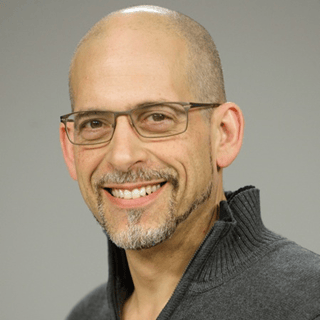
Speaker: Oh, hey, St. Effers. It's the Creative Nonfiction Podcast, a show where I speak to tellers of true tales about the true tales they tell and the art and craft of telling true stories from leaders and Narrative journalism, memoir, personal essay, radio, podcasting, and documentary film. Hey, it happens. It's been a while, but it it happens.
Speaker: I'm Brendan O'Meara, currently on a jet plane to New Jersey to see family, see my dying mother, yada, yada, yada. Why are we even doing this? What are we even doing in this life?
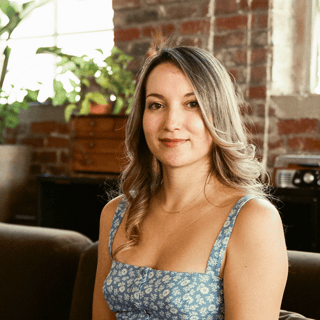
Speaker: Joss Linder. At Jocelyn Der on Instagram is here. She's the author of several books, including the memoir, of The Family Gene, a mission to turn my deadly inheritance into a hopeful future.
Speaker: And the founder of Pro's Playground, the main reason we are here to chat. It's an on and offline community of writers of all skill levels and experience. It's a pretty cool hub she's built. And she's interviewed such luminaries in the prose playground ecosystem. Like ah Ira Glass. I've been after that guy for years. And it failed time and again. New York Times' modern love editor Daniel Jones. And best-selling writer Abby Scher.
Speaker: Scher. Scher. i don't know. Lots of good stuff. Show notes of this episode and more at BrandonOmero.com. There you can search the vast... archive of the podcast as well as peruse for hot blogs just as nature intended. You can also sign up for the wicked hot pitch club at welcome to pitch club dot substack.com if you want to get better at selling stories or the embed form for the rage against the algorithm newsletter for tasty riffs and for book recommendations and seven other juicy links. It literally goes up to 11. These to 11.
Speaker: I didn't put one out for November for the first time in many, many years, and nobody noticed. So that right there tells me something. Well, Pablo noticed, but he didn't say anything until the other day.
Speaker: There's Patreon as well if you want one-on-one coaching calls with this guy or access to the Sunday morning writing sessions with this guy. We broke a world record the other day with six people. it was pretty awesome.
Speaker: Pretty awesome to see all those faces and all those fingers click clacking on the keyboard and just shooting the shit and then writing down more shit.
Speaker: You know, it ah it might keep you from drinking too much the night before, but that's never stopped me. Or, you know, you might just want to support this ad-free listener-supported podcast. It's free, but it sure as hell ain't cheap.
Speaker: And I might be doing something really stupid in the new year. But you're just going to have to wait and see if I follow through on it. You know me, a crackpot full of ideas and next to zero follow through. It's my life burns faster era. It'll all make sense soon enough.
Speaker: So Joss started Pro's Playground after 20 years of working professionally as a writer. She's been in the same writing group for 20 years as well, which is bonkers. I was in one for maybe three months and I sort of hated it.
Speaker: Her work has appeared in the New York Times, York Post, L.com, and This American Life and Morning Edition. Fun talk. Fun talk. In this conversation, we riff on writing as a low-barrier art form, voice, how to start a writing group, how to offer feedback, how to receive feedback, reading in the genre you're writing in while you're writing in that genre, and how nonfiction book sales aren't maybe as bad as we thought.
Speaker: To get a list of the many events and seminars and conversations and such, visit prosplayground.com slash events and poke around. Look at the launch your book thing or the sell your book thing. Immersive programs, really valuable stuff.
Speaker: I might pair this episode with Allison K. Williams' appearances or maybe even Leah Flickinger. Go check that out. Parting shot on surrendering, but for now, go on and be charmed by Joss Linder.
Speaker: All right? Riff.
Speaker: It was a rip-off of Scooby-Doo, but it was great. so and Let's queer up hockey a little bit, you know, something. Be like, Mom, why don't I have the stigmata yet? And her mom be like, keep praying. Coffee is absolutely vital.
Speaker: but This is going to have to interest somebody somewhere other than me.
Speaker: I'm interested in conversations of this nature of like why people even like want to become writers and stuff stuff like that. And then, you know, what was that inspiration of like being a reader and then crossing that membrane to be in like, you know, I want to actually contribute to this space in some way.
Speaker: It's funny because now i feel like i I can answer that question as a person who both did it and then also as a person that works with a lot of people that do that, yeah that are making that transition. I mean, I think that, you know, what's interesting about writing, and this is my my ongoing comparison, is like I am a person who does not like to exercise. Uh-huh. And like... I so like and so if I'm going to exercise, the barrier to entry has to be really low. And like so like you can't get me into a swimming pool like just for exercise to save my life, like for fun. I'm happy to go. But like to like work out, like I would have to put on it like I'd have to find a bathing suit. I'd have to put it on. Then there's like the freezing cold, like all the things. And I think with when it comes to sort of the creative process, writing is like the low barrier to entry.
Speaker: ah art you know art form and um in terms of it just, you know, it's like if you want to be a sculptor, you have to go buy some clay or a rock. You know, there are things that have to happen before you are sculpting. And i think when it comes to writing, we carry with us the tools for writing at all times. It's like at any moment you can stop and write. And so for me, um that's really like how it began was I always just liked to write. And you know I think we all, if we are taught to read and write, we can then use that at any point. And so for me, it was like that. It was like, I just, for me, liked to write, liked to record the world or my observations when I was young. And then I worked in film for a long time, which is not a low barrier to entry um medium for art And found that like I had never seen The Godfather and I didn't know what I was doing in film. and So that was kind of a moment when I took a writing class. And I i think this happens to a lot of people. you kind of you take a if you If you're lucky enough to have an instructor who's supportive and encouraging and motivational, I think you can have this moment where you're like, oh,
Speaker: I have a voice and I like what I'm trying to say and I want and i want to try to sell this and make this something that I don't i don't know that I planned to become a career writer, but i think I think because I was working in film, I maybe thought it was possible because I saw people doing it in that in that medium. So I thought, you know, maybe I'll try to be a writer. So... Did you find that at one point or another, like kind really yearning and to like really express yourself in some capacity and this ended up being the best avenue to do it?
Speaker: Yeah, I think so. I mean, i it was my my sort of crossover into the career writer was an interesting one. I really, it was quite lucky, like, i which I think is another, you know, it's like one of those people that's like, I was discovered in ah in a bar when a somebody came up to me and said, will you be my muse or whatever? You know, it's like, it was kind of like that, where I was at a party, and I live in New York, and I do joke that it's not even a joke that you can throw a rock at the dog park and hit a writer. I mean, they're just They're everywhere. So it's I was in that world already and I was at a party and i we all had a crush on the guy that threw the party. It was a whole thing. They're all women. it was like It was just a weird night. And I ended up chatting with this woman about the fact that we both had a crush on this guy and we were and she and i said to her, all i I'm not dating anymore. I just live with people. And I think she thought that was either funny or I don't know what she thought, but she was like, oh, i I'm talking to an editor who's looking for a book about
Speaker: about like people who cohabitate with their boyfriends. And I was like, oh, and I was like, I could write that book. I've lived with a lot of boyfriends. And so she she sent me a couple of book proposals. I think also, again, it was like right around the time I had taken that writing class and I was feeling like I'm a writer and I was in a writing group. I think writing groups are a great way to make that transition. And so I i think when she said, i'm I'm talking to this editor and he's looking for a book about cohabitation, do you want to write it?
Speaker: I felt the confidence to say, yes, I would like to write that. So she sent me proposals and I wrote the proposals and then I sent them to her. I don't know that it is it ended up being a book called The Good Girl's Guide to Living in Sin that I co-wrote with ah the editor of Bridal Guide, Elena Donovan Maurer, the editor at the time of Bridal Guide. And and it it was like, I don't know that that was the book that I was like, I must...
Speaker: you know, in part my wisdom on cohabitation, but I do think that I found that being able to articulate ideas in writing was, it came very naturally and I really loved doing it. So i I think for a long time I did Writer for Hire. I had several books that came out that were sort of like an editor's idea. um And I loved doing it. I loved even taking things that I would never have written and writing. Like for me, that was a really great experience. Yeah, and I heard you bring up voice ah momentarily just yeah in passing there. And that is something that is always, especially for personal writing, like if you don't have a a real strong voice on the page, yeah, things just don't have snap, crackle and pop in a way. So when you're how did you ah cultivate your own voice on the page?
Speaker: I think it comes with time. I think voice is something that I think you can you can sort of start off. I think the best writers often start by being able to articulate things in writing the way that they speak, especially if they if if that's an easy space for you. If you're not a great talker, maybe there is something that has to be a little bit more cultivated. But I know that I was able to sort of like just...
Speaker: put it from here to there. And in some ways I was maybe better at it. I think also because it's a slightly slower process, I was funnier on the page. Little things that I think benefited. i think that the main takeaway though of just like the idea of being a career writer about writing forever writing for a living is that you, ah you do have the ability to write anything. Like, I think that that's something a lot of writers come into it. Like I will always be my, my special gem or my thing that I've always wanted to say. And I don't think that's a way, i think it's a way to certainly write and certainly get your voice out there and just focus that way. But if you're like, I want to write for a living, then the ability to say, I'm able to just kind of write whatever people want me to and love the writing for the sake of the writing as opposed to like the necessarily the concept. and I'm not to not just not saying write things you don't believe in or things that you hate. But i I do think that the ability to just be able to write even silly stories or things that you wouldn't necessarily choose is ah an important part of that process of being a career writer. Yeah, it would be it like, for instance, if if Amazon was doing blogs and have content and stuff like I wouldn't be interested in that because that just they don't align with, let's just say how I view the world or ah the degree to which I'm not OK with their exploitative nature as a giant business. But certainly what they've done to writers and writing and books and booksellers. But that's that's one of those things where you can yeah you can align yourself with people you want and then, yeah, you can be chameleonic in your voice for a particular brand. But then there are some people who just like, I don't give a shit. I'll write wherever as long as the check clears. Right, exactly.
Speaker: Yes, that is true. So it is, it is like, but I think that that is part of it. I do know writers that do write for, i for a long time wrote a blog for, it was the Fuji water people. It was like their, their parent brand. And I, I never, I don't even remember doing like a ton of research into how, how um I think that they're actually pretty okay in the world, but you know, who knows? I didn't really research it, but for me, it was like the, I was writing professionally. So that was part of, you know, that particular job. So. Yeah, and you you wrote, yeah well you talked about this crossover from, you know, to a career writer, from kind of more of a hobbyist to career writer. what What is that moment? What was that moment like for you crossing that membrane? And, know, what do you, how do you counsel other people when they try to make that jump?
Speaker: Yeah, I mean, so this is, like, I feel like this is, like, um my ongoing answer to this question is like writing groups. And and I just think that that's your most that's the most beautiful or can be the most beautiful transition from writing as a solitary endeavor to writing where you're sharing the words. Because I think it's even even bigger than just the making of the money, right? So whether or not it's a career idea or just ah wanting to share
Speaker: your words, having four people or five people or eight people that just are reading your work on a regular basis, there's something, there's an itch that's scratched. It feels so good, but also it really does bridge that gap between what you're reading alone in your room and what you're putting out into the world. I mean, in in a gorgeous way and in a really simple way. So that's my technical, like something you can actually, all of us can do is a writing group. um Or,
Speaker: What are some other ways? I mean, classes are a great mean. it's It's really just getting those eyeballs on the page. Beta readers, if you have friends that you you maybe would... I don't always encourage people to share work with friends because I can think it can be very disappointing. i think when you're like, hey, will you read my work? People are like, their eyes glaze over. They're so sad you asked them. It's just doesn't really go as well as you want it to. But I think that um if you maybe say, would you trade, you know, do you ever write? Would you want to trade anything with me? That can be a really great way because then they're also invested in that experience. So something like that, I think just started that the slow, so the slow process of like saying, hey, you know, I'll read, I'll read for you if you'll read for me. And then you both kind of have that experience and you start to get really confused. comfortable in that you you understand how your work is received. You have a sense of what you're putting on the page as being something worthy and all of those things. Yeah. A lot of people tend to share work or early drafts with their partners. And I always try to counsel against that. It's just going to put too much strife in the house. you you know ah if you if you're going to get actual honest feedback and criticism, it's going to lead to
Speaker: feelings of animosity and defensiveness and then it puts them in an awkward position too because it's so it's yeah if you can find someone who's more in your lane to do it i think that's usually probably the best approach oh yeah oh my god my husband i think like i realized early on like i would read him something and he'd stop me and he'd go comma and i would just like want to strangle him there's a comma there i'm like what are you even talking about so yes definitely agree Yeah, and you're you're bringing up writing groups. And um and ah what is, ah you know, if someone's out there who they're feeling maybe ah a bit isolated and there's no writing group around, they're like, you know what, maybe I'm the one, who I got to start it somehow. Like, but how would you counsel someone to just get that altitude?
Speaker: It's not easy. i i think that that's really important for me to say that. I think that what the mistake people make is like you think, oh, I've got these four or whatever people together to write with me and then it falls apart. And they do fall apart quite a bit. I think it's a matter. But I really do believe that like one person cares. If you you can be the person that cares, you can just keep it going. I think you replace people that leave. So so as soon as you can. So always kind of be looking around or if somebody mentions that they like writing, put them in your mind as somebody who can replace somebody later.
Speaker: um i would never go over like i think eight people is a maximum for writing groups, because then everyone's if you're doing two people a week, that's everyone submitting once a month, which I think is a great system or.
Speaker: if you If you decide you want to be the kind of people who meet every other week or once a month, you just have to stay really committed. Somebody has to be like, we don't cancel. We meet the third Tuesday of the month and that's when we meet and we always meet then. And if you can if you have to cancel, you have to have a good reason or you're out. you know like Keep it, like have it have parameters and have it have rules. And Just make sure somebody is sticking to those rules. I mean, be nice about it. Obviously, we're adults. People get sick. Things happen. But for the most part, we don't cancel. And my writing groups um over the years, I think I've been in one for 24 years now. wow um Consistently every Tuesday. That is my night. I am in a writing group always. you know It's like I've had people turn in work and cancel, I think, twice ever. like If you've turned in work, nobody misses. And that's in 24 years. like Never a Tuesday. where you turned in work has somebody just been like, I can't make it at the last minute. It's like respect, right? We're respecting each other's time. We're turning in work with enough days before to to have time to read all the, you have to be a little bit like structured, but I think then people take it seriously and they make a commitment. Like this is going to be my time to submit work. My whole family knows everybody knows I'm busy on Tuesdays or whatever your writing group day is. Yeah. I think that that that's a really important thing. I think it's the one person caring
Speaker: that really makes it work. What's the best way to offer feedback on a piece of writing? Oh, great question. So yeah, so um i I now run writing groups. I actually, it's ah it's a it's a subscription program, so it's a paid program, but it's, um I think, the the heart of it is our writing groups, which are moderated and organized, and they have all these rules, and and they don't ever break down. You will never not have your writing group. So that is part of my what I'm doing now. And one of the main things we do is you have to take, ah ah we call it peer review for the win class, and you have to take, it's like a 15-minute self-serve paced class where we talk about exactly like what the rules are for, um for critique. And it's, I think, you know, you, I think what's so, so our main rule is kindness and, um,
Speaker: And also just like feedback that's like positive skewed. And I think that that's a really important, there's a distinction here because i I get a lot of pushback when people are like, but I'm not getting any like constructive criticism. And I'm like, well, there's a there's a laziness to when people, so for example, I'll just give you an example. If I said that piece you turned in is boring, like there's nothing in that for you to work with. I might be honest, but it's not, there's nothing for you to do with that feedback.
Speaker: Whereas if I said something like, um oh my gosh, in in paragraph three, you had that bee buzzing around the flower and it was so engaging and there was it was active, it was so good. What if you put more of that throughout the piece, right? I didn't say the piece was boring. I found a place where it was kind of working or working a little bit better. And I encouraged you to maybe use that more.
Speaker: you know Generally, like I think the feedback being... And the reason we skew positive in our... So it's I think it's lazy to just be like, it's boring. That's lazy. like youre And also, it's a waste of time. If you give people negative feedback, what you find is people will either throw away the work or...
Speaker: ignore you because you didn't get them. You don't, oh, they don't get me. so I'm going to ignore you. So you just wasted your time in two ways. One, one, if they throw it away, wasted your time. And two, if you, you know, if they don't take your feedback, you've wasted your own time. So I'm always like, don't do that. Like think, how can I be, how can I connect with this writer? How can they hear me? So by starting with you know this this so it says It isn't illogical when you go into ah any college program or any program where they're like, start with give us one positive and one negative. you know I'm always like, one positive and one to elevate. There's no need for any negativity because it's not your writing and you're not the New York Times. And frankly, someday they might pitch that piece to the Times and get a rejection and then they'll get their heart broken. Like, why break it in a writing group? You have no there's no you have no horse in that race. So there's just no reason for it. So it's very positive skewed because it's also about motivating. Like if you go to a writing group and everyone's like, oh my gosh, I loved what you've turned in. It's brilliant. You're so good.
Speaker: You A, feel really good. b you want to keep going. C, you're going to get better because you kept going and you kept writing. And so that for me is very much, I think, the best way to give critique is like thinking about Going through reading, find the things that aren't working for you, and then think about how you're going to say it.
Speaker: And i think if it matters, like, do I need to really press this? Or can I just like, let it go for now? Because they're just in their first draft, and they'll get there. Eventually, I'll be able to say this. But for now, I'm just gonna keep it positive, keep going. But maybe add some more bees in the in next part. Yeah. And all right. So that's that's great counsel and great, great tips for offering feedback. How about receiving feedback? How how would you coach somebody to to sit there and take it?
Speaker: Yeah, because because the experience of, ah if you've ever been in a in a critique in a class or wherever and the person's really defensive, it's it's always like annoying to give them feedback because there is a component of of um respect, right? You have a reader and this person who's not, they're not your mom, right? they And they took their time to read your work probably for free and like, you know, or maybe they even paid ah ah a community to to be a part of their writing groups. They're paying, right, to do it. And so you have to have the respect
Speaker: for them for having read the work. So, and also you have to just remember how it feels when you're seeing somebody else defensive in that moment. It doesn't really serve you as a critiquer. It just may be, you can help them. i mean, I certainly believe in at the end of a critique. So during our critiques, you're not allowed to talk. And then at the end, you can sort of ask some questions or give some thoughts. But the people who kind of go through beat by beat and sort of respond to every critique moment, I think it's really important to remember who is that serving? Like the person who read you clarifying after they've already read doesn't help, right? so if you But if you heard them say something that um doesn't resonate for you, you are the director of your work. I think the main thing is you're the director, you're in charge, nobody giving you critique um just because they said they didn't like that scene necessarily. like they they don't if they didn't get the scene or you were like, oh, I'm pretty sure i know how to fix that or whatever, great. like I think take that feedback and and use it and and move on. But it's not, you get to be in charge. So I think i think for people who are sort of in that insecure phase ofre of of writing groups and critique in getting feedback, you can get really defensive or feel confused by all the feedback. I think it's just like,
Speaker: Write it down, if especially if you're new if it's a new piece, if it's a first draft, write down the feedback or record it or however you want to get it. Step away. And then once you're really clear on what this book is or what you're what the story is, come back to it and see which pieces serve that writing. So I think it's really just that you you're the director, but also nobody really cares what the answers to all the questions they just posed are. They want you to take those and and work on them yourself. And I mean...
Speaker: to some degree and if you have like like you need to flesh out some stuff people are always willing to talk that through but you telling people the answers to their questions and a critique is ah more much more about you than it is about them so as a reminder yeah and i think what gets people into trouble is that they they they don't have enough of a firewall between themselves and the work so when they get criticism on the work it feels like an indictment on their own character and their own personality and and everything, but it's just like, and it's all right. I suffer from this too, but it's, it's one of those things like, Oh no, it's, they're not criticizing me. It's just the work and the work is what we want to improve. It doesn't mean I'm a piece of shit. It just means that this needs some work and it's not, and maybe I need some work too. And I am maybe a piece of shit over here, but so far as this piece of writing is concerned, it's, uh, yeah, we're trying to elevate that. And any criticism of that is not a criticism of the person.
Speaker: and And I do, you know, I i always think it's like um a little bit our writing. I think I am not a parent, but I think it's like it is like a child in some but in some ways. So when people are critiquing it, we can get really defensive of it. And I so I totally understand that. But that is why I really am such a believer in this finding what we love about a thing in order to build a bridge. Right. Because it's like if If youre if you're the teacher comes to you and is like, your child is terrible, versus if the teacher comes to you and is like, your child is an amazing, ah his best sense of humor, so much fun, love this kid. Sometimes he can be a little bit challenging. like Then you're like, okay, what's the challenge? and I can hear it because they get my kid. right like It's like that. So it's like, what's the bridge you can build as the person giving feedback? And I think as the person receiving feedback, If you are finding that the person is is just launching in with something really negative and they're not they're not building that bridge, you can remind them. like You can stop them as the person receiving feedback and say, but first start with something you like so I know you get it or so that I feel like maybe you get it. If you don't get it, maybe you just skip your turn and then we move on to the next person. I think you are allowed to say that in a critique.
Speaker: Yeah. And so how toxic is the myth of the solitary writer? um That's such a great question. i think that there, I just think we're, we're kind of in an interesting time when like, we don't have country clubs anymore. Like we don't really have clubs anymore. I don't know if that's like a Gen X phenomenon. Like, could we, like our, like my generation just like didn't care about clubs or we didn't want to be in clubs. Like remember everybody wanted to like be the one that found the band. Like you didn't want to be like already like, you know, that kind of thing. oh yeah.
Speaker: Yeah, so like, we don't have like clubs. So I think now we're kind of seeing something happen where like, our solitary endeavors have become social. So there's running groups, like you go every Saturday, and you run with your group, or, you know, like you you join a reading club, and you it's like,
Speaker: primarily to drink wine, but also to chat about books. And you know these things that used to just kind of be something you just did alone, we're now finding the community of it really does encourage the continued action of it. And so I know, I'm sure there are runners that would run even without a a community. But I think having the community for some people is what makes them run. And then i think the people who maybe would have done it alone anyway, find oh, there's something really special about having this group that I get to go run with. So you're a runner, aren't you?
Speaker: Yeah. Yeah. So do you do you prefer in a group or alone? Alone. Yeah, you do. So you have you ever done any of those clubs, though? Those runs I've never done a running club. I've run with people, know, one on one. Sometimes it's bizarre. I don't know if I'm going too slow for them or or what. So I just kind of don't like the pressure of having to keep a certain pace because i feel like I'm sandbagging them or something. So I usually just kind of run by myself with not even headphones typically. It's just me and a notebook and a pencil and just my watch and stuff. And I just kind of think and talk to myself. But yeah, but I do understand the utility and um how vibrant ah being part of ah a little community and a cohort can be for sure.
Speaker: Yeah, yeah, know. I love it. I think um it it it probably is like a person to person thing. And I'm sure that there are plenty of writers that are like I get tons done because I have my i have a friend who Caroline Palmer, whose book Workhorse came out a couple of months ago. It's coming out in paperback and she's a brilliant novelist and she writes. like would put on her, she's like, every morning I put on my leopard print coat and I wake up and I write from 5am till, you know, my kids get up at seven and that's my writing time. And then I'm, I'm set for the day. And then that's all, you know, that's but how she does it. She doesn't want to be in a writing group. She doesn't want the feedback. I understand that there are people like that.
Speaker: I find in the moments when I am not in a writing group, I get zero or I don't have deadlines. I have, I get zero writing done. yeah and And certainly even if I have deadlines, I get zero writing done for pleasure, like, or for my own, like my own ideas don't ever get written. It's just other people's ideas that I'm writing. So for me, it's, it's almost mandatory that there be some kind of accountability. Either I have, you know, again, it's like the deadline or the writing group who I respect, who I want to um not disappoint by not turning in work. I make sure I get whatever pages I need to get written, written in order to turn those in. So for me,
Speaker: that it it would never happen. I just wouldn't, I'm just not, I'm not Jack London, who I think would write like six hours every day. I know like what these people who ran a marathon and then wrote for, you know, five hours or whatever, those people I am not. So. Well, I think it's,
Speaker: Really great. Like what you're underscoring is trying to find what works for you. Like try a writing group. See if you're like, you know, like i just don't like it. I don't need those voices in my head. I'm doing this for a different particular reason. Or, know, in the case of ah your friend, the novelist there. and She knows she can carve out five to seven you know most weekdays or every weekday, and that's the time and walls it off and gets it done. Some people might only be able to write on a Sunday morning, and that is it. So it's like trying on different things, and then once you lock into that rhythm –
Speaker: Then just like kind of honoring that like this is this is what I can do and not feel shame about it because you can't do it every single day. if you can do it once a day, awesome. Or once a week, great. Or once a month. and I think sometimes we get ourselves tied up in knots if we can't mimic this person we admire online or something.
Speaker: Right, right, right. Yeah, it's true. there's ah There's so many stories of people that you're like, why why can't I produce seven novels in five weeks? I just had a ah Joshua Robinson on who has a co-writer and Jonathan Clegg, and they write yeah know these kind of ah sports books. And they've written four.
Speaker: yeah They're kind of like big idea sports books. And they've written four books in the last nine years, which is just astronomically fast for nonfiction. But they have a really good rhythm and they work well together. And it's like if you compare, if I compare myself to them, I'm just going to burn myself out and just get really mad and bitter. um But they're exceptionally great at what they do. There are two brains that work as one.
Speaker: it's ah But if you compare yourself to that, you're you're just going to get yourself like you know upset. And and that does it's a fuel that doesn't burn clean. It's so true. It's so true. Yeah, yeah we I think it's really, it's up to us to sort of go, you know, what what are my expectations of myself? and But I also just, I do think that with when it comes to writing, when we talk about that low barrier to entry, and then we think about the fact that like,
Speaker: still, even with that low barrier to entry, like I'm still much more, like I'm much more likely to scroll, like doom scroll yeah for three hours than like necessarily sit down and write. Even when there's like a, I have like nothing to do or the kids are at school or, you know, I don't, again, don't have kids, but you know,
Speaker: The dogs are, everybody's fed, everybody's fine. i i still won't choose it. so So for those people, you know, what's a good way? Well, I know if you have to be somewhere on Tuesday night from 7 to 9 or 7 to 8, and you're meeting with people and you're talking about the work, even sometimes in the reading of other writers' work, you like you find inspiration. So like you're reading books.
Speaker: the the work of the peer, your peers in the group, and you're like, Oh, I have that gives me an idea or, you know, it's kind of inspirational in a lot of ways. So I feel like on on multiple levels, it's a it's a great way to go But you know, you're right, there's all kinds of ways. And if you are ah put on your coat and go from five to seven person, amazing.
Speaker: I love it. Yeah. And ah you're kind of alluding to it. But in what ways is reading other people's work in progress? How has that helped, you know, you become a better community member and a better writer yourself?
Speaker: oh Yeah, good question. i So i um I, my first, I think my first... Well, not my, yeah, my first like three books were um co-written. So I had, i already sort of started off and and and i like I said, I had taken a class, which I think also is like that community kind of space.
Speaker: I do think that um the co-writing of my books, like the, I wrote a book called The Gamification Revolution with a, and a and in game-based marketing with a with a, he's not a writer, but he is a writer, but he's a business mind, Gabe z Zickerman.
Speaker: but like He was like this this ah gamification expert. um One of my favorite, like I think it's a joke, it's like funny to me, is that I was the like at one point the 99th most um like biggest expert in America on gamification. And I thought that was so funny because I was the writer of the book. But I did co-write this book with him. um but but I think working with another person, another like really smart, capable writer or brilliant business mind or whatever they are, those people teaches you a lot about about that experience of reading and writing and producing and how things work together and and you can inspire other things it's at a much more maybe micro level than even a writing group, right? Because you are in fact infusing, you're trying to make a smooth reading experience for your reader. You never want them to remember that there's two of you I think we would use the pronoun we instead of i you know, if we were like turning the story to ourselves. But um in both cases, and with both writers, I wrote with Elena Donovan, Vin Mauer twice and Gabe Zickerman twice. And so those books, I think were, it was just such an interesting...
Speaker: experience of that, of like kind of finding just ways to, because I think I was always in both cases, they were both both writers, but both experts, and I was the writer. So I had to be the one kind of really thinking about how our how are our voices merging and ston working together.
Speaker: So I think that that was a piece of it. Like that kind of started this this part of me that loved reading as inspiration and reading as a way to find my voice or or deepen my voice or expand my voice. So yeah, I mean, I think it it really does that. Like, i you know, there's a reason that when you're in eighth grade 10th grade or whatever, the teacher's like, read this in order to figure out what you want to say or look for this or how the writer's doing this or that. I always recommend to people that if they're working on essay, they read essays. If they're working on op-eds, read op-eds. If you're working on a novel, read read like similar genre novels. And some people hate that because they're like, I don't want to get confused. I just want my own original voice. But I actually think way more often something will happen in that story that you're like, oh, I see how they how they introduce they started with the trees in the in the space and then they expanded to like what the atmosphere felt like. And then they, you know, and they just see a ah way that the writer did something and they're like, Oh, that's like perfect. That's exactly how I want to do mine. And you're not going to accidentally plagiarize. You'll just be inspired and you'll maybe be able to create your own world the way that they did it and, and mimic something. um I had that it happen. So I wrote a memoir called ah the family gene and I,
Speaker: I was really lost about how to write memoir. I was not a memoirist and I didn't really understand that genre and I hadn't read much. And so I, in the process of how, after I sold the book, I started to read it and I found a book that wasn't quite memoir is the, the immortal life of Henrietta Lacks, which is yeah Rebecca Skloot. And she does put herself in the story a little bit, but it's, it's a, it's a bigger story than that.
Speaker: that she's reporting a lot. And I, when I read it, I was like, Oh, I totally know how I'm going to write this book now. Like it just completely opened my brain to like what exactly I had to do. And it was transformative. So I i knew that I wanted, so I, so I literally read the first chapter where she's introducing the doctor who immortalized cells. And it's like, I'm going I'm not quoting at all, but something like, you know, Bob, you know,
Speaker: us Sheila ran into the into the office, her horn-rimmed glasses falling off of her face. She grabbed some lunch. like I'm immediately like in a moment with this like assistant lab technician, and I know her name, and I know what she looks like, and I'm eating lunch with her. And I'm like, oh, like that's how we care about these characters. like It was such a it was such a a moment of like, okay, aha, I get it. and i um And so when I was writing about, ah you know,
Speaker: Mendel and his pea shoots, which is, the you know, this major moment in in genetics history, i was like, i I'm going to find out everything I can about who Mendel was as a person. So I called the Mendel library and in Brno in the Czech Republic. And I, you know, I just kind of like did a whole thing where I really went on a mission to find new stories about these people to try to make it like like, you know, something very palatable for me, a science book that I would want to read, which is not most science books. So, yeah. Well, i love hearing the, the family tree of a book and what informs the shape and the, even the tone and the structure of the book you want to write. And it's nice to, as I sometimes say, not that you don't have to reinvent the wheel, you just have to change the tires. Yeah.
Speaker: And it's this this notion that you can use these things as stencils and you're not plagiarizing, but you are borrowing the shape of of things to then infuse it and imbue it with your own stories, your own research and reporting to make it wholly your own. But you yeah yeah, you are drawing inspiration from these things that came before you. like That's totally normal. That's expected. That's what everybody's done for almost all time.
Speaker: For sure. And I just, and I think it is just even that, like the ahas, like, I think you you're not going to find them if you're like, oh, if I read that, it's going to ruin my process. I mean, maybe it will. I'm not, some people maybe really just need that clean slate and never to have read anything by anybody, but I think it's so valuable. I always say like, if you can't, if you, if you can't write, read. And if you can't read, go live, like go do something, be alive, you know? Yeah, I think I've heard ah the comedian Whitney Cummings say something like, art can't imitate life unless you have a life. So it's like you do need to go out there and fill the tank. And you can't just live it at your desk the whole time. It's like you've got to get out there, get your heart broken or
Speaker: do other things and feel you feel those experiences in your body. So then you can convey it and communicate it in a way, but you can't, maybe you can't, maybe some people can just do it from their, their desk, but you're, I think probably robbing yourself and ultimately robbing your reader of a more visceral experience. If you don't get out there and actually live it and then you can convey it Yes, I love that. I love it. I mean, I do find it's interesting because I do think, especially this is probably a pandemic thought, but like there was ah a time all the writing that was coming in was like about writing or about writing groups or about. And I was like, oh,
Speaker: This is like a little bit boring because it's not, you know, it's kind of like writing about therapy. It's like, you know, I don't care about your therapy. Like, I don't want to go to my own therapy, much less like sit through somebody else's. So I did have this moment of like, we're all just sitting and staring at a screen and that's becoming our stories. And it was really, I was like, this is a very uncreative moment in time. It was like the people who were maybe going on hikes or had had a bigger world that were turning in better work at that time or or who were writing from like a just more distant past. But yeah, you have to, it really does inform what we're doing if we're just if we're not experiencing the human experience. Yeah. And I just even going back to the the whole modeling idea and reading reading in your genre as you're writing that genre. And some some people like you know when they're writing nonfiction, they only want to read fiction and vice versa or whatever. But I'm kind of i'm kind of like you. like I know when I – and I've shared this before, but when I was –
Speaker: I was a little stumped about how to get into the front runner prologue wise in my Prefontaine book for people who don't know. And um I was reading American Prometheus, which is the J. Robert Oppenheimer biography by Martin Sherwin and Kai Bird. And the prologue of that book.
Speaker: And it starts with Oppenheimer's funeral and all of these luminaries are there yeah from all, from across, you know, from governments and science and whatever. And I was like, oh, I have a funeral. And there were track and field luminaries, everything for my, my guy. i was like, oh, there it is right there. There's my stencil. And I almost like beat for beat, graph for graph, wrote it almost identical to how they did it I'm like, oh, this gets into the story and sets the stakes of why this person matters. Now we're going to read 280 pages about why he matters and everything. I'm like, so that was just a great thing to like crack the code. And that was a biography. I was reading a very robust one and I was writing biography. So I think that was totally cool. And it just was ostensibly, yes. And it, I didn't get ah a voice creep or anything of that nature. i was just putting my own research on that particular stencil and it worked. And so I just, I endorse, I say people, yes, use those as stencils to model because that can really help get a, that can really help man just get you over those blocks.
Speaker: Yeah. Oh, I love it. i So, you know, i i had mentioned that i met that literary agent to to kind of kick off my career because we have a we had a crush on the same guy. And ah and she um she sent me these two book proposals and I did exactly what you're describing. I was like, if the first paragraph, the person was like, my name is Sarah. I was like, my name is Jocelyn. Like I didn't, you know, I didn't crib everything she said, but every idea she did, like in every paragraph, I just mimicked it. Because I'd never written a proposal. I'd never seen one. I was like, well, these proposals have sold. So I'm going just, and it was a very different topic, but I just, did I just kind of used her, her structure and paragraph by paragraph. I just wrote a proposal and, ah and then that's how I got my first book deal. So yeah. And with I'm curious with with pros playground, know, what what made you want to start that? Like, what did you see as a gap in the writer universe that you wanted to, you know, fill and serve with, you know, with what you started there?
Speaker: So writing groups. um I mean, it's, but it really, it wasn't just the writing groups. I mean, that was a big, that was a huge piece. Like I was really like, that like, like why aren't, i don't know what they're so hard to organize. Like why doesn't this exist? Why isn't there an an opportunity for writers to come together in this kind of ah ah space, but what it has sort of become because now, so when we started, i think immediately out of the gate, we had about a hundred people sign up, which was awesome. And then,
Speaker: over And we just start, I mean, it's it's officially, the writing groups have only been around for less than a year. They started in December last year, and or actually in January last year. So we're not even, we're like three quarters of the way through. but um But like the whole prose playground's really only been around for like 16 months. It's all pretty new and we're at a thousand writers now. And then the writing groups, we have 17 of them. So we started with, you know, we started with three and now we're at 17 and they're all moderated and they're all, you know, just like kind of amazing with their up to eight people. It's kind of all the things I said earlier. um
Speaker: But what also kind of turned into was just like a community where, know, we could have things that would inspire us and, and just things that people just like, it's a very gate kept world. Don't you find that like publishing is like, yeah.
Speaker: Yeah, like I've published nine books and I so promise you, I don't even know how to launch any of them. Like I have no idea what happened. i felt like every time i was like, who's winning awards? Like how did they, who signed them up? Like I didn't know what any of that was. People getting grants or applying for these ah winning awards. like yeah, who's like, how did you even get into that book festival or this? Like I'm, things have passed me by that like, how did you even get into that? i I could have submitted to this. I had no idea. no one told me. And yeah yeah, so unless you're privileged to that information and it is walled off, it seems it's walled off for a reason.
Speaker: I don't even know, but I don't know what the reasons are. Like, it it seems really like, why not? Like, why it just seems to me, and i I think you had this too. Like, I was published with a big five publisher. My my memoir was like, most of my books were big five.
Speaker: And I just, I was so confused about all of it like, from launches to like selling all of the things. I didn't understand really. ah Because again, like I'd had just kind of luck. like I was at a bar and I met a literary agent who knew an editor. like That was kind of my... That's how I became a writer. So i I just think when I started Pro's Playground, I was like, I want to get these gates open. I want to open these gates for writers because it just seems so obvious. So so it's a free community. like Any writers can join and we would love to have anybody who wants to. And then we just have seminars all the time. They're like almost... i feel like now they're almost weekly. like ah we We've had them about... Beta readers, we've had them about sensitivity readers, we've had them. So if you don't know what a sensitivity read somebody came and talked about both like what you should think about as a writer, like if you're writing other races or other people's experiences, how do you do that? Well, I mean, we've had Ira Glass, we've had Anne Lamott, we've, you know, we bring in professional writers who are
Speaker: fun and fancy, Jane Pratt, who was an OG editor, Sassy, and a lot of other incredible publications, came and taught a class um that was awesome, like about pitching. and it was like, I think if anyone's heard like a million pitches, it's Jane Pratt. So that was a great one. We had um ah Peter Catapano, who's the OG op-ed editor at the New York Times for years, taught a couple classes for us and brought in incredible writers. So it's just kind of turned into, it's like morphed into like this place where just we have incredible events and there are a lot of them are free a lot of them are some of them are paid it just depends on the thing it turned into like this idea of like writers shouldn't have to be alone and we'll just be your allowed space you can go to write-ins you can go to we have a book club that meets monthly um with always with the writer because it's always a person in the community whose book is out because a lot most of them i would say We're 50-50 professional writers and fifty fifty people who are writer you know new to the writing space or interested or or about to publish. So yeah, it kind of turned into just like a ah place to...
Speaker: Pull the gates away. We just had an incredible event where we had um Denise Oswald um from Pantheon and we had a small press publisher, um Al Mudrick of Third World Press, and we had an agent, Joel Del Borgo come and the three of them talked together about selling books in 2026.
Speaker: And it was incredible because they really like answered our questions about like why can't we know these things? And they were really open about telling us everything that they could about how to sell a book, what the process is, what the what how to what your you know subject line should be in your email. I mean, it was really phenomenal. So I feel like those those kinds of things, like how do we open these gates? How do we just make it a little less...
Speaker: scary and weird. And we did, we actually had a program um with a writer, Jocelyn Jane Cox, who I think you know, and ah this past summer that was called Launch Your Book. And it was, did the thing that I always wanted to do, which was like, how do we,
Speaker: launch books. Like if you have a book coming out, what do you need to know? How do you get your name put in for the awards? What awards should you put your name in for? You know, those kinds of questions. And then it was an incredible, it was ah it was a 10 week program that went incredibly well. And now we have these writers are launching their books and prose playground. They have a thousand writers supporting that launch. So it's, yeah, That was kind of, i think at the heart of it, I was like, how can we get use ourselves as support for other writers? And also how can we figure out what's going on in this weird world of publishing?
Speaker: Yeah, and with the the book editor and the agent you were speaking with for the how to sell a book in 2026, I think a lot of people who listen this show are looking to sell their books. There mid-career people like myself who are struggling to get the next one off the ground because everything is so murky underfoot. you know What were some of the particular insights that you gleaned from that workshop or that conversation? like Even something as simple as like how to...
Speaker: how to title you the subject line of your email. Like, yeah, what what were some great takeaways for that? Yeah, I mean, I think um my favorite takeaway about subject lines is has always been um the subject line's job is not to sell your book. It's to get them to open the email. So like if you have to be like um fancy dancing gnome or whatever you have to say in that subject line, say it. Don't don't be like stars flickering in the sky. like nothing Don't use your your title, even if you think your title is great. don't like Think about not using your title. But really...
Speaker: What is it that you like? I think that what they were all trying to say is like, think about us, like think about where we're coming from. We have to then sell this not just to the to a broad audience. We have to sell this to the marketers in our in our imprint. Like we like they don't there. It's not just them. Right. They have to then go talk to other people. yeah So immediately in your pitches, you want to think you want to think like them, like you want to give them all the tools that they need going in if you can or as many as you can. So that when they go to their marketers, they're like, oh, yeah, this interesting pitch the other or this interesting query the other day, you know, that blah, blah, blah. And then they can kind of so then the same thing goes for your agent, you kind of want to think about your agent, like the editor of the big five, because the agent's going to go to the big five person with whatever.
Speaker: you know, whatever they come up with. And if you can can it to the agent before they even go, they're much more apt to want to look at what you're giving them what you're trying to sell because they'll go, oh, yeah, I can see that path now. So, I mean, the other thing I'll say is um Mary Atkins, who is she has a program called The Book Incubator, which I also think is a great program. And she's amazing. um Just did an incredible seminar about book sales. And And I found it so hopeful because apparently book sales in 2025, this is all in publisher's marketplace. So this is not secret. You can go look at this yourself, but it's like um book sales went up in 2025. I think it was something like 2,600 book deals. And then like, I think in each genre, like that's 42 books a week were like sold in 2025. And then there was like some number like
Speaker: A really, anyway, a lot of them went to auction. There were over a hundred thousand dollars in sales. I mean, it was like, and and most of them, especially memoirists, I have a lot, I work with a lot of memoirists that they weren't celebrities. Like it wasn't just celebrity memoir selling. And there were a lot of um great books coming out. And then also just like novels by new writers.
Speaker: There was a huge number of them. So it's just, I feel like that it's a great, and we talked about that in terms of, um, with Pantheon and with ah Third Rail and with Joelle, we talked about that there there are more sales than we think. like like I think it feels hard because when you're getting the rejections, it just feels hard.
Speaker: But I just feel like we all need to know there are lots of book selling and lot of great book deals happening still. And ah and they weren't worried. They seemed to think this year was even better than last year, the three of them. So that felt really good.
Speaker: Yeah, I think that the, the, the, just the last thing I'll say about, about selling, you know, I think that it is where we're, we have a program now that we're calling sell your book, which is ah a secondary program with Alison K. Williams, who's an incredible editor. um That is like a whole, it's like a nine week program on selling books. Like you come in and we like, by the end you're meeting with agents, you're meeting with editors.
Speaker: And I just think it is that idea of yeah, It's really uncomfortable. i I say the same thing to people quitting smoking. It's like if you have to quit smoking, it's like super easy. You just don't smoke.
Speaker: But like that's not the thing, right? The thing is that it's uncomfortable to not smoke when you're trying to quit smoking. And similarly with selling, there's going to be rejection and it's going to be painful and it's not going to be that comfortable. So the process of sales is not comfortable for writers because it hurts.
Speaker: But I do think once you kind of go, it's going to be uncomfortable, but I'm going to do it, like then you can do it and it's just like you kind of gird yourself for it. Because along even if you got like the best agent and the best editor, probably within there you got a couple of gut kicks because you went out to more than just that editor, theoretically, and that agent. So... Yeah, it can be, um it's a painful process. But I think that that's the trick is like, you just have, you have to, you have to let yourself get off of those pages and put them out in the world. And that's, ah i think, a really important thing and be uncomfortable because that's part of it.
Speaker: Yeah. And Allison is friend and someone I've spoken with on the podcast and in in person at conferences and stuff. And she's, she's a great steward ah for, for people's work. So like, what can people um expect from the sell your book ah seminar with her? Yeah, it's well, it's not a seminar. I mean, that's the thing. It's like, yeah, launch your book and sell your book were both... The ideas were like, you can take a one-off seminar and learn how to but he get some advice about sales or you know going out to agents. You can take a query class and write a query over the course of a few weeks, or even sometimes in one seminar. You could even just Google some queries, but this is a pro like, I just was like, it needs to be, I need, I think people need more. Like we need our hands held and we need to be like dragged to the end. So this is like, we just, uh, you know, it's like a, the first class was like packaging. So we talked about like what the projects were and came up with log lines and elevator pitches and really started to organize in that way. um she's going to work with everybody on their first few pages to sort of polish them. There's going to be a query class. There's going to be, we're bringing in big five, uh,
Speaker: publishers to take away that middleman. So it's just going to be the writers and the big five publishers, which I don't think ever happens. Like usually there's an agent involved who's like, even when you sell, i my book, the pit family gene was Harper Collins. It was echo and my agent. And anytime I had an issue, my agent would go to the editor. So I didn't, I mean, I talked to the editor about my work, but like, I wasn't complaining to her. I wasn't negotiating with her. It's always my agent. And let's get, I was like, like, get rid of the agents for a second and just like, talk to us. Like, what do you want from us? And so that's one of the programs. And then there is like a, you know, an agent round table and a small press round table, which I think is really important now for writers to have that, that face-to-face. If you don't get the face-to-face, I think that, um I mean, it's fine. You can still query and and publish for sure. But I think there's something about them once they've seen you and they hear your pitch, there's like a,
Speaker: a comfort that this is a person that I think we can work with. This is a person that I think can, um you know, sell a book and and and be the face of a book. I think that's also part of it. So having had that experience can be really valuable. So you can do it other ways. There are places that will do like an agent roundtable. You just pay for the roundtable. But I think that I think a program's better because you get just get more, you get more fun stuff. Yeah, I think you're onto something with that. that's That's great to hear. So, ah well, Joss, I love bringing these conversations out for a landing by asking the guests for a recommendation of some kind. of It's just like anything you're finding fun and cool and you want to share with the listeners. So I would just extend that to you as we end our conversation.
Speaker: Okay. um Yeah, I mean... Oh, that's such a good, I don't know. What's something fun and cool? I, I, uh, that's, it's caught me off guard. Um, I, what have I been doing I've been working so much. There's a lot of work going on. I, um, I, I definitely recommend, like, I think,
Speaker: We're coming up on, I don't know when this is going to air, but you know I just think it's like getting into the world, even though like it's getting a little colder, we're kind of getting into at least where we are now in time, it's autumn. I just think it's like important to find some things to do in the world. So I have been going to a lot of shows. I've been going to a lot of music shows, which is something I did when I was younger, but stopped doing when I got older.
Speaker: One, because they're usually so late and I'm like in bed by 10. So... That's hard. But I've been finding more and more shows that are a little bit earlier and I've been going to them. And it's been really and and even just people I haven't heard before. I live in it I live in New York. So that I have opportunities to go see shows and not not like the big shows, but like the smaller club shows.
Speaker: And it's been really, really wonderful. So I'll throw that in the mix as something I think everyone should be doing. i love well I love that because ah in this day and age where with AI taking over and there's so few things we can trust online, what we can trust is getting in real life and raging against the algorithm, meeting in person, and going to live events, even if it's a little inconvenient to get us out of our own house, get us off our couches and interfacing with actual people. It's so valuable and so
Speaker: foundational to us as a human species. so I, I love this idea of getting, getting back to that, especially after the PTSD of the pandemic too, we're still kind of having a hard time getting back out in public and going to the events and paying for tickets or going to the readings and so forth. So I love hearing that. And I think that's a really good point to underscore.
Speaker: Yeah, know. I love it And i think it's, it's also a great social lubricant because you, there's a music. So if you don't want to talk or you get nervous, just listen. Fantastic. A lot, Josh, this is so great to yeah have ah an extended conversation about this and the amazing community you're building with Pros Playground and so forth. So just thanks so much for carving time to to do this. And I look forward to when we can do it again.
Speaker: Thanks so much, Brendan. This was amazing. And I love your podcast. So it's thrilling to be here. Thank you.
Speaker: is a Yes. Awesome. Wasn't that cool? Recording this way early. Way early. Like six days, five days ahead of this thing.
Speaker: Ahead of this. Yeah. Thanks to Jaws for coming on the show. She had sent me her 2018 memoir to potentially read, and i just I couldn't get to it before I had her on. It's The Family Gene, and I think it'll have a lot in common with Bob Coker's The Vanishing Family. That's a masterpiece. That book.
Speaker: Anyway, check out Joss' The Family Gene and check out prosplayground.com. You might find the community you need there. You might find that here. No? Maybe?
Speaker: Maybe not. Hey, also, sub up to the show wherever you get your podcasts. It's free. You know this. And consider Pitch Club. Welcome to pitchclub.substack.com. It's also free. You know this. If you want to get better at selling stories, you're going to really want to subscribe to Pitch Club. All right?
Speaker: I've got ah some cool ones coming down the pipeline. It's good stuff. It's good stuff. I was thinking of the vision I had for my career when I started you know more than 20 years ago and what it has morphed into.
Speaker: The way I had envisioned it it, it looked maybe like if I could close my eyes and wave a wand, it would be something like Wright Thomson's, which was to say like work my way up through writing features and profiles and newspapers and then land at like a big magazine or know something like an ESPN. write a few articles per year, chucking a book here and there, happy days.
Speaker: Or Nick Palmgarten, who's my favorite feature writer and profile writer. Among many profile writers I greatly admire and love. But man, if I could write one sentence like that guy does.
Speaker: Just one. I never could have imagined starting a middling podcast that would grant me a certain measure of authority and platform, maybe even a book or two. But I'm 46, and that's not old.
Speaker: But it's not exactly young either. And much like an athlete hanging on to the dream of making it to the show, at some point you have to take a long look in the mirror and say... Maybe I'm just not cut out to be the kind of writer who can write for a major magazine.
Speaker: I've been fighting this current for years and years, getting lost in book work here and there, but also the work of this podcast, which I love. But sometimes I wonder if I put as much effort into writing and reporting as I have with this podcast, maybe I'd have achieved more satisfying magazine goals and actually made more money. Some money. Any money. Yeah. And I'd be a ah more attractive commodity to write more books. Like, oh, that guy's written for The Athletic or The New York Times.
Speaker: Cool. Instead of, he hosts a podcast and what's creative nonfiction? That's weird. All right. Okay. Can this guy be trusted for the next book? Clearly no.
Speaker: That create your own weather thing is a real nut kicker. And this podcast and Pitch Club, is it not enough of a weather system? Is it the right kind of weather system? Some might argue would be perfect if you were writing craft books and not, say, biography or narrative journalism.
Speaker: My model, if you want to call it that, is Mark Maron and what he did with WTF and what that and how that podcast provided him an outlet and a means to platform others and revived his profile as a comic.
Speaker: And this is my great surrender. I'm not going to quit trying to write for the places i I want to, but I have to surrender to the idea that I can't exactly mimic the Nick Palmgarten path. One, I don't have the firepower. I'm a beer league writer, and he's a major leaguer. But I've built something over nearly 14 years with this podcast that I can't ignore.
Speaker: And this is the river I'm in. And I'd be doing myself a favor to just stop fighting the damn current. yeah Might as well keep seeing where this takes me. Takes us. It might lead to a perilous fall like over the edge of Niagara Falls.
Speaker: yeah Or am I might get crushed by category million rapids or whatever. hit some rock outcropping. But there's no sense in feeling shame that my path didn't look like Nick Palmgartens or someone else I admire who got to write for The New Yorker.
Speaker: And maybe that's the lesson. Stop the comparison game and embrace our weird, messy, overgrown roads with potholes and, you know, widow makers following, falling from the sky. Maybe in so doing, we'll set an example for the next generation too. I got an email from a college kid a year or two ago who said, like, I admire your career path. And it took all my power not to say, buddy, you have no idea how fucking messy this is.
Speaker: This is not to be mimicked. This is not to be admired. I must put on a good face. Put on the good face. LOL. LOL. Okay. Stay wild, CNEvers. Wish me luck as I head into the teeth of New Jersey and a family.
Speaker: Think kindly of me.
Speaker: If this is the last time we talk, it's been a fun ride. Stay wild. And if you can't do interviews, see ya.