Transcript
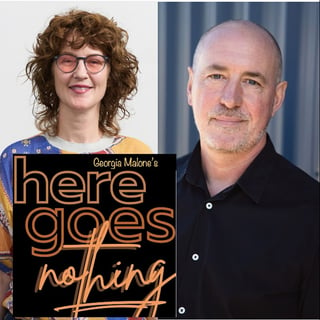
Speaker: From her beginnings in contemporary dance, legendary theatre creator, Dr. Lindy Hume. I am. has always asked the hard questions. Coming up at a time when arts leadership was almost exclusively dominated by men.
Speaker: Lindy pushed back to claim her space. As a director, artistic director, and Festival Director. helping shift the paradigm. in the Australian arts sector. with vibrant,
Speaker: Dynamic Leadership. the transcended gender and made old hiring policies look silly. Lindy has been artistic director of such internationally renowned festivals as the Sydney Festival,
Speaker: The Four Winds Festival, the Perth Festival, and 10 days on the island. the latter two at which she mentored our beloved Georgia Malone. Lindy has won a Helpman Award as a director, is a member of the Order of Australia, and has shifted her attention to cultivating the arts in rural communities.
Speaker: Joining Lindy today is Anne Dunn. executive director and co -CEO of the Sydney Theatre Company. for a long chat about what is important to them. the vitality of a strong team,
Speaker: and the way arts impacts communities. Enjoy the conversation. the first in our third season. of Georgia Malones. He does nothing.
Speaker: No, it's just... be able to spend some time catching up. How are you? I know. I know. It's wonderful. really regret having a glass of water not a glass of wine in front of my Goodbye.
Speaker: True to form, I have a Negroni in front of me and I feel like you and I have spent some nights with some Negronis in some theatre bars over the time, over the years we've known each other. so it feels like this is i am A flashback to... To nights gone pun. Yes, and and hopefully nights in the future. indeed Conversation that began.
Speaker: all those years ago in Perth. It has been a long time alllthough since those. I have a very, very fond memory. of driving across the desert with you ah in Western Australia.
Speaker: I don't know that there wasn't a granny, but there was almost certainly a gin and... warm tonic somewhere because ice was hard to come by but you know driving a four -wheel drive across the desert Hmm.
Speaker: on our way to various small arts communities. It was a pretty extraordinary time. How lucky are we? How lucky are we? So... let's Can I start by asking you to cast your mind back? You've had this extraordinary career and you're still in.
Speaker: the midst of an extraordinary career but if you cast your mind back What is it that... drove you to get into this career what's your kind of earliest art's memory the thing that actually prompted you and stirred something in you that went yes there's a pathway there for me so much of of my direction in life is was driven by my mother actually not that she was standing behind me with some kind of
Speaker: you know. prompt or anything. She just gave me um an incredible sense of confidence that i was I was the only daughter of four siblings and um and she made...
Speaker: It absolutely cri crystal clear to me that I could do whatever I wanted in life. that nothing could stand in my way and that I would just be able to do. So I always had this sense of confidence and self -belief because of my mother's belief in me. She was an academic and she was a big reader and she loved the arts. and my boat i So I grew up in ah in a home.
Speaker: So lucky, grew up in a home where... really good art and and really good music. was really appreciated. and and my dad was a big jazz fiend so you know people like miles davis were heroes in my house but also Bach and classical music and weirdly because I because i was a dancer I was like you know, like.
Speaker: Instead of being a little ballet ballet girl, I was a contemporary dance girl and I went to contemporary dance classes from the time I was of six or something. um I had this really weird musical life. um with. composers like Peter Skullthorpe and Penderecki in my...
Speaker: childhood. So I have this incredible um good fortune of no of a limitless palette of contemporary dance, jazz.
Speaker: contemporary art and classical. music. And. a set of parents who... really valued artists. and and didn't didn't say when I said I wanted to be a dancer. Oh, my God. My mother didn't say, what a ridiculous idea, don't do that. She said, okay, that's... Fine, you just have to finish your.
Speaker: your schooling and even then and i didn't i left school when i was 15. to be a dancer and she even supported me in that so you know what an amazing woman i i have I had as a mother. But how did you go from being a dancer? to an open door.
Speaker: um i was dancing in an opera company i don't know i was i was literally 15 being a i don't know what was i a spanish dancer or a vestal virgin or what all of the kind of tropes that you you are in an opera production i i my first professional gig.
Speaker: um i used to do a whole lot of things as as as dancers do it when they're kind of coming up you know you do do a lot of commercial stuff and TV stuff and tele at TV ads and things. And then I got this gig at Opera Australia um dancing.
Speaker: uh oh no as an extra i think and and then dancing um And so I i just was settled into this. easily into this big company.
Speaker: where there were dancers and stage managers and just designers. and directors and I could just see this. weird. hierarchy. And up there somewhere. was not the director, but the because there were no... female directors.
Speaker: There were assistant directors and I thought that's where I'll go. I'll aim at... at that assistant director. um Mark and...
Speaker: then So I did that. um over a number of years. And then became a director. I mean, once I realised I... that there were such a thing was such a thing as a female director um and i got a australian council grant to go and watch a female director directing.
Speaker: and came back with the conclusion that It was exactly like a male person directing. And and it was ah a viable career. but for me Yeah, it was very early on. I mean I did it pretty pretty early. I mean I did spend eight years as a professional assistant director and then.
Speaker: And then I... kind of made the leap. Yeah. It was what I wanted to do. i was very It was a very direct line, actually. I didn't dance around. I didn't sort of fiddle around. I knew I wanted to.
Speaker: I was always always a bossy child. And I did, you know, at the time, directors were bossy. You know, they just told people what to do. It's not like that anymore. Yeah. What about you? Tell me about you why did you. When did you decide to do what you're going to do? You know, it's funny. I remember my grandmother did Action of Pirates with John English starring. And it's not. So much that I went, oh my God, it's Pirates of Benzance. I want to be a musical star because clearly I've never ended up on the stage.
Speaker: Ah! But I think it unlocked for me this other world. you know I grew up in a family. that had a deep appreciation for books and a deep appreciation for education, but not a lot of exposure to the arts.
Speaker: um as a kid but my grandma used to take me to see the amateur theater group near where we lived the castle hill players and you know very occasionally into into town into the city to see ah a musical and I honestly grew up not really understanding that you could have a career in the arts it wasn't something that
Speaker: I could see any pathway, so I literally kind of fell into it. But, you know, I've got the gift of the gab a bit and... met some people and talked my way into a job.
Speaker: Actually on the Olympics, so one of my first gigs was on the Olympic. uh live sites And someone said... We're looking for event coordinators. I went, I can do that. I had no idea what I was doing at all. But anyway, I asked my way through that and then got... You know, there was a job came up at the opera house and...
Speaker: as an assistant producer and I went, oh, I'll do that. I don't know what that is. I'll apply for that and got that job. and Yeah. And from there, but it's that wonderful thing of never really.
Speaker: understanding what it was I was embarking on and therefore being spectacularly, wonderfully naive about the pitfalls in front of me and somehow sliding through. But that's how it goes.
Speaker: I mean, you do, you you just see the, it's like that. It's like, here goes nothing, right? So what have I got to lose? And you just, have you're fearless, right? When you're that age, you just think, why shouldn't I?
Speaker: yeah Why shouldn't I do that? There's a kind of... i don't know kind of not an arrogance but certainly a confidence that you just That looks fun. I'll do that. Yeah. And that joyous thing about realising that maybe the rules are not as hard and fast. If you don't know the rules, you don't have to play by them.
Speaker: And so there is a piece there I think about. um launching into these things not knowing all the rules because sometimes if you know all the rules they constrain you whereas if you don't know them Yeah, well, you're like, yeah whatever. I think I'm coming back to that place now.
Speaker: after, learn all the rules and then just come back and do it. Do it the way you want to do it. But I think it's taken a long time to get back to that. that sense of freedom that I had.
Speaker: I think in my... 30s. And you're sort of surfing the wave of that. that confidence and everybody, all these doors opening. For you, you know that That phase of your life when people just say yeah sure You touched briefly before about, you know, you went and got ah ah an Australia Council grant to look shadow a female director and you came out you know, observing that being a female director is a lot like being a male director, it's actually just being a director.
Speaker: But that point about gender, I suppose. You know, how much of that is just specific to the opera world? How much of that is... about The arts in Australia generally, how much of that has changed? How much of it hasn't changed? Well.
Speaker: I mean, Anne, i I was the first female director of the Perth Festival and I was the first... female director of the Sydney Festival. That wasn't all that long ago, right? I mean i I got kind of used to being the first female director of the Dot dot dot. um so i think i have um and and now and uh and now all those festivals are run by women. anyway so it's i think i've kind of been
Speaker: uh, in an interesting time when Good. you know, when when that those doors were starting to um open for women um in roles like mine. But I think in opera it was a, and it still is, a very um sort of patriarchal.
Speaker: world it's getting better and and women. Female directors are everywhere now which is fantastic and less so female more conductors but still that but they are you know the the ratio is growing ah of women to men in that role as well.
Speaker: Um, It's just a... It's just a long journey for... for towards a sort of a equal um ratio of men to women in in opera when i recently took on that creative director interim creative director role with Opera Australia in summer in 2024. That was my. I am an...
Speaker: project. was to even up the women and men in the creative teams in that season, just to show. that it could be done. It hadn't been done for years and years. It hadn't been done. And it just seemed to me the most ridiculously simple thing to do. You just had to do it. So I did. There was a bit of pushback in some areas. I did have to work harder to make that lighting designers. I mean, there's lots of costume designers, lots of...
Speaker: scenic designers, a lot of directors now, but, you know, there's a couple of, and conductors were the two, lighting designers and conductors were the two and that I had to even up. But it was a kind of, not a parlour trick, but I just really wanted to do it. I just wanted to prove that it could be done and done in one. fell swoop so that was a nice thing to be able to do as a as an artistic director um And I, you know, I think actually do think it is more even now at Opera Australia than it...
Speaker: than it was. with female conductors and female creatives. um But for me, yeah, I had a period where i got I was very used to actually being called love, not ever being taken really seriously when you were in the room directing.
Speaker: people who were a lot older, but that might be also to do with just being a younger. younger woman and and a lot of people in the room's not being used to that. I have had conductors really hating working with a woman director.
Speaker: And that was pretty painful sometimes, but it's all evened out now. And I mean, I'm i'm quite comfortable that it's we're on the right track. What about you? Do you think that's right? i think in Certainly you at...
Speaker: s STC. there' there even numbers of women and men. I mean I think Sydney Theatre Company has made a real... If it... Two. really lean into getting gender parity around directors but also writers and I think that's a really interesting thing in some sense of the directors in in theater at least, is a bit Easier than finding...
Speaker: The playwrights. or the plays and And women playwrights, where the plays can sit stand up to the commerciality that they need to at that company. it's It's interesting. It's an interesting space. And it's of course, not that there are not good plays written by women.
Speaker: But the... The kind of public familiarity, what are the drivers of what determines whether someone buys a ticket? and you know, the playwright's name. is a factor in it, and of course, and the material. Uh... the subject matter the casting, all of those things. But I think...
Speaker: For a company like Sydney Theatre Company where the government funding is so low as a percentage, the kind of commerciality of a... play for to be considered for programming has to be a factor in it that has been something that i I think there's been real progress over the last... you know, five years or so, but historically that was a real barrier, that was a real...
Speaker: Because there were not as many well -known female playwrights, And so yeah. finding getting to gender parity with the playwrights within a season was tricky at times it still is tricky at times because Hey. you want to champion great work.
Speaker: But you have to find there has to be an audience and audiences, I think, in the economic climate that we're in. become more risk averse so they lean into the familiar they lean into the known to a degree because it's in a limited opportunity to spend money on a ticket, they don't want to risk it on something they might not like.
Speaker: I mean, that's a terrible generalisation, but I do think that's a factor in... the current where audiences are choosing to spend money yeah i agree i agree i mean it's the same i mean i think the thing is you've got theater itself had uh and opera have this have many of the same issues that the at the really big titles.
Speaker: are usually the ones written by men. Like, I mean, certainly with opera, you... There's just a period of... right through to even the 70s when no... famous title had been written by a woman I mean even now it's Mostly.
Speaker: male composers but um Yeah, i think it' I think it's really interesting. I'm very interested in this phase that we're in right now about... what audiences want.
Speaker: to see what audiences. are finding comfort in. And and it sort of... cut cuts to a sort of different angle. into this world of... art and what art is in society, which is the whole.
Speaker: function of this this podcast, Why Does Art Matter? What does art, you know, the the idea of art... making us human and art trying helping us make sense of the world all of those big.
Speaker: conceptual frameworks that we we hold true. But actually, I think Right now it's really interesting what art is doing um in terms of... trying to make sense of the world people i think are going to to theatre and art. and um uh festival experiences for different reasons. I think there there's a certain degree to which people are wanting comfort.
Speaker: i think I think people are feeling discombobulated and and lonely. existentially lonely I think there's a different kind of need for art. right now do you find that in your in audience Yeah. Maybe his way you are. and I think there's a real need.
Speaker: for connection. So there is, I think... I think discombobulated is a beautiful way. the It's a beautiful phrase to apply, I think. Yes, I agree. I think lots of audiences feel.
Speaker: discombobulated or even kind of anxious I think there's and and a societal anxiety that sometimes, you know, and when it works, that that shared experience of sitting in a theatre.
Speaker: can actually Be yourself too. To a degree. It's either about... And I don't know exactly whether it's about that shared experience of the people together.
Speaker: witnessing this thing or if it's about the thing on stage. But I do know... That... As always. audiences are drawn to quality like there is a piece about Extraordinary performance with extraordinary material then in some senses overrides what the subject matter is.
Speaker: So sometimes you kind of go, oh, it's going to, you know. in dark days people don't necessarily want to deal with heavy subject material but actually I think that does audiences a disservice. I think audiences are really happy or willing to engage with more challenging material. But the quality...
Speaker: is really important. and Because... It's that thing when you have extraordinary performance. and and well crafted.
Speaker: um source material scraped or choreography or libretto Music it transcends what the subject matter is. it It is a mechanism in itself to allow a pathway into whatever the subject matter is.
Speaker: When something is a great art, something is is the artistry is completely... solved if you like, it's completely... taken it out of your hands you don't have to act That it resolved. You don't have to be worried about.
Speaker: about any of that you just simply have to open yourself to the to the art, to the ideas and the artistry. And and i I agree completely. But I am interested in this moment that we're having.
Speaker: right now of the the sort of transcendence of the solo. performer, you know, again, which is really happening quite surprisingly, actually. I feel like I've sat in theatres watching one performer.
Speaker: more in the last little while than I have and I can relate to it. I've spent a lot of time making large -scale work. and And I find myself...
Speaker: increasingly just wanting to distill that down to smaller smaller work and as you know I've spent a lot of time directing operas and directing festivals in big cities and now finding myself to try and sort of streamline and simplify and make meaning of my world in smaller communities.
Speaker: And I'm just wondering about that, whether that's part of the same sense of needing meaning or comfort in community. whether that's out about our times my observations of the one person shows of which i've you know, spent quite a lot of time in recently. ah that There is something about that one -to -one connection. So, you know, in an audience you go into a theatre and and you sit with hundreds of other people.
Speaker: And yet... extraordinary solo performers make everybody in the audience feel like they are intimately connected. like to that one person that there is this direct connection between you as an audience member and that person as a performer and And so maybe it is about that.
Speaker: in a world of um discombobulation in a world of political upheaval, it's that looking for that connectivity, that connection. that you go know that person is speaking.
Speaker: To me... Or maybe in some year. thing about you know the social can condition the human condition in the wake of... being swamped by social media.
Speaker: where there's sort of so much, I don't know, I look at social media and go there's so much. to doubt and so much to not. Believe in. And then...
Speaker: Is there some correlation between that? and perform individual performance where you have these you know absolutely beautiful bravura performances where the the performer is so incredible and it feels so real it's a very you're there in that moment rather than it being this um computer generated all this. AI flock or...
Speaker: There is this kind of... real reality to it that feels very special in that moment. Yeah. and There's a sort of, yeah, a kind of...
Speaker: you know undoubted authenticity. um You know, theatre is the last bastion. You can't AI up a performance, you know. you And I do think there's something in...
Speaker: in that... so this sort of... simple option. There's so much choice. everything The world is a lot at the moment. Do you know what I mean? I think when we met at Perth Festival.
Speaker: A festival was, um I mean, look, I'm not going to do this back in the day thing, but a festival in the in the arc of my time as a... Kiraida. And. ah um uh a festival director but also just as an artistic director. The job itself has changed so much.
Speaker: from from You're writing a... a festival. I mean, I'm not the internet. existed and we all we used it but the big but the uh the way of choosing work and the way of curating programming was invariably um a more personal and more. um ah you know, there's ah there was a kind of...
Speaker: The job of just doing the programming was was one. Be. beautiful project, whereas now you can't, I mean, and you have this in your world as well, um there's so much. noise from all over.
Speaker: um intersecting with the work of of curators and festival directors. um and artistic directors and CEOs of organizations that it's that you just have to there's almost like a checklist of everything until you Get to the... actual programming of the art the actual storytelling the actual gathering of of ideas around um I kind of.
Speaker: curatorial theme, that bit. That... which is the bit that... you know, i that used to be the job of the artistic director.
Speaker: is ah is relatively small compared to all the other stuff, the sort of management stakeholder management. politics. programming politics. financial realities.
Speaker: audience behaviours. post COVID. Changes of audience behaviours. Social media, being a personality yourself. all those All that stuff, it's ah it's a lot. I mean, I'm just thinking about my own.
Speaker: my own role in having having changed and again the reasons that I'm drawn to. things things more so in a more simple way.
Speaker: simple way. Maybe I just... and nostalgic for that. For that kind of focus on just art but um Yeah, I don't know where I'm going with that, but just it it does feel like. um These times...
Speaker: uh and and art trying to make help you make sense of the world is a more complicated who Complicated thing. um and maybe The world is so much crazier now because it is, I think it is.
Speaker: um art has a different role to play. Now. For me, it's my maybe your your relationship with art. becomes more about.
Speaker: um something you need to comfort you and help. to be real in the world when so much. is hard so much else out there is kind of impossible to um to deal with.
Speaker: all at once. Do you think that that is also different? depending on place. Yeah. You know, you've you've carved out this extraordinary space for yourself and you know gone and got a phd in terms of You can...
Speaker: got a PhD in um with a focus on looking at you know, the regional art context. how much of the place of making of the art.
Speaker: impacts on the outcome or how much should it or how much. How much does it? How much should it? Ah, good question. It does a lot. It does a lot. And and it becomes...
Speaker: much to do with positioning yourself closer to ah landscapes, actual horizons and... space green space um I find living in cities quite hard now I actually find it quite bombarding because I my My happier place is... is is being able to um see the see see the horizon.
Speaker: um but But more importantly, and this is where things get really interesting to me. living in outside of cities i also i stra Regional Australia is a vast thing. It's it it' it's a...
Speaker: It's an infinite thing. and And what I'm now noticing and putting together is a series of of um or ah understanding that there are people in various places in regional Australia who, like me, have quite a very quite a strong philosophy of practice. but ah a purpose of not being living in cities.
Speaker: if you like, living in a more kind of horizontal context than a vertical context. and um and what i'm interested when I speak to all these people, which I'm currently doing because I'm curating a symposium on...
Speaker: innovation creative innovation in regional places not just in australia but outside Australia too, is that the for for a lot of these artists, and ah and certainly me,
Speaker: In our communities, we're dealing with some of the world's urgencies. We're closer to, I guess, the coal face of of some of the world's urgencies, certainly environmentally, but also in terms of social makeup of our communities and you the fact that the... each little community is a sort of microcosm of of the world. So you don't feel um cut off.
Speaker: from the world you feel within. a different world and so I think what's interesting about um about. creative practice in in a regional place.
Speaker: is that it is a for me it's an alternative way of of making art not a junior relationship with metropolitan in Australia. so um it's certainly as rewarding it's not as well funded but it's um for me it's it's intellectually more challenging because we're looking at not just the subject if you like but the context around the the the subject.
Speaker: And it's more of a peaceful environment, but it gives you the headspace to work on some of these gnarly. social problems and i'm finding it a an interesting part of my life to be deliberately choosing for the next decade to focus on.
Speaker: um something which is as long ah as far away as it can possibly be from, you know, the opera houses of Europe. or the of Sydney Opera House or...
Speaker: you know going into a you know a big rehearsal room with thousands of singers and musicians and so forth. but the challenge of being real.
Speaker: as an artist in these communities and try to bring those bigger conversations about how art can be a galvanising force in communities.
Speaker: to regional centres, that's... To me, that's that's it. That's my life's work. for the foreseeable. I mean, I'll still dabble in direct operas but I'm really interested in how art impacts communities. outside of cities and I'm really interested in how I can contribute to that. conversation.
Speaker: So given that your career has taken you obviously to the opera houses of Europe and and and Sydney and Melbourne and so on, but you have...
Speaker: at points in your career inserted yourself into remoter places, Perth Obviously still a capital city, but a very remote one. ah You know, 10 days in...
Speaker: from Tennessee Island and in Tasmania. and your current role. the I'm curious about your... process for inserting yourself into these communities that you're not from.
Speaker: Because, you know... I suppose. It would easily be a perception that you would be viewed as an outsider and yet... My observation of you working in those communities is that... that i've never I've never seen that response to you. I've always seen a response to you.
Speaker: in those communities and to you working in those communities as being I'm very welcoming and that you... so you work hard to engage with the specificity of that place.
Speaker: But it's an interesting thing. That's not something that many people do or are successful at doing and I think it's something that really... stands out about you. I like that thing of, you know, they what's the phrase? you youve
Speaker: been to one regional community to what you've been to one regional community they're all fantastically different and i am i'm always really curious about what it is that essentializes those things i mean you know and you were up at darwin and you know you don't go to somewhere like darwin and Every single thing about... darwin is telling you you are in darwin right the heat is in is that you know the kind of that just the quality of the air
Speaker: The trees, you know. You're looking at some goanna going across the street. the sheer volume of sweat. the sheer volume of sweat, the sort of...
Speaker: Just, you know, the frogs in the toilet. You know you're in a place, right? And here I am in this crazy farmhouse at the moment in... um in Albury -Wodonga and I if I'm here I wake up in the morning and cows in the paddock kind of looking at you while you're having a cup of coffee and it's
Speaker: You know, i know i'm I know I'm here and I go for a walk along the Murray River and it's just this kind of incredible, there's a dynamic, there's a surge that I feel like, yeah, this is this is this place. So I do i do kind of make try to but actually do sometimes fall in love with the place and I i feel like I really try and...
Speaker: genuinely see the place. and be in the, really be in the place if I can. You know, sometimes that's not all that easy. And to be perfectly honest, I think being an outsider is actually quite helpful sometimes. You can drop in and... be very objective. There's a kind of time limit on that.
Speaker: capacity to be very objective and sort of just ask stupid questions and and kind of enjoy being an outsider. because you get that. objectivity. And then there's that discomfort, that moment of...
Speaker: where you realize you're No. one or the other. You're not really, really one of those, you know, it's like we're living in Western Australia when they say oh you're from the eastern states and you go Yeah, but I've been living here for 10 years. but it's It's... uh you're never really really gonna be and an insider until you've actually bought a house there and kind of
Speaker: plugged in but I think it's about... you know I think it's about genuinely sitting down with people and genuinely being curious about what makes a place tick.
Speaker: and um and and yeah hour i mean i have spent many many many weeks now here in this farmhouse And. finding this isn't an easy community to... to connect with as much as I had thought. it It might be. I feel like 10 Days on the Island and Tasmania, you know, because of the reputation of that festival.
Speaker: it it it carries you into... um into the community because the festival is much loved. So if you're the artistic director of that festival, then you're you're the custodian of that festival and you just need to do that. But with um the job that I'm doing here at Hothouse, has there's more discomfort around it because we're taking it. from from one kind of era.
Speaker: of the company trying to wrangle it and make it something new and of course change is change is problematic and you know there's a lot of ownership of this company so you know being um being an outsider is a little bit You know, I think we'll come through the other end, but it it's ah it's a...
Speaker: There's a ah certain discomfort at the moment which which I guess is natural. when you yeah You're are an agent of change. um I don't go into a community and try and ingratiate myself. I think I just go into a community and...
Speaker: meet interesting people and and go to beautiful landscapes. and Eat it. good restaurants and you know. do the fun things with fun people and that's...
Speaker: That's one of the great joys of my life. um memories of amazing places that you go to. and experience and realize how lucky you are. the The opportunity to... to travel and to engage with people in incredible places making beautiful art and delivering it to audiences is is such a joy and such a privilege. and You know, you referenced the...
Speaker: that being an agent of change. is difficult and can be difficult in a community. I'm not sure any arts leader at the moment can think about their work. without thinking about change. And I think it's really interesting because I think...
Speaker: moment in terms of we talked a bit about audiences and this discombobulation of you know, is this society is really um challenging. There's lots of challenging things happening in the world right now and so what does that do to audiences? Are audiences seeking nostalgia? Are they seeking...
Speaker: Um... That. Connectivity. but i think the flip side of that is in this environment in the the way The world is the way the funding landscapes are for the arts, the way...
Speaker: you know, the volatility of ticket buying audiences is that Oof. The reality is the the business of the arts has to shift and there is... A lot of change that has to happen and it's...
Speaker: perhaps an industry that has You know, there are practices and traditions that are centuries old in this industry. him All different paths.
Speaker: And so... Being an agent of change, yeah, it can be really uncomfortable. It can be uncomfortable for everyone. but I don't know about you, but the thing I've learned in my career is to...
Speaker: Standstill is not an option. And war. or for organizations
Speaker: Bye. Yeah, and it is such an interesting thing to get the exercise of of kind of... gazing at the horizon and and trying to... work out how to get to where you need to get to it's such a it's a really challenging time I mean you've been at the absolute coalface of it and I mean I'm always astonished at how how you can forge through the, you because you're at the arrowhead of the of the industry as well as... as CEO
Speaker: of STC. to you know what what you guys do has ripples across the across the ah industry and you know it i mean you know that you're not operating in a vacuum you know that it's very what you do is very visible what you do is a is you know leadership is It doesn't get any more. to the front of leadership ah when what you're doing.
Speaker: um And so... I think... the dis i was what I worry about you sometimes as a friend. I think, my God, how do you? And i know it's not I know it's not easy to make those sorts of changes and and kind of hold hold your nerve in those really difficult situations. And I think it's about retaining in all of our circumstances, retaining our humanity.
Speaker: and and realizing we are You know, we're bringing kind of really precious cargo through these changes, aren't we? The change is necessary and the change is not.
Speaker: It's actually not about me. ah It's never about me. The change is actually about going. How do these... organizations these institutions these These pathways for artists, how do you...
Speaker: preserve them for the future. How do you not that role of kind of caretaker of a company or of ah a festival or I genuinely look at it and go, my job is to... preserve the opportunity for the future.
Speaker: ah And if I don't do that... then I have fundamentally failed in my job if it's um and then the roots And so that is about you know financial viability. It is about...
Speaker: process and governance and all those things which used to seem really dull to me. And now I'm really good. I so understand why those things matter. And they so... the foundation that allows the art to happen. you know and actually yeah
Speaker: create the space for it to happen. The value of what you're just talking about, governance and and sustainability, and and um it's kind of an infrastructure, it's a structure, it's a structure it's something that people can can trust and and rely on. And I think...
Speaker: that Custodianship. of the the organization I feel that very strongly you know i'm i'm much we're in much sort of wobblier on what much wobbier ground here at at Hothouse. but that the role that you're playing, the role that we we are playing as as leaders of of organisations is is that sense of Um.
Speaker: you know. carrying you know, needing to make those changes and and looking Right. in the eye of... of we're going to make this difficult thing happen. and and It's not a perfect solution, but it's the best solution that we can create.
Speaker: right now in these very... complex times and holding far firm. the responsibility. and not throwing the baby out with the bathwater. You know, I think there's a lot of panic at the moment and and I think I have felt it in in the past, this feeling ah almost of quicksand. and this if i
Speaker: you know, of freaking out and feeling like someone's got your legs and then pulling you under. But I think that, you know, that thing of trying to calm the pulse and keep it. and not panic but also that thing of reaching out to colleagues and reaching out to wiser people and like reaching you know we need each other a lot at the moment i feel do you Yeah, absolutely. I think... um
Speaker: Because it's tough. us It's tough running organisations at arts at the moment. And I think you need to lean on other people's experience and you need to lean on other people to go.
Speaker: how did you get through that or how do you approach this or what do you do because ah I feel like the space for ego in arts leadership is really a different thing at the moment. You've really got to put... back to the side and go.
Speaker: Far out. This is quite a ride. how we How do I navigate this? Who's got what tools I can lean on? You know if like If I cast my mind back though to when we... first met as we talked about before at Perth Festival and in fact where we met Georgia and You know, I think One of the things that I remember incredibly fondly of that time.
Speaker: was um the approach that you and and the amazing Wendy Wise brought to leadership of this notion that your role as a leader, my observation was that You know, leadership was not just about being the boss. It was about making sure there was a pathway for people coming.
Speaker: up in the organisation. It was about supporting everybody in the organisation. to deliver and to be able to do their best. And then... That very strong sense of mentorship that you and Wendy both brought to your roles at
Speaker: Perth Festival was an incredibly inspiring and valuable thing to be able to see and be a part of. to look around the country now at the people that came up through Perth Festival at that time and where they are. It's it's really, it's kind of...
Speaker: ah fascinating. ah You can do a lovely... mapping exercise exercise of that cohort. Oh, no, I agree completely. it was It was exactly that and I felt very, maybe to this day I'm still looking for that same, you know, team. dynamic wherever I...
Speaker: go because it was a golden period of of amazing people all around us and um you know all of whom done interesting things and you know you just turn around there's another member of the wafia you know It's... ah It was quite the quite the festival. That one.
Speaker: And also for me, my first festival, I have such fond memories fond memories of it being the the kind of light bulb moment of...
Speaker: Because I directed companies and opera companies and things but i hadn't directed a festival in this amazing moments of understanding what a festival. can be in the power of a festival and i still you know i'm still a bit of a pollyanna but i do feel like we had a particularly amazing. set of circumstances and and set of artists that we were able to draw from and and enjoy. And I mean, I keep thinking about...
Speaker: Those programs that we all shared in Perth and those great landscapes and that it's such a perfect festival city. I feel like. It was a really, really special time. And I learned so much there that I could.
Speaker: bring to Sydney Festival and then to 10 Days on the Island. And, you know, the the job of curating, that's ah what a... Joy that is. the the delight of choose you know looking around the world and bringing together something.
Speaker: a three -week experience for our community. What a privilege that was. It was never just the job of curating. You also always lay it on a director and opera at the same time, for instance.
Speaker: So... You know. if the The polymath of you meant that you were, yes, curating, delivering a festival. ah Being the artistic director, directing an opera.
Speaker: um' engaging with regional communities taking work i mean honestly some of those incredible I'm taking... Addis. into the Pilbara or the Goldfields or, you know, incredible. I'm interested in that. how do you How do you balance that? How do you manage that? How do you direct an opera?
Speaker: while directing a festival. ah At the same time, that's quite a big that's quite a big undertaking. Did you ever go, oh, my God, what have I done? Well, no, it it it is really interesting because it's kind of why I did the PhD was to try and work out.
Speaker: to join all the dots of you know, it all comes from the same place. It's not like I... You know, and I have this this saying, and I'm sure I'll turn it into a chapter of ah of the book that i'm I'm writing, everything I learned about leadership I learned in the rehearsal room. So it's actually all the same thing, you know, literally. now Once I learned how to direct as a director,
Speaker: It all really is the same thing, you know, directing a... an opera or directing a ah a piece of theatre and directing a festival. You know, you're still telling a story, is trying to decide what that story is.
Speaker: and how you're going to tell that story. It's it's the same. principles apply. And I guess that's the thing. it's It's about how much is up here in this conceptual work and how much is...
Speaker: down there sort of. stirring stirring the pot. I do like getting my hands... dirty and and diving in as much as...
Speaker: thinking up the big ideas. And I think, you know, that was the great joy of the festivals, you know, and when we found ourselves on that road. I don't know if you remember we drove past. The guy who was hitching that time and because there'd been mad murder on a road somewhere and we decided, well, we'd pick him up, the poor guy, and we drove straight past him and then we bumped into him at the camp.
Speaker: That was terrible. We went back and cracked the window. Are you okay? Have you got water? it was it was literally you know not long after someone had been murdered on a back road of The Northern Territory.
Speaker: And, you know, I remember leaving Alice Springs and someone saying, you can stop for people but only if they're... blackfellas are women don't stop for any white men but and we saw him at a truck stop later and he was like oh yeah and play ah like but see those sorts of experiences for example you know you asked me why i want to live in in regional australia i mean we have these amazing experiences
Speaker: And then, you know, all those incredible experiences down in the north in the south. up west when we were doing Null at Court Boodja and all of those long conversations with, you know, aunties over cups of tea talking about...
Speaker: their days on on the mission and and all of the you know there's so much that's really rich and extraordinary about being in a in a community a smaller community and diving in and getting your hands dirty Vet.
Speaker: You know, a Metro -based festival director never gets that kind of... excitement or that kind of experience and that and build those sorts of amazing relationships with with communities so I feel very fortunate the same thing happened in Tasmania you know what it's like in Darwin you just find yourself in these extraordinary around these extraordinary campfires and um it's life it's a fantastic thing of life but I do I want to ask you some things I I was thinking about festivals and i'm thinking about um
Speaker: done my last festival thank you very much but I was thinking about the the great privilege of programming and how and the the things that stay with you over the years, the the pieces of art that stay with you. um And i tried to think I tried to set myself a task of choosing my three favourite things.
Speaker: i can't but i i've got a i've got three that i'll run past you but um um I just want to know what your... Have a think about what your What work has stayed with you?
Speaker: over the last since you in that you programmed in a festival or you were involved within a festival or you've programmed what are the things that you made happen or you brought. that that have stayed with you? hu That's a great question. I love that question.
Speaker: Well, one of them was something you brought, but it totally stayed with me. Do you remember Heliosphere in Perth? Yeah which was Acrobat... under a yeah under a hot air balloon, which... Amazing and we did it down in Perth on the waterfront there. but taking that out regionally.
Speaker: was extraordinary. taking that to the goldfields and up to the Pilbara was amazing. Because it was just like... you know watching kids just go oh my god I've never seen anything like that Admittedly, then a cyclone did come through the Pilbara, so it didn't really fly that well there. but you know um So that was pretty amazing.
Speaker: When I was up in Darwin, I was, you know, not, I i think I'd only been at the festival a few months and a knock came on the door of the Brownsmart office where Darwin Festival used to be.
Speaker: you know, upstairs and it was just amazing. musician Genevieve Campbell who was like I've got this idea about A jazz thing and the Tiwi song ladies.
Speaker: Anyway, after lots of discussion and we did some funding applications and got some grants and... From that came this incredible Project Narakuru, voila! Um...
Speaker: which was... ah about a women's choir from the Tiwi Islands and bringing them over to Darwin to sing. And these women, and it's still going this project's still going and it's turned into this amazing ongoing thing where these women have gone to Canberra and listened.
Speaker: to recordings from the mission, from Tiwi Island missions and of their ancestors. And they've translated these songs and they've reclaimed these songs and they've gone, that was my grandmother or that was my my aunt. Peace.
Speaker: It was a mechanism I suppose about creating lineage of of these songs. These incredible women and they're just beautiful, strong, strong women. And that was a project that...
Speaker: You know, initially it started out about... a performance but it's become so much more and I love that it still goes on and and that I was a small part of The... the... The seeds of that. And they've come to Sydney and sung at the Opera House and they've, you know, it's just been this beautiful.
Speaker: thing and that's such a special place in the world Tiwi Islands you know And... ah Yeah, so that that I think is just... That one's really stayed with me. And probably it's just some of those... You know, those mad experiences in Darwin, at Darwin Festival. I mean, the big... opening concert where You know, it was a free concert on the Esplanade and and thousands of people had come. and mob had come in from all the communities in
Speaker: because the Telstra Art Awards were on and the... you know, the big free concert and then the Indigenous Music Awards. and so it was just this humming time in in that play. and...
Speaker: It was so Exciting. It's so exciting. So alive. Yeah, and festivals are this big meeting place for in those communities.
Speaker: for really proper a meeting place where where those sorts of Um, performance platforms and and gathering platforms. are so um precious and so valued and they're such a you know because people are coming from such long distances and they those things are so so joyful and I know as a festival director they they're the kind of things
Speaker: I don't know if you remember the um the opening of the festival in the Nalakot Uja Festival in Perth where people came from... all around and gathered in kings park it's that those same moments where you feel like you you You started something and then you just... it it just takes off and you you can't control it and you don't want to and you don't even know whether it's going to happen you know i remember that on that night someone saying
Speaker: is this supposed thing supposed to isn't this thing supposed to have started yet i was going You know? And, it you know, it took a little while to get going. But once it got going, it was unstoppable, kind of like a...
Speaker: a wave like you're describing. And the same thing in 10 Days on the Island, the Marpley Dawn Gathering, everyone's standing on the... you know, the the beach in Devonport looking out.
Speaker: to the to the ocean as the sun rose. and, and the call, and the call out Mapali gathering. ah you know incredibly moving, incredibly powerful. um of festival experiences that needed to happen in particular landscape. Those things that I call them shimmering moments. they're part of my my thinking, you know, how do you capture those?
Speaker: shimmering moments. um how do you How do you care for them to bring them forth? And then how do you let them just be what they're going to be and um and let everybody feel that?
Speaker: extraordinary. feeling that they'll never forget. And and I think Sometimes it's it's possible to make those things happen in faraway places.
Speaker: And I think festivals have been in. cities are so now commodified and so controlled and so curated that it's quite hard to get that kind of...
Speaker: explosion of humanity that we get. in those smaller festivals. Um. Do you know what I mean? I think that's quite a... and a difference um now having said that i mean I think we have also... the joy of bringing some.
Speaker: fully resolved piece of theatre. I remember when we brought room. Do you remember Isabella's room? Yeah. that was That was one of my favourite. things that I ever brought to Perth Festival was one of the Peace as well. Okay. ah I saw it in Belgium. I loved it.
Speaker: It was so weird. I didn't really understand it. but they smiled all the way through the performance that was such that was such a joyful experience. and i just thought i i don't know what this piece is but i know i need to bring it to it to uh to perth and we had it and everyone responded to it in the same way they didn't quite get it but it was full of such joy and such love.
Speaker: that it's... it ah It... did do that thing. It did do that kind of combustion. moment in between the audience and the stage and though you know that's the kind of holy grail really as a curator where you want to have those moments where you know you're going to put an audience through a door and and they're going to come out transformed.
Speaker: because of what those artists... brought. from Belgium. you know that crazy idea about ah an old lady who... collected things.
Speaker: I didn't even know what it was about. It was... But it it same with them. I don't know, the Manganiya seduction, the beautiful Rajasthani musicians that I...
Speaker: brought to Sydney Festival. had the same the same effect of people just being. you know, not knowing what what it was but then just being completely seduced.
Speaker: Buy it. I think the thing about festivals. bring in these amazing works from other countries, from other... Poachers. The audiences wouldn't have...
Speaker: had any exposure to or any opportunity to engage with has it changed with The rise and rise and rise and rise of... you know, information and and and the internet and access to whatever. the flick of a...
Speaker: you know, down a rabbit hole of a reel on Instagram or whatever, has it changed that element of surprise? Has it changed that? Dead. thing you know where you go i don't know what it is but i'm just gonna trust the curator and go and buy my ticket to it even though i don't know what it is yeah it's like what you said earlier like people want to know what it is like before they walk through the door they want to know what label to put to it.
Speaker: They wanna know how they're gonna feel. and is it going to be you know if this is going to be tricky You know, it's Friday night and I'm exhausted and... you know, is this going to be complicated or dark or something or didactic.
Speaker: I think and you know try and describe something that's ineffable that is not easily described. is is a marketing floor, you know. how do you market something unless it's Already got some labels on it.
Speaker: maybe it's like workshops now and they have like bookshop blind date where the Books are covered in brown paper. And, um... Oh! And they have of you seen this? I love it. ah There's a bookshop in Newtown that does it and um they cover they've got a stand where all the books are covered in brown paper and it's like...
Speaker: an adventure. a romance a mystery or something so you can have like a blind date with the book but with a thematic label. I wonder whether like marketing should become that.
Speaker: Marketing for shows, it's like... It's no longer about You know, what is the show and what are you going to see and feel it's just about It's a...
Speaker: It's a satire. It's a fun thing. and All you try to do is just... go You're going to have a great time. It's going to be in this direction. Off you go and make people not know what it is. I think one of my favorite things about I have a very early memory of um It actually was a Sydney festival years and years ago and I was...
Speaker: It was, you know, Sydney Festival, it's summer, at I was at the beach and I got a call from a friend who said, I've got some tickets to a theatre show tonight, I can't go, do you want them? And I went, sure. I had no idea what it was. And I walked in and it was ah it was a Robert Lepage piece and it was the first time I'd ever seen a Lepage piece and it just blew my mind.
Speaker: And it was such a great. reminder that actually preparing for stuff sometimes does you a disservice. Sometimes the best way to experience work is to go in completely blind.
Speaker: And I will often wondered if there was an opportunity to do like a... Blind date with theatre. Good idea. but Yeah, getting but maybe just even getting people into that mindset. of getting away from Am I going to like it?
Speaker: Two. why don't Why don't I just take? Take a plunge I mean, yeah, I don't know. it's it it It's it's again. It's where people are in the world right now what What is the psychology of...
Speaker: you know. of audiences at the moment. And i I think, weirdly, I think they're coming to things that make them feel... somehow connected to each other and i think people want to want to feel their humanity.
Speaker: Because there's so much craziness in the world. I feel feel like people... there's I'm not escapism as in I want to go and watch it. musical tap dancing, you know, butda I think more a sense of.
Speaker: I just need to know I'm a human being. I just need to know there are a good. that you know, that I can. You know, it's also a rest from the world, you know, you go out and it's also crazy to come in and just focus on.
Speaker: One. You know, often one person's performance. I i just loved um David Wenham's Iliad recently. what you know you got me a ticket which is very kind of you but it's i found that such a reassuring experience.
Speaker: brilliantly acted, beautifully directed. Okay. you know the great the great story, the sense of our human beings. Human beings are amazing. They're not just bombing the world, although Iliad is about war, of course, but there's still this human core. I think there's there's something very attractive. in in our world.
Speaker: of legends and mythologies and things that... people feel. still drawn to that sort of a lineage of Of humanity. if They pick up on those. Exactly, the lineage that actually...
Speaker: the The humanity of it, the humanness of it is the same, with all the foibles, with all the flaws. Thousands of views. We're still making the same mistakes. We're still leaning in.
Speaker: to love and family, we still crave. connection and ah We're still... Driven by ego and madness. so And is that is that pace I mean, I know that people... you that that David. when I'm being... a really particular kind of connecting actor it seems to me that that was a necessary brilliant piece of curation by
Speaker: Mitchell but it feels to me that that was a very necessary. Work. for this year. Actually... It just people felt like it was a... timeless, important piece of theatre for.
Speaker: our times. It's interesting talking to um Lisa Patterson, one of the writers of it. and she came out for the opening. I think it was written in 2012.
Speaker: So... you know politically quite a different context and just talking to her about it and about the the resonance of it at the moment in the yeah like it i mean in terms of appropriateness of timing like that piece landed its to your point it's like it feels really necessary it was a It's a mechanism of trying to process and digest some of the craziness going on in the world. and um
Speaker: It was really interesting talking to her. So she'd never seen it performed by anyone but... David, who was the co -writer and her partner. and and and the originating performer in it. and And she didn't want to see any of the previews or any of the the work in the rehearsal room. She just wanted to see it on opening night. To that point about... coming in fresh, even though it's work that she'd written.
Speaker: um But she's like, no, I just want to walk in without. knowing. I just want to see what it's like and feel it. I want to feel it in this context, in this moment. What is it? How does it?
Speaker: Relight. to this moment and I think that's it. that beautiful thing of theatre or opera or performance is like... You know, the great works speak. to the moment they speak to the individual in the moment.
Speaker: Yeah. Yeah. no absolutely but are you finding that audience response in some way. telling you something about A, what would you want to do. and and be what the world is like.
Speaker: Yeah, because it's an audience. right I mean that it it had such an extraordinary run. I mean it sold at 11 weeks or something and it was You know, there was a bit of like, are people going to respond to this? tell this story that's that's thousands of years old.
Speaker: And... Good. But actually I think... You're exactly right. They respond to it because there is a resonance to it because there are these deals with these big issues and tries to make sense of of global war but at a very human level. And it is, I think, people looking for...
Speaker: something to try to help them process the world. And I think that's what we're all trying to do, right? I mean, just... to you know. Encapsulate. that Exactly what art. tries to do.
Speaker: But I think in our own way. were we're trying to do that ourselves too. as you say you're the kind of custodian of this company now which is not just a company but the kind of whole Arts industry.
Speaker: no pressure but you know is There is a kind of. cut there is a kind of We are old. moving into a a new a new era and and how we manage that and and personally.
Speaker: I feel that... that that You know, one is my work in outside of cities. is trying to do a similar, a similar thing, trying to find meaning and trying to find purpose and trying to find a different way of being in the world.
Speaker: by being away from all the chaos as much as i as I can be and trying to find something a little bit more. Yep. a stiller. more peaceful and yet more meaningful. um relationship with them.
Speaker: the world. through a single or to through community by community. um and relationship by relationship and I think Um, I guess that's the great joy of you know using art as a vehicle.
Speaker: uh through one's life. to to try to get to something more. um more profound than the sort of shellerness. that one is seeing.
Speaker: with social media and the craziness of the everyday and the sort of... transitions from from day to day it's just also so everything's so busy but try to find something that actually lasts And sweet.
Speaker: Kind of wrap up. What? thing What are you excited about? what's the What's the thing that excites you about? the now or the future. I'm very excited about my little company, Crimson Rosella, even though it's completely just... like Man. laptop and my colleague Andrew Gray.
Speaker: And his laptop and... um It's so smell of an oil rag you wouldn't believe it but um We have this little theater down in the... on the tarthra headland behind the pub behind the tarthra pub which is a little 80 seat black box theater which could not be more perfect. um And so I'm really excited about that. I'm really excited about.
Speaker: the The journey that... a small company with my community and amazing artists who i'm blessed to know around the world what can we make in a small space.
Speaker: um that's particular and special and beautiful. and saysup has something to say. to the world from this very, very beautiful place. I'm very excited about that. um i'm I'm kind of really enjoying... um snuggling into my to my role as ah as a director.
Speaker: knowing what I'm good at, knowing that I can handle complexity and I look forward to the complexity. In fact, i I don't want things to be too easy or too banal. I want them to be challenging and I want to, and that's ah one of the great joys of getting older is feeling like, yeah, you.
Speaker: you know, my my wheelhouse is strong. I can handle complexity in this way, whereas maybe as a younger... director. I couldn't.
Speaker: Yeah, I'm looking forward to the next. 10 years doing that sort of that sort of work, which is a weird thing to say at the age of 64. what about you what are you excited about i'm excited on a very basic level that we finally Go up. program landed for next year and that you know in the
Speaker: the relentlessness of an annual producing company you know it's so interesting that the rhythm of things in a festival it's like up and then down you get these like big push and then you get this pause but in in a company it's relentless and um There is this little window of pause moment. It'll only last for a day or two, but...
Speaker: you know it Enjoy it. Enjoy it. yeah Great talking to you, Lindy. Lovely, always is. I wish I had a Negroni, but... Next time.
Speaker: What a fabulous chat. between two inspirational leaders. We are so privileged to launch the third season of Georgia Malone's Here Goes Nothing with such dynamism. and are looking forward to more chats as we go forward.
Speaker: For more information about the work that Lindy and Anne are up to, including Lindy's new venture with Crimson Rosella, check out the show notes. Thank you for joining us.
Speaker: We have big plans for the 10 episodes of Season 3. So watch your podcast feed for more content. I've been Toby Malone. Thanks so much for listening.
Speaker: Thank you for listening to Georgia Malone's Here Goes Nothing. This podcast is dedicated to the enduring, impactful and dynamic memory of Georgia Lindsay Malone. We produce and maintain each episode in George's honour.
Speaker: to keep the ripples moving. Georgia Malone's Here Goes Nothing is produced and engineered by Toby Malone. with the support of co -producers Joe Malone. and John Carter.
Speaker: Original theme music by Lyndon Blue. As for where this podcast is based... Let's let Georgia get the last word. This podcast was made on Wadjuk Noongar Buddha. A place I'm very privileged to call my home. and I acknowledge and honour all Noongar people that have been making art on this land for tens of thousands of years.
Speaker: and will continue to do so for generations to come. Always was, always will be. Aboriginal land. This is a GM Productions project.