Transcript
Speaker: Hello and welcome to episode 15 of the Wild Ones podcast. I'm your host Sarah. And I'm your host Viv. Welcome! And we have a really fun episode for y'all today. First we're going to get into some news and fun things in the endurance world if you want to start. Yeah, I mean, let's just take a moment and really take what the Gothenburg race was.
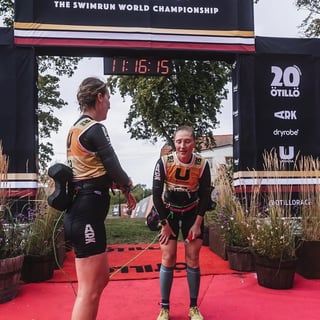
Speaker: This is a race that's on the west coast of Sweden. It is absolutely beautiful. Neither of us have done it, but it is a bucket list race for us. And we had our previous guests and our wonderful American u s women's team, the Vermamas, they got third this past weekend at that race, which is incredible. And I think Sarah and were talking about it. And that is probably the first American women's team to ever place in a European race on the podium, which is absolutely incredible. We're so extremely proud of them and the work that they've put in. And we cannot wait to see them at Worlds. I'm so excited to see them absolutely crush it. They've set the precedent and cannot wait to tether to them.
Speaker: That's amazing. um Yeah, it was super cool to see how well they did in Gothenburg. I'm super excited to cheer them on. It's going to be amazing to watch. They're killing it. I know. I know. I'm just like, what is the podium going to be like this year? It's going to be awesome. It's going to be amazing because there's so much happening on the women's side of of swim run this year. And we'll definitely update you guys closer um to like maybe our predictions of what it's going to look like, at least for the podium for Worlds and um just kind of the the women that are there as well. So we're very excited for that. super exciting things for women in sports recently. um So last weekend was the High Lonesome 100. Which was amazing. this race is incredible. um
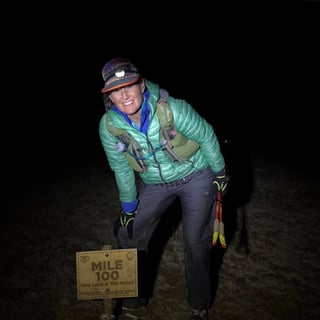
Speaker: So the course record was broken. Last year, Rachel Enterkin broke the record. And i can't remember what her time was exactly. Well, i guess it was 27 seconds behind 21 hours, 55 minutes and 49 seconds because Becca Bramley set a new course record by sprinting in from the gate on the road through the field and through the shoot.
Speaker: Like literally 27 seconds is what separated her from a course record which is absolutely wild did you get to watch her race in or were you with matt because your husband ran well yeah yeah so i was crewing my husband matt um i am actually not sure i was probably up at hancock which is like 50 mile mark when she was finishing i guess yeah she finished in the dark right she finished in the dark but that 21 hours and matt finished in third just under 30 hours so which was incredibly fast as well
Speaker: ah But yeah, I don't know where I was. i was driving somewhere because the course is so spread out. I got like 15 minutes of sleep. I mean, who needs sleep? Yeah. we just We just had caffeine, loads of caffeine and good vibes, and we got through it. It was so fun. That's incredible. And that race is such a vibe too. Like if you guys have never been to an ultra marathon, you need to go and you need to go to High Lonesome because – This year, I know High Lonesome, historically, they've done 50% and I think this year they had more than women, right?
Speaker: I'm not sure. i might need to Might need to look that up. but like I know last year they did because somebody dropped like morning of or night before, and the only person that was left on a wait list was in the women's race. That's incredible. So, yeah, there was like one or two extra women. 1%, yeah. Yeah, it was incredible to actually have more women on that start line and than men last year. it was It's a really unique race. It's really cool. And they've stayed true to that too.
Speaker: Yeah, and I feel like more races need to kind of adapt this philosophy as well and be more inclusive, because there are a lot of women out there that would love to run these races that they can't get into because... There's more men that apply to the to the lottery. So, or however that however it goes. I don't know. There's a lot of different race strategies on that end. And I won't pretend to be a race director. But I do love what they do. And I think it's very inclusive. They actually had their first non-binary finisher this year ever. That's awesome. Which was amazing.
Speaker: like I was like getting teary eyed. I was like, Oh, this is amazing to see. but yeah, it was so fun. Uh, highly recommend if you don't want to race the race, come out, enjoy the mountains and volunteer because you will not experience a race vibe like this anywhere else. No, it is one of a kind. It really is. And the volunteers make the race just as much as the race directors and the racers doing it too. So if you have not volunteered for a race, you should also volunteer for a race. It is very wholesome, whether that's your local 5K or your local 100 miler. Yes. Incredible.
Speaker: Well, what have you been up to, Viv? Let's see. What do we have going on? um A lot of training. I had my first 50-mile or I'm going to say 50-ish mile week on running again. So we're we're building back up for our world's build and doing Costco with Anna in a – like two weeks, which is crazy. We're two weeks away from Costco. um So if you guys are at Costco, come find me. I have got stickers.
Speaker: They're new stickers. So and they're glittery. So you definitely want to come find me. I'm very excited to see friends. Um, and race with her. So that's, and then I'm also doing Louisiana summer nights, which is, um, the first ultra ever did.
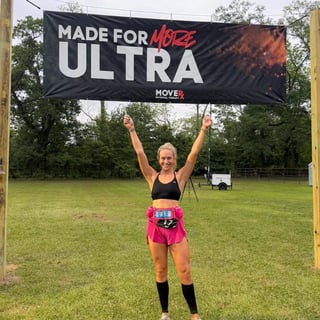
Speaker: And that was, um, last year, it's a 10 hour race throughout the night. And so they've recently changed the course to where it's now kind of in the same area as like the made for more that I did, like the last man standing earlier in the year. So it's a two mile loop. It's a pretty flat trail.
Speaker: not going to lie. I'm kind of sad they changed it just because I do love a little technical. i like a little ankle break, you know, keep you on your e on your toes. So it will be a fast course. I'm very excited. wait I have a lot of friends who signed up either last minute or have been signed up for the entire year like me. So it's going to be really, really exciting. I think it's going to great race, great show out.
Speaker: and So it's from 8 p.m. to 6 a.m. And you just like do as much as you can. But um the goal always is to keep moving for 10 hours and see. what you can do when you're hallucinating. so It's wild that it starts at night as well. That just like brings a whole other factor into the race. Oh my gosh. You have to get really like situated with your headlamp. like If you've never ran with a headlamp,
Speaker: And depending on which one you have, depending on how many lumens it is, like, your field of vision is only literally, like, what's in front of you. And you're usually looking at the ground and trying not to, like, trip over, like, a twig at that point, too. Like, it's crazy. actually got a waist belt.
Speaker: Oh. Had waist light that he really liked racing with, so – Oh, man, maybe I'll have to do that. Maybe I'll get that in the next week because that might be better than the then looking down with my head, just yeah staring at my shoes.
Speaker: Yeah, it's really bright, and it helped him out a lot with the rocks and the roots and everything and the and the alpine overnight, which was good. Oh, man, okay. If Matt says it's good, say less. I'm in. He actually he actually field tested it already, so we're good. It's approved. Perfect.
Speaker: It's wild. You have to prove it. blessed amazing and Sarah what have you what have you been going on what's been going on with you oh man okay so not a whole lot of training here still trying to figure out what I'm doing yeah what I'm doing what my body is doing excuse me you're like I know what I'm doing but i don't know what that when I know I'm like I know what I want to be doing and it's not this os yeah so still just kind of figuring things out with my doctor or running some getting some more tests this coming week yeah um
Speaker: unfortunately I had a pull out of worlds just have not been getting any training in really um the last two months my body just like really hasn't been tolerating volume um and just heat intolerance and a bunch of other real weird things really really weird yeah um so yeah unfortunately had a pull out from worlds so if you're listening to this podcast and um you would like to race with my best partner ever, Vivian. Reach out to us. Reach out to her.
Speaker: She's still looking. She's a wonderful partner. I will serenade you. Yes, you'll be serenaded on the course and have the best time ever. so And Sarah actually will still be at Worlds. She is still coming. So do not fear. The monkeys will be there just in different capacities. So i'm very excited to have um the best cheerleader as well out on the course volunteering. So I think is Matt coming as well?
Speaker: Matt's going to come as well. So yeah we're going to both volunteer on the course. So you'll see us out there. It's going to be so weird not racing and being there. But that FOMO of being there and helping and volunteering is going to be a lot better than having any sort of FOMO being back in the States. So if all goes well, I will be there volunteering.
Speaker: Yay! I'm very excited to have you in that capacity. It'll be good. How's everything else going? You guys have been, like, moving stuff as well for, like, some new gear.
Speaker: So, yeah, Matt somehow found a really great deal on appliances in town here from ah a shop that was closing down. So we got a new refrigerator. We got a new microwave. We got a new stove for, like, $750. That's incredible. So that's what we did this weekend. Yeah.
Speaker: but Hey, that's still a workout though. those Those things are heavy. i did some painting. He did a lot of like the installation of that stuff and like the cutting cabinets and like the things that we needed it to physically change to to fit the new things in there. But yeah, it was is good. It was a good way to feel productive in a different way. So I'll take it. I'll take anything these days. yeah I can't wait to see the upgrades of ah in the vacation home. Right? Yeah. You got to come to your vacation home. I know. Yeah.
Speaker: it's It's funny. was My parents um live in Steamboat as well in Colorado. And so I always joke with everybody. I'm like, oh, I have to go see my friends. i have to go stay in my vacation home, my parents' house and Sarah's house. Uh-huh.
Speaker: Yeah, it's great. i love it. We have great views here. Can't complain. Top tier views. You guys have Mount Princeton in your backyard. Literally, you can see it. It's so beautiful.
Speaker: It's the best. It's the best way to take your coffee in, too. Like, it's all I need. Right? Well, okay, so speaking about like bodies and things of that sort, Viv, do you want to introduce our guest this week? I would love to. i am so excited. um This happened, i know we'll get into it a little bit more too, but this happened just by chance. Like a friend of a friend, she's like, hey, you should go see my friend, Haley. She's a chiropractor. I was in the Like, you know what? Let's just try something new. My body's been hurting. My shoulder's been hurting.
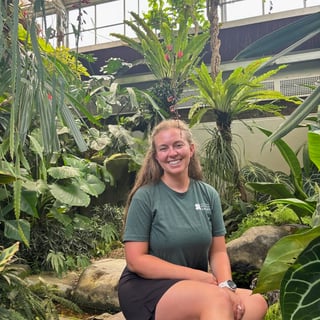
Speaker: Come to find out, I've like partially pulled my rotator cuff. So that's been making something super fun. But fear not. We have Dr. Haley Duggar on the podcast. She um went to University of Louisiana Lafayette here in our our hometown.
Speaker: But she also went and expanded... Kind of like from PT, thinking she was going to be a PT to actually getting her doctorate chiropractic degree from the Palmer College of palmer college of Chiropractic. in Florida where she i've pretty much just went to school on the beach, which is incredible. um She specializes in so many things, but her passion and her drive is to help athletes get back on the field as quickly and as safely as possible. And she's not about a quick fix. She's about longevity. So I'm so excited to welcome to the podcast, Dr. Haley Dugger. Welcome the podcast, Haley. I'm so excited to have you. Yes. Thank you so much, y'all.
Speaker: excited you too okay so for anyone who doesn't know i have been dealing with shoulder injury probably mentioned this um but like ah shoulder body imbalances you know so i was looking for somebody to put me back together and i just like through a friend connection met hayley and my friend brooke was like you should go have hayley fix you and i was like actually that's a really good idea And I've only seen Haley twice and my shoulder is so much better. Like it's only been three times, but I am so happy to have found somebody like Haley. um Haley, what do you do for work?
Speaker: So I'm a sports chiropractor. And what that means is I'm more injury specific. So if you think of chiropractor, you might think like ah wellness come in full adjustment,
Speaker: they continue to see you or you continue to see them for the rest of your life. I don't do that. I would get so bored. So I, if someone comes in with a specific injury, i hone in on that, see what's lacking, what's restricted, what's not moving right, what's weak.
Speaker: And I only work on that. So that's where it, and that's where we get really fast results like you, because it's, We're, we isolate I isolate it. And I just focus on that and then teach you what to do in the meantime, in between visits. She's like, get this is how you stretch. I'm like, Oh, cause we, we get taught to stretch the basic stuff. Like, Hey, here's some yoga moves. Here you go. yeah And then, but stretching muscles, I've never realized that we're there and actually healing them. It's been, it's only, yeah it's been like the last like two and a half weeks. And I'm like, wow.
Speaker: That's why i I literally have a muscle. i mean, a stretch for every single muscle in your body. and Like, just let me know what else is hurting me. Can y'all do something else? I got you.
Speaker: he left him Can you do this virtually? Yeah. Yeah, actually. Yeah.
Speaker: I have helped a few people on the phone. My dad, my poor dad, was, he was at a restaurant. This is funny. This is side note. He's at a restaurant. And he's at Zia's and ah he calls me and he's like, Haley, I need help. I'd like, I need you to teach me how to stretch. And so was like, dad, please don't be that old man in the front of the restaurant stretching. but Okay, let's do this. and so i tried to walk him through it and he did it and he was like, Oh, okay. Thank you. know It was great.
Speaker: That's incredible. Yeah. I've helped him quite a few times because he's a dog trainer. So he, he's out and about, he goes to master nationals. So sometimes he's not, he can't come in to see. So there's a lot of virtual healing that's happening.
Speaker: How, what made you get into this? Like what drew you, i guess, what age did you figure out, you know what? I want to be a sports chiropractor. I want to do this for the rest of my life.
Speaker: So like last minute, last minute I decided I was going to go into chiropractic. So when I first started school undergrad, I thought i wanted to be a nurse.
Speaker: And I quickly found out I'm not. nurse material. That's a special person and I'm not that person. um And so i was like, oh, I'll do PT. So I was on the PT route, taking all the classes.
Speaker: And um at that time when I was in school, PTs could only get referrals to treat. So not anyone could just walk in and get get treatment.
Speaker: um So I shadowed so many different PTs, hospital, private practice, group practice, mobile, um so many. And it just wasn't, I didn't feel called to it.
Speaker: um And, and honesty, a lot of those patients that were coming in, it was after surgery or, you know, after accidents, things like that. And they didn't want to be there. They didn't want to be there at all.
Speaker: um And so I was very fortunate. I had this one PT that pulled me aside and he was like, look, you're going to get the bills paid. You're going to be fine financially, but you're going to spend a lot of time networking and getting into the pockets of medical doctors to get those referrals. And as soon as he said that, i was like, Oh no, I'm not selling anything. i don't want to do it. And so I had a meltdown with my mom and I'm like, I just spent three years, three and a half years going for PT. And I don't think I want to do it.
Speaker: And, um, and also PT is very hard to get into because there's, there's so many that want to be a PT. Um, so I was like, I'm putting all this work. i don't even know if I could, you know, get in. Um, and she was like, go shadow my chiropractor.
Speaker: And i was like, no, chiropractors are quacks. I'm not doing that. she will Just go and try it. It's like, fine. I'll go try it.
Speaker: Absolutely loved it. So he did, he no he no longer practices here. He's in Texas. But he did more injury specific stuff. Not exactly what I do.
Speaker: But every patient loved being there. He loved his job. They could come in at their own will, you know, and he really had a lot of freedom to do what was best for the patient. um And then through that, I met where I work now, the doctor who owns this practice. Um, and then I saw him do the muscle work and the myofascial release and the super specific injury prevention. And I was like, that's it.
Speaker: This is what I want to do. And that was it. And it was probably me and one other girl in the kinesiology department that wanted to be chiropractors in Louisiana. Oh, wow.
Speaker: That was it. It was just me and her. Um, so some other people have become chiropractors. I think they just wanted to keep it on the down low. Like what everybody to know. um And so me and her went to different schools and that's where I picked the school that I, that I went to Palmer, Florida. Um, and they were a little more progressive in, um, rehab and myofascial release muscle work, stuff like that. And I was like, this is, and it was on the beach. Oh, say less.
Speaker: Yeah. sounds like Sunshine. Yeah. And so that's where I hear learning from Dr. Abshire. That's when I really fell in love with it and the outcomes.
Speaker: that we're able to get so quickly, it there's it it doesn't compare. so That's incredible. So you got your, so i guess breaking it down to anybody who wants to be a chiropractor or like go into sports specific chiropractor, like what did it take to get to where you are today? Like what was your, like, I guess your basic education?
Speaker: like So all, so because chiropractic is so new, you just need an undergraduate degree. Now you have to have your sciences. So, um, you could go to school. They ha I went to school with people who have like, um, a business management degree, but they took those sciences and those labs along with it.
Speaker: Um, and kind of minored in something else in a science or biology. I did kinesiology, exercise science. Because it just like it was set up, ready to go. And I didn't have to pick and choose classes or anything like that. So I did that. um And that, yeah, that's it.
Speaker: That's all I did. I just went to undergrad, graduated exercise science and then applied. It was, you know, you have to have, I think, a 3.5 GPA. have take GRE.
Speaker: and you have to take giri I don't remember the score that you're supposed to have, but you do that.
Speaker: Oh, that's awesome. Okay. That's good to know for anybody who wants to get into this because, like, again, it's – It's helped me so much. I'll sing your praises because only after three visits, I'm like, oh, I feel definitely like more releasing my lower back, actually like moving my body well.
Speaker: um What kind of athletes besides besides a swim runner and now, um what kind of athletes have you seen? Have you seen everybody across the spectrum or any specific athletes?
Speaker: Pretty much any and everyone. And it's funny, the muscle that's causing you issues is one of the most common muscles that someone can pull. And I say this all the time, college level pitcher is going to pull that muscle and then ma'am all down the street is going to pull that muscle. It's such a little muscle that we we do so much with and it's very easy to to pull it, to to strain it. And then where it attaches is where you feel the pain.
Speaker: So I've treated mostly dancers. um I was a dancer growing up and I did competitive dance. And once I got into that little niche, it it was wonderful because they didn't have to show me, they just had to tell me what hurts when they do this. And I knew exactly what it was.
Speaker: And dancers are absolutely wonderful because you don't have to fight them to stretch. and if you tell them they get to stretch there that's it and they are so quick to heal because of that because they they use their entire body and for hours and then they stretch and they warm up and they do ah it's probably like one or two visits for a dancer and that given what it is but mostly dancers I treat but I've treated You know, the the weekend warriors taking up pickleball, a lot of runners.
Speaker: um We do have a lot of ah like softball, baseball, but that's more of what Dr. Abshire does. He can just, he's in that world and he did better.
Speaker: I couldn't give them the same advice that he could, just like he couldn't give dancers the same advice that I could. So we we kind of we kind of tag team that. Yeah, swimmers. Swimmers. tennis players, tennis is huge.
Speaker: yeah I don't know if it is in Colorado, but it is huge over here. Any and everyone. And it could be something like you were taking clothes out the dryer. gonna treat it. And that's...
Speaker: me Sarah's like, yep, that was last week. No, like the amount of times that I've pulled something, doing something so silly, like unloading the dishwasher or yeah, like mopping the floor, like the random daily things that you do that you would never think you would have an issue with your like muscle wise because you go and you run and you swim and you lift weights and you do all the things. So that's thing that I tell. So that's when it had enough.
Speaker: that's when it had enough It doesn't mean that that's what caused the injury. That's the buildup. There's something you were doing over and over and you were leaving it to you know, take care of itself. And it just so happens you were mopping and that's when, okay, I've had enough.
Speaker: And then you're going to see about it, but it's not the mopping. it's probably prior to what you did. Oh, bummer. So have to keep doing that, huh? Yeah. Yeah. You guys keep doing the baby's day. He's like, oh, I was trying to get out of those. Yeah. No, but that does make sense. Yeah. Your body. Yeah. Totally. Your body is such a wild thing. Like, again, one thing leads to another and you're like, I can't walk. Help.
Speaker: yep That's exactly what happens. That's crazy. Okay, so I know you're a dancer, but what else, what does your athletic background look like?
Speaker: Because you obviously dance when you started that at a young age, right? Yes. Like everyone, every every young girl, three three years old. Yeah, I did that. I did play softball, and it's funny.
Speaker: um I played softball for a good while. I think up until... middle school maybe played softball i was no good i wasn't any good um i couldn't hit the ball i could run fast they yeah but i and what was really funny because as a dancer i can pose very well so i looked like i was gonna knock it out of the park Never. I was last on the batting list. So i just decided that I wanted to focus more on dance and do compete and, you know, join a company and, you know, things like that.
Speaker: um Softball was a way that me and my dad like bonded. He would help me. And so I went to him and i was like, dad, i don't want to do softball. Please don't be sad. And he was like,
Speaker: it's, he's probably thinking this was such a waste of time anyway. It's okay. You weren't getting any better. um So I did, I did softball very, I would say that very loosely because it was, I stood there. I stood in the outfield. um And then I danced from three years old till 18 years old.
Speaker: It's a long time. Yeah, it was a long time. And I was decent. um i I wasn't, I wasn't, um I don't think I was good enough to like make a career out of it.
Speaker: You asked my parents, oh my gosh, you know, I was the best thing, the best dancer to walk on this earth. um It's amazing. when Yeah. And then when, when I got into college, I started weightlifting and that was a lot of fun.
Speaker: I really enjoyed it. I enjoyed using my body in a way that was different than what I was used to. then did yoga because I was trying to keep up with my flexibility.
Speaker: That's not where it used to be. life will do that. a yeah ah you know, all that. Um, and then I started running and I did, I've only done two half marathons.
Speaker: Um, and then now I'm going to do a high rocks competition. exciting Hopefully soon. i have my, I just, I told Vivian this couple hours ago. um that I had my first high rocks class, like my first, I'd never done a rower before, I'd never done ski ergs and I was no idea. And I kept up, I kept up, but I think it's because I was running so much that my aerobic base was great to keep up So that's where I'm at now.
Speaker: So I haven't done a whole lot athletic wise besides dance. That's a lot though. i mean, 18, I mean, almost 18 years for a sport is huge because you experienced so much um doing it. I mean, so many ups and downs. I'm sure competitions like you, you had to miss school, you had to travel depending on what you did. So it was a definitely taught you a lot about juggling. it It was really funny because once I got into the niche of dancers treating them um and it, and it, it blew up.
Speaker: I called my both my parents and I was like, hey, all that money and time you spend on dance is finally paying off because I'm losing a lot of it. my mom was like, thank goodness. You're like, oh, it's good for something.
Speaker: I mean, that's cool. I bet that kind of feels like a full circle moment for you as well, because it's been such a big part of your life since you were so little. Yes. Yeah. And one of the, I mean, one of the best things that I'm so proud of is being as a dancer, there was injuries. um And I didn't have someone like me treating me. Yeah.
Speaker: So there was, and the other thing that's unfortunate, and it's definitely getting better, but in women's sports, we don't have that backup. Like, male sports, you know, athletic trainer or strength and conditioning coach or, you know, anything like that. So when I was injured dancing, um it was, she's just a dancer, put her in a boot and just heal, you know, just, just rest. And as a dancer, you can't stop because you worked so hard to get that front and center position. And then now you have to sit out and you lose it. Like you lose your spot and they have to continue without you. Um, I tore my Achilles tendon, um, dislocated my knee. And so when I have dancers that come in with the same injuries, I'm like, girl, I got you. I know exactly what this is. Don't stop dancing. Keep going.
Speaker: I'm just going to fix it. And you just keep going. And it's great. No, I like that too de philosophy because you never told me to stop like swimming. You never told me to stop moving my body because like, you're like, no, moving your body actually helps me figure out what else to to work on next to actually let the the muscle fibers heal and heal correctly. based off what you're doing. So I really love that approach that you you've taken because you're not telling an athlete, hey, whoa, full stop.
Speaker: no No, no, no, no. Let this heal. And then start from ground zero completely. You're like, no, no, no. Like maybe ease up, but still move your body. Still do it. It's very rarely that we even tell people to ease up. The only time we've said like, hey, stop, it's broken say or like it's completely torn.
Speaker: And it's like, nope, thanks for coming here, but I can't do anything with this. something that's broken. That's not my scope. It's detached completely. I'm so sorry. It's not attached. Just hanging. Yeah.
Speaker: I'd give you some duct tape. That's maybe that's all I got. It's like, Hey, when it's time to get back, come in and, yeah you know, we'll definitely help you get back on track and try to get you as close as where you, to where you were when you stopped.
Speaker: So, yeah, that's going to be such a like great thing for dancers and young athletes to be able to like come to you also knowing that they might have something that feels off in their body. And instead of just like pushing through it and making it potentially worse and then ending up in that boot, they can be a little bit more proactive about it and taking care of it and giving it the attention it needs right away. Yes. Because they know that they have someone in their corner that's going to help and they're not going to make them sit very rarely make them sit out or anything like that. Yeah.
Speaker: So that's you. I really like what you said about like having that in kind of women's sports, like more directed at like kind of like, yeah, dances. You can be a guy in dance too, but like not having that support, especially like, I mean, I know Sarah and I have talked about it too. Like having that support when we're younger to say, Hey, no, it's okay to not be okay here. I'm gonna help you with your sports injury. to help you with this.
Speaker: Um, and actually like now having you, um kind of leading the way of like, for like having that voice and like, no, no, no, Like we're going to fix this. Keep doing what you're doing. but also like being a champion for that too. And not, not being like, oh yeah, it's just girl sports. Just like little things here and there, whatever. so the, the biggest, like the biggest eye opener, I didn't, I mentioned this, but I worked for the athletic department at college. Um, I was the equipment manager. I didn't do anything. I washed dirty clothes pretty much. Um,
Speaker: But seeing the vastly different professionals. yeah So like if you go into you know football and you see they have four strength and conditioning coaches there, all the athletic trainers, like, you know, everyone is there watching these guys, making sure that doing everything good. And then their weightlifting ends, softball comes in and it's empty.
Speaker: It's just softball in there. And it's like, wow. Which, I mean, budget, i get it. You know, football is going to bring in more money. They can have more people in their corner. But it was like, okay, they aren't treated the same at all. So that was a big eye-opener when I was over there.
Speaker: Absolutely. I mean, yeah, I experienced it in college, too. I mean, I was in a – high money bringer athlete as a divers, um our swim team too. But like, it was, we had one athletic trainer dedicated to us. We had one strength and conditioning coach dedicated to us. So definitely seeing the difference between like our hockey team and lacrosse team and like us. And we're like, we matter too, I promise.
Speaker: Yes. So like being the equipment manager, I'm sorry. Oh, go ahead. being Being the equipment manager for women's sports, if you know was the It was a whole soccer team. It was the whole softball. It was the women's tennis. And they had one equipment manager. you know yeah But football had 15.
Speaker: fifteen you know and And then they would pull us to go take care of football when it's football season. And so then soccer didn't get – well, soccer wasn't. But they still had practice and things yeah like that. yeah It was like all hands on deck.
Speaker: Football's playing. Yeah.
Speaker: Yeah, that's wild. Now that I think about it, like I've been in sports pretty much my entire life. I played rugby for like six or seven years throughout high school and in college for a year. We've never had any type of like PT, physio, like anything like that. i skied most of my high school, middle school career as well. Like and wasn't introduced to any of that stuff until actually later in life. Um,
Speaker: I had an injury playing rugby my last year of college. And I think that was the first time that I had ever seen a PT in my entire life, but it was very much what you were alluding to at first. Like the people don't want to be there. The clients don't want to be there. It was like something that I like had to do because my doctor referred me, but like, I really wasn't sure if I was getting great care anyways, because I was still having a lot of pain. I don't like, I was being told not to do things. And yeah,
Speaker: and Yeah. Yeah. Yeah. It's unfortunate, but it is getting a whole lot better. Like yeah so much better than when we were all.
Speaker: i yeah, a hundred percent agree with that. Just the access that we have to PTs here now. Like I saw one in Denver for a couple of different reasons. Amazing. Loved working with him and then moved into the mountains and like first PT appointment today in a year or so over a year actually and uh I'm just like wow like this is a great thing to establish in a new town because when something does go really awry like you have somebody that you know is going to be there that like knows your goals and like that you're an endurance athlete and like
Speaker: sitting for you is something that's not normal. um Yeah. she like Sitting still doesn't happen. yeah Yeah. I feel like like doctors in general, PTs along the entire gambit, right? Like if they are treating somebody who is like not an athlete versus somebody who is an athlete, the avenues of treatment are going to be very different and they should be very different. Yes. Yes.
Speaker: Yes, I agree with that. they Yeah, i was i like I'm beyond grateful that I got connected to Haley. um and i'm just like it's it It really matters who is treating you and how they understand your movements um and just like you said, Sarah, like your goals.
Speaker: um But I guess have a question for you, Haley, on the fact – guess any advice from – also being a patient, um, but also now being a doctor of you've seen the PT side, but now you're on sports chiropractic side.
Speaker: What if people are in a situation where they're injured? Um, obviously everybody's situation is gonna be different, but are there, do you have any advice for anybody who ends up injured? Like, is there anything that they should really look out for in a good, um, doctor or, um,
Speaker: I know how to phrase it, but any advice that you have for anybody who's injured, what's the, what are the top things that you've learned through your years of experience to look for in a good like care provider? so my healing yourself, my biggest one is, um, I don't want it to sound rude, but if you're seeing someone who, uh, specializes in sports,
Speaker: and they don't partake in any, um that's kind of like a, well, how are you gonna know what I do or really understand? And that's one of the biggest things when I first started practicing, um I would have patients you know who came in like runners and you know, I knew what was causing the issue, but I didn't have that personal experience.
Speaker: And so i was like, well, let me go run, you know? And then I, oh, now I understand what he's feeling, like what this pain is or how this could happen. That's my biggest thing.
Speaker: um Is that one of the reasons why you started running? No, that's well, Long distance, no, but just running. Yes. Um, but the, the other thing is, uh, in the chiropractic world, there's something called a CCSP is a certified chiropractic sports physician. Um, hopefully you can get that soon. Um, but it works out cause I work for someone who has that and he's able to mentor me, um, teach me those things. So that's a really good one. Um, if they do any sort of myofascial release, um, or, uh, what's the big one, ART active release technique, um, that, that works really well. Um, I don't know about PT cause it's not my, once I decided not to do it, that was it, you know, I have no, um, but someone who, you know, if you, you know, you go on their website
Speaker: and it's wellness, you're probably not saying that you don't need it and you don't benefit from it. But if you have a specific injury, um that's something to look into. Like if you see that, oh, they do wellness, or not that they can't get you better, but it's probably going to be as fast. um The other thing too, that is a huge pet peeve of mine is if you, you know, you go for your first first consultation and, you know, they've want you to sign something saying, oh, you have to pay for the first nine treatments.
Speaker: um That doesn't sit right with me because you're telling me that you can't get me better before then. um
Speaker: And i I just don't, I don't i don't like that. that's That would be my first red flag. Like, okay, you're making me pay. And I haven't even seen any results yet.
Speaker: So I don't really jive with that. philosophy no that makes sense that's some very good advice because like I mean they're I'm lucky enough to where I have parents that they've been injured too they've been in sport forever um and they kind of like know hey you know we need to go to specialists we need to do this like So I had a very good idea of what I needed as an adult doing sport because I had that like a very good support system. And I know not everybody like gets injured all the time. I'm walking to a wall and i I'm injured. Like, I mean, I freaking knocked my head underneath my desk at work, got a concussion. So there's, there's different people out there that either get injured or don't get injured. And if they get injured, they don't get injured till like
Speaker: later in life and they're like, whoa, what do I do? yeah um And so I think that that's really good advice for anybody who either is facing something like for the first time or is like, hey, you know what, like I've never been injured, but this is a good thing to know for like when I decide to walk into a wall again. so Exactly. And one of the one of the things that, you know, we tell our patients is when You did like you did something specific, like sliding in to home base and your knee went one way and your leg went the other. Get in as soon as possible because the body already starts the healing process process. It already starts laying down those, those healing factors that the collagen, things like that. And it, um, it kind of makes it the tear because there's, there's, it be completely torn, but muscles strain and there's little tears to the body starts healing it and it gets all messy.
Speaker: It's all jumbled. And that's when like you feel a knot type of thing. So the sooner you can get in, the sooner we can kind of help guide that healing process to make the muscle fibers heal instead of all jumbled, nice and organized and and straight in the way that they should move. So that's when it goes a lot faster. The sooner you get in um and we see about it, that's when it won't come back. It won't come back every single time you run.
Speaker: or bike or anything, it's healed, it's done. So that's another piece of advice that I would, that we tell patients as soon as it happens, just come in. Unless the bone is sticking out. you know you should You should see a different doctor about that one. me You want me to refer you out? or
Speaker: No, that's good. That's also really good because I'm definitely, don't about Sarah, but I'm definitely one to wait. So you've definitely been like, you've got some scar tissue. So definitely don't be a Vivian and and go in when you hurt something and don't think you can do it by yourself.
Speaker: That's everyone, you know, they're like, oh, this is going to work itself out. I know how to stretch. I know how to move my body. It's going to work itself out. But it is going to reach a point where it's going to have enough and you're going be mopping or taking clothes out of the dryer. And you're like, oh, my goodness, that's it. You know, you're like, this shouldn't hurt this bad. Shouldn't hurt this bad. Yes, because you let it go for so long.
Speaker: hmm. I feel like as time goes on and I get a little older, i get a little wiser about that. Just like trying to address things as they happen. Cause prior to what I'm doing now, I used to climb trees for work and like, you just ignore things when they happen at work just because like ah you shouldn't, but that is just the culture of it. When I was working in it, it was like, you do something, you tweak something. Okay. Take a breath and continue on. But it's like, I probably should have addressed those a lot sooner. um
Speaker: But hey, you live and you learn. And living hopefully the folks out there who have not had any injur injuries will take Haley's advice on getting help Yeah, just see about it. Because in the long run, you'll spend less time. You'll spend less money.
Speaker: you know You'll spend less less time worrying about it too. um And it's just all in all. Just see about it as soon as it happens. That took me a while to take my own advice, you know, because you know, the, the specialists in injuries, I shouldn't be injured, you know? So if my knee was, cause I had, I had bad running shoes, they needed to be replaced.
Speaker: And i was like, Nope, I can probably run eight more miles in these. Nope. Could not. And I was just letting it go just letting it go. And finally i was like okay. And I was doing the stretches, you know, i was doing what I need to do, but I still need something deeper, needed something deeper to, I needed someone to get in there and break it up and and help guide it to heal correctly while continuing to run. So guilty of it too.
Speaker: How did you get, so you start, you started running because you had runners, but how did you get into longer distance running? ah So I probably ran on and off maybe twice a week, a couple miles all throughout college and graduate school.
Speaker: I also ah i had kids all throughout my schooling. So that was the only thing that was cheap, easily accessible, not time consuming.
Speaker: And I could still, you know, get a break and focus on making sure I'm healthy. And it wasn't till I have a really good friend. She's in medical school right now.
Speaker: She wanted to do a half marathon and her mom is a big runner. She did a lot of full marathons, half marathons. um And she would always go run with her mom and she wanted to do her first one. And she had asked her friends and none of them wanted to do it.
Speaker: And I'm the friend that's going to do Just like I'm doing a high rocks thing because my cousin, asked me and it took no coercing at all. Have you heard swim run?
Speaker: So I can't swim y'all. I try, I can doggy paddle. that's why dary That's fine. That's how I started. Yeah, pretty much.
Speaker: Honestly. It's the breathing. It's the it's that the trying to breathe while you swim and twist and then you arm and then exhale. Oh my gosh, it's stressful. It is so stressful. And I'm not a big girl and I'm not long.
Speaker: And so I feel like I'm already lacking. in that because everything's just little on me and so i feel like i need big hands long arms oh some of the fastest swim runners are small people all you have to do is ask me once and i'll do it that's the problem i'll give you a pull buoy and some paddles ailey it'll be good and So my friend, she asked me if I wanted to do it.
Speaker: And i was like, yeah, I'll do it. but i help far And she said, it's just 13 miles. Just 13. I was like, oh, crap. What did I just do? um And so luckily, the doctor that I work with, he has done triathlons and marathons and everything. And he was like, I got you.
Speaker: Amazing. And he was able to teach me those things and give me confidence in doing that. And so then that's when I did training for that one. The first one I was hooked. I was hooked and I was so sad when it was over and I was looking up the next race. I need i need to do this again. it was so much fun. I had such a good time.
Speaker: Yes. And I just liked the way my body felt and the mental clarity. Cause being a mom, you know, kids are always, they follow you everywhere.
Speaker: and so it, running for two hours. was like, gosh, nobody's asking me for a snack. Nobody like needs me to go get something. It's just you asking yourself for a snack. It was just me. I got you. Yes. I was giving me some snacks. It was great. And i was hooked. I was hooked. And then I did my second one. I did it in Dallas.
Speaker: I did the Houston. Nope. I didn't do it in Dallas. I did the Houston half. Okay. Now it was so much fun. Oh, I've heard nothing but good things about that race. Like everybody in Louisiana does the Houston, either full or half. And I have yet to do it. Maybe i think it's sold out for next year, but maybe, maybe one of these years I live here. Yes. It was so much fun because from beginning to end, there's a crowd of people cheering you on. That's awesome. um And the then what was great. I didn't know where I was. So it went by very fast. I was just following the massive group of people and,
Speaker: it it was humbling at the same time because I think I finished under the two hour no it was faster than I've ran before like my pace was like an 840 pace that's awesome um and then as I crossed the finish line that's one of the volunteers is like oh the first marathon winner just finished and I have a little bit of work to do. That's great. Good for them. right Congrats to them.
Speaker: could have saved that well a little later and when we were walking away. Yeah. Okay, but they're running like five minute miles, which is insane. Which is amazing that someone could even do that.
Speaker: like It's incredible. Yeah. Especially like the ultra running on the trails where people are still throwing down like five minute something paces. Insane. On technical stuff. Like what?
Speaker: Yes. You are superhuman. I love it. Yep. Me too. So cool to see. That's probably the one thing I'd probably say no on is an ultra race. But anything else I'm down for.
Speaker: Oh, man. Well, there's a few ultras in our backyard, Haley, that aren't that far away and they aren't that long. So you can and escape any single time. I'm treating so many of them.
Speaker: but So many knees, knees ankles. I mean, you got to like feel what it feels like, you know? Yeah, I see. Exactly.
Speaker: but yeah I'll go watch. I'll go watch the first one. There you go. i'll take ahll I'll take that. I'll take that one. Set up a little booth for y'all so i can y'all can continue.
Speaker: like Honestly, I might need that for a move for more next year. So I'll be calling you. Yeah. The SOS booth. yeah That would be great. Help. Help.
Speaker: a That's incredible. Oh my gosh. Okay. So you ran Houston. um And then have you, did you run Zydeco at all? Yeah, I did. That was my first one. And I think that was such a, i had no expectations, you know, standard and it was great. I had such a good time. And then last year I volunteered for Zydeco.
Speaker: Were you all like, i was in my rain jacket the entire time. Cause it was raining. And i was at that point. by Gerard Park where you do the little go out and come back. Oh, yeah. the worst part because it's – Yeah. You just redo what you just did. and I was screaming at the top of my lungs, hearing these people on because there was no one out there. because Yeah. it was so It was so quiet. I was at the intersection right when you turn into like go down –
Speaker: to Like through the university and stuff like that. And so like, I'm directing traffic. I'm like telling people don't run over my runners. Like I was doing the same thing. I'm stopping people. They're getting an attitude with me. And I'm like, it's not a surprise. Like this is like the one day out of the year that like this race always happens. It's not like a big, it was all over is anyway.
Speaker: Yeah. I know. i was like i can i I was like, I will complain about anybody who's like, I didn't know what was going on. And i'm like, there's been like, road will be closed sign for like last week. You can see all the barricades that you just went around. yeah like this You knew. You knew. You definitely knew.
Speaker: Yeah. it's it's It's my favorite. When people are surprised when there's like a race going on, they're like, i had no idea. Yeah. And I'm like, so now you have to wait for this bout of runners to go out and come back. And then maybe you can...
Speaker: Goodbye. Good luck. Don't hit anybody. Please. You hit somebody. might mess you up. I'm in trouble if you hit somebody because it's my intersection. Yeah. Yeah.
Speaker: Yeah. Oh my gosh. i I love that because I mean, I i really like the the local races that we have um because there are some really fun ones. I mean, obviously it's so hot. We've talked about it with um Kelsey from Girls on the Run that it's just like we have her we have our we have our season.
Speaker: Because it's disgusting out right now. Luckily, it kind of cooled down with the storm, the rain, and the storm breezes that we were getting from our... I mean, it wasn't really a tropical storm. It was like a sprinkle this morning. Yeah, that was it. Yeah. like massive flooding, and we're like, cool. Well, the sun's out now.
Speaker: Where? okay Yeah. I'm going to run. Yeah. No, exactly. you have any races or besides a high rocks event on the horizon or is it just high rocks right now?
Speaker: So right now I'm just focusing on high rocks. I did talk about wanting to do a full marathon next year. I know. Yes. um And, but I don't know which one, i don't know what it's going to look like next year, especially doing a high rocks and then coming off of that and wanting to do Like if we get into the one in November, because sometimes sometimes people, they bow out. Yeah.
Speaker: If coming out of that and then also training for a marathon at the same time, like let's say in January, February. I don't know if I can carry that load right now just because I'm not, you know, focused more on high rocks. But it's all running anyway. But yeah.
Speaker: So we'll see. I did talk about it. so and i I mean, the the Every Woman's Marathon happening in New Orleans is actually the end of February, so you've got some time. Yes, I did. That's the one that um I think Brooke, our mutual friend, told me about. yeah I convinced Brooke to run it. I'm not sure if signed up. I feel like you convinced Brooke to do everything.
Speaker: Because some of the I'm like, you're doing what? Yeah, my friend Vivian's doing it. i'm like, okay. And this is before we even met. Like, met at, like, the movie theater. Because Brooke was like, I'm taking, I saw it, and Haley's bringing her kids.
Speaker: And I was like, okay, whatever. And then, like, i was like, oh, you're the magic woman that can fix me. Okay. So. It was wonderful. I was like a full, full circle of all of them. Oh, yeah I've heard about you. So it was like it was nice to finally put like a face to the name that I've heard. Because how how many, you two little boys?
Speaker: have two. Well, one's big, one's little. Yeah. They're they're both little. i have 13-year-old that's taller than me and a five-year-old. Oh my gosh.
Speaker: They're still babies though. They still act like babies sometimes. Yeah. They're great. They're wonderful. Oh my gosh. Yeah. How is like you, eat like Sarah and I do a lot, but you do a lot as well with like your job. How as a mom, are you able to balance work?
Speaker: like I mean, yeah. But what do you tell people when they ask you, how do you balance everything? Because I feel like it it changes so day to day with what you have going on and in like your life. Because I mean, it at least for Sarah and I, like one day is like totally relaxing and other days are like, what are you doing? I'm doing 500 million things right now. So ah you have any, like how how do you do it?
Speaker: I guess. So it's a question ask every mom. Yeah. So the biggest thing that helped me was to remember that it's just a season. These hard times when they're, especially having a toddler and ah and a preteen at the same time fighting you in different ways, you know, it's just a season and to just get it in when you can. The biggest thing that, second biggest thing was that I do prioritize it.
Speaker: So that is gonna be one of the things that I will get done. um I will go train. I will go for a run. um I will make time for it. And having that, my kids know, Oh, mom's going work out. Mom's going for a run.
Speaker: She's going to come back. We're good. She all, you know, she's always going to come back. Um, so I guess ah training them to, to know that this is important. Um, it's important for me in my job. i have a very physical job. Yeah.
Speaker: And so I have to be strong. Um, And also i'm I'm competitive. So to have something that I'm competing towards, you know that helps. And it helps my head too, you know to clear things out and to focus on something. And it's nice to have a different identity than just Emerson and Reese's mom. um It's, oh, she's a runner. Oh, she's high rocks athlete. you know it's It's instead of just, oh, she's a mom. But not that's great, too.
Speaker: So fulfilling. Love being a mom so much. But it's just I prioritize it. And then I know, okay, just a season. I'm going to have to train after work. And it's going be hot.
Speaker: But there's heat training. and whiches yeah That's what we tell ourselves. I'm heat training. So the fall will be so much better, which is true. um But it's just a season. And then as they get older, then it's, okay, well, I actually have time to go before work.
Speaker: because my kids can dress themselves now. They can make their own breakfast. They can do those things. So just, you have to switch it up. You can't, don't expect that for the rest of your life, you have to train at 5 a.m. m or, you know, you have to train at 7 p.m. when everybody else is in bed. It's, you kind of have to go with the flow of motherhood, especially if your kids are in, in sports, you're going to have work around their sports also.
Speaker: um And so, yeah, just be more flexible with it, but still prioritize it. That's what I tell my mom all the time because she's, oh, I don't have time to work out. And I'm like, mom, you have no kids at your house.
Speaker: You do. You're just not making it one of your to-dos. And she has switched that. And now she is she is she is exercising, which is great. She needed to do that. So that's that's a really good kind of advice and and plan and guide to kind of be like, Hey, it ah if it's important to you, you're going to get it done. Just like, Hey, you know, this is important for my kids. Have your kids seen you like workout and want to join you or do they do their own sports as well?
Speaker: All the time. They, um, so they come to every race I'm in. They they're right there. chairman Even they came to Houston with their son. Um, things it was cold and raining and they were out there and they were cheering me on.
Speaker: Um, with my husband, of course, he was definite there. He was, he was watching it. They just had to drive with someone. Yeah. Um, and so we have what, what works for, for me, um, is to have a little space in my garage to work out because sometimes going to the gym is just not feasible. Yeah. Um, ah financially time constricting, you know, all that.
Speaker: So they'll come, but they know I'm working out. So they join me if they want, you know, they might, it starts them joining and then they might go skateboard or, you know, but they're still out and about around me, but they see me working out and they know, don't bug her.
Speaker: i think Like, I'm going I'm going to get to you. Hang We got to do this. Give mom her moment. Yes. And it's great. They're also my little one. um does t-ball.
Speaker: Hopefully they'll start soccer. My oldest one, um he he's he's amazing. He's very smart, all academic.
Speaker: And um we knew when he was little, seeing him run, he was not an athlete. But it's fine. he knows He knows. Yeah, he's like, I'm aware.
Speaker: He's so fine with it. Like, he's like, I'm not athletic, but I can whoop your butt in a Rubik's cube competition, or I can build this program in CAD and build you, build you 3d print, you know, whatever I can do that.
Speaker: Um, but still we both, both my husband and I have told him, you have to pick something physical. Like I, we need you to be in some sport and we have tried all the sports with him.
Speaker: Um, And then he did, we wanted him to be on a team because then you get that adversity, you get that working with other people because as someone who is intellectually inclined, um he thinks his ideas are better than everybody else's, which is true sometimes. I do give him that, but he needs fli to learn how to work with people. So he would do that, again all the sports. And then he found karate because He really hated all of them, all the other sports.
Speaker: And so we did karate because it was like, okay, you just have to worry about you. But you're still getting active. Your heart rate's going up. You're being, you're moving. That's great. They teach a lot of good skills in karate. Got a lot of good life skills in karate. My niece is in it and she's nine year old nine years old. And she's like a completely different person from like pre-krat.
Speaker: Karate too now. And it's so cool to watch like her confidence. That's exactly what happened. Yeah. That's exactly what happened to Emerson because he's, he doesn't, he's not in the sport athletic world. And down here in the South, we love our football and our baseball.
Speaker: And he was not into that. So there was bullying involved. And so when he switched, when he started doing karate, he was so much more confident and, you know, they, they do teach them,
Speaker: skills to defend themselves. And he did have to use them and it did help. It was great. Wow. That's awesome. Go to Emerson.
Speaker: ah No, right? Little, well, at that time, he little, little. And he did, he took this guy down and, but it was, i love this. This is awesome. no We're going on a tangent. No, we're here for it. It was it was crazy because I get a call from the school.
Speaker: Emerson was in a fight and I'm like, son but There's no way. And I, and I said, what did the other kid do? Because that's, it's got it. He's not going to do something like that.
Speaker: And, oh, we can't say. So I pick him up from school. What happened? This kid was bullying my friend and he shoved me and I told him to stop and he didn't stop. And so he put him to the ground and then did that was it. He just put him on his back yeah and on the ground and said, leave, leave us alone. And the kid did, he stopped, but.
Speaker: He wasn't violent or anything. He was just defending himself and his friend. And i was like, okay, you're not punished. good. Good job. What do you want? Good job, but don't tell him I i did this. What do you want to celebrate for that? We're good.
Speaker: Yeah. You're not in trouble. Oh my gosh. So that's what they do. And little one loves T-ball, like loves baseball. And he's like, he wants to do it.
Speaker: He's not just sitting in the outfield. on his back crying that he doesn't want to be there. So he like every year he wants to do T-ball and he's getting better and better, more aware of his body. Now he wants to work out cause he wants to be strong.
Speaker: my love that but We're going to hold off on that one. Yeah. We can't do that yet. right Yeah. Just go play. ah So that's what my kids do. That's awesome. Does your husband also, i i know you mentioned that you skateboards, but does he also work out with you and the boys and kind of get involved in athletics as well?
Speaker: Oh yeah. He, um so when I was training for the second half, he wanted, yes, he started running with me. um His, his, um'm his job is a lot more demanding than my job. Like my job, if i'm not at work, I'm not working. he is continuing to work after work so that it wasn't as consistent when he was training. And then he wanted to train for Zydeco.
Speaker: And, but again, life happens. And so that didn't happen, but he does run. He does skateboard still to this day. That's awesome though. I love that. You're like, I was like, I married the cool kids.
Speaker: I feel like it's such a fun way to like keep your inner child like present. Exactly. Yes. Yes. And like, and so our, my oldest one skateboards too, and they love it.
Speaker: And they, there's a skate park right down the road. Yeah. They just opened that one. It's all, yeah it's nice and new. All fancy. it's And so they go there. And so that's a really good way to stay active, but still have fun.
Speaker: not think about it too much. And you're still trying to get you to do your body to do better. Be more aware of where your feet are and, you know, balance wise. It's great. It's wonderful.
Speaker: And he also weight lifts. So he does weight training. That's so cool. I love how involved. Yeah. Yeah. i was like, you guys are absolutely killing it in like leading by example of getting your body moving and involving them as well too. And they still have their own little thing. Yes. We we definitely tried to support anything that they're into.
Speaker: um Now with my oldest one, he was not in, he wasn't into anything that required him to sweat. um So it would that was a push. That was a, I'm sorry, but we're making you, you can pick whatever sport you want to try, but you have to pick something.
Speaker: So we're trying soccer again this year. We'll see. Okay. Give me a second time with soccer. so his Second time's the charm. Yeah, maybe so. We'll see. We'll see what happens. It's okay. you gotta fix something Would he be interested in like marching band? Because that is like also a physical thing. It's like physical. It is. Yeah.
Speaker: But it's not quite sports related, but it's still like you're part of a team and you're moving your body. I would love. Well, so he's, he's only in middle school. So the school that he goes to doesn't have that. Um,
Speaker: the school that he goes to, um, uh, a STEM school. So it's science, technology, all that. Um, and so you could choose your electives and it's choir or programming or coding.
Speaker: Of course the kid's going to pick the coding, you know, so he can't do both. Um, so, but that would be cool if he had access to it or like wanted, you know, actually was made to have access to it that he might really enjoy it.
Speaker: Um, I can't play anything. So I can't, um, no personal experience with that to try to coax him to, you know, get, okay. Yeah.
Speaker: yeah But he does come run with me sometimes. Um, he says he doesn't like it, but he always, you know, he comes back for more. So like wo nice to see you again. Yep. We try.
Speaker: I love that. Yeah, no, it's it's great to get, like, kids involved. Like, Sarah and I don't have kids. We got we got our dogs right now. But we um she's got ah a niece and a nephew that, like, they're still babies, but they're they're moving and grooving, too. Like, every summer she goes up there and sees them. Just, like, she sends me videos of of some swimming and all that stuff, too. It's awesome.
Speaker: Actually, had to chase Harlan around this year at Upper Cullen because he's, only two years old and he's got this cute little like push bike so it doesn't have pedals on it but like the stride riders or whatever they're called and he zooms so fast like i'm literally running next to him as he's like pushing himself like up the hill down the hill across the grass off-roading this doctor yeah this kid that yeah that's my my little one he's my daredevil He's the one where we're swimming and we're like, okay, we need swim lessons because he is so confident. and yeah
Speaker: and um And he had the same bike and he little, little dude was going like i was sprinting, trying to keep up. So fun. Yeah. He's, he also, he broke his arm because he's my, he's going to try everything. Yeah.
Speaker: And, you know, sliding down the slide wasn't thrilling enough for him. So, He wanted to jump off of it. Oh, fair. Yeah. You know. Yeah. He didn't stick the landing.
Speaker: He broke his radius in his arm and he was heartbroken that that happened. And he was also the kid that was continuing to skateboard because now he had something to fall on. And so if he did fall, he could just fall on his cast.
Speaker: Yeah. And he was, you know, smacking it with, on trees and like, look how hard that, you know, that's, that's my, that's my little one. He was just like your niece and nephew, just wild, a wild one. Wild ones.
Speaker: a that Haley, you've done everything i think under the sun or at least tried it. Um, especially with your, especially with your kids too. Um, and even in, in your kind of figuring out that you want to be a sports chiropractor as well.
Speaker: asked of all our guests, but do you have any advice for anyone looking into jumping into something new, whether it be sport, career, um finding a good doctor? i Anything that like you would – any advice that you would give anyone looking into that kind of the new thing? is My motto is I'm always going to try something once.
Speaker: And if I don't like it, that even comes with food. If I, I'm a try it, I'm gonna try it one time. I'll give it a go. But if, you know, if it doesn't work out, it doesn't work out. There's no sweat off your back. You don't have to continue thinking, oh, what if I would have tried it? What if I would have liked it?
Speaker: um Same like with running, you know, I'd never thought I would run 13 miles straight. um But I'm try it, let's go. And then it got better and better and longer and longer. and You know and then you end up finding something that you would have never put yourself in. You would have never tried it. So grateful for my friend asking me because she knew I wasn't going to say no, but you know, at the same time is, oh, I fell in love with it and I'm running more than she is now, you know? So it's always try something one time, just like my kids. You're going to try every sport. You're going to try it one time.
Speaker: See if you like it. If you don't like it, you have to finish it out. but then you don't have to do it next year. think that's great advice. Yeah, absolutely. Especially for kids. You don't have to do it forever, but you can try it.
Speaker: You gotta try it once. Just try it once. The same with trying food. There you go. Absolutely. Yeah. Try it everything you can.
Speaker: If it's legal, not illegal. Don't do that. Disclaimer from there. Please don't do anything illegal. don't bring anything to inform you.
Speaker: ah Yeah, but try once. Yeah, you'll never know if that you just missed out on your new hobby or like the love of your life or a doctor that you would have never tried, but she gets you.
Speaker: And you know, you would have never, you know, you would have never known and you would have been stuck with a shoulder thing. hey Yeah. You know, it happens. Yeah. Yeah.
Speaker: No, that's that again, great advice that everybody needs to take, um, should take. Um, but it's, it's been incredible. Um, just kind of talking to you and, and seeing where, where you've come and like how far you've come.
Speaker: Um, as I guess one more question to close this out too, but like, have you faced any challenges being a female in, I feel like it's a male dominated field, is it?
Speaker: Yeah, it is. So what, um what are the challenges and advice you have for other women? No, we'd have, we'd have to set up another hour. Maybe we should start with that from now on. Yeah, I know, right? sound Some of the challenges have faced,
Speaker: is because I'm smaller and I'm a female, when I walk in, I get the comment, oh, you're not going to do anything. And it's it's disrespectful because you wouldn't have said that to probably a male. i yeah um and But it then i you know i I feel good because I did do something and it, I did help. So yeah it did fix you. I did actually help. you Um, the other thing, because it's so my, when I first started here at this practice, um, I worked for a doctor who's been doing this for 20 years and he's been doing specifically sports injury, myofascial release. He pretty much paved the way for me and him.
Speaker: He did a lot of that fighting, um, of the misconception. um So, and I'm just riding the coattails because he did a lot of that work, but because he had such a big name for himself and everyone knew who he was, i i felt like I was in a shadow and he was probably three times my size. So I literally was in his shadow and I was trying something that I tell everyone, it doesn't matter what you're going into. I was trying to be him and not myself because he was successful. So I was trying to think like him, practice like him, treat like him.
Speaker: And then i it got so clouded that when someone did come in and I didn't know what he would say, i thought I couldn't help.
Speaker: um But I did know how to help. I did know, i knew those things, but I wasn't being myself. I wasn't being confident. in my small frame woman body. i have the same education as him. I don't have the same experience, but we are peers. And so that took me a long time. But once I, I guess, stopped doing that, sometimes I still do it. But once I stopped doing that, everything got so much better and so much easier when I was just being me and practicing how I wanted to practice
Speaker: saying how I, how it made sense in my head to someone. And I could get my message across better because I wasn't trying to just, you know, memorize what he would have said. um So that, that helped a lot too. And then um as a woman, i mean, I don't know if you want to add this, but sometimes when you're alone in a patient room with someone who's a little gropey, that happens. Um, but I've gotten, I, I don't, I don't put up with it. You know, it's like, Oh, nope.
Speaker: Keep your hands up there or yeah you won't be a patient here. Um, no, it's fair. Yeah. So the times that that has happened, I've told, uh, the other doctor and either he starts seeing them or, you know, they're not allowed here. Um, that's something I would have never thought about being, uh, that's, ah I mean, that's really good to mention though, because again, we're,
Speaker: more geared towards females. Obviously, everybody listens to us. So thank you, everybody for listening. But more so we have ah a large female audience. and And a lot of people do either um want to see just female doctors because of that reason as well.
Speaker: Yes. So a lot of it it when I first you know started, he wanted a female here for a long time. But he there's
Speaker: Yeah.
Speaker: Yeah.
Speaker: Yeah.
Speaker: No, that's really good. No, I mean, yeah, it's it's fair. It's not going to, especially in your job, there's going to be that those physical differences. Definitely. But I think having more females kind of, again, pave the way like you have is is huge because it it just shows like, I think I saw like this Instagram video. It was like, be the reason other females believe they can do it.
Speaker: And whether that's like showing up in sports chiropractic world and being like, hey, no look, like I did it. You can do it too. And let me help you instead of like just being at the top and just be like, well, I did it. So like I'm the top female, like, no, it's, it's, we all want to get more females in the circles that we're in. That's why we have this podcast. That's why we talk to other women trying to get people into swim run, but it's definitely a space that's needed and to showcase other women, like you can do this and let me help you.
Speaker: Yeah.
Speaker: Mm-hmm.
Speaker: Yeah.
Speaker: How about instead, look you can do it.
Speaker: Yeah.
Speaker: Superhumans, literally.
Speaker: Definitely built different for sure. Yeah. I mean, but we talk about it too, like seeing women literally like breaking records, just ways that like our bodies are able to push more in endurance sports too. And like how it's just like, we don't register pain the same. Like if you, I hate say, if you still got like a period little thingy on a man, they lose it.
Speaker: They lose it. And they're like you deal with this every month. And I go, I just did track Tuesday, bleeding half my body blood. Like, I don't know what to, i don't know what to tell you. Like suck it up guys.
Speaker: It's wild. I'm like, it's it's crazy. And I think that like, it's not, and we're starting to get better about talking about those things. How like, yeah, each week is gonna be different for for our bodies and how we're dealing with things, but we're still able to, even at our lowest, like emotionally, mentally, whatever, we're still able to show up and like be bosses and like actually crush it.
Speaker: Yeah.
Speaker: Yeah.
Speaker: It got done. I
Speaker: i got this. but
Speaker: oh my gosh. Absolutely. I know women are incredible. um and i I mean, I cannot thank you enough for not only treating me and thank you for fixing me. I'll see you next week. ah But also just being ah a trailblazer in the sports chiropractic world too. Like I know we're in Lafayette, Louisiana, um but just meeting you and saying how, like, again, I've only met you maybe seen you in four four times in person, but just the impact that you've you've had in our conversations, in this conversation. Like, I hope this really does, like anybody listening, really believe that they can do it, like whether a girl, but girl power. um But you can you you can do hard things and you can do things um with kids. You can push the barriers and just watching you
Speaker: do that and be a part of that sphere has been incredible and to learn more about it. So thank you so much for coming on the podcast, Haley. This has been such.
Speaker: I don't think I can top that. It was such a pleasure meeting you Thank you so much or coming in here this week. And yeah, we'll catch you on the next one, guys.