Some things are true whether we talk about them or not. Iowa has one of the highest cancer rates in the country. The people most affected by it are often the last ones to hear about it. And the systems that were supposed to catch it early — the clinics, the screenings, the outreach programs — are losing funding right now, quietly, in ways most people won't notice until it's too late. This episode is about all of that. But more than anything, it's about people.
About This Conversation
Corey sits down with Jason Semprini — a public health economist, a lifelong Iowan, and somebody who has spent his career translating complex data into something that can actually change how communities live. What started as a conversation about economics turned into one of the most honest, grounded discussions about health, place, and power that The Healthy Project Podcast has ever had.
This one isn't for researchers. It's for anyone who has ever wondered why their community looks the way it does — and whether anybody in power is paying attention.
What We Get Into
The cancer rate nobody's talking about: Iowa ranks among the highest states in the nation for cancer. It's not a fluke. It's not a bad data year. It's consistent, it's climbing, and it's being driven by a specific set of cancers shaped by where people live and what surrounds them. Jason breaks down what the numbers are actually showing — and why the story is more complicated than any headline has captured.
Agriculture, jobs, and the health trade-off nobody wants to say out loud. Iowa's ag economy is the backbone of this state. It provides livelihoods, identity, and community for generations of Iowa families. It is also, according to clear and compelling research, contributing to adverse health outcomes, including cancer. Jason doesn't flinch from that tension. Neither does Corey. Because pretending it doesn't exist isn't protecting anybody.
What happens when the money disappears? Pop-up mammography clinics. Free screenings. Community health workers are going door to door. These programs exist because some people don't have a regular doctor — and for them, a pop-up clinic isn't a backup plan, it's the only plan. When federal funding gets cut, these are the first programs that feel it. Jason shares what colleagues on the ground are experiencing right now. It's not abstract. It's hitting real people in real communities today.
Prostate cancer, Black men, and what the system keeps missing. This part of the conversation hits close to home for Corey — founder of Save the Homies, a prostate cancer awareness initiative through My City My Health. It's not always that Black men in Iowa are getting prostate cancer at higher rates. It's that they're getting diagnosed later. The navigation to quality care is broken. The trust isn't there. The access isn't there. Jason connects this to a framework about biology and health systems colliding — and why fixing it requires more than a screening event.
The real cost of data we're not using. One of the most practical takeaways in the whole conversation: collecting health data you're not acting on isn't neutral. It costs money, it burdens patients, and it pulls resources away from interventions that would actually move the needle. If your organization is drowning in surveys nobody reads, this part is for you.
What a job well done actually looks like. For Jason, success isn't a published paper. It's a policy change. An updated screening guideline. An insurance expansion that took twenty years to become the Affordable Care Act. The work is long. The patience required is real. But the outcomes are lives — and that's the only metric that matters.


 36:42
36:42 24:56
24:56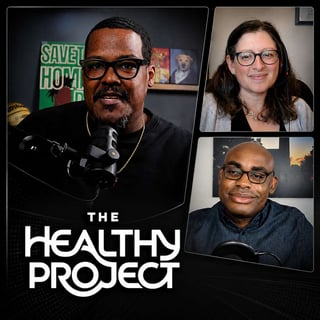 46:17
46:17