Transcript
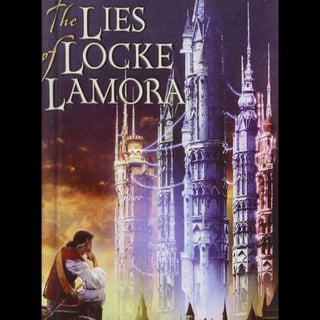
Speaker: Welcome back to the Kronzcast. Today we have been talking to Davinia Evans and ah the earlier text we were discussing was The Lies of Locke Lamora by Lynch. Now we are going to talk about Dee's work and her writing. So um welcome back.
Speaker: Thank you, thank you. So um we'll start with the simple, well, I say simple. It's a simple question that tends to lead to long answers. um What drew you into fantasy and what drew you into writing?
Speaker: um Yeah, I have always been interested in telling stories. ah From the moment I realised that the books I got from the library had been written by someone, um i was writing.
Speaker: my own. ah So, always. i've I've always been writing. um Fantasy was – when I was very small, i read everything.
Speaker: And then there's a lot of fantasy fiction for kids. um Yeah. And especially when I was growing up, um there was a lot of sort of Narnia and things that had sort of spun off from that. Susan Cooper? Yeah. Is that The Dark is Rising? she says.
Speaker: And a lot of um plucky English school students go on fantastical mythological adventures. um And then I sort of stepped sideways and into our the more traditional fantasy genre. um I still remember I was actually playing a computer game that had a riddle section and the first question was, um what's the name of the main character in The Hobbit?
Speaker: And I didn't know. and I went and asked my mum and she didn't know. And she said, ask the librarian at school. So i went and I did. And the librarian pulled this book off the shelf and passed it to me. And it had a dragon on the front cover.
Speaker: And it was amazing. And that was that for me. It's been fantasy ever since. um It's just... It's the most interesting. There's like all, if it's well done fantasy, there's all the usual stuff that you get in a novel of people and what it means to be human and how we interact with each other.
Speaker: But there's also magic and dragons. And like, why wouldn't you have magic and dragons if you could? They do tend to en improve a lot of stories.
Speaker: So what point did you um start thinking about getting published as a serious possibility, something to do? Yeah.
Speaker: Look, when I was about 16, I was absolutely certain that I was going to be published by Orbit because they published Robert Jordan and, like, that's what I was going to do. um And then I realised how unlikely that was and i adjusted my expectations. um But probably i i didn't really start writing seriously for publication until, oh, after I graduated university.
Speaker: um So around my mid-20s, around 2005, I sort of went, right, I'm going to get serious about this. Yeah. um And, yeah, then it took another 15 years to actually happen. But then I was published by Orbit. And you tell teenage and pessimistic D to suck it yes it. Yes. was a tremendous surprise and a very happy one.
Speaker: So where did the idea for Notorious Sorcerer come from?
Speaker: Um, yes, lots of different places is sort of the answer there. Um, Notorious Sorcerer was what happened when i decided that I should be having more fun with my writing. um And I just put all of my favourite things in a bag and shook them up.
Speaker: um
Speaker: it It actually started off as a fan fiction. I was just putting my character, adopts two characters that I liked in a world that I was populating with everything I loved.
Speaker: um So it had it had the fencing gangs because i thought the fencing in um ellen Kushner's Swordspoint was really fun.
Speaker: um And it had opera because I really love opera houses and the just how over-the-top opera stories always are. um And it had harpy slash succubus in it because i was playing a lot of Heroes of Might and Magic 5 and there was a succubus character in there who I thought was hilarious.
Speaker: um It had um ah sort of odd couple police character um because I'd been watching the the Russian Nightwatch movie, and I thought the two main characters there were absolutely hilarious. So I just i really put everything that I enjoyed ah in It's got the the Society Woman defying expectations, because I love that, and I'm easy for that. And, and yeah, the the competent disaster in the centre of it.
Speaker: Um, it really was just a put everything I loved in a blender and see what came out of it. Um, and i the, the very first draft was very much just throwing spaghetti at the wall. Um, it's got tremendously inconsistent world building because all the things that I love don't necessarily all go together.
Speaker: Um, But yes, I sat down, I smoothed it all out um and it turned out okay, I think. I very much enjoyed it. um So how many iterations did it go through then?
Speaker: From the first, you know, here's
Speaker: all the ingredients chucked onto the table to the um final final cocktail, I guess. Um, oh, the answer is many.
Speaker: Uh, it had a, it had a very bumpy, a bumpy journey. Um, uh, the original version that I did, um, actually had all three of the stories of the trilogy sort of happening at the same time.
Speaker: Um, and, ah
Speaker: it was It was all very, very different. And that was actually the version that I signed with my agent with. And we took that one out on sub and got lots of lovely rejections, basically saying there's too much book in this book. So...
Speaker: um so Yes, i not immediately. I went and tried something else and got nowhere with it. So I came back and pulled it apart and put it back together again.
Speaker: um
Speaker: So I would say there are at least three major versions of this this story, um each of them going through, having gone through revisions. Yeah.
Speaker: Yeah, it was it was something that I worked on for a number of years, which actually made writing books two and three much easier because I had all this stuff to draw on and I knew the world right very well by that point.
Speaker: would you Would you say that, like, this was the book in which you learnt to write, almost? Yeah.
Speaker: o I learned more. um Yeah. I actually, there was, this was not not the first the first book I shopped around. um The first one, the first book I ever wrote, I wrote for the Australian fantasy market, which at the time was ah much longer than anywhere else in the world. um So when I sent the book out in Australia,
Speaker: at 180,000 words long, I was told that was an okay length. When I tried to send it out to the US and UK market, I got a lot of hard no's. And one agent who said, you need to cut that length by a third, and then I'll have a look at it.
Speaker: So sat down and I pulled 60,000 words out of this novel, which isn't just a, like, you don't do that in line edits. No.
Speaker: um I sat down and I rearranged and I thought about what the story really needed to get where it was going. And that's when I learned. I think that's the book that turned and that's the process that taught me how to write.
Speaker: um And i I went from that, like even as I was sending that out to agents and to see if anyone was interested. i was launching straight into Notorious Sorcerer off the back of that with everything I had learned from going through that process.
Speaker: um So that book will, I don't think it will ever see the light of day. it's still, after all of that, had some tremendous flaws, but I remain very fond of it because I learned so much from doing it.
Speaker: I can imagine. That is a lot of words to me. It's terrifying. 60,000 words. it um It took it it took some took some doing, but it was much, much better once I'd done that. I guess if you can see that improvement as well afterwards, you feel justified, you know, or it validates the cuts, I suppose.
Speaker: Yes, yes. But yeah, had that at that that scope of removal, it it wasn't a, you know, I'll trim this many words from each scene. It was, okay, well, that scene, I'll just get rid of it and put these important bits in other things and I'll take these three scenes and turn them into one scene that does the same things differently.
Speaker: um It was very much a ah chance to think about what the core of the story actually was and what it needed.
Speaker: think for a lot of writers, definitely that breakthrough moment in, I think is editing a story where, um, realize you've just gone up a level and you can do more things than you thought you could do.
Speaker: Yes. Yes, definitely. it um,
Speaker: every Every time I have that that moment of, I thought this was the best I could do. um and it's quite often a piece of external feedback that will make me think about it a different way. And I'm like, oh, no, wait.
Speaker: Wait, it can be so much better.
Speaker: So you mentioned that, you know, the the Australian market had different expectations. To what extent has... Being Australian and all this in a very Northern hemisphere orientated market, to what extent has this, um do you think it's changed your journey in publishing compared to most of us?
Speaker: um I think the first key part is that um i never hesitated publishing in thinking that I could do it partly because the Australian fantasy market of the nineties was dominated by women.
Speaker: Um, it was, it was Sarah Douglas and Jennifer Fallon and Trudy Canavan.
Speaker: and it was, it was mostly women writing big fat fantasy books. Um, and so I very much went, yeah, I can do that. Um,
Speaker: Unfortunately, by the time I had something worth publishing, that had really dried up um and there weren't any really any Australian publishers who were doing it.
Speaker: um In terms of like looking at overseas markets from Australia, ah the internet has made it just so much easier.
Speaker: yeah Sending queries by email, sending... Sending and receiving edits and proofreads and everything by email is just so easy, so cheap.
Speaker: um
Speaker: And
Speaker: it has linguistically occasionally been a bit tricky. um I am edited primarily in the U.S.,
Speaker: I am edited to UK style because that was the best compromise they could come up with. But every, every time I hand in a book and we'll get it back in, in copy edits and proofreading, I, I discover new phrases that I didn't know were an Australian only thing.
Speaker: Um,
Speaker: So there's often I have to find a new way of saying something that I've never thought of saying any other way. um My biggest annoyance is that they wouldn't let me have tradies.
Speaker: And when I put in tradesmen, they said, well, can it be gender neutral? And I said, yes, but tradies is gender neutral.
Speaker: it's um So that's been fun. Yeah.
Speaker: Because i mean i I know there's been various times when some linguistic terms come up and, you know, our US friends or non-Anglophone friends are like, what the rat is this?
Speaker: And me the Australians and the Brits go, no, no, we recognise this. And very occasionally there'll be something that comes up that's so Australian that even the Brits are like, where on earth did you dig that up from?
Speaker: But it's, I mean, a lot of it seems very obvious to me. Like, yeah, tradies isn't exactly standard, but it's so obvious. How... Such is life.
Speaker: well
Speaker: The one sort of niggle with being in Australia is um oh we're a long way away from everything, obviously. so And every year around Worldcon, I get, you know, a bit of FOMO because it's just such a long way to go. um I'd actually decided that I was going to go this year because Seattle was about as close as, you know, we could reasonably expect for a bit. ah But then, like, no, no, not not going to the US this year.
Speaker: Yeah. So that's that's a bit unfortunate. And it also, um obviously with the internet, i I do get the chance to have wonderful chats with people like you guys about this stuff. um And that's really lovely. But the in-person events are are much less common.
Speaker: And even doing them in Australia, um the The Australian publishing scene is very small and our local publishers, even if they're a big five publisher, they want to support their authors. They don't have the resources to support.
Speaker: i am effectively a foreign author to them. I'm not an Australian publish. They don't publish me anyway. ah It means that i i if I want to do anything, I have to arrange it myself, usually via the UK, which is a tremendously cumbersome way of doing things.
Speaker: Um, but look, can't really complain. All things considered.
Speaker: No. Um, um, something that's always struck me about your writing is the sense of wind. You mentioned being raised on British comedy, and I obviously wanted to talk about that.
Speaker: Um,
Speaker: um Yeah, the ah so especially when I was growing up, here in Australia we had, in regional Australia at least, we had two television channels. um One was commercial and one was ah the ABC, effectively our BBC equivalent.
Speaker: um And it also largely had British british shows, um some Australian but Australian. mostly British, that that had been brought in. um So there was a lot of goodies, there was a lot of Monty Python, there was a lot of faulty towers and that sort of thing. um And my father, who actually was British, used to find it very amusing that I was watching all of these these shows. Yeah.
Speaker: um but that was So that was sort of the sense of humour that was happening in our house because of him and because of the the media that we were consuming.
Speaker: well you Was the humour like an intention with Notorious Sorcerer or did it just happen? ah It mostly just happens. I tend to like a giggle um and I...
Speaker: I was going to say I have trouble being serious, but I clearly managed it for, I mean, that, that first, that first book that will never see the light of day. It was a very, um it was a very serious, very serious book. It was sort of a Jane Austen in a Southeast Asian monsoon society. Um, there was a lot of tea drinking. There was a lot of flower arranging. There was a lot of very significant, like not quite eye contact.
Speaker: Um, And possibly that's why I went for something um that was a lot more fun with Notorious Sorcerer.
Speaker: um
Speaker: i don't think i could write I don't think I could write comedy. I don't think I could do a Pratchett kind of intentionally making jokes. um But when I write, there tends to be a certain sort of deprecation that just comes through naturally.
Speaker: there any character you think that bleeds through the most in or?
Speaker: Um, so Auntie Geris was, just, so she's my, you know, my older woman behaving badly.
Speaker: um who i just I just always need to have. And she is the one who gets to um crack jokes and cackle. um There was a lot more of her in the first version of the story and all the earlier versions of the story. um And then when I redid it, it there was there was just less room for her to be around. She needed to like you know do a Gandalf and get out of the way so that Sion could grow.
Speaker: um And I was a bit sad. i was a bit sad to lose her. um She is a lot of fun.
Speaker: have you Have you found, like, in writing the next two, did you find um it was a lot smoother in terms of not having to go, ah, that character's got to go, they're in the way?
Speaker: or
Speaker: um A little bit, a little bit smoother. My first draft of ah the second book of of Shadow Baron actually had um Sion took two apprentices rather than one.
Speaker: um and they were very distinct characters and I had plans and then it was just there were too many too many things going on, so they got smushed into the one character.
Speaker: um But it's always very – I actually find it very invigorating when things come together like that. um And even if it's ah you know it's a hard cut of, oh, I'm going to have to get rid of a character, um it just – It makes me fizz when like the vision comes together and it's like, oh yes, that's it.
Speaker: Right, yeah.
Speaker: mean, from the sounds of it sounds like your process seems to be like for the first draft, you try to throw in as much as possible and then you sort like refine it down to what you need and take out the extra elements. Would you say that's a fair estimation of your process?
Speaker: oh, that sounds so much more elegant than like the mess that I actually make. um It isn't like, it's it's not always a taking things out. um it's So here's ah here's an amusing example. In Notorious Sorcerer,
Speaker: um The character of Sion's ex-girlfriend, Jalé, she didn't exist until the last round of edits that I did with the editor at Orbit.
Speaker: um And then I realised that I needed a character to do this and to do that and to do another thing over here. And it would make sense if they were the same character and it would be excellent if it was Sion's ex.
Speaker: And so in she went. um In fact, my agent hadn't read... a version with her in it until the book was published. Oh, wow. um So it's... but did Did you get any emails saying, who's this?
Speaker: it's Well, I gave her a, um I tried out a, ah pitch, I had to do a short video introduction for Orbit's New Voices program and it mentioned Sion's bitchy ex. And yes, my agent was like, who's who's that?
Speaker: What? When did he acquire an ex? And so I am basically just a mess until it all coalesces and the pieces come together and it works.
Speaker: um I'm, I'm, always throwing things at it to see what fits best and what what's going to make it sing yeah
Speaker: i do i do like that way of putting it is i find my process is messy and i always try to say look if i do this my process will be less messy and it's never worked in the beginning i think it never will
Speaker: Yeah, I had i had so many so many good intentions. It's like this time, this time I'm going to write a first draft that just has what I need in it. And it never happens. That never happens.
Speaker: um I really wish i could. i wish I could be efficient. But I've made my peace with it now. Yeah, and like I mean, i you know I do read about authors who have very clean first drafts. I think Fonda Lee said she's but she was very clean with Jade City, but I've noticed those authors seem to take just as long as us ah
Speaker: messes, for want of a better word.
Speaker: Yeah, look, it... I think the process takes as long as the process takes and it involves what it involves. It, um, yeah.
Speaker: And part of, part of being a writer is learning how to outsmart your own brain and make it work.
Speaker: That is, that is very true.
Speaker: Um,
Speaker: Things come into clarity for me when I have, basically when I have a finished first draft. It doesn't, like sometimes I don't write all the way through the finale in the first draft because I know I'm going to have to redo everything anyway. But that's about the point where I go, okay, enough of this is now pinned down to the table that I can see what shape it should be.
Speaker: um And somehow, no matter how much outlining I do, and i always I always do outline or I just can't ah can't write the thing, no matter how much outlining I do, I can't get to that point just through outline. It has to be it has to be prose.
Speaker: um But that is the point. I love revisions um because that is the point where I get to start making it work and making it do what it should.
Speaker: um But drafting is an unpleasant necessity that has to come first. Unfortunately, yes.
Speaker: So you've, you mentioned like you tend to draw from a lot of things, you know, you steal what's working for you mentioned, you know, you're stealing from um computer games and TV as well. I mean, do you basically just steal from everything?
Speaker: Oh, yeah. Oh, yeah. Everything goes in the mental gumbo and then it all like mixes up together and the flavours get all over each other and it becomes something rich that is more than the sum of its parts.
Speaker: um Things I'm watching, things I'm reading, museums, art galleries, travelling, funny stories, ah everything is grist for the mill.
Speaker: um it's all raw raw matter that can be turned into an interesting alchemy
Speaker: um you mentioned your uh your your thesis in your author bio um like to mean to what extent did that influence what you're doing is it like a big conscious I'm pulling this definite part or is it just, just part of your general worldview that's permeating everything you're doing?
Speaker: I think it is, is more, um the way I look at the way I look at interactions between powers and between people and between everything. it it's a big picture
Speaker: I did a lot of reading during that honours year and that thesis about – so I read Machiavelli's The Prince and read Clausewitz's On War and um all sorts of other things about strategy and and all that sort of thing. And
Speaker: it's interesting the extent to which people and forces remain the same the way we are still motivated by by fear and safety, but also by ah by belonging and by the hope of something better.
Speaker: And those are i mean those are good things to think about, just underpinning everyone and everything in a story.
Speaker: So yeah, i don't I don't so much consciously draw on it anymore, but it has influenced, I think, the way I've viewed a lot of things since.
Speaker: that makes That makes a lot of sense. and them since Since we're sort of in the realm of Russian military thought, one of my favourite quotes to apply to anything came from Russian military theorists I think it was Malka De Older who said that in war with its enormous friction, even the mediocre is an achievement.
Speaker: And I always remember that because there's there's so many things in life that i fre are complex and there's so many things to work through and so many different impulses to work through.
Speaker: And then we get angry that it's only mediocre and I'm occasionally just sit there thinking, goodness, the fact that it works at all is something. And i I mentioned this to lead back to you've talked many times about the competent disaster.
Speaker: ah Yes. It's the appeal of the competent disaster that they're taking on these incredibly complex things. So we know they can be both competent and a disaster at once because it's just too big.
Speaker: i I think it feels it feels very real to have... a character who is very competent in one area or in a few areas or in one aspect, but still stubs their toe on the bed frame. Like, you know, I think about all the times that I have been like, you know, I've achieved something and i feel great. And then i spill my coffee all over myself. It's like these are- laptops up off your lap
Speaker: these are This is what life is like. it yeah no no one No one is perfect at everything. um And so it's interesting to read about. You want to read about people who do things and who who do big and bold things because we want to live vicariously.
Speaker: But it's also good to see that they're real people who Yes, still deal with all the regular stuff. So you you still you still want that element of the characters being grounded and human, even even in fantasy?
Speaker: Well, I certainly do. Yeah.
Speaker: Yeah. If the character's just too too far from human, then the story isn't really isn't really talking about what what being human means, what makes us human, what makes us great as humans. And that's really the interesting part of literature is what it has to tell us about people in all our glory and mess.
Speaker: I guess to a certain extent that's... um Probably part of why, stories that are a bit, to borrow your glorious term, cock forest-y, probably land less well for because, I mean, obviously it's going to be a little less grounded in your reality.
Speaker: it it It is. It is. ah There's all those, uh, the, the dystopian societies where it's all like, Oh, everything's terrible. And you're like, okay, but what's, what's happening outside the United States while this is all happening, all this horrible thing is happening. So yeah, especially the, the grimdarks that are just all, here's a pack of men in the grim darkness of war And I'm like, okay, what are the women doing? Um,
Speaker: um Because, yeah, there's there's things outside this experience and and I'm curious about that. And it's not so not even so much a what's my place in this narrative because usually in those stories it's like this this is the the experience that we're talking about. But I'm, especially when it's a very limited view, it's like, okay, but what is this like if you're outside it And how do you make a life?
Speaker: And what? And it's this coming back to being human. What does being human mean in this place with these forces?
Speaker: I think we have seen like a lean in the market towards, instead of something happens and you leave your home and then eventually you come back and it's different it's more fantasy that happens within your home which i guess that's the lives of lochlemore it's notorious sorcerer would you say that's the sort of fantasy you prefer
Speaker: i think yes yeah and that's a ah really interesting way of looking at it but yes the um The fantastical being not something that you go out and find and hunt, but being something that is part of your world and part of your life and part of your reality. I do find that a much more interesting ah approach.
Speaker: And it's um to to get onto Christopher's favourite things, is it's a lot more closely related to horror, you know that whole sense of something conveyed to your home, isn't it?
Speaker: Yeah, I guess so.
Speaker: And um Chris, would mean would you would you say that maybe that's part of why Lies of Lockmore worked for you, where other a fantasies haven't? I... well...
Speaker: I think the reason why Lomore worked for me is ah is twofold. One is to do with um the weirdness that is concrete rather than being abstract.
Speaker: stop
Speaker: I don't know so much if it it's that because there are so many common like commonalities with horror. um We I was just I just trusted the author within the first paragraph, you know, and as soon as you trust an author, you can read outside of the genre that you like because they've got you.
Speaker: And there was something about the the, you know, whether it's syntax, characterization, you know, whatever it was, it just had me with horror. it's the opposite slow build. And so I think reading a very slow Gothic horror or even something like Rebecca or Wuthering Heights is more in my wheelhouse than Lachlan Mora.
Speaker: I don't, I don't know. I can't, I know as it as a neurodivergent, why Lachlan Amora appeals to me, um doesn't front load the world building. You know, there's no 15 page prologue, ah glossary of kingdoms, gods, herbs, you know.
Speaker: ah But then again, an ADHD can hyper focus on that stuff and love it. So, you know, it it just put me right into a problem, right into the voice, into the mood, this feral little liar and thief.
Speaker: And you don't even think about the world. You think about the character and, you know, you're hooked by the mischief and the character. rather than fancy names with loads of umlauts and apostrophes i'm not asked to remember 20 things before i even get to the story it's like i said his his prose has that swagger loch lamora has that swagger um And I think also, you know, there's short attention bursts in terms of um short short chapters or breaks, um snappy sentences. And that each line buy it line by line, it's entertaining. It's not entertaining when you get to the end of a story. It's entertaining as you're reading it.
Speaker: and And there's no quest there. It's more of a heist, ah instant, understandable, immediate goal. And I think, you know, for my brain, it says there's ah there's a constant novelty and stakes at play.
Speaker: um It's modular, but, you know, if if I drift and my mind drifts, I haven't missed anything. And it unfolds in real time rather than this, you know, eons or slow build up.
Speaker: um And then I suppose with respect to the animals and the zoology, it's that weirdness and horror, which is implicit in the roses and the sharks and everything. It's concrete. It's not an abstract Oh, winter's coming.
Speaker: Sorry, and I just keep using the same cultural references, which is so, so it just shows how little I've read. But, you know, it I think it's more to do with but the way my brain works, rather than, than it having commonalities with horror.
Speaker: and I'm thinking, actually, for the way my brain works is possibly the hook, you know, for neurodivergence, Lock and Amore is an amazing read. but then by that token, that's the kind of stuff I love to read but should be difficult.
Speaker: Um, so I haven't, I haven't a clue. I think it's a bit of an out outlier for me.
Speaker: Uh huh. So speaking of world building, um, I know you're very much a fan of sort like, uh, not putting it up front. And you mentioned, yeah you had to, um reconciled some elements of the world but it didn't all um go together how much of a process was that for you if any um i think that i i really like it when worlds
Speaker: feel real They feel like the consequences aren't just coming at you head on. They're coming at you in the round because the whole world makes sense. So when I really sat down and got serious about the world that I wanted, i really stripped it back to a few key tea forces that I wanted at play. And then I sort of extrapolated out from those so that they would permeate everything that was happening.
Speaker: um Because ideally I wanted i wanted to not have to world build in the text through info dump. I wanted it to be layered references that would build a sense of what things were.
Speaker: So I – I sort of picked, this was a while ago, so I'm trying to remember what I what i picked on. Obviously, the the planes, my special physics. So there there are the planes and where we're raiding them for material um that alchemists can use.
Speaker: um
Speaker: Actually, I probably started with the alchemy. I'm like, they're alchemists. that That's how my magic is going to work. What are they going to use? They're going to use special emotive ingredients. Where do I get those from? Ah, this is where I can get those from um and sort of built from there.
Speaker: So would you say it was almost like you had ton of ideas and then you sort like forced them into the bottleneck of, okay, my magic is alchemy and then just started building back on that again or?
Speaker: um Yeah, pretty much. Like the the first, the very first version of it, I was just throwing stuff in um and it didn't really need.
Speaker: to make a whole lot of sense or or link up properly. When I needed it to link up properly, then I had to start not so much cutting off the bits that don't fit, but figuring out how everything related to each other.
Speaker: And it it becomes that thing that's always bothered me and in fantasy. It's like if they've had magic for a thousand years and they've understood how magic works for a thousand years, then why don't they have instant communications and fast travel? And like, these are the problems that humans like to solve.
Speaker: Yeah. If you've got the tools and you understand how the tools work, you solve problems with them. So I, I want to make sure that my world building makes sense in problems solved, problems created,
Speaker: tools used and how that affects the way everyone lives their lives.
Speaker: And the um the cultural well-building, the world of the Vavi, vavie the um noble houses and the rest of it, a um
Speaker: you was Again, was it a conscious decision to never front load that and just drip the details through? Or, again, just happen because you were just focused on other things?
Speaker: um There's a degree of it just happening um in as much as... Because I didn't want to sit down and explain, aha i would I would just be writing and...
Speaker: I'd have, you know, here's a character, right, this character is rich and important. oh I don't really want to use lords. Lords are all over the place. They they feel passe. um All right, I'll go with something a bit more Venetian in yeah in my structure and then sort of run with it. And then later on I might get to, oh, okay, but who's in charge? If I don't have lords, who's in charge?
Speaker: Oh, okay, well, I'll have, I'll call them the prefect because that's a funny word. And off we go. um and i I do a lot of this stuff just on the fly. And then, yes, I need to tidy it up and figure out how it all actually fits together and works.
Speaker: oh But a lot of it is just me looking for an idea that seems shiny or a word that doesn't feel done to death yeah as I go.
Speaker: and so the world building details occur bit by bit because that's how you discover the world when you need to discover it. Yeah. Yeah. It's like, if I don't need to understand the last story,
Speaker: 1500 years of history and how it came to be like this right now, then I'm not going to bother with it right now. I'm going to sort that out later on. And at that point later on, I might go, oh I wish I'd figured this out earlier so that everything would be consistent. But that's what revisions are for.
Speaker: God, I love revisions. Yes. which We're talking about world building um and your experience, both of you as writers would be different from mine um in terms that ah I don't tend to have to create a world in in in as much as it's set in, you know, England or London or whatever, you you know, wherever it is, I've set the story it already exists. i I don't tend to write stories that require new worlds. Um,
Speaker: I'm a discovery writer rather than the other term. ah And I don't plot. But I was thinking, i was from what you were saying about the draft and the 60,000 words you had to cut and and your process that you've chatted with Pete about, I was wondering how a fantasy writer or somebody who has to build worlds, is it possible for you to be ah discovery writer?
Speaker: Or is does you have to be a plotter? Or is there ah a hybrid sweet spot?
Speaker: Um, I do do a lot of the, the world building on the fly, as I was just, just saying, although I, I tend to have ah like, I'll decide at the start that I want a, I want an urban environment and i want it to, ah feel a little more modern.
Speaker: Um, and i mean, with Notorious Sorcerer, I sort of went and I'm bored of Europe. Can I go, ah maybe something a little bit more Byzantine or a bit more like Eastern Europe, Eurasian in feel.
Speaker: So i did draw a lot on sort of the Caucasus and ah Byzantine and Turkish stuff as I went. Like if I was hunting for hunting for something in particular, that's where I would start looking for my details. And,
Speaker: it was like that sort of aspects are, are a bit discovery. Um, i I need to have an outline just because of,
Speaker: um I'm not sure if this is just me now that I have a child, but I i cannot keep the the story in my head anymore. So I need the outline so that when I sit down to write, I can be like, what am I doing today? oh I'm doing this this dot point on my outline. Okay, that's what I'm doing. um But that said, I still it is still a journey of discovery because it's not really until I have the full draft that I go, right, now I i have a grasp on the story and I can't.
Speaker: I know that when I've ended a story, there will be bits and pieces that I've written considered they'll be coming up later in the story and then they've never been developed or they become irrelevant, you know, and that is my process as a discovery writer. I have an A and a B point and I just have to, it's like getting from Land's End to John O'Groats, you know, i I know the direction, but I don't really know. i might have a few stops on the way that I know, but other than that, um, and,
Speaker: it's it's that thing of you can't you can't publish a book or you can't edit what you haven't finished you can't improve an um and and an unfinished book and uh and i i know that might sound a little bit prescriptive but it's what i found is i get tempted to edit as i go along go back read you know as a discovery writer i i will do i will have to do that sometimes because like you say you can forget what you know you can't hold the story in your head um But I've realized over the last year, I think, really recently that you have to finish a project no matter how sloppy it is before you can see.
Speaker: Or maybe it's just the most efficient way of seeing how to write that novel, how to tell that story, what needs to stay and what needs to go, because if you're not a plotter.
Speaker: and you don't outline thoroughly, you can't see the shape of the book and into the story until you've finished writing it. And it's just really interesting, you know, listening to the pair of you talking and the, there's almost a sort of um common understanding about certain things that for me would be something I have to learn or or experience.
Speaker: And this idea of world building in my mind, And the kind of posts we see on the Chronicles forum about new writers, you know, they have spent years or ridiculous, you know, wikis of um ah ridiculous amounts of energy creating these worlds, but they haven't written a story.
Speaker: And I just assumed that anyone writing fantasy that has a a system of magic, a system of government, whatever it might be that is that is a part of the world, will have to know that you know know their shit before they put pen to paper on the actual story but when you're saying that you it's sort of on the fly sometimes to turn a phrase or something that appeals to you you know that's um that surprises me and i'm also makes me feel a bit more optimistic about my own abilities to do something more robust you know
Speaker: I think you need you need the load-bearing stuff. You need to have a solid grasp on that. So if the plot turns on, you know the story really turns on a particular thing, you should probably understand that fairly well. um So I did, with Notorious Sorcerer, I did start with the alchemy and figuring out what I wanted to do with that story.
Speaker: and the sort of system I wanted to use. But then I, yeah, a lot of the the extra, the the details that are around, i don't want to say they're meaningless because they give they give texture and they give resonance and they give the verisimilitude. um and They're all important, but they aren't If I make a decision on the fly there, it's not going to impact the plot significantly later on.
Speaker: But it probably will impact the little details of the plot and how it's delivered. ah So I think that's probably the part that I just can't i can't nail down until I've got the prose because all those details shape things.
Speaker: The long journey. I think if you're fantasy author doing a lot of like building on the fly, a lot of us will basically alight on a couple of historical cultures that we're just going to steal from.
Speaker: And what's more, we don't even have to be as accurate historical authors because if there's slight inaccuracies, we say, well, this is fantasy. It's a little lazy, but I think it's true.
Speaker: I think yes. Yes. ah You have the the the inspirations that are going to to start you off. But I think it's very important to have a solid grasp on the underpinnings of the things that you're using as inspiration. Because if you're going to if you're just going to take the surface stuff, you're going to end up having elements that that don't mesh well and that actually contradict each other. Because they have underpinnings that you haven't understood or haven't thought were important. So you've put them in a different position that is now, it it now doesn't work.
Speaker: um So yeah, it's, it's a delicate, a delicate business, but um yeah, I think a big element of it is understanding that,
Speaker: world building isn't and the world we live in isn't isn't shallow it isn't just the surface it has repers repercussions yeah it's not just a painted piece of scenery you know where can our listeners contact you see you on you know social media and all that kind of stuff where where are you are you active around that
Speaker: I am primarily on Blue Sky or Bisky, as I've seen someone call it, which I love. ah My username is Cupiscent, which is C-U-P-I-S-C-E-N-T. It's nice name.
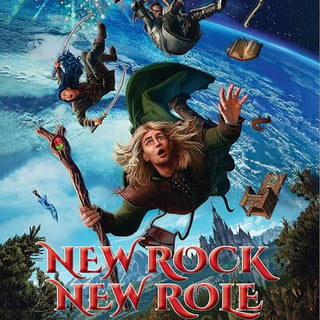
Speaker: It is. and And, yeah, you can pick up my first book, Notorious Sorcerer, wherever good books are sold.
Speaker: ah Because if they don't have me, they're not selling good books. Anybody that recommends Eliza Lockhart-Morris gets my vote. so Can you recommend us a good book other than your own?
Speaker: and I would say, given that we've all enjoyed Lies of Loch Lomore, that Kalina the Soothsayer by Elijah Kinch Spector ah was another magnificent romp with a competent disaster central character that I really, really enjoyed. definitely put that on the list.
Speaker: I am in which case I think that's it. Thank you very much, Dee. It's been worth waking up at seven in the morning for. Thank you so much for getting up early for me. And I've been staying up late and had a wonderful time. Thank you so much. I really appreciate listening to both of you talk about something that feel like I've learned stuff.
Speaker: You know, I always feel like I've learned stuff on this podcast, but I really picked up a lot today. It's really interesting for me. So thank you for that as well.
Speaker: So pleasureser we will see you next month with our next episode. And in the meantime, keep reading and keep subscribing. Thank you. Goodbye.
Speaker: This episode of CrossCast was brought to you by Christopher Bean, Pete Long, and special guest Divina Evans. Thanks for listening, and your patience during the long layoff once again.
Speaker: Our next episode features author Adam Roberts, who joins us on a deep dive back in time to the thrilling and fantastical world of the late Victorian era of science fiction, as we take a look at the works of one of the genres of true innovators, HGW.