Transcript
Speaker: Welcome to Sullivan Street episode, Chris. I just looked number 52. Great to be back. And we're not going to get everything, Chris, today, but this is something that comes up a lot. And we're going to deep dive into it, which is the meaning of songs of Counting Crows. And of course, that's one of the reasons people love Counting Crows is the meanings behind their songs. And why are we doing this?
Speaker: ah Because of the new book that came out that just happens to be written by our number three vice president on the podcast, whatever you call him, historian Jeff Harkness. Jeff, welcome back.
Speaker: and And we love having you here just normally, right? when we Especially for the album rankings and you provide some inside information on the recording of the albums. ah the production, the timing of it. And that was all, um a lot of that information was in your book, Rain King.
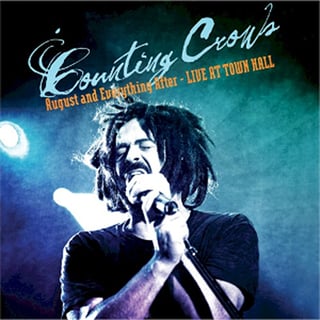
Speaker: ah But here we go of your most recent book. And by the way, you do have, what you which we we'll plug later, you have done a lot of other music books. It's not just the two Cannon Crows books. true You are a yeah ah ah music journalist and author. So here it is, Cannon Crows, the story of every song. I have the hard copy version right here. I have the yeah soft the cover. version so this Surprise, surprise dropped just like a Taylor Swift album yeah and selling equally well.
Speaker: Exactly. Yes, that's right. and we And we love it. And significantly better reviewed than her last record. so So no, this is great. So Jeff, yeah, and we said, hey, let's get you on. So why don't you talk about, um so I guess this is something that I know you said before that you're almost surprised wasn't done.
Speaker: You know, maybe I think a lot of fans did want something like this instead of just talking on some Reddit thread about what what do you think Angels of the Silences is really about? Oh, he talked about that five years ago and blah, blah, blah. And now it's actually put together ah footnotes and everything. so why don't you talk about what made you decide to do this now and maybe about ah how you were able to put everything together, et cetera.
Speaker: Sure. Well, Eric, i owe I owe this book entirely to you, my friend. oh um Now, that's not entirely true, but it is true that the seeds of this book began on ah the first time i was ever on Sullivan Street.
Speaker: oh This is true. You don't know this. I decided to save this until we were actually talking. You did thank us twice to win the book and i really that was nice. I really appreciate it. Yeah, even the Sullivan Street passage has a little thing about Sullivan Street. So the first time I came on Sullivan Street, um you asked me, you so you made a comment. You said, in this book, there's a lot of great like background information about the songs and the stories of these songs.
Speaker: and But you said, I almost wanted more. i almost wish that there had been more of this. How did you choose which songs to include and which songs not to include? Yeah, okay, i remember that now, yeah. Yeah, and I thought to myself, yeah, I kind of agreed, first of all. one of those caught you know We talked about Carriage on that show, and you were like... I was just thinking, I think Carriage was one, yeah.
Speaker: And I was like, yeah, I don't think I knew the story of carriage at that time. You guys sent me that bootleg from New Orleans and said, and I listened to it. I'm like, oh, this is the song of carriage. I i didn't realize I would have put that in the book.
Speaker: So that was kind of where the seed was planted. And I always just assumed that because this is a genre of rock book, the every song from every artist. There's a lot of these out there. There's Prince and Bruce Springsteen. Chris was just saying you read one for about Oasis.
Speaker: This is kind of a well-known genre. And I just assumed for the last three years that someone else would come along and beat me two days. Now, it's one reason I didn't really talk about it because I kind of figured, well,
Speaker: I mean, I really had the idea three years ago. i thought somebody is going to beat me to this by the time I get around to doing it. So I never really mentioned it for that reason. But I've had the idea for a while and I started to work on it and then it was like, oh, I better get going before somebody else comes out with one of these. So that's that's kind of where the idea came from. Obviously, I think also really being on this show and learning about some of these songs and not just being on the show, but listening to the show. I mean, I think and it's in the book. yeah I'm sure you guys know, but like the Dave Lowry interview, for example, which I think is still one of the great shows you guys have done.
Speaker: gave me all these insights into the songs and that album, things that nobody knew before. So some of those things are are in the book. But just being on this show and also listening to this show and deep diving into these songs so much, it made me more interested in wanting to do something like this.
Speaker: So to put it together, i really, there' are a couple of things different. I mean, originally my plan was to write a revision of Reign King and I was going to sit down and like revise Reign King. And the reason I wanted to do that was I felt like there was some really important new developments in their story. And that is like the story of the band. And to me, there were a bunch of interesting new developments. One was the Butter Miracle project.
Speaker: I did mention it, Rain King, but just kind of in passing. But I felt like, especially as they did the second one and it turned into this more significant project, I really felt like that project deserved attention. And so I thought I'm going to write a a final chapter that adds the Butter Miracle project to this chapter. and And also the movie, which I think is just so amazing that they did for Suite One. I felt like those really needed to be mentioned.
Speaker: Number two was the documentary, which I felt like that was a significant development. This is sort of HBO recognizing the importance of this band, a band that's been so maligned, a band that's criminally not in the Rock n and Roll Hall of Fame. I mean, criminally. not in the Rock n and Roll Hall of Fame. Well, here's HBO, like actually giving them their props. And I felt like that was significant. And I also felt like it was a really well done documentary.
Speaker: And then the final piece, which to me, maybe the most significant was Adam Duritz, who spent his career writing about broken relationships and the difficulty of and struggles of relationships.
Speaker: Does the ah almost impossible he gets married. And that affected the art as well. I mean, he's writing about Zoe all through Butter Miracle, and most obviously with From Love to a to Z, with Love from A to Z. So I felt like that was a really significant development in the story of the band and the trajectory of the band and even his life story. And it is the life of music of Adam Duritz and County Crow. So I felt like that was a really significant moment for him because
Speaker: his whole career has been built on this sort of premise that relationships never work out for him. And here it actually did. And you hear it in the music and you see it in in him. He's a changed man. So I felt like, wow, that's a much stronger ending than the original Rain King book, which was sort of like, yeah, they're still out on the road and still playing and you know still, you know, the great band.
Speaker: So I felt like I wanted to go back and revise the book and add that last chapter. And I thought, since I'm doing that, this would be an opportunity to do what Eric suggested and add some more of these stories. And so I can finally add these stories. And as I pulled out Reign King for the first time in three years and thought about, I mean, adding that last chapter would not be difficult, but that's It's a tight narrative. It really is. like i don't i mean It's a final draft. It's not like, oh, yeah, I can just wedge some stories in here. like They didn't really don't really fit. and I was very cognizant when I was writing that book that I wanted it to keep the pages turning. I didn't want to slow down and write eight pages.
Speaker: eight pages about Anna Begins or something, even though I feel like that's very interesting. So I felt like that last chapter would be easy enough to do, but I felt like, boy, wedging all these songs in here, there's no way to do it. I'm still not going to be able to wedge them all in.
Speaker: And ah to me, it was like a better project would be to do a book that was this type of book. And also could add Butter Miracle and, and and have that all of that, everything that I mentioned from the documentary. And I'm just going to be clear right now, yeah because we haven't said it. You, you basically give a story, some of the, um, content for some songs are longer than others, but about every song from all of their albums yeah and a lot of the B sides and, and, and a couple of the covers. And, um,
Speaker: Yeah. And i know what you're saying. Like, oh, we're like, if you have a nice tight narrative, right. It hurts maybe to try to shoehorn in the B sides of Saturday night, Sunday mornings. Like, but those are still interesting things to document. Yeah. So I would agree with you. Yeah. It would destroy the narrative thrust of that book, which was very intentional about keeping it moving, keeping it moving. i always thought of that when I was writing it, like,
Speaker: How does this serve the narrative? I was always asking myself that question. And so a book like this doesn't have to serve a narrative. What I like about this book is that you can, if you're listening to one of their albums, you can go in and read the chapter about that album. If you're listening to a particular song and you want to know more about it, you can just go in and do that. You don't need to read it cover to cover. If you want to, it also works that way too, because um it is I did write it in order. And so you're getting a story that starts here and ends here. So it works on that level too, but it it's a very sort of flexible book in that sense. And I like that a lot about it. It was very fun to write for sure. It makes a darn fine excuse to just go listen to all of the records, which is how I as i've read it. i just kind of like started an album was like, all right, like I read the pages before the album first. and just started an album with like needle drop with the the songs. and And some of them you have to pace it and you go, do I want to listen end up listening to this whole song? Because there's maybe one page about this and it's a four minute song. You know, you figure it out. um
Speaker: Everyone reads at their own pace too. So you'll you'll figure out. feed home um But i I actually sort of like that. It was a good excuse to sort of like listen to some of this stuff that maybe I hadn't in a while or listen with.
Speaker: you know, oh, that's an interesting thought. And I'm hearing and sometimes it, sometimes it really synced up like, ah like dark side of the moon in the wizard of Oz. I'd be writing something and I'd be reading something and go oh, that's and like, I would read it and then it would happen like a second later and I'd be like, oh, there it is. You know, so you know, what's good though?
Speaker: And you know what's good, though, too, is that you can, like, I'm not putting pressure, but this just got released. But in 10 years, if they have another album, you could easily ah add those. Or if you find out some information, if we can get another good guest on the podcast, then you can add some of that context. And then you could also add to that other narrative appropriately, the ranking book. Because even though he married Zoe, they didn't retire yet.
Speaker: So who knows what's going to happen the next 10 years of Adam's life and the canon crew's band's history and story. so They could have a kid. Imagine how that would recontextualize like carriage if he is a kid.
Speaker: I'm serious, right? i mean, think about like, and it is interesting. but It's a good point, though, because like, I think, you know, you looking at all of the songs one by one, right, you look at the story of the band, the story of the band that you lay out in Reign King, Jeff, is, you know, not necessarily, it's just it's a story that's a lot about Adam.
Speaker: um But it's a kind of a broader thing, whereas the songs breaking down the lyrics and thinking about that, like, it's kind of the man's life story, right? He's told it through these songs. And so reading about all of these songs and thinking about all these songs that are about like, relate busted relationships and then thinking, Oh yeah. Like, but in the end he gets there, he gets married is kind of an interesting recontextualization of a lot of these songs that maybe you haven't thought about in a while.
Speaker: It's, it's like this arc of his, you know, love life. um Not just love life. Obviously there's a lot more of that in the songs, but yeah, You know, it's a big chunk of it. And to have that recontextualized was sort of an interesting thing to – an interesting time to go back and think about all those songs and all of their stories.
Speaker: Yeah. Yeah, someone like me – and then we'll get into it. Someone like me, I just – and I did not read cover to cover yet. I almost can't emotionally deal with the book yet. You know, it's almost like sometimes if I like something so much, I actually wait off a little bit until I'm ready. I was like that way. I'm a big fan of the – the seven up documentaries, you know what I'm talking about where they follow up. Yeah. Yeah. Seven and up. And when they released like the new one, I knew it, the next one wasn't coming for another seven years. I almost had to like wait a year. I don't know why. And then I sat, cause I wanted it so bad that I kind of just waited. i heard they have one final one coming out, even though the director passed away, they decided to try to do one more. But yeah that being said, but no, what would someone like me is, and even just to plug your book, if someone mainly likes the hits or the first four albums, it's all there.
Speaker: And then for somebody like me that almost cares more about the songs that I and I will talk about some of these today that the public doesn't really know or the um yeah I guess we didn't, we're not going to talk about those, but you know, songs like daylight say fading, that it was a sing, it was a single, but then you don't hear much about it since the single. And then that's there too. And then ah as as we said, some of the B sides and I picked one today. so yeah, we're going to, so there's close to a hundred songs here covered.
Speaker: ah we are going to talk about some, I guess, preview, wet your appetite a little bit, but not reveal too much. So you actually go out and buy the book. That's what I want you to do. And I'm sure Jeff does too. Uh, so, If you're listening to this podcast, you yeah there's a good chance that you will enjoy this book. and It's probably a good chance that you bought it already. but I mean, almost on purpose, I didn't pick like a song like Mr. Jones but then also you know that I wanted to talk about. I also didn't pick, not to, but like I know like fans really love like Up All Night, and that was a really interesting story, actually. And I'm like, you know what? I'm not going to put that. They have to buy the book to read about Up All Night. yeah So, Jeff, ah you said that there were some stories that you thought were particularly interesting or that you wanted to highlight ah song stories. Did you want to talk about one or two of them now?
Speaker: Sure. Yeah. And let me just ah preface this with a little more sort of background. um But. that how It was really important to me in writing this book that it be in Adam's voice, that Adam tell these stories because they're his songs. right and so you know One, in Rain King, as as certainly you guys know, my critical voice is part of that book. and I'm sometimes critical of things song particular songs, things like that. So I didn't want this to be my take on it or my critiques of these songs. I wanted to remove my sort of critical voice and have more of my curious voice, I guess you would say. But i really wanted Adam's voice to be foregrounded in these songs. They're his songs and his stories. And so just for example, you guys have heard and many fans have heard like the story of Miami because Adam goes out and tells it on stage. He's done it for a long time. it's an incredible story he's such a good storyteller when he tells the stories of these songs it's one of the reasons i wanted to to write a book like this is just i love the stories that he tells i'm so interested in them and so some of these stories like the story of miami are pretty well known but others aren't known at all and i wanted to find so seek out him telling the stories of the songs everywhere i could so
Speaker: I looked at concerts, I listened to a lot of concerts where he does talk about them, but he certainly doesn't talk about every song in concert. So you can find a thousand concerts where he's talking about Miami or around here or something like that.
Speaker: But then there are other songs where its it was very difficult to find him talking about them at all. so one source was the concerts i wanted to go there and that includes obviously vh1 storytellers but again that was just a few songs from the first two albums the town hall was a great source um and that he's talking about all of the song not all of the songs again but a lot all the songs all the songs it were in town hall or from august and everything after so it was pretty easy to find those that album in particular And then also some stuff from recovering the satellites. But other sources, I looked at interviews with Adam, and that was interesting because the early interviews, let's say 1994, the Rolling Stone article or something, you might have like one little paragraph with four sentences about a song. But otherwise,
Speaker: they're mostly talking about other things besides the songs themselves. And when he did, there tend to be very short, condensed, edited quotes that would fit into a magazine story and in the early 90s. But then As time has gone by, the podcast came along. It's so interesting to hear the more recent podcast interviews, especially, i would say, in the last few years. He's done some these really in-depth interviews. I mean, the Kyle Meredith podcast comes to mind where he's talking about deep diving into these you know obscure songs, B-side songs that were never released. And Adam's talking about those for five, 10 minutes. So you'd never get anything like that in the old interviews. But these podcasts have really reformatted the way that interviews are done and given him a chance to expound um at length on a bunch of these songs. And so it was really interesting to dig into some of these podcasts. Rick Beato,
Speaker: And so on and so forth. And then his own podcast, I think, also was a great resource. Very interesting. So the podcast is sort of loosened up and reformatted the way that interviews take place and allowed him to talk a lot more about these songs and they ask about these songs. So that was another great resource. Interviews starting is all the way back in 93, 94.
Speaker: Through 2026, there are podcasts and interviews in there from from this year even that got into the book. So that became another resource. But there's also his own writing about his songs. And so one that was great was he did, i don't know if you guys have ever seen this, but he did a track by track sort of narration that he wrote about every song on Hard Candy. That's really interesting. And it's almost impossible to find. I don't know what happened to this thing, but it just disappeared into the ether of the Internet. But it's fascinating because he actually goes track by track and tells the story of every single song on Hard Candy. So that was really helpful because some of those are songs that he was never asked about in interviews. And then also, ah the maybe the final piece of the puzzle is social media. And I'm talking about his own postings, which as you you know, well, go back to the nineties. And so he was posting on social media way back in the day, way before anybody else
Speaker: you know, was, was onto this sort of thing. He was using that as a tool and proper social media yeah message boards, the way God intended that's for social media. Yeah. That was actually some of my favorite parts, Jeff. What were the parts where you excavated some of these posts where i was like, I might've read that like late at night in college at some point, like trolling, you know, the, the counting crows message board. That's right. And it's like, and maybe I had a vague, maybe that thought popped in my head, like actually ah like murder of one. There's a tremendous, like section of him writing about what he wrote about.
Speaker: um And it's fascinating. And I had totally forgotten a lot of that if I read it at all, which again, who knows? Cause it was like, you know, a message board post in 2005 or six or whatever whatever. Right. And so it was, I mean, I couldn't, I still can't find like the AOL posts from 1995 or whatever they are, but starting at some point,
Speaker: in the late 90s or early 2000s on the County Crows website, he started posting things and responding to the forum that was on there. And I think I was on that forum. I know you were, Chris, and I don't know if you were not, Eric, but there are some of us who remember, um you know, adam Adam's posts and his responding to questions that people were posting, things like that.
Speaker: And then later he, that board kind of went private because he got really um unhappy with the way that it was developing and it went not private. His favorite quote was, you were all very unpleasant people. You're all very unpleasant people. I remember that actually. remember that website a couple of times. yeah Yeah. So after deciding that his fans were all unpleasant, that the message board didn't go private, but the site you had to sign up for a membership and it went behind like a, not a paywall, but a membership wall or something. And it's harder to find things after that. But he did post all the way through Saturday nights and Sunday mornings. Quite in depth. Well, there was a fan club.
Speaker: There was Cloud Cuckoo Land. Yeah. um And I don't know if he ever posted on that board, though. Yeah. like The Cloud Cuckoo Land, which is probably i evaporated, too. I met a lot of people on that board, people trading tapes and stuff. But like, that's right I don't know if Adam ever did. Yeah. I can't. but Yeah.
Speaker: So I was able to, through the Wayback Machine, get onto the old Counting Crows website. And it is ah very much like looking for needles in a haystack. You would find some things, not find other things. But Adam had his own like section on there I don't know if you remember this, but many of the band did, but it was like Adam's you know area or whatever, Adam's blog. And so these were literally dated blog posts where he would go on and I'm in Amsterdam right now writing from a hotel room. And I just looked out the window and wrote on a Tuesday in Amsterdam. I mean, he's literally writing about these things as they're happening. It was really fascinating. I remember reading every word of that back in the day, but
Speaker: I had not read it, like you said, Chris, since back then. So it was really interesting. And fans back then would post messages on the forum, not messages, but they would discuss songs on the forum and ask questions. And sometimes he would, on his own blog post, he would answer those questions very directly. and and tell the stories. He also did a Reddit AMA, I think in 2013, where he answered a bunch of questions about songs too. And so his social media posts throughout, you know, from whatever it was, maybe a 10 year period, there's a ton of social media where he's responding directly to fans, directly about questions about the songs. And some of those are so interesting and fascinating. And so that became another great resource. And then the last thing,
Speaker: is this the last thing? I'm sorry. I know this is long, but I also found when I was digging through the Wayback Machine on the Counting Crows website, they had at one point, way back as websites did, like, here's our media section. And they would post articles from, you know, they had it broken into albums. So here are some articles from 1994 August album. Here's some recovering the satellite stories. Maybe they had it by year by album or something. I think it was by album. And so they would post articles that they liked or that they thought were good.
Speaker: And most of those articles i have just again, they've disappeared. We always think like the Internet's forever. It's not. There's nothing on the Internet anymore. And so to go back and find through the Wayback Machine some of these things, one of the great ones I should send it to you guys. I found an absolutely incredible interview that was just a free form interview from some obscure magazine from 1996 that was done like right when recovering the satellites was finished or being finished. And he went into such detail about that album. Like I had never heard before because it was fresh it just been recorded and they just published. And I think it was in two issues, this entire interview with him from start to finish. I think it was somebody he knew. So it was like a,
Speaker: Wasn't a friend, but just somebody he knew well enough to talk openly. And it's one of the best interviews. It was like finding gold. And so often you would, I would go back and find these things and like you could find two pages of something on Wayback Machine. Like you couldn't always get the whole article even. It was very frustrating, but I found a lot of nuggets in there.
Speaker: both articles that have been posted and then also his social media posts as well. So I synthesized all of these sources. I would just go get anything I could find about Round Here and I would put it into a file. And I mean, some of these files were like 50 pages of Adam's quotes about Round Here.
Speaker: So my task really was to try to synthesize these into a coherent narrative that wasn't just a quote dump of Adam said this, Adam said this, Adam said this, also included my voice, but made that you know synthesized into like ah a tight enough narrative that that it wouldn't be 25 pages about around here. So I wanted to bring all those sources together. And then, as I said, i found interviews and things with the band members too that I thought were interesting. So I did include those. And also, as I said, I have interviewed and Charlie and Dan. And so i pulled those out, looked at those and included some things from those as well. So all of these, you know, bajillion sources went into that sort of research and the background of this book. What I found was that as somebody who knows a lot about the band, I felt like I learned so much in writing this that it excited me. ah it And it also, it made me
Speaker: think about and appreciate their music in a different way. It changed how I thought about songs that I had an opinion about this song or that song. And it changed it because I learned about it and learned what it meant. So I don't know if you guys want to go in in that order or not, but i'll I'll just give you an example. Yeah, give k give one or and then we'll move around and highlight a couple.
Speaker: I'll give you an example of a song that my opinion changed of it in the writing of it. So you guys are already know this. I have been a longtime hater of hanging around. It ah was always a song I didn't like by Counting Crows. And partially it was my own. That's that critical voice again, like my interpretation of what this song was and why Adam wrote it.
Speaker: was actually different than than what I learned about it in writing this book. And I came to appreciate it so much more. So one is that he really had this idea. One, he said every at that point, every album that we've done has opened differently. So Mr. Jones is is Mr. Jones, but kind of a a poppy song that maybe doesn't represent every the entirety of August, but it's its own kind of unique thing.
Speaker: The second album, though, the first single is Angels of the Silences, a complete 180 that's just, you know, wall of guitars, hard rocking. it's It's really very counter to Mr. Jones and very different. So he wanted to open Desert Life and have the first single also be something totally different. And in this case, he was just really like this idea at the time, which was sort of new and novel, of taking a hip hop beat and then putting like a funky piano to it.
Speaker: He thought that was just really cool. And there were groups who were doing this at the time he talked about, like, who were taking like the Jackson 5, you know, ABC piano loop or something and looping it with a hip hop beat. he He really liked that idea. So I mentioned in the book that it was, it was Lens, the song Lens, Steal My Sunshine that inspired this music for hanging around. He heard that and he said, I didn't just rip it off, but he said, there's definitely like a debt that I owe to that Lens, Steal My Sunshine song.
Speaker: I just sent it to you guys this morning and you've got to listen to this. I don't know if I had ever heard that song before. Really? that was... I must have missed it. You've got to hear this. Now it's like, I can hear that song. There was a genre earworm in the late 90s. It's like that and you get what you give.
Speaker: yeah And like other songs like that that were just... kind of decent songs that just got driven into the ground by radio. Yeah. Where you're just like, I can't stand this song anymore. um But I'll never forget it. Right. Right. Like fastball song. I mean, the the way, whatever. yeah Same idea. Like they just were there. Right. literallyly I saw that band ah ah recently.
Speaker: It was totally fine. It was at a festival. um Yeah. But I think, but like I can hear it that like, and which I had never thought about that, like hanging around owes some kind of debt to that song. It's crazy. But also, yeah, it's totally different and it's a much, it's song I get less tired of than. Yeah. Yeah. and Well, it's funny, Jeff, I guess there it was also released in 99. I actually, that's one of my, of that genre. I love Len's steal my sunshine. And by the way, that band Len, if you look in the history of that and some, it, they're a fascinating story to begin with. You know, it's worth diving in. They're kind of one hit wonder, but kind of not. And they are talented, but lazy. They had their big posse. They ticked everybody. ah It's pretty funny story. Interesting. But I love steal my sunshine. And that's one of my favorite songs of that time. And I,
Speaker: Until you wrote that, I was like, oh, my gosh, I actually do hear a bit of having around in there. I never would have thought that before. Right. That was new to me. And that's still my sunshine. I don't all the other songs you mentioned, Chris, I know, but I don't remember hearing that song. And so when I heard it, it was like, wow, I could really hear, you know, this idea of the piano loop over the hip hop beat. And. um I thought there that that was really interesting and interesting place to start. Also hanging around doesn't have like a straight piano. It's like not Charlie or Adam playing piano, it's loops. So these are like samples of the two of them playing. And Adam said, I would, you know, Charlie would play a line and we would loop that. And then I would add like a counter line to that. And then we'd loop that. And he said, in the end, we had like six to eight different loops all playing together. So this is a bunch of like samples. And that's where that,
Speaker: different, all the different piano pieces come from. And it sounds like, according to Adam, it's Charlie and Adam playing piano on that and looping it, which I thought was really cool. ah Dave, that'll be, oh, go ahead. no I was to say that also makes sense because The Hanging Around had a couple of those official remixes and that I know he wanted more of like hip hop and even like dance music beats in the background because he said he wanted Ken and Chris to experiment with that a little bit. I probably at the same time as New Frontier and Butterfly in Reverse. Yeah, and Big Yellow Taxi. think that's right because The Hanging Around mixes are later, right? They're like 2000. Yeah, and they're official, but and it... but but it but it
Speaker: But what's interesting about that is that the ideas then that kind of came about in the remix were maybe ideas that he had even before. Right. yeah Because that's what you're kind of getting at. So I thought it was maybe just post hoc.
Speaker: You know, oh, this that would be a fun remix to do it with. So it might right yeah might might have been just something he always kind of wanted. Yeah, that was a very interesting nugget about hanging around. Yeah. So and then I think Dave Lowry's insights into the making of that song were really interesting, too. I think they all came from the show, but he talked about a couple of things. One, that that was a song that was sort of they worked on it for a long time. So Adam had this demo that he did with just kind a looping piano and Ben Mize was playing drums on it.
Speaker: And it didn't sound, the sound of it, the production quality was very like lo-fi. Adam had the hanging around part, but everything else was very underdeveloped. And they just kind of kept adding to it and adding to it and working on it and tweaking it throughout the making of that album. It didn't come together like instantly, like some of their songs do. It came together and very slowly evolved and they kept kind of adding and subtracting and and putting parts to it. And then I think that the, the story that was on your show, one of the jaw dropping revelations was that Matt Malley's bass playing was removed and replaced by David, David Farragher, I think his name is. Yeah. um
Speaker: And that baseline, if you, I, I, for the first time I went and just listened to the baseline and it is, it's like really incredible bass playing on there. It's amazing. And so the story of that, which go back and listen to the,
Speaker: the Lowry episode, if you want the whole story, I paraphrased it in the book as well. But it's such an interesting story, the sort of politics of, you know I mean, we remember that this happened when Mr. Jones and and Steve Bowman's drumming on Mr. Jones, he was replaced. And so couple times the Crows have done this, replaced band members with the session person who comes in and just does a better job. And I think for Adam, it's always been like,
Speaker: trying to serve the song. But in this case, it didn't sound like Adam actually knew that it wasn't Matt playing on there until after the fact. And maybe he still doesn't know to this day, but I think brudo he's listen to yeah i think Matt certainly knew about it. Yeah.
Speaker: yeah I mean, another thing that, that came out kind of as an aside. Oh, go ahead. chris I will say, I will say Jeff, ah that that's my, my proudest part. It was, it was lovely that you, you thanked us couple times in the book, yeah but just being in the bibliography,
Speaker: A, to feel like we added something and B, I'm a bibliographer. I like to read bibliography. So being in it. Yeah. I was like, oh man, that's a that's a nice contribution to be able to be part of the bibliography feels like a like a nice honor.
Speaker: Yeah. Well, I mean, again, i'm not kidding when I say like some of the insights that have come out of hearing books. Interviews on this show with people like that were really part of what inspired me to write this book. Because to me, it's like, wow, that's such an interesting story. I mean, that's just such an interesting story. And how these things get worked out behind the scenes. And you never hear about them. You know you never...
Speaker: You never know that what what went into the making of a song. Sometimes they come together really quickly and then sometimes there's this whole process, the politics behind it. I mean, I even thought it was interesting. I didn't realize that Adam did the vocals for Mr. Jones and Rain King in the same session, that both of those had been ah really difficult to get to sort of nail down. And also that they weren't done in the house. They were done at one of the studios after they had been sort of kicked out of the house because their time was up there. Their lease expired and they had to go do, you know, little solos and and backing tracks and things in studios. So those weren't done in that house. They were done in studios in l LA. So just little things like that. I mean, to me, this book could only appeal to super fans and the real Cat and Crows nerds. Well, yeah yes and no, because I'm going to say that like some of the some of the stories like the baseline, yeah, sure. and That would be a super nerd. Oh, Matt Malley didn't look. People like, I don't care about that. Right. But a lot of this book is actually the meaning of the lyrics. I mean, that's like 85% of the book. And that, I think, even casual fans of that song will want to know because maybe sometimes they don't like, oh, I thought it was about this. It's not. And we're not just talking about you know Mr. Jones and the urban myth. So, yeah Chris, like are there any songs that... I mean, you thought a couple were interesting in the book, but is there one you want to highlight where maybe some of the meaning of it um or the lyrics were a bit different. Thanks to Jeff. I actually, I'll i'll take, as Jeff was saying, always kind of ah maybe a bit of a hanging around hater for himself. You know, I've always been a little bit of a good time hater.
Speaker: And I think I realized in reading your book, Jeff, I'm sure I'd heard some of the other quotes about what that song was about. But Adam repeats the thing about Nicole Kidman over and over, right? So like, when I think about that song, I think talked about like, I think about that quote and i'm like, nah, the meaning...
Speaker: And then you kind of uncovered a lot of stuff um of different levels to that song of what that's covering and what that's thinking about and expressing. That i was like, oh, geez, I had maybe again, if I'd heard them at some point, I had heard them a lot less than the Nicole Kidman thing. um And so i was like, oh, that was kind of nice to see pull pulling all that together. Because I think that's one of the interesting things. there's There's some of these stories, to your point, that people know. Even on some of the songs that people know very well, where they maybe heard that story a lot, you pulled out some things, some details. There's actually one other thing, like in in Sullivan Street, right, the story about that song, um about him driving his girlfriend across the bay, he he told that There was a stretch he was telling that a lot. you know um
Speaker: But I don't think I realized you had something in there about the age when he was. that This was his very early 20s. And I was like, i don't the guy I don't think I knew that, that that was how early that was in his life, that he was referring back. It's maybe one of those first songs where he's as he would later do with like Richard Manuel, right? Where he's referring back to an earlier part of his life, reflecting on it, writing about it, um which is kind of an interesting theme you pick up on here. Like a lot of, there's a decent number of these songs that are not, that are about him, but not contemporaneously about him. He's not like a diary. He's like thinking about something that happened in the past and interpreting it and pulling it forward. Yeah.
Speaker: Yeah. yeah It gave me like a, new appreciation for certain songs and also ah an appreciation for Adam as an artist and as a writer. i mean, sometimes he talked about connections that he made that he was making that I hadn't made before, hadn't thought of before. I mean, one of the ones um Eric is he's talking about in Ghost Train.
Speaker: how he's making a deliberate reference to Ghost Train in Mrs. Potter's Lullaby, which I never would have picked up on if he hadn't. Yeah, would not have. And I never made the connection, even though they share some, even almost lines, but I almost didn't.
Speaker: Because they have so many recurring themes, I never really thought of Mrs. Potter's as a sequel to Ghost Train, but it kind of is, as you highlight in this book. um Yeah, I picked Ghost Train as something that I was going to highlight on this podcast just because I've been listening to that a lot lately. um and and we know that I had a definitive answer. you know That's my definitive answer to the the joke with Chris and I of Ghost Train versus Time and Time Again. i love Ghost Train.
Speaker: And of course, it has these themes that we kind of Even casual to medium fans would know about memory and ghosts and impermanence. But the way you explain it tied up um was nice and it added layers I didn't know. I mean, couple things I just mild things I wrote about.
Speaker: ah like the baggage, like I like, that i like couple things he said. One of them is that the the train, the longer like you live and the more baggage you have, the train gets longer and what's on the train stays with you as baggage. But what really matters is where it's going and going forward a bit, right? Pay attention to what's what's coming up. And the one thing I really thought about, especially when it comes to Adam and maybe one thing course, there's a lot of difference between Adam and myself being he's a superstar and a great songwriter and singer, etc.
Speaker: But some of the concepts he talks about, I feel I relate to like a lot of fans. But one thing that was really needat to kind of get my head around around Ghost Train and you talk about it in the book is like...
Speaker: These ideas about... Okay, so almost like the philosophy... So he he's mixing like philosophy about like what do memories really mean in history and also his his self. like If you don't remember something, does it still...
Speaker: have an impact on you? And his answer is yes. Now it might have a different impact on you by you not remembering it, but it's still part of your subconscious and part of your baggage. And I think about, like you can think about it with his relationships when you're in your twenties or thirties and dating around and your baggage of of your past relationships.
Speaker: But it's also, I think about this as we're getting older and a lot of like, you know, we're maybe entering, so they're in their 60s. Maybe we have parents that have passed on or get older. And maybe one of my parents is like struggling with memory issues. And sometimes I'm thinking, well, geez, what's his back? And, you know, if you don't remember it, you know, and only the memory remains. But what happens when the memory doesn't remain anymore?
Speaker: It still had an impact. Or is it really even you anymore? People talk about this with Alzheimer's and stuff like this. I've even thought about this because I have a great photographic memory of um of of of of when you remember even a good memory from 25 years ago and some of your friends don't. And I'm like, geez, we share that experience. But anyway, but with the way you talked talked about the lyrics, i it got me to think about all these concepts again. Yeah.
Speaker: Yeah, especially right with Adam that he's kind of dissociative, right? Sometimes disorder. Did I really do that or the kind of thing? So anyway, I'll pass it on to you to talk or you or Chris to talk about some other neat insights you got from the book. Well, just when he says like in Goodnight Elizabeth, for example, waiting on a train, he's referencing this same concept um right from Ghost Train. And so we think it's, oh, he's in some train station. That's what I was thinking. Waiting for a train. But for him, there's another layer of meaning there. And it is about you know the relationships that we take with us and bring into new relationships. And and he says the you know lovers from our past are to ride on this train with us. I mean,
Speaker: All of these were new insights to me. i and just I gained an appreciation for the sort of depth of artistry and these connections across songs. Oh, and the last thing, and this is just about that one song, is that the last thing is you said out there is is um I don't know if you said it word for word, but basically something we all think about probably when we enter relationships. How much do you show?
Speaker: about your history and past to your and that maybe self-consciousness that if you show something too much or if somebody really knows the real you, maybe they won't like you as much or they would have even disdain for you or something like that. But anyway, so that but so I bring this all up and all these things I just, you know, gleaned from your, you know, deep dive into what he his discussions about these lyrics and the song. Yeah. And it's interesting thinking about like the philosophy of it. it it Again, reading this like narrative about his philosophies about life at different parts. It's interesting to think about like, cause he always talks about with singing these songs, right? That um you're you're filtering it. It's like a coffee filter, right? You filter it through yourself every night. And you know, how have these philosophies changed and grown? You can sort of see some of it just in the lyrics, but just in general, how he talks about the world and talks about people. um It's kind of fascinating to sort of track that.
Speaker: over the years and through these songs and, you know, all these different pieces. Yeah. I mean, Oh, sorry. Oh, I was just going to say, he, he's talked a lot about this song, but about Mr. Jones and what his experience was singing that song before he was famous versus after he's been famous, you know, like, and what's that, what's that like now? even has talked about it. What's it like in 2026 singing Mr. Jones, looking back over all of these years and thinking about, um,
Speaker: him himself. And I think part of the point is that he's still invested in singing these songs. You know, it's one of the, you know, you you sort of wonder, well, they go out and and play set lists that are fairly similar. But I think it is what you say, Chris, that filtering it through the the, you know, the coffee filter of today. And what does that song mean for him today versus what did it mean then? He says, my perspective has changed, but It's still an interesting song to sing about wanting to be a star when you are a star. There's a different layer and it it takes on a different meaning for him, but it's still meaningful. It's not just a nostalgia trip or like, yeah, yeah, I'm just doing this song because it's a hit.
Speaker: It actually means something to him still. And he he thinks about that still. ah Chris, is there any um songs that either when Jeff wrote about the meanings or some of the background that you wanted to talk about that got your attention?
Speaker: what says i think some of the background ones are really interesting. So one I think what i want to highlight, um there's some great stories about the making, the writing and production of Accidentally in Love, um which is...
Speaker: you know it's written to be in a Disney song, in a movie, and it's the production aspect of it, the fact they actually canceled a show to like sit you ah like in Belgium, but like to sit in a studio and work through all these things.
Speaker: Because some of the meaning of that song, I think, you know again, Adam's told that story about falling in love and and You know that Tuesday in Amsterdam is, you know, the the sort of flip side to that. But there was a lot of interesting detail, I think, around um the making of that. And again, particularly interesting when you contextualize it, reading about all these songs and reading about how some of these other movie songs got made or not made in certain circumstances. Colorblind. Colorblind colorlind and um Maybe I'm big star now. Maybe big star now. Miller's Angels. There's the Mr. Deeds one, right? Or something. Deeds. New York Yeah. and But yeah, in that context, and it's it's very interesting. it's There's fascinating stories, I think, about the making of that song that I highly recommend. Big Yellow Taxi ends up being kind of similar too. There's, for whatever reason, those two songs just have interesting...
Speaker: gestational lives um that you get very deep into. And I think it's worth, again, there's a lot. it's in There's meetings. If you're interested in the meetings, there's a lot. But if you're also maybe like a musician,
Speaker: And you want to think about like, how did these songs get made? How did they work out? You know, similarly, um I think there's some really great stuff about how they made You Can't Count On Me.
Speaker: You know, which like very specific way they mic'd things and got a certain sound to match the feeling of the song. There's a lot of just, again, interesting stories there for anyone who's looking for from whatever angle, you know, that they're interested in the band.
Speaker: And like, did you know Brendan O'Brien produced Accidentally in Love? i didn't know that. i had no idea. that was blew my mind reading that They flew him over to England or I'm sorry, to Belgium from the US to produce this song. I mean, for those who don't know Brendan O'Brien, look him up. But famously, he did all the Pearl Jam early stuff. He did all the Stone Temple pilot stuff. I mean, at the time they were doing this, he probably had to be the hottest producer in the music business. I mean, or or one of them. I mean, he was. um a huge name. It'd be so interesting to hear them work together on an album. That that was something I didn't realize that I was like, Brendan O'Brien produced this.
Speaker: That's just fascinating. No, I know. Yeah. And I just now that I think about it, I never really thought about who, because that was kind of such a special one-off project. I wasn't even really thinking about the producer, just assumed it was, I don't know, right, about the same time as Lily White or something. yeah I didn't know. So, okay. That was a fascinating nugget. And then also something that you would have to go back and watch Shrek 2 to remember this detail, but the version that's in the movie is different than the version that we all know that was on the soundtrack and that was on films about ghosts.
Speaker: and It's a different version. It's like an acoustic version because it had to fit the movie. And he talks about how they were working you know virtually ah across the wire you know might with the producers in Hollywood real time in the studio trying to match up the footage. and And it was too bombastic to use the electric version. So they had to start it off acoustically.
Speaker: Something that you can find online is is the sort of a more acoustic versions that they did where it begins in a very acoustic way. And it's interesting to hear the differences between those, but it, I never realized until I wrote this book that, Oh, the version that's in Shrek is actually a different version than the one we're used to hearing. it That was like another just interesting. Yeah. I don't think, yeah, I don't think I want, yeah, I didn't watch Shrek. I want to go back and listen to that thatt now. Yeah. so Yeah, I mean, who knew? Right. Who knew? And it I guess it does open the film.
Speaker: It's like the opening song in the film. I didn't realize that Island in the Sun, the Weezer song, was the song they wanted to use there. And I think I think is actually the real story is, whereas Cuomo didn't let them use it. He was like, yeah, i could to use my song. And so in lieu of that, they had that in place when they played it for Adam at at the DreamWorks studio. brought him in and said, here's the scene. And here's the song and we want something that's kind of like this.
Speaker: i think I heard something about the other song, but yeah. Interesting. Which is also just amusing because i ended up have seen, got very into Weezer with my younger, older daughter because Weezer ended up doing a version of a song in Frozen 2.
Speaker: So after all those years, they finally gave in. Made a music video for it and everything. um But this was like pandemic era because we were watching Frozen 2 and we really liked this song. It's called Lost in the Woods.
Speaker: And then just kind of like looking around, there's a Weezer there's a weezer version of it. And there's a whole video of it. And as we started watching it on YouTube, I had a three-year-old who was like wandering around singing Buddy Holly because the YouTube algorithm just fed her more Weezer.
Speaker: And so here I was, you know, years after listening to a lot of Weezer, checking out... ah Yeah, like we saw we saw Weezer in concert together in 2021 as a result of that.
Speaker: Oh, that's interesting. we But yeah, but just I didn hadn't thought about that. like yeah like you know they They were too cool to do it in 2004, but you know twenty twenty they They took that Disney money.
Speaker: Yeah, right. So, what go ahead Jeff, I'm going to highlight two other songs that I thought about when I was reading the book. And picked these more just that... um possible. Well, one, so one of them is that, and and actually it's one that I think for a variety of reasons, there's not a ton in your book about it, but there, but the point is there's some, so I love, she don't want nobody near. It's actually kind of a fan favorite song. There was like that March madness counting crows. Yeah.
Speaker: thing And that was, I think, the most surprising one. I think it ended up in like the top 10. People love that song. They don't play it. I don't want to hear Adam talk about that. Oh, that was for a B-side, never meant to be released. like That was recorded. It's a good song. They played it on the shows. They just kind of shelved it after that. I haven't heard him talk about it.
Speaker: in the last 20 years. But just some of the things, as someone who loves that song, I would have assumed, although yeah I think you told me this um a couple years ago, but up until then, I would have assumed it was, if anything, it was just written by itself for the um the the best of, right? That they said, hey, you a lot of times when you do a best of, you got to write a new song, please do that.
Speaker: ah Or at the very least, I would have thought it was from Hard Candy because best of came out after Hard Candy and it's kind of a pop song. Yeah. But it was actually from Desert Life, so that was new. And then even though the lyrics aren't that long or complicated, it still got me thinking about a couple of things, ah ah really what I kind of got out of what you wrote. And by the way, you also mentioned it was number one on the AAA chart, which I didn't know. um And the ah it's it's kind of and this comes up as a theme that I hadn't really talked about, but I think Good Time has a little bit of this. And there's definitely without revealing the other songs. One theme I definitely came across in your book was not only just repeating bad habits. We kind of know that before, but um the people which I'm guessing he's one of them.
Speaker: has social anxiety, doesn't always feel comfortable at the party, right? I know everybody at the party, but I'm ah you know always the host and Chris talking about good times. But also... doesn't want to be alone all the time. Right. Then you get that anxiety about, oh, I'm just by myself. I should either hook up or have a boyfriend or girlfriend or whatever. But then that ends up like a kind of a never ending cycle also. And sometimes as you hint in a couple of your lyrics, that combines also with the hangover sometimes and with ah drugs. And again, I'm not going to reveal those songs.
Speaker: But those are like a theme that I when I was reading your book last night and going through a couple, I'm noticing that new theme. um Yeah, what made me laugh about this is it's kind of an indictment of flaky people. And I think Adam's hinting that he's kind of flaky, even though he's at that time, even though he's talking about she don't want nobody here. I think part of it is that, yeah, he sometimes might say no to the party invite just because of maybe a little bit of ah social anxiety.
Speaker: ah The other song is on the complete opposite end of the spectrum, which is the last I wanted to highlight, which is just because it's one of those. it even came up on Reddit once, I think. like what the heck is Elvis goes to Hollywood about? And so, because it's such a weird lyric song um and it's, and it's such a deep cut that a lot of people don't know.
Speaker: ah If you remember, I was really hoping he would play this at the Troubadour because they were in Hollywood. They did not. You called it a surreal track. and And again, you had some background information that like, when am I ever going to get this again? The answer is never ah things like,
Speaker: It was kind of a figment in Adam's mind, reminded him him of Einstein on the beach and thought it was clever, but not a real song. And he was going to toss it aside. This kind of thing I love because I love these deep dives. So thanks so much.
Speaker: um and And some of the concepts or some of the ideas in there I wouldn't have known about that. Yeah. a little bit of, um, making fun of social media outrage, uh, which is just starting to pick up at this time, right? Wasn't this around, I forget 2013, I forget when now 14 is the record coming up and writing it in 13 something. Yeah. And, and, and kind of exaggeration about, um, cultural problems that changed the world, even though some of those do kind of change the world like social media did, but it doesn't necessarily mean the downfall civilization where like a nuclear accident would be the downfall. Um,
Speaker: The one thing interesting, though, that from those great quotes, though, is that there's still more to learn because I noticed he I guess I guess he maybe when he was explaining some of these songs, wanted to talk about the things that he thought other people weren't getting or kind of em admitting that the lyrics are kind of.
Speaker: both whimsical and a story and not traditional crows is that even in these kind of songs, there is some traditional crows lines, right? Like I even saw the beginning, you know, November promises, it seems, are broken February dreams that don't come true. Do you remember me? I don't remember you. Well, that has nothing to do with Elvis. That is traditional crows right there. And then he mixes it up with ah aliens invading with motorcycles. So we haven't gotten to that album yet. It's coming soon on the Sullivan Street podcast. But I just appreciated that to learn so much about these B-sides and the ah and the deep the deep cuts that um ah hardcore fans might be very curious about.
Speaker: So thank you. Yeah. And also, um she don't want nobody near original title. Look who's on TV tonight. Oh, right. right So interesting. That was one of those things I found in Adam's responding to posts on the message board because the fans were asking about this song called look who's on tv tonight and he was saying i think it was originally he said yeah we're gonna put it on desert life and look who's on tv tonight we just recorded it and and that so that's what the working title of that song was and that's just interesting because it makes you think about that song a little differently especially with his you know take on like
Speaker: New Frontier and songs where he's really addressed, you know, I mean, Have You Seen Me Lately, Mr. Jones, songs where he's really addressed, like being on TV, being a star, having your voice on the radio and and what it's like to sort of communicate in that medium.
Speaker: That's not a theme that I associate with that song, even though that line is in it. I never really pulled that line out. But when i realized, oh, this is what that song was called.
Speaker: originally It makes me made me think about it a little bit differently. And I agree with you 100%, Eric. I love that. That's one of my all-time favorite pieces. By the way, there's still Unresolve and a second edition as possible. Because I would argue that you're right about that. Look who's on TV. It could be him or um you know him or some or even his girlfriend sees him on TV or something. yeah But also, I think, is somebody making ah an excuse not to come out.
Speaker: And like, look, what's on TV to know. very, very busy. You know, can't get them out. So, yeah. yeah yeah Anyway, great. I'm glad you like that song. Right. meaning yeah yeah I think so a little. yeah um But Chris, did you have um another song you wanted to highlight that ah like a little gem? ah Maybe, you know, that that you love getting from the book.
Speaker: Well, I also think A Murderer of One is a really... i sort of mentioned it before, but there's a really good and deep excavation of the layers and meanings of that song. The history of that. Again, we've heard some of the things of like, why is it called that?
Speaker: But some of the specifics about why, um what that means to say A Murderer of One, how he interpreted at the time, where he was at in his life. um It's a really interesting discussion. And again, I...
Speaker: Yeah, I mean, so it's sort of about, although again, the lyrics are sort of about another person right in in the specifics, then you realize they're sort of about him just meditating on the the language of a murder of one, a murder of yourself, um or to be alone, what it means to be ah a murder of one. What does it mean to be a murder of one? It means you're a lonely person looking for a group or again, just all the different angles to that and where he was at. It's very interesting um just to go back and hear some of his deep discussion of what that song means. And it made me kind of anxious.
Speaker: You know, Eric, the two big alt songs that we haven't done yet are as episodes are um murder of one and good night, Elizabeth. And both of those, like in rereading this, I was thinking about like, man, I was thinking about those songs again and going like,
Speaker: I really kind of want to like get really deep into those lyrics and the alts and... Oh, I know that. I know that good night, Elizabeth is coming. even Even if we were ending the podcast soon, you would probably be like, you would probably say ah one more episode before we end the podcast. Good night. Cause that's your favorite song, right? they Or that ranking, I guess. Yeah. Ranking is probably my favorite, but like, that's my, in terms of all, and I will say, Eric, I think to your about like, you know you hold onto things about not wanting to like, you know, take them listen right away. Like right I've been waiting for the good night, Elizabeth episode. Oh, I know. I can't.
Speaker: Zapruder film level. But I was thinking about aspects of the lyrics. ah readinging Rereading this was helping me think about aspects of lyrics that I hadn't thought about before. um And just the sort of like the subtleties of some of these things. um Well, I'll say it, right? Because who knows when we're going to do it because I'm going to hold up on this. But like he wishes he what she was inside of him, which is an interesting flip of those words when he then later sings about you know, right. You know, hooking up with groupies, you know, like it's such a fascinating, but he begins with this um ah probably intentional reversal of the male female dynamic to set that. It's just such a brilliant. I've always thought about that in my subconscious, but yeah, I had kind of thought about that before, but it was a great to see that again. yeah Jeff, I have another question for you, but I did always want to say, ah since you also love She Don't Want Nobody Near, um that um I love the music video, even though it was obviously made very quickly. It's near the desert. It's just Adam walking. But one of the reasons I love it, I just think
Speaker: I don't know. I think it looks cool. But one of the reasons I love it is check it out. Fans is that his outfit is such 2003. And I used to dress like that. Not because of Adam, like the jeans are very of that time. And he has the long sleeve shirt under a cool short sleeve print.
Speaker: Right. That a lot of guys used to dress in that late 90s and early 2000s. It's all coming back now, Eric. You could wear you could wear that and you'd be cool. i Yeah, I might. It all comes full circle. I think I did once to my daughter's soccer practice or something. There you go. i was I was actually struck recently. I went to see The Strokes and I was standing next to two women who were in their early 20s, which is about, you know, I was ah maybe 19 or 20 when that first record came out.
Speaker: And it struck me as I was like, i was just just standing next to them. They were dressed the way two girls who would have come to a show with me in 2003 were dressed. And I was just like such a fun, like what a weird like cycle of all of this that everyone, it looks like a 2003 stroke show.
Speaker: yeah right you in 2026. And the Strokes are more popular than they were in 2003. So good for that. that that's funny i was gonna Let me just have tag one thing onto the um Murder of One is that I think that that is that that theme where he's talking about wasting your life is something that he revisits in Hanging Around in a very different sort of context. But those two songs are are sort of cousins in that way. And also, I meant to mention this earlier, but I thought an interesting detail was that he was saying that the piano loops on Hanging Around were very reminiscent, like musically were um sort of reflecting this idea of that he, in his life, was stuck in this kind of endless Groundhog Day loop of just partying and having a good time and not going anywhere and wasting his life. You know, I thought that was another just interesting detail.
Speaker: And connecting connection the connections between these songs, I i thought was always so interesting. OK, so that kind of ties to what I was saying about repeating the same habits over and over. And he's mentioning, right? oh yeah yeah Over and over again. Yes.
Speaker: Jeff, one of the ones you said in the pre-interview, and I didn't read the excerpt yet, was maybe... um you know Again, we don't want to reveal too much. We've only actually revealed about six or seven songs, close to 100 in the book.
Speaker: Did you... um About recovering the satellites. Because that... The reason i also want to make sure you talk about that ah is that just I think I said that when we covered it, if not later, like that is a very original. I mean, somebody has like, phil you know, were about ghost train. Yeah, it's unique the way Adam says it, but some of these are philosophical issues have been plaguing humanity for since you know time immemorial. But recovering the satellites is such a unique analogy, I think, that other people can relate to and then also not really because some of it's very particular about him being a superstar.
Speaker: yeah and And it is the name of the album. And um also like, i'm I mean, even the title of that album, I think is ah is is saying like, this album is not going to be what you expect.
Speaker: Like, and I think even the title of that, and and the fact that he kicked off Catapult with that is also like that. So, but do you want to talk about a little bit what you learned about the song, Recovering the Satellites? Yeah.
Speaker: Yes, that was one of the real mind blowers. Like my head's going to explode when I tell Chris and Eric about this, because i had no idea. i had no idea. So my thinking of recovering the satellites was always that he wrote it while he was working at the Viper Room and talking about what, you know, his experiences on that first album. But In fact, what he was what they were doing was he they were in the studio working on that album and he had decided, hey, I want to record and put at the end of this album, the second album, I want to put that song, August and Everything After.
Speaker: That's such a great song. We never finished it for the first album. Where's the tape of August and everything after? he didn't he didn't have any of the tapes. So he calls Bonnie Simmons, who, if you remember her from Rain King, she was ah a radio DJ and a big early supporter in San Francisco of the band. And I don't know, had enough of a connection that she might have some old tapes because they used to play. She used to play their demo on the radio in San Francisco.
Speaker: So he and he called his father, who he who he described as the unofficial archivist of the band. And so his father had everything. And so he called his dad and said, I'm looking for the tape of August and everything after.
Speaker: Do you know where it is? And Gilbert Durant says, yeah, I do have it. And in fact, there's another song after it on there. It's actually really cool. You should check it out. And Adam's like, I don't even know what this song is. OK. And so he calls Bonnie Simmons and says, do you have a that August and everything after i was looking for? And she said, yeah, I'm dubbing it for you right now. This is back in the cassette era.
Speaker: But there's a and he said, is there another song on there after it? And she said, I don't know. I'm i'm literally dubbing it right now. Let me just, it's almost done. Let me hear. And she's like, yeah what the fuck is this? Sorry, the curse, but that's actually what she said.
Speaker: What is this song? I've never heard this before. And Adam's like, I don't know. And so she sends him a copy of the the cassette and it's recovering the satellites. So that song was written way earlier than the second album sessions. It was written, sounds like during the sessions for the first album, but He had cannibalized it. This is some of that stuff I found in that crazy deep dive interview from 1996. He had cannibalized a bunch of the lyrics from the original Recovering the Satellite and put them into other songs.
Speaker: And so let me see if I have it. um He put some of it into Goodnight Elizabeth. He put some of it into... um Rain King, um originally stuff from recovering the satellites, which is crazy. um says So that's one thing is that my concept of this was totally different than then it turned out to be. um And then the second piece that I think is interesting that he talked about was that one, he said,
Speaker: that there's a connection between recovering the satellites, Monkey, Mercury, Along December, and Walkaways. The final five songs are all connected. Adam is explaining this. And we know some of those connections, but he says they're all related to each other. They're interwoven lyrically as well. So Mercury refers to she's leaving on a walk away.
Speaker: um Walkaways, of course, includes lines from Monkey. um or I mean, Monkey is in Satellites. And so one of the things that he pointed out that I hadn't realized is he said the album opens with Catapult and the first line of Catapult, all of a sudden she disappears.
Speaker: He says that's a direct reference to Walk Away is the last song on the album. So I open it with a line that's referring to the last thing on the album. And that album begins with the ending of a relationship. And I'm describing the ending of that relationship with the album.
Speaker: So there was a bunch of like crazy. But not only that, Jeff, and because it doesn't ruin everything, but they you said in the book you were able to find out that they toyed with the idea of walkaways being the intro track. That's right. Yeah. Because. That's wild.
Speaker: The same idea. Yeah. The dissolving of the relationship. Right. Yeah. yeah They were going to open it with that. So there was just a bunch of interesting things about recovering the satellite. Some things I had talked about in Rain King, like it was recorded live and they do the the last one and they kept that little piece in there. Things that I just think are interesting about the process. but Adam describing the connections between especially the last five songs on Recovering the Satellites and how they're all related to one another, how they're all linked lyrically, how they're all referencing, um you know, walkaways, which is also referenced at the beginning of the album in a way that I had never understood before. Just all of these different connections made that really fascinating. And also how he had taken pieces of the original track and put it into Rain King and Goodnight Elizabeth, which were things that i hadn't realized as well. um
Speaker: So just fascinating little nuggets, I think, especially for for somebody like me who I had heard that song, but my understanding of it and appreciation of it ah changed completely after I was you know wrote about the history of it and this whole story about it being on a lost tape.
Speaker: I never knew any of that stuff. and all call We call him the Counting Crows historian for a reason. Whether he likes the title, whether it's ah whether other people acknowledge it as much as we do, it is well-deserved. And um yeah, that's great. i think I think, you know, in some of these other stories we can get into at a later date, right? Maybe they'll even come up a little bit when we, for example, when we were over so somewhere in the Wonderland and some of these other albums that we didn't talk about yet. That great album. Yeah. yeah Great album. Yeah.
Speaker: they're they're all ah yeah they're all ah they're all good They're all great in different ways, like your kids. Maybe some maybe the some of the kids you like a little better than others, but in general, you love them all. um So let's plug some things. One of them is if they want to get in touch with you on Facebook, there is the best way is probably the Reign King book Facebook page.
Speaker: Yeah. And I do post a ah new unreleased, generally unreleased, but live, impossible to find Counting Crows song. Every Saturday morning, i post a new one.
Speaker: And if if you like Counting Crows, get on there just just for that reason. it's I try to post interesting things and and things that maybe have been lost.
Speaker: And I also try to enhance them, usually remix the audio and enhance the the video, upscale it a little bit. So I'm trying to bring back some of these things that I think deserve to be heard.
Speaker: And, um and so yeah, you can always find me on there, but also, not just me, you can find these, these tracks. And there are a lot of cool people who are regulars on there who always message me and, um you know, who always, but always comment on the tracks or whatever. And I feel like it's, that's really fun for me, because I know that even if it's a small group, that people are going to be tuning in to what I post and and listening and checking it out. I try not to overwhelm people by posting a million things, but every week there's a new a new track and
Speaker: I just think it's fun to be part of. So if you're a Counting Crows fan, tune in there and you'll hear some things you haven't heard in a while. And i was going to say, check out one of the YouTube ah pages you have, g for Jeff Harkness Archives, GH Archives.
Speaker: And that also has has some non-Counting Crows ah videos as well, but there's a lot of great Counting Crows videos that have been, let's just say, digitally remastered, I'm going to say. um One of them that... um Oh, you know what it was? ah One of them is that is she don't want ah nobody near is um is on there. Right. that I think you have said that one I'm thinking of.
Speaker: I don't think it is. Maybe because I did remaster, i think their first six videos, um I was able to find a DVD that had them on there. And so I was able to like rip them from the DVD and re um upscale them or whatever, but post them in 4K. Oh, no, you do have it. You do have You don't want nobody near at Soundstage 2003. That's not the official music game. Oh, no, no, no. I'm just saying that it was a great... Because they did not play that song live that much. I know. And that is...
Speaker: An amazing version of that song. it is. yeah And then you also have, which I believe when we had you on the Rain King episode, ranking the Hard Candy episode that you didn't know it. You actually have a video of the same concert, Chicago 2003, where they do the American Girls acoustic. I know. And I think you weren't, and I only had heard kind of a bootleg of that before. I didn't actually know there was a video. Chris talked about that. And it's such a great song, the acoustics. Even if you don't love American Girls, um um the the way it was finally produced, you may love this. I like both, but I really, I like this a little better. So that's yeah so there's some great stuff on there. i also want to plug your other books to remember you know for those. If you didn't buy yet from, I forget what year it was now, you're Rain King, The Life and Music of Adam Duritz and Counting Crows. 2023. Yeah, so it goes into Adam's history himself and then also how the band started and some great stuff.
Speaker: That is available on Kindle, audiobook, hardcover, and paperback. You name it. The book is hardcover and paperback. I'm guessing there'll be a Kindle at some point. Maybe, maybe not. We'll see. There will be. If not, whatever. i just i'm ah I'm a lifelong reader and book fan. And although i appreciate the convenience of Kindle, I have Kindle. I read books on Kindle.
Speaker: I also, there's just no substitute for holding a book in your hand. And so I will put this out on ebook and in e-format eventually, but I deliberately didn't right away because I wanted to encourage people just to get the book. I think...
Speaker: Well, it's like a reference book. That's why I like it to be the that's why I got the hard job in this case. Yeah. you um And if you didn't know, there's some other and maybe you have some other projects in the works. I know you're a very busy man with all of your other jobs, family life and everything else. But you there's a Guns N' Roses book, a Strange Guns N' Roses and Use Your Illusion in that about their height of both their artistry and excess. So that's available. um And then some of your other also books, ah you know, your your your academic music books. There's some great stuff about hip hop books on there, et cetera. So I. One more I got to mention because Amazon banned it.
Speaker: Oh, the evil corporation. But you can get it everywhere else like Barnes and Noble and Walmart and whatever is my book about YouTube, which I think is really it's called 40 Foot Lemon. And the YouTube fans, if you're a YouTube fan, it's a fun book. I really enjoy it. um Amazon banned it and i they wouldn't tell me why. um There's literally no reason for it because it's there's no reason for it. I own the copyright or purchased or licensed the copyright to the cover photo. And Amazon, is everything is bots with them now. So if you...
Speaker: you know like When they said, we're banned your book, you need to remove it. I emailed back and said, you know why? I haven't. And they won't even answer. you know so they threatened to remove every book that I sell on Amazon if I didn't pull it offline immediately. So I did. But I want to plug that book. Yeah, that's what I thought. It's got to be Bono. Bono didn't like it.
Speaker: Yeah. Well, it's on Barnes and Noble and it's on all the other places, Apple Books, e-format and everything else. course it's on Apple. Of course it's on Apple. yeah if you have an Apple, it's currently already on your phone. Yeah, that's right. And your Kindle.
Speaker: Yeah. So get the YouTube book because I think that one's actually fun and I think Counting Crows fans would like it. But it just bums me out that Amazon, um for no reason at all, banned it. I'll suggest a use for this book. Now, again, you can read it all the way through. Doorstop. But again this is a classic, not a doorstop. But if if you wanted to have a book you read in the bathroom, don't doom scroll. You can pick it up. Pick a song. That's right. you can eat You can find something for any length of trip you need.
Speaker: And I think that's the way to go. Stop doom scrolling. Just read Jeff. Please. Pick a song each time. Go out, read about it. Go listen to the song. And um you'll change your life.
Speaker: Slowly but surely. Multiple copies. One for your bookcase. One on the coffee table book. And one in the guest bathroom. So when people come over, they yeah learn about Jeff, the band, and go out and buy some Count of Crows albums. buy my copies The Counting Crows Bathroom Reader. That's my next book. I'm working on it right now.
Speaker: Well, thanks, Jeff. And of course, this is not a goodbye because we will have you as a regular guest as we move forward to our other. um We are going to do eventually the B-sides also of of some, you know, we did this you know we did the the demo tapes, but at some point we'll get into it. We've had actually some listeners ask about that as well, because they, especially in that 90s, right, when they did those soundtracks and everything, there are a lot of, you non-album cuts. And the unreleased stuff too. Yeah, and the unreleased. Which is like crazy. Some of that unreleased stuff is so good. I tried to put some of those in here too Some of the unreleased songs like Greening of America and Suffocate and some of those other songs. But I'm hoping that Counting Crows will release those someday. at some point.
Speaker: Yeah, because they're they're so good. Well, thanks so much. And I guess that about wraps it up for today. And yeah, more coming up down here. As you said, ah jeff as Jeff said, a place. The only thing funny about the Sullivan Street reference in the book is, oh, there's something like the paragraph before talks about I forget. There was some funny line of paragraphs before about Sullivan Street and something about, i don't know, the chaos of the song or something. And then it makes it seem like that I kind of named it because of that theme or something. You're like, and then Vogelsang said, there's a great place to hang out. And I'm like, chaos and everything. But...
Speaker: But yeah, no, meaning that that was hard because you know how much digging I had to do to find a quote where you are talking about what something street means. I think it was on your first episode. Yeah, no, it's I had to dig around for a while.
Speaker: No, it's it's it's it's true. And I'm glad. no Yeah. everything Everything worked. No, it is right. Sullivan Street is both a yeah ah destination where we should have dropped off our ah significant other in the past.
Speaker: and where memories and ghosts hang out, but also trains. Yep. Trains. Yeah. Take the train stop. And, and also, yeah, it is the, it is where we hang out. So thanks, Jeff. Go pick up the book and we'll ah see you guys next episode. Thanks so much.
Speaker: Bye-bye.