Become a Creator today!Start creating today - Share your story with the world!
Start for free
00:00:00
00:00:01

All In Adams - Preparing for Wildfires in Adams County

24 Plays2 months ago
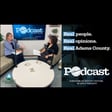
Wildfires are already starting to impact Colorado and neighboring states. In this episode, we sit down with Kyle Lopez, Emergency Management Coordinator for Adams County, and Tracy LeClair, Wildland Fire Management Section Communications and Outreach Specialist, to talk about what residents need to know right now.
Recommended


















Transcript
Introduction to All In Adams Podcast
00:00:03
Speaker
Welcome to All In Adams, the official podcast of Adams County Government. where we're all in for our residents, our employees, and our community. So whether you live here, work here, or you just want to know more about what makes Adams County a great place to be, thanks for tuning in. We're all in, Adams.
Topic Introduction: Wildfire Preparedness in Colorado
00:00:22
Speaker
All righty, we are back with another episode of the All in Adams podcast. My name is Carson Forsman. I'm a communication supervisor with Adams County. And today we are talking about being prepared for wildfires, which is a very important topic right now in Colorado.
Meet the Experts: Kyle Lopez and Tracy LeClaire
00:00:38
Speaker
um I'm just going to have you two introduce yourself. You're going to a lot better than I do. Kyle, let's start out with you. All right. Sounds good. So, and my name is Kyle Lopez and I serve as an emergency management coordinator in the Adams County Sheriff's Office of Emergency Management. Kyle, appreciate being here. and We got Tracy here as well.
00:00:53
Speaker
Hi, Tracy LeClaire. I'm the public information officer for the wildland fire management section of the Colorado Division of Fire Prevention and Control. We got the expert here. I love it. Both of you. Appreciate it. So um let's just kind of touch on, we're recording this
Early Wildfire Risks in Colorado
00:01:08
Speaker
in April. What's kind of going on right now? What are we seeing with wildfires in Colorado um um right now, Tracy?
00:01:16
Speaker
ah We're seeing earlier fires. We're seeing a much drier and warmer environment. Obviously, i think everyone's aware we didn't really have a winter this year.
00:01:26
Speaker
So the the grasses that normally would have been packed down by the snow are still standing tall. And I think we're going to see because it's been so dry, we're going to see either a delayed green up or ah ah just a slower green up and less of that green material, that which is really what we need to help modify our monitor and modify that fire behavior.
00:01:50
Speaker
if ah If a spark were to start in that grass, it's going to carry pretty quickly, especially with the winds that we've seen. Yeah, and you mentioned we didn't have a winter. Why is it so risky right now, I guess? Is it risky in April or is it obviously the summers too could be pretty? Until we see the the leaves on trees and the grass greening up, it's a concern right now. Then I think we'll see ah a moderation of that in May. And then as the heat picks up and things start to dry out again in June and July, we're we're going to be right back in it.
00:02:18
Speaker
So Kyle, we're in Adams County, right? You're with Adams County Emergency Management Team. We're obviously not west in the mountains, but how can how are we impacted here in our region? We're urban, but we're very rural and we're a diverse county. How are we impacted by wildfires here in Adams County?
Impact of Wildfires on Adams County
00:02:36
Speaker
Sure. So um in terms of wildfire behavior, um we've seen it basically threaten both our more populous ah centers, more towards the western part of the county, but as well as ah the more in rural side. um And really one of the biggest drivers of that, um at least in terms of recently, is basically wind, right? um So so so um in terms of both sides of the county, um they both present risks. They're slightly different. um But basically just because of such a dry season and things like that, um unfortunately in wildfire, it's becoming a higher risk and it just really kind of varies across the county.
00:03:15
Speaker
What, Tracy, I'm curious, what's the biggest causes of wildfires that we would, I guess, locally here in Adams County? Obviously, we could look at different areas and what causes, but what would you say is the biggest cause? What can we look out for?
Human-Caused Wildfires: How to Prevent Them
00:03:28
Speaker
Statewide, most of our fires are human caused. You know, there are periods of time when we have lightning and lightning can obviously start fires pretty much anywhere.
00:03:37
Speaker
um But what what we really see is the human caused fires and not saying they're intentional. You know, it may be things as hot breaks, ah you know, ah dragging chains, ah improper fire.
00:03:50
Speaker
just improper use of your, um any equipment such as UTVs, ATVs, ah maybe a chainsaw that doesn't have a spark arrestor, those types of things.
00:04:03
Speaker
And then ah on, on, uh,
00:04:08
Speaker
Sorry, guys. um And then things like ah not just distinguishing extinguishing your cigarettes properly, throwing them out of your car window or just throwing them on the ground. And then also just campfires that have been left unattended or not put out properly.
00:04:22
Speaker
Yeah. What's Kyle, what's two to three, two to three things that people can do to reduce that risk that you think of? Sure. Um, so a large part of this fundamentally boils down to just common sense. Um, try to basically refrain from engaging in a type of, um, things, activities that could be some type of a source of ignition, especially on days when wildfires and different things such as meteorological conditions are more likely. um So things such as in higher temperatures, lower relative humidity, high winds, um just please don't burn things if you can. um
00:05:04
Speaker
for individuals who are smokers, make sure, um, that you responsibly extinguish those. Um, don't use things that create sparks. Um, and just really just kind of be proactive and just use good old fashioned common sense and just try to refrain from doing certain actions that could be in any type of a, ah source of extreme heat or sparks or other, uh, source of ignition.
Home Mitigation and Emergency Planning
00:05:28
Speaker
Tracy, as we enter into that, we're in this drought phase, right? What can residents, households have to be ready for in case something does happen in their area? Well, first and foremost, making sure that they're mitigating around their homes so that if a spark does get carried, ah that you have ah that defensible space, that fire firefighters need that to be able to operate safely, to be able to defend your home if a fire does start. It also helps prevent any ignition sources that from those embers to actually start your home itself or fire.
00:06:01
Speaker
the things around your home on fire that will then carry right up to it. So that, that first five feet from your home really should be as ah unburnable as you possibly can. So making sure that you don't have ah weeds or grasses that grow right up to your home, making sure you don't have firewood on your deck that making sure that you've cleaned leaves and pine needles out of off of your roof and out of your gutters. So those types of things just really help protect your home itself.
00:06:28
Speaker
And then making sure you're prepared so that you've signed up for emergency notifications, that you know what the current conditions are, you know, if there are fire restrictions in place. And that you know what to do in the event of an emergency, where you're going to go, what are your your roots out of your community, no more than one.
00:06:45
Speaker
And then how are you going to ah reconvene with your family afterwards? And don't forget your pets. You know, that's another one. ah We see it all the time that people want to come back into an evacuated area to save their pets.
00:06:56
Speaker
If you can have a plan in place for them as well. That's always helpful. Kyle, she talked about alerts a little bit, but what should Adams County residents do right now to stay in the know? Sure. um So two really important resources. um First and foremost, um be sure to sign up for um it emergency alerts. So here within Adams County, for parts of the county which are um unincorporated, we currently use a system called Code Red. yeah um Several of our smaller municipal jurisdictions also use that same system, um but several other jurisdictions um have transitioned to different types of systems. um So it's really important for... um of
00:07:39
Speaker
residents to basically do their research, to go online to our website, um and really make sure that they're signing up for the proper system, be it Code Red, Lookout Alerts, um RAVE, Smart 911, et cetera. And then in terms of just kind of like general personal preparedness, um the website ready.gov forward slash wildfires That is a fantastic website and it has tons of free resources, very um helpful tips. And it's a great place just to start um because really the first step in getting prepared for a type of an emergency is essentially just in knowledge.
Preparing for Power Outages During Wildfires
00:08:16
Speaker
And let's let's kind of transition a little bit to these planned power outages, right? We're starting to see those after the Marshall Fire. Unfortunately, um they're just shutting the power off.
00:08:27
Speaker
um How can our residents be ready for that? i don't know who wants to take that one, but... Really, it's is it generators or how can these households be ready in case the power shut off for who knows how long?
00:08:40
Speaker
Sure, yeah. um So um especially in areas more towards the foothills um and things of that nature, um most of our major utility companies are becoming more proactive um and the use of public safety power shutoffs is becoming a larger practice. um And that is to intentionally shut down transmission lines and because in terms of the winds, if they get too powerful, um they can possibly um blow off those lines from those towers and cause a lot of sparks. So in terms of personal preparedness, the first thing to do is um speak with members of your household and kind of do a personal preparedness assessment. Figure out what are the different types of things that we absolutely have to have power for? What are some things that we can live without? um So, you know, things which are generally speaking more essential, um ah things such as a
00:09:38
Speaker
medical equipment, and really just things that really add value to our residents' personal lives. That could be durable medical equipment, et cetera. um And really just kind of assess what they need to have and what they don't. um In terms of smaller generators, um that can be an incredibly useful ah um ah option just as so long as they're used to up ah properly. um In terms of things such as backup power supplies, um and that's another great resource. And then in terms of the capabilities of both generators as well as backup power supplies, their capability varies. um So some are rather you know smaller and they can only provide um smaller amounts of power for a shorter time. Some are, you know, a lot more larger all the way up to commercial grade. um So it really just kind of varies and it really kind of starts with that household assessment and figuring out what are things that I absolutely have to have, what are their power needs, and what are some things that I can go without for several hours, maybe even a couple of days until um ah normal commercial power has been restored.
00:10:47
Speaker
I know we can't predict the future, but they're probably coming, right? I mean, you would think if you were betting on this, that we'd probably see that coming? Yeah. um So um ah in terms of 2025, we saw a few of these shutdowns occur already. So, you know, this year in 2026, depending on forecasts and winds of that, I would imagine that these types of things, they are here to stay. In terms of their frequency, I can't say, because again, that's all dependent on
What to Do if You Spot a Wildfire?
00:11:15
Speaker
winds and weather. yeah But in terms of the practice itself it is here to stay let's transition a little bit unfortunately for the fire hit does happen tracy what should residents do if they see a wildfire what do you do
00:11:27
Speaker
ah Well, first and foremost, call it in if it hasn't already been reported. ah If you're asked to evacuate, evacuate immediately. Don't hang around. Don't stay to take pictures. Don't pull over on the side of the road. We need to be keep those roadways clear for incoming emergency services, fire, law, EMS.
00:11:46
Speaker
ah Also, um you know, make sure that that you're ready to go. and um to to piggyback on what Kyle was saying, ah Make sure that you're, if you are going to have potential power shutoffs, that you've got your cell phones charged. Maybe you have some battery backups for those. ah They have some nice solar ones that you can do now.
00:12:04
Speaker
ah But making sure that you have that ability to stay in the know about what's going on, that you know where to go your information, whether it's the sheriff's office for evacuations, you know, whether it's your local fire department for what the conditions are.
00:12:19
Speaker
ah And don't wait to be told to evacuate. If you feel unsafe, leave. there's there's There's no harm in just getting out of the way and coming back later. So really, it's it's just being prepared and being proactive and just following directions when when you're told to evacuate. Go ahead and do so.
00:12:37
Speaker
What's the biggest mistake to avoid, would you say, with these? Kind of putting me on the spot here. Ooh, that's a tough one. um I think probably thinking that you have more time than you really do. Sure. These wind-driven fires, if we're talking 60, 70-mile-an-hour winds, especially in those fine grasses, that fire is going to move faster than you can drive.
00:13:00
Speaker
So don't underestimate how quickly things can change. Yeah, we recently saw them in Nebraska. Did you see that big wildfire? It's scary stuff. So appreciate that. In closing, let's just close it
Final Tips and Resources for Wildfire Preparedness
00:13:13
Speaker
out here. If people only do one thing after this, after hearing this, what should it be? Kyle?
00:13:19
Speaker
um I think from a general preparedness perspective, just going online to ready.gov forward slash wildfires and just an arming yourself with and more information.
00:13:31
Speaker
Tracy, anything? Same. Sign up for emergency notifications. Make sure that you and your family have a plan and be prepared that your plan's probably going to have to change. You know, you you may plan, i'll have your plan all set out for if you're all at home, but what happens if your kids are at school and you're at work or whatever? So making sure you have those backup plans. You know, do you have someone who can run to your house and grab your pets for you as they evacuate a neighbor?
00:13:57
Speaker
ah You know, just making sure that you're staying in touch and that that everybody, you practice it, just like we do in school fire drills, do the same thing at home because it's that muscle memory that when things get stressful, you you fall back on that. So making sure that that you're prepared and your family is prepared and that you're ready to go.
00:14:15
Speaker
Kind of going through all those scenarios, right? If this happens, is this happens I love it. Well, let's hope there's no wildfires in in Adams County or in Colorado anymore. Hopefully they're done. Hopefully we get some rain, right? But so appreciate your time, Kyle, Tracy. Appreciate you coming into the studio, talking about this very important topic.
00:14:33
Speaker
Thank you. Yes, thank you. Absolutely. That's a wrap for this episode of All In Adams. Thank you for joining us as we explore the people, programs, and the policies that make Adams County a great place to live, work, and thrive.
00:14:47
Speaker
If you enjoyed the show, be sure to subscribe and share with your friends, neighbors, and colleagues. Have a topic you'd like us to cover? Let us know. We're All In for bringing you the stories that matter most.
00:14:58
Speaker
Until next time, take care of each other and stay connected with us on Facebook, Instagram, Nextdoor, and x We're all in, Adams, and we're all in for you.