Transcript
Speaker: ask lots of questions, assume you don't know the answers.
Speaker: There are no dumb questions.
Speaker: Humility is our single biggest strength when we go overseas, even in vacation, right?
Speaker: But certainly as somebody looking at moving overseas and acquiring property.
Speaker: So humility.
Speaker: And then the other one is go do it, right?
Speaker: Really just go do it.
Speaker: Retirement.
Speaker: That's what we're all aiming at, right?
Speaker: But exactly what does that mean?
Speaker: It conjures up visions of endless days of golf, drinks with little umbrellas in them on a tropical beach, feet up reading a book.
Speaker: Is that what it's all about?
Speaker: I don't think so.
Speaker: Life would get pretty dull after a while without anything meaningful to do, don't you think?
Speaker: I'm Jackie Doucette, and I'm on a mission to discover exactly what life is like beyond retirement.
Speaker: Join me while I chat with people who've already done it, who've retired to something rather than from something.
Speaker: Let's find out together exactly what's waiting for us when we say goodbye to that nine to five.
Speaker: Hi, everyone.
Speaker: Welcome to another episode of Beyond Retirement.
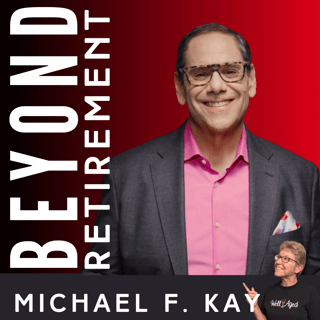
Speaker: Today, I'm delighted to be joined by Mike Cobb.
Speaker: He's the CEO and co-founder of ECI Development.
Speaker: Mike, thanks for joining me today.
Speaker: Oh, Jackie, good to be with you.
Speaker: It's going to be a fun conversation.
Speaker: Yeah, I hope so.
Speaker: Yeah, it will be.
Speaker: The first thing I ask people all the time is to give just a little bit of their background and how they got to where they are today, just so the listeners are more familiar with who you are.
Speaker: Can you do that for us?
Speaker: Yeah, sure.
Speaker: I went to Belize on vacation back in 1993, so 30 years ago.
Speaker: And about a year later, bought a property as a vacation property and then started to see opportunities to serve other folks who wanted to own a property overseas.
Speaker: And we started our development company in 1996 in Belize.
Speaker: We kind of looked at it and we said to ourselves, gosh, not everybody wants to be in Belize.
Speaker: Some people want to be on the Pacific Ocean.
Speaker: Some people want to be in the mountains, whatever, different kind of different strokes for different folks, right?
Speaker: So we expanded into Nicaragua, Costa Rica, Panama.
Speaker: We're now in Honduras, El Salvador as well, and Portugal, the Azores.
Speaker: So, you know, we've really tried to build a company over the last 27 years that can serve people with a product that fits their needs specifically, rather than trying to, you know, sell somebody something that we have, right?
Speaker: We do a lot of dialogue with people.
Speaker: We find out what they're interested in and what might be a good fit.
Speaker: And many times we have that solution, but many times we don't either.
Speaker: But we really like that engagement process to help folks zero in on what's a really, really great fit for them.
Speaker: That sounds wonderful.
Speaker: I didn't know you were in Portugal as well.
Speaker: I thought it was all Central America.
Speaker: So that's really cool.
Speaker: That's a brand new.
Speaker: We acquired the, it's a bed and breakfast actually in the Azores.
Speaker: We acquired it last September.
Speaker: So it is brand new.
Speaker: It hasn't really made its way into our website and stuff like that yet.
Speaker: So, yeah.
Speaker: Oh, that's really neat.
Speaker: I know most of my listeners are familiar with the idea that my husband and I are planning to sell off everything and move out of the country in a couple of years.
Speaker: And, you know, I've talked about it a lot.
Speaker: I'm getting really excited about it.
Speaker: And the main reasons are...
Speaker: Temperature.
Speaker: I live in Canada and costs.
Speaker: And I know that those are a couple of the main things that drive people.
Speaker: But what have you found are the most common reasons people choose to leave their home country in retirement?
Speaker: Yeah, what we've really identified over the years is that there are kind of two camps.
Speaker: There are the people who are running from something, right?
Speaker: And it could be personal situations, divorce, whatever, right?
Speaker: Or politically motivated.
Speaker: We've seen that in the United States, especially on both the right and the left.
Speaker: When one party gets in, the other folks say, oh, I gotta get out of here and vice versa, right?
Speaker: So we've helped a lot of people over the years who are leaving, right?
Speaker: In a running away, right?
Speaker: But the far more, the bigger camp and the far more fun, honestly, folks are the folks that are running towards something, right?
Speaker: They're running towards that better weather from Canada, of course, and many parts of the US, they're running towards a lower cost of living.
Speaker: That's a big driver.
Speaker: But I was actually an expat.
Speaker: I moved to Nicaragua with my wife and two-year-old daughter back in 2002.
Speaker: We lived there for 14 years as expats.
Speaker: And what we identified, which is very paradoxical, is that you can actually have a higher quality of life on a lower cost of living.
Speaker: Right.
Speaker: And it seems weird because up in Canada or here in the U.S., right, we we kind of think, oh, if I want to have a higher quality of life, I have to spend more.
Speaker: Right.
Speaker: The correlation is spend more higher quality of life.
Speaker: But when you move to the developing world, Latin America, what actually happens is, is your cost of living goes way, way down, as you know.
Speaker: But your quality of life in many cases can go up dramatically.
Speaker: And I just give one example, food.
Speaker: Right.
Speaker: So we lived in Managua, Nicaragua for 14 years.
Speaker: And and we had a bag, a coffee sack, like it came from a coffee plantation up in the mountains.
Speaker: Right.
Speaker: This organic coffee plantation called Selva Negra.
Speaker: If you ever go to Nicaragua, go to Selva Negra.
Speaker: It's a beautiful resort in the mountains, but they have an organic coffee plantation, but also do a lot of farming, vegetable farming, things like that.
Speaker: So we got this coffee sack of fruits and vegetables delivered to our house.
Speaker: every Tuesday morning, and it was $8.
Speaker: Wow.
Speaker: Yeah, right?
Speaker: Wow, right?
Speaker: Wow, right?
Speaker: I mean, we couldn't eat it all, right?
Speaker: We'd give it away.
Speaker: And our fish and our meats and our cheeses, they were free range and hormone free.
Speaker: And so all of a sudden, what would cost a fortune in North America to eat organic everything, right?
Speaker: It's always more expensive, right?
Speaker: Is actually a lot less expensive.
Speaker: And so the quality of life from a food standpoint went way, way up and the cost went way, way down.
Speaker: So that's really, I think, what drives a lot of people, Jackie, is this notion of a higher quality of life, a lower cost of living, better weather, right?
Speaker: And now what's really cool is because...
Speaker: excuse me, so many people can work remotely, right?
Speaker: I mean, that's a big change.
Speaker: And so what we're actually seeing is a lot of people who are anticipating retirement moving actually earlier, maybe wrapping up their careers from the location that they always wanted to retire to, but now they can get there a little bit early and start to enjoy the better weather, the lifestyle, the activities, the things that are bringing them there ahead of retirement.
Speaker: So it's kind of a neat convergence that seems to be
Speaker: you know, really right at the, you know, it's happening.
Speaker: And I think we're, it's a snowball, right?
Speaker: Just, just starting to, yeah.
Speaker: So you talk about a better quality of life.
Speaker: And I think a lot of people think about the Latin American countries, the emerging kind of population as maybe having a lower quality of, of life overall.
Speaker: Do you find that or do you find that people can live as comfortably other than food and weather as comfortably as they do here?
Speaker: Well, we did.
Speaker: We certainly found that, you know, I mean, almost every country in the developing world, I mean, not all, but certainly in Central America, South America, right?
Speaker: I mean, there are examples around the world where there's just truly, I think they call them fourth world countries, right?
Speaker: They're just on a downward spiral fast.
Speaker: Okay.
Speaker: But
Speaker: But in a developing country, even Nicaragua, which is the second poorest country in the hemisphere, you know, in Managua, I mean, let me just say, I mean, we had Walmart, we had a big hardware store like a Home Depot.
Speaker: You know, we had, we could get anything we wanted at the grocery store, right?
Speaker: We could get pate from France, we could get sushi wrappers, you know, so, so like the quality of life from a
Speaker: thing standpoint, right, was still high.
Speaker: You could get anything you wanted.
Speaker: Medical care, right?
Speaker: They have a world-class hospital in Managua, Nicaragua.
Speaker: It was the 13th hospital in Latin America to receive the JCI gold accreditation.
Speaker: You know, Panama's got the Johns Hopkins facility.
Speaker: Panama or Costa Rica has the SEMA system, right?
Speaker: And so you've got this great healthcare,
Speaker: Now, the sad reality is it's not universal, right?
Speaker: There are very, very poor people who are really excluded from these types of services on the medical side or, you know, the kinds of quality of life, right?
Speaker: And you see it.
Speaker: And Jackie, let me just say that
Speaker: over the 27 years that we've been working in the region, then the 14 living in Latin America, myself with my family, what we saw was the single biggest, I'm gonna call it culture shock.
Speaker: I think it's a little different.
Speaker: I mean, there are many elements to culture shock.
Speaker: So one avenue of it, that the thing that took more people home than anything else
Speaker: was living next to poverty, right?
Speaker: I think in Canada and the United States, it's around, we know it's around, but we're not made aware of it like all the time.
Speaker: And when you move to the developing world, even in a fairly wealthy country like Costa Rica, for example, it's a pretty wealthy country by Central American standards, you will see poverty, right?
Speaker: You'll see it and it's kind of around you.
Speaker: It's not excluded, it's just mixed in.
Speaker: And that one element really, I think for some folks has an oversized impact and can lead to people wanting to go back, right?
Speaker: And culture shocks a lot more than that, obviously, but that would be the one factor we've seen that's maybe the one that more than any other kind of rattles people in a way that's just hard.
Speaker: You know, what I found and what I've
Speaker: did myself personally, our family, and many people we know, is we just made a decision that we're going to make the best impact we can.
Speaker: Yes, we're going to be in poverty.
Speaker: We support a lot of Rotary clubs, Lions, Kiwanis, faith-based organizations as they come into the country.
Speaker: We do a lot of corporate social responsibility.
Speaker: My girls put together a shoe program for kids because you can't go to school unless you have shoes.
Speaker: So they would write home to all their friends and they were in Girl Scouts, by the way.
Speaker: I mean, there's an example of quality of life with Girl Scouts in Nicaragua, right?
Speaker: So they put this big program together up in the States and they put together containers of shoes and sent them and we distributed them to children who didn't have shoes, right?
Speaker: And so to engage in those kinds of activities,
Speaker: is, I hate to call it an offset, but let me use that word.
Speaker: It's kind of an offset to the exposure to the poverty where you actually can make a meaningful difference.
Speaker: And it doesn't take a lot of money.
Speaker: It's not like you have to write big checks.
Speaker: I mean, get shoes and bring them into the country and
Speaker: and then distribute them, right?
Speaker: I mean, so you can make huge impact with very little money by being engaged, but listening first, right?
Speaker: What is it that's needed?
Speaker: How can we help?
Speaker: What's the community saying that they want?
Speaker: And, you know, and it relates to retirees too.
Speaker: In our communities, we're very, very engaged and we get our residents, the property owners and residents, and some of our renters, that's why they're not just property owners.
Speaker: We have long-term rentals, people come and rent, right?
Speaker: But we engage them in the Rotary Club.
Speaker: We actually started a Rotary Club at Grand Pacifica, right?
Speaker: It's a satellite club.
Speaker: And so, you know, our residents and
Speaker: Even our guests get to participate in these wonderful activities in the community.
Speaker: Everybody gets to know one another and it adds a tremendous meaning to that existence because quality of life is more than just weather and cost of living and things, right?
Speaker: You know, you know,
Speaker: As we transition from a successful career, for example, right, success is what we do for ourselves, right?
Speaker: Significance and legacy is what we do for others.
Speaker: And so as we transition into retirement, I think many people see the opportunity to find significance in their activities.
Speaker: And we help to create that and foster that in these communities because truly when you're out doing things for other people, the quality of life at sort of that heart spiritual level, I don't know exactly what, emotional level, right?
Speaker: It can really be just off the charts wonderful.
Speaker: So, yeah.
Speaker: So I know you've dealt with a lot of people who are making a transition either, excuse me, either full-time or part-time into living in another country.
Speaker: What are some of the things that people generally don't think about when they're planning to move away for good?
Speaker: Wow, there's a lot of them.
Speaker: There's a lot of them.
Speaker: You know, I've written a book, a handbook, right, called the Consumer Resource Guide.
Speaker: And the premise of that is that we don't know what we don't know, right?
Speaker: That's the one premise.
Speaker: The second premise, which is kind of a corollary, is that we have to forget what we think we know.
Speaker: Right.
Speaker: Assumptions can be dangerous.
Speaker: Right.
Speaker: And so if we if we don't know what we don't know and we have to forget what we think we know.
Speaker: Right.
Speaker: The synthesis of those two corollaries is to me the word humility.
Speaker: And so what I find is, is that the people who approach
Speaker: an overseas move, whether it's retirement or vacation properties.
Speaker: We have people that buy vacation properties in anticipation of retirement later, right?
Speaker: But in this process of buying a property overseas, humility is actually our single most valuable asset.
Speaker: Because if we're at least aware that we're in the unknown, we're in a foreign environment, our assumptions may or may not hold water, we're willing to question them, then we can make better selections.
Speaker: We can engage the process.
Speaker: We can actually engage the process rather than just sort of go on autopilot and kind of run through.
Speaker: But the challenge is, is because we don't know what we don't know, like we don't even know what questions to ask.
Speaker: And so our consumer resource guide just has, it's got 15 questions and
Speaker: Anyway, and, and, and, and there's a lot more than that, of course, but number four is my favorite.
Speaker: You know, we, we, you know, uh, there was a, a beautiful condominium in Costa Rica.
Speaker: It was a fourth or fifth floor looking at the Pacific ocean.
Speaker: I mean, you know, and it was just under $400,000, right.
Speaker: But million dollar views and, and had three bedrooms with bathrooms, like three suites and, and, uh,
Speaker: And when you got two of the bathrooms, I mean, beautiful.
Speaker: The countertops were nice.
Speaker: The mirrors were nice.
Speaker: The lighting was nice.
Speaker: It was a nice bathroom, right?
Speaker: Nice faucets, right?
Speaker: On the top of the Moen or, I don't know, some $150 faucets.
Speaker: So again, high quality, right?
Speaker: But-
Speaker: And they both had water coming out of them.
Speaker: And you would think, oh, you turn on one, it's cold water.
Speaker: You turn on the other one, it's hot water.
Speaker: Well, there's no hot water because the condo is empty and the water heater has been turned off or whatever, right?
Speaker: Well, actually, if you got down on your hands and knees and you looked under the sink, what you saw was a cold water pipe coming out of the wall with a Y splitter up to it.
Speaker: Jackie, right?
Speaker: Okay, now, right?
Speaker: And, but even worse, the showers were cold.
Speaker: Yeah, the showers were cold in two of the three bathrooms.
Speaker: Now, in Latin America, that's no big deal.
Speaker: Of course, you take a cold shower.
Speaker: I mean, you're out, it's hot.
Speaker: I mean, who needs hot water?
Speaker: You spoiled North Americans, whatever, right?
Speaker: Yeah.
Speaker: So, but we as North Americans, if we test, I mean, we'd be like, of course it has hot water.
Speaker: So we bring that assumption, right?
Speaker: But we don't know what we don't know, that we actually have to get down on our hands and knees and look under the sink, right?
Speaker: And so these are the kinds of things that kind of trip people up in the process.
Speaker: And so that's why the Consumer Resource Guide is just an incredibly helpful tool, right?
Speaker: It helps us start to think about, here are 15 examples of
Speaker: But what happens is, is if you start with these 15, then this idea of humility and slower and right.
Speaker: And so you can come up with kind of your own list of questions, too.
Speaker: So it's the starting point for an expansion of how we engage the marketplace, which.
Speaker: Because in North America, it's the land of seller beware, right?
Speaker: In Canada, the United States, there's all kinds of consumer protection laws and regulatory agencies, advocacy groups, right?
Speaker: You got all of that.
Speaker: When you go overseas, you're really in the world of buyer beware.
Speaker: And we as consumers don't really understand how to work or engage in that environment.
Speaker: So the Consumer Resource Guide just starts to give us the ability to do that on a much, much better basis.
Speaker: Yeah.
Speaker: Wow, that's an amazing document that you've created then to help people figure out what they should be looking for.
Speaker: I would never consider that there wouldn't be hot water.
Speaker: Right.
Speaker: We'll make sure you get one, Jackie.
Speaker: And by the way, anybody listening to this, it's really easy if they want to.
Speaker: It's a free download.
Speaker: It's a PDF.
Speaker: We send it out to anybody who wants it.
Speaker: And if you want to put the link in the show notes or whatever, we'll make that available for folks.
Speaker: Yeah.
Speaker: And I actually, I do have a copy of it and I went through it when you first sent it to me and it's like, okay, I'm going to read this, but not right now.
Speaker: Right.
Speaker: Definitely need to.
Speaker: That's right.
Speaker: And take it with you, right?
Speaker: Take it with you when you start to look at property.
Speaker: And it's got, in fact, it has a little checklist, I think on page 15.
Speaker: And always, I think it even says, you know, make a photocopy of this and print it out three or four times so that when you're touring properties, you actually have this little checklist and you can kind of go down it and write.
Speaker: Just, yeah, yeah, yeah.
Speaker: That's funny.
Speaker: And I know some of the questions were, are you ready to go kind of questions.
Speaker: And I sat down with my husband because we're at different levels on the, are you ready to go scale?
Speaker: Yeah.
Speaker: Well, and that was wise of you to take it independently and understand that each of you are at a different place on the, are you ready to go?
Speaker: Right?
Speaker: Yeah.
Speaker: Yeah.
Speaker: So we've talked about this a little bit.
Speaker: You mentioned, you know, some people, you
Speaker: are a little bit taken aback by the poverty right there beside them when they get there, that sort of thing.
Speaker: What are some of the other aspects of life in a different country that people aren't really expecting, good or bad?
Speaker: Yeah, I think that that one's the most obvious.
Speaker: But, you know, they're just weird things.
Speaker: I give an example.
Speaker: My when my wife and I moved down there, we would get invited to to dinner parties.
Speaker: Right.
Speaker: And and, you know, if the dinner party started at seven, you know, we'd show up at 715.
Speaker: It's Latin America.
Speaker: So, you know, and we were we were.
Speaker: And in 14 years, Jackie, this is embarrassing.
Speaker: 14 years into it, we were still almost always the first people to arrive.
Speaker: And we thought we had it figured out.
Speaker: Oh, seven o'clock means to show up at 730.
Speaker: No, it means to show up at 745.
Speaker: No, eight o'clock, maybe 830.
Speaker: Yes.
Speaker: Yes.
Speaker: I mean, it's just so hard when somebody invites you to their home at seven to show up at 830.
Speaker: Right.
Speaker: And, and, and so, but, and then we would entertain and, and here's a cultural difference.
Speaker: This is kind of funny.
Speaker: So you go to somebody's house for dinner and whatever, again, we got there first, of course, but,
Speaker: But, you know, dinner, if dinner might get served at nine, nine thirty, right, for a seven o'clock invitation.
Speaker: And then when dinner was over, dessert was put out.
Speaker: A lot of times dessert was actually wrapped up.
Speaker: The maids would put it in a container because when dessert was served, it was time to go home.
Speaker: Right.
Speaker: Oh, wow.
Speaker: Yeah.
Speaker: And so we, our first few parties, a couple of funny things, like we had these friends, I, you know, like I said, we had some friends who were just always late.
Speaker: And, and so we had a dinner party.
Speaker: We said, yeah, we'll come over around seven.
Speaker: I think we served dinner at eight.
Speaker: They showed up at eight 30, eight 45.
Speaker: And like, huh?
Speaker: We're like, we said seven, seven 30, you know, it's eight 45.
Speaker: So then we had to start telling our friends, look,
Speaker: come over anytime between seven and 8.30, but at 8.30, food's hitting the table, just letting you know, right?
Speaker: Show up whenever you want.
Speaker: The problem was, is then at 9.30 or whatever, when we finished eating, everyone got up to leave because that's appropriate, right?
Speaker: Hey, dinner's over, time to go home, right?
Speaker: And so that's why dinners are so much later.
Speaker: They start dinner at 9.30, 10, even 11 sometimes, and then dinner's over at midnight, it's time to go home.
Speaker: So it's just kind of these weird little cultural things.
Speaker: And they're not bad.
Speaker: They're just different, right?
Speaker: And so you kind of got to get into the flow of it.
Speaker: We never, ever figured out what time to arrive at something.
Speaker: I don't know.
Speaker: Anyway, you pick up your dessert and leave.
Speaker: Wow.
Speaker: Take your dessert and leave.
Speaker: Right.
Speaker: And then the other thing is there are just so many different fruits and vegetables that you never see here because they either don't grow them and they don't trans probably because they don't transport well.
Speaker: Right.
Speaker: And so the incredible.
Speaker: The diversity and plethora of new fruits and new vegetables was incredible.
Speaker: And so, I mean, there's some really wonderful unexpected surprises.
Speaker: That little mountain resort, Salva Negra, we started going up there about maybe once a month on the weekend, right?
Speaker: We'd just take a weekend.
Speaker: It was close.
Speaker: It was two and a half hours, right?
Speaker: And so for us, I mean, these just little gems that would pop up.
Speaker: And we had Footprints.
Speaker: I think that was it.
Speaker: Footprints, the travel magazine for the different countries.
Speaker: It was probably the best.
Speaker: We had three or four before we moved.
Speaker: And I think Footprints was my wife's favorite.
Speaker: But we would just read about a butterfly farm or read about a waterfall out in the middle of nowhere.
Speaker: And then we were just on the weekend, we'd just go find it, right?
Speaker: And get lost and explore.
Speaker: And so, you know, those kinds of adventurous activities are tremendous.
Speaker: I mean, they're serendipitous, right?
Speaker: You just get in there and you just start to experience things that are way outside the norm from North America, but become the norm when you live in the developing world.
Speaker: And sometimes they're flops.
Speaker: I mean, sometimes they're just absolute flops.
Speaker: But sometimes they're magical and you kind of take what you get and you roll with it.
Speaker: In most of the countries that I've been in, I haven't been in that many, but in the countries where I've visited, the expat communities are pretty much segregated from other things.
Speaker: People tend to join and buy houses in the same little areas.
Speaker: Right.
Speaker: Is that something that's fairly normal?
Speaker: Personally, I want to go and live somewhere where I'm with everybody else.
Speaker: I don't want to be in a spot where people are trying to Americanize it.
Speaker: Yeah, well, that's a good question.
Speaker: What we find is that there really are maybe kind of a, there's a real bifurcation.
Speaker: And someone like you is saying, look, I don't want to be in an Americanized or a North American style community, right?
Speaker: That takes a lot of work.
Speaker: And the biggest piece of the work is language.
Speaker: right?
Speaker: And for many people moving overseas, you know, they're moving with a very limited knowledge of Spanish or Portuguese, you know, depending on where they're headed, right?
Speaker: I mean, Latin America, but if, because quality of life, we talked earlier about quality of life being, you know, working with, you know, different associations or groups to, you know, make a difference, right?
Speaker: And find ways to contribute to the community.
Speaker: And, and
Speaker: That's one element.
Speaker: But another element that's even probably more foundational is friendships and peer relationships.
Speaker: And unless you really, really, really speak the language well, you know, if you don't live in a place where you can find other people that speak the same language as you, loneliness can be a big thing, right?
Speaker: If you're out by yourself and you don't have friends and you don't have a peer group, it can be challenging.
Speaker: And language is one piece of it, but peer group is another.
Speaker: You know, we lived in Managua.
Speaker: We had, I don't know, some number of American and Canadian friends, but we had tons of Nicaraguan friends.
Speaker: We had tons of German friends and Argentinian friends and Korean friends.
Speaker: So our peer group was the expat group, right?
Speaker: And it included Nicaraguan professionals, right?
Speaker: Doctors, lawyers, bankers, because they spoke English.
Speaker: Because we didn't speak Spanish.
Speaker: When we moved to Nicaragua, we spoke almost no Spanish.
Speaker: And so, you know, it can be really lonely if you don't have a friend group slash peer group.
Speaker: And so I think that's why people tend to look for communities that are, you know, more expat oriented.
Speaker: That said, some are very...
Speaker: expat exclusive in the sense of like it's only expats.
Speaker: You know, for example, our Grand Pacifica community, about a third, just under a third of our property owners and residents are Nicaraguan, right?
Speaker: Or non-US, non-Canadian, non-North American.
Speaker: So the bulk of them are Nicaraguan.
Speaker: We have some Europeans, we have some Aussies, we have some Kiwis, right?
Speaker: So we have some other, you know, nationalities in there too.
Speaker: But it's a very integrated community
Speaker: but it's a community where there's peer relationships.
Speaker: And I think that's one of the challenges to kind of going out on your own is how do you develop friendships?
Speaker: How do you find peer groups that you can have meaningful conversation and relationship with and common ground to do things that are fun, right?
Speaker: Whatever those fun activities are.
Speaker: That would be the challenge, I think, for many people and probably why so many people end up in expat-oriented communities.
Speaker: Again, there are some that are totally expat and they're very, you know, I'm not even sure, you know,
Speaker: Myopic.
Speaker: Let me just say that they're very myopic, right?
Speaker: I think those were more in the past.
Speaker: I'm not seeing a lot of those today.
Speaker: I think that many people feel the way you feel and the way we felt, right?
Speaker: I don't have anything against an expat community, but I don't want one that's myopic, right?
Speaker: I want one that's open, that's integrated, has a real breadth of people that are in it.
Speaker: but I also want those peer relationships and the friendships in the language I speak.
Speaker: So that's a big deal.
Speaker: But if you speak Spanish, for example, right?
Speaker: I mean, it gives you a whole nother set of avenues of where you can live and what kinds of friendships and associations you can build.
Speaker: I'm a big fan of joining the local Rotary Club, which I did.
Speaker: I joined the Managua Rotary Club as soon as I got there.
Speaker: And
Speaker: you know, built all Nicaraguan friendships.
Speaker: They were all Nicaraguan, right?
Speaker: You know, and, but many of the business people speak English because I didn't speak Spanish.
Speaker: So join Rotary, join Lions, maybe join a church, whatever, whatever fits for you, you know, socially and, and, and, but, but integrate yourself into some of these organizations because you will make new relationships that will be local.
Speaker: And that is a big, big deal, Jackie.
Speaker: It's very, very important.
Speaker: Yeah.
Speaker: Very important.
Speaker: So we've talked tangentially about ECI and what they do, what they offer.
Speaker: Can you talk, tell a little bit more about, you know, the different locations of ECI and what you actually have?
Speaker: Yeah, sure.
Speaker: So we started in Belize back in 1996.
Speaker: We have actually three different properties there.
Speaker: Two are residential.
Speaker: One is strictly tourism.
Speaker: We have a condominium community,
Speaker: called the Bayman Gardens.
Speaker: It's kind of a mixed community.
Speaker: It's kind of interesting.
Speaker: It's about three blocks off the water, off the Caribbean.
Speaker: And its properties there start about $160,000 for a condominium.
Speaker: People live in them full time.
Speaker: But if you're not there, you're on vacation, you want to use it, you want to rent it, it's part of the Best Western program.
Speaker: So it's actually a Best Western resort.
Speaker: Some of the condominiums are, some aren't, right?
Speaker: So it offers a lot of flexibility.
Speaker: On the water, we have a Marriott under construction.
Speaker: That will be tourism.
Speaker: That's really for hospitality rather than residential per se.
Speaker: In Nicaragua, we have our Grand Pacifica community.
Speaker: It's a huge piece of property.
Speaker: It's three and a half miles of beach.
Speaker: It's about a thousand hectares.
Speaker: We've got six very distinctive neighborhoods, very different neighborhoods in this because it's big.
Speaker: Again, it's like a small town, right?
Speaker: And so we have our San Diego Viejo, which is what I'm going to call more traditional homes, but with architectural covenants and restrictions.
Speaker: So they're beautiful Spanish colonial Nicaraguan provincial styled homes, brick streets, brick sidewalks.
Speaker: It's a beautiful, beautiful community.
Speaker: We've got some new communities, the Ava and Bella, which are more oriented towards the eco.
Speaker: The Ava homes are 100% off grid.
Speaker: They're solar.
Speaker: which is really, really attractive and price points there, you know, started $129,000 for a home, you know, 150 yards from the Pacific Ocean, right?
Speaker: So again, making affordability, we talked about that from a lifestyle standpoint, but also the cost of, you know, acquiring a home, right?
Speaker: So what's that investment?
Speaker: And then we have some condominium communities there as well.
Speaker: So we've really developed sort of a range of types and condominiums, single family homes, large single family homes, small single family homes to really serve a very broad audience.
Speaker: And then we have properties in Panama under development right now.
Speaker: And we have one community that's a beachfront community in Honduras as well.
Speaker: So again, different in the other countries, Costa Rica, we're in development.
Speaker: We don't have product there yet.
Speaker: And the same in El Salvador.
Speaker: So, but Nicaragua, Belize, and Panama, those are the three where, in Honduras, where we have actual communities that people can look at and come visit.
Speaker: And, you know, and that's the other thing, Jackie, the big thing
Speaker: give, which kind of sounds crazy coming from a developer, but is rent for three to six months before you buy, right?
Speaker: So let me qualify that for a lifestyle investment.
Speaker: A lot of times people are looking for a property investment.
Speaker: It's a cashflow, it's a vacation property, right?
Speaker: That's different, right?
Speaker: That's a head decision.
Speaker: Hey, look, how does the numbers, you know, ROI, blah, blah, blah.
Speaker: But when it's a place that you plan to use, you hope to enjoy, right?
Speaker: Don't just hope to enjoy it, right?
Speaker: Go rent for three months or six months.
Speaker: Meet the neighbors.
Speaker: See how it feels.
Speaker: Do you really enjoy it?
Speaker: Because at the end of six months, like you're going to know it's a good fit or it's not a good fit.
Speaker: And then you can make the decision to move ahead and take ownership of a property or say, well, that wasn't a good fit, but gosh, it was a great six months.
Speaker: And, you know, learned a lot, blah, blah, blah.
Speaker: Let's move on to someplace else.
Speaker: Right.
Speaker: Right.
Speaker: And so it is weird to hear a developer say, you know, rent for six months before you buy.
Speaker: But truly, we've been around for 27 years.
Speaker: You know, we need customers in six months.
Speaker: We need customers in six years.
Speaker: And I would much rather have somebody come and rent and find out the place is not for them, right?
Speaker: And then just happily go on their way to somewhere else than now be trapped because they bought something and they're unhappy, right?
Speaker: Because at the end of the day, I want happy expats, right?
Speaker: I want people who, I do, I want people to move overseas and have this tremendous experience, which is why we've put this consumer resource guide together, right?
Speaker: It helps people get it right the first time on so many different levels, right?
Speaker: Because the more people who go overseas and have an unbelievably wonderful experience, they're going to write home about it.
Speaker: They're going to send videos.
Speaker: They're going to have friends come visit, blah, blah, blah, right?
Speaker: The number of people who will become expats will grow and our company will get some part of that business, right?
Speaker: So,
Speaker: So for us, yeah, it's really important that we help folks, you know, really get it right the first time and make sure the decisions they make when they take the big step of ownership is the decision that they want because they love the environment, they enjoy the people around them, and they've found community.
Speaker: right?
Speaker: They've found a community that they can call home.
Speaker: And when that happens, that's the time to, you know, to actually, you know, take ownership of a property, but not before.
Speaker: So, yeah.
Speaker: So do you have properties that people can come and rent and then buy that same property if they decide they like it?
Speaker: Or are they different properties?
Speaker: Yeah.
Speaker: Typically not the exact same property, although once in a while, because these are owned.
Speaker: So we have a lot of investors who come down and they'll, you know, they'll buy one or two or three properties and maybe they use it as a vacation.
Speaker: Some of them do, they vacation in a property or they're buying it in anticipation of use in retirement.
Speaker: We have a lot of folks that actually do that, right?
Speaker: So if somebody came down and said, I want to rent one of these homes for three months or six months to just test drive, right, Grand Pacifica,
Speaker: You'd be staying in a person's home.
Speaker: And but if you said, well, I really like this home, then then Grand Pacifica can certainly build one just like it.
Speaker: Or many times people want little tweaks, right?
Speaker: I want this change, you know, whatever can we do?
Speaker: And we can do all of that.
Speaker: So, and then what typically happens is, right?
Speaker: Somebody's been there for three, four, five, six months and they're ready.
Speaker: Then we can look at home sites together.
Speaker: We can begin the construction of their home and they can continue to rent and live on property while their home is being built.
Speaker: And then when it's completed, you know, move into their new home.
Speaker: But yes, we can build the same models very close by.
Speaker: The neighborhoods have many home sites that are, you know, fairly the same.
Speaker: I mean, they're not exactly the same, of course, but very, very similar.
Speaker: Yeah.
Speaker: I was just thinking if you're living someplace for three months or six months, you'll get to know your neighbors and then you find yourself across town.
Speaker: I guess it's still, it's not a huge, huge place.
Speaker: You're close.
Speaker: Right.
Speaker: It wouldn't be.
Speaker: But actually, you know, we do have a lot of folks that rent for three to six months and then do decide to move ahead.
Speaker: And, you know, in sales, it's called the puppy dog close, right?
Speaker: You'd send somebody home for the weekend with the puppy dog.
Speaker: If you don't like it, bring it back on Monday.
Speaker: Right.
Speaker: You know, nobody's bringing the puppy back on Monday, right?
Speaker: There are very few.
Speaker: And so we do a great job of helping people make sure that renting at Grand Pacifica or wherever is a good fit, right?
Speaker: And part of it has to do with the needs, likes, and preferences survey that we offer.
Speaker: It's another tool, right?
Speaker: And it's about a, I don't know, 70, 80 question kind of thing you can work your way through to whether, I mean, here's a great example, Jackie.
Speaker: Somebody says, I want to live at the beach.
Speaker: Okay, let's just talk about Latin America.
Speaker: You've got Caribbean, you've got Atlantic, and you've got Pacific.
Speaker: Those are all three very, they're all beach, but they're all very different kinds of beach, right?
Speaker: And so this needs, likes, and preferences survey that we walk people through early in the conversation process really will help identify which type of beach is what they're looking for so that we can begin to drill down to, okay, this might be a good fit for you because of this, this, and this, right?
Speaker: And then they come and rent.
Speaker: Right.
Speaker: And so we have a pretty high degree of, you know, confidence that the location's right.
Speaker: What we can never predict is culture shock.
Speaker: Right.
Speaker: I mean, how are they going to be right?
Speaker: Or did they make friends in that neighborhood?
Speaker: We, you know, again, so but when people do, you're right.
Speaker: People want to stay.
Speaker: They now have friends.
Speaker: We can build a home for them and they can move into it when it's complete.
Speaker: So, yeah.
Speaker: I think that's really neat.
Speaker: It's exciting to know that there's places that are being built continually and at a decent price point.
Speaker: I'm not million dollar homes for the people that want to retire somewhere.
Speaker: No.
Speaker: And, you know, we have some million dollar homes.
Speaker: I mean, some people want those, right?
Speaker: Yeah.
Speaker: But we also have homes that are very, very affordable as well.
Speaker: So again, we try to work across the spectrum and deliver what folks want, right?
Speaker: Instead of building stuff and trying to sell it to someone, like it's almost all custom, right?
Speaker: It's almost all custom in the sense that we engage in the process of dialogue.
Speaker: What are you really looking for?
Speaker: What things are important?
Speaker: Would this be a good fit?
Speaker: And then they can kind of test drive it before they commit to it, so.
Speaker: Yeah.
Speaker: That's great.
Speaker: So Mike, we've talked about a lot of things.
Speaker: I think you've given everybody a lot to think about in terms of, you know, am I ready to go and where do I want to go?
Speaker: That sort of stuff.
Speaker: I'll make sure that there's a link to the consumer guide in the show notes and a link to ECI so that ECI development so that they can check out all of your properties, that sort of thing.
Speaker: Yeah.
Speaker: Just in closing, is there anything you'd like to say?
Speaker: Any words of wisdom for the listeners?
Speaker: Words of wisdom.
Speaker: Humility.
Speaker: Humility.
Speaker: Be humble.
Speaker: Ask lots of questions.
Speaker: Assume you don't know the answers.
Speaker: There are no dumb questions.
Speaker: Humility is our single thing.
Speaker: biggest strength when we go overseas, even in vacation, right?
Speaker: But certainly as somebody looking at moving overseas and acquiring property.
Speaker: So humility.
Speaker: And then the other one is, you know, go do it, right?
Speaker: Really, just go do it.
Speaker: And
Speaker: And if you rent, what's the worst thing that happens, right?
Speaker: Don't sell your house back home.
Speaker: Don't sell all your stuff.
Speaker: Go rent somewhere for three months, right?
Speaker: What's the worst thing that could happen?
Speaker: You have this incredibly vibrant rental experience, right?
Speaker: It might be good, might be bad.
Speaker: If you're going back, it probably wasn't so great.
Speaker: But what an incredible experience, right?
Speaker: And so I'm a big fan of really just
Speaker: Make the plans and then execute on them, but do it in a purposely wade, wade into the water.
Speaker: You don't need to dive into the deep end of the pool, wade in, but do it, but do it with humility and consciousness and then engage.
Speaker: Join the Rotary Club, the Lions Club.
Speaker: Do something that gets you really engaged with other people,
Speaker: in the community.
Speaker: And those types of things tend to produce real anchors that are significant and meaningful in the community, but also in your life and take the quality of life and just jump it up many levels beyond, I think, what most people imagine is even possible.
Speaker: So I don't know.
Speaker: That was more than one word.
Speaker: I'm sorry.
Speaker: Not a problem.
Speaker: Thanks so much for joining me today, Mike.
Speaker: I've really enjoyed it.
Speaker: Indeed.
Speaker: Likewise.
Speaker: Thanks, Jackie.
Speaker: And that's it for this episode of Beyond Retirement.
Speaker: Thank you so much for hanging out with me.
Speaker: I hope you enjoyed it.
Speaker: To check out the video interviews, please go to my YouTube channel at bit.ly forward slash beyond retirement.
Speaker: That's B-I-T dot L-Y forward slash beyond retirement.
Speaker: Be sure to subscribe so you won't miss any new episodes.