Transcript
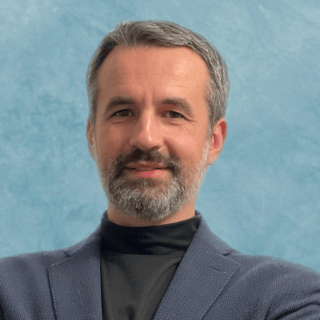
Speaker: Hello, hello. Welcome to the Thoughtful Edge Podcast and today I have a very interesting guest today whose name is Kristina Naumova and she works now as technical program manager at Google. I was fortunate enough to work with Kristina some time ago and one of the company were working on the same project. She was the QE manager at the time.
Speaker: Like I just recall those times with pleasure and kindness and with some warm memories, like if we are putting, if I can put it this way.
Speaker: So that's why I decided to invite Christina to my podcast and talk about your journey, about your role, about the technical program management and what it is in general. So Christina, could you please give us a brief introduction about yourself and maybe tell us a bit about your current role at technical program manager.
Speaker: Sure. Hi, Dima. Thanks for inviting me to your podcast. Yeah, as you've said, I'm currently working as a technical program manager at Google. And I've been in this role for, I think, a little over than five years so far. There is different companies and two different countries. I'm originally from Ukraine and now live in the US for almost five years.
Speaker: We can have a technical program manager, usually it's called TPM role. It's a person responsible for delivery of some technical initiative. Usually it should be something larger in scale, so it won't be some small
Speaker: feature on the UI, usually that kind of smaller scale project doesn't require, don't require TPM, but programs that spans across the organization through different departments. If you're building some complex system where you'd like collaboration of multiple technical teams, sometimes non -technical teams should also be involved to
Speaker: launch this product or new feature. So that's the type of setup that usually require a TPM. But again, this role might be very different from company to company. So kind of person responsible for successful delivery allocation timelines, it's general role description, but specifically to the need of the organization or setup of the company, your responsibility might be right.
Speaker: Let's see. Yeah, like it's interesting because technical program manager is something that is like the role is kind of on the rise, I would say. Like there are more and more companies that are realizing the need of this kind of person on board like at Kinesa, we're doing the same. We're also looking at hiring more technical program managers to cross to manage cross team initiatives or some cross team
Speaker: uh projects that involve like the effort from like a lot of people and from different groups as well yeah i think a lot of companies when they pass some threshold of size they come to the need of a little more structure a little more alignment when the company is no longer like a small startup that just like do the mvbs all the time when it's more settled i'd say and the need for
Speaker: more predictability and visibility into how we can build something or deliver comes. That's when usually TPM role comes to mind of upper management as someone who can help achieve that.
Speaker: Right. Yeah, I like the word predictability. However, why did you decide to go to this position? Like, I've like, you had the different experiences before you had kind of different roles before. Why the technical program manager? What is first? Yeah.
Speaker: Yeah, I'd say it's a match of maybe personal interests, opportunities and technical background that I had anyway. So I have a computer engineering degree.
Speaker: And then I started working as a QA engineer and naturally kind of from QA space, I grew into QA manager and at some point wanted to have a little more maybe scope in my vision or the areas of responsibilities that I handle.
Speaker: At that point, naturally the role of technical project manager came. So project manager is usually a role in smaller scale programs, maybe with a little less of cross team, cross functional coordination. And then after a few years as a project manager,
Speaker: I naturally grew in technical program manager. So I've been interested in tech, in computer since I was a kid and my school helped a lot there. We had like a lot of computer lesson studies. So that kind of made a huge push why I chose computer engineering as a degree. And then being in QA field kind of helped me stay in technical field, but naturally also I'm very
Speaker: maybe even to an healthy degree obsessed with planning and order and like putting everything in proper buckets so it's not like kind of you know I'm putting like towels by colors or something like that but I really like to create an order from chaos I really like to
Speaker: organize people and work with people. So I feel like this might, you know, maybe burst my personality and technical background kind of came together in the TPM role. So that's why I'm staying in this role. Made the perfect fit for you personally. At least for me. I hope my colleagues feel the same way, but so far I enjoy it.
Speaker: Yeah, very interesting. And it's nice to have this ability to categorize everything properly and then put the system in place. It is what a lot of people is lagging, I would say. And this is very good for you that you have this ability.
Speaker: And if we are talking about your current job at Google, Google is known for its rigorous and thorough interview process. And I know a lot of people try to get through, but the small fraction of them, actually, you're able to accomplish that.
Speaker: accomplish that goal getting into the Google. So what is the, what is your successful strategy? What helped you to navigate the challenge to get ready and prepared for the interview and ultimately get an offer? Yeah, I'll admit like the interview process was really challenging and it was very long. I know like the span of this whole interview process might be different like from person to person, from role to role.
Speaker: But for me, it took I think six months, a little over than six months from the first like reach out by recruiter to me to the
Speaker: final offer. Also, I'd say kind of what started, where it started for me, it's a lot of luck that Recruiter reached out to me asking if I'm interested rather than I'm trying to like send a resume and even get someone to look through it and validate it and invite for the interview. So even that step sometimes is challenging for huge companies. So Recruiter reached out then
Speaker: There were totally, I think, 11 rounds of interviews. It's usually a few screenings by HR, by technical people, by engineers. Then there is a large, it's called panel session. It's usually five to seven interviews scheduled one after each other, or maybe split in a few days. If it's hard with scheduling, for me, it was just one day and five interviews in one day. I think it was 45 minutes each.
Speaker: And then there are usually some team matches. It's when people from the team that are potentially looking for the person to fill in the role, talking to you, or there can also be some additional rounds if people are not sure maybe what areas are your main core skills or which domain you might fit better. You might be scheduled additional rounds. So I had kind of both additional rounds and team interviews.
Speaker: Um, what helped me, it's honestly like doing a lot of homework to prepare for those interviews. So I think it's like to me, it would be impossible to, you know, just to go to the interviews and freestyle with some cases or answers without a preparation and recap of, uh, past work or.
Speaker: Situations I was in so I really spend a good amount of time like preparing for those interviews kind of making sure I got into a habit to have a structure in my answer rather than Just start telling a very long endless story about something that was important to me, but really not getting to a point
Speaker: Plus, you need to have a good technical understanding of some technologies or the projects you used to work in the past. So maybe 50 % of all rounds are really technical about like system design, engineering. Usually for TPM, there are no coding interviews or
Speaker: algorithm solving, but system design is usually getting quite deep or conversations about technologies or how you've been helping to solve for some technical challenges on projects you've worked on. So I'd say kind of the good recap of fast work, maybe some digging into technology that you didn't really
Speaker: were that deep into even while working on those projects, plus doing a preparation of different cases. You can Google it pretty much. It's called like behavioral interview or sometimes like leadership skills. There are various names to it. But in general, it's more like
Speaker: what person are you to work with, how you deal with a conflict situation or with complex situation or when everything is falling apart, like how you behave or how would you behave the next time. So it's to understand whether your working style fits into the culture or into the company.
Speaker: I see. Yeah, it's fascinating. And just those numbers, like six months and 12 rounds of interviews, that's insane. How did you feel in the process, by the way?
Speaker: I'd say the whole process was all right because I really wanted to try. I think it was a good opportunity. You should do your best to see if you can or cannot. It was kind of a challenge for me to try. So I was really focused on preparations.
Speaker: like reading through some materials, so I was very, you know, focused. But towards the end, when there was like one additional round, then like a silence for a few weeks, then another additional round, then silence, then team matches started in silence. So I was really exhausted by this weight. And
Speaker: like the last maybe months or couple weeks, I was already thinking just I want to hear whatever answer is yes or no. I just want this wait to be over because it was, you know, you put a lot of time in it, you really wanted it, but kind of you need to have an answer yes or no, whether all your efforts were enough or not enough. It's also, you know, some, some information, right? So you would know, okay, if I try again,
Speaker: in a few years or next time, maybe I should try something different or focus on some different areas. But while you're not getting a definitive answer, you just don't know what to do. And also I really wanted to get that opportunity and it was hard for me to just, you know, I'll forget about it, whatever would happen, that would happen. So it was, at the end was exhausting, like emotionally difficult.
Speaker: I see those long times of just sitting and waiting in this uncertainty and considering the amount of effort you already put in and you're just not sure how the outcomes would be. I can imagine it is tough.
Speaker: However, what do you think like you already mentioned that your skills of being deeply technical and having those natural ability of categorizing everything and bringing systems in place. What are other skills you believe are important for the kind of role you're having right now? I'd say maybe flexibility in communication style.
Speaker: that's really important. You really need to work with a lot of different peoples. They all have their own priorities or goals. Sometimes you just interrupt their normal working process asking for some additional work for those teams to take or borrow people to help with some part of the system. So you need to
Speaker: kind of learn how to adjust your communication and your working style to different personalities of people. With some people, it's easy to work with. It's just like, can you help there? Yes. So that's the best case scenarios. But with some people, it's more conversation. It's more alignment. It's trade -offs. So you have to be very flexible there. What else I would say?
Speaker: Also, I'd say what I'm trying to do, and I think it helps me to feel comfortable at the places I work with, is really to prioritize people instead of my own maybe goals or my due dates or whether I want to do this or I don't want to do this. Sometimes people just ask for help, just an example.
Speaker: One guy from work reached out to me that he was kind of assigned a task of creating, like running a summit for our organization focused on the area that he owns. But he was not sure how to organize it, where to start.
Speaker: So kind of if I would take just, you know, my job responsibilities and don't go outside of that box, I could have said like, sorry, no, I'm too busy, right? But I don't think that could be the right thing to do. Like you're working with this guy, like he's asking for help, you should try and help him. Doesn't matter that it's not your, you know, it's not an impact on your work. It's more work for you.
Speaker: But why not to help other people and kind of doing this you know tiny little things that are not really important at the moment at the end it helps you to create a trust with the people you work with to create some.
Speaker: like friendly relationships. Yeah. I think usually when people are doing that intentionally, like, you know, kind of building their career through that, it's really noticeable. So I think it's just my general attitude. If someone asks for help, you should do your best and help.
Speaker: Uh, and I think at the, at the end of the day, that really create a good environment at work. And it's pleasant for you to come, come to the office or just to the remote meetings, working with people because you have, you share this tiny little moments of something like personal. So I think that's, that's, that's also important, like building those personal relationships and not just be focused on success impact work goals, et cetera.
Speaker: Awesome, awesome, now I like that very much and I also believe that as more you give, as more you got, there is no limits to that and helping people and even some small advice that might be noticeable for you, might make a huge deal for somebody else and they will definitely appreciate that as well.
Speaker: I like the point about using a different language for different people as well. It is something that I also learned at one point. I've read somewhere that it's not like changing yourself in favor of other people, but it's just using an adapter. You go to another European country, use a different power socket. You need to use adapter to be able to use the network.
Speaker: And the same with people. Different people require different approaches and they would appreciate it. And they would definitely appreciate it as well. It's not too simple, too. Also, honestly, you never know what other people are dealing with right now or going through.
Speaker: even if someone is being maybe rude, I don't think you should right away pull the trigger, escalate somewhere or get offended by that. You just might think that maybe something is wrong. You should try to work it through in kind of
Speaker: I think a smooth way rather than start a fight. So I'm always trying to, you know, have a different perspective, like maybe something else is going on, like we're not just our work, right? So should always consider that.
Speaker: Exactly, exactly. And you can just look at yourself. For example, when I'm tired and if something bothers me, I wouldn't be that kind to other people either because I cannot even be kind to myself at those moments. So what to expect from everybody else? Yeah, very good points. A lot of wisdom in those words too.
Speaker: So you worked at different companies before, like Discovery, Warner Brothers, now you're at Google.
Speaker: How your previous experiences shaped your approach to Like whatever you do now to management to like working with people Like what are those unique perspectives you gained from those previous jobs you had? Yeah, it's a quick question it's actually hard to maybe
Speaker: you know, separated specifically, like, I'm grateful to like discovery for like this specific skill that now I know how to work with stakeholders or I don't know how to communicate risks. But quite often at my job, I notice that I'm facing some situation. And I kind of just I know what what to do, because I had a similar situation, I don't know, like 10 years ago.
Speaker: And at that time, I didn't know what to do. I tried maybe something, it didn't work. I tried something, it didn't work. And then I come to this like third option, it worked. So I kind of just know what to do. So it's really interesting to observe yourself through the experience that obviously there are unique situations and challenges at any new job, but sometimes situations are the same and you just
Speaker: know what to do or you're less stressed or just you see it's really bad but he already went through that so he wouldn't be that kind of lost or stressed about it this time so that was really interesting and even some things that I thought probably I would never ever need this that still kind of comes comes to the plate so when I was a QA manager
Speaker: I really hated to write down like job descriptions for like to hire people to, to our team. I thought there that kind of, I would never need the skills in like technical, technical fields, but it's still like coming over and over. Like even as a TPM, sometimes you have direct reports, sometimes, sometimes you don't, sometimes you manage the team, sometimes you don't, but honestly kind of.
Speaker: writing job description, it keeps coming. So I'm glad that I passed, you know, this anger denial phase back then. And now I'm just okay, I just have to do it. And I'm not spending a lot of time on it. Or things like budgeting, business travel, also, I thought, like, why would I ever need it. And now when I must like put the budget, I, I know what template I should use, I know what structure I should put. So
Speaker: It's really like 10 minutes job for me. So it's not, I'd say core skills, right? But it's tiny things that you already did back in the past and they're coming along together and like helping you to be, to be faster or to be more efficient. So that's, that's interesting to observe.
Speaker: Okay, yeah, so actually, each role shaped your experience in some way. Totally, yeah. And like now, you just leverage all of those small tricks and small things that you already did. Yeah, okay.
Speaker: Something similar happened to me, by the way, as well. I started doing interviews maybe the second year of my career, and I didn't understand why I do this. Either I like it or not. But then, as more of that started to come, I realized, oh, I like it. I like talking to people.
Speaker: I like learning from their experience, even though it's just a screening interview and I need to give a brief review from myself about that person or whatever. Yeah, cool, cool. And you already mentioned that while working
Speaker: SKA leads, you also were establishing K teams and leading people. And is there anything from K experience that you extensively use right now besides of the job description composition? Totally. I'm not sure there are really
Speaker: maybe core skills I can right away recognize, but what definitely comes along like in current role from QA experience is
Speaker: a perspective of engineering team on what TPM is doing. So I remember sometimes people in TPM role and the project manager role, sometimes they like to establish processes for the sake of processes without really just because it's written in some framework or it's just a recommendation from somewhere that teams should follow specific procedure.
Speaker: And those people, they probably believe in that. And being in the engineering team, I remember how annoyed everyone was with that approach, or I realized what type of questions or behaviors from
Speaker: managers might irritate people. So kind of that that helps me when I'm now a little more in the kind of management side again, whether it's people manager, whether it's like project manager, I kind of have that perspective and I'm trying to avoid
Speaker: those types of behaviors or formalizations. TPM can't avoid, unfortunately, bugging people and I've realized how annoyed engineers or leads might be about the questions of timeline or risks. It feels sometimes like a micromanagement, but it shouldn't really be like that. Having an optics of being on that side of the engineering,
Speaker: I think it helps me frame maybe questions or communications with engineering team a little more efficient than it would be without that experience.
Speaker: Yeah, good point. So you now can address those questions beforehand before the questions will arise because you know what the questions would be and like your communication might be more wide, for example, or contain more details or some like perspective that are not visible on some levels, let's say, right? For the individual contributor, they might not be aware of what is going on in the company.
Speaker: like, but you are building a framework that will bring all teams together, for example, or will provide some more metrics to the leadership. And like, if you don't know, if you don't see the whole picture of this, that thing might mean nothing to you. And like, you might think about that. Oh, what is why are we doing this? It's not it's not important. Like, there's no purpose in that. And they'll
Speaker: Yeah. Okay. And moving on then. So looking back at your career journey, do you have anything you regret and you would do differently, like knowing everything you know right now and like went through everything you went through already? That's probably a hard question. I don't think I would change anything in, you know,
Speaker: maybe actions I did because even some conflicts that I had that also like an experience that I'm currently using. And I'm really glad about the place where I am right now. So like, I think, you know, this butterfly effect, like if I change anything there, then I might not end up here. But
Speaker: I feel like at the beginning, especially in my career, I was very stressed about every tiny little thing. So if I would say anything to myself is like be less stressed. So these things it would
Speaker: dissolved. So don't worry about that that much. So maybe that is something I regret because I was really, really kind of stressing out about many small things back then.
Speaker: Nice, nice, nice advice to yourself, right? Relax. Yeah, not to relax, but don't do that to yourself. Don't be that worried and don't be that stressed out because of those some small tiny things that are not like coming together, but it will ultimately resolve and like you will ultimately get to a better place. Yeah. And also I was maybe like a little like
Speaker: too hard on myself. Like at the beginning again of the career, I thought that I should have all the answers. I should know how to deal with every situation. And if I don't, I was like thinking that probably something is wrong with me. Blaming yourself, right? Yeah, something like that. And I'm glad that I had really great like people around. I think that's my
Speaker: luck through my career, I had an amazing teams and people working with me and great managers. They were saying that this like, don't be that worried about it, it would come it's cold and experience, right? So that's why kind of people are getting more experience, they are less stressed, they know how to deal with more, the wider range of situation. So it would just come so kind of
Speaker: do to your best abilities and you would learn and you would naturally grow. So I mean, I think at some point I started to see that, okay, they were right, probably.
Speaker: No, totally agree. The supportive environment is just crucial for everything you do. There are people who are ready to give you advice, to calm you down and support in whatever you do. It is so, so important. It is hard to understand that. Is there anything you regret in your career?
Speaker: Uh, no, I don't think so. Like I have the same, uh, perspective and the same opinion as you just outlined, like very resonates with myself. Like I also believe that if I would change anything there in the past, like I'm not sure that I will be in that place where I am now, but I like the place where you know, so I don't want to change anything. Hence, I don't regret anything. And I also was recently asked the same question, by the way, what
Speaker: What would you recommend to yourself like being now here? What do you recommend to yourself in the past? And I would give myself the same advice as you just did for yourself too. Just come down, everything will come and don't be that stressed out. You are moving in the right direction and everything will
Speaker: will come when it is time and when it is placed. Just don't worry about that and do the best in your current place. That's it. Probably the last question I've had, maybe a bit similar to the previous one,
Speaker: main lesson you learned from your career journey. Is there anything you can recommend or suggest to the person who is just starting in their career in tech and looking forward to some of the achievements and successes and trying to understand the good way of approaching that? That's an interesting one.
Speaker: It's going to be two things. They're probably not very specific, but I really think those are the most needed two important things for me that really helped me. So putting aside that to be in an engineering field, you need to have some good engineering understanding. So that's like a default, something you can't avoid. You have to know those things. I'd say the first thing is
Speaker: kind of put people first, not your personal goals or personal success. So kind of when you have a great team, you can do way more than just by yourself. And this whole journey would be way more pleasant when you're surrounded by great people you can rely on and that support each other. So I'd say that's the first thing. The second one
Speaker: This probably depends on personality, but I'm that type of personality. I think if some opportunity comes to you, you should really put all your efforts into trying and doing something for this opportunity. For example, the recruiter from Google reached out to me. I was busy at the time. We were planning some time off, so there was a big
Speaker: kind of idea to maybe just fasten it plus on confidence, but I decided, okay, this is an opportunity. I should do all I can to try it and let's see how it ends. And that's not the only case. I think that's why I was able to get some good opportunities at work, interesting projects, because when I was
Speaker: asked for help or offered to try something I was usually saying yeah let's try and was figuring out on the go rather than just saying oh pass because I don't know too busy or something so obviously there should be a healthy balance not saying like yes to everything but when it comes to opportunities that resonates with you or something you were thinking about as some abstract idea and
Speaker: a tiny, tiny, tiny opportunity that can get you closer to it comes. I think you should you should go all in on that and try it. So I think those are two things. Amazing, amazing resonates with me a lot like I would give the same advice. High five.
Speaker: Okay, so thank you so much, Kristina, for coming. It was very insightful and interesting conversation. Thanks for having me again. Yeah, it was a great conversation. Yeah, big pleasure. Kristina, thank you so much. See you.